


NURS 115
Homeostasis

Lecture – what’s on the menu
for today?
¢Homeostasis
¢Stress response and adaptation to stress
¢Disorders of stress
¢Temperature Control

Learning Outcomes
¢Cite Cannon’s features of homeostasis
¢Describe the components of a control system
¢Describe Selye’s definition of stress
¢Discuss stressors and factors seen in the
stress response, coping and adaptation

Learning Outcomes – cont.
¢Describe physiologic and psychological effects
of a chronic stress response
¢Describe the three characteristics of post-
traumatic stress disorder
¢List five non –pharmacologic methods of
treating stress
¢Discuss temperature control
Homeostasis
According to Walter Cannon
The ability to respond and maintain stability,
_____________ and _______________,
during rapid changing conditions in the
__________ and __________ environment.

Homeostasis & Cannon
¢Constancy
¢Steady state conditions
¢Regulating system
¢“Homeostasis does not occur by chance but is
the result of organized self-government”
Cannon, 1932
Organized self-government
“God’s perfect design”
Control Systems
¢Regulate cellular functions
¢Regulate physical and psychological
adaptation in order to maintain the body’s
internal environment (physiological
processes)
¢Negative feedback systems- regulate life
processes, behaviors, integrate body systems
Negative Feedback Systems
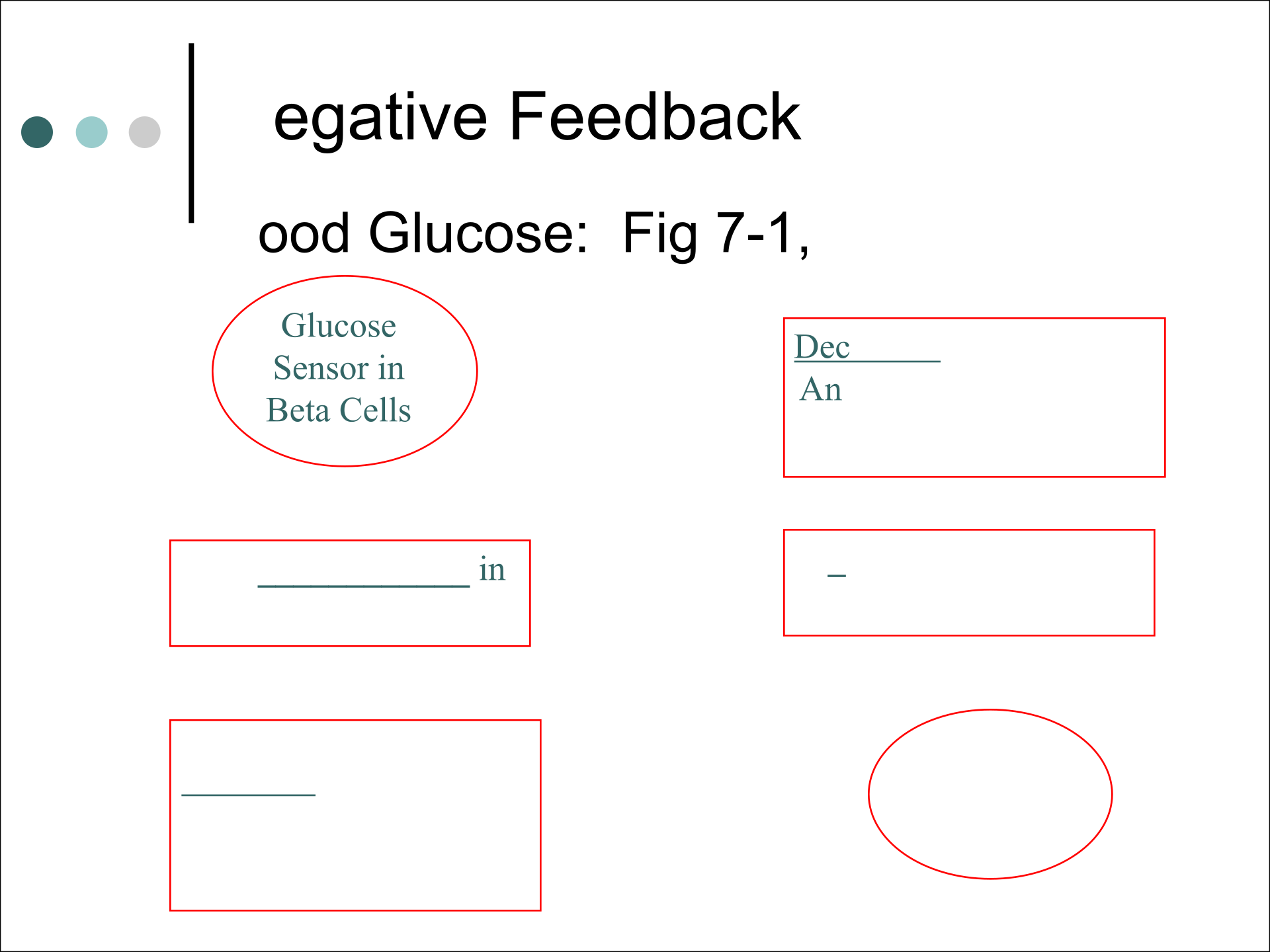
Blood Glucose: Fig 7-1, page 144
Glucose
Sensor in
Beta Cells
Decreased Insulin release
And addition of glucose
to the blood
______________ in
Blood Glucose
________________ in
Blood Glucose
Glucose
Sensor in
Beta Cells
Increased insulin release
And removal of glucose
From the blood
Definitions of Stress and
Adaptation
Stress (according to H. Selye)
A state manifested by symptoms that arise from
coordinated activation of the neuroendocrine
and immune systems (General Adaptation
Syndrome - GAS)

Psychoneuroloimmunologic Regulation:
The stress response
¢Consciousness (P______________)
¢Brain and CNS (N____________)
¢Body’s defense against disease (____________)
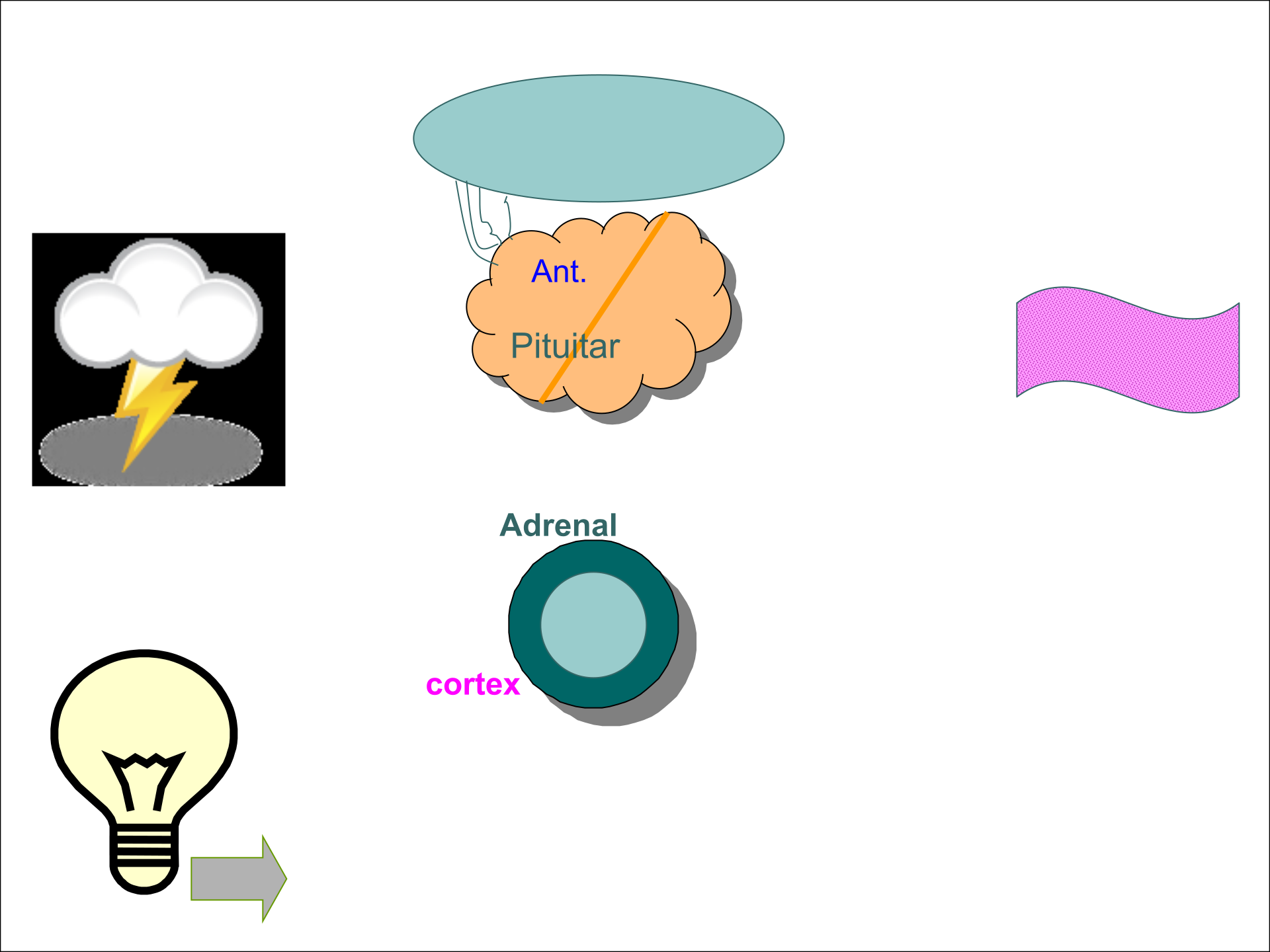
Hypothalamus –
the Powerhouse
Adrenal gland
Locus
coeruleus Pituitary
Ant. Post.
RAS
cortex
medulla
ANS
BRAIN
STEM
EVERYWHERE

Involved systems
¢The Sympathetic Nervous System (SNS)
¢Endocrine System-pituitary and adrenal glands
¢Immune System
¢Psychoneuroimmunologic Regulation
¢Psycho-consciousness
¢Neuro -Brain and CNS
¢Immunology-body’s defense against disease and
abnormal cell division.
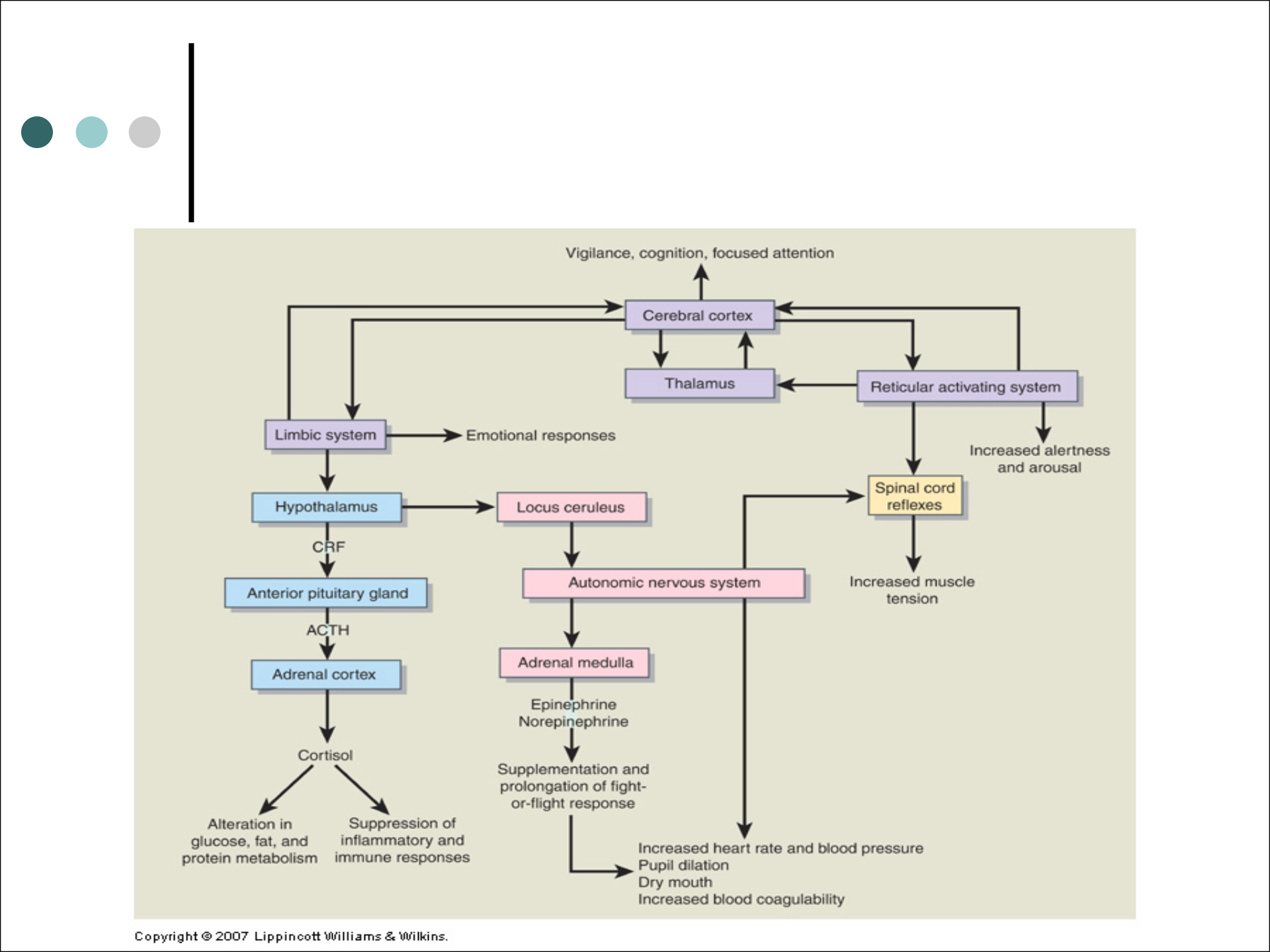
Neuroendocrine pathways and physiologic
responses to stress – page 147

Adaptation
The ability to respond to challenges of physical or
psychological homeostasis and the return to a
___________________.

Hans Selye
General _________ Syndrome:
“GAS”
-involves the whole person
-systemic
-3 stages -ARE
Hans Selye
A______
Hans Selye
R_____________
Hans Selye
E_________ or R_______
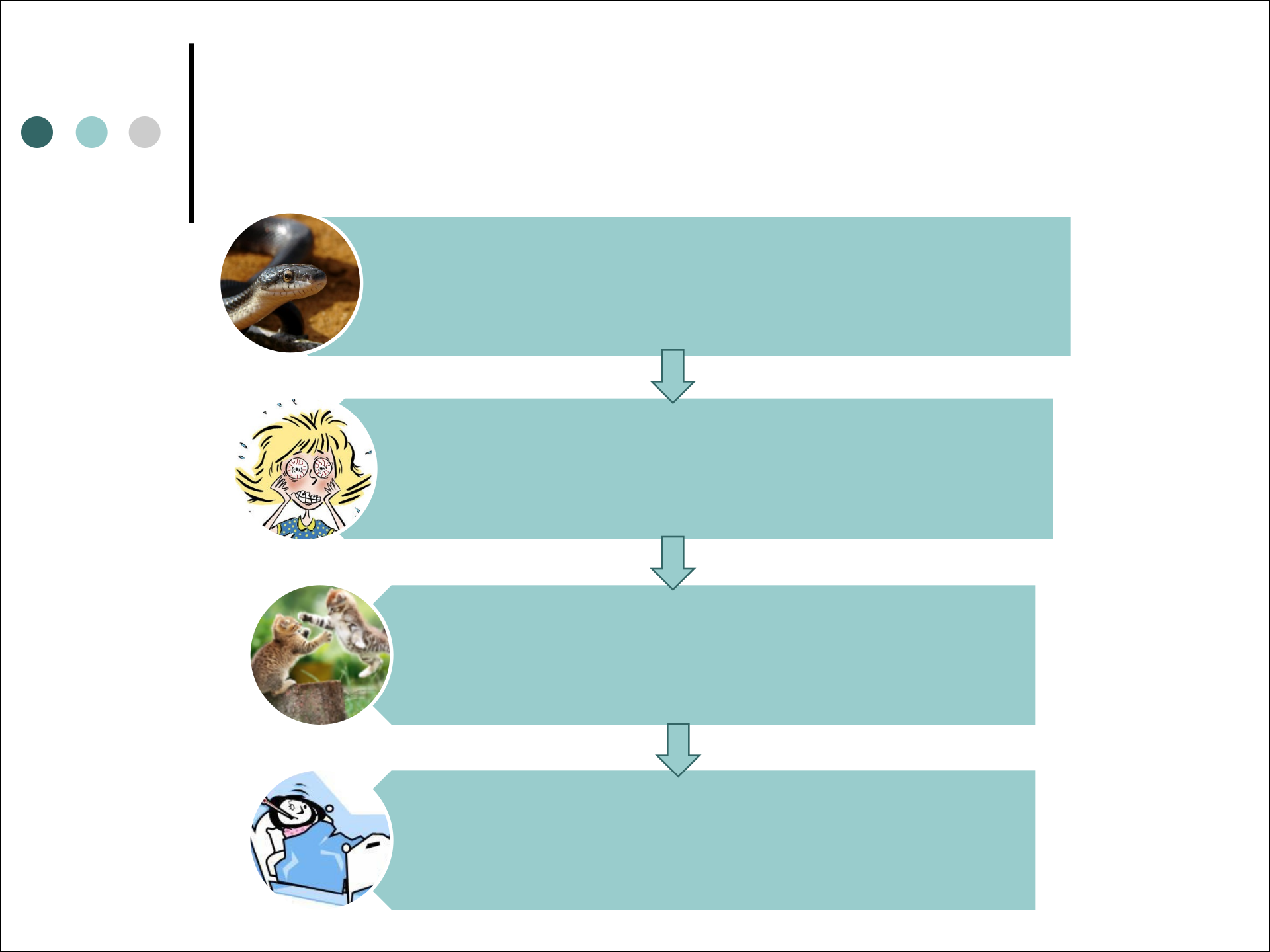
General Adaptation Model
Physical or Psychological Stressor
Alarm Reaction - Arousal begins
Epinephrine and Norepinephrine, other
hormones
Resistance
Exhaustion (onset of disease) or
Recovery

Stressors
Events or environmental agents
responsible for initiating the stress
response.
l_______genous - from inside
l_______genous - external forces

Stressors
¢Response depends on condition of
person and properties of the stressor
l___________ - mild brief controlled stress
l___________ -severe uncontrolled stress

Stress response- Sympathetic
Nervous System (SNS)
¢Flight or Fight
¢Perceived stressor – regulation of the ANS
occurs through the Locus coeruleus- known
as the norepinephrine pathway
¢Activates the SNS- What happens??

Locus coeruleus (LC)
¢Located in the brain stem
¢Has neurons that produce norepinephrine (NE)
¢Central Integrating Site for ANS response for to
stress
¢The LC-NE system has afferent pathways to
the hypothalamus, the limbic system, the
hippocampus, and cerebral cortex
•Glycogen
•Glucagon
•Glycogenolysis
•Gluconeogenesis
LC/NE
ANS
SNS

Sympathetic Nervous System
¢Activation of the SNS causes the medulla of the
adrenal gland to release Epinephrine and
norepinephrine - “cathecholamines”
– stimulate alpha1 and alpha 2 adrenergic
receptors and Beta 1 and beta 2 adrenergic
receptors

Physiologic Actions of Alpha
and Beta receptors
¢Alpha 1 – increased glycogenolysis, smooth
muscle contraction- blood vessels
¢Alpha 2 - renin release
Alpha Receptors
Physiologic Actions of Alpha
and Beta receptors
¢Beta 1 Stimulation of lipolysis, increased heart
rate, increased force of contraction
¢Beta 2 Increased hepatic gluconeogenesis,
glycogenolysis, increased muscle glycogenolysis,
bronchodilation
Beta Receptors

So, what does SNS stimulation
look like?

And At The Same Time…
What does Cortisol do?
¢Chief effect
lPromotes gluconeogensis in liver
lSuppresses the immune system
lWorks to ensure glucose is
available during stress

Cortisol’s Effect on the
Immune System
¢Decreases leukocytes at the site of inflammation
or wound- delays healing
¢Lypolysis involving adipose tissue- primarily in
limbs
¢Deposits adipose tissue around face and neck.
¢Suppresses immune system to conserve energy
to focus on regaining balance against stressor.

Neuroendocrine Responses
¢Communication
¢Cerebral cortex
¢Limbic system
¢Thalamus
¢Hypothalamus
¢Pituitary gland
¢Reticular activating system (RAS)

What Else is going on- The
Hypothalamus
¢Hypothalamus- releases Corticortropin Releasing Factor (CRF) –
Remember the Endocrine part of this response (in the Pituitary) is
stimulated by the CRF
¢CRF induces secretion of Adrenocorticotropic Hormone (ACTH) –
from the Anterior Pituitary gland
¢ACTH stimulates the adrenal cortex to synthesize and secrete
glucocorticoid (steroid) hormone – Cortisol
¢NOTE: Adrenal cortex also produces Mineralcorticoid hormones-
aldosterone- responsible for increased sodium absorption by the
kidney
¢ALSO: The hypothalamus –>posterior pituitary releases
Antidiuretic hormone (ADH) – increased water absorption by the
kidney also stimulates the release of ACTH
Effects of SNS on the Body
¢Cardiovascular-
¢Pulmonary-
¢Muscle – note: skeletal muscle contraction
regulated by Reticular activating system
¢Immune system-immunosuppression
¢Gastrointestinal- irritable bowel
¢Genitourinary- Kidneys: Renin-angiotensin-
aldosterone system
¢Skin-
¢Endocrine system
¢CNS-
Generalized Stress Response:
Some Effects of the Sympathetic
System
It’s complicated!
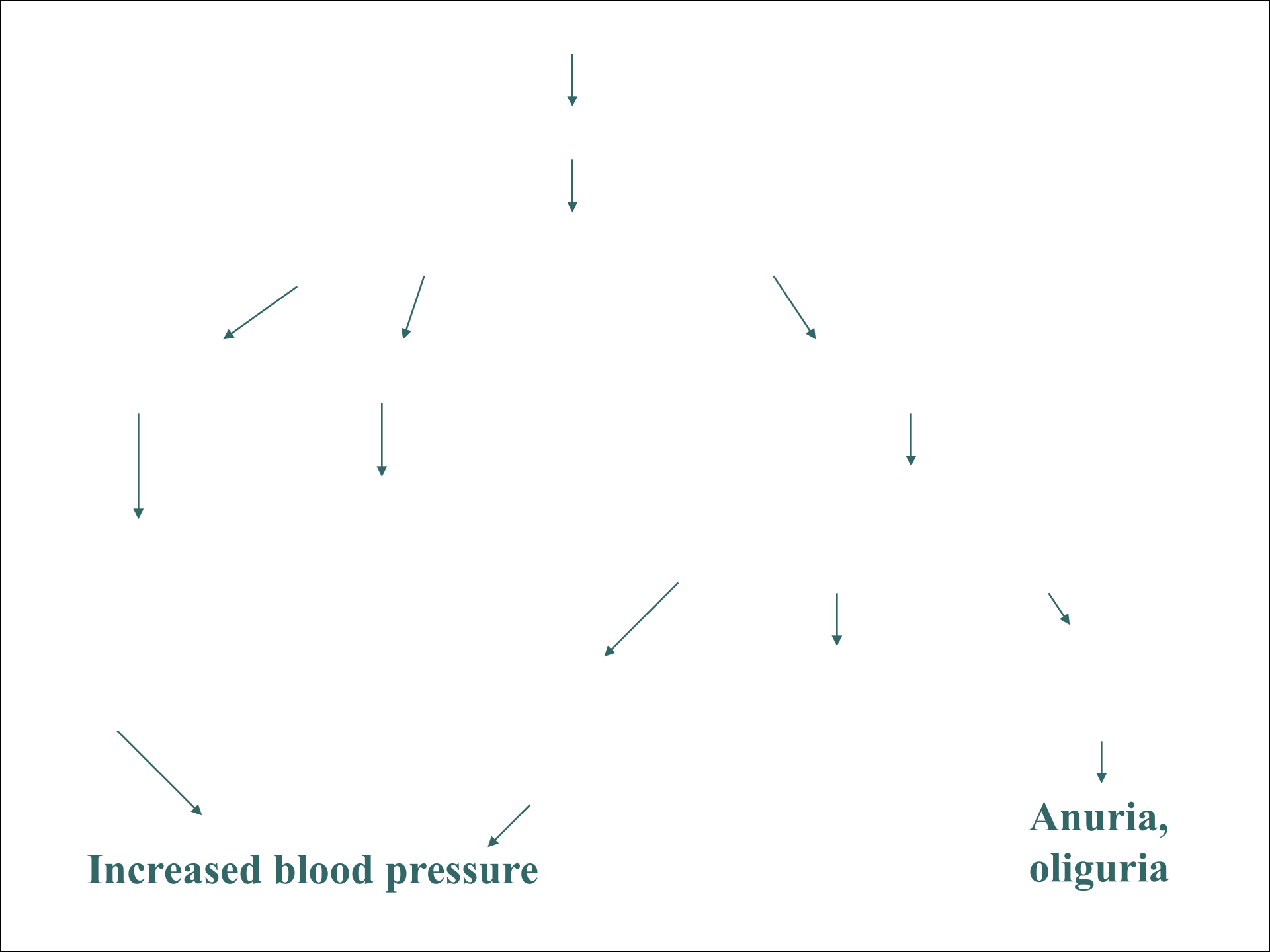
Stress
Hypothalamus activates sympathetic system
Norepinephrine released from sympathetic neurons to:
Heart
Pallor
Blood vessels
Increased
heart rate
and
contractility
Vessels in skin, kidneys,
and GI tract constrict
Increased
peripheral
resistance
Increased blood pressure
Lungs
Bronchioles
dilate
Less blood
to kidneys
Anuria,
oliguria
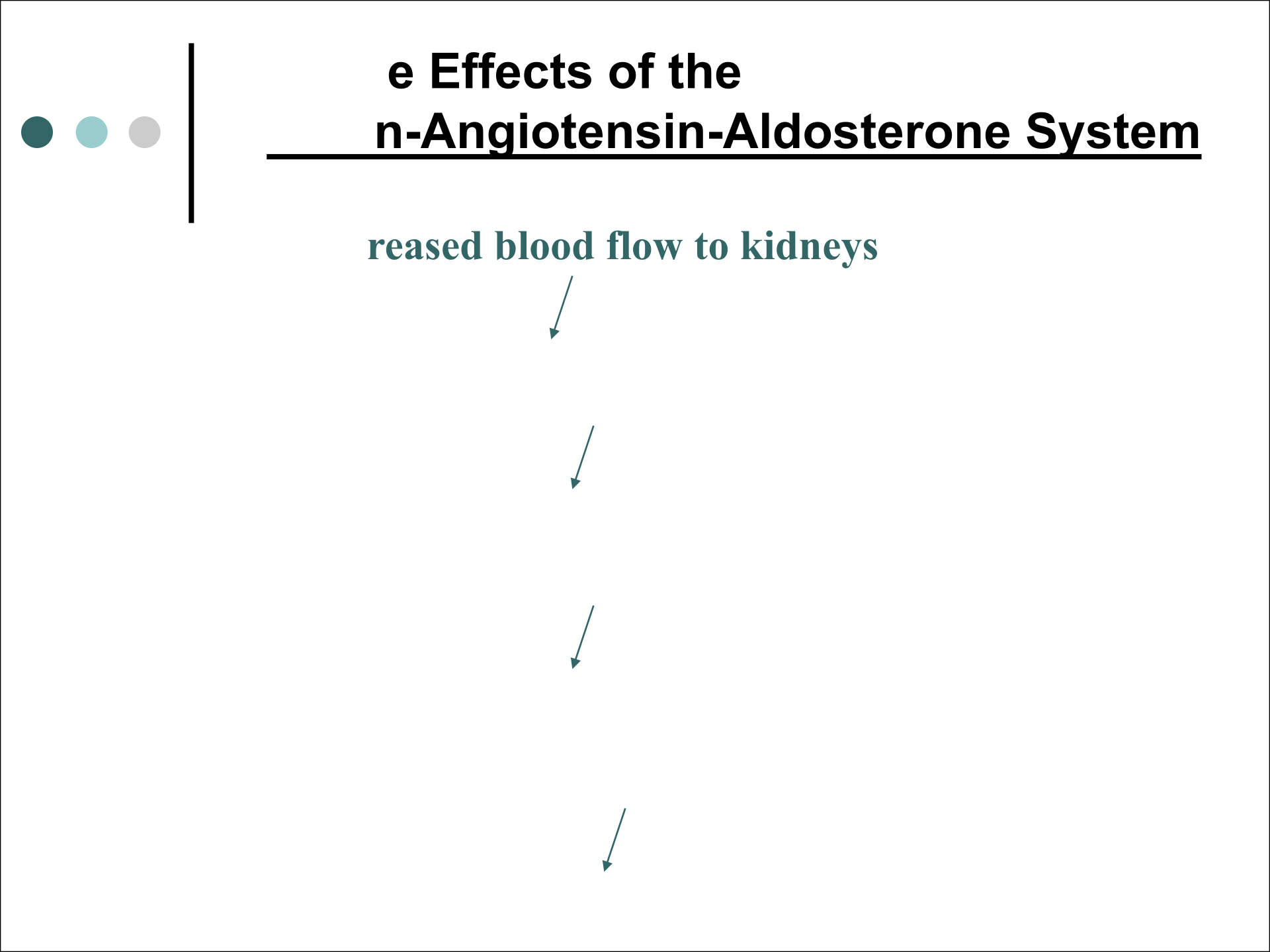
Some Effects of the
Renin-Angiotensin-Aldosterone System
Decreased blood flow to kidneys
Kidneys release renin into blood
Renin reacts with angiotensinogen to form angiotensin I
Angiotensin converting enzyme in lungs
converts angiotensin I to angiotensin II

Some Effects of the
Renin-Angiotensin-Aldosterone System
Increased blood volume
Na+ and H2O reabsorbed
Stimulates adrenal cortex to secrete aldosterone
Aldosterone activates Na+/K+ pump in distal tubules of nephrons
K+ excreted
K+ loss
Review –Hormones that
respond to stress
¢Growth Hormone
¢Thyroid Hormone
¢Reproductive Hormones
¢Antidiuretic Hormone (ADH)
¢More next week –come prepared
J
Factors that Impact Response to
Stessors/Stress (The ability to adapt)
¢A_____
¢Time- Adaptation over time
¢Health Status
¢N____________
¢__________________ cycles
¢Psychosocial factors
¢__________ mechanisms
¢Genetics
Hardiness
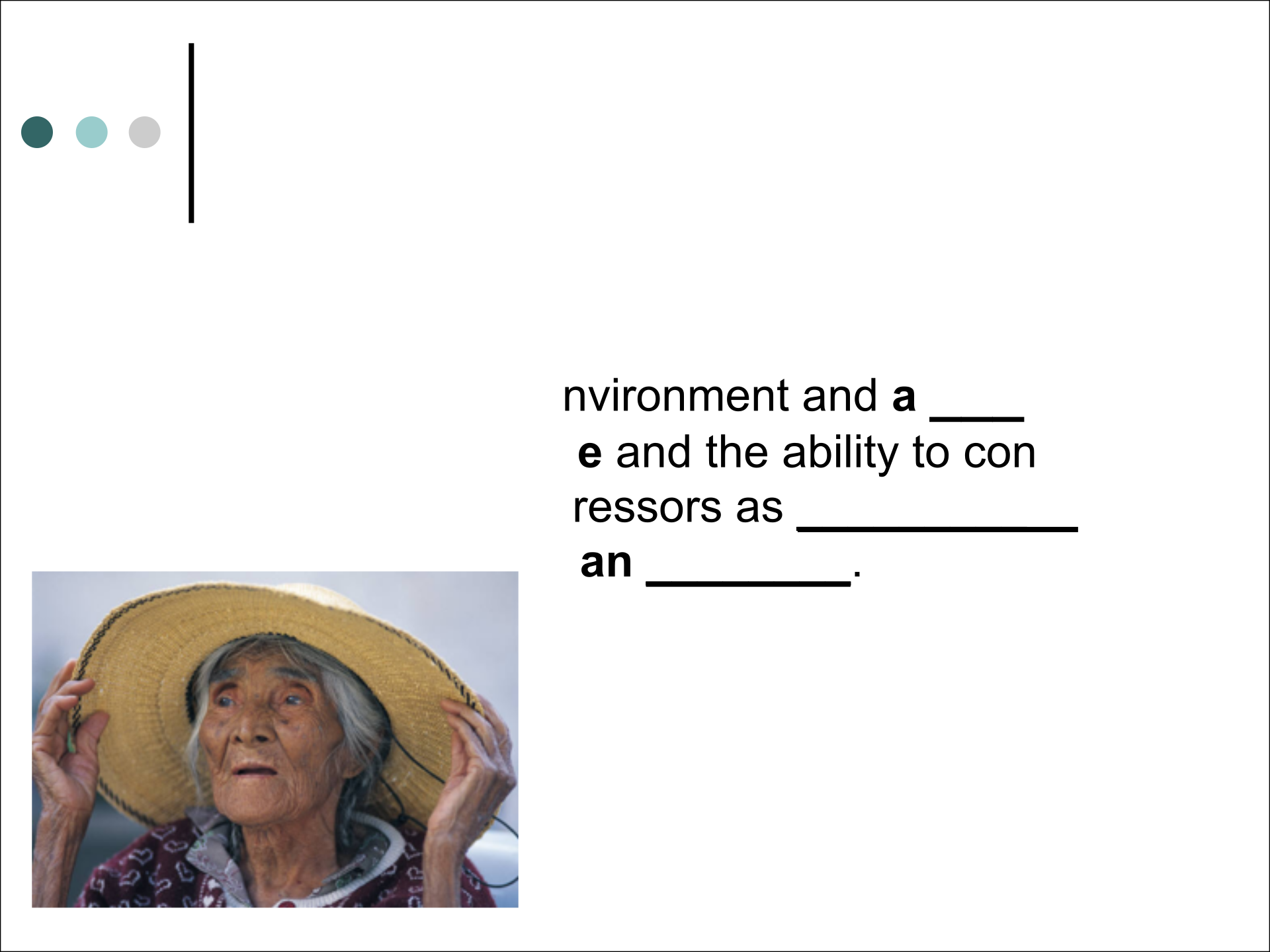
¢Viewed as someone who has a
____________________ over the
environment and a ________in
life and the ability to conceptualize
stressors as ___________ rather
than ________.

Acute Stress – review Signs
and Symptoms
¢Examples- (Patho) J
¢Physical signs-
¢Psychological signs-
Effects of Chronic Stress
¢Pathophysiologic changes occur
¢Examples
¢Signs: increased cortisol levels
¢Physical signs
¢Psychological

Post Traumatic Stress
Disorder (PTSD)
¢Chronic activation of the stress response as a
result of experiencing a potentially life-
threatening event
¢Formerly called battle fatigue or shell shock
because it was first characterized in men and
women returning from combat
¢Caused by major catastrophic events
lMajor weather-related disasters, airplane
crashes, terrorist bombings, and rape or child
abuse
Identifying Post Traumatic
Stress Syndrome (PTSD)
¢The “Why” & “What causes it” is poorly
understood
¢Clusters of Symptoms
lIntrusion
lAvoidance
lHyperarousal
¢Recovery- treatment
¢Signs and symptoms present for diagnosis:
co
Are we stressed yet?

Non pharmacological agents to
decrease stress.
¢Debriefing
¢C___________
¢Relaxation
¢M___________
¢Music Therapy
¢Biofeedback
¢I___________
¢Yours? ________________
co
Thermoregulation

What is it?
¢Core body temperature: reflection of the
balance between heat gain and heat loss by
the body
¢Hypothalamus: the thermal control center
lReceives information from peripheral and
central thermoreceptors and compares it
with its temperature set point
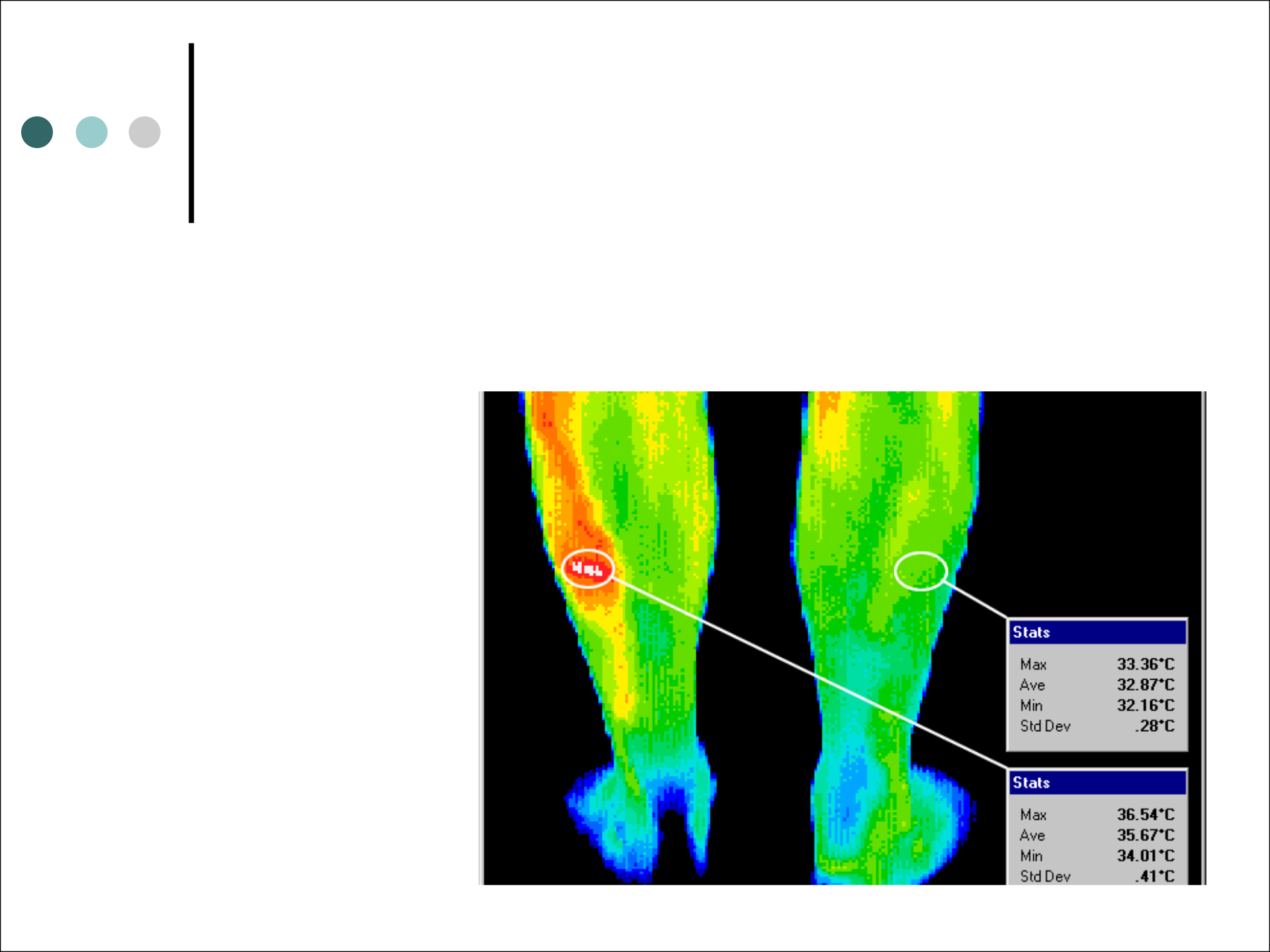
Heat Loss
Where does it go? And how?

Heat Loss
Transfer of body core heat to the surface through
the circulation
Methods of heat loss
R_________
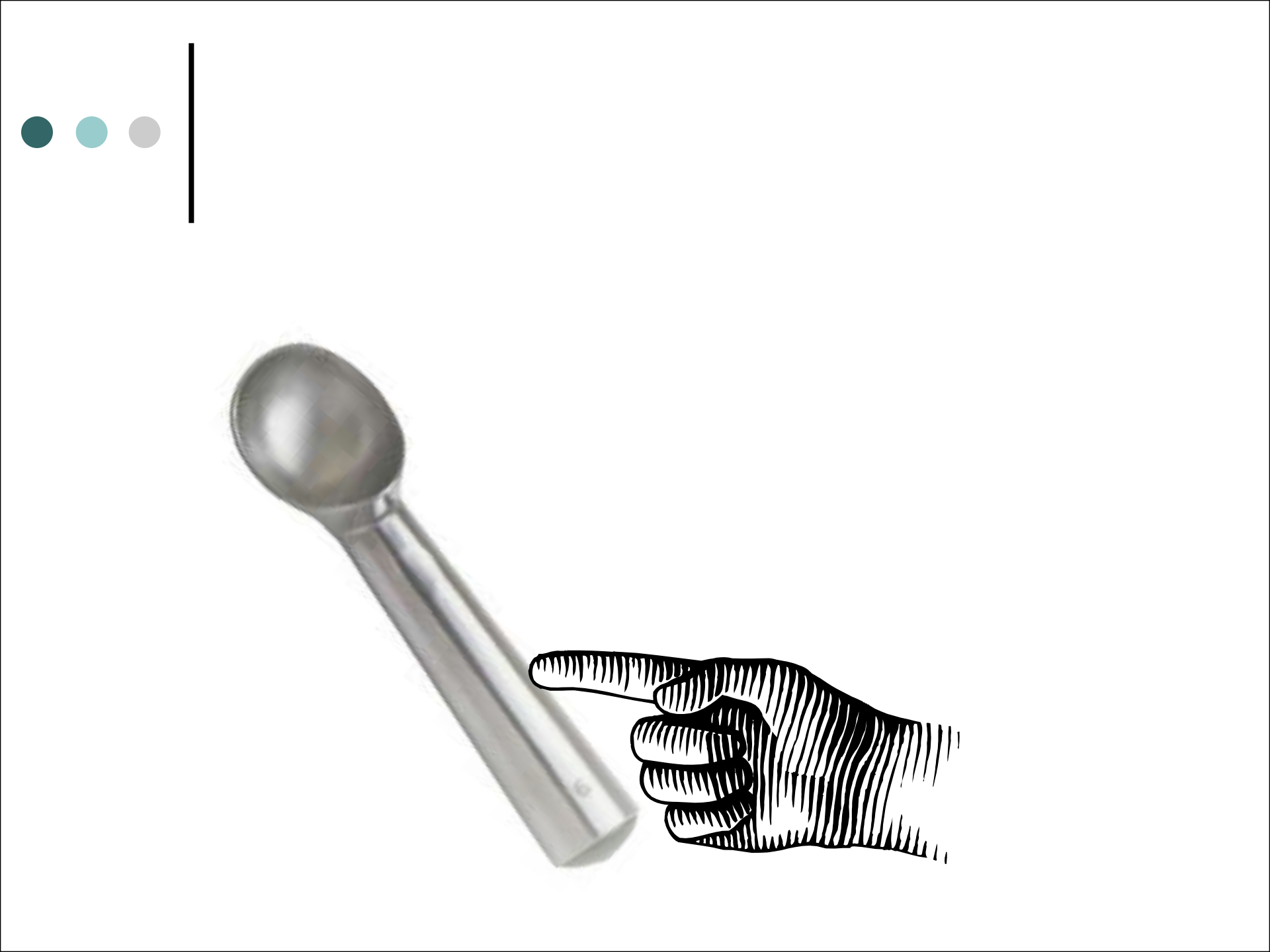
Methods of heat loss
C____________
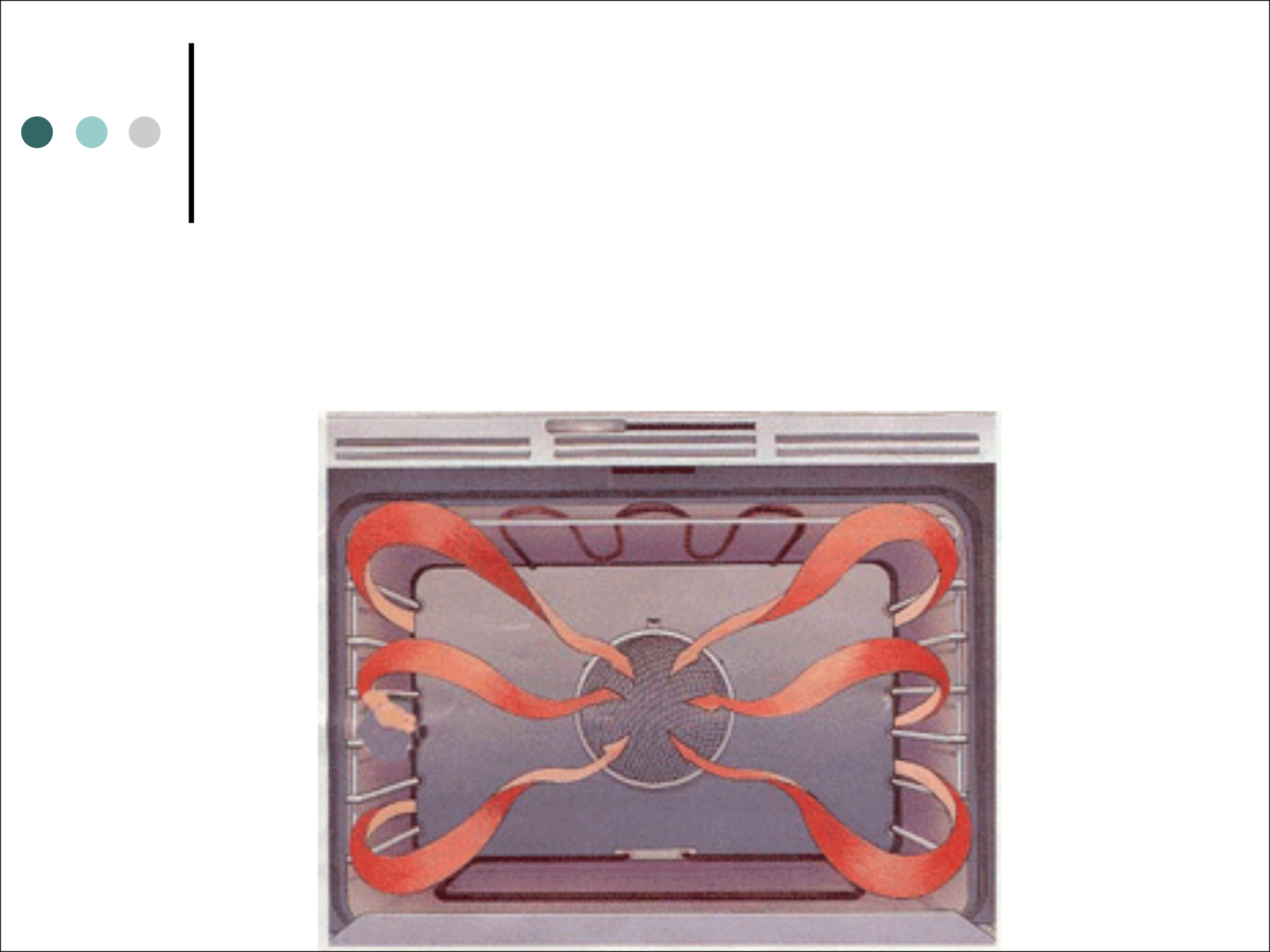
Methods of heat loss
C_________________
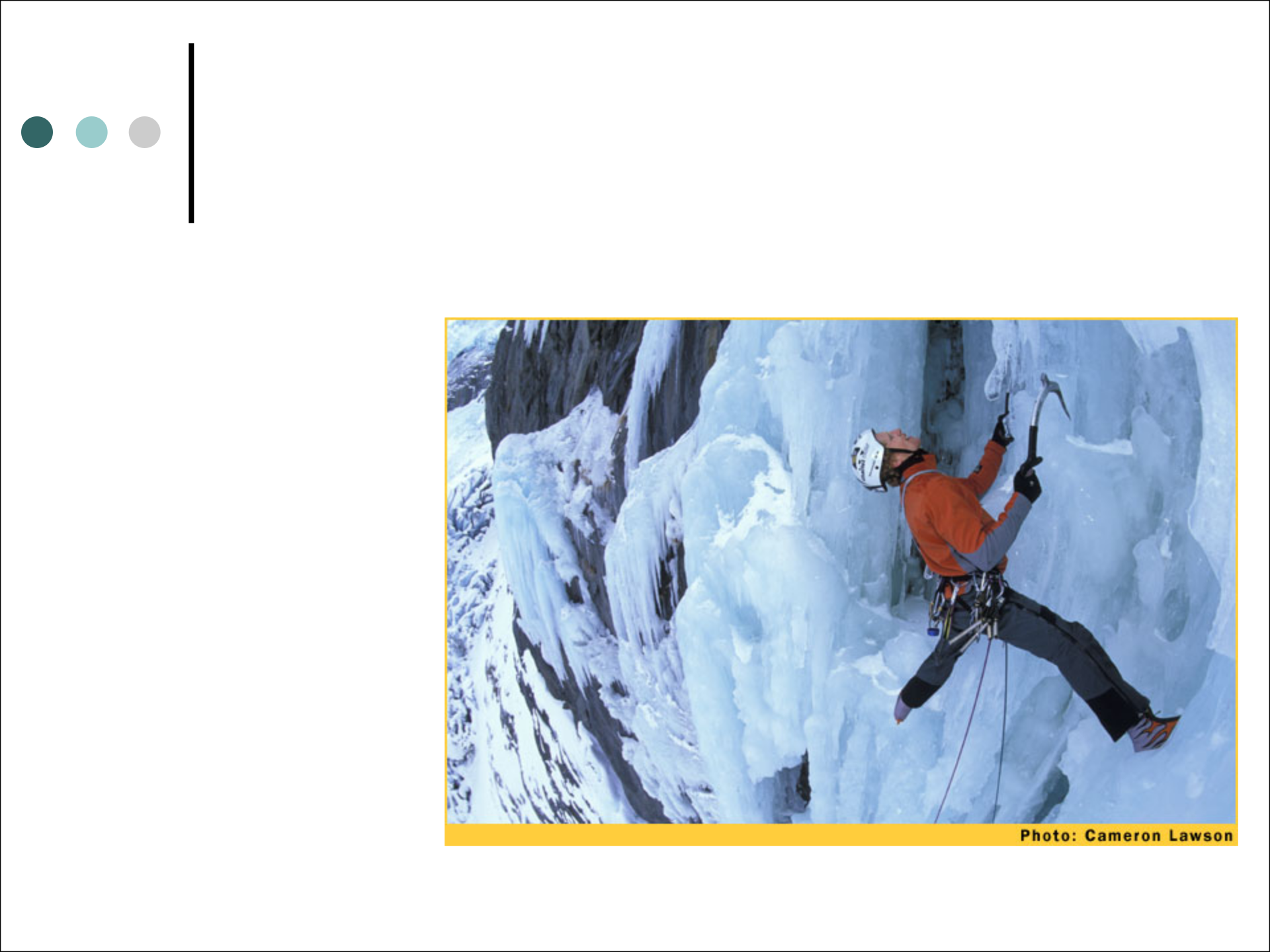
Methods of heat loss
E_________
I’d be sweating!!!
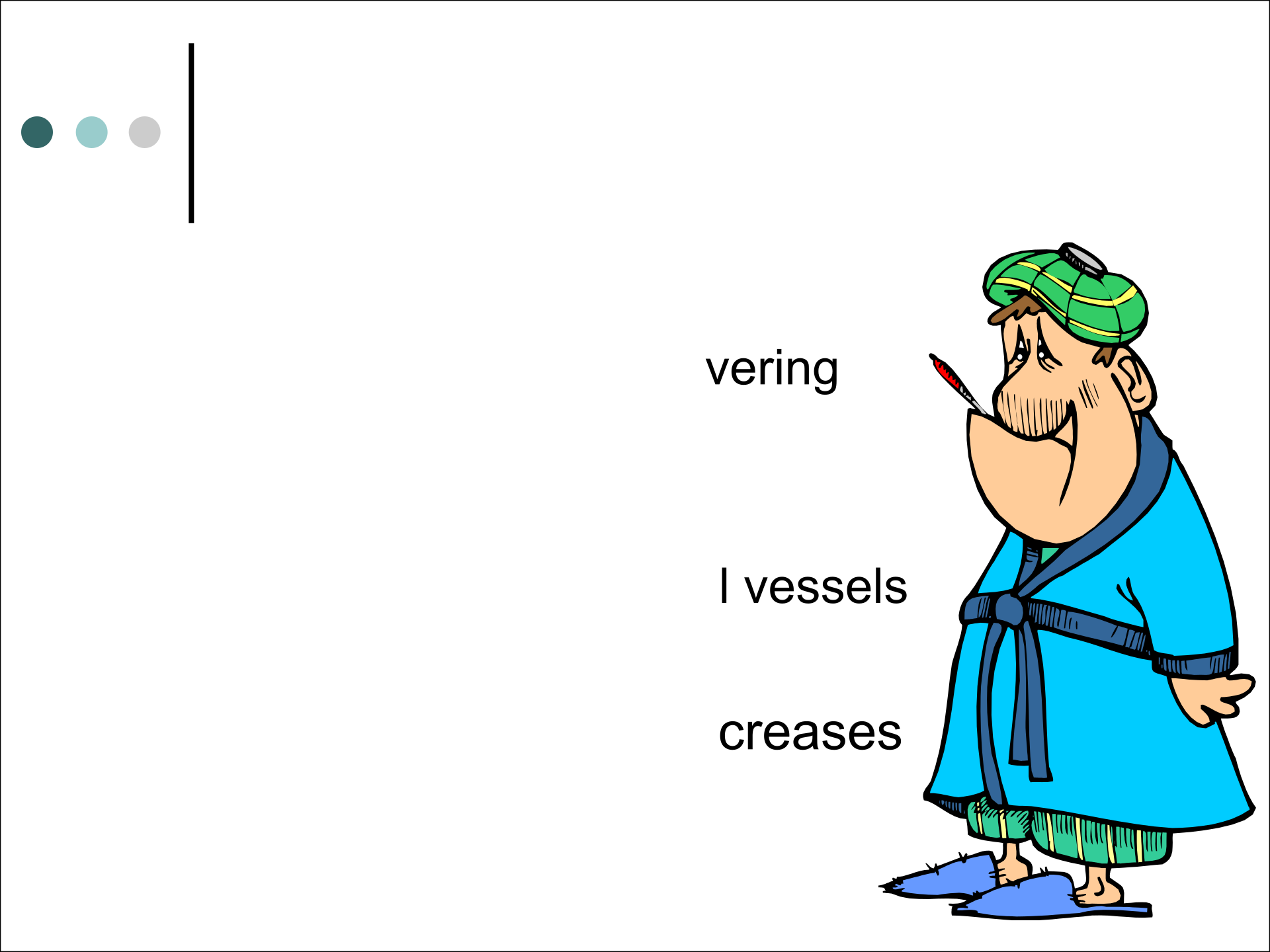
Factors effecting an alteration in
Core Temperature
¢Conservation of heat
lVasoconstriction and shivering
lPosition (huddling)
¢Heat loss
lVasodilation of superficial vessels
lSweating
¢Metabolism – hormonal increases
or decreases
Methods of Obtaining a Core
Temperature
¢From a rectal thermometer
¢From the esophagus using a flexible thermometer
¢From a pulmonary artery catheter that is used for
thermodilution measurement of cardiac output
¢From a urinary catheter with a thermosensor that
measures the temperature of urine in the bladder

Pyrogen – “fire makers”
¢Exogenous or endogenous substances that
produce fever
lExogenous pyrogens are derived from outside
the body:
•bacterial products, bacterial toxins, or whole
microorganisms
lExogenous pyrogens induce host cells to
produce fever-producing mediators
(endogenous pyrogens):
•interleukin-1, interleukin-6, and tumor necrosis factor

Patterns of Fever
¢I________________
lTemperature returns to normal at least
once every 24 hours
¢R_______________
lTemperature does not return to normal and
varies in either direction

Patterns of Fever (cont.)
¢S_____________ or continuous
lTemperature remains above normal with
minimal variations
¢R_____________ or relapsing
lThere is one or more episodes of fever as long
as several days with one or more days of
normal temperature between episodes

Physiologic Behaviors
Occurring During Fever
¢P______________
lMild headache, fatigue, malaise, fleeting pains
¢C_____________
lUncomfortable sensation of being
chilled, shaking
¢F____________
lCutaneous vasodilation, skin warm and flushed
¢D_________________
lThe initiation of sweating

Take home messages
¢Homeostasis and Cannon
¢Control Systems / Negative Feedback
¢Selye and GAS “stress response” “adaptation”
¢Control systems- ANS, Locus coeruleus, NE
¢Signs and symptoms related to chronic and
acute stress / Post traumatic stress syndrome
¢Treatment of stress and relaxation methods
¢Control of temperature/ fever

