



Concept #25 INFECTION
Infection
Infection is the invasion and multiplication of microorganisms in body tissues,
which may be clinically unapparent or result in local cellular injury due to
competitive metabolism, toxins, intracellular replication, or antigen-antibody
response.
Infection Terms
Pathogen
Normal flora
Virulence
Opportunistic infection
Epidemic
Pandemic
Incubation period
Prodrome
Communicability
Preventing spread of disease
Use hand washing & isolation to prevent spread and stop the chain of
spreading disease.
Areas Most often Missed with Handwashing
Fingertips
Between fingers
Scope of Infection
Viral infections

Bacterial infections
Parasitic or protozoal infections
Fungal infections
Extent or Spread of Infection
Location
Duration
Source
Consequence of Uncontrolled Infection
Once the body’s compensatory mechanisms (i.e. vascular, renal, nervous,
and respiratory systems) are overcome, the following process occurs:
Septic Shock à Multisystem Failure à Death
Risk Factors: Populations at Greatest Risk
Very young
Very old
Poor
Uninsured
Chronically ill
Immunodeficient
Residents of geographic areas where an infection is prevalent.
Recognizing Infection: Assessment
Health history
Examination Findings:

oIn general, S/S associated with infection parallel those of
inflammation and manifest within the affected organs.
Common Diagnostic Tests
Laboratory tests
oComplete blood count (CBC) with white blood count differential
oCulture and sensitivity (blood, urine, wound, nasopharyngeal, CSF,
etc.)
Follow protocol carefully with specimen collection.
oC-reactive protein (CRP)
oErythrocyte sedimentation rate (ESR)
oSerological tests to detect specific antibodies or viruses.
Radiographic studies
oX-ray
oMRI
oCT
oPET
Additional testing
oBiopsy
Primary Prevention
Hygiene
oPersonal
oFood

oPatient care hygiene
Immunizations
Clinical Management: Screening
Most common infection screenings:
oSexually transmitted infection
oTuberculosis screening
oCurrently – COVID-19
Clinical Management: Collaborative Interventions
Antimicrobial therapy
Rest and comfort care measures
Nutritional support
Fluids
Disinfection of physical environment
Classification of Antibiotic Agents
Penicillin
Cephalosporins
o1st, 2nd, 3rd, and 4th generations
Fluoroquinolones
Tetracyclines
Macrolides
Aminoglycosides
Other Antimicrobial Agents

Antiviral
Antifungal
Antiprotozoal
Interrelated concepts
Nutrition
Tissue Integrity
Immunity
Stress
Inflammation
Evaluation
Preventing transmission is of utmost importance, especially if the family
has another young child in the home.
Evaluate for adequate oxygenation (> 95%), clear breath sounds, and
stable respiratory rate.
Evaluate hydration status
RESPIRATORY ASSESSMENT IN CHILDREN
Differences to Consider
STRUCTURES
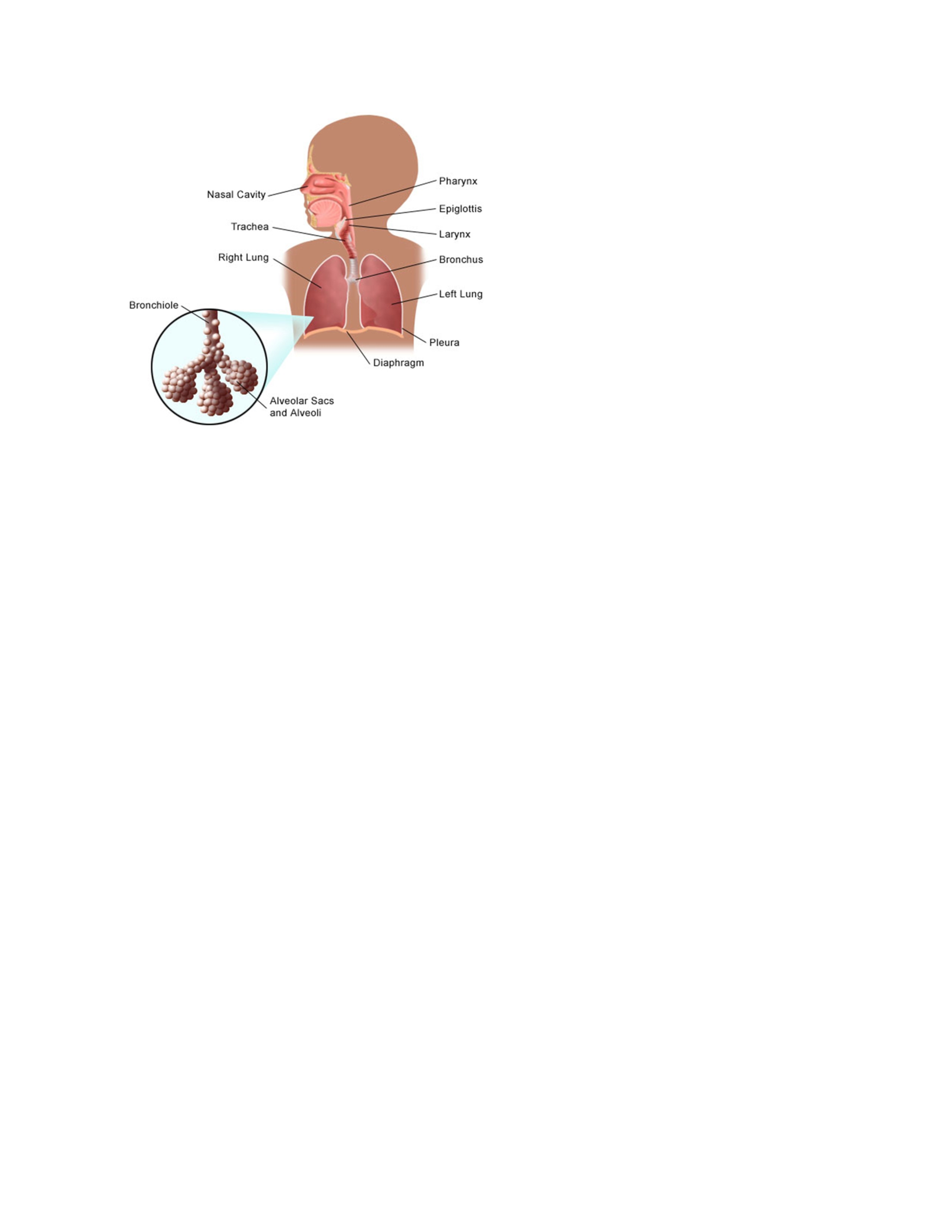
DIFFERENCES IN THE PEDIATRIC AIRWAY
SIZE
oShorter
oSmaller
oFewer alveoli
oEustachian tubes
FUNCTION
oobligate nose breathers
onarrower airways
oprone to collapse
oless mucus
oincreased respiratory & metabolic rates.
opoor cough
ADEQUATE FUNCTION OF THE RESPIRATORY SYSTEM REQUIRES:
VENTILATION
DIFFUSION
PERFUSION
AUSCULTATION

ABNORMAL ASSESSMENT FINDINGS
RESTLESSNESS
TACHYPNEA
TACYCARDIA
ADVENTITIOUS BREATH SOUNDS
PALLOR OF SKIN, MUCOUS MEMBRANES
ADVENTITIOUS BREATH SOUNDS
PALLOR OF SKIN, MUCOUS MEMBRANES
RETRACTIONS
CYANOSIS
CLUBBING
RETRACTIONS
Increased respiratory effort to get adequate air exchange
Seen on inspiration
Exhaustion may soon set in due to increased work of accessory muscles.
http://www.youtube.com/watch?v=obR9Y3Srplg
RETRACTIONS
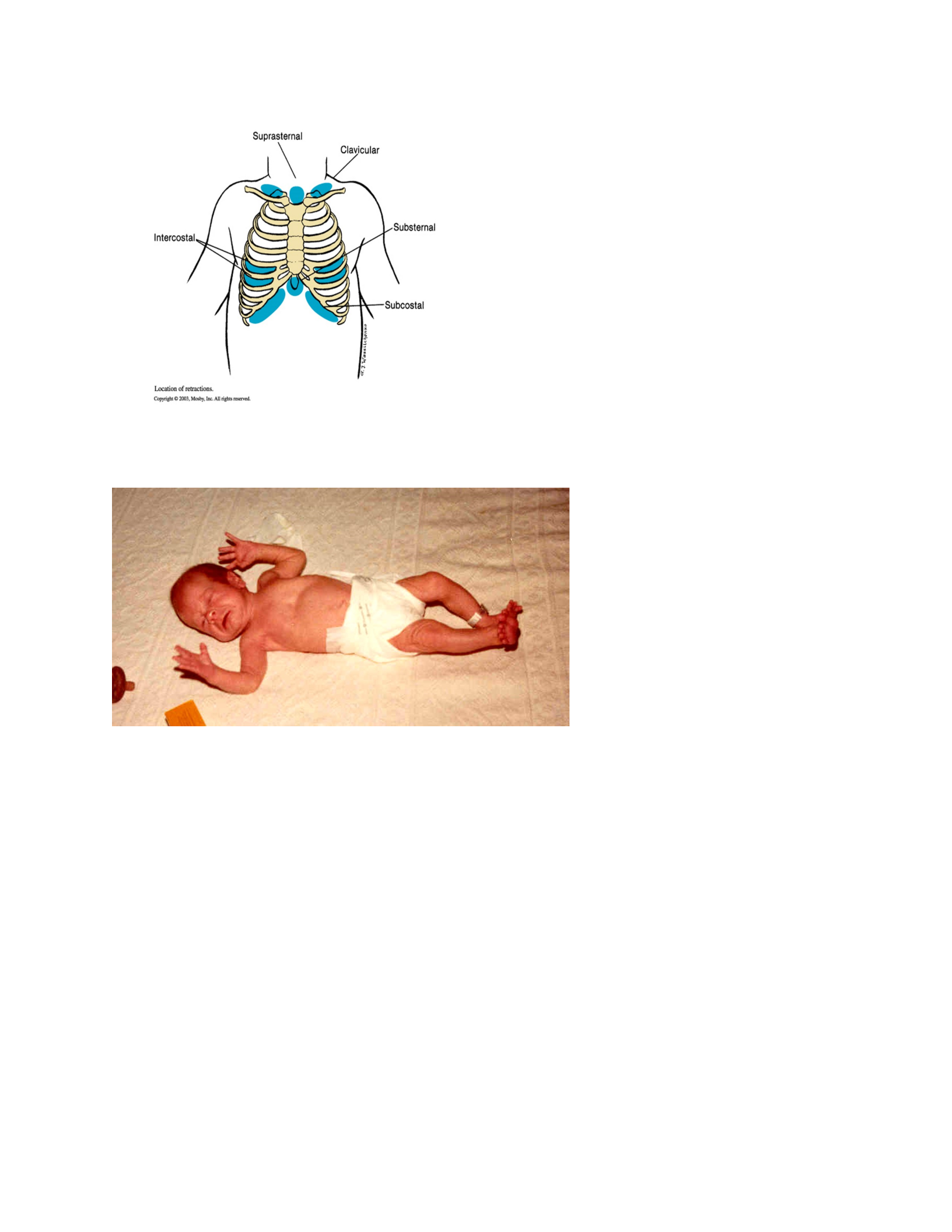
SUBSTERNAL RETRACTIONS
ABNORMAL BREATH SOUNDS
WHEEZING
oCONTINUOUS HIGH-PITCHED MUSICAL SOUNDS HEARD
PRIMARLY ON EXPIRATION
ohttp://www.youtube.com/watch?v=YG0-ukhU1xE
CRACKLES
oHEARD PRIMARILY ON INSPIRATION
oDO NOT CLEAR WITH A COUGH
oFINE (RALES) OR COARSE (RONCHI)
oCONTINUOUS LOW-PITCHED SOUNDS
oCLEARS WITH COUGH
ohttp://www.youtube.com/watch?v=9C5RFb1qWT8
GRUNTING
oOn expiration

oMay be audible or only on auscultation.
oTo reinflate alveoli
oCan be a sign of chest pain
ohttp://www.rale.ca/Grunting.htm
STRIDOR
oNarrow laryngeal area
oOn inspiration
ohttp://www.youtube.com/watch?v=ICoCwFLgkws
BREATH SOUNDS
Check equality!!! (can be hard to assess in children)
Make sure to listen at the midaxillary line to determine equality.
Small chest walls refer sound.
Note the air exchange---good, fair, poor or tight.
CYANOSIS
Blue color due to poor O2 sat on Hgb.
More likely to see pallor or mottling first.
Must have normal Hgb/Hct to assess this (an anemic person may never
turn blue)
Sats usually must be < 80%
Other Key Points
Apnea is a cessation of breathing > 20 secs (less if VS changes or child is
symptomatic)
Hypoxia causes decreased O2 to the tissues à lactic acidosis.
Newborns decrease HR in response to hypoxia, while older children
increase HR when hypoxic.
CODES
MOST PEDIATRIC CODES OCCUR AFTER RESPIRATORY FAILURE
WITH 80-90% MORTALITY.
THEREFORE, CONTINUOUS ASSESSMENT IS ESSENTIAL!
Exemplars: Otitis Media, Tonsillitis, RSV
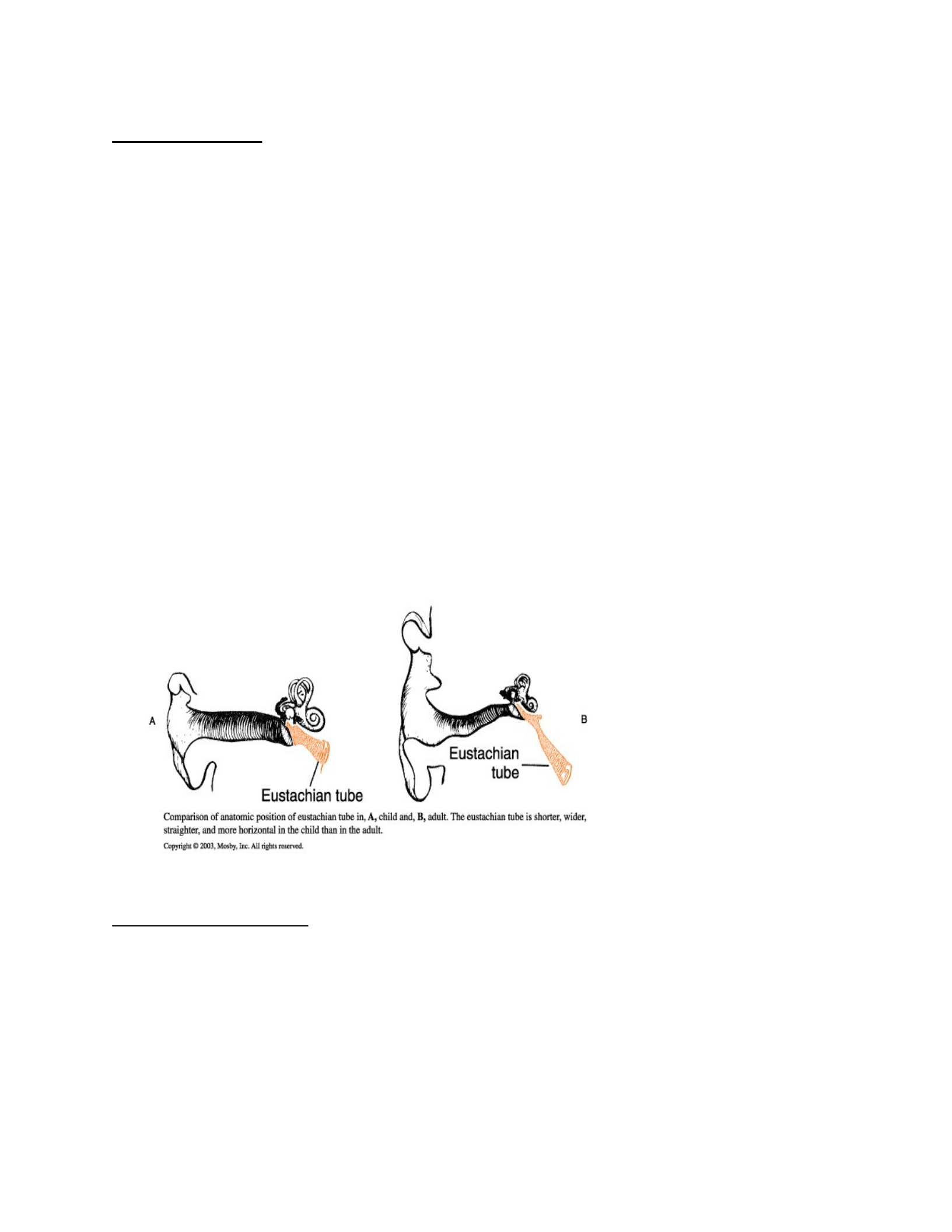
Otitis Media
Infection of the middle ear
Nearly all children have had an ear infection by the time they begin school.
o15% have frequent/recurrent infections.
Otitis Media
Day care
Environmental tobacco smoke exposure
Pacifier use
Less incidence in breast fed babies.
Less incidence after age 6
Eustachian Tube
Otitis Media - Symptoms
Often follows an upper respiratory infection.
oMay have fever up to 104.
oIrritable-painful - pulling at ear.
oV&D
oRhinorrhea
oAnorexia (due to pain w/ sucking & swallowing)
oPurulent drainage
Definitive diagnosis is bulging/full tympanic membrane.
Rupture of the eardrum leads to decreased pain.
AOM- acute otitis media
Acute onset ear pain
Marked redness of tympanic membrane
Middle ear effusion
OME- otitis media with effusion
Fluid in middle ear without inflammation
Chronic
Often associated with hearing loss
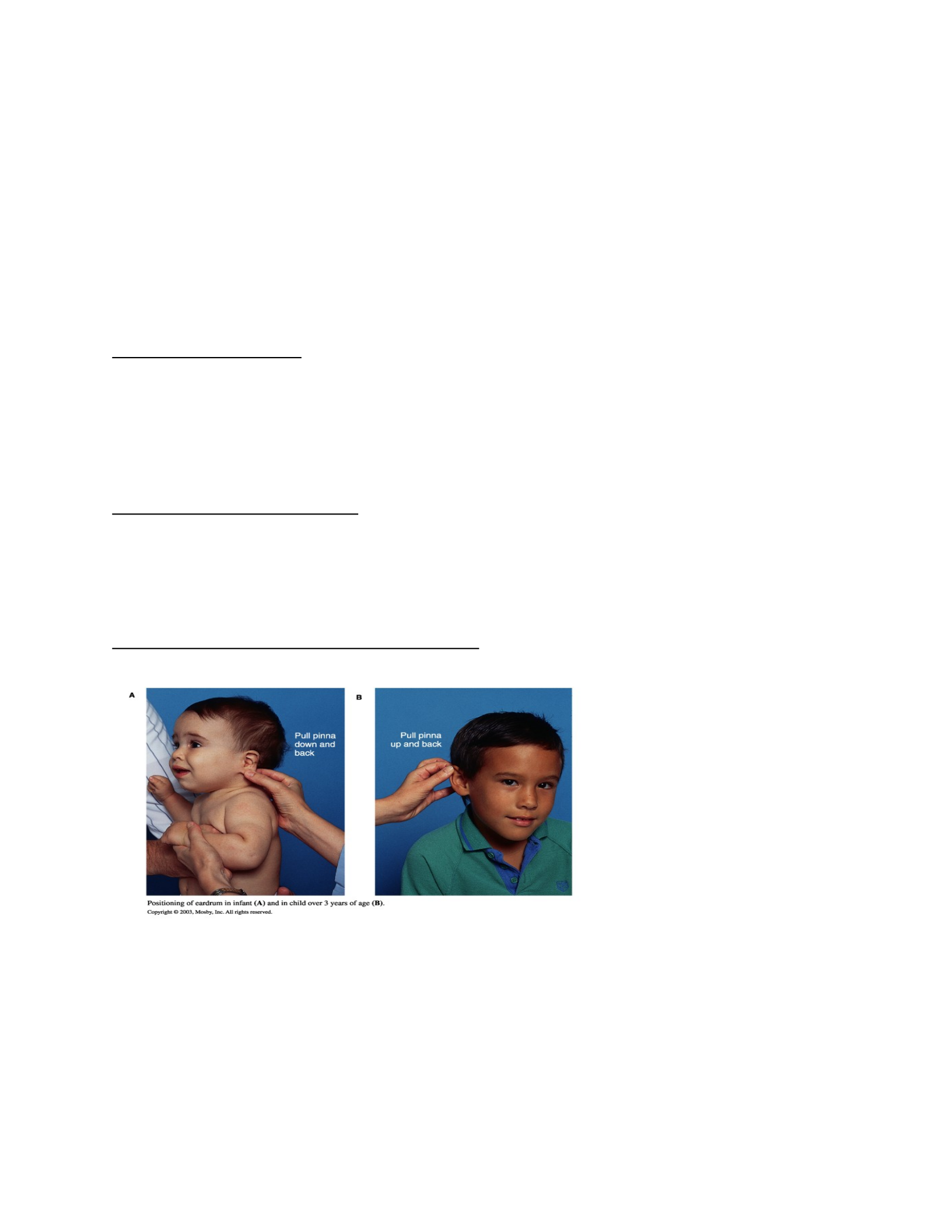
Diagnosis: Proper Method for Viewing Eardrum
Normal Tympanic Membrane
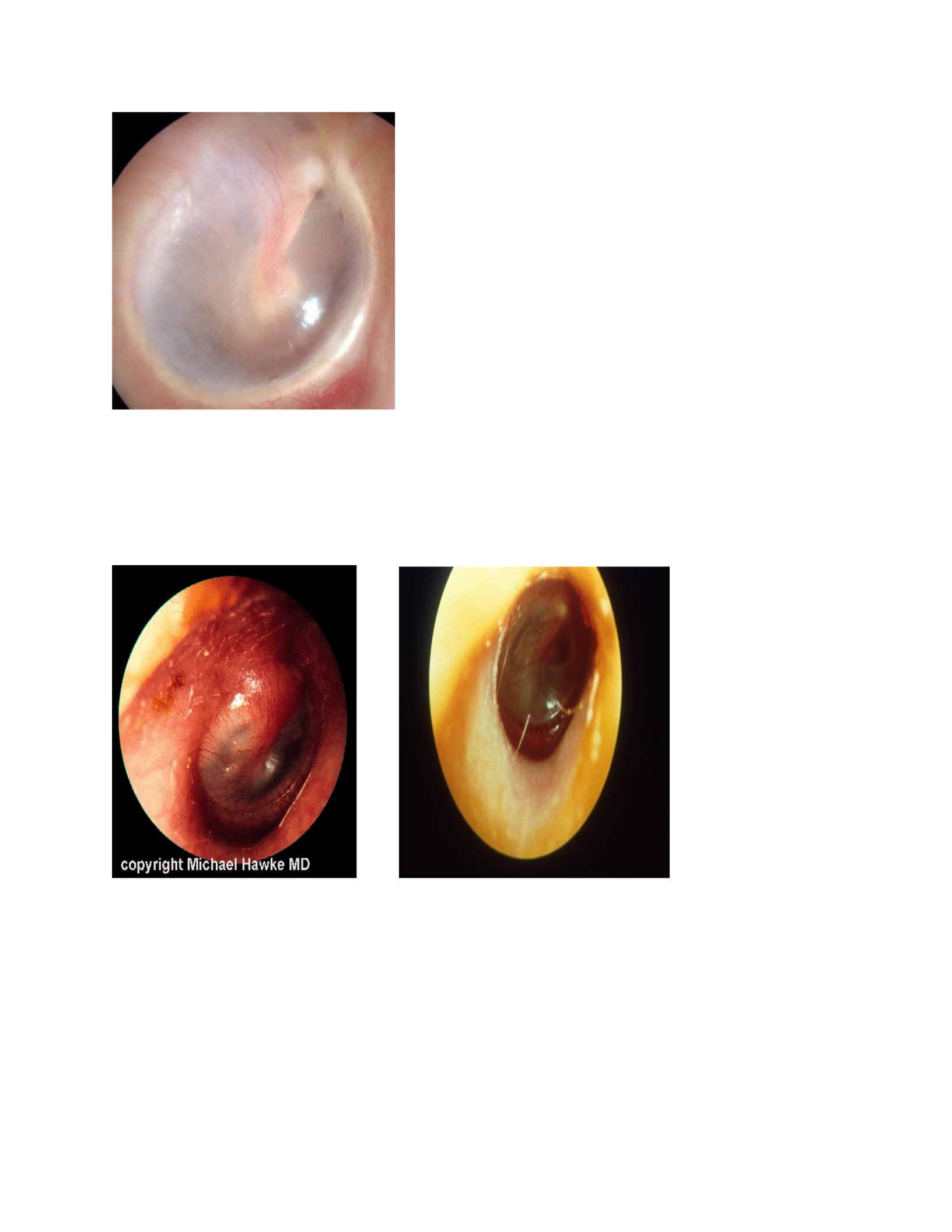
Acute Otitis media Serous Otitis media
Complications of OM
Risk of complications much less than in the past
oHearing loss, ruptured eardrum
oMeningitis
oMastoiditis
oLabyrinthitis (rare)
oPossible abscesses
Treatment: Goal of therapy is to resolve infection without complications.
oAnalgesics
(includes topical anesthetic ear gtts)
oAntibiotics not always needed.
If treated, should have the shortest possible course.
<2 years old – 10 days
2-5 years old – 7 days
5 yrs. and older – 5 days
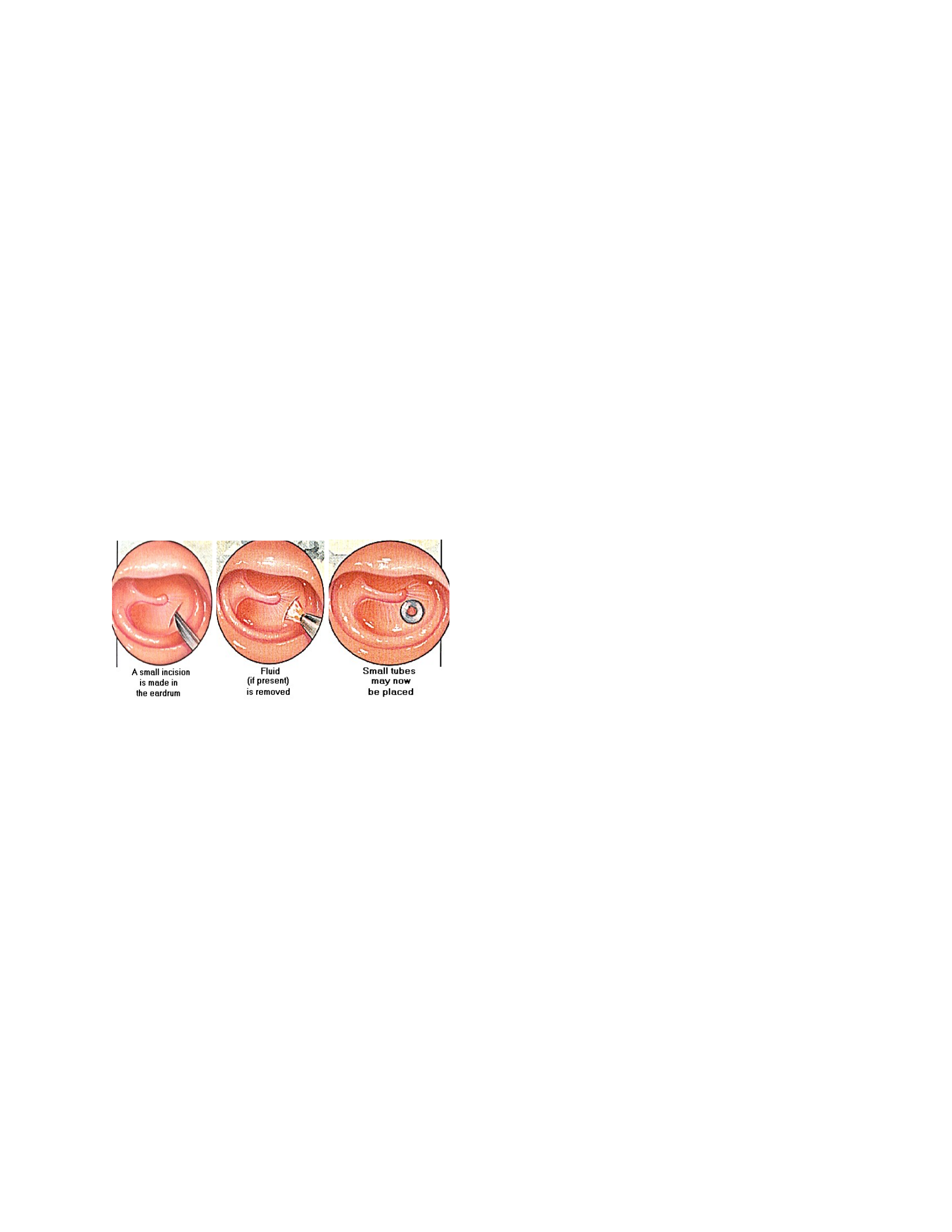
If chronic with persistent fluid.......Tubes!
Myringotomy with Insertion of PE Tube (Armstrong Procedure)
Post-op Care
Acetaminophen for discomfort
Report headache, severe pain, disorientation, purulent discharge
Clean outer ear gently with swab & water or H2O2. Don’t put anything smaller than
your elbow in the ear.
Don't put child to bed w/bottle or feed him supine.
Use ear plugs for bath or swimming if has tubes (some say it's OK for a little water to get
in-but no jumping, diving or submerging).
Gentle nose blowing when has a cold.
Tonsilitis
Common in ages 5-10
Tonsillar tissue is lymph tissue and is probably protective against URI’s.
Tonsillar tissue enlarged until around 8 years old.
May be viral or bacterial.
Inflammation à tonsillar edema à increased difficulty swallowing or breathing.
oSore throat
oMouth odor
oDrooling
oLymphadenopathy
Swollen adenoids à block nasal passages.
oMouth breathing & snoring
oMay lead to OM.
Tonsillitis-Treatment
1. Antibiotics if bacterial
2. Possible T&A if chronic
oFrequent episodes & unresponsive to meds
oChronic hypertrophy interfering w/ swallowing or breathing

oSleep apnea
oFrequent concomitant OM
oPeritonsillar abscess
3. Preop:
oBleeding times
oTeeth
Tonsillitis-Post-op Care
Liquids
Analgesics (give 1 hr before po fluids)
Watch for bleeding.
Deal with increased oral secretions
No red fluids- No straws
Discharge teaching
Meds
Diet
Oral care post-op
Emergency tx
Bronchiolitis
In the bronchioles
Usually viral, often RSV
Cell debris clogs bronchioles and irritates airway, causing increased mucus production à
partially obstructed airways, air trapping & decreased air exchange which can cause
hypoxemia.
Mortality can be 23-37% for infants with underlying problems.
Associated with increased risk for asthma.

oBronchiolitis-Symptoms
At risk for respiratory failure due to < O2 and >CO2
Tachypnea, retractions
Wheezing, prolonged expiration, crackles
Decreased breath sounds
Hypoxia
Apnea in neonates
Signs and symptoms can last up to month.
oBronchiolitis-Diagnosis
Nasal swab
NP wash test
oBoth check for RSV antigens
CXR shows areas of hyperinflation & consolidation.
Can frequently progress to pneumonia.
oBronchiolitis - Treatment
O2
Acetaminophen or Ibuprofen
Saline drops and Suction.
Bronchodilators (maybe)
Steroids
No OTC cough & cold medicines
Elevate HOB
May need IV fluid.
Very communicable—RSV virus stays on your hands for at least 30 mins.
Contact isolation (with mask) if RSV
HANDWASHING!
oBronchiolitis - Prevention
Immunoglobulin Therapy
oSynagis IM q month during RSV season (Nov–April)
For babies with Bronchopulmonary dysplasia or congenital heart disease
Premies who meet certain criteria.

