


1
ENGE 411-001
LAB 3 Report
Stability Analysis
10/ 13 / 2020
Main Body

2
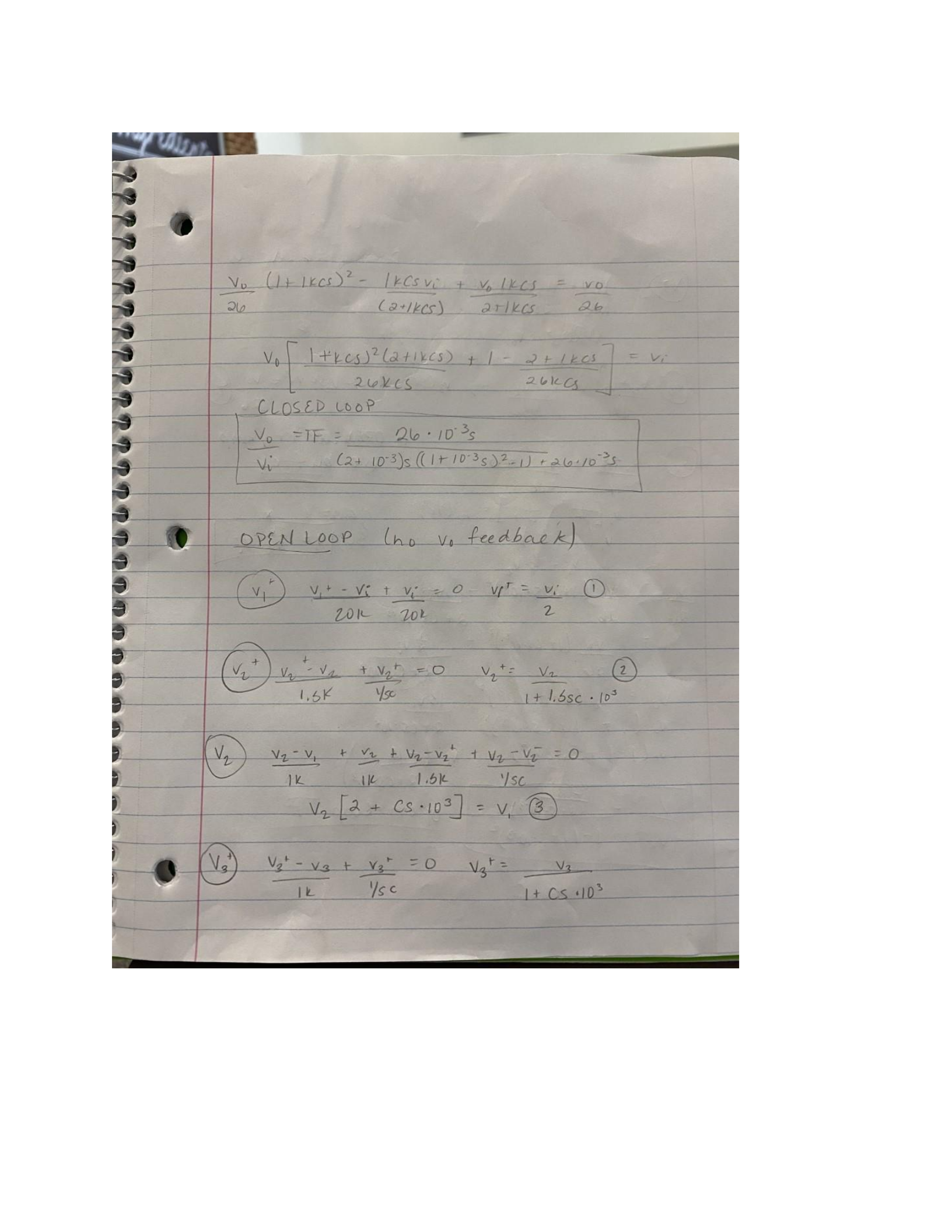
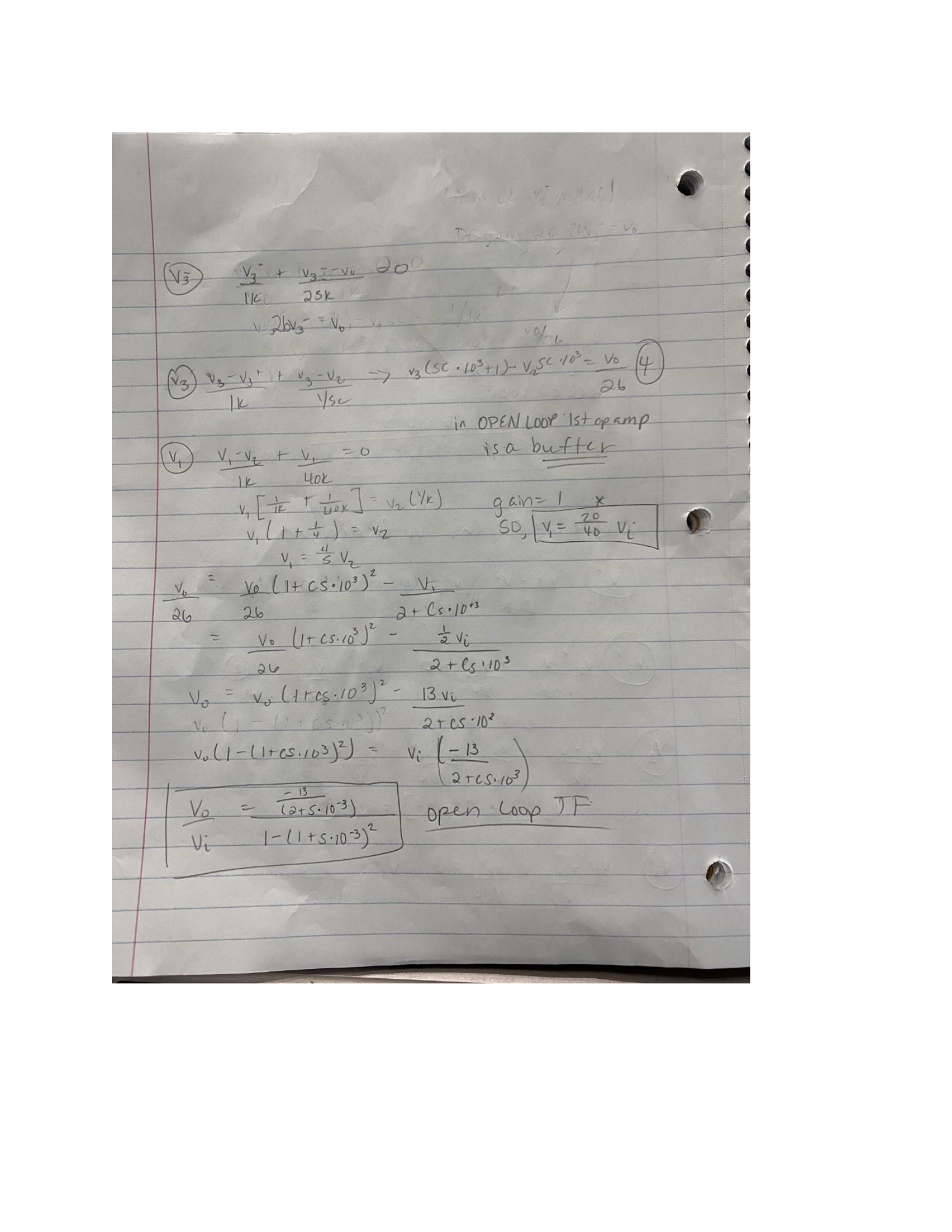
1. Hand Calculations
3
4

5
2. R=50 k W
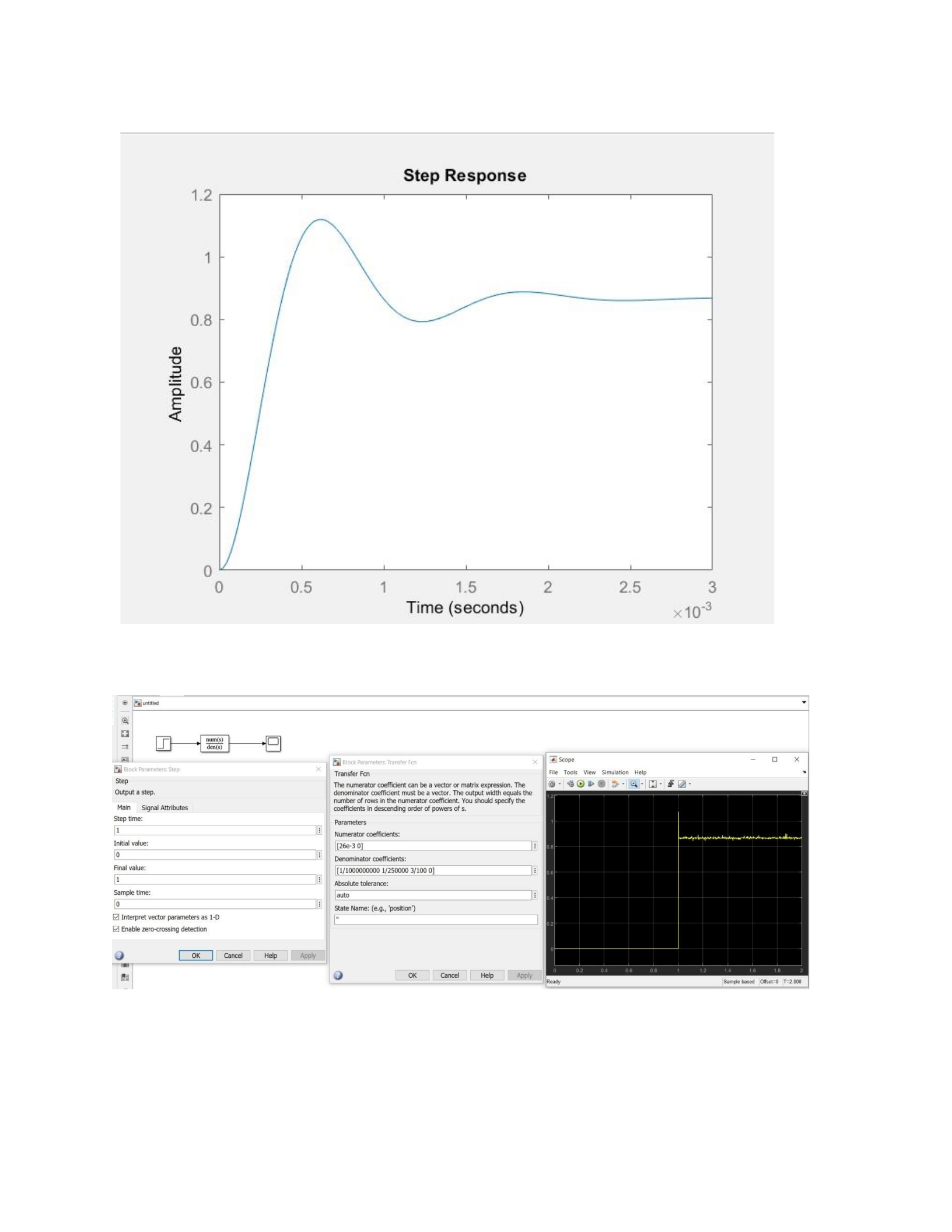
Matlab:
clear all
close all
clc
zero=[26e-3 0];
pole=[1/1000000000 1/250000 3/100 0];
z=tf(zero,pole)
step(z)
result=stepinfo(z)
result =
z =
0.026 s
1e-09 s^3 + 4e-06 s^2 + 0.03 s
RiseTime:
2.5801e-04
SettlingTime:
0.0020
SettlingMin:
0.7816
SettlingMax:
1.1193
Overshoot:
29.1505
Undershoot:
0
Peak:
1.1193
PeakTime:
6.2170e-04
6
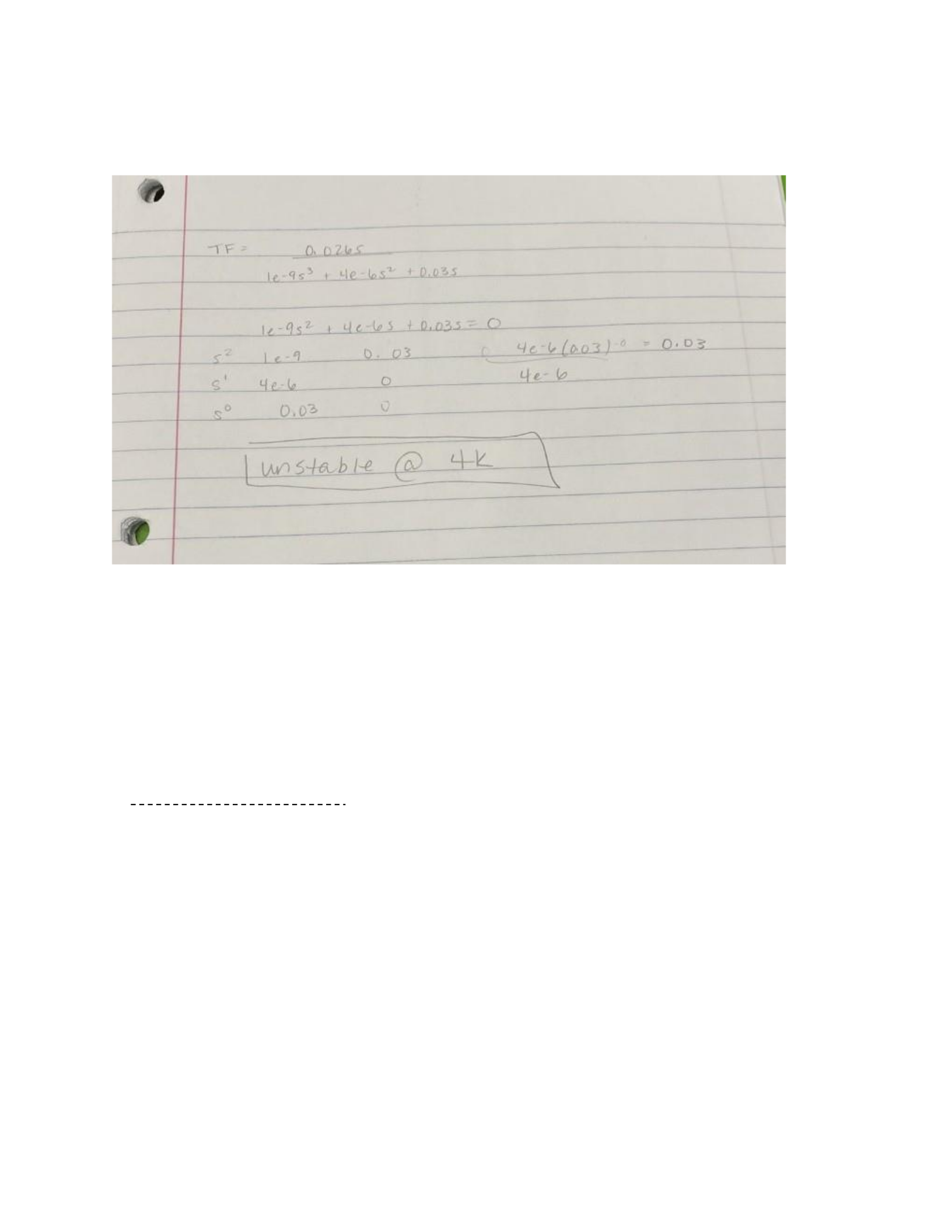
Simulink:
7
3. Routh-Hurwitz criteria
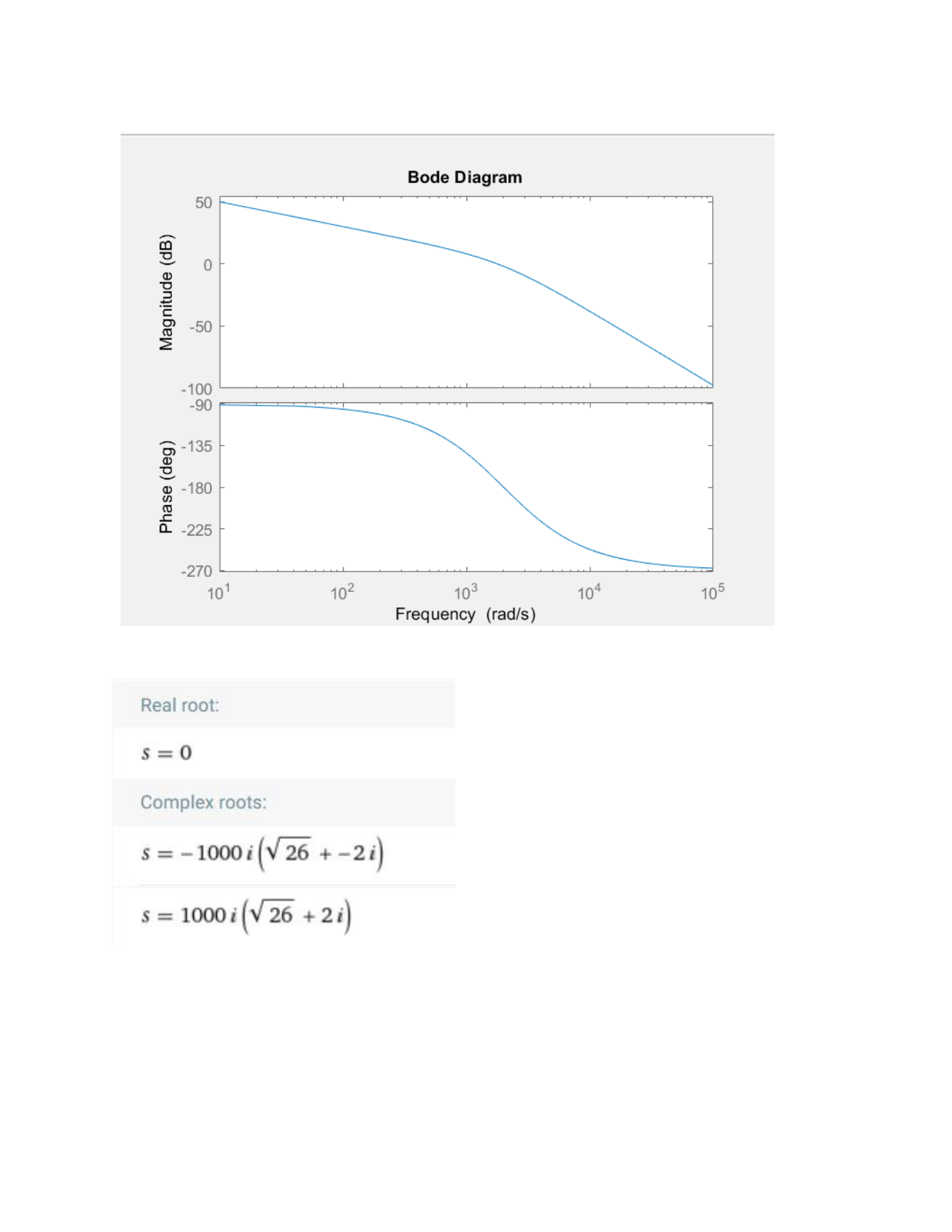
4. Open loop transfer function
clear all
close all
clc
zero=[13000000000];
pole=[1 4000 4000000 0];
z=tf(zero,pole)
bode(z)
z =
1.3e10
s^3 + 4000 s^2 + 4e06 s
Continuous-time transfer function.
8
5. Closed loop system roots

9
6. Multisim:
R=0 W

10
R=1 k W
R=4 k W (unstable)

11
R=5 k W
R=10 k W
12
R=20 k W
R=50 k W
@Analysis
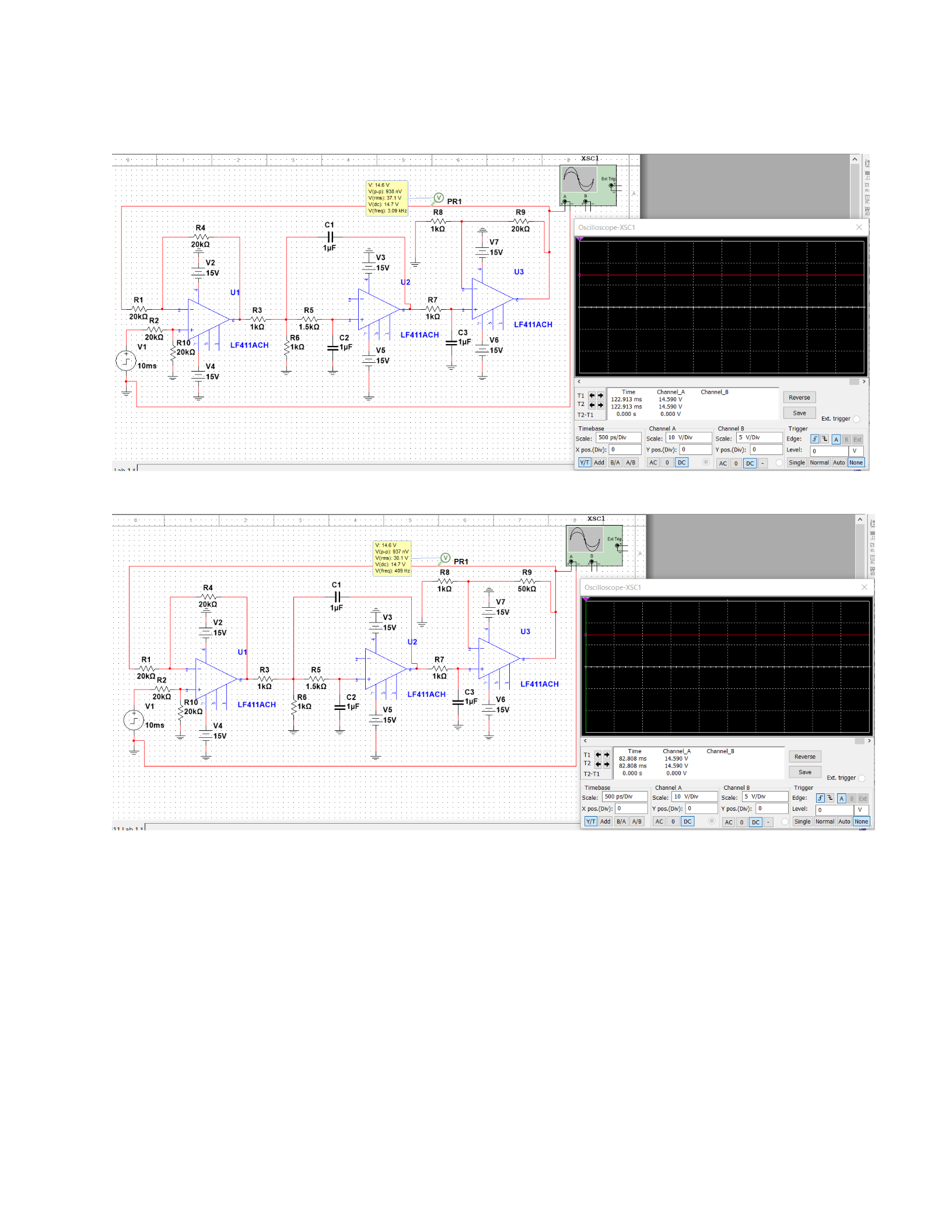
1.) Matlab and Multisim are very close to the same values. There are slight differences due to
the fact that the TF in Matlab was hand calculated. However, they are very similar and show the
same relationships and effects.
Before going unstable, the output voltage is higher than the input. This is because the
potentiometer is based off the input, and this changes the output. Therefore, the input and output
will be different.
Yes, the value of G is consistent with the Routh-Hurwitz criterion.

