


DEVELOPING AN ACTION PLAN 2
Introduction:
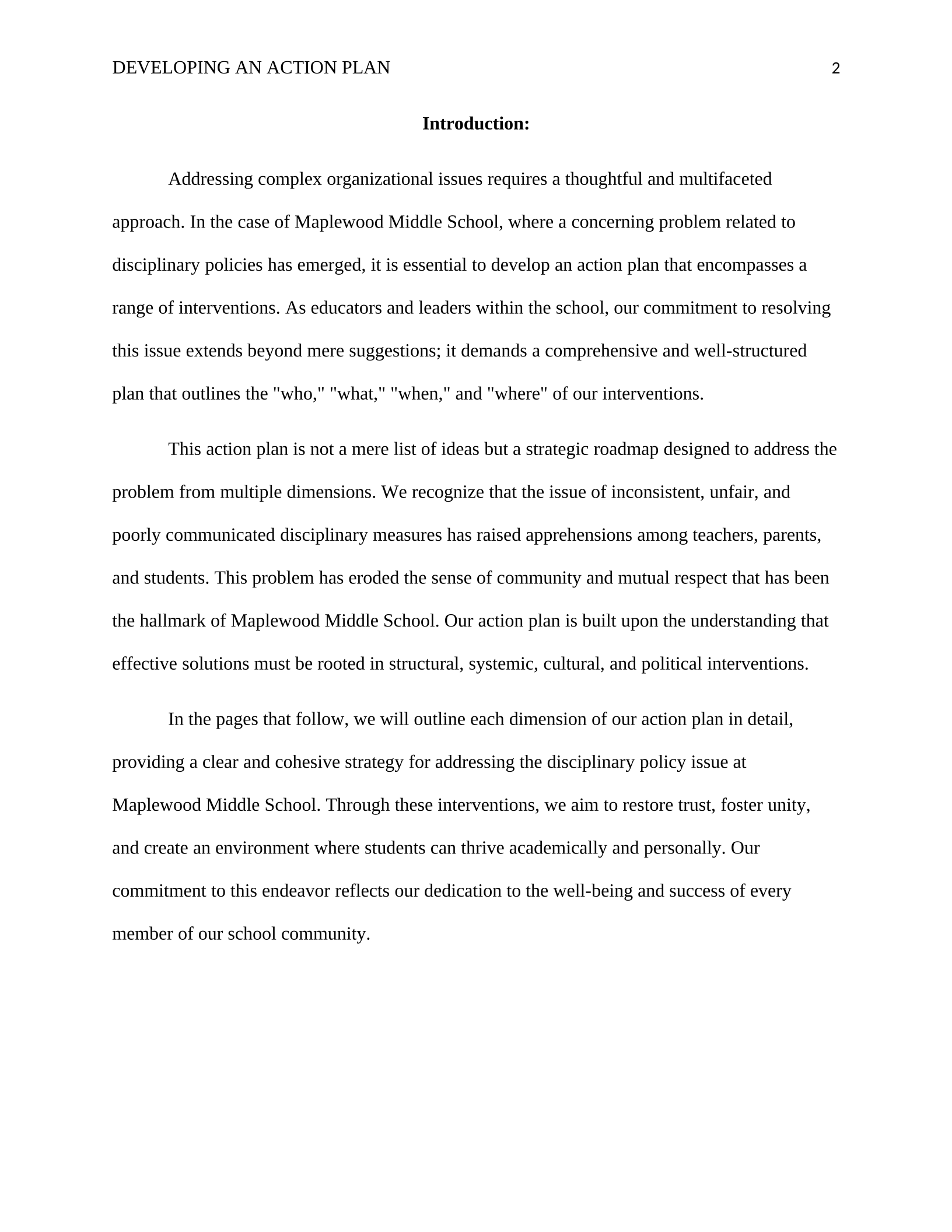
Addressing complex organizational issues requires a thoughtful and multifaceted
approach. In the case of Maplewood Middle School, where a concerning problem related to
disciplinary policies has emerged, it is essential to develop an action plan that encompasses a
range of interventions. As educators and leaders within the school, our commitment to resolving
this issue extends beyond mere suggestions; it demands a comprehensive and well-structured
plan that outlines the "who," "what," "when," and "where" of our interventions.
This action plan is not a mere list of ideas but a strategic roadmap designed to address the
problem from multiple dimensions. We recognize that the issue of inconsistent, unfair, and
poorly communicated disciplinary measures has raised apprehensions among teachers, parents,
and students. This problem has eroded the sense of community and mutual respect that has been
the hallmark of Maplewood Middle School. Our action plan is built upon the understanding that
effective solutions must be rooted in structural, systemic, cultural, and political interventions.
In the pages that follow, we will outline each dimension of our action plan in detail,
providing a clear and cohesive strategy for addressing the disciplinary policy issue at
Maplewood Middle School. Through these interventions, we aim to restore trust, foster unity,
and create an environment where students can thrive academically and personally. Our
commitment to this endeavor reflects our dedication to the well-being and success of every
member of our school community.
DEVELOPING AN ACTION PLAN 3
Structural Intervention:
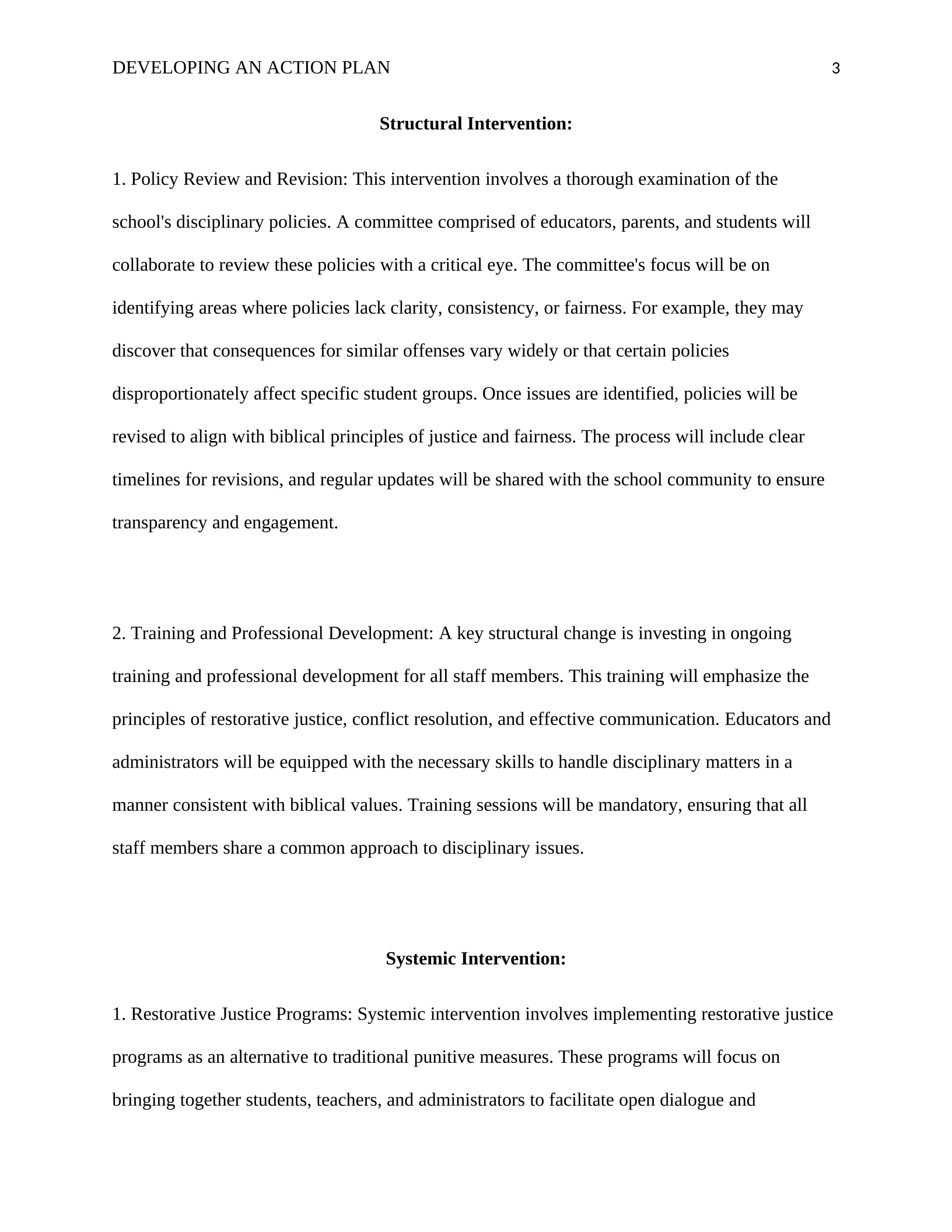
1. Policy Review and Revision: This intervention involves a thorough examination of the
school's disciplinary policies. A committee comprised of educators, parents, and students will
collaborate to review these policies with a critical eye. The committee's focus will be on
identifying areas where policies lack clarity, consistency, or fairness. For example, they may
discover that consequences for similar offenses vary widely or that certain policies
disproportionately affect specific student groups. Once issues are identified, policies will be
revised to align with biblical principles of justice and fairness. The process will include clear
timelines for revisions, and regular updates will be shared with the school community to ensure
transparency and engagement.
2. Training and Professional Development: A key structural change is investing in ongoing
training and professional development for all staff members. This training will emphasize the
principles of restorative justice, conflict resolution, and effective communication. Educators and
administrators will be equipped with the necessary skills to handle disciplinary matters in a
manner consistent with biblical values. Training sessions will be mandatory, ensuring that all
staff members share a common approach to disciplinary issues.
Systemic Intervention:
1. Restorative Justice Programs: Systemic intervention involves implementing restorative justice
programs as an alternative to traditional punitive measures. These programs will focus on
bringing together students, teachers, and administrators to facilitate open dialogue and
DEVELOPING AN ACTION PLAN 4
reconciliation. Restorative justice circles and conferences will replace punitive actions like
suspensions or expulsions for certain offenses. The goal is to foster understanding and empathy
among all parties involved and to provide opportunities for healing and growth.
2. Reporting and Monitoring System: A systemic approach includes the development of a
comprehensive reporting and monitoring system for disciplinary cases. This system will ensure
that all incidents are documented consistently and transparently. Data collected will be regularly
reviewed to identify any trends, biases, or inconsistencies in the application of disciplinary
measures. Early identification of problematic patterns will allow for timely intervention and
adjustments to ensure fairness and consistency.
Cultural Intervention:
1. Community-Building Initiatives: To address cultural aspects, Maplewood Middle School will
launch initiatives aimed at building a sense of community and mutual respect. These initiatives
may include events like cultural fairs, diversity workshops, and team-building activities. They
will provide opportunities for students, parents, and staff from various backgrounds to interact,
share experiences, and develop a deeper understanding of one another. Building a culture of
unity and respect is essential to mending the breakdown in the school's sense of community.
2. Student Leadership and Peer Mediation: Culturally, the school will empower students to
actively contribute to maintaining a positive learning environment. Student leadership programs
DEVELOPING AN ACTION PLAN 5
and peer mediation teams will be established. These initiatives encourage students to take
responsibility for resolving conflicts and addressing disciplinary matters. By involving students
in these processes, the school promotes a culture of shared responsibility, cooperation, and
accountability among students.
Political Lens Intervention:
1. Stakeholder Involvement: Addressing the political lens involves ensuring that all stakeholders
have a say in disciplinary policy decisions. The school will establish a disciplinary policy review
committee that includes representation from teachers, parents, administrators, and students. This
committee will have a direct role in policy revisions and changes, ensuring that power and
influence are distributed equitably. Their input will be valued and incorporated into policy
decisions, helping to build trust and a sense of ownership among stakeholders.
2. Transparency in Decision-Making: Political interventions also include a commitment to
transparency in all decision-making processes related to disciplinary policies. This entails
communicating disciplinary decisions and policy changes clearly and consistently to the entire
school community. Regular updates and reports on disciplinary matters will be shared with
parents to ensure they are well-informed. Transparency is a critical component in alleviating
concerns related to communication breakdowns and ensuring that everyone understands the
rationale behind disciplinary actions.
DEVELOPING AN ACTION PLAN 6
Conclusion
In conclusion, this comprehensive action plan addresses the disciplinary policy issues at
Maplewood Middle School from multiple dimensions. It encompasses structural, systemic,
cultural, and political interventions to align the school's disciplinary practices with biblical
principles, rebuild trust, foster unity, and create a positive learning environment. Each dimension
of the plan is carefully designed to address the specific facets of the problem and promote long-
term positive change within the school community.
Powered by TCPDF (www.tcpdf.org)

