


1
Science Resource Chart: Literature
Abby Rayner
EDUC 324 Teaching Elementary and Middle School Science
Professor
May 6th, 2024
2
Science Resource Chart: Literature
[Complete the template below by inserting your specific information into the brackets below.
Please leave all the headings (bold and italic font). You will replace all the information in the
brackets. Any directions, like these sentences, can be deleted after you read them. The first part
of this assignment should start with Part One – Book Review.]
Part One – Book Review
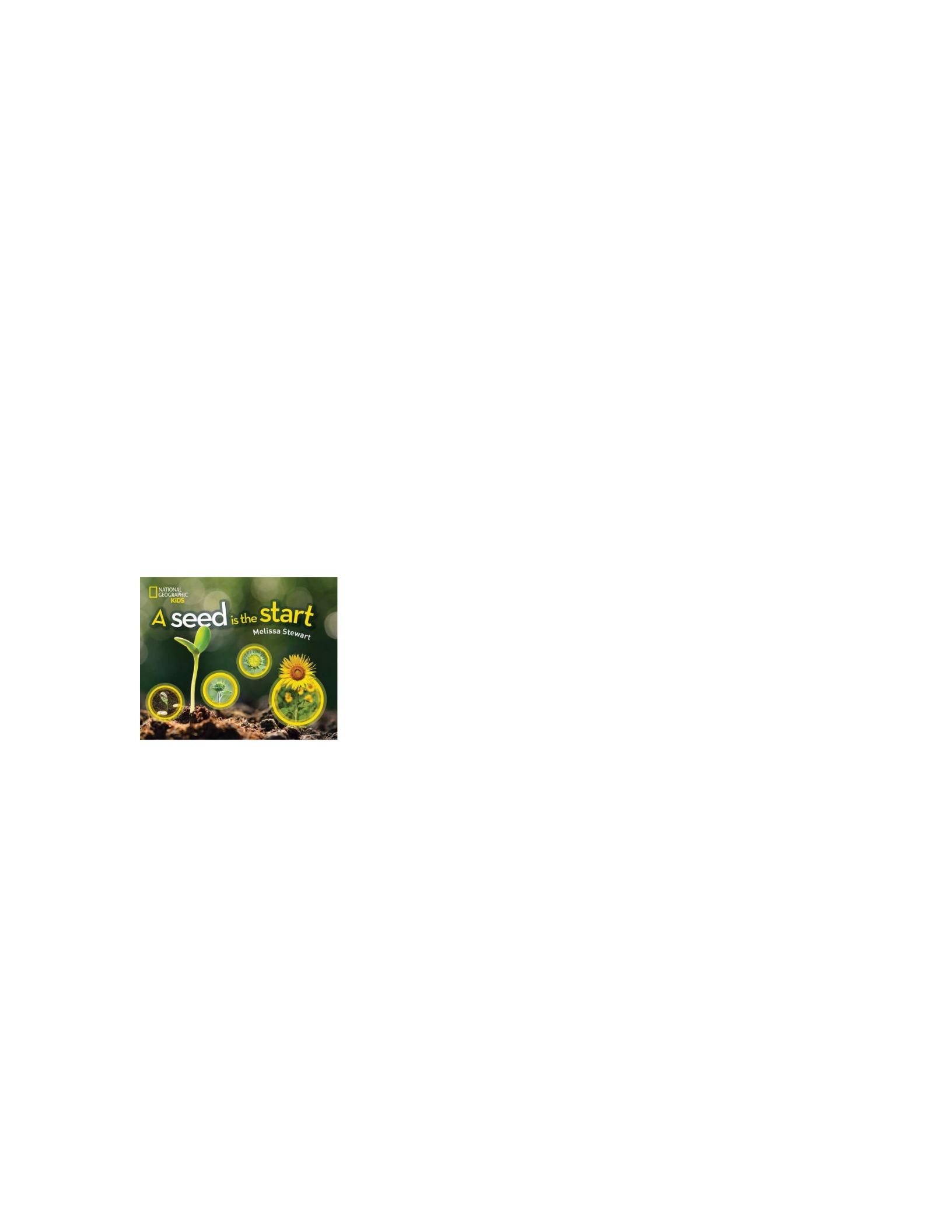
1. Title of Book: A Seed Is The Start
Author: Melissa Stewart
Category of Book: National Geographic reader
Photo of Cover of Book:
Grade Level: 1
Virginia Science Standard of Learning: 1.4 The student will investigate and understand that
plants have basic life needs and functional parts that allow them to survive. Key ideas include
a) plants need nutrients, air, water, light, and a place to grow; b) structures of plants perform
specific functions; and c) plants can be classified based on a variety of characteristics.
Topic: Plant Life/Life Cycles
Book Summary: Learn all about the plant cycle, from how seeds grow, the fascinating ways
they travel, and what it takes for a seed to become a plant. This Book has 32 pages filled with
3
real pictures of Plants and their life cycle. This book will keep the interest of the readers from
all of the pictures in the book and watching the plant as it progresses through its life cycle.
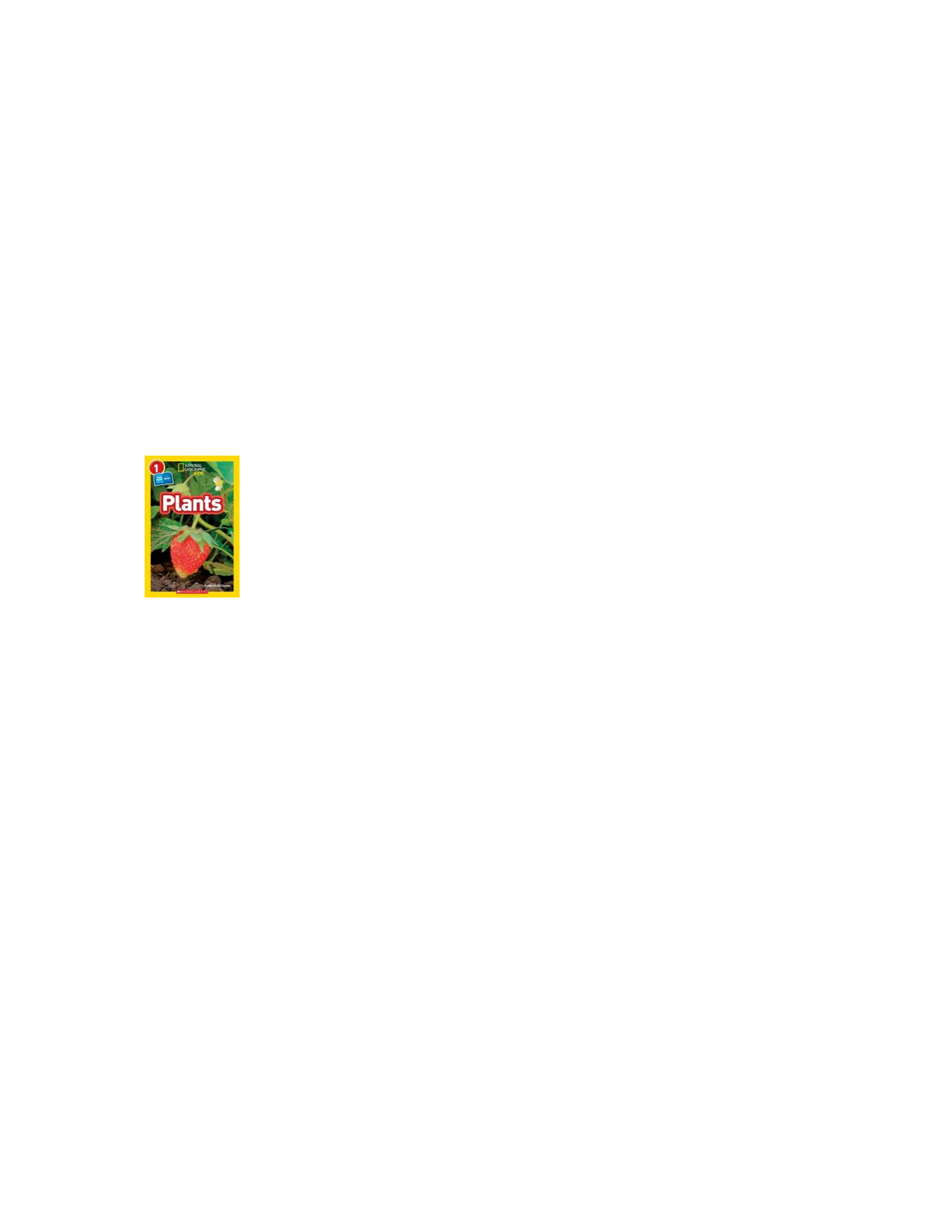
2. Title of Book: You Read I Read Plants
Author: Kathryn Williams
Category of Book: National Geographic reader
Photo of Cover of Book:
Grade Level: 1
Virginia Science Standard of Learning: 1.4 The student will investigate and understand that
plants have basic life needs and functional parts that allow them to survive. Key ideas include
a) plants need nutrients, air, water, light, and a place to grow; b) structures of plants perform
specific functions; and c) plants can be classified based on a variety of characteristics.
Topic: Plant Life Cycle
Book Summary: Adult and child readers will learn all about plants - including how they
grow, the different parts of plants, seeds, and flowers. This book has 48 pages and will keep
students engaged by helping the Adult reader of the book. As the book is read both readers of
the book will take turns reading one page after another. This book has many pictures
illustrating a plants life cycle and how plants change through out the seasons.

4
3. Title of Book: A Tree Grows Up
Author: Marfe Ferguson Delano
Category of Book: National Geographic reader
Photo of Cover of Book:
Grade Level: 1
Virginia Science Standard of Learning: 1.4 The student will investigate and understand that
plants have basic life needs and functional parts that allow them to survive. Key ideas include
a) plants need nutrients, air, water, light, and a place to grow; b) structures of plants perform
specific functions; and c) plants can be classified based on a variety of characteristics.
Topic: Phases of a Trees life throughout the seasons
Book Summary: Picture book filled with many pictures of trees on each page displaying trees
at different stages of their life throughout different seasons. This book has 32 pages and
attracts the students attention by showing many pictures and colors trees produce. This is a
Kindergarten through second grade level book that explains what happens in a trees life and
explains its life cycle.

5
4. Title of Book: Weather
Author: Kristin Baird Rattini
Category of Book: National Geographic Reader
Photo of Cover of Book:
Grade Level: 2
Virginia Science Standard of Learning: 2.6 The student will investigate and understand that
there are different types of weather on Earth. Key ideas include a) different types of weather
have specific characteristics; b) measuring, recording, and interpreting weather data allows
for identification of weather patterns; and c) tracking weather allows us to prepare for the
weather and storms.
Topic: Weather
Book Summary: Students will learn all about different weather patterns and how the weather
effect he earth, plants, and Animals. This is a 32 page book that keeps students engaged by
the pictures of different weather formations and facts about what it does to our ecosystem.
6
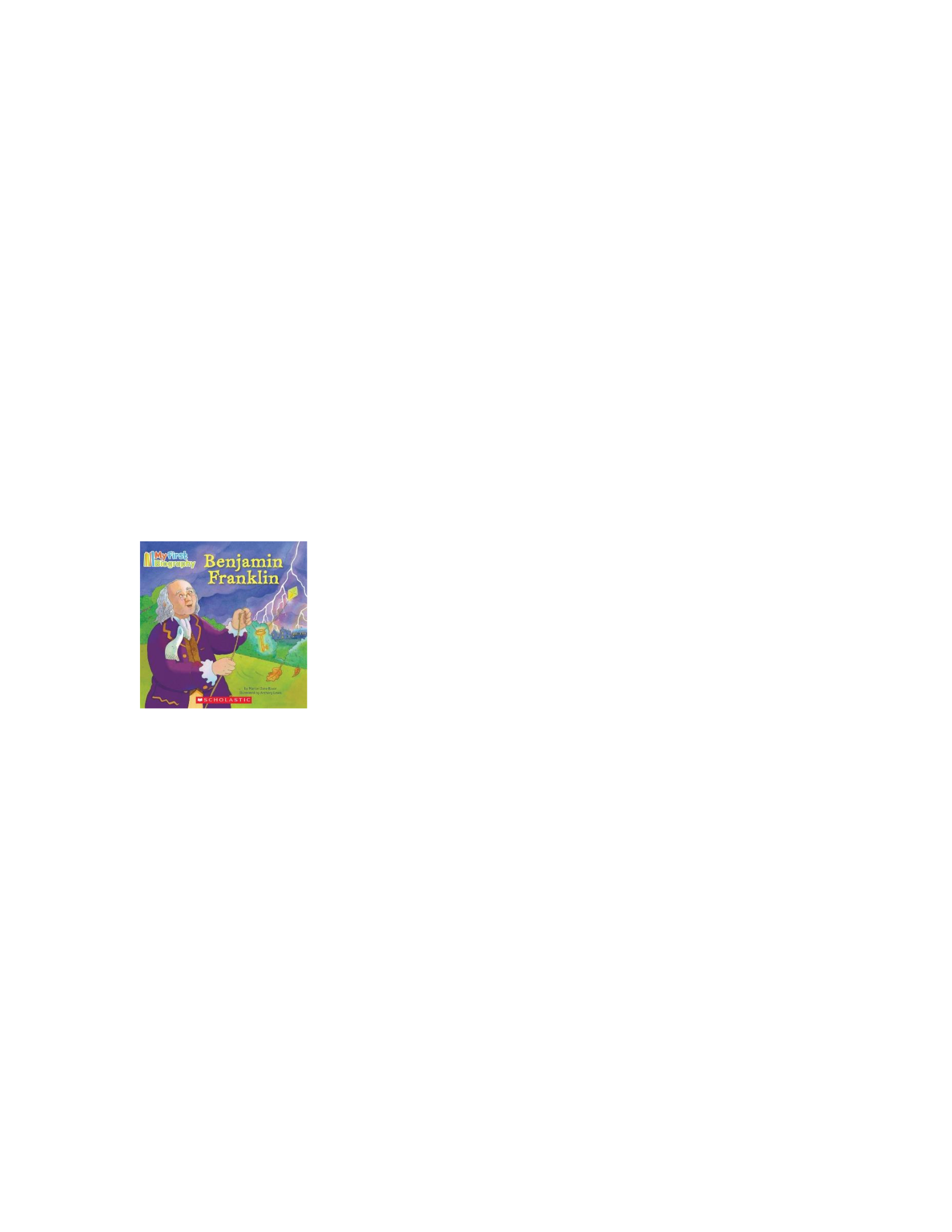
5. Title of Book: My First Biography: Benjiman Franklin
Author: Marion Dane Bauer
Illustrator: Anthony Lewis
Category of Book: Biography
Photo of Cover of Book:
Grade Level: 2
Virginia Science Standard of Learning: 2.2 The student will investigate and understand that
different types of forces may cause an object’s motion to change. Key ideas include a) forces
from direct contact can cause an object to move; b) some forces, including gravity and
magnetism, can cause objects to move from a distance; and c) forces have applications in our
lives.
Topic: Energy and Electricity
Book Summary: Benjamin Franklin was curious about the world around him. He had wide
and varied interests that led him to become a printer, a writer, an inventor, a statesman, and

7
eventually one of the fathers of our nation. This book goes over the many roles Benjiman
Franklin had in his life one being an inventor and also the science behind capturing lightning
with a key. This book is 32 pages of the life of one of our founding fathers.
6. Title of Book: On A Beam Of Light
Author: Jennifer Berne
Illustrator: Vladimir Radunsky
Category of Book: Biography
Photo of Cover of Book:
Grade Level: 2
Virginia Science Standard of Learning: 2.3 The student will investigate and understand that
matter can exist in different phases. Key ideas include a) matter has mass and takes up
space; b) solids, liquids, and gases have different characteristics; and c) heating and cooling
can change the phases of matter.
Topic: Matter in the Universe
8
Book Summary: This book is about the life of Albert Einstein. This book has 56 pages of
colorful illustrations that will keep the students attention. In this book they will learn about
the inquisitive mind of Albert Einstein and the impact he made on science throughout his life.
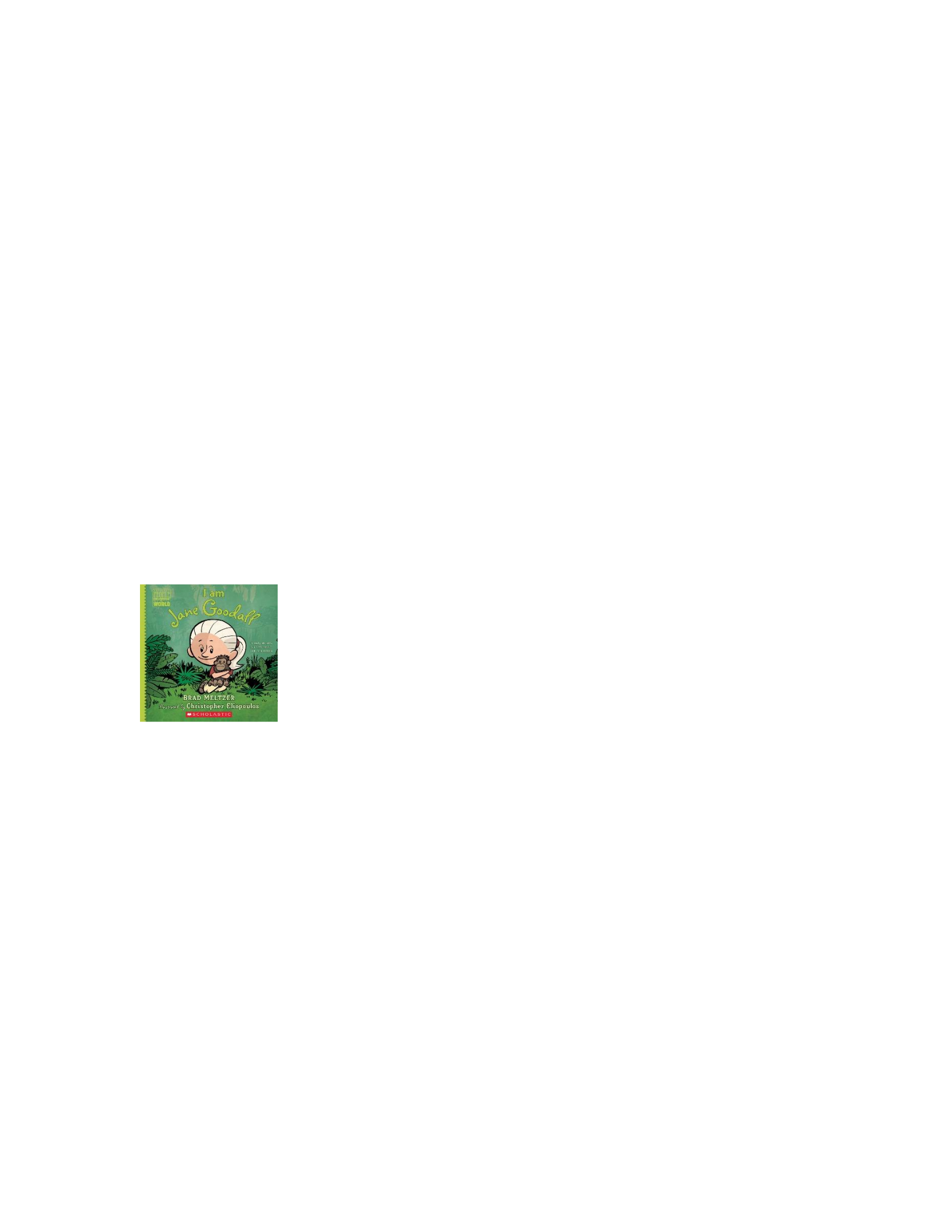
7. Title of Book: I Am Jane Goodall
Author: Brad Meltzer
Illustrator: Christopher Eliouopous
Category of Book: Biography
Photo of Cover of Book:
Grade Level: 1
Virginia Science Standard of Learning: 1.5 The student will investigate and understand that
animals, including humans, have basic life needs that allow them to survive. Key ideas
include a) animals need air, food, water, shelter, and space (habitat); b) animals have
different physical characteristics that perform specific functions; and c) animals can be
classified based on a variety of characteristics.
Topic: Animal Life and Behavior
Book Summary: Jane Goodall was a British ethologist who spent her entire life learning the
behavioral patterns of Chimpanzees. This book is 40 pages with many illustrations of Jane
9
Goodall and all of the research and life achievements she has accomplished. The Students
will be engaged by the life of Jane Goodall through seeing what her daily life was like and
what she did in relation to her work.
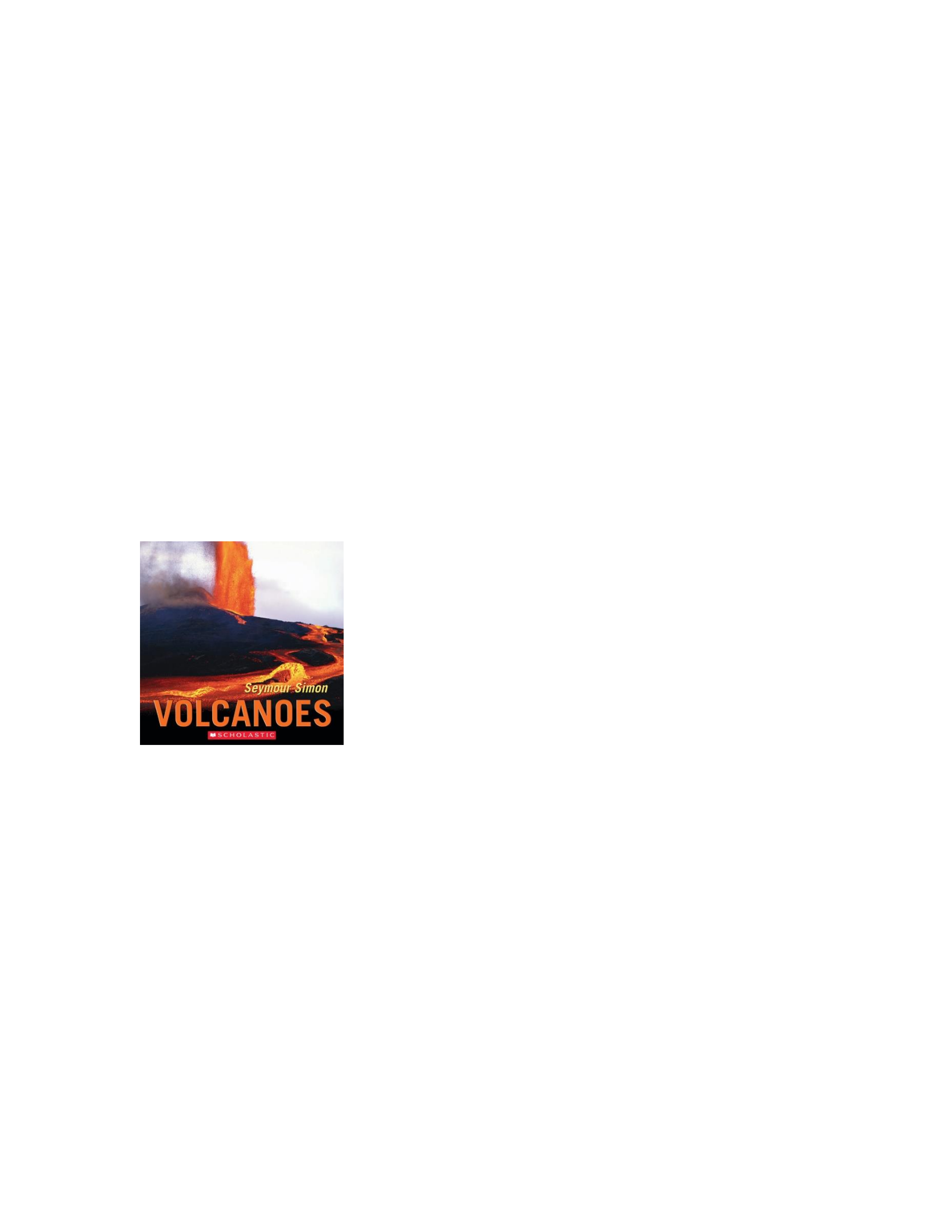
8. Title of Book: Volcanoes
Author: Seymour Simon
Category of Book: Seymour Simon
Photo of Cover of Book:
Grade Level: 5
Virginia Science Standard of Learning: 5.8 The student will investigate and understand that
Earth constantly changes. Key ideas include a) Earth’s internal energy causes movement of
material within the Earth; b) plate tectonics describe movement of the crust; c) the rock
cycle models the transformation of rocks; d) processes such as weathering, erosion, and
deposition change the surface of the Earth; and e) fossils and geologic patterns provide
evidence of Earth’s change.
Topic: Volcanoes
10
Book Summary: This book is about volcanoes and the many forms they take as well as they
came to form on the earth in the first place. There are 32 pages of many pictures with
volcanoes and a description explaining what the pictures represent. This book will keep
students’ attention by teaching them were the hot lava comes from inside the earth.
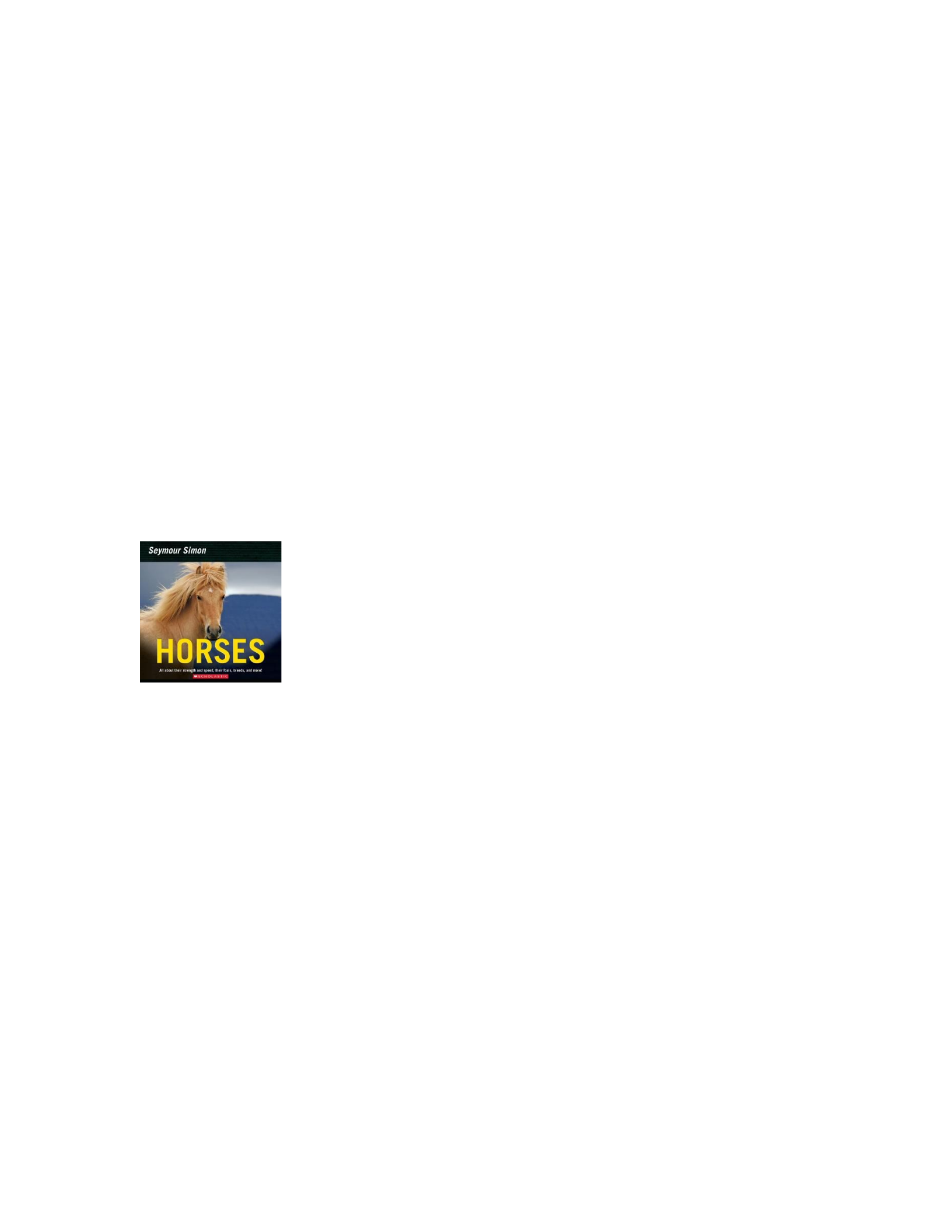
9. Title of Book: Horses
Author: Seymour Simon
Category of Book: Seymour Simon
Photo of Cover of Book:
Grade Level: 2
Virginia Science Standard of Learning: 2.4 The student will investigate and understand that
plants and animals undergo a series of orderly changes as they grow and develop. Key ideas
include a) animals have life cycles; and b) plants have life cycles.
Topic: Horses and Life Cycles
Book Summary: This book illustrates and takes the reader through Horses their behavior and
life cycles. In Horses, Seymour Simon introduces elementary-school readers to horses
through engaging descriptions and stunning full-color photographs. He teaches readers all
about horses through pictures, diagrams, and maps. This book is 32 pages and keeps readers
engaged with interesting facts and information about horses.
11
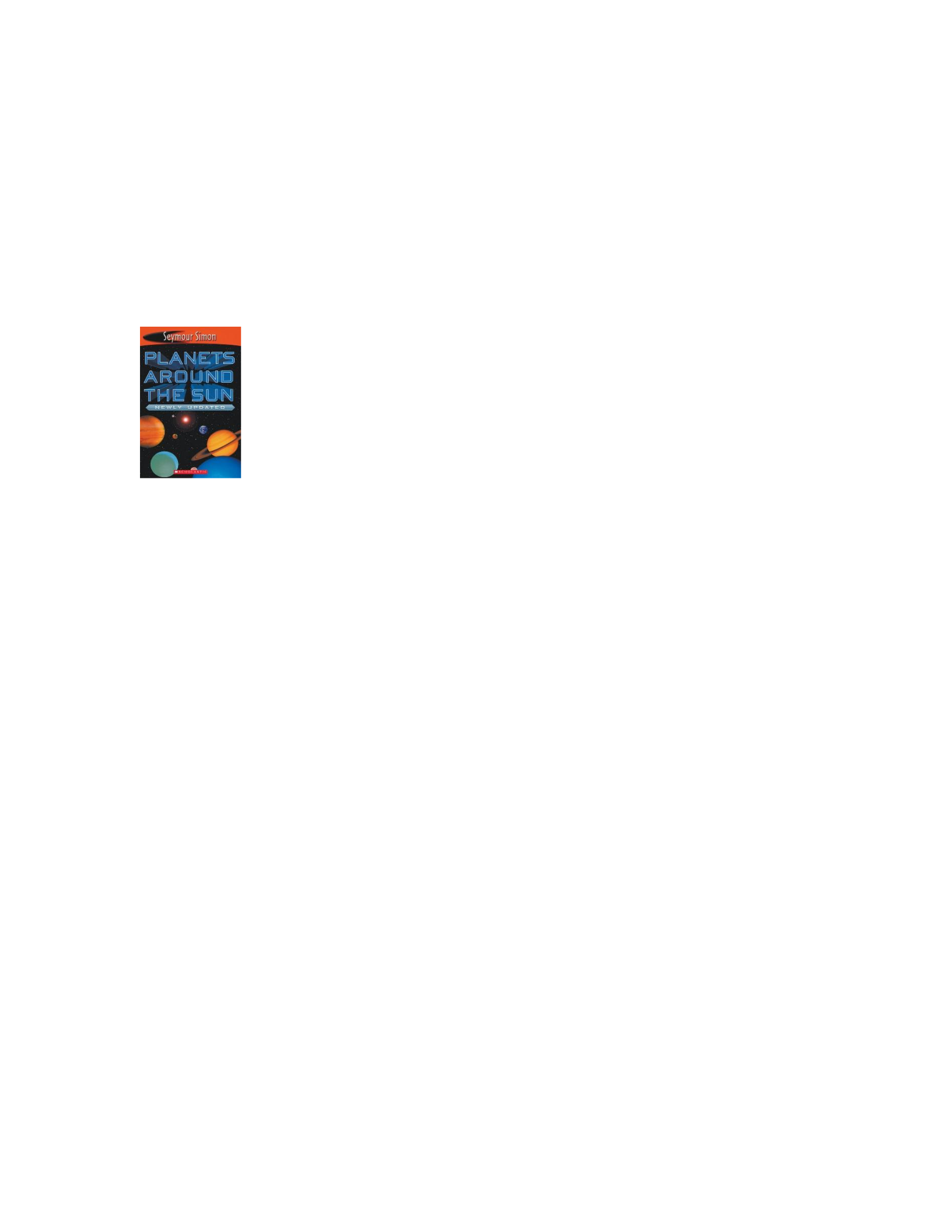
10. Title of Book: Planets Around The Sun
Author: Seymour Simon
Category of Book: Seymour Simon
Photo of Cover of Book:
Grade Level: 6
Virginia Science Standard of Learning: 6.2 The student will investigate and understand that
the solar system is organized and the various bodies in the solar system interact. Key ideas
include a) matter is distributed throughout the solar system; b) planets have different sizes
and orbit at different distances from the sun; c) gravity contributes to orbital motion; and d)
the understanding of the solar system has developed over time.
Topic: Planets
Book Summary: This book Takes readers through each of the plants in our solar system. It
explains what is unique about each planet and what order the planets are in and how
important the sun is to our solar system. This book is 40 pages of information about the
planets that will keep students engaged with a lot of good information.
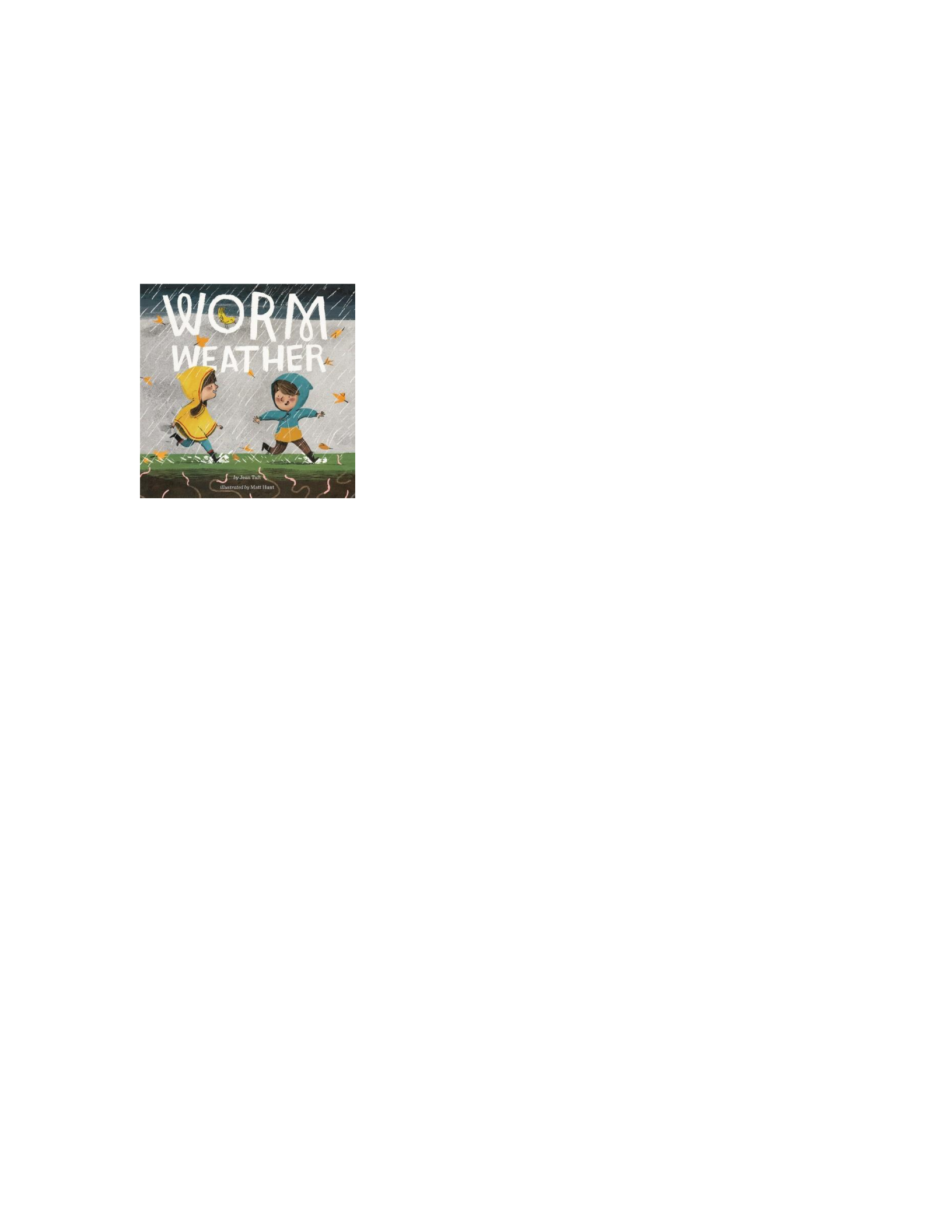
11. Title of Book: Worm Weather
12
Author: Jean Taft
Illustrator: Matt Hunt
Category of Book: Other
Photo of Cover of Book:
Grade Level: 1
Virginia Science Standard of Learning: 1.7 The student will investigate and understand that
there are weather and seasonal changes. Key ideas include a) changes in temperature, light,
and precipitation occur over time; b) there are relationships between daily weather and the
season; and c) changes in temperature, light, and precipitation affect plants and animals,
including humans.
Topic: Weather
Book Summary: This book brings readers into a fun atmosphere of learning about the
weather and how worms react to rain. This fun book is 32 pages of colorful and silly pictures
and stories about catching worms in the rain.
12. Title of Book: Sea Turtles

13
Author: Laura Marsh
Category of Book: National Geographic reader
Photo of Cover of Book:
Grade Level: 1
Virginia Science Standard of Learning: 1.5 The student will investigate and understand that
animals, including humans, have basic life needs that allow them to survive. Key ideas
include a) animals need air, food, water, shelter, and space (habitat); b) animals have
different physical characteristics that perform specific functions; and c) animals can be
classified based on a variety of characteristics.
Topic: Animal Life
Book Summar: This colorful, fact-filled book presents an informative portrait of sea turtles,
covering their traits as reptiles, their unique characteristics (such as shells and flippers), their
habitats and movements, and their reproduction. Readers will learn how sea turtles protect
themselves with their shells, how they migrate thousands of miles over their lifetimes, and
how they manage to return to the same beach where they were born. This book is 32 pages
long and deals with many different pictures and facts about sea turtles.
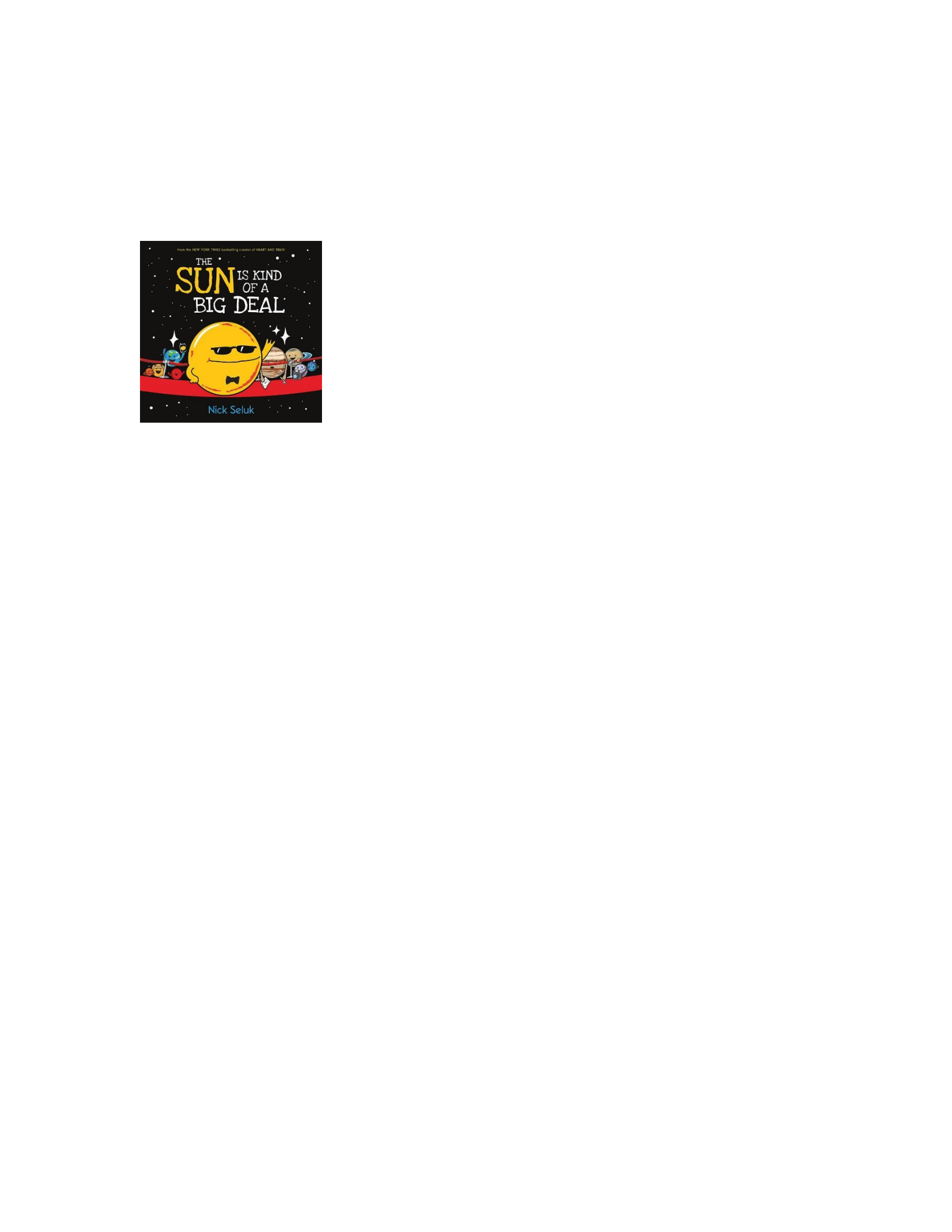
13. Title of Book: The Sun is Kind of a Big Deal
14
Author: Nick Seluck
Category of Book: Other
Photo of Cover of Book:
Grade Level: 1
Virginia Science Standard of Learning: 1.6 The student will investigate and understand that
there is a relationship between the sun and Earth. Key ideas include a) the sun is the source
of energy and light that warms the Earth’s land, air, and water; and b) the sun’s relative
position changes in the Earth’s sky throughout the day.
Topic: Sun and Earth
Book Summary: Fun and Factual book about the sun in relation of the earth and other planets
in out solar system. This book is 40 pages of fun facts and illustrations about the sun and
what it provides for our planet and the other plants in our solar system.
14. Title of Book: Why Do Animals Hibernate?
Author: David Martin
Category of Book: Other
Photo of Cover of Book:

15
Grade Level: 1
Virginia Science Standard of Learning: The student will investigate and understand that
animals, including humans, have basic life needs that allow them to survive. Key ideas
include a) animals need air, food, water, shelter, and space (habitat); b) animals have
different physical characteristics that perform specific functions; and c) animals can be
classified based on a variety of characteristics.
Topic: Animals and Life Cycles
Book Summary: This book is filled with many pictures of different animals sleeping in
Hibernation. This book goes into details about why animals hibernate and why some other
animals don’t hibernate. This book is 24 pages long and keeps students engaged with many
interesting facts about where and why animals hibernate.
15. Title of Book: Tadpole to Frog
Author: Lisa Herrington
Category of Book: Other
Photo of Cover of Book:

16
Grade Level: 1
Virginia Science Standard of Learning: 1.5 The student will investigate and understand that
animals, including humans, have basic life needs that allow them to survive. Key ideas
include a) animals need air, food, water, shelter, and space (habitat); b) animals have
different physical characteristics that perform specific functions; and c) animals can be
classified based on a variety of characteristics.
Topic: Animal Life Cycles
Book Summary: This book allows readers to see how some animals look the same as a baby
versus as an adult. When it comes to frogs that isn’t the case the book shows how a frog
comes from a tadpole that looks nothing like a frog. In 32 pages this book has many pictures
of the life cycles of frogs.

17
Part Two – Reflection
[Reflection is a gift that is often not utilized, but allows us to process learning opportunities and
is a great teacher. Answer the following prompts regarding this activity in at least four full
complete sentences. Delete these instructions. This section should start with 1. What did you
like about this activity?]
1. What did you like about finding literature resources connected to science?
Literature resources connected to science brought down to the grade levels listed
above are great for young minds to learn all the new things that the world of science
has to offer. These books can really open a young students minds to what is out in the
world with weather, animal and plant life cycles, volcanoes and weathering of the
earth, and of course the biography of the people who developed a lot of the scientific
principals we know of today.
2. If you had to complete this same activity again, what would you change?
If I had to do this activity again I would change the choice of books. I would go
through and read each book individually and do my research on the book to find what
the author is trying to say. Whether it’s a biography or just a book that explains the
life cycles of animals or the weather. I would go and do my own independent research
outside of the book to learn more about each subject.
3. What did you learn about yourself during this assignment?
In this assignment I learned the difficulty on concentrating on the lengthy project at
hand. I had to finish this project in segments where I could not complete it all at once.
I also learned that if I have the time and focus to sit somewhere quiet and work on a

18
drawn out project such as this I can knock the books one after the other with no
breaks or interruptions in my work flow.
4. What was your favorite book that you found? Explain why.
My Favorite book in this selection of books was I am Jane Goodall. It was so great to
learn about an influential woman of science. Learning about her discoveries with
Chimpanzees and how she traveled to Tanzania at the age of 26 to go into the wild
world of chimps to learn all about them. She lived to be 90 years old and developed a
foundation to protect and educate others about these animals.
5. If you were the professor of this course, what changes would you make to this
assignment?
If I were the professor of this course, I would change some of the parameters set for
this assignment. I wouldn’t require 15 books to be in the assignment, I would want
10. This would allow students to not go through so many books for a single
assignment and come up with information for every single one. 15 books make it
monotonous and boring and after the first 5 you understand the point behind the
assignment and as the professor grading the assignment I wouldn’t read all 15
descriptions of the books anyway I would only read 5 and grade them based on that
because I know that if he first 5 are good or bad I can bet the rest will be the same
way. Also, as a professor I would not assign an assignment as lengthy and drawn out
as reading 15 books and giving all of the information required within a week.
Students in my college class have a life outside of my class as well as other classes
with the same lengthy and monotonous projects that they must complete within a
week. Some students have jobs and a family or hardships and other events that life

19
throws at you out of nowhere. I know as a professor I would not take the multitude of
hours to complete this project within the time frame given.

