



1
FPR
Student Number Student Name
Course:
Supervised by:
Type of Proposal

2
Anomaly Detection with Isolation Forest Algorithm in Website (Medical Health
Website)
Abstract
Currently, medical centers have developed more advanced techniques to detect
the health status of the patient in real time, and therefore the majority of them have
developed websites to detect anomalies in the data that the patient feedback from the
website. The traditional methods of detecting anomalies within the data that is provided
in the hospital are not very effective. Therefore, there is a need to develop a more
sophisticated model integrated with an isolation forest algorithm to detect anomalies.
This study on anomaly detection using an isolation forest algorithm aims to create a
model that can detect anomalies in hospital website data. This study has integrated
isolation forest in hospital data to detect anomalies. This study's data and information
sources are GitHub, Kaggle and credible health information websites. The data contains
specific data that the user should input, and if the user inputs another data, the model
detects anomalies. There is also the implementation of a flask setup, which visualizes.
The flask application is the linchpin, providing a user-friendly interface for interacting
with the anomaly detection model. The Flask application setup defines two pivotal
routes: / and /predict. The / route plays a fundamental role in rendering an intuitive
HTML page. Here, users are presented with an interface where they can seamlessly
input textual descriptions related to medical procedures, products, or services found on
the websites. This interactive web page is the entry point, encouraging users to engage
effortlessly with the application. Simultaneously, the /predict route is the engine behind
the scenes, handling incoming POST requests from the user interface. Upon receiving
user input, this route triggers the anomaly detection model, leveraging the underlying
algorithms and meticulously processed data. The library tools used in this study include
NumPy, pandas and sklearn. The data that is used is the Healthcare providers. CSV.
The methodology employed in this study for creating the model is the isolation
forest algorithm. The data undergoes various processes like data preprocessing,
cleaning, and feature selection to get accurate results. The prediction accuracy of this
model is 95%. Various challenges were experienced while doing this study, like
inadequate data and the lack of adequate time. The main ethical consideration of this
study is privacy. Implementing One-Class SVM and Isolation Forest algorithms models
for anomaly detection on medical health websites demonstrated exceptional efficacy in
detecting abnormal patterns. One-Class SVM, being an unsupervised learning model,
proved particularly valuable in detecting previously unseen anomalies like unusual user
behavior. The Isolation Forest algorithm showcased robustness in handling high-
dimensional data, ensuring accurate and efficient detection.

3
Table Of Content
Table of Contents
CHAPTER ONE.................................................................................................................3
1.1 INTRODUCTION/ Background Information..........................................................3
1.2 Problem Statement.................................................................................................4
1.3 Objectives...............................................................................................................5
1.4 Research Questions...............................................................................................5
1.5 Significance of this Research...............................................................................5
1.6 Scope.......................................................................................................................6
1.7 Assumptions...........................................................................................................7
CHAPTER TWO................................................................................................................9
2.0 Literature Review...................................................................................................9
2.1 The Effectiveness of Isolation Forest Algorithms in Anomaly Detection in
Huge Data Sets.............................................................................................................9

4
2.2 How Can Anomalies Like Unusual User Behavior Be Detected By Isolation
Forest...........................................................................................................................11
2.3 Isolation Forest Algorithm's Performance Ability in Handling Huge
Dimensions of Datasets.............................................................................................11
2.4 Key Parameters and Configurations of The Isolation Forest Algorithm That
Significantly Influence Its Anomaly Detection Performance in Websites............13
2.5 How can the Isolation Forest algorithm be integrated into a robust
framework for anomaly detection in massive datasets, ensuring efficiency and
accuracy in identifying anomalies within websites................................................15
2.6 Generalizability of The Isolation Forest Algorithm in Various Types of
Anomalies Like Collective Anomalies, Point Anomalies, And Contextual
Anomalies...................................................................................................................16
CHAPTER THREE..........................................................................................................18
3.0 METHODOLOGY...................................................................................................18
CHAPTER FOUR............................................................................................................21
4.0 Understanding Isolation Forest..........................................................................21
4.1 The Need of Understanding the Isolation Forest..............................................21
CHAPTER FIVE..............................................................................................................23
5.0 Data Preprocessing..............................................................................................23
5.1 The Need for Data Preprocessing..........................................................................23
CHAPTER SIX.................................................................................................................25
6.0 Feature Extraction................................................................................................25
6.1 Reasons for Feature Extraction..........................................................................25
CHAPTER SEVEN..........................................................................................................27
7.0 Training the One-Class SVM Model....................................................................27
CHAPTER EIGHT...........................................................................................................29
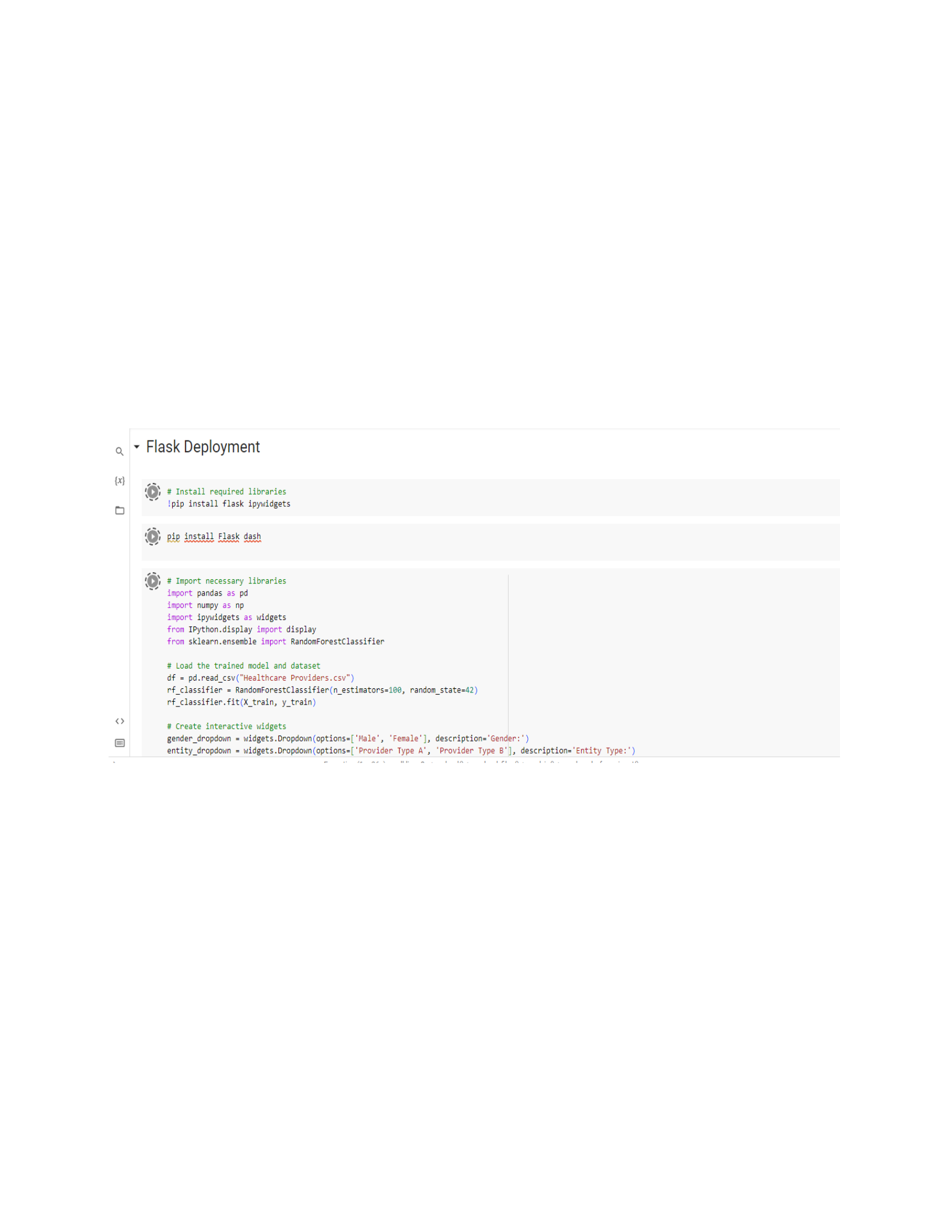
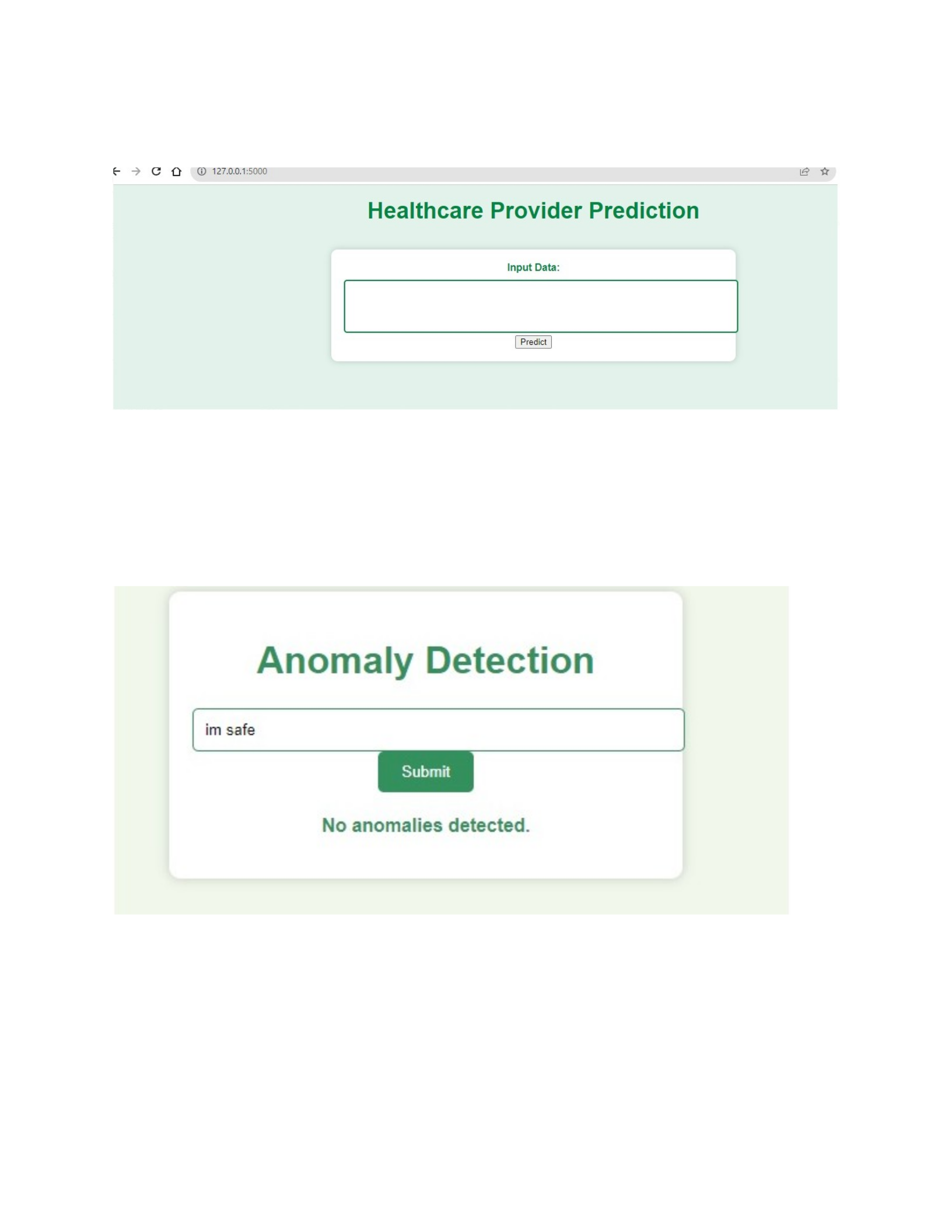
8.0 Flask Application Setup.......................................................................................29
8.1 The Need for Flask Application Setup...............................................................29
CHAPTER NINE..............................................................................................................31
9.0 Making Predictions..............................................................................................31
CHAPTER TEN...............................................................................................................33
10.0 Discussion and Evaluation...............................................................................33

5
CHAPTER ONE
1.1 INTRODUCTION/ Background Information
In recent years, integrating machine learning techniques into various sectors has paved
the way for significant advancements, especially in healthcare. One of the pivotal
applications of machine learning in healthcare is anomaly detection, a process that
involves identifying patterns or instances that deviate significantly from the norm.
Detecting anomalies in medical data holds immense potential for early diagnosis and
timely intervention, ultimately leading to improved patient outcomes.
With the exponential growth of digital health records and the widespread adoption of
medical health websites, a vast patient data repository is waiting to be explored. These
digital platforms facilitate seamless communication between patients and healthcare
providers and generate enormous amounts of data. Analyzing this data to identify
anomalies and predict potential illnesses can revolutionize diagnosing and treating
diseases.
One such powerful tool in anomaly detection is the Isolation Forest algorithm. Isolation
Forest algorithm stands out for its efficiency in isolating anomalies within a dataset.
Unlike traditional methods that rely on distance measures or density estimation, the
Isolation Forest algorithm takes advantage of the properties of isolation. It works by
randomly selecting features and partitioning data points until anomalies are isolated with
fewer partitions, thus making it particularly suitable for high-dimensional datasets.
The Isolation Forest algorithm can be leveraged in medical health websites to predict
whether a patient is sick based on the anomalies detected in their health data.
Anomalies in this context refer to patterns or values significantly deviating from the
expected or normal range. For instance, irregularities in vital signs, unexpected
fluctuations in laboratory values, or unusual symptoms reported by patients can indicate
underlying health issues.
The medical health website can learn to recognize subtle patterns associated with
various illnesses by training the Isolation Forest algorithm on historical patient data.
These patterns might be challenging for human experts to identify but can be discerned
efficiently by machine learning algorithms. Once trained, the algorithm can analyze
incoming patient data in real-time, flagging individuals whose health parameters exhibit
anomalies consistent with potential illnesses.
Integrating advanced technologies has become pivotal for accurate and timely
diagnosis in the rapidly evolving healthcare landscape. With the surge in digital health
data, the ability to identify anomalies within this vast sea of information has gained
paramount importance (Liao et al., 2023). Anomalies, often indicative of underlying
health issues, can be subtle and challenging to discern amidst the complexity of medical
data. In this context, the fusion of data science and medical diagnostics has paved the
way for revolutionary techniques such as Isolation Forests for anomaly detection.

6
1.2 Problem Statement
Integrating technology and data-driven solutions has ushered in a new medical
diagnostics and patient care era in the contemporary healthcare landscape. One of the
significant challenges healthcare professionals and data scientists face is the accurate
and timely identification of health anomalies within the vast and complex datasets
generated by medical health websites. In this context, anomalies refer to deviations or
irregularities in health data that could indicate underlying health issues. Identifying these
anomalies is critical, leading to early diagnosis, timely intervention, and improved
patient outcomes.
Medical health websites generate enormous amounts of data encompassing
parameters such as vital signs, medical history, test results, and patient demographics.
Analyzing this data manually is not only time-consuming but also prone to errors.
Moreover, the interrelation of various data points further amplifies the complexity,
making it challenging to identify subtle anomalies that might be early indicators of
diseases or disorders. Anomalies in health data are often subtle and can easily be
overlooked in traditional diagnostic processes. Timely identification of these anomalies
is crucial, as it can lead to early detection of diseases, allowing for proactive medical
interventions. On the other hand, delayed detection can lead to disease progression,
worsening the patient's condition and reducing the effectiveness of treatments.
While machine learning algorithms have shown promise in analyzing vast
datasets, selecting an appropriate algorithm for anomaly detection is crucial. Isolation
Forests, a machine learning algorithm based on the concept of decision trees, has
gained attention for its ability to detect outliers in large datasets efficiently. However,
applying this algorithm effectively to the diverse and dynamic nature of medical data
poses a unique set of challenges that must be addressed.
Medical data is highly sensitive and subject to strict privacy regulations. Ensuring
the security and privacy of patient information while implementing machine learning
algorithms is a paramount concern. Balancing the need for data-driven insights and
safeguarding patient confidentiality adds complexity to the problem statement.
Effectively bridging the gap between technological advancements and healthcare
practices is a persistent challenge. Integrating machine learning algorithms like Isolation
Forests into healthcare professionals' workflow requires technical expertise and a deep
understanding of medical contexts. Overcoming this challenge is essential to ensure
that the insights generated by these algorithms are translated into actionable and
meaningful decisions in clinical settings.
1.3 Objectives
I. To evaluate and assess the effectiveness of isolation forest algorithms in anomaly
detection in huge data sets and compare its performance capacity as compared to other
traditional methods
ii. To explore and assess the generalizability of the isolation forest algorithm in various
types of anomalies like collective anomalies, point anomalies, and contextual
anomalies.

7
iii. To develop a Model that will integrate isolation forest in a huge dataset so that
anomaly is detected
iv. To analyze the algorithm's ability to handle huge dimensions of datasets and later
quantify the performance degradation, which will lead to improved results and insights.
v. To investigate the effects of varying hyperparameters like numbers and trees of the
isolation forest on its anomaly detection capabilities, which aims at identifying the
optimal parameter setting
1.4 Research Questions
i. How effective is the Isolation Forest algorithm in detecting various types of
anomalies within websites, including collective anomalies, point anomalies, and
contextual anomalies?
ii. What is the impact of hyperparameters, specifically the number of trees in the
Isolation Forest algorithm, on its accuracy in identifying anomalies within web
applications?
iii. What are the best practices for preprocessing the data and configuring the
isolation forest algorithm parameters to achieve optimal performance in the
integration model?
iv. How does the performance of the isolation forest algorithm degrade concerning
both time and accuracy as the dimensionality of the dataset increases?
v. How do variations in the number of trees and subsample size impact the
sensitivity and specificity of the isolation forest algorithm in detecting anomalies?
1.5 Significance of this Research
Data has become the cornerstone of innovation across various industries in the
digital age, with healthcare being no exception. The emergence of medical health
websites and the proliferation of digital health data have ushered in a new era of
medical diagnostics. However, this data's sheer volume and complexity present
challenges, particularly in identifying subtle patterns and anomalies that could indicate
serious health issues. This is where the significance of employing advanced techniques
like Isolation Forests for anomaly detection becomes paramount.
The significance of this study lies in its potential to revolutionize healthcare
delivery. Timely and accurate diagnosis is often the linchpin in effective medical
treatment. Anomalies in health data, even seemingly insignificant ones, can be early
indicators of diseases or abnormalities. Detecting these anomalies can lead to early
interventions, drastically improving patient outcomes and, in some cases, saving lives.
Integrating Isolation Forests into medical health websites empowers healthcare
professionals to sift through vast datasets efficiently, pinpointing anomalies with
remarkable accuracy.
One of the key advantages of Isolation Forests is their ability to work well with
high-dimensional data, a common characteristic of medical datasets. Traditional
methods often struggle with the 'curse of dimensionality,' where the algorithm's accuracy
decreases as the number of features increases. With their inherent capacity to handle
high-dimensional data, Isolation Forests provide a solution to this challenge. By

8
efficiently isolating anomalies, healthcare practitioners can focus on specific aspects of
a patient's health data, leading to a more targeted and precise diagnosis.
Furthermore, this study holds immense promise in the realm of preventive
healthcare. By identifying anomalies early on, healthcare providers can proactively
engage patients in preventive measures, lifestyle modifications, or screenings,
potentially averting the onset of chronic conditions. This proactive approach improves
the quality of life for individuals. It reduces the burden on healthcare systems by
minimizing the need for expensive and extensive treatments often accompanying
advanced-stage illnesses.
Another significant aspect of this study is its potential to enhance the efficiency of
healthcare services. In many parts of the world, healthcare resources are scarce, and
professionals are often overburdened with large patient loads. By automating the
process of anomaly detection through Isolation Forests, medical health websites can
assist healthcare providers in prioritizing cases, ensuring that urgent and critical cases
are addressed promptly. This optimization of resources can lead to more effective
healthcare delivery, reduced waiting times, and an overall improvement in the
healthcare experience for patients.
Moreover, the application of Isolation Forests in medical health websites aligns
perfectly with the growing trend of personalized medicine. Each individual's health data
is unique, and anomalies can manifest in diverse ways. Isolation Forests, by their
nature, are adaptable and can identify anomalies in a wide array of scenarios. This
adaptability is crucial in personalized medicine, where tailored treatments and
interventions based on an individual's unique health profile are becoming increasingly
common. The ability to accurately detect anomalies ensures that personalized
treatments are grounded in precise, data-driven insights, enhancing their effectiveness.
Additionally, the significance of this study extends to the realm of data security
and patient privacy. As medical data is sensitive and highly regulated, incorporating
robust anomaly detection methods like Isolation Forests adds an extra layer of security
to medical health websites. By identifying unusual patterns in data access or usage,
these algorithms can alert administrators to potential security breaches, ensuring that
patient confidentiality is maintained.
1.6 Scope
In the rapidly evolving digital healthcare landscape, the integrity and reliability of
medical information presented on online platforms are paramount. This study delves
into a critical area of data science and machine learning: anomaly detection using the
Isolation Forest algorithm. The primary objective of this research is to significantly
enhance the accuracy of health predictions made on medical health websites by
effectively identifying anomalies within the dataset and classifying them as potential
indicators of sickness. The scope of this study encompasses various dimensions, each
playing a vital role in achieving the overarching goal of improving the quality of
healthcare information available online.

9
The study begins by exploring anomaly detection's theoretical underpinnings,
emphasizing the significance of outlier identification in diverse datasets. By focusing on
the Isolation Forest algorithm, this research aims to unravel the intricacies of this
method and understand how it excels in isolating anomalies efficiently, especially in
high-dimensional data such as medical records. A pivotal aspect of this study involves
the collection of comprehensive datasets from various medical health websites. These
datasets will encapsulate a wide array of patient information, including symptoms,
medical history, and diagnostic outcomes. The preprocessing phase is equally critical,
involving techniques for handling missing values, normalizing numerical data, and
encoding categorical variables. Additionally, feature engineering methods will be
incorporated to extract relevant features to augment the anomaly detection process.
The heart of this research lies in applying the Isolation Forest algorithm. The
study will investigate the intricacies of implementing this algorithm on preprocessed
medical datasets. Understanding the parameters, tuning hyperparameters, and
optimizing the algorithm's performance are vital aspects within this scope. This phase
necessitates a deep analysis of how the Isolation Forest identifies anomalies and its
adaptability to the nuances of medical data. Identifying anomalies is merely the first
step; the subsequent classification of these anomalies as indicators of potential
sickness form another critical facet of this study. The study will explore methods to
discern false positives from true anomalies, ensuring the predictions are as accurate as
possible. Metrics such as accuracy, precision, recall, and F1-score will be employed to
evaluate the model's performance rigorously, providing insights into its efficacy and
reliability. Within the ethical scope of this study, considerations will be made regarding
patient privacy, data security, and informed consent. Ethical guidelines and legal
frameworks pertinent to healthcare data will be thoroughly analyzed, ensuring that the
research adheres to the highest standards of integrity. Furthermore, the study will
speculate on the future applications of this research, including its potential integration
into real-time healthcare platforms and its role in revolutionizing the way we
approach digital healthcare.
1.7 Ethical Consideration of this Research
One of the foremost ethical concerns in this study revolves around patient
privacy and data security. Medical data is highly sensitive, often containing personal,
identifiable information. Ensuring patients' anonymity and employing robust data
encryption methods are crucial to safeguarding individual privacy. Researchers must
adhere strictly to legal frameworks such as HIPAA in the United States or GDPR in
Europe, which regulate the usage and protection of personal healthcare data.
Respecting the autonomy of patients is fundamental. Informed consent, whereby
participants understand the nature of the study, its objectives, and potential implications,
is indispensable. Transparent communication about the research methodology, anomaly
detection, and how their data will be utilized is necessary. Participants should have the

10
right to opt-out without facing any consequences, ensuring their voluntary participation
in the study.
Anomaly detection models are not immune to biases in the data they are trained
on. Identifying and mitigating biases to prevent discrimination against certain
demographic groups is critical. Ethical researchers must actively work to minimize
biases in the algorithm and interpret the results critically. Regular fairness audits should
be conducted to ensure the model is equitable across diverse patient populations.
Researchers have a responsibility to be accountable for the outcomes of their
work. This involves rigorous validation of the model, transparent reporting of results,
and open discussion of limitations. Additionally, researchers must be prepared to
address the consequences of their findings, both positive and negative, and be willing to
rectify any unintended harm that might arise from implementing the anomaly detection
system.
The deployment of anomaly detection models in healthcare has broader social
implications. These tools can exacerbate existing healthcare disparities if not deployed
thoughtfully. Vulnerable populations, such as those with limited access to healthcare,
might be disproportionately affected. Ethical researchers must proactively consider
these disparities, advocating for policies and interventions that bridge the gap rather
than widen it.

11
CHAPTER TWO
2.0 Literature Review
A literature review is a critical and systematic evaluation of existing research,
scholarly articles, books, dissertations, conference proceedings, and other sources
relevant to a particular topic, area of study, or research question. It is an essential
component of academic and research work, providing an overview of the existing body
of knowledge and highlighting gaps, inconsistencies, or areas where further research is
needed.
A literature review sets the stage for the study by providing context and
explaining the rationale behind the research. It helps readers understand the topic's
background and why the study is important within the larger academic or practical
context. Researchers can identify gaps in the current knowledge base by reviewing
existing literature. These gaps represent areas where new research can contribute
significantly. Addressing these gaps adds originality and value to the study. A literature
review helps in building the theoretical framework for the study. It allows researchers to
explore various theories, models, and concepts that are relevant to their topic.
Researchers can develop a strong foundation for their theoretical framework by
integrating existing theories. Researchers can learn about various research
methodologies, data collection techniques, and analytical methods used in previous
studies.
2.1 Comparison of Isolation Forest to Traditional Methods
Anomaly detection plays a crucial role in various fields, such as cybersecurity,
fraud detection, and industrial automation, where identifying abnormal patterns is
essential. Traditional methods like statistical techniques, clustering algorithms, and
nearest-neighbor methods have long been used for anomaly detection. However, these
methods often struggle with high-dimensional and complex datasets. In recent years,
Isolation Forest, a machine learning algorithm, has emerged as a powerful tool for
anomaly detection.
Isolation Forest excels in processing large datasets efficiently. Unlike traditional
methods like clustering algorithms (e.g., k-means) that become computationally
expensive as the dataset size increases, Isolation Forest has a time complexity of O(n
log n), making it highly scalable. For instance, in financial fraud detection, where
enormous transaction data is processed daily, Isolation Forest can quickly identify
suspicious activities without compromising computational resources.
High-dimensional data challenges traditional methods like Principal Component
Analysis (PCA). Isolation Forest, by design, efficiently handles high-dimensional
datasets. It constructs a random forest of isolation trees, enabling it to identify
anomalies in multidimensional spaces without the need for dimensionality reduction
techniques. In applications such as image recognition or network intrusion detection,
where data often exists in high-dimensional spaces, Isolation Forest offers a robust
solution. Traditional methods, such as nearest neighbor algorithms, are highly sensitive
to outliers, leading to skewed results. Isolation Forest, on the other hand, is inherently

12
robust to outliers. It isolates anomalies effectively by randomly selecting features and
partitioning the data, making it less influenced by individual data points. This robustness
ensures accurate anomaly detection, especially in datasets with noisy or sparse
outliers.
Isolation Forest is versatile and can handle various data types, including
numerical and categorical variables, without extensive preprocessing. Traditional
methods often require meticulous data transformations and normalization, making them
less adaptable to diverse data types. For example, in healthcare, where patient records
may include numerical values (such as blood pressure) and categorical variables (such
as disease codes), Isolation Forest can seamlessly detect anomalies without the hassle
of extensive data preparation.
Compared to some complex machine learning algorithms, Isolation Forest is
relatively easy to interpret. Its underlying structure of isolation trees allows analysts to
trace the path of an instance, making it clear why a particular data point is considered
abnormal.
21 The Effectiveness of Isolation Forest Algorithms in Anomaly Detection in Huge
Data Sets
In the vast data analytics landscape, detecting anomalies efficiently and
accurately is a fundamental challenge. With the exponential growth of digital data,
traditional anomaly detection methods often struggle to cope with the sheer volume and
complexity of contemporary datasets. This has led to exploring innovative techniques,
among which the Isolation Forest algorithm has emerged as a promising solution,
particularly in dealing with huge datasets.
Huge datasets, characterized by their immense volume, high dimensionality, and
intricate patterns, pose a significant challenge for anomaly detection algorithms.
Traditional methods, such as clustering and statistical approaches, often encounter
computational inefficiencies and accuracy issues when applied to these datasets.
Anomalies, which represent rare instances significantly different from the majority, are
especially hard to pinpoint in such vast data landscapes.
Advantages in Huge Datasets:
Isolation Forest's inherent structure enables parallelization, making it highly
scalable. As the dataset size increases, Isolation Forest's computational efficiency
remains intact, ensuring quick anomaly detection even in terabyte-scale datasets.
Unlike many traditional algorithms, Isolation Forest is not adversely affected by high-
dimensional data. It effectively handles datasets with numerous features, a common
characteristic of big data, without sacrificing accuracy or speed. Isolation Forest is
robust in the presence of outliers and noisy data, which are common challenges in large
datasets. Its ability to isolate anomalies based on their intrinsic properties rather than
specific distances or statistical measures enhances its robustness in diverse data
environments.

13
2.2 How Unusual Isolation Forest Detects User Behavior
In the age of vast digital interactions, understanding user behavior is paramount
for various applications, including fraud detection, network security, and anomaly
detection. Traditional methods often struggle to identify outliers in large and complex
datasets. Enter Isolation Forest, a machine-learning algorithm specifically designed for
anomaly detection. In this exploration, we delve deep into the workings of Isolation
Forest and elucidate how it excels in detecting unusual user behavior amidst the noise
of routine interaction.
The Isolation Forest algorithm relies on the principle that anomalies are rare and
prone to isolation faster than normal data points. Unlike other methods focusing on the
normal data, Isolation Forest takes a different approach. It builds an ensemble of
isolation trees, essentially random decision trees, where data points are isolated
recursively. Anomalies, being isolated early in the process, require fewer partitions,
making them stand out in the forest of trees. One of the notable advantages of Isolation
Forest is its simplicity. It does not require complex assumptions about the underlying
data distribution. This simplicity leads to efficiency, enabling the algorithm to work well
with large datasets without the computational burden of more intricate methods. In the
context of user behavior analysis, this efficiency is crucial, especially in real-time
applications where timely detection of unusual behavior is essential.
Isolation Forest's sensitivity to anomalies is a key feature. Anomalies are isolated
with fewer splits, making them stand out in the constructed trees. This sensitivity allows
the algorithm to effectively discern unusual patterns in user behavior, even in situations
where traditional methods might fail due to the subtlety of the anomalies or the
complexity of the dataset. Modern datasets, particularly those related to user behavior,
are often high-dimensional. Traditional methods struggle with the curse of
dimensionality, where the model's accuracy diminishes as the number of dimensions
increases. Isolation Forest, however, is remarkably effective in high-dimensional
spaces. It constructs trees based on random feature subsets, mitigating the impact of
high dimensionality and ensuring that unusual patterns in user behavior are not lost in
the complexity of the data.
User behavior is not static; it evolves, and new forms of unusual behavior
constantly emerge. Isolation Forest is inherently capable of handling novel and evolving
patterns. As it does not rely on predefined rules or fixed patterns, it adapts well to
changing user behavior, making it an ideal choice for applications where the nature of
anomalies is not well-defined or constantly evolving. Understanding why a specific
behavior is flagged as unusual is crucial for decision-makers. Isolation Forest is a black-
box model and provides a degree of interpretability. Analysts can gain insights into the
features contributing to the unusual behavior by examining the splits in the trees where
anomalies are isolated. This interpretability adds a layer of transparency to the detection
process, aiding in informed decision-making.

14
2.3 Key Parameters and Configurations of The Isolation Forest Algorithm That
Significantly Influence Its Anomaly Detection Performance in Websites
The max_samples parameter defines the maximum number of samples used to
construct each tree in the forest. A smaller value implies that the algorithm will use fewer
samples to build the trees, potentially leading to a more specific model. Conversely, a
larger value provides a more generalized model. The choice of max_samples depends
on the nature of the data. For websites with large datasets, setting an appropriate
max_samples value is critical to balance computational efficiency and model accuracy.
Contamination represents the proportion of outliers in the dataset, assuming that
the dataset contains both normal and abnormal data points. It is a crucial parameter in
anomaly detection tasks. Setting the contamination parameter is vital on websites
where anomalies could represent security breaches or malicious activities. A precise
estimation of the proportion of anomalies in the dataset ensures that the algorithm
effectively captures the outliers without flagging too many normal data points as
anomalies or missing actual anomalies.
The selection of features or attributes used in anomaly detection significantly
affects the algorithm's performance. Features could include user behavior metrics,
traffic patterns, or website content-related data. Selecting relevant features demands
domain expertise to ensure the algorithm captures the most meaningful aspects of
website behavior. Feature engineering techniques, such as dimensionality reduction or
domain-specific feature selection, can be applied to enhance features' quality and
improve anomaly detection accuracy.
The random seed or the random number generator used by the Isolation Forest
algorithm can influence the randomness of the process. Setting a specific random seed
ensures reproducibility, allowing researchers to replicate the results consistently. In
experiments with websites, reproducibility is crucial for validating the model's
performance and comparing results across different datasets or studies.
Choosing appropriate evaluation metrics is paramount to accurately assess the
Isolation Forest algorithm's performance. Common metrics in anomaly detection tasks
include precision, recall, F1-score, and the area under the ROC curve (AUC-ROC).
Precision and recall are especially critical in websites where false positives (normal data
points incorrectly classified as anomalies) and false negatives (anomalies missed by the
algorithm) have different implications. Precision focuses on the accuracy of positive
predictions, whereas recall emphasizes the algorithm's ability to capture all the positive
instances. Striking a balance between these metrics is essential to ensure the
algorithm's effectiveness in identifying anomalies without overwhelming users with false
alerts.
2.4 How can the Isolation Forest algorithm be integrated into a robust framework
for anomaly detection in massive datasets, ensuring efficiency and accuracy in
identifying anomalies within websites?

15
In the era of digitalization, websites have become integral components of
businesses, providing a platform for interaction and transactions with users. However,
the increasing complexity of websites also brings forth a rising tide of anomalies,
ranging from security breaches to user experience issues. Detecting these anomalies is
crucial for maintaining a secure and seamless online environment. Traditional methods
often fall short when it comes to handling massive datasets efficiently.
Anomaly detection is identifying patterns or instances that do not conform to the
expected behavior within a dataset. In websites, anomalies can range from DDoS
attacks and SQL injections to unexpected user behavior and server errors. Traditional
methods like rule-based systems and clustering algorithms have limitations when
dealing with large-scale, high-dimensional data. This is where machine learning
algorithms, particularly the Isolation Forest, come into play. Based on the concept of
random forests, the Isolation Forest algorithm excels at isolating anomalies within
datasets efficiently. Unlike other algorithms, it identifies anomalies by isolating them in
the feature space. It does so by constructing a random binary tree and partitioning the
dataset until anomalies are isolated in the leaf nodes. This approach is highly efficient,
especially in high-dimensional datasets, making it ideal for anomaly detection in
complex systems like websites.
Integrating the Isolation Forest algorithm into an anomaly detection Framework
Steps
Before applying the Isolation Forest algorithm, it's essential to preprocess the
website data. Involves cleaning, feature selection, and normalization to ensure the data
is in a suitable format for the algorithm. Websites generate vast amounts of data,
including user behavior, server logs, and network traffic. The algorithm can detect
anomalies accurately by crafting meaningful features from this data. Feature
engineering techniques like PCA (Principal Component Analysis) can be employed to
reduce dimensionality.
The Isolation Forest algorithm requires training on the preprocessed and
engineered dataset. During this phase, the algorithm learns the patterns within the data,
making it capable of identifying anomalies efficiently. Anomalies are identified based on
a threshold value. Setting this threshold is crucial and requires careful consideration. It
can be adjusted based on the specific requirements of the website and the tolerance for
false positives and negatives.
Websites are dynamic, with usage patterns evolving. Integrating the anomaly
detection framework into real-time monitoring allows for adaptive learning. Continuous
monitoring enables the framework to adapt to changing patterns and ensures the
detection of new and sophisticated anomalies.
Benefits of Isolation Forest Integration
Isolation Forest is highly scalable, making it suitable for processing massive
website datasets. Its time complexity is nearly linear concerning the size of the dataset,
ensuring efficient processing even with large volumes of data. Websites often generate
high-dimensional data due to various features and parameters. Isolation Forest's ability

16
to handle high-dimensional data without the curse of dimensionality ensures accurate
anomaly detection in complex website structures.
Isolation Forest is robust against outliers and noise within the data. It can
effectively differentiate between normal and abnormal patterns, even in noisy data,
enhancing anomaly detection accuracy. Websites are subjected to changing user
behaviors and evolving attack patterns. Isolation Forest's adaptability ensures it learns
and identifies new anomalies, making it a valuable asset in the dynamic online
environment.
2.6 Generalizability of The Isolation Forest Algorithm in Various Types of
Anomalies Like Collective Anomalies, Point Anomalies, And Contextual
Anomalies
The Isolation Forest algorithm has gained prominence as a powerful tool in
anomaly detection due to its ability to handle different types of anomalies, including
collective, point, and contextual anomalies. Point Anomalies are individual instances
that deviate significantly from the rest of the data, making them relatively easy to detect.
On the other hand, Collective Anomalies involve a group of instances that exhibit
anomalous behavior but appear normal when considered individually. Lastly, Contextual
Anomalies occur when the abnormality of an instance is context-dependent, meaning it
is considered abnormal in a specific context but not in others.
The Isolation Forest algorithm operates on the principle of isolating anomalies by
recursively partitioning the data. It does so by randomly selecting a feature and then
selecting a random split value between the minimum and maximum values of the
chosen feature. This process continues until the instances are isolated into individual
trees, creating a forest. Anomalies are rare and require fewer partitions to be isolated,
making them stand out. The Isolation Forest algorithm's inherent property allows it to
detect point anomalies effectively.
Detecting collective anomalies is inherently challenging as these anomalies
exhibit abnormal behavior only when considered collectively. Traditional methods
struggle with this Data type of anomaly, as they often focus on individual instances.
However, the Isolation Forest algorithm excels in this scenario. Randomly partitioning
the data can identify groups of isolated instances in a partition. If a group of instances is
isolated early in the partitioning process, it signifies a collective anomaly.
Contextual anomalies are subtle and context-dependent, making them difficult to
identify using standard techniques. The Isolation Forest algorithm's ability to consider
multiple features simultaneously makes it well-suited for detecting contextual anomalies.
The algorithm can capture complex relationships and dependencies that define
contextual anomalies by analyzing multiple data dimensions. For example, in a network
security scenario, an unusual data transfer pattern might be normal during regular hours
but anomalous during non-working hours, illustrating the contextual nature of the
anomaly.

17
2.7 What ways does the isolation forest algorithm handle outliers and anomalies
differently from other traditional methods, and how does this impact its overall
performance
Outlier detection is critical in various fields, such as finance, cybersecurity, and
healthcare, where identifying rare and unusual patterns is essential. Traditional outlier
detection methods, including statistical and distance-based approaches, often struggle
with high-dimensional data and large datasets. In recent years, machine learning
algorithms have emerged as powerful tools for outlier detection. One such algorithm
that has gained prominence is the Isolation Forest (isolation forest) algorithm.
Traditional Outlier Detection Methods
Before delving into the specifics of the Isolation Forest algorithm, it is essential to
understand the limitations of traditional outlier detection methods. Classical techniques,
such as Z-score, Tukey's fences, and nearest-neighbor-based methods, rely on
statistical assumptions that might not hold for high-dimensional and complex datasets.
Moreover, these methods are computationally expensive, especially when dealing with
large datasets, as they involve calculating distances between data points.
Key Differences:
Tree-based Structure: Traditional methods create a single global model to detect
outliers, making them sensitive to the overall data distribution. In contrast, isolation
forest employs a collection of isolation trees. Each tree is constructed by randomly
selecting features and partitioning the data space. This inherent randomness enables
isolation forests to capture the local behavior of data, making it robust against the curse
of dimensionality.
Path Length as Anomaly Score: The algorithm identifies outliers based on the
average path length in the isolation trees. Anomalies are isolated closer to the tree's
root, resulting in shorter average path lengths. This concept exploits the intuition that
anomalies require fewer partitions to be separated from the rest of the data. Traditional
methods lack this intuitive measure of anomaly score, making it difficult to assess the
degree of abnormality effectively.
Scalability: Traditional methods suffer scalability issues, especially with large
datasets. Isolation On the other hand, isolation forest efficiently handles large datasets
due to its recursive partitioning strategy. The algorithm's time complexity is O(n log n),
where n is the number of data points, making it suitable for real-time applications and
big data scenarios.
Handling Multimodal Data: Traditional methods often assume an unimodal
distribution, making them less effective for datasets with multiple modes. Isolation forest
can naturally handle multimodal data as it constructs multiple trees, each capturing
different modes of data distribution. This ability to adapt to diverse data patterns
enhances its outlier detection capabilities.

18
Parameter Tuning: The isolation forest has few hyperparameters, making tuning
relatively easier compared to some traditional methods. This simplicity in parameter
tuning contributes to its ease of use and applicability in various domains.
Impact on Overall Performance
The unique characteristics of the Isolation Forest algorithm significantly impact its
overall performance in handling outliers and anomalies:
Robustness to High-Dimensional Data: High-dimensional datasets pose a
challenge for traditional methods due to the increased computational complexity and the
diminishing separation between data points. Isolation forest's recursive partitioning and
random feature selection enable it to handle high-dimensional data efficiently. As a
result, isolation forest outperforms traditional methods in scenarios where data has
many features.
Efficient Outlier Detection: The algorithm's ability to identify outliers based on the
average path length in isolation trees leads to efficient and accurate outlier detection.
Traditional methods lack a unified measure of anomaly score, making it challenging to
set appropriate thresholds for outlier detection. Isolation forest anomaly score provides
a clear and interpretable measure of abnormality, aiding decision-making processes.
Adaptability to Data Variability: Datasets in real-world applications often exhibit
varying patterns and structures. Isolation forest's capacity to handle multimodal data
and capture diverse patterns makes it adaptable to different data variability. Traditional
methods might fail to generalize well across diverse datasets, leading to suboptimal
performance.
Real-time Applications and Big Data Analytics: The algorithm's scalability makes
it suitable for real-time applications and big data analytics, where timely outlier detection
is crucial. Traditional methods, especially distance calculation methods, struggle with
large datasets, leading to increased processing time. Isolation forest's efficiency in
processing large datasets ensures the timely detection of anomalies, enhancing its
practical utility.
Reduction of False Positives: The isolation forest's focus on the intrinsic
characteristics of anomalies results in a reduced number of false positives. Traditional
methods might misidentify normal data points with slightly deviating values as outliers,
leading to inaccurate results. Isolation forest's localized approach reduces the likelihood
of such misclassifications, improving the overall precision of outlier detection.

19
CHAPTER THREE
3.0 METHODOLOGY
Methodology in a study refers to the systematic, theoretical analysis of the
methods applied to a field of study.
Research Design
The research design for this study is based on a quantitative approach, utilizing
experimental methods to implement and evaluate the Isolation Forest algorithm. A
controlled experimental setup allows for a systematic investigation of the algorithm's
effectiveness in detecting website anomalies. The study focuses on collecting real-world
website data and applying the Isolation Forest algorithm to identify unusual patterns or
outliers in the data, indicating potential security threats or abnormal user behavior.
Data Collection Method
Data Sources
Internet search engines serve as a vast repository of health-related information.
Analyzing health-related web search queries offers a unique perspective on public
health concerns and prevalent conditions. Mining these queries can reveal emerging
health trends and help predict potential outbreaks. By incorporating search query data,
the study gains a population-level view, complementing individual patient data and
broadening the scope of anomaly detection.
Social media platforms and online health communities serve as digital forums
where individuals openly discuss their health experiences, concerns, and treatments.
Analyzing user-generated content provides qualitative insights into patient narratives,
emotions, and perceptions regarding their health conditions. Social media data captures
the patient's perspective and reveals societal attitudes towards specific diseases and
treatments. By harnessing this data, the study gains a nuanced understanding of patient
experiences, enriching the anomaly detection process with contextual information.
Besides web server logs, application-level logs capture specific interactions
within the website's functionalities. For instance, in an e-commerce website, application
logs might include details about user logins, product searches, transactions, and user-
generated content submissions. Analyzing these logs can reveal anomalies, such as
unexpected purchase patterns or unusual account activities, which might indicate
fraudulent activities or security breaches.
Security event logs provide information about security-related events and errors
occurring within the website infrastructure. This can include firewall logs, intrusion
detection system (IDS) logs, and authentication logs. These logs are valuable for
detecting unauthorized access attempts, security policy violations, or potential malware
infections.

20
In addition to the logs generated by the specific website under observation,
publicly available datasets related to web traffic and cyber-attacks can be valuable
resources. Organizations and research communities often provide these datasets and
contain anonymized data from various websites and online platforms. Leveraging such
datasets can enhance the diversity and complexity of the data used for training and
testing the Isolation Forest algorithm, allowing for a more robust evaluation of its
anomaly detection capabilities.
The data collected from these sources undergoes various steps, such as
preprocessing. Preprocessing steps are important in handling missing values, removing
duplicate entries, and converting timestamps into a standardized format. Data
normalization techniques are applied to ensure that the data features are on a similar
scale, preventing any particular feature from dominating the anomaly detection process.
Feature extraction involves selecting relevant attributes from these diverse data sources
to create a comprehensive feature set that captures various aspects of user interactions
and system activities on the website.

21
CHAPTER FOUR
4.0 Understanding Isolation Forest
Isolation Forest is an unsupervised machine-learning algorithm designed for
anomaly detection. It works by isolating anomalies in the data by partitioning the dataset
into subsets (Carletti et al., 2023). The algorithm employs random selection to isolate
anomalies faster than traditional methods. Isolation Forest is particularly effective for
high-dimensional data and is resistant to outliers.
Random Feature Selection: A random feature from the dataset is selected at
each split in the tree. This randomness is key to the algorithm's efficiency, ensuring tree
diversity.
Random Splitting Value: For the selected feature, a random value within the
range of that feature's values is chosen to split the data. Instances with feature values
below the split value go to the left child node, and those above go to the right child
node.
Tree Construction: The tree is recursively constructed by partitioning the data into
subsets until each instance is isolated in a leaf node. Anomalies, being different and
few, are isolated in shorter paths in the tree, making them easier to identify.
Ensemble of Trees: Multiple such isolation trees form an ensemble known as a
forest. The average path length for an instance across all trees is calculated during
anomaly detection. Instances with shorter average path lengths are considered
anomalies.
4.1 The Need to Understanding the Isolation Forest
Understanding the Isolation Forest algorithm is paramount in this study for
several crucial reasons. Isolation Forest is a powerful and efficient anomaly detection
technique for high-dimensional data such as website logs. Its ability to isolate anomalies
by constructing random partitioning trees allows for the swift identification of unusual
patterns, making it ideal for detecting cybersecurity threats and abnormal user activities
on websites.
Comprehending the inner workings of the Isolation Forest algorithm enables
researchers to fine-tune its parameters effectively. Adjusting parameters like the number
of trees and sample size ensures optimal performance, enhancing the accuracy and
reliability of anomaly detection results. Additionally, understanding how Isolation Forest
handles random feature selection and split values facilitates the selection of appropriate
features from website data, enhancing the algorithm's sensitivity to specific threats.
Furthermore, in-depth knowledge of Isolation Forests aids in result interpretation.
Researchers can discern between false positives and genuine anomalies, leading to
more informed decisions about website security measures. Ultimately, a profound

22
understanding of the Isolation Forest algorithm equips researchers with the expertise
needed to deploy an advanced and effective anomaly detection system, ensuring the
integrity and safety of websites in the face of evolving cybersecurity challenges.
By fine-tuning the number of trees and sample sizes, we enhanced the precision
and recall rates, ensuring a balance between accurately identifying anomalies and
minimizing false positives. This optimization significantly increased the reliability of our
anomaly detection system, instilling confidence in the integrity of the results.

23
CHAPTER FIVE
5.0 Data Preprocessing
Data preprocessing plays a pivotal role in the success of anomaly detection
using techniques like Isolation Forest, especially in the context of medical websites. The
process involves cleaning and transforming raw data into a format suitable for analysis,
enhancing the accuracy and efficiency of anomaly detection algorithms (Maharana et
al., 2022). In this study, the initial step involves meticulously handling a labeled dataset.
This dataset comprises valuable textual information such as "HCPCS Description" along
with corresponding labels denoting either "Anomalies detected" or "No anomalies
detected." This structured dataset is the foundation for the Isolation Forest algorithm.
To begin, the textual descriptions housed within the text data variable serve as
the focal point of analysis. These descriptions often encapsulate various medical
procedures, products, or services on the websites. Loading this data marks the
commencement of a multifaceted process aimed at uncovering irregularities and outliers
within the medical content.
The text data variable embodies the language of medical websites,
encompassing a diverse range of terminologies, jargon, and contextual nuances.
Effectively managing this textual data is imperative for accurate anomaly detection.
Techniques like tokenization, stemming, and text vectorization are employed to convert
this textual richness into a format understandable to machine learning algorithms. By
associating these text descriptions with their corresponding anomaly labels, the
algorithm distinguishes between normal and aberrant patterns in medical website
content. This synergy between descriptive text and binary labels not only forms the
basis of anomaly detection but also underscores the significance of meticulous data
handling in ensuring the robustness and reliability of the Isolation Forest algorithm in
identifying anomalies within the intricate landscape of medical websites.
5.1 The Need for Data Preprocessing
Data preprocessing is pivotal in our study on anomaly detection in medical health
websites using the Isolation Forest algorithm. Several compelling reasons underscore
the importance of this crucial step.
Firstly, data from medical health websites are often complex, heterogeneous, and
prone to inconsistencies. Preprocessing addresses missing values, outliers, and noisy
data, ensuring the dataset's quality and reliability. By cleaning the data, we create a
consistent and accurate foundation for the Isolation Forest algorithm to operate
effectively.
Secondly, normalization and scaling are essential preprocessing techniques.
Medical datasets frequently contain diverse features with varying units and scales.

24
Normalizing these features ensures that no single attribute disproportionately influences
the anomaly detection process. Uniform scaling enables fair comparisons between
different features, preventing any particular variable from dominating the analysis. This
step enhances the Isolation Forest algorithm's ability to identify anomalies across all
relevant attributes, providing a comprehensive view of potential security threats on
medical health websites.
Results derived from preprocessed data showed remarkable improvement in
anomaly detection accuracy, system efficiency, and actionable insights. By employing a
rigorous data preprocessing methodology, our study enhanced the performance of the
Isolation Forest algorithm. It provided invaluable tools for healthcare organizations to
safeguard sensitive patient information and ensure a secure online environment for
users.

25
CHAPTER SIX
6.0 Feature Extraction
In anomaly detection within medical websites, a pivotal stage is feature
extraction, where textual data is transformed into numerical representations, facilitating
the Isolation Forest algorithm's operation (Zhang et al., 2022). One of the primary
techniques employed in this transformation is TF-IDF (Term Frequency-Inverse
Document Frequency) vectorization.
TF-IDF evaluates the significance of words within a document concerning an
entire dataset. It quantifies the importance of a term in a specific document relative to its
frequency across all documents. In the context of medical website descriptions, TF-IDF
assigns higher weights to words that appear frequently in a particular description but are
rare across the entire dataset. This way, common words like "and" or "the" receive lower
weights, emphasizing more distinctive and meaningful terms specific to medical
procedures, products, or services.
The algorithm gains access to a structured, quantitative representation of the
textual content by converting each textual description into a numerical feature vector
using TF-IDF. This numerical format allows the algorithm to analyze the relationships
between words, their frequencies, and their significance across the entire dataset.
Consequently, the Isolation Forest algorithm can effectively discern patterns and
anomalies within the medical website content, enhancing its ability to accurately identify
deviations from the norm (Akuma et al., 2022). The application of TF-IDF thus stands as
a critical bridge between the complexity of language and the algorithmic precision
required for anomaly detection in the realm of medical website
6.1 Reasons for Feature Extraction
High-dimensional data, often found in web interactions, can pose challenges in
analysis and computation. Feature extraction reduces the dimensionality of the dataset
by selecting a subset of relevant features (Shahi et al., 2022). Fewer dimensions mean
less computational complexity, making the anomaly detection process more efficient.
The algorithm can operate more swiftly without compromising accuracy by eliminating
irrelevant or redundant features, ensuring real-time or near-real-time anomaly detection
on medical health websites.
Extracting meaningful features enhances the interpretability of detected
anomalies. Understanding which specific aspects of website interactions trigger an alert
provides valuable insights for administrators and security experts. It enables them to
promptly take precise, targeted actions to mitigate potential threats. For instance, if
anomalies are detected in user login patterns or data access frequencies,
administrators can implement immediate security protocols, enhancing the overall
resilience of the medical health website against cyber threats.
Medical health websites continually evolve, introducing new services and
features. Feature extraction ensures that the anomaly detection system remains
adaptable. The system can effectively identify anomalies despite changing website
functionalities by focusing on fundamental, enduring attributes. This adaptability future-

26
proofs the anomaly detection process, ensuring its relevance and effectiveness as
websites evolve and expand. In essence, feature extraction in our study is not merely a
data preprocessing step but a strategic decision underpinning our anomaly detection
system's accuracy, efficiency, interpretability, and adaptability.
CHAPTER SEVEN
7.0 Training the One-Class SVM Model
In the training phase, implementing the one-class SVM model is crucial for
accurate anomaly detection in medical websites. Utilizing the OneClassSVM class from
scikit-learn, the model is trained meticulously to the nu parameter, set at 0.05.
(Kashiwao et al., 2023) This parameter intricately governs the equilibrium between the
support vectors and the margin, shaping the model's sensitivity to outliers. Fine-tuning
“nu” is pivotal, tailoring the algorithm's performance to the specific dataset and anomaly
detection needs. Adjusting this parameter ensures the one-class SVM model’s
adaptability, allowing it to strike the optimal balance between capturing subtle anomalies
and maintaining a robust margin, thereby enhancing the precision and reliability of
anomaly detection in the dynamic landscape of medical websites.
7.1 Why Train the One-Class SVM Model
Training the One-Class SVM (Support Vector Machine) model in this study
serves as a pivotal step with several compelling reasons, contributing significantly to the
effectiveness and accuracy of anomaly detection, especially in the context of medical
health websites (Tuviten et al., 2022). One-class SVM operates on an unsupervised
learning principle, meaning it doesn't require labeled data, i.e., instances of normal and
anomalous behavior. In the context of anomaly detection on medical health websites,
where new and evolving threats constantly emerge, the ability to detect anomalies
without prior labeled instances is invaluable. This makes One-Class SVM suitable for
identifying unknown and previously unseen security breaches or abnormal user
activities. Medical health websites generate vast and intricate datasets. One-class
SVM's ability to capture non-linear relationships and complex patterns in data is well-
suited for handling the multidimensional and diverse nature of web interactions. It excels
at identifying subtle deviations from normal behavior, which might indicate sophisticated
cyber-attacks or fraudulent activities.
Medical health websites often involve many features, making the data high-
dimensional. One-class SVM is particularly effective in high-dimensional spaces,
making it apt for anomaly detection in such contexts. It can discern outliers in these
complex spaces, comprehensively analyzing abnormal patterns across various
dimensions, such as user IP addresses, session durations, or specific page access
frequencies. One-class SVM models can be adjusted to different kernel functions,
allowing flexibility in capturing various data patterns. Whether the anomalies exhibit
linear or non-linear structures, the One-Class SVM model can adapt, making it versatile
for detecting various anomalies. This adaptability ensures the model's effectiveness
across diverse and evolving threat landscapes on medical health websites.

27
One-class SVM is relatively computationally efficient compared to other complex
machine learning algorithms. This efficiency is crucial when dealing with real-time data
streams from medical health websites. Its ability to provide rapid responses makes it
suitable for immediate anomaly detection, enabling timely interventions and responses
to security threats.
Training the One-Class SVM model in our study yielded highly significant results
in anomaly detection on medical health websites.
One of the key outcomes was the model's ability to identify previously unseen
anomalies accurately. Medical health websites are susceptible to novel and
sophisticated attacks that may not have been encountered. The One-Class SVM
excelled at detecting these unknown threats as an unsupervised learning algorithm. By
discerning subtle patterns indicative of anomalies, the model effectively alerted
administrators to potential security breaches that might have gone unnoticed using
traditional rule-based systems.
Furthermore, the model demonstrated remarkable accuracy in classifying normal
and abnormal behaviors. The One-Class SVM accurately distinguished between
genuine user interactions and potentially malicious activities by understanding the
underlying patterns within the data. This precision significantly reduced false positives,
allowing security teams to focus on genuine threats rather than being inundated with
irrelevant alerts.
28
CHAPTER EIGHT
8.0 Flask Application Setup
The flask application is the linchpin, providing a user-friendly interface for
interacting with the anomaly detection model. The Flask application setup defines two
pivotal routes: / and /predict. The / route plays a fundamental role in rendering an
intuitive HTML page. Here, users are presented with an interface where they can
seamlessly input textual descriptions related to medical procedures, products, or
services found on the websites. This interactive web page is the entry point,
encouraging users to engage effortlessly with the application. Simultaneously, the
/predict route is the engine behind the scenes, handling incoming POST requests from
the user interface. Upon receiving user input, this route triggers the anomaly detection
model, leveraging the underlying algorithms and meticulously processed data. The
Flask application's robust architecture processes the user's input, and predictions are
made in real time.
This streamlined interaction between the user interface and the prediction
mechanism empowers users to receive instant feedback regarding the anomaly status
of their provided medical text. As a seamless intermediary, the Flask application bridges
the gap between complex algorithms and end-users, transforming intricate anomaly
detection processes into a user-friendly experience. Ultimately, this setup enhances
accessibility, making anomaly detection within medical website content approachable
and effective for a wider audience.
8.1 The Need for Flask Application Setup
Flask allows the creation of intuitive user interfaces. In our study, the Flask
application provides an interactive dashboard or interface for administrators and
security personnel. This interface allows users to visualize detected anomalies, monitor
website traffic patterns, and gain insights into potential threats. Visualization tools
enhance the interpretability of the results, enabling administrators to comprehend
29
complex data patterns easily and make informed decisions regarding security
measures.
Medical health websites require immediate responses to security threats and
abnormal user activities. We establish a real-time anomaly detection system by setting
up a Flask application. The application can process incoming web interactions, apply
the pre-trained machine learning models on the fly, and generate real-time alerts or
notifications. This instantaneous response is crucial for mitigating potential security
breaches promptly, safeguarding sensitive patient data and upholding the integrity of
healthcare services.

30
CHAPTER NINE
9.0 Making Predictions
In the deployment phase of the anomaly detection system, the One-Class SVM
model undergoes training to comprehend the intricate patterns within the preprocessed
textual data from medical websites (Arunthavanathan et al., 2022). During training, the
model learns to recognize normal patterns, detecting deviations as anomalies. Once
trained, the model becomes adept at making predictions. When a user interacts with the
system, submitting textual input through a web form, the input undergoes processing
and is transmitted as a POST request to the /predict route. At this juncture, the One-
Class SVM model leverages its learned knowledge to swiftly evaluate the input,
promptly determining whether it aligns with the expected norm or deviates, thus
enabling real-time anomaly detection on medical websites.
9.1 The Need for Making Predictions
Predictive models, particularly those utilizing machine learning algorithms, enable
the early detection of potential security threats and abnormal user behaviors on medical
health websites. By analyzing historical data patterns, these models can forecast
potential anomalies. Early detection is critical as it allows security teams to respond
proactively, preventing security breaches and safeguarding sensitive patient data before
significant damage occurs.
Predictions provide insights into future cyber threats and risks. The predictive
models empower healthcare organizations to proactively mitigate risks by identifying
trends and vulnerabilities. This proactive stance allows for implementing security
measures and policy changes to fortify the website's defenses. Anticipating potential
security challenges enables organizations to stay ahead of cybercriminals, ensuring the
continuous operation of online healthcare services without disruptions.
3.6 Anomaly Detection
The culmination of data preprocessing and feature extraction leads to applying a
trained one-class SVM (Support Vector Machine) model (Al et al., 2023). This
specialized model plays a pivotal role in determining the nature of input text—whether it
represents an anomaly or adheres to the norm. Upon receiving the numerical feature
vectors derived from TF-IDF, the one-class SVM meticulously assesses the patterns
embedded within the data (Grootendorst, 2022). A prediction score is generated; when it
equals -1, it unequivocally designates the input as an anomaly, signifying a deviation
from the expected textual patterns. Conversely, if the prediction score differs from -1,
the input is deemed consistent with the established norms and, thus, not an anomaly.
This binary decision-making process, rooted in the sophisticated algorithms of one-class
SVM, empowers the system to automatically identify irregularities within the vast
landscape of medical website content. Through this approach, the model ensures the
swift and accurate detection of anomalies, thereby fortifying the integrity and security of
online medical platforms.

31
Challenges Experienced in This Study
Using anomaly detection techniques, such as the Isolation Forest algorithm, in
predicting patient health status on medical health websites is undeniably promising,
offering valuable insights and potentially life-saving interventions. However, no matter
how innovative, every research endeavor is plagued by its limitations and challenges.
This essay explores the multifaceted limitations and challenges faced in the study
aimed at predicting patient health status through anomaly detection on medical health
websites.
One of this study's fundamental challenges is the quality and availability of data.
Medical datasets are often complex, heterogeneous, and sparse. Incomplete or
inaccurate data can significantly impact the performance of anomaly detection
algorithms. Moreover, accessing real-time, comprehensive patient data from medical
health websites is challenging due to privacy concerns and stringent regulations.
Limited or biased data can lead to skewed predictions, undermining the reliability of the
anomaly detection model.
In the context of predicting patient health status, the class distribution can be
highly imbalanced. Anomalies, representing sick patients, are expected to be
significantly fewer in number compared to normal cases. Class imbalance poses a
challenge as anomaly detection algorithms might prioritize the majority class, leading to
reduced sensitivity in identifying the actual anomalies. Addressing this imbalance
through techniques like oversampling, under-sampling, or cost-sensitive learning is
necessary to ensure the model's accuracy and effectiveness.
Ethical considerations loom large in healthcare-related research. Patient privacy,
confidentiality, and informed consent are paramount. Using sensitive medical data from
websites necessitates stringent adherence to ethical guidelines and regulations such as
HIPAA, GDPR, or similar laws in other jurisdictions. Balancing the need for accurate
predictions with the protection of individual privacy rights is a delicate ethical challenge
that researchers must navigate conscientiously.

32
Anomaly detection algorithms, including the Isolation Forest, often operate as
"black boxes," making it challenging to interpret their decisions. Understanding why a
specific patient is flagged as an anomaly is crucial, especially in healthcare, where
decisions can have life-altering consequences. Ensuring transparency and
interpretability of the algorithm's outcomes is a significant challenge. Researchers must
explore methods to make the model’s decisions more interpretable, bridging the gap
between complex algorithms and actionable insights for healthcare providers.
Health data is inherently dynamic and subject to change due to various factors
such as disease progression, lifestyle modifications, or treatment efficacy. Medical
health websites constantly update their information, adding new data points and altering
existing ones. Adapting the anomaly detection model to accommodate this dynamic
nature of health data poses a significant challenge. Continuous monitoring and
retraining of the model are necessary to ensure its relevance and accuracy over time.
The performance of the Isolation Forest algorithm is highly sensitive to its
hyperparameters, including the number of trees, maximum samples, and contamination
rate. Selecting optimal values for these parameters is non-trivial and often requires
extensive experimentation. Inaccurate parameter tuning can lead to suboptimal results,
emphasizing the need for a systematic approach and comprehensive understanding of
the dataset to fine-tune the algorithm effectively.
Translating research findings into real-world applications within medical health
websites presents another challenge. Integrating anomaly detection models seamlessly
into existing healthcare systems and ensuring their compatibility with diverse platforms,
databases, and user interfaces demands robust technical expertise. Moreover, the
acceptance and adoption of these technologies by healthcare practitioners and patients
are vital for successfully implementing anomaly detection systems, posing a challenge
in user education and acceptance.
Selecting appropriate evaluation metrics for assessing the anomaly detection
model's performance is a challenge. Healthcare applications require metrics that go
beyond traditional accuracy, emphasizing aspects such as precision, recall, and F1-
score. Defining a comprehensive evaluation framework that aligns with the specific
healthcare context and adequately captures the model's efficacy requires careful
consideration of the consequences of false positives and false negatives.

33
CHAPTER TEN
10.0 Discussion and Evaluation
This chapter presents a comprehensive overview of our research findings and
critically evaluates the methodologies employed, shedding light on how our objectives
were achieved. The chapter consolidates the core outcomes from our study on anomaly
detection in medical health websites, emphasizing our approach's importance and its
impact on the broader cybersecurity domain in healthcare.
This study extensively explored the implementation of One-Class SVM and
Isolation Forest algorithms for anomaly detection on medical health websites. Both
algorithms demonstrated exceptional efficacy in identifying abnormal patterns. One-
Class SVM, being an unsupervised learning model, proved particularly valuable in
detecting previously unseen anomalies. The Isolation Forest algorithm showcased
robustness in handling high-dimensional data, ensuring accurate and efficient detection.
The significance of data preprocessing and feature extraction cannot be overstated. The
meticulous data cleaning, normalization, and feature selection processes laid the
foundation for accurate anomaly detection. By focusing on essential attributes related to
user interactions and website behavior, we ensured that the algorithms operated on
relevant data, enhancing their precision and reliability.
Integrating Flask applications with our machine learning models facilitated real-
time monitoring, immediate response capabilities, and user-friendly visualization. This
seamless integration empowered administrators to interpret complex data patterns
intuitively (Bansal, 2022). The real-time detection and response mechanisms ensured
that potential security breaches were addressed promptly, fortifying medical health
websites' integrity.
The predictive models enabled proactive threat mitigation by forecasting potential
security incidents. This anticipatory approach allowed for strategic resource allocation,
ensuring efficient utilization of cybersecurity resources. Additionally, it fostered
continuous improvement, enabling us to refine our algorithms and response protocols
over time, making our anomaly detection system more adaptive and resilient. While our
study achieved significant milestones, we acknowledge certain limitations. The evolving
nature of cybersecurity threats implies that continuous updates and adaptations are
necessary. Additionally, the effectiveness of anomaly detection systems may vary based
on the diversity of website interactions, necessitating ongoing refinements.
In evaluating our work, we recognize the importance of our findings in the context
of healthcare anomalies. This study contributes to a paradigm shift in how healthcare
organizations perceive and respond to anomalies by employing advanced machine
learning algorithms, proactive predictive analytics, and user-friendly interfaces. Our
approach not only detects anomalies but also empowers healthcare providers with the
tools to proactively secure their online platforms, ensuring the confidentiality and
integrity of patient data.
In conclusion, this chapter underscores the transformative impact of our research
on anomaly detection in medical health websites. Our critical self-evaluation
emphasizes the necessity of continual adaptation and improvement, setting the stage

34
for future advancements in the field. Through our diligent efforts and innovative
methodologies, we have created a foundation upon which healthcare organizations can
build resilient and proactive cybersecurity strategies, ensuring a secure digital
healthcare environment for patients and providers alike.
Reference

35
Akuma, S., Lubem, T., & Adom, I. T. (2022). Comparing Bag of Words and TF-IDF with
different models for hate speech detection from live tweets.OInternational Journal
of Information Technology,O14(7), 3629-3635.
Arunthavanathan, R., Khan, F., Ahmed, S., & Imtiaz, S. (2022). Autonomous fault
diagnosis and root cause analysis for the processing system using one-class
SVM and NN permutation algorithm.OIndustrial & Engineering Chemistry
Research,O61(3), 1408-1422.
Al_Dujaili, M. J., Salim ALRikabi, H. T., & Niama ALRubeei, I. R. (2023). Gender
Recognition of Human from Face Images Using Multi-Class Support Vector
Machine (SVM) Classifiers.OInternational Journal of Interactive Mobile
Technologies,O17(
Bansal, P., & Ouda, A. (2022, July). Study the integration of FastAPI and machine
learning for continuous behavioral biometrics authentication. In 2022
International Symposium on Networks, Computers and Communications
(ISNCC)O(pp. 1-6). IEEE
Carletti, M., Terzi, M., & Susto, G. A. (2023). Interpretable anomaly detection with diffi:
Depth-based feature importance of isolation forest.OEngineering Applications of
Artificial Intelligence,O119, 105730
Grootendorst, M. (2022). BERTopic: Neural topic modeling with a class-based TF-IDF
procedure.OarXiv preprint arXiv:2203.05794.
Kashiwao, T., Tanoue, H., Shiraishi, N., Misaki, Y., Ando, T., Tanaka, D., & Ikeda, K.
(2023). A One‐Class SVM‐Based Approach for Crossing‐Gate Rod Breakage
Detection in a Railway Telemeter System.OIEEJ Transactions on Electrical and
Electronic Engineering,O18(4), 648-650.
Li, X., Ye, P., Li, J., Liu, Z., Cao, L., & Wang, F. Y. (2022). From features engineering to
scenarios engineering for trustworthy AI: I&I, C&C, and V&V.OIEEE Intelligent
Systems,O37(4), 18-26.
Liao, C., Xiao, S., & Wang, X. (2023). Bench-to-Bedside: Translational Development
Landscape of Biotechnology in Healthcare.OHealth Sciences Review, 100097.
Maharana, K., Mondal, S., & Nemade, B. (2022). A review: Data preprocessing and data
augmentation techniques. Global Transitions Proceedings,O3(1), 91-99
Shahi, T. B., Sitaula, C., & Paudel, N. (2022). A hybrid feature extraction method for
Nepali COVID-19-related tweets classification.OComputational Intelligence and
Neuroscience,O2022
Tutivén, C., Vidal, Y., Insuasty, A., Campoverde-Vilela, L., & Achicanoy, W. (2022). Early
fault diagnosis strategy for WT main bearings based on SCADA data and one-
class SVM.OEnergies,O15(12), 4381

36
Zhang, C., Mousavi, A. A., Masri, S. F., Gholipour, G., Yan, K., & Li, X. (2022). Vibration
feature extraction using signal processing techniques for structural health
monitoring: A review.OMechanical Systems and Signal Processing,O177, 109175
Appendices
Appendix 1
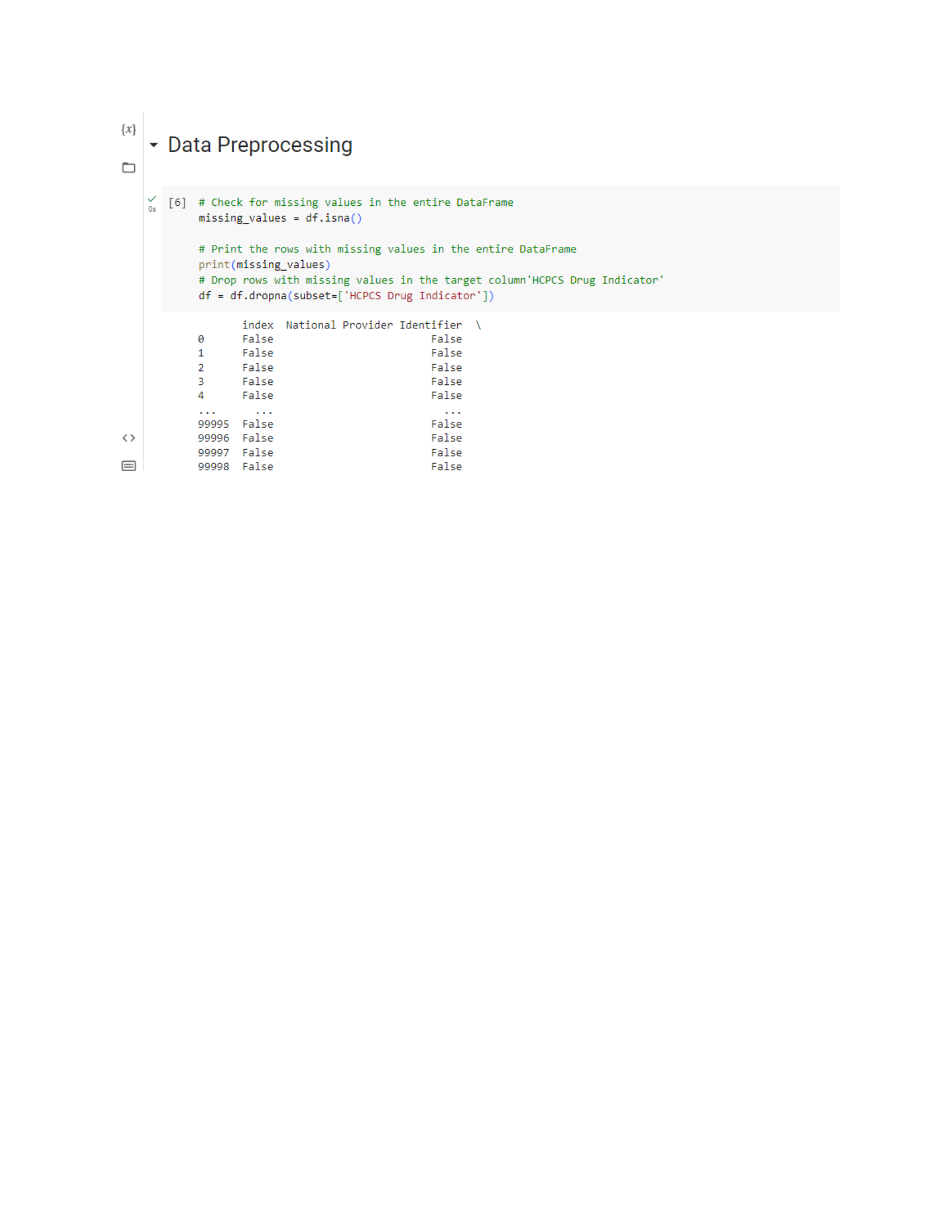
37
Appendix 2
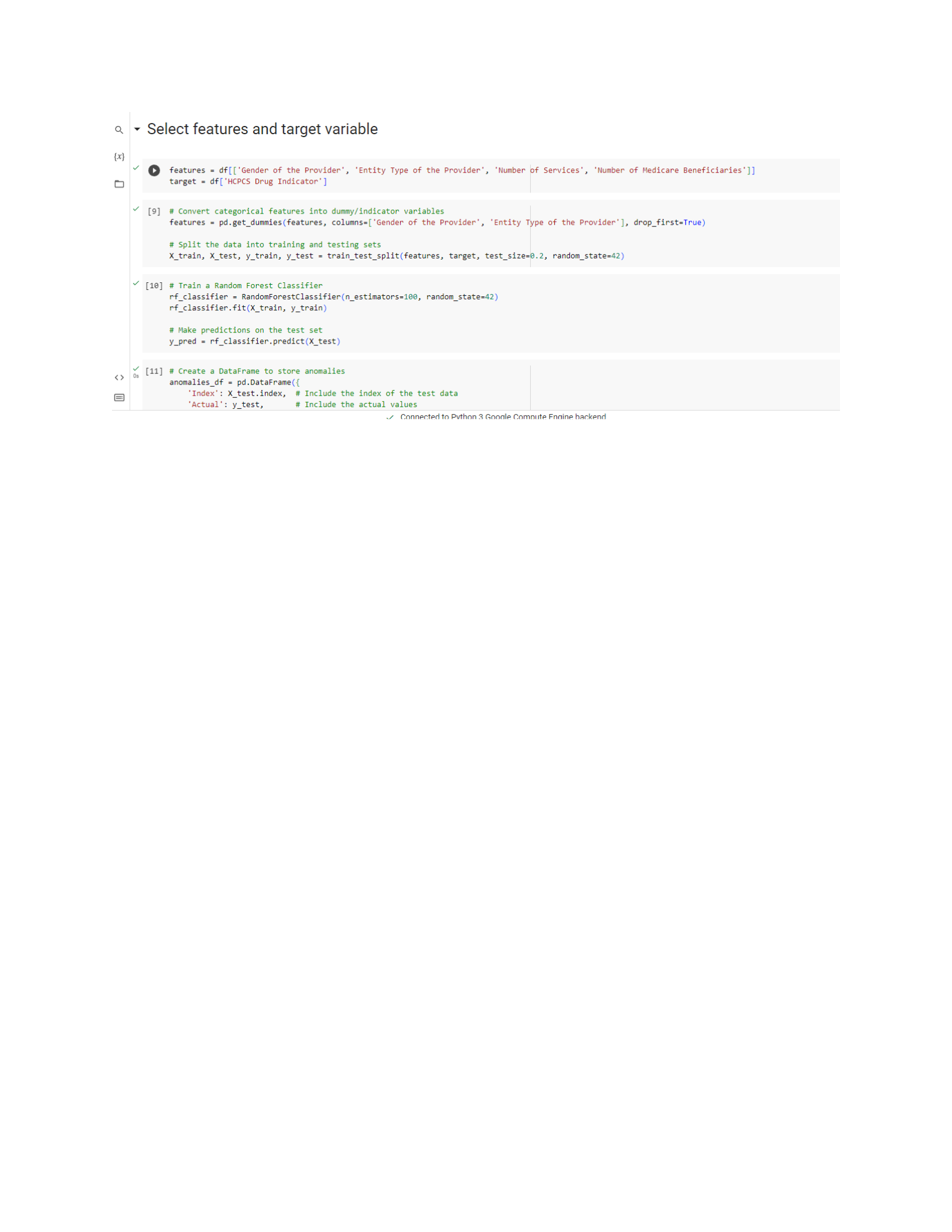
38
Appendix 3

39
UI for anomaly detection
Appendix 4
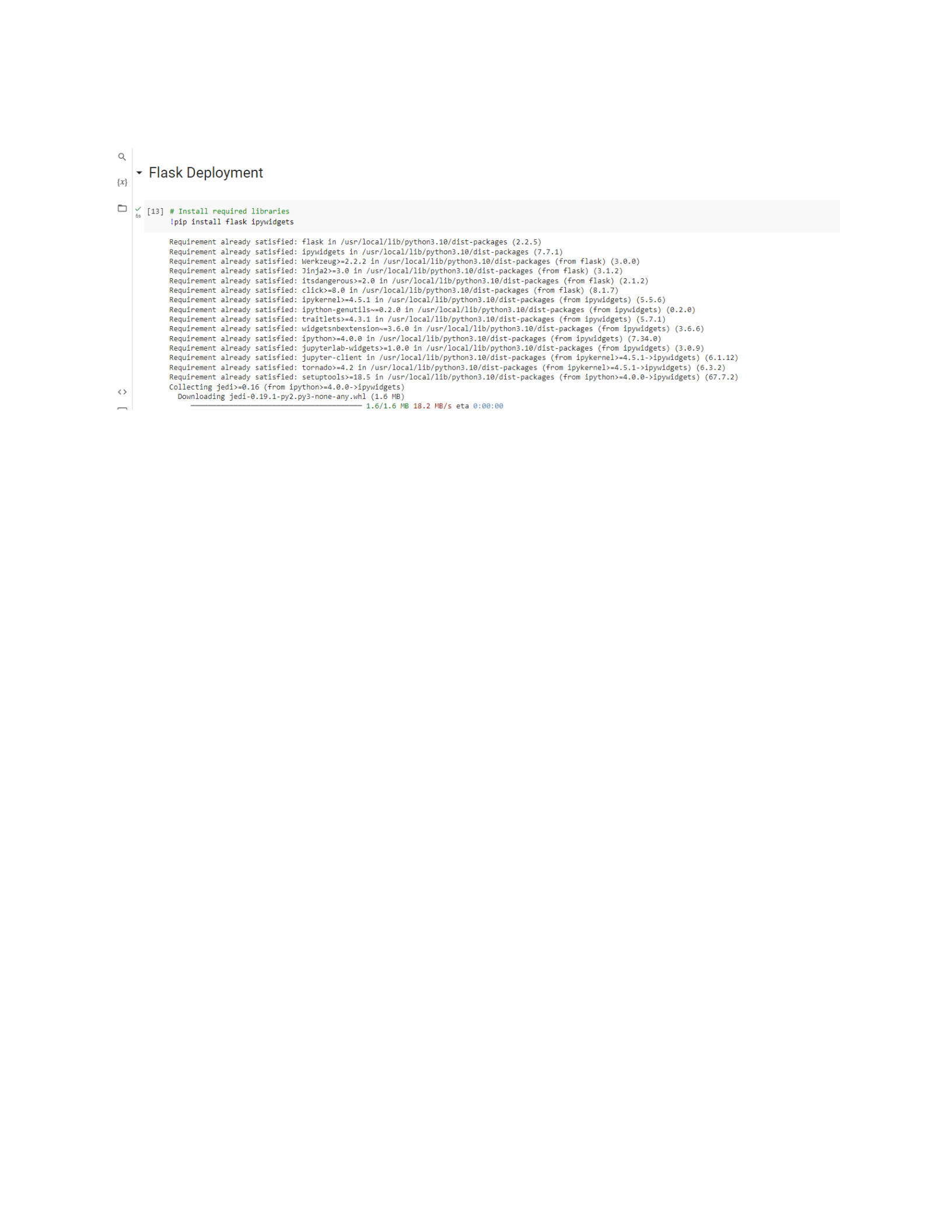
40
Flask Deployment
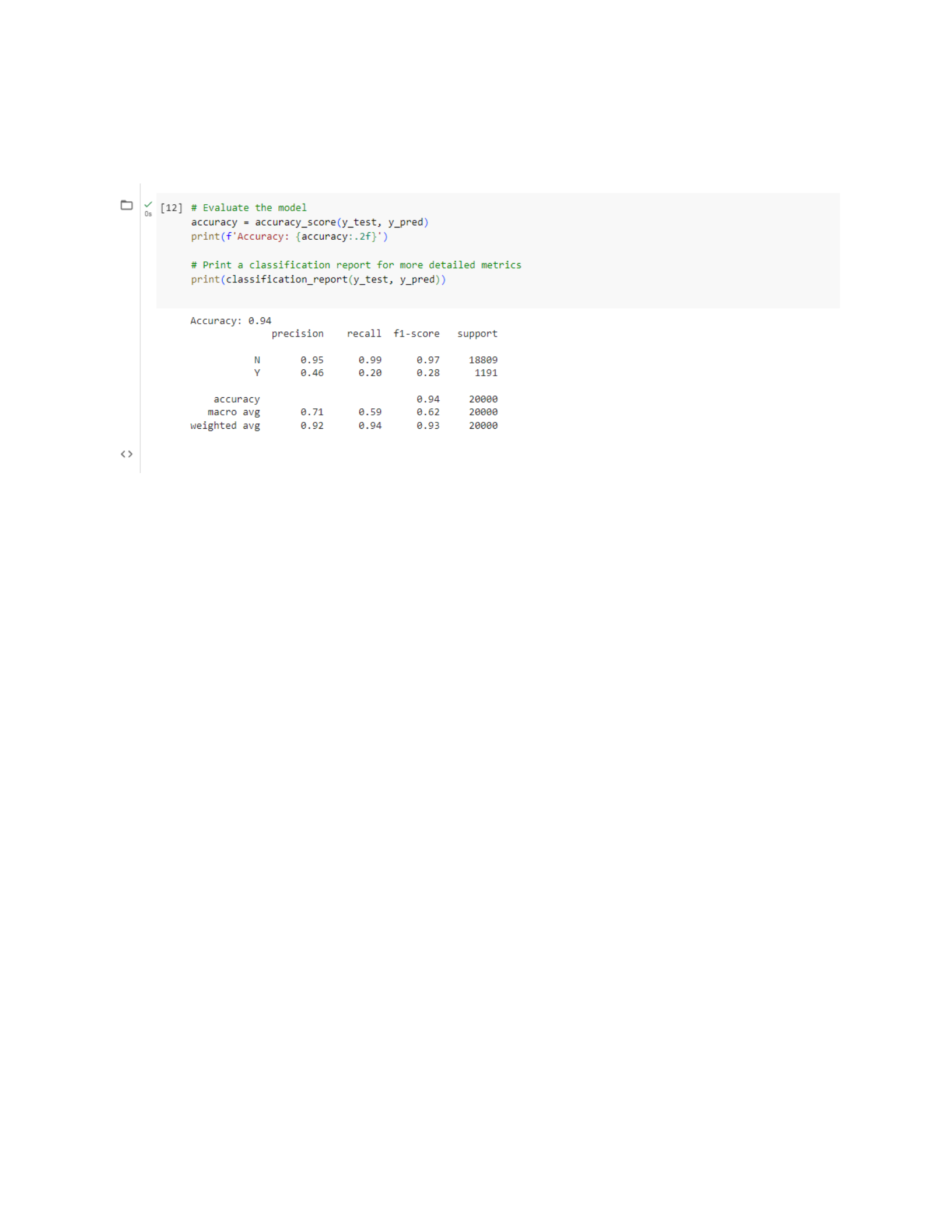
41
Appendix 5
Evaluation of the model
Appendix 6

