


ACCT 406 Notes
What is Fraud?
-Fraud is deception that includes the following elements:
oA representation
oAbout a material point (relevant for decision making)
oWhich is false
oAnd intentionally or recklessly so
oWhich is believed
oAnd acted upon by the victim
oTo the victim’s damage
-Fraud is different from unintentional errors
Charles Ponzi and the Famous Ponzi Scheme
-Carlo “Charles” Ponzi
-Scheme involving postal coupons and currency exchange
-Bragging about success
-Promise to investors- double your money in 90 days
-Questions about legitimacy of Ponzi’s scheme
oPaid returns to original investors
oUnable to pay returns without new investments
-Legal action against Ponzi
Fraud, Greed, Deception, and Confidence
-Ponzi’s scam is extremely helpful in understanding fraud
-Ponzi’s scheme involved:
oGreed by the perpetrator and greed by the investors
oDeception
oConfidence
Confidence is the single most critical element for fraud to be
successful
Types of Fraud
1. Employee embezzlement
2. Vendor fraud
3. Customer fraud
4. Management fraud (financial statement fraud)
5. Investment scams and other consumer frauds
6. Other (miscellaneous) types of fraud
Criminal and Civil Prosecution of Fraud
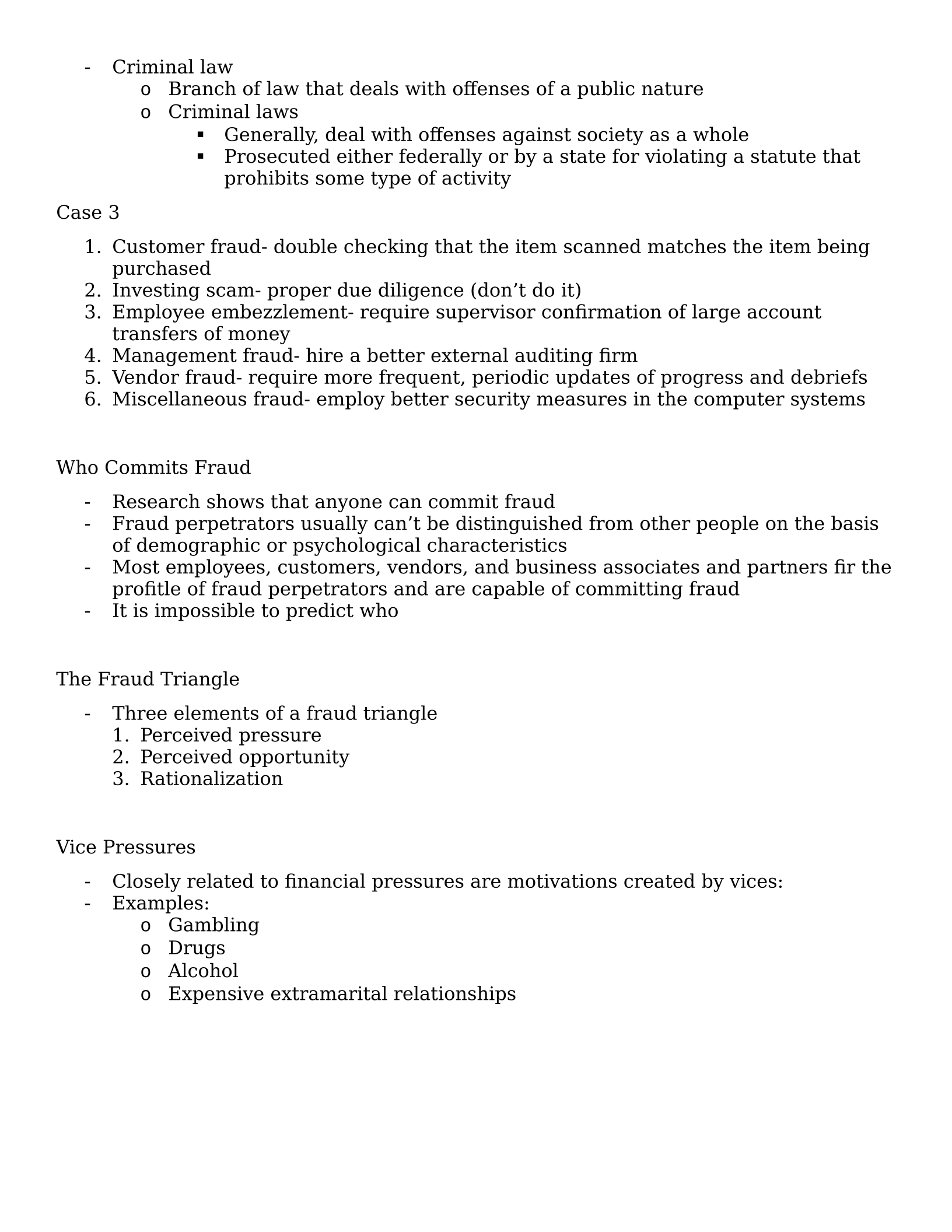
-Criminal law
oBranch of law that deals with offenses of a public nature
oCriminal laws
Generally, deal with offenses against society as a whole
Prosecuted either federally or by a state for violating a statute that
prohibits some type of activity
Case 3
1. Customer fraud- double checking that the item scanned matches the item being
purchased
2. Investing scam- proper due diligence (don’t do it)
3. Employee embezzlement- require supervisor confirmation of large account
transfers of money
4. Management fraud- hire a better external auditing firm
5. Vendor fraud- require more frequent, periodic updates of progress and debriefs
6. Miscellaneous fraud- employ better security measures in the computer systems
Who Commits Fraud
-Research shows that anyone can commit fraud
-Fraud perpetrators usually can’t be distinguished from other people on the basis
of demographic or psychological characteristics
-Most employees, customers, vendors, and business associates and partners fir the
profitle of fraud perpetrators and are capable of committing fraud
-It is impossible to predict who
The Fraud Triangle
-Three elements of a fraud triangle
1. Perceived pressure
2. Perceived opportunity
3. Rationalization
Vice Pressures
-Closely related to financial pressures are motivations created by vices:
-Examples:
oGambling
oDrugs
oAlcohol
oExpensive extramarital relationships
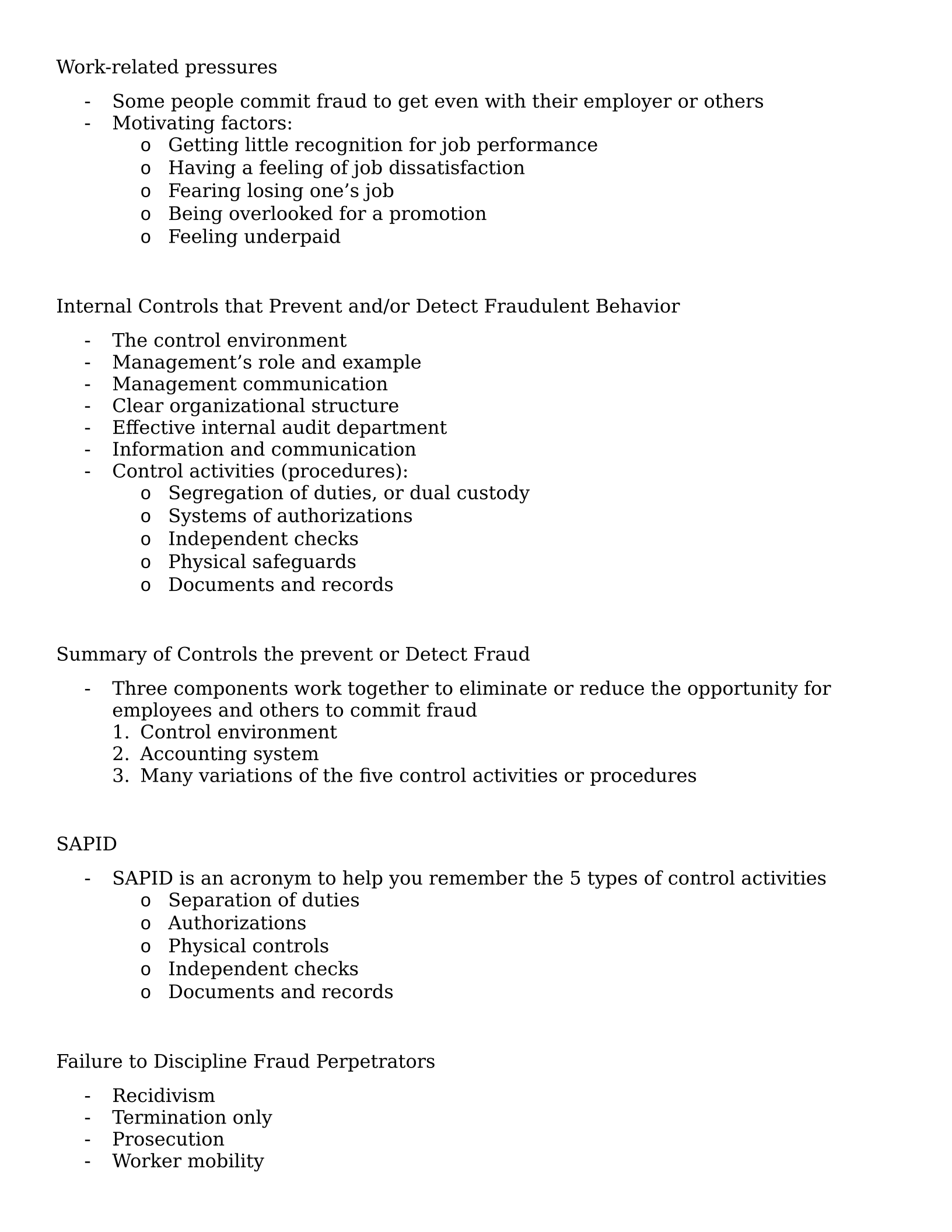
Work-related pressures
-Some people commit fraud to get even with their employer or others
-Motivating factors:
oGetting little recognition for job performance
oHaving a feeling of job dissatisfaction
oFearing losing one’s job
oBeing overlooked for a promotion
oFeeling underpaid
Internal Controls that Prevent and/or Detect Fraudulent Behavior
-The control environment
-Management’s role and example
-Management communication
-Clear organizational structure
-Effective internal audit department
-Information and communication
-Control activities (procedures):
oSegregation of duties, or dual custody
oSystems of authorizations
oIndependent checks
oPhysical safeguards
oDocuments and records
Summary of Controls the prevent or Detect Fraud
-Three components work together to eliminate or reduce the opportunity for
employees and others to commit fraud
1. Control environment
2. Accounting system
3. Many variations of the five control activities or procedures
SAPID
-SAPID is an acronym to help you remember the 5 types of control activities
oSeparation of duties
oAuthorizations
oPhysical controls
oIndependent checks
oDocuments and records
Failure to Discipline Fraud Perpetrators
-Recidivism
-Termination only
-Prosecution
-Worker mobility
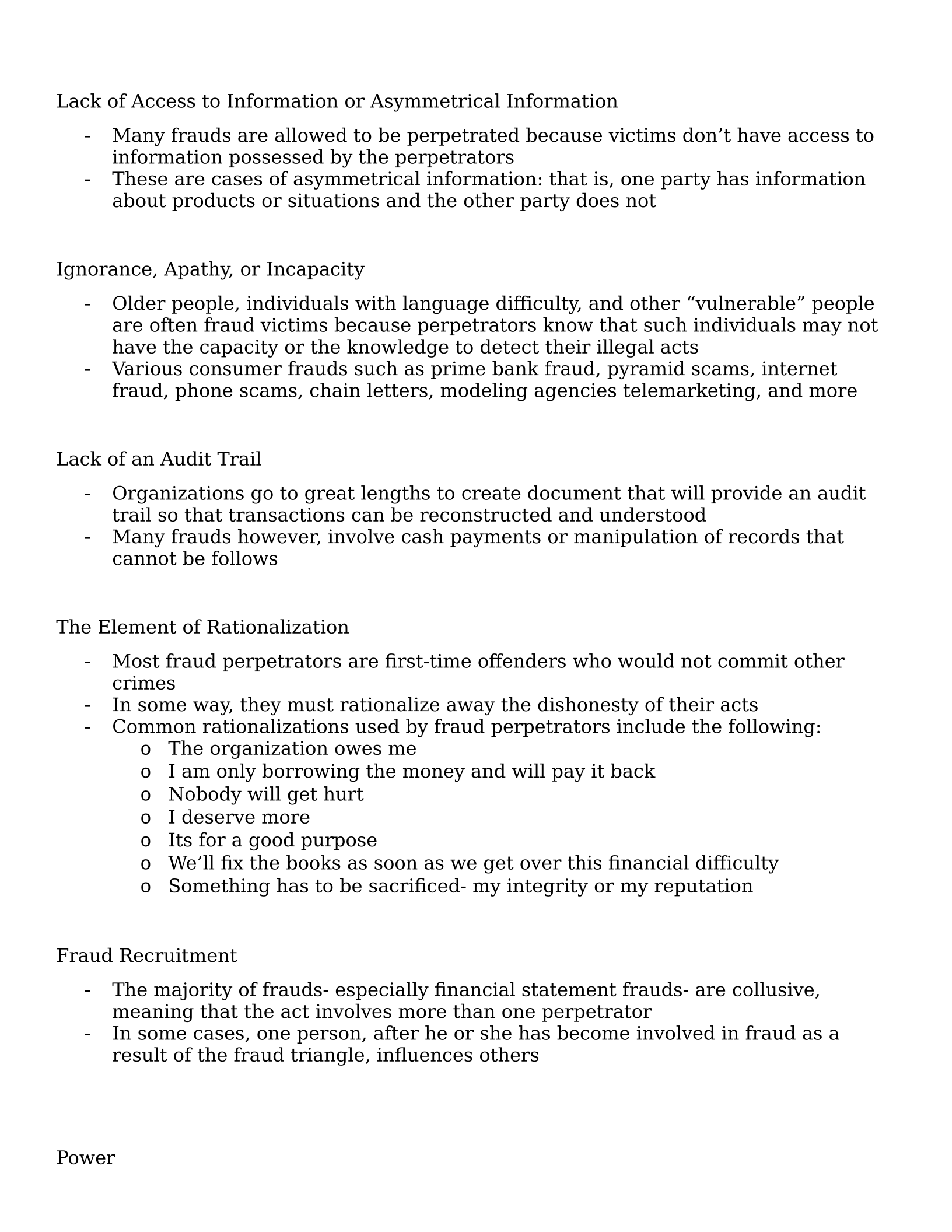
Lack of Access to Information or Asymmetrical Information
-Many frauds are allowed to be perpetrated because victims don’t have access to
information possessed by the perpetrators
-These are cases of asymmetrical information: that is, one party has information
about products or situations and the other party does not
Ignorance, Apathy, or Incapacity
-Older people, individuals with language difficulty, and other “vulnerable” people
are often fraud victims because perpetrators know that such individuals may not
have the capacity or the knowledge to detect their illegal acts
-Various consumer frauds such as prime bank fraud, pyramid scams, internet
fraud, phone scams, chain letters, modeling agencies telemarketing, and more
Lack of an Audit Trail
-Organizations go to great lengths to create document that will provide an audit
trail so that transactions can be reconstructed and understood
-Many frauds however, involve cash payments or manipulation of records that
cannot be follows
The Element of Rationalization
-Most fraud perpetrators are first-time offenders who would not commit other
crimes
-In some way, they must rationalize away the dishonesty of their acts
-Common rationalizations used by fraud perpetrators include the following:
oThe organization owes me
oI am only borrowing the money and will pay it back
oNobody will get hurt
oI deserve more
oIts for a good purpose
oWe’ll fix the books as soon as we get over this financial difficulty
oSomething has to be sacrificed- my integrity or my reputation
Fraud Recruitment
-The majority of frauds- especially financial statement frauds- are collusive,
meaning that the act involves more than one perpetrator
-In some cases, one person, after he or she has become involved in fraud as a
result of the fraud triangle, influences others
Power
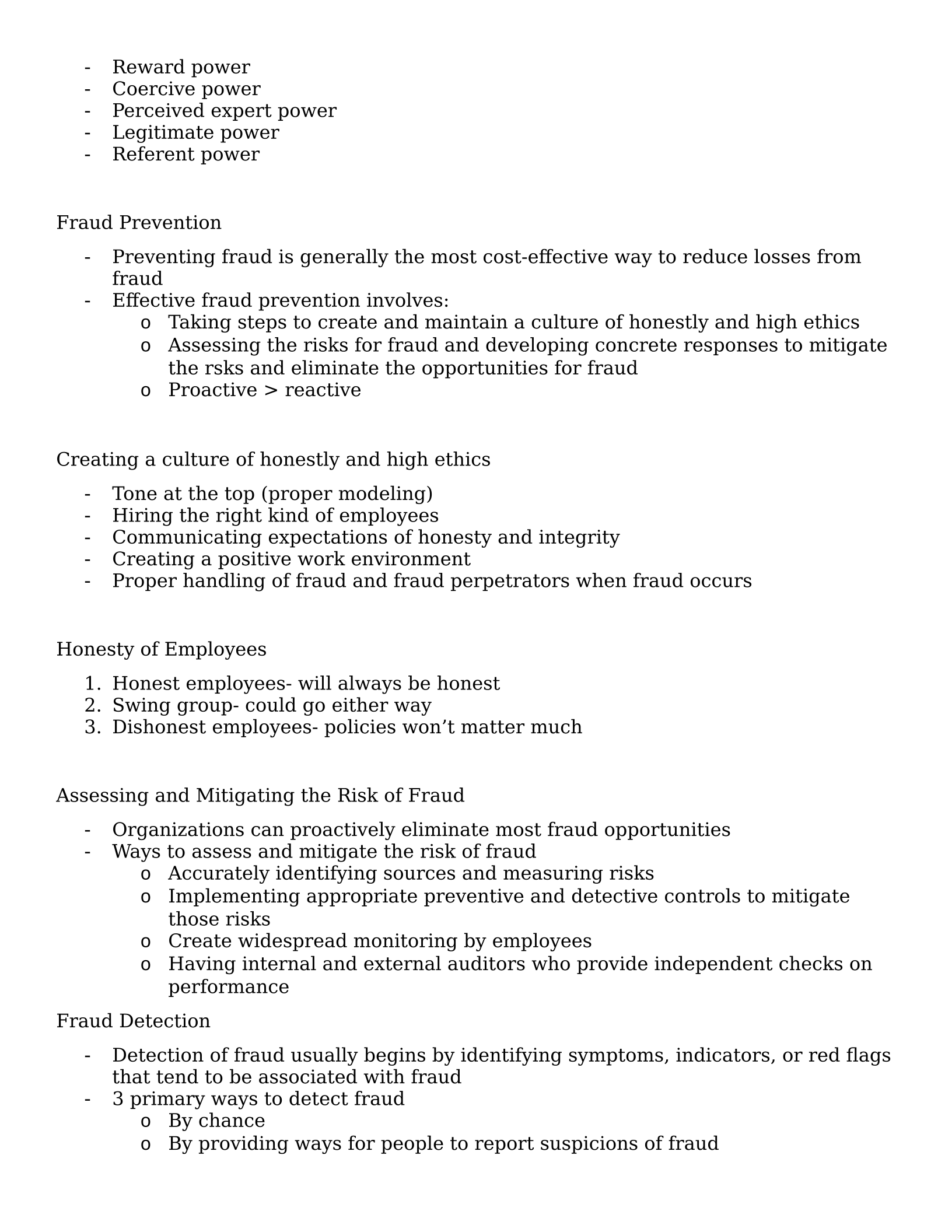
-Reward power
-Coercive power
-Perceived expert power
-Legitimate power
-Referent power
Fraud Prevention
-Preventing fraud is generally the most cost-effective way to reduce losses from
fraud
-Effective fraud prevention involves:
oTaking steps to create and maintain a culture of honestly and high ethics
oAssessing the risks for fraud and developing concrete responses to mitigate
the rsks and eliminate the opportunities for fraud
oProactive > reactive
Creating a culture of honestly and high ethics
-Tone at the top (proper modeling)
-Hiring the right kind of employees
-Communicating expectations of honesty and integrity
-Creating a positive work environment
-Proper handling of fraud and fraud perpetrators when fraud occurs
Honesty of Employees
1. Honest employees- will always be honest
2. Swing group- could go either way
3. Dishonest employees- policies won’t matter much
Assessing and Mitigating the Risk of Fraud
-Organizations can proactively eliminate most fraud opportunities
-Ways to assess and mitigate the risk of fraud
oAccurately identifying sources and measuring risks
oImplementing appropriate preventive and detective controls to mitigate
those risks
oCreate widespread monitoring by employees
oHaving internal and external auditors who provide independent checks on
performance
Fraud Detection
-Detection of fraud usually begins by identifying symptoms, indicators, or red flags
that tend to be associated with fraud
-3 primary ways to detect fraud
oBy chance
oBy providing ways for people to report suspicions of fraud
oBy proactively examining transaction records and documents to determine
if there are anomalies that could represent fraud
Predication
-Predicatiom refers to the circumstances, taken as a whole, that would lead a
reasonable, prudent professional to believe a fraud has occurred, is occuringm or
will occur
oFraud investigations should not be conducted without predication
oA specific allegation of fraud against another party is not necessary, but
there msut be some reasonable basis
Fraud Investigation
-Once predication is present, an investigation is usually undertaken to determine
whether or not fraud is actually occurring
oThe purpose of an investigation is to find the truth
oDo the symptoms observed actually represent fraud or do they represent
unintentional errors of other facts?
-If investigations are not properly conducted any or all of the following might
occur:
oReputations of innocent individuals can be irreparably injured
oGuilty parties can go undetected and are free to repeat the act
oOffended entity may not have information to use in preventing and
detecting incidents or in recovering damages
Conducting a Fraud Investigation
-Investigations must be undertaken to “establish the truth of the matter under
question”
-Investigators must be experienced and objective
-Hypothesis about whether or not someone committed fraud should be closely
guarded when discussing an investigation with others
-Investigators must ensure that only those who have a need to know are kept
apprised of investigation activities
-Investigators must ensure that all information collected during an inquiry is
independently corroborated
-Investigators must exercise care to avoid questionable investigative techniques
-Investigators must report all facts fairly and objectively
Chapter 4: Preventing Fraud
Just about everyone can be dishonest
-It would be nice to believe that most individuals and employees are so honest that
they would never commit fraud
-Unfortunately, most people are capable of committing fraud, and most people
adapt to their environments
-When placed in an environment of low integrity, poor controls, loose
accountability, or high pressure, people tend to become increasingly dishonest
Creating a culture of honesty, openness, and assistance
-Three major factors in fraud prevention relate to creating a culture of honesty,
openness, and assistance
-These three factors include:
oHiring hones people and providing awareness training
oCreating a positive work environment, which means having a well-defined
code of conduct, having an open-door policy, not operating on a crisis basis,
and having a low-fraud atmosphere
oProviding an employee assistance program (EAP) that helps employees deal
with personal pressures
Verify applicant’s resume and application
-Verify all information on the applicant’s resume and/or application
Eliminating opportunities for fraud to occur
-Five methods of eliminating fraud opportunities
oHaving good internal controls
oDiscouraging collusion between employees and customers or vendors and
clearly informing vendors and other outside contacts of the company’s
policies against fraud
oMonitoring employees and providing a hotline (whistle-blowing system) for
anonymous tips
oCreating an expectation of punishment
oConducting proactive auditing
Control activities
-Segregation of duties
-Authorizations
-Physical controls
-Independent checks
-Documentation
Elements of fraud-fighting model
1. Positive tone at the top
2. Education and training for employees and others about the seriousness of fraud
and informing them what to do if fraud is suspected
3. Integrity risk assessment and having a good internal control system
4. Reporting and monitoring system
5. Proactive fraud detection methods in place
6. Effective investigation and follow-up when fraud occurs
Symptoms of Fraud
-Fraud is a crime seldom observed
-Symptoms of fraud can be separated into six groups:
oAccounting anomalies
Source documents
Faulty journal entries
Inaccuracies in ledgers
oInternal control weakness
Lack of segregation of duties
Lack of physical safeguards
Lack of independent checks
Lack of property authorization
Lack of proper documents and records
Overriding of existing controls
Inadequate accounting system
oAnalytical anomalies
Unexplained inventory shortages or adjustments
Deviations from specifications
Increased scrap
Excess purchases
Too many debit or credit memos
Significant increases or decreases in account balances, ratios, or
relationships
Physical abnormalities
Cash shortages or overages
Excessive late charges
Unreasonable expenses or reimbursements
Excessive turnover of executives
Strange financial statement relationships
oExtravagant lifestyle
Buy new cars
Buy expensive toys such as boats or recreation vehicles
Take vacations
Remodel homes
Move into more expensive houses
Buy expensive jewelry or clothes
Spend more money on food and other day-to-day expenses
oUnusual behavior
Fear, guilt, stress, intimidating, belligerence
oTips and complaints
Auditors are often criticized for not detecting more frauds
Yet because of the nature of fraud, auditors are often in the worst
position to detect its occurrence
As we covered previously, the factors that lead to fraud are depicted
in the fraud triangle
These factors consist of perceived pressure, perceived opportunity,
and rationalization
Powered by TCPDF (www.tcpdf.org)

