


14
Chapter 1. Introduction
The National Child Traumatic Stress Network (n.d.) describes childhood trauma as a
negative event that can be frightening, violent, or emotionally painful. It can include witnessing a
traumatic event that physically threatens the life or security of a loved one. The emotional and
physical effects of childhood traumatic experiences can linger and manifest long after the event.
In adults, traumatic events can negatively impact mental health, emotional health, physical
health, and relationships they build with people around them (National Child Traumatic Stress
Network, n.d.). Traumatic events that happen to a child by those charged to care for them are
called “abuse”, and these individuals can include parents, caregivers, siblings, religious leaders,
teachers, coaches, judges, and police officers (International Society for Traumatic Stress Studies,
n.d.).
As early childhood professionals, our job is to shield young children from situations that
can cause childhood trauma. For those already exposed to trauma, we can be a safety net in their
healing process, or at least not contribute to it. The National Association for the Education of
Young Children (NAEYC, 2009) recognizes that early childhood professionals play an immense
role in reporting and preventing abuse. In addition, NAEYC has provided guidance for
partnering with families to support, advocate for, and understand our role in these situations. But
what happens within our institutional cultures because of the various kinds of trauma to which
children are exposed?
Schools today are becoming more trauma-informed, and administrators are taking steps
to provide professional development for staff. But, aside from professional development, have
practices, policies, and various aspects of the institutional culture changed to promote a trauma-
sensitive culture (Gorski, 2020)?

15
Statement of the Problem
Throughout the United States, school employees work daily with children living with
trauma. Perfect et al. (2016) estimate that two-thirds of students will be exposed to one traumatic
event by the age of 17, and the manner of the response given to the situation can positively or
negatively impact healing from the trauma (Blitz, 2016). Punitive punishments and school over-
policing can also have unintended negative consequences. Weisburst (2019) found that increased
police presence in schools coincided with reduced graduation rates. Suspensions and expulsions
also disproportionately affected minority students, with Black students receiving the most
disciplinary actions, despite only being 15% of the student population.
Keels (2020) also highlighted that students who have experienced trauma could have
behaviors that can trigger an emotional response. However, educators should actively work to
suppress that so their pedagogical knowledge can take over and help them make decisions that
will strengthen students’ self-regulation and avoid leaning on punitive punishment that can
further erode the relationship and trust.
Teachers are considered vital stakeholders, and their support for implementation and
sustainability is key to any mental health intervention (Baweja et al., 2016). However, school
leaders must also recognize that their employees may be dealing with trauma, ranging from
adverse childhood experiences to domestic violence or other potentially traumatic experiences
(Goodwin-Glick, 2017).
Understanding the enormity of trauma puts schools in the position where they must
balance the mission of academically enriching their students’ lives while supporting them
emotionally (Alisic, 2012). “Where conflict tends to occur is in how we tackle that goal. For
many young people who have experienced trauma, success, academic or otherwise, seems out of

16
reach. How do we support students who arrive at school affected by trauma and other not-ok
experiences” (Souers & Hall, 2016, p. 10)?
Baweja et al. (2016) included school administrators in their research interviews, trying to
understand their views on the school-based trauma-informed program. One of the biggest
concerns indicated was the clinicians' lack of openness and information about student progress
and their overall improvements. However, this makes one wonder about the amount of
information administrators get and how much more support they would provide to teachers,
clinicians, and all other parties involved, if administrators believed they were being adequately
informed of student progress or had greater involvement in the whole process.
Before discussing the philosophy behind this research, it is essential to understand how
nature (genes) and nurture (environmental and social factors) play a role in a child's
development. The National Research Council (2000) describes nature as inseparable from
nurture, and both should be considered when dealing with children. This means that even though
children get their genetic information from their parents, how those genes develop is intertwined
with their lived environment, social interactions, and lived experiences. Therefore, as educators,
we can directly influence the nurture aspect of a child’s development, irrespective of their
positive or negative home environment, traumatic interactions, and lived experiences.
Philosophical Framework
Jean Piaget, Lev Vygotsky, and Urie Bronfenbrenner are three theorists that guide the
theoretical framework of this study.
According to Copple and Bredekamp (2009), for learning to be developmentally
appropriate and for effective teaching, the educator must understand child development, try to
understand each child, and understand the social and cultural context in which each child lives.

17
Also, there needs to be an understanding of the connection between school life and home life and
how they interact to affect the child's development (Herbert, 2003; McCarthey, 2000).
The Environment
The environment can be referred to as both the home and the school environments.
According to Piaget (1950), the physical environment supports children’s ability to construct
knowledge. Therefore, the knowledge they construct through interactions with materials in the
said environment will help their development and learning. As active constructors of their
knowledge through the environment (Piaget, 1936), what a child knows and what kind of
knowledge a child has is determined by the experiences and materials they interact with at home
and school.
Social Engagement
As we continue to examine the impact of the environment on a child's development, Urie
Bronfenbrenner’s ecological systems theory discusses the effects of the environment on not only
school life but all spheres of a child’s life. Bronfenbrenner (1979) proposed that the connections
between home and school are interconnected in four significant ways.
First is multi-setting participation, which occurs when a person engages in activities in
more than one setting and can happen when a child shares his time between school and home.
This can be referred to as the primary link between the two settings. The second is indirect
linkage, which occurs when the developing person does not have a direct link between the two
settings. Participants in each setting do not meet face to face, but there is an intermediary that
serves as an intermediate link between the two. The third is inter-setting communication and, as
its name suggests, are messages sent between different settings in which the developing
individual is involved and can be face to face or through other mediums. The fourth is inter-

18
setting knowledge and refers to information that exists in each setting about the other. This can
be obtained by the exchange of information or through books (Bronfenbrenner, 1979).
In the larger sphere of Bronfenbrenner’s ecological theory, all the systems, which
includes the individual at the center, the microsystem, mesosystem, exosystem, macrosystem,
and chronosystem, affect a child's development relative to the connections formed between each
system around the child. Bronfenbrenner’s theory suggests that many influences can positively
or negatively impact development of the child. These influences can be from home life, the
environment/world outside the home, and school life, including the relationships they build with
educators (Morrison, 2017).
Vygotsky (1934) discussed the importance of children’s interaction with people within
their social sphere and believed learning occurs when children interact with others, allowing
them to be collaborative while learning from others. At the foundational level, Vygotsky
believed that learning how to think rests within the social context, and social perceptions and
beliefs strongly influence the pattern or way of thinking. Thus, a child's worldview is shaped
through social engagement with people in the environment or cultures in which they are exposed
(Smagorinsky, 2013).
As described in Piaget’s and Bronfenbrenner’s theories, the effect of the physical
environment on a child’s development cannot be overstated. But the social interactions they have
within those environments, as Vygotsky explained, are just as essential and cannot be ignored.
Significance of the Problem
The emergence of COVID-19 in 2020 has traumatized the world. Irrespective of age,
those with existing trauma now have even more to manage. The world went into lockdown,
millions of people worldwide have lost friends and family to the virus, and many children have

19
gone back to school having experienced trauma (Berger et al., 2022; Hsu & Henke, 2021; The
New York Times, 2022). As educators, it has fallen upon us to provide safe learning
environments and warm interactions to allow healing. Even before COVID-19, teachers helped
identify and support trauma-exposed students inside and outside the classroom (Blodgett, 2016;
Wiest-Stevenson & Lee, 2016).
To foster the necessary change, administrators increasingly realize the need to be
involved in the process to build solid and lasting collaborative partnerships with not just the
teachers but the community. This allows for open dialogue and information sharing to help us
better understand what is required to build a lasting process to achieve this goal. This was further
reiterated by Craig’s (2016) admission that for trauma-informed practices to work, school culture
must change starting from the top, which includes “persistent denial of the role trauma plays in
children’s educational failure” (p. 101). To support this change, research-based practices are
being used to connect past literature on approaches used in schools for trauma-informed care and
multitiered frameworks for school-based service delivery. This is supposed to facilitate
understanding and help find common ground toward creating a blueprint for a trauma-informed
approach to school-based service delivery (Overstreet & Chafouleas, 2016).
The gap, however, lies in administrators’ perspectives of the support they give their staff
and how effective they deem those supports to be in the short and long term to meet set goals.
For example, Baweja et al. (2016) discussed administrators’ frustration with not understanding
the whole trauma process or being excluded from certain information, which would have helped
them better understand how to provide support. However, most of the research about perception,
training satisfaction, and self-efficacy on trauma-informed practices and service delivery is

20
solely focused on the teachers, not administrators. And, as Reker (2016) discussed,
administrators rely on teachers to implement trauma-informed principles they champion.
Purpose of the Study
The purpose of this study is to understand the attitudes and self-efficacy of administrators
related to how they work with their staff and the support they provide regarding trauma-informed
care. The research questions are as follows:
1. What are elementary school administrators' attitudes on trauma-informed care?
2. To what extent are demographic statistics about elementary school administrators
related to their attitudes on TIC (i.e., years of teaching experience, years of
administrative experience, and number of TIC training hours)?
3. What are elementary school administrators’ self-efficacy perceptions regarding
trauma-informed care supports they provide to staff?
a. How does training received affect elementary school administrators’ self-
efficacy?
b. What are elementary school administrators’ self-efficacy about their
knowledge of trauma-informed care?
c. How do elementary school administrators’ experiences working with trauma-
exposed children affect or inform the support they provide teachers?
d. What are self-efficacy perceptions about elementary school administrators’
ability and confidence to provide the needed support to teachers?
Definition of Key Terms
For this study, the following are common terms associated with trauma-informed care:

21
Trauma
The Substance Abuse and Mental Health Services Administration (SAMHSA) defines
trauma as something that occurs from an event, circumstance, or series of events. This is either
life-threatening, physically or emotionally harmful, and leaves lasting effects on an individual’s
mental, physical, social, emotional, or spiritual well-being (SAMHSA, 2014).
Trauma-Informed Care (TIC)/Approach
According to SAMHSA, this is a framework that includes trauma-specific interventions,
treatment, assessments, and recovery supports. This approach realizes the impact of trauma with
the knowledge of what needs to be done for recovery. It recognizes the signs and symptoms of
trauma in students, families, staff, and others within the system. It responds by using its
knowledge of trauma and its symptoms to create practices, policies, and procedures to ensure the
traumatized individual is not retraumatized (SAMHSA, 2014).
Trauma-Sensitive
A school is trauma-sensitive or provides a trauma-sensitive environment when students
feel safe, supported, and welcome. This also includes providing individualized and targeted
support to address and minimize the impact of trauma on learning. At a schoolwide/centerwide
level, the importance and impact of trauma are at the center of the educational mission (Gregory,
2016).
Adverse Childhood Experiences (ACEs)
Adverse childhood experiences (ACEs) are potentially traumatic events that occur in
childhood, typically between 0-17 years. These experiences include, but are not limited to, being
a victim of violence, abuse, neglect, witnessing violence, or having a family member who has
attempted or committed suicide (Center for Disease Control and Prevention [CDC], 2021).

22
Developmentally Appropriate Practice (DAP)
These are practices that promote each child’s ability to develop at their best level through
a strengths-based approach. DAP also promotes a child’s ability to be engaged in learning
through a play-based and joyful approach to learning. This is accomplished by recognizing a
child’s uniqueness as an individual, as members of families and communities, while taking care
not to harm the child’s social, emotional, cognitive, or physical well-being in designing and
implementing learning environments (Copple & Bredekamp, 2021).
Self-efficacy
Self-efficacy is the belief and confidence in oneself to perform a particular task or
behavior (Szklo-Coxe et al., 2022).
Adverse Community Environments
These communities have a high concentration of poverty and violence, with limited
access to resources such as job opportunities, education, healthcare, behavioral health, economic
development, food, and public transportation (George Washington University Milken Institute
School of Public Health, 2022).
Summary of Chapter 1
This chapter discussed traumatic stress and how it can affect students and teachers in the
classroom, thereby limiting learning and relationship building. Additionally, the chapter
discussed how social engagement and the learning environment could affect how students
improve or regress in their recovery. The chapter also discussed the role of school administrators
in facilitating the teachers' job in helping their students cope with traumatic stress. The research
questions, the purpose of the study, and the problem statement were also proposed. Chapter 2
provides a review of the literature related to the current study, and Chapter 3 discusses the

23
methodology for the study. Chapter 4 presents the research findings, and Chapter 5 summarizes
the study, discusses the implications, and provides recommendations based on the results.
!

24
Chapter 2. Literature Review
This chapter is a review of the literature. It provides a summary of available scholarly
information on adverse childhood experiences (ACEs), the impact of childhood traumatic stress
on student learning, and the role of the school in mitigating the traumatic stress that children
experience. In addition, this chapter will investigate ACEs and how it affects young children's
learning and educational outcomes, the role of trauma-informed schools, and how school
administrators can help create a trauma-informed culture.
Brain Development in Young Children
Brain development begins as soon as a child is conceived, and this continues through
adolescence and beyond. However, the most drastic brain development occurs in the first few
years of a child’s life (National Research Council [NRC], 2000). Knowledge about brain
development in early years emphasizes the importance of providing the right inputs and
experiences to children in the first few years of life.
Over the last 30 years, research has overwhelmingly found that young children’s daily
interactions with caregivers play a massive role in brain development. If young children get the
expected protection and nurturing from their caregivers, their brain develops in a pleasurable and
healthy way. It is filled with stimulation, which gives the child confidence to explore their
abilities and environment with ease (Lally & Mangione, 2017). However, the young child’s
developing brain is so impressionable that if a child is not exposed to a rich and varied
vocabulary and given the freedom to explore and learn about their environment, research has
shown that some neural networks in the brain will start to wither away due to lack of use.
Interactions and engagement strengthen neural connections. Through nurturing
environments created by early educators, young children experience positive relationships (with

25
adults and peers) that provide a foundation against toxic stress and trauma (Erdman et al., 2020).
Early educators are trained to recognize and respond to infants’ crying, gestures, and babbles,
thereby provide strong support for young children's social, emotional and language development
(Copple & Bredekamp, 2021)
Karr-Morse and Wiley (2013), in their book Ghosts from the Nursery, narrated two
stories that underline the importance of the verbal, physical and environmental connections on
early brain development and how they affect individuals into adulthood.
The first story is of Chelsea, born more than 40 years ago, but during her initial analysis
at birth, the doctors failed to realize she was deaf. By school age, she was evaluated as mentally
challenged and of low intelligence. This led to her having a difficult school life and difficulty
speaking intelligibly. Her hearing problems were not diagnosed until she was 31, after which she
was fitted with a hearing aid. Chelsea’s life has improved, but despite over 15 years of therapy,
she still cannot speak intelligibly, and this is because her brain was deprived of sound in the
critical years of its development. Therefore, the brain connections needed to organize speech and
construct sentences coherently had not been nourished. Consequently, those abilities are forever
lost.
The second story is of Ryan, whose mother gave him up for adoption to give him a better
life, but due to health issues, he was sent to a private foster home where the mother had nine
other children under the age of three in her care. This meant that Ryan laid in the crib all day
without much interpersonal interaction. He was fed with bottles propped, rarely saw an adult’s
face, and was infrequently held with irregular diaper changes. As a result, he developed a diaper
rash, full body rash, ear infection, cradle cap, and a dislike for being held or looking an adult in
the face. Ryan was finally placed into a home at nine weeks, and despite being a normal-weight

26
baby, he still turned his face away from adults, showed no engagement, and did not want to be
held. Ryan preferred being placed down on a flat surface where he would soothe himself. Ryan
was not autistic, but due to the neglect and separation from two caregivers he went through, his
brain was starved of physical touch, attachment, and interaction. Even in his twenties, Ryan still
struggles with relationships, attachment, and trust, while physical contact with others is very
controlled.
These two stories highlight the importance of interaction, physical touch, and the
experiences infants have during their early brain development and how they can have lifelong
lasting effects. Chelsea and Ryan missed critical elements of human importance in those early
years. Even though Ryan’s neglect lasted the first nine weeks of his life, the damage done to his
brain development was lasting and, for the most part, irreparable. But what happens to the young
child’s brain when raised in an environment where positive interactions are few and far between
with constant stress?
Stress is part of a child’s development. When experiencing some stress, children learn
how to interact and better understand themselves through a process of self-regulation. For most,
these occurrences happen only in brief intervals while usually returning to their normal
emotional state. However, young children exposed to prolonged periods of stress (toxic stress)
may have those experiences due to the threat of physical harm, the sudden death of a loved one,
or the threat of emotional or physical harm. While in a triggered state, the brain activates a fight,
flight, or freeze response to the situation at hand. A child in a toxic stress situation without
treatment or alleviation of the stress can have learning deficits and experience developmental
delays that can affect their mental and physical well-being. It can also lead to social and
emotional problems, learned helplessness, depression, poor social skills, and anxiety (Erdman et

27
al., 2020). Those traumatic situations that cause continued toxic stress are called adverse
childhood experiences (ACEs).
Adverse Childhood Experiences (ACEs)
The CDC describes ACEs as potentially traumatic events that occur in childhood,
typically between the ages of 0-17 years, and these experiences include, but are not limited to,
being a victim of violence, abuse, neglect, witnessing violence, or having a family member who
has attempted or committed suicide (CDC, 2021). When Dr. Anda and Dr. Felitti embarked on
their ACEs study in 1995, they could not have imagined how groundbreaking those findings
would become. Their study included over 17,000 participants, with an average age of 57, and
they found that ACEs are more prevalent in our society than previously assumed. They also
found that the participants’ childhood trauma had significant health and behavioral implications
later in life (Felitti, 1998). Their study discovered that if a child was exposed to 4 or more ACEs
within the first 18 years of their life, they had a higher likelihood of substance abuse, problematic
sexual behaviors, mental health issues, severe obesity, anger problems, and domestic violence
(Felitti, 1998).
Since the publication of Dr. Anda and Dr. Felitti’s research, educators have tried to
understand how trauma affects children (Bell et al., 2013, Garrett, 2014). There are two types of
traumas that a young child can experience. Type 1, or acute stress, is an unanticipated event that
occurs like a natural disaster, loss of a loved one, armed robbery, or a car crash. This type of
event can cause the victim to seek reasons explaining the event or have visual hallucinations
about the traumatic event (Bell et al., 2013). Type 2, also known as chronic trauma, is a
traumatic event that a young child experiences over a prolonged period. This can include events

28
like illness, neglect, child abuse, and domestic violence. These types of traumas can cause the
victim to show signs of rage, denial, or dissociation (Bell et al., 2013).
For students who come to school having experienced trauma (acute or chronic), what we
see and deal with regularly in terms of behaviors they exhibit are symptoms and side-effects of
the problem. Bronfenbrenner (1979), through his bioecological theory, discussed various
influences on a child's life. He suggested that the microsystem invokes new connections beyond
the child’s immediate family and school life and bleeds into the mesosystem. The microsystem
and the mesosystem are so interconnected that the lines between them can sometimes be blurred
in how they influence and affect the child's development (Bronfenbrenner, 1979).
Bronfenbrenner (1979) further noted,
For example, some environmental factors—such as occupational status, amount of
schooling, or to a lesser extent, family size—appear to have a substantial and enduring
influence on developmental outcomes. Others—like one versus two-parent families or
extensive exposure to adults versus peers—seem to produce significant effects that vary
systematically by time and place (p. 844).
All the factors explained above by Bronfenbrenner lead to the understanding that home
life can have a strong influence on the child and the immediate environment outside the home.
For example, childhood adversity can lead to adverse health outcomes that start appearing in
early childhood, children living in poverty are at greater risk for these exposures, and the chances
become even more significant when living in unsafe neighborhoods (Porche et al., 2016). Ellis
(2020) discussed some of the biggest influences on a child’s development, including poverty,
discrimination, community disruption, lack of opportunities, poor housing, and violence. Figure
1 provides a visual representation of this issue.

29
Figure 1
Pair of ACEs Tree
Note. Visual representation of the link between adverse childhood experiences and adverse community
experiences. From “Healing Communities to Heal Schools”, by W. Ellis, 2020, Educational Leadership,
78(2). Copyright 2020 by Educational Leadership.
F 1. P of ACEs Tree
The brain needs a dose of healthy stress, but negative/toxic stress can negatively impact
our learning system, significantly harming attention and social skills. This can cause a child to
permanently be in a fight or flight mode (hyperarousal mode), which may cause them to be
aggressive, chaotic, or in a dissociative response mode, which makes them always withdraw
from experiential situations, especially those that ignite fear (Swick et al., 2013).
Research (Chafouleas & Overstreet, 2016; Swick et al., 2013; Zacarian, 2020) shows that
caring is the most effective antidote to violence because it is nurturing and loving. Also, empathy
helps build relationships with students suffering from chronic stress because it fosters healthy
brain growth. Overall, when working with children suffering from chronic stress, three main
areas need to be addressed: (1) the need for safety, (2) the need for attachment and (3) the need
for consistency (Swick et al., 2013).

30
Affective needs for children who experience chronic stress that help with brain
functioning and healing from traumatic experiences are: (1) attunement, engaging children in
replaying events that enable them to connect more fully with others in their lives, (2) reciprocity,
which helps children have trust-building experiences and helps them care for others and
themselves, and (3) affective reflection, which helps them review how their actions or words
impact them or others (Swick et al., 2013).
Childhood Trauma and Early Educational Outcomes
To understand the effects of adverse childhood experiences (ACEs) on student success,
Crouch et al. (2019) investigated the association between student challenges in school in relation
to the types and number of ACEs students had experienced. The 2016 National Survey of
Children’s Health found that children with four or more ACEs were highly likely not to be
engaged in school, have reported absenteeism, and repeat a grade compared to children with less
than four ACEs.
Understanding the effects of trauma on children’s behavior and learning is of great
importance to educators, and research increasingly shows the impact is not just on physical
health but psychological health as well. Bell et al. (2013) described four categories where trauma
can affect young children:
Physical
Which can manifest as hyper-vigilance, sleep disorders, and weight changes (gain or
loss).
Behavioral
Isolation from peers, increased risk-taking behaviors, regression to a previous
developmental stage, increased aggression, changes in play.

31
Emotional
Stress, lack of trust in peers and caregivers, low self-esteem, difficulty self-regulating.
Cognitive
Learning disabilities, traumatic flashbacks, inability to focus, attitudinal changes on
disposition to people and life (p. 141).
These traumatic categories and symptoms can make it difficult for students to build
connections with their teachers and peers, affecting their overall school performance. However,
the importance of a student’s ability to build relationships should not be underestimated.
Although we know that very young children start by building secure attachments with their
families and caregivers, we also understand that the kind of relationships children create with
this immediate group will determine what their relationship with others looks like later in life
(Swim, 2017). For example, suppose a child can build solid and sensitive attachments with their
families and caregivers; this can positively impact the child’s concept of self, self-confidence,
and how they socially interact with others for the rest of their life (Swim, 2017).
McCollum and Yoder (2011) explained that students become more engaged in school
culture, and the social climate around the classroom, and contribute more towards their learning
when a positive relationship is created with their teacher and peers. They found that positive
adult-child relationships within the school context greatly benefited students' perception of the
school climate. If the student had a positive and supportive relationship with the teacher, they
were more likely to have a favorable view of their education and the school environment
(McCollum & Yoder, 2011). The way to combat the effect of childhood trauma on students in
schools is by creating schools with trauma-sensitive approaches, where all staff in the school
continually strive toward building respectful, empathetic relationships. Trusting relationships

32
with students and their families help students build lasting bonds and develop academic potential
(Cole et al., 2013), thereby helping students and their families feel more secure and safer in the
school environment.
Another factor that affects student performance in school is chronic absenteeism. Stempel
et al. (2017) investigated the link between chronic school absenteeism, and adverse childhood
experiences. Data was collected from the 2011-2012 National Survey of Children’s Health for
children between the ages of 6-17 years. They compared the ACEs score of students who had
greater than 15 days absent (excused or unexcused) for any associations. They discovered that
only 2,416 (4.1%) of the 58,765 samples were chronic absentees from school. The dominant
individual ACE factor for chronic absenteeism was experiencing neighborhood violence. The
study also found that having one or more ACEs strongly correlated to chronic absenteeism
compared to students without ACEs. The more ACEs a student has, the greater the chances they
are chronically absent from school (Crouch et al., 2019, Stempel et al., 2017). This research
affirms what Ellis (2020) in Figure 1 above called adverse community environments. It also
suggests that educators in all spheres broaden our understanding of the impact of community
trauma and inequity in childhood trauma. Only then would we be able to provide the proper
supports those students need (Ellis, 2020).
Goodman, Miller, and West-Olatunji (2012) researched the impact of trauma on student
achievement in math, science, and reading based on socio-economic status. Their findings
indicate that traumatic stress was a factor that negatively impacted student achievement
performance on standardized tests. They also found that students with traumatic stress were three
times as likely to receive an individualized education plan (IEP), which is consistent with prior
research (Bell, 2013; Ristuccia, 2013) about the cognitive impact of traumatic stress. Although

33
the authors point out that some students might be incorrectly diagnosed with learning disabilities,
the real focus should have been helping them heal their trauma.
Low-income neighborhoods have generally been considered more violent and unsafe.
Therefore, parents/caregivers would likely limit access to these neighborhoods for safety
concerns. The school environment, which includes school staff, assumes the role of not just
teaching but nurturing. School is a home away from home. Educators aim to help children reduce
their trauma whenever they walk through the school’s doors. They do not want to contribute to
the trauma that is existing. When students perceive the school environment as safe and
welcoming, they perform well academically (Lawson et al., 2014).
Social Emotional Learning
Even without trauma exposure, beginning school or childcare can be a frightening
experience for young children. For many, this could be the first time away from their
family/caregivers, which comes with much anxiety. Research suggests that separation anxiety,
social phobias, and general stress affect up to 19% of young children, and those children display
clinically significant symptoms (Fox et al., 2012; Franz et al., 2013). Apart from anxiety, young
children’s emotional regulation ability is slowly developing, with many beginning to learn how
to play and work with their peers amid all the emotional development. While children are
developing these competencies, described by Vygotsky as “higher mental functions”, they are, in
his words, “slaves to the environment”, the inputs/stimulations their environment and social
interactions provide (Bodrova & Leong, 2006). For children to become “masters of their
behavior”, they require mastery of language and other socially and culturally specific symbolic
systems that can help them master their emotional, cognitive, and physical functions (Bodrova &
Leong, 2006). However, due to the rapid growth in early childhood, adding trauma exposure to

34
learning emotional regulation further complicates, and can significantly slow down, the
development process (Denham & Brown, 2010).
Young children are susceptible to life-altering events; some can be minor, and others can
be as significant as the loss of a family member or the recent COVID-19 global pandemic. This
is due to their limited life experience in how to deal with adversity compared to a wealth of
knowledge that an adult can rely on to help them socially and emotionally regulate in similar
situations (Schonfeld et al., 2020). In addition, research suggests ACEs, especially in young
children, are closely associated with poor educational and behavioral outcomes in kindergarten
and can strongly predict a child’s academic trajectory (Jimenez et al., 2016).
Exposure to early trauma and adversity can, in the immediate term, cause behavioral
difficulties and psychological trauma that can negatively affect student learning and, in the long
term, put the individual at higher risk for significant health issues (Bell et al., 2013; Crouch et al.,
2019; Felliti, 1998).
As part of the child’s microsystem (Bronfenbrenner, 1992), the classroom allows
educators to impact a child’s social-emotional learning formally or informally (Bodrova &
Leong, 2006). Early educators can support young children’s social-emotional learning
(especially after suffering adversity) by being genuine with children, expressing sympathy,
having honest conversations about the traumatic events, observing and listening to offer
reassurance and commitment to children while letting them know you are available if they want
to talk (Schonfeld et al., 2020).
Reflective practices are also crucial for educators when helping children with their social-
emotional development. Vallotton et al. (2021) talked about early educators becoming behavior
detectives and applying a developmental and contextual lens to understanding the behavior of

35
young children. The author describes this as being achieved using the following five reflective
cycles: (1) What is the child doing? What are they feeling? This encourages educators to observe
children more closely to try to see the world from the child’s perspective. The purpose is to try to
understand the child’s words, tone, expressions, and behaviors. It is important to reflect on the
child’s behavior before responding; (2) What is the child responding to? Understanding that
children acting out could be them reacting to a range of influences that could be contextual,
temperamental, physical, developmental, relational, cultural, or stress and trauma related. To
better understand this, we need to ask ourselves how these factors affect the child and ask/gather
information from families/caregivers to get a better understanding; (3) What is the child’s
emotional and underlying need? Children who have limited language skills, navigating shared
spaces/toys with peers, are learning to control their feelings and will typically express negative
emotions. This cycle requires using what has been observed about the child and the information
gathered from knowledge about the child’s situation to determine what the child needs. Asking
reflective questions about what we would need if we were in the child’s position is very helpful
in this step; (4) How can I respond to meet the child’s underlying needs? Building an attachment
to the child to provide safety and security and allowing the child to express themselves in the
relationship is the first step. Also, leveraging knowledge about developmentally appropriate
relationship-based strategies for social-emotional development like touch, togetherness talk, and
time in (one-on-one time spent with the child who is upset, while giving them space if needed)
are part of this step; and (5) Was my response what the child needed? Reflecting on what we
have done in those moments to help those children to understand if our response was adequate or
if more could be done is the final step. Through these steps, we can better understand how our

36
actions influence children’s behaviors, allowing us to better plan and respond to future situations
(Vallotton et al., 2021).
Reflective practices for social-emotional learning are especially significant because
children with difficulty self-regulating are more at risk academically and socially. We, however,
know that children with significant behavioral problems and the lowest school readiness have the
most to gain from social-emotional learning practices (Denham & Brown, 2010).
The Impact of COVID-19 on Educators and Young Children
When the first cases of the coronavirus were announced in December 2019, many could
not have imagined the impact it would have on everyone around the world. Businesses and
schools shut down and many experienced various forms of trauma because of the pandemic,
while millions have lost their lives to the coronavirus (The New York Times, 2022).
The virus disproportionately affected families from low socioeconomic backgrounds and
communities of color (Fortuna et al., 2020) while dredging up parents’ past trauma and adding
stress to parenting on top of the stress of COVID-19 itself (Marzilli et al., 2021). Children
experiencing trauma, especially in the form of abuse (physically, sexually, emotionally), had to
stay indoors for months with their abuser(s) instead of escaping the abuse by physically attending
, due to quarantine and stay-at-home orders (Hsu & Henke, 2021). The community resources
these children relied on were no longer available in many areas, and many child-protective
organizations were overworked with caseloads and were understaffed (Abramson, 2020).
Pre-pandemic, educators were already feeling overworked, underpaid, and highly
stressed. Despite the workload, about two-thirds of teachers who left the profession during the
pandemic said they were not likely to resign before COVID-19 (Diliberti et al., 2021). COVID-
19 contributed even more physical, emotional, and financial stress on early educators (Swigonski

37
et al., 2021), with many experiencing post-traumatic stress (Berger et al., 2022). Many are not as
committed to the profession as they were before the pandemic (Zamarro et al., 2021). The stay-
at-home orders that followed meant that education had to fully transition to remote learning
models that employed synchronous and asynchronous modes of instruction. Many early
educators use a kinesthetic style of teaching which is inquiry and play-based, with emphasis on
investigation and discovery, a technique not well suited to remote learning. Remote teaching and
learning also is a skill most educators are ill-equipped to administer (Atiles et al., 2021). There
was inequitable access to essential technology and resources for students, especially those from
low socioeconomic backgrounds. Despite being able to hold synchronous classrooms to work
together as a unit, the absence of one-on-one in-person interactions had negative socio-emotional
and academic impacts on young children (Egan et al., 2021; Timmons et al., 2021). Two years
into the pandemic, schools are dealing with severe staff shortages, rolling closures, absenteeism,
and quarantines. Students and educators struggle with mental health challenges, loss of
instructional time, and higher rates of misbehavior and violence (Kuhfeld et al., 2022; Office of
the Surgeon General, 2021). The impact of the pandemic was also evident in students’ lower test
scores, and the drop is even more significant with students from low socioeconomic
backgrounds. Their test scores dropped by 20% in math and 15% in reading during the 2020-21
school year compared to the previous school year (Goldberg, 2021; Kuhfeld et al., 2022).
Considering all the trauma and mental and emotional stress that school leaders, teachers, and
students (Berger et al., 2022) have faced over the last two years, trauma-informed care in schools
has become a necessity for everyone: students, educators, and school leaders (Taylor, 2021).

38
The Role of Trauma-Informed Schools
Statman-Weil (2015) provides a scenario of four-year-old Alex, a first-year preschool
student. Alex loves going to school and loves his teachers but his behavior while at school was
described as out of control, according to his teachers. At times, he would curse at his classmates,
scream, and destroy other students’ artwork and classroom materials for no apparent reason.
What the teachers did not know is that Alex had been experiencing physical abuse since he was
born and was a witness to domestic abuse. Alex’s father and mother work opposing 12-hour
shifts at the same 24-hour diner, so there were times Alex woke up all alone at home (Statman-
Weil, 2015). Teachers do not always know what happens to their students when not in school,
and it is impossible to know everything about your students’ lives outside school.
Parents/caregivers do not usually share critical information about abuse in these kinds of abusive
situations. Therefore, it becomes harder to identify students with trauma (Reinke et al., 2011;
Wong, 2008). Alex’s story is just one of many educators' challenges when working with young
children who have experienced trauma. So, what is a trauma-informed school, and how can
trauma-informed educators help students like Alex?
A school is trauma-informed when the adults in the school have taken steps and are
trained to recognize and respond to students under their care that have been impacted by
traumatic stress; this is often a collaboration between the parents, teachers, staff, and school
administrators (National Child Traumatic Stress Network, Schools Committee, 2017). Educators
spend much time with the children with whom they work. The trauma-informed educator can
identify the symptoms of trauma in the child. These can be little physical changes or subtle
changes in behavior and would warrant a referral to the mental health counselor in the school.
Trauma-informed educators also participate in a school-based trauma treatment team that shares

39
information within the group about how to help the child succeed. The trauma-informed educator
also supports their students during the therapy and the healing process and is best placed to track
changes in the student’s appearance, behavior, and general disposition while in school (Bell et
al., 2013).
Over 47% of all students in the nation have experienced one or more types of trauma, and
educators can help those students have better outcomes. Research fields like education,
psychology, psychiatry, and social work have shown that a strengths-based approach can yield
positive long-term student success (Zacarian, 2020). In early childhood education, trauma-
informed educators are essential for children who have experienced trauma. They take the time
to build close relationships with the child and family. They provide developmentally appropriate
support for children by creating a safe and warm environment and incorporating other targeted
supports throughout the day (Erdman et al., 2020). Educators in trauma informed schools also
have a broad understanding of how family dynamics plays a role in how children are traumatized
(as seen with Alex’s story), respond to, and develop resilience. Therefore, educators need to
work with families to help children cope with trauma (Erdman et al., 2020).
What teachers know about trauma and how to support students with trauma is extremely
important and helps teachers and administrators know how to handle students exhibiting
traumatic symptoms. Unfortunately, teacher preparation programs have traditionally not included
trauma-informed training as they prepare pre-service teachers. Often new teachers learn these
skills through professional development once in the field. Boylston (2021) investigated how
professional development can solve this problem and researched a school district that embarked
on a journey to become trauma-informed, called the Harmony Project Initiative. They set out to
become a trauma-informed school district using a mix of strategic planning, professional

40
development, and coaching. Their focus was to improve teacher knowledge about trauma and
how it affects brain development while equipping teachers with information on creating a
trauma-sensitive classroom environment, better identifying students’ emotional triggers, and
engaging in self-care practices. Boylston (2021) evaluated changes in the attitudes toward
trauma-informed care of teachers who participated in the Harmony Project. The researchers used
the attitudes related to trauma-informed care tool (ARTIC-35) to measure teachers’ attitude
changes using archival data from the 2018-2019 school year. The researchers found that the
teachers in the study had a much broader knowledge of how to implement trauma-informed care
in an educational setting through the pre and post-test of professional development. This means
that having a better understanding of trauma and how better to help children with trauma in an
educational setting will go a long way (even if this has to be provided through post-service
teacher education) in assisting educators to better plan for the needs of their students.
To further buttress the point on the importance of professional development and approach
this discussion from a different vantage point, Gubi et al. (2019) researched the issue of trauma-
informed care from a school psychologist's point of view. They studied to what extent practicing
school psychologists believe they have adequate training to provide trauma-informed services.
They examined the participants’ experiences, education and training, confidence and
competence, current and desired roles, and perceived barriers and supports. They used a survey
instrument that targeted the above five areas and items from the ARTIC-35 scale, that 82 study
participants completed. Findings suggest that extensive professional development training is
needed because more than three-quarters of the respondents indicated they had minimal
education/training and confidence in helping children exposed to trauma. While approximately
60% of the respondents also stated that they had minimal education/training and confidence in

41
their knowledge of how trauma impacts a child’s development, learning, and behavior (Gubi et
al., 2019). This research points to the fact that professional development is needed for teachers,
school psychologists and other school administrators, whom early educators will turn to for
guidance when working with children exposed to trauma. Overstreet and Chafouleas (2016) also
echoed the need for professional development, stating that professional development on trauma-
informed service delivery is needed for teachers and all personnel working with children. This
helps create a shared understanding of the problem of trauma among all professionals, builds
consensus for approaches to trauma-informed service delivery, helps change attitudes and beliefs
about how trauma affects children, and fosters positive behaviors among professionals for the
implementation of a system-wide trauma-informed approach (Overstreet & Chafouleas, 2016).
Zacarian et al. (2020) discussed four evidence-based practices that focus on student's
individual strengths that can put students with trauma on the right path to success. (1) Build
Asset-Based Relationships with Students: This approach focuses on the teacher’s interaction with
their students, getting to know them in a way that transcends merely teaching them every day in
class. For instance, a teacher can ask personal questions to learn about a student’s home life, and
this sometimes sheds light on the kind of performance they are having in school. Also, the
educator needs to model positive relationships to help students learn how to socialize,
communicate and collaborate. (2) Encourage Student Voice and Choice: Many students who
have experienced trauma feel helpless in their personal lives; giving these students a voice,
asking for their opinion, or allowing them to make decisions on classroom projects helps them
build confidence and find their voice. (3) Connect the Curriculum to Students’ Lives: Finding
ways to draw parallels between what is being learned in class and everyday life will help
students understand that their experiences, good or bad, are relevant. (4) Ensure That Routines

42
and Practices are Consistent and Predictable: Students living in adversity often feel out of
control; creating a consistent and predictable classroom routine will help create positive feeling
about their environment.
The need for this type of model has risen because of the failure of the zero-tolerance
policies that most schools have adopted in the past. Rather than increase safety, school
performance, and graduation rates, these policies have put students at risk for arrest due to minor
offenses like tardiness, temper tantrums, or class disturbances, thereby putting the children into
the prison pipeline (Craig, 2016). Research has also shown that these policies have
disproportionately targeted students of color or minorities. According to Weisburst (2019),
275,000 misdemeanors were issued for truancy and misconduct yearly in their study, with the
majority of that impacting minority students. The research also suggests that increased funding
for school over policing coincided with an increase in disciplinary actions for low-level offenses
or school code of conduct violations (Weisburst, 2019). Traditionally, whenever a student
displays disruptive behavior, it is assumed that the child does so intentionally because they are
unruly, ill-mannered, or have a bad temper. Recent research has shown that early trauma affects
self-regulation, limits the ability to use higher-order thinking and has the child’s brain in a
continued state of hyperarousal and constant fear (Craig, 2016; Erdman et al., 2020). Although
children who have experienced trauma can often do things to trigger an emotional response from
their teachers, with the proper training, educators can respond with their knowledge of the
individual child and pedagogical knowledge to diffuse the situation, thereby de-escalating a
situation that would have otherwise been referred for punitive punishment. This type of approach
will not only improve the student-teacher relationship but have a stronger foundation for the
student’s self-regulation to become stronger (Keels, 2020). Unfortunately, not all educators can

43
recognize the signs of a high-level emotional intensity in students; without this, they cannot
adequately respond to the situation. Professional development, not just for general pedagogical
improvements but a trauma-informed pedagogy for all staff, can help identify the problems and
benefit the students and staff.
Recent research shows that the use of trauma-informed approaches in schools does work.
Dorado et al. (2016) researched the effectiveness of the Healthy Environments and Response to
Trauma in Schools (HEARTS) program as a whole school trauma-informed strategy. The
strategy provides multi-tiered support: general support to all students, but targeted support is
provided based on individual needs. This did not only focus on the student but focused heavily
on staff and caregivers' supports as well at each tier. The goal of the HEARTS strategy was to
help school staff and systems understand trauma and stress, establish safety and predictability,
foster compassionate and dependable relationships, promote resilience and social-emotional
learning, practice cultural humility and responsiveness and facilitate empowerment and
collaboration with students, staff, families, and caregivers.
The researchers aimed to answer the following questions: (1) Was there an increase in
HEARTS school personnel’s knowledge about addressing trauma and their use of trauma-
sensitive practices?; (2) Was there an improvement in students’ school engagement?; (3) Was
there a decrease in behavioral problems associated with the loss of students’ instructional time
due to disciplinary measures taken?; and (4) Was there a decrease in trauma-related symptoms in
students who received HEARTS therapy (Dorado et al., 2016)?
Findings indicate that the HEARTS program was effective for each of the research
questions. There was a significant increase in the understanding of trauma and the use of trauma-
sensitive practices, as well as substantial improvements in the students’ learning abilities. In the

44
school where the program was implemented the longest, there was a significant decrease in
disciplinary office referrals, physical aggression incidents, and out-of-school suspensions. There
were also decreased trauma symptoms in students who received the program therapy (Dorado et
al., 2016).
The success of the aforementioned studies demonstrates that providing extra support for
students, staff, and their families will go a long way in reducing behavioral issues, improving
academic achievement, and helping educators create solid and meaningful connections with their
students. This unique program did not only help the school focus on the students but helped the
educators with secondary trauma as they experienced symptoms of burnout.
Attitudes and Beliefs of Teachers Working with Trauma-Exposed Children
As previously discussed, research has shown that providing targeted trauma-informed
supports to trauma-exposed children makes a significant difference in their academic and social
performance in school (Craig, 2016; Dorado et al., 2016; Erdman et al., 2020; Keels, 2020).
However, understanding teachers’ attitudes and beliefs about working with trauma-exposed
children is also important in understanding how school administrators need to approach the
support they provide to their staff. This is important because teachers are the ones who create the
physical and emotional state of the classroom environment and are responsible for providing the
supports required to help students thrive (Corr et al., 2018; Erdman et al., 2020).
For classroom teachers to adequately provide trauma-informed care, they need to be
given the platform to learn about trauma-informed procedures and best practices to implement
them in the classroom. However, they must also understand how their attitudes and beliefs affect
their teaching practices (Chudzik et al., 2022). Research conducted by Alisic (2012) shows that
teachers believe it is helpful when they get support from their administration and colleagues.

45
However, they still struggle with striking a balance between caring for trauma-exposed children
and their peers, which takes an emotional toll on them. Many folks in the study were conflicted
between their job as a teacher and taking on tasks similar to a mental healthcare provider. Some
teachers in the study also felt that providing support to trauma-exposed students should be left to
mental healthcare professionals.
Even though self-efficacy significantly bridges the gap between problem behaviors and
proactive classroom behavior management (Daniels, 2021), one of the ways to improve
classroom practices is by enhancing content and pedagogical knowledge through professional
development. Teachers believe professional development can improve their understanding of
trauma-informed practices, and enhance their empathy and preparedness to work with trauma-
exposed children (Douglass et al., 2021; Kim et al., 2021; Veach, 2021). This would equip them
with the skills needed to address trauma symptoms while creating a safe learning environment
for all in the classroom. It can also positively boost teachers’ attitudes, improving motivation to
implement trauma-informed classroom practices (Howorun, 2021; Robertson et al., 2021;
Vanderburg, 2017). However, even with professional development, teachers still experience
desires to quit, and many experience secondary stress from working with trauma-exposed
children, leading to physical and emotional responses (Huffington, 2020). Many teachers are
stressed about issues which include working with children with mental and home-related
challenges. However, they believe they are not getting the necessary support from their schools
or believe the proposed supports are not the most helpful. This led to 54% of teachers surveyed
expressing a desire to leave the profession within the next two years due to the job's current
mental and emotional demands (Will, 2021). A 2014 report shows that teacher attrition costs the

46
United States $2.2 billion annually, stating, among other reasons, inadequate administrative
support as one of the reasons cited by teachers (Wise, 2014).
The Role of School Leaders on School Climate
School leaders are an essential cog in the wheel. They provide directional guidance for
the vision and mission of their institution in the area of development, pedagogy, and culture. At
its core, being a trauma-informed school leader is not just about the children with whom you
work, but about changing mindsets and behaviors and aligning the knowledge of the adults under
your care who work with traumatized children (Nealy-Oparah & Scruggs-Hussein, 2018).
According to MacDonald (2016), inspiring early childhood education leaders do so with purpose,
passion, and intention. They achieve this by creating a pedagogical buy-in to their vision,
creating a shared mission, and setting objectives to help meet institution-wide goals. Through
this process, the leader brings all their staff along and grows them by mentoring, providing
development opportunities, and creating an atmosphere of openness and dialogue with the
administration, teachers, and parents (MacDonald, 2016).
The National Associaton of Elementary School Principals [NAESP] (2018) found that
student emotional and mental health are the top two areas of concern for school principals. As of
2018, there has been a 73.7% increase in students exhibiting emotional problems and a 65.6%
increase in students with mental health problems (NAESP, 2018). For a school leader to be
trauma-informed does not mean they know everything about trauma. It means that they
acknowledge that trauma could be an underlying cause of students’ negative educational
outcomes and disruptive behavior due to their experiences and are working towards helping
students in their care heal. In addition, they are collaborating with their teachers and other staff in

47
the institution, working with parents and other community stakeholders to create a safe place for
students with various underlying trauma to get the support they need.
At the policy level, legislators have recognized and taken steps to include psychosocial
interventions as part of the educational mission of schools. The State of Tennessee created and
signed legislation in 2021, with law 49-1-230 and 49-6-4109. Legislation 49-1-230 mandates the
department of education to faciliate the development of evidence-based professional
development programs for school leaders and teachers. Legislation 49-6-4109 recognizes trauma
as a consideration factor in student behavior and mandates schools to adopt a trauma-informed
discipline policy to balance accountability with understanding of traumatic influenced behavior
(National Center on Safe Supportive Learning Environments, n.d). These policies have led to the
creation of programs like the Strong BRAIN Institute that is focused on informing school
policies, procedures and pedagogies to strenghten the resilience of students who have been
exposed to trauma, and reduce the effect of ACEs on students’ learning and everyday life. States
like Massachusetts, Texas, Minnesota, Vermont, Alaska, California, Wisconsin and
Pennsylvania have some form of policy recognizing the effects of ACEs on brain development
and student learning, while putting plans in place for professionals in various fields to learn, and
take action to mitigate the risk trauma exposure has on long-term development (National Center
on Safe Supportive Learning Environments, n.d).
Implementation at the school level can be challenging, and research shows that there
must be buy-in from key stakeholders. In school settings, teachers are considered key
stakeholders, and their support for implementation and sustainability is key to any mental health
intervention (Baweja et al., 2016). For any trauma-informed policy intervention to work, a buy-
in level of 75 to 80% is required from staff, but administrators set the tone with 100 buy-in

48
(Sporleder & Forbes, 2016). This means that they have to be all-in with their convictions about
any trauma-informed measures the school is implementing. Their self-efficacy and attitudes have
to be unwavering, and this behavior will convince the people with whom they work that the
school's direction is the right path. So, how do administrators create a school-wide focus on
trauma-informed care?
Erdman et al. (2020) discussed ways administrators can create a supportive atmosphere
for trauma-informed practices, like providing support for schedule changes to class routines,
learning environment, and pedagogical changes to promote mindfulness. Administrator support
also means they have a clear philosophy and are front and center in helping the whole school
community and families clearly understand the direction in which the school is moving. This
means that student and staff individual strengths are recognized, and growth opportunities are
provided through professional development opportunities. This also means a knowledge that
there is a mental-health component to trauma-informed practices, and a goal to provide access to
social workers and mental health professionals, on and off campus. In addition, school policies
should be reviewed to become more trauma-informed, such as amending punishment rules that
can sometimes be punitive for many trauma-exhibiting behaviors. Schools can also provide not
just students with resources, but their families as well, such as services for the homeless, food
banks, mental health services, and nutrition programs (Erdman et al., 2020).
Research has shown that this kind of policy and practice can work. For example, in New
Haven, CT, school administrators, politicians, and community mental health providers partnered
to form the New Haven Trauma Coalition (NHTC). Their service domain includes professional
development, care coordination, coalition network and infrastructure, and assessment, screening,
and intervention. The pilot school was a Title I school that catered to a 76% low-income

49
population, with pre-K to eighth grade classes. Out of 410 students, the school demographic
includes roughly 82% Black/African American, 13% Hispanic/Latino, and 5% White.
Professional development was conducted with 32 participants, which included teachers and
administrators. In addition, the Clifford Beers Clinic (CBC) provided support for 19 low SES
families within the New Haven area. Also, two fifth grade and two sixth grade classrooms
participated in the three-day workshop series for clinical services.
The result from all data collection points indicate that the program helped administrators
and teachers better understand the impact of trauma while also equipping them with the
knowledge to recognize trauma. In the short term, it equipped the teachers with perspective. It
provided them with the knowledge to integrate their understanding of trauma with pedagogy,
allowing them to create a supportive and trauma-informed environment (Perry & Daniel, 2016).
Another example of a trauma-informed approach in schools is research conducted by
Shamblin et al. (2016). This research was conducted in rural Appalachia and focused on
collaboration between early childhood mental health (ECMH) consultants, schools, and Project
Launch. The study sought to create a partnership and a good working, information sharing, and
responsive relationship between schools and service providers, to support stronger trust and
attachments between students and teachers, thereby creating a healthy learning environment. The
data analyzed for the study was from the year 2011-2012. Participating schools included 11
preschool classrooms across five elementary schools, which meant 11 teachers, 217 students in
their care, and three ECMH consultants. The study's goals were to improve confidence, self-
efficacy, and teacher ability to support their students’ social-emotional development and to
increase the resilience of children participating in the study. Trauma-informed training was
provided to educators, and mental health interventions were delivered to students and caregivers.

50
Results from the study indicate change between the pre and post-test for teachers’
confidence and hopefulness in positively impacting children with troubling behaviors and
decreasing the negative attributes of the preschool learning environment. The study also saw an
increase in student resilience as measured by the Deveroux Early Child Assessment, which was
rated by the teachers (Shamblin et al., 2016).
Holmes et al. (2015) researched a Head Start program that was implementing the Head
Start Trauma Smart (HSTS) program, which provided trauma-specific support to families and
children between the ages of 3-5 years whose family members had passed away for a variety of
reasons. The goal was to provide evidence-based support, reduce children’s chronic stress, foster
positive social and emotional development, and create a trauma-informed culture for the
children, parents, and staff working with them. Training was provided to all school staff on
working with traumatized children, which included teachers, bus drivers, and receptionists. In
addition, classroom consultation was provided by HSTS therapists, and peer-based mentoring
was a method for teachers and supervisors to support one another. Eighty-one children were
included in the study with ages ranging from 31 to 76 months. Findings from this study indicate
that there is a continued need for the identification of traumatized children and families and
interventions (school-based and community-based resources) to help students have better
educational outcomes (Holmes et al., 2015).
As noted in the research about trauma-informed model/practices, a trauma-informed
school is not just about the school leader, but about how the school leader works with the
community, staff, students and families, and helps to advocate for policies that affect curriculum
(Michael, 2016). Trauma-informed schools provide care and education with compassion.

51
Changing School Structure to Become Trauma-Informed
One of the main barriers to adopting a trauma-informed organizational structure can be
the existing school structure, which can be difficult to change (Hodas, 2006). Greig et al. (2021)
discussed four ways school leaders can overcome the barriers to change:
View of Leadership
View of leadership means what the school and general community think about the school
leader is essential to their support and belief about the proposed changes to school structure.
Even though the school leader is the host, they have to facilitate conditions for networks to form.
Leadership opportunities need to be delegated across the school community by adopting a
collective leadership approach. The school community must evolve together, going in one
direction and working toward the same goal with beliefs, vision, values, and understanding of the
educational needs of the community they serve.
Support and Safety
Providing a supportive and safe place for the teachers’ needs to be met is a critical
component of becoming a trauma-sensitive school. Teachers who work with children who have
experienced trauma are at risk of secondary stress or vicarious trauma (Blitz, 2016). Approaches
like creating systems for peer support, providing access to community-based mental health
services, and providing mentoring opportunities can help to reduce secondary stress. Providing
traumatized students targeted supports including occupational therapists, school psychologists,
social workers, and counselors helps students and, by extension, reduces the stress on teachers. A
healthy, safe and supportive school climate is fostered when teachers are empowered to work
together and lend a voice to solving the issues around school safety and expectations, making

52
school safety the collective responsibility of the school community and not just that of the
principal.
Organizational Learning
Creating learning opportunities to help staff understand the developmental impacts of
trauma is one part of prefessional development. This acknowledges the need for a pedagogical
shift to help with unresolved trauma at school. Professional development training is needed for
teachers, all the staff, and the school leaders alike to enhance understanding of trauma and its
impact. This will promote an exchange of ideas on how to help children exposed to trauma,
thereby planting the seed for organizational change. Organizational learning can also create an
atmosphere where teachers and administrators learn from each other, where leaders seek
information about the perspectives of their staff, and everyone works from a reflective view.
School Culture
Changing the school culture begins by first understanding that creating a trauma-
informed culture requires the integration of effective practices, procedures, and programs in all
aspects of the organization. It is important to recognize that a culture change can be challenging,
especially to longtime teachers and staff of the organization, and will include a change in
language, communication between staff, implementation, and evaluation methods. School
culture change is largely up to the leader’s commitment to the cause and willingness to identify
student and staff needs and meet those needs. This includes creating conditions for an
engagement in collective inquiry and knowledge sharing across multiple levels of the school
organization (Greig et al., 2021).
An example of a trauma-informed school is the Fall-Hamilton elementary school in
Nashville, Tennessee. Demographics of the school are: 64% Black, 21% Hispanic, 14% White,

53
and 1% Asian (Berger, 2018). Sixty percent of the school’s students have experienced adverse
childhood experiences, including struggling with poverty, food insecurity, homelessness, and
violence. The school sought to implement a new approach to help support their students’ social
and emotional learning. The trauma-informed approach was implemented to help their students,
irrespective of their ACEs status. The thinking behind that was to make the children feel
comfortable, safe, and supported. The first focus was on the faculty's professional development;
then they implemented a social-emotional learning curriculum to align curriculum with practice.
The school’s physical space was also adapted to make students more comfortable and safe while
creating a culture of building one-on-one relationships between teachers and students. The
school administration also realized that the focus should be on the students and provided
necessary support to help the teachers meet students’ needs. The school hired trauma-informed
personnel to identify and inform the school on various trauma-informed practices to help
students and staff. The result from this approach demonstrated that students from Fall-Hamilton
outperformed their peers from other schools in English language arts scores in 2016. Referrals
for student behavior decreased by 76% since 2015, and 98% of the students believed there was
an adult at the school that cares about them (Edutopia, 2018).
Another example is Brockton Public Schools, Brockton, Massachusetts. The director of
pupil personnel services learned about how ACEs affect student behavior and success and called
a district-wide meeting where all schools sent four representatives. This meeting included
representatives from the police department, children and families services department, youth
services, a district attorney, and mental health clinics with professionals working with the
Trauma and Learning Policy Initiative at Harvard Law School and Massachusetts Advocates for
Children organization. From this joint initiative, many of the schools in the district instituted

54
trauma-informed plans for improvement. Hundreds of the district teachers underwent
professional development about working with children exposed to trauma. The school now
receives an alert from the local police when they encounter one of the students from the school,
so teachers and school personnel can plan for ways to work with students experiencing trauma.
As a result of the steps taken, student suspensions and expulsions have been drastically reduced.
For example, Arnone Elementary school has seen a 40% drop in suspensions since the school has
implemented a trauma-informed approach (Stevens, 2012).
Lincoln Alternative High School in the small city of Walla Walla in southeastern
Washington was the first trauma-informed school in the United States. Jim Sporleder took over
at the school in 2007 and had to contend with gangs roaming the halls and children hurling
profanities. In response, he would hand out three-day suspensions for children using profanities
until he attended a trauma-informed workshop and decided to change his approach to working
with his students, especially after thinking about how trauma influences their behavior. Principal
Sporleder created a school atmosphere emphasizing empathy and redemption using trauma-
informed care. The focus was on understanding that the students’ trauma affects their behavior
and depending on the students’ environment, they could be facing adult-like problems like drug
abuse, depression, suicide, alcoholism, and lack of focus (Hellmann, 2017).
All staff embraced the approach implemented by Principal Sporlader. The team received
professional development at staff meetings where they discussed secondary stress on the
educators as well as streamlined strategies to be used by all staff for struggling students (Redford
& Pritzler, 2016). After implementing the TIC framework, graduation rates increased by almost
30%, there were 75% fewer fights, and an 85% decrease in suspensions from the previous year
(Hellmann, 2017; Redford & Pritzler, 2016).

55
Figure 2
Impact of TIC Framework on Student Performance
F 2. I of TIC Framework on Stu Performance
As seen in Figure 2, there has been a marked reduction in disciplinary office referrals,
school incidents requiring police action, and the number of days students were out of school
(Hellmann, 2017).
Research repeatedly shows the positive influences of professional development in
building a trauma-informed school approach and culture that supports student resilience in the
face of trauma and adversity (Boylston, 2021; Douglass et al., 2021; Edutopia, 2018; Greig et al.,
2021; Gubi et al., 2019; Kim et al., 2021; Overstreet & Chafouleas, 2016; Redford & Pritzler,
2016; Stevens, 2012; Veach, 2021). The Strong BRAIN Institute, a collaboration between East
Tennessee State University and Ballad Health, promotes the development of evidence-based
practices in schools that reduce, mitigate, and prevent the harmful effects of ACEs. They work

56
with local school districts to promote a trauma-informed workforce through implementing
philosophies, policies, and procedures to strengthen student and educator resilience and
proactively mitigate the negative effects of ACEs (East Tennessee State University, n.d).
Programs like the Strong BRAIN Institute are an essential professional development tool. Their
importance is not just for school administrators but for school districts to bridge the gap between
research, philosophy, policy, and practice.
Implementing trauma-informed practices is not just for children who have shown trauma
symptoms. School policies and procedures focused on trauma and student resilience can also be
put in place as a protective rather than a reactive measure. In many situations, children living in
traumatic situations either cannot share or choose not to share their experiences, so putting
protective measures in place for all students ensures that all students are getting the support they
need, irrespective of whether the traumatic experience is known to the school or not. Trauma-
informed practices benefit all students and teachers and help to create a positive environment that
positively impacts student-teacher relationship building and the development of social-emotional
skills (Venet, 2017). There is no doubt that a trauma-informed school framework works, and
school leaders have an integral part to play in moving their institution to becoming a trauma-
informed school.
Self-Efficacy and its Role in Trauma-Informed Leadership
Szklo-Coxe et al. (2022) defined self-efficacy as confidence and belief in oneself to
perform a task or behavior. As educators, self-efficacy is essential in several areas, such as
instructional knowledge, classroom management, and student engagement.
Examining the theoretical aspect of self-efficacy, Bandura (1989) wrote,

57
Perceived self-efficacy also plays an influential role in the exercise of personal control
over motivation. It is partly based on self-beliefs of efficacy that people choose what
challenges to undertake, how much effort to expend in the endeavor, and how long to
persevere in the face of difficulties. (p. 731)
Bandura (1989) further discussed how self-efficacy affects one’s willingness to take on
challenging tasks. A person with “high assurance” will more likely see complex tasks as a
learning opportunity, however, a person with low “self-assurance” will see complex tasks as a
threat to be avoided (Bandura, 1989).
Bandura (2012) discussed four ways self-efficacy is developed within an individual. The
first way is through the individual’s experience. He postulated that if the individual has only
experienced success easily, they are more likely to expect quick results and be easily dissuaded
when they experience difficulties or failures. He described people with resilient self-efficacy as
those who have experienced obstacles and have overcome them through perseverance. The
second way discussed is through social modeling, which requires seeing people familiar with
oneself succeed in their endeavors despite encountering difficulties. As the observer, this raises
belief in oneself and aspirations of what can be achieved. The third way is through social
persuasion. People tend to believe more in themselves when others persuade them to believe in
their abilities. This provides an emotional state of reduced anxiety and depression that builds
emotional strength and stamina. The fourth way is through their choice processes. This is where
one considers other people’s opinions, and this process leads to the final choice. As individuals,
the choices we make about the activities in which we engage, and our environments, set the path
that our lives take and ultimately shapes our future.

58
In education, teacher self-efficacy is an extensively researched area, from how it affects
student motivation and achievement (Boruć & Kim, 2020; Ford, 2012; Mojavezi & Tamiz, 2012;
Schiefele & Schaffner, 2015), to its effects on classroom management (Brouwers & Tomic,
2000; Dicke et al., 2014; Ryan et al., 2015; Zee & Koomen, 2016;). But how does self-efficacy
affect school administrators’ abilities to lead, and how does self-efficacy affect school
administrators’ ability to provide trauma-informed leadership?
Cobanoglu and Yurek (2018) found that self-efficacy affects leadership style in
education. Administrators who have high efficacy in their knowledge and experience are more
likely to take on more challenging tasks that require an organizational cultural shift, provide
leadership opportunities, and mentor those around them to become leaders rather than take on a
multitude of tasks on their own. Similarly, Gulmez and Isik (2020) found that high-self efficacy
strongly correlates with a transformational leadership style. Their research also indicates that
high self-efficacy is an antecedent of transformational leadership, which was also corroborated
by Daly et al. (2011). Even though a transformational style of leadership is not required to
change a school’s cultural direction toward a trauma-informed approach, it does, however, take a
leader who can articulate and sustain their vision for a trauma-informed school (Craig, 2016).
Taking on a task that does not usually have quick results requires self-efficacy.
Research investigating school administrators’ self-efficacy in trauma-informed leadership
is almost non-existent. There is ample research on teacher self-efficacy when teaching children
with trauma (Lancaster, 2021). The current study will investigate whether school administrators
believe they have the self-efficacy to provide trauma-informed leadership and support teachers in
trauma-informed care and education.

59
Summary of Chapter 2
This chapter presented an overview of adverse childhood experiences, how ACEs affects
student performance, the role of trauma-informed schools in positively influencing educational
outcomes, the role of school leaders, and their self-efficacy in creating a trauma-informed
culture. A gap in the research on administrators’ attitudes and self-efficacy regarding trauma-
informed leadership presented itself.
This study seeks to fill that gap by seeking administrators’ attitudes and self-efficacy
regarding trauma-informed leadership. The following chapter will describe the methodology for the
investigation.

60
Chapter 3. Methodology
This study is designed as a mixed methods study, using an existing survey to measure the
attitudes of school administrators, and their response to trauma, and targeted interviews with a
sample of school administrators to better understand their responses and possible limitations. The
design was employed to gain statistical and textual analysis of the research questions (Creswell &
Creswell, 2017; File et al., 2017). The survey provides general results to the inquiry, while the
qualitative interviews provide an opportunity to gain a deeper understanding to better explain what
the initial survey has uncovered.
Research Design
Mixed Methods Design
Creswell and Creswell (2017) described the mixed methods research design as involving
qualitative and quantitative data collection, integrated to answer the research
questions/hypotheses. There are several ways to conduct a mixed methods study. One way is
basic mixed methods design, and another is complex mixed methods design. The methodology
of this study is the basic mixed method design (Creswell & Creswell, 2017; Creswell &
Guetterman, 2019).
Three core basic mixed methods designs include: (a) convergent design which involves
concurrently collecting quantitative and qualitative data and merging the results; (b) explanatory
sequential design that involves two phases: quantitative data collection and analysis where the
results from this phase are used to inform a follow-up qualitative data collection process, after
which both results are interpreted and explained in the context of the research
question(s)/hypothesis(es); and (c) exploratory sequential design which involves first gathering
qualitative data and then using that data to tailor a new quantitative instrument that can be used

61
to collect information about the target population (Creswell & Creswell, 2017; Creswell &
Guetterman, 2019).
Explanatory Sequential Design
The current study utilizes an explanatory sequential design. This research design style
involves first collecting quantitative data, followed by qualitative data. In the first phase of this
study, the Attitudes Related to Trauma-Informed Care (ARTIC) scale was used to collect
quantitative data (see Appendix A). In the second phase, data was collected through semi-
structured interviews with participants. This helped the researcher have a better understanding of
the data collected in the quantitative phase.
Figure 3
Explanatory Sequential Mixed Method Design Plan for this Study
F 3. E Sequential Mixed Method D Plan for this Study
Research Questions
The following research questions guide this study:

62
1. What are elementary school administrators' attitudes on trauma-informed care?
2. To what extent are demographic statistics about elementary school administrators
related to their attitudes on TIC (years of teaching experience, years of administrative
experience & number of TIC training hours)?
3. What are elementary school administrators’ self-efficacy perceptions regarding
trauma-informed care supports they provide to staff?
a. How does training received affect elementary school administrators’ self-
efficacy?
b. What are elementary school administrators’ self-efficacy about their
knowledge of trauma-informed care?
c. How do elementary school administrators’ experiences working with trauma-
exposed children affect or inform the support they provide teachers?
d. What are self-efficacy perceptions about elementary school administrators’
ability and confidence to provide the needed support to teachers?
The first research question [RQ] was answered in Phase I by analyzing the ARTIC-45
data to gather descriptive statistics about administrators’ attitudes based on the measure. The
second RQ was answered in Phase I using ARTIC-45 data as a dependent variable and years of
teaching experience, administrative experience, and number of TIC training hours as
independent variables to answer the question using a multiple regression analysis. The third RQ
was answered in Phase II through semi-structured interviews and data collected from the various
ARTIC-45 subscales to see what the qualitative data uncovered in relation to the quantitative
data. An example is to compare what school administrators say about their self-efficacy on their
knowledge of TIC to the underlying causes of problem behavior and symptoms subscale, which

63
tests knowledge on malleable student behavior compared to fixed behavior. See Table 1 for a
detailed breakdown of data sources in relation to research questions.
Table 1
Matrix of Data Sources in Relation to Research Questions
Research Question
Attitudes
Related to
Trauma-
Informed Care
(ARTIC Scale)
Semi-
Structured
Interviews
School
Administrators’
Demographics
Central Research Question 1.
What are elementary school administrators' attitudes
on trauma-informed care?
x
Central Research Question 2.
To what extent are demographic statistics about
elementary school administrators related to their
attitudes on TIC (years of teaching experience, years
of administrative experience & number of TIC
training hours)?
x
x
Central Research Question 3.
What are elementary school Administrators’ self-
efficacy perceptions regarding trauma-informed care
supports they provide to staff?
x
Sub-question 1.
How does training received affect elementary school
administrators’ self-efficacy?
x
x
x
Sub-question 2.
What are elementary school administrators’ self-
efficacy about their knowledge of trauma-informed
care?
x
x
Sub-question 3.
How do elementary school administrators’
experiences working with trauma-exposed children
affect or inform the support they provide teachers?
x
x
x
Sub-question 4.
What are self-efficacy perceptions about elementary
school administrators’ ability and confidence to
provide the needed support to teachers?
x
T 1. M of D Sou R Re Qu

64
Phase I –Attitudes Related to Trauma-Informed Care (ARTIC Scale)
Power Analysis (G*Power)
A power analysis is used to identify the appropriate minimum sample size for a study by
considering the level of statistical significance (alpha), effect size, and power of the desired
research (Creswell & Creswell, 2017). A power analysis is recommended for researchers to
obtain a strong effect size adequate for proposed research (Creswell & Clark, 2011). The power
analysis for this study was calculated using G*Power 3.1, and the method of analysis selected for
this study's power was a linear multiple regression. This allowed the researcher to analyze
multiple independent variables (predictors).
The below sample size was calculated using three independent variables (years of
teaching experience, years of administrative experience, and number of TIC training hours) and
the ARTIC-45 scale, and this determined a minimum sample size of 222 participants for this
study.
Figure 4
G*Power with Three Independent Variables
F 4. G*P wit Three I Va
Participants
Participants for this study were originally intended to be elementary school principals and
vice principals who fall under the school administrator category. However, the researcher could

65
not collect direct contact information of elementary school vice-principals, and the number that
participated (n = 7) was not significant enough to influence results, so vice-principal data was
excluded from data analysis. Participants were sourced through school administrator’ emails
collected through publicly available school directory websites of Tennessee, Kansas, Kentucky,
Indiana, Ohio, Virginia, North Carolina, South Carolina, Georgia, Oklahoma, and Florida. The
survey was distributed through the internet-based data collection platform Qualtrics. The
Qualtrics program kept records of how many surveys had been completed, and the researcher
kept the survey open until the desired number of participants had completed the survey. Initially,
the study was exclusively meant to be conducted in Tennessee. However, due to an insufficient
number of participants, the research scope was extended to include nearby states.
Figure 5
Participant Distribution by State n = 240
F 5. P Distribution State
85
57
29
21
13 13 13 4311
0
10
20
30
40
50
60
70
80
90
Tennessee
Florida
North Carolina
Georgia
Ohio
South Carolina
Indiana
Oklahoma
Kentucky
Virginia
Kansas
Distribution of Participants by States

66
Participants’ Demographics
The demographic information for participants in this study was collected in the survey
(see Appendix B). Emails (see Appendix C) were sent to potential participants from 3,554
collected email addresses; informed consent was also obtained from each participant prior to
beginning the survey. Despite the large number of emails sent, only 330 participants started the
survey. Eighty-three participants had incomplete surveys, while 247 had completed surveys.
From the remaining 247 school participants, 240 were principals and 7 were vice-principals.
Since there were not enough vice-principals in the study to make a strong statistical significance,
elementary school vice-principals were excluded from the dataset for analysis. Therefore, the
final number of participants was 240. See Table 2 for detailed description of the participants’
demographics. In total (excluding incomplete surveys), this study had a response rate of seven
percent.
Table 2
Demographic Information (n = 240)
Demographic Item
Number of Participants
Percentage
Ethnicity
Hispanic or Latino
13
5
White or Caucasian
163
68
African American
56
23
Not Hispanic
4
2
Other
(Black, Bi-racial, Pacific
Islander, Native
American/Caucasian)
4
2
Age Range
18-24
0
0
25-34
3
1
35-44
76
32
45-54
102
43
55-64
55
23
65+
4
2
Educational Level
Associate’s degree
1
0
Bachelor’s degree
5
2

67
Master’s degree
125
52
Doctorate
69
29
Professional Degree
(Educational specialist and
Specialist)
40
17
Years of Teaching Experience
2 years or less
2
1
3-5 years
26
11
6-10 years
85
35
More than 10 years
127
53
Years of Administrative Experience
2 years or less
10
4
3-5 years
31
13
6-10 years
75
31
More than 10 years
124
52
Estimated Number of Trauma-Informed Care PD Training Hours
Less than 5 hours
48
20
6-10 hours
67
28
10-15 hours
39
16
More than 16 hours
86
36
T 2. D Information ( = 240)
Instrument
The ARTIC-45 was used for the current study. Permission was granted to the researcher
by the developer to use the measure for academic research (S. Winebrenner, personal
communication, January 21, 2022). ARTIC-45 (see Appendix A) is a thorough measure that
contains five core and two supplemental scales. The scale takes between 10-12 minutes to
complete per estimates from Baker et al. (2016). Being that the target demographic is school
administrators, it is understood that time is a factor considering their busy schedules. The various
subscales of the ARTIC-45 include: (a) “underlying causes of problem behavior and symptoms;”
this subscale emphasizes behavior that is malleable compared to fixed behavior; (b) “responses
to problem behavior and symptoms,” which refers to flexibility, feeling safe, and building
healthy relationships compared to rules, consequences, and eliminating problem behaviors; (c)
“on-the-job behavior” which refers to educators exhibiting empathy-focused behavior rather than
control-focused behavior; (d) “self-efficacy at work” which endorses feelings of being able to

68
meet work demands required to work with a traumatized population compared to feelings of
inadequacy to meet those demands; (e) “reactions to the work” which refers to understanding the
effects of vicarious traumatization and coping through seeking support compared to
underappreciating the effects of vicarious exposure to trauma and coping by ignoring the effects;
(f) “personal support of TIC” which refers to being supportive of implementing TIC approaches
compared to having concerns about implementation; and (g) “system-wide support for TIC”
which refers to feeling support by administration and colleagues to implement TIC compared to
feelings of lack of support (Baker et al., 2021).
The ARTIC scale was created to measure educators’ and human services/health care
professionals’ attitudes related to trauma-informed care. The pilot was completed by 760 service
professionals in the education and human services field (Baker et al., 2016). There are eight
versions of the ARTIC scale; four versions are targeted specifically toward educators and the
other four versions are targeted toward human services/healthcare professionals. The ARTIC
scale can be used in different versions depending on the research aim. It consists of 10, 35, 45,
and 75-item versions which vary slightly but are available for both targeted groups (Baker et al.,
2016).
The scale also utilizes a seven-point bipolar Likert scale. An example question of this is,
“Students’ learning, and behavior problems are rooted in their behavioral or mental health
condition,” while the opposite of this question states, “Students’ learning and behavior problems
are rooted in their history of difficult life events.” This format was used so respondents could
select their attitudes in a bipolar spectrum while minimizing the risk of giving answers deemed
desirable to the researcher (Baker et al., 2016). Specific to the ARTIC-45, the participants must
have had some training in implementing TIC.

69
The ARTIC developers provided Qualtrics-compatible files to make a transfer of the
survey instrument to the online platform seamless. To combat missing data, the researcher made
all ARTIC-45 questions on each page mandatory for the participants to answer before going to
the next since all the answers will be necessary for each subscale.
Reliability and Validity. The measure’s Cronbach alpha for internal consistency
reliability was greater on the ARTIC-45 (a = .93), compared to the ARTIC-35 (a = .91), and the
ARTIC-10 (a = .82). The subscale alphas also varied, with “reactions to the work” showing the
lowest reliability scoring (a = .71) and the highest “system-wide support for TIC” scoring (a =
.81) (Baker et al., 2016). For construct validity, ARTIC scores showed a predictable relationship
between the measure’s constructs thought to be integral to the TIC implementation logic model
with particular emphasis on trauma training for staff (Baker et al., 2021).
Scoring. The ARTIC-45 developers provided an Excel tool for scoring the measure
accurately. Items 1-35 are scored on a 1-7 Likert scale, while items 36-45 are scored on a 1-8
Likert scale with scores ranging from 1-7, while 8 is to be scored as N/A and coded as missing
data. This procedure requires two steps: the first step is to reverse some items, and the second is
to average some items by subscale. For each of the seven subscales, scores range from 1-7. The
subscales can be calculated for every participant if the participant has completed at least four out
of seven items for the five main subscales and at least three of the five items for the two
supplementary subscales.
Procedures
Recruitment emails to participants were sent out using the principal researcher’s student
email. This made it easier to mass email potential participants due to the volume of email
addresses collected. A link to the survey was inserted in the email which participants clicked to

70
begin participation in the study. Since the initial focus of this study was the state of Tennessee,
elementary school principal emails were collected from every county in the state. Recruitment
emails were first sent on the 15th of December 2022, and reminders were sent weekly for four
weeks. Initial response to the survey was good with 48 completed surveys within the first 20
days, however, responses dwindled right after, prompting the researcher to open the survey to
neighboring states (Kansas, Kentucky, Indiana, Ohio, Virginia, North Carolina, South Carolina,
Georgia, Oklahoma, and Florida) where elementary school principal emails were also available
through each state’s school directory website. The geographic spread and number of each
participant per location can be seen in Figure 5 as reported earlier. The Phase I survey remained
open and weekly reminders were sent until February 17, 2023, when the required number of
participants was reached.
Phase II – School Administrators’ Semi-Structured Interviews
Participants
Participants were selected for the semi-structured interview process based on their
willingness to be part of the interview phase as indicated during the completion of the ARTIC-45
survey (see Appendix D for the email invitation). Despite needing eight participants for this
phase of the study, 169 participants expressed a willingness to be part of the second phase of this
study. Participants were filtered by neutral or negative responses to questions in the final two
subscales of the ARTIC-45 survey (personal support of trauma-informed care and systemwide
support for trauma-informed care) to better understand why participants would have negative
attitudes towards the personal support they give for TIC and the systemwide support they receive
for TIC. This process produced 67 eligible participants.

71
The initial goal was to obtain a geographical spread of participants across most of the 11
states represented in the study to gain a balanced view across those states. School administrators
were selected and emailed from the compiled list to confirm ongoing interest and availability for
an interview. Emails were sent on a rolling basis to 19 participants until 10 interviews were
scheduled. One participant cancelled her interview and decided not to re-schedule. Nine
candidates were interviewed from North Carolina (n = 3), Florida (n = 3), Tennessee (n = 2),
and Georgia (n = 1). However, one candidate’s interview was excluded for not responding to the
member checking process (see Appendix E). Eight semi-structured interviews were conducted in
all. All participants in this phase presented as women, two identifying as Hispanic, three as
African American, and three as Caucasian.
Instrument
The interview section of this mixed methods study employed semi-structured interviews
with 15 open-ended questions (see Appendix F) to gather maximum information, understand
background experiences, and gain better insights from the participants about the research topic
being studied (Creswell & Guetterman, 2019; File et al., 2017). Cohen et al. (2018) emphasized
making the interview questions accurately reflect the theoretical basis and the study's aim, which
was taken into careful consideration. Therefore, the interview questions focused on the
participants' training on TIC, perceptions of TIC on student learning, exposure to students with
trauma, steps taken to assist staff, and their personal ability to support staff on TIC-related
matters. Twelve questions were initially settled upon; however, three more questions were added
on COVID-19 bringing the total to 15 questions.
The overall goal of the questions was to highlight school administrators’ attitudes about
trauma-informed care and implementation of trauma-informed care practices.

72
Reliability and Validity
In collaboration with the committee chair, the initial set of questions were refined to
provide more targeted questioning. The researcher met with an Assistant Professor from the
Department of Educational Leadership and Policy Analysis, who has recent and vast experience
as a K-12 school administrator. The researcher also met with the director of a K-12 lab school
associated with a university in East Tennessee to discuss how to improve the interview questions
for more targeted responses.
Procedures
To answer research question three (RQ3), the semi-structured interviews were conducted,
recorded and transcribed by the researcher using Zoom to eliminate the need for the researcher to
meet the participants in person. The interviews were only between the researcher and the
participants, and each lasted approximately an hour. The researcher member-checked the data by
sending the transcribed interviews to the interviewees to validate transcripts and confirm the
accuracy of their verbatim quotes (Creswell, 2019). First, the researcher read the interviews.
Data was then organized and coded using statistical data analysis software MAXQDA. A second
coder with extensive knowledge of trauma-informed practice was invited to participate in the
research to establish inter-coder reliability.
The data was analyzed using an inductive coding process. An independent, blind parallel
coding process was also employed to code the data (Cohen et al., 2018). The principal researcher
(PI) and the second coder analyzed the transcripts separately and came together to discuss codes
and review for consistency, intersections, and disagreements.
!

73
Chapter 4. Results
Introduction
This chapter provides the findings from this study. The explanatory sequential mixed
method design investigated whether school administrators believe they have the self-efficacy to
provide trauma-informed leadership and support teachers in trauma-informed care and education.
The results for each research question are presented below.
Central Research Question 1: ARTIC 45 Scores
The first research question was: What are elementary school administrators' attitudes on
trauma-informed care? This question was to understand if school administrators have favorable
or unfavorable attitudes toward trauma-informed care. To answer this question, scores from 240
elementary school principals were analyzed using the ARTIC-45 scale. Analysis of the data
indicated that the school administrators in this study had an overall average ARTIC-45 mean
score of M = 5.52, SD = 0.689. Since mean scores between 5.00 to 7.00 are deemed supportive
attitudes toward trauma-informed care, the above mean scores indicate the participant group of
elementary school principals have supportive attitudes toward trauma-informed care. Analysis of
the subscales, however, as seen in Table 3, shows the final two subscales have a mean below
5.00, and those are “Personal support of trauma-informed care” subscale M = 4.50, SD = 2.217
and “System-wide support for trauma-informed care” subscale M = 4.48, SD = 1.988. This
indicates the elementary school principals in this study do not have positive attitudes about the
system-wide support they receive for trauma-informed care in their organizations, nor do they
feel confident about implementing TIC practices.

74
Table 3
ARTIC-45 Scale Mean Scores
Scale
M
SD
1. Underlying cause of problem behavior and symptoms
5.35
0.782
2. Response to problem behavior and symptoms
5.61
0.918
3. On-the-job behavior
5.75
0.752
4. Self-efficacy at work
5.70
0.899
5. Reactions to the work
5.50
0.831
6. Personal support of trauma-informed care
4.50
2.217
7. System-wide support for trauma-Informed care
4.48
1.988
Total ARTIC-45 mean score
5.52
0.689
Note: mean scores between 5.00 - 7.00 are deemed supportive, N = 240
T 3. ARTIC-45 S Mean Scores
Central Research Question 2: Demographics
The second research question was: To what extent are demographic statistics about
school administrators related to their attitudes on TIC (years of teaching experience, years of
administrative experience & number of TIC training hours)? The descriptive statistics were
collected using Qualtrics, and the participants recorded that information when they were filling
out the ARTIC-45 survey.
The variables “years of teaching experience,” “years of administrative experience,” and
“estimated number of trauma-informed care professional development training hours” collected
during the survey are on the ordinal scale, meaning they are categorical and do not take a
numerical value. The descriptive statistics in this case were based on the frequency distribution
of the data points.

75
Years of Teaching Experience
Out of the of the 240 participants, 0.8% (2) had 2 years or less of teaching experience,
11% (26) had 3-5 years of teaching experience, 35.6% (84) had 6-10 years of teaching
experience, and 52.5% (124) had more than 10 years teaching experience.
Years of Administrative Experience
Out of the 240 participants, 4.2% (10) have 2 years or less of administrative experience,
12.7% (30) have 3-5 years of administrative experience, 30.9% (73) have 6-10 years of
administrative experience, and 52.1% (123) have more than 10 years administrative experience.
Estimated Number of Trauma-Informed Care Professional Development Training Hours
Out of the 240 participants, 19.9% (47) have less than 5 hours of training, 28.0% (66)
have 6-10 hours of training, 16.5% (73) have 10-15 hours of training and 35.6% (123) have more
than 16 hours of training.
Total ARTIC-45 Score
From the analyzed data, the average total ARTIC-45 score is 5.52 with a standard
deviation of 0.6. The distribution has a skewness value of -0.5 and kurtosis of 0.2 as seen in
Table 4 below.
Table 4
Total ARTIC-45 Score
N
Valid
240
Missing
0
Mean
5.5157
Std. Error of Mean
.04450
Median
5.5850
Mode
5.33a
Std. Deviation
.68934
Variance
.475

76
Skewness
-1.195
Std. Error of Skewness
.157
Range
4.51
Minimum
2.36
Maximum
6.87
Sum
1323.77
a. Multiple modes exist. The smallest value is shown.
T 4. T ARTIC-45 S
Multiple Regression Analysis
This is a statistical technique used to predict the value of the dependent variable also
known as the response variable, from at least 2 independent variables, also known as the
explanatory variables. In this case we have a single dependent variable which is the “total
ARTIC-45 score,” and 3 independent variables which are “years of teaching experience,” “years
of administrative experience,” and “estimated number of trauma-informed care professional
development training hours.” All analyses and processes were performed using SPSS 29.
As discussed in the previous chapter, data from seven vice-principals was removed from
data analysis since the number from that demographic is too low to provide any real statistical
information. The independent variables were collected as categorical; therefore, they were
recoded with dummy variables into values the regression model can understand. For each of the
variables, “1” would represent participants with no teaching experience, administrative
experience, or no TIC training, and they were removed from the data because they did not meet
the criteria for participation. See Table 5 below.

77
Table 5
SPSS Coding Values
Years of Teaching
Experience
Years of Administrative
Experience
Estimated Number of Trauma-
Informed Care Professional
Development Training Hours
2 years or less
2
2 years or less
2
Less than 5 hours
2
3-5 years
3
3-5 years
3
6-10 hours
3
6-10 years
4
6-10 years
4
10-15 hours
4
More than 10 years
5
More than 10 years
5
More than 16 hours
5
T 5. SPSS C Values
One of the conditions for multiple linear regression is normality – the dependent variable
must be normally distributed. Testing the normality distribution is essential to prevent highly
skewed data with substantial outliers that can distort relationships and significance between
variables (Mishra et al., 2019; Osborne & Waters, 2002). Testing normality helps us know if a
variable is normally distributed or not. The Shapiro-Wilk and Kolmogorov Smirnov tests were
used, and they both suggested the dependent variable data was not normally distributed. See
Table 6.
HO: The 'Total ARTIC-45 Score' follows a normal distribution.
HA: The 'Total ARTIC-45 Score' does not follow a normal distribution.
Kolmogorov-Smirnov test interpretation: A p-value of 0.000 indicates that the data
significantly deviates from a normal distribution. In other words, the null hypothesis that the data
is normally distributed is rejected at a very high level of significance. This suggests that the data
does not follow a normal distribution.

78
Shapiro-Wilk Test Interpretation: Similar to the Kolmogorov-Smirnov test, the p-value of
0.000 from the Shapiro-Wilk test indicates that the data significantly deviates from a normal
distribution. Once again, the null hypothesis of normality is rejected at a high level of
significance.
In summary, both the Kolmogorov-Smirnov and Shapiro-Wilk tests provide strong
evidence to suggest that the "Total Artic Score" data does not follow a normal distribution.
Table 6
Tests of Normality
Kolmogorov-Smirnov*
Shapiro-Wilk
Statistic
df
Sig.
Statistic
df
Sig.
Total Artic Score
.093
240
.000
.934
240
.000
*Lilliefors Significance Correction
T 6. T of Normality
The Q-Q plot also shows that the data is not normally distributed as the line that defines
the theoretical values and z scores do not align. See Figure 6 below.
Figure 6
Normal Q-Q Plot
F 6. N Q-Q P
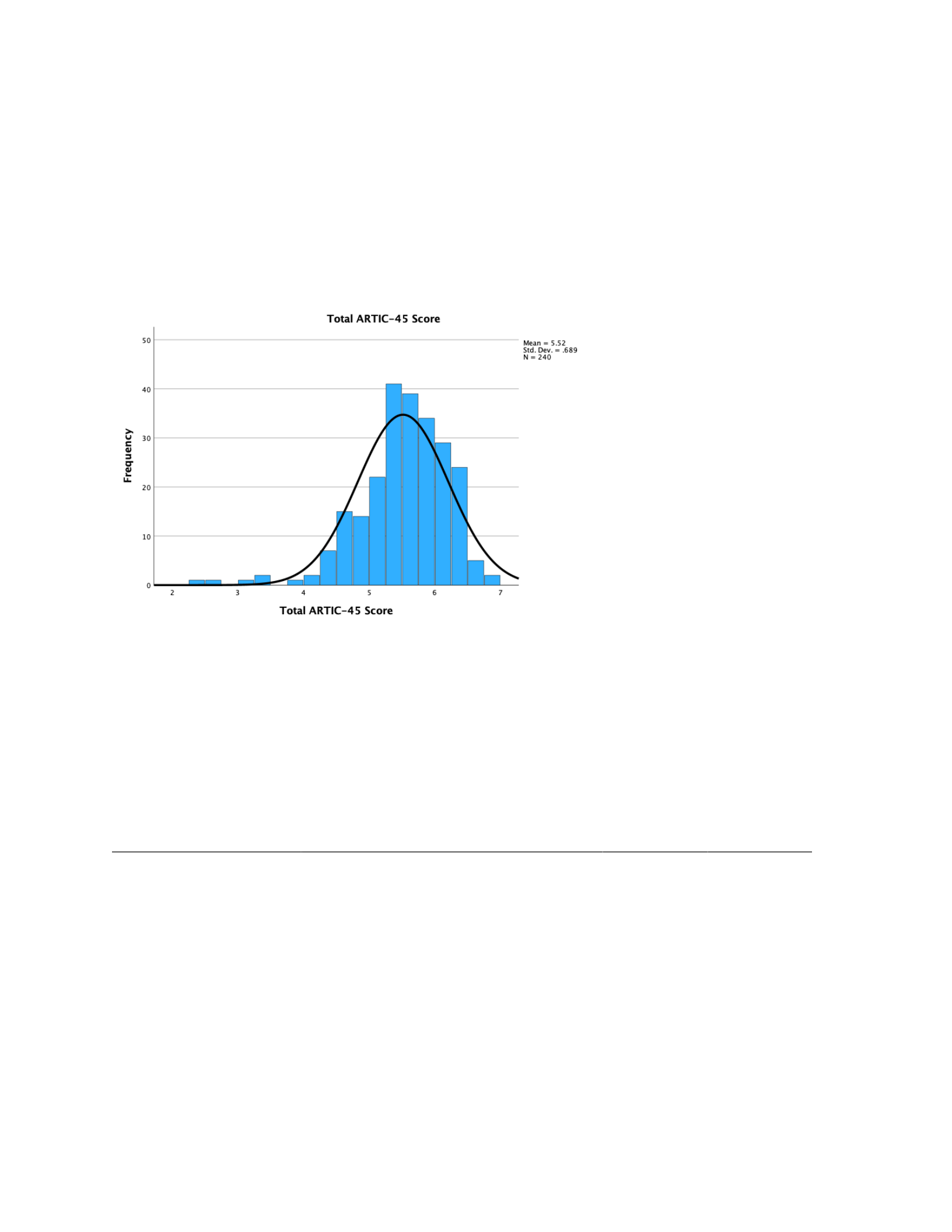
79
The histogram of the total ARTIC – 45 score also shows that the data is not normally distributed
– it is negatively skewed. See Figure 7 below.
Figure 7
Histogram of the Total ARTIC – 45 Score of 240 Participants
F 7. H of the T ARTIC – 45 S of 240 P
The descriptive statistics in Table 7 below also show the data is negatively skewed, with
a skewness value = -1.195, and that suggests the data is skewed to the left, and the majority of
the scores are concentrated on the right side of the distribution as seen earlier in Figure 6.
Table 7
Descriptive Statistics for Total ARTIC-45 Score
Statistic
Std. Error
Total ARTIC-45 Score
Mean
5.5157
.04450
95% Confidence
Interval for Mean
Lower Bound
5.4281
Upper Bound
5.6034
5% Trimmed Mean
5.5592
Median
5.5850
Variance
.475
Std. Deviation
.68934
Minimum
2.36
Maximum
6.87
Range
4.51

80
Interquartile Range
.78
Skewness
-1.195
.157
Kurtosis
2.926
.313
T 7. D S Total ARTIC-45 S
One of the easiest ways to fix a data set that is not normally distributed is by removing
outliers (Osborne & Waters, 2002), and the outliers were removed in this case by using the Z-
score method. The Z-scores of each data point of the total ARTIC-45 score were generated using
SPSS, and any Z-score greater than 3.2 or lesser than -3.2 is tagged as an outlier. Hence, the non-
outlier values are those whose Z-scores lie between -3.2 and 3.2. With this method, 5 outliers
were removed. These steps allowed us to have an approximately normal distribution as
confirmed by the Kolmogorov-Smirnov test (see Table 8).
Table 8
Second Tests of Normality
Kolmogorov-Smirnova
Shapiro-Wilk
Statistic
df
Sig.
Statistic
df
Sig.
Total ARTIC-45
Score
.052
235
.200*
.985
235
.017
*. This is a lower bound of the true significance.
a. Lilliefors Significance Correction
T 8. S Tests of Normality
The Kolmogorov-Smirnov test statistics have a result of KS (235) = 0.052, p = 0.200.
The p-value of 0.200 from the Kolmogorov-Smirnov test indicates that there is no significant
departure from normality at the 0.05 significance level, and there is no strong evidence to reject
the null hypothesis. The Shapiro-Wilk significance levels are not considered in this situation
because the test is more appropriate for small sample sizes (<50 samples), while the
Kolmogorov-Smirnov test is more appropriate for n > 50 (Mishra et al., 2019).

81
Figure 8
Normal Q-Q Plot of Data Without Outliers
F 8. N Q-Q P of Data Without Outliers
n = 235
The histogram also suggests that the data is approximately normally distributed after
removing the outliers (see Figure 9).
Figure 9
Histogram of Data with Outliers Extracted
F 9. H of Data with Outliers Extracted.

82
The descriptive statistics suggest that the negative skewness has been reduced (see Table
9).
Table 9
Descriptive Statistics of Data Set Without Outliers
Statistic
Std. Error
Total ARTIC-45 Score
Mean
5.5699
.03808
95% Confidence Interval for
Mean
Lower Bound
5.4948
Upper Bound
5.6449
5% Trimmed Mean
5.5848
Median
5.6000
Variance
.341
Std. Deviation
.58377
Minimum
3.82
Maximum
6.87
Range
3.05
Interquartile Range
.78
Skewness
-.380
.159
Kurtosis
-.164
.316
T 9. D Statistics of Data Set Without Out
Once the data was normalized, a multiple linear regression was used to determine the
effects of dependent variables. “Y” represents the dependent variables, and x1, x2, and x3
represent the independent variables: years of teaching experience, years of administrative
experience, and an estimated number of trauma-informed care professional development training
hours, respectively.
Table 10
Regression Coefficients
Model
Unstandardized
Coefficients
Standardized
Coefficients
t
Sig.
95.0% Confidence
Interval for B
B
Std. Error
Beta
Lower
Bound
Upper
Bound
1
(Constant)
5.620
.337
16.699
.000
4.956
6.283

83
Years of Teaching
Experience
-.006
.052
-.008
-.122
.903
-.110
.097
Years of Administrative
Experience
-.108
.044
-.158
-2.456
.015
-.195
-.021
Estimated Number of
Trauma-Informed Care
Professional Development
Training Hours
.121
.032
.239
3.772
.000
.058
.184
a. Dependent Variable: Total ARTIC-45 Score (N = 235)
T 10. R Coeff
Interpretation of Coefficients:
Constant: The constant term (intercept) is 5.620. This is the estimated value of the
dependent variable when all predictor variables are zero.
Years of Teaching Experience: For every one-unit increase in years of teaching
experience, the dependent variable is estimated to decrease by -0.006 units. However, the
coefficient is not statistically significant (p = 0.903), indicating that the relationship might not be
meaningful.
Years of Administrative Experience: For every one-unit increase in years of
administrative experience, the dependent variable is estimated to decrease by -0.108 units. This
coefficient is statistically significant (p = 0.015), suggesting a negative statistically significant
relationship between administrative experience and the Total ARTIC-45 scores. Indicating the
more administrative experience elementary school administrators have, the more negative their
attitudes related to trauma-informed care.
Estimated Number of Trauma-Informed Care Professional Development Training Hours:
For every one-unit increase in the estimated number of training hours, the dependent variable is
estimated to increase by 0.121 units. This coefficient is statistically significant (p = 0.000),
indicating a positive statistically significant relationship between training hours and the Total

84
ARTIC-45 scores. This indicates the more training elementary school administrators get, the
more positive their attitudes related to trauma-informed care.
Central Research Question 3: Qualitative and Quantitative
The third research question was: What are school administrators’ self-efficacy
perceptions regarding trauma-informed care supports they provide to staff?
Sub question 1. How does the training received affect elementary school administrators’
self-efficacy?
Sub question 2. What is elementary school administrators’ self-efficacy about their
knowledge of trauma-informed care?
Sub question 3. How do elementary school administrators’ experiences working with
trauma-exposed children affect or inform the support they provide teachers?
Sub question 4. What are self-efficacy perceptions about elementary school
administrators’ ability and confidence to provide the needed support to teachers?
Data analysis resulted in 25 codes for the PI and 43 codes for the second coder. All codes
were similar, and this allowed both coders to agree on eight emerging themes and discourse
dimensions as seen in Table 11. There was no disagreement on codes or themes.
Table 11
Themes, Dimensions, and Example Quotes
Theme
Discourse and dimension
Example Quote
Professional
Development,
Resources, and
Knowledge
The interviewees discussed the need for professional
development, resources, and knowledge to provide
effective care for students who have experienced
trauma.
“I' will be honest that there is a lot of
buzz words, and trauma informed, is
one of those buzz words. But to
really get into being trained in
trauma informed, I'm afraid that
there are very few of us in our
district that are……….”
Unbalanced Talent
Retention and Attrition
The education system is facing a significant talent
retention and attrition problem, with many teachers
“So anywhere from 20 to 30% is what
we're experiencing as far as
vacancies, but it's due to a number of

85
leaving the profession for various reasons such as
retirement, tech positions, and burnout.
things, it's not necessarily just
attributable to COVID, but also to
pay, to demand of the job because
we have the testing demand. So it is
so many other things that attribute to
that.”
Variability in Perceived
Support and
Perspectives Among
Administrators and
Teachers
From the administrators' perspectives, the staff’s view
of support provided varies depending on the situation
and individual teacher. Some teachers are resistant to
accepting certain types of students, while others may
need more support or professional development.
“They [staff] will have to say that there
is no support, because I have not
even introduced that vocabulary, or
any of that, any of that research or
knowledge to them.”
“It varies from person to person. A lot
of the teachers are very old school.
They think you do A, then B should
happen. They need, they want a
suspension. They want the child out
of their room.”
Positive General
Perception of TIP on
Learning
From the administrators' perspectives, basic needs must
be met, and children must feel safe before any
learning can occur. Trauma can lead to violent and
aggressive behavior, causing students to miss out on
instructional time.
“I feel like that is the piece that a state
mandated standardized test does not
measure, and I think there is more of
a influence on academics than what
we know.”
“In my opinion, children, especially
younger children in the K-5, they
really do not have built in abilities to
deal with the trauma that they
experience.”
Positive Organizational
Support but Systemic
Support Improvement
Required.
The participants engaged in discussions about various
forms of organizational support for educators. These
included training programs like the community
resiliency model, mental health resources such as
therapy sessions and behavior consultants, as well as
work-life balance initiatives.
“I think that they have offered like, if
you need help, here are some
numbers. I have to post some of
these numbers in the teachers’
lounge, but you know, and then
occasionally they will send them
candy, but not really anything
systemic that's been done.”
Limited Preparedness
for TIC Implementation
and to Work with TEC
Administrators believe their teachers feel unprepared to
handle the level of trauma they are seeing in students
and often resort to sending them outside for help.
Some schools use a universal screener to identify
internalized and externalized behavior s in students.
“I think that the trauma informed
strategies are definitely a place
where we can always do a better job,
and sometimes in the scheme of
things, teachers in their day to day
working, worrying about lesson
plans, and all of these other things
that the teachers are required that
they cannot forget.”

86
Negative Impact of
COVID-19
The participants believe the COVID-19 pandemic has
significantly impacted education, particularly in low-
income schools, leading to a decline in performance.
Online learning has posed challenges for students,
resulting in increased social and emotional issues.
“I think the younger kids, I notice if
they started out school virtually,
when they get to school, that they
have a hard time transitioning to the
structure of a classroom.”
Administrators Have a
Good Understanding of
Trauma
The participants have a good understanding of the
impact of trauma on children's behavior in the
classroom. They advocate for compassion and
empathy, urging educators not to judge children
based on their actions.
“The hierarchy of needs is that there is
not going to be any learning unless
the child has basic needs met, and
also feel safe, if those 2 things are
not in place, there is no hierarchy
level of learning above that.”
T 11. T , D , and E Q
Theme 1: Professional Development, Resources, and Knowledge
The lack of training and resources is a common theme, with some schools implementing
programs such as social-emotional learning and gardening as therapeutic tools. However, there is
a need for more formal training and consistent implementation of trauma-informed practices.
The importance of staying informed and up to date on research and resources is also emphasized.
Overall, there is a recognition of the need for more support and resources to effectively address
the impact of trauma on students. The consensus from all administrators was that they needed
more training to adequately support their students and staff, as indicated by the following quote:
I think this goes all back to the lack of training that we have. So, I think that is the more
training and the more awareness of what kind of trauma our children are experiencing, I
think, the better we would be equipped to be able to handle it.
Theme 2: Unbalanced Talent Retention and Attrition
The pandemic has exacerbated the issue, with a shortage of teachers and substitutes, and
a lack of hands-on/practical experience for new graduates. Administrators also described how the
cultural shift among parents has also impacted the education system, with some parents
exhibiting poor behavior and disrespect toward educators. Intense job demands, low pay, and
lack of resources for trauma-exposed students are also contributing factors to the talent retention

87
problem. Administrators feel they are being interviewed rather than interviewing the candidates.
Participants would like these issues addressed to retain and attract talented educators.
However, some schools in affluent areas have a surplus of applicants for open positions
due to their reputation and supportive environment.
It's in a more affluent area. I have a low free reduced lunch population. I'm at 26.2% free-
reduced lunch. So, as you can imagine, I have very wealthy families, and then some that
are below the poverty line. So the gap between the haves and have nots is very huge
here………... So, people want to be here.……………... they're just genuinely kind
children and very few behavior problems. So, anybody who comes on campus, even as a
substitute wants to stay here and sub here, or you know. So, attrition is not really an
issue. Anytime a spot opens up, I probably have 10 applications for the spot.
Overall, the stress of dealing with trauma-exposed students and the demand for multiple
responsibilities and roles are major factors contributing to teacher attrition, especially in low SES
communities. An administrator described the following situation in contrast to the participant
above “My colleague down the road, a teacher, walked off the job just last Friday before spring
break. She said I’m not coming back, first year teacher.”
Theme 3: Variability in Perceived Support and Perspectives Among Administrators and
Teachers
Some teachers may feel unsupported if they have not been introduced to certain
vocabulary or research. The approach to discipline also varies, with some teachers wanting to
suspend students while others prioritize creating a welcoming and nurturing environment (all this
is dependent on teaching style). The principals hope that teachers see them as supportive and a
problem solver with high expectations for improvement; a participant discussed how those

88
feelings can change: “I would say that in all fairness, it would depend on when you would ask a
teacher. Like in a moment where the teachers are frustrated, I think sometimes they would be
frustrated with the reaction to certain things.” The principals also take responsibility for their
own actions and are open to feedback. Overall, the staff feels that they are doing what the district
has asked, but there is always room for improvement.
Theme 4: Positive General Perception of Trauma-Informed Practice (TIP) on Learning
School administrators showed an understanding of how trauma can be so powerful that
even seemingly innocuous things can trigger a traumatic response. As one administrator put it, “I
think everybody's had trauma, but there's different degrees of that, and sometimes things in the
classroom can be triggers.” Younger children may not have the ability to deal with trauma, and
restorative practices are more effective than punitive consequences. Trust and building
relationships, giving space and sensory items, and helping students make amends are important
in addressing trauma. Trauma can cause students to feel threatened and be a barrier to learning,
and standardized tests do not measure the impact of trauma on academic performance.
Participants believe it is unfair to measure low SES children against those with stable home lives
who have their basic needs met.
Our lower performers, they have other stressors in their lives, and I feel like it's unfair
that we are putting them up against children that have a, you know, stable home life, and
have food on their table every night, and it go to bed at a good time, and have
transportation to and from school, and it's really an unfair measuring stick……
Theme 5: Positive Organizational Support but Systemic Support Improvement Required
One district even sought input from teachers to improve job satisfaction and provide
opportunities for professional development and planning days. Many participants emphasized the

89
importance of wellness campaigns and offering resources for mental health support, as one
administrator discussed:
We want to make sure that we're promoting wellness campaigns that are coming out from
the district and encouraging teachers and staff to do that. We have wellness ambassadors
on campus, but I think making sure that teachers don't feel bad about taking the time that
they need to refuel.
Despite these efforts, there was a consensus that some teachers still feel the need for more
systemic support. The principals expressed their commitment to supporting staff, acknowledging
that each person's needs may differ and recognizing the limitations of being present everywhere
at once. Some districts and states provide professional development to help teachers deal with
trauma. They discussed programs available to support teachers with trauma, such as offering
resources like time-outs and an onsite clinic for mental health some of which was discussed by
this administrator:
Teachers appreciate the fact that human resources have given them the numbers to call in
case they feel blue, or they feel this, or feel that…………Our district social group, the
social workers will say things like, you know, if you all need to talk to somebody on here
or that kind of thing.
However, the administrators did not know if the teachers were taking advantage of these
resources.
Theme 6: Limited Preparedness for TIC Implementation and to Work with (Trauma Exposed
Children) TEC
One administrator said their district has identified schools in high-trauma areas for
trauma-informed training, but their school was not selected “9 schools were selected to

90
participate in that trauma informed training. This school was not one of them, it does not have a
high [enough] rate of trauma or crime in the area.” General education teachers have not received
as much training as special educators, social workers, and counselors. They often feel left out
and unsure of how to handle difficult situations and behaviors. One administrator said their
school is still in the early stages of implementing a behavior-squared approach and trauma-
informed training.
Theme 7: Negative Impact of COVID-19
They believe young children have faced miseducation, lack of socialization, and
isolation, especially those from traumatic home experiences who dealt with prolonged isolation.
Transitioning from virtual to in-person learning has also been difficult for younger children, but
some of their teachers have worked creatively to engage students and build relationships with
families. The trauma caused by the pandemic as one administrator put it has “exacerbated
everything” referring to existing issues affecting both children and adults, while teachers face
added pressure to help students catch up.
Participants believe public school educators have also faced changes in perception, with
some experiencing decreased respect and support. Despite these challenges, certain schools have
made efforts to improve relationships and behaviors. The pandemic has also impacted parental
involvement in schools, with fewer volunteers. They believe the long-term effects on education
are still uncertain, but recovery from pandemic disruptions will take time.
They also believe COVID-19's impact on educational success has been significant, with
many students struggling as one administrator discussed “COVID really impacted children
tremendously. I think it impacted them mentally, emotionally, and for certain, academically.”
Chronic absenteeism has risen as discussed by another administrator: “we've got more chronic

91
absenteeism due to the you know, like post- COVID. So, a lot of kids are still staying out”
especially among low-income and socially disadvantaged students who have experienced trauma
and loss. The gap between high-achieving and struggling students has also widened: “we are
starting to see some patterns of children coming through our early grades that really need some
extra care” remarked an administrator, needing support to bridge the learning and developmental
gaps caused by the pandemic.
Theme 8: Administrators Have a Good Understanding of Trauma
Recognizing that children under their care have traumatic experiences and the importance
of addressing traumatic experiences, they emphasize providing students with coping mechanisms
and tools to navigate their trauma as discussed by one administrator: “when I think about
childhood trauma, it's more about like what has happened to them, what experience has
happened to them to have a changed reaction to their behavior.” The participants stress the
significance of prioritizing mental health before academics and acknowledging that trauma can
trigger responses in the classroom. Understanding that each student is unique, participants
emphasized meeting students where they are and considering the underlying factors affecting
their behavior; this was summed up by one participant: “it is almost like an iceberg, there's the
child that's coming in, but all the things are underneath that, like the iceberg, whether it's, you
know there is trauma in the home, trauma at school.”
Elementary school principals believe childhood trauma, although often unspoken,
manifests through behavior, leading to fight, flight, faint, or freeze responses as described by one
administrator:
That's big T trauma times 2. The idea of the brain and the avenue for those little friends,
that avenue is now a crater. So anytime they don't know in the world how to behave, what

92
to do, how to think. They fall into that crater, and they go to the fight or flight, or faint or
freeze, the 4 Fs.
Traumatic experiences disrupt students’ sense of safety and stability, making it crucial for
educators to be aware of such incidents and focus on mental well-being before academics. They
highlight the need for a trauma-informed approach, recognizing the hidden effects of trauma on
behavior. Emphasizing the importance of support and understanding, they advocate for giving
students the benefit of the doubt while forming meaningful relationships to comprehend the
impact of trauma on their lives. One participant has been counseling children for 20 years, and
another has worked in Title One schools with high poverty rates and extensive needs. Another
has worked with outside organizations to provide mental health care and support for students in
her school. They have encountered students who have experienced severe trauma, including
witnessing domestic violence and murder. They believe that poverty and trauma are closely
linked and that the pandemic has likely increased the number of students dealing with trauma. As
administrators, the participants believe the focus should be on providing trauma-informed care
and support for their students and teachers.
Central Research Question 3: What are Elementary School Administrators’ Self-Efficacy
Perceptions Regarding Trauma-Informed care Supports they Provide to Staff?
Based on participant responses to the semi-structured interviews, school administrators’
perceptions of their self-efficacy to support staff are shaped by a number of factors, as found in
the identified themes. Despite feeling strongly positioned to support their staff in other areas and
having a good understanding of trauma and how it affects learning, they recognize the significant
role training and knowledge plays in their self-efficacy for trauma-informed care and feel
unprepared for the work they currently do with trauma-exposed children and to implement

93
trauma-informed practices. One participant remarked when asked about areas needing
improvement “the lacking knowledge myself, really understanding what’s out there and what’s
available [Research-based TIC practices]. I think if you do not know, it is hard to lead others in
that arena.” Another participant responded, “it is definitely having some formal training for
myself, so that I can understand on a deeper level how we can help students, and how teachers
can help students when they are suffering from trauma.” A third participant responded, “I think if
we were talking about like a level from 1 to 5, and 5 being fully trained, I will say I’m a 1. I
mean, I have not been to any formal training.”
A fourth participant offered a concise recap of the challenges articulated by all the
individuals in this research project:
I think we understand the why of it. Why it happens. But we are not completely there on
what you do about that, and what you do about that on a daily basis, consistently and with
fidelity. We’ve got work to do there.
Sub Question 1: How Does Training Received Affect Elementary School Administrators’ Self-
Efficacy?
Training significantly affects administrators’ self-efficacy in providing trauma-informed
care support. Theme 1 (Professional Development, Resources, and Knowledge) underscores the
importance of continuous training to equip administrators with the necessary tools and
knowledge. As highlighted in the central research question, the lack of training and resources is
identified as a concern, emphasizing the role of training in enhancing administrators’ confidence.
Adequate training empowers administrators to implement effective trauma-informed practices,
stay up to date on research, and offer informed support, thus positively influencing their self-
efficacy as remarked by a participant:

94
If I participated more in professional development, and had more information, I think the
more informed I am, the better I can understand things, and the better I can help other
people. I feel like I'm always lacking, like, there's never enough time in the day to do
everything that I should be doing.
Another participant said the following:
The only things I can speak to are the things that I just kind of hear. Like I said, without a
formal training and a formal, you know, menu of things. The only thing I try to help
teachers understand is, students need brain breaks. Students need to hydrate, and just
listening to them.
Demographic analysis discussed in RQ2 also indicates that training is statistically
significant in elementary school principals’ attitudes related to trauma-informed care. ARTIC-45,
especially subscale 6, personal support of trauma-informed care, indicates school administrators
in this study are not confident about and do not have attitudes favorable to the implementation of
TIC. The mean score from subscale 7, system-wide support of trauma-informed care also shows
elementary school principals do not feel supported by their colleagues, supervisors, and the
administration to implement trauma-informed practices.
Sub Question 2: What are Elementary School Administrators’ Self-Efficacy About Their
Knowledge of Trauma-Informed Care?
Elementary school principals’ self-efficacy regarding their knowledge of trauma-
informed care is linked to their ability to provide effective support. The emphasis on staying
informed and up to date on research and resources, as indicated in Theme 1 (Professional
Development, Resources and Knowledge), underscores their recognition of the significance of
knowledge. This knowledge contributes to their self-efficacy in addressing the impact of trauma

95
on students and staff. Elementary school principals in this study also showed a good
understanding of the subject matter when discussing the effects of trauma on learning in Theme
8 (Administrators have a Good Understanding of Trauma) and had positive perceptions of the
impact of trauma-informed practices on helping their students as seen in Theme 4 (Positive
General Perception of TIP on Learning).
This is further reinforced by the following statement:
With my experience, I think that when you are working with children who are in poverty,
or in trauma, the more you use restorative practices as opposed to punitive, and having
consequences that are punitive in nature, the more progress you can make for children.
Another principal shared the following:
In my opinion, children, especially younger children in the K-5, they really don't have
built-in abilities to deal with the trauma that they experience. So, whereas an adult might,
you know, understand I have been through something traumatic. I might need to speak to
a professional. I need to journal. I need to do something to kind of help my feelings work.
Help me work through this, whereas a child, they don't really know how to navigate
dealing with trauma, so I think they act out in a different way, or they withdraw.
This knowledge is reflected in the ARTIC-45 subscale 1 (underlying cause of problem
behavior and symptoms) and subscale 2 (response to problem behavior and symptoms) mean
scores showing positive attitudes on participants’ knowledge and how they respond to problem
behavior. The positive mean scores obtained on these subscales suggest that participants possess
a robust grasp of these contributing factors. This knowledge is invaluable as it empowers
individuals to identify potential triggers and instigators of problem behavior, paving the way for

96
more informed and targeted interventions and a chance to exhibit proactive, empathetic, and
constructive responses to problem behavior and symptoms.
Sub Question 3: How do Elementary School Administrators’ Experiences Working with
Trauma-Exposed Children Affect or Inform the Support They Provide Teachers?
Over 52% of the participants had more than 10 years of administrative experience, while
52.5% had more than 10 years of classroom experience as well. Participants in the study have
worked with children with a range of traumas, from homelessness and sexual assault to
experiencing murder and loss, and they all believe it leaves a lasting impact on a child. One
participant said:
Some kids I have found in my experience are very easily agitated and or more physical,
and then you have some that are just very inward with their traumatic experiences, and
you know they keep to themselves, or they may hide, or they don't want to be noticed,
those types of things” another said “my most recent the kid was so violent, and physically
aggressive. We could not keep the child in the classroom.
This knowledge and experience seem to have shaped the way they work with trauma-exposed
children with a little more understanding. One participant described how she deals with these
situations:
What is essential, in my experience, it is having the trust and building relationships, and
you know, not becoming heated in the moment, giving children space, time to calm
down, sensory items, breaks, or letting them go through their full-blown episode until it's
subdued, and then you can start the restorative practices. They talk when they're ready to
talk, and just delving deep into what happened? How can I help you? How can I support

97
you? But then, also helping them make amends when they're ready, to whatever damage
they might have caused to others, the adults, or the children, in that particular classroom.
These responses align with the ARTIC-45 subscale 3, on-the-job behavior, which is about
empathy-focused behavior versus control-focused behavior. Elementary school principals in this
study had the highest mean score of 5.75 of the survey on this subscale.
Sub Question 4: What are Self-Efficacy Perceptions About Elementary School
Administrators’ Ability and Confidence to Provide the Needed Support to Teachers?
Elementary school principals' self-efficacy in providing support to teachers is influenced
by their ability to address challenges highlighted in various themes. The teacher stress when
working with trauma-exposed students, the impact of COVID-19, and low teacher pay, as seen in
Theme 2 (Unbalanced Talent Retention and Attrition), affects their self-efficacy. One participant
questioned herself:
We are asking them to wear multiple hats. And so, it is just like with the pay, it does not
pay for them to be (here), and I'll be honest, if I was not an administrator, I do not think
that I would be in education. Just because, and as administrator like I am having to wear
several hats, and I am being stretched so at some point I have got to consider, is it really
worth all the sacrifices that I'm doing? And now the hats that I wear, I question myself
every day like, am I making a difference?
COVID-19 has had a negative impact on teacher retention as well, with another
participant stating “pre-COVID teachers were already stretched. But I think that after COVID it
really made people think about whether they wanted to stay in education and we have lost quite a
bit of teachers.” Another principal lamented the lack of hands-on experience the teacher

98
graduates are bringing to the field due to the hybrid nature of teacher education during the
pandemic, and studentteachers inability to work with children during that time:
The new crop of graduates did not have the necessary lab in-person experiences, student
teaching experiences, hands-on in a room with kids, that was different because they just
came to us with not as much of a knowledge base and actual hands-on experience with
kids compared to people who got that experience when it was before 2020.
The above statement, however, does not mean that teachers are being turned away. There
seems to be a teacher shortage post-pandemic as one principal described: “At my school, it is not
so much. I am at a smaller school, but at our district, yes, we are. We are in a teacher shortage,
and we are getting ready to get into a principal shortage now too as well.” Another principal also
discussed the interview process, pre- and post-COVID:
Five years ago, for any open position I would have to decide which 3 to 5 candidates do I
want? Oh, I really like these 3, but I can only take one, which one is it going to be? Now,
I am lucky if I can find an applicant for each and every opening, and my interviews are
different. And I will just be honest, it is more like the teacher applicant is interviewing
me, as opposed to me interviewing them. And how I hope I passed the muster, so they
will take my job as opposed to someone else's. It is very competitive finding teachers
who will come work for you.
However, their confidence is bolstered by their understanding of trauma's impact as
discussed in Theme 8 (Administrators have a Good Understanding of Trauma), which enables
them to provide relevant assistance to teachers. School principals, however, want more training,
and their confidence in adequately dealing with and helping staff with trauma situations is
strongly tied to future training they would like to receive. One participant said, “With the proper

99
training and the proper techniques that I would be able to make sure that my staff gets trained.”
Another intimated, “I think it would take a certain amount of train the trainer in order for me to
turnkey that with faculty and staff.” The reason for the strong calls for training, as one participant
put it, was because they have brainstorming sessions with teachers about what to do in difficult
situations with children based on the resources they currently have in the school but they have
nothing formalized as a general rule, at the end she said, “I do not know that I was able to
adequately equip my teachers.” As strong as they were in their insistence to adequately help their
staff, this also seemed like a call for help.

100
Chapter 5. Discussion
Introduction
This explanatory sequential mixed method study aimed to investigate whether school
administrators believe they have the self-efficacy to provide trauma-informed leadership and
support teachers in trauma-informed care and education. This study also investigated school
administrators' attitudes related to trauma-informed care. This chapter summarizes the study's
findings and their contribution to existing literature. Limitations of the current study and
recommendations for future studies are also discussed.
Discussion of Findings
The Phase I data analysis results indicate that the school administrators in this study had
positive attitudes related to trauma-informed care (RQ1) but raised questions over their concerns
about their personal support for implementing trauma-informed approaches while carrying out
their other responsibilities. It also raised questions about the systemwide support they receive for
trauma-informed care implementation, as this means they have concerns about receiving
adequate support from colleagues, supervisors, and administration. The second finding from the
study was that years of teaching experience did not have a statistical significance on their attitude
related to trauma-informed care. However, years of administrative experience and the number of
trauma-informed care training hours statistically affected the participant attitudes (RQ2). The
Phase II of this study was conducted through semi-structured interviews with 8 participants to
gain more insights into statistical results from Phase I. This section showed that participants in
this study have a good understanding of trauma and its effects on learning. However, it
underlined the lack of training for themselves and their staff (on trauma-informed practices) as a
significant cause for concern. It also outlined teacher retention, post-COVID, especially in low-

101
SES communities with limited resources, as a significant issue (RQ3). This discussion delves
into the nuances of the results and their implications.
Attitudes Related to Trauma-Informed Care (ARTIC-45)
The result from the ARTIC-45 scale suggests that school administrators involved in this
study have attitudes supportive towards trauma-informed care, as suggested by the overall mean
score. This suggests school administrators’ growing awareness and positive recognition of the
significance of addressing trauma in education to facilitate positive learning experiences and
better educational outcomes for students under their care. This is in line with the growing
understanding that trauma negatively impacts the mental health, social interaction, and school
performance of students (Beland & Kim, 2016; Frieze, 2015; Goodman et al., 2012; Roberts,
2021; Strøm et al., 2016; Walker & Goings, 2017). It also shows an awareness that student
trauma can negatively impact teachers and staff while dredging up their unresolved trauma and
creating new ones, situations that could ultimately lead them away from the profession (Brunzell
et al., 2021; Lawson et al., 2019; Sonsteng-Person & Loomis, 2021; Terrasi & De Galarce,
2017). Administrators' positive attitudes are crucial steps toward facilitating a more supportive
and collaborative school culture to provide better experiences for educators and their students.
However, a notable area of concern is the emergence of the administrators' uneasiness
about the personal support they can give while implementing trauma-informed approaches.
Creating a balance of multiple responsibilities crucial to success in their respective positions and
integrating effective trauma-informed strategies caused apprehension among the administrators
in this study. This raises concerns about how adequately equipped administrators feel about
performing their professional obligations and implementing trauma-informed strategies despite
showing positive attitudes about trauma-informed care. This concern also highlights the

102
perceived added responsibility that school administrators believe trauma-informed approaches
bring to their complex workload. Another concern raised by findings from this study is the
suggestion that administrators question the level of systemwide support they receive or will
receive for implementing trauma-informed approaches. This includes the support they receive
from colleagues, supervisors, and their general administrative structure. This reflects their
recognition that successful trauma-informed strategy implementation requires buy-in from their
staff and the administrative structure above them.
The question raised by the systemwide support subscale aligns with the broader
discussion of creating an organizational structure, supportive school, and community culture for
trauma-informed strategy implementation (Chafouleas et al., 2016; Erdman et al., 2020; Huang
et al., 2014; Kataoka et al., 2018). The challenges administrators face in this regard include
factors like limited resources, competing priorities, and inadequate training. Addressing these
concerns requires understanding the necessity of trauma-informed approaches and integration
into the general early education framework.
Participant Demographic Relationship with the ARTIC-45 Scale
An intriguing point to this phase of the study is that years of teaching experience did not
significantly influence elementary school principals' ARTIC-45 scores. This suggests that their
attitudes on issues of trauma-informed care are not affected by the duration they have spent in
the classroom as teachers. With 88.1% of participants having at least six years of teaching
experience, it is plausible that the nature of trauma-informed care, which is increasingly dynamic
and evolving, requires a different set of factors to shape attitudes, transcending the conventional
relationship between teaching experience and perceptions. It could also suggest their years of

103
teaching experience could have been during times when the impact of trauma on learning was
not acknowledged as a factor in student educational success.
In contrast, years of administrative experience showed a statistical significance with
elementary school principals' attitudes related to trauma-informed care. However, the model
indicated that the more experience school administrators in this study had, the worse their
attitudes related to trauma informed care. This could be because most participants in this study
were 45 and older, indicating they could be more set in their administrative techniques and
expectations, thereby needing professional development to fully understand the benefits of
trauma-informed practices.
The finding that the number of TIC training hours the principals in this study have
received has a statistical significance on their attitudes toward trauma-informed care is intriguing
and underscores the importance of professional development, especially in trauma-informed
practice. The more training hours principals underwent, the more positive and informed their
attitudes became. This finding aligns with the broader understanding that training and education
foster awareness, knowledge, and a positive outlook toward new methodologies and practices
(Chafouleas et al., 2019; Phifer & Hull, 2016). Research has shown that knowledge, attitudes,
and behaviors related to trauma-informed practice improve after participating in trauma-
informed training. Those changes were especially more impactful when interventions include
other components like policy changes (Purtle, 2020). The correlation between TIC training hours
and a positive attitudinal shift emphasizes the importance of continuous learning and
professional development in fostering a positive environment and a culture for trauma-informed
practice and implementation.

104
Semi-Structured Interviews
Semi-structured interviews were conducted with 8 participants and produced eight major
themes. The themes are as follows: Professional Development, Resources, and Knowledge;
Unbalanced Talent Retention and Attrition; Variability in Perceived Support and Perspectives
Among Administrators and Teachers; Positive General Perception of TIP on Learning; Positive
Organizational Support but Systemic Support Improvement Required; Limited Preparedness for
TIC Implementation and to work with TEC; Negative Impact of COVID-19; and Administrators
Have a Good Understanding of Trauma.
The overarching finding from this section is that elementary school principals would like
to receive professional development in trauma-informed care implementation. This is essential to
providing positive trauma-informed education (Stokes & Brunzell, 2019). Despite showing good
knowledge and understanding of trauma, its causes, how it can manifest in a child, and its effects
on learning, participants felt ill-equipped to adequately support their teachers despite trying to
create a positive organizational culture. Elementary school principals also believe there is
inadequate systemic support and resources to implement a trauma-informed approach. This
qualitative feeling is supported by the quantitative response on general ARTIC-45 subscale 7
(systemwide support for trauma-informed care) mean score that does not show a positive attitude
from participants on systemwide support they receive from colleagues and supervisors.
While there is a limited amount of literature addressing this topic from the viewpoint of
elementary school principals, Berger and Martin (2021) put forth a commentary advocating for a
multi-tiered TIC service delivery model which involves educator training focused on cultural
change, policy implementation, allocation of sufficient resources, and a worldwide dedication to
and investment in trauma-informed programs. These are the very aspects that participants in this

105
study express a desire to witness. In their findings, Arnold et al. (2020) similarly noted that
school principals expressed concerns about the shortage of staff with expertise in preventing
mental health issues, insufficient funding at the district level for preventive mental health
programs, and a shortage of mental health services in the wider community. These concerns
mirror the discussions held by elementary school principals in the current study.
In this study, participants also discussed the impact of COVID-19 on their teachers,
which has resulted in higher levels of teacher attrition since students returned to school. This
aligns with existing research that highlights teacher burnout as a significant issue since the onset
of the pandemic (Baker et al., 2021; Pressley, 2021; Robinson et al., 2023). Additionally,
participants expressed concerns about the lack of real-life placements during the pandemic,
which has affected teacher preparation. The new cohort of teachers lacks the necessary hands-on
experience compared to their pre-COVID counterparts. This observation supports existing
literature, with studies such as VanLone et al. (2022) and Choate et al. (2021) reporting similar
findings due to temporarily reduced teaching experience requirements.
However, despite these challenges, it is important to note that teachers have not become
unemployable. There appears to be a shortage of teachers, which Darling-Hammond (2020)
attributes to decades of program cuts, declining respect for the teaching profession, and
unfavorable working conditions for educators. These factors have collectively made teaching a
less appealing career choice for prospective teachers.
Implications of the Study
The findings suggest the positive attitudes and practical knowledge of elementary school
principals in this study underscore the potential for successful TIC implementation. In addition,
the non-statistically significant impact of years of teaching experience prompts a re-evaluation of

106
the factors that contribute to the development of attitudes of elementary school principals
towards trauma-informed care.
The negative influence of years of administrative experience on ARTIC-45 attitudes
signifies the evolving nature of attitudes as educators ascend in the administrative hierarchy and
stresses the need for more experienced school administrators to fully understand the benefits of
trauma-informed practices. This also emphases the importance of cultivating a supportive and
conducive environment for leadership growth and development (Spreitzer, 2006), especially in
trauma-informed practice. The negative ARTIC-45 personal support and administrative support
to TIC also stresses the above point by indicating administrators have concerns about
implementing TIC, possibly due to feeling unprepared to take on the challenge and feeling
unsupported by supervisors and colleagues.
Furthermore, this study highlights the significance of professional development. Beyond
the statistical significance, these principals extensively emphasized the importance of
professional development in supporting their staff and providing better service to children and
their families. This underlines professional development's vital role in shaping attitudes toward
innovative practices. Educational institutions must prioritize comprehensive and tailored training
programs to facilitate positive and informed perspectives among school leaders. This study adds
to the literature by Leyhe (2023), who also found that school principals want more professional
development on trauma-informed practices and believe their current knowledge level is
inadequate to address the impact of trauma in their schools, affecting teachers, students and their
families.

107
Limitations of the Study
This study initially sought to include elementary school vice-principals in the study to get
variability in the results and compare their responses to their principals. However, the
inaccessibility of this sample population meant only seven participants from that target group
participated in this research study. This meant their responses were removed from the final
sample to give greater focus to elementary school principals. As with all self-reported studies,
there remains some uncertainty as to whether the ARTIC-45 (Baker et al., 2016) reflects the
actual attitudes of participants, despite strong reliability and validity ratings of the measure.
Furthermore, this study did not collect the gender of participants which would have been
valuable for exploring other points of discourse.
The generalizability of this study is limited because the focus was on elementary school
principals who had received some TIC training which would restrict its generalization to that
subgroup of school administrators. It does not provide a broad representation of all school
administrators.
Future Research
A secondary analysis of the ARTIC-45 data and participant demographics with a 3-way
ANOVA could provide a more detailed understanding of the relationship and differences
between all the variables. Future research could further investigate school administrators' specific
challenges in implementing trauma-informed care and explore strategies and the impact of
specific strategies to enhance support mechanisms. Additionally, investigating the impact of
personal and systemwide support on the successful execution of trauma-informed approaches
and its subsequent effects on student outcomes could offer valuable insights. Future research

108
could also investigate what relationship age, race and gender would play in school
administrators’ attitudes related to trauma-informed care.
Future research could also investigate the mechanisms through which administrative
experience and TIC training hours influence attitudes. Furthermore, research into the interplay
between the above-mentioned factors and other variables, such as school culture, leadership
styles, and geographical context, could provide a more comprehensive understanding of the
nuances at play. Future research could recreate this research from vice-principal perspectives, by
examining attitudes and practices of vice-principals in relation to administrative experience and
TIC training, therefore gaining a more holistic view of the leadership landscape in educational
settings.
Conclusion
This study aimed to investigate whether school administrators believe they have the self-
efficacy to provide trauma-informed leadership and support teachers in trauma-informed care
and education. In addition, this study also investigated school administrators' attitudes related to
trauma-informed care. The intriguing findings of this study reveal the multi-faceted nature of
elementary school principals' attitudes toward trauma-informed care. The non-significant impact
of teaching experience, the negative influential role of administrative experience on TIC attitudes
and positive statistical influence of TIC training hours on attitudes, highlight the intricate
interplay of factors that shape these attitudes related to trauma-informed care.
The positive attitudes exhibited underscore the evolving landscape of education, where
trauma-informed practices are gaining traction. However, participants' professional development
and resource concerns emphasize the importance of tailoring support to administrators to
facilitate effective and sustainable implementation of trauma-informed approaches within

109
educational settings. Addressing these concerns can create a transformative educational
environment that prioritizes the well-being and success of both students and educators. These
insights offer a foundation for informed policymaking, training strategies, and further research in
trauma-informed care implementation within educational settings.
!

