


Resistance
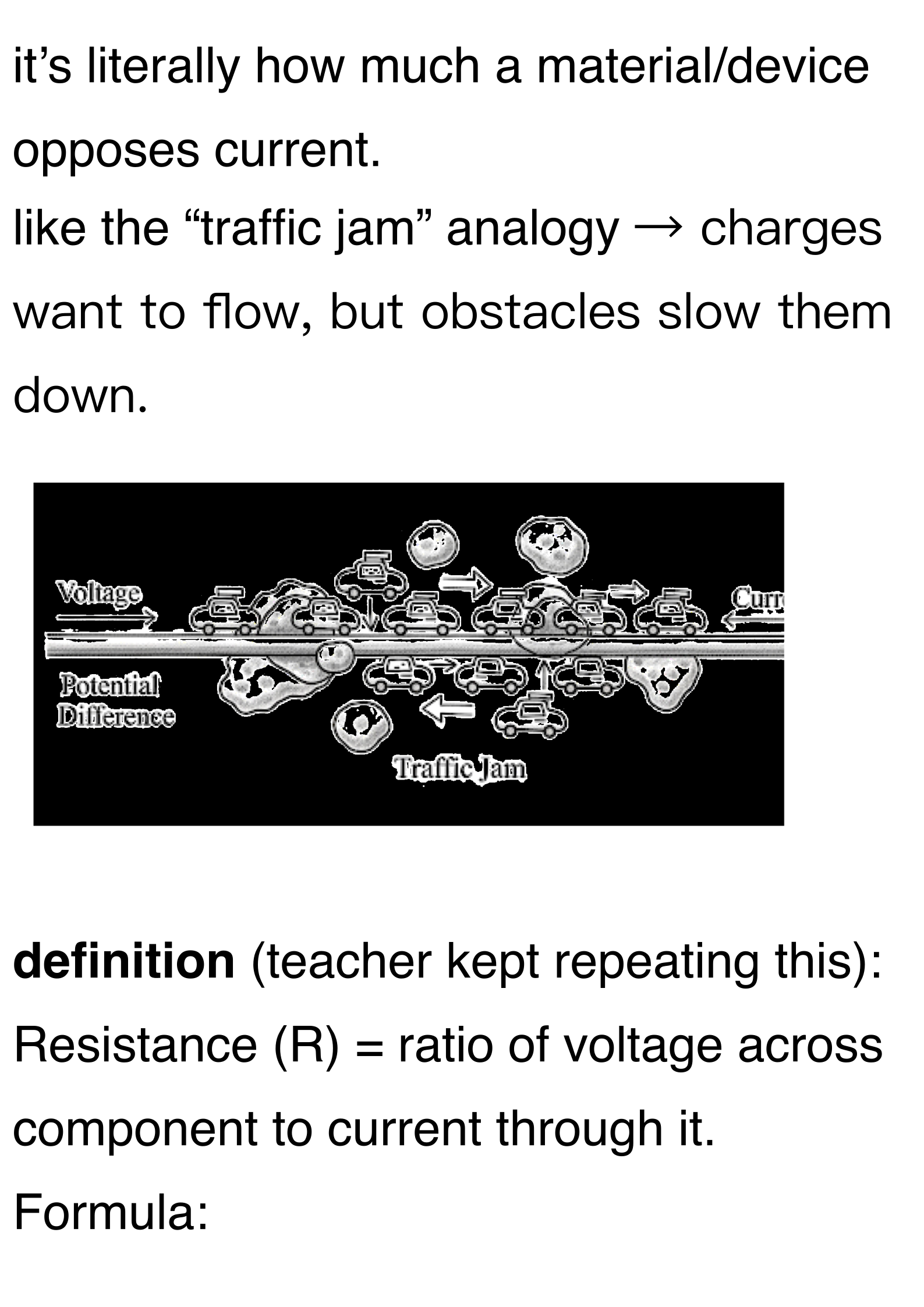
it’s literally how much a material/device
opposes current.
like the “traffic jam” analogy → charges
want to flow, but obstacles slow them
down.
definition (teacher kept repeating this):
Resistance (R) = ratio of voltage across
component to current through it.
Formula:
R = V / I
units = ohm (Ω).
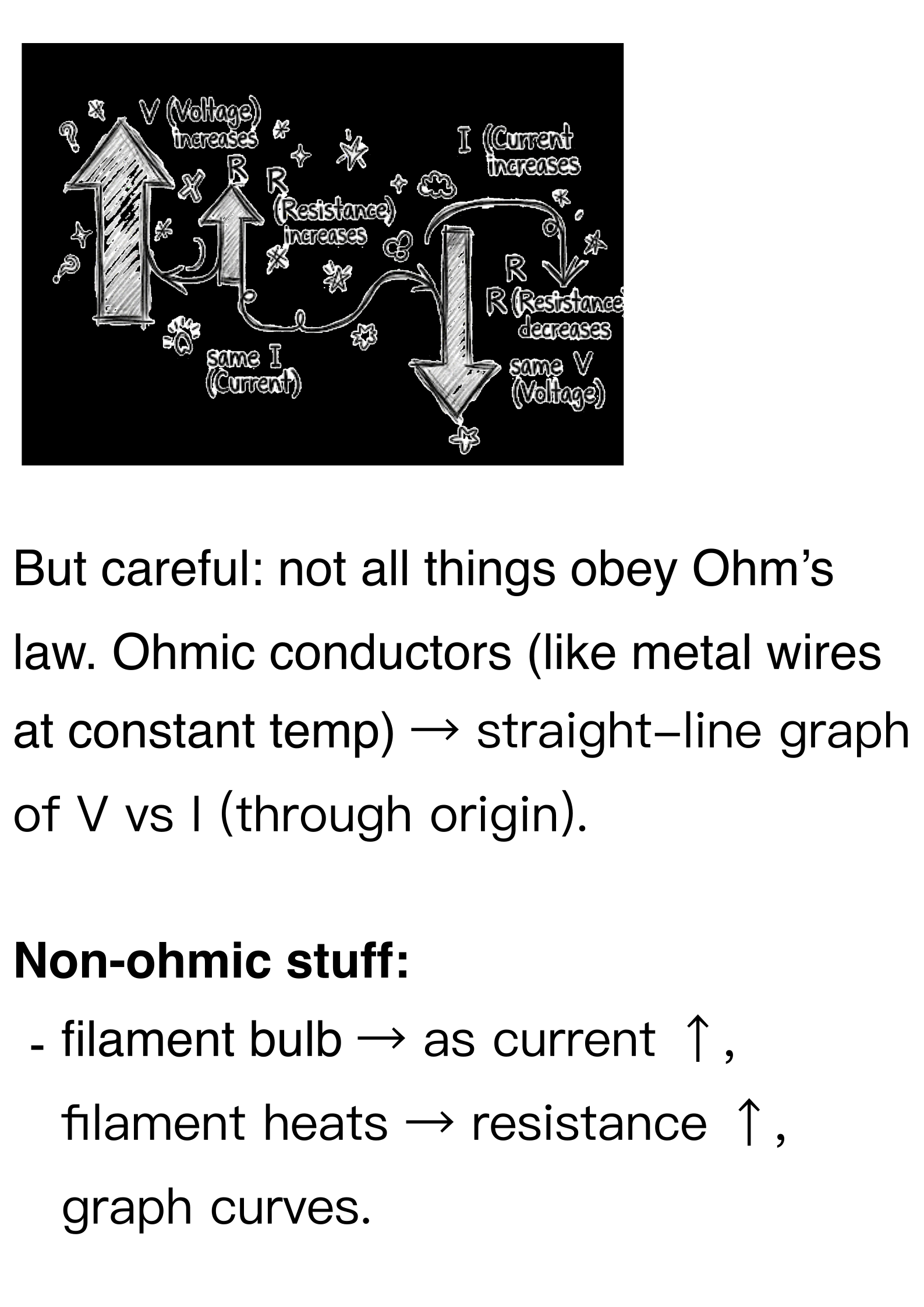
Quick doodle → V ↑ for same I =
bigger R.
V = volts,
I = amps,
R = ohms.
⁃
⁃
⁃
Real-life note: thin wires get HOT bc
resistance converts electrical energy →
heat. (like kettle, toaster, hair dryer →
all basically heaters using resistance).
Metals usually conduct well → low
resistance. Rubber/plastic = insulators
→ high resistance.
Ohm’s law :
V = IR.
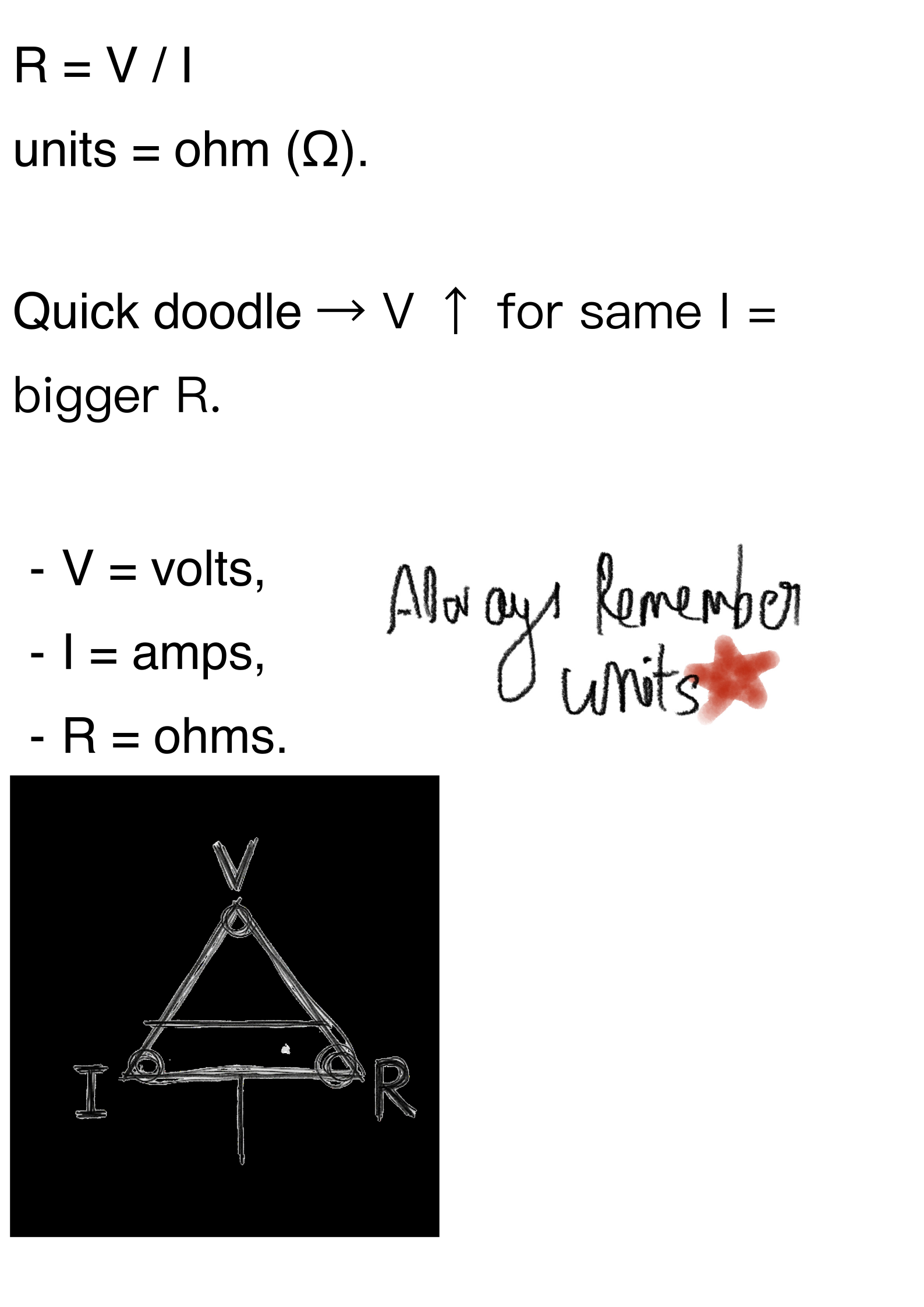
triangle trick → V on top, I and R
bottom corners. cover the one you
want → formula appears.
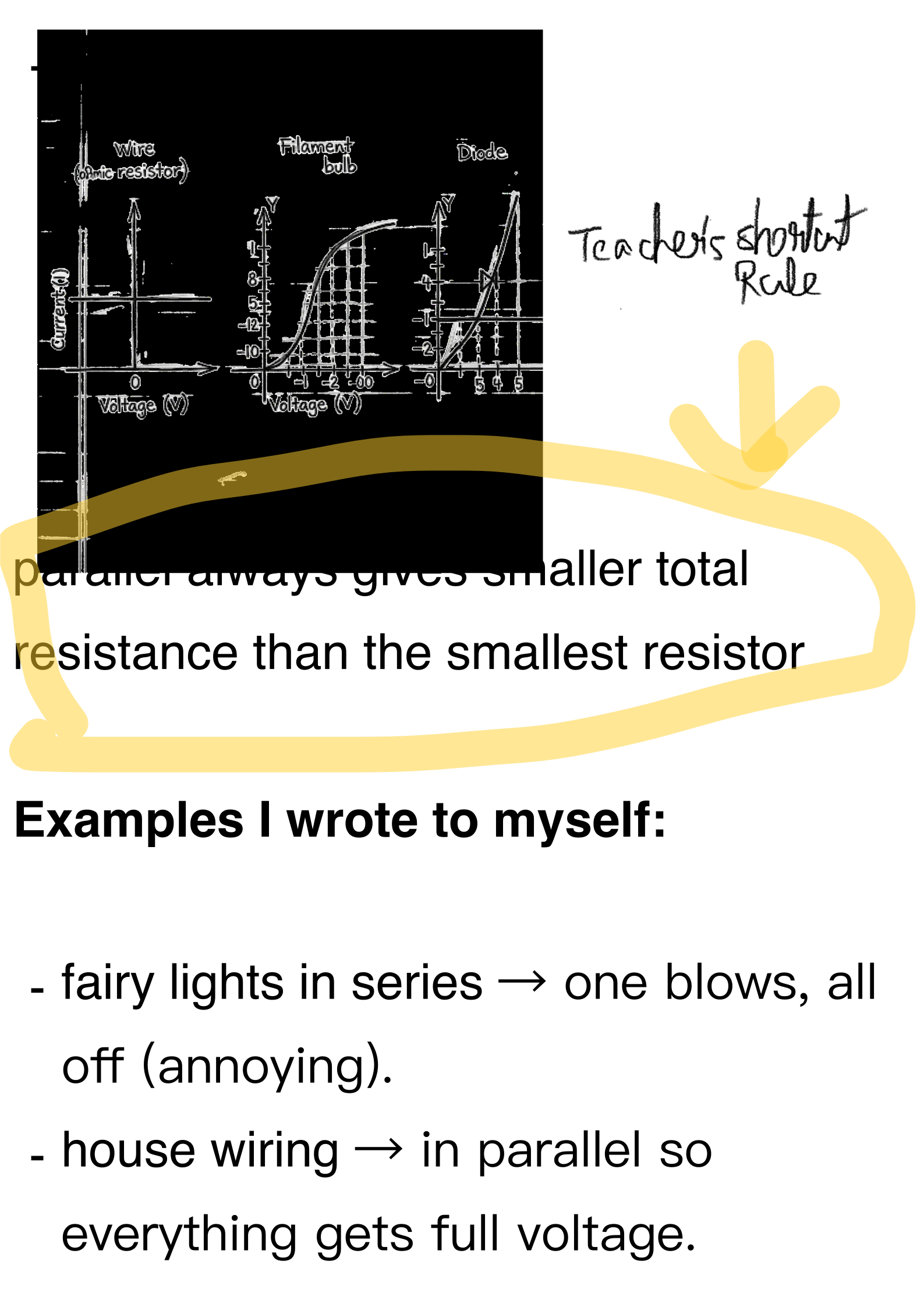
But careful: not all things obey Ohm’s
law. Ohmic conductors (like metal wires
at constant temp) → straight-line graph
of V vs I (through origin).
Non-ohmic stuff:
filament bulb → as current ↑,
filament heats → resistance ↑,
graph curves.
⁃
⁃
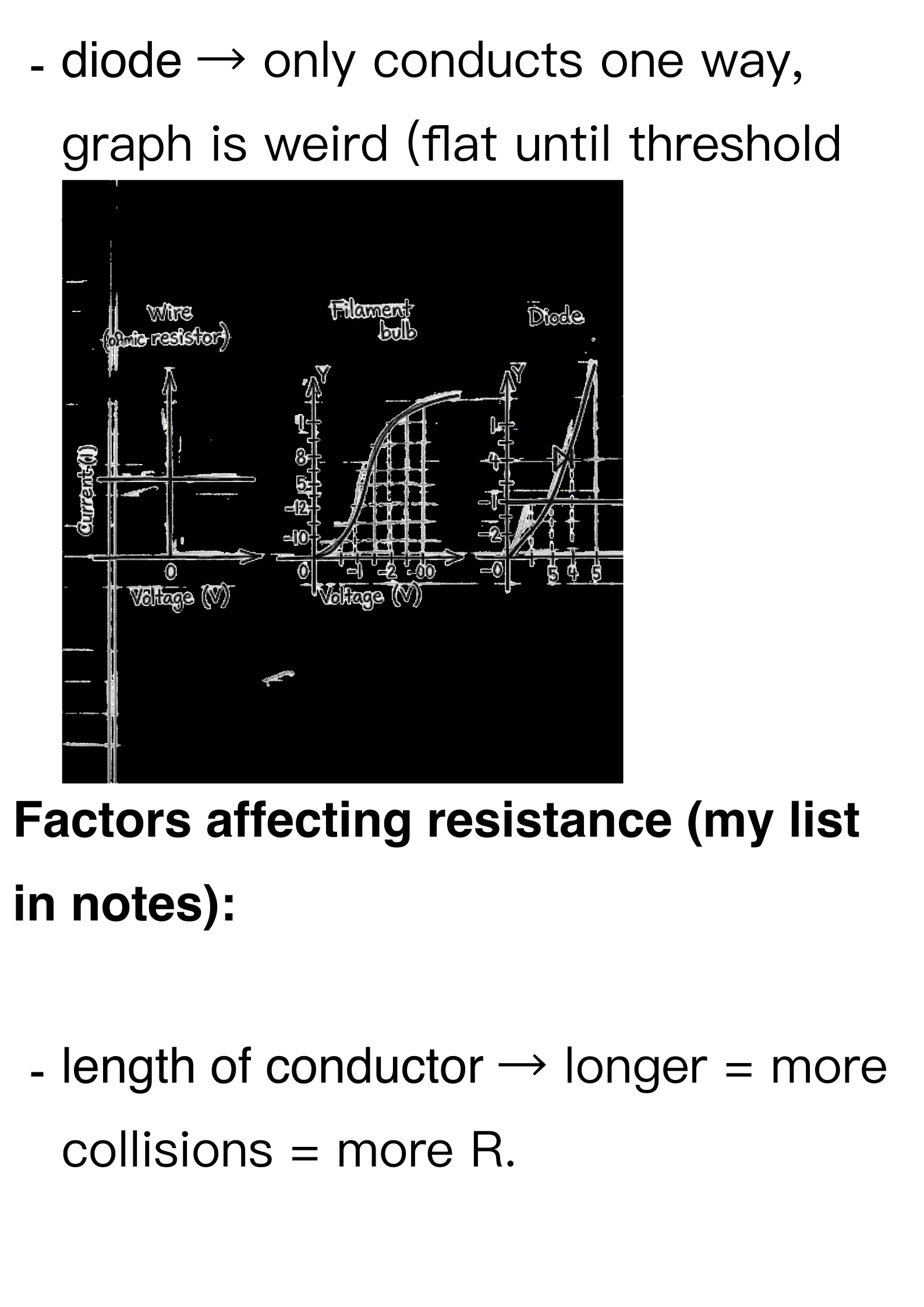
diode → only conducts one way,
graph is weird (flat until threshold
then shoots up).
Factors affecting resistance (my list
in notes):
length of conductor → longer = more
collisions = more R.
⁃
⁃
cross-sectional area → thinner =
higher R.
material → copper low R, nichrome
higher R.
temperature → usually ↑ temp = ↑
resistance (for metals at least).
So formula for a wire:
R = ρ × (L / A)
where ρ = resistivity, L = length, A =
area.
That ρ depends on material.
⁃
⁃
⁃
Series vs parallel (another thing exams
love):
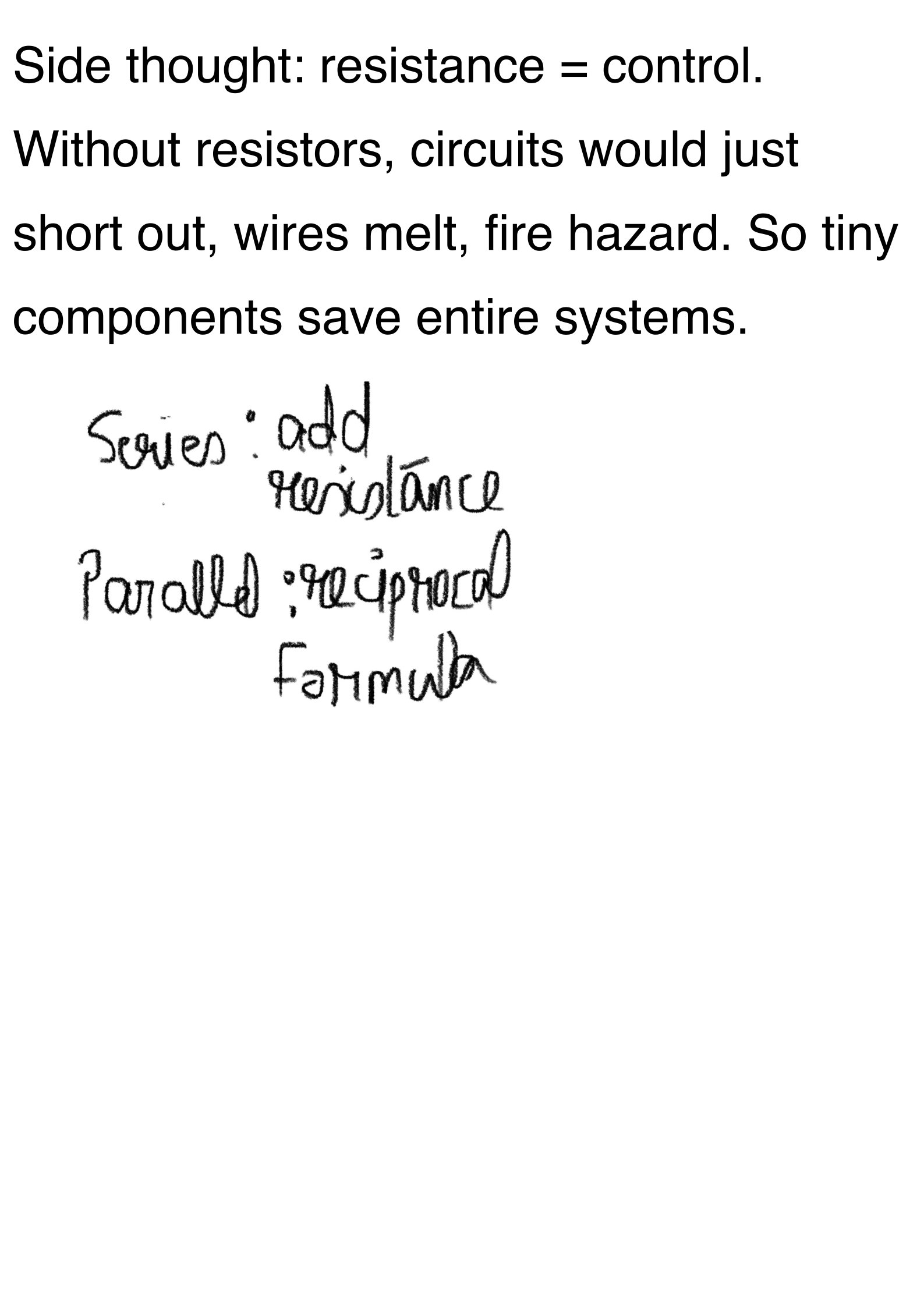
Series:
R_total = R₁ + R₂ + R₃ … (just add).
Current same everywhere.
Voltage divides across resistors.
Parallel:
1/R_total = 1/R₁ + 1/R₂ + …
Voltage same across each branch.
⁃
⁃
⁃
⁃
⁃
⁃
Current splits.
parallel always gives smaller total
resistance than the smallest resistor
Examples I wrote to myself:
fairy lights in series → one blows, all
off (annoying).
house wiring → in parallel so
everything gets full voltage.
⁃
⁃
⁃
⁃
Side thought: resistance = control.
Without resistors, circuits would just
short out, wires melt, fire hazard. So tiny
components save entire systems.

