



NURS 115 TEST ONE STUDY GUIDE
This is a guide for student preparation for testing in NURS 115. It is understood that the student
is responsible for all course material designated for each test including course readings,
in/out of class study / activities and lecture material.
Stress and Adaptation (Chapter 7)
Stress response – what does it look like and how does it work? How does adaptation
function?
INVOLVED SYSTEMS WITH STRESS:
1. Sympathetic nervous system
2. Endocrine system
3. Immune system
4. Pschoneuroloimmune
• Neuro system
• Immunology
STRESS RESPONSE: SYMPATHETIC NERVOUS SYSTEM “FIGHT OR FLIGHT”
- Perceived stressor: regulation of the ANS occurs through the locus coeruleus
- Locus Coeruleus:
1. Located in the brain stem
2. Has neurons that produce norepinephrine
ADAPTATION:
-The ability to respond to challenges of physical or psychological homeostasis and the
return and maintain balance
“GAS” – GENERAL ADAPTATION SYNDROME:
-3 Stages (ARE)
1. Alarm
2. Resistance
3. Exhaust or Recovery
Know the various physiological and psychological responses to stress, effects of hormones &
receptors:
STRESSORS:
-Events or environmental agents responsible for initiating the stress response
•Endogenous: from inside
•Exogenous : from outside
-Response depends on condition of person and properties of the stressor
•Eustress : mild brief-controlled stress
•Distress: sever uncontrolled stress
HORMONES RESPONSE TO STRESS:
-Growth Hormone – decreases
-Thyroid hormone – 50/50
-Reproductive hormone – decreases
-Antidiuretic Hormone (ADH – No pee hormone) – increases
Non-pharmacological stress relief methods:
FACTORS IMPACTING STRESS:
1. Age
2. Time
3. Health
4. Nutrients
5. Sleep/wake cycles
6. Psychological factors
7. Coping mechanisms
8. Genetics – play a big role
HARDINESS:
-Tries to have control
-A purpose
-Stressors as challenges
ACUTE STRESS:
EX: patho
-Physical signs: increase RR, HR, BP
-Psychological signs: grumpy, moody
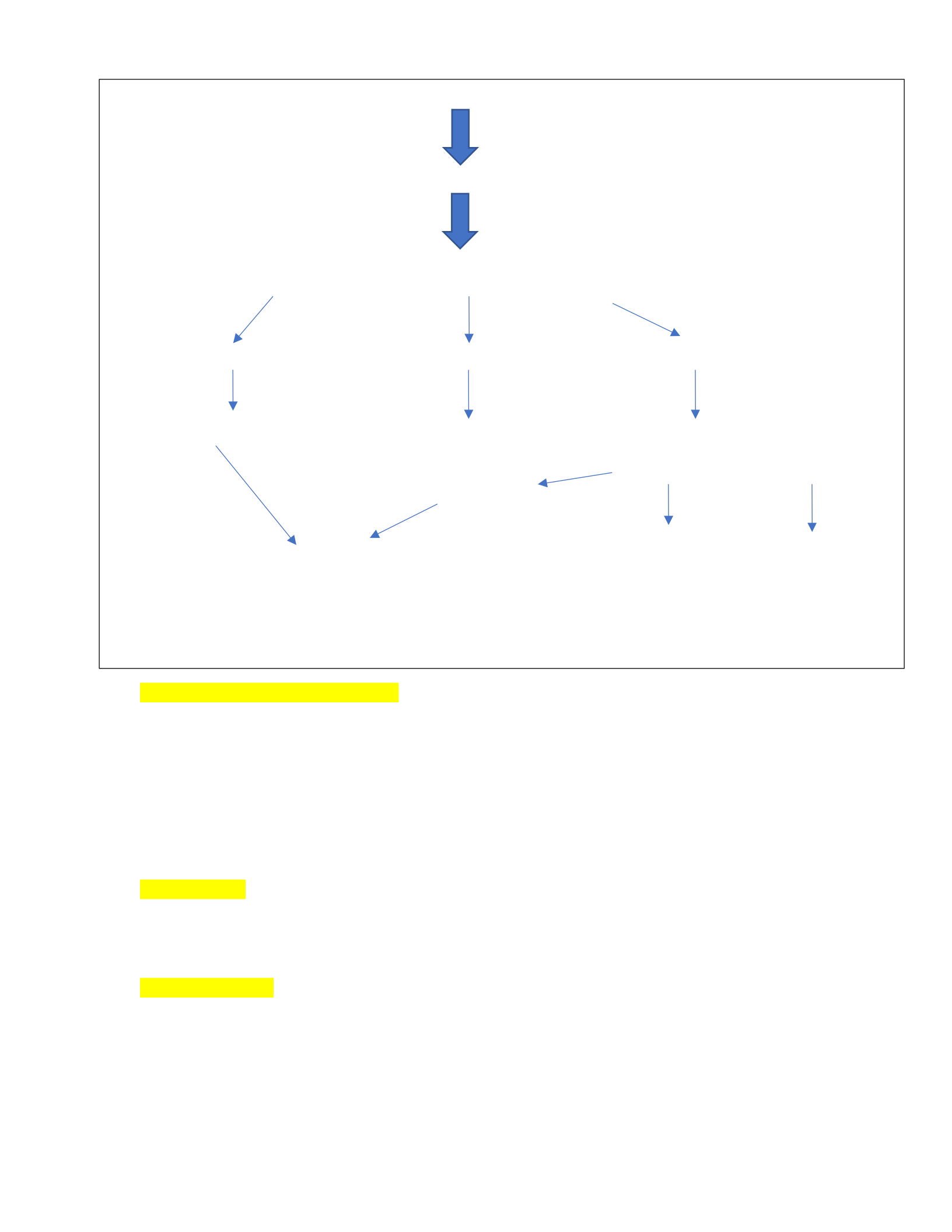
STRESS
HYPOTHALAMUS ACTIVATES SNS
NOREPINEPHRINE RELEASED FROM SNS NEURONS TO
HEART LUNGS BLOOD VESSELS
Increased HR & contractility
Bronchioles dilation vessels in skin, kidneys, GI
tract constrict
Increased peripheral resistance
Pallor less blood in kidneys
Increased BP

CHRONIC STRESS:
-Pathophysiological changes occur
-Signs: increase cortisol levels
-Physical Signs: chronic pain
-Psychological Signs: depression
PTSD:
-Caused by major castrophic events
-Used to be called battle fatigue or shell shock
-Chronic activation of stress response
-Identifying:
1. The Why and What cause it
2. Intrusion
3. Avoidance
4. Hyperarousal
5. Recover Treatment
NON PHARMOLOGICAL AGENTS TO DECREASE STRESS:
-Debriefing
-Counseling
-Music therapy
-Imagery
-Relaxation
-Massages
-Biofeedback
-Sports
Thermoregulation (portion of Chapter 14 as stated on Canvas)
Thermoregulation: methods of heat loss, retention
- Core body temperature: reflection of the balance between heat gain and heat loss of
body
- Hypothalamus : the thermal control center
HEAT LOSS:
-Transfers of body core hear to the surface through the circulation
METHODS OF HEAT LOSS:
1. Radiation – transfer of heat
2. Conduction – direct contact
3. Convention – using movement of the air
4. Evaporation – sweat glands
Patterns and physiologic behaviors of fever
PATTERNS OF FEVER:
1. Intermittent – temperature returns to normal at least once every 24 hours – “comes and
goes”
2. Remittent – temperature does not return to normal and varies in either direction
3. Substained (or continuous) – temperature remains above normal with minimal
variations – despite any medications

4. Recurrent (or relapsing) – there is one or more episodes of fever as long as several days
with one or more days of normal temperature between episodes – it will get better but
then go back to the fever a day or two later
PHYSIOLOGIC BEHAVIORS OCCURRING DURING FEVER:
1. Prodrome – mild headache, fatigue, malaise, fleeting pains
• “coming down with something”
2. Chill – uncomfortable sensation of being chilled, shaking
• feel colder than you should
3. Flush – cutaneous vasodilation, skin warm and flushed
• Fever, sweating
4. Defervescence – the initiation of seating
Hormones (Mechanisms & Disorders) (Chapters 40 & 41, not including Diabetes Mellitus)
Function of Anti-diuretic hormone (ADH):
ADH FUNCTION:
-Helps control blood pressure by acting on the kidneys and blood vessels
-Its most important role is to conserve the fluid volume of your body by reducing the
amount of water passed out in the urine
Action of hypersecretion of the adrenal medulla – physical effects
HYPERSECRETION OF ADRENAL MEDULLA:
-The adrenal medulla develops from neural tissue and secretes two hormones,
epinephrine and norepinephrine. These two hormones are secreted in response to
stimulation by sympathetic nerve, particularly during stressful situations.
Hypersecretion, usually from a tumor, causes prolonged or continual sympathetic
responses.
Action of mineralocorticoids on maintaining blood pressure:
MINERALCORTICOIDS:
-Mineralocorticoids are a class of steroid hormones that regulate salt and water balances.
Aldosterone is the primary mineralocorticoid. Mineralocorticoids promote sodium and
potassium transport, usually followed by changes in water balance. This function is
essential to life.
MINERALCORTICOIDS EFFECT ON BP:
-Aldosterone causes an increase in salt and water reabsorption into the bloodstream from
the kidney thereby increasing the blood volume, restoring salt levels and blood pressure.
Hormones which raise blood glucose:
HORMONE THAT RAISES BLOOD GLUCOSE:
1. Epinephrine
2. Cortisol
3. Growth Hormone
Symptoms of hypo and hyperthyroidism on various systems:
HYPOTHYROIDISM: low and slow
-Metabolism will be slow
Signs & Symptoms:
-Low BP

-Low RR
-BR low
-Weight gain
-Hypoactive (constipation)
-Cold intolerance
-Coarse dry, brittle hair
-Mental sluggishness
Treatment:
-History/physical exam
-Thyroid levels and TSH level, test for antithyroid antibodies
-TRH is considering pituitary or hypothalamus
-Thyroid replacement and monitor responses
COGENTIAL HYPOTHYROIDISM:
- at birth – cretinism: untreated will lead to intellectual disability
Signs & Symptoms:
-not eating
-not waking up
Diagnosis:
-blood screening for high TSH and low thyroid hormone T4
Treatment:
-thyroid hormone replacement
-monitor growth and development
-monitor thyroid levels
HYPERTHYROIDISM:
-Thyrotoxicosis: often related to hyperactive of thyroid gland
-Multilocular goiter
-Adenoma of the thyroid
-Ingestion of excessive hormone
Signs & Symptoms:
- Increased BMR
- Tachycardia – increased HR
- Intolerance to heat
- Increased sweating
- Thin and silky hair and skin
- Exophthalmos
Treatment:
-Reduce thyroid level – eradication of thyroid gland
-Antithyroid drugs
-Beta adrenergic blocking drugs to reduce the effects of the SNS – slows HR and
lowers BP
GRAVES DISEASE: A HYPERTHYROID STATE
- Goiter: iodize salt in diet
-Exophthalmos
-Onset ages 20 – 40 (mostly women)
-Autoimmune disease – thyroid stimulating antibodies
Signs & Symptoms:
-Muscle wasting
-Fine hair

-Exophthalmos
-Weight loss
-Goiter
-Sweating
-Tachycardia
-Tremor
-Oligomenorrhea
Hypersecretion of the anterior pituitary – what disorders may occur:
HYPERSECRETION OF GH:
-Results in increased linear bone growth
-Gigantism
HYPERSECRETION OF GH IN CHILDREN:
Cause:
-GH excess before puberty
-Excess secretion of GH
Signs & Symptoms:
-Gigantism
-Excess skeletal growth – epiphyses not fused yet
Treatment:
-Rare condition: often related to adenoma of the pituitary and treatment prior to
disorders developing
-Adenoma: tumor of the gland
HYPERSECRETION OF GH IN ADULTS:
-Overgrowth of the cartilaginous parts of the skeleton
-Enlargement of the heart and other organs of the body
-Metabolic disturbances resulting in altered fat metabolism and impaired glucose
tolerance
Cause:
-Excess secretion of GH commonly related to an adenoma of pituitary or
hypothalamic tumor
Signs & Symptoms:
-Acromegaly – ages 40 -45
-Excess soft tissue
-Respiration tract enlarged
-Insulin resistance often leading to diabetes
Treatment:
-Remove tumor if possible, correct metabolic disorders
-Medications to inhibit GH secretion
ACROMEGALY:
-Most common cause: somatotroph adenoma (95%)
-Other causes (<5%):
• Excess secretion of GHRH by hypothalamic tumors
• Ectopic GHRH secretion by non-endocrine tumors such as carcinoid
tumors or small cell lung cancers
• Ectopic secretion of GH by non-endocrine tumors
-Signs & Symptoms:

• Thickened calvana
• Somatotropic adenoma of pituitary
• Acromegatic facies
• Goiter
• Hyperostosis
• Barrel chest
• Abnormal glucose tolerance secondary to insulin resistance
• Male sexual dysfunction
• Menstrual disorders in women
• Increase size of hands and feet
• Arthritis
• Thicken skin
• Protrusion of the tongue
-Treatment:
• Normalization of the GH responses to an oral glucose load
• Normalization of IGF – 1 level to age – and sex-match control levels
• Removal or reduction of tumor mass
• Reliving the central pressure effects
• Improvement of adverse clinical features normalization of the mortality
rate
HYPERSECRETION OF PROLACTIN HORMONE: HYPERPROLACTINEMIA
-In women: amenorrhea and galactorrhea (excessive milk production)
-In men: decrease sex drive, decrease sperm count, breast enlargement (rarely
produce milk)
Hyposecretion of the anterior pituitary – what disorders may occur
HYPOSECRETION OF GH IN CHILDREN:
Cause:
-Lack of growth hormone releasing hormone
-Pituitary tumor
-Larontype dwarfism
Signs & Symptoms:
-Normal intelligence
-Short stature – bowing of legs can occur
-Obesity, delay of skeletal maturation
-Delayed puberty
Treatment:
-Treatment with growth hormone – replace what is missing
HYPOSECRETION OF GH IN ADULTS:
Cause:
-Lack of GH as a child
-Lack of GH as an adult (tumor)
Signs & Symptoms:
-Increase body fat
-Insulin resistance
-Dyslipidemia: lipids are working correctly in blood
Treatment:
-Growth hormone

Myxedema- and myxedema coma, signs and symptoms, treatment:
MYXEDEMA:
-The presence of non-pitting edema
Cause:
Primary:
- Destructive of thyroid gland
- Thyroidectomy
- Ingestion of some medications or iodine leads to goiter
Secondary:
- Impaired pituitary function
Teritary:
- Impaired hypothalamic function
MYXEDEMA COMA:
-Progression of hypothyroidism
-Life-threatening – end stage – COMA
-Cardiovascular collapse
-Hypoventilation and hypothermia
3 Factors:
1. Carbon dioxide retention – hypoxia
2. Fluid and electrolyte imbalances
3. Hypothermia (common in elderly women)
Treatment:
-Monitor high risk populations
-Women with Hashimoto’s thyroiditis
-Cardiovascular and ventilatory support
-Correct hypothermia
-Correct hyponatremia and hypoglycemia
-Monitor physical conditions, vital signs and correct thyroid balance
Thyroid storm:
THYROID STORM:
-Hyperthyroid CRISIS – life threatening
-Undiagnosed or untreated hyperthyroidism
Signs & Symptoms:
-very high fever – 108 or up
-tachycardia
-heart failure
-restlessness and delirium
-excess sweating – will dehydrate
-HIGH MORTALITY RATE
Treatment:
-Cooling blanket – reduce fever, shivering
-Replace fluids, glucose, and electrolytes d/t hyperactive state
-B-adrenergic blocking drugs
-Glucocorticoids to replace loss d/t
-NO ASPIRIN – the same protein that carries aspirin also carries thyroid – T4. It
will make it worse
Diagnostic tests and treatments for endocrine disorders:
DIAGNOSTIC TESTS & TREATMENTS:

CT scan.
Dual-energy X-ray absorptiometry (DXA)
Nuclear medicine studies.
Parathyroid ultrasound.
Post-thyroidectomy ultrasound.
Thyroglobulin stimulation studies.
Thyroid ultrasound.
Ultrasound-guided fine needle aspiration.
Concerns with a patient post operative- thyroidectomy
THYROIDECTOMY:
-Will lack iodine and will develop a goiter
Parathyroid hormone, Signs and symptoms of hypo and hyper states:
PARATHYROID HORNOME (PTH):
-Regulates calcium – controls bone formation
-HYPOsecretions of PTH = low serum and low calcium
• Tetany – spasm in the muscles
• seizures
-HYPERsecretions of PTH = high serum and calcium
• Cardiac arrhythmias
• Muscle – bone weakness
• Calcium in the kidneys – kidney stones
Hypersecretion of the adrenal cortex:
HYPERSECRETION OF ADRENAL CORTEX:
-Cushing's syndrome results from hypersecretion of corticosteroids by the adrenal
cortex. An overproduction of corticotropin, the pituitary hormone that controls
the adrenal gland, by the pituitary gland, which stimulates the adrenal glands to
produce corticosteroids, may be one cause.
Post complications potential or actual post adrenalectomy
ADRENALECTOMY:
Low blood pressure.
Fatigue.
Elevation of serum potassium levels.
Hormone imbalance.
Infections.
Increased stress levels.
Excessive cortisol levels.
Bleeding – blood loss
SIADH and effects on serum and urine osmolarity, signs and symptoms, priority nursing
diagnoses/interventions
SIADH:
Diagnosis: hypersecretion of ADH (no pee hormone)
Signs or Symptoms:
- Hypotonic hyponatremia
- Natriuresis
- Urine osmolality in excess of plasma osmolality
- Absence of edema and volume depletion
- Normal renal and adrenal function

Cause:
-Neoplasm
-Cancer of pancreas and prostate
-Positive ventilation
-Activate bronchioreceptors – which responds to changes intrathoracic pressure
-Disease or injury to CNS
-Meningitis
-Encephalitis
-Excesses stress
-Pain-produced and release
Treatment:
-Fluid restriction, diuretics such as mannitol and Lasix
-If severe water intoxication – hypertonic solution used 3% sodium chloride
1. ADH – increases
2. Urine – decreases
3. Serum osmolality – decreases
4. Urine osmolality - increases
SIADH AND OSMOLALITY:
-Serum osmolality is low – has high volume
-Urine osmolality is high – has low volume
-Dilutional hyponatremia
-HA, NV, confusion and coma
Cushing’s syndrome, Addison’s
CUSHING’S SYNDROM:
-Excess Glucocorticoid Hormone: Hypercortisolism
Cause:
- Pituitary – tumor production of ACTH
- Adrenal Tumor
Signs & Symptoms:
-Moon face, buffalo hump
• D/T exaggerated effects of cortisol
-Altered fat metabolism
-Altered glucose metabolism
-Increased facial hair
-Thinning scalp hair
Diagnosis:
-24-hour excretion of cortisol in urine
-Level of ACTH – blood test
-MRI/CT of head – to look for tumor
Treatment:
-Radiation or removal of tumor
-Medications to block steroid synthesis
-For immune suppression, give pneumocystis prophylaxis
-Monitor patient VS, fluid & electrolyte values, physical finding
ADDISON’S:

-Autoimmune destruction common
-DECREASED Corticol Hormones – increases ACTH (no feedback)
Signs & Symptoms:
- Anorexia, weight loss, fatigue, nausea, diarrhea, arthralgia, abdominal pain,
hyperkalemia, hyponatremia
- Mineralocorticoid – increased urinary loss of sodium, chloride and water – you
will have an appetite for salt and will be hypoglycemic
Treatment:
-History and physical
-Administer hormone replacement therapy
-Replace glucose and sodium, monitor electrolytes
-Monitor meals and exercise, stressors, and infection
-Medic alert bracelet if they collapse outside
Stimulation for release of ADH
STIMULATION OF ANTIDUIRETIC HORMONE:
- Stimulated by the decrease in blood pressure and volume, conditions sensed by
stretch receptors in the heart and larger arteries. The changes in blood pressure
and volume are not as sensitive a stimulator as increased osmolarity. The kidneys
respond to ADH by conserving water and producing urine that is more
concentrated
EFFECT OF GLUCOCORTICOID ON BLOOD GLUCOSE
-Glucocorticoids promote gluconeogenesis in liver, whereas in skeletal muscle
and white adipose tissue they decrease glucose uptake and utilization by
antagonizing insulin response. Therefore, excess glucocorticoid exposure causes
hyperglycemia and insulin resistance.
NORMAL BLOOD GLUCOSE RANGE:
- Anything less than 140
- But goal is 80 – 100
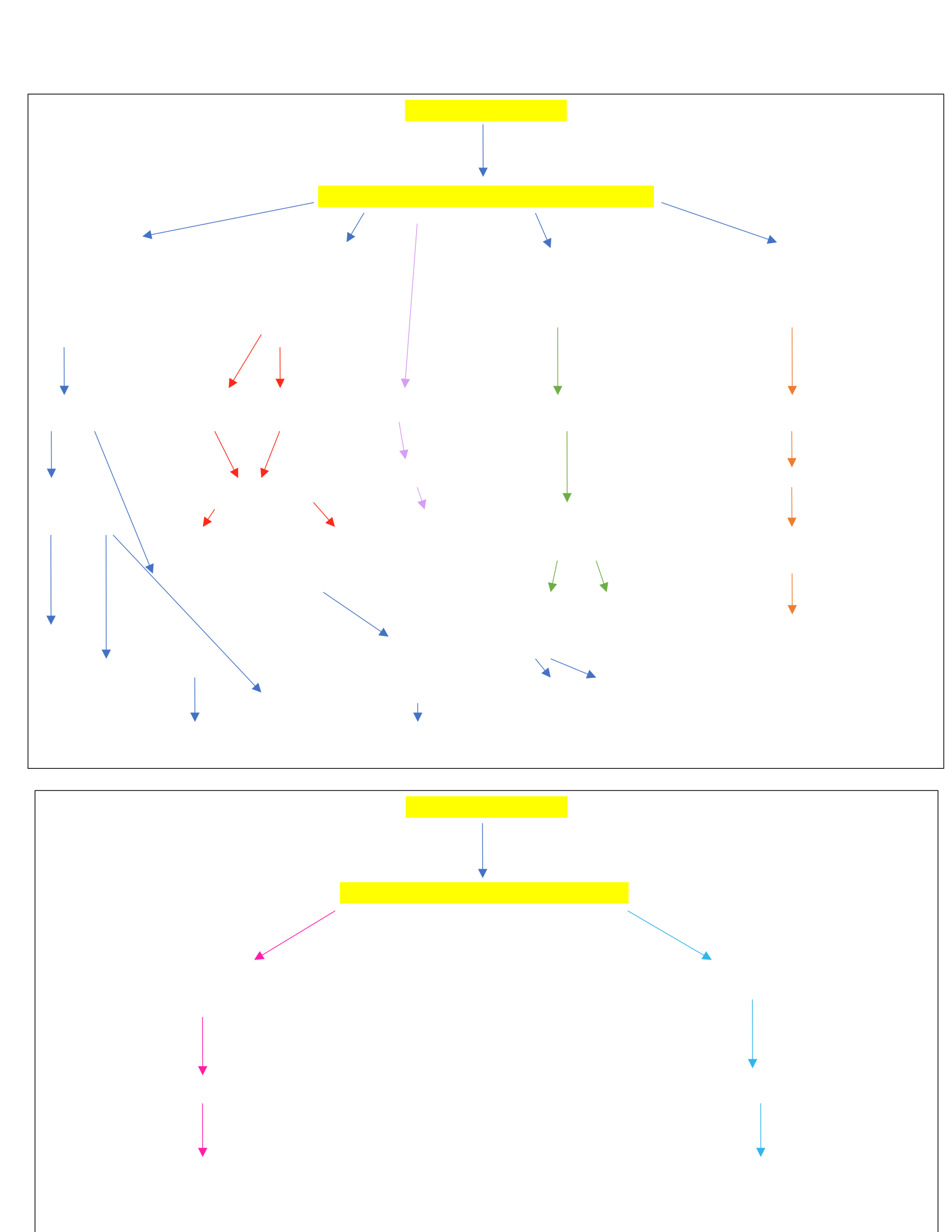
HYPOTHALAMUS
ANTERIOR PITUITARY GLAND (APG)
CORTICOTROPIN GONATROPIN THYROIDTROPIN GROWTH HORMONE
RELEASING RELEASING RELEASING RELEASING
HORMONE HORMONE HORMONE HORMONE
(CRH) (GnRH) (TRH) (GHRH)
ACTH FSH LH PROLACTIN TSH GH
MAMMARY GLANDS LIVER
ADRENAL GONADS
CORTEX PROD. OF MILK THYROID
OVARIES TESTES GLAND RELEASES ICGF
(BONE CELLS)
ADRENAL MEDULLA
T3 T4
MAKES YOU
ANDROGENS CATECHOLAMINES GROW
MINERALCORTICODS
GLUCOCORTICODS EP NOR
ALDOESTERONE CORTISOL
HYPOTHALAMUS
POSTERIOR PITUITARY GLAND
OXYTOCIN ANTIDUIRETIC HORMONE
(OT) (cuddle hormone) (ADH)
MORE OXYTOCIN KIDNEYS
UTERUS & MAMMARY GLANDS RETAIN SODIUM AND WATER

Test blueprint:
Stress & Adaptation 28%
Thermoregulation 12%
Hormones (Mechanisms & Disorders) 60%

