


Host
Infection
Abscess
Microflora
Severity of
infection
Pathogens
Symptomatology
Immunity
Incidence
Epidemology
Nosocomial
Infection
Disease
Prevalence
Opportunistic
pathogens-
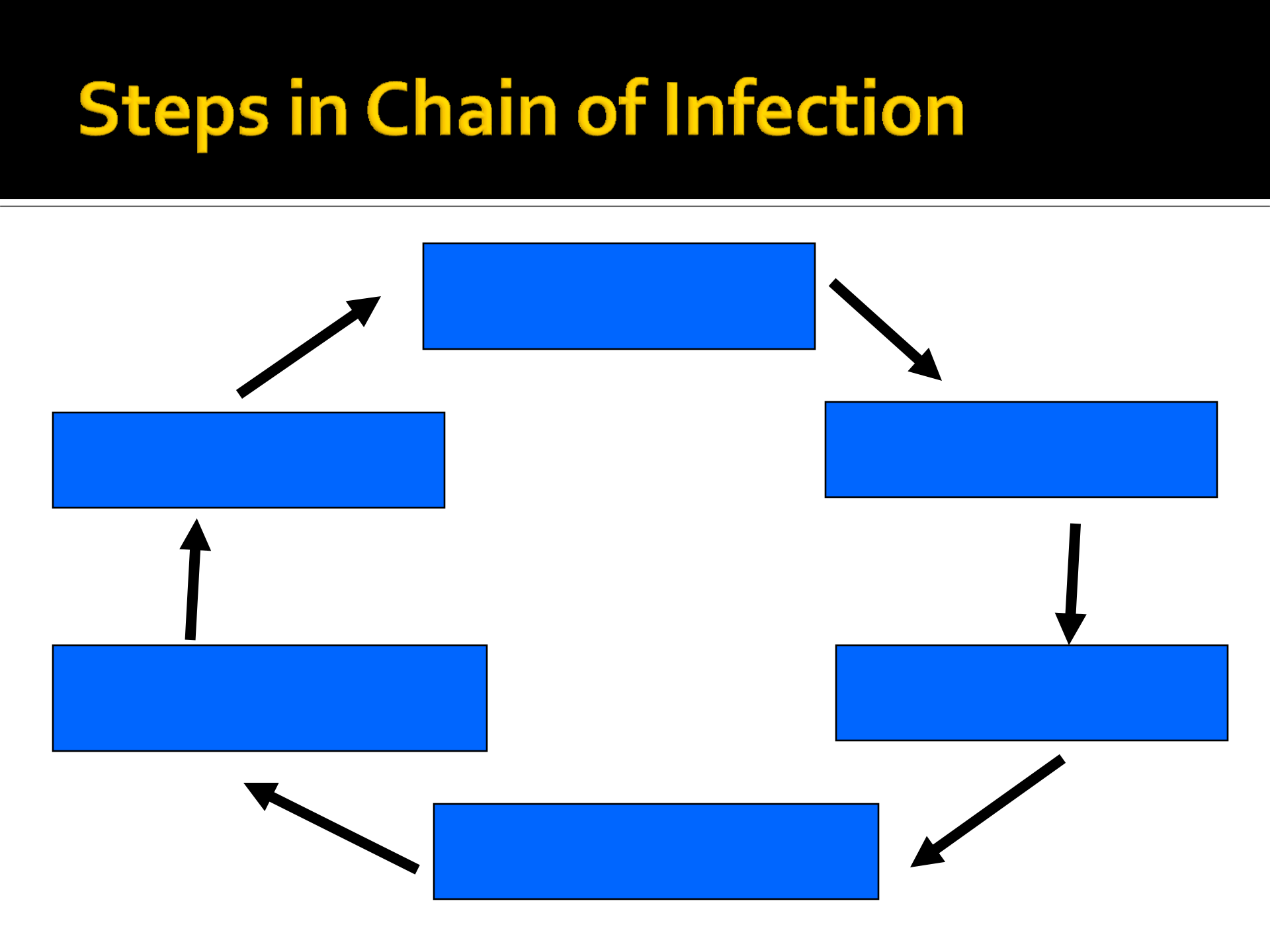
________________
Microorganism
__________- source
Method of Transmission
Portal of Exit
______________ ?
__________________
To Susceptible host
P_______________
D______ C__________
I_______________
I_______________
Source
E________________
E________________
V___________
B___________
S____________
M____________
F___________
P___________
First line
________________ barriers
________________ barriers
__________________________
Second line – ______________
response
I_______________ Period
P________________ Period
A____________P________
C_________________ Period
R__________________
Occurs ________ and rapidly
Not produced by immune
response
Species dependent
Present at birth
Host dependent
Response delayed unless host
exposed before
Acquired 2 ways (Active or
Passive)
A_________________
Produced by host after either immunization
or natural exposure to antigen
▪Acquiring chicken pox, measles, mumps
▪Immunization – polio, Heb B
P___________________
Pre-formed Antibodies or T-lymphs are
transferred to recipient.
▪Injection of immunoglobulin, snake bite antivenin
▪Passed through mothers milk to baby
Must distinguish self from non-self
A___________ – induce an immune
response
Self-antigens – on the host cells, normally
not recognized as immunogenic by the
hosts immune system
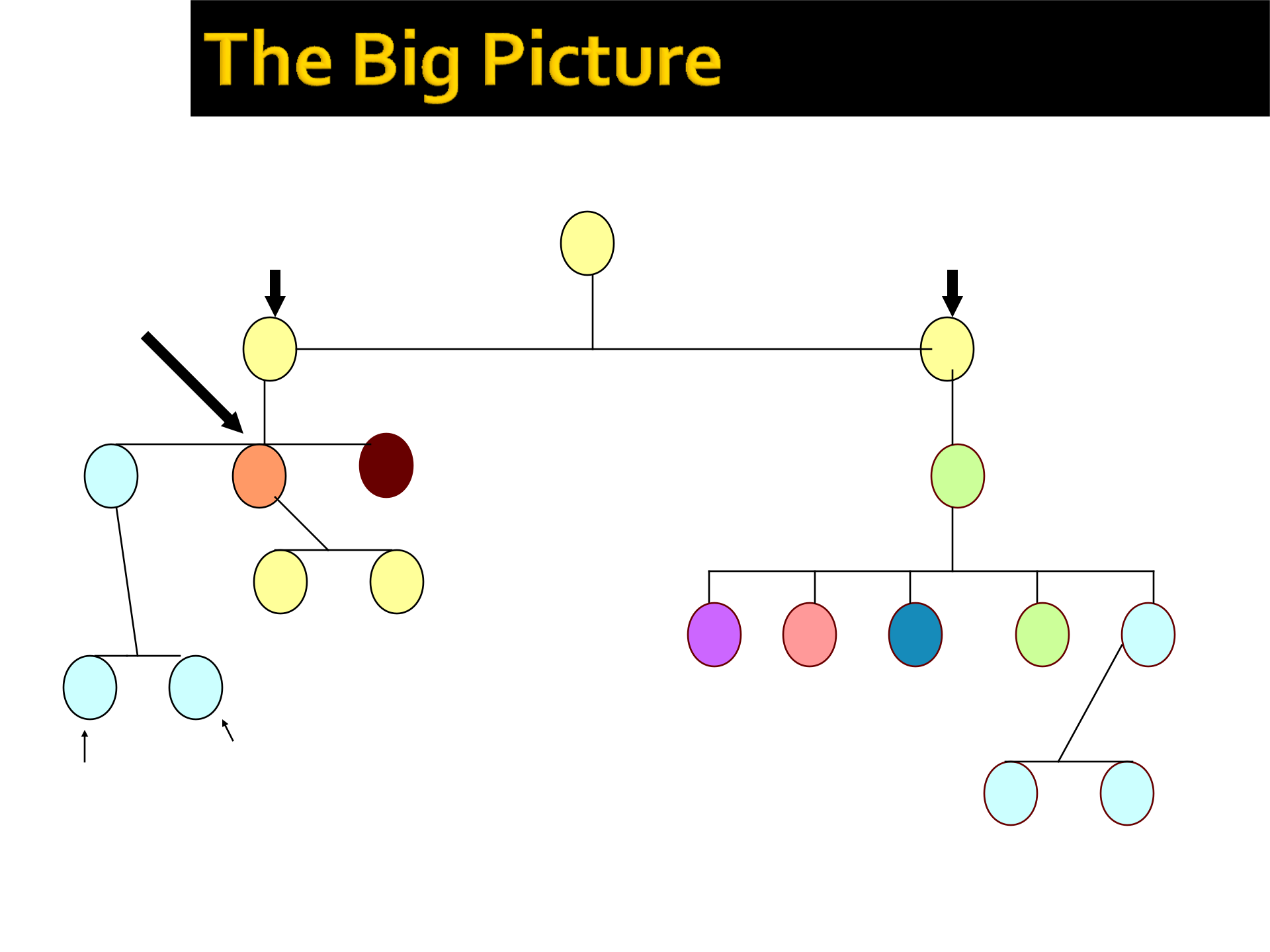
Stem Cell
Lymphoid Stem Cell
B Cell
T cell Progenitor
Natural Killer Cell
Plasma Cell Memory Cell
ThCell
Tc Cell
Myeloid Progenitor
Neutrophils
Eosophils
Basophils
Mast cell Monocyte
Dendritic cell Macrophage
Granulocytes & Agranulocytes
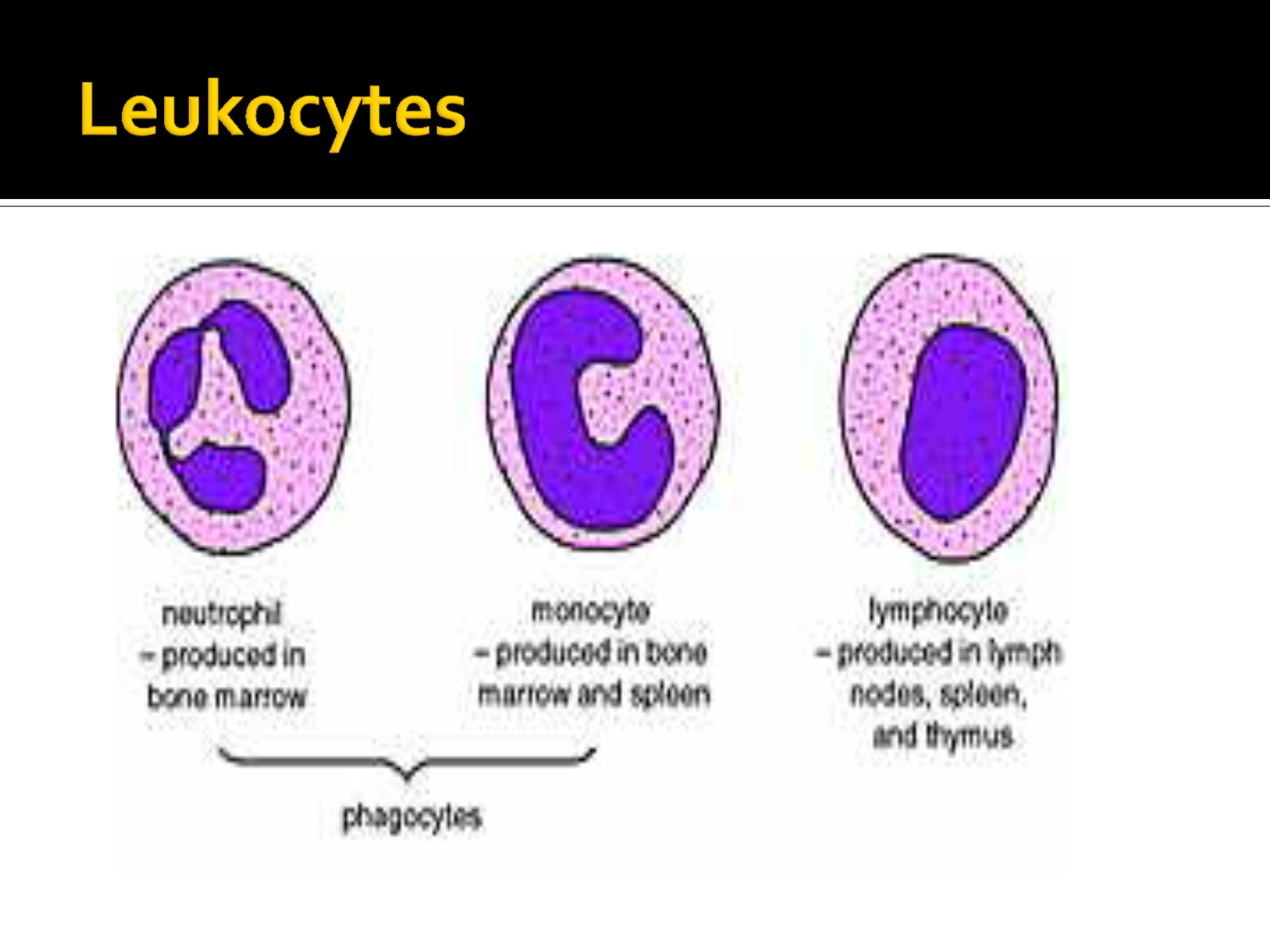
Phagocytes
N_________________
M_________________
L________________
P Man
Five kinds of WBC – focus on 3
neutron
Paley
hi
[yarn
gare
Li
=
produced
in
=
PieDUGaHS
iF
Doe
=
pee
ied
oF)
bene
Ts
rai
iri
ind
aplihin
hood,
SXODr,
afd
Weytrie
SS
phagocytes
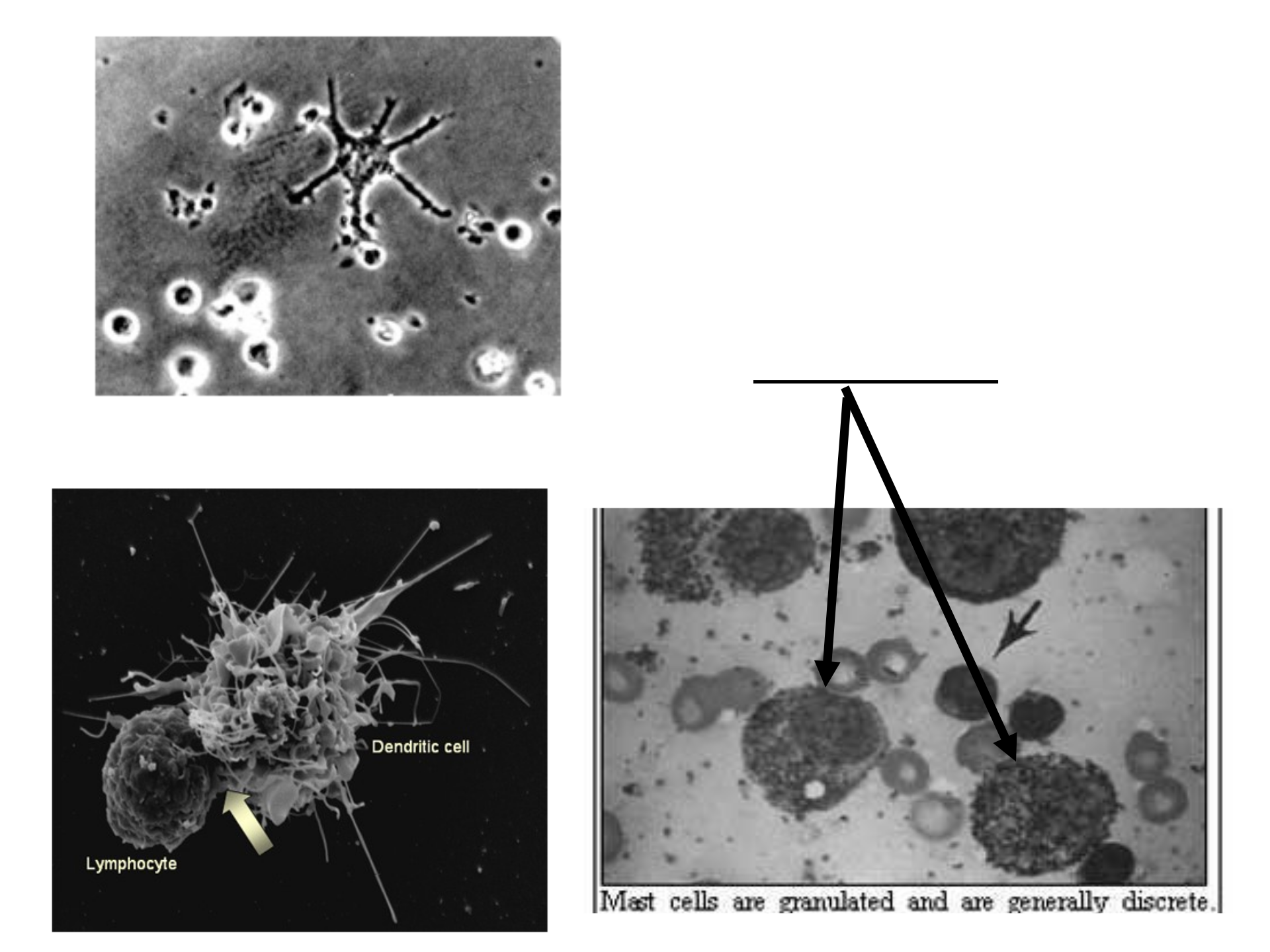
Mast cell
Lymphocyte
Dendritic cells
The
“Bs”
and
“Ts”
of
Immunity
Lymphoid Stem Cell
T Cells
CD4 Helper T Cell (TH cells)
CD8 Cytotoxic T Cells (TC
cells)
Natural Killer cell
B cell
Plasma Cell
B Memory Cell
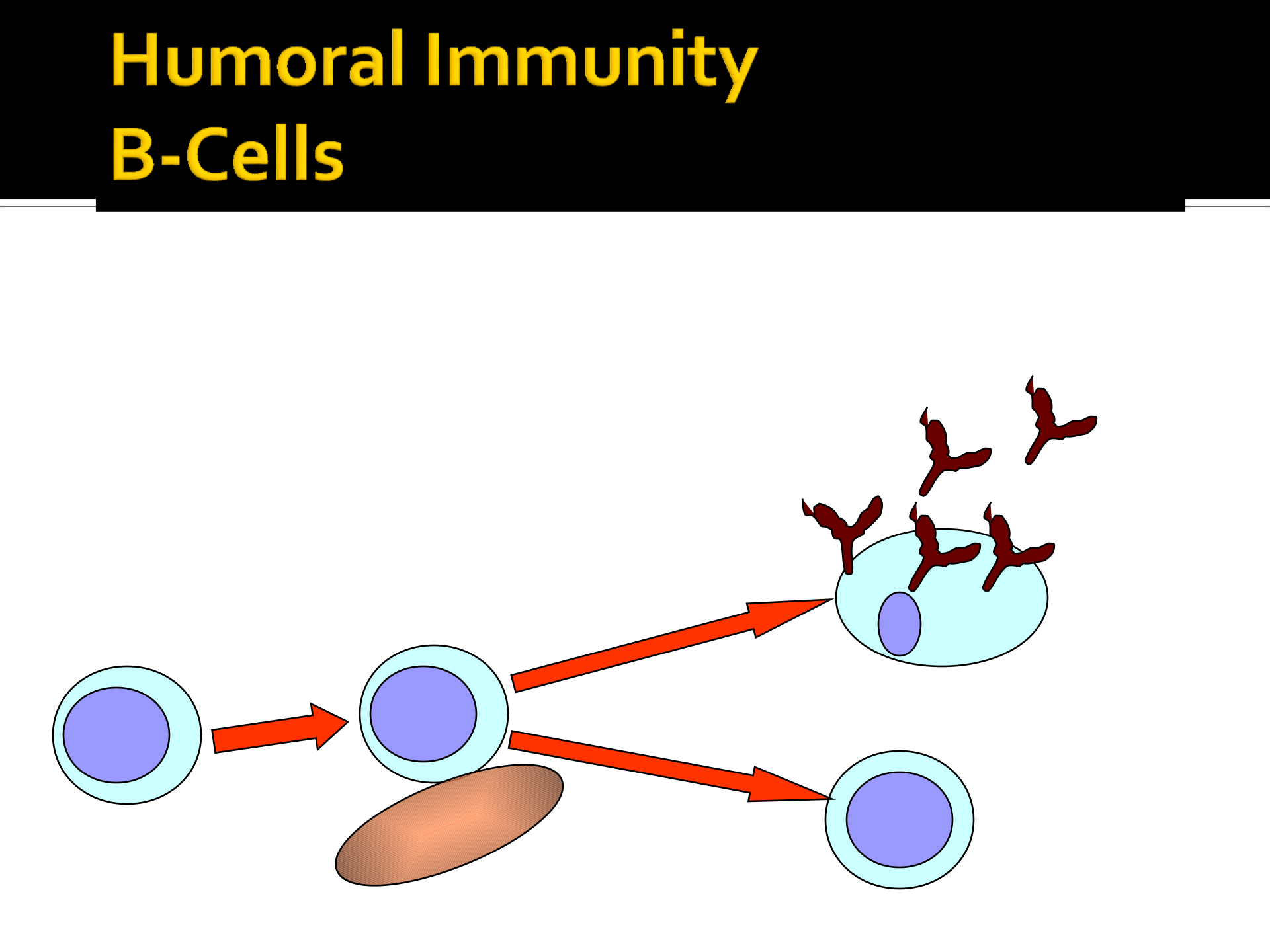
•Produced and mature in
________________
•Specific for a particular antigen
–Different antigens are present on cell
membrane
•When lymphocytes encounter antigens-
bind like _________&____________
•Proliferation into two types of cells-
–___________ cells which remain in circulation
–P_________ C_________ – secretes antibodies
Assisted by Helper-T cells
Introduction
Division
Memory B-cell
Plasma cell
Antibodies
B-
B Memory B-cell
Plasma cell
Antibodies
Introduction Division
Class of proteins called
__________________
Produced by plasma cells in response
to a challenge by an antigen
Recognize and bind to an a____________
5 classes: IgG, IgA, IgM, IgD, IgE
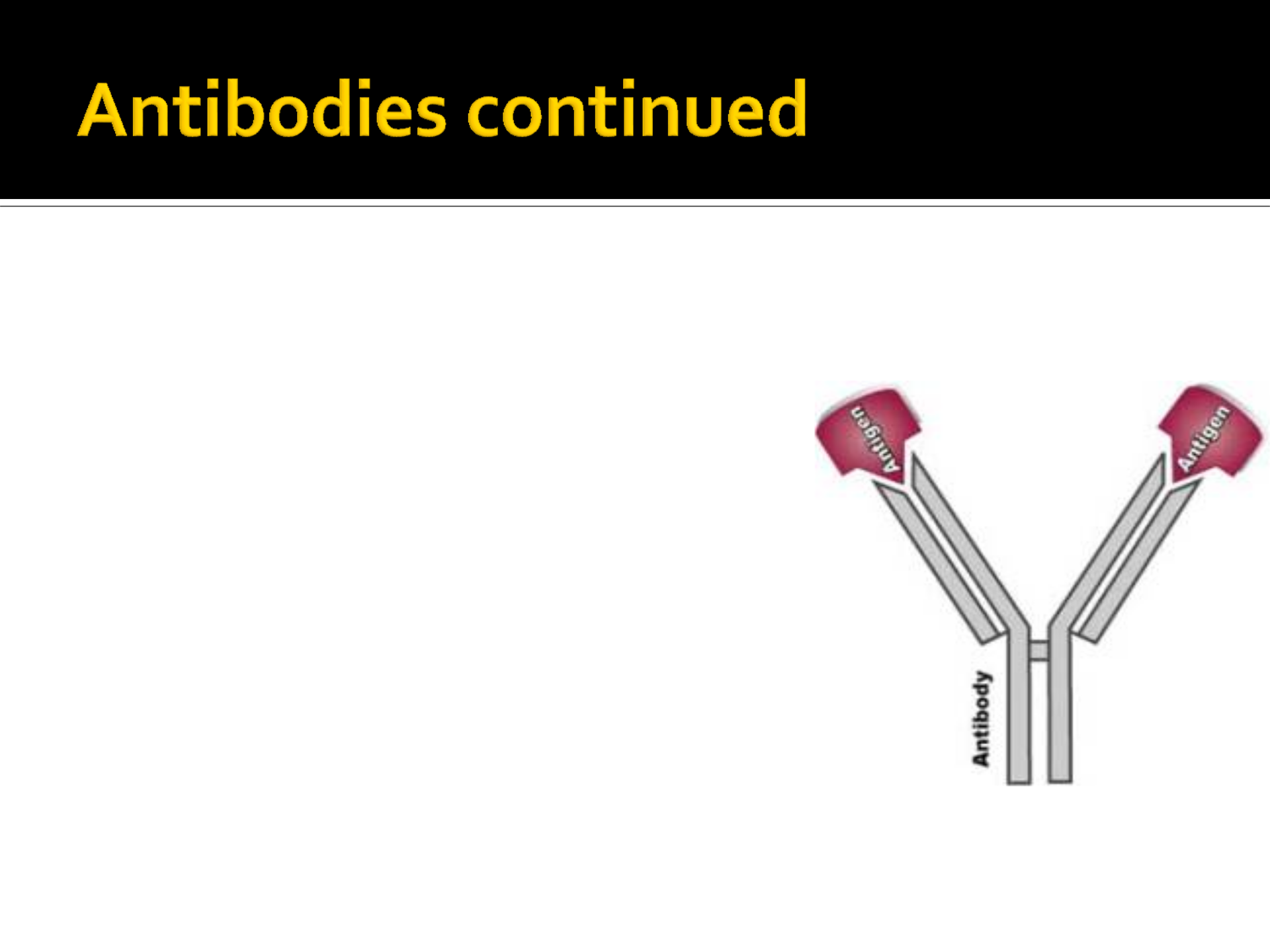
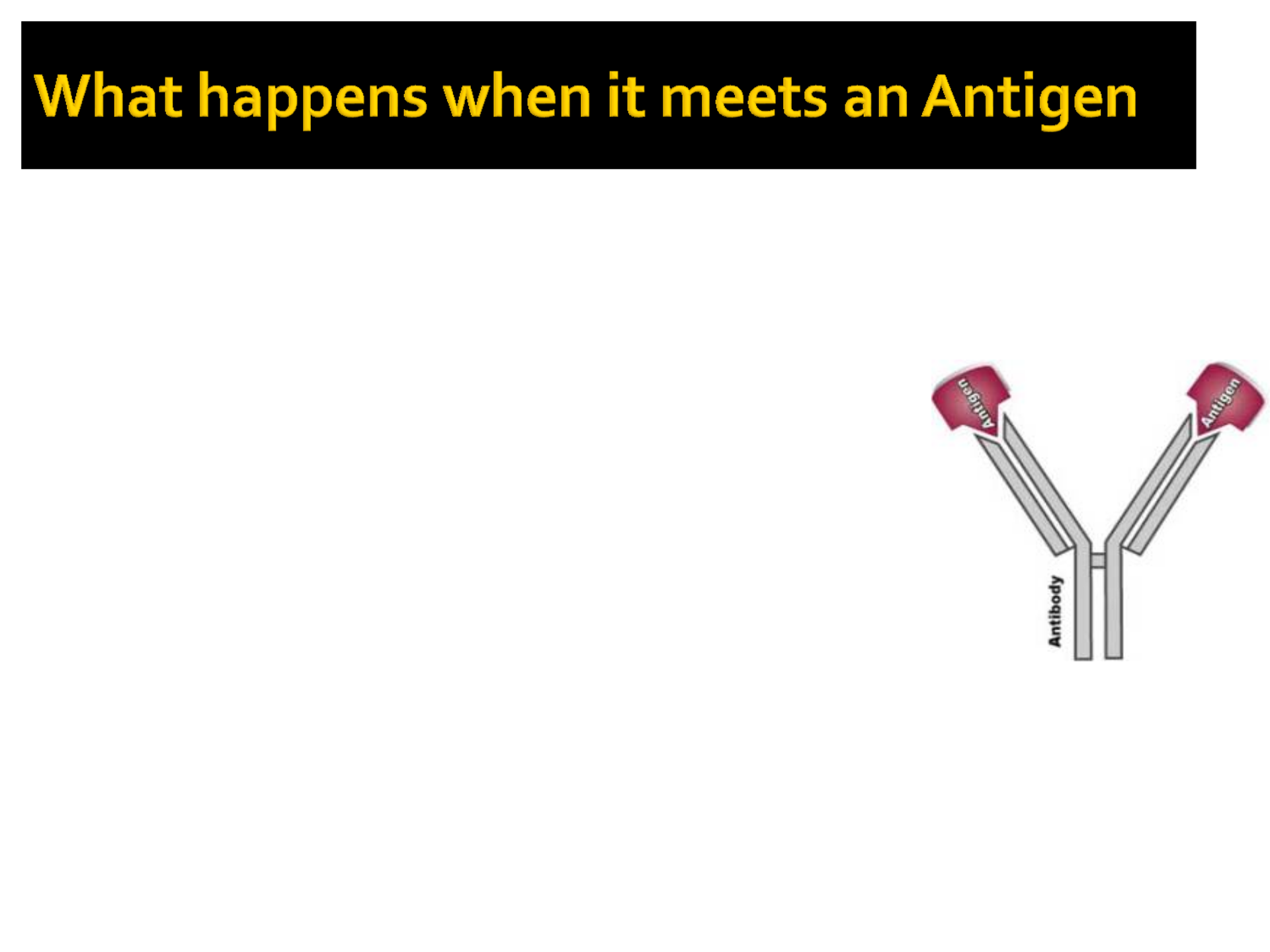
Y shaped molecules
Light and heavy
chains
A____________
specific
•A_________________ makes
pathogens clump together
•A________________ neutralize the
toxins produced by bacteria
•L___________ digests the bacterial
membrane, killing the bacterium
•O________________ coats the
pathogen in protein (antibodies
& complement) that identifies
them as foreign cells.
________ – Tears, saliva
protects body’s passage ways such as
nose, respiratory tract, digestive tract,
ears, eyes
_________ – Body fluids.
Most ____________________
Transferred across the placenta
activates complement
binds to ____________________
•_________ – in Blood and lymph
–First antibodies to appear after _______________
–First antibody to _______ in response to
infection
•_________ – in lining of chest and
abdominal cavity, in cell membrane of B
lymphocytes
–Needed for maturation of B cells
•_________ – in lungs, skin and mucous
membranes
T______________ – structure in the
neck
Function: development of immunity
Generates mature i________________ T
lymphocytes
In p_______________ – starts to decrease in size
Pre-T cells migrate through the
Thymus to mature
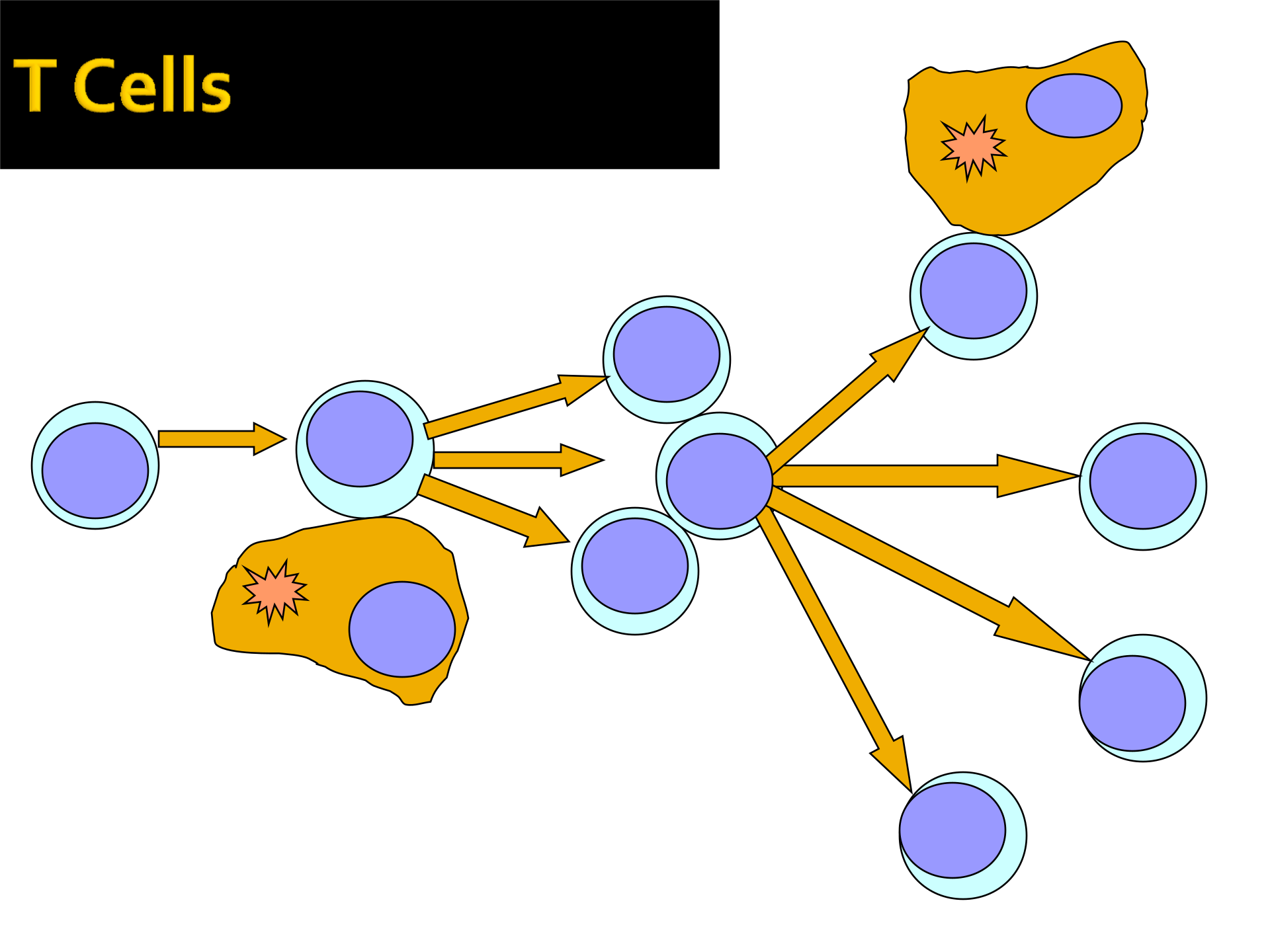
Four types of T cells
H___________ T cells - CD4
activate more Cytotoxic T cells
stimulate B cells to begin antibody
production
T-cells do not produce antibodies
S____________ T cells
Protect healthy cells from viral attack
M______________ T cells
Persist in the blood stream
guards against reinfection
C_______________ T-Cells – CD8
recognizes class 1 MHC antigen
complexes on target cell surfaces on
body cells infected by viruses or
cancer
T-cell
Virus infected cell
Clones of T-cells
Supressor T-cells
Memory T- cells
Helper T-cells
Cytotoxic T-cell
CD4
CD8
Involved in _______________________
Two types –
____________ MHC (MHC I)
____________ MHC (MHC II)
Human Leukocyte Antigen (HLA) –
MHC proteins
____________________________
in transplant: like to match 5 / 5 but will
transplant as low as 3/5
MHC Class I
on all ____________ cells
interact with antigen receptor and the CD8
molecule on Cytotoxic T lymphocytes
alert immune system of changes due to
virus, bacteria, or cancer in cells.
Cytotoxic T cells are ______________
when confronted with antigen
associated with class I molecule
MHC Class II
primarily on ________________
&________________
communicate with antigen receptor and
__________ on helper T cells
Helper T cells recognize these complexes
with antigen attached then…
activate and direct other immune cells to
help kill the invading pathogen
Helper T Cells
M_______ r_____________ of Immune
system
Recognition of antigens associated
with _____________ MHC molecules
Activated CD8+ cytotoxic cells
become cytotoxic T lymphocytes
after recognition of _________________
-antigen complexes on cell surfaces
CD8 _________________ release
cytolytic enzymes, toxic cytokines,
and pore forming molecules
Hypersensitivity

Type I – I____________________
Local anaphylaxis
Systemic Anaphylaxis
Type II – A_______________ Mediated
Hypersensitivities (AKA cytotoxic
hypersensitivity)
Complement involved
Ex: Hemolytic Disease
Ex: Myasthenia gravis

Type III – I____________ C____________
Mediated
complement involved
Ex: Serum Sickness
Ex: Arthus reaction
Type IV – C_________ Mediated (T-cells)
Ex: Graft- Vs. Host Disease
Ex: Allergic Contact dermatitis
Involve M________ cells and B_____________
& IgE
Hay fever, Hives, and Bronchial Asthma –
also food allergies, atopic dermatitis,
allergic rhinitis
Primary- v__________, vascular leakage and
smooth muscle c_______________ (lungs)
Secondary – E_______________ involved,
epithelial tissue destruction
Rapid _________________________ reaction
Release of ________ bound to mast cells
and basophils – leads to _______________
release which causes …
Increased v___________________ & capillary
permeability, swelling of bronchioles and
b_________________________ leading to
…
Anaphylactic shock
Give E_____________ – constricts blood
vessels, relaxes bronchioles
Support with Oxygen, VS,
antihistamine drugs and
c__________________, IV fluids
HOWEVER
Prevention is best – Common culprits?
PCN, latex, nuts, and Shellfish
Immunoglobulins IgG and IgM are
responsible for a______________ of
c_________________; these Igs attack
antigen on cell surfaces
Mismatched blood
Hemolytic disease of Newborns (“Blue
Babies”)
Formation of insoluble
_________________ complex in
bloodstream – activate complement;
Igs combine with floating antigen
and complexes settle in tissue
Complexes will alter blood flow,
increase vascular permeability, destroy
tissue by inflammatory cells
Antigen-antibody Immune complexes
develop
activate complement – _____________ permeability.
C___________ - calls in more Inflammatory
cells
Signs and Symptoms?
Causes – Drugs (most common)
Treatment – Remove cause, supportive care
(analgesics, antihistamines, and /or steroids)
Local Immune h____________________–
Localized contact of injected antigen with
circulating IgG
Response – pain, swelling (edema),
redness
May develop localized tissue necrosis
___-cell mediated
Direct Cell mediated
c____________
Delayed-type hypersensitivity
Previous exposure to an antigen has
occurred; _________then attack
antigen days after exposure
Ex: poison ivy
Rash forms with intense itching,
warmth, and swelling
Tx: Remove offending agent and
administer________________________
Most common in allogenic bone marrow
transplant patients
1) ______________________________________
2)_______________________________________
______________
3) ______________________________________
May result in death – immunosuppresive
therapy
Breakdown of the immune system
Unable to ____________________________
Diseases – DM Type 1, Hashimoto’s,
Myasthenia gravis, etc
Diagnosis – based on clinical findings and
serologic testing
detection of auto-antibodies
_________ (Enzyme-Linked Immunosorbent
Assay)
HIV – a ________________
HOW does it work?
Complicated!
AIDS is caused by ________infection –
attacks and destroys the
hematologic system
Immunodeficiency
(Immunoincompetent)
Affects the CD4 + lymphocytes
Universal precautions – Protects YOU
Contact with blood & body fluids
Blood, ___________, v__________ s____________,
not found in large numbers in saliva, tears,
etc- still present!
IV drug use
Teach clients to abstain from sexual
contact, use condoms, do not share
needles for IV drug use

-
Is
KEY!
F___________
Fatigue
R________
Headache
L____________________
_
Night sweats
Opportunistic
infections
Testing – ELISA (Enzyme-linked immunsobent
assay) followed by Western blot if ELISA is positive
Progress measured by CD4 counts and
viral loads
CD 4 counts < ____ cells/ul & AIDS or illness
present
No Cure – Management may be long term
with compliant drug use, follow up and medical
management
O___________________ infections

