


1
Interventions for increased
physical activity among office
workers
Introduction
Human bodies are made for movement, and the positive association
between physical activity (PA) and health is well established (1,2).
Jeremy Morris (1910- 2009) was a British epidemiologist and a
pioneer in PA research. He found that the conductors on the London
double-decker buses had fewer heart attacks compared to their
sedentary driving colleagues. He published his results in the fifties,
and since then research on PA has mainly focused on PA on a
moderate to vigorous intensity level (3,4). Over the past decade, “the
drivers of the buses” have been more in focus, and a growing body of
research has identified sedentary behavior (SB) as an independent
risk factor for diseases like type 2 diabetes, cardiovascular disease
and cancer as well for increased mortality (5– 8). Over the last
decades the technical developments have led to major changes and
challenges in our society and in working life. The service sector has
grown bigger, sedentary work in office environments has become
more common, and lifestyle related illnesses characterized by
overweight and obesity are increasing. To promote health, it is
important to find ways to decrease SB and incorporate PA in office
settings, for example, by new office designs and by different types of
behavioral interventions.
Definitions of physical activity and sedentary behavior
Physical activity is a complex behavior defined as “any bodily
movement produced by skeletal muscles that results in energy
expenditure” (9,10). The term metabolic equivalent of task (MET) is
used to quantify the energy expenditure (EE) of an activity. MET is
the ratio of a person’s working metabolic rate relative to their
resting metabolic rate, and 1 MET corresponds to the EE when
sitting down resting (1 MET = resting EE 3.5 ml O2/kg/min) and the
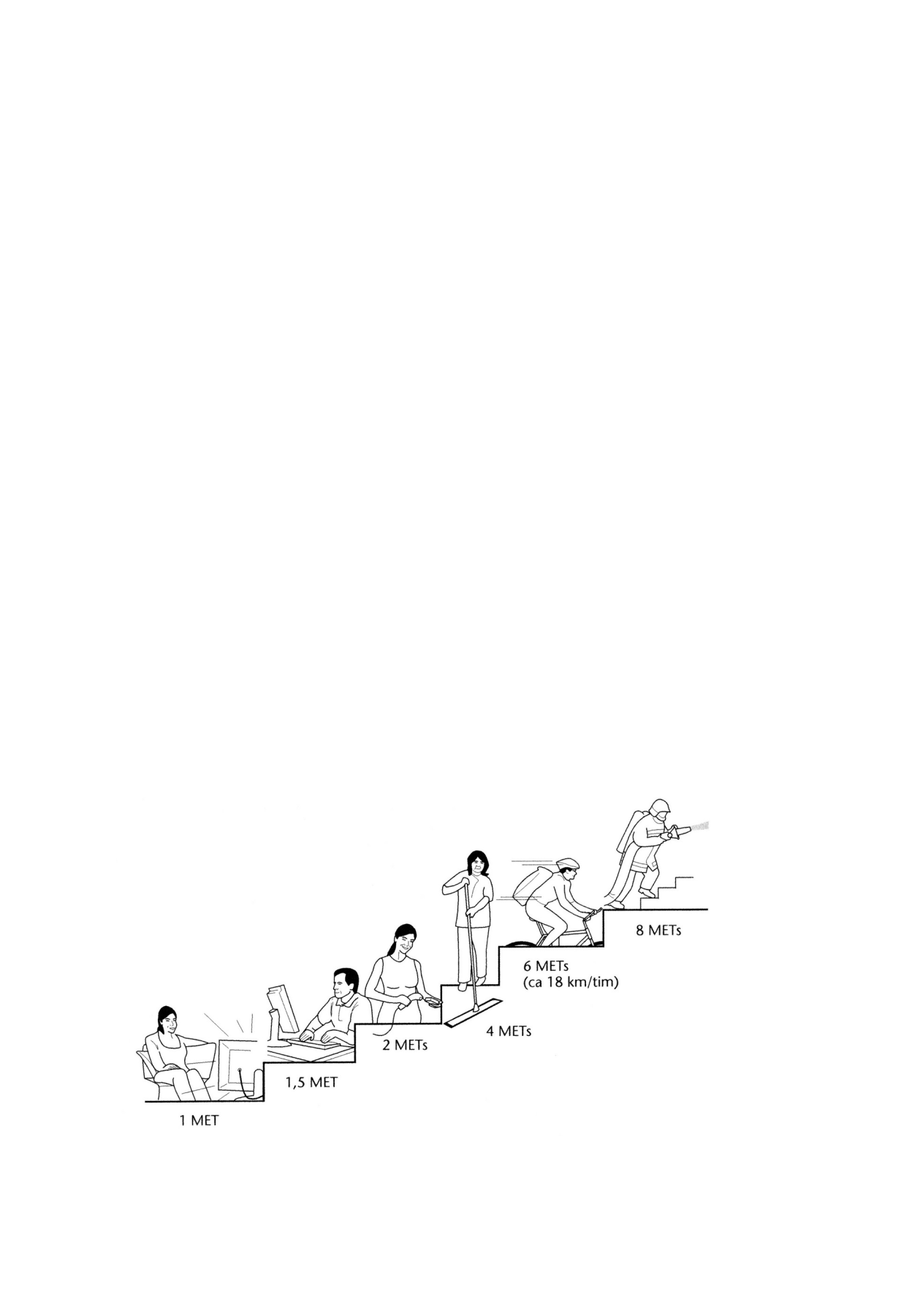
MET value increases with increasing PA intensity (Figure 1) (11).
Sedentary behavior (from the Latin word sedere, ‘to sit’) is defined
as any waking behavior in a sitting, reclining or lying posture,
characterized by an EE
≤1,5 METs (12). The “SB pattern” is the manner in which SB is
accumulated throughout the day or week, i.e. the timing, duration
2
and frequency of sedentary bouts and breaks. “Sedentary time”
describes the total amount of SB, e.g. minutes per day or week,
while “sedentary bouts” describe periods of uninterrupted sedentary
time. “Light-intensity PA” (LPA) is performed at MET levels between
1.50 and 2.99 METs, for example slow walking or light household
chores (13). Moderate- intensity PA is performed at approximately 3-
6 METs (for example brisk walking), and vigorous-intensity PA is
performed at
>6 METs, for example running, aerobics, heavy shoveling, or
digging. Moderate PA (MPA) and vigorous PA (VPA) are usually
presented together as “moderate- to-vigorous PA” (MVPA) (11,13).
Physical activity and energy expenditure
EE has three components; 1) basal metabolic rate, 2) thermic effect of
food, and
3) PA. Basal metabolic rate represents approximately 60% of EE and
is correlated to body weight. The thermic effect of food, which is
“the cost” for digestion, absorption and transportation of nutrients,
contributes with about 10% to the total EE (14). PA results in
further increased EE and the increase is closely linked to the
intensity of the activity. PA has the possibility to increase EE to a
great extent, and for extremely physically demanding tasks the EE
can increase 10-20 times compared to the resting EE. The variations
of human EE are mostly related to the degree of PA (13). Non-
exercise activity thermogenesis (NEAT) is the energy expended
during non-exercise physical activities. Most NEAT activities, like
standing, walking or household chores, are performed at light
intensities (14), but there are also NEAT activities that could be
performed at more intense levels, like climbing the stairs or cycling
to work.
Figure 1. Energy expenditure at rest and for different types of work tasks, described
in METs. One MET corresponds to the energy expenditure when sitting down resting.
(Data from Ainsworth et.al 1993 (15). Illustrated by Niklas Hofvander.

3
Physical activity, sedentary behavior, and health
Relations between physical activity, sedentary behavior and
health Physical inactivity is defined as an insufficient PA level to
meet present recommendations for PA, for example, adults (≥18
years) not achieving 150
minutes of MVPA per week (12,16). Individuals not reaching the
recommended guidelines for MVPA are commonly defined as being
physically inactive.
Physical inactivity is related to increased risks of several non-
communicable diseases, and is considered to be the fourth leading
factor for global mortality (1). Adults who are physically inactive
have a 20-30% increased risk of all-cause mortality, compared to
those meeting the PA guidelines. PA is also important for EE and is
critical for maintaining energy balance and weight control and for
preventing obesity (16).
LP
A
35
%SB
60
%
4
MVPA is strongly associated with decreased risks of diabetes,
ischemic heart disease, stroke, breast cancer, colon cancer and
depression (2,8,16). Several epidemiological studies, both cross-
sectional and prospective, have shown SB to be an independent risk
factor for premature mortality and diseases like type 2 diabetes,
cardiovascular disease, and some types of cancer (6,7,17). The
associated risks have shown to be strongest for type 2 diabetes. For
example, in a meta-analysis by Biswas et. al., the pooled HR was
1.910 for diabetes type 2 among those with the longest sitting time.
This study also showed that the increased risk associated with
sedentary time was generally of lower magnitude in persons also
participating in PA at higher activity levels compared with persons
with lower activity levels (6). Objective measurements of SB and PA
have made it possible to quantify the time spent at different activity
levels. PA behaviors of different intensity levels are interdependent,
and research indicates that replacing sedentary time with LPA could
be important in preventing obesity (14). Studies have estimated the
health impacts of replacing sedentary time with either LPA or MVPA,
by using isotemporal statistical models (18-20). This modeling makes
it possible to estimate the theoretical consequences of replacing one
behavior with another for a given amount of time (18). In summary, a
recurring finding in these studies, is that replacing sedentary time
with either LPA or MVPA is beneficial, but greater benefits are
gained from MVPA (18-20). As an example, Matthew et al. found that
replacing one hour of SB with LPA per day decreased mortality risk
by 18%, but replacing one hour of SB with MVPA decreased the
mortality risk by 42% (20). Even though isotemporal analyses only
provide estimates of potential benefits from reduced SB, they give
insights about disease outcomes that are difficult to evaluate in
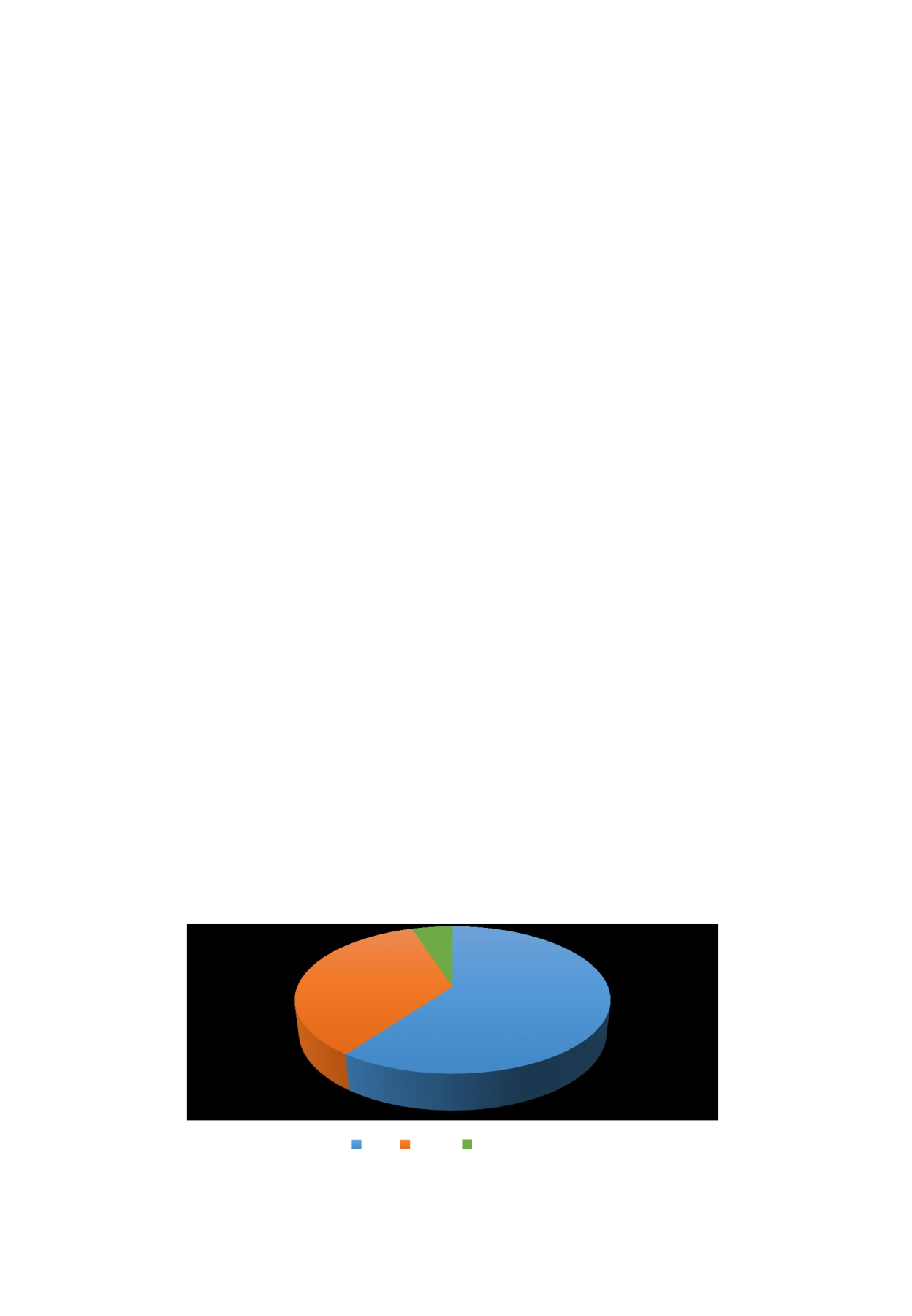
intervention trials. Figure 2. shows the distribution of time during
waking hours from an Australian study (5).
MVP
A 5%
SB LPA MVPA
Figure 2. The distribution of time at different activity levels per day during waking
hours measured by using accelerometers. SB=Sedentary Behavior, LPA=light physical

5
activity MVPA=moderate-to-vigorous physical activity.
In contrast to the studies identifying SB as an independent risk factor,
a meta- analysis from 2016 showed that high levels of MVPA, 60-75
minutes per day,

6
compared to low levels of MVPA, seemed to eliminate the increased
mortality risk associated with high sitting time (21). Thus, even
though SB and PA can be described as separate behaviours, there is
still not enough evidence to conclude whether they are independent
or not in relation to health effects, and more research is needed to
understand the interactions between SB and PA (22,23).
Epidemiological studies that have examined the health effects of SB
have mostly been based on questionnaires, and the levels of activity
have mainly focused on questions related to exercise. Some of the
studies have also used television- watching time as a surrogate
measure of SB. Television-watching time as a measure of SB has,
however, been suggested to be associated with confounding due to
related snacking behavior (22,24).
Except for the total accumulation of SB, evidence suggests that the
way that sitting time is accumulated might be of importance for
metabolic function and health (7,25,26). Experimental studies have
shown that regularly interrupting sitting with light- or moderate
intensity PA resulted in a acute reductions in postprandial glucose
and insulin levels in overweight and obese adults (27,28). The
suggested explanation for this response is the “inactivity physiology
theory”, hypothesizing that frequent muscular contractions could
prevent the harmful effects that occur from muscular inactivity
when sitting (24,29). The effects of breaking up sitting with active
breaks seem to be more effective among individuals with lower
cardio-respiratory fitness (27,30). Even though the evidence for
breaking up SB is inconsistent, it might be of great importance for
promoting health. More research is needed to understand how
interrupted sitting affects health, both acutely and in the long-term
(19,22,24). An epidemiological study, using compositional data
analysis found, in agreement with the experimental studies, that
replacing SB with LPA could have long-term benefits for glycemic
control, and thereby contribute to preventing and managing
diabetes (26).
It has proven to be challenging to induce people to embrace physical
exercise, and a possible therapeutic option could be to focus more
on decreasing SB and increasing LPA for individuals not at all
interested in exercise. Increased LPA could thus be of great clinical
importance to public health. Despite research progress in the field of
SB, the evidence base is insufficient, and more research, preferably
based on objectively measurements, is needed to support public
health guidelines for sitting time (22,23). Time spent sleeping,
sitting, standing, or moving are all interdependent, and to get a
complete picture, the contribution of objective measurements will be
of high importance in future research.
Overweight, obesity and health

7
Weight increase is a result of an imbalance between calories
consumed and expended, and the energy surplus results in weight
gain. In recent decades the prevalence of overweight and obesity
has increased steadily, and is described as a pandemic development
(1,31). According to the Global Burden of Disease Study, 37% of
men and 38% of women have a BMI of 25 or higher (32). In North
America, 61% of the adult population are overweight or obese, and
in

8
Europe about 50% are overweight, whereof half of the overweight
women are obese (1). Since 2006, the increase in obesity among
adults seems to have leveled off in high-income countries, but the
increase seems to be continuing in low- and middle-income countries
(32,33). In Sweden, the prevalence of obesity has tripled since the
1980s, and 51% of the adult population are reported to be
overweight or obese (34). Data from the Västerbotten Intervention
Program show that 70% of men and 55% of women between 30 and
60 years in Västerbotten were overweight or obese in 2018. The
prevalence of overweight for men and women together between 30
and 60 years has increased from 36% to 38% from 1990 to 2018,
while obesity increased from 10% in 1990 to 24% in
2018 (35).
Overweight and obesity are associated with increased risks for
diseases like type 2 diabetes, cardiovascular diseases, some types of
cancer, Alzheimer’s disease, vascular dementia, musculoskeletal
disorders, depression and reduced life expectancy. Obesity might
also lead to decreased mental health and lower quality of life
(33,36). The economic burden of obesity is also extensive. In the US,
21% of total health care costs are related to obesity and obesity-
related conditions. In Europe, approximately 23% of medication
costs are related to overweight or obesity. A study on “healthy
obese” adults showed that obese persons, even if metabolically
healthy, showed a four-times greater risk to becoming disabled with
declines in functional ability and decreased independence in older
ages, compared to normal weight adults with similar health (37).
Employers also suffer economic consequenses from obesity-related
costs, due to an increase in total absent days and decreased
productivity among obese workers (33,38). It is therefore of great
importance to reduce and reverse the obesity-related burden
globally (1,39).
The increase in overweight and obesity is driven by a complex
combination of interacting factors related to diet, personal finances,
sociocultural aspects, metabolism, genetics, physical environment,
and individual lifestyle behaviors (36). Factors in the global food
supply system are considered to lead to overconsumption and a
subsequent weight increase. Over time, the availability of energy-
dense and more processed food has increased, and such products
are often inexpensive and effectively marketed (36,40). There are
individual differences in genotypes in relation to metabolism and
obesity, but even though these factors play a role, they cannot
explain the global increase of obesity prevalence during the last
decades (33,36). Socioeconomic factors are also related to the
prevalence of obesity. A recent study within the OECD countries
showed that educational level was inversely related to overweight
and obesity, particularly among women. The McKinsey Global
Institute suggests that different sectors (i.e. governments, retailers,

9
consumer-goods companies, restaurants, employers, educators and
healthcare providers) all must work together to achieve success
(41). In line with this, the World Health Organization (WHO) also
claims that different sectors simultaneously should address and
contribute to the production, distribution, and marketing of food and
shape environments that facilitate possibilities to be physically
active (1).
Due to the complex interplay between different factors, there is a
need to rely less on interventions on the individual level, such as
education and personal

1
responsibility, and instead focus more on environments and norms
in society (32), and to combine individual interventions with
environmental and societal changes (36).
Due to technological developments in society, PA demands have
decreased in different domains, during transportation, leisure, and
household chores, as well as at work (5,14,42). Variability in NEAT
could be one explanation for different levels of EE in humans, and is
dependent on the total activity in all domains.
Due to societal developments, the levels of NEAT have decreased. By
reassigning time spent sitting to more NEAT activities, daily EE
would increase, which would facilitate weight stability and thus
imply great benefits to public health (13). Regardless of weight, PA
is important for counteracting weight gain and for stabilizing and
slowing down health deterioration (37). PA has positive health
effects among overweight or obese individuals, and may play a more
important role in preventing ill health than previously believed
(43,44).
Physical Activity guidelines
PA is recommended to promote health, reduce the risk of chronic
diseases, prevent early death, and preserve or improve physical
capacity such as fitness and strength (16,45). Guidelines are
developed by experts under the Office of Disease Prevention and
Health Promotion in the US, and are based on the current
scientific evidence (46). The PA guidelines for American adults are
presented below:
1. Adults should move more and sit less throughout the day.
Some PA is better than none. Adults who sit less and do any
amount of MVPA gain some health benefits.
2. For substantial health benefits, adults should do at least 150
minutes (2 hours and 30 minutes) to 300 minutes (5 hours) a
week of moderate- intensity, or 75 minutes (1 hour and 15
minutes) to 150 minutes (2 hours and 30 minutes) a week of
vigorous-intensity aerobic PA, or an equivalent combination of
MPA- and VPA aerobic activity. Preferably, aerobic activity
should be spread throughout the week.
3. Additional health benefits are gained by engaging in PA
beyond the equivalent of 300 minutes (5 hours) of MPA
activity a week.
4. Adults should also do muscle-strengthening activities of
moderate or greater intensity that involve all major muscle
groups on 2 or more days a week, because these activities
provide additional health benefits.
Because the guidelines mainly focus of PA on a moderate to
vigorous level, it is thus possible to be both “physically active”

1
according to guidelines and still accumulate many hours of SB per
day. One example could be an office worker who predominantly sits
at work, commutes by car, and watches TV each evening, but who
jogs for 30 minutes five times per week (47).
The Swedish guidelines for PA are developed by YFA
(Yrkesföreningar för fysisk Aktivitet). In addition to the guidelines
above, the Swedish guidelines recommend that prolonged sedentary
time should be avoided. For those in

1
sedentary occupations or if sitting a lot during leisure, regular short breaks
with some muscle activity for a few minutes are recommended, even if
guidelines for PA are met (48).
The Inphact treadmill study (Paper I)
Study design
A 13-month randomized controlled trial of healthy overweight or
obese office workers (n = 80).
Recruitment
Participants were recruited from 13 office workplaces in the city of
Umeå, Sweden. Governmental agencies, municipal administrations,
and private sector employers were represented among the
workplaces. Most of the participants, 78%, worked in non-shared
cell offices, and 22% worked in open office landscapes.
Inclusion and exclusion criteria
To be included, participants should have mainly sedentary work
tasks, a BMI of 25–40 kg/m2, and be of age 40–67 years. Exclusion
criteria were severe depression and/or anxiety, chronic fatigue
syndrome, diabetes mellitus, severe cardiovascular disease, severe
kidney disease, musculoskeletal disorders with walking problems,
contraindications for PA, thyroid disease, pregnancy, and if being
away from the office more than one day per week. Participants had
to have an individual sit-stand workstation to be included.
Screening
Prior to inclusion in the study, the participant filled in a
questionnaire and a clinical investigation for health status was
performed by a doctor at a clinical research center at the University
Hospital of Umeå. Fasting blood samples were taken for analyses of
full blood count, lipids, electrolytes, plasma glucose, HbA1c, and
thyroid status. Participants assessed their daily sitting time using
the "Workforce Sitting Questionnaire" (125).
Randomization
The participants were randomized after the baseline measurement
to a control condition or an intervention with an active workstation
with a treadmill desk. Stratification was based on BMI.
The intervention
After randomization all participants received an individually
adapted health consultation with advice and recommendations on
diet and PA. They also got feedback on their personal results for

1
anthropometric measurements, blood pressure, lipids, and HbA1c
taken at baseline. Participants in the intervention group received a
treadmill desk at their individual workstation. They were
instructed to use the treadmill at the speed of their choice and to
gradually increase walking time. The goal was to use the treadmill
at least one hour per work day. At four time points during the
study period, participants in the intervention group received
booster e-mails from the research group (at 5–6, 19–20, 31, and 50
weeks after baseline). These e-mails included information

1
about health risks of excessive sitting as well as gains of PA and
aimed to encourage and inspire the participants to continue to use
the treadmills. The e- mails also repeated the study goal to use the
treadmill at least one hour per workday. Participants in the control
group proceeded working as before, sitting and/or standing
throughout the study.
Data collection and processing
Sedentary behavior and physical activity
Assessments of both SB and PA were performed at baseline and at 2,
6, 10 and 13 months. To be able to measure both SB and PA at
different intensity levels, we used both the ActivPAL and ActiGraph
accelerometers. To be able to evaluate the effect of total PA, and to
study possible compensatory effects, all waking hours were
assessed. During each measurement period, the participants
registered non-wear time and their usual sleeping- and working
hours in a log book. For both devices data had to include 4 days of
valid data (3 work days and 1 non-work day) to be eligible for
analysis.
Outcomes for sitting, standing, walking, breaks from sedentary time,
and number of steps were measured with the tri-axial accelerometer
ActivPAL3 and ActivPAL3 micro (PAL Technologies, Glasgow,
Scotland, UK). Participants wore the ActivPAL on the right thigh 24
hours a day for 7 consecutive days. The device was attached with a
surgical dressing, and removed only for water-based activities.
ActivPAL has been proven to provide valid, reliable, and sensitive
measurements on changes in body postures and steps (126,127).
ActivPAL has also been shown to be valid and sensitive in detecting
changes in sitting time and breaks from sitting (61,128,129). In
paper I, data were processed to provide outcome measures for work
time and total time on workdays and non- workdays. Data were
eligible for analysis if there were 10 hours of wear time, more than
500 steps, and 95% or less of the time in a sitting or standing
position per day (130).
Outcomes for LPA and MVPA were measured with the commonly
used tri-axial accelerometer ActiGraph GT3x-BT (ActiGraph,
Pensacola, Florida, USA).
Participants wore the device in a belt around the waist for 14
consecutive days, of which the ActivPAL was worn simultaneously
during the first week.
ActiGraph has been proven valid for measuring the duration,
frequency, and intensity of PA at different intensity levels (62). We
used a composite vector magnitude from all three axes (VM3). Using
accelerometer counts from all three axes, compared to only using
vertical axis counts, has shown stronger associations between PAEE

1
outcome variables and the doubly labeled water- technique (131).
The raw data were collected at 30 Hz, and an epoch length of 60
seconds was used. Non-wear time was defined by using a modified
version of the Choi algorithm, with 60 minutes of consecutive zero
counts, no spike tolerance, and a small 1-minute window length,
using VM3 (62). For the ActiGraph, data were analyzed if there were
10 hours of wear time. Cut-points for the different intensity levels
were based on the Freedson Adult VM3 (2011) algorithm (62,132).
Based on a small pilot study, we modified the cut-points for
1
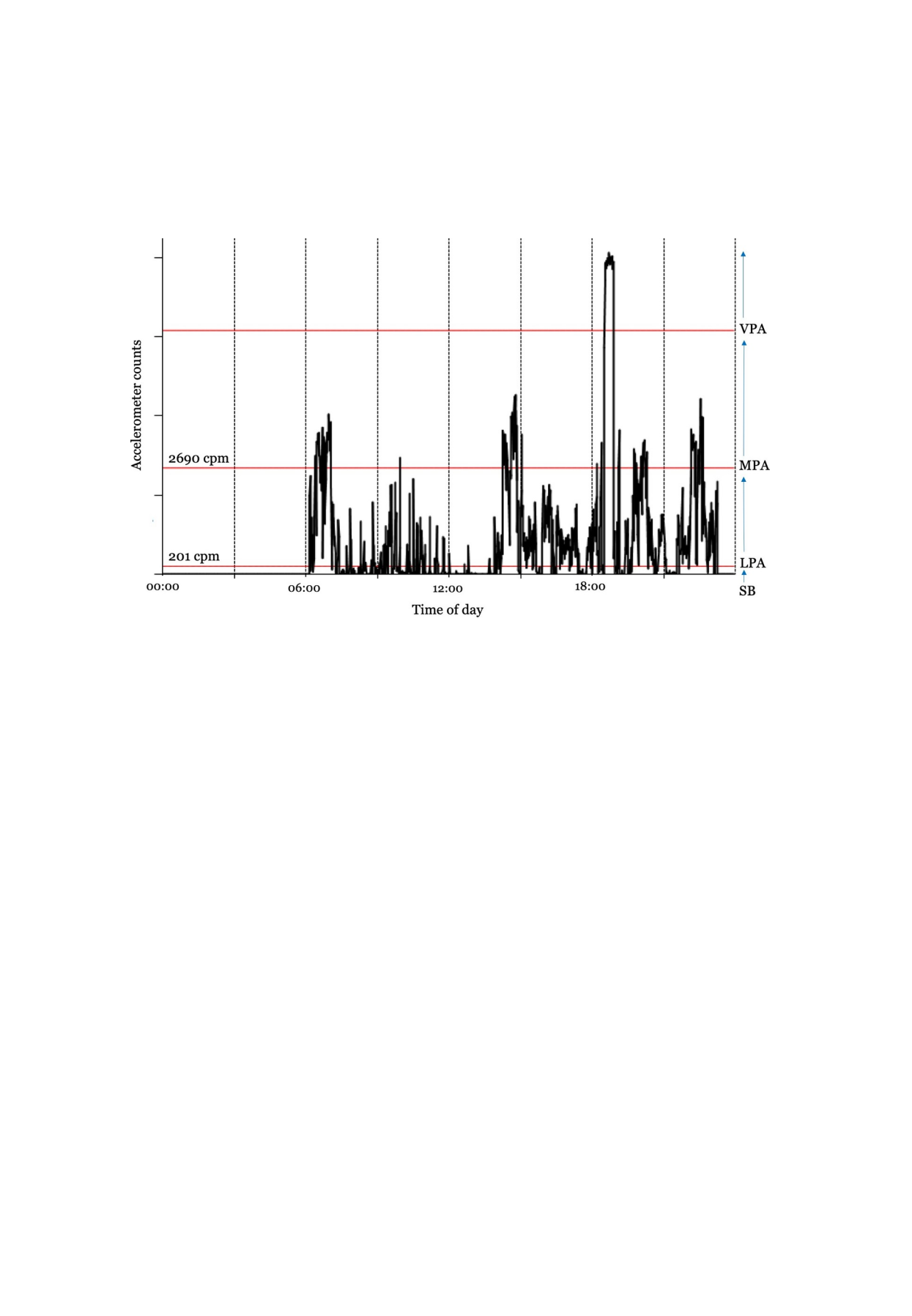
LPA as 201–2689 counts per minute. We reported MPA and VPA
together as MVPA using the cut-point 2690 counts per minute
(Figure 6). In paper I, ActiGraph data were processed for total time
on workdays and non-workdays.
Figure 6. Example of accelerometer data output from the ActiGraph
GT3x-BT, measured over one day. The raw data illustrate the intensity of
the activity. The cut- points used in the Inphact treadmill and AOD study
are illustrated by the red lines.
Dietary intake
Dietary intake was recorded with a food diary, filled in for 4 days
per period of each PA measurement.
Body measurements and body composition
Length, weight, BMI, waist and hip circumference, sagittal height,
body composition measured with dual x-ray absorptiometry (DXA)
were measured at 0, 6, and 13 months.
Metabolic function and salivary cortisol
Systolic and diastolic blood pressure, salivary cortisol, and metabolic
variables, including an oral glucose tolerance test (75 g, glucose and
insulin analyses at baseline and after 30, 60, 90 and 120 min), lipids,
and HbA1c were measured at 0, 6, and 13 months.
Psychological health questionnaires
Assessments of depression and anxiety were made using the HAD-
scale (133) and perceived stress and energy were assessed using
the Stress-Energy- Questionnaire (134) at 0, 6, and 13 months.

1
The AOD Study (Paper II-IV)
Setting and recruitment
The AOD study was performed among office workers in a municipal
administration in the north of Sweden. The study had the overall aim
to evaluate work environment and health after a planned relocation
to two different office types, a flex office with ABW and a cell office.
Approximately 450 officials within the municipality were involved in
the office relocation. Before the relocation employees worked in two
different office buildings with traditional cell office designs.
Approximately 250 of the employees moved to a flex office with ABW
and 200 to a new office with a traditional cell office design.
Employees were allowed to participate in study procedures during
working hours. Prior to the study and the planned relocation,
information sessions at the workplace were held. In addition,
information was sent out by e-mail to all employees. The objective
measurements of SB and PA were described as a substudy of the
AOD study.
Study design and participants
The AOD study consisted of an open cohort, and all employees
involved in the office relocation were invited to participate and to fill
in questionnaires about working conditions, work environment, well-
being, health and PA. To be included in the substudy with objective
measurements of SB and PA (Paper II), the inclusion criteria were 1)
age 18–63 years, 2) working 75% or more, 3) spending more than
60% of work hours inside the office, and 4) not planning to change
workplace or retire during the study period. In paper III, an
exploratory analysis was performed of the cross-sectional data from
the 18-months of
follow-up. In paper IV, longitudinal data and mixed methods were
used to study the group that relocated to the flex office (Table 2).
The PA-promoting program
The development of the PA-promoting program was based on three
previously described theoretical models, Five Keys to workplace
health promotion, Social ecologic model of influence on physical
activity, and the Social cognitive theory (100,123,124). An ongoing
collaboration between the researchers and workplace
representatives ensured a participatory approach in the development
of the intervention program.
Lecture
All employees were invited to a lecture approximately one month
before the office relocation. The 45-minute lecture held by the

1
research staff aimed to increase awareness of the relationship
between SB, PA, and health, to initiate reflection and discussions,
and to inspire employees to pursue small behavioral changes.
1
Workshop for managers
A seminar for managers was held 5 months after the relocation. The
goal of the seminar was to repeat the importance of decreasing SB
and increasing PA, to discuss culture and norms regarding PA in the
organization, and to share ideas on how managers can lead by
example. The written workshop material was sent to the managers
by e-mail after the session.
Communication campaigns
Three communication campaigns were developed in collaboration
with voluntary employees who were recruited from “health
inspirers” within the organization. The campaigns were launched
between 10 and 17 months after the relocation, and they focused on
breaking up prolonged sitting, the importance of everyday PA, and
taking the stairs and/or using treadmill workstations if available at
the workplace. The campaigns also aimed to create reflection and
individual goal setting regarding behaviors for everyday PA, both at
work and during leisure time. For communication of the campaigns,
we used posters, table-top messages in the break spaces and
conference rooms, information on the workplace intranet and
communication via managers. More details on the content can be
found in paper II.
In total, intervention activities were rolled out over a period of 18
months, and they were separated in time from the measurement
periods and the office relocation. The same program and materials
were used for both office groups, and they got the same
information and activities at the same intervals in relation to their
office relocation.
Data collection
Table 3 gives an overview of the data collection in the AOD study,
and the data that were used in this thesis.
Table 3. Overview of data collection in the AOD-study.
Time point in
relation to relocation −6 m −1 m +6 m +11 m +18 m +20 m +24 m
Baseline Follow-
ups
Objective measures
of SB and PA xxxxx
Body measurements x x x
Questionnaires x x
Focus group interviews x
x Individual
interviews with
managers x
Interview with key persons x

2
Sedentary behavior and physical activity
We used the same methodology for measurements of SB and PA in
the Inphact treadmill study and the AOD study, with a few
exceptions. In the AOD-study participants measured SB and PA at 6
and 1 month before, and at 6, 11 and 18 months after relocation.
Participants reported time for getting up, going to bed, and working
hours day by day in a log book, and ActiGraph was only worn for one
week. In paper II data from both ActivPAL and ActiGraph were
processed for work- and leisure time on workdays, non-workdays,
and for total time measured time, including both workdays and non-
workdays.
Body measurements
Body measurements were performed at 6 months before and at 6
and 18 months after the relocation. Measurements were
performed at the workplace and participants wore underwear.
Standardized methods were used when measuring body height,
body weight, and waist- and hip circumference. For more detailed
information, see paper II.
Questionnaires
All employees involved in the office relocation were invited to
participate in a large survey with questionnaires at 6 months prior
and at 6 and 18 months after relocation. The questionnaires
included background variables such as age, gender, position at
work, employment rate, amount of computer-bound work tasks, and
office location. Health and lifestyle were registered with questions
about self-rated health, sleep quality, cognitive and musculoskeletal
symptoms, exercise habits, and smoking. Psychosocial aspects of the
work environment and feelings and experiences of physical, mental
and social well-being were assessed using the Work Experience
Measurement Scale and the Salutogenic Health Indicator Scale
(135,136). Usage of possibilities to be physically active at work (e.g.
standing while working, using a treadmill workstation, taking the
stairs) and perceived appreciation of using the active alternatives at
work were assessed by specific questions. Cultural and social
acceptance regarding sitting and moving at the workplace were also
registered. At 18 months after the relocation the questionnaire was
extended to contain some questions about the perceived
motivational impact of different components in the intervention and
questions about time spent on various work tasks.
Interviews
In paper IV, we studied the group that was relocated to the flex
office. Focus group interviews were conducted at approximately 6
and 18 months after the relocation. Individual interviews with
managers were conducted at approximately 20 months and a focus
group with key persons for the PA- promoting program and office

2
relocation were performed at 24 months after the relocation.
Recruitment to focus group interviews was performed by e-mail
invitations and convenience sampling. Recruitment to interviews
with managers and the key persons was done by personal invitations
by e-mail. Both focus group interviews and individual interviews
used a semistructured interview guide, they lasted about 60 minutes,
and they were performed by

2
researchers not involved in the development of the PA-
promoting program (137). Prior to the analyses, all interviews
were transcribed verbatim.
Data analysis
Quantitative analysis
In papers I and II, the analysis of objective measurements of SB and
PA and body measurements were performed by using linear mixed
models to test for interaction effects and within-group changes. In all
models, the participant was used as the random intercept. In the
Inphact treadmill study (paper I), SB and PA outcomes for total time
awake on weekdays was tested using three-way interactions
between group (intervention/control), time point (baseline, 2, 6, 10
and 13 months) and day of week (weekday or weekend). Further,
estimated means for work time, non-work time, energy intake, and
body measurements were tested using two-way interactions between
groups and between time- points. In the AOD-study (paper II), the
two baseline measurements were weighted, and two-way
interactions between groups (flex office and cell office) and time-
point (baseline, 6, 11, and 18 months) were used for all activity
outcomes. For body measurements the model included group (flex
office and cell office) and time-point (baseline, 6, and 18 months).
For analysis of total time of SB and PA (both weekdays and non-
work-days) in the Inphact treadmill study and the AOD-study, a two-
way interaction between groups and time- points was used. For both
studies, data for total time (both time on work days and non-work
days) were analyzed and are reported as standardized 16-hour day
values.
In paper III, cross sectional data from employees in both office
groups at 18 month’s follow up were analyzed. We included 53
participants with complete data for both questionnaires and
measurements of SB and PA in the analysis. Factor analysis of mixed
data is a generalized principal component method that allows for both
categorical and continuous data, and it was combined here with multiple
linear regressions. We used a Scree plot to determine the number of
dimensions. Interpretation of the combination of factors was done by
two of the authors.
In paper IV, questionnaire data from 152 participants were
included in the analysis. Wilcoxon matched-pair t-tests were used
due to the non-parametric nature of the data.
In papers I, II, and IV we used SPSS software v.24 (IBM Corp,
Armonk, NY, USA). In paper III, the analyses were performed in R
computing software, version

2
3.5.2. For all studies the significance level was set at ≤0.05.
Power analysis
In the Inphact treadmill study (paper I) participants were stratified
for BMI (25–30 and 30–40). A sample of 30 individuals in each
group gave 85% power to find a statistically significant difference of
30 minutes walking time per day

2
(standard deviation 60.8 minutes) (p<0.05). Forty individuals in
each group were included to compensate for an anticipated
participant drop out of 30%. In the AOD study (paper II), 84
individuals were needed, to compensate for an expected
participation drop-out of 20%, to achieve a power of 80%, and to
detect a statistically significant difference between groups of 30
minutes sitting time per day (p<0.05).
Qualitative analysis
Data from 12 focus group interviews at 6 and 18 months, and
interviews with managers (n=6) at 20 months and key persons
(n=2) at 24 months after relocation were included in the qualitative
data analysis (paper IV). In total, 70 individuals participated in the
interviews, whereof 19 of those participated in more than one
interview.
Data were analyzed using qualitative content analysis. We used a
deductive approach to the modified PE model previously described.
Data were coded, and categories of data emerged in relation to the
different elements in the model (138,139). Results were discussed
among the five authors, and preliminary results were also presented
and discussed with researchers who were well acquainted with the
AOD study.
Ethical approval
Because our studies collected data on health and aimed to affect
participants’ behavior, ethical applications were performed for
both studies. Both studies received ethical approval from the
Regional Ethical Committee in Umeå – the Inphact treadmill study
(No:2013/338-31) and the AOD study (No:2014/226- 31). According
to the Helsinki Declaration, participants were informed that
participation was voluntary and that they had the possibility to
withdraw their participation at any time during data collection. All
participants signed an informed written consent.

2
Results
Participants with objective measurements (Paper I & II)
Table 4 shows the demographic data for participants in the Inphact
treadmill study and the AOD study performing objective
measurements of SB and PA. The Inphact treadmill study comprised
more men compared to the AOD study. In the Inphact treadmill
study, 33% of the participants rated their health as very good or
excellent at baseline, and the corresponding number for the AOD
study was 49%. Half of the participants in the AOD-study and 45% of
the participants in the Inphact treadmill study reported that they
exercised twice a week or more at baseline.
In table 4, activity outcomes at baseline are presented standardized
to 8-hour workdays or 16-hour total awake time. In both studies,
approximately 50% of the time at work was spent sitting and 40%
standing. Participants in the Inphact treadmill study walked for
almost 10% of their workday at baseline, while participants in the
AOD-study spent about 8% of their workday walking at baseline.
Table 4 here

2
Walking time and PA intensity
Work time
In the Inphact treadmill study the intervention group increased their
walking time and number of steps at work compared to the control
group. The effects were largest in the beginning of the study. At 13
months, the intervention group walked 18 minutes (confidence
interval, 9 to 26) more per weekday compared to baseline, whereof
15 of those minutes took place at work, indicating that the main
effect of increased walking time was related to the intervention at
work.
In the AOD study a significant interaction effect was seen for
walking time at work (p=0.001). This was driven by a within-group
increase in walking time at work in the flex office group at all follow-
ups, while the cell office group showed a within-group increase of
walking only at the 11-month follow-up. Both groups showed within-
group increases in MVPA – the flex office group at all follow- ups,
and the cell office group at 11- and 18-month’s follow-up – but the
increases in the flex office group were greater, which resulted in a
significant interaction effect also for MVPA at work (p<0.001).
Non-work time
In the Inphact treadmill study, no interaction effects were seen
for MVPA during weekdays (p>0.05) or weekends (p>0.05). For
both weekdays and weekends, MVPA decreased within the
intervention group at all follow-ups, while the control group
decreased their MVPA at 13 months follow-up.
In the AOD study, both groups showed increased numbers of steps
and walking time at 11 month’s follow-up during leisure time on
weekdays. This increase returned to normal levels at 18 months.
Significant interaction effects were seen for walking time during
weekends (p<0.01), where the flex office group showed increased
walking time at all follow ups compared to baseline and the cell
office group remained stable. No interaction effects were seen for
MVPA during weekends (p>0.05), but the flex office group showed
increased MVPA at the 6- and 18-month follow-ups.

2
Total time - both workdays and non-workdays
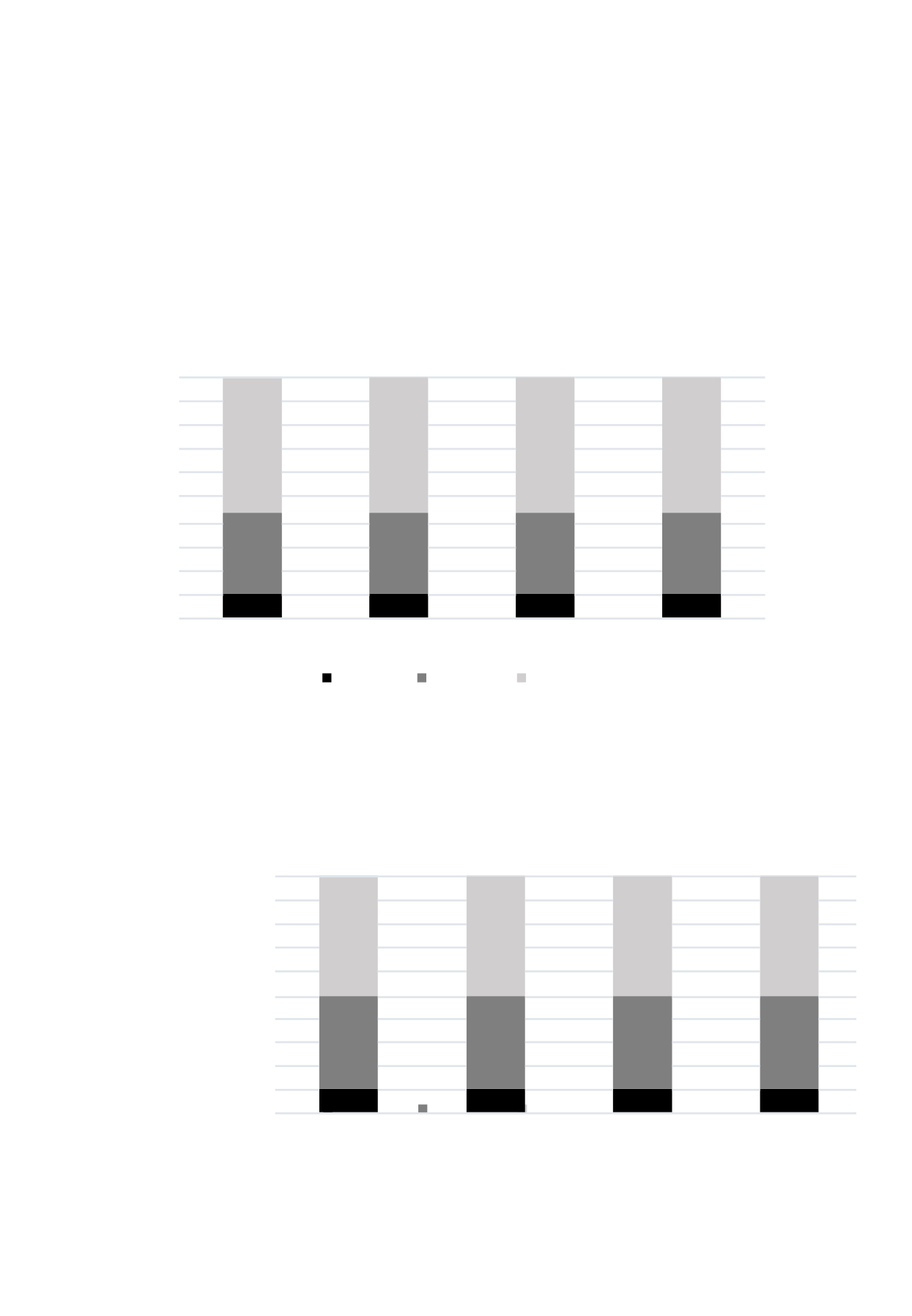
Figures 7 and 8 show the relative time spent walking, standing and
sitting for total awake time for both workdays and non-workdays in
the Inphact treadmill study, where both groups spent 11% of the
total time walking at baseline. The intervention group increased
their walking time from 11% to 15% from baseline to the 2-months
follow-up, and for follow-up at 6-, 10, and 13 months walking time
stabilized at 13%. One percent corresponds to 9.6 minutes per day.
Intervention group for total time
100%
90%
80%
70%
60%
50%
40%
30%
20%
10%
0%
Baseline 2 months 6 months 10 months 13
months Walking Standing Sitting
Figure 7. Relative time spent walking, standing, and sitting of the total
time, at the different time points in the intervention group in the
Inphact treadmill study.
Control group for total time
100%
90%
80%
70%
60%
50%
40%
30%
20%
10%
0%
Baseline 2 months 6 months 10 months 13
months Walking Standing Sitting
Figure 8. Relative time spent walking, standing and sitting of the total
58 52 55 56 57
34 31 31
31 30
15 13 13 13
11
56 55 57 56 57
34 33 33 34 32
11 12 11 11 11

2
time, at the different time points in the control group in the Inphact
treadmill study.
2
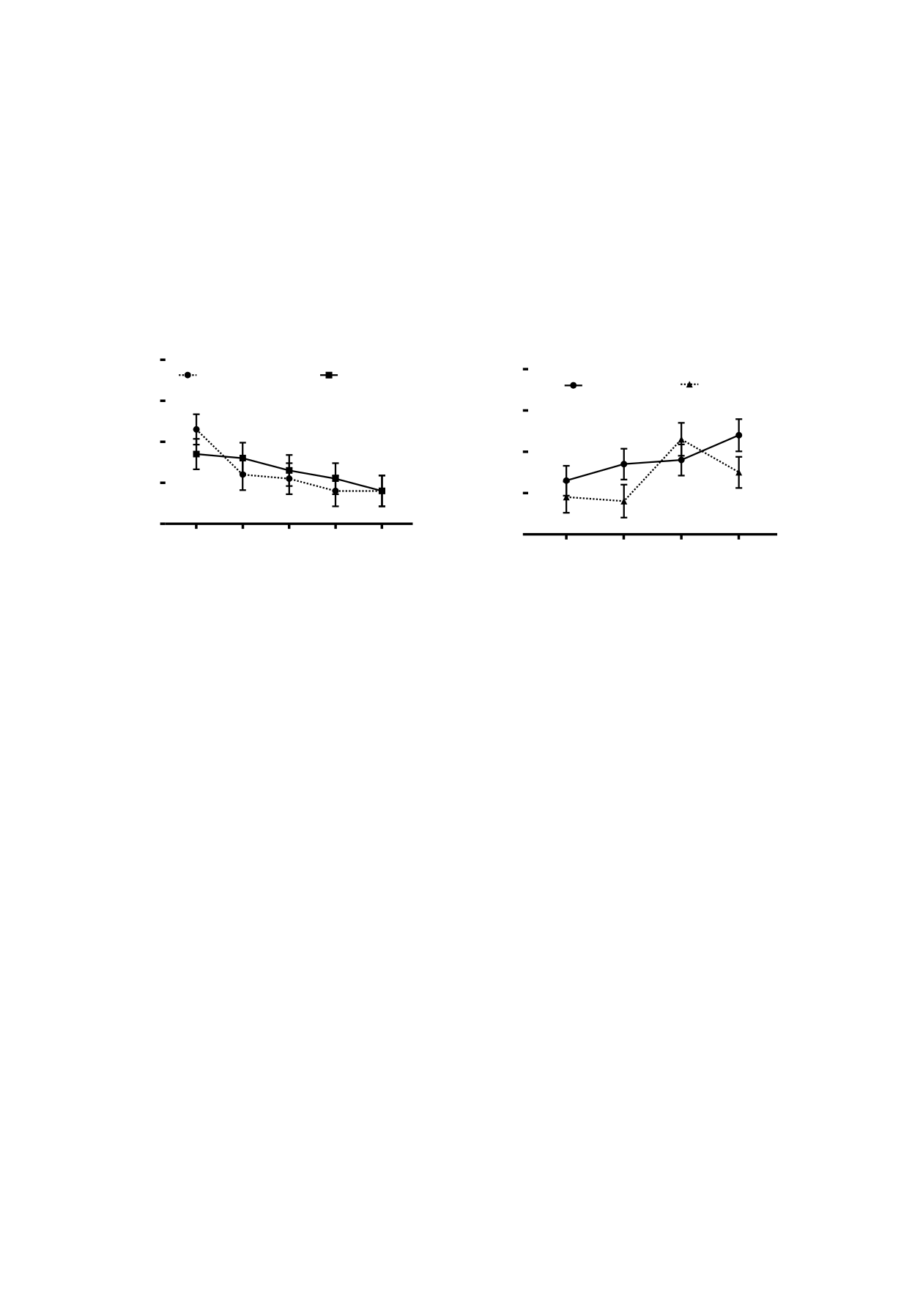
Figures 9 and 10 show the relative time spent walking, standing,
and sitting for total awake time for both workdays and non-workdays
in the AOD study, where the flex office group walked for 11% and
the cell office group walked for 12% of the total time at baseline.
The flex office group increased their total walking time by 1% from
baseline to 18 month’s follow-up, while the cell office group
remained stable.
100%
90%
80%
70%
60%
50%
40%
30%
20%
10%
0%
Flex office group for total time
56 55 55 55
33 31 32 33
11 12 13 12
Baseline 6 months 11 months 18
months Walking Standing
Sitting
Figure 9. Relative time spent walking, standing and sitting of the total
time, at the different time points in the flex office group in the AOD
study.
Cell office group for total time
100%
90%
80%
70%
60%
50%
40%
30%
20%
10%
0%
Baseline 6 months 11 months 18
54 52 54 53
36 34 35 34
12 12 13 12

3
months Walking Standing
Sitting
Figure 10. Relative time spent walking, standing and sitting of the total
time, at the different time points in the cell office group in the AOD
study.
31
Intervention groupControl group
Flex Office Cell Office
MVPA in
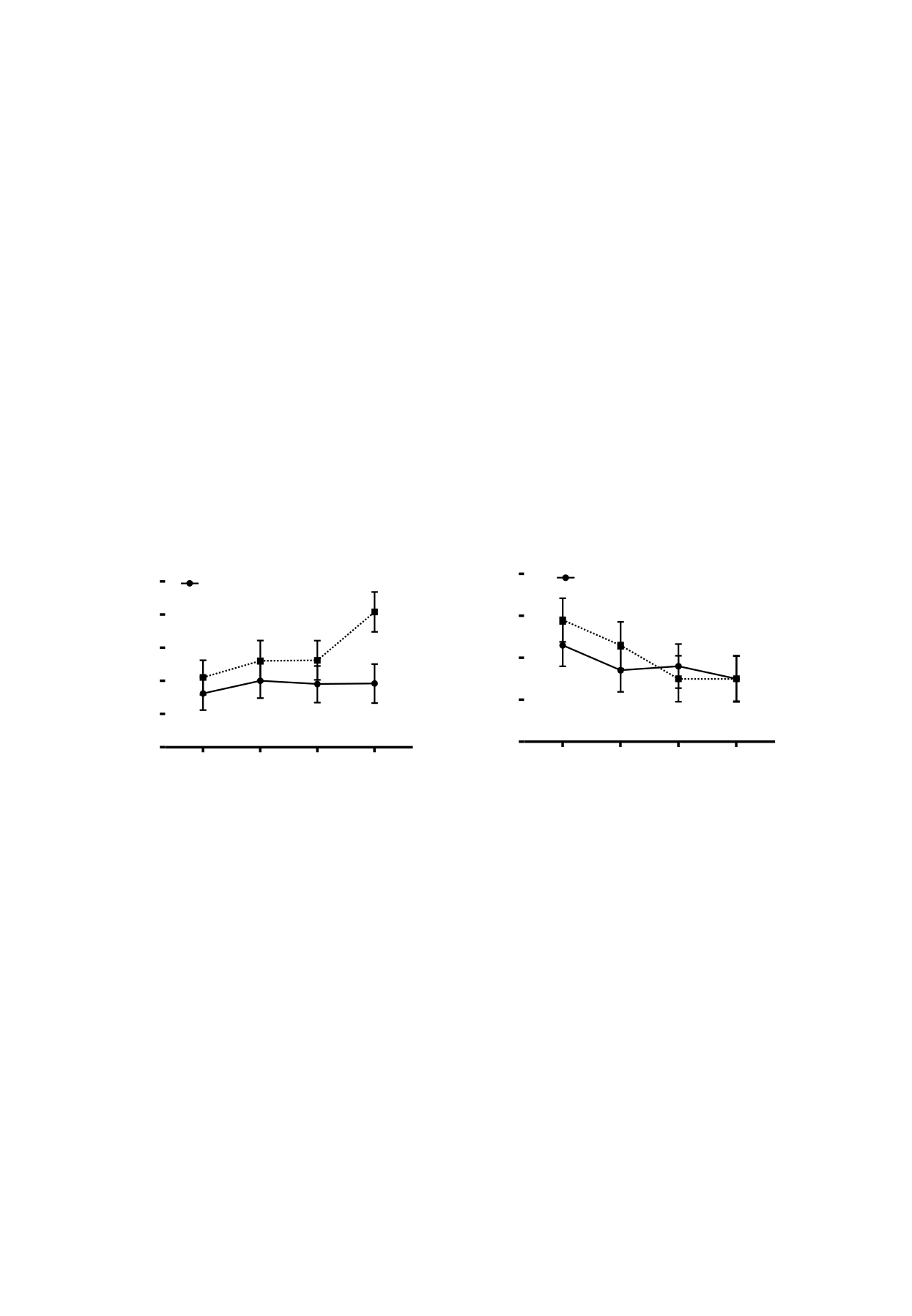
In the Inphact treadmill study, there was a decrease in MVPA of 15
minutes per day from baseline to 13 month’s follow-up in the
intervention group and a decrease of 9 minutes per day in the
control group. In the AOD-study, there was an increase of 11
minutes per day from baseline to 18-month’s follow-up in the flex
office group, and an increase of 6 minutes per day in the cell office
group (Figure 11).
Inphact treadmill
study MVPA for
total time
80
AOD-study
MVPA for total
time
80
70 70
60 60
50 50
40
Baseline 2m 6m 10 m 13 m
Time-point
40
Baseline 6 m 11 m 18 m
Time-point
Figure 11. Estimated means and standard errors for MVPA per 16-hour
day, for total awake time in the Inphact treadmill study and the AOD
study.
Sitting and standing
In the Inphact treadmill study, the intervention group decreased
their sitting time at work at all time points except the 13-month
follow-up, while the control group remained at the same level over
the whole study period. None of the groups showed any changes for
standing time, neither at work or out of total time on weekdays or
weekends.
In the AOD study, no changes for total sitting time at work were
observed during the study. For standing time at work, no significant
interaction effects were seen, but standing within the flex office
group decreased at all follow-ups.
MVPA in
32
Flex Office Cell Office Flex OfficeCell Office
Breaks and patterns for sitting accumulation
In the Inphact treadmill study, interaction effects were seen for
breaks shorter than 3 minutes (p<0.001) and for breaks longer than
20 minutes (p<0.01). This was due to stability in break patterns at
work in the control group, while the intervention group decreased
their short breaks and slightly increased their long breaks. No major
effects for sitting accumulation patterns were seen for weekdays or
weekends.
In the AOD study, a significant interaction effect for break rate at
work was seen (p=0.001). This was driven by an increased mean
sitting duration and decreased break rate (number of breaks per
sitting hour) in the cell office group at 18 month’s follow-up, while
the flex office group remained stable for mean sitting duration and
break rate (Figure 12).
Mean sitting duration at
work
25
20
15
10
5
Breaks from sitting at work
9
8
7
6
0
Baseline 6 m 11 m 18 m
Time-point
5
Baseline 6 m 11 m 18 m
Time-point
Figure 12. Estimated means and standard errors for mean sitting duration
and breaks from sitting at work per 8-hour workday in the AOD-study.
Body measurements and metabolic function
In the Inphact treadmill study, self-reported daily energy intake
decreased within the intervention group at the 6-month and 13-
month follow-ups, but there was no interaction effect. No
interaction effects or within-group differences were found for
body measurements or body composition. No significant
intervention effects were found for metabolic function, salivary
cortisol, perceived stress and energy, anxiety, or depression
outcomes.
In the AOD-study, there were significant interaction effects for
weight (p=0.01) and waist circumference (p<0.05). This was driven
by weight increases within the flex office group at 18 month’s
follow-up and a decreased waist circumference within the cell office
group.
Minu

33
Exploration of underlying factors for SB and PA (Paper III)
From the first step of the analysis– the factor analysis of mixed
data – six dimensions emerged. Every dimension described a
combination of underlying factors that were interpreted and
presented as six character types. These character types were 1)
harmonic and healthy 2) disabled with poor health, 3) manager
who spend a lot of time in meetings and has very high workload, 4)
engaged with high workload, 5) employee with creative and
computer intense work, with high workload, and 6) employee with
high BMI, and creative and collaborative work.
The next step of the analysis – the multiple linear regressions –
showed that the character types that to a high degree were
“engaged with high workload” and “harmonic and healthy” spent
more time sitting and less time standing. The character type that to
a high degree were “engaged with high workload” spent more time
in prolonged sitting, while the character type describing employees
with “high BMI, and creative and collaborative work” tended to sit
less and stand more. “No statistically significant results were seen
for office type related to sitting, standing or walking at work. The
multiple regressions explained 22% of the variation in sitting time,
20.5% of the variation in standing time, and 17.7% of the variation in
walking time.

34
Process evaluation and PA behaviors in the flex
office (Paper IV)
This paper focused on the flex office group within the AOD study and
evaluated both the implementation process of a PA-promoting
program and self-reported and perceived PA behaviors at work. A
theoretical model for PEs and a mixed methods design, with
repeated questionnaires (n=152) and individual and focus group
interviews (n=70) were used in the analyses. Qualitative and
quantitative results were intertwined in the presentation of results.
In total 70 individuals (73% women) participated in interviews, and
16 of those were managers.
Among the questionnaire respondents, 67% were women and 47%
were over 50 years of age. A majority (60%) rated their general
health as very good or excellent.
Context
For contextual aspects, the category support for physical activity
described how the organization had a strong culture of encouraging
both posture variation and exercise. Sit-stand tables were available
already at baseline. The social acceptance for walking and standing
at work was high at baseline, where 71% reported that standing or
walking at work was socially accepted to a large extent, and this
further increased to 84% at 18 months (p=0.001). Employees
described how they appreciated that the office environment provided
possibilities for posture variation and walking. Musculoskeletal
discomfort, the habit of sitting, and an awkward feeling of “standing
out” were described as barriers for standing.
“But sometimes I think it is really nice to be able to just lean back. The
Pilates stool feels good for a while, but it also becomes static. And if you
stand too long you also get tired in the back. At least that is the case for
me. I want variation.”
The category environmental and ergonomic challenges describe
factors of influence for PA behaviors. During the study, the
organization needed to hire more employees. Due to this, the office
sometimes became crowded, and employees described walking
around the office to find a suitable workstation. This was perceived
as frustrating and time-consuming. The lack of workstations was
also mentioned as a barrier to workplace rotation.
”I would say that people are afraid of losing their workstation,
otherwise I think you would move much more.”
After relocation to the flex office with ABW, employees were
expected to rotate between workstations, depending on the task at
hand. However, ergonomic adjustments of chairs were perceived as

35
difficult and time- consuming, and were described as a barrier to
rotation. The tendency to avoid making the adjustments was
perceived to be a future risk for increased musculoskeletal
disorders.
“It is difficult to adjust the workstation every day. Sometimes I do it.
Sometimes I don´t have the energy. It´s annoying because it takes
time.”
36
“I am a little worried about this in the long run. We have such a nice
working environment, but since I think I am only going to sit for two
hours, and then move on, I do not care. But over time, my posture
might deteriorate, which might be a problem.”
Intervention
The category clarity in the organization describes how the
intervention was supported by both senior leaders and middle
managers and how all activities in the PA-promoting program were
performed as planned. Regarding motivation and responsibility to sit
less and move more, both employees and managers thought that it
was important that managers promoted PA and acted as role
models, but that the final decision to change behaviors was up to the
individual.
“Thus, we have a manager talking a lot about using the health and
wellness hour and that we should have walking meetings and things
like this. So, it is not the managers’ fault if I don’t do it.”
“I think one barrier is that some do not see their responsibility, it sounds
hard, but maybe I’m exaggerating a little. It is easy to become
comfortable and think that it is the employer who has to fix things. Here
we have the best possible opportunities, compared to other
organizations.”
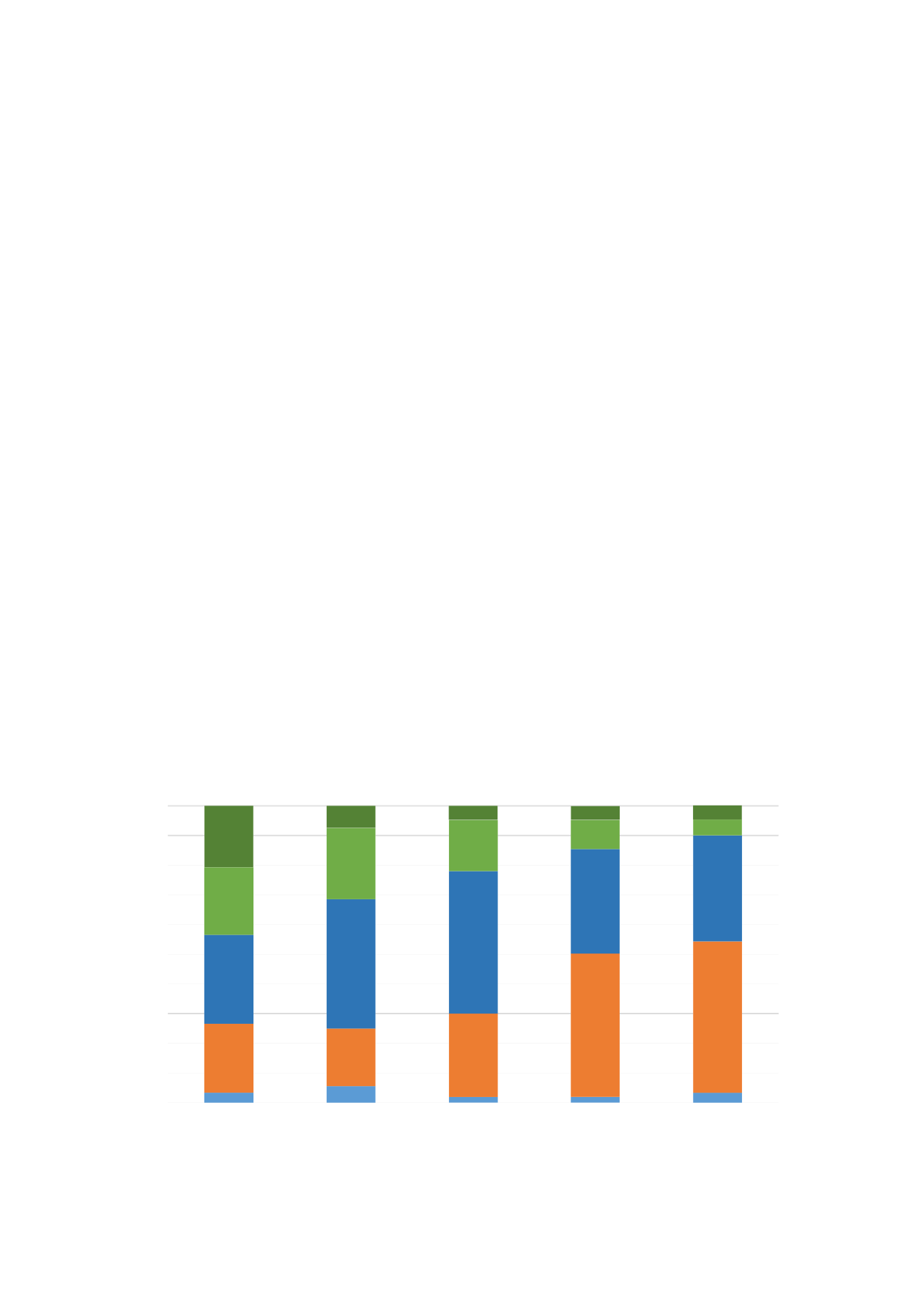
The perception of the motivational impact from the different parts
of the PA- promoting program varied, but the physical
environment and the lecture had the highest ratings in the
questionnaires at 18 months, while managers’ behaviors and
communication campaigns had the lowest (Figure 13).
100
%
90
80
70
60
50
40
30
20
10
0
The office design The lecture
Workers'
behavior
Manager
s'
behavio
r
Communicati
on
campaigns

37
Do not know Not at all To some extent Quite a lot To a great extent
Figure 13. Motivational impact of factors related to the PA-promoting
program reported at 18 months.

38
Behaviors
The category voluntary and involuntary physical activity described
how employees strived for variation, how the equipment and
activities were stimulating and how they walked to find a suitable
workplace. The category mediators described how employees always
put their productivity in the first room and that how the pursuit of
physical comfort influenced their behaviors.
“I don´t use the traditional chairs any more; I stand up or use Pilates
stools and pallets. It doesn't work with a chair because then I would have
to spend half the day adjusting it.”
At baseline, 72% took the stairs daily and 38% stood while working
individually on a daily basis. Standing and walking meetings were
unusual. The most appreciated possibilities to be active at work
were to take the stairs, walk or cycle to meetings outside the office
and to stand while working individually.
There were no changes in the reported frequency of standing while
working individually between baseline and 18 months, but the
reported appreciation of standing while working decreased (p<0.01).
At 18 months it was reported as more common to stand at meetings
(p<0.001) and the frequency of breaks from sitting during meetings
increased from baseline to 18 months (p<0.01) (Figure 14).
50
%
45
40
35
30
25
20
15
10
5
0
Breaks from sitting during meetings, %
Never Seldom Sometimes
Often Baseline 18
months
Figure 14. Frequency of breaks from sitting during meetings at baseline and 18 months.
At 18 months the treadmills were used by 12% of the employees.
Employees thought that the most suitable work tasks for the
treadmill were reading, checking e-mails or walking while having
a phone conversation. Barriers to using the treadmills were noise
and difficulties in finding compatible work tasks. Another barrier
was perceived motion sickness when walking.

39
“Because they make a bit of annoying noise. Maybe they should be
placed on the same floor, next to each other, and they can be noisy
together.”

40
“I have back pain, so personally the use of the treadmill workstations
has saved me.”
The reported usage of stairs increased in the flex office after
relocation (p<0.001) and the stairs were perceived as more
positive to use compared to before relocation (p<0.001).
“I take the stairs much more often now. The stairs are nicer, but
they are also naturally placed. One does not even think about the
elevator.”
Mental models
In the process evaluation model used in our study, mental models
relate to openness and readiness for change, motivation for change,
and perceptions of an intervention. The category balance of
communication intensity described perceptions of the PA-promoting
program. There were reflections on the timing for the program, were
a need of supporting activities in order to handle the challenges of
transition to ABW, like using different digital tools, clarifying rules or
further adjusting the office interior design.
“It is exciting to try new ways of working. But there has been much
more focus on the opportunities to stand or sit at the desk than the
aspects of working in an activity-based manner. We must learn more
about that.”
A few employees were of the opinion that there had been an
unbalanced focus on performed activities in relation to the needs for
health promotion. They thought that the focus on SB and PA had
been too strong, and stress- management activities were requested
instead. The challenge of balancing the amount of communication
about PA was discussed, related to both equality and inclusiveness,
and employees described that employees with disabilities might feel
excluded, by not being able to be that physically active. It was also
described that too much focus and messages on SB and PA could be
provoking and create an opposite effect. There were also a few
reflections on the PA-promoting program as a compensation for a
perceived deterioration of the work environment.
“To talk about physical activity and have treadmills is all good, but we
cannot discriminate. We must ensure that everyone feels welcome.”
“I take responsibility for my health. I think it feels a bit contrived.
For me, it is contrived, and a bit like we do this to compensate for
something else.”
The category openness for activity described how there was a
consistent acceptance for, and a striving to incorporate more bodily
movement so long as productivity was not affected. It also highlights
that trust from leaders is important, the possibility to try alternate
ways of working, and that it takes time to incorporate behavior

41
changes.
“You have to feel trust. With time, we will find our ways.”

42
Discussion
We have shown that it is possible to increase PA among office
workers. In the Inphact treadmill study, the intervention group
increased their walking time and number of steps compared to the
control group. Notably there was a compensatory effect, with
decreased MVPA during non-work time within the intervention
group at all follow ups, while the control group only showed a
decrease at the 13-month follow-up. In the AOD study no changes in
sitting time at work were observed, while walking time and number
of steps increased, especially in the flex office group. No
compensatory effects for PA were seen during leisure time. The
exploratory study showed that a complex combination of factors,
such as self-reported health, job scope, and workload influenced PA
behaviors among office workers. The PE revealed that all activities
in the PA- promotion program in the AOD study were performed as
planned and that the program had strong leadership support. This
study also suggests that the timing of the intervention to some
extent came in conflict with needs related to the office relocation,
and it describes the challenge of finding a suitable balance in health
messaging at the workplace.
Sedentary behavior and physical activity
Sitting and standing at work
In papers I and II, the results showed that participants sat for
approximately 50% and stood for 40% of their time at work at
baseline. Previous intervention studies among office workers have
shown sitting levels of 64%-67% at long-term follow-ups (65,80,81).
Sit-stand tables are common in Sweden, but also when compared
with Swedish studies our results differ for sitting and standing times.
A longitudinal study by Hallman et al. where all participants had sit-
stand tables showed that they sat on average 70% of their work time
at baseline, and at 12 months after relocation to flex offices with
ABW, no changes in total sitting time were seen (64). In a Swedish
cross-sectional study, the participants sat for 60% of their work time
(74). We did not observe any significant reductions of sitting time,
and our results might indicate a ceiling effect for the amount sitting
time can be reduced in office workers.
The low levels of sitting and high levels of standing in our studies
were probably due to the availability of sit-stand workstations in
combination with regular reviews of the workplace ergonomic work
environment. In studies evaluating barriers, facilitators and
possibilities to decrease sitting and increase PA among office
workers, the physical environment and furniture design have been

43
highlighted as barriers (140–142), which means that the starting
point in our studies differed from many other studies. In Sweden sit-
stand tables are standard for purchase in many workplaces, and the
legislation requires employers to perform regular risk assessments
of the work environments (143). The risk assessments are usually
performed by safety inspections by representatives within the
organization or staff from the occupational health

44
care provider. During these safety inspections it has become a
tradition to encourage employees to vary between sitting and
standing. Initially this tradition aims to reduce the risk of
musculoskeletal symptoms related to sitting but it might be so, that
the increased media attention and awareness about the risks of SB
have further increased the utilization of the possibility to stand at
work. Another possible explanation for our results could be that the
recruited organizations had an interest in health promotion among
employees and thus the health awareness among participants was
high. The interview data from the AOD study confirmed that there
was a strong organizational culture to promote health. Already
before the study, employees were stimulated to be physically active
through exercise, and also variation between sitting and standing as
well as active transport was encouraged and facilitated.
In the interviews employees described how they appreciated and
used the possibility for variation between sitting and standing
because both postures were perceived as static after a while. Similar
results are reported in experimental studies in office settings, where
short-term effects on discomfort from prolonged standing have been
investigated. Prolonged standing led to increased musculoskeletal
pain (144,145), but sitting for prolonged periods also seems to cause
short-term musculoskeletal symptoms (147). Previous qualitative
studies have also described that standing could be perceived as
uncomfortable and tiring, and thereby a barrier for standing
(74,77,141). A systematic review of laboratory studies showed that
standing for prolonged periods resulted in increased musculoskeletal
symptoms. To avoid the risk of getting symptoms from standing, the
authors recommend not to stand for more than 40 minutes at a time
(147). A review and meta-analysis on the impact on low back
discomfort from using sit-stand workstations, showed that sit-stand
workstations might reduce low back pain, and the possibility to
control the ratio of sitting to standing transitions was of importance
for the result. This indicates that the reduction of low back pain is
greater when workers can change their body posture by their own
choice (148). In line with this, multicomponent intervention studies
have shown decreased symptoms from lower back and/or neck-
shoulder when standing time at work increased (81,95). The results
in paper III indicated that employees with poor health were prone to
sit less and to stand more than healthy coworkers. To speculate, this
might be due to the fact that people with musculoskeletal disorders
to a higher degree use the opportunity to vary between sitting and
standing as a way to cope with their symptoms, and that people with
poorer health might be more easily reached with interventions aimed
at reducing SB. To summarize, it seems to be important to provide
possibilities for posture variation in office settings, and the variation
intervals should be self-chosen and controlled by the individual.
The objective measurements of SB and PA in papers I and II were

45
reported as estimated mean values, and the wide SD suggests wide
interindividual variations for all activity outcomes. This was
somewhat confirmed in the interviews in the AOD study, where some
employees described how they always sat while working, others most
often stood, and some varied between sitting and standing. In
previous qualitative studies, computer-based work and work
pressure have been reported as barriers for standing
(140,142,149,150), and the

46
results from the exploratory analysis are in line with these results,
where the character type that were “engaged with high workload”
spent more time in prolonged sitting. These results are also in line
with productivity aspects described in the interviews, where
emplyees described that they forgot to take breaks during meetings
or did not utilize the health and wellness hour during intense work
periods. The results in paper III also showed that the character types
that to a high degree were “harmonic and healthy” and “engaged
with high workload” spent more time sitting and stood less. This
result was somewhat unexpected. It might be likely to think that
health-promoting lifestyle activities at work usually attract
employees who are already the most active and healthy, but our
results for sitting and standing points in the opposite direction.
Similar results are described in previous qualititative studies. Flint
et al. (151) reported that regular exercisers or individuals with small
children were less motivated to reduce their sitting time at work,
and Nooijen et al. (74) found that a higher proportion of younger
workers, that could be assumed to have better health, reported that
they thought standing was uncomfortable and tiring, and they were
less motivated to stand at work. To conclude, our exploratory results
contribute by describing underlying factors within character types
explaining different patterns for sitting and standing at work.
Patterns for sedentary behavior
As previously described, accumulation patterns of sitting time could
be of importance for metabolic response and health (7,27,28).
Standing during meetings and phone calls, walk-and-talk meetings,
and screen-based prompts have been described as feasible
possibilities to decrease sitting and break up prolonged sitting
(74,140,142,149). Although the PA-promoting program highlighted
the importance of breaking up prolonged sitting and taking breaks,
no group effects or within-group changes were seen for time spent in
prolonged sitting in the AOD study. In activity-based flex offices,
workers are supposed to move between different workstations
depending on the work task at hand, and theoretically this could
increase breaks from sitting. We hypothesized that breaks from
sitting time would increase in both groups, with greater changes in
the flex office. Contrary to our hypothesis, no changes in break rate
were seen in the flex office group, but the mean sitting period
increased, and the break rate decreased in the cell office group.
During the study period, many refugees arrived in Sweden, and to
manage the reception of refugees the organization hired more staff.
This could imply that the social service workers working in the cell
office, had an increased workload, which could be an explaining
factor for longer sitting periods and less breaks from sitting in the
cell office. The interviews revealed that employees in the flex office
perceived no need to change workstations, and found it difficult and
time consuming to do so, and thus they usually used the same

47
workstation all day. They also described how they, to facilitate their
work, often worked in the same area in the office as their closest
colleagues. Thus, they did not use different spaces but changed
locations in the office just as before the relocation, for example,
when attending meetings or during breaks. This could somewhat
explain the stability in break rates in the flex office group also after
the relocation. In line with our findings, stationary behaviors in
activity-based flex offices are described in a report from Leesman,

48
presenting data from more than 11,000 office workers from 40
activity-based workplaces around the world (152). That report
identified four types of mobility groups: the camper (30%) who
performs most activities at a single workstation and rarely uses
other office locations, the timid traveler (41%) who performs the
majority of activities at a single workstation but sometimes uses
other locations in the office, the intrepid explorer (19%) who often
switches between locations in the office, and the true transient (10%)
who always switches between locations in the office (152). The
reason for being stationary is discussed to be due to a work profile
that does not benefit from the flexible environment, while the
intrepid explorers and true transients have adopted and benefit from
the central concepts of working in an activity-based manner and are
mobile in their space use (152). Hoendervanger et al. (153) reported
that the reasons for choosing the same workstations might be having
homogenous tasks or work that require collaboration with the same
colleagues. We have no data on how often employees changed
workstations, but the results described by both Leesman and
Hoendervanger are also confirmed in the interviews in the AOD
study. Even though it is claimed that employees should move more in
flex offices, Hallman et al. did not observe any changes in total
sitting time or sitting accumulation patterns among office workers
moving to activity-based flex offices (64). To summarize, many
factors might influence how sitting time is accumulated, but the
claim that people working in flex offices take more breaks from
prolonged sitting is not supported by our results, and should not be
viewed as scientifically proven.
Physical activity at work and compensatory effects
While cardiovascular health benefits might be achieved by replacing
sitting time with standing, it has been suggested that, to address
overweight and obesity, sitting might need to be replaced with
ambulatory activities, such as walking or running (154). Both of the
intervention studies in this thesis led to increased walking time
during working hours, but the Inphact treadmill study resulted in
compensatory effects with decreased MVPA, while the AOD study
showed no decrease, and rather a slight increase in PA during
leisure time.
Because compensatory effects from worksite interventions vary
between studies, it seems to be important to include intervention
components targeting both work and leisure time. Just as the results
in the two studies in this thesis differ in terms of compensation
effects, previous studies have also shown conflicting results. A
Swedish study, using questionnaire data, found that people changing
from sedentary to physically active occupations compensated by
exercising less, while people changing from physically active to
sedentary occupations compensated by exercising more during

49
leisure time (155). Two Finnish studies using hip-worn
accelerometers show contrasting results. Both studies aimed to
decrease SB both during work and leisure, and one of the studies
showed reduced SB and increased PA only during leisure time (156),
while the other study showed decreased SB and increased PA at
work, but compensatory effects with decreased PA during leisure
(157). However, there are also studies, including multicomponent
interventions, and/or the installation of sit-stand desks or treadmill
workstations, where no compensatory effects have been observed

50
(65,158). In the AOD study, the response to the PA program could to
some extent have been achieved by active initiatives like lunch walks
or increased utilization of the health and wellness hour. Because the
PA-promoting program was performed in both office types, the more
pronounced increase in steps, walking time, and MVPA seen in the
flex office group, could also depend on differences in office design
and desk sharing. In the interviews, employees described how the
office became crowded and how they had to walk around the office
to find a workstation. Because all employees shared all spaces in the
office, the total walking distances were probably also longer
compared to only walking in a regular corridor. Similar to our
results, a Swedish study also found unchanged sedentary patterns
but increased walking after relocation to flex offices, although the
results differed between office sites, suggesting that effects might be
site specific, and depend on the size and the design of the building
(64). In the AOD study, longer walking distances in the flex office,
difficulties in finding a workstation, and walking to look for
colleagues could thereby have contributed to the increased walking
time at work. If the increased walking in the flex office was spread
out over various occasions, such as going to the centralized printer
room, or looking for a workstation, they might not be perceived as
conscious initiatives specifically aimed at being physically active.
This might have facilitated the transmission of the PA-promoting
program’s message to be active also during leisure, putatively
explaining the small additive effects during leisure in the AOD study.
In the Inphact treadmill study, the intervention group increased
their walking time during weekdays by 18 minutes per day, wherof
15 minutes during worktime, indicating that the main effect was
related to the workplace intervention. At the same time, a decrease
in MVPA was observed at all follow- ups in the intervention group on
both weekdays and weekends, while the control group only had
decreased MVPA at 13 months. The decrease in MVPA in the
intervention group might be a compensatory effect related to the
intervention. Compared to the PA-promoting program in the AOD
study, treadmill use in the Inphact treadmill study might have been
perceived as more consciously planned and carried through, which
could have led to a compensatory effect that was more or less
reflected upon and voluntary by participants. For total time, at 13
month’s follow-up compared to baseline, the decline in MVPA was
15 minutes per 16-hour day (15 × 7 = 105 minutes per week) in the
intervention group, and 9 minutes per day in the control group (9
× 7 = 63 minutes per week). Even if the activity levels at 13 month’s
follow-up in the Inphact treadmill study were still meeting the PA
guidelines, the decrease in MVPA could have negative effects on
health on the long run. This decrease could be discussed to occur for
different reasons. When recruiting for this kind of study,
participation might be more attractive for individuals who are
struggling to maintain weight balance. In the beginning of the study,

51
the motivation and enthusiasm to be in the program could be high,
but might decline over time, which is often seen in long-term
lifestyle interventions (159). Furthermore, the decrease might
depend on social desirability during the first measurement periods,
showing more “true” behaviours during the last measurements.

52
The different characteristics of the intervention types in the Inphact
treadmill study and the AOD study might explain the differences in
compensatory effects. While the Inphact treadmill study was more of
a single-character intervention, the PA-promoting program in the
AOD study targeted different ways to be active at work, but also
emphasized leisure time PA and active commuting. To be able to
evaluate mutual effects between domains of PA, it is important to
evaluate effects both at work and during leisure, using objective
measurements in future studies.
LPA, MVPA, and what is just enough?
SB and MVPA are separate behaviors, but for health outcomes it is
not clear whether they are independent or not. Because most people
are both sedentary and active at different times, it is important to
understand how SB and PA at different activity levels interact and
affect health. In 2016 Ekelund et al. (21) published a meta-analysis
based on self-reported data. Their study focused on effects from
leisure time and recreational PA, and showed that the mortality risk
was offset for those who sat for many hours a day but also were
highly physically active (about 60-75 minutes per day), compared to
those that sat a lot, but had low levels of PA. This suggests that
exercise might buffer the harmful risks of excessive sitting, but more
studies are needed to clarify the independent and joint effects of SB
and PA (23). A recent meta-analysis (44) investigated the relations
between objectively measured PA and all-cause mortality. The meta-
analysis was based on data from eight studies, with approximately
36,ooo participants, with a mean age of 62.6 years and a median
follow-up period of 5.8 years. The study showed that all intensities of
PA led to reduced risks for death, and the maximal risk reductions
were seen at 375 minutes of LPA and 24 minutes per day of MVPA,
while SB over 9.5 hours per day significantly increased the risk of
death. In line with studies based on self- reported PA, the risk
reductions were greatest when the least active quartile was
compared to the second least active quartile. Interestingly, the effect
sizes were considerably larger than in studies using self-reported
data. In our studies, the participants spent on average between 345
and 395 minutes of their total time in LPA and about 50 minutes per
day in MVPA, which is in line with or above the levels presented as
providing maximal risk reductions. A limitation when using mortality
as an outcome is the relatively short follow-up period and the
possible risk of a reversed causation. Participants with low levels of
PA could, due to illness, be inactive already during the assessments,
and this makes it difficult to directly apply these results to our study
populations.
A study using compositional data analysis and objectively measured
SB and PA found that the strongest positive effects for BMI, waist
circumference, triglycerids, plasma glucose, plasma insulin and

53
blood pressure were related to the proportion of time in MVPA. This
study also showed that diabetes risk markers became more
favorable when replacing SB with LPA (26). The conclusion from
this study was that MVPA is the most important target for
intervention, but transferring time from SB to LPA might lessen the
negative effects of low MVPA-levels. To speculate, it might be so
that even though walking time increased at work in the intervention
group in the Inphact treadmill study, the compensatory decline in
MVPA, might have led to a

54
detoriated effect from total PA. For future studies, a higher walking
speed might be needed, and focus on preventing compensatory
behaviours for MVPA are recommended. An increased walking speed
might on the other hand compromise productivity when walking
faster than the self-chosen speed (160).
Office workers might be exposed to excessive sitting that is harmful
for health, but occupational groups with high physical demands have
also been shown to have increased risk for ill health and
cardiovascular disease (161,162). In 2018 Coenen et al. (163)
published a review and meta-analysis that assessed the association
of high-level occupational PA (OPA) with all-cause mortality. Their
study showed that men with high OPA had an 18% increased risk of
all-cause mortality, compared to the group with low OPA. The risk
increase remained after adjustments for confounders such as leisure
time PA and socio economical status, presenting a potential PA
paradox. The reasons for this paradox are yet not known, but it is
suggested that it might depend on different factors, for example, on
the fact that OPA is of too low intensity or too long durations to
maintain or improve cardiorespiratory fitness. OPA also often
includes heavy liftning which elevates 24-hour blood pressure, and
that the recovery periods are often too short (164). Coenen et al.
(163) suggests that PA guidelines should differentiate between
occupational and leisure time PA. Further studies are needed to
determine the optimum level of PA at work and at leisure.
Anthropometry and metabolic measures
Studies show that the greatest gains from increased PA are seen
among those who are the most inactive (44,165). In the Inphact
treadmill study, no changes in anthropometric or metabolic
outcomes were seen. Even though all participants had a BMI 25
and were 40 years of age, they were metabolically healthy, and the
increase of walking time at work might not have been intensive
enough to lead to significant improvements in health. As previously
mentioned, the compensatory effect in the Inphact treadmill study,
with a decline for total time MVPA in the intervention group might
also explain the lack of effects.
Because humans tend to increase in weight as they age, it might
also be of interest to consider whether a long-term use of treadmills
might be useful to maintain weight stability, rather than to lose
weight. Our intervention lasted 13 months, which is a long-term
study, but even longer interventions might be needed to be able to
detect possible positive effects on health variables when adding LPA.
Previous studies have shown that effects on postprandial glucose
and insulin levels from active breaks from sitting, have been
stronger among individuals with lower fitness and lower insulin
sensitivity (27,28,30). The participants in the intervention group
decreased their frequency of short breaks during the intervention,

55
which might also be an explanation for the lack of results on the
metabolic outcomes.
In the AOD-study, the waist circumference decreased in the cell
office group at follow-ups 2 and 3, even though their increase in PA
was quite modest. On the other hand, the flex office group, which
showed a more prominent increase in PA simultaneously increased
in weight, BMI, and waist circumference. It is hard to interpret these
results, but they might have been influenced by factors, such

56
as food intake among the participants or an increased muscle mass,
which were not measured in this study.
The importance of contextual understanding
By highlighting facilitators and barriers to being physically active at
work, but also by scrutinizing the implementation of the PA-
promoting program, the PE of the AOD study contributed to an
understanding of underlying causes of the study results. Other
studies have described the importance of leadership
encouragement and social support as both possible barriers and as
facilitators, depending on the existing culture and norms within the
organization. (74,140,142,149). In the AOD study, the leadership
encouragement for being physically active was strong and social
acceptance was high. Due to the availability to sit-stand desks, the
strong organizational culture, and the awareness of the benefits of
posture variation already before baseline, the need for the
intervention could be argued. The intervention also somewhat came
in conflict with the perceived need to learn new working methods
related to the concept of ABW.
In the interviews with key persons and some of the focus groups, the
difficulty to find the “just right” frequency and amount of
communication about SB and PA was discussed. The focus on PA was
also reflected on as a difficult balancing act regarding equality,
inclusiveness, personal integrity, and responsibility. In the
interviews, managers described an ambivalence regarding how much
to emphasize the importance of PA, and they thought that the final
decision on behaviour is up to the individuals. Similar to our results,
managers in a Dutch study described how the organization can
provide possibilities and encourage PA, but the final decision on
behavior must be up to the employee (141). The ethical perspective,
and the aspects of equality and inclusiveness, is to our knowledge,
despite its importance, not previously described as an aspect to
consider in SB intervention development. These results indicate the
need for a thorough understanding of the local conditions before
intervention planning, both in research and in organizational
practice. The conditions and the starting point for SB and PA in an
organization can differ considerably, both in terms of culture, work
tasks and physical environment, which means that the intervention
designs could, and probably should, vary between organizations. The
importance of understanding the local conditions before
interventions, and of having a participatory process during
intervention development is confirmed by our results. Even though
we used a participatory approach, our results indicate that we did
not fully succeed in finding the “just right” level. These results show
the complexity of fitting the content of an intervention to actual
needs and of getting the right timing, dose, and frequency of the
communication within the organization. Because the relocation to a

57
flex office with ABW meant that employees would have to learn to
work in a new way, it might have been better to deleniate the PA-
promoting program. The new office could have been equipped with
furniture facilitating posture variation and PA when equipping the
office, just as it was, but it might have been more appropriate to
postpone the other activities in the program. The performance of
lectures, workshops with managers and communaction campaigns
might have been perceived and

58
received in another way if they had been performed in a later, more
stable phase. It might even be worth considering whether
interventions should be developed differently also within
organizations due to different work tasks and physical
environments in different sections in order to actually target what
works for different people under different circumstances.
PA is described as a complex behavior, which is reflected in the
results from the exploratory analysis (paper III) and the interviews
(paper IV). SB and PA at work seem to be influenced by
interpersonal, environmental, and organizational aspects in
combination with workload and work tasks, which emphasizes the
importance of assessing and evaluating underlying factors for
intervention results. Future studies can be designed with these
results in mind. By collecting data with a broad perspective, these
variables could be used when evaluating intervention effects,
because they might affect the outcomes. As an example, our results
from the exploratory study indicate that work tasks, workload,
intensity of computer work and musculoskeletal disorders might be
mediators, that to some extent might explain the causal pathway for
change in PA behaviors. The results from the PE suggests that
information about conflicting initiatives, leadership support, and
conditions in the physical environment are also of interest.
Methodological considerations
A strength of this thesis as a whole, is the use of results from two
long-term interventions studies, combined with exploratory analysis
and a PE study with mixed methods. When used together, the
different types of data and methods provide a comprehensive view
of interventions to increase PA and decrease SB in office settings.
Study design and participants
The main strengths of the Inphact treadmill study were the
randomized controlled design, the long-term follow-up, and the
repeated measures of SB and PA for both workdays and non-
workdays. Due to the randomization of individuals, instead of
clustering by organization, there might have been a contamination
effect between participants in the intervention versus the control
group, which is a limitation. It would also have been desirable to
have data on how much the intervention group actually used the
treadmills. The main strengths of the AOD study were the
prospective controlled design, the long-term follow-up, and the
repeated objective measures of SB and PA. In the AOD-study there
was no possibility for randomization, neither on the group or
individual level, which is a limitation. The combination of a
relocation and performance of the PA-promoting program,
complicates the possibility to draw conclusions on the reasons for

59
the effects of the program. Through the qualitative data and the PE,
we could to some extent evaluate the effect contributions of the
different parts of the PA-promoting program and the effect of office
type.
Further strenghts of both studies were the use of both ActivPAL and
ActiGraph, which made it possible to evaluate both body postures
and intensity levels of PA

60
with high validity. The use of different time filters for both workdays
and non- workdays made it possible to evaluate compensatory
effects. When using accelerometers, the cut-points used for defining
MVPA are absolute and do not consider the fitness level of an
individual. In our study we used vector magnitude and 2,690
counts per minute to define MVPA for all participants (166). Due to
interindividual variability of fitness, this cut-point could, for
individuals with high cardiorespiratory, mean that some of the time
defined as MVPA might actually be LPA, and for individuals with
low cardiorespiratory fitness, this might mean that some of the time
defined as LPA might be MVPA. Santos Lozano (167) have
suggested a MVPA cut-point 3,208 counts per minute for adults. If
we had used a higher cut-point, our result might have shown less
time in MVPA and more time in LPA. We based our decision of cut-
points on a review (62), and the idea was to use a cut-point for
vector- magnitude that had been previously used in the literature,
and thus would facilitate the interpretation of our results in
comparison with other studies.
Individually tailored cut-points are suggested to give a more
accurate measurement of an individual’s activity levels, which could
reduce the risk of over- or underestimating PA in different activity
levels. Although the application of individualized cut-points is not
always feasible, it should be considered whether results can and
should be adjusted for some type of assessment of cardio-
respiratory fitness (63). In both studies, data on the utilization of the
health and wellness hour during work hours as well as perceived
motivation and self-efficacy for PA behavior change would have been
desirable.
Participants in both studies had more or less of a pre-understanding
of the risks of sitting, both through media attention on risks from SB
during this period and the brief information presented in the
recruitment procedure. This might have influenced the recruitment
to the studies and might have been more pronounced in the Inphact
treadmill study. Participants with BMI 25 were recruited to this
study, and the study included a thorough health investigation. In the
Inphact treadmill study, participants accepted the obligation to
increase their PA at work by one hour per day, and it is possible that
individuals who were interested in health-related questions, or who
were motivated to change their lifestyle were more prone to sign up
for participation.
The development of SB interventions among office workers
Both interventions in this thesis were based on theories and
targeted both environmental, organizational and individual factors.
The development of the PA-promoting program in the AOD study
had a participatory approach, which is recommended for a
sustainable and contextually costumed intervention (46). Renaud et

61
al. (168) recently published a study performed among office workers
who had long-term availability of sit-stand workstations. Three user
groups were identified – the non-users, the monthly to weekly users,
and the daily users. The daily users perceived standing at work as
healthier and more appealing, and standing made them feel more
energetic and productive compared to the non-users. The non-users
perceived the use of sit-stand workstations to be distracting,
uncomfortable, and impractical compared to the other user groups.
According to the aim of the study, the researchers developed

62
a new set of questions, including questions on background
characteristics, the frequency of use of the sit-stand workstations,
self-reported SB and PA, and perceptions of barriers and facilitators
to using the sit-stand workstations. For future studies, this set of
questions could, as a whole or partly, be used to tailor future
interventions aiming to reduce occupational sitting, both for
practitioners and in research. In addition, questions regarding
motivation to reduce sitting at work, organizational culture and
leadership support for health promotion, and social acceptance for
standing or walking in the office could be measured.
Traditionally, primary prevention interventions are directed to
people who are generally healthy, and the aim is to maintain health
or to prevent disease occurance, while secondary prevention is
directed to people with risk factors related to their lifestyle, that
might lead to long-term risk of illness. In previous multicomponent
interventions aiming to decrease SB, individual counseling has been
included as one important intervention component (65,81,95). The
cost- effectiveness of individual counseling, compared to health
information provided to all employees, is of interest in assessing the
return on investment for the intervention. The results from recent
years, where for example active breaks have been shown to have a
greater effect on blood glucose levels among people with poorer
metabolic health suggest that it might be of interest to consider the
return on investment from different intervention types and
intensities. It could be conceivable that it is more justified to offer
individual coaching to individuals with more pronounced risk factors,
while it might be sufficient to stimulate and inspire employees who
are in good health through environmental support and cultural
support, combined with information. However, this might lead to
employees who are overweight or obese could feel that they are
being singled out as as problematic. In future research it would be of
interest to consider the health economic aspects of different types of
SB interventions, in relation to subgroups with different health
status.
Data analysis
We used linear mixed models for analyzing our objective data for SB
and PA. It could be questioned whether this is the best approach,
because these analyses report each outcome separately. Times spent
in different PA behaviors are codependent, meaning that if one
behavior increase another decrease. To be able to determine the
most advantageous distribution of sleep, rest, and PA at different
intensity levels, the data should preferably be collected and analyzed
with a 24-hour perspective. Compared to more traditional analytical
procedures compositional data analysis might be used to evaluate
the distribution of different activities that sums up to a constant
value (26,170). This statistical approach might might increase the

63
likelihood of identying the optimum distribution of activities over a
certain time period and thus provide a basis for development of
guidelines for SB, PA, and sleep.
In paper IV we used qualitative content analysis with a deductive
approach to analyze the interview data (139). We have sought to
strengthen the trustworthiness of the results. The credibility was
strengthened by the fact that

64
the focus groups included many employees, and both men and
women of different ages were represented. In addition, managers
and key stakeholders were interviewed, and quarterly meetings
between the researchers and the project leaders for the relocation
were held (171). During the analysis we had regular meetings
between the researchers, in order to compare and discuss the
analyzed results. Researchers had different competencies, which
broadened the perspectives of the results, and discussions continued
until consensus was reached. To further strengthen the
trustworthiness, preliminary results were presented to researchers
in the AOD study, who had a good overview of the study as a whole
(139). To facilitate the reader’s interpretation of the transferability
of results, we have described the settings, participants, and
contextual details. The qualitative and quantitative results are
integrated, which complements and further strengthens the
trustworthiness. The results in paper IV are presented according to
recommendations for how to report mixed- method studies (172).
Ethical considerations
There is an ethical risk in implementing lifestyle-related
interventions in working life. This could, for example, mean that
employees might perceive a social expectation or pressure to
participate from managers or co-workers. In a research study in a
workplace setting, feelings of guilt towards the researchers might
also arise if recommendations of the study obligations are not met,
and this might also lead to difficulties in cancelling one’s
participation in the study. In the Inphact treadmill study,
participants with BMI 25 were recruited.
Signing up for the study might have been perceived as a sensitive
issue, because weight might be related to feelings of shame, and
this is important to consider in many steps of the research process
such as during recruitment, when performing measurements, during
data handling, and in the dissemination of results (173). In the AOD
study, results from questionnaires and interviews were repeatedly
fed back to the organization and employees on a group level.
This allowed for the organization to continuously make changes,
and this transparency strengthened the ethics of performing data
collection for a long period of time.
Organizations have many reasons to promote health among
employees – such as cost-saving aspects, maintenance of a
sustainable employability in light of the ageing workforce, and
building a positive company image – by providing good employement
practices (174). In an editorial article, Allegrante and Sloan discuss
possible ethical dilemmas that may arize related to lifestyle
interventions at the workplace (175). They describe how
professionals who are developing and implementing interventions in
the workplace might encounter moral dilemmas such as whether

65
their loyalty lies with the employed individual or the client of the
service (the employer). There might also be a risk that, even though
the intentions are good, screening for health risk factors, might lead
to job discrimination (175). In the interviews, the aspects of integrity
and equality were reflected on, in relation to intervention intensity.
These reflections demonstrate the challenge to design health
messages in the workplace.

66
Implications for working life
Regardless of office type, a supportive workplace culture and a
stimulating physical environment are paramount for promoting PA at
the office. A supportive culture can include managerial support,
positive attitudes and social acceptance towards stand and walk
behaviors while working. A supportive interior design makes it easy
to choose whether you want to sit, stand, walk or ride a bicycle when
performing your tasks. On top of this, interventions to further
increase PA can be performed. Our results showed a large variation
in movement behavior between individuals. These variations are due
to many different factors, such as motivation, musculoskeletal
disorders, workload, work tasks and general health. Since employees
appreciate and use different approaches to increase workplace PA,
we recommend offering a variety of opportunities to stimulate both
the physical environment and activity participation. In this context,
the activities could target both posture variation and the use of light
PA during work, for example, by using treadmill workstations or
office workstation bikes, as well as possibilities to be active in MVPA.
The prerequisites for PA in organizations can differ substantially.
When tailoring intervention activities, both in research and in
organizational practice, it is important to thoroughly assess local
conditions and organizational needs. Assessments should include
both cultural and environmental aspects, such as the possibility for
posture variation, stair use and walking while at work. Our results
showed no changes in sitting time at work despite increased PA
stimulation both through environmental and activity opportunities,
which may indicate there is a ceiling effect to further decreased
sitting. To assess whether an intervention is needed, sitting and
standing behaviors, usage of sit-stand tables, and exercise habits
should be assessed. Further, information should be collected about
what kind of PA the employees consider important and feasible to
incorporate both at work and during leisure. Intervention planning
should be conducted as a participatory process, with representatives
from different parts of the organization.
Flex offices may lead to increased walking, but our results showed
office workers were not more likely to break up prolonged sitting
periods when working in the flex office with ABW compared to
when working in a cell office. Prior to a transition to a flex office
with ABW, it is important to purchase equipment that is robust and
easy for employees to adjust, to make it feasible for workers to
properly tune each workstation to their individual ergonomic needs
when changing workstations. If treadmill workstations are
installed, placement should be carefully planned to avoid noise
disturbances in surrounding areas.
To conclude, a supportive culture, a stimulating physical
environment, ergonomic knowledge and stimulating activities that

67
are tailored to the specific context can create sustainable positive PA
behaviors among office workers. It is important to provide a range of
possibilities for increasing physical activity at the workplace so
employees can choose what suits them best without interfering with
their productivity.

68
Future research
It is important to further study the relationship between PA
intensity levels and health effects using objectively
measurements to provide a solid base for guidelines about SB
and PA at work and during leisure, as well as to further
investigate the interaction between work and leisure PA.
Additional studies are needed to determine whether there is a
ceiling effect for sitting time among office workers and, if one
exists, to determine the minimum time.
Assessment of the impact of alternative office environment designs,
e.g. meeting rooms and lounge areas, on PA, perceived
collaboration and creativity are required.
There is a need for studies that include health economic
evaluations to assess the possible return of investment of
decreasing SB and increasing PA among office workers.
A study to evaluate the instantaneous effects on arousal,
energy levels and creativity of breaking up prolonged periods
of sitting, standing or walking in office workers, and to assess
whether any such effects are related to productivity in office
settings.

69
Conclusions
It is possible to increase PA in office settings in the long-term.
A multicomponent PA-promoting program did not result in
any changes in sitting time at work among office workers,
where everybody had sit-stand tables before the
intervention.
Our results suggest a possible ceiling effect for the amount
sitting time can be reduced in office workers.
There is a risk of compensatory behaviors with decreased
MVPA when walking time is increased or when using
treadmill workstations during work hours.
When intervening at work, it is important to promote PA
also during leisure.
Social acceptance for PA and breaks during meetings
could increase following a PA-promoting program in the
workplace.
The interventions that were performed in this thesis,
among office workers who already were quite active led
to increased PA in the workplace, but no improvements
in body measurements.
A complex combination of underlying factors, such as work
tasks, work load and musculoskeletal symptoms are of
influence for PA behaviors among office workers.
A facilitating physical environment, leadership support,
knowledge, and a strong organizational health culture, can
create positive and sustainable PA behaviors among office
workers.
To tailor a worksite intervention, a thorough understanding
of the context, current status on SB and PA behaviors,
organizational needs, and a participatory approach are
needed.

70
Acknowledgements
On the roller coaster ride of PhD studies, a lot of guidance and
support is needed, and it has been a great pleasure too meet so many
competent, generous, and humble people during these years.
My supervisors,
My main supervisor Lisbeth Slunga Järvholm. Thanks for including
aspects on SB and PA in the AOD study, and for taking me under
your wings. Your support has been extraordinary and you have been
everything I could have asked for as a supervisor. Thanks for your
faith in me, for letting me go my way to try things out. Thanks also
for the small talks on other things than research – what exercise
classes to join, berry-picking, or whether we are still able to do the
bridge pose.
Tommy Olsson, many thanks for bringing me on board. I did not
think this was for me, but maybe it is. I am grateful for the
opportunity to take part in your clear thinking and experience as a
supervisor. Your on-the-spot feedback and questions are always
delivered at the just right level and in relation to personal
readiness.
Therese Eskilsson, thanks for your calm and patient support
when I tend to run a little too fast trying to reach my goals, for your
suggestions on the structure of writing and for nice company in
London.
Fredrik Öhberg, thanks for the nice discussions and support
during data processing and statistical analysis. I have really
appreciated your thoughtful support in stressful situations.
Co-author Annchristine Fjellman Wiklund, thanks for your gentle and
generous guidance in the somewhat chaotic process of presenting
mixed methods results. Thanks to David Olsson for statistical
support and characterizing co-authorship. Thanks also to all co-
authors in paper I, Andreas, Julia, Ellen, Rebecka, Maria, Ann, Carl
Johan, Patrik, and James Levine. It has been inspiring to work with
so many competent specialists, all contributing by their strengths,
making the sum more than its parts.
The members of the AOD research group – Maria Nordin, Anita
Pettersson- Strömbäck, Christina Bodin Danielsson, Maria Öhrn,
Mette Harder. Hugs and kisses for all the high-ceiling discussions,
roars of laughter, and social support along the way. If we could
start over, I would join! No more words needed.
Mette, I am so grateful for having the possibility to get to know you.
Your ability to put words on your architectural thinking has been an

71
eye opener. Your focus and likeable personality have made our
collaboration a fruitful joy for me, and I hope we will get the
possibility to proceed with our collaboration in some way in the
future.

72
Frida, we walked more or less side by side during these years.
Thanks for your strength on the details and technical aspects, and
the patience to guide me into it. Thanks also for all the small talks,
feedback, sighs, tears and laughs. We should do more with our data.
Let´s keep on walking…. Hopefully hä årnsh sä!
All our study participants deserve deep bows and thanks for their
patience in performing repeated measurements and providing
information during interviews. Special thanks to Elisabeth
Österlund, Eva-Britt Persson, and Gunilla Edman at the
municipality of Örnsköldsvik. Without your enthusiasm and
patience, this thesis would not have been possible.
Previous and former PhD students and lecturers in the Department
of Physiotherapy. It has been a pleasure to feel welcome for lunches
and seminars with colleagues. Special thanks to Anna Sondell, my
Croatia-thesis-writing- partner, for a nice week with brisk morning
walks, lots of concentrated work, discussions about kappa-writing,
laughs, and lovely dinners.
All members in Tommys research group, thanks for including me in
your group! I highly appreciate all great methodological discussions
and enthusiastically detailed feedback on presentations.
Thanks to Fredrik Jonsson for statistical support. Jennie Jackson,
thanks for your energizing visits, language-checks and Mendeley-
support.
There is a lot of administration along the way, thanks to Kristina
Lindblom, Gunveig Österman and Elin Lindahl for your support.
Your sence of service is outstanding. Thanks also to Catrin
Johansson and Lennart Jonsson for assistance in the
administration of the questionnaires.
Thanks to all my colleagues at the Department for Work and
Environmental Health at Västerbotten County Council, and the
Section of Sustainable Health. I am grateful for the opportunity to
embrace your enthusiasm and your broad and deep knowledge and
perspectives on occupational health. Special thanks to Ingvar for
following me as an examinator. I have appreciated our discussions,
your technical advice on writing and suggestions for how to scare
the anxiety- ghosts away. Thanks also to Hans for thoughtful follow-
ups on how things are going.
Family and friends,
Karin, thanks for always listening and for all the fun we do.
Mum and Dad, thanks for midweek dinners, for teaching me to take

73
responsibility and do my best, and for giving me the strength to
dare to try new things.
Albin, Jonathan, and Jens. Thanks for the extra support, hugs,
and patience during the last period. You are the best. What
would I be without you?

74
References
1. World Health Organization. Global status report on
noncommunicable diseases 2014. Geneva: World Health
Organization; 2014.
2. Arem H, Moore SC, Patel A, Hartge P, Berrington De
Gonzalez A, Visvanathan K, et al. Leisure time physical
activity and mortality: A detailed pooled analysis of the dose-
response relationship. JAMA Intern Med. 2015;175(6):959–67.
3. Morris JN, Crawford MD. Coronary heart disease and physical
activity of work: Evidence of a national necropsy survey. Br
Med J. 1958;158(3)161- 75.
4. Paffenbarger RS, Blair SN, Lee IM. A history of physical
activity, cardiovascular health and longevity: The scientific
contributions of Jeremy N Morris, DSc, DPH, FRCP. Int J
Epidemiol. 2001;30(5)1184- 92.
5. Owen NE Al. Too Much Sitting: The Population-Health
Science of Sedentary Behavior. Ex Sport Sci Revires.
2010;38(3):105–13.
6. Biswas A, Oh PI, Faulkner GE, Bajaj RR, Silver MA, Mitchell
MS, et al. Sedentary time and its association with risk for
disease incidence, mortality, and hospitalization in adults a
systematic review and meta- analysis. Ann Intern Med.
2015;162(2):123–32.
7. Diaz KM, Howard VJ, Hutto B, Colabianchi N, Vena JE, Safford
MM, et al. Patterns of sedentary behavior and mortality in
U.S. middle-aged and older adults a national cohort study.
Ann Intern Med. 2017;167(7):465– 75.
8. Kyu HH, Bachman VF, Alexander LT, Mumford JE, Afshin A,
Estep K, et al. Physical activity and risk of breast cancer,
colon cancer, diabetes, ischemic heart disease, and ischemic
stroke events: Systematic review and dose-response meta-
analysis for the Global Burden of Disease Study 2013. BMJ.
2016;354:i3857
9. Caspersen CJ, Powell KE, Chistenson GM. Physical Activity,
Exercise, and Physical Fitness: Definitions and Distinctions
for Health-Related Research. Public health
Rep.1985;100(2):126-31.
10. Gabriel KKP, Morrow JR, Woolsey AT. Framework for
Physical Activity as a Complex and Multidimensional
Behavior. 2012;9(Suppl 1):11–8.
11. Strath SJ, Kaminsky LA, Ainsworth BE, Ekelund U, Freedson
PS, Gary RA, et al. Guide to the assessment of physical
activity: Clinical and research applications: A scientific
statement from the American Heart association. Circulation.
2013;128(20):2259–79.
12. Tremblay MS, Aubert S, Barnes JD, Saunders TJ, Carson V,

75
Latimer- Cheung AE, et al. Sedentary Behavior Research
Network (SBRN) - Terminology Consensus Project process
and outcome. Int J Behav Nutr Phys Act. 2017;14(1):1–17.
13. Villablanca PA, Alegria JR, Mookadam F, Holmes DR, Wright
RS, Levine JA. Nonexercise activity thermogenesis in obesity
management. Mayo Clinic Proceedings. 2015;90(4):509-519.

76
14. Levine JA. Nonexercise activity thermogenesis - Liberating the
life-force. J Intern Med. 2007;262(3):273–87.
15. Ainsworth BE, Haskell WL, Leon AS, Jacobs Jr. DR, Montoye
HJ,Sallis JF et al. Compendium of physical activities:
classification of energy costs of human physical activities Med
Sci Sports Exerc 1993;25(1):71-80.
16. World health Organization. Global recommendations on
physical activity for health. Geneva: World Health
Organization; 2010.
17. Katzmarzyk PT, Church TS, Craig CL, Bouchard C. Sitting
time and mortality from all causes, cardiovascular disease,
and cancer. Med Sci Sports Exerc. 2009;41(5):998–1005.
18. Dohrn I-M, Kwak L, Oja P, Sjostrom M, Hagstromer M.
Replacing sedentary time with physical activity: a 15-year
follow-up of mortality in a national cohort. Clin Epidemiol.
2018;Volume 10:179–86.
19. del Pozo-Cruz J, García-Hermoso A, Alfonso-Rosa RM, Alvarez-
Barbosa F, Owen N, Chastin S, et al. Replacing Sedentary
Time: Meta-analysis of Objective-Assessment Studies. Am J
Prev Med. 2018;55(3):395-402.
20. Mattews CE, Moore SC, Sampson J, Blair A, Xiao Q, Keadle
SK et al. Mortality Benefits for Replacing Sitting Time with
Different Physical Activities. Med Sci Sports Exerc
2015;47(9):1833-40.
21. Ekelund U, Steene-Johannessen J, Brown WJ, Fagerland MW,
Owen N, Powell KE, et al. Does physical activity attenuate, or
even eliminate, the detrimental association of sitting time with
mortality? A harmonised meta-analysis of data from more than
1 million men and women. Lancet. 2016;388(10051):1302–10.
22. Stamatakis E, Ekelund U, Ding D, Hamer M, Bauman AE,
Lee I-M. Is the time right for quantitative public health
guidelines on sitting? A narrative review of sedentary
behaviour research paradigms and findings. Br J Sport
Med. 2019;53(6)377-382.
23. Ding D, Varela AR, Bauman AE, Ekelund U, Lee I, Heath G, et
al. Towards better evidence-informed global action: lessons
learnt from the Lancet series and recent developments in
physical activity and public health. Br J Sports Med. Epub
ahead of print [22-10-2019]. 2019;0:1–9. doi:10.1136/
bjsports-2019-101001.
24. Keadle SK, Conroy DE, Buman MP, Dunstan DW,
Matthews CE. Targeting reductions in sitting time to
increase physical activity and improve health. Med Sci
Sports Exerc. 2017;49(8):1572–82.
25. Jefferis BJ, Parsons TJ, Sartini C, Ash S, Lennon LT,
Papacosta O, et al. Objectively measured physical activity,
sedentary behaviour and all- cause mortality in older men:
does volume of activity matter more than pattern of
accumulation? Br J Sports Med. 2019;53(16):1013-20.

77
26. Chastin SFM, Palarea-Albaladejo J, Dontje ML, Skelton DA.
Combined Effects of Time Spent in Physical Activity,
Sedentary Behaviors and Sleep on Obesity and Cardio-
Metabolic Health Markers: A Novel Compositional Data
Analysis Approach. PLoS One. 2015;10(10):e0139984.
27. Fletcher EA, Salmon J, McNaughton SA, Orellana L, Wadley
GD, Bruce C, et al. Effects of breaking up sitting on
adolescents’ postprandial glucose after consuming meals
varying in energy: a cross-over randomised trial. J Sci Med
Sport. 2018;21(3):280–5.

78
28. Dempsey PC, Blankenship JM, Larsen RN, Sacre JW, Sethi P,
Straznicky NE, et al. Interrupting prolonged sitting in type 2
diabetes: nocturnal persistence of improved glycaemic
control. Diabetologia. 2017;60(3):499–507.
29. Chastin SFM, De Craemer M, De Cocker K, Powell L, Van
Cauwenberg J, Dall P, et al. How does light-intensity physical
activity associate with adult cardiometabolic health and
mortality? Systematic review with meta-analysis of
experimental and observational studies. Br J Sports Med.
2018;370–6.
30. Mccarthy M, Edwardson CL, Davies MJ, Henson J, Bodicoat
DH, Khunti K, et al. Fitness Moderates Glycemic Responses to
Sitting and Light Activity Breaks. 2017;2216–22.
31. Swinburn BA, Sacks G, Hall KD, McPherson K, Finegood
DT, Moodie ML, et al. The global obesity pandemic: Shaped
by global drivers and local environments. Lancet.
2011;378(9793):804–14.
32. Seidell JC, Halberstadt J. The global burden of obesity
and the challenges of prevention. Ann Nutr Metab.
2015;66(suppl 2):7–12.
33. Adela Hruby, PhD M, Frank B. Hu, MD, PhD M. The
Epidemiology of Obesity: A Big Picture.
Pharmacoeconomics. 2015;33(7):673–89.
34. Folkhälsomyndigheten och Livsmedelsverket. Förslag till
åtgärder för ett stärkt, långsiktigt arbete för att främja hälsa
relaterad till matvanor och fysisk aktivitet. Stockholm och
Uppsala: Folkhälsomyndigheten och Livsmedelsverket; 2017.
35. Västerbotten Intervention Programme, Results [Resultat
från Västerbottens Hälsoundersökningar]. Västerbotten
County Council; 1990-(2019-10-23) Available from:
https://public.tableau.com/profile/epiglobe#!/vizhome/VHU
1990- 2014/Adderatdeltagande
36. Blüher M. Obesity: global epidemiology and
pathogenesis. Nat Rev Endocrinol. 2019;15(5):288–98.
37. Bell JA, Sabia S, Singh-Manoux A, Hamer M, Kivimäki M.
Healthy obesity and risk of accelerated functional decline
and disability. Int J Obes. 2017;41(6):866–72.
38. Chaker L, Falla A, van der Lee SJ, Muka T, Imo D, Jaspers L,
et al. The global impact of non-communicable diseases on
macro-economic productivity: a systematic review.
European Journal of Epidemiology. 2015;30:357-395.
39. Lobelo F, Stoutenberg M, Hutber A. The Exercise is
Medicine Global Health Initiative: A 2014 update. Br J
Sports Med. 2014;48:1627-33.
40. Hall KD, Ayuketah A, Brychta R, Cai H, Cassimatis T, Chen
KY, et al. Ultra-Processed Diets Cause Excess Calorie Intake
and Weight Gain: An Inpatient Randomized Controlled Trial of
Ad Libitum Food Intake. Cell Metab. 2019;30(1):67-77.
41. McKinsey Global Ins. Overcoming obesity : An initial

79
economic analysis Executive summary Discussion paper.
2014;(November):1–20.
42. Church TS, Thomas DM, Tudor-Locke C, Katzmarzyk PT,
Earnest CP, Rodarte RQ, et al. Trends over 5 decades in
U.S. occupation-related physical activity and their
associations with obesity. PLoS One. 2011;6(5):1–7.

80
43. Bell JA, Hamer M, van Hees VT, Sigh-Manoux A, Kivimäki M,
Sabia S. Healthy obesity and objective physical actvity. AM J
Clin Nutr. 2015;102(1):268–75.
44. Ekelund U, Tarp J, Steene-johannessen J, Hansen BH, Jefferis
B, Fagerland MW, et al. Dose-response associations between
accelerometry measured physical activity and sedentary time
and all cause mortality : systematic review and harmonised
meta-analysis. BMJ. 2019;366:14570.
45. U.S. Department of Health and Human Services.
Physical Activity Guidelines for Americans. 2nd edition.
Washington, DC:US: U.S. Department of Health and
Human Services;2018.
46. Office of Disease Prevention and Health Promotion.
Physical activity guidelines for Americans. Office of
Disease Prevention and Health Promotion, 2018 (2019-10-
23) Available from: https://health.gov/paguidelines/
47. Dunstan DW, Howard B, Healy GN, Owen N. Too much
sitting--a health hazard. Diabetes Res Clin Pract.
2012;97(3):368–76.
48. Yrkesföreningar för Fysisk Aktivitet. Physical activity in
prevention and treatment of disease. Stockholm; Statens
folkhälsoinstitut; 2017. Available from: http://www.fyss.se/
49. Haskell WL. Physical Activity by Self-Report: A Brief History
and Future Issues. J Phys Act Heal. 2012;9(Suppl 1):s5-s10.
50. Holtermann A, Schellewald V, Mathiassen SE, Gupta N,
Pinder A, Punakallio A, et al. A practical guidance for
assessments of sedentary behavior at work: A PEROSH
initiative. Appl Ergon. 2017;63:41–52.
51. Adams SA, Matthews CE, Ebbeling CB, Moore CG,
Cunningham JE, Fulton J, et al. The effect of social
desirability and social approval on self-reports of physical
activity. Am J Epidemiol. 2005;161(4):389–98.
52. Gupta N, Heiden M, Mathiassen SE, Holtermann A. Prediction
of objectively measured physical activity and sedentariness
among blue- collar workers using survey questionnaires.
Scand J Work Environ Heal. 2016;42(3):237–45.
53. Urda JL, Larouere B, Verba SD, Lynn JS. Comparison of
subjective and objective measures of office workers’
sedentary time. Prev Med Reports. 2017;8(March):163–8.
54. Silfee VJ, Haughton CF, Jake-Schoffman DE, Lopez-Cepero A,
May CN, Sreedhara M, et al. Objective measurement of
physical activity outcomes in lifestyle interventions among
adults: A systematic review. Prev Med Reports.
2018;11(May):74–80.
55. Plasqui G, Bonomi AG, Westerterp KR. Daily physical
activity assessment with accelerometers: New insights and
validation studies. Obes Rev. 2013;14(6):451–62.
56. Levine JA. Measurement of energy expenditure. Transl Res
Methods Diabetes, Obes Cardiometabolic Drug Dev.

81
2015;8:169–87.
57. Butte NF, Ekelund U, Westerterp KR. Assessing physical
activity using wearable monitors: Measures of physical
activity. Med Sci Sports Exerc. 2012;44(SUPPL. 1):5–12.
58. Chen KY, Janz K, Zhu W, Brychta R. Re-efining the roles of
sensors in objective physical activity monitoring. Med Sci
Sport Exerc. 2012;44(301):1–18.

82
59. Corder K, Brage S, Ekelund U. Accelerometers and
pedometers: methodology and clinical application. Curr Opin
Clin Nutr Metab Care. 2007;10:597–603.
60. Hagstromer M. Ainsworth BE, Kwak L, Bowles HR. A
Checklist for Evaluating the Methodological Quality of
validation studies on self- report Instruments for Physical
Activity and Sedentary Behavior. 2012;9(Suppl 1:s29-s36.
61. Boudet G, Chausse P, Thivel D, Rousset S, Mermillod M,
Baker JS, et al. How to Measure Sedentary Behavior at Work?
Front Public Heal. 2019;7(July):1–11.
62. Migueles JH, Cadenas-Sanchez C, Ekelund U, Delisle Nyström
C, Mora- Gonzalez J, Löf M, et al. Accelerometer Data
Collection and Processing Criteria to Assess Physical Activity
and Other Outcomes: A Systematic Review and Practical
Considerations. Vol. 47, Sports Medicine. 2017;47:1821–45.
63. Gil-Rey E, Maldonado-Martín S, Gorostiaga EM.
Individualized Accelerometer Activity Cut-Points for the
Measurement of Relative Physical Activity Intensity Levels.
Res Q Exerc Sport. 2019;90(3):327– 35.
64. Hallman DM, Mathiassen SE, Jahncke H. Sitting
patterns after relocation to activity-based offices: A
controlled study of a natural intervention. Prev Med.
2018;111(June):384-390.
65. Danquah IH, Kloster S, Holtermann A, Aadahl M, Bauman A,
Ersbøll AK, et al. Take a Stand!-A multi-component
intervention aimed at reducing sitting time among office
workers-a cluster randomized trial. Int J Epidemiol.
2017;46(1):128–40.
66. Intille SS, Lester J, Sallis JF, Duncan G. New Horizons
in Sensor Development. 2012;(7):24–31.
67. Skotte J, Korshøj M, Kristiansen J, Hanisch C, Holtermann A.
Detection of physical activity types using triaxial
accelerometers. J Phys Act Heal. 2014;11(1):76–84.
68. Montoye AHK, Pivarnik JM, Mudd LM, Biswas S, Pfeiffer KA.
Comparison of Activity Type Classification Accuracy from
Accelerometers Worn on the Hip, Wrists, and Thigh in Young,
Apparently Healthy Adults. Meas Phys Educ Exerc Sci.
2016;20(3):173– 83.
69. Bray GA, Heisel WE, Afshin A, Jensen MD, Dietz WH, Long M,
et al. The science of obesity management: An endocrine
society scientific statement. Endocr Rev. 2018;39(2):79–132.
70. Stephan R, Torgerson J. Internmedicin. (5th ed.)
Stockholm: Liber; 2012. Chapter 8, Metabola sjukdomar;
p. 581-645.
71. Ryan CG, Grant PM, Dall PM, Granat MH. Sitting patterns
at work: Objective measurement of adherence to current
recommendations. Ergonomics. 2011;54(6):531–8.
72. Ramazzini B. Diseases of Workers. (Translated from the
Latin text De Morbis Artificum by W.C. Wright; 1940). Am J

83
Public Health. 2001;91(9):1380–2.

84
73. Parry S, Straker L, Gilson ND, Smith AJ. Participatory
workplace interventions can reduce sedentary time for
office workers - A randomised controlled trial. PLoS
One. 2013;8(11).
74. Nooijen CFJ, Kallings L V., Blom V, Ekblom Ö, Forsell Y,
Ekblom MM. Common perceived barriers and facilitators for
reducing sedentary behaviour among office workers. Int J
Environ Res Public Health. 2018;15(4):1–8.
75. Owen N, Sugiyama T, Eakin EE, Gardiner PA, Tremblay MS,
Sallis JF. Adults’ sedentary behavior: Determinants and
interventions. Am J Prev Med. 2011;41(2):189–96.
76. Coenen P, Gilson N, Healy GN, Dunstan DW, Straker LM. A
qualitative review of existing national and international
occupational safety and health policies relating to
occupational sedentary behaviour. Appl Ergon. 2017;60:320–
33.
77. Mackenzie K, Such E, Norman P, Goyder E. The
development, implementation and evaluation of interventions
to reduce workplace sitting: A qualitative systematic review
and evidence-based operational framework. BMC Public
Health. 2018;18(1):833.
78. Prince SA, Saunders TJ, Gresty K, Reid RD. A comparison of
the effectiveness of physical activity and sedentary behaviour
interventions in reducing sedentary time in adults: A
systematic review and meta- analysis of controlled trials.
Obes Rev. 2014;15(11):905–19.
79. Chu AHY, Ng SHX, Tan CS, Win AM, Koh D, Müller-
Riemenschneider F. A systematic review and meta-analysis of
workplace intervention strategies to reduce sedentary time in
white-collar workers. Obes Rev. 2016;17(5):467–81.
80. Healy GN, Eakin EG, Owen N, LaMontagne AD, Moodie M,
Winkler EAH, et al. A Cluster Randomized Controlled Trial
to Reduce Office Workers’ Sitting Time: Effect on Activity
Outcomes. Med Sci Sports Exerc. 2016;48(9):1787–97.
81. Edwardson CL, Yates T, Biddle SJH, Davies MJ, Dunstan DW,
Esliger DW, et al. Effectiveness of the stand more at (SMArT)
work intervention: Cluster randomised controlled trial. BMJ.
2018;363.
82. Hadgraft NT, Healy GN, Owen N, Winkler E AH, Lynch BM,
Sethi P, et al Office workers’ objectively assessed total and
prolonged sitting time: Individual-level correlates and
worksite variations. Prev Med Reports. 2016;4:184–91.
83. Sugiyama T, Hadgraft NT, Healy GN, Owen N, Dunstan DW.
Perceived Availability of Office Shared Spaces and Workplace
Sitting: Moderation by Organizational Norms and Behavioral
Autonomy. Environ Behav. 2018;1-23. DOI:
10.1177/0013916518772014
84. Hadgraft NT, Winkler EAH, Healy GN, Lynch BM, Neuhaus
M, Eakin EG, et al. Intervening to reduce workplace sitting:

85
Mediating role of social-cognitive constructs during a cluster
randomised controlled trial. Int J Behav Nutr Phys Act.
2017;14(1):1–9.
85. Thompson WG, Foster RC, Eide DS, Levine JA. Feasibility of a
walking workstation to increase daily walking. Br j Sports
Med. 2008;24:225–8.

86
86. Levine JA, Miller JM. The energy expenditure of using a
‘“walk-and- work”’ desk for office workers with obesity. Br
J Sports Med. 2007;41(9):558–61.
87. Koepp GA, Manohar CU, McCrady-Spitzer SK, Ben-Ner A,
Hamann DJ, Runge CF, et al. Treadmill desks: A 1-year
prospective trial. Obesity. 2013;21(4):705–11.
88. Thompson WG, Koepp GA, Levine JA. Increasing physician
activity with treadmill desks. 2014;48:47–51.
89. John D, Thompson DL, Raynor H, Bielak K, Rider B, Bassett
DR. Treadmill Workstations : A Worksite Physical Activity
Intervention in Overweight and Obese Office Workers.
2011;1034–43.
90. Mathiassen SE, Lewis C. Fysisk variation och
belastningsbesvär i arbetet. 2016;
91. Gilson N, Straker L, Parry S. Occupational sitting:
Practitioner perceptions of health risks, intervention
strategies and influences. Heal Promot J Aust.
2012;23(3):208–12.
92. Waters TR, Dick RB. Evidence of health risks associated with
prolonged standing at work and intervention effectiveness.
Rehabil Nurs. 2015;40(3):148–65.
93. Gallagher KM, Campbell T, Callaghan JP. The influence of
a seated break on prolonged standing induced low back
pain development. Ergonomics. 2014;57(4):555–62.
94. Thorp AA, Kingwell BA, Owen N, Dunstan DW. Breaking up
workplace sitting time with intermittent standing bouts
improves fatigue and musculoskeletal discomfort in
overweight/obese office workers. Occup Environ Med.
2014;71(11):765–71.
95. Danquah IH, Kloster S, Holtermann A, Aadahl M, Tolstrup
JS. Effects on musculoskeletal pain from “Take a stand!” – A
cluster-randomized controlled trial reducing sitting time
among office workers. Scand J Work Environ Heal.
2017;43(4):350–7.
96. Tüchsen F, Hannerz H, Burr H, Krause N. Prolonged
standing at work and hospitalisation due to varicose veins: A
12 year prospective study of the Danish population. Occup
Environ Med. 2005;62(12):847–50.
97. Craig P, Dieppe P, Macintyre S, Michie S, Nazareth I,
Petticrew M. Developing and evaluating complex
interventions: The new Medical Research Council
guidance. Int J Nurs Stud. 2013;50(5):587–92.
98. Shrestha N, Kukkonen-Harjula KT, Verbeek JH, Ijaz S,
Hermans V, Pedisic Z. Workplace interventions for
reducing sitting at work. Cochrane Database Syst Rev.
2018;6:CD010912
99. Nielsen K, Taris TW, Cox T. The future of organizational
interventions: Addressing the challenges of today’s
organizations. Work Stress. 2010;24(3):219–33.

87
100. World Health Organization. WHO Healthy Workplace
Framework and Model. Geneva: World Health Organization;
2010
101. Moore GF, Audrey S, Barker M, Bond L, Bonell C, Hardeman
W, et al. Process evaluation of complex interventions:
Medical Research Council guidance. Bmj. 2015;350:h1258.

88
102. Hutcheson AK, Piazza AJ, Knowlden AP. Work Site–
Based Environmental Interventions to Reduce
Sedentary Behavior: A Systematic Review. Am J Heal
Promot. 2018;32(1):32-47.
103. Nielsen K, Randall R. Opening the black box: Presenting a
model for evaluating organizational- level interventions.
Eur J Work Organ Psychol. 2013;22(5):601–17.
104. Nielsen K, Abildgaard JS. Organizational interventions: A
research- based framework for the evaluation of both
process and effects. Work Stress. 2013;27(3):278–97.
105. Proctor E, Silmere H, Raghavan R, Hovmand P, Aarons G,
Bunger A, et al. Outcomes for implementation research:
Conceptual distinctions, measurement challenges, and
research agenda. Adm Policy Ment Heal Ment Heal Serv Res.
2011;38(2):65–76.
106. Proper KI, van Oostrom SH. The effectiveness of workplace
health promotion interventions on physical and mental
health outcomes – a systematic review of reviews. Scand J
Work Environ Health. 2019. doi:10.5271/sjweh.3833
107. Goetzel RZ, Ozminkowski RJ. The Health and Cost Benefits of
Work Site Health-Promotion Programs. Annu Rev Public
Health. 2008;29(1):303– 23.
108. Torp S, Eklund L, Thorpenberg S. Research on workplace
health promotion in the Nordic countries: a literature review,
1986–2008. Glob Health Promot. 2011;18(3):15–22.
109. Malik SH, Blake H, Suggs LS. A systematic review of
workplace health promotion interventions for increasing
physical activity. Br J Health Psychol. 2014;19(1):149–80.
110. Schröer S, Haupt J, Pieper C. Evidence-based lifestyle
interventions in the workplace-an overview. Occup Med
(Chic Ill). 2014;64(1):8–12.
111. Lahtinen M, Ruohomäki V, Haapakangas A, Reijula K.
Developmental needs of workplace design practices. Intell
Build Int. 2015;7(4):198–214.
112. Wohlers C, Hertel G. Choosing where to work at work–
towards a theoretical model of benefits and risks of activity-
based flexible offices. Ergonomics. 2017;60(4):467–86.
113. Arbetsmiljöverket. Arbetsmiljön 2017. Solna. Arbetsmiljöverket; 2018:2.
114. Engelen L, Chau J, Young S, Mackey M, Jeyapalan D,
Bauman A. Is activity-based working impacting health,
work performance and perceptions? A systematic review.
Build Res Inf. 2019;47(4):468–79.
115. De Been I, Beijer M. The influence of office type on
satisfaction and perceived productivity support. J Facil
Manag. 2014;12(2):142–57.
116. Foley B, Engelen L, Gale J, Bauman A, MacKey M. Sedentary
Behavior and Musculoskeletal Discomfort Are Reduced
When Office Workers Trial an Activity-Based Work
Environment. J Occup Environ Med. 2016;58(9):924–31.

89
117. Gorman E, Ashe MC, Dunstan DW, Hanson HM, Madden K,
Winkler EAH, et al. Does an “Activity-Permissive”
Workplace Change Office Workers’ Sitting and Activity
Time? PLoS One. 2013;8(10):1–7.
118. Jancey JM, McGann S, Creagh R, Blackford KD, Howat P, Tye
M. Workplace building design and office-based workers’
activity: A study of a natural experiment. Aust N Z J Public
Health. 2016;40(1):78–82.

90
119. Engelen L, Chau J, Bohn-Goldbaum E, Young S, Hespe D,
Bauman A. Is Active Design changing the workplace? - A
natural pre-post experiment looking at health behaviour and
workplace perceptions. Work. 2017;56(2):229–37.
120. Arundell L, Sudholz B, Teychenne M, Salmon J, Hayward B,
Healy GN, et al. The Impact of Activity Based Working (ABW)
on Workplace Activity, Eating Behaviours, Productivity, and
Satisfaction. Int J Environ Res public Heal. 15(5):1–16.
121. Sallis JF. Needs and Challenges Related to Multilevel
Interventions: Physical Activity Examples. Heal Educ
Behav. 2018;45(5):661–7.
122. World Health Organization. International Classification of
Functioning, Disability and Health (ICF). Geneva: World
Health Organization; 2001.
123. Zimring C, Joseph A, Nicoll GL, Tsepas S. Influences of
building design and site design on physical activity: Research
and intervention opportunities. Am J Prev Med.
2005;28(Suppl. 2):186–93.
124. Bandura A. Health promotion by social cognitive means.
Heal Educ Behav. 2004;31(2):143–64.
125. Chau JY, Ploeg HP Van Der, Dunn S, Kurko J, Bauman AE.
A tool for measuring workers ’ sitting time by domain: the
Workforce Sitting Questionnaire. Br J Sports Med.
2011;45:1216–22.
126. Grant PM, Ryan CG, Tigbe WW, Granat MH. The validation
of a novel activity monitor in the measurement of posture
and motion during everyday activities. Br J Sports Med.
2006;40(12):992–7.
127. Ryan CG, Grant PM, Tigbe WW, Granat MH. The validity and
reliability of a novel activity monitor as a measure of walking.
Br J Sports Med. 2006;40(9):779–84.
128. Lyden K, Kozey Keadle SL, Staudenmayer JW, Freedson PS.
Validity of two wearable monitors to estimate breaks from
sedentary time. Med Sci Sports Exerc. 2012;44(11):2243–52.
129. Kozey-Keadle S, Libertine A, Lyden K, Staudenmayer J,
Freedson PS. Validation of wearable monitors for assessing
sedentary behavior. Med Sci Sports Exerc. 2011;43(8):1561–
7.
130. Edwardson CL, Winkler EAH, Bodicoat DH, Yates T, Davies
MJ, Dunstan DW, et al. Considerations when using the
activPAL monitor in field-based research with adult
populations. J Sport and Health Science. 2017; 6:162–78.
131. Chomistek AK, Yuan, Changzheng Y, Matthews CE, Troiano
RP, Bowles HR, Rood J, et al. Physical Activity Assessment
with the ActiGraph GT3X and Doubly Labeled Water.
2017;49(9):1935–1944.
132. Sasaki JE, John D, Freedson PS. Validation and
comparison of ActiGraph activity monitors - Cut points
VM3. J Sci Med Sport. 2011;14(5):411–6.

91
133. Bjelland I, Dahl AA, Tangen T, Neckelmann D. The validity
of the Hospital Anxiety and Depression Scale. An updated
literature review. 2002, Journal of Psychosomatic Research.
2002;52:69–77.
134. Hadzibajramovic E, Ahlborg G, Grimby-Ekman A, Lundgren-
Nilsson Å. Internal construct validity of the stress-energy
questionnaire in a working population, a cohort study. BMC
Public Health. 2015;15(1):1–9.

92
135. Nilsson P, Bringsén Å, Ingemar AH, Eilertsson G.
Development and quality analysis of the Work Experience
Measurement Scale (WEMS). Work. 2010;35(1):49–62.
136. Bringsén Å, Andersson HI, Ejlertsson G. Development and
quality analysis of the Salutogenic Health Indicator Scale
(SHIS). Scand J Public Health. 2009;37(1):13–9.
137. Gill P, Stewart K, Treasure E, Chadwick B. Methods of data
collection in qualitative research : interviews and focus
groups. Br Dent J. 2008;204:291–5.
138. Elo S, Kyngäs H. The qualitative content analysis process. J
Adv Nurs. 2008;62(1):107–15.
139. Graneheim UH, Lundman B. Qualitative content analysis
in nursing research: Concepts, procedures and measures
to achieve trustworthiness. Nurse Educ Today.
2004;24(2):105–12.
140. Hadgraft NT, Brakenridge CL, Lamontagne AD, Fjeldsoe BS,
Lynch BM, Dunstan DW, et al. Feasibility and acceptability of
reducing workplace sitting time: A qualitative study with
Australian office workers. BMC Public Health. 2016;16(1):1–
14.
141. De Cocker K, Veldeman C, De Bacquer D, Braeckman L, Owen
N, Cardon G, et al. Acceptability and feasibility of potential
intervention strategies for influencing sedentary time at work:
Focus group interviews in executives and employees. Int J
Behav Nutr Phys Act. 2015;12(1):1–11.
142. Waters CN, Ling EP, Chu AHY, Ng SHX, Chia A, Lim
YW, et al. Assessing and understanding sedentary
behaviour in office-based working adults: A mixed-
method approach. BMC Public Health. 2016;16(1):1–11.
143. Arbetsmiljöverket. Arbetsmiljöverkets föreskrifter om
systematiskt arbetsmiljöarbete. AFS 2001:1 (senast ändrad
i AFS 2008:09). Solna: Arbetsmiljöverket; 2001, 2008.
144. Baker R, Coenen P, Howie E, Lee J, Williamson A, Straker L.
A detailed description of the short-term musculoskeletal and
cognitive effects of prolonged standing for office computer
work. Ergonomics. 2018;61(7):877–90.
145. Baker R, Coenen P, Howie E, Lee J, Williamson A,
Straker L. Musculoskeletal and Cognitive Effects of a
Movement Intervention During Prolonged Standing for
Office Work. Hum Factors. 2018;60(7):947–61.
146. Baker R, Coenen P, Howie E, Williamson A, Straker L. The
Short Term Musculoskeletal and Cognitive Effects of
Prolonged Sitting During Office Computer Work. Int J Environ
Res Public Health. 2018;15(8):1678.
147. Coenen P, Parry S, Willenberg L, Shi JW, Romero L,
Blackwood DM, et al. Associations of prolonged standing with
musculoskeletal symptoms - A systematic review of laboratory
studies. Gait and Posture. 2017;58:310-318.
148. Agarwal S, Steinmaus C, Harris-Adamson C. Sit-stand

93
workstations and impact on low back discomfort: a systematic
review and meta-analysis. Ergonomics. 2018;61(4):538–52.

94
149. Bort-Roig J, Martin M, Puig-Ribera A, Gonzalez-Suarez AM,
Martinez- Lemos I, Martori JC, et al. Uptake and factors that
influence the use of “sit less, move more” occupational
intervention strategies in Spanish office employees. Int J
Behav Nutr Phys Act. 2014;11(1):1–9.
150. Robertson MM, Huang YH, O’Neill MJ, Schleifer LM. Flexible
workspace design and ergonomics training: Impacts on the
psychosocial work environment, musculoskeletal health, and
work effectiveness among knowledge workers. Appl Ergon.
2008;39(4):482–94.
151. Flint SW, Crank H, Tew G, Till S. “it’s not an Obvious Issue,
is It?” Office-Based Employees’ Perceptions of Prolonged
Sitting at Work: A Qualitative Study. J Occup Environ Med.
2017;59(12):1161–5.
152. Leesman (Peggie Rothe). The rise and rise of Activity Based
Working. Leesman Data. 2017.
153. Hoendervanger JG, Ernst AF, Albers CJ, Mobach MP,
Yperen W Van. Individual differences in satisfaction with
activity-based work environments. PLoS ONE.
2018;13(3):e0193878.
154. Healy GN, Winkler EAH, Owen N, Anuradha S, Dunstan DW.
Replacing sitting time with standing or stepping: Associations
with cardio- metabolic risk biomarkers. Eur Heart J.
2015;36(39):2643–9.
155. Nooijen CFJ, Pozo-Cruz B Del, Nyberg G, Sanders T, Galanti MR, Forsell
Y. Are changes in occupational physical activity level
compensated by changes in exercise behavior? Eur J Public
Health. 2018;28(5):940–3.
156. Pesola AJ, Laukkanen A, Heikkinen R, Sipilä S, Sääkslahti A,
Finni T. Accelerometer-assessed sedentary work, leisure
time and cardio- metabolic biomarkers during one year:
Effectiveness of a cluster randomized controlled trial in
parents with a sedentary occupation and young children.
PLoS One. 2017;12(8):1–20.
157. Aittasalo M, Livson M, Lusa S, Romo A, Vähä-Ypyä H, Tokola
K, et al. Moving to business - changes in physical activity and
sedentary behavior after multilevel intervention in small and
medium-size workplaces. BMC Public Health. 2017;17(1):1–
14.
158. Dutta N, Koepp GA, Stovitz SD, Levine JA, Pereira MA. Using
sit-stand workstations to decrease sedentary time in office
workers: A randomized crossover trial. Int J Environ Res
Public Health. 2014;11(7):6653–65.
159. World Health Organization. Adherence to long-term therapies:
Evidence for action. Geneva: World Health Organization;
2003.
160. Funk RE, Taylor ML, Creekmur CC, Ohlinger CM, Cox RH,
Berg WP. Effect of walking speed on typing performance
using an active workstation. Percept Mot Skills.

95
2012;115(1):309–18.
161. Harari G, Green MS, Zelber-Sagi S. Combined association of
occupational and leisuretime physical activity with all-cause
and coronary heart disease mortality among a cohort of men
followed-up for 22 years. Occup Environ Med.
2015;72(9):617–24.
162. Holtermann A, Marott JL, Gyntelberg F, Søgaard K,
Mortensen OS, Prescott E, et al. Self-reported occupational
physical activity and cardiorespiratory fitness: Importance for
cardiovascular disease and all- cause mortality. Scand J Work
Environ Heal. 2016;42(4):291–8.

96
163. Krause N, Coenen P, van Mechelen W, van der Beek AJ,
Huysmans MA, Straker LM, et al. Do highly physically active
workers die early? A systematic review with meta-analysis of
data from 193 696 participants. Br J Sports Med.
2018;52(20):1320–6.
164. Holtermann A, Krause N, Van Der Beek AJ, Straker L. The
physical activity paradox: Six reasons why occupational
physical activity (OPA) does not confer the cardiovascular
health benefits that leisure time physical activity does. Br J
Sports Med. 2018;52(3):149–50.
165. Arem H, Moore SC, Patel A, Hartge P, Berrington De
Gonzalez A, Visvanathan K, et al. Leisure time physical
activity and mortality: A detailed pooled analysis of the dose-
response relationship. JAMA Intern Med. 2015;175(6):959–67.
166. Sasaki JE, John D, Freedson PS. Validation and
comparison of ActiGraph activity monitors. J Sci Med
Sport. 2011;14(5):411–6.
167. Santos-Lozano A, Santín-Medeiros F, Cardon G, Torres-Luque
G, Bailón R, Bergmeir C, et al. Actigraph GT3X: Validation and
determination of physical activity intensity cut points. Int J
Sports Med. 2013;34(11):975– 82.
168. Renaud LR, Huysmans MA, van der Ploeg HP, Speklé EM,
van der Beek AJ. Long-term access to sit-stand workstations
in a large office population: User profiles reveal differences in
sitting time and perceptions. Int J Environ Res Public Health.
2018;15(9). doi:10.3390/ijerph15092019
169. Healy GN, Eakin EG, LaMontagne AD, Owen N, Winkler EAH,
Wiesner G, et al. Reducing sitting time in office workers:
Short-term efficacy of a multicomponent intervention. Prev
Med (Baltim). 2013;57(1):43–8.
170. Gupta N, Mathiassen SE, Mateu-Figueras G, Heiden M,
Hallman DM, Jørgensen MB, et al. A comparison of standard
and compositional data analysis in studies addressing group
differences in sedentary behavior and physical activity. Int J
Behav Nutr Phys Act. 2018;15(1):1–12.
171. Elo S, Kääriänien M, Kanste O, Pölkki T, Utriainen K,
Kyngäs H. Qualitative Content Analysis. SAGE Open.
2014;1:1–10.
172. O’Cathain A, Murphy E, Nicholl J. The quality of mixed
methods studies in health services research. J Heal Serv Res
Policy. 2008;13(2):92–8.
173. Have M Ten, Van Der Heide A, MacKenbach JP, De Beaufort
ID. An ethical framework for the prevention of overweight and
obesity: A tool for thinking through a programme’s ethical
aspects. Eur J Public Health. 2013;23(2):299–305.
174. Van Berkel J, Meershoek A, Janssens RM, Boot CR, Proper
KI, Van Der Beek AJ. Ethical considerations of worksite
health promotion: An exploration of stakeholders’ views.
BMC Public Health. 2014;14:458.

97
175. Allegrante JP, Sloan RP. Ethical dilemmas in
workplace health promotion. Prev Med.
1986;15(3):313–20.


Theses written by
physiotherapists Umeå
University 1989-2019
1. Birgitta Bergman. Being a physiotherapist - Professional role, utilization of time
and vocational strategies. Umeå University Medical Dissertations, New Series no 251,
1989 (Department of Physical Medicine and Rehabilitation)
2.Inger Wadell. Influences from peripheral sense organs on primary and secondary
spindle affe- rents via gamma-motoneurones - A feedback mechanism for motor
control and regulation of muscle stiffness. Umeå University Medical Dissertations,
New Series no 307, 1991 (Department of Physiology)
3.Jessica Elert. The pattern of activation and relaxation during fatiguing isocinetic
contractions in subjects with and without muscle pain. Arbete och hälsa 1991:47.
Diss. 1992 (sammanfattning). (Departments of Clinical Physiology, National Institute
of Occupational Health and Physical Medi- cine and Rehabilitation)
4.Gunnevi Sundelin. Electromyography of shoulder muscles - The effects of pauses,
drafts and repe- titive work cycles. Arbete och Hälsa, 1992:16. Diss.
(sammanfattning). (Departments of Anatomy, National Institute of Occupational
Health, Division of Work and Environmental Physiology, Divisions of Occupational
Medicine and Applied Work Physiology and Occupational Medicine)
5.Birgit Rösblad. Visual and proprioceptive control of arm movement - Studies of
development and dysfunction. Diss. (sammanfattning) 1994 (Department of
Paediatrics)
6.Charlotte Häger-Ross. To grip and not to slip - Sensorimotor mechanisms during
reactive control of grasp stability. Umeå University Medical Dissertations, New
Series no 429, 1995 (Department of Physiology)
7.Lars Nyberg. Falls in the frail elderly – Incidence, characteristics and prediction
with special re- ference to patients with stroke and hip fractures. Umeå Medical
Dissertations, New Series no 483, 1996 (Department of Geriatric Medicine)
8. Margareta Barnekow-Bergkvist. Physical capacity, physical activity and health -
A population based fitness study of adolescents with an 18-year follow-up. Umeå
University Medical Dissertations, New Series no 494, 1997 (Departments of
Physiology and Technology, National Institute for Working Life and Epidemiology
and Public Health)
9.Britta Lindström. Knee muscle function in healthy persons and patients with upper
motor neurone syndrome. Umeå University Medical Dissertations, New Series no
505, 1997 (Departments of Physical Medicine and Rehabilitation and Clinical
Neuroscience)
10. Monica Mattsson. Body Awareness - applications in physiotherapy. Umeå
University Medical Dissertations, New Series no 543, 1998 (Departments of
Psychiatry and Family Medicine)
11. Hildur Kalman. The structure of knowing. Existential trust as an
epistemological category. Umeå studies in the humanities. 145, 1999 (Department of
Philosophy and Linguistics
12. Hamayun Zafar. Integrated jaw and neck function in man: studies of
mandibular and head-neck movements during jaw opening-closing tasks. Umeå
University Medical Dissertations, New series no 74, 2000 (Departments of
Odontology, Clinical Oral Physiology and Centre for Musculoskeletal Research,
National Institute for Working Life, Umeå)
13. Lillemor Lundin-Olsson. Prediction and prevention of falls among elderly
people in residential care. Umeå University Medical Dissertations, New Series no
671, 2000 (Department of Community Medicine and Rehabilitation, Physiotherapy
and Geriatric Medicine)
14. Christina Ahlgren. Aspects of rehabilitation – with focus on women with
trapezius myalgia. Umeå University Medical Dissertations, New Series no 715, 2001

(Department of Public Health and Clinical Medicine, Occupational Medicine)
15. Ann Öhman. Profession on the move - changing conditions and gendered
development in physiotherapy. Umeå University Medical Dissertations, New series
No 730, 2001 (Departments of Community Medicine and Rehabilitation,
Physiotherapy and Public Health and Clinical Medicine, Epidemiology)

16. Kerstin Söderman. The female soccer player – Injury pattern, risk factors
and intervention. Umeå University Medical Dissertations, New series no 735,
2001 (Departments of Surgical and Perioperative Sciences, Sports Medicine, and
Community Medicine and Rehabilitation, Physiotherapy)
17. Lena Grönblom-Lundström. Rehabilitation in light of different theories of
health. Outcome for patients with low-back complaints – a theoretical discussion.
Umeå University Medical Disserta- tions, New series no 760, 2001 (Departments of
Public Health and Clinical Medicine, Epidemiology, and Community Medicine and
Rehabilitation, Social Medicine)
18. Kerstin Waling. Pain in women with work-related trapezius myalgia.
Intervention effects and variability. Umeå University Medical Dissertations, New
series no 762, 2001 (Departments of Public Health and Clinical Medicine,
Occupational Medicine, and Community Medicine and Reha- bilitation, Physiotherapy)
19. Eva-Britt Malmgren-Olsson. Health problems and treatment effects in patients
with non-specific musculoskeletal disorders. A comparitson between Body Awareness
Therapy, Feldenkrais and Individual Physiotherapy. Umeå University Medical
Dissertations, New series no 774, 2002 (Department of Community Medicine and
Rehabilitation, Physiotherapy and Department of Psychology)
20.Jane Jensen. Fall and injury prevention in older people living in residential care
facilities. Umeå University Medical Dissertations, New series no 812, 2003
(Department of Community Medicine and Rehabilitation, Physiotherapy and Geriatric
Medicine)
21. Anncristine Fjellman-Wiklund. Musicianship and teaching. Aspects of
musculoskeletal dis- orders, physical and psychosocial work factors in musicians
with focus on music teachers. Umeå University Medical Dissertations, New series
no 825, 2003 (Department of Community Medicine and Rehabilitation,
Physiotherapy)
22.Börje Rehn. Musculoskeletal disorders and whole-body vibration exposure among
professional drivers of all-terrain vehicles. Umeå University Medical Dissertations,
New series no 852, 2004 (Department of Public Health and Clinical Medicine,
Occupational Medicine)
23.Martin Björklund. Effects of repetitive work on proprioception and of stretching
on sensory mechanisms. Implications for work-related neuromuscular disorders.
Umeå University Medical Dissertations, New series no 877, 2004 (Department of
Surgical and Perioperative Sciences, Sports Medicine Unit, Umeå University, The
Center for Musculoskeletal Reseach, University of Gävle, Umeå, and Alfta
Forskningsstiftelse, Alfta)
24.Karin Wadell. Physical training in patients with chronic obstructive pulmonary
disease – COPD. Umeå University Medical Dissertations, New series no 917, 2004
(Departments of Community Medicine and Rehabilitation, Physiotherapy; Public
Health and Clinical Medicine, Respiratory Medicine and Allergy, Surgical and
Perioperative Sciences, Sports Medicine)
25.Peter Michaelson. Sensorimotor characteristics in chronic neck pain. Possible
pathophysiologi- cal mechanisms and implications for rehabilitation. Umeå
University Medical Dissertations, New series no 924, 2004 (Departments of Surgical
and Perioperative Sciences, Sports Medicine Unit, University of Umeå, Southern
Lappland Research Department, Vilhelmina, Centre for Musculo- skeletal Research,
University of Gävle, Umeå)
26.Ulrika Aasa. Ambulance work. Relationships between occupational demands,
individual characteristics and health related outcomes. Umeå University Medical
Dissertations, New series no 943, 2005 (Department of Surgical and Perioperative
Sciences, Sports Medicine and Surgery, University of Umeå and Centre for
Musculoskeletal Research, University of Gävle)
27. Ann-Katrin Stensdotter. Motor Control of the knee. Kinematic and EMG studies
of healthy individuals and people with patellofemoral pain. Umeå University Medical
Dissertations, New series no 987, 2005 (Department of Community Medicine and
Rehabilitation, Physiotherapy)
28.Erik Rosendahl. Fall prediction and a high-intensity functional exercise

programme to improve physical functions and to prevent falls among older people
living in residential care facilities. Umeå University Medical Dissertations, New
Series no 1024, 2006 (Department of Community Medicine and Rehabilitation,
Geriatric Medicine and Physiotherapy)

29.Michael Stenvall. Hip fractures among old people. Their prevalence, consequences
and complications and the evaluation of a multi-factorial intervention program
designed to prevent falls and injuries and enhance performance of activities of daily
living. Umeå University Medical Dissertations, New Series no 1040, 2006
(Department of Community Medicine and Rehabilitation, Geriatric Medicine and
Physiotherapy)
30.Petra von Heideken Wågert. Health, physical ability, falls and morale in very old
people: the Umeå 85+ Study. Umeå University Medical Dissertations, New Series
no 1038, 2006 (Department of Community Medicine and Rehabilitation, Geriatric
Medicine and Physiotherapy)
31. Karl Gisslén. The patellar tendon in junior elite volleyball players and an
Olympic elite weightlifter. Umeå University Medical Dissertations, New Series no
1073, 2006 (Department of Surgical and Perioperative Sciences, Sports Medicine
Unit)
32.Gerd Flodgren. Effect of low–load repetitive work and mental load on sensitising
substances and metabolism in the trapezius muscle. Umeå University Medical
Dissertations, New series no 1130, 2007 (Department of Surgical and Perioperative
Sciences, Sports Medicine Unit, Centre of Musculoskeletal Research, University of
Gävle, Umeå, and the Department of Community Medicine and Rehabilitation,
Rehabilitation Medicine)
33.Staffan Eriksson. Falls in people with dementia. Umeå University Medical
Dissertations, New series no 1135, 2007 (Department of Community Medicine and
Rehabilitation, Physiotheraphy and Geriatric Medicine)
34.Jonas Sandlund. Position-matching and goal-directed reaching acuity of the upper
limb in chronic neck pain: Associations to self-rated characteristics. Umeå University
Medical Dissertations, New series no 1182, 2008 (Department of Surgical and
Perioperative Sciences, Sports Medicine Unit, Umeå University, Centre of
Musculoskeletal Research, University of Gävle, Umeå)
35. Gunilla Larsson. Motor function over time in Rett syndrome-loss, difficulties
and possibilities. Umeå University Licentiate Thesis, 2008 (Department of
Community Medicine and Rehabilitation, Physiotherapy)
36.Charlotte Åström. Effects of vibration on muscles in the neck and upper limbs.
With focus on occupational terrain vehicle drivers. Umeå University Medical
Dissertations, New series no 1135, 2008 (Department of Community Medicine and
Rehabilitation, Physiotherapy)
37. Ellinor Nordin. Assessment of balance control in relation to fall risk among
older people. Umeå University Medical Dissertations, New series no 1198, 2008
(Department of Community Medicine and Rehabilitation, Physiotherapy)
38.Bertil Jonsson. Interaction between humans and car seat. Studies of occupant seat
adjustment, posture, position and real world neck injuries in rear-end impacts. Umeå
University Medical Dissertations, New Series no 1163, 2008 (Department of Surgical
and Perioperative Sciences, Sports Medicine Unit)
39.Jenny Röding. Stroke in the younger. Self- reported impact on work situation,
cognitive func- tion, physical function and life satisfaction. A national survey. Umeå
University Medical Disserta- tions, New series no 1241, 2009 (Department of
Community Medicine and Rehabilitation, Physiotherapy)
40.Therese Stenlund. Rehabilitation for patients with burn out. Umeå University
Medical Disserta- tions, New series no 1237, 2009 (Department of Public Health and
Clinical Medicine, Occupational and Enviromental Medicine)
41. Elisabeth Svensson. Hand function in children and persons with neurological
disorders. Aspects of movement control and evaluation of measurements. Umeå
University Medical Dissertations, New series no 1261, 2009 (Department of
Community Medicine and Rehabilitation, Physiotherapy)
42.Helena Nordvall. Factors in secondary prevention subsequent to distal radius
fracture. Focus on physical function, co-morbidity, bone mineral density and health-
related quality of life. Umeå University Medical Dissertations, New series no 1252,
2009 (Department of Community Medicine and Rehabilitation Physiotherapy and

Department of Surgical and Perioperative Sciences, Orthopaedics)

43.Ingela Marklund. Intensivträning av nedre extremitet för personer med stroke–
effekter och upplevelser. Umeå University Licentiate Thesis, 2009 (Department of
Community Medicine and Rehabilitation, Physiotherapy)
44.Ulrik Röijezon. Sensorimotor function in chronic neck pain. Objective assessments
and a novel method for neck coordination exercise. Umeå University Medical
Dissertations, New series no 1273, 2009 (Department of Community Medicine and
Rehabilitation, Physiotherapy, Centre of Musculoskeletal Research, University of
Gävle, Umeå)
45.Birgit Enberg. Work experiences among healthcare professionals in the
beginning of their professional careers. A gender perspective. Umeå University
Medical Dissertations, New series no 1276, 2009 (Department of Community
Medicine and Rehabilitation, Physiotherapy and Department of Public Health and
Clinical Medicine, Epidemiology and Public Health Sciences)
46.Per Jonsson. Eccentric training in the treatment of tendinopathy. Umeå University
Medical Dissertations, New series no 1279, 2009 (Department of Surgical and
Perioperative Sciences, Sports Medicine Unit)
47.Taru Tervo. Physical activity, bone gain and sustainment of peak bone mass.
Umeå University Medical Dissertations, New series no 1282, 2009 (Department of
Surgical and Perioperative Sciences, Sports Medicine, Department of Community
Medicine and Rehabilitation, Geriatric Medicine, Department of Community
Medicine and Rehabilitation, Rehabilitation Medicine)
48.Kajsa Gilenstam. Gender and physiology in ice hockey: a multidimensional study.
Umeå Univer- sity Medical Dissertations, New series no 1309, 2010 (Department of
Surgical and Perioperative Sciences, Sports Medicine Unit)
49.Margareta Eriksson. A 3-year lifestyle intervention in primary health care.
Effects on physical activity, cardiovascular risk factors, quality of life and
costeffectiveness. Umeå University Medical Dissertations, New series no 1333, 2010
(Department of Community Medicine and Rehabilitation, Physiotherapy and
Department of Public Health and Clinical Medicine, Epidemiology and Public Health
Sciences)
50.Eva Holmgren. Getting up when falling down. Reducing fall risk factors after
stroke through an exercise program. Umeå University Medical Dissertations, New
series no 1357, 2010 (Department of Community Medicine and Rehabilitation,
Physiotherapy and Department of Public Health and Clinical Medicine, Medicine)
51. Tania Janaudis Ferreira. Strategies for exercise assessment and training in
patients with chronic obstructive pulmonary disease. Umeå University Medical
Dissertations, New series no 1360, 2010 (Department of Community Medicine and
Rehabilitation, Physiotherapy)
52. Sólveig Ása Árnadóttir. Physical activity, participation and self-rated health
among older community-dwelling Icelanders. A population-based study. Umeå
University Medical Dissertations, New series no 1361, 2010 (Department of
Community Medicine and Rehabilitation, Physiotherapy)
53. Maria Wiklund. Close to the edge. Discursive, embodied and gendered stress in
modern youth. Umeå University Medical Dissertations, New series no 1377, 2010
(Department of Public Health and Clinical Medicine, Epidemiology and Global Health
and Department of Community Medicine and Rehabilitation, Physiotherapy)
54.Catharina Bäcklund. Promoting physical activity among overweight and obese
children: Effects of a family-based lifestyle intervention on physical activity and
metabolic markers. Umeå University 2010 (Department of Food and Nutrition)
55. Helene Johansson. En mer hälsofrämjande hälso- och sjukvård: hinder och
möjligheter utifrån professionernas perspektiv. Umeå University Medical
Dissertations, New series no 1388, 2010 (Department of Public Health and Clinical
Medicine, Epidemiology and Global Health)
56.Håkan Littbrand. Physical exercise for older people: focusing on people living in
residential care facilities and people with dementia. Umeå University Medical
Dissertations, New series no 1396, 2011 (Department of Community Medicine and
Rehabilitation, Geriatric Medicine and Physiotherapy)

57. Marlene Sandlund. Motion interactive games for children with motor
disorders. Umeå University Medical Dissertations, New series no 1419, 2011
(Department of Community Medicine and Rehabilitation, Physiotherapy)

58.Ann Sörlin. Health and the Elusive Gender Equality. Can the impact of gender
equality on health be measured? Umeå University Medical Dissertations, New series
no 1420, 2011 (Department of Public Health and Clinical Medicine, Epidemiology and
Global Health)
59.Björn Sundström. On diet in ankylosing spondylitis. Umeå University Medical
Dissertations, New series no 1440, 2011 (Department of Public Health and Clinical
Medicine, Reumatology)
60.Gunilla Stenberg. Genusperspektiv på rehabilitering för patienter med rygg- och
nackbesvär i primärvård. Umeå University Medical Dissertations, New series no
1482, 2012 (Department of Community Medicine and Rehabilitation, Physiotherapy
and Umeå centre for Gender Studies)
61. Mia Conradsson. Physical exercise and mental health among older people -
measurement methods and exercise effects with focus on people living in residential
care facilities. Umeå University Medical Dissertations, New series 1537, 2012
(Department of Community Medicine and Rehabilitation, Geriatric Medicine)
62.Mattias Hedlund. Biomechanical and Neural Aspects of Eccentric and Concentric
Muscle Performance in Stroke Subjects. Implications for resistance training. Umeå
University Medical Dissertations, New series no 1510, 2012 (Department of
Community Medicine and Rehabilitation, Physiotherapy)
63.Joakim Bagge. TNF-alfa och neurotrophins in achilles tendinosis. Umeå
University Medical Dissertations, New series no 1538, 2013 (Department of
Integrative Medical Biology, Anatomy and Department of Surgical and Perioperative
Sciences, Sports Medicine)
64.Gunilla Larsson. Motor development, mobility and orthostatic reactions in Rett
syndrome. Loss of function, difficulties and possibilities. Umeå University Medical
Dissertations, New series no 1566, 2013 (Department of Community Medicine and
Rehabilitation, Physiotherapy)
65.Ludvig J Backman. Neuropeptide and catecholamine effects on tenocytes in
tendinosis development. Studies on two model systems with focus on proliferation
and apoptosis. Umeå University Medical Dissertations, New series no 1572, 2013
(Department of Integrative Medical Biology, Anatomy and Department of Surgical
and Perioperative Sciences, Sports Medicine)
66.Sven Blomqvist. Postural balance, physical activity and capacity among
young people with intellectual disability. Umeå University Medical Dissertations,
New series no 1579, 2013 (Department of Community Medicine and
Rehabilitation, Physiotherapy)
67.Eva Tengman. Long-term consequences of anterior cruciate ligament injury.
Knee function, physical activity level, physical capacity and movement pattern.
Umeå University Medical Dissertations, New series no 1631, 2014 (Department of
Community Medicine and Rehabilitation, Physiotherapy)
68.Andre Nyberg. Single limb exercises in patients with chronic obstructive
pulmonary disease. Feasibility, methodology, effects and evidence. Umeå University
Medical Dissertations, New series no 1645, 2014 (Department of Community
Medicine and Rehabilitation, Physiotherapy)
69.Maria Strömbäck. Skapa rum. Ung femininitet, kroppslighet och psykisk
ohälsa – genusmedveten och hälsofrämjande intervention. Umeå University
Medical Dissertations, New series no 1655, 2014 (Department of Community
Medicine and Rehabilitation, Physiotherapy, Clinical Science, Psychiatry and
Umeå Centre for Gender Studies, National Research School for Gender Studies)
70.Joakim Bjerke. Gait and postural control after total knee arthroplasty. Umeå
University Medical Dissertations, New series no 1664, 2014 (Department of
Community Medicine and Rehabilitation, Physiotherapy)
71. Elisabet Sonntag-Öström. Forest for rest. Recovery from exhaustion disorder.
Umeå University Medical Dissertations, New series no 1667, 2014 (Department of
Public Health and Clinical Medicine, Occupational and Environmental Medicine)
72. Maria Sehlin. Resistance breathing with PEP and CPAP. Effects on
respiratory parameters. Umeå University Medical Dissertations, New series no

1674, 2014 (Department of Surgical and Perioperative Sciences, Anaesthesiology
and Intensive Care Medicine, Department of Community Medicine and
Rehabilitation, Physiotherapy, Department of Radiation Sciences, Biomedical
Engineering)

73. Petra Pohl. Falls in older community-dwelling women and men: risk factors
and safety strategies. Fall risk awareness, fear of falling, and preferred exercise
properties from a gender perspective. Umeå University Medical Dissertations,
New series No 1692, 2015 (Department of Community Medicine and
Rehabilitation, Physiotherapy)
74.Gudrun Johansson. Clinical and kinematic assessments of upper limb function in
persons with post-stroke symptoms. Umeå University Medical Dissertations, New
series No 1722, 2015 (Department of Community Medicine and Rehabilitation,
Physiotherapy)
75. Camilla Sandberg. Physical performance, physical activity, body composition
and exercise training in adults with congenital heart disease. Umeå University
Medical Dissertations, New series No 1758, 2016 (Department of Public Health and
Clinical Medicine, Medicine, Department of Community Medicine and Rehabilitation,
Physiotherapy)
76.Tobias Stenlund. Seated postural reactions to mechanical shocks. Laboratory
studies with relevance for risk assessment and prevention of musculoskeletal
disorders among drivers. Umeå University Medical Dissertations, New series No
1780, 2016 (Department of Community Medicine and Rehabilitation, Physiotherapy)
77. Anna Bråndahl. Rehabilitation after stroke with focus on early supported
discharge and post- stroke fatigue. Umeå University Medical Dissertations, New
series No 1817, 2016 (Departments of Public Health and Clinical Medicine,
Medicine, and Community Medicine and Rehabilitation, Physiotherapy)
78.Lars Berglund. Deadlift training for patients with mechanical low back pain: a
comparison of the effects of a high-load lifting exercise and individualized low-load
motor control exercises. Umeå University Medical Dissertations, New series No 1806,
2016 (Department of Community Medicine and Rehabilitation, Physiotherapy,
Department of Surgical and Perioperative Sciences, Orthopaedics)
79.Peter Flank. Spinal cord injuries in Sweden: studies on clinical follow-ups.
Umeå University Medical Dissertations, New series No 1824, 2016 (Department
of Community Medicine and Rehabilitation, Rehabilitation Medicine)
80.Annika Toots. Gait speed and physical exercise in people with dementia.
Umeå University Medical Dissertations, New series No 1866, 2016 (Department
of Community Medicine and Rehabilitation, Geriatric medicine and
Physiotherapy)
81. Cecilia Wahlström Edling. Musculoskeletal disorders in music teachers and
their view on young music student’ health – Visions and reality in contradiction. Umeå
University Licentiate Thesis 2017. (Department of Community Medicine and
Rehabilitation, Physiotherapy and Umeå Centre for Gender Studies)
82.Åsa Svedmark. Neck pain in women – Effect of tailored and impact of work
environment. Umeå University Medical Dissertations, New series No 1916, 2017
(Department of Community Medicine and Rehabilitation, Physiotherapy)
83.Anna Stecksén. Stroke thrombolysis on equal terms? Implementation and ADL
outcome. Umeå University Medical Dissertations, New series No 1917, 2017
(Departments of Public Health and Clinical Medicine, Medicine, and Community
Medicine and Rehabilitation, Physiotherapy)
84.Kristina Hörnberg. Aspects of physical activity in rheumatoid arthritis.
Associations with inflammation and cardiovascular risk factors. Umeå University
Dissertations, New series no 1949, 2018 (Department of Public Health and Clinical
Medicine, Rheumatology)
85.Elisabeth Pietilä-Holmner. Multimodal Rehabilitation of Patients with Chronic
Musculoskeletal Pain, focusing on Primary Care. Umeå University Medical
Dissertations, New series No 1970, 2018 (Departments of Community Medicine and
Rehabilitation, Rehabilitation medicine)
86.Sara Lundell. COPD in primary care. Exploring conditions for implementation
of evidence- based interventions and eHealth Care. . Umeå University Medical
Dissertations, New series No 1982, 2018 (Departments of Community Medicine
and Rehabilitation, Physiotherapy) and Radiation Sciences, Radiation physics and

Biomedical Engineering)
87.Frida Bergman. Active workstations – a NEAT way to prevent and treat
overweight and obesity. Umeå University Medical Dissertations, New series No 1981,
2018 (Departments of Public Health and Clinical Medicine, Medicine and Community
Medicine and Rehabilitation, Physiotherapy)

88.Haleluya Moshi. Traumatic spinal cord injuries in rural Tanzania. Occurrence,
clinical outcomes and life situation of persons living in the Kilimanjaro region. Umeå
University Medical Dissertations, New series No 1988, 2018 (Departments of
Community Medicine and Rehabilitation, Physiotherapy.)
89.Claes Göran Sundell. Low back pain in Adolescent Athletes. Umeå University
Medical Dissertations, New series No 2014, 2019 (Departments of Community
Medicine and Rehabilitation)
90.Jonas Markström. Movement strategies and dynamic knee control after anterior
cruciate ligament injury. Umeå University Medical Dissertations, New series No 2040,
2019 (Departments of Community Medicine and Rehabilitation, Physiotherapy)
91. Viktoria Wahlström. Interventions for increased physical activity among office
workers. Umeå University Medical Dissertations, New series No 2053, 2019
(Departments of Public Health and Clinical Medicine, Section for Sustainable
Health)

