


1
Science Resource Chart: Literature
Lauren Godfrey Crawford
EDUC 324 Teaching Elementary and Middle School Science
Professor Kirk
May 6, 2024
2
Science Resource Chart: Literature
Part One – Book Review
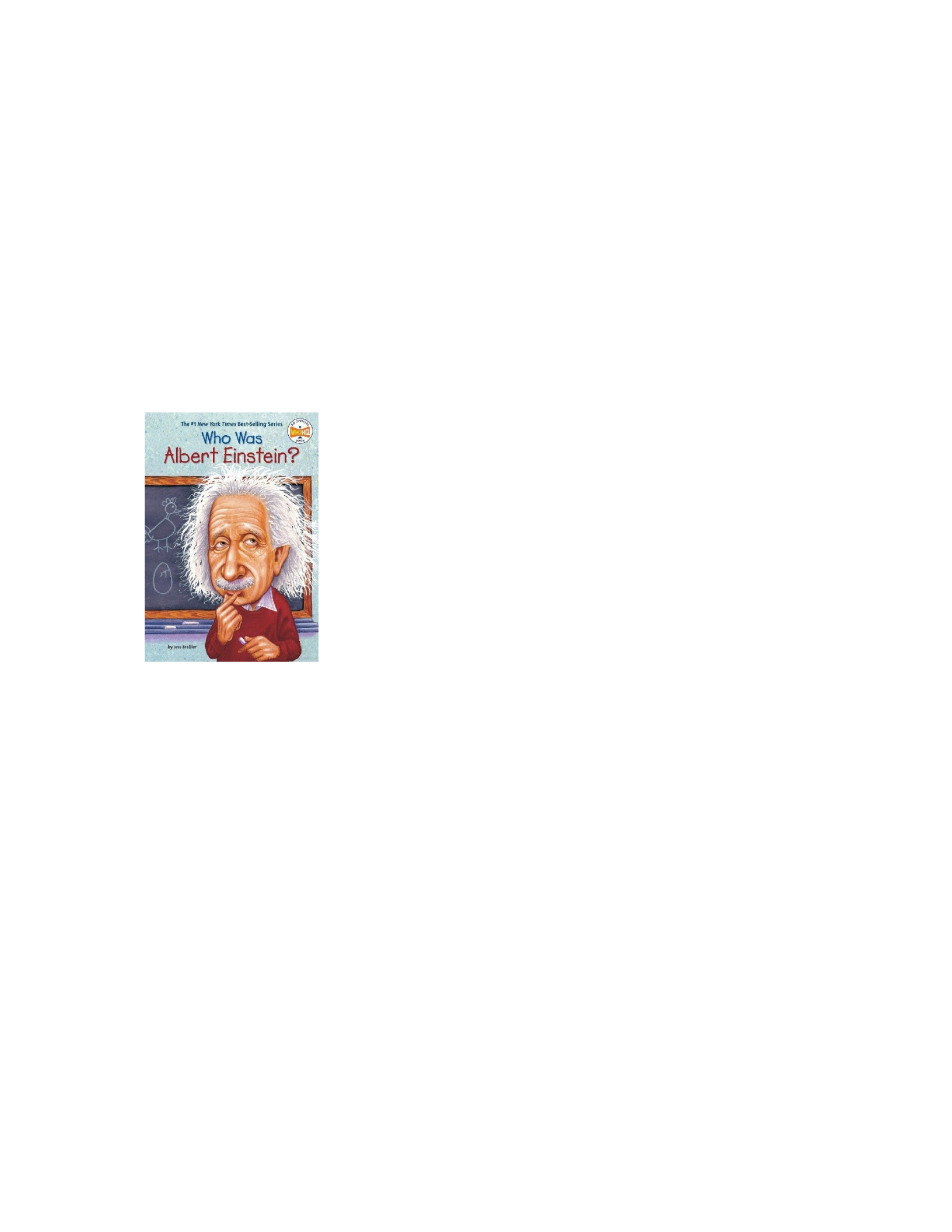
1. Title of Book: Who Was Albert Einstein?
Author: Jess Brallier
Illustrator: Robert Andrew Parker and Nancy Harrison
Category of Book: Biography
Photo of Cover of Book:
Grade Level: 5th
Virginia Science Standard of Learning: 5.1 The student will demonstrate an understanding of
scientific and engineering practices by f) obtaining, evaluating, and communicating
information read and comprehend reading-level-appropriate texts and/or other reliable media
Topic: Discoveries
Book Summary: "Who Was Albert Einstein?" is an overview of the life and achievements of
one of history's greatest scientists. This book is a suitable option for 5th graders. The book
has 112 pages with engaging illustrations and a readable font size. It records Einstein's early
life, his groundbreaking theories of relativity, and his impact on modern physics. The
biography explores Einstein's curious mind, his struggles, and his legacy in shaping our

3
understanding of the universe. "Who Was Albert Einstein?" inspires young readers to explore
the wonders of science and the power of imagination through its informative content given in
a compelling storytelling way.
2. Title of Book: The Watcher: Jane Goodall's Life with the Chimps
Author: Jeanette Winter
Illustrator: Jeanette Winter
Category of Book: Biography
Photo of Cover of Book:
Grade Level: 3rd
Virginia Science Standard of Learning: 3.4 The student will investigate and understand that
adaptations allow organisms to satisfy life needs and respond to the environment. a)
populations may adapt over time; b) adaptations may be behavioral or physical;
Topic: Animal Adaptations
Book Summary: "The Watcher: Jane Goodall's Life with the Chimps" is an inspiring
biography of Jane Goodall. This book is suitable for 3rd graders and is 40 pages long. The
font size is appropriate for young readers. The story follows Jane's journey from a young girl
with a passion for animals to becoming one of the world's leading primatologists. It accounts
4
for Jane's groundbreaking work studying chimpanzees in Tanzania's Gombe Stream National
Park. Readers learn about Jane's observations of chimp behavior, her discoveries about their
social structure, and her conservation efforts through beautiful imagery and storytelling.
"The Watcher" inspires young readers to appreciate and protect Earth's diverse ecosystems.
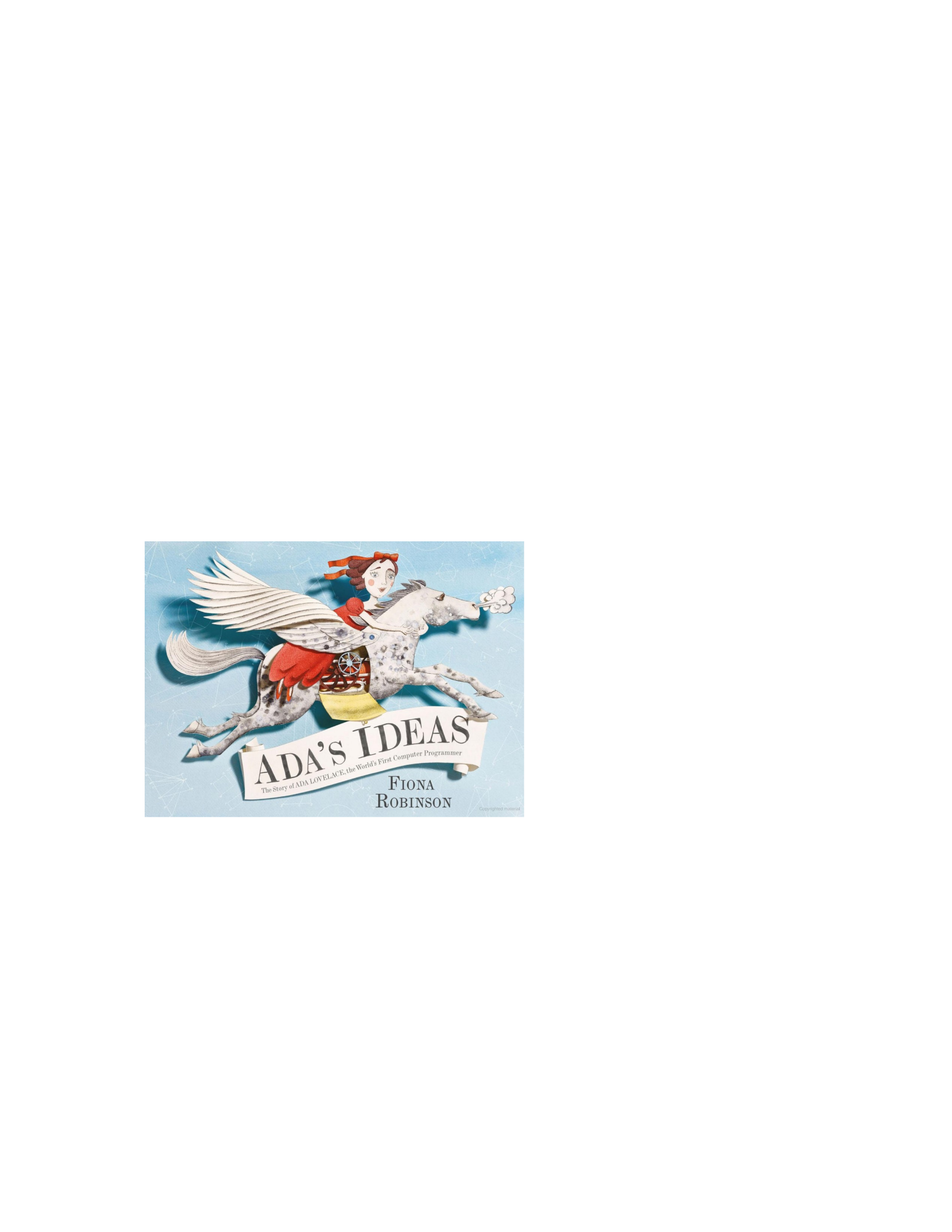
3. Title of Book: Ada's Ideas: The Story of Ada Lovelace, the World's First Computer
Programmer
Author: Fiona Robinson
Illustrator: Fiona Robinson
Category of Book: Biography
Photo of Cover of Book:
Grade Level: 4th
Virginia Science Standard of Learning: 4.1 The student will demonstrate an understanding of
scientific and engineering practices by a) asking questions and defining problems
Topic: Computer Science
Book Summary: "Ada's Ideas" is the story of Ada Lovelace, geared towards 4th graders. The
book has 40 inspiring pages with appealing illustrations and a readable font size. It takes the
reader through Ada's journey from her childhood fascination with numbers to her
5
groundbreaking work with Charles Babbage on the Analytical Engine. "Ada's Ideas"
showcases Ada Lovelace's legacy in the STEM field and inspires young readers, especially
girls, to pursue their passions in science and technology.
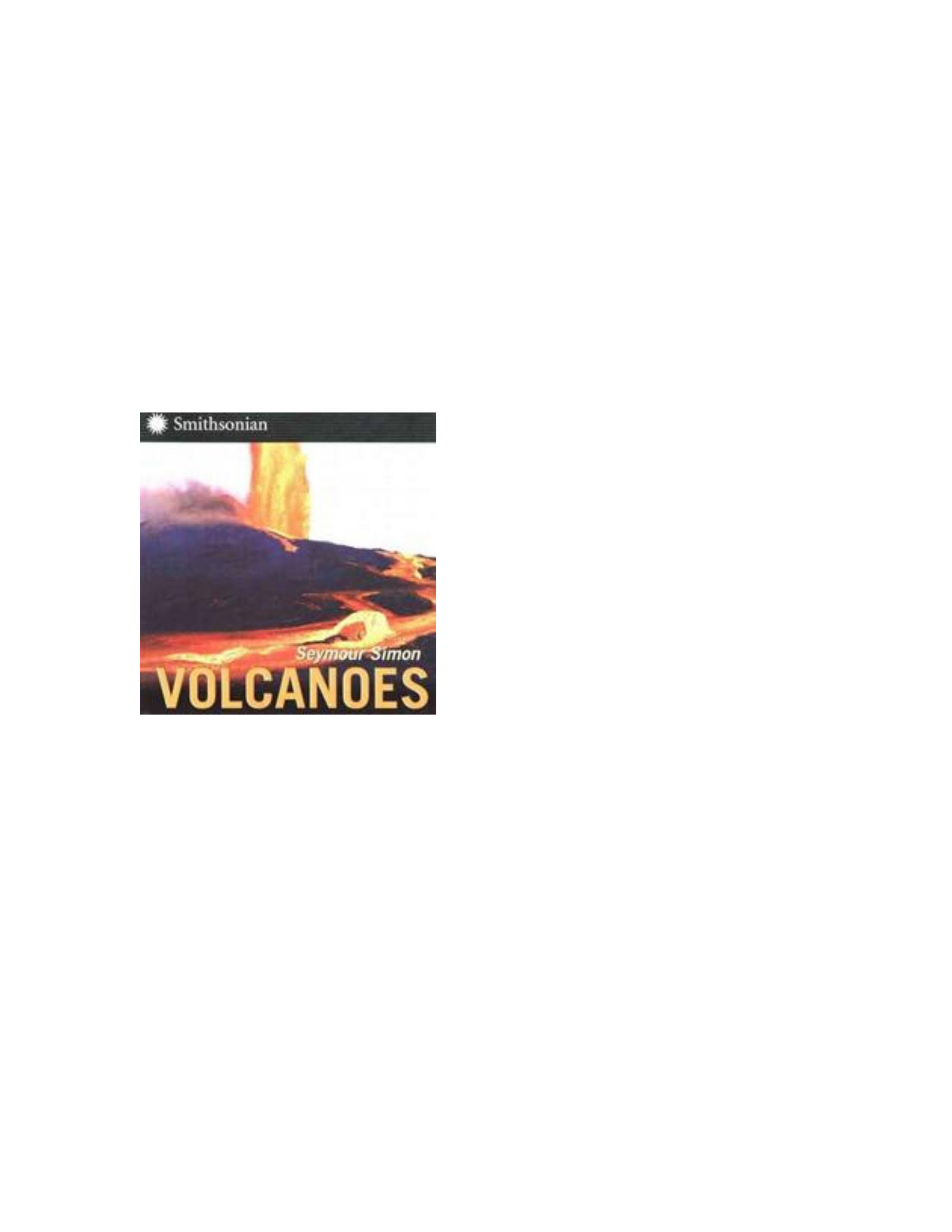
4. Title of Book: Volcanoes
Author: Seymour Simon
Category of Book: Seymour Simon
Photo of Cover of Book:
Grade Level: 4th
Virginia Science Standard of Learning: 4.4 The student will investigate and understand that
weather conditions and phenomena affect ecosystems and can be predicted.
Topic: Geology
Book Summary: "Volcanoes" by Seymour Simon is a beautifully illustrated exploration of
these extremely powerful geological features. This book is aimed toward 4th graders and the
book is 32 pages. It has vivid photographs and clear explanations. The font size is
appropriate for the age group, helping comprehension. Simon goes into detail about the
science behind volcanoes, explaining their formation, types, and the effects of eruptions on
6
Earth's surface and climate. The book effectively engages young readers by using dynamic
imagery and fascinating facts.
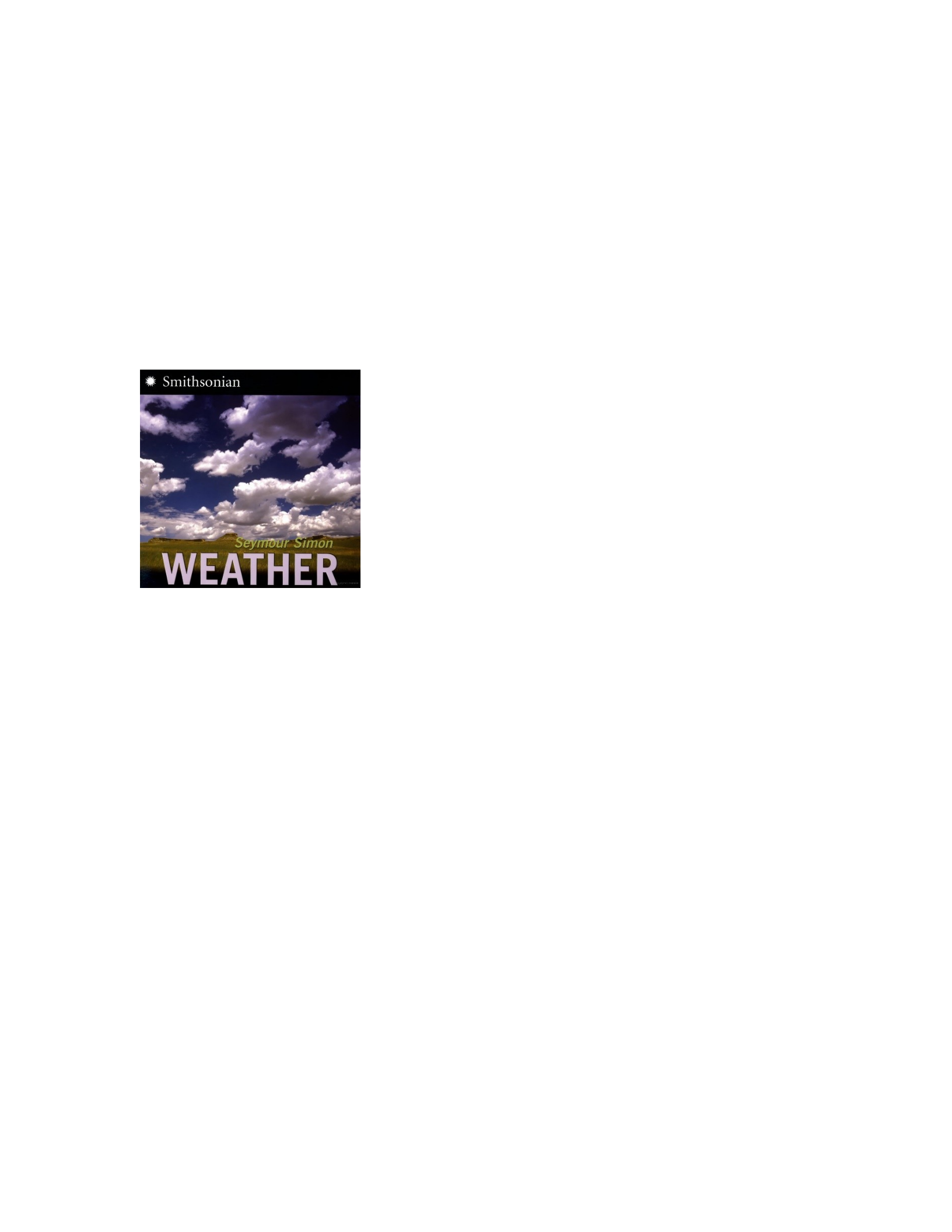
5. Title of Book: Weather
Author: Seymour Simon
Category of Book: Seymour Simon
Photo of Cover of Book:
Grade Level: 3rd
Virginia Science Standard of Learning: 3.8 The student will investigate and understand that
natural events and humans influence ecosystems.
Topic: Meteorology
Book Summary: "Weather" by Seymour Simon is an amazing exploration of weather. This
book is aimed for 3rd graders and is 32 pages long. It has striking photographs and clear
explanations. The font size is suitable for young readers, helping comprehension. Simon goes
into great detail about the various aspects of weather, including clouds, precipitation, wind,
and extreme weather events. Vivid imagery is used to help educate students about the science
behind weather patterns. "Weather" will certainly get young readers interested in
meteorology with its great visuals and informative content.
Title of Book: Storms

7
Author: Seymour Simon
Category of Book: Seymour Simon
Photo of Cover of Book:
Grade Level: 2nd
Virginia Science Standard of Learning: 2.6 The student will investigate and understand that
there are different types of weather on Earth. c) tracking weather allows us to prepare for the
weather and storms.
Topic: Meteorology
Book Summary: "Storms" by Seymour Simon is an excellent detailed book about the
different types of storms. It is tailored for 2nd graders and has 32 pages with fascinating
photographs. The font size is appropriate for early readers, helping comprehension. Simon
investigates different types of storms, including thunderstorms, hurricanes, and tornadoes,
explaining their causes and characteristics. The book educates young readers about the
science behind storms and the importance of safety measures during severe weather events.
"Storms” will certainly get young readers interested in meteorology with its great visuals and
informative content.
6. Title of Book: National Geographic Readers: Sharks!
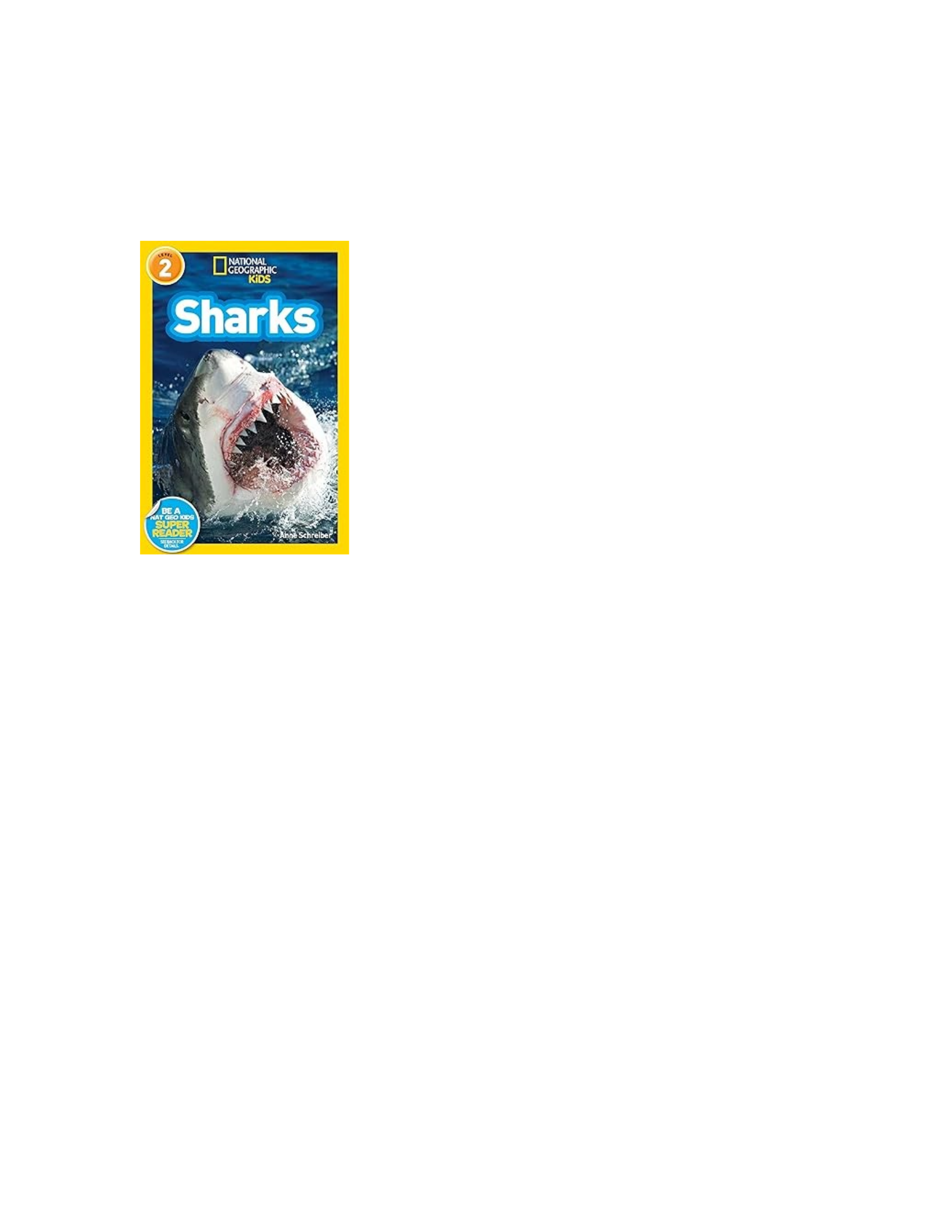
8
Author: Anne Schreiber
Category of Book: National Geographic Reader
Photo of Cover of Book:
Grade Level: 2nd
Virginia Science Standard of Learning: [Insert Virginia Science Standard of Learning here.
Make sure you include the number of the standard and the explanation of the standard.]
Topic: Marine Biology
Book Summary: "National Geographic Readers: Sharks!" gives an overview into the
underwater world of sharks. This book is targeted for ages 4-8 making it an excellent choice
for 2nd graders. This book has 32 pages that are filled with interesting and fun photographs.
The font size is suitable for early readers, helping comprehension. This book is sure to hold
students’ attention while teaching them about different shark species, their habitats,
behaviors, and importance in marine ecosystems. "National Geographic Readers: Sharks!"
will certainly get readers interested in marine biology with its visuals and informative
content.
7. Title of Book: National Geographic Readers: Frogs!
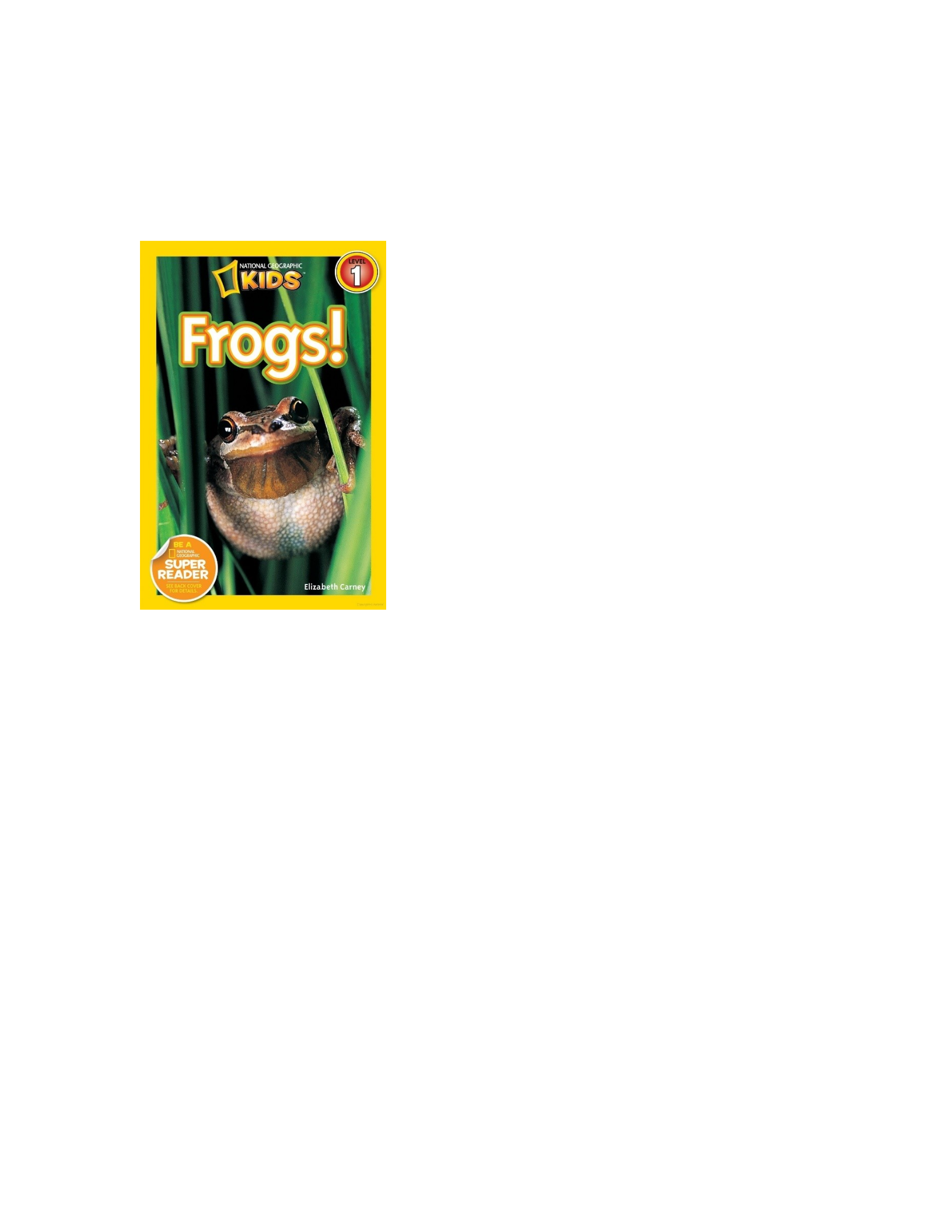
9
Author: Elizabeth Carney
Category of Book: National Geographic Reader
Photo of Cover of Book:
Grade Level: 1st
Virginia Science Standard of Learning: 1.5 The student will investigate and understand that
animals, including humans, have basic life needs that allow them to survive. a) animals need
air, food, water, shelter, and space (habitat); b) animals have different physical characteristics
that perform specific functions; and c) animals can be classified based on a variety of
characteristics.
Topic: Zoology
Book Summary: "National Geographic Readers: Frogs!" gives an overview into the world of
amphibians. This book is targeted for level 1 readers, making it an excellent choice for 1st
graders. This book has 24 pages that are filled with interesting and fun photographs. The font
size is large and suitable for early readers, helping comprehension. This book is sure to hold
10
students’ attention while teaching them about the life cycle of frogs, their habitats, and
unique adaptations. "National Geographic Readers: Frogs!" will certainly get readers
interested in Zoology with its visuals and informative content.
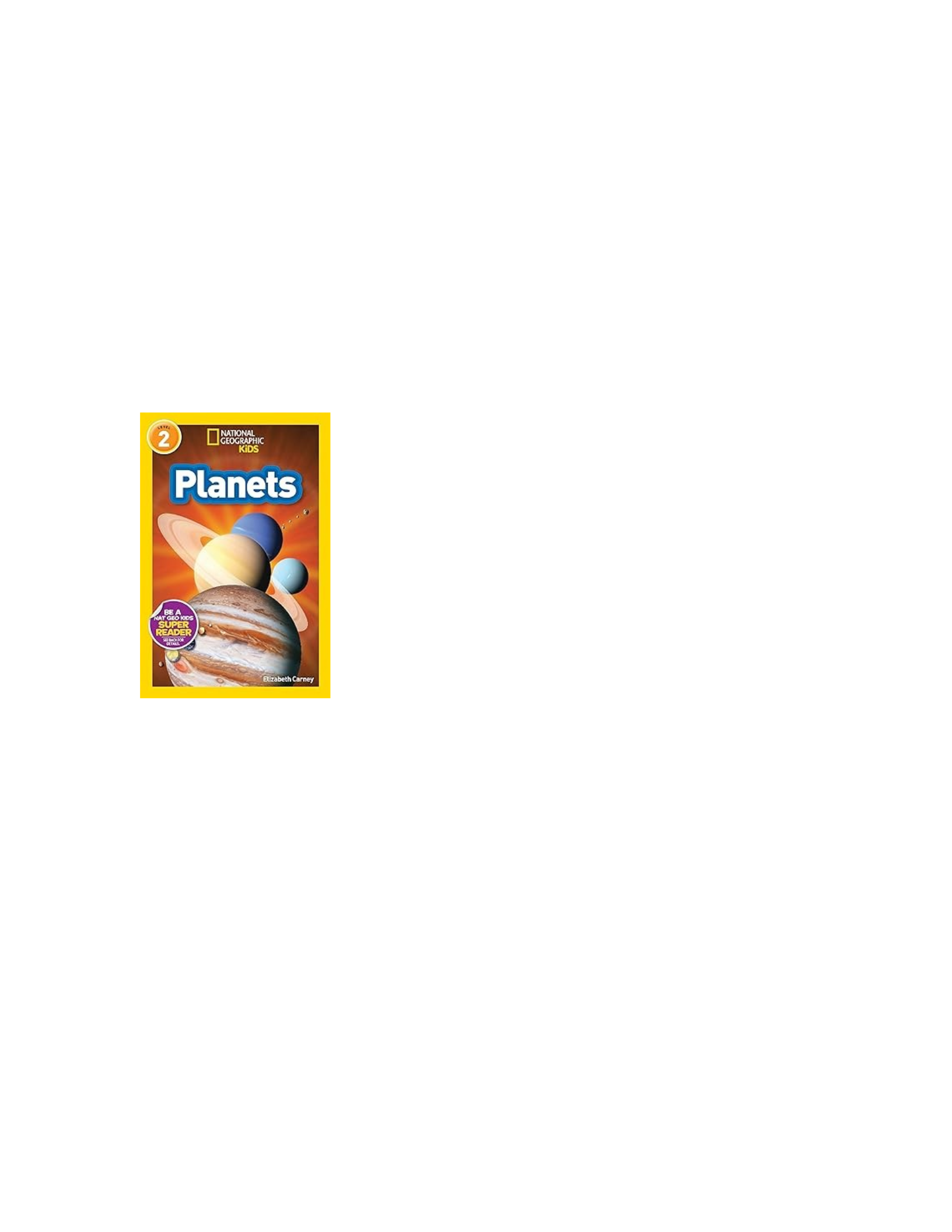
8. Title of Book: National Geographic Readers: Planets!
Author: Elizabeth Carney
Category of Book: National Geographic Reader
Photo of Cover of Book:
Grade Level: 4th
Virginia Science Standard of Learning: 4.5 The student will investigate and understand that
the planets have characteristics and a specific place in the solar system.
Topic: Astronomy
Book Summary: "National Geographic Readers: Planets!" gives an overview of our solar
system. This book is an excellent choice for 4th graders. This book has 32 pages that are
filled with interesting and fun photographs. The font size is suitable for early readers, helping
comprehension. This book is sure to hold students’ attention while teaching them about the
characteristics of each planet, from the scorching surface of Mercury to the icy realms of
11
Neptune. "National Geographic Readers: Planets!" will certainly get readers interested in
Astronomy with its visuals and informative content.
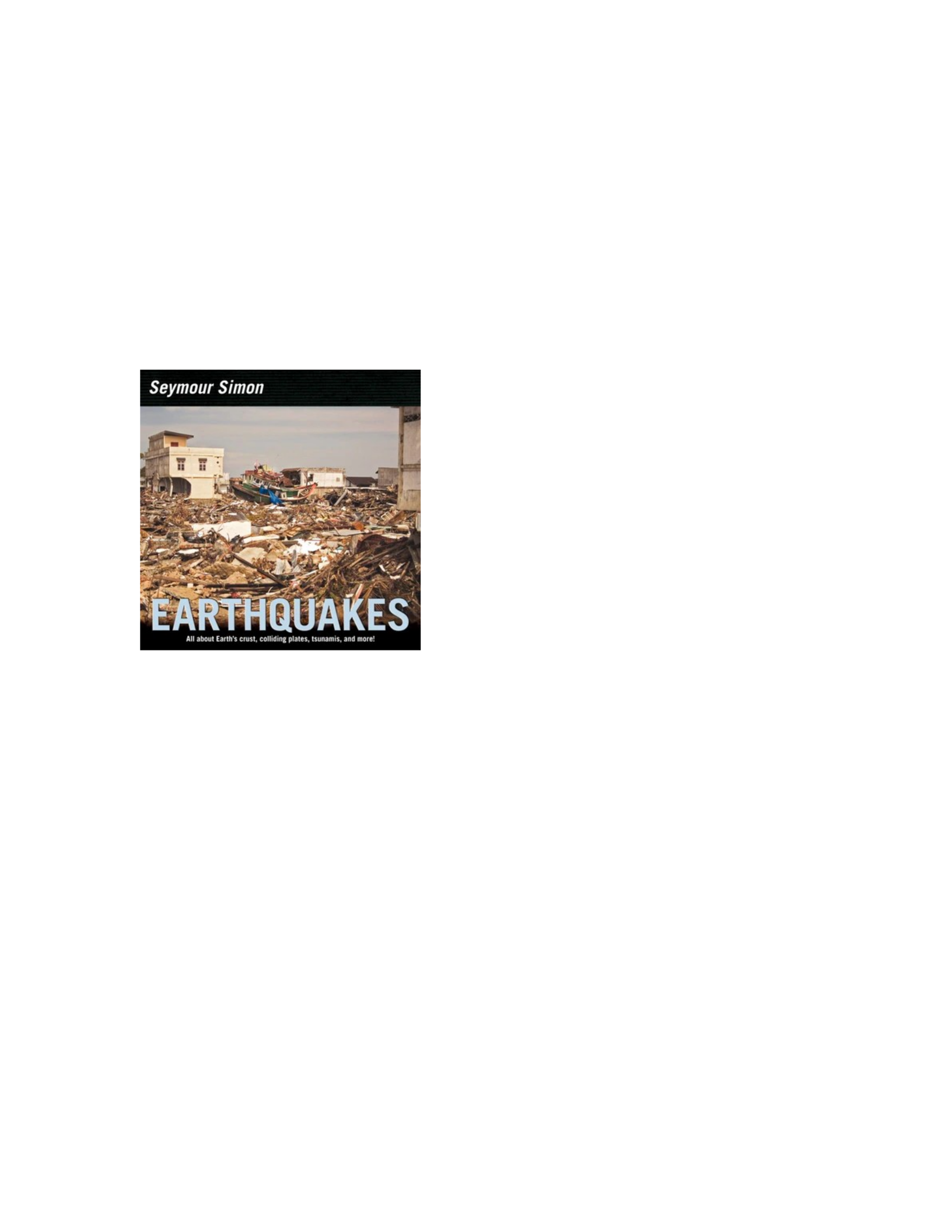
9. Title of Book: Earthquakes
Author: Seymour Simon
Category of Book: Seymour Simon
Photo of Cover of Book:
Grade Level: 5th
Virginia Science Standard of Learning: 5.8 The student will investigate and understand that
Earth constantly changes. a) Earth’s internal energy causes movement of material within the
Earth; b) plate tectonics describe movement of the crust;
Topic: Geology
Book Summary: “Earthquakes” gives an overview of seismic activity and its impact on the
Earth’s surface. This book is an excellent choice for 5th graders. This book has 36 pages that
are filled with interesting and fun photographs. The font size is suitable for intermediate
readers, helping comprehension. This book is sure to hold students’ attention while teaching
them about the science behind earthquakes, explaining plate tectonics, fault lines, and the
12
Richter scale. This book educates students about the causes, effects, and safety measures
related to earthquakes. “Earthquakes" will certainly get readers interested in Geology with its
visuals and informative content.
10. Title of Book: National Geographic Readers: Penguins!
Author: Anne Schreiber
Category of Book: National Geographic Reader
Photo of Cover of Book:
Grade Level: 2nd
Virginia Science Standard of Learning: 2.4 The student will investigate and understand that
plants and animals undergo a series of orderly changes as they grow and develop
Topic: Zoology
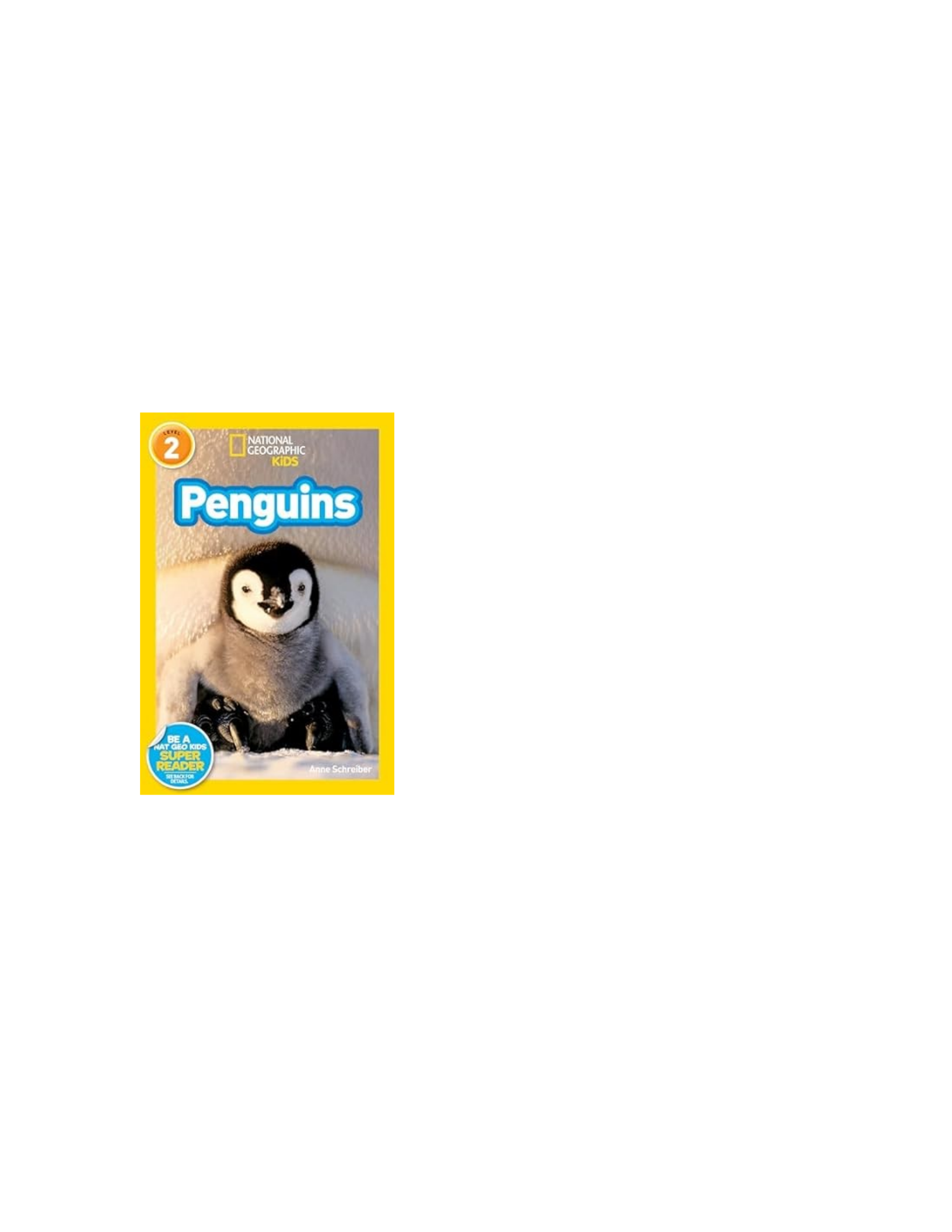
Book Summary: "National Geographic Readers: Penguins!" gives an overview into the world
of penguins. This book is an excellent choice for 2nd graders. This book has 32 pages that
are filled with interesting and fun photographs. The font size is suitable for early readers,

13
helping comprehension. This book is sure to hold students’ attention while teaching them
about the different species of penguins, their habitats, behaviors, and adaptations to cold
environments. "National Geographic Readers: Penguins!" will certainly get readers interested
in Zoology with its visuals and informative content.
11. Title of Book: Rocks & Minerals
Author: Seymour Simon
Category of Book: Seymour Simon
Photo of Cover of Book:
Grade Level: 4th
Virginia Science Standard of Learning: 4.8 The student will investigate and understand that
Virginia has important natural resources. c) minerals, rocks, and ores; and
Topic: Geology
Book Summary: “Rocks and Minerals” gives an overview of the formation, properties, and
uses of various rocks and minerals. This book is an excellent choice for 4th graders. This
book has 48 pages that are filled with interesting and fun photographs. The font size is

14
suitable for intermediate readers, helping comprehension. This book is sure to hold students’
attention while teaching them about the rock cycle, mineral classification, and the importance
of geological resources. This book educates students about the causes, effects, and safety
measures related to earthquakes. “Rocks and Minerals" will certainly get readers interested in
Geology with its visuals and informative content.
12. Title of Book: National Geographic Readers: Sea Turtles!
Author: Laura Marsh
Category of Book: National Geographic Reader
Photo of Cover of Book:
Grade Level: 1st
Virginia Science Standard of Learning: 1.5 The student will investigate and understand that
animals, including humans, have basic life needs that allow them to survive
Topic: Marine Biology
Book Summary: "National Geographic Readers: Sea Turtles!" gives an overview into the
marine life of sea turtles. This book is an excellent choice for 1st graders. This book has
15
24 pages that are filled with interesting and fun photographs. The font size is large and
suitable for early readers, helping comprehension. This book is sure to hold students’
attention while teaching them about the life cycle of sea turtles, their habitats, behaviors,
and conservation status. "National Geographic Readers: Sea Turtles!" will certainly get
readers interested in Marine Biology with its visuals and informative content.
13. Title of Book: Planet Earth: A Visual Encyclopedia
Author: Michael Allaby
Illustrator: Various
Category of Book: National Geographic Kids
Photo of Cover of Book:
Grade Level: 3rd
Virginia Science Standard of Learning: 3.5 The student will investigate and understand that
aquatic and terrestrial ecosystems support a diversity of organisms. a) ecosystems are made
of living and nonliving components of the environment; and b) relationships exist among
organisms in an ecosystem.
Topic: Geology and Ecology

16
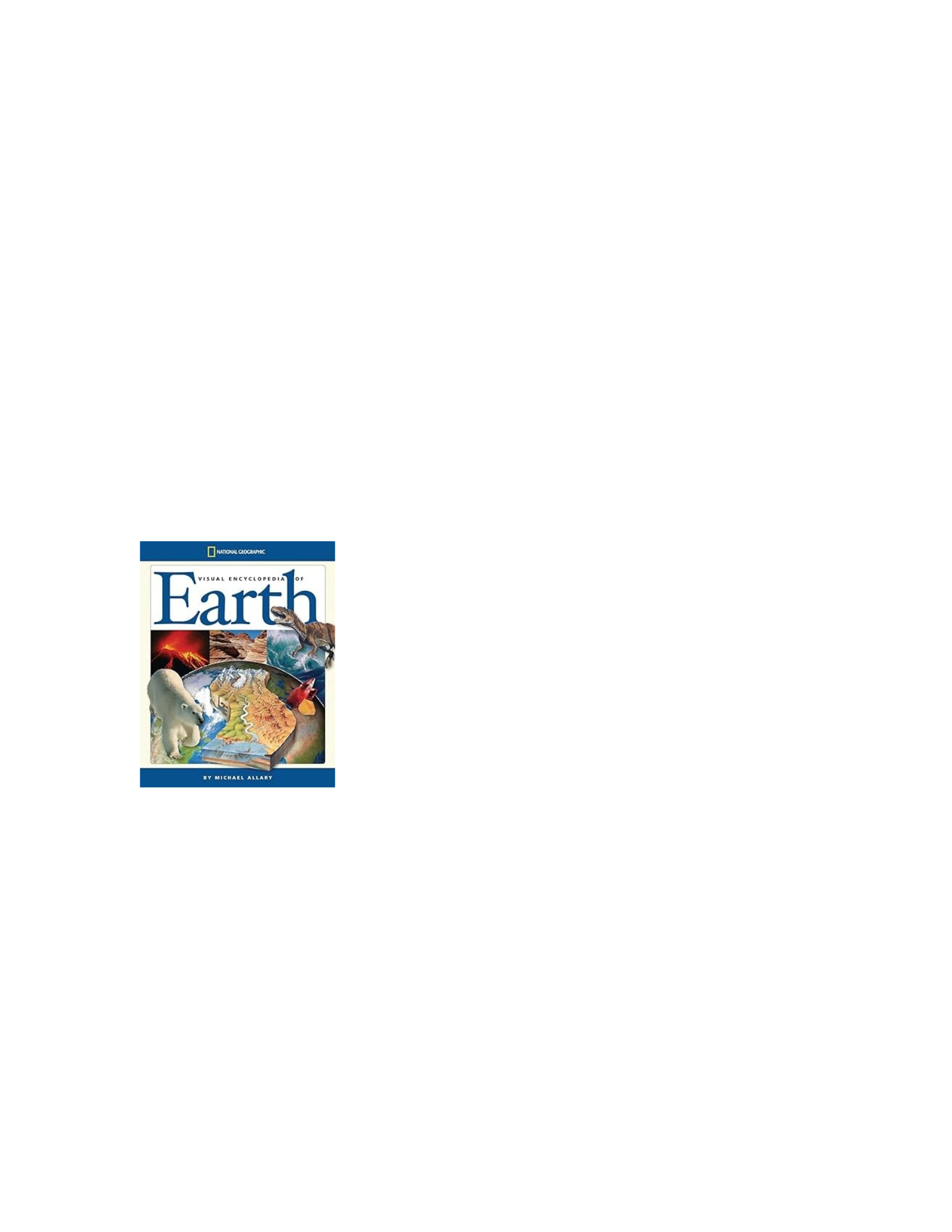
Book Summary: "Planet Earth: A Visual Encyclopedia" gives an overview into the Earth's
various ecosystems and geological features. This book is an excellent choice for 3rd graders.
This book has 256 pages that are filled with interesting and fun photographs. The font size is
large and suitable for early readers, helping comprehension. This book is sure to hold
students’ attention while teaching them about the Earth's processes and the interconnection of
ecosystems. "Planet Earth: A Visual Encyclopedia" will certainly get readers interested in
Ecology and Geology with its visuals and informative content.
14. Title of Book: The Wright Brothers: First in Flight
Author: Tara Dixon-Engel and Mike Jackson
Category of Book: Biography
Photo of Cover of Book:
Grade Level: 4th Grade
Virginia Science Standard of Learning: 4.1 The student will demonstrate an understanding
of scientific and engineering practices by f) obtaining, evaluating, and communicating
information • read and comprehend reading-level-appropriate texts and/or other reliable
media
Topic: Engineering

17
Book Summary: "The Wright Brothers: Pioneers of Flight" gives an overview into the story
of Wilbur and Orville Wright, who achieved the dream of flight. This book is an excellent
choice for 4th graders. This book has 56 pages that are filled with interesting and fun
photographs. The font size is suitable for intermediate readers, helping comprehension. This
book is sure to hold students’ attention while teaching them about the determination and
ingenuity of the Wright brothers as they pursued their passion for aviation. " The Wright
Brothers: Pioneers of Flight " will certainly get readers interested in Engineering and
Aviation with its visuals and informative content.
Part Two – Reflection
1. What did you like about finding literature resources connected to science?
I really enjoyed finding science-related books because it was cool to see how authors
mixed science with storytelling. It makes learning about complex stuff more fun and
interesting for our future students. Plus, having to find books for different ages and on
different topics, showed how diverse science literature can be. It's awesome how
these books will not only teach science but also make students think and ask
questions.
2. If you had to complete this same activity again, what would you change?
If I had to do this again, I'd spend more time looking for books. There's so much out
there, and I probably missed some good ones. It would also be cool to get input from
others to see what books they chose and liked. That way, we could find even more
engaging stuff to share with our future classrooms.
3. What did you learn about yourself during this assignment?

18
This assignment made me realize how much I enjoy learning about science through
stories and I am sure some of my students will as well. It's not just about them
memorizing facts; it's about them being able to understanded how things work in the
world. I also learned that it's important to have different ways of learning, so
everyone can find something that clicks with them.
4. What was your favorite book that you found? Explain why.
[Insert answer to the question with at least four full sentences.]
5. If you were the professor of this course, what changes would you make to this
assignment?
If I were the professor, I am not sure I would change anything about this assignment.
You gave excellent guidance on what was expected but also flexibility to tailor it to
our own individual needs. I feel this assignment strikes the perfect balance of
structure and freedom. Overall, I found it very enjoyable!

