


2
RESEARCH PROPOSAL
Abstract
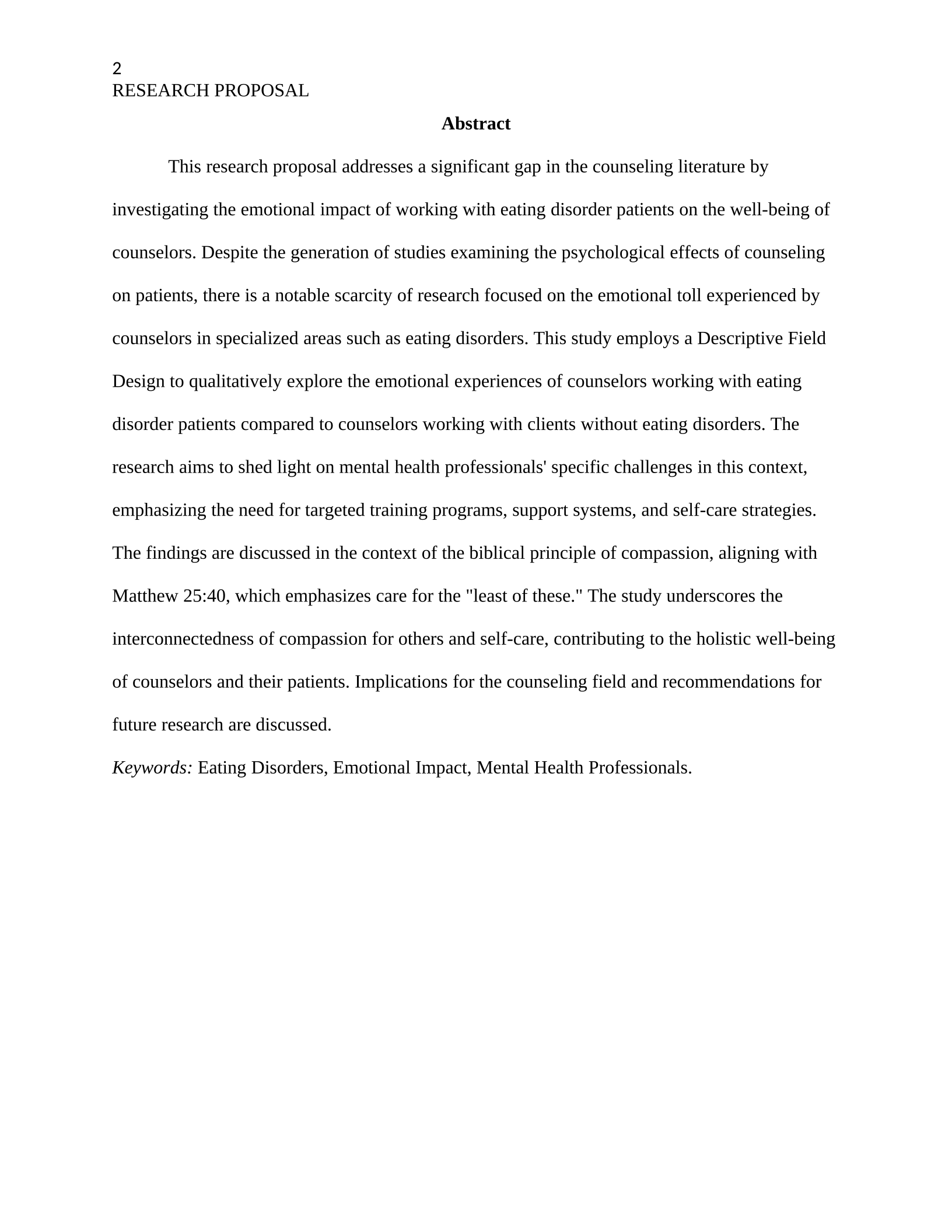
This research proposal addresses a significant gap in the counseling literature by
investigating the emotional impact of working with eating disorder patients on the well-being of
counselors. Despite the generation of studies examining the psychological effects of counseling
on patients, there is a notable scarcity of research focused on the emotional toll experienced by
counselors in specialized areas such as eating disorders. This study employs a Descriptive Field
Design to qualitatively explore the emotional experiences of counselors working with eating
disorder patients compared to counselors working with clients without eating disorders. The
research aims to shed light on mental health professionals' specific challenges in this context,
emphasizing the need for targeted training programs, support systems, and self-care strategies.
The findings are discussed in the context of the biblical principle of compassion, aligning with
Matthew 25:40, which emphasizes care for the "least of these." The study underscores the
interconnectedness of compassion for others and self-care, contributing to the holistic well-being
of counselors and their patients. Implications for the counseling field and recommendations for
future research are discussed.
Keywords: Eating Disorders, Emotional Impact, Mental Health Professionals.

3
RESEARCH PROPOSAL
Research Proposal
In mental health counseling, understanding the emotional toll accompanying the practice,
mainly when working with individuals struggling with eating disorders, is a vital yet often
overlooked aspect. While numerous studies delve into the psychological dynamics of counseling
relationships, a significant gap exists concerning the emotional experiences of counselors
themselves, especially those working with clients facing complex issues like eating disorders
(Elms & Higgins, 2022). Through qualitative exploration and a biblical lens emphasizing
compassion and care, this study seeks to advance the understanding of counselor well-being and
contribute to the broader dialogue on integrating spirituality and empathy in mental health
practice. By recognizing and addressing the emotional needs of counselors, this research
endeavors to strengthen the foundation upon which practical and compassionate mental health
care is provided, fostering both the mental well-being of counselors and the quality of care for
their clients (Monotti et al., 2023).
Literature Review
In the field of counseling, a notable gap exists concerning the emotional impact of
working with eating disorder patients on the well-being of counselors. While numerous studies
have explored the psychological effects of counseling on patients, there is a scarcity of research
addressing the emotional toll experienced by counselors working with individuals suffering from
eating disorders (Monotti et al., 2023). Eating disorder patients often present complex cases that
may trigger emotional responses and burnout among counselors (Elms & Higgins, 2022).
However, there is limited understanding of counselors' specific challenges and coping
mechanisms in this context. This research aims to address this gap by investigating the emotional
4
RESEARCH PROPOSAL
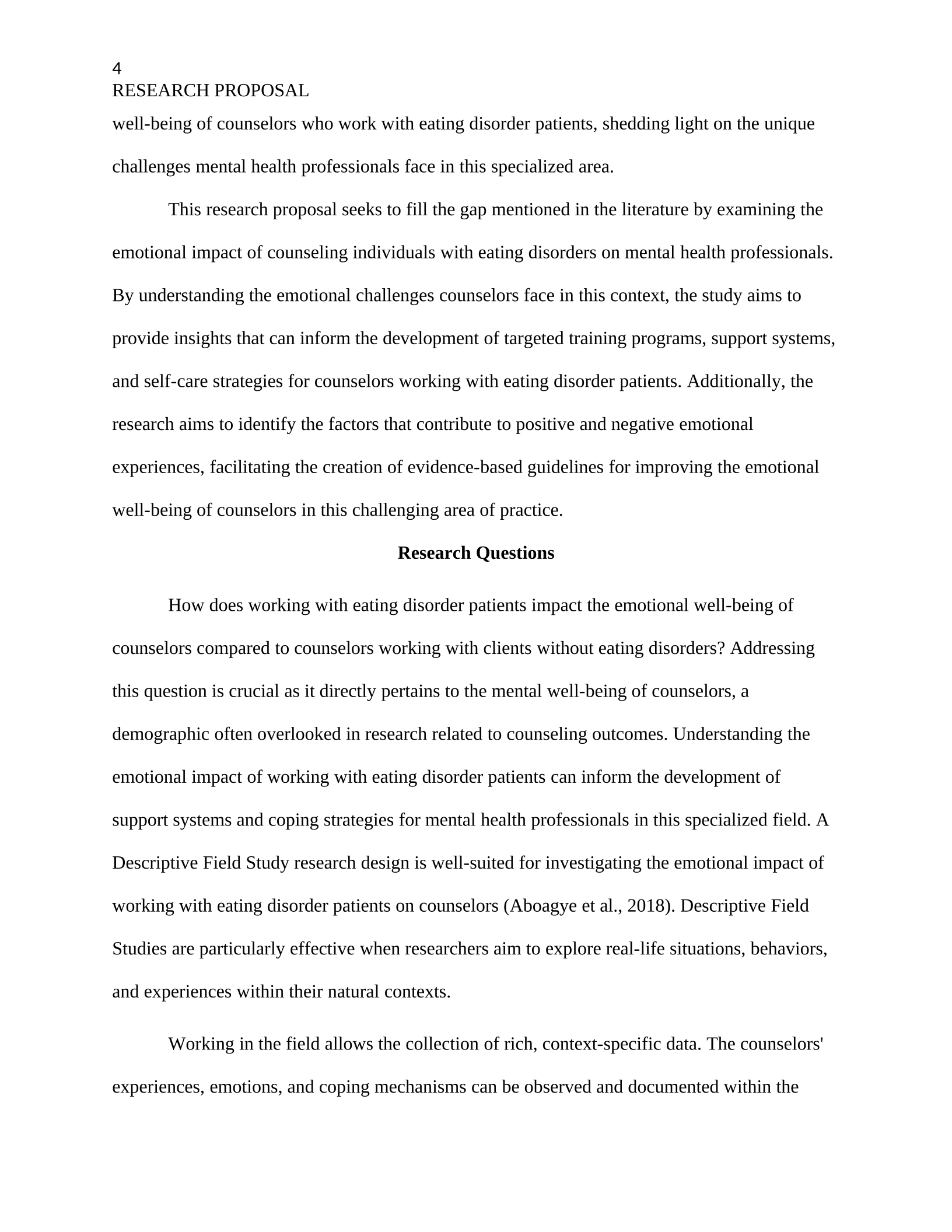
well-being of counselors who work with eating disorder patients, shedding light on the unique
challenges mental health professionals face in this specialized area.
This research proposal seeks to fill the gap mentioned in the literature by examining the
emotional impact of counseling individuals with eating disorders on mental health professionals.
By understanding the emotional challenges counselors face in this context, the study aims to
provide insights that can inform the development of targeted training programs, support systems,
and self-care strategies for counselors working with eating disorder patients. Additionally, the
research aims to identify the factors that contribute to positive and negative emotional
experiences, facilitating the creation of evidence-based guidelines for improving the emotional
well-being of counselors in this challenging area of practice.
Research Questions
How does working with eating disorder patients impact the emotional well-being of
counselors compared to counselors working with clients without eating disorders? Addressing
this question is crucial as it directly pertains to the mental well-being of counselors, a
demographic often overlooked in research related to counseling outcomes. Understanding the
emotional impact of working with eating disorder patients can inform the development of
support systems and coping strategies for mental health professionals in this specialized field. A
Descriptive Field Study research design is well-suited for investigating the emotional impact of
working with eating disorder patients on counselors (Aboagye et al., 2018). Descriptive Field
Studies are particularly effective when researchers aim to explore real-life situations, behaviors,
and experiences within their natural contexts.
Working in the field allows the collection of rich, context-specific data. The counselors'
experiences, emotions, and coping mechanisms can be observed and documented within the
5
RESEARCH PROPOSAL
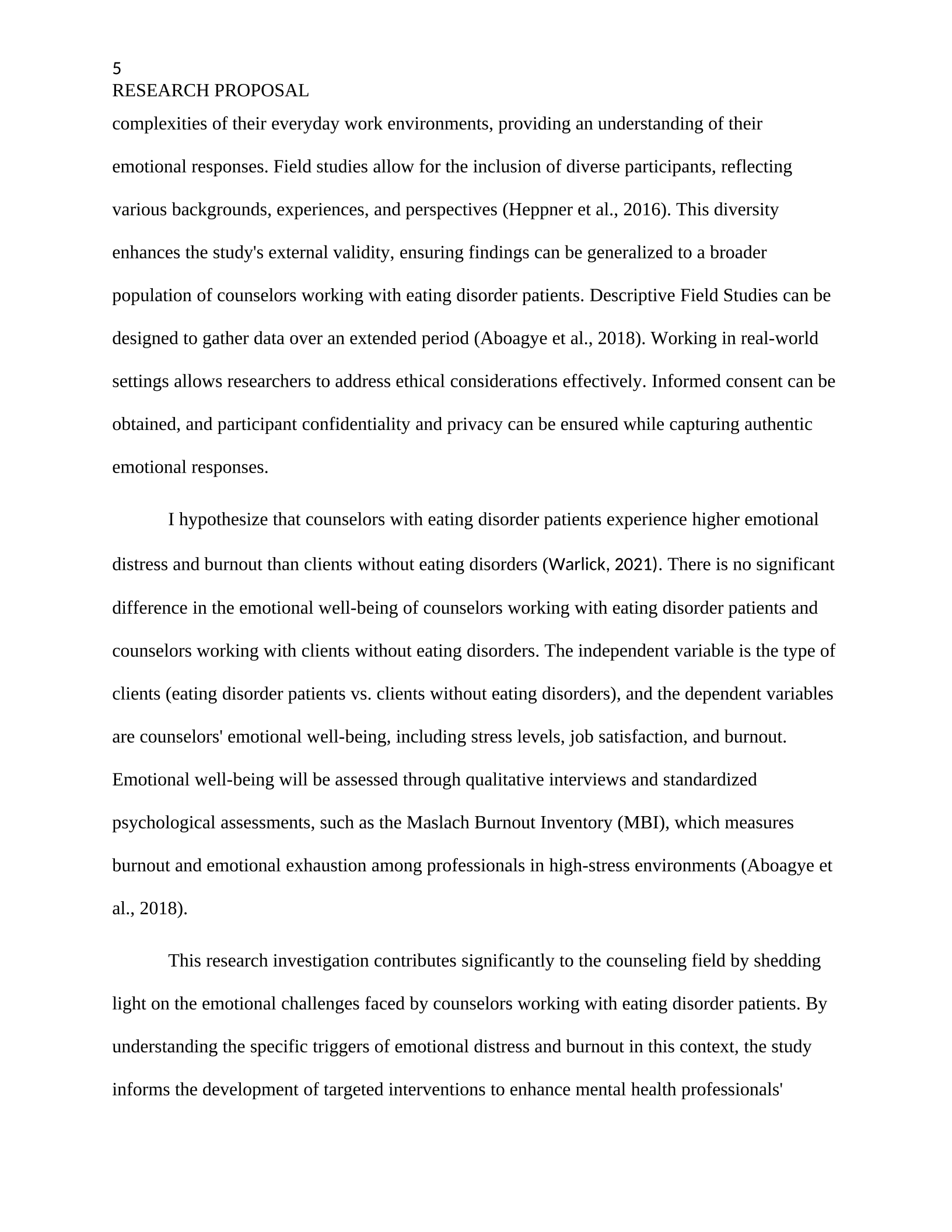
complexities of their everyday work environments, providing an understanding of their
emotional responses. Field studies allow for the inclusion of diverse participants, reflecting
various backgrounds, experiences, and perspectives (Heppner et al., 2016). This diversity
enhances the study's external validity, ensuring findings can be generalized to a broader
population of counselors working with eating disorder patients. Descriptive Field Studies can be
designed to gather data over an extended period (Aboagye et al., 2018). Working in real-world
settings allows researchers to address ethical considerations effectively. Informed consent can be
obtained, and participant confidentiality and privacy can be ensured while capturing authentic
emotional responses.
I hypothesize that counselors with eating disorder patients experience higher emotional
distress and burnout than clients without eating disorders (Warlick, 2021). There is no significant
difference in the emotional well-being of counselors working with eating disorder patients and
counselors working with clients without eating disorders. The independent variable is the type of
clients (eating disorder patients vs. clients without eating disorders), and the dependent variables
are counselors' emotional well-being, including stress levels, job satisfaction, and burnout.
Emotional well-being will be assessed through qualitative interviews and standardized
psychological assessments, such as the Maslach Burnout Inventory (MBI), which measures
burnout and emotional exhaustion among professionals in high-stress environments (Aboagye et
al., 2018).
This research investigation contributes significantly to the counseling field by shedding
light on the emotional challenges faced by counselors working with eating disorder patients. By
understanding the specific triggers of emotional distress and burnout in this context, the study
informs the development of targeted interventions to enhance mental health professionals'
6
RESEARCH PROPOSAL
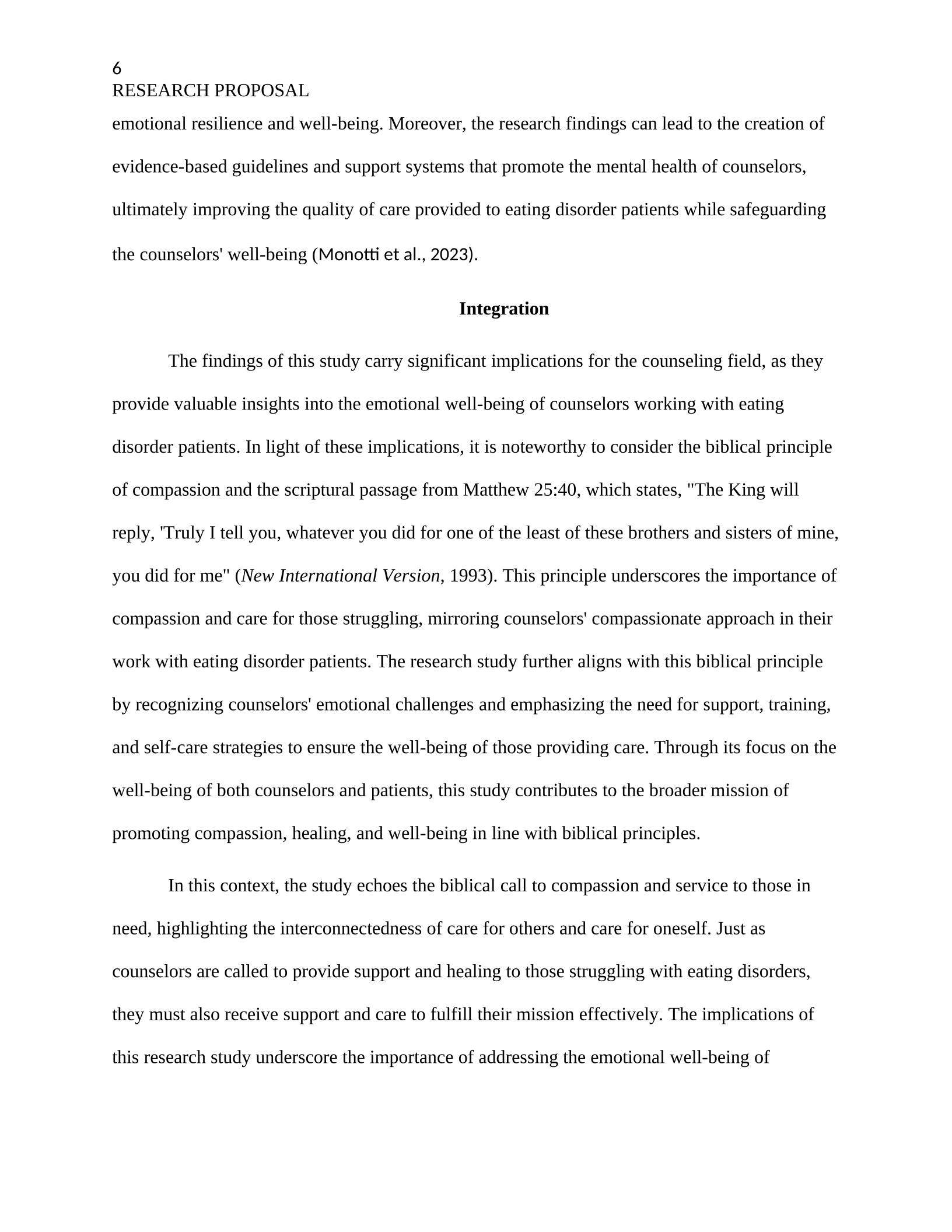
emotional resilience and well-being. Moreover, the research findings can lead to the creation of
evidence-based guidelines and support systems that promote the mental health of counselors,
ultimately improving the quality of care provided to eating disorder patients while safeguarding
the counselors' well-being (Monotti et al., 2023).
Integration
The findings of this study carry significant implications for the counseling field, as they
provide valuable insights into the emotional well-being of counselors working with eating
disorder patients. In light of these implications, it is noteworthy to consider the biblical principle
of compassion and the scriptural passage from Matthew 25:40, which states, "The King will
reply, 'Truly I tell you, whatever you did for one of the least of these brothers and sisters of mine,
you did for me" (New International Version, 1993). This principle underscores the importance of
compassion and care for those struggling, mirroring counselors' compassionate approach in their
work with eating disorder patients. The research study further aligns with this biblical principle
by recognizing counselors' emotional challenges and emphasizing the need for support, training,
and self-care strategies to ensure the well-being of those providing care. Through its focus on the
well-being of both counselors and patients, this study contributes to the broader mission of
promoting compassion, healing, and well-being in line with biblical principles.
In this context, the study echoes the biblical call to compassion and service to those in
need, highlighting the interconnectedness of care for others and care for oneself. Just as
counselors are called to provide support and healing to those struggling with eating disorders,
they must also receive support and care to fulfill their mission effectively. The implications of
this research study underscore the importance of addressing the emotional well-being of
8
RESEARCH PROPOSAL
References
Aboagye, M. O., Qin, J., Qayyum, A., Antwi, C. O., Jababu, Y., & Affum-Osei, E. (2018).
Teacher burnout in pre-schools: A cross-cultural factorial validity, measurement
invariance and latent mean comparison of the maslach burnout inventory, educators
survey (MBI-ES). Children and Youth Services Review, pp. 94, 186–197.
https://doi.org/10.1016/j.childyouth.2018.09.041
Elms, B., & Higgins, A. (2022). The potential role for educational psychologists working with
systems supporting young people with eating disorders. Educational Psychology in
Practice, 38(2), 151-172. https://doi.org/10.1080/02667363.2022.2045906
Heppner, P.P., Wampold, B. E., Owen, J., Thompson, M. N., & Wang, K. T. (2016). Research
Design in Counseling. 4th ed. Cengage Learning. ISBN: 9780357670767.
Monotti, E., Watt-McMahon, K., & Kilby, C. (2023). She is like me: A qualitative exploration of
body image ideals and the young woman psychologist working with eating disorders.
Australian Psychologist, pp. 1–13. https://doi.org/10.1080/00050067.2023.2204185
New International Version. (1993). BibleGateway. Online. https://www.biblegateway.com
Warlick, C. A., Farmer, N. M., Frey, B. B., Vigil, K., Armstrong, A., Krieshok, T. S., & Nelson,
J. (2021). Cost borne by the counselor: Comparing burnout between dialectical behavior
therapy (DBT) counselors and Non‐DBT counselors. Journal of Counseling and
Development, 99(3), 302-314. https://doi.org/10.1002/jcad.12376
Powered by TCPDF (www.tcpdf.org)

