


Economic Growth of Morocco in the Context of Sustainable Development
The Moroccan economy is considered to be a relatively liberal economy governed by the law of supply and demand. Since 1993, Morocco has
pursued a policy of privatizing certain sectors of the economy that were formerly in the hands of the government.
Morocco has become a major player in African economic affairs and ranks fifth among African economies in terms of GDP. The
World Economic Forum ranked Morocco as the 1st most competitive economy in North Africa in its Africa Competitiveness Report 2014-15. Since
2018, the country’s currency – the dirham – is fully convertible for current account transactions, financial sector reforms are carried out, and state
enterprises are being privatized.
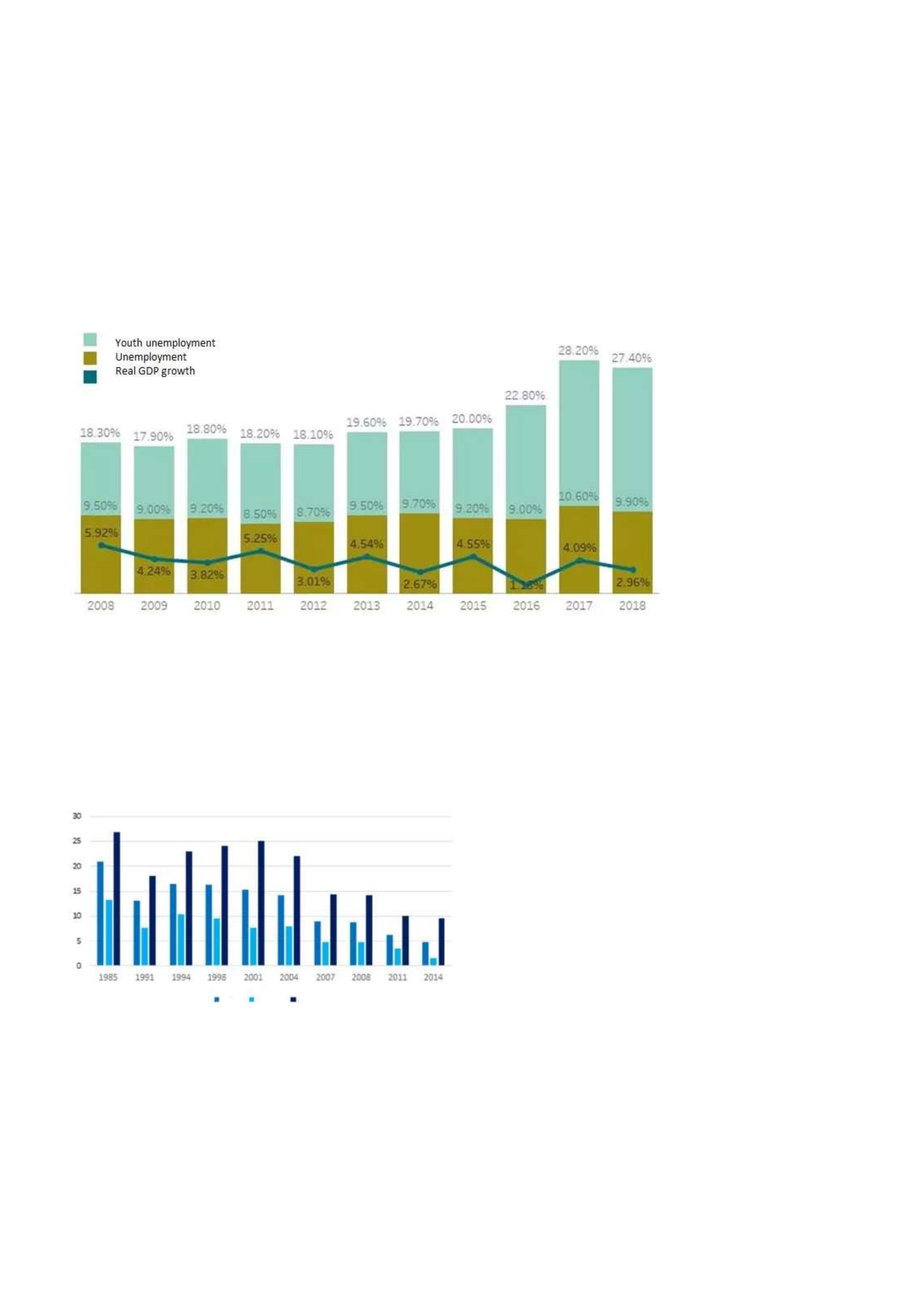
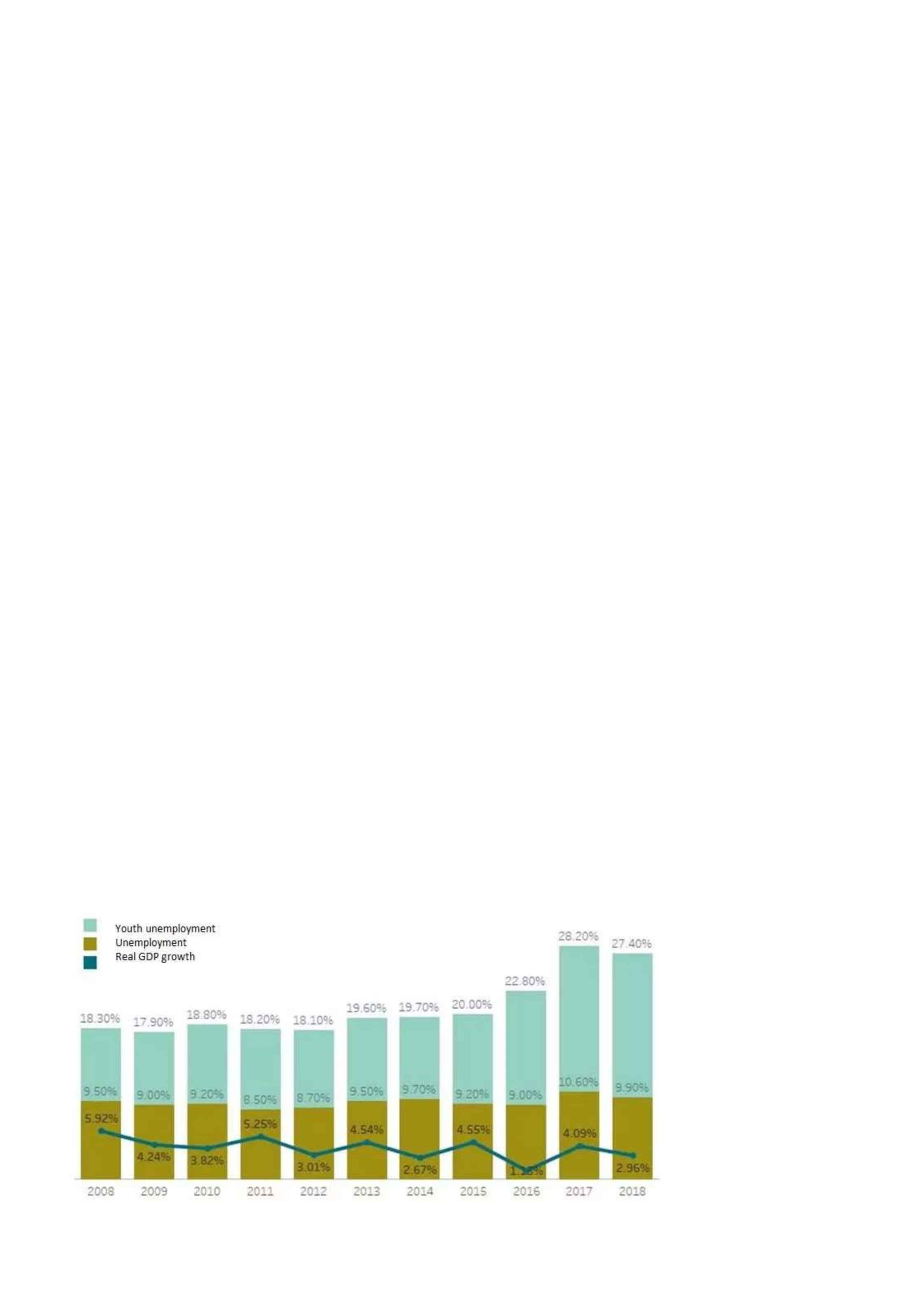
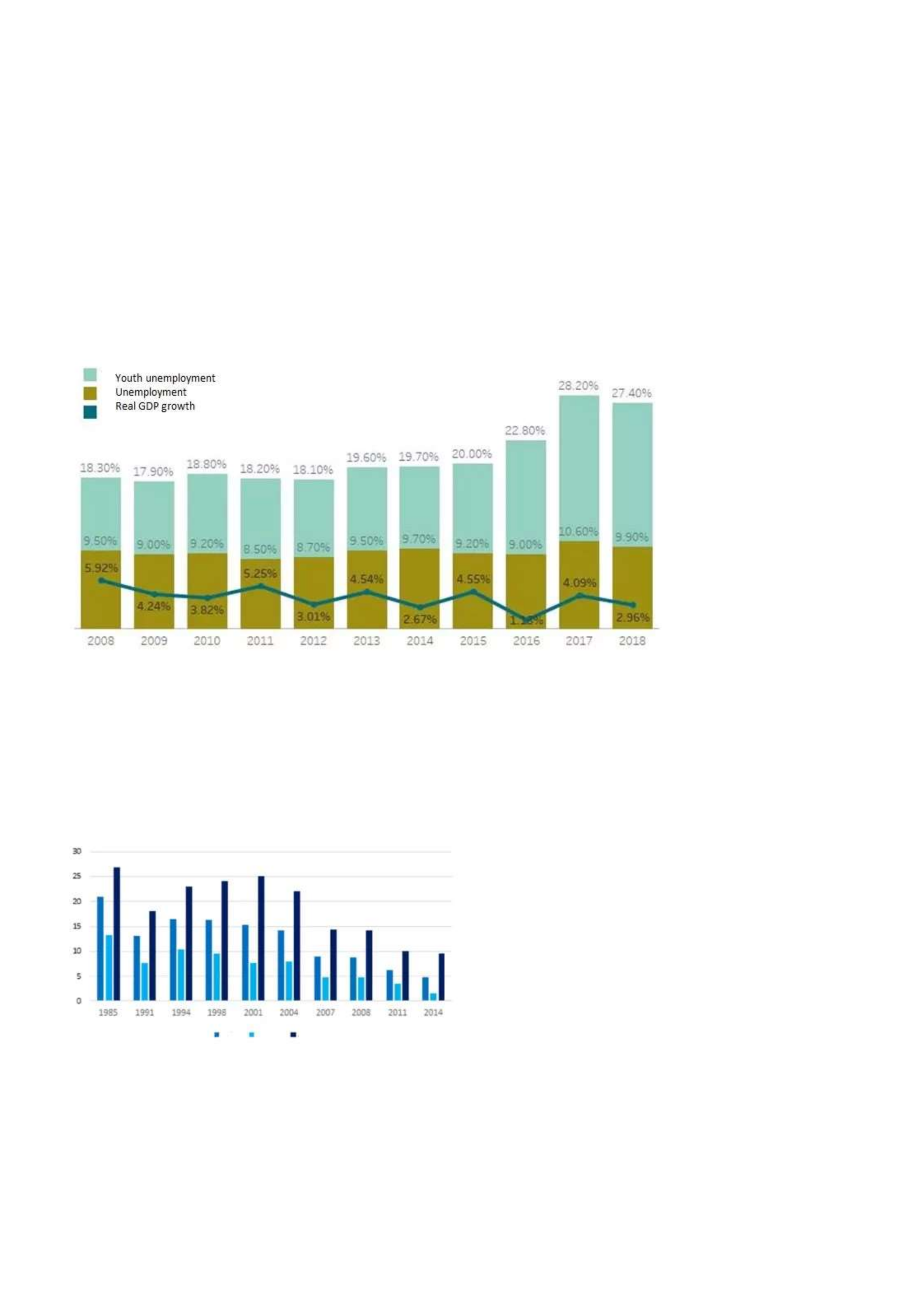
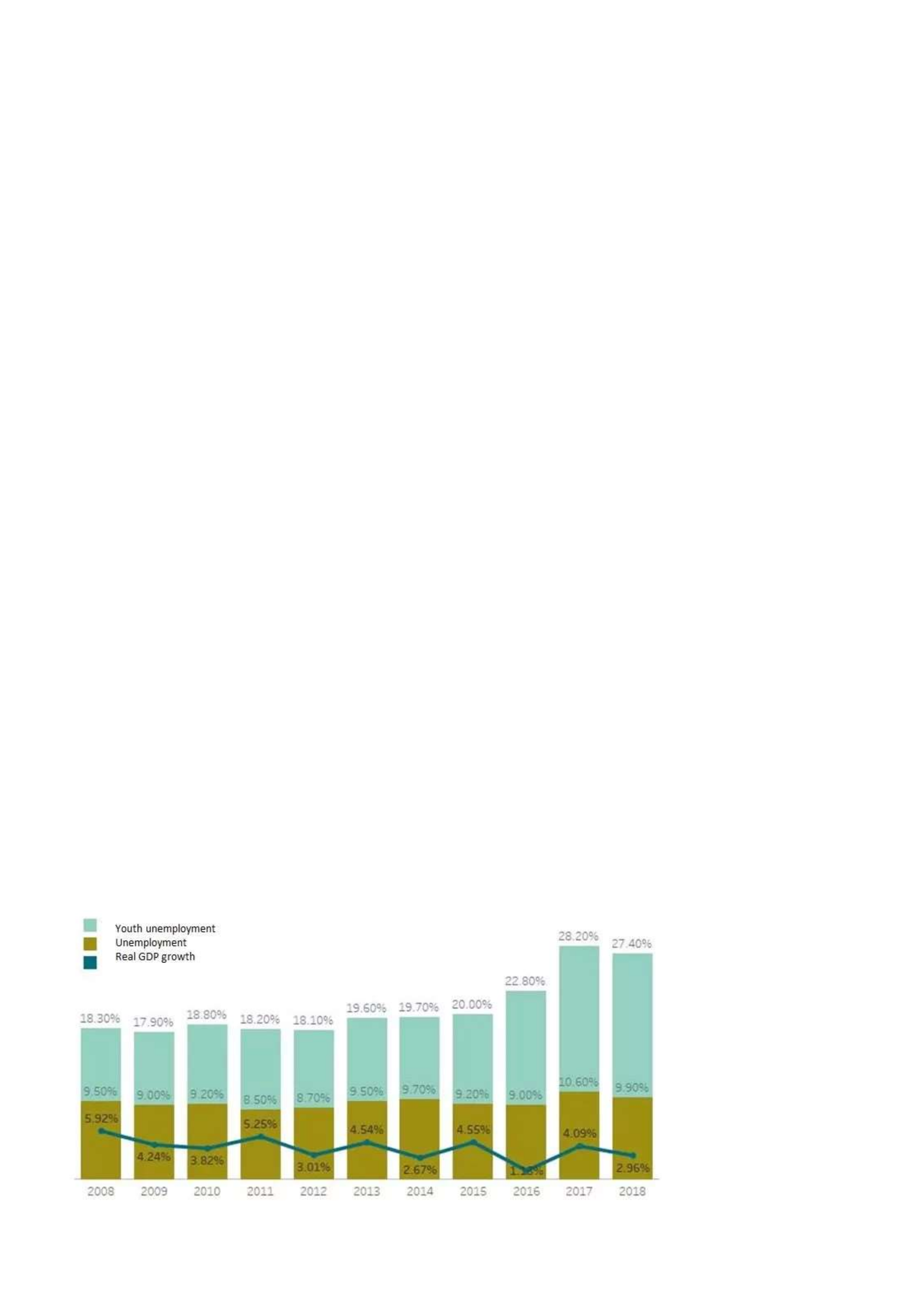
There is an overall relative downward trend in unemployment in the country over the past decade. However, still, the level of youth unemployment in
2017 is 42.8%. About 80% of jobs are informal and the income gap is very large (Dadush 9). The correlation between unemployment, youth
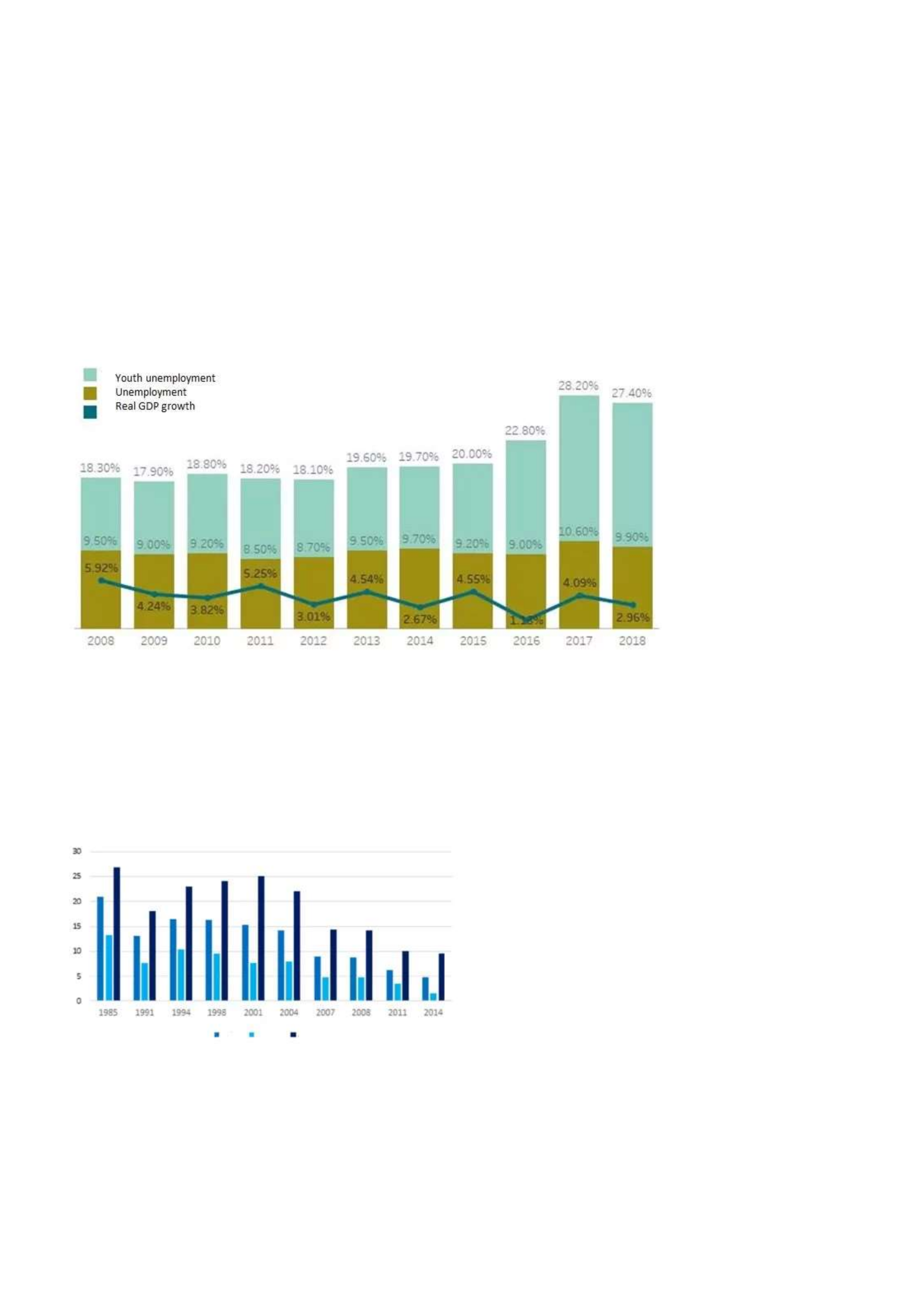
unemployment, and growth is shown in Fig. 1 below.
Fig. 1. Correlation between unemployment, youth unemployment, and growth in Morocco, percentage change with 2012 base.
However, the labor share of GDP is the highest in the upper-middle-income sector which demonstrates the growth of a strong middle class in the
country. At the same time, social spending in Morocco is less than in neighboring countries such as Tunisia and Jordan. Thus, the progress in the
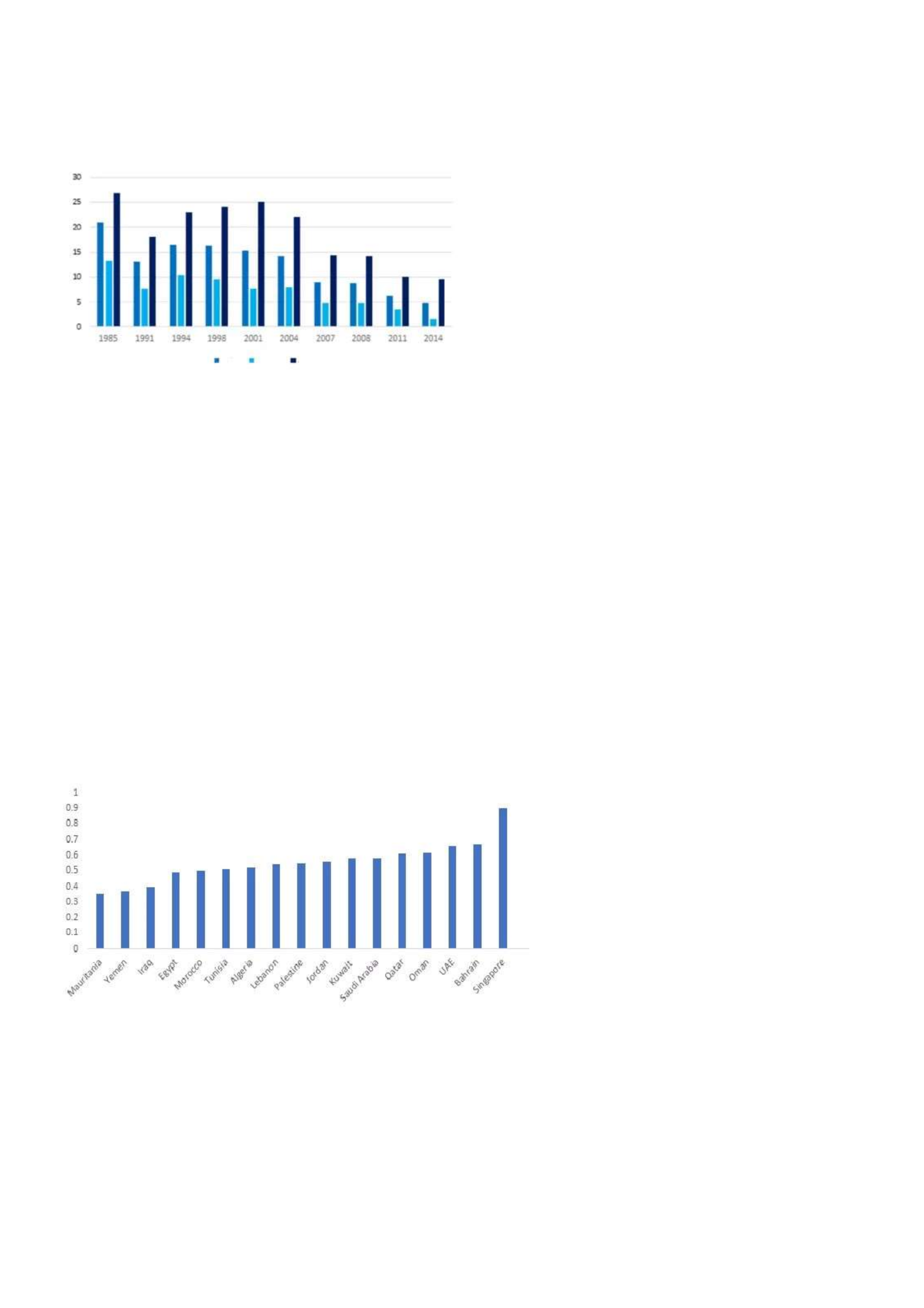
achievement of SDGs is ambiguous, although progressive development is evident. It should be noted that the country managed to decrease the
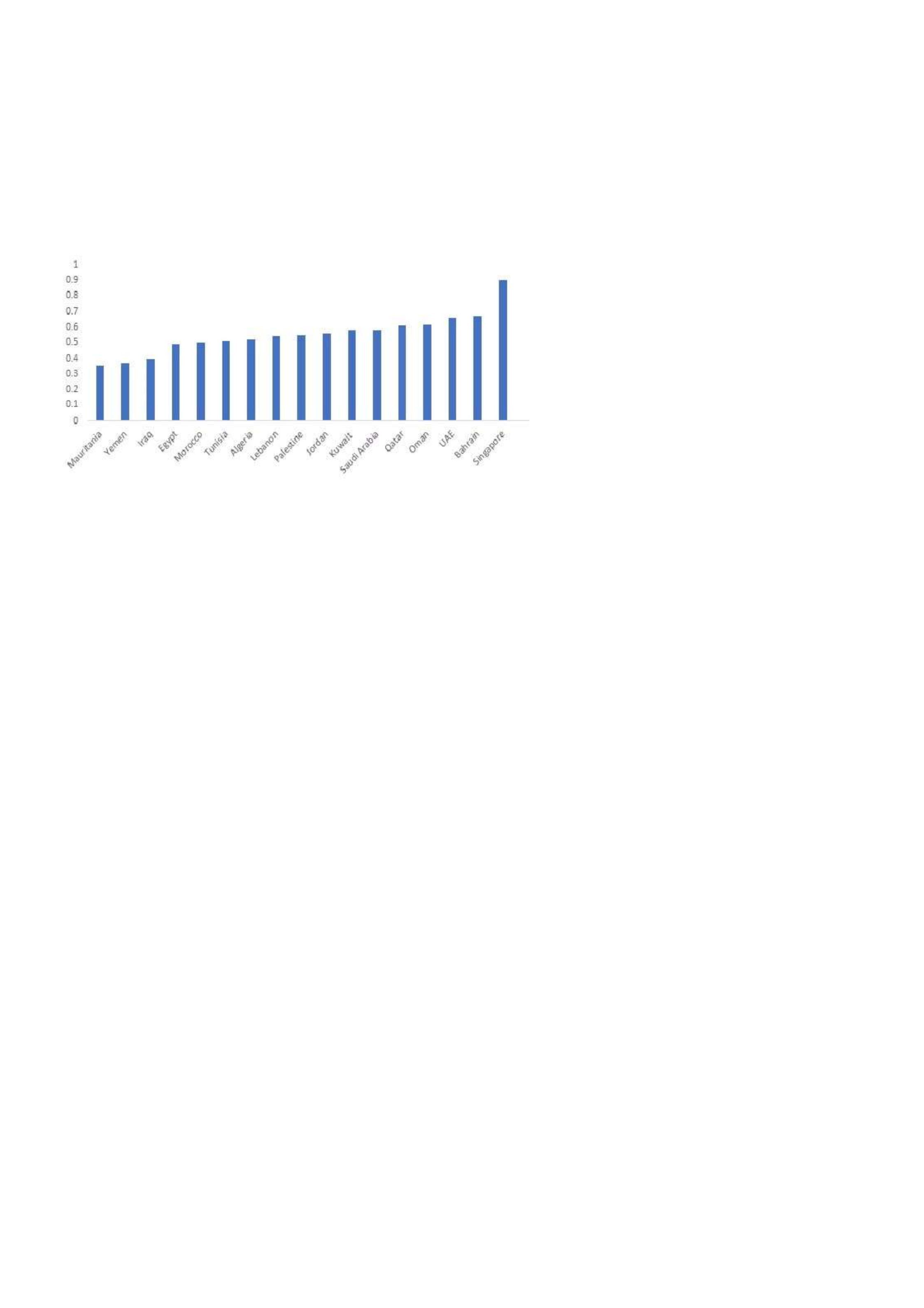
poverty rate significantly in dynamics (Fig. 2).
Total Urban Rural
Fig. 2. The Evolution of poverty rate in Morocco, 1985-2014.
There is a gradual increase in the human capital index and efforts are being made in the field of education. The dynamics of youth functional literacy
in Morocco for the period 2000-2018 is the highest among ten African countries. Net Enrollment Ratio in primary education manifested two-fold
growth since 1971 (Mansouri and Moumine 12). The duration of primary education is 6 years – this figure has not changed since 2009. The net
enrollment rate in primary education is 98.92%, which is a good value for an African country. Adult literacy is 73.75% (Sandberg and Binder 26).
Moreover, the illiterate population is concentrated in rural areas.
Processes of digital transformation are being observed – the ruling elite of Morocco realizes that digitalization is one of the integral mechanisms of
the global development of the national economy. It plays a critical role in attracting investment, creating jobs, modernizing the public sector, and
creating fast and efficient services for citizens. Efforts are being made to improve the digital infrastructure, strengthen the professional knowledge of
people to meet the market demand for specialists in the digital sphere.
Nevertheless, economic inequality persists – for example, the Gini index, which measures the degree to which the distribution of income or
consumption expenditures among households in the economy differs from absolute equality in distribution, was 35.70% in 2018 (UN). This is,
however, almost 10% less than in the previous year, which indicates the success of the government’s efforts to reduce inequality. According to World
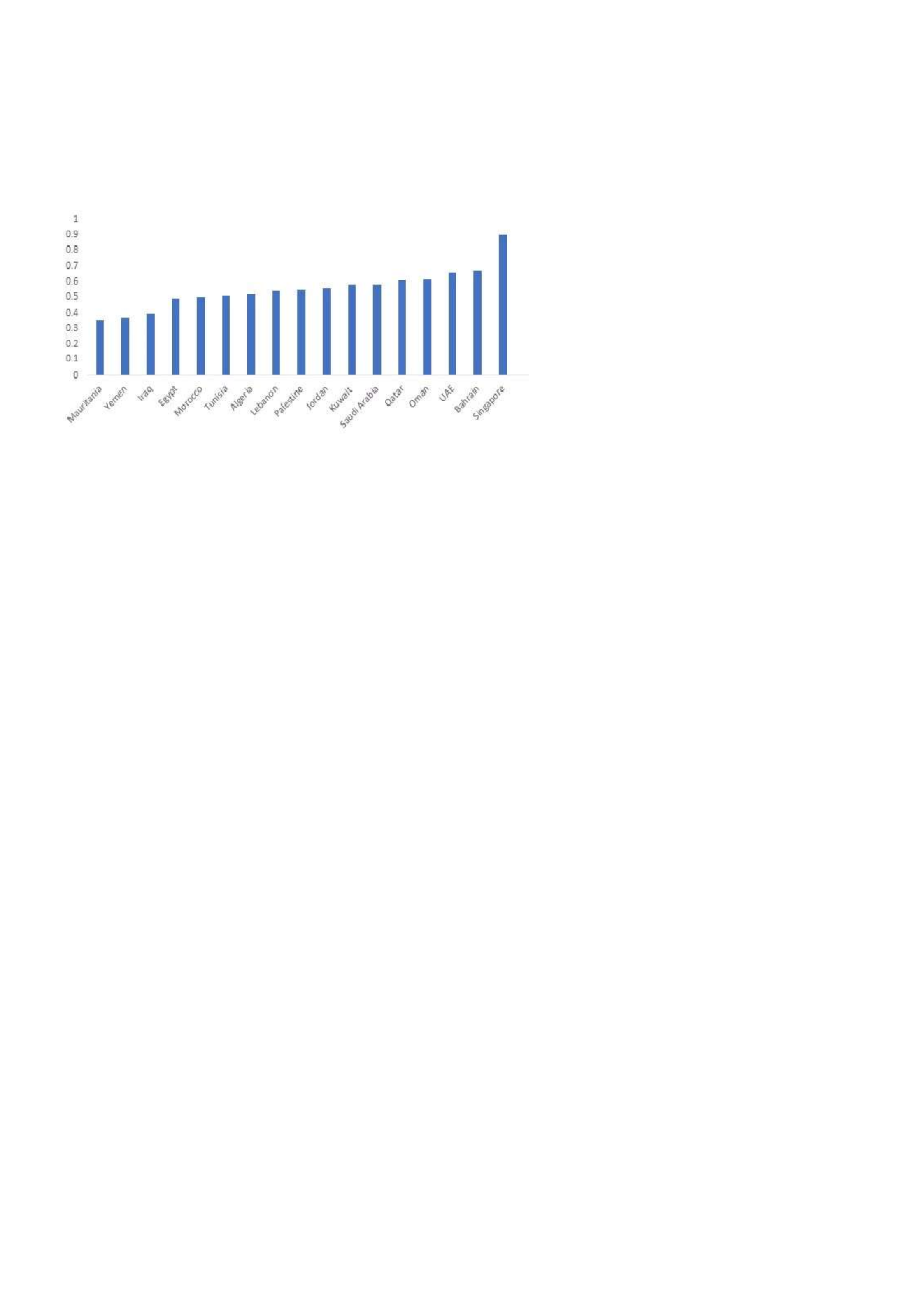
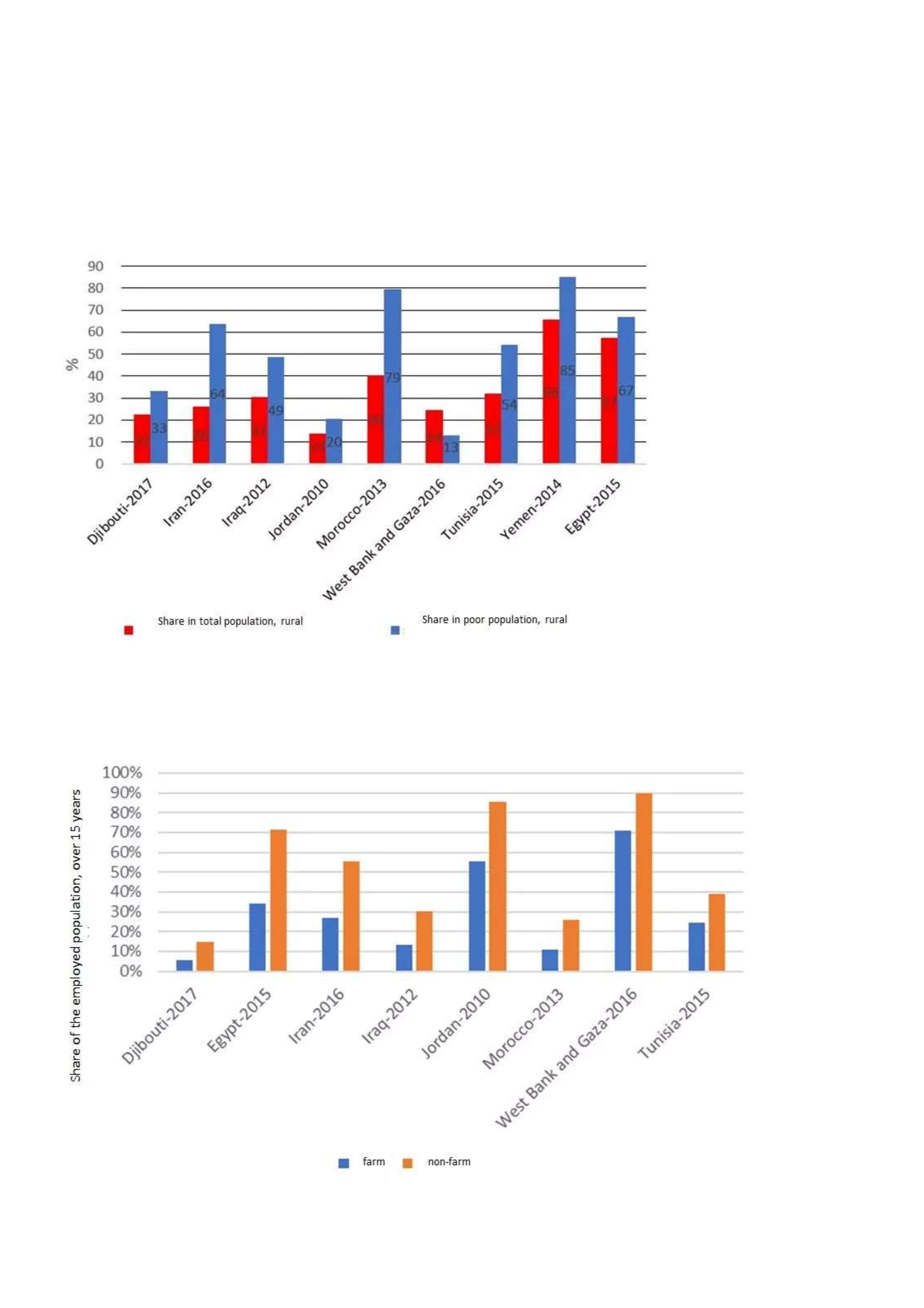
Bank Human Capital Index, Morocco is ahead of Egypt and Yemen and almost on the same level as other Arab countries, being behind such rich
countries as Qatar and UAE (Fig. 3 below).
Fig. 3. The World Bank Human Capital Index, 2019.
Issues of reducing gender inequality should also be noted. Noteworthy, recent family law reforms in Morocco have strengthened women’s property
rights by equalizing the property rights of husbands and wives over property acquired during the marriage. Methods for strengthening the voice of
women in society include political representation quotas, training future women leaders, and increasing their participation in trade unions and
professional associations.
However, while the gender gap in leadership positions in corporate governance and public administration has narrowed, women, especially in rural
areas, are largely the face of poverty in Morocco. In Morocco, there are two main methods of measuring poverty, which include the “classical
approach” and the second one, which is more of a capacity-based approach. The “classical approach” uses a poverty line to statistically define the
poor. This approach quantifies the number of poor people and households but does not take into account how poor people lack basic needs such as
shelter, food, health, and education. The second approach addresses this lack of basic needs and emphasizes the multidimensional nature of poverty.
Moroccan women represent the most economically vulnerable social group in the country (Sandberg and Binder 32-39). The feminization of poverty
refers to a trend towards increasing inequality in living standards between men and women due to the widening gap in poverty between women and
men. This phenomenon is not only a consequence of a lack of income but also a result of disenfranchisement and gender bias inherent in both
societies and governments at the regional level. It encompasses the poverty of choice and opportunity, such as the ability to lead a long, healthy, and
creative life and the enjoyment of fundamental rights such as freedom, respect, and dignity. This phenomenon is largely due to the overall ratio of
total and poor population in rural areas. In Morocco, the percentage of the poor rural population is rather high in comparison with other MENA
countries (Fig. 4).
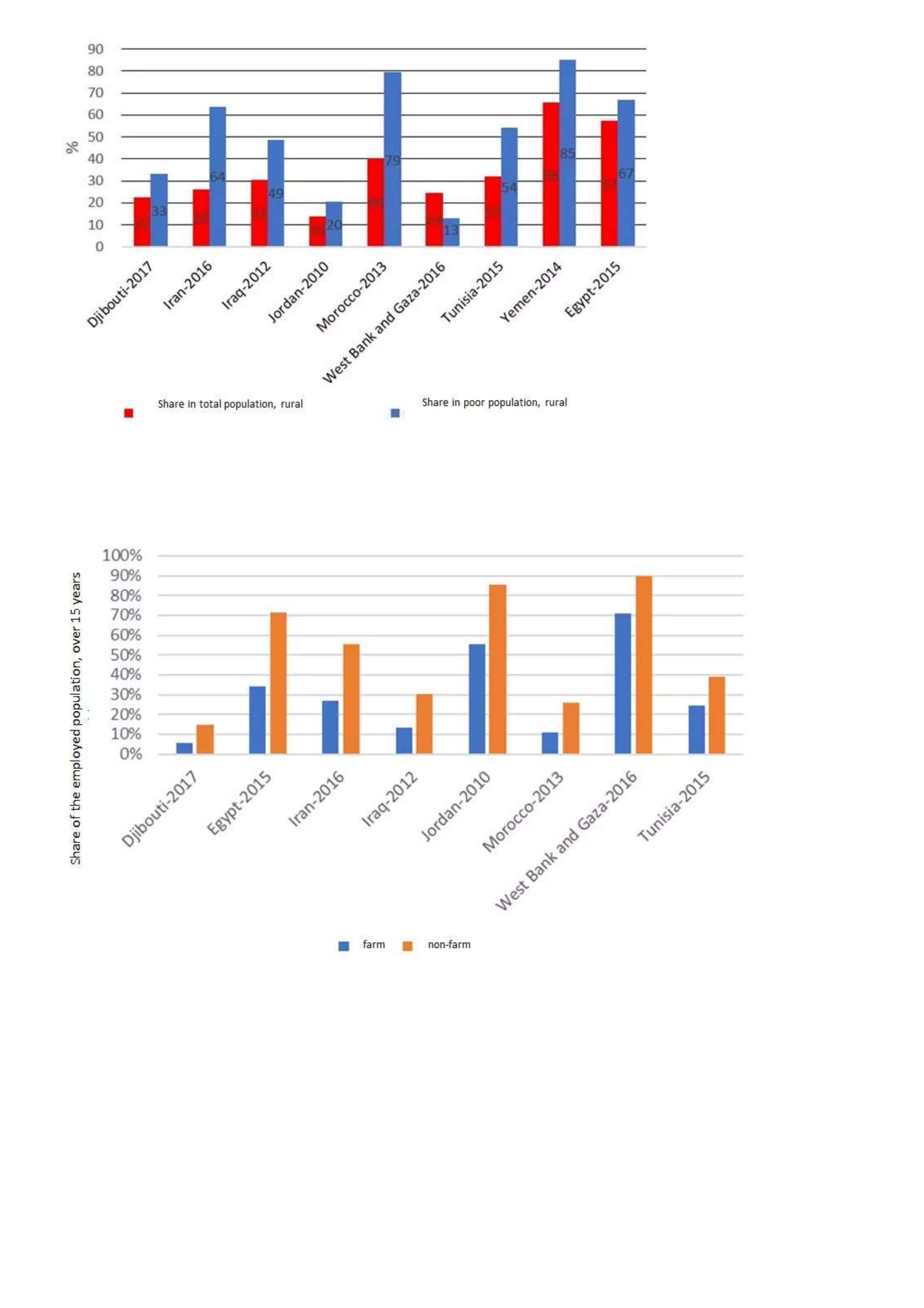
Fig. 4. Rural shares in total and poor population in selected MENA countries.
Indeed, education seems to be an important factor associated with access to rural non-farm activities – thus, the issue of rural poverty should be
addressed simultaneously with making efforts to eradicate illiteracy in rural areas. The figure below clearly shows that education represents one of
the definitive factors associated with access to rural non-farm activities.
Fig. 5. Shares of the population over 15 years old with incomplete secondary education and above among employed farm and non-farm activities in
rural areas of selected MENA countries.
The Kingdom of Morocco continues to pursue its efforts to follow up on recommendations from major United Nations development meetings and
conferences, including the Millennium Development Goals, which are included in the national development strategy. Modernization, democratization,
and economic development, as well as indicators of sustainable human development, are interdependent in promoting equal opportunities,
disseminating knowledge, and providing basic social services.
Increasingly more environmental protection programs are being implemented in the country. In particular, by supporting ecotourism, Morocco strives
to highlight its unique tangible and spiritual heritage by engaging industry professionals and regional authorities. For this, a special program has been
developed – the charter for sustainable tourism. The development of ecotourism is also supported by numerous individual projects, such as the
botanical garden of aromatic plants located near the ancient city. To date, 13 Moroccan beaches have received the Blue Flag award (Rihab 287). Many
hotels and inns in the country have received the Green Key award. All this highlights the efforts of the owners of the companies in the field of
environmental protection.
The percentage of the marine protected area has increased in recent years, and on the 22nd Conference of the Parties to the United Nations
Framework Convention on Climate Change, for the first time in its history, at the request of the Moroccan government, an Action Day for the
Protection of the Oceans was organized as part of the official UNFCCC program. Efforts to combat illegal, unreported, and unregulated fishing also
should be noted. In the energy sector, Morocco stands out for the presence of the seventh-largest solar power plant in the world – in Noor. Spread
over an area of 3000 hectares (3500 football fields), the station is capable of providing energy to a city the size of two Marrakech or Prague. Located
at the entrance to the Sahara Desert, the complex saves the planet from more than 760,000 tons of carbon emissions (Mohamed et al. 193-195). The
main sectors of the economy that can support green growth are clean renewable energy, water management, agriculture and forestry, fisheries,
recycling, and waste management.
This major project primarily serves the interests of Morocco, but it is also part of a worldwide effort to expand the use of renewable energy sources.
Investment in renewable energy in Morocco grew 13 times in 2018 to $ 2.8 billion (Mohamed et al. 191). Morocco has set an ambitious goal of
generating more than half of its electricity from renewable sources by 2030. These goals, along with other climate change policies, helped make
Morocco the second best-performing country in the 2018 and 2019 Climate Change Performance Indices. Morocco ranks 64th in the world in terms of
environmental performance, ahead of most African countries (Rihab 289). The country is trying to integrate the climate change component into all
national public policies.
Separately, the degree of application of a legal, regulatory, and institutional framework that recognizes and protects access rights for small-scale
fisheries in Morocco should be noted. The country is among the leading ones in Africa by the degree of efforts in this field. For the Sahara region, the
most relevant is the efforts of the Kingdom of Morocco on control and surveillance issues, given the importance of fishing activities. Control requires
the average performance of equipment and, namely control on water and on land, which mobilizes ships, vehicles, and service personnel, equipped
with specific measurement and remote communication equipment. Indeed, control concerns all the elements: fishermen’s activities, fishing area,
fishing gear and sizes, documentation (capture declaration, logbook), unloading (market size, quota), transportation, and storage of fishing products.
Thus, the country demonstrates evident and, to a significant extent, effective efforts to achieve meeting goals of sustainable development both in
addressing the issues of social capital growth and environmental protection. At the same time, still, problems in social inequality, gender gaps, rural
poverty, and access to quality education persist. In these conditions, it seems expedient to pay special attention to the mechanisms of public-private
partnership, which are not well developed in Morocco.
The Moroccan economy is considered to be a relatively liberal economy governed by the law of supply and demand. Since 1993, Morocco has
pursued a policy of privatizing certain sectors of the economy that were formerly in the hands of the government.
Morocco has become a major player in African economic affairs and ranks fifth among African economies in terms of GDP. The
World Economic Forum ranked Morocco as the 1st most competitive economy in North Africa in its Africa Competitiveness Report 2014-15. Since
2018, the country’s currency – the dirham – is fully convertible for current account transactions, financial sector reforms are carried out, and state
enterprises are being privatized.
There is an overall relative downward trend in unemployment in the country over the past decade. However, still, the level of youth unemployment in
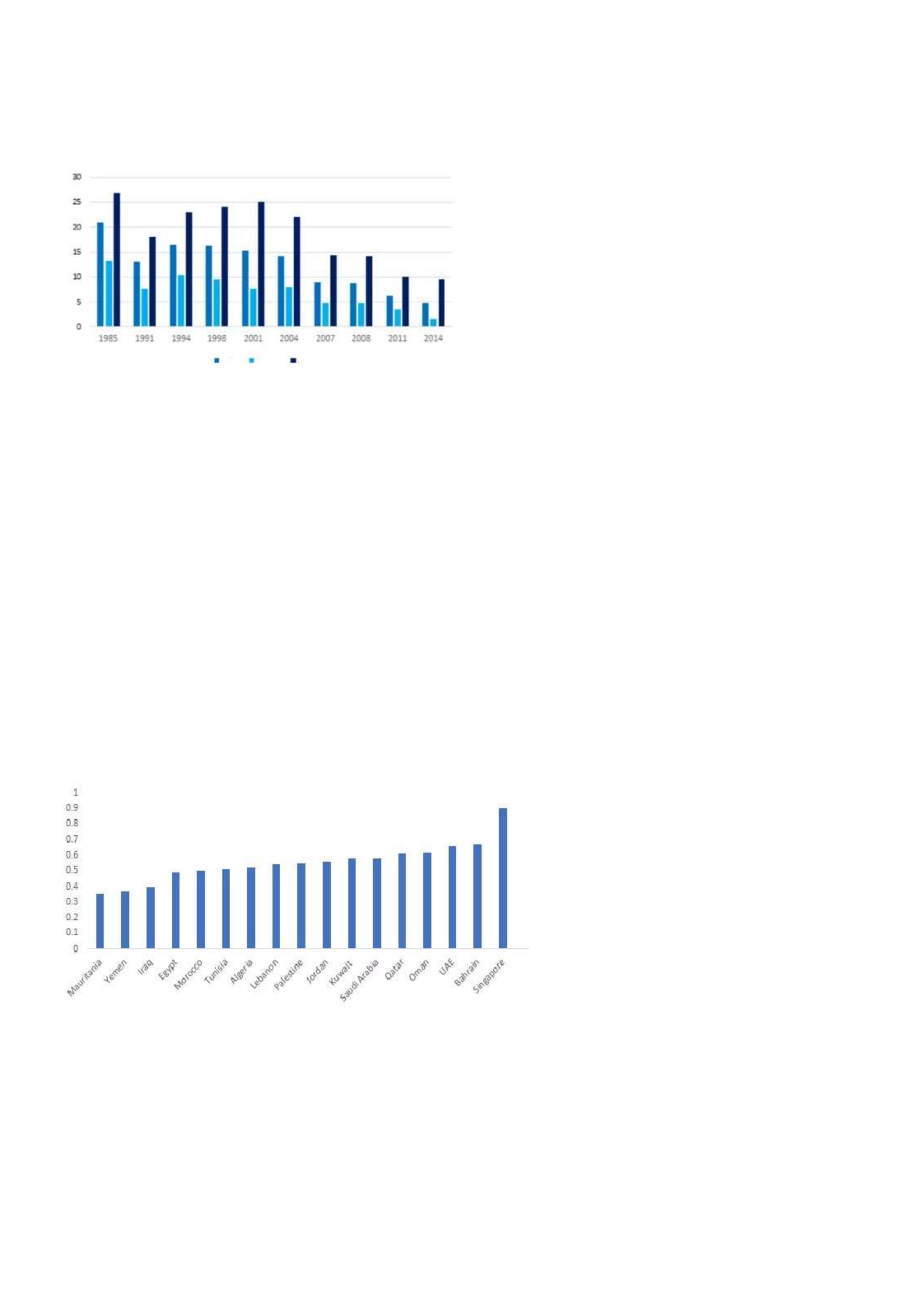
2017 is 42.8%. About 80% of jobs are informal and the income gap is very large (Dadush 9). The correlation between unemployment, youth
unemployment, and growth is shown in Fig. 1 below.
Fig. 1. Correlation between unemployment, youth unemployment, and growth in Morocco, percentage change with 2012 base.
However, the labor share of GDP is the highest in the upper-middle-income sector which demonstrates the growth of a strong middle class in the
country. At the same time, social spending in Morocco is less than in neighboring countries such as Tunisia and Jordan. Thus, the progress in the
achievement of SDGs is ambiguous, although progressive development is evident. It should be noted that the country managed to decrease the
poverty rate significantly in dynamics (Fig. 2).
Total Urban Rural
Fig. 2. The Evolution of poverty rate in Morocco, 1985-2014.
There is a gradual increase in the human capital index and efforts are being made in the field of education. The dynamics of youth functional literacy
in Morocco for the period 2000-2018 is the highest among ten African countries. Net Enrollment Ratio in primary education manifested two-fold
growth since 1971 (Mansouri and Moumine 12). The duration of primary education is 6 years – this figure has not changed since 2009. The net
enrollment rate in primary education is 98.92%, which is a good value for an African country. Adult literacy is 73.75% (Sandberg and Binder 26).
Moreover, the illiterate population is concentrated in rural areas.
Processes of digital transformation are being observed – the ruling elite of Morocco realizes that digitalization is one of the integral mechanisms of
the global development of the national economy. It plays a critical role in attracting investment, creating jobs, modernizing the public sector, and
creating fast and efficient services for citizens. Efforts are being made to improve the digital infrastructure, strengthen the professional knowledge of
people to meet the market demand for specialists in the digital sphere.
Nevertheless, economic inequality persists – for example, the Gini index, which measures the degree to which the distribution of income or
consumption expenditures among households in the economy differs from absolute equality in distribution, was 35.70% in 2018 (UN). This is,
however, almost 10% less than in the previous year, which indicates the success of the government’s efforts to reduce inequality. According to World
Bank Human Capital Index, Morocco is ahead of Egypt and Yemen and almost on the same level as other Arab countries, being behind such rich
countries as Qatar and UAE (Fig. 3 below).
Fig. 3. The World Bank Human Capital Index, 2019.
Issues of reducing gender inequality should also be noted. Noteworthy, recent family law reforms in Morocco have strengthened women’s property
rights by equalizing the property rights of husbands and wives over property acquired during the marriage. Methods for strengthening the voice of
women in society include political representation quotas, training future women leaders, and increasing their participation in trade unions and
professional associations.
However, while the gender gap in leadership positions in corporate governance and public administration has narrowed, women, especially in rural
areas, are largely the face of poverty in Morocco. In Morocco, there are two main methods of measuring poverty, which include the “classical
approach” and the second one, which is more of a capacity-based approach. The “classical approach” uses a poverty line to statistically define the
poor. This approach quantifies the number of poor people and households but does not take into account how poor people lack basic needs such as
shelter, food, health, and education. The second approach addresses this lack of basic needs and emphasizes the multidimensional nature of poverty.
Moroccan women represent the most economically vulnerable social group in the country (Sandberg and Binder 32-39). The feminization of poverty
refers to a trend towards increasing inequality in living standards between men and women due to the widening gap in poverty between women and
men. This phenomenon is not only a consequence of a lack of income but also a result of disenfranchisement and gender bias inherent in both
societies and governments at the regional level. It encompasses the poverty of choice and opportunity, such as the ability to lead a long, healthy, and
creative life and the enjoyment of fundamental rights such as freedom, respect, and dignity. This phenomenon is largely due to the overall ratio of
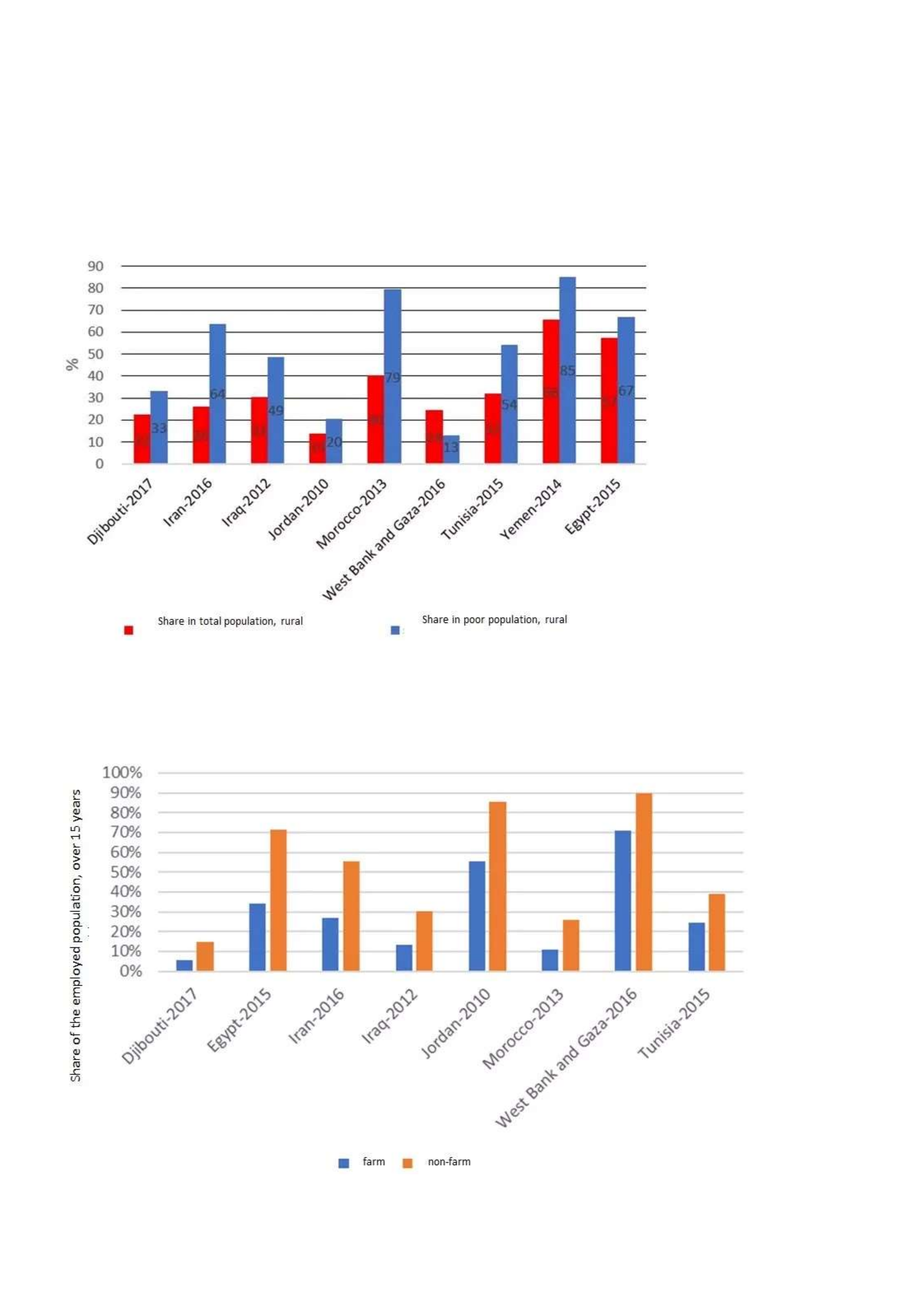
total and poor population in rural areas. In Morocco, the percentage of the poor rural population is rather high in comparison with other MENA
countries (Fig. 4).
Fig. 4. Rural shares in total and poor population in selected MENA countries.
Indeed, education seems to be an important factor associated with access to rural non-farm activities – thus, the issue of rural poverty should be
addressed simultaneously with making efforts to eradicate illiteracy in rural areas. The figure below clearly shows that education represents one of
the definitive factors associated with access to rural non-farm activities.
Fig. 5. Shares of the population over 15 years old with incomplete secondary education and above among employed farm and non-farm activities in
rural areas of selected MENA countries.

The Kingdom of Morocco continues to pursue its efforts to follow up on recommendations from major United Nations development meetings and
conferences, including the Millennium Development Goals, which are included in the national development strategy. Modernization, democratization,
and economic development, as well as indicators of sustainable human development, are interdependent in promoting equal opportunities,
disseminating knowledge, and providing basic social services.
Increasingly more environmental protection programs are being implemented in the country. In particular, by supporting ecotourism, Morocco strives
to highlight its unique tangible and spiritual heritage by engaging industry professionals and regional authorities. For this, a special program has been
developed – the charter for sustainable tourism. The development of ecotourism is also supported by numerous individual projects, such as the
botanical garden of aromatic plants located near the ancient city. To date, 13 Moroccan beaches have received the Blue Flag award (Rihab 287). Many
hotels and inns in the country have received the Green Key award. All this highlights the efforts of the owners of the companies in the field of
environmental protection.
The percentage of the marine protected area has increased in recent years, and on the 22nd Conference of the Parties to the United Nations
Framework Convention on Climate Change, for the first time in its history, at the request of the Moroccan government, an Action Day for the
Protection of the Oceans was organized as part of the official UNFCCC program. Efforts to combat illegal, unreported, and unregulated fishing also
should be noted. In the energy sector, Morocco stands out for the presence of the seventh-largest solar power plant in the world – in Noor. Spread
over an area of 3000 hectares (3500 football fields), the station is capable of providing energy to a city the size of two Marrakech or Prague. Located
at the entrance to the Sahara Desert, the complex saves the planet from more than 760,000 tons of carbon emissions (Mohamed et al. 193-195). The
main sectors of the economy that can support green growth are clean renewable energy, water management, agriculture and forestry, fisheries,
recycling, and waste management.
This major project primarily serves the interests of Morocco, but it is also part of a worldwide effort to expand the use of renewable energy sources.
Investment in renewable energy in Morocco grew 13 times in 2018 to $ 2.8 billion (Mohamed et al. 191). Morocco has set an ambitious goal of
generating more than half of its electricity from renewable sources by 2030. These goals, along with other climate change policies, helped make
Morocco the second best-performing country in the 2018 and 2019 Climate Change Performance Indices. Morocco ranks 64th in the world in terms of
environmental performance, ahead of most African countries (Rihab 289). The country is trying to integrate the climate change component into all
national public policies.
Separately, the degree of application of a legal, regulatory, and institutional framework that recognizes and protects access rights for small-scale
fisheries in Morocco should be noted. The country is among the leading ones in Africa by the degree of efforts in this field. For the Sahara region, the
most relevant is the efforts of the Kingdom of Morocco on control and surveillance issues, given the importance of fishing activities. Control requires
the average performance of equipment and, namely control on water and on land, which mobilizes ships, vehicles, and service personnel, equipped
with specific measurement and remote communication equipment. Indeed, control concerns all the elements: fishermen’s activities, fishing area,
fishing gear and sizes, documentation (capture declaration, logbook), unloading (market size, quota), transportation, and storage of fishing products.
Thus, the country demonstrates evident and, to a significant extent, effective efforts to achieve meeting goals of sustainable development both in
addressing the issues of social capital growth and environmental protection. At the same time, still, problems in social inequality, gender gaps, rural
poverty, and access to quality education persist. In these conditions, it seems expedient to pay special attention to the mechanisms of public-private
partnership, which are not well developed in Morocco.
The Moroccan economy is considered to be a relatively liberal economy governed by the law of supply and demand. Since 1993, Morocco has
pursued a policy of privatizing certain sectors of the economy that were formerly in the hands of the government.
Morocco has become a major player in African economic affairs and ranks fifth among African economies in terms of GDP. The
World Economic Forum ranked Morocco as the 1st most competitive economy in North Africa in its Africa Competitiveness Report 2014-15. Since
2018, the country’s currency – the dirham – is fully convertible for current account transactions, financial sector reforms are carried out, and state
enterprises are being privatized.
There is an overall relative downward trend in unemployment in the country over the past decade. However, still, the level of youth unemployment in
2017 is 42.8%. About 80% of jobs are informal and the income gap is very large (Dadush 9). The correlation between unemployment, youth
unemployment, and growth is shown in Fig. 1 below.
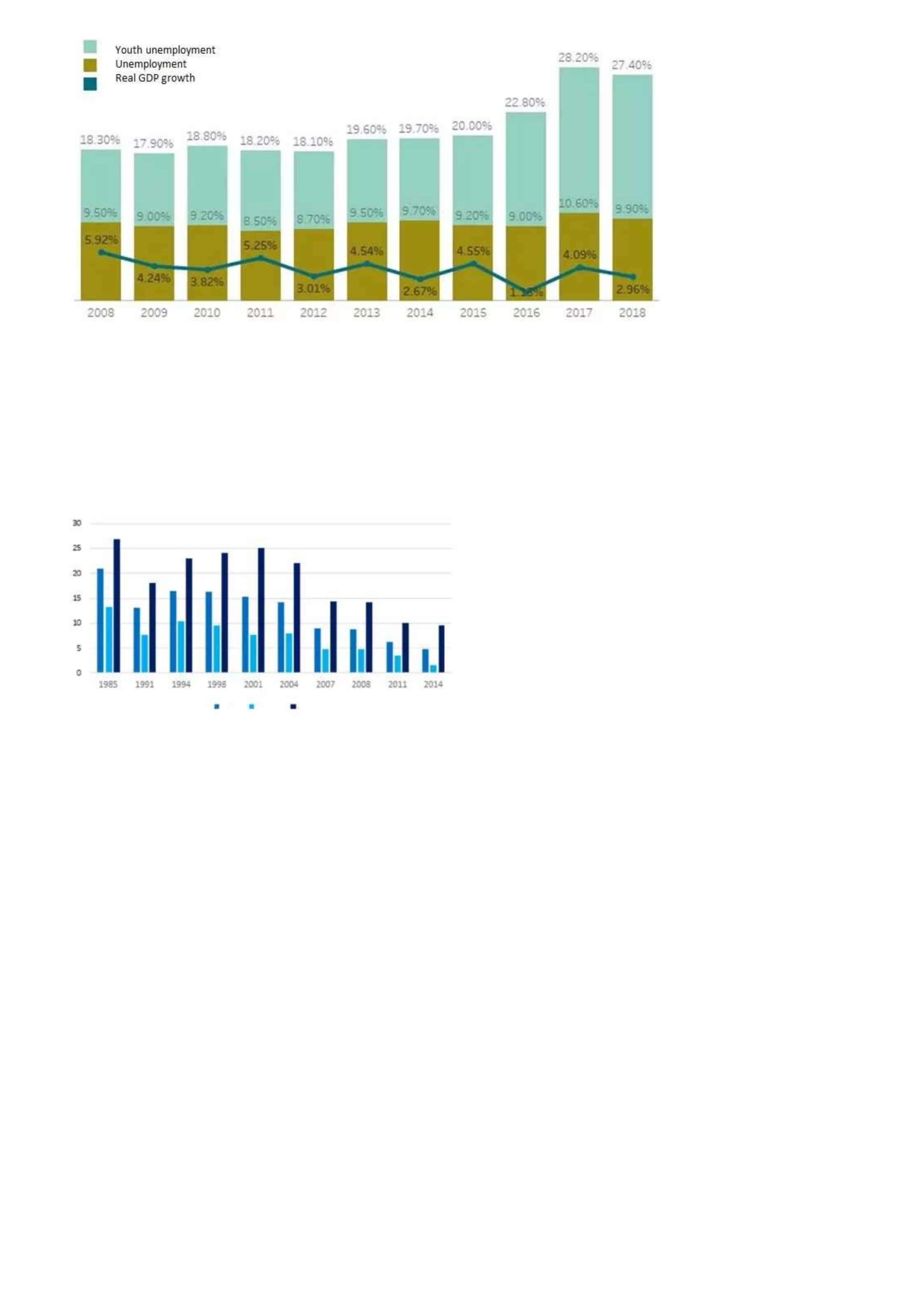
Fig. 1. Correlation between unemployment, youth unemployment, and growth in Morocco, percentage change with 2012 base.
However, the labor share of GDP is the highest in the upper-middle-income sector which demonstrates the growth of a strong middle class in the
country. At the same time, social spending in Morocco is less than in neighboring countries such as Tunisia and Jordan. Thus, the progress in the
achievement of SDGs is ambiguous, although progressive development is evident. It should be noted that the country managed to decrease the
poverty rate significantly in dynamics (Fig. 2).
Total Urban Rural
Fig. 2. The Evolution of poverty rate in Morocco, 1985-2014.
There is a gradual increase in the human capital index and efforts are being made in the field of education. The dynamics of youth functional literacy
in Morocco for the period 2000-2018 is the highest among ten African countries. Net Enrollment Ratio in primary education manifested two-fold
growth since 1971 (Mansouri and Moumine 12). The duration of primary education is 6 years – this figure has not changed since 2009. The net
enrollment rate in primary education is 98.92%, which is a good value for an African country. Adult literacy is 73.75% (Sandberg and Binder 26).
Moreover, the illiterate population is concentrated in rural areas.
Processes of digital transformation are being observed – the ruling elite of Morocco realizes that digitalization is one of the integral mechanisms of
the global development of the national economy. It plays a critical role in attracting investment, creating jobs, modernizing the public sector, and
creating fast and efficient services for citizens. Efforts are being made to improve the digital infrastructure, strengthen the professional knowledge of
people to meet the market demand for specialists in the digital sphere.
Nevertheless, economic inequality persists – for example, the Gini index, which measures the degree to which the distribution of income or
consumption expenditures among households in the economy differs from absolute equality in distribution, was 35.70% in 2018 (UN). This is,
however, almost 10% less than in the previous year, which indicates the success of the government’s efforts to reduce inequality. According to World
Bank Human Capital Index, Morocco is ahead of Egypt and Yemen and almost on the same level as other Arab countries, being behind such rich
countries as Qatar and UAE (Fig. 3 below).
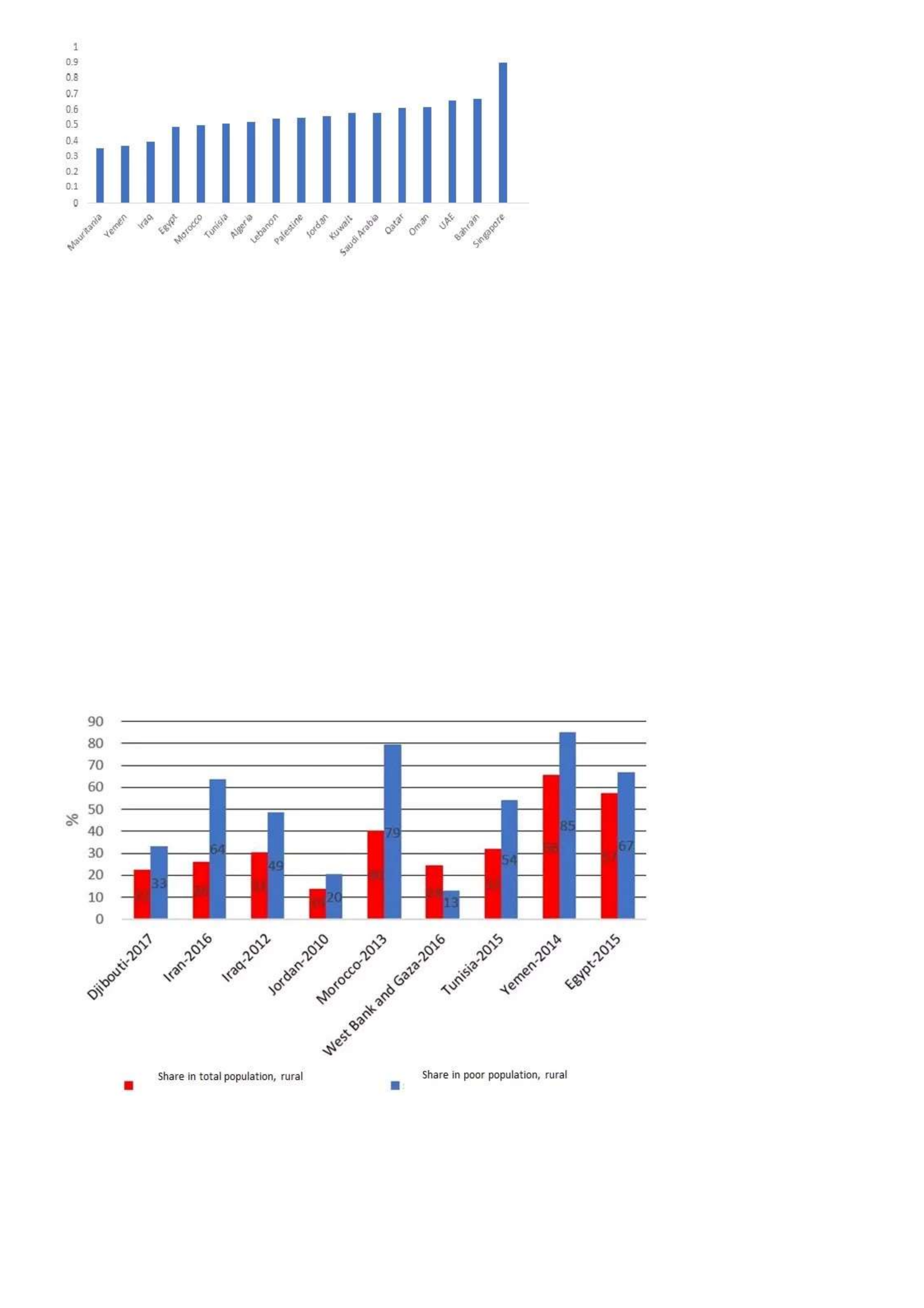
Fig. 3. The World Bank Human Capital Index, 2019.
Issues of reducing gender inequality should also be noted. Noteworthy, recent family law reforms in Morocco have strengthened women’s property
rights by equalizing the property rights of husbands and wives over property acquired during the marriage. Methods for strengthening the voice of
women in society include political representation quotas, training future women leaders, and increasing their participation in trade unions and
professional associations.
However, while the gender gap in leadership positions in corporate governance and public administration has narrowed, women, especially in rural
areas, are largely the face of poverty in Morocco. In Morocco, there are two main methods of measuring poverty, which include the “classical
approach” and the second one, which is more of a capacity-based approach. The “classical approach” uses a poverty line to statistically define the
poor. This approach quantifies the number of poor people and households but does not take into account how poor people lack basic needs such as
shelter, food, health, and education. The second approach addresses this lack of basic needs and emphasizes the multidimensional nature of poverty.
Moroccan women represent the most economically vulnerable social group in the country (Sandberg and Binder 32-39). The feminization of poverty
refers to a trend towards increasing inequality in living standards between men and women due to the widening gap in poverty between women and
men. This phenomenon is not only a consequence of a lack of income but also a result of disenfranchisement and gender bias inherent in both
societies and governments at the regional level. It encompasses the poverty of choice and opportunity, such as the ability to lead a long, healthy, and
creative life and the enjoyment of fundamental rights such as freedom, respect, and dignity. This phenomenon is largely due to the overall ratio of
total and poor population in rural areas. In Morocco, the percentage of the poor rural population is rather high in comparison with other MENA
countries (Fig. 4).
Fig. 4. Rural shares in total and poor population in selected MENA countries.
Indeed, education seems to be an important factor associated with access to rural non-farm activities – thus, the issue of rural poverty should be
addressed simultaneously with making efforts to eradicate illiteracy in rural areas. The figure below clearly shows that education represents one of
the definitive factors associated with access to rural non-farm activities.
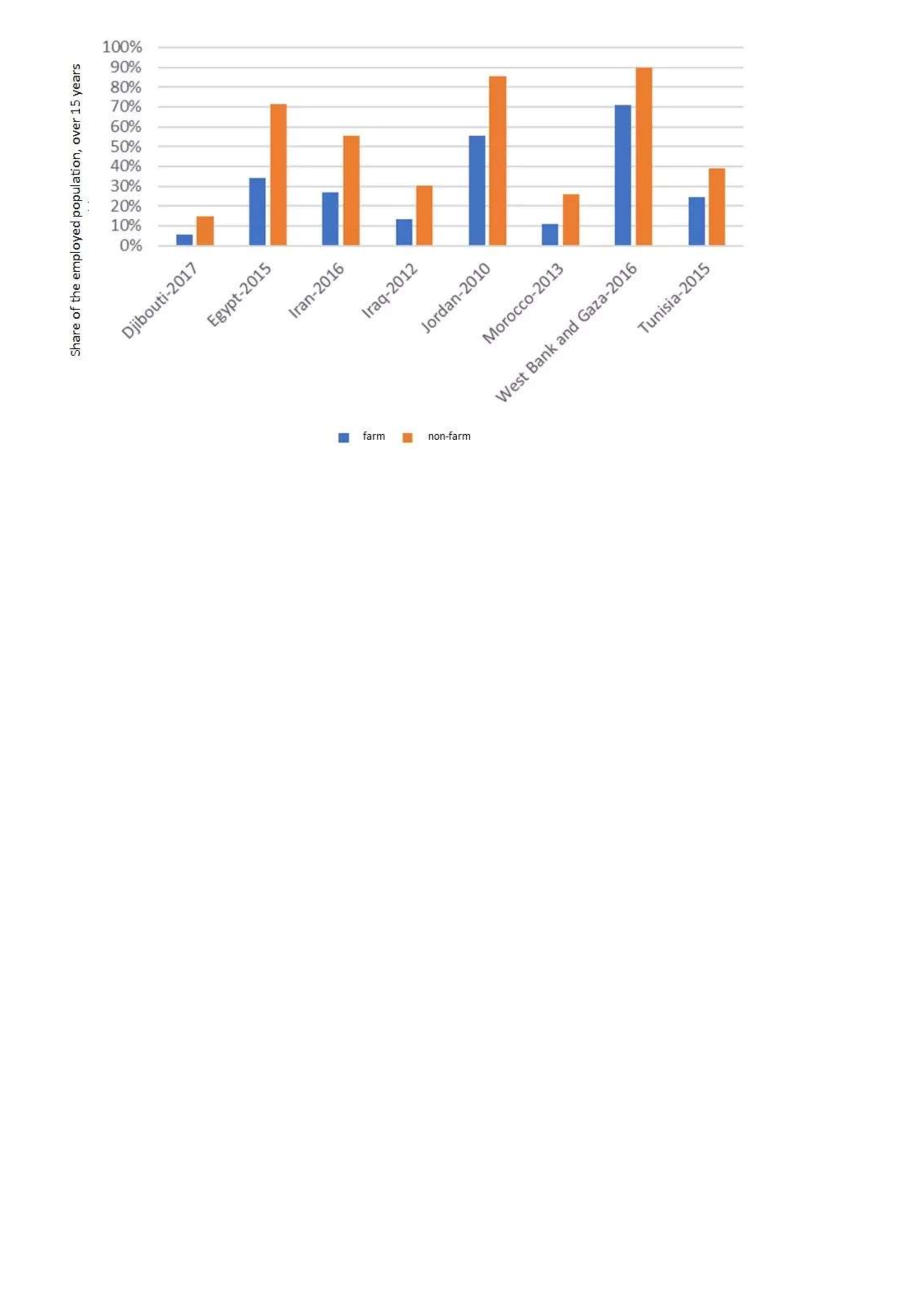
Fig. 5. Shares of the population over 15 years old with incomplete secondary education and above among employed farm and non-farm activities in
rural areas of selected MENA countries.
The Kingdom of Morocco continues to pursue its efforts to follow up on recommendations from major United Nations development meetings and
conferences, including the Millennium Development Goals, which are included in the national development strategy. Modernization, democratization,
and economic development, as well as indicators of sustainable human development, are interdependent in promoting equal opportunities,
disseminating knowledge, and providing basic social services.
Increasingly more environmental protection programs are being implemented in the country. In particular, by supporting ecotourism, Morocco strives
to highlight its unique tangible and spiritual heritage by engaging industry professionals and regional authorities. For this, a special program has been
developed – the charter for sustainable tourism. The development of ecotourism is also supported by numerous individual projects, such as the
botanical garden of aromatic plants located near the ancient city. To date, 13 Moroccan beaches have received the Blue Flag award (Rihab 287). Many
hotels and inns in the country have received the Green Key award. All this highlights the efforts of the owners of the companies in the field of
environmental protection.
The percentage of the marine protected area has increased in recent years, and on the 22nd Conference of the Parties to the United Nations
Framework Convention on Climate Change, for the first time in its history, at the request of the Moroccan government, an Action Day for the
Protection of the Oceans was organized as part of the official UNFCCC program. Efforts to combat illegal, unreported, and unregulated fishing also
should be noted. In the energy sector, Morocco stands out for the presence of the seventh-largest solar power plant in the world – in Noor. Spread
over an area of 3000 hectares (3500 football fields), the station is capable of providing energy to a city the size of two Marrakech or Prague. Located
at the entrance to the Sahara Desert, the complex saves the planet from more than 760,000 tons of carbon emissions (Mohamed et al. 193-195). The
main sectors of the economy that can support green growth are clean renewable energy, water management, agriculture and forestry, fisheries,
recycling, and waste management.
This major project primarily serves the interests of Morocco, but it is also part of a worldwide effort to expand the use of renewable energy sources.
Investment in renewable energy in Morocco grew 13 times in 2018 to $ 2.8 billion (Mohamed et al. 191). Morocco has set an ambitious goal of
generating more than half of its electricity from renewable sources by 2030. These goals, along with other climate change policies, helped make
Morocco the second best-performing country in the 2018 and 2019 Climate Change Performance Indices. Morocco ranks 64th in the world in terms of
environmental performance, ahead of most African countries (Rihab 289). The country is trying to integrate the climate change component into all
national public policies.
Separately, the degree of application of a legal, regulatory, and institutional framework that recognizes and protects access rights for small-scale
fisheries in Morocco should be noted. The country is among the leading ones in Africa by the degree of efforts in this field. For the Sahara region, the
most relevant is the efforts of the Kingdom of Morocco on control and surveillance issues, given the importance of fishing activities. Control requires
the average performance of equipment and, namely control on water and on land, which mobilizes ships, vehicles, and service personnel, equipped
with specific measurement and remote communication equipment. Indeed, control concerns all the elements: fishermen’s activities, fishing area,
fishing gear and sizes, documentation (capture declaration, logbook), unloading (market size, quota), transportation, and storage of fishing products.
Thus, the country demonstrates evident and, to a significant extent, effective efforts to achieve meeting goals of sustainable development both in
addressing the issues of social capital growth and environmental protection. At the same time, still, problems in social inequality, gender gaps, rural
poverty, and access to quality education persist. In these conditions, it seems expedient to pay special attention to the mechanisms of public-private
partnership, which are not well developed in Morocco.
The Moroccan economy is considered to be a relatively liberal economy governed by the law of supply and demand. Since 1993, Morocco has
pursued a policy of privatizing certain sectors of the economy that were formerly in the hands of the government.
Morocco has become a major player in African economic affairs and ranks fifth among African economies in terms of GDP. The
World Economic Forum ranked Morocco as the 1st most competitive economy in North Africa in its Africa Competitiveness Report 2014-15. Since
2018, the country’s currency – the dirham – is fully convertible for current account transactions, financial sector reforms are carried out, and state
enterprises are being privatized.
There is an overall relative downward trend in unemployment in the country over the past decade. However, still, the level of youth unemployment in
2017 is 42.8%. About 80% of jobs are informal and the income gap is very large (Dadush 9). The correlation between unemployment, youth
unemployment, and growth is shown in Fig. 1 below.
Fig. 1. Correlation between unemployment, youth unemployment, and growth in Morocco, percentage change with 2012 base.
However, the labor share of GDP is the highest in the upper-middle-income sector which demonstrates the growth of a strong middle class in the
country. At the same time, social spending in Morocco is less than in neighboring countries such as Tunisia and Jordan. Thus, the progress in the
achievement of SDGs is ambiguous, although progressive development is evident. It should be noted that the country managed to decrease the
poverty rate significantly in dynamics (Fig. 2).
Total Urban Rural
Fig. 2. The Evolution of poverty rate in Morocco, 1985-2014.
There is a gradual increase in the human capital index and efforts are being made in the field of education. The dynamics of youth functional literacy
in Morocco for the period 2000-2018 is the highest among ten African countries. Net Enrollment Ratio in primary education manifested two-fold
growth since 1971 (Mansouri and Moumine 12). The duration of primary education is 6 years – this figure has not changed since 2009. The net
enrollment rate in primary education is 98.92%, which is a good value for an African country. Adult literacy is 73.75% (Sandberg and Binder 26).
Moreover, the illiterate population is concentrated in rural areas.
Processes of digital transformation are being observed – the ruling elite of Morocco realizes that digitalization is one of the integral mechanisms of
the global development of the national economy. It plays a critical role in attracting investment, creating jobs, modernizing the public sector, and
creating fast and efficient services for citizens. Efforts are being made to improve the digital infrastructure, strengthen the professional knowledge of
people to meet the market demand for specialists in the digital sphere.
Nevertheless, economic inequality persists – for example, the Gini index, which measures the degree to which the distribution of income or
consumption expenditures among households in the economy differs from absolute equality in distribution, was 35.70% in 2018 (UN). This is,
however, almost 10% less than in the previous year, which indicates the success of the government’s efforts to reduce inequality. According to World
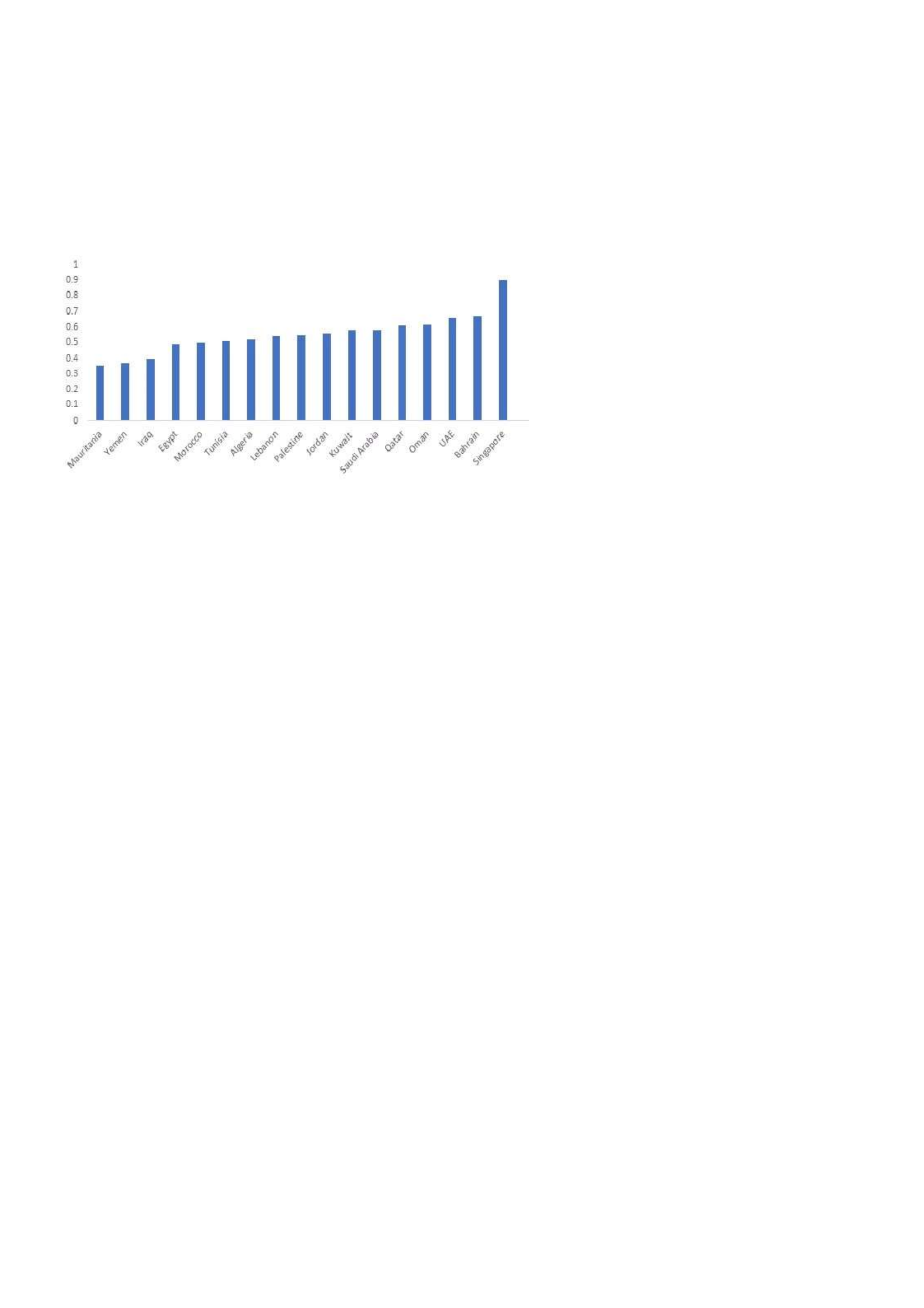
Bank Human Capital Index, Morocco is ahead of Egypt and Yemen and almost on the same level as other Arab countries, being behind such rich
countries as Qatar and UAE (Fig. 3 below).
Fig. 3. The World Bank Human Capital Index, 2019.
Issues of reducing gender inequality should also be noted. Noteworthy, recent family law reforms in Morocco have strengthened women’s property
rights by equalizing the property rights of husbands and wives over property acquired during the marriage. Methods for strengthening the voice of
women in society include political representation quotas, training future women leaders, and increasing their participation in trade unions and
professional associations.
However, while the gender gap in leadership positions in corporate governance and public administration has narrowed, women, especially in rural
areas, are largely the face of poverty in Morocco. In Morocco, there are two main methods of measuring poverty, which include the “classical
approach” and the second one, which is more of a capacity-based approach. The “classical approach” uses a poverty line to statistically define the
poor. This approach quantifies the number of poor people and households but does not take into account how poor people lack basic needs such as
shelter, food, health, and education. The second approach addresses this lack of basic needs and emphasizes the multidimensional nature of poverty.
Moroccan women represent the most economically vulnerable social group in the country (Sandberg and Binder 32-39). The feminization of poverty
refers to a trend towards increasing inequality in living standards between men and women due to the widening gap in poverty between women and
men. This phenomenon is not only a consequence of a lack of income but also a result of disenfranchisement and gender bias inherent in both
societies and governments at the regional level. It encompasses the poverty of choice and opportunity, such as the ability to lead a long, healthy, and
creative life and the enjoyment of fundamental rights such as freedom, respect, and dignity. This phenomenon is largely due to the overall ratio of
total and poor population in rural areas. In Morocco, the percentage of the poor rural population is rather high in comparison with other MENA
countries (Fig. 4).
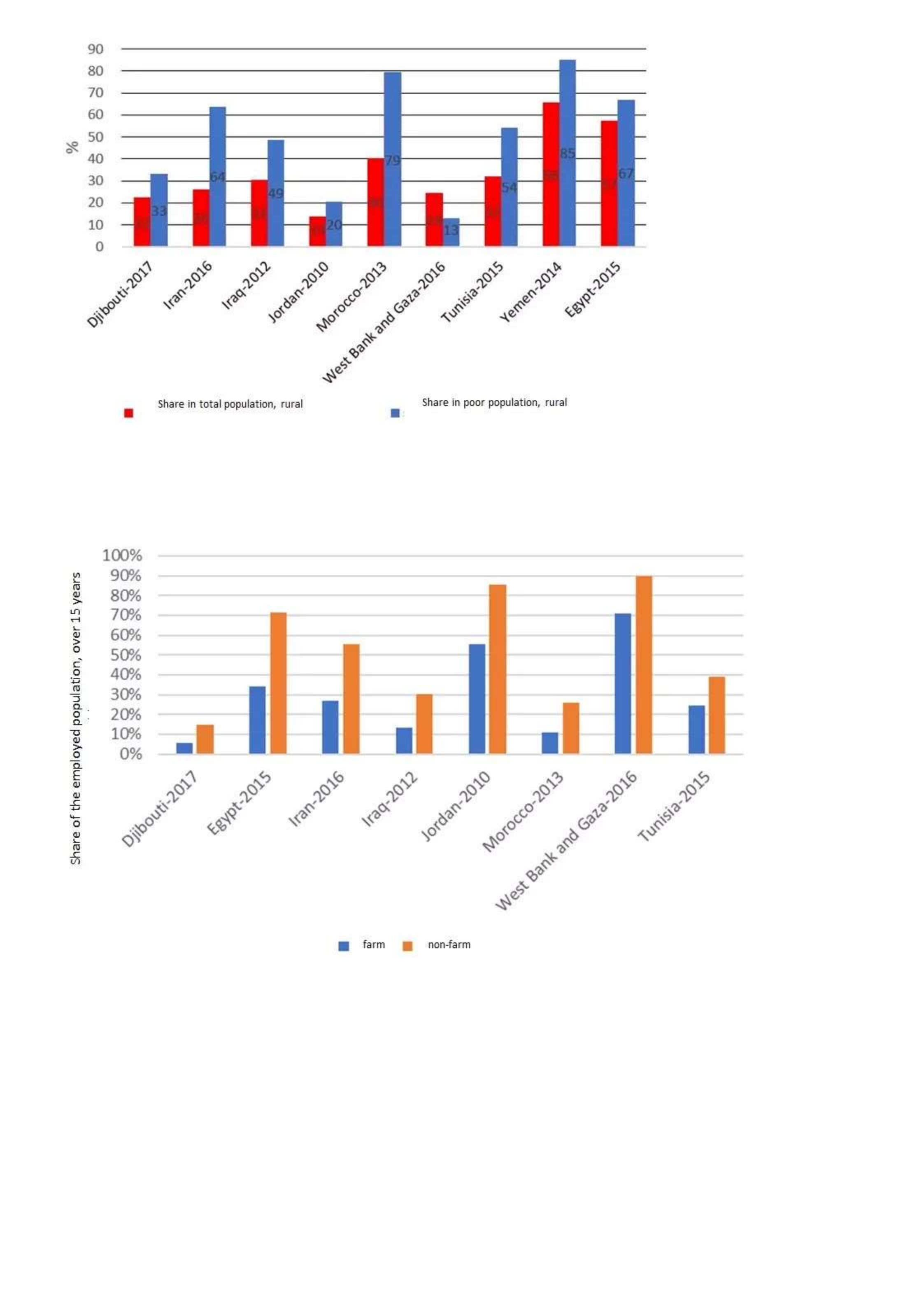
Fig. 4. Rural shares in total and poor population in selected MENA countries.
Indeed, education seems to be an important factor associated with access to rural non-farm activities – thus, the issue of rural poverty should be
addressed simultaneously with making efforts to eradicate illiteracy in rural areas. The figure below clearly shows that education represents one of
the definitive factors associated with access to rural non-farm activities.
Fig. 5. Shares of the population over 15 years old with incomplete secondary education and above among employed farm and non-farm activities in
rural areas of selected MENA countries.
The Kingdom of Morocco continues to pursue its efforts to follow up on recommendations from major United Nations development meetings and
conferences, including the Millennium Development Goals, which are included in the national development strategy. Modernization, democratization,
and economic development, as well as indicators of sustainable human development, are interdependent in promoting equal opportunities,
disseminating knowledge, and providing basic social services.
Increasingly more environmental protection programs are being implemented in the country. In particular, by supporting ecotourism, Morocco strives
to highlight its unique tangible and spiritual heritage by engaging industry professionals and regional authorities. For this, a special program has been
developed – the charter for sustainable tourism. The development of ecotourism is also supported by numerous individual projects, such as the
botanical garden of aromatic plants located near the ancient city. To date, 13 Moroccan beaches have received the Blue Flag award (Rihab 287). Many
hotels and inns in the country have received the Green Key award. All this highlights the efforts of the owners of the companies in the field of
environmental protection.
The percentage of the marine protected area has increased in recent years, and on the 22nd Conference of the Parties to the United Nations
Framework Convention on Climate Change, for the first time in its history, at the request of the Moroccan government, an Action Day for the
Protection of the Oceans was organized as part of the official UNFCCC program. Efforts to combat illegal, unreported, and unregulated fishing also
should be noted. In the energy sector, Morocco stands out for the presence of the seventh-largest solar power plant in the world – in Noor. Spread
over an area of 3000 hectares (3500 football fields), the station is capable of providing energy to a city the size of two Marrakech or Prague. Located
at the entrance to the Sahara Desert, the complex saves the planet from more than 760,000 tons of carbon emissions (Mohamed et al. 193-195). The
main sectors of the economy that can support green growth are clean renewable energy, water management, agriculture and forestry, fisheries,
recycling, and waste management.
This major project primarily serves the interests of Morocco, but it is also part of a worldwide effort to expand the use of renewable energy sources.
Investment in renewable energy in Morocco grew 13 times in 2018 to $ 2.8 billion (Mohamed et al. 191). Morocco has set an ambitious goal of
generating more than half of its electricity from renewable sources by 2030. These goals, along with other climate change policies, helped make
Morocco the second best-performing country in the 2018 and 2019 Climate Change Performance Indices. Morocco ranks 64th in the world in terms of
environmental performance, ahead of most African countries (Rihab 289). The country is trying to integrate the climate change component into all
national public policies.
Separately, the degree of application of a legal, regulatory, and institutional framework that recognizes and protects access rights for small-scale
fisheries in Morocco should be noted. The country is among the leading ones in Africa by the degree of efforts in this field. For the Sahara region, the
most relevant is the efforts of the Kingdom of Morocco on control and surveillance issues, given the importance of fishing activities. Control requires
the average performance of equipment and, namely control on water and on land, which mobilizes ships, vehicles, and service personnel, equipped
with specific measurement and remote communication equipment. Indeed, control concerns all the elements: fishermen’s activities, fishing area,
fishing gear and sizes, documentation (capture declaration, logbook), unloading (market size, quota), transportation, and storage of fishing products.
Thus, the country demonstrates evident and, to a significant extent, effective efforts to achieve meeting goals of sustainable development both in
addressing the issues of social capital growth and environmental protection. At the same time, still, problems in social inequality, gender gaps, rural
poverty, and access to quality education persist. In these conditions, it seems expedient to pay special attention to the mechanisms of public-private
partnership, which are not well developed in Morocco.
The Moroccan economy is considered to be a relatively liberal economy governed by the law of supply and demand. Since 1993, Morocco has
pursued a policy of privatizing certain sectors of the economy that were formerly in the hands of the government.
Morocco has become a major player in African economic affairs and ranks fifth among African economies in terms of GDP. The
World Economic Forum ranked Morocco as the 1st most competitive economy in North Africa in its Africa Competitiveness Report 2014-15. Since
2018, the country’s currency – the dirham – is fully convertible for current account transactions, financial sector reforms are carried out, and state
enterprises are being privatized.
There is an overall relative downward trend in unemployment in the country over the past decade. However, still, the level of youth unemployment in
2017 is 42.8%. About 80% of jobs are informal and the income gap is very large (Dadush 9). The correlation between unemployment, youth
unemployment, and growth is shown in Fig. 1 below.
Fig. 1. Correlation between unemployment, youth unemployment, and growth in Morocco, percentage change with 2012 base.
However, the labor share of GDP is the highest in the upper-middle-income sector which demonstrates the growth of a strong middle class in the
country. At the same time, social spending in Morocco is less than in neighboring countries such as Tunisia and Jordan. Thus, the progress in the
achievement of SDGs is ambiguous, although progressive development is evident. It should be noted that the country managed to decrease the
poverty rate significantly in dynamics (Fig. 2).
Total Urban Rural
Fig. 2. The Evolution of poverty rate in Morocco, 1985-2014.
There is a gradual increase in the human capital index and efforts are being made in the field of education. The dynamics of youth functional literacy
in Morocco for the period 2000-2018 is the highest among ten African countries. Net Enrollment Ratio in primary education manifested two-fold
growth since 1971 (Mansouri and Moumine 12). The duration of primary education is 6 years – this figure has not changed since 2009. The net
enrollment rate in primary education is 98.92%, which is a good value for an African country. Adult literacy is 73.75% (Sandberg and Binder 26).
Moreover, the illiterate population is concentrated in rural areas.
Processes of digital transformation are being observed – the ruling elite of Morocco realizes that digitalization is one of the integral mechanisms of
the global development of the national economy. It plays a critical role in attracting investment, creating jobs, modernizing the public sector, and
creating fast and efficient services for citizens. Efforts are being made to improve the digital infrastructure, strengthen the professional knowledge of
people to meet the market demand for specialists in the digital sphere.
Nevertheless, economic inequality persists – for example, the Gini index, which measures the degree to which the distribution of income or
consumption expenditures among households in the economy differs from absolute equality in distribution, was 35.70% in 2018 (UN). This is,
however, almost 10% less than in the previous year, which indicates the success of the government’s efforts to reduce inequality. According to World
Bank Human Capital Index, Morocco is ahead of Egypt and Yemen and almost on the same level as other Arab countries, being behind such rich
countries as Qatar and UAE (Fig. 3 below).
Fig. 3. The World Bank Human Capital Index, 2019.
Issues of reducing gender inequality should also be noted. Noteworthy, recent family law reforms in Morocco have strengthened women’s property
rights by equalizing the property rights of husbands and wives over property acquired during the marriage. Methods for strengthening the voice of
women in society include political representation quotas, training future women leaders, and increasing their participation in trade unions and
professional associations.
However, while the gender gap in leadership positions in corporate governance and public administration has narrowed, women, especially in rural
areas, are largely the face of poverty in Morocco. In Morocco, there are two main methods of measuring poverty, which include the “classical
approach” and the second one, which is more of a capacity-based approach. The “classical approach” uses a poverty line to statistically define the
poor. This approach quantifies the number of poor people and households but does not take into account how poor people lack basic needs such as
shelter, food, health, and education. The second approach addresses this lack of basic needs and emphasizes the multidimensional nature of poverty.
Moroccan women represent the most economically vulnerable social group in the country (Sandberg and Binder 32-39). The feminization of poverty
refers to a trend towards increasing inequality in living standards between men and women due to the widening gap in poverty between women and
men. This phenomenon is not only a consequence of a lack of income but also a result of disenfranchisement and gender bias inherent in both
societies and governments at the regional level. It encompasses the poverty of choice and opportunity, such as the ability to lead a long, healthy, and
creative life and the enjoyment of fundamental rights such as freedom, respect, and dignity. This phenomenon is largely due to the overall ratio of
total and poor population in rural areas. In Morocco, the percentage of the poor rural population is rather high in comparison with other MENA
countries (Fig. 4).
Fig. 4. Rural shares in total and poor population in selected MENA countries.
Indeed, education seems to be an important factor associated with access to rural non-farm activities – thus, the issue of rural poverty should be
addressed simultaneously with making efforts to eradicate illiteracy in rural areas. The figure below clearly shows that education represents one of
the definitive factors associated with access to rural non-farm activities.
Fig. 5. Shares of the population over 15 years old with incomplete secondary education and above among employed farm and non-farm activities in
rural areas of selected MENA countries.

The Kingdom of Morocco continues to pursue its efforts to follow up on recommendations from major United Nations development meetings and
conferences, including the Millennium Development Goals, which are included in the national development strategy. Modernization, democratization,
and economic development, as well as indicators of sustainable human development, are interdependent in promoting equal opportunities,
disseminating knowledge, and providing basic social services.
Increasingly more environmental protection programs are being implemented in the country. In particular, by supporting ecotourism, Morocco strives
to highlight its unique tangible and spiritual heritage by engaging industry professionals and regional authorities. For this, a special program has been
developed – the charter for sustainable tourism. The development of ecotourism is also supported by numerous individual projects, such as the
botanical garden of aromatic plants located near the ancient city. To date, 13 Moroccan beaches have received the Blue Flag award (Rihab 287). Many
hotels and inns in the country have received the Green Key award. All this highlights the efforts of the owners of the companies in the field of
environmental protection.
The percentage of the marine protected area has increased in recent years, and on the 22nd Conference of the Parties to the United Nations
Framework Convention on Climate Change, for the first time in its history, at the request of the Moroccan government, an Action Day for the
Protection of the Oceans was organized as part of the official UNFCCC program. Efforts to combat illegal, unreported, and unregulated fishing also
should be noted. In the energy sector, Morocco stands out for the presence of the seventh-largest solar power plant in the world – in Noor. Spread
over an area of 3000 hectares (3500 football fields), the station is capable of providing energy to a city the size of two Marrakech or Prague. Located
at the entrance to the Sahara Desert, the complex saves the planet from more than 760,000 tons of carbon emissions (Mohamed et al. 193-195). The
main sectors of the economy that can support green growth are clean renewable energy, water management, agriculture and forestry, fisheries,
recycling, and waste management.
This major project primarily serves the interests of Morocco, but it is also part of a worldwide effort to expand the use of renewable energy sources.
Investment in renewable energy in Morocco grew 13 times in 2018 to $ 2.8 billion (Mohamed et al. 191). Morocco has set an ambitious goal of
generating more than half of its electricity from renewable sources by 2030. These goals, along with other climate change policies, helped make
Morocco the second best-performing country in the 2018 and 2019 Climate Change Performance Indices. Morocco ranks 64th in the world in terms of
environmental performance, ahead of most African countries (Rihab 289). The country is trying to integrate the climate change component into all
national public policies.
Separately, the degree of application of a legal, regulatory, and institutional framework that recognizes and protects access rights for small-scale
fisheries in Morocco should be noted. The country is among the leading ones in Africa by the degree of efforts in this field. For the Sahara region, the
most relevant is the efforts of the Kingdom of Morocco on control and surveillance issues, given the importance of fishing activities. Control requires
the average performance of equipment and, namely control on water and on land, which mobilizes ships, vehicles, and service personnel, equipped
with specific measurement and remote communication equipment. Indeed, control concerns all the elements: fishermen’s activities, fishing area,
fishing gear and sizes, documentation (capture declaration, logbook), unloading (market size, quota), transportation, and storage of fishing products.
Thus, the country demonstrates evident and, to a significant extent, effective efforts to achieve meeting goals of sustainable development both in
addressing the issues of social capital growth and environmental protection. At the same time, still, problems in social inequality, gender gaps, rural
poverty, and access to quality education persist. In these conditions, it seems expedient to pay special attention to the mechanisms of public-private
partnership, which are not well developed in Morocco.
The Moroccan economy is considered to be a relatively liberal economy governed by the law of supply and demand. Since 1993, Morocco has
pursued a policy of privatizing certain sectors of the economy that were formerly in the hands of the government.
Morocco has become a major player in African economic affairs and ranks fifth among African economies in terms of GDP. The
World Economic Forum ranked Morocco as the 1st most competitive economy in North Africa in its Africa Competitiveness Report 2014-15. Since
2018, the country’s currency – the dirham – is fully convertible for current account transactions, financial sector reforms are carried out, and state
enterprises are being privatized.
There is an overall relative downward trend in unemployment in the country over the past decade. However, still, the level of youth unemployment in
2017 is 42.8%. About 80% of jobs are informal and the income gap is very large (Dadush 9). The correlation between unemployment, youth
unemployment, and growth is shown in Fig. 1 below.
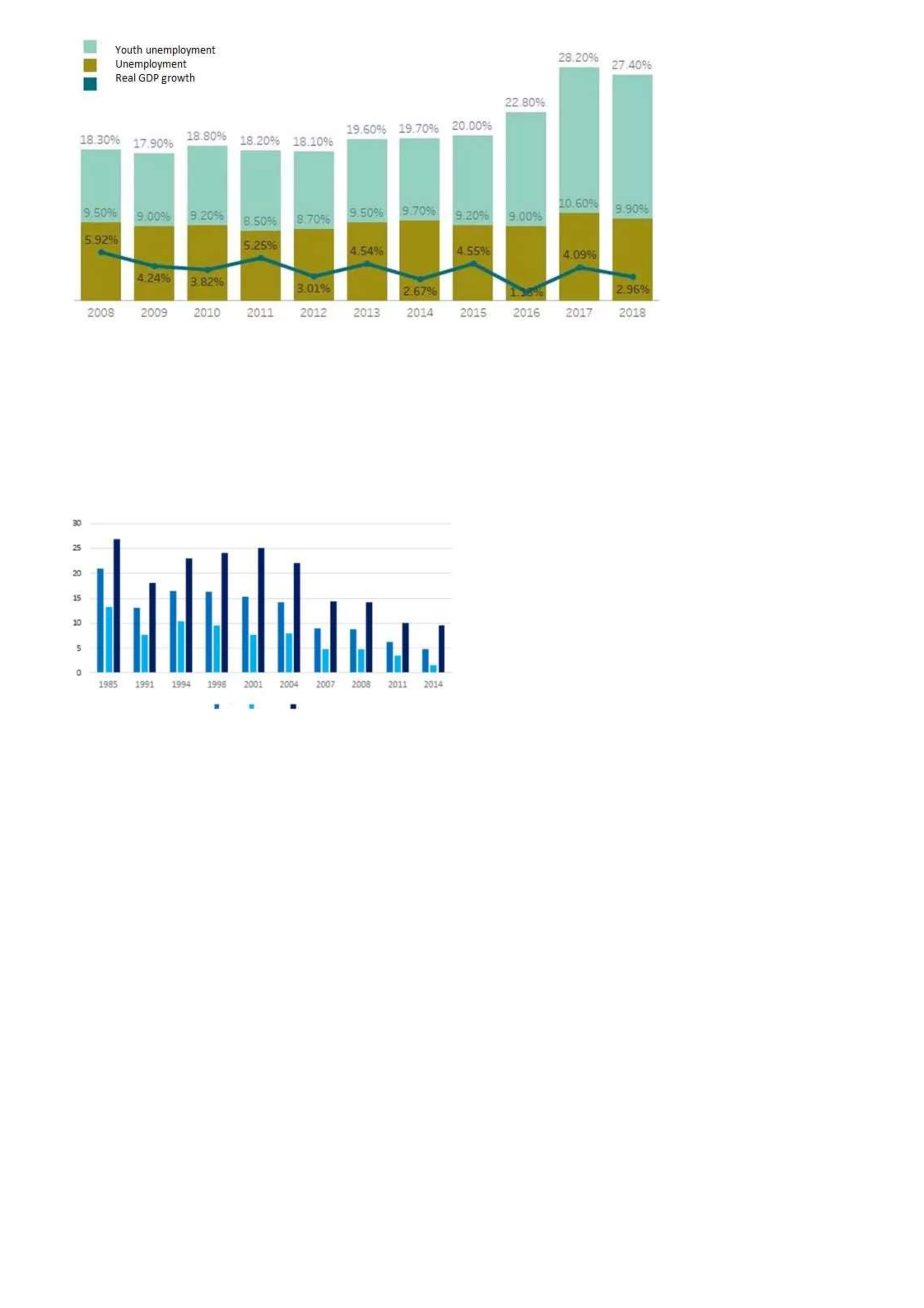
Fig. 1. Correlation between unemployment, youth unemployment, and growth in Morocco, percentage change with 2012 base.
However, the labor share of GDP is the highest in the upper-middle-income sector which demonstrates the growth of a strong middle class in the
country. At the same time, social spending in Morocco is less than in neighboring countries such as Tunisia and Jordan. Thus, the progress in the
achievement of SDGs is ambiguous, although progressive development is evident. It should be noted that the country managed to decrease the
poverty rate significantly in dynamics (Fig. 2).
Total Urban Rural
Fig. 2. The Evolution of poverty rate in Morocco, 1985-2014.
There is a gradual increase in the human capital index and efforts are being made in the field of education. The dynamics of youth functional literacy
in Morocco for the period 2000-2018 is the highest among ten African countries. Net Enrollment Ratio in primary education manifested two-fold
growth since 1971 (Mansouri and Moumine 12). The duration of primary education is 6 years – this figure has not changed since 2009. The net
enrollment rate in primary education is 98.92%, which is a good value for an African country. Adult literacy is 73.75% (Sandberg and Binder 26).
Moreover, the illiterate population is concentrated in rural areas.
Processes of digital transformation are being observed – the ruling elite of Morocco realizes that digitalization is one of the integral mechanisms of
the global development of the national economy. It plays a critical role in attracting investment, creating jobs, modernizing the public sector, and
creating fast and efficient services for citizens. Efforts are being made to improve the digital infrastructure, strengthen the professional knowledge of
people to meet the market demand for specialists in the digital sphere.
Nevertheless, economic inequality persists – for example, the Gini index, which measures the degree to which the distribution of income or
consumption expenditures among households in the economy differs from absolute equality in distribution, was 35.70% in 2018 (UN). This is,
however, almost 10% less than in the previous year, which indicates the success of the government’s efforts to reduce inequality. According to World
Bank Human Capital Index, Morocco is ahead of Egypt and Yemen and almost on the same level as other Arab countries, being behind such rich
countries as Qatar and UAE (Fig. 3 below).
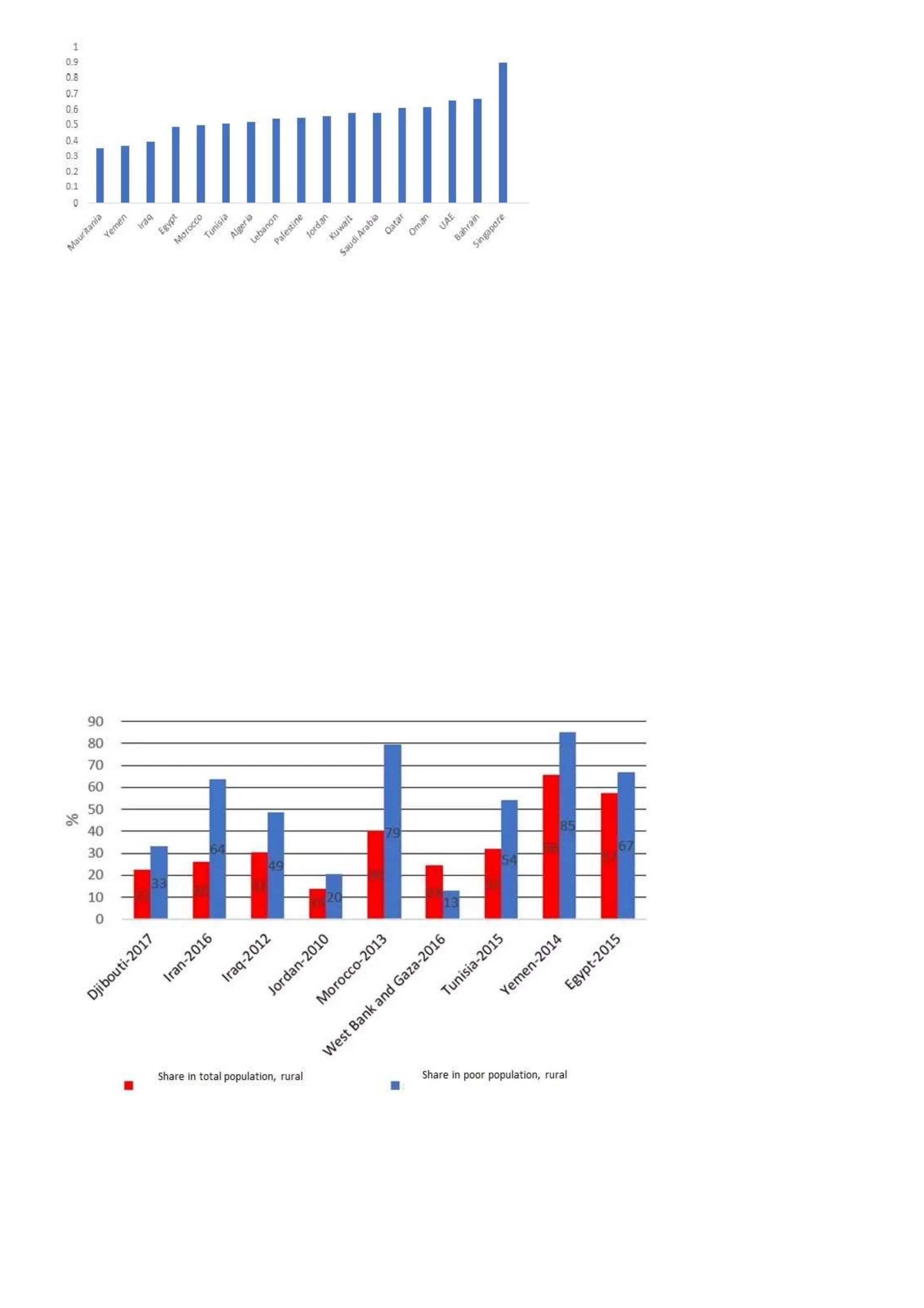
Fig. 3. The World Bank Human Capital Index, 2019.
Issues of reducing gender inequality should also be noted. Noteworthy, recent family law reforms in Morocco have strengthened women’s property
rights by equalizing the property rights of husbands and wives over property acquired during the marriage. Methods for strengthening the voice of
women in society include political representation quotas, training future women leaders, and increasing their participation in trade unions and
professional associations.
However, while the gender gap in leadership positions in corporate governance and public administration has narrowed, women, especially in rural
areas, are largely the face of poverty in Morocco. In Morocco, there are two main methods of measuring poverty, which include the “classical
approach” and the second one, which is more of a capacity-based approach. The “classical approach” uses a poverty line to statistically define the
poor. This approach quantifies the number of poor people and households but does not take into account how poor people lack basic needs such as
shelter, food, health, and education. The second approach addresses this lack of basic needs and emphasizes the multidimensional nature of poverty.
Moroccan women represent the most economically vulnerable social group in the country (Sandberg and Binder 32-39). The feminization of poverty
refers to a trend towards increasing inequality in living standards between men and women due to the widening gap in poverty between women and
men. This phenomenon is not only a consequence of a lack of income but also a result of disenfranchisement and gender bias inherent in both
societies and governments at the regional level. It encompasses the poverty of choice and opportunity, such as the ability to lead a long, healthy, and
creative life and the enjoyment of fundamental rights such as freedom, respect, and dignity. This phenomenon is largely due to the overall ratio of
total and poor population in rural areas. In Morocco, the percentage of the poor rural population is rather high in comparison with other MENA
countries (Fig. 4).
Fig. 4. Rural shares in total and poor population in selected MENA countries.
Indeed, education seems to be an important factor associated with access to rural non-farm activities – thus, the issue of rural poverty should be
addressed simultaneously with making efforts to eradicate illiteracy in rural areas. The figure below clearly shows that education represents one of
the definitive factors associated with access to rural non-farm activities.
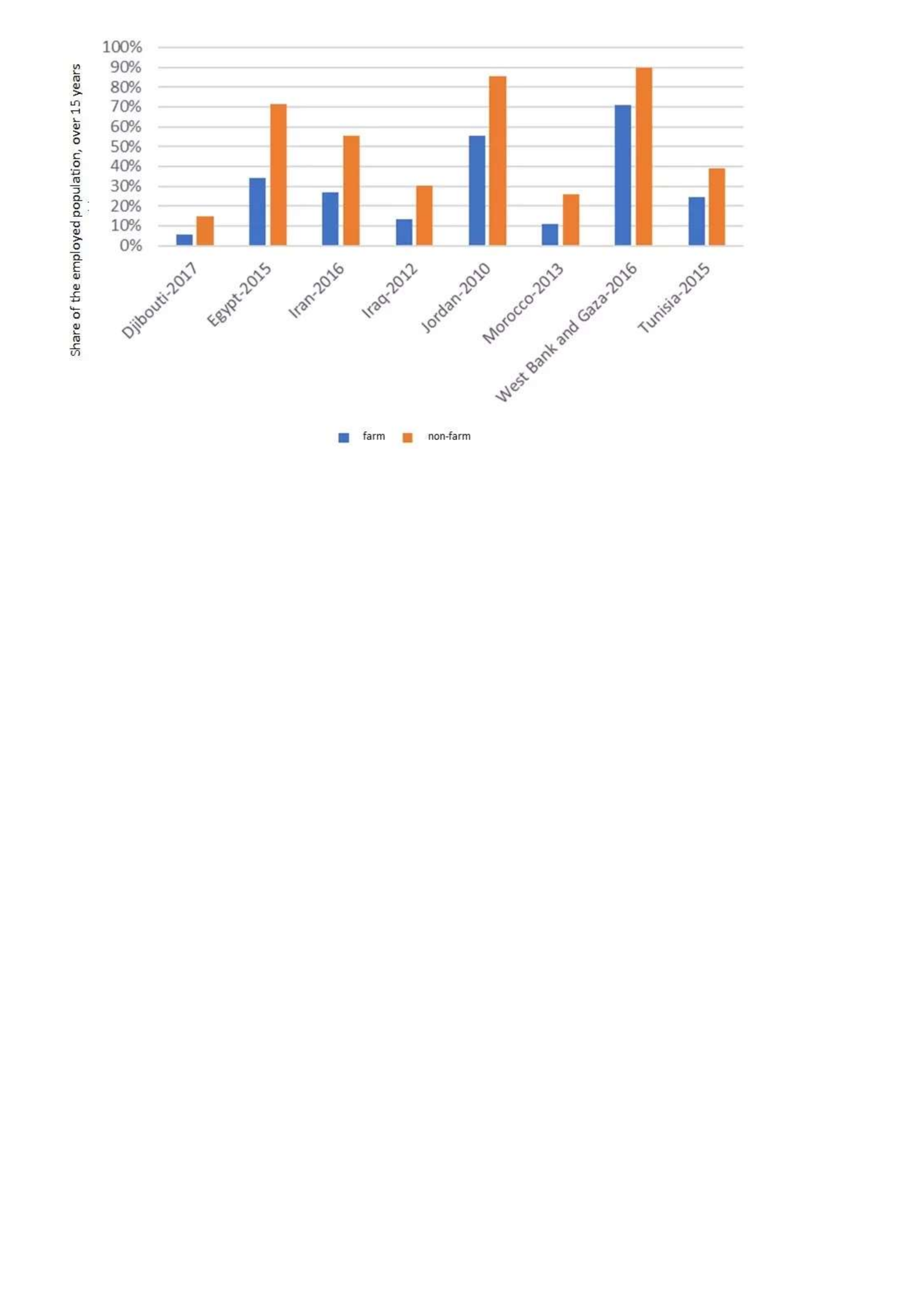
Fig. 5. Shares of the population over 15 years old with incomplete secondary education and above among employed farm and non-farm activities in
rural areas of selected MENA countries.
The Kingdom of Morocco continues to pursue its efforts to follow up on recommendations from major United Nations development meetings and
conferences, including the Millennium Development Goals, which are included in the national development strategy. Modernization, democratization,
and economic development, as well as indicators of sustainable human development, are interdependent in promoting equal opportunities,
disseminating knowledge, and providing basic social services.
Increasingly more environmental protection programs are being implemented in the country. In particular, by supporting ecotourism, Morocco strives
to highlight its unique tangible and spiritual heritage by engaging industry professionals and regional authorities. For this, a special program has been
developed – the charter for sustainable tourism. The development of ecotourism is also supported by numerous individual projects, such as the
botanical garden of aromatic plants located near the ancient city. To date, 13 Moroccan beaches have received the Blue Flag award (Rihab 287). Many
hotels and inns in the country have received the Green Key award. All this highlights the efforts of the owners of the companies in the field of
environmental protection.
The percentage of the marine protected area has increased in recent years, and on the 22nd Conference of the Parties to the United Nations
Framework Convention on Climate Change, for the first time in its history, at the request of the Moroccan government, an Action Day for the
Protection of the Oceans was organized as part of the official UNFCCC program. Efforts to combat illegal, unreported, and unregulated fishing also
should be noted. In the energy sector, Morocco stands out for the presence of the seventh-largest solar power plant in the world – in Noor. Spread
over an area of 3000 hectares (3500 football fields), the station is capable of providing energy to a city the size of two Marrakech or Prague. Located
at the entrance to the Sahara Desert, the complex saves the planet from more than 760,000 tons of carbon emissions (Mohamed et al. 193-195). The
main sectors of the economy that can support green growth are clean renewable energy, water management, agriculture and forestry, fisheries,
recycling, and waste management.
This major project primarily serves the interests of Morocco, but it is also part of a worldwide effort to expand the use of renewable energy sources.
Investment in renewable energy in Morocco grew 13 times in 2018 to $ 2.8 billion (Mohamed et al. 191). Morocco has set an ambitious goal of
generating more than half of its electricity from renewable sources by 2030. These goals, along with other climate change policies, helped make
Morocco the second best-performing country in the 2018 and 2019 Climate Change Performance Indices. Morocco ranks 64th in the world in terms of
environmental performance, ahead of most African countries (Rihab 289). The country is trying to integrate the climate change component into all
national public policies.
Separately, the degree of application of a legal, regulatory, and institutional framework that recognizes and protects access rights for small-scale
fisheries in Morocco should be noted. The country is among the leading ones in Africa by the degree of efforts in this field. For the Sahara region, the
most relevant is the efforts of the Kingdom of Morocco on control and surveillance issues, given the importance of fishing activities. Control requires
the average performance of equipment and, namely control on water and on land, which mobilizes ships, vehicles, and service personnel, equipped
with specific measurement and remote communication equipment. Indeed, control concerns all the elements: fishermen’s activities, fishing area,
fishing gear and sizes, documentation (capture declaration, logbook), unloading (market size, quota), transportation, and storage of fishing products.
Thus, the country demonstrates evident and, to a significant extent, effective efforts to achieve meeting goals of sustainable development both in
addressing the issues of social capital growth and environmental protection. At the same time, still, problems in social inequality, gender gaps, rural
poverty, and access to quality education persist. In these conditions, it seems expedient to pay special attention to the mechanisms of public-private
partnership, which are not well developed in Morocco.
The Moroccan economy is considered to be a relatively liberal economy governed by the law of supply and demand. Since 1993, Morocco has
pursued a policy of privatizing certain sectors of the economy that were formerly in the hands of the government.
Morocco has become a major player in African economic affairs and ranks fifth among African economies in terms of GDP. The
World Economic Forum ranked Morocco as the 1st most competitive economy in North Africa in its Africa Competitiveness Report 2014-15. Since
2018, the country’s currency – the dirham – is fully convertible for current account transactions, financial sector reforms are carried out, and state
enterprises are being privatized.
There is an overall relative downward trend in unemployment in the country over the past decade. However, still, the level of youth unemployment in
2017 is 42.8%. About 80% of jobs are informal and the income gap is very large (Dadush 9). The correlation between unemployment, youth
unemployment, and growth is shown in Fig. 1 below.
Fig. 1. Correlation between unemployment, youth unemployment, and growth in Morocco, percentage change with 2012 base.
However, the labor share of GDP is the highest in the upper-middle-income sector which demonstrates the growth of a strong middle class in the
country. At the same time, social spending in Morocco is less than in neighboring countries such as Tunisia and Jordan. Thus, the progress in the
achievement of SDGs is ambiguous, although progressive development is evident. It should be noted that the country managed to decrease the
poverty rate significantly in dynamics (Fig. 2).
Total Urban Rural
Fig. 2. The Evolution of poverty rate in Morocco, 1985-2014.
There is a gradual increase in the human capital index and efforts are being made in the field of education. The dynamics of youth functional literacy
in Morocco for the period 2000-2018 is the highest among ten African countries. Net Enrollment Ratio in primary education manifested two-fold
growth since 1971 (Mansouri and Moumine 12). The duration of primary education is 6 years – this figure has not changed since 2009. The net
enrollment rate in primary education is 98.92%, which is a good value for an African country. Adult literacy is 73.75% (Sandberg and Binder 26).
Moreover, the illiterate population is concentrated in rural areas.
Processes of digital transformation are being observed – the ruling elite of Morocco realizes that digitalization is one of the integral mechanisms of
the global development of the national economy. It plays a critical role in attracting investment, creating jobs, modernizing the public sector, and
creating fast and efficient services for citizens. Efforts are being made to improve the digital infrastructure, strengthen the professional knowledge of
people to meet the market demand for specialists in the digital sphere.
Nevertheless, economic inequality persists – for example, the Gini index, which measures the degree to which the distribution of income or
consumption expenditures among households in the economy differs from absolute equality in distribution, was 35.70% in 2018 (UN). This is,
however, almost 10% less than in the previous year, which indicates the success of the government’s efforts to reduce inequality. According to World
Bank Human Capital Index, Morocco is ahead of Egypt and Yemen and almost on the same level as other Arab countries, being behind such rich
countries as Qatar and UAE (Fig. 3 below).
Fig. 3. The World Bank Human Capital Index, 2019.
Issues of reducing gender inequality should also be noted. Noteworthy, recent family law reforms in Morocco have strengthened women’s property
rights by equalizing the property rights of husbands and wives over property acquired during the marriage. Methods for strengthening the voice of
women in society include political representation quotas, training future women leaders, and increasing their participation in trade unions and
professional associations.
However, while the gender gap in leadership positions in corporate governance and public administration has narrowed, women, especially in rural
areas, are largely the face of poverty in Morocco. In Morocco, there are two main methods of measuring poverty, which include the “classical
approach” and the second one, which is more of a capacity-based approach. The “classical approach” uses a poverty line to statistically define the
poor. This approach quantifies the number of poor people and households but does not take into account how poor people lack basic needs such as
shelter, food, health, and education. The second approach addresses this lack of basic needs and emphasizes the multidimensional nature of poverty.
Moroccan women represent the most economically vulnerable social group in the country (Sandberg and Binder 32-39). The feminization of poverty
refers to a trend towards increasing inequality in living standards between men and women due to the widening gap in poverty between women and
men. This phenomenon is not only a consequence of a lack of income but also a result of disenfranchisement and gender bias inherent in both
societies and governments at the regional level. It encompasses the poverty of choice and opportunity, such as the ability to lead a long, healthy, and
creative life and the enjoyment of fundamental rights such as freedom, respect, and dignity. This phenomenon is largely due to the overall ratio of
total and poor population in rural areas. In Morocco, the percentage of the poor rural population is rather high in comparison with other MENA
countries (Fig. 4).
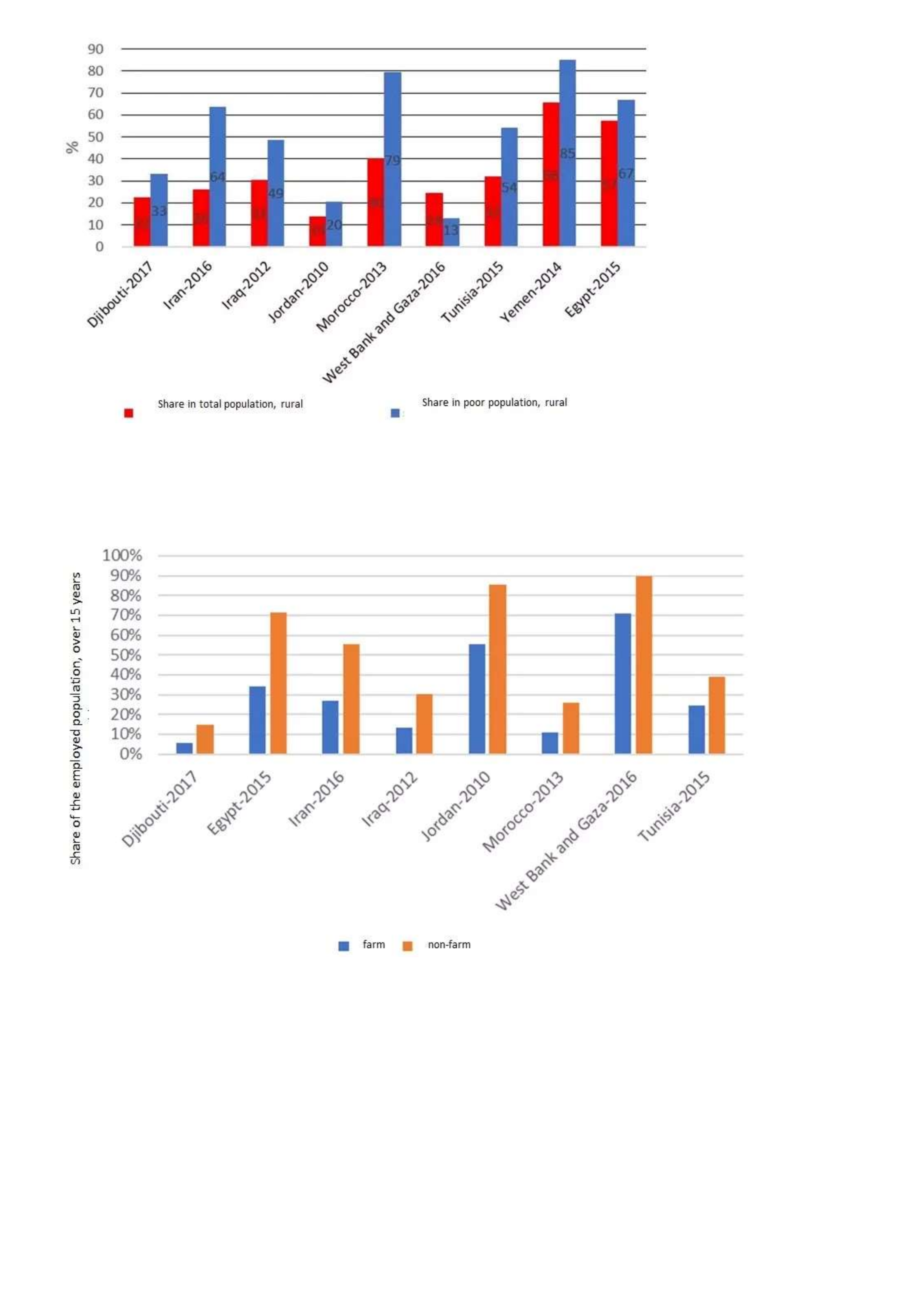
Fig. 4. Rural shares in total and poor population in selected MENA countries.
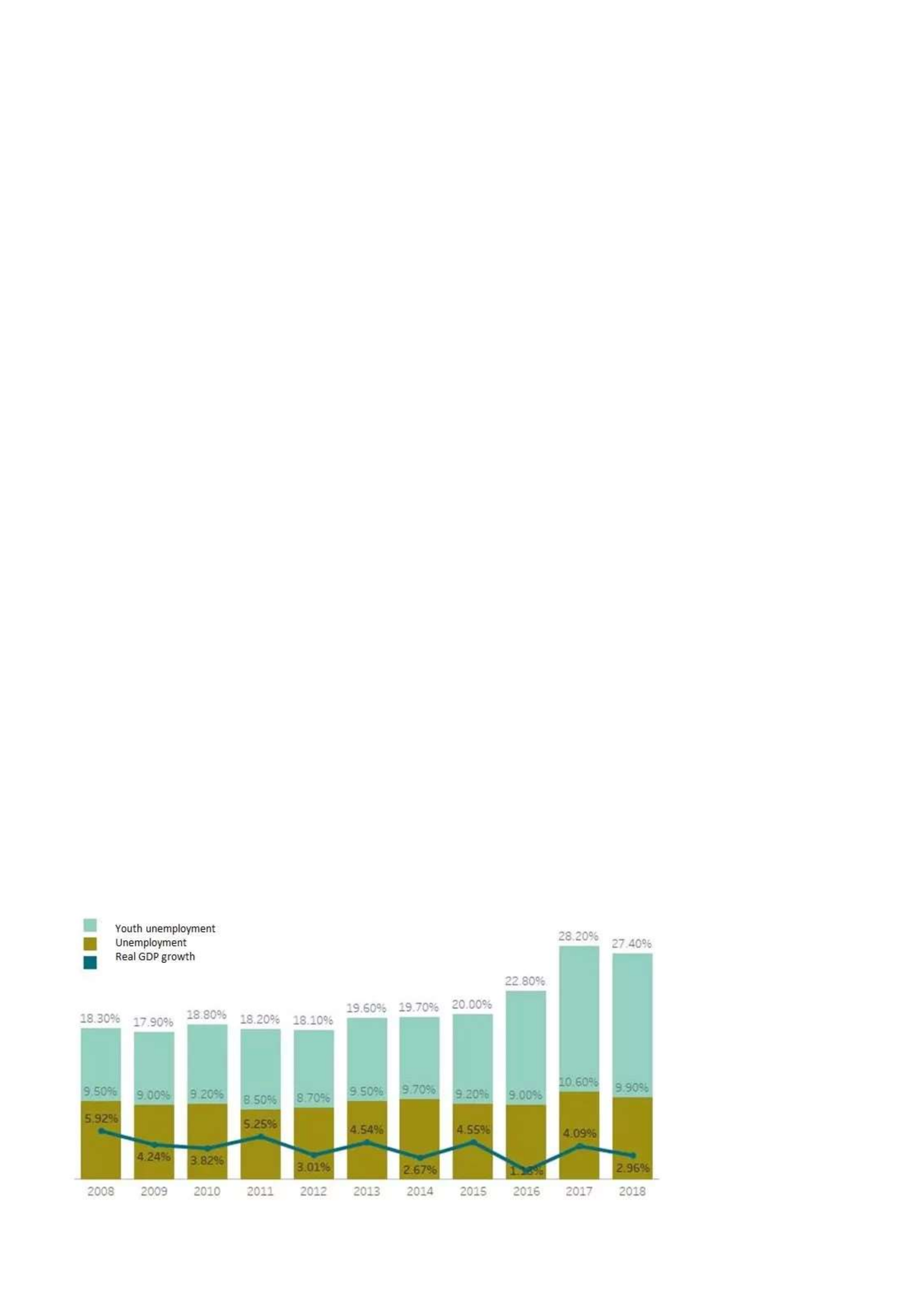
Indeed, education seems to be an important factor associated with access to rural non-farm activities – thus, the issue of rural poverty should be
addressed simultaneously with making efforts to eradicate illiteracy in rural areas. The figure below clearly shows that education represents one of
the definitive factors associated with access to rural non-farm activities.
Fig. 5. Shares of the population over 15 years old with incomplete secondary education and above among employed farm and non-farm activities in
rural areas of selected MENA countries.
The Kingdom of Morocco continues to pursue its efforts to follow up on recommendations from major United Nations development meetings and
conferences, including the Millennium Development Goals, which are included in the national development strategy. Modernization, democratization,
and economic development, as well as indicators of sustainable human development, are interdependent in promoting equal opportunities,
disseminating knowledge, and providing basic social services.
Increasingly more environmental protection programs are being implemented in the country. In particular, by supporting ecotourism, Morocco strives
to highlight its unique tangible and spiritual heritage by engaging industry professionals and regional authorities. For this, a special program has been
developed – the charter for sustainable tourism. The development of ecotourism is also supported by numerous individual projects, such as the
botanical garden of aromatic plants located near the ancient city. To date, 13 Moroccan beaches have received the Blue Flag award (Rihab 287). Many
hotels and inns in the country have received the Green Key award. All this highlights the efforts of the owners of the companies in the field of
environmental protection.
The percentage of the marine protected area has increased in recent years, and on the 22nd Conference of the Parties to the United Nations
Framework Convention on Climate Change, for the first time in its history, at the request of the Moroccan government, an Action Day for the
Protection of the Oceans was organized as part of the official UNFCCC program. Efforts to combat illegal, unreported, and unregulated fishing also
should be noted. In the energy sector, Morocco stands out for the presence of the seventh-largest solar power plant in the world – in Noor. Spread
over an area of 3000 hectares (3500 football fields), the station is capable of providing energy to a city the size of two Marrakech or Prague. Located
at the entrance to the Sahara Desert, the complex saves the planet from more than 760,000 tons of carbon emissions (Mohamed et al. 193-195). The
main sectors of the economy that can support green growth are clean renewable energy, water management, agriculture and forestry, fisheries,
recycling, and waste management.
This major project primarily serves the interests of Morocco, but it is also part of a worldwide effort to expand the use of renewable energy sources.
Investment in renewable energy in Morocco grew 13 times in 2018 to $ 2.8 billion (Mohamed et al. 191). Morocco has set an ambitious goal of
generating more than half of its electricity from renewable sources by 2030. These goals, along with other climate change policies, helped make
Morocco the second best-performing country in the 2018 and 2019 Climate Change Performance Indices. Morocco ranks 64th in the world in terms of
environmental performance, ahead of most African countries (Rihab 289). The country is trying to integrate the climate change component into all
national public policies.
Separately, the degree of application of a legal, regulatory, and institutional framework that recognizes and protects access rights for small-scale
fisheries in Morocco should be noted. The country is among the leading ones in Africa by the degree of efforts in this field. For the Sahara region, the
most relevant is the efforts of the Kingdom of Morocco on control and surveillance issues, given the importance of fishing activities. Control requires
the average performance of equipment and, namely control on water and on land, which mobilizes ships, vehicles, and service personnel, equipped
with specific measurement and remote communication equipment. Indeed, control concerns all the elements: fishermen’s activities, fishing area,
fishing gear and sizes, documentation (capture declaration, logbook), unloading (market size, quota), transportation, and storage of fishing products.
Thus, the country demonstrates evident and, to a significant extent, effective efforts to achieve meeting goals of sustainable development both in
addressing the issues of social capital growth and environmental protection. At the same time, still, problems in social inequality, gender gaps, rural
poverty, and access to quality education persist. In these conditions, it seems expedient to pay special attention to the mechanisms of public-private
partnership, which are not well developed in Morocco.
The Moroccan economy is considered to be a relatively liberal economy governed by the law of supply and demand. Since 1993, Morocco has
pursued a policy of privatizing certain sectors of the economy that were formerly in the hands of the government.
Morocco has become a major player in African economic affairs and ranks fifth among African economies in terms of GDP. The
World Economic Forum ranked Morocco as the 1st most competitive economy in North Africa in its Africa Competitiveness Report 2014-15. Since
2018, the country’s currency – the dirham – is fully convertible for current account transactions, financial sector reforms are carried out, and state
enterprises are being privatized.
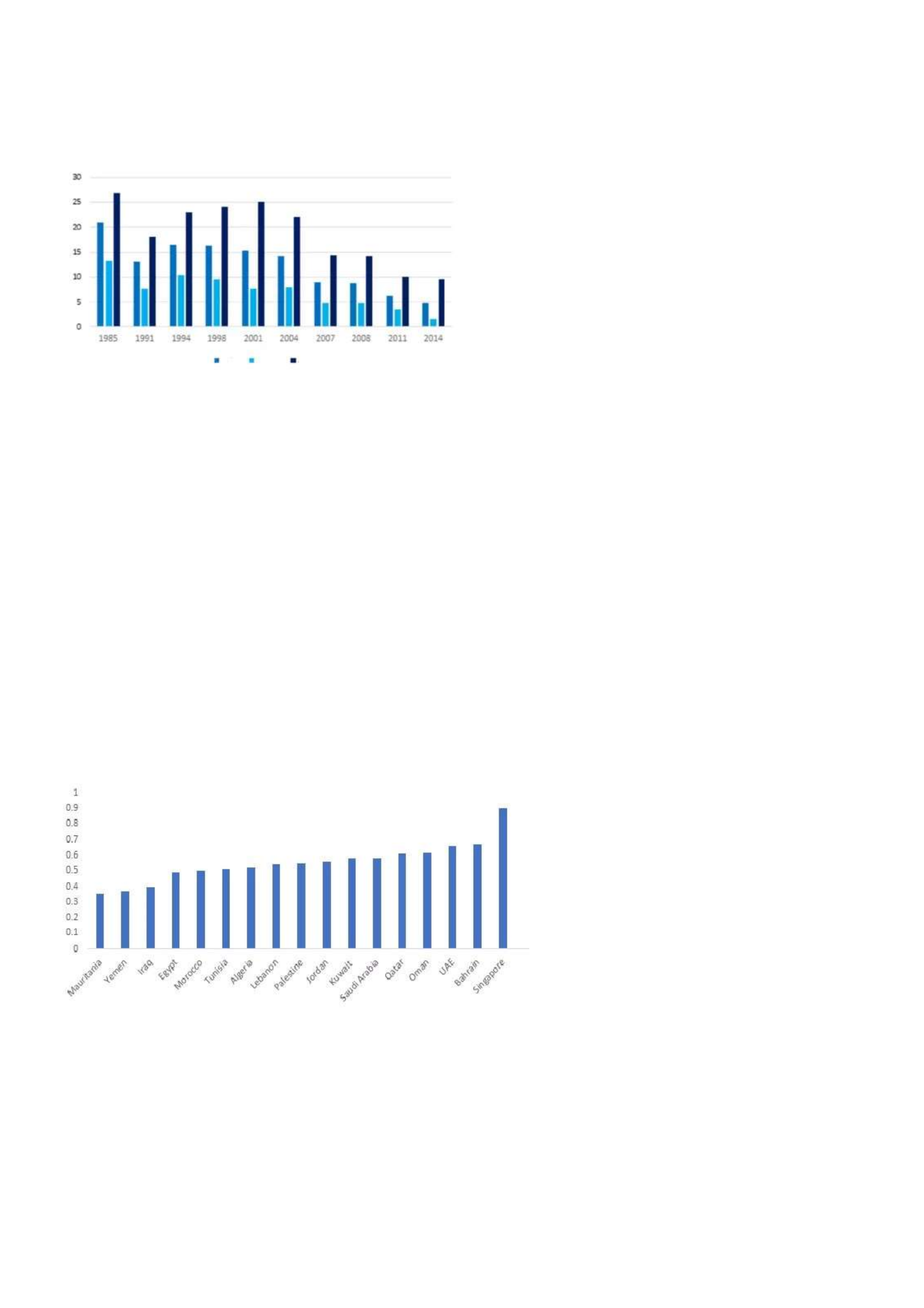
There is an overall relative downward trend in unemployment in the country over the past decade. However, still, the level of youth unemployment in
2017 is 42.8%. About 80% of jobs are informal and the income gap is very large (Dadush 9). The correlation between unemployment, youth
unemployment, and growth is shown in Fig. 1 below.
Fig. 1. Correlation between unemployment, youth unemployment, and growth in Morocco, percentage change with 2012 base.
However, the labor share of GDP is the highest in the upper-middle-income sector which demonstrates the growth of a strong middle class in the
country. At the same time, social spending in Morocco is less than in neighboring countries such as Tunisia and Jordan. Thus, the progress in the
achievement of SDGs is ambiguous, although progressive development is evident. It should be noted that the country managed to decrease the
poverty rate significantly in dynamics (Fig. 2).
Total Urban Rural
Fig. 2. The Evolution of poverty rate in Morocco, 1985-2014.
There is a gradual increase in the human capital index and efforts are being made in the field of education. The dynamics of youth functional literacy
in Morocco for the period 2000-2018 is the highest among ten African countries. Net Enrollment Ratio in primary education manifested two-fold
growth since 1971 (Mansouri and Moumine 12). The duration of primary education is 6 years – this figure has not changed since 2009. The net
enrollment rate in primary education is 98.92%, which is a good value for an African country. Adult literacy is 73.75% (Sandberg and Binder 26).
Moreover, the illiterate population is concentrated in rural areas.
Processes of digital transformation are being observed – the ruling elite of Morocco realizes that digitalization is one of the integral mechanisms of
the global development of the national economy. It plays a critical role in attracting investment, creating jobs, modernizing the public sector, and
creating fast and efficient services for citizens. Efforts are being made to improve the digital infrastructure, strengthen the professional knowledge of
people to meet the market demand for specialists in the digital sphere.
Nevertheless, economic inequality persists – for example, the Gini index, which measures the degree to which the distribution of income or
consumption expenditures among households in the economy differs from absolute equality in distribution, was 35.70% in 2018 (UN). This is,
however, almost 10% less than in the previous year, which indicates the success of the government’s efforts to reduce inequality. According to World
Bank Human Capital Index, Morocco is ahead of Egypt and Yemen and almost on the same level as other Arab countries, being behind such rich
countries as Qatar and UAE (Fig. 3 below).
Fig. 3. The World Bank Human Capital Index, 2019.
Issues of reducing gender inequality should also be noted. Noteworthy, recent family law reforms in Morocco have strengthened women’s property
rights by equalizing the property rights of husbands and wives over property acquired during the marriage. Methods for strengthening the voice of
women in society include political representation quotas, training future women leaders, and increasing their participation in trade unions and
professional associations.
However, while the gender gap in leadership positions in corporate governance and public administration has narrowed, women, especially in rural
areas, are largely the face of poverty in Morocco. In Morocco, there are two main methods of measuring poverty, which include the “classical
approach” and the second one, which is more of a capacity-based approach. The “classical approach” uses a poverty line to statistically define the
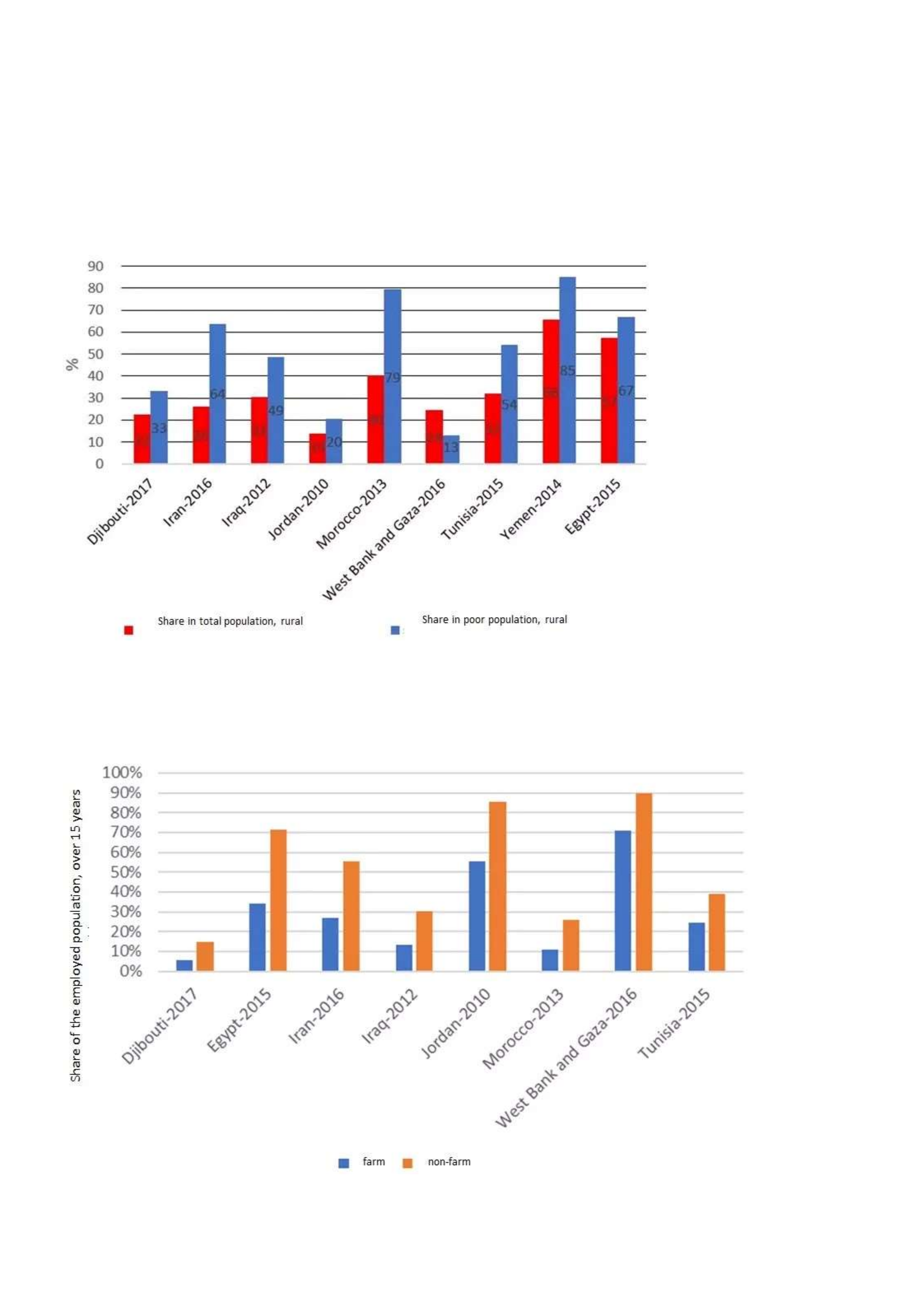
poor. This approach quantifies the number of poor people and households but does not take into account how poor people lack basic needs such as
shelter, food, health, and education. The second approach addresses this lack of basic needs and emphasizes the multidimensional nature of poverty.
Moroccan women represent the most economically vulnerable social group in the country (Sandberg and Binder 32-39). The feminization of poverty
refers to a trend towards increasing inequality in living standards between men and women due to the widening gap in poverty between women and
men. This phenomenon is not only a consequence of a lack of income but also a result of disenfranchisement and gender bias inherent in both
societies and governments at the regional level. It encompasses the poverty of choice and opportunity, such as the ability to lead a long, healthy, and
creative life and the enjoyment of fundamental rights such as freedom, respect, and dignity. This phenomenon is largely due to the overall ratio of
total and poor population in rural areas. In Morocco, the percentage of the poor rural population is rather high in comparison with other MENA
countries (Fig. 4).
Fig. 4. Rural shares in total and poor population in selected MENA countries.
Indeed, education seems to be an important factor associated with access to rural non-farm activities – thus, the issue of rural poverty should be
addressed simultaneously with making efforts to eradicate illiteracy in rural areas. The figure below clearly shows that education represents one of
the definitive factors associated with access to rural non-farm activities.
Fig. 5. Shares of the population over 15 years old with incomplete secondary education and above among employed farm and non-farm activities in
rural areas of selected MENA countries.

The Kingdom of Morocco continues to pursue its efforts to follow up on recommendations from major United Nations development meetings and
conferences, including the Millennium Development Goals, which are included in the national development strategy. Modernization, democratization,
and economic development, as well as indicators of sustainable human development, are interdependent in promoting equal opportunities,
disseminating knowledge, and providing basic social services.
Increasingly more environmental protection programs are being implemented in the country. In particular, by supporting ecotourism, Morocco strives
to highlight its unique tangible and spiritual heritage by engaging industry professionals and regional authorities. For this, a special program has been
developed – the charter for sustainable tourism. The development of ecotourism is also supported by numerous individual projects, such as the
botanical garden of aromatic plants located near the ancient city. To date, 13 Moroccan beaches have received the Blue Flag award (Rihab 287). Many
hotels and inns in the country have received the Green Key award. All this highlights the efforts of the owners of the companies in the field of
environmental protection.
The percentage of the marine protected area has increased in recent years, and on the 22nd Conference of the Parties to the United Nations
Framework Convention on Climate Change, for the first time in its history, at the request of the Moroccan government, an Action Day for the
Protection of the Oceans was organized as part of the official UNFCCC program. Efforts to combat illegal, unreported, and unregulated fishing also
should be noted. In the energy sector, Morocco stands out for the presence of the seventh-largest solar power plant in the world – in Noor. Spread
over an area of 3000 hectares (3500 football fields), the station is capable of providing energy to a city the size of two Marrakech or Prague. Located
at the entrance to the Sahara Desert, the complex saves the planet from more than 760,000 tons of carbon emissions (Mohamed et al. 193-195). The
main sectors of the economy that can support green growth are clean renewable energy, water management, agriculture and forestry, fisheries,
recycling, and waste management.
This major project primarily serves the interests of Morocco, but it is also part of a worldwide effort to expand the use of renewable energy sources.
Investment in renewable energy in Morocco grew 13 times in 2018 to $ 2.8 billion (Mohamed et al. 191). Morocco has set an ambitious goal of
generating more than half of its electricity from renewable sources by 2030. These goals, along with other climate change policies, helped make
Morocco the second best-performing country in the 2018 and 2019 Climate Change Performance Indices. Morocco ranks 64th in the world in terms of
environmental performance, ahead of most African countries (Rihab 289). The country is trying to integrate the climate change component into all
national public policies.
Separately, the degree of application of a legal, regulatory, and institutional framework that recognizes and protects access rights for small-scale
fisheries in Morocco should be noted. The country is among the leading ones in Africa by the degree of efforts in this field. For the Sahara region, the
most relevant is the efforts of the Kingdom of Morocco on control and surveillance issues, given the importance of fishing activities. Control requires
the average performance of equipment and, namely control on water and on land, which mobilizes ships, vehicles, and service personnel, equipped
with specific measurement and remote communication equipment. Indeed, control concerns all the elements: fishermen’s activities, fishing area,
fishing gear and sizes, documentation (capture declaration, logbook), unloading (market size, quota), transportation, and storage of fishing products.
Thus, the country demonstrates evident and, to a significant extent, effective efforts to achieve meeting goals of sustainable development both in
addressing the issues of social capital growth and environmental protection. At the same time, still, problems in social inequality, gender gaps, rural
poverty, and access to quality education persist. In these conditions, it seems expedient to pay special attention to the mechanisms of public-private
partnership, which are not well developed in Morocco.
The Moroccan economy is considered to be a relatively liberal economy governed by the law of supply and demand. Since 1993, Morocco has
pursued a policy of privatizing certain sectors of the economy that were formerly in the hands of the government.
Morocco has become a major player in African economic affairs and ranks fifth among African economies in terms of GDP. The
World Economic Forum ranked Morocco as the 1st most competitive economy in North Africa in its Africa Competitiveness Report 2014-15. Since
2018, the country’s currency – the dirham – is fully convertible for current account transactions, financial sector reforms are carried out, and state
enterprises are being privatized.
There is an overall relative downward trend in unemployment in the country over the past decade. However, still, the level of youth unemployment in
2017 is 42.8%. About 80% of jobs are informal and the income gap is very large (Dadush 9). The correlation between unemployment, youth
unemployment, and growth is shown in Fig. 1 below.
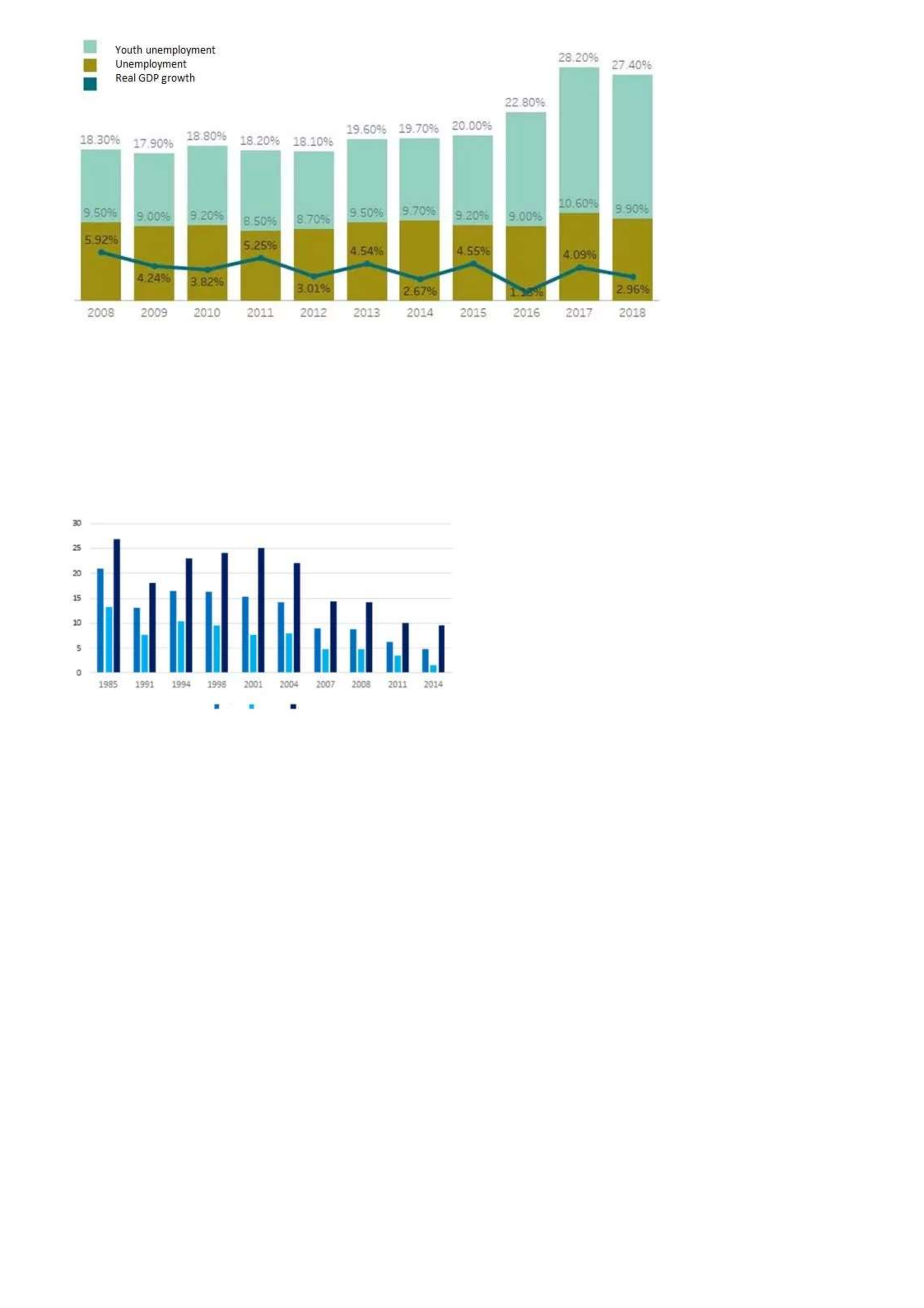
Fig. 1. Correlation between unemployment, youth unemployment, and growth in Morocco, percentage change with 2012 base.
However, the labor share of GDP is the highest in the upper-middle-income sector which demonstrates the growth of a strong middle class in the
country. At the same time, social spending in Morocco is less than in neighboring countries such as Tunisia and Jordan. Thus, the progress in the
achievement of SDGs is ambiguous, although progressive development is evident. It should be noted that the country managed to decrease the
poverty rate significantly in dynamics (Fig. 2).
Total Urban Rural
Fig. 2. The Evolution of poverty rate in Morocco, 1985-2014.
There is a gradual increase in the human capital index and efforts are being made in the field of education. The dynamics of youth functional literacy
in Morocco for the period 2000-2018 is the highest among ten African countries. Net Enrollment Ratio in primary education manifested two-fold
growth since 1971 (Mansouri and Moumine 12). The duration of primary education is 6 years – this figure has not changed since 2009. The net
enrollment rate in primary education is 98.92%, which is a good value for an African country. Adult literacy is 73.75% (Sandberg and Binder 26).
Moreover, the illiterate population is concentrated in rural areas.
Processes of digital transformation are being observed – the ruling elite of Morocco realizes that digitalization is one of the integral mechanisms of
the global development of the national economy. It plays a critical role in attracting investment, creating jobs, modernizing the public sector, and
creating fast and efficient services for citizens. Efforts are being made to improve the digital infrastructure, strengthen the professional knowledge of
people to meet the market demand for specialists in the digital sphere.
Nevertheless, economic inequality persists – for example, the Gini index, which measures the degree to which the distribution of income or
consumption expenditures among households in the economy differs from absolute equality in distribution, was 35.70% in 2018 (UN). This is,
however, almost 10% less than in the previous year, which indicates the success of the government’s efforts to reduce inequality. According to World
Bank Human Capital Index, Morocco is ahead of Egypt and Yemen and almost on the same level as other Arab countries, being behind such rich
countries as Qatar and UAE (Fig. 3 below).
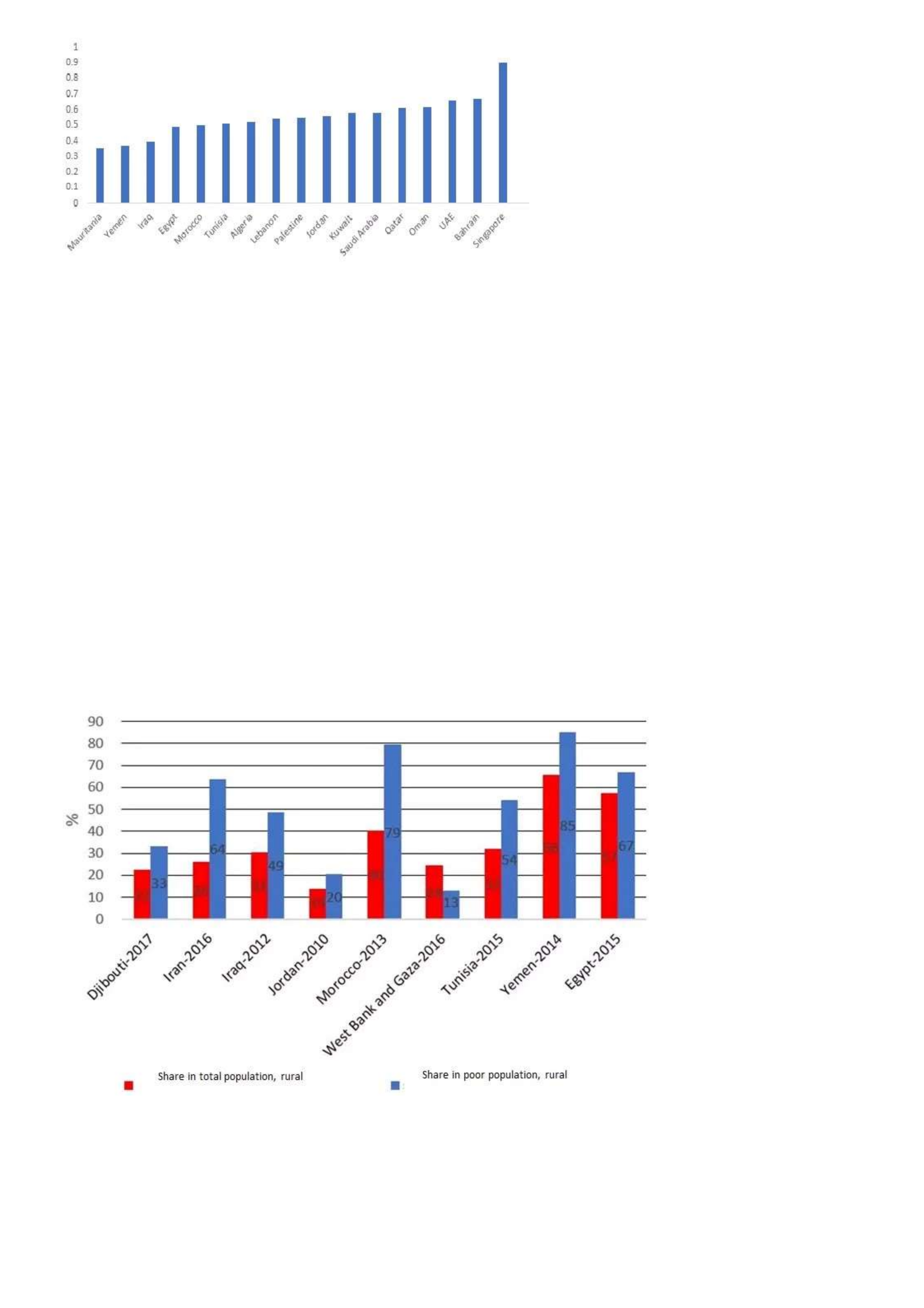
Fig. 3. The World Bank Human Capital Index, 2019.
Issues of reducing gender inequality should also be noted. Noteworthy, recent family law reforms in Morocco have strengthened women’s property
rights by equalizing the property rights of husbands and wives over property acquired during the marriage. Methods for strengthening the voice of
women in society include political representation quotas, training future women leaders, and increasing their participation in trade unions and
professional associations.
However, while the gender gap in leadership positions in corporate governance and public administration has narrowed, women, especially in rural
areas, are largely the face of poverty in Morocco. In Morocco, there are two main methods of measuring poverty, which include the “classical
approach” and the second one, which is more of a capacity-based approach. The “classical approach” uses a poverty line to statistically define the
poor. This approach quantifies the number of poor people and households but does not take into account how poor people lack basic needs such as
shelter, food, health, and education. The second approach addresses this lack of basic needs and emphasizes the multidimensional nature of poverty.
Moroccan women represent the most economically vulnerable social group in the country (Sandberg and Binder 32-39). The feminization of poverty
refers to a trend towards increasing inequality in living standards between men and women due to the widening gap in poverty between women and
men. This phenomenon is not only a consequence of a lack of income but also a result of disenfranchisement and gender bias inherent in both
societies and governments at the regional level. It encompasses the poverty of choice and opportunity, such as the ability to lead a long, healthy, and
creative life and the enjoyment of fundamental rights such as freedom, respect, and dignity. This phenomenon is largely due to the overall ratio of
total and poor population in rural areas. In Morocco, the percentage of the poor rural population is rather high in comparison with other MENA
countries (Fig. 4).
Fig. 4. Rural shares in total and poor population in selected MENA countries.
Indeed, education seems to be an important factor associated with access to rural non-farm activities – thus, the issue of rural poverty should be
addressed simultaneously with making efforts to eradicate illiteracy in rural areas. The figure below clearly shows that education represents one of
the definitive factors associated with access to rural non-farm activities.
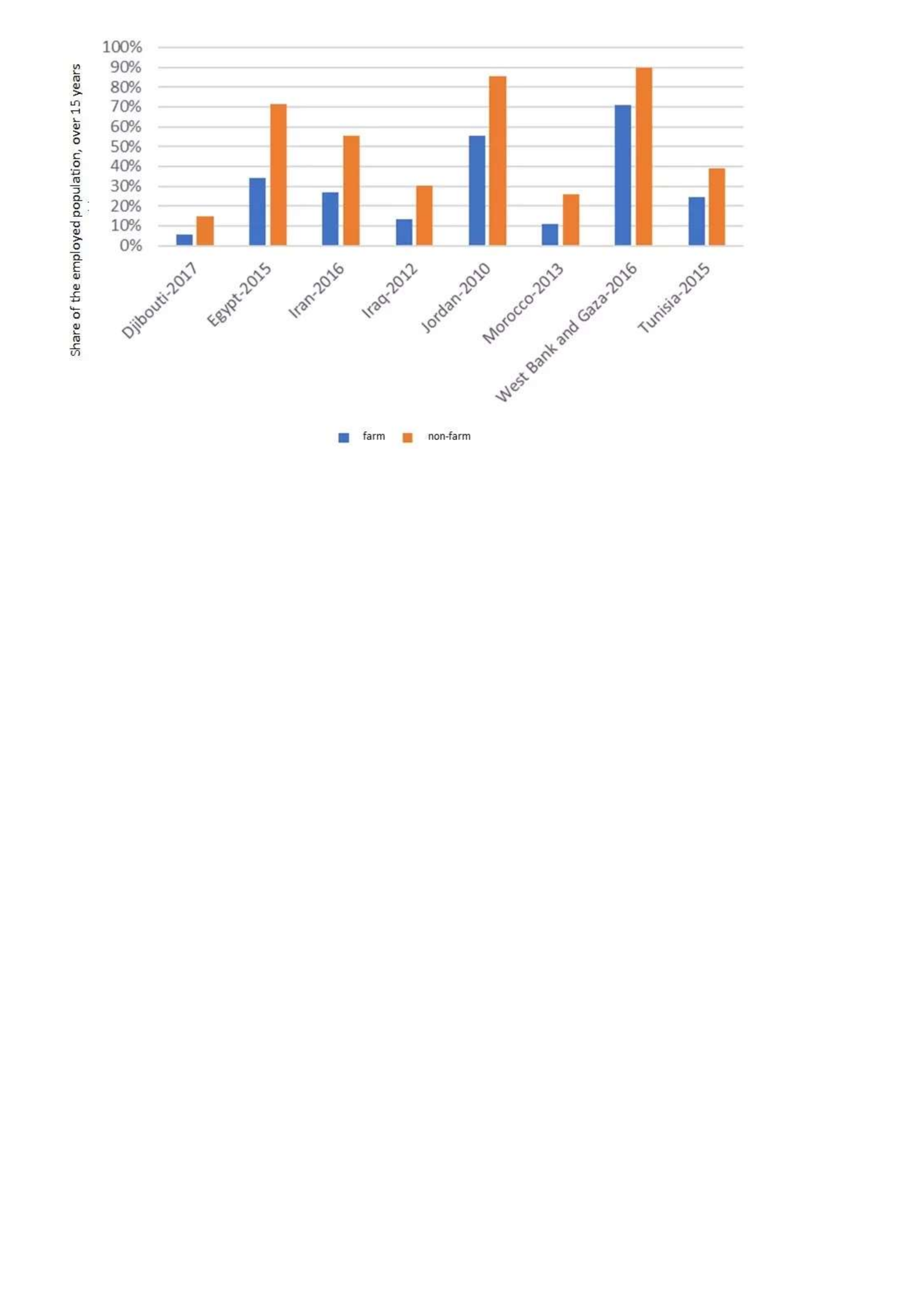
Fig. 5. Shares of the population over 15 years old with incomplete secondary education and above among employed farm and non-farm activities in
rural areas of selected MENA countries.
The Kingdom of Morocco continues to pursue its efforts to follow up on recommendations from major United Nations development meetings and
conferences, including the Millennium Development Goals, which are included in the national development strategy. Modernization, democratization,
and economic development, as well as indicators of sustainable human development, are interdependent in promoting equal opportunities,
disseminating knowledge, and providing basic social services.
Increasingly more environmental protection programs are being implemented in the country. In particular, by supporting ecotourism, Morocco strives
to highlight its unique tangible and spiritual heritage by engaging industry professionals and regional authorities. For this, a special program has been
developed – the charter for sustainable tourism. The development of ecotourism is also supported by numerous individual projects, such as the
botanical garden of aromatic plants located near the ancient city. To date, 13 Moroccan beaches have received the Blue Flag award (Rihab 287). Many
hotels and inns in the country have received the Green Key award. All this highlights the efforts of the owners of the companies in the field of
environmental protection.
The percentage of the marine protected area has increased in recent years, and on the 22nd Conference of the Parties to the United Nations
Framework Convention on Climate Change, for the first time in its history, at the request of the Moroccan government, an Action Day for the
Protection of the Oceans was organized as part of the official UNFCCC program. Efforts to combat illegal, unreported, and unregulated fishing also
should be noted. In the energy sector, Morocco stands out for the presence of the seventh-largest solar power plant in the world – in Noor. Spread
over an area of 3000 hectares (3500 football fields), the station is capable of providing energy to a city the size of two Marrakech or Prague. Located
at the entrance to the Sahara Desert, the complex saves the planet from more than 760,000 tons of carbon emissions (Mohamed et al. 193-195). The
main sectors of the economy that can support green growth are clean renewable energy, water management, agriculture and forestry, fisheries,
recycling, and waste management.
This major project primarily serves the interests of Morocco, but it is also part of a worldwide effort to expand the use of renewable energy sources.
Investment in renewable energy in Morocco grew 13 times in 2018 to $ 2.8 billion (Mohamed et al. 191). Morocco has set an ambitious goal of
generating more than half of its electricity from renewable sources by 2030. These goals, along with other climate change policies, helped make
Morocco the second best-performing country in the 2018 and 2019 Climate Change Performance Indices. Morocco ranks 64th in the world in terms of
environmental performance, ahead of most African countries (Rihab 289). The country is trying to integrate the climate change component into all
national public policies.
Separately, the degree of application of a legal, regulatory, and institutional framework that recognizes and protects access rights for small-scale
fisheries in Morocco should be noted. The country is among the leading ones in Africa by the degree of efforts in this field. For the Sahara region, the
most relevant is the efforts of the Kingdom of Morocco on control and surveillance issues, given the importance of fishing activities. Control requires
the average performance of equipment and, namely control on water and on land, which mobilizes ships, vehicles, and service personnel, equipped
with specific measurement and remote communication equipment. Indeed, control concerns all the elements: fishermen’s activities, fishing area,
fishing gear and sizes, documentation (capture declaration, logbook), unloading (market size, quota), transportation, and storage of fishing products.
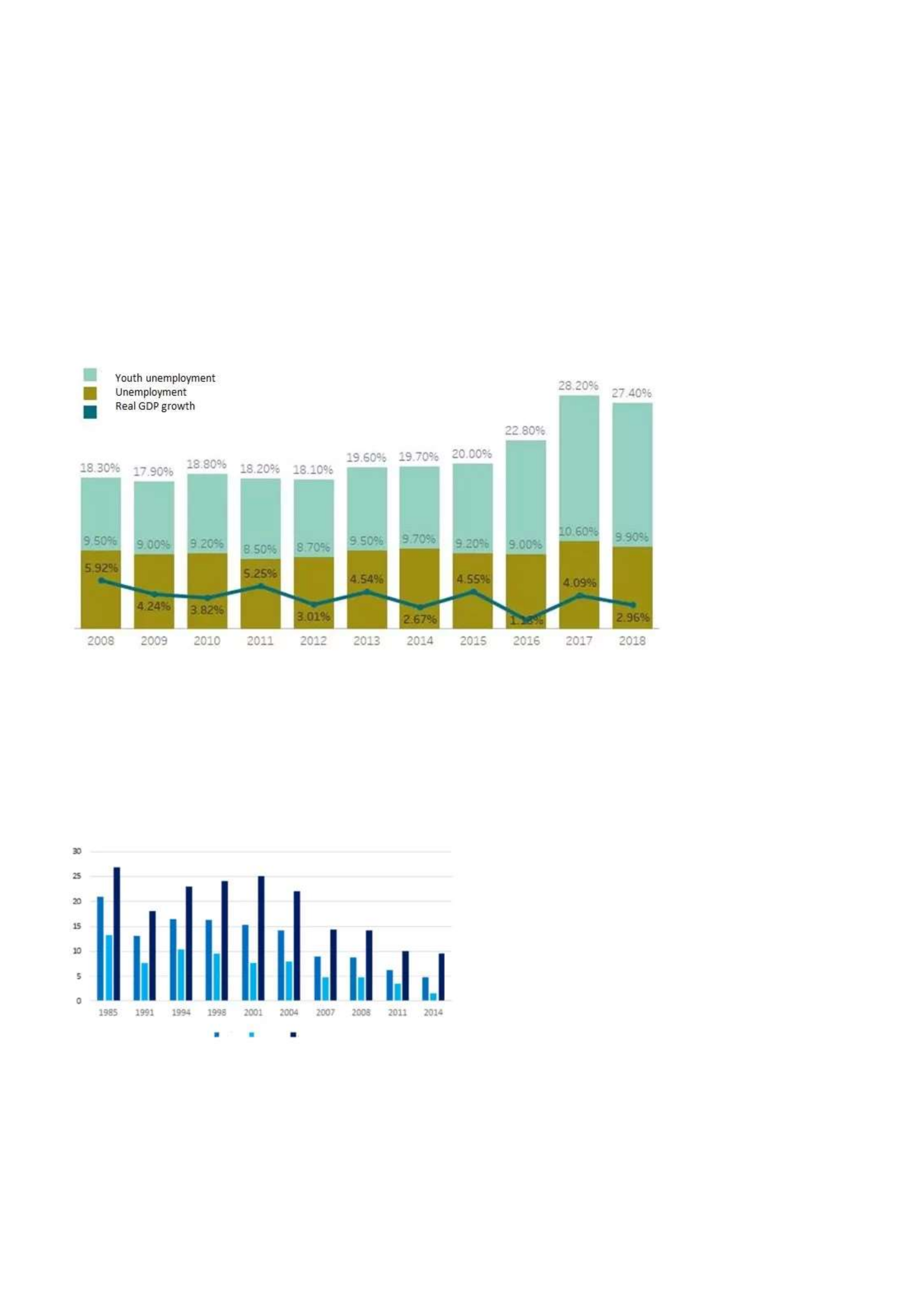
Thus, the country demonstrates evident and, to a significant extent, effective efforts to achieve meeting goals of sustainable development both in
addressing the issues of social capital growth and environmental protection. At the same time, still, problems in social inequality, gender gaps, rural
poverty, and access to quality education persist. In these conditions, it seems expedient to pay special attention to the mechanisms of public-private
partnership, which are not well developed in Morocco.
The Moroccan economy is considered to be a relatively liberal economy governed by the law of supply and demand. Since 1993, Morocco has
pursued a policy of privatizing certain sectors of the economy that were formerly in the hands of the government.
Morocco has become a major player in African economic affairs and ranks fifth among African economies in terms of GDP. The
World Economic Forum ranked Morocco as the 1st most competitive economy in North Africa in its Africa Competitiveness Report 2014-15. Since
2018, the country’s currency – the dirham – is fully convertible for current account transactions, financial sector reforms are carried out, and state
enterprises are being privatized.
There is an overall relative downward trend in unemployment in the country over the past decade. However, still, the level of youth unemployment in
2017 is 42.8%. About 80% of jobs are informal and the income gap is very large (Dadush 9). The correlation between unemployment, youth
unemployment, and growth is shown in Fig. 1 below.
Fig. 1. Correlation between unemployment, youth unemployment, and growth in Morocco, percentage change with 2012 base.
However, the labor share of GDP is the highest in the upper-middle-income sector which demonstrates the growth of a strong middle class in the
country. At the same time, social spending in Morocco is less than in neighboring countries such as Tunisia and Jordan. Thus, the progress in the
achievement of SDGs is ambiguous, although progressive development is evident. It should be noted that the country managed to decrease the
poverty rate significantly in dynamics (Fig. 2).
Total Urban Rural
Fig. 2. The Evolution of poverty rate in Morocco, 1985-2014.
There is a gradual increase in the human capital index and efforts are being made in the field of education. The dynamics of youth functional literacy
in Morocco for the period 2000-2018 is the highest among ten African countries. Net Enrollment Ratio in primary education manifested two-fold
growth since 1971 (Mansouri and Moumine 12). The duration of primary education is 6 years – this figure has not changed since 2009. The net
enrollment rate in primary education is 98.92%, which is a good value for an African country. Adult literacy is 73.75% (Sandberg and Binder 26).
Moreover, the illiterate population is concentrated in rural areas.
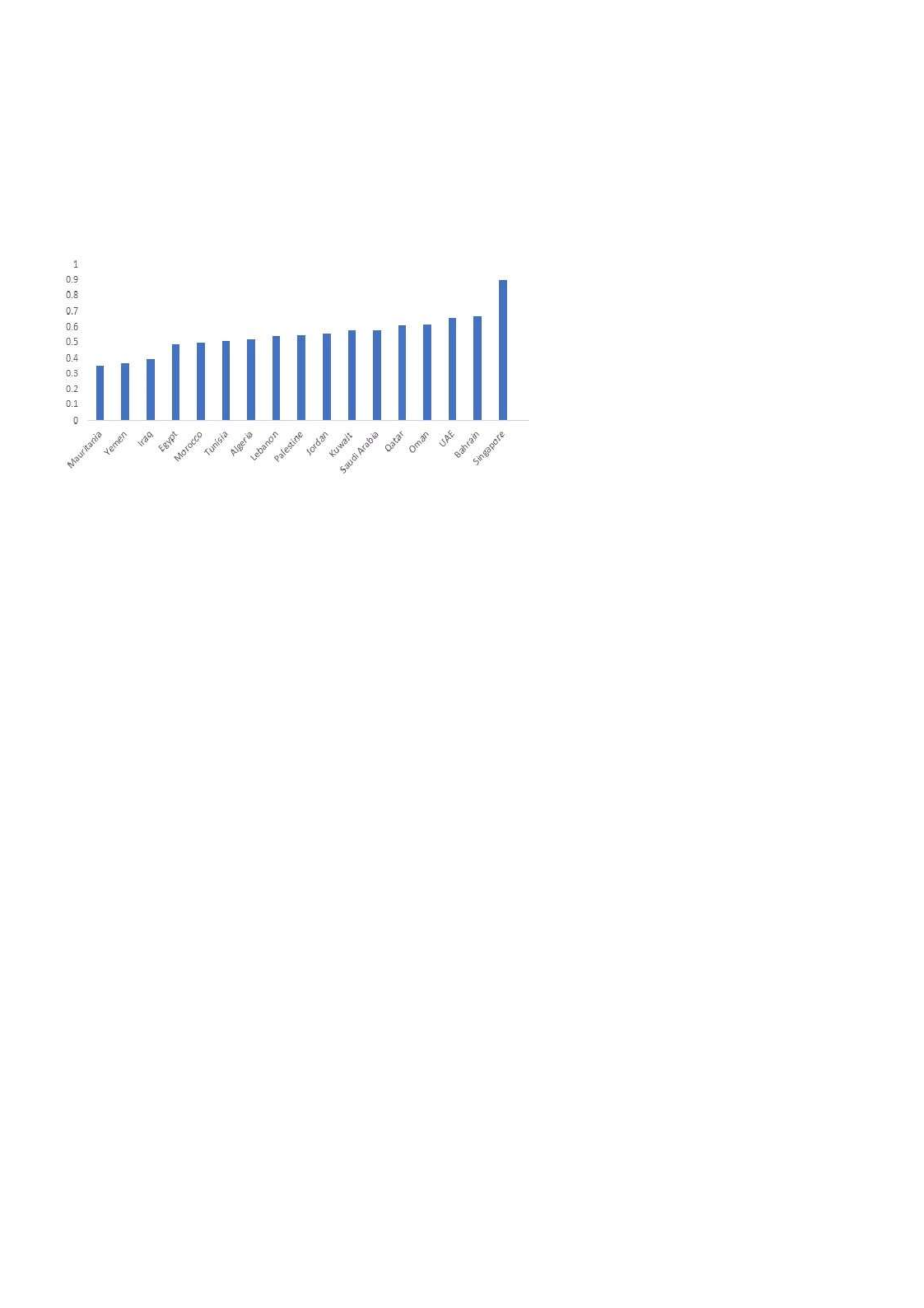
Processes of digital transformation are being observed – the ruling elite of Morocco realizes that digitalization is one of the integral mechanisms of
the global development of the national economy. It plays a critical role in attracting investment, creating jobs, modernizing the public sector, and
creating fast and efficient services for citizens. Efforts are being made to improve the digital infrastructure, strengthen the professional knowledge of
people to meet the market demand for specialists in the digital sphere.
Nevertheless, economic inequality persists – for example, the Gini index, which measures the degree to which the distribution of income or
consumption expenditures among households in the economy differs from absolute equality in distribution, was 35.70% in 2018 (UN). This is,
however, almost 10% less than in the previous year, which indicates the success of the government’s efforts to reduce inequality. According to World
Bank Human Capital Index, Morocco is ahead of Egypt and Yemen and almost on the same level as other Arab countries, being behind such rich
countries as Qatar and UAE (Fig. 3 below).
Fig. 3. The World Bank Human Capital Index, 2019.
Issues of reducing gender inequality should also be noted. Noteworthy, recent family law reforms in Morocco have strengthened women’s property
rights by equalizing the property rights of husbands and wives over property acquired during the marriage. Methods for strengthening the voice of
women in society include political representation quotas, training future women leaders, and increasing their participation in trade unions and
professional associations.
However, while the gender gap in leadership positions in corporate governance and public administration has narrowed, women, especially in rural
areas, are largely the face of poverty in Morocco. In Morocco, there are two main methods of measuring poverty, which include the “classical
approach” and the second one, which is more of a capacity-based approach. The “classical approach” uses a poverty line to statistically define the
poor. This approach quantifies the number of poor people and households but does not take into account how poor people lack basic needs such as
shelter, food, health, and education. The second approach addresses this lack of basic needs and emphasizes the multidimensional nature of poverty.
Moroccan women represent the most economically vulnerable social group in the country (Sandberg and Binder 32-39). The feminization of poverty
refers to a trend towards increasing inequality in living standards between men and women due to the widening gap in poverty between women and
men. This phenomenon is not only a consequence of a lack of income but also a result of disenfranchisement and gender bias inherent in both
societies and governments at the regional level. It encompasses the poverty of choice and opportunity, such as the ability to lead a long, healthy, and
creative life and the enjoyment of fundamental rights such as freedom, respect, and dignity. This phenomenon is largely due to the overall ratio of
total and poor population in rural areas. In Morocco, the percentage of the poor rural population is rather high in comparison with other MENA
countries (Fig. 4).
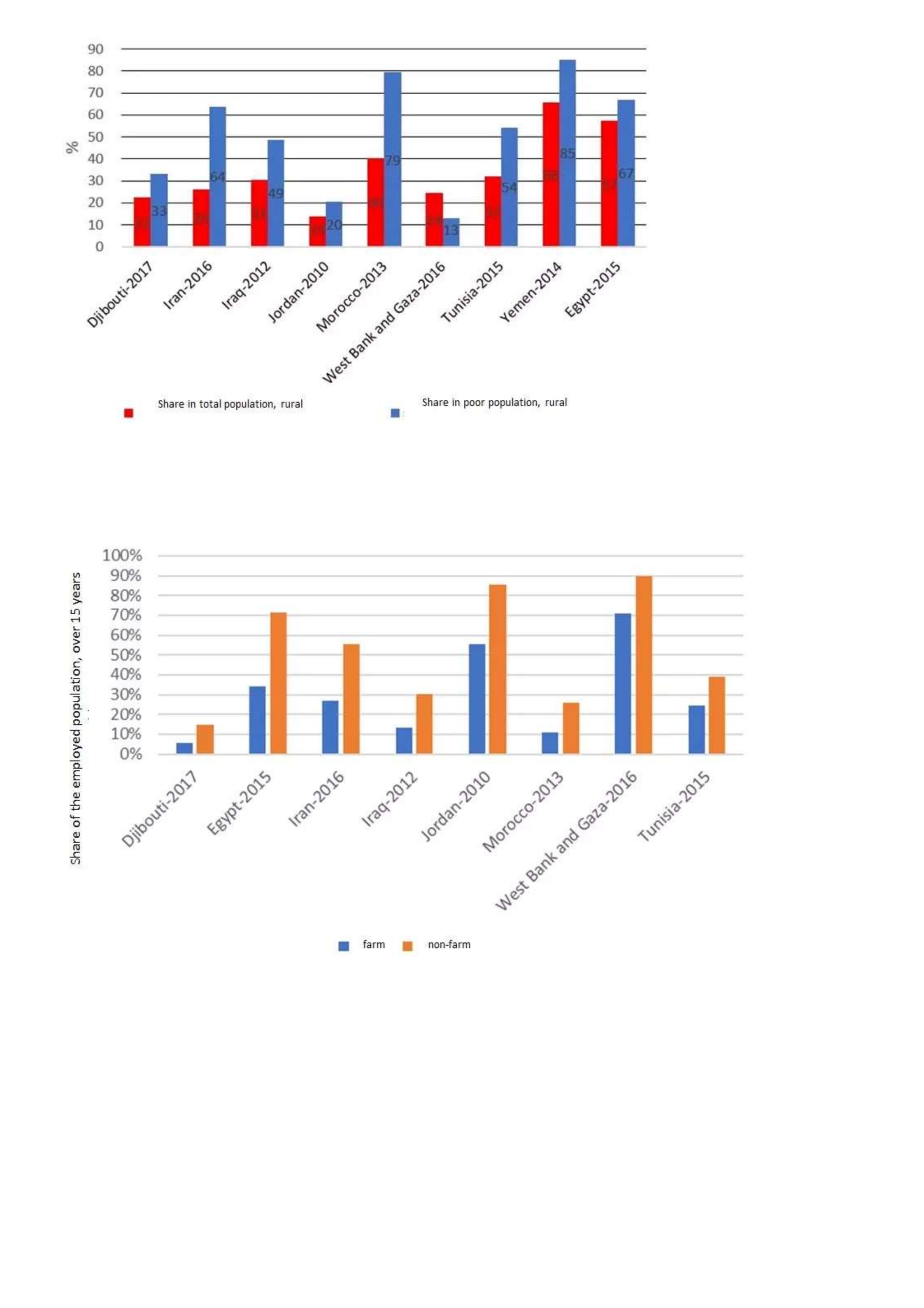
Fig. 4. Rural shares in total and poor population in selected MENA countries.
Indeed, education seems to be an important factor associated with access to rural non-farm activities – thus, the issue of rural poverty should be
addressed simultaneously with making efforts to eradicate illiteracy in rural areas. The figure below clearly shows that education represents one of
the definitive factors associated with access to rural non-farm activities.
Fig. 5. Shares of the population over 15 years old with incomplete secondary education and above among employed farm and non-farm activities in
rural areas of selected MENA countries.
The Kingdom of Morocco continues to pursue its efforts to follow up on recommendations from major United Nations development meetings and
conferences, including the Millennium Development Goals, which are included in the national development strategy. Modernization, democratization,
and economic development, as well as indicators of sustainable human development, are interdependent in promoting equal opportunities,
disseminating knowledge, and providing basic social services.
Increasingly more environmental protection programs are being implemented in the country. In particular, by supporting ecotourism, Morocco strives
to highlight its unique tangible and spiritual heritage by engaging industry professionals and regional authorities. For this, a special program has been
developed – the charter for sustainable tourism. The development of ecotourism is also supported by numerous individual projects, such as the
botanical garden of aromatic plants located near the ancient city. To date, 13 Moroccan beaches have received the Blue Flag award (Rihab 287). Many
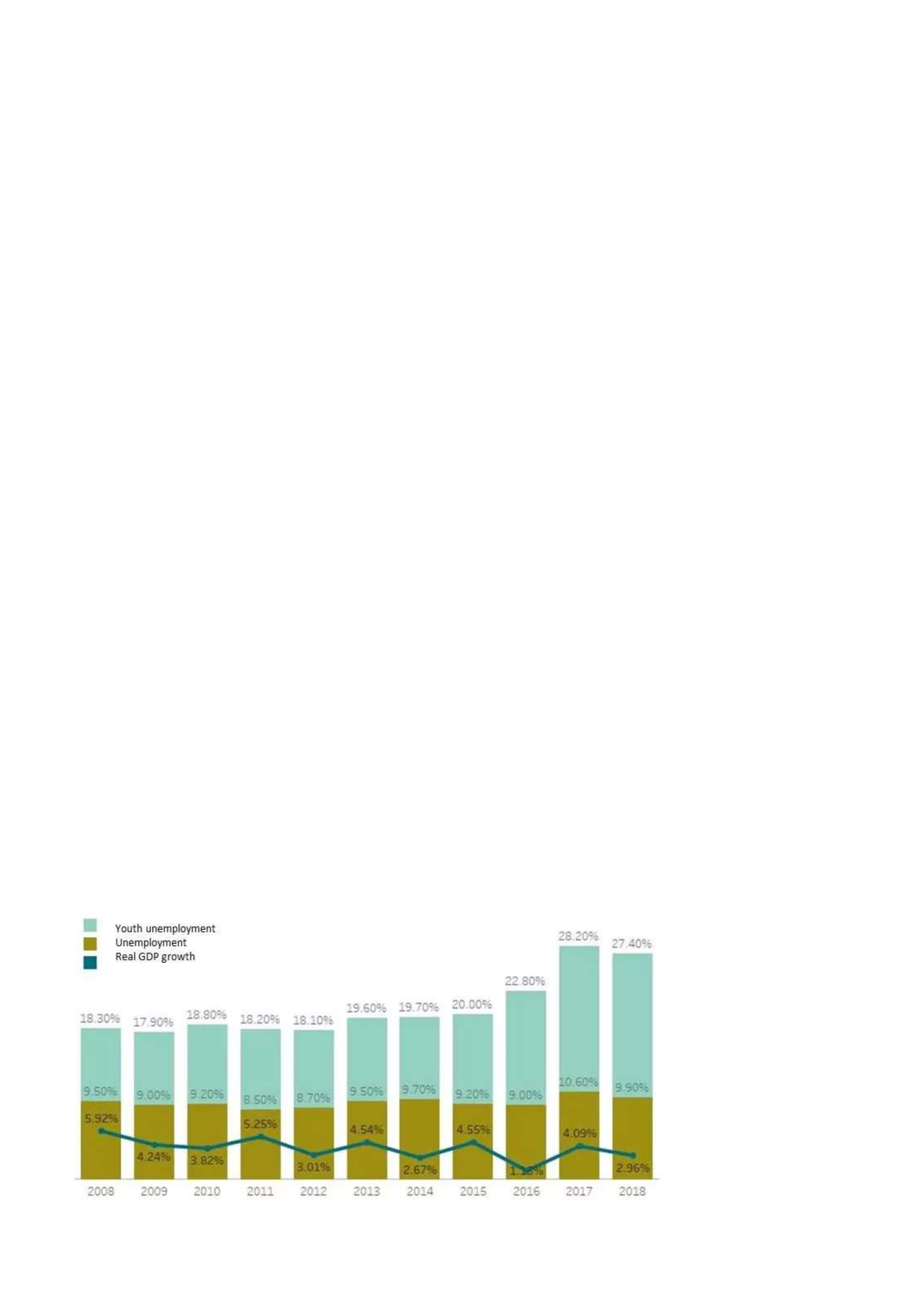
hotels and inns in the country have received the Green Key award. All this highlights the efforts of the owners of the companies in the field of
environmental protection.
The percentage of the marine protected area has increased in recent years, and on the 22nd Conference of the Parties to the United Nations
Framework Convention on Climate Change, for the first time in its history, at the request of the Moroccan government, an Action Day for the
Protection of the Oceans was organized as part of the official UNFCCC program. Efforts to combat illegal, unreported, and unregulated fishing also
should be noted. In the energy sector, Morocco stands out for the presence of the seventh-largest solar power plant in the world – in Noor. Spread
over an area of 3000 hectares (3500 football fields), the station is capable of providing energy to a city the size of two Marrakech or Prague. Located
at the entrance to the Sahara Desert, the complex saves the planet from more than 760,000 tons of carbon emissions (Mohamed et al. 193-195). The
main sectors of the economy that can support green growth are clean renewable energy, water management, agriculture and forestry, fisheries,
recycling, and waste management.
This major project primarily serves the interests of Morocco, but it is also part of a worldwide effort to expand the use of renewable energy sources.
Investment in renewable energy in Morocco grew 13 times in 2018 to $ 2.8 billion (Mohamed et al. 191). Morocco has set an ambitious goal of
generating more than half of its electricity from renewable sources by 2030. These goals, along with other climate change policies, helped make
Morocco the second best-performing country in the 2018 and 2019 Climate Change Performance Indices. Morocco ranks 64th in the world in terms of
environmental performance, ahead of most African countries (Rihab 289). The country is trying to integrate the climate change component into all
national public policies.
Separately, the degree of application of a legal, regulatory, and institutional framework that recognizes and protects access rights for small-scale
fisheries in Morocco should be noted. The country is among the leading ones in Africa by the degree of efforts in this field. For the Sahara region, the
most relevant is the efforts of the Kingdom of Morocco on control and surveillance issues, given the importance of fishing activities. Control requires
the average performance of equipment and, namely control on water and on land, which mobilizes ships, vehicles, and service personnel, equipped
with specific measurement and remote communication equipment. Indeed, control concerns all the elements: fishermen’s activities, fishing area,
fishing gear and sizes, documentation (capture declaration, logbook), unloading (market size, quota), transportation, and storage of fishing products.
Thus, the country demonstrates evident and, to a significant extent, effective efforts to achieve meeting goals of sustainable development both in
addressing the issues of social capital growth and environmental protection. At the same time, still, problems in social inequality, gender gaps, rural
poverty, and access to quality education persist. In these conditions, it seems expedient to pay special attention to the mechanisms of public-private
partnership, which are not well developed in Morocco.
The Moroccan economy is considered to be a relatively liberal economy governed by the law of supply and demand. Since 1993, Morocco has
pursued a policy of privatizing certain sectors of the economy that were formerly in the hands of the government.
Morocco has become a major player in African economic affairs and ranks fifth among African economies in terms of GDP. The
World Economic Forum ranked Morocco as the 1st most competitive economy in North Africa in its Africa Competitiveness Report 2014-15. Since
2018, the country’s currency – the dirham – is fully convertible for current account transactions, financial sector reforms are carried out, and state
enterprises are being privatized.
There is an overall relative downward trend in unemployment in the country over the past decade. However, still, the level of youth unemployment in
2017 is 42.8%. About 80% of jobs are informal and the income gap is very large (Dadush 9). The correlation between unemployment, youth
unemployment, and growth is shown in Fig. 1 below.
Fig. 1. Correlation between unemployment, youth unemployment, and growth in Morocco, percentage change with 2012 base.
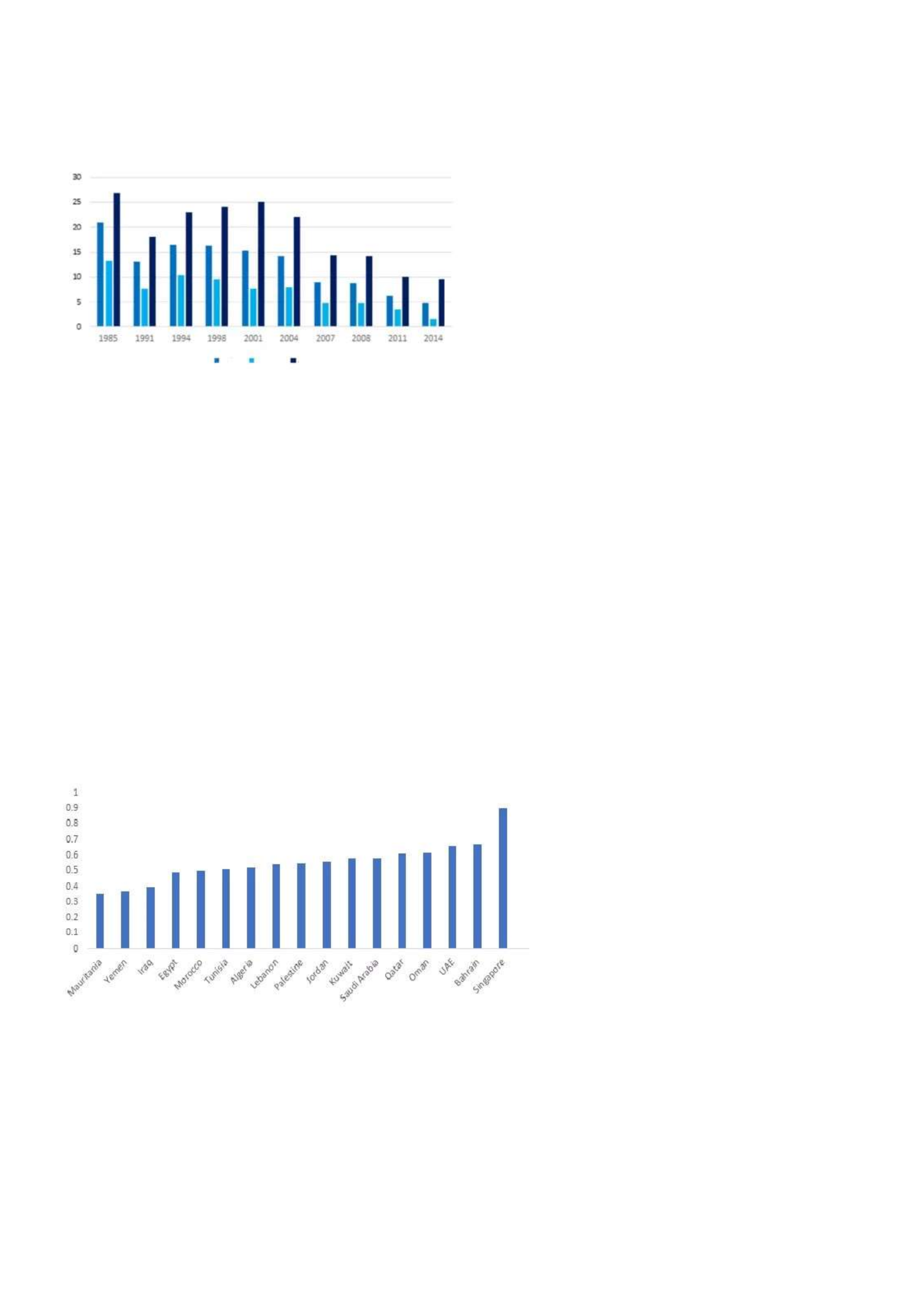
However, the labor share of GDP is the highest in the upper-middle-income sector which demonstrates the growth of a strong middle class in the
country. At the same time, social spending in Morocco is less than in neighboring countries such as Tunisia and Jordan. Thus, the progress in the
achievement of SDGs is ambiguous, although progressive development is evident. It should be noted that the country managed to decrease the
poverty rate significantly in dynamics (Fig. 2).
Total Urban Rural
Fig. 2. The Evolution of poverty rate in Morocco, 1985-2014.
There is a gradual increase in the human capital index and efforts are being made in the field of education. The dynamics of youth functional literacy
in Morocco for the period 2000-2018 is the highest among ten African countries. Net Enrollment Ratio in primary education manifested two-fold
growth since 1971 (Mansouri and Moumine 12). The duration of primary education is 6 years – this figure has not changed since 2009. The net
enrollment rate in primary education is 98.92%, which is a good value for an African country. Adult literacy is 73.75% (Sandberg and Binder 26).
Moreover, the illiterate population is concentrated in rural areas.
Processes of digital transformation are being observed – the ruling elite of Morocco realizes that digitalization is one of the integral mechanisms of
the global development of the national economy. It plays a critical role in attracting investment, creating jobs, modernizing the public sector, and
creating fast and efficient services for citizens. Efforts are being made to improve the digital infrastructure, strengthen the professional knowledge of
people to meet the market demand for specialists in the digital sphere.
Nevertheless, economic inequality persists – for example, the Gini index, which measures the degree to which the distribution of income or
consumption expenditures among households in the economy differs from absolute equality in distribution, was 35.70% in 2018 (UN). This is,
however, almost 10% less than in the previous year, which indicates the success of the government’s efforts to reduce inequality. According to World
Bank Human Capital Index, Morocco is ahead of Egypt and Yemen and almost on the same level as other Arab countries, being behind such rich
countries as Qatar and UAE (Fig. 3 below).
Fig. 3. The World Bank Human Capital Index, 2019.
Issues of reducing gender inequality should also be noted. Noteworthy, recent family law reforms in Morocco have strengthened women’s property
rights by equalizing the property rights of husbands and wives over property acquired during the marriage. Methods for strengthening the voice of
women in society include political representation quotas, training future women leaders, and increasing their participation in trade unions and
professional associations.
However, while the gender gap in leadership positions in corporate governance and public administration has narrowed, women, especially in rural
areas, are largely the face of poverty in Morocco. In Morocco, there are two main methods of measuring poverty, which include the “classical
approach” and the second one, which is more of a capacity-based approach. The “classical approach” uses a poverty line to statistically define the
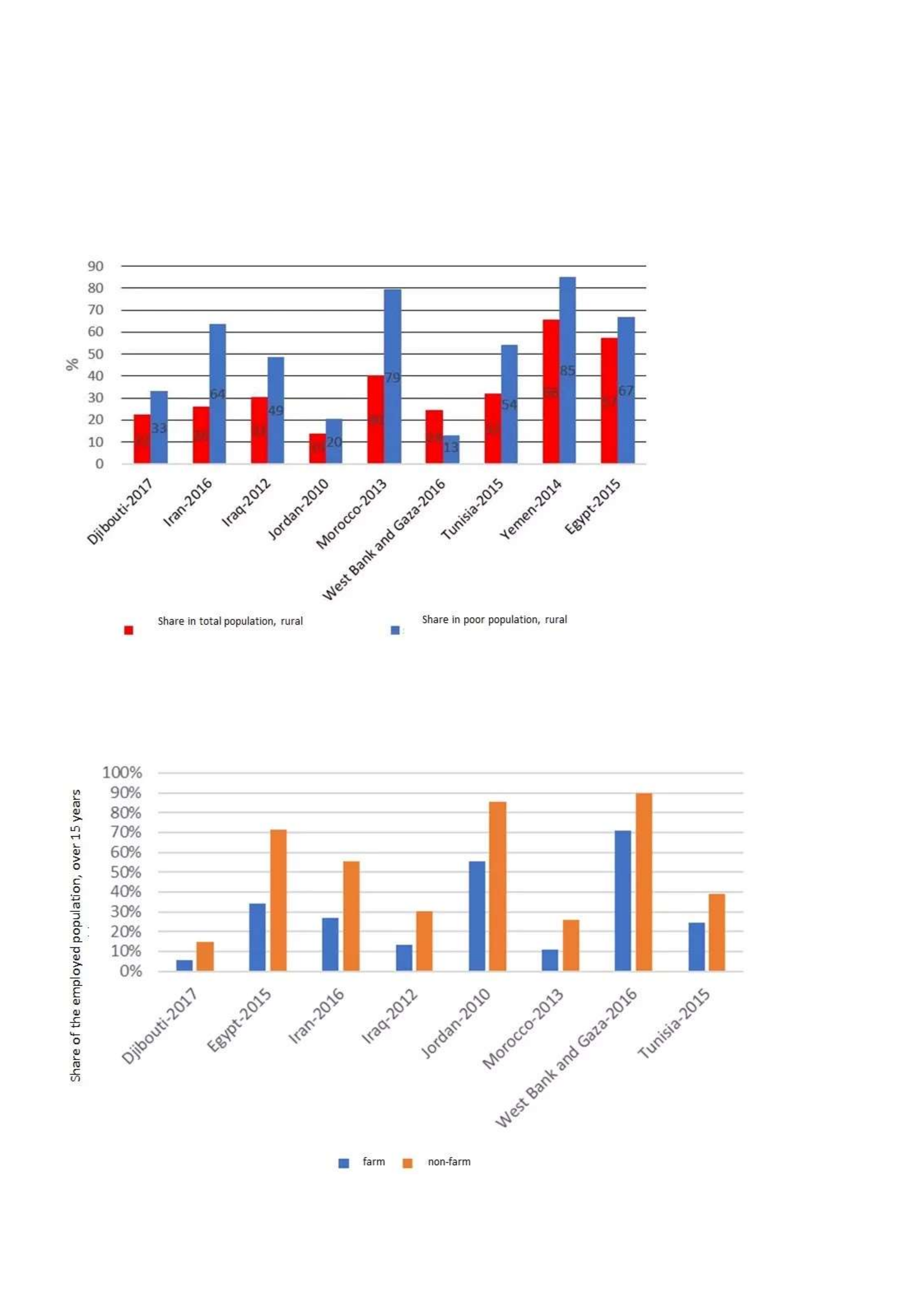
poor. This approach quantifies the number of poor people and households but does not take into account how poor people lack basic needs such as
shelter, food, health, and education. The second approach addresses this lack of basic needs and emphasizes the multidimensional nature of poverty.
Moroccan women represent the most economically vulnerable social group in the country (Sandberg and Binder 32-39). The feminization of poverty
refers to a trend towards increasing inequality in living standards between men and women due to the widening gap in poverty between women and
men. This phenomenon is not only a consequence of a lack of income but also a result of disenfranchisement and gender bias inherent in both
societies and governments at the regional level. It encompasses the poverty of choice and opportunity, such as the ability to lead a long, healthy, and
creative life and the enjoyment of fundamental rights such as freedom, respect, and dignity. This phenomenon is largely due to the overall ratio of
total and poor population in rural areas. In Morocco, the percentage of the poor rural population is rather high in comparison with other MENA
countries (Fig. 4).
Fig. 4. Rural shares in total and poor population in selected MENA countries.
Indeed, education seems to be an important factor associated with access to rural non-farm activities – thus, the issue of rural poverty should be
addressed simultaneously with making efforts to eradicate illiteracy in rural areas. The figure below clearly shows that education represents one of
the definitive factors associated with access to rural non-farm activities.
Fig. 5. Shares of the population over 15 years old with incomplete secondary education and above among employed farm and non-farm activities in
rural areas of selected MENA countries.

The Kingdom of Morocco continues to pursue its efforts to follow up on recommendations from major United Nations development meetings and
conferences, including the Millennium Development Goals, which are included in the national development strategy. Modernization, democratization,
and economic development, as well as indicators of sustainable human development, are interdependent in promoting equal opportunities,
disseminating knowledge, and providing basic social services.
Increasingly more environmental protection programs are being implemented in the country. In particular, by supporting ecotourism, Morocco strives
to highlight its unique tangible and spiritual heritage by engaging industry professionals and regional authorities. For this, a special program has been
developed – the charter for sustainable tourism. The development of ecotourism is also supported by numerous individual projects, such as the
botanical garden of aromatic plants located near the ancient city. To date, 13 Moroccan beaches have received the Blue Flag award (Rihab 287). Many
hotels and inns in the country have received the Green Key award. All this highlights the efforts of the owners of the companies in the field of
environmental protection.
The percentage of the marine protected area has increased in recent years, and on the 22nd Conference of the Parties to the United Nations
Framework Convention on Climate Change, for the first time in its history, at the request of the Moroccan government, an Action Day for the
Protection of the Oceans was organized as part of the official UNFCCC program. Efforts to combat illegal, unreported, and unregulated fishing also
should be noted. In the energy sector, Morocco stands out for the presence of the seventh-largest solar power plant in the world – in Noor. Spread
over an area of 3000 hectares (3500 football fields), the station is capable of providing energy to a city the size of two Marrakech or Prague. Located
at the entrance to the Sahara Desert, the complex saves the planet from more than 760,000 tons of carbon emissions (Mohamed et al. 193-195). The
main sectors of the economy that can support green growth are clean renewable energy, water management, agriculture and forestry, fisheries,
recycling, and waste management.
This major project primarily serves the interests of Morocco, but it is also part of a worldwide effort to expand the use of renewable energy sources.
Investment in renewable energy in Morocco grew 13 times in 2018 to $ 2.8 billion (Mohamed et al. 191). Morocco has set an ambitious goal of
generating more than half of its electricity from renewable sources by 2030. These goals, along with other climate change policies, helped make
Morocco the second best-performing country in the 2018 and 2019 Climate Change Performance Indices. Morocco ranks 64th in the world in terms of
environmental performance, ahead of most African countries (Rihab 289). The country is trying to integrate the climate change component into all
national public policies.
Separately, the degree of application of a legal, regulatory, and institutional framework that recognizes and protects access rights for small-scale
fisheries in Morocco should be noted. The country is among the leading ones in Africa by the degree of efforts in this field. For the Sahara region, the
most relevant is the efforts of the Kingdom of Morocco on control and surveillance issues, given the importance of fishing activities. Control requires
the average performance of equipment and, namely control on water and on land, which mobilizes ships, vehicles, and service personnel, equipped
with specific measurement and remote communication equipment. Indeed, control concerns all the elements: fishermen’s activities, fishing area,
fishing gear and sizes, documentation (capture declaration, logbook), unloading (market size, quota), transportation, and storage of fishing products.
Thus, the country demonstrates evident and, to a significant extent, effective efforts to achieve meeting goals of sustainable development both in
addressing the issues of social capital growth and environmental protection. At the same time, still, problems in social inequality, gender gaps, rural
poverty, and access to quality education persist. In these conditions, it seems expedient to pay special attention to the mechanisms of public-private
partnership, which are not well developed in Morocco.
The Moroccan economy is considered to be a relatively liberal economy governed by the law of supply and demand. Since 1993, Morocco has
pursued a policy of privatizing certain sectors of the economy that were formerly in the hands of the government.
Morocco has become a major player in African economic affairs and ranks fifth among African economies in terms of GDP. The
World Economic Forum ranked Morocco as the 1st most competitive economy in North Africa in its Africa Competitiveness Report 2014-15. Since
2018, the country’s currency – the dirham – is fully convertible for current account transactions, financial sector reforms are carried out, and state
enterprises are being privatized.
There is an overall relative downward trend in unemployment in the country over the past decade. However, still, the level of youth unemployment in
2017 is 42.8%. About 80% of jobs are informal and the income gap is very large (Dadush 9). The correlation between unemployment, youth
unemployment, and growth is shown in Fig. 1 below.
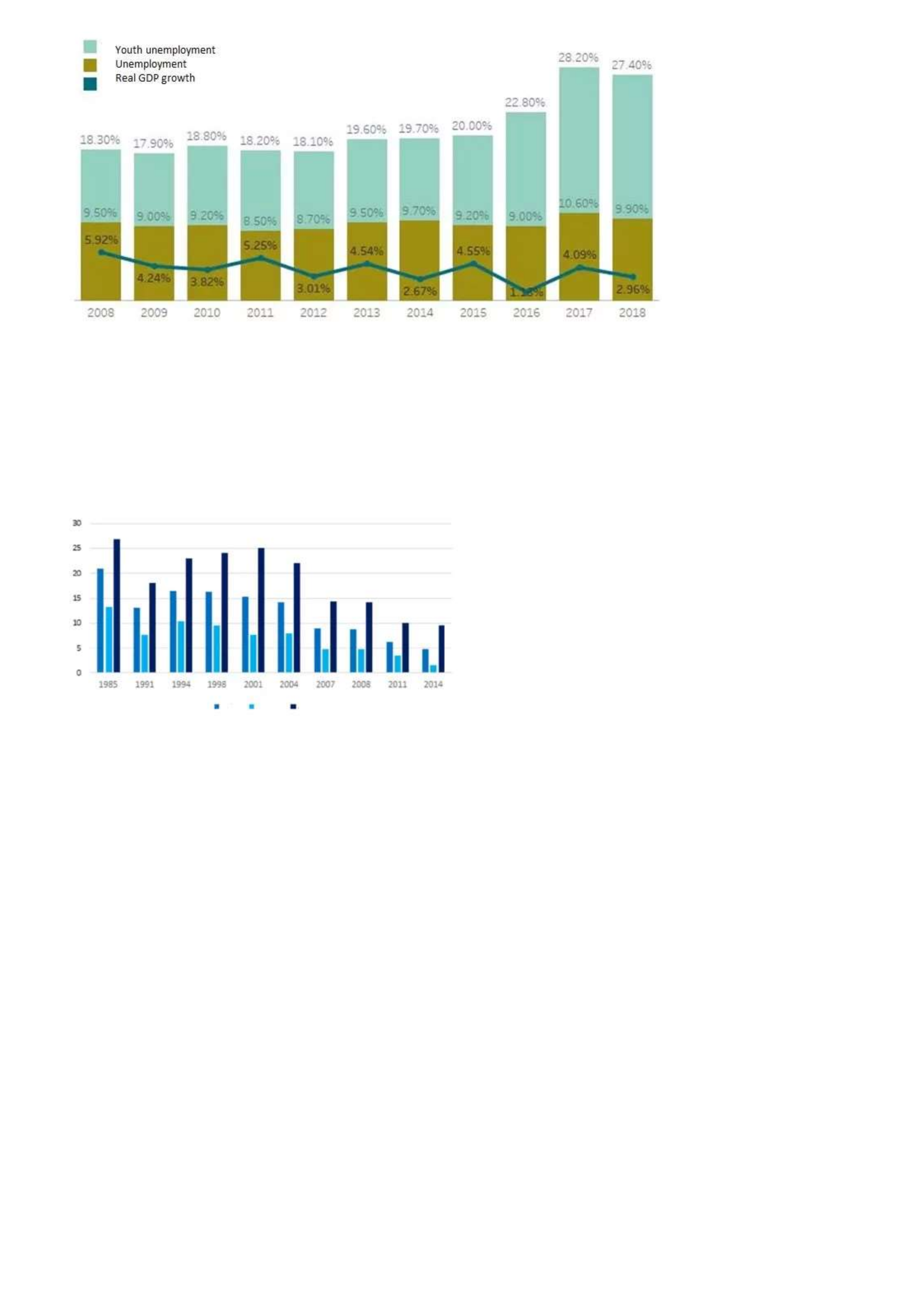
Fig. 1. Correlation between unemployment, youth unemployment, and growth in Morocco, percentage change with 2012 base.
However, the labor share of GDP is the highest in the upper-middle-income sector which demonstrates the growth of a strong middle class in the
country. At the same time, social spending in Morocco is less than in neighboring countries such as Tunisia and Jordan. Thus, the progress in the
achievement of SDGs is ambiguous, although progressive development is evident. It should be noted that the country managed to decrease the
poverty rate significantly in dynamics (Fig. 2).
Total Urban Rural
Fig. 2. The Evolution of poverty rate in Morocco, 1985-2014.
There is a gradual increase in the human capital index and efforts are being made in the field of education. The dynamics of youth functional literacy
in Morocco for the period 2000-2018 is the highest among ten African countries. Net Enrollment Ratio in primary education manifested two-fold
growth since 1971 (Mansouri and Moumine 12). The duration of primary education is 6 years – this figure has not changed since 2009. The net
enrollment rate in primary education is 98.92%, which is a good value for an African country. Adult literacy is 73.75% (Sandberg and Binder 26).
Moreover, the illiterate population is concentrated in rural areas.
Processes of digital transformation are being observed – the ruling elite of Morocco realizes that digitalization is one of the integral mechanisms of
the global development of the national economy. It plays a critical role in attracting investment, creating jobs, modernizing the public sector, and
creating fast and efficient services for citizens. Efforts are being made to improve the digital infrastructure, strengthen the professional knowledge of
people to meet the market demand for specialists in the digital sphere.
Nevertheless, economic inequality persists – for example, the Gini index, which measures the degree to which the distribution of income or
consumption expenditures among households in the economy differs from absolute equality in distribution, was 35.70% in 2018 (UN). This is,
however, almost 10% less than in the previous year, which indicates the success of the government’s efforts to reduce inequality. According to World
Bank Human Capital Index, Morocco is ahead of Egypt and Yemen and almost on the same level as other Arab countries, being behind such rich
countries as Qatar and UAE (Fig. 3 below).
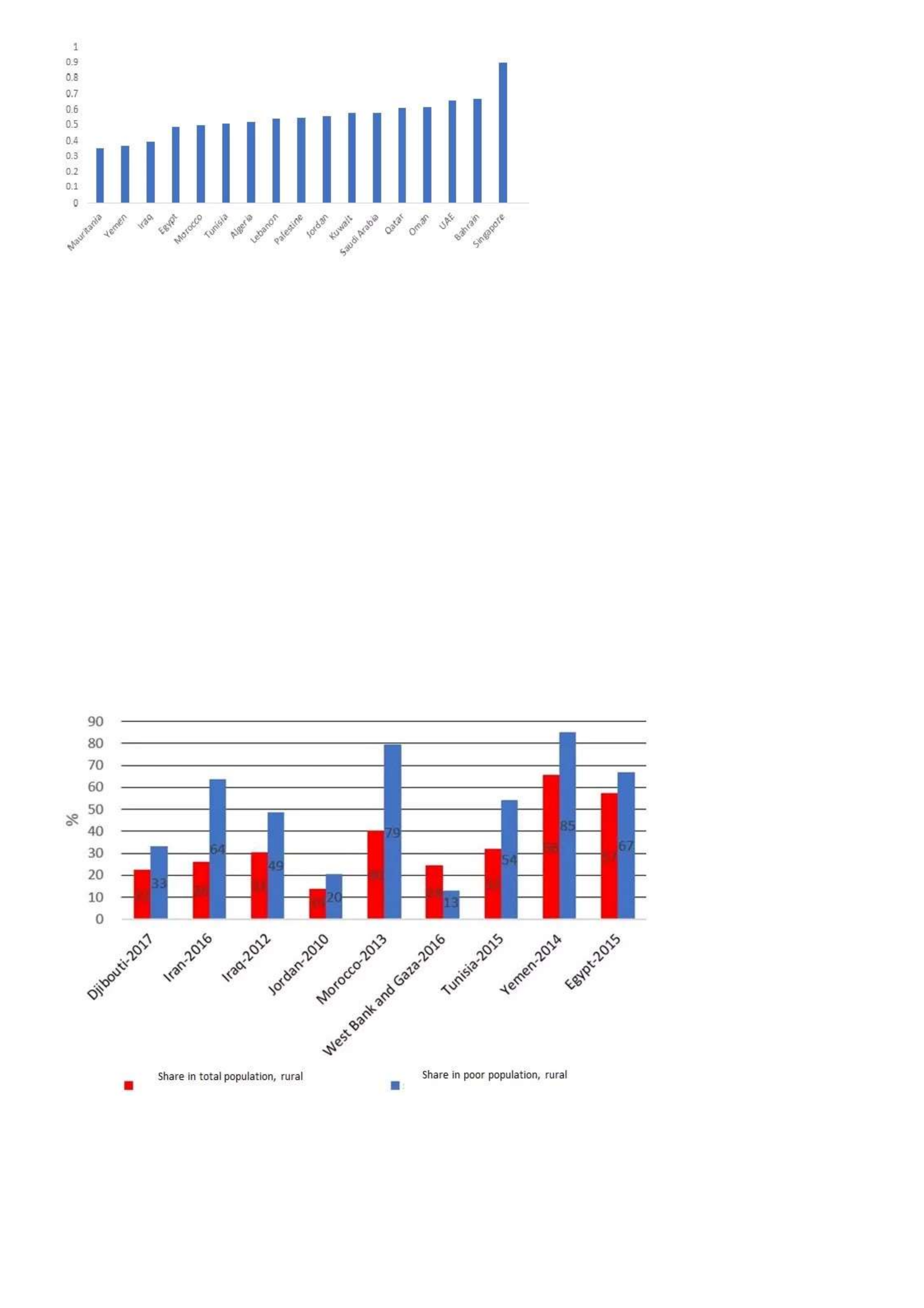
Fig. 3. The World Bank Human Capital Index, 2019.
Issues of reducing gender inequality should also be noted. Noteworthy, recent family law reforms in Morocco have strengthened women’s property
rights by equalizing the property rights of husbands and wives over property acquired during the marriage. Methods for strengthening the voice of
women in society include political representation quotas, training future women leaders, and increasing their participation in trade unions and
professional associations.
However, while the gender gap in leadership positions in corporate governance and public administration has narrowed, women, especially in rural
areas, are largely the face of poverty in Morocco. In Morocco, there are two main methods of measuring poverty, which include the “classical
approach” and the second one, which is more of a capacity-based approach. The “classical approach” uses a poverty line to statistically define the
poor. This approach quantifies the number of poor people and households but does not take into account how poor people lack basic needs such as
shelter, food, health, and education. The second approach addresses this lack of basic needs and emphasizes the multidimensional nature of poverty.
Moroccan women represent the most economically vulnerable social group in the country (Sandberg and Binder 32-39). The feminization of poverty
refers to a trend towards increasing inequality in living standards between men and women due to the widening gap in poverty between women and
men. This phenomenon is not only a consequence of a lack of income but also a result of disenfranchisement and gender bias inherent in both
societies and governments at the regional level. It encompasses the poverty of choice and opportunity, such as the ability to lead a long, healthy, and
creative life and the enjoyment of fundamental rights such as freedom, respect, and dignity. This phenomenon is largely due to the overall ratio of
total and poor population in rural areas. In Morocco, the percentage of the poor rural population is rather high in comparison with other MENA
countries (Fig. 4).
Fig. 4. Rural shares in total and poor population in selected MENA countries.
Indeed, education seems to be an important factor associated with access to rural non-farm activities – thus, the issue of rural poverty should be
addressed simultaneously with making efforts to eradicate illiteracy in rural areas. The figure below clearly shows that education represents one of
the definitive factors associated with access to rural non-farm activities.
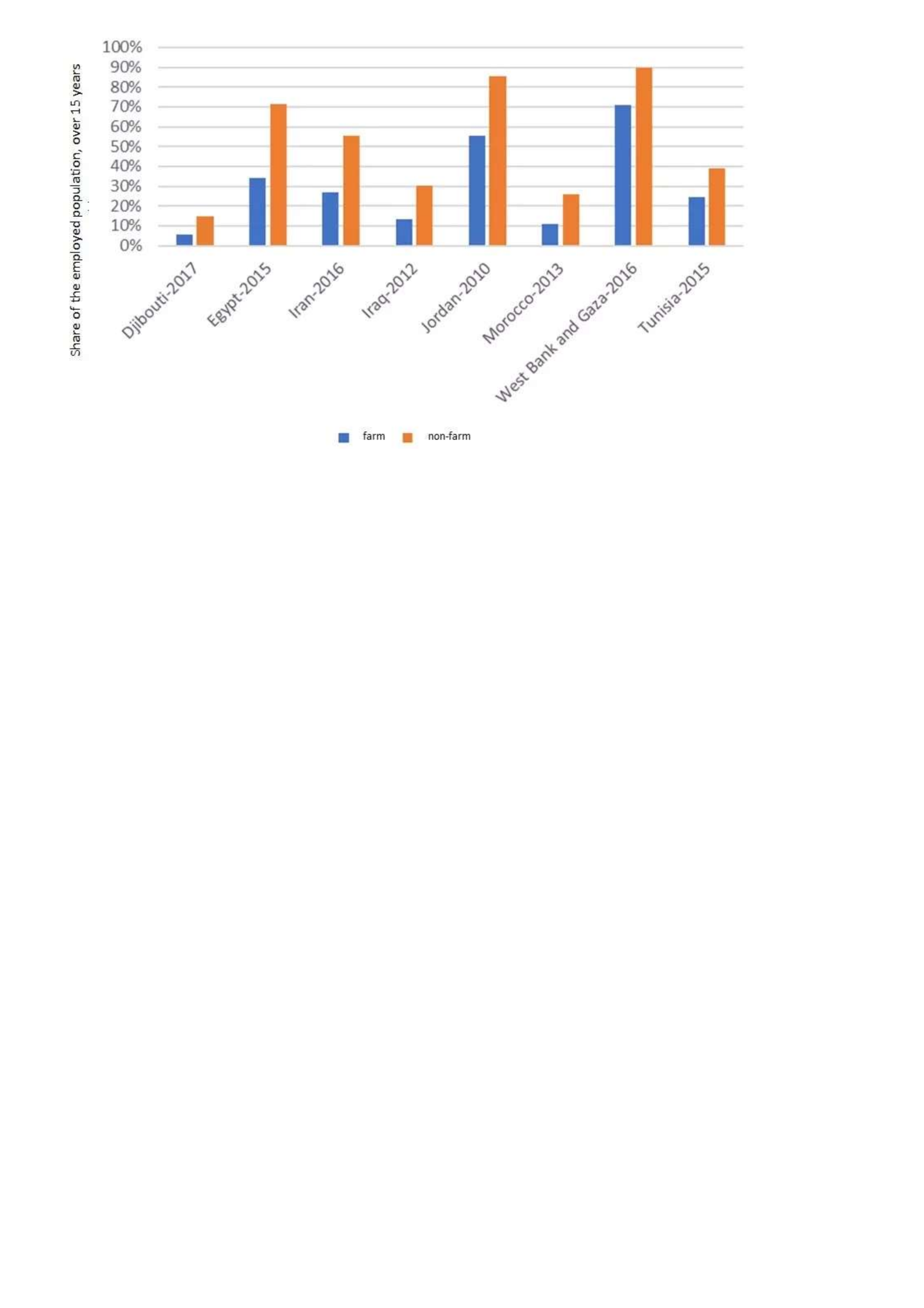
Fig. 5. Shares of the population over 15 years old with incomplete secondary education and above among employed farm and non-farm activities in
rural areas of selected MENA countries.
The Kingdom of Morocco continues to pursue its efforts to follow up on recommendations from major United Nations development meetings and
conferences, including the Millennium Development Goals, which are included in the national development strategy. Modernization, democratization,
and economic development, as well as indicators of sustainable human development, are interdependent in promoting equal opportunities,
disseminating knowledge, and providing basic social services.
Increasingly more environmental protection programs are being implemented in the country. In particular, by supporting ecotourism, Morocco strives
to highlight its unique tangible and spiritual heritage by engaging industry professionals and regional authorities. For this, a special program has been
developed – the charter for sustainable tourism. The development of ecotourism is also supported by numerous individual projects, such as the
botanical garden of aromatic plants located near the ancient city. To date, 13 Moroccan beaches have received the Blue Flag award (Rihab 287). Many
hotels and inns in the country have received the Green Key award. All this highlights the efforts of the owners of the companies in the field of
environmental protection.
The percentage of the marine protected area has increased in recent years, and on the 22nd Conference of the Parties to the United Nations
Framework Convention on Climate Change, for the first time in its history, at the request of the Moroccan government, an Action Day for the
Protection of the Oceans was organized as part of the official UNFCCC program. Efforts to combat illegal, unreported, and unregulated fishing also
should be noted. In the energy sector, Morocco stands out for the presence of the seventh-largest solar power plant in the world – in Noor. Spread
over an area of 3000 hectares (3500 football fields), the station is capable of providing energy to a city the size of two Marrakech or Prague. Located
at the entrance to the Sahara Desert, the complex saves the planet from more than 760,000 tons of carbon emissions (Mohamed et al. 193-195). The
main sectors of the economy that can support green growth are clean renewable energy, water management, agriculture and forestry, fisheries,
recycling, and waste management.
This major project primarily serves the interests of Morocco, but it is also part of a worldwide effort to expand the use of renewable energy sources.
Investment in renewable energy in Morocco grew 13 times in 2018 to $ 2.8 billion (Mohamed et al. 191). Morocco has set an ambitious goal of
generating more than half of its electricity from renewable sources by 2030. These goals, along with other climate change policies, helped make
Morocco the second best-performing country in the 2018 and 2019 Climate Change Performance Indices. Morocco ranks 64th in the world in terms of
environmental performance, ahead of most African countries (Rihab 289). The country is trying to integrate the climate change component into all
national public policies.
Separately, the degree of application of a legal, regulatory, and institutional framework that recognizes and protects access rights for small-scale
fisheries in Morocco should be noted. The country is among the leading ones in Africa by the degree of efforts in this field. For the Sahara region, the
most relevant is the efforts of the Kingdom of Morocco on control and surveillance issues, given the importance of fishing activities. Control requires
the average performance of equipment and, namely control on water and on land, which mobilizes ships, vehicles, and service personnel, equipped
with specific measurement and remote communication equipment. Indeed, control concerns all the elements: fishermen’s activities, fishing area,
fishing gear and sizes, documentation (capture declaration, logbook), unloading (market size, quota), transportation, and storage of fishing products.
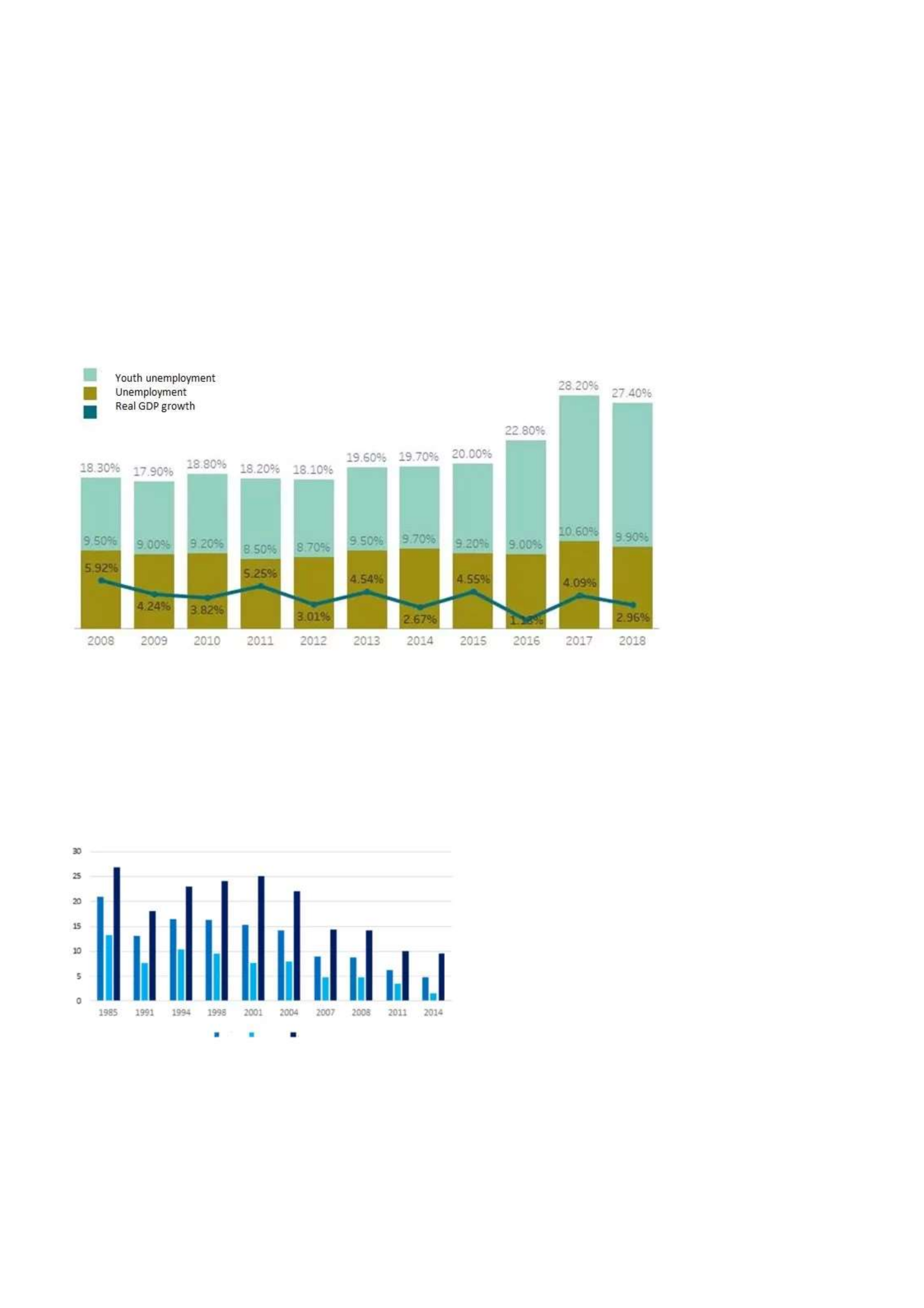
Thus, the country demonstrates evident and, to a significant extent, effective efforts to achieve meeting goals of sustainable development both in
addressing the issues of social capital growth and environmental protection. At the same time, still, problems in social inequality, gender gaps, rural
poverty, and access to quality education persist. In these conditions, it seems expedient to pay special attention to the mechanisms of public-private
partnership, which are not well developed in Morocco.
The Moroccan economy is considered to be a relatively liberal economy governed by the law of supply and demand. Since 1993, Morocco has
pursued a policy of privatizing certain sectors of the economy that were formerly in the hands of the government.
Morocco has become a major player in African economic affairs and ranks fifth among African economies in terms of GDP. The
World Economic Forum ranked Morocco as the 1st most competitive economy in North Africa in its Africa Competitiveness Report 2014-15. Since
2018, the country’s currency – the dirham – is fully convertible for current account transactions, financial sector reforms are carried out, and state
enterprises are being privatized.
There is an overall relative downward trend in unemployment in the country over the past decade. However, still, the level of youth unemployment in
2017 is 42.8%. About 80% of jobs are informal and the income gap is very large (Dadush 9). The correlation between unemployment, youth
unemployment, and growth is shown in Fig. 1 below.
Fig. 1. Correlation between unemployment, youth unemployment, and growth in Morocco, percentage change with 2012 base.
However, the labor share of GDP is the highest in the upper-middle-income sector which demonstrates the growth of a strong middle class in the
country. At the same time, social spending in Morocco is less than in neighboring countries such as Tunisia and Jordan. Thus, the progress in the
achievement of SDGs is ambiguous, although progressive development is evident. It should be noted that the country managed to decrease the
poverty rate significantly in dynamics (Fig. 2).
Total Urban Rural
Fig. 2. The Evolution of poverty rate in Morocco, 1985-2014.
There is a gradual increase in the human capital index and efforts are being made in the field of education. The dynamics of youth functional literacy
in Morocco for the period 2000-2018 is the highest among ten African countries. Net Enrollment Ratio in primary education manifested two-fold
growth since 1971 (Mansouri and Moumine 12). The duration of primary education is 6 years – this figure has not changed since 2009. The net
enrollment rate in primary education is 98.92%, which is a good value for an African country. Adult literacy is 73.75% (Sandberg and Binder 26).
Moreover, the illiterate population is concentrated in rural areas.
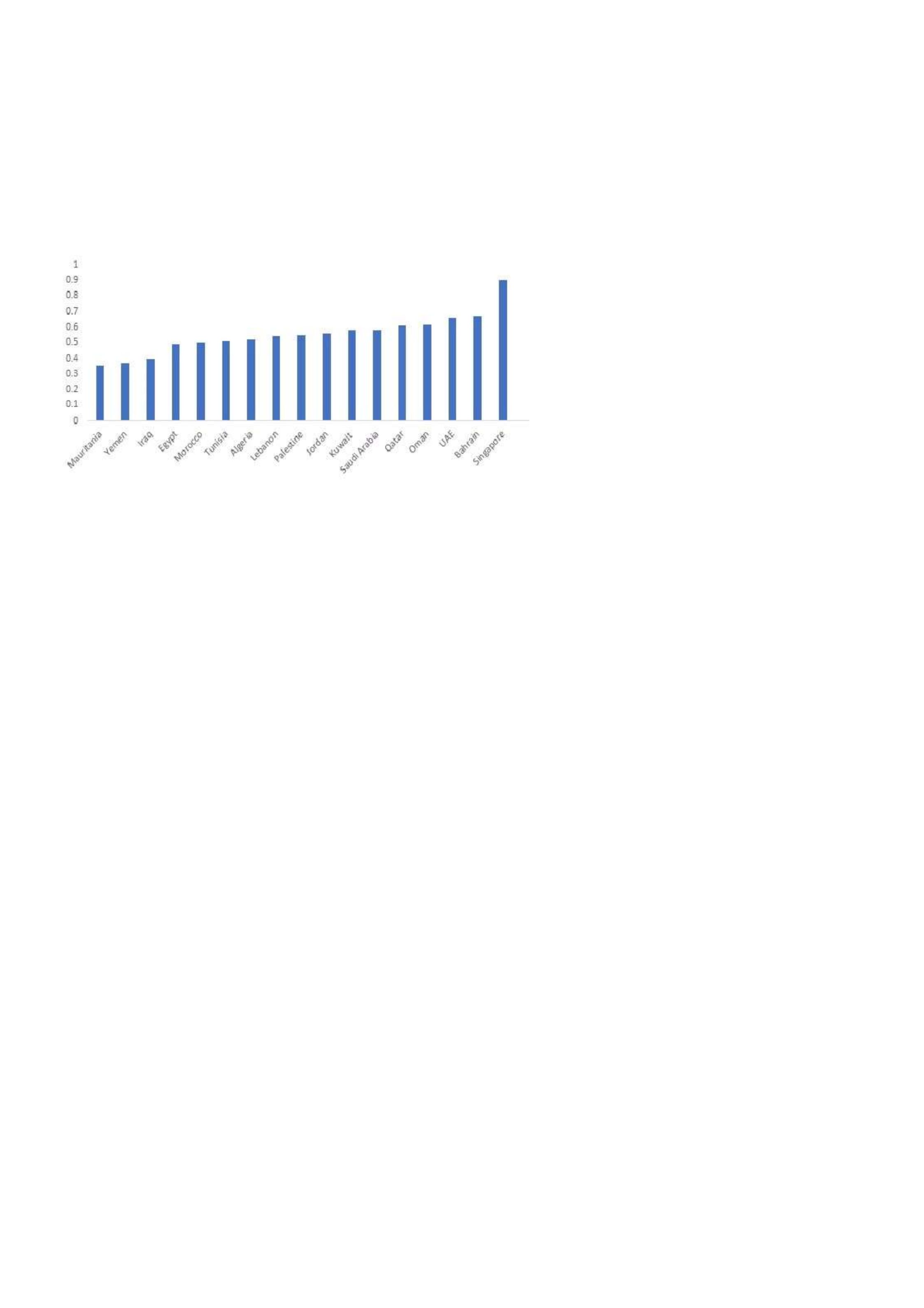
Processes of digital transformation are being observed – the ruling elite of Morocco realizes that digitalization is one of the integral mechanisms of
the global development of the national economy. It plays a critical role in attracting investment, creating jobs, modernizing the public sector, and
creating fast and efficient services for citizens. Efforts are being made to improve the digital infrastructure, strengthen the professional knowledge of
people to meet the market demand for specialists in the digital sphere.
Nevertheless, economic inequality persists – for example, the Gini index, which measures the degree to which the distribution of income or
consumption expenditures among households in the economy differs from absolute equality in distribution, was 35.70% in 2018 (UN). This is,
however, almost 10% less than in the previous year, which indicates the success of the government’s efforts to reduce inequality. According to World
Bank Human Capital Index, Morocco is ahead of Egypt and Yemen and almost on the same level as other Arab countries, being behind such rich
countries as Qatar and UAE (Fig. 3 below).
Fig. 3. The World Bank Human Capital Index, 2019.
Issues of reducing gender inequality should also be noted. Noteworthy, recent family law reforms in Morocco have strengthened women’s property
rights by equalizing the property rights of husbands and wives over property acquired during the marriage. Methods for strengthening the voice of
women in society include political representation quotas, training future women leaders, and increasing their participation in trade unions and
professional associations.
However, while the gender gap in leadership positions in corporate governance and public administration has narrowed, women, especially in rural
areas, are largely the face of poverty in Morocco. In Morocco, there are two main methods of measuring poverty, which include the “classical
approach” and the second one, which is more of a capacity-based approach. The “classical approach” uses a poverty line to statistically define the
poor. This approach quantifies the number of poor people and households but does not take into account how poor people lack basic needs such as
shelter, food, health, and education. The second approach addresses this lack of basic needs and emphasizes the multidimensional nature of poverty.
Moroccan women represent the most economically vulnerable social group in the country (Sandberg and Binder 32-39). The feminization of poverty
refers to a trend towards increasing inequality in living standards between men and women due to the widening gap in poverty between women and
men. This phenomenon is not only a consequence of a lack of income but also a result of disenfranchisement and gender bias inherent in both
societies and governments at the regional level. It encompasses the poverty of choice and opportunity, such as the ability to lead a long, healthy, and
creative life and the enjoyment of fundamental rights such as freedom, respect, and dignity. This phenomenon is largely due to the overall ratio of
total and poor population in rural areas. In Morocco, the percentage of the poor rural population is rather high in comparison with other MENA
countries (Fig. 4).
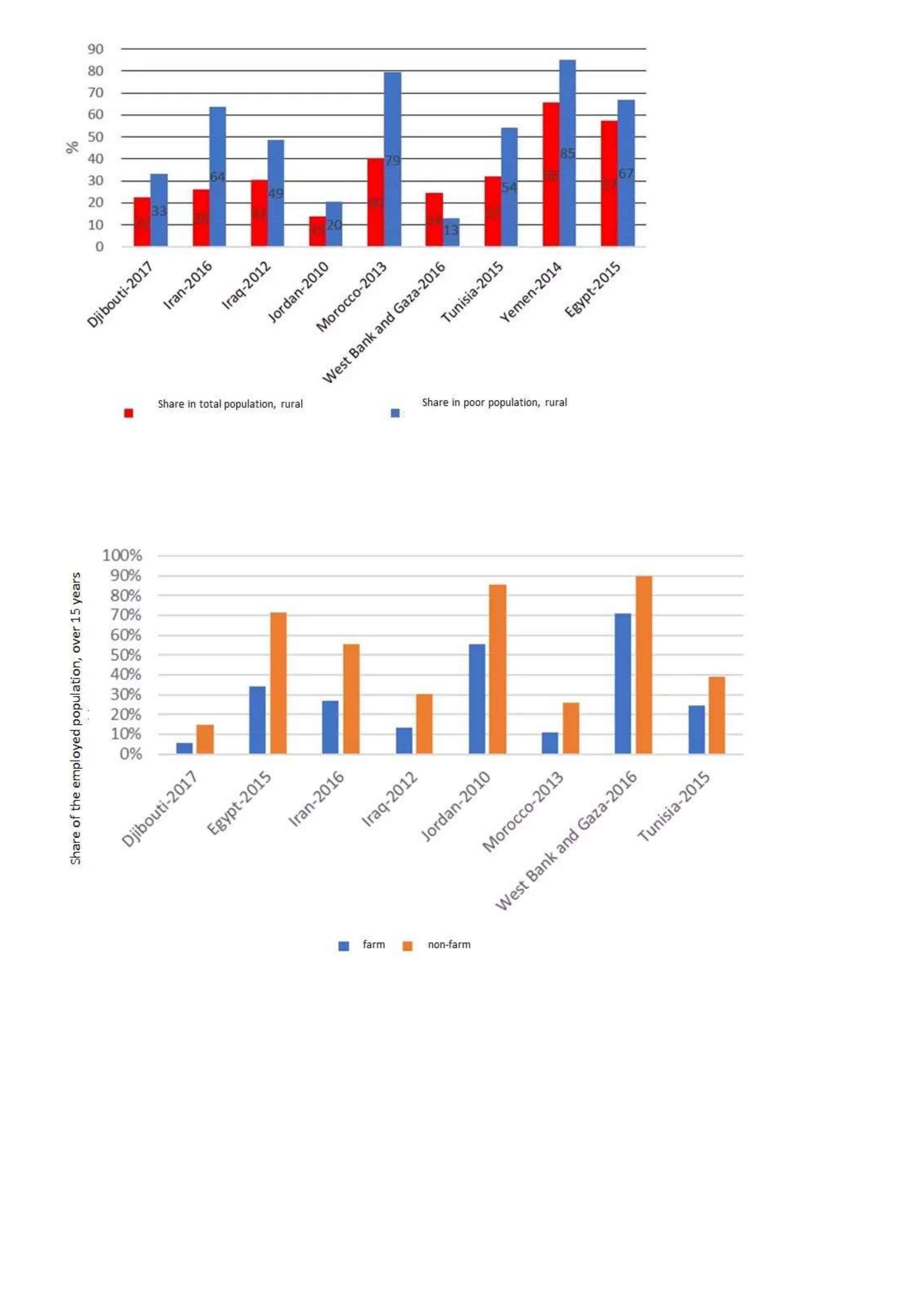
Fig. 4. Rural shares in total and poor population in selected MENA countries.
Indeed, education seems to be an important factor associated with access to rural non-farm activities – thus, the issue of rural poverty should be
addressed simultaneously with making efforts to eradicate illiteracy in rural areas. The figure below clearly shows that education represents one of
the definitive factors associated with access to rural non-farm activities.
Fig. 5. Shares of the population over 15 years old with incomplete secondary education and above among employed farm and non-farm activities in
rural areas of selected MENA countries.
The Kingdom of Morocco continues to pursue its efforts to follow up on recommendations from major United Nations development meetings and
conferences, including the Millennium Development Goals, which are included in the national development strategy. Modernization, democratization,
and economic development, as well as indicators of sustainable human development, are interdependent in promoting equal opportunities,
disseminating knowledge, and providing basic social services.
Increasingly more environmental protection programs are being implemented in the country. In particular, by supporting ecotourism, Morocco strives
to highlight its unique tangible and spiritual heritage by engaging industry professionals and regional authorities. For this, a special program has been
developed – the charter for sustainable tourism. The development of ecotourism is also supported by numerous individual projects, such as the
botanical garden of aromatic plants located near the ancient city. To date, 13 Moroccan beaches have received the Blue Flag award (Rihab 287). Many
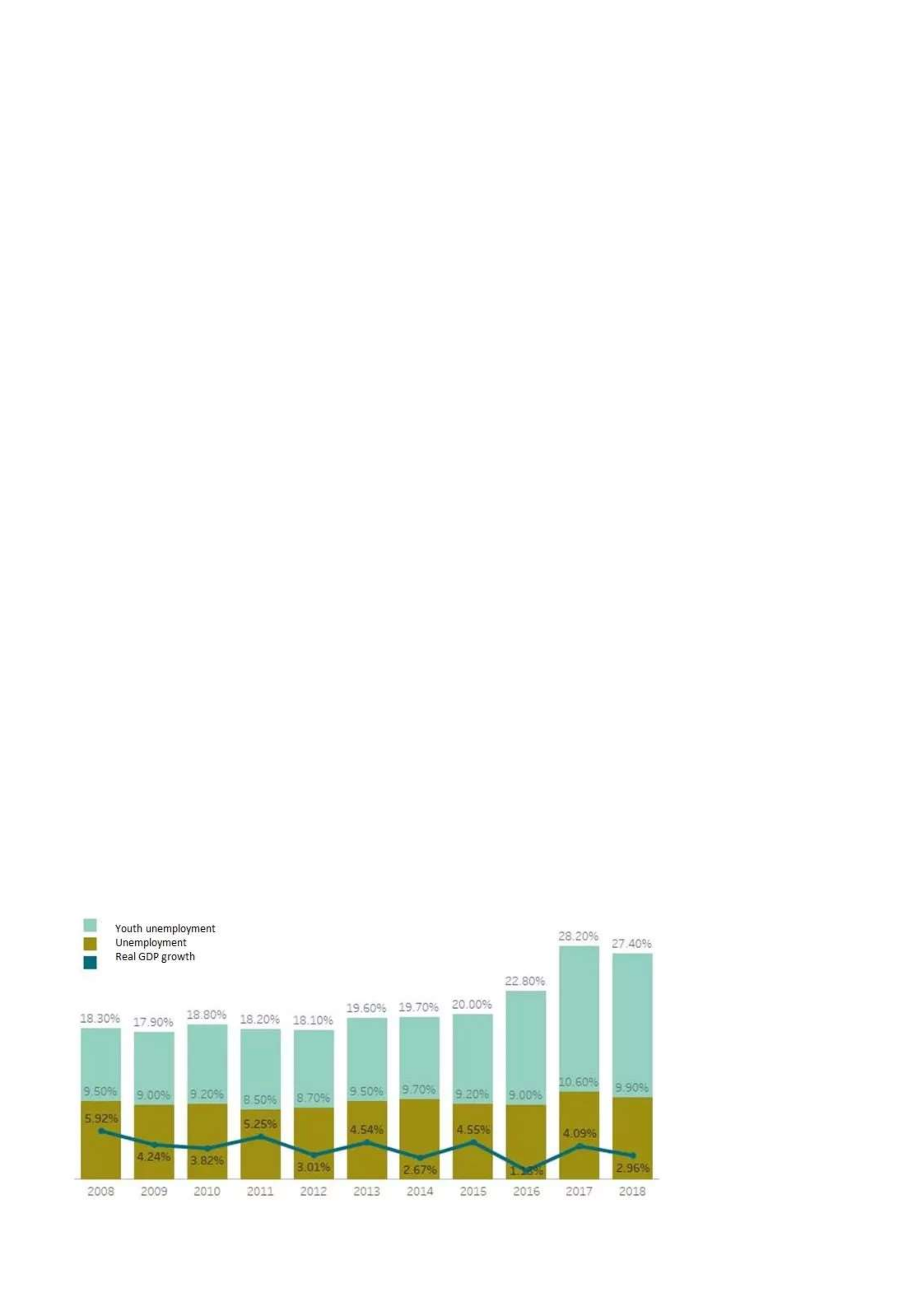
hotels and inns in the country have received the Green Key award. All this highlights the efforts of the owners of the companies in the field of
environmental protection.
The percentage of the marine protected area has increased in recent years, and on the 22nd Conference of the Parties to the United Nations
Framework Convention on Climate Change, for the first time in its history, at the request of the Moroccan government, an Action Day for the
Protection of the Oceans was organized as part of the official UNFCCC program. Efforts to combat illegal, unreported, and unregulated fishing also
should be noted. In the energy sector, Morocco stands out for the presence of the seventh-largest solar power plant in the world – in Noor. Spread
over an area of 3000 hectares (3500 football fields), the station is capable of providing energy to a city the size of two Marrakech or Prague. Located
at the entrance to the Sahara Desert, the complex saves the planet from more than 760,000 tons of carbon emissions (Mohamed et al. 193-195). The
main sectors of the economy that can support green growth are clean renewable energy, water management, agriculture and forestry, fisheries,
recycling, and waste management.
This major project primarily serves the interests of Morocco, but it is also part of a worldwide effort to expand the use of renewable energy sources.
Investment in renewable energy in Morocco grew 13 times in 2018 to $ 2.8 billion (Mohamed et al. 191). Morocco has set an ambitious goal of
generating more than half of its electricity from renewable sources by 2030. These goals, along with other climate change policies, helped make
Morocco the second best-performing country in the 2018 and 2019 Climate Change Performance Indices. Morocco ranks 64th in the world in terms of
environmental performance, ahead of most African countries (Rihab 289). The country is trying to integrate the climate change component into all
national public policies.
Separately, the degree of application of a legal, regulatory, and institutional framework that recognizes and protects access rights for small-scale
fisheries in Morocco should be noted. The country is among the leading ones in Africa by the degree of efforts in this field. For the Sahara region, the
most relevant is the efforts of the Kingdom of Morocco on control and surveillance issues, given the importance of fishing activities. Control requires
the average performance of equipment and, namely control on water and on land, which mobilizes ships, vehicles, and service personnel, equipped
with specific measurement and remote communication equipment. Indeed, control concerns all the elements: fishermen’s activities, fishing area,
fishing gear and sizes, documentation (capture declaration, logbook), unloading (market size, quota), transportation, and storage of fishing products.
Thus, the country demonstrates evident and, to a significant extent, effective efforts to achieve meeting goals of sustainable development both in
addressing the issues of social capital growth and environmental protection. At the same time, still, problems in social inequality, gender gaps, rural
poverty, and access to quality education persist. In these conditions, it seems expedient to pay special attention to the mechanisms of public-private
partnership, which are not well developed in Morocco.
The Moroccan economy is considered to be a relatively liberal economy governed by the law of supply and demand. Since 1993, Morocco has
pursued a policy of privatizing certain sectors of the economy that were formerly in the hands of the government.
Morocco has become a major player in African economic affairs and ranks fifth among African economies in terms of GDP. The
World Economic Forum ranked Morocco as the 1st most competitive economy in North Africa in its Africa Competitiveness Report 2014-15. Since
2018, the country’s currency – the dirham – is fully convertible for current account transactions, financial sector reforms are carried out, and state
enterprises are being privatized.
There is an overall relative downward trend in unemployment in the country over the past decade. However, still, the level of youth unemployment in
2017 is 42.8%. About 80% of jobs are informal and the income gap is very large (Dadush 9). The correlation between unemployment, youth
unemployment, and growth is shown in Fig. 1 below.
Fig. 1. Correlation between unemployment, youth unemployment, and growth in Morocco, percentage change with 2012 base.
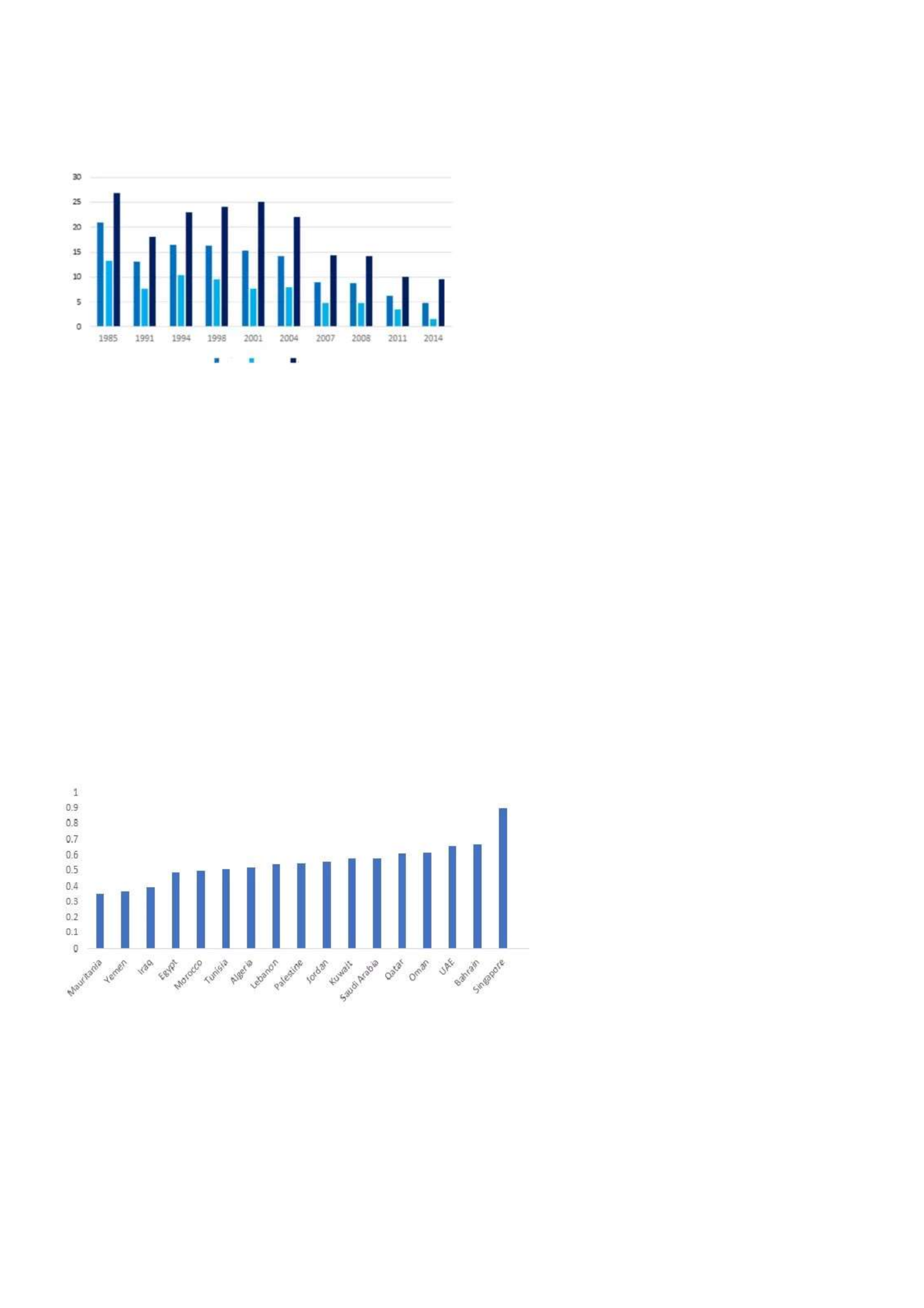
However, the labor share of GDP is the highest in the upper-middle-income sector which demonstrates the growth of a strong middle class in the
country. At the same time, social spending in Morocco is less than in neighboring countries such as Tunisia and Jordan. Thus, the progress in the
achievement of SDGs is ambiguous, although progressive development is evident. It should be noted that the country managed to decrease the
poverty rate significantly in dynamics (Fig. 2).
Total Urban Rural
Fig. 2. The Evolution of poverty rate in Morocco, 1985-2014.
There is a gradual increase in the human capital index and efforts are being made in the field of education. The dynamics of youth functional literacy
in Morocco for the period 2000-2018 is the highest among ten African countries. Net Enrollment Ratio in primary education manifested two-fold
growth since 1971 (Mansouri and Moumine 12). The duration of primary education is 6 years – this figure has not changed since 2009. The net
enrollment rate in primary education is 98.92%, which is a good value for an African country. Adult literacy is 73.75% (Sandberg and Binder 26).
Moreover, the illiterate population is concentrated in rural areas.
Processes of digital transformation are being observed – the ruling elite of Morocco realizes that digitalization is one of the integral mechanisms of
the global development of the national economy. It plays a critical role in attracting investment, creating jobs, modernizing the public sector, and
creating fast and efficient services for citizens. Efforts are being made to improve the digital infrastructure, strengthen the professional knowledge of
people to meet the market demand for specialists in the digital sphere.
Nevertheless, economic inequality persists – for example, the Gini index, which measures the degree to which the distribution of income or
consumption expenditures among households in the economy differs from absolute equality in distribution, was 35.70% in 2018 (UN). This is,
however, almost 10% less than in the previous year, which indicates the success of the government’s efforts to reduce inequality. According to World
Bank Human Capital Index, Morocco is ahead of Egypt and Yemen and almost on the same level as other Arab countries, being behind such rich
countries as Qatar and UAE (Fig. 3 below).
Fig. 3. The World Bank Human Capital Index, 2019.
Issues of reducing gender inequality should also be noted. Noteworthy, recent family law reforms in Morocco have strengthened women’s property
rights by equalizing the property rights of husbands and wives over property acquired during the marriage. Methods for strengthening the voice of
women in society include political representation quotas, training future women leaders, and increasing their participation in trade unions and
professional associations.
However, while the gender gap in leadership positions in corporate governance and public administration has narrowed, women, especially in rural
areas, are largely the face of poverty in Morocco. In Morocco, there are two main methods of measuring poverty, which include the “classical
approach” and the second one, which is more of a capacity-based approach. The “classical approach” uses a poverty line to statistically define the
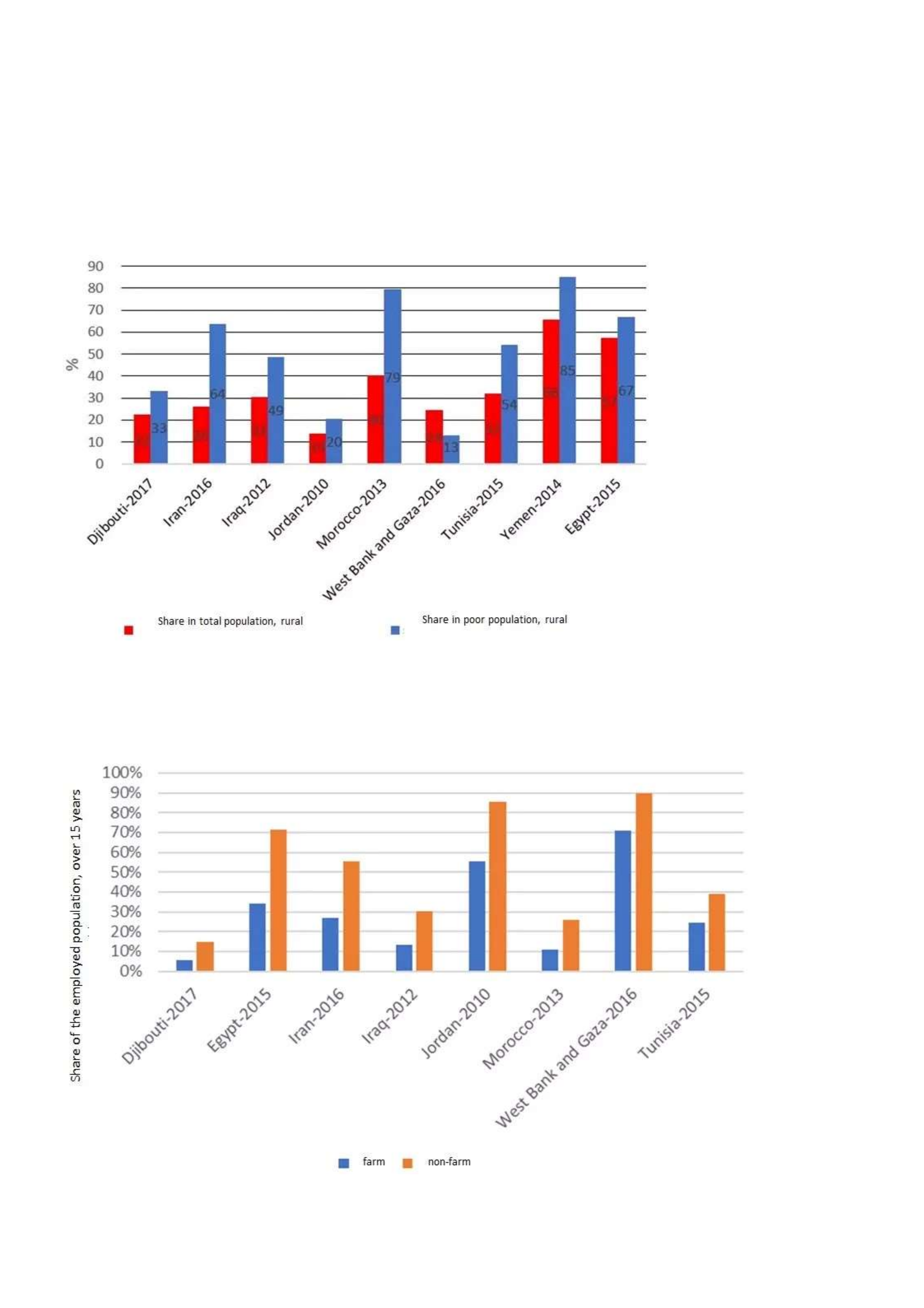
poor. This approach quantifies the number of poor people and households but does not take into account how poor people lack basic needs such as
shelter, food, health, and education. The second approach addresses this lack of basic needs and emphasizes the multidimensional nature of poverty.
Moroccan women represent the most economically vulnerable social group in the country (Sandberg and Binder 32-39). The feminization of poverty
refers to a trend towards increasing inequality in living standards between men and women due to the widening gap in poverty between women and
men. This phenomenon is not only a consequence of a lack of income but also a result of disenfranchisement and gender bias inherent in both
societies and governments at the regional level. It encompasses the poverty of choice and opportunity, such as the ability to lead a long, healthy, and
creative life and the enjoyment of fundamental rights such as freedom, respect, and dignity. This phenomenon is largely due to the overall ratio of
total and poor population in rural areas. In Morocco, the percentage of the poor rural population is rather high in comparison with other MENA
countries (Fig. 4).
Fig. 4. Rural shares in total and poor population in selected MENA countries.
Indeed, education seems to be an important factor associated with access to rural non-farm activities – thus, the issue of rural poverty should be
addressed simultaneously with making efforts to eradicate illiteracy in rural areas. The figure below clearly shows that education represents one of
the definitive factors associated with access to rural non-farm activities.
Fig. 5. Shares of the population over 15 years old with incomplete secondary education and above among employed farm and non-farm activities in
rural areas of selected MENA countries.

The Kingdom of Morocco continues to pursue its efforts to follow up on recommendations from major United Nations development meetings and
conferences, including the Millennium Development Goals, which are included in the national development strategy. Modernization, democratization,
and economic development, as well as indicators of sustainable human development, are interdependent in promoting equal opportunities,
disseminating knowledge, and providing basic social services.
Increasingly more environmental protection programs are being implemented in the country. In particular, by supporting ecotourism, Morocco strives
to highlight its unique tangible and spiritual heritage by engaging industry professionals and regional authorities. For this, a special program has been
developed – the charter for sustainable tourism. The development of ecotourism is also supported by numerous individual projects, such as the
botanical garden of aromatic plants located near the ancient city. To date, 13 Moroccan beaches have received the Blue Flag award (Rihab 287). Many
hotels and inns in the country have received the Green Key award. All this highlights the efforts of the owners of the companies in the field of
environmental protection.
The percentage of the marine protected area has increased in recent years, and on the 22nd Conference of the Parties to the United Nations
Framework Convention on Climate Change, for the first time in its history, at the request of the Moroccan government, an Action Day for the
Protection of the Oceans was organized as part of the official UNFCCC program. Efforts to combat illegal, unreported, and unregulated fishing also
should be noted. In the energy sector, Morocco stands out for the presence of the seventh-largest solar power plant in the world – in Noor. Spread
over an area of 3000 hectares (3500 football fields), the station is capable of providing energy to a city the size of two Marrakech or Prague. Located
at the entrance to the Sahara Desert, the complex saves the planet from more than 760,000 tons of carbon emissions (Mohamed et al. 193-195). The
main sectors of the economy that can support green growth are clean renewable energy, water management, agriculture and forestry, fisheries,
recycling, and waste management.
This major project primarily serves the interests of Morocco, but it is also part of a worldwide effort to expand the use of renewable energy sources.
Investment in renewable energy in Morocco grew 13 times in 2018 to $ 2.8 billion (Mohamed et al. 191). Morocco has set an ambitious goal of
generating more than half of its electricity from renewable sources by 2030. These goals, along with other climate change policies, helped make
Morocco the second best-performing country in the 2018 and 2019 Climate Change Performance Indices. Morocco ranks 64th in the world in terms of
environmental performance, ahead of most African countries (Rihab 289). The country is trying to integrate the climate change component into all
national public policies.
Separately, the degree of application of a legal, regulatory, and institutional framework that recognizes and protects access rights for small-scale
fisheries in Morocco should be noted. The country is among the leading ones in Africa by the degree of efforts in this field. For the Sahara region, the
most relevant is the efforts of the Kingdom of Morocco on control and surveillance issues, given the importance of fishing activities. Control requires
the average performance of equipment and, namely control on water and on land, which mobilizes ships, vehicles, and service personnel, equipped
with specific measurement and remote communication equipment. Indeed, control concerns all the elements: fishermen’s activities, fishing area,
fishing gear and sizes, documentation (capture declaration, logbook), unloading (market size, quota), transportation, and storage of fishing products.
Thus, the country demonstrates evident and, to a significant extent, effective efforts to achieve meeting goals of sustainable development both in
addressing the issues of social capital growth and environmental protection. At the same time, still, problems in social inequality, gender gaps, rural
poverty, and access to quality education persist. In these conditions, it seems expedient to pay special attention to the mechanisms of public-private
partnership, which are not well developed in Morocco.
The Moroccan economy is considered to be a relatively liberal economy governed by the law of supply and demand. Since 1993, Morocco has
pursued a policy of privatizing certain sectors of the economy that were formerly in the hands of the government.
Morocco has become a major player in African economic affairs and ranks fifth among African economies in terms of GDP. The
World Economic Forum ranked Morocco as the 1st most competitive economy in North Africa in its Africa Competitiveness Report 2014-15. Since
2018, the country’s currency – the dirham – is fully convertible for current account transactions, financial sector reforms are carried out, and state
enterprises are being privatized.
There is an overall relative downward trend in unemployment in the country over the past decade. However, still, the level of youth unemployment in
2017 is 42.8%. About 80% of jobs are informal and the income gap is very large (Dadush 9). The correlation between unemployment, youth
unemployment, and growth is shown in Fig. 1 below.
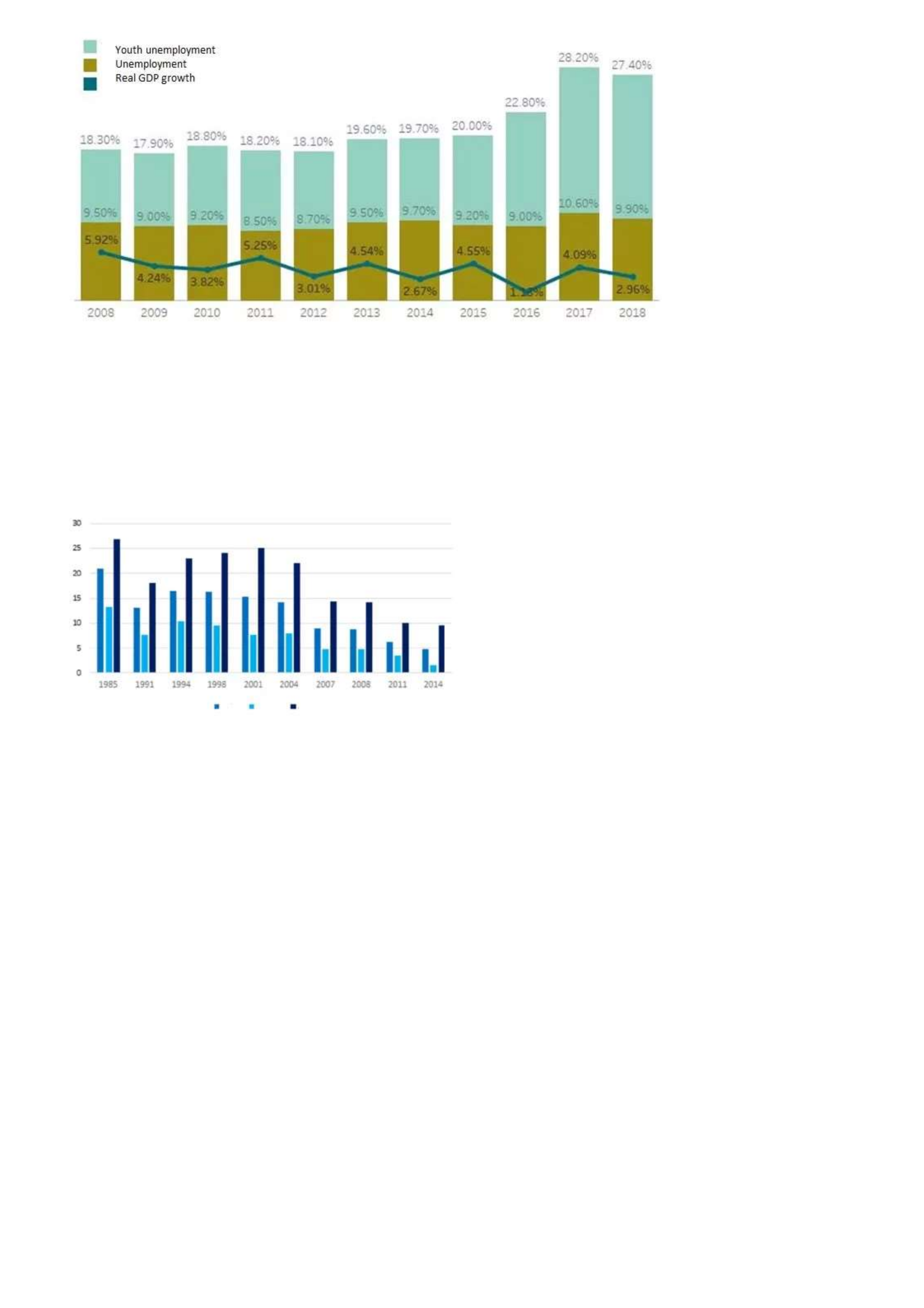
Fig. 1. Correlation between unemployment, youth unemployment, and growth in Morocco, percentage change with 2012 base.
However, the labor share of GDP is the highest in the upper-middle-income sector which demonstrates the growth of a strong middle class in the
country. At the same time, social spending in Morocco is less than in neighboring countries such as Tunisia and Jordan. Thus, the progress in the
achievement of SDGs is ambiguous, although progressive development is evident. It should be noted that the country managed to decrease the
poverty rate significantly in dynamics (Fig. 2).
Total Urban Rural
Fig. 2. The Evolution of poverty rate in Morocco, 1985-2014.
There is a gradual increase in the human capital index and efforts are being made in the field of education. The dynamics of youth functional literacy
in Morocco for the period 2000-2018 is the highest among ten African countries. Net Enrollment Ratio in primary education manifested two-fold
growth since 1971 (Mansouri and Moumine 12). The duration of primary education is 6 years – this figure has not changed since 2009. The net
enrollment rate in primary education is 98.92%, which is a good value for an African country. Adult literacy is 73.75% (Sandberg and Binder 26).
Moreover, the illiterate population is concentrated in rural areas.
Processes of digital transformation are being observed – the ruling elite of Morocco realizes that digitalization is one of the integral mechanisms of
the global development of the national economy. It plays a critical role in attracting investment, creating jobs, modernizing the public sector, and
creating fast and efficient services for citizens. Efforts are being made to improve the digital infrastructure, strengthen the professional knowledge of
people to meet the market demand for specialists in the digital sphere.
Nevertheless, economic inequality persists – for example, the Gini index, which measures the degree to which the distribution of income or
consumption expenditures among households in the economy differs from absolute equality in distribution, was 35.70% in 2018 (UN). This is,
however, almost 10% less than in the previous year, which indicates the success of the government’s efforts to reduce inequality. According to World
Bank Human Capital Index, Morocco is ahead of Egypt and Yemen and almost on the same level as other Arab countries, being behind such rich
countries as Qatar and UAE (Fig. 3 below).
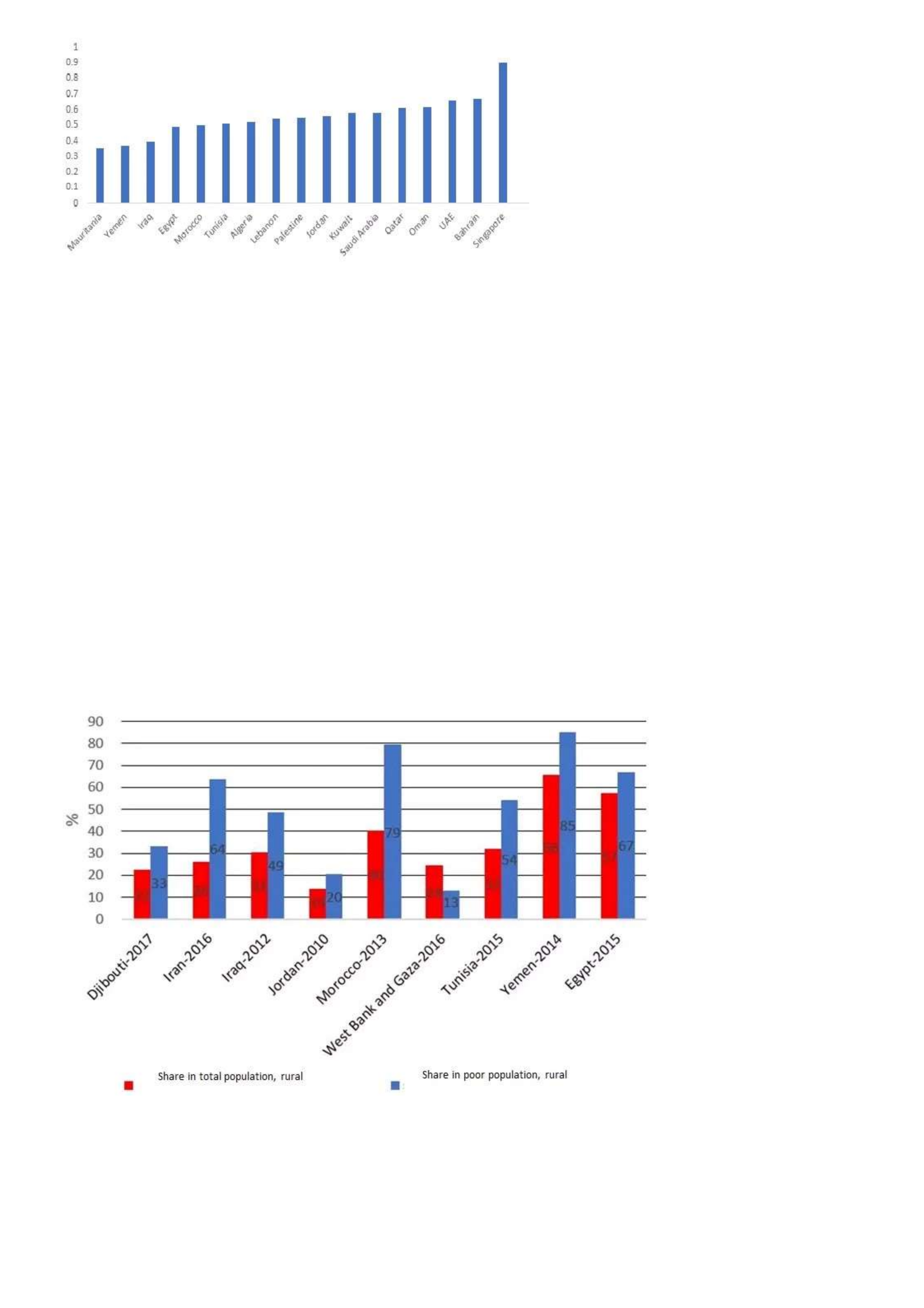
Fig. 3. The World Bank Human Capital Index, 2019.
Issues of reducing gender inequality should also be noted. Noteworthy, recent family law reforms in Morocco have strengthened women’s property
rights by equalizing the property rights of husbands and wives over property acquired during the marriage. Methods for strengthening the voice of
women in society include political representation quotas, training future women leaders, and increasing their participation in trade unions and
professional associations.
However, while the gender gap in leadership positions in corporate governance and public administration has narrowed, women, especially in rural
areas, are largely the face of poverty in Morocco. In Morocco, there are two main methods of measuring poverty, which include the “classical
approach” and the second one, which is more of a capacity-based approach. The “classical approach” uses a poverty line to statistically define the
poor. This approach quantifies the number of poor people and households but does not take into account how poor people lack basic needs such as
shelter, food, health, and education. The second approach addresses this lack of basic needs and emphasizes the multidimensional nature of poverty.
Moroccan women represent the most economically vulnerable social group in the country (Sandberg and Binder 32-39). The feminization of poverty
refers to a trend towards increasing inequality in living standards between men and women due to the widening gap in poverty between women and
men. This phenomenon is not only a consequence of a lack of income but also a result of disenfranchisement and gender bias inherent in both
societies and governments at the regional level. It encompasses the poverty of choice and opportunity, such as the ability to lead a long, healthy, and
creative life and the enjoyment of fundamental rights such as freedom, respect, and dignity. This phenomenon is largely due to the overall ratio of
total and poor population in rural areas. In Morocco, the percentage of the poor rural population is rather high in comparison with other MENA
countries (Fig. 4).
Fig. 4. Rural shares in total and poor population in selected MENA countries.
Indeed, education seems to be an important factor associated with access to rural non-farm activities – thus, the issue of rural poverty should be
addressed simultaneously with making efforts to eradicate illiteracy in rural areas. The figure below clearly shows that education represents one of
the definitive factors associated with access to rural non-farm activities.
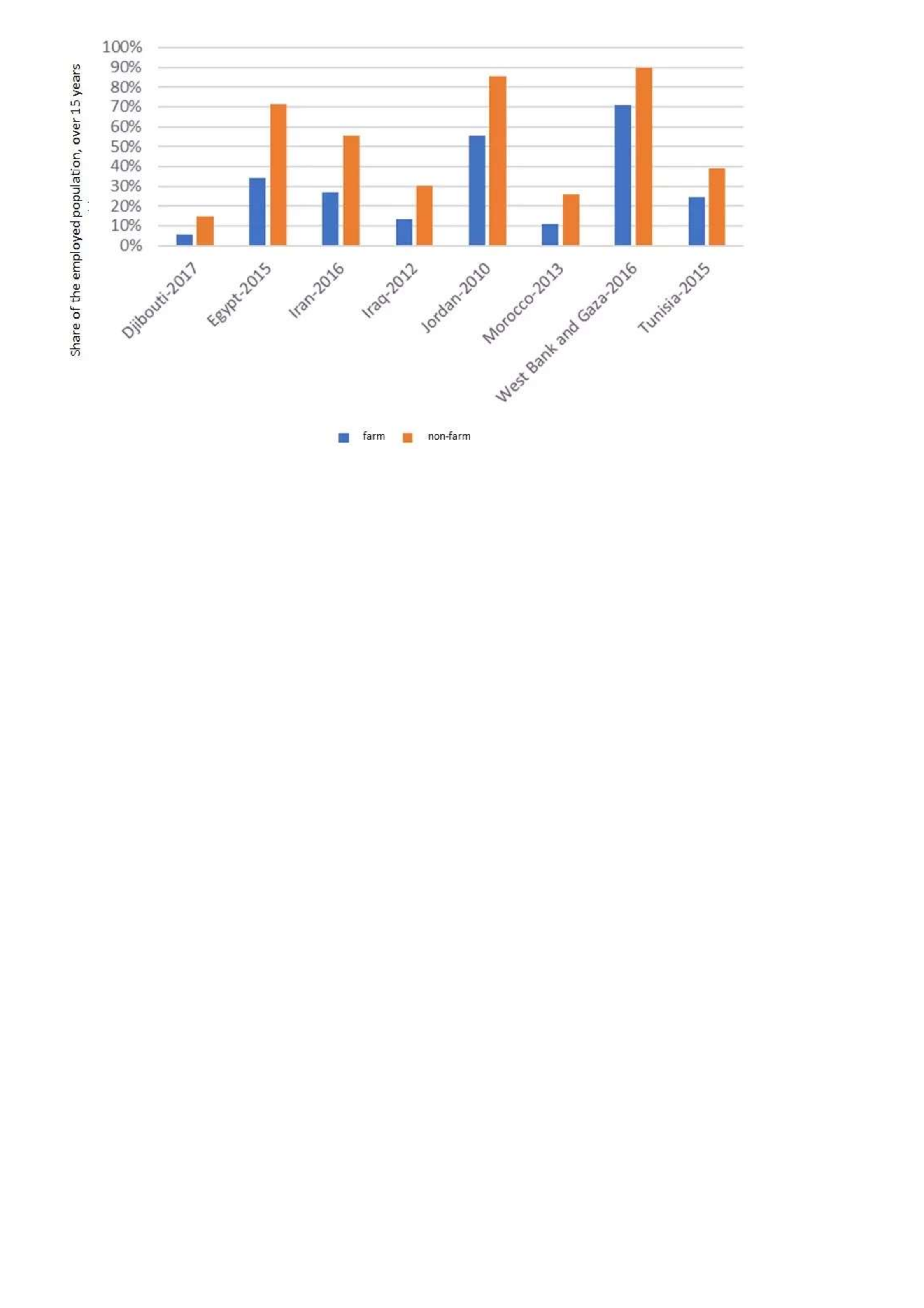
Fig. 5. Shares of the population over 15 years old with incomplete secondary education and above among employed farm and non-farm activities in
rural areas of selected MENA countries.
The Kingdom of Morocco continues to pursue its efforts to follow up on recommendations from major United Nations development meetings and
conferences, including the Millennium Development Goals, which are included in the national development strategy. Modernization, democratization,
and economic development, as well as indicators of sustainable human development, are interdependent in promoting equal opportunities,
disseminating knowledge, and providing basic social services.
Increasingly more environmental protection programs are being implemented in the country. In particular, by supporting ecotourism, Morocco strives
to highlight its unique tangible and spiritual heritage by engaging industry professionals and regional authorities. For this, a special program has been
developed – the charter for sustainable tourism. The development of ecotourism is also supported by numerous individual projects, such as the
botanical garden of aromatic plants located near the ancient city. To date, 13 Moroccan beaches have received the Blue Flag award (Rihab 287). Many
hotels and inns in the country have received the Green Key award. All this highlights the efforts of the owners of the companies in the field of
environmental protection.
The percentage of the marine protected area has increased in recent years, and on the 22nd Conference of the Parties to the United Nations
Framework Convention on Climate Change, for the first time in its history, at the request of the Moroccan government, an Action Day for the
Protection of the Oceans was organized as part of the official UNFCCC program. Efforts to combat illegal, unreported, and unregulated fishing also
should be noted. In the energy sector, Morocco stands out for the presence of the seventh-largest solar power plant in the world – in Noor. Spread
over an area of 3000 hectares (3500 football fields), the station is capable of providing energy to a city the size of two Marrakech or Prague. Located
at the entrance to the Sahara Desert, the complex saves the planet from more than 760,000 tons of carbon emissions (Mohamed et al. 193-195). The
main sectors of the economy that can support green growth are clean renewable energy, water management, agriculture and forestry, fisheries,
recycling, and waste management.
This major project primarily serves the interests of Morocco, but it is also part of a worldwide effort to expand the use of renewable energy sources.
Investment in renewable energy in Morocco grew 13 times in 2018 to $ 2.8 billion (Mohamed et al. 191). Morocco has set an ambitious goal of
generating more than half of its electricity from renewable sources by 2030. These goals, along with other climate change policies, helped make
Morocco the second best-performing country in the 2018 and 2019 Climate Change Performance Indices. Morocco ranks 64th in the world in terms of
environmental performance, ahead of most African countries (Rihab 289). The country is trying to integrate the climate change component into all
national public policies.
Separately, the degree of application of a legal, regulatory, and institutional framework that recognizes and protects access rights for small-scale
fisheries in Morocco should be noted. The country is among the leading ones in Africa by the degree of efforts in this field. For the Sahara region, the
most relevant is the efforts of the Kingdom of Morocco on control and surveillance issues, given the importance of fishing activities. Control requires
the average performance of equipment and, namely control on water and on land, which mobilizes ships, vehicles, and service personnel, equipped
with specific measurement and remote communication equipment. Indeed, control concerns all the elements: fishermen’s activities, fishing area,
fishing gear and sizes, documentation (capture declaration, logbook), unloading (market size, quota), transportation, and storage of fishing products.
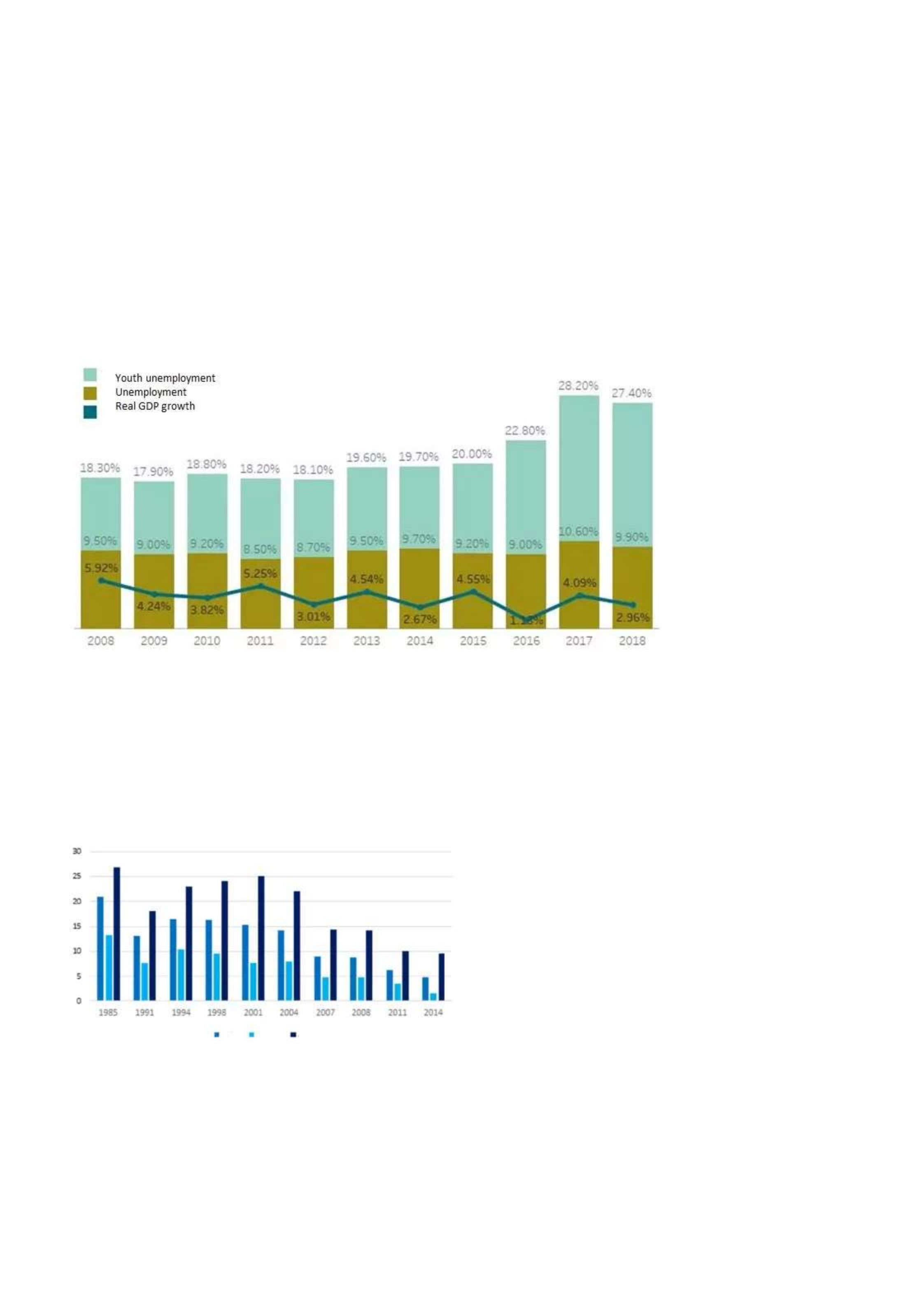
Thus, the country demonstrates evident and, to a significant extent, effective efforts to achieve meeting goals of sustainable development both in
addressing the issues of social capital growth and environmental protection. At the same time, still, problems in social inequality, gender gaps, rural
poverty, and access to quality education persist. In these conditions, it seems expedient to pay special attention to the mechanisms of public-private
partnership, which are not well developed in Morocco.
The Moroccan economy is considered to be a relatively liberal economy governed by the law of supply and demand. Since 1993, Morocco has
pursued a policy of privatizing certain sectors of the economy that were formerly in the hands of the government.
Morocco has become a major player in African economic affairs and ranks fifth among African economies in terms of GDP. The
World Economic Forum ranked Morocco as the 1st most competitive economy in North Africa in its Africa Competitiveness Report 2014-15. Since
2018, the country’s currency – the dirham – is fully convertible for current account transactions, financial sector reforms are carried out, and state
enterprises are being privatized.
There is an overall relative downward trend in unemployment in the country over the past decade. However, still, the level of youth unemployment in
2017 is 42.8%. About 80% of jobs are informal and the income gap is very large (Dadush 9). The correlation between unemployment, youth
unemployment, and growth is shown in Fig. 1 below.
Fig. 1. Correlation between unemployment, youth unemployment, and growth in Morocco, percentage change with 2012 base.
However, the labor share of GDP is the highest in the upper-middle-income sector which demonstrates the growth of a strong middle class in the
country. At the same time, social spending in Morocco is less than in neighboring countries such as Tunisia and Jordan. Thus, the progress in the
achievement of SDGs is ambiguous, although progressive development is evident. It should be noted that the country managed to decrease the
poverty rate significantly in dynamics (Fig. 2).
Total Urban Rural
Fig. 2. The Evolution of poverty rate in Morocco, 1985-2014.
There is a gradual increase in the human capital index and efforts are being made in the field of education. The dynamics of youth functional literacy
in Morocco for the period 2000-2018 is the highest among ten African countries. Net Enrollment Ratio in primary education manifested two-fold
growth since 1971 (Mansouri and Moumine 12). The duration of primary education is 6 years – this figure has not changed since 2009. The net
enrollment rate in primary education is 98.92%, which is a good value for an African country. Adult literacy is 73.75% (Sandberg and Binder 26).
Moreover, the illiterate population is concentrated in rural areas.
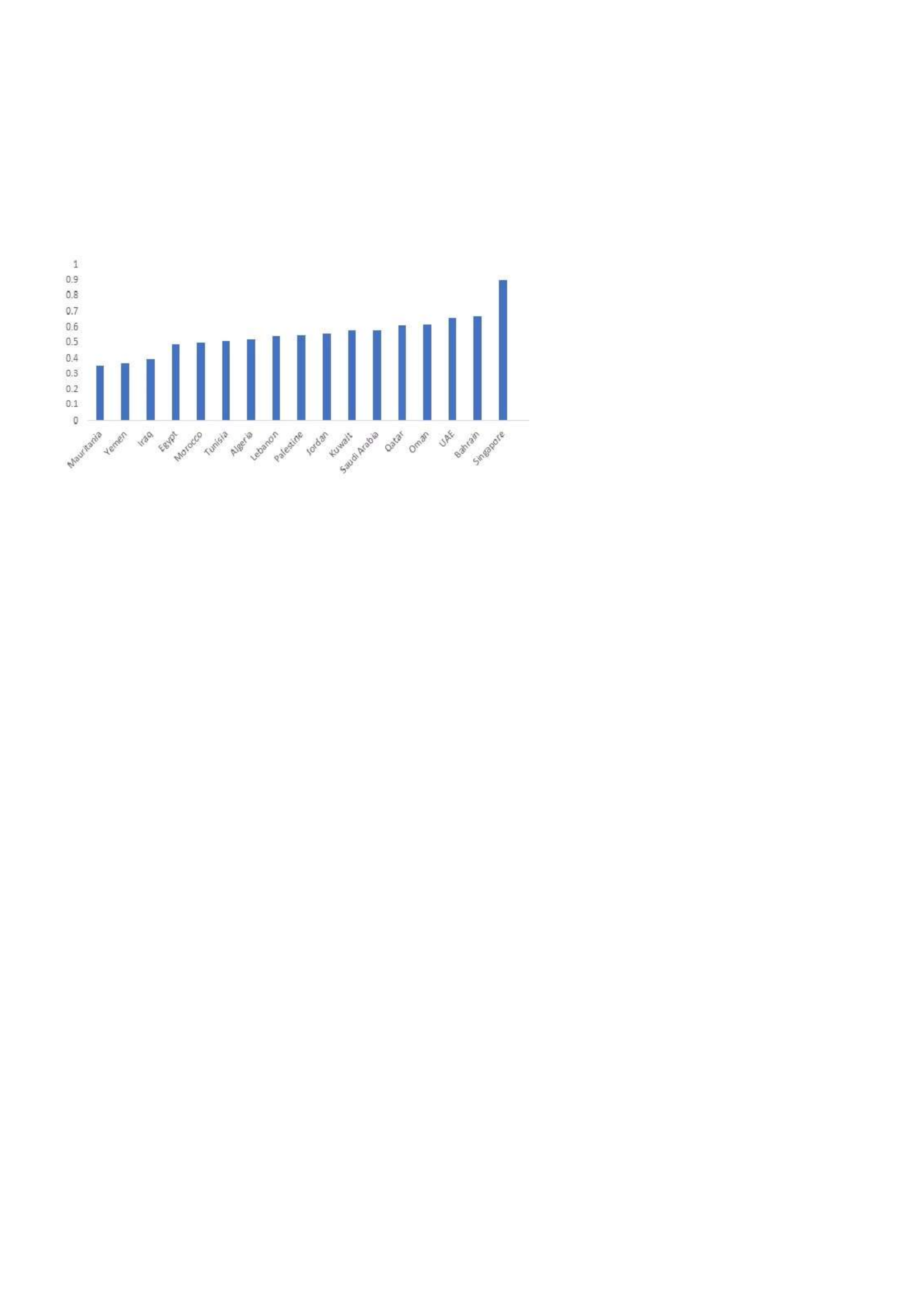
Processes of digital transformation are being observed – the ruling elite of Morocco realizes that digitalization is one of the integral mechanisms of
the global development of the national economy. It plays a critical role in attracting investment, creating jobs, modernizing the public sector, and
creating fast and efficient services for citizens. Efforts are being made to improve the digital infrastructure, strengthen the professional knowledge of
people to meet the market demand for specialists in the digital sphere.
Nevertheless, economic inequality persists – for example, the Gini index, which measures the degree to which the distribution of income or
consumption expenditures among households in the economy differs from absolute equality in distribution, was 35.70% in 2018 (UN). This is,
however, almost 10% less than in the previous year, which indicates the success of the government’s efforts to reduce inequality. According to World
Bank Human Capital Index, Morocco is ahead of Egypt and Yemen and almost on the same level as other Arab countries, being behind such rich
countries as Qatar and UAE (Fig. 3 below).
Fig. 3. The World Bank Human Capital Index, 2019.
Issues of reducing gender inequality should also be noted. Noteworthy, recent family law reforms in Morocco have strengthened women’s property
rights by equalizing the property rights of husbands and wives over property acquired during the marriage. Methods for strengthening the voice of
women in society include political representation quotas, training future women leaders, and increasing their participation in trade unions and
professional associations.
However, while the gender gap in leadership positions in corporate governance and public administration has narrowed, women, especially in rural
areas, are largely the face of poverty in Morocco. In Morocco, there are two main methods of measuring poverty, which include the “classical
approach” and the second one, which is more of a capacity-based approach. The “classical approach” uses a poverty line to statistically define the
poor. This approach quantifies the number of poor people and households but does not take into account how poor people lack basic needs such as
shelter, food, health, and education. The second approach addresses this lack of basic needs and emphasizes the multidimensional nature of poverty.
Moroccan women represent the most economically vulnerable social group in the country (Sandberg and Binder 32-39). The feminization of poverty
refers to a trend towards increasing inequality in living standards between men and women due to the widening gap in poverty between women and
men. This phenomenon is not only a consequence of a lack of income but also a result of disenfranchisement and gender bias inherent in both
societies and governments at the regional level. It encompasses the poverty of choice and opportunity, such as the ability to lead a long, healthy, and
creative life and the enjoyment of fundamental rights such as freedom, respect, and dignity. This phenomenon is largely due to the overall ratio of
total and poor population in rural areas. In Morocco, the percentage of the poor rural population is rather high in comparison with other MENA
countries (Fig. 4).
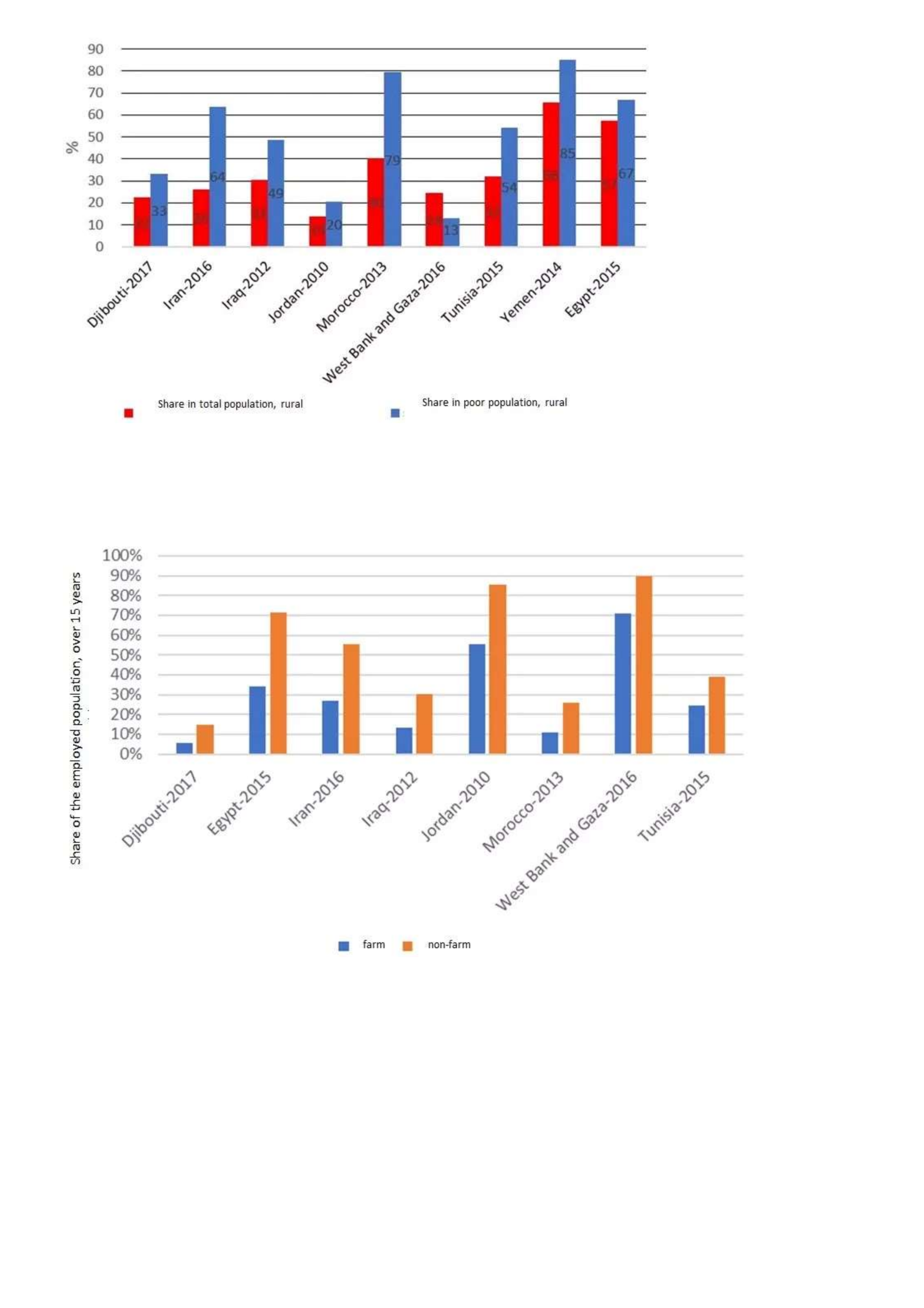
Fig. 4. Rural shares in total and poor population in selected MENA countries.
Indeed, education seems to be an important factor associated with access to rural non-farm activities – thus, the issue of rural poverty should be
addressed simultaneously with making efforts to eradicate illiteracy in rural areas. The figure below clearly shows that education represents one of
the definitive factors associated with access to rural non-farm activities.
Fig. 5. Shares of the population over 15 years old with incomplete secondary education and above among employed farm and non-farm activities in
rural areas of selected MENA countries.
The Kingdom of Morocco continues to pursue its efforts to follow up on recommendations from major United Nations development meetings and
conferences, including the Millennium Development Goals, which are included in the national development strategy. Modernization, democratization,
and economic development, as well as indicators of sustainable human development, are interdependent in promoting equal opportunities,
disseminating knowledge, and providing basic social services.
Increasingly more environmental protection programs are being implemented in the country. In particular, by supporting ecotourism, Morocco strives
to highlight its unique tangible and spiritual heritage by engaging industry professionals and regional authorities. For this, a special program has been
developed – the charter for sustainable tourism. The development of ecotourism is also supported by numerous individual projects, such as the
botanical garden of aromatic plants located near the ancient city. To date, 13 Moroccan beaches have received the Blue Flag award (Rihab 287). Many
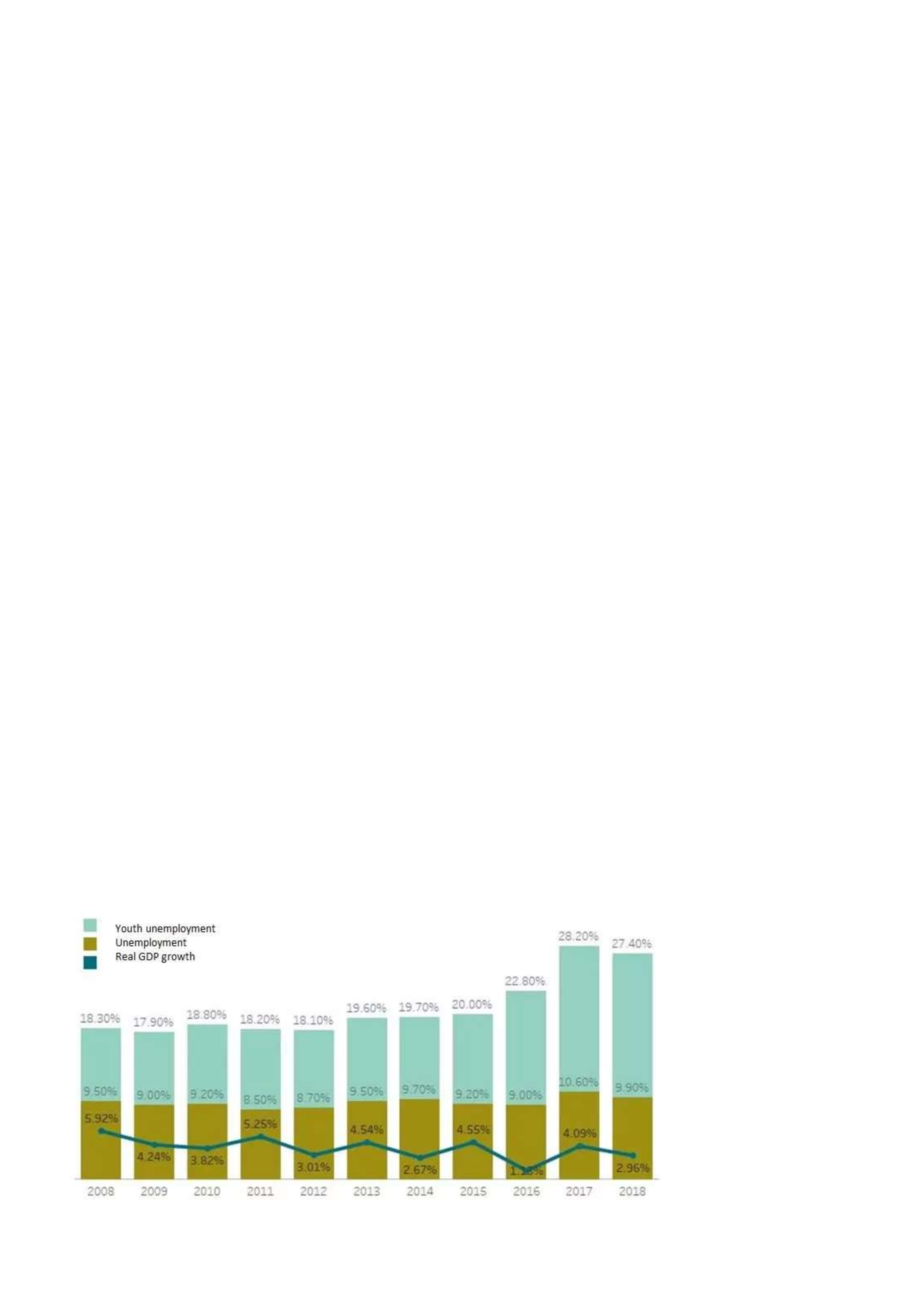
hotels and inns in the country have received the Green Key award. All this highlights the efforts of the owners of the companies in the field of
environmental protection.
The percentage of the marine protected area has increased in recent years, and on the 22nd Conference of the Parties to the United Nations
Framework Convention on Climate Change, for the first time in its history, at the request of the Moroccan government, an Action Day for the
Protection of the Oceans was organized as part of the official UNFCCC program. Efforts to combat illegal, unreported, and unregulated fishing also
should be noted. In the energy sector, Morocco stands out for the presence of the seventh-largest solar power plant in the world – in Noor. Spread
over an area of 3000 hectares (3500 football fields), the station is capable of providing energy to a city the size of two Marrakech or Prague. Located
at the entrance to the Sahara Desert, the complex saves the planet from more than 760,000 tons of carbon emissions (Mohamed et al. 193-195). The
main sectors of the economy that can support green growth are clean renewable energy, water management, agriculture and forestry, fisheries,
recycling, and waste management.
This major project primarily serves the interests of Morocco, but it is also part of a worldwide effort to expand the use of renewable energy sources.
Investment in renewable energy in Morocco grew 13 times in 2018 to $ 2.8 billion (Mohamed et al. 191). Morocco has set an ambitious goal of
generating more than half of its electricity from renewable sources by 2030. These goals, along with other climate change policies, helped make
Morocco the second best-performing country in the 2018 and 2019 Climate Change Performance Indices. Morocco ranks 64th in the world in terms of
environmental performance, ahead of most African countries (Rihab 289). The country is trying to integrate the climate change component into all
national public policies.
Separately, the degree of application of a legal, regulatory, and institutional framework that recognizes and protects access rights for small-scale
fisheries in Morocco should be noted. The country is among the leading ones in Africa by the degree of efforts in this field. For the Sahara region, the
most relevant is the efforts of the Kingdom of Morocco on control and surveillance issues, given the importance of fishing activities. Control requires
the average performance of equipment and, namely control on water and on land, which mobilizes ships, vehicles, and service personnel, equipped
with specific measurement and remote communication equipment. Indeed, control concerns all the elements: fishermen’s activities, fishing area,
fishing gear and sizes, documentation (capture declaration, logbook), unloading (market size, quota), transportation, and storage of fishing products.
Thus, the country demonstrates evident and, to a significant extent, effective efforts to achieve meeting goals of sustainable development both in
addressing the issues of social capital growth and environmental protection. At the same time, still, problems in social inequality, gender gaps, rural
poverty, and access to quality education persist. In these conditions, it seems expedient to pay special attention to the mechanisms of public-private
partnership, which are not well developed in Morocco.
The Moroccan economy is considered to be a relatively liberal economy governed by the law of supply and demand. Since 1993, Morocco has
pursued a policy of privatizing certain sectors of the economy that were formerly in the hands of the government.
Morocco has become a major player in African economic affairs and ranks fifth among African economies in terms of GDP. The
World Economic Forum ranked Morocco as the 1st most competitive economy in North Africa in its Africa Competitiveness Report 2014-15. Since
2018, the country’s currency – the dirham – is fully convertible for current account transactions, financial sector reforms are carried out, and state
enterprises are being privatized.
There is an overall relative downward trend in unemployment in the country over the past decade. However, still, the level of youth unemployment in
2017 is 42.8%. About 80% of jobs are informal and the income gap is very large (Dadush 9). The correlation between unemployment, youth
unemployment, and growth is shown in Fig. 1 below.
Fig. 1. Correlation between unemployment, youth unemployment, and growth in Morocco, percentage change with 2012 base.
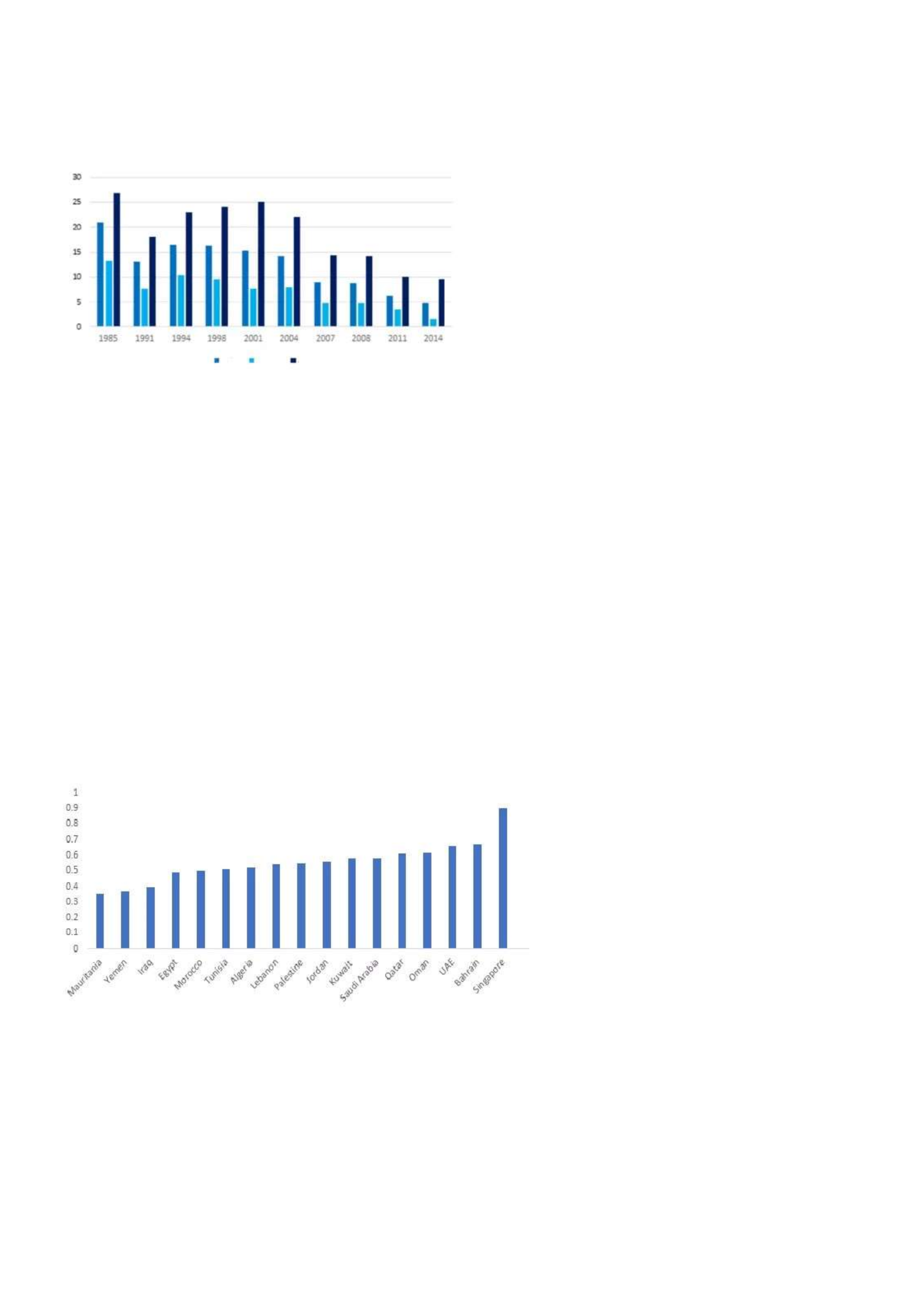
However, the labor share of GDP is the highest in the upper-middle-income sector which demonstrates the growth of a strong middle class in the
country. At the same time, social spending in Morocco is less than in neighboring countries such as Tunisia and Jordan. Thus, the progress in the
achievement of SDGs is ambiguous, although progressive development is evident. It should be noted that the country managed to decrease the
poverty rate significantly in dynamics (Fig. 2).
Total Urban Rural
Fig. 2. The Evolution of poverty rate in Morocco, 1985-2014.
There is a gradual increase in the human capital index and efforts are being made in the field of education. The dynamics of youth functional literacy
in Morocco for the period 2000-2018 is the highest among ten African countries. Net Enrollment Ratio in primary education manifested two-fold
growth since 1971 (Mansouri and Moumine 12). The duration of primary education is 6 years – this figure has not changed since 2009. The net
enrollment rate in primary education is 98.92%, which is a good value for an African country. Adult literacy is 73.75% (Sandberg and Binder 26).
Moreover, the illiterate population is concentrated in rural areas.
Processes of digital transformation are being observed – the ruling elite of Morocco realizes that digitalization is one of the integral mechanisms of
the global development of the national economy. It plays a critical role in attracting investment, creating jobs, modernizing the public sector, and
creating fast and efficient services for citizens. Efforts are being made to improve the digital infrastructure, strengthen the professional knowledge of
people to meet the market demand for specialists in the digital sphere.
Nevertheless, economic inequality persists – for example, the Gini index, which measures the degree to which the distribution of income or
consumption expenditures among households in the economy differs from absolute equality in distribution, was 35.70% in 2018 (UN). This is,
however, almost 10% less than in the previous year, which indicates the success of the government’s efforts to reduce inequality. According to World
Bank Human Capital Index, Morocco is ahead of Egypt and Yemen and almost on the same level as other Arab countries, being behind such rich
countries as Qatar and UAE (Fig. 3 below).
Fig. 3. The World Bank Human Capital Index, 2019.
Issues of reducing gender inequality should also be noted. Noteworthy, recent family law reforms in Morocco have strengthened women’s property
rights by equalizing the property rights of husbands and wives over property acquired during the marriage. Methods for strengthening the voice of
women in society include political representation quotas, training future women leaders, and increasing their participation in trade unions and
professional associations.
However, while the gender gap in leadership positions in corporate governance and public administration has narrowed, women, especially in rural
areas, are largely the face of poverty in Morocco. In Morocco, there are two main methods of measuring poverty, which include the “classical
approach” and the second one, which is more of a capacity-based approach. The “classical approach” uses a poverty line to statistically define the
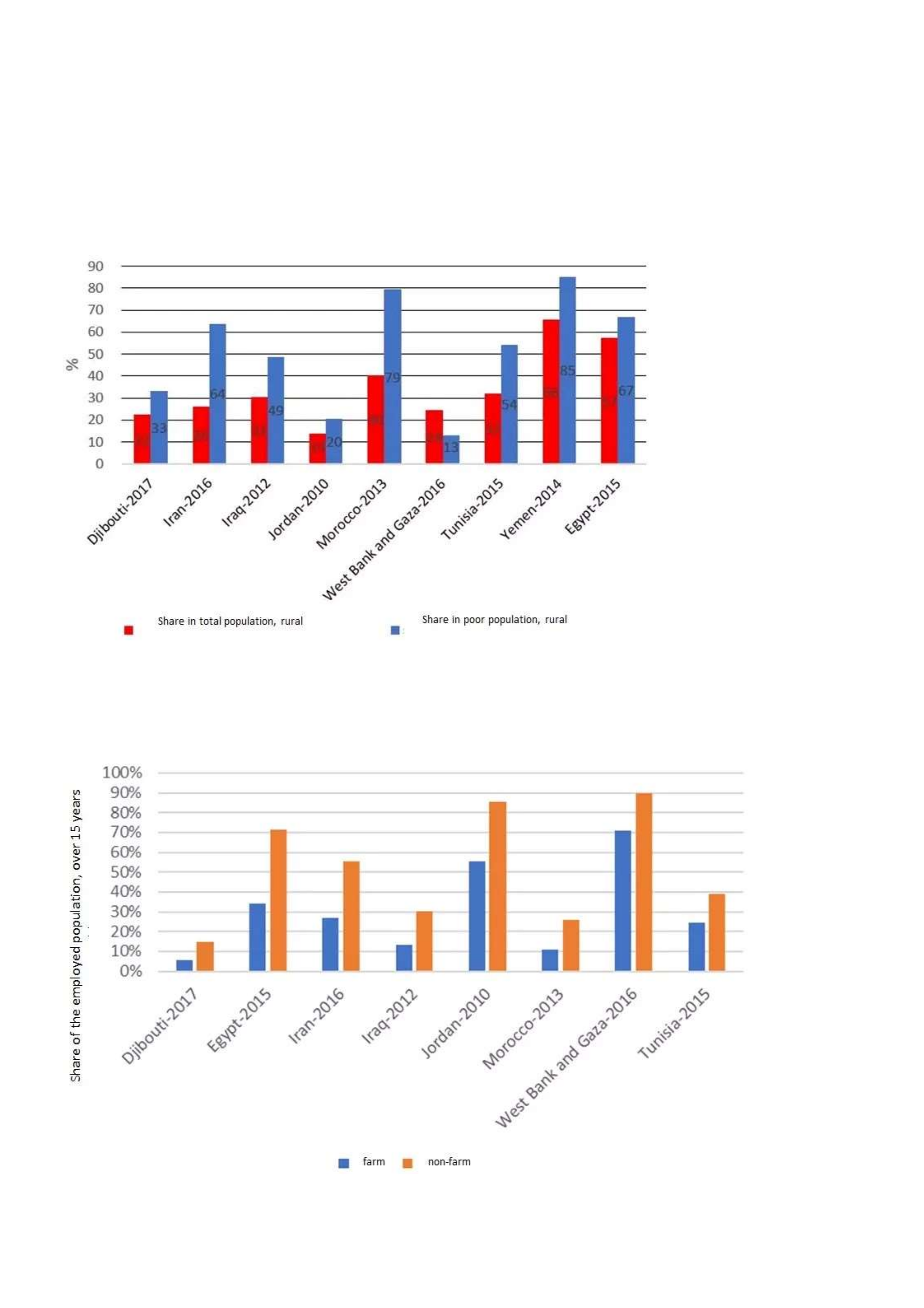
poor. This approach quantifies the number of poor people and households but does not take into account how poor people lack basic needs such as
shelter, food, health, and education. The second approach addresses this lack of basic needs and emphasizes the multidimensional nature of poverty.
Moroccan women represent the most economically vulnerable social group in the country (Sandberg and Binder 32-39). The feminization of poverty
refers to a trend towards increasing inequality in living standards between men and women due to the widening gap in poverty between women and
men. This phenomenon is not only a consequence of a lack of income but also a result of disenfranchisement and gender bias inherent in both
societies and governments at the regional level. It encompasses the poverty of choice and opportunity, such as the ability to lead a long, healthy, and
creative life and the enjoyment of fundamental rights such as freedom, respect, and dignity. This phenomenon is largely due to the overall ratio of
total and poor population in rural areas. In Morocco, the percentage of the poor rural population is rather high in comparison with other MENA
countries (Fig. 4).
Fig. 4. Rural shares in total and poor population in selected MENA countries.
Indeed, education seems to be an important factor associated with access to rural non-farm activities – thus, the issue of rural poverty should be
addressed simultaneously with making efforts to eradicate illiteracy in rural areas. The figure below clearly shows that education represents one of
the definitive factors associated with access to rural non-farm activities.
Fig. 5. Shares of the population over 15 years old with incomplete secondary education and above among employed farm and non-farm activities in
rural areas of selected MENA countries.

The Kingdom of Morocco continues to pursue its efforts to follow up on recommendations from major United Nations development meetings and
conferences, including the Millennium Development Goals, which are included in the national development strategy. Modernization, democratization,
and economic development, as well as indicators of sustainable human development, are interdependent in promoting equal opportunities,
disseminating knowledge, and providing basic social services.
Increasingly more environmental protection programs are being implemented in the country. In particular, by supporting ecotourism, Morocco strives
to highlight its unique tangible and spiritual heritage by engaging industry professionals and regional authorities. For this, a special program has been
developed – the charter for sustainable tourism. The development of ecotourism is also supported by numerous individual projects, such as the
botanical garden of aromatic plants located near the ancient city. To date, 13 Moroccan beaches have received the Blue Flag award (Rihab 287). Many
hotels and inns in the country have received the Green Key award. All this highlights the efforts of the owners of the companies in the field of
environmental protection.
The percentage of the marine protected area has increased in recent years, and on the 22nd Conference of the Parties to the United Nations
Framework Convention on Climate Change, for the first time in its history, at the request of the Moroccan government, an Action Day for the
Protection of the Oceans was organized as part of the official UNFCCC program. Efforts to combat illegal, unreported, and unregulated fishing also
should be noted. In the energy sector, Morocco stands out for the presence of the seventh-largest solar power plant in the world – in Noor. Spread
over an area of 3000 hectares (3500 football fields), the station is capable of providing energy to a city the size of two Marrakech or Prague. Located
at the entrance to the Sahara Desert, the complex saves the planet from more than 760,000 tons of carbon emissions (Mohamed et al. 193-195). The
main sectors of the economy that can support green growth are clean renewable energy, water management, agriculture and forestry, fisheries,
recycling, and waste management.
This major project primarily serves the interests of Morocco, but it is also part of a worldwide effort to expand the use of renewable energy sources.
Investment in renewable energy in Morocco grew 13 times in 2018 to $ 2.8 billion (Mohamed et al. 191). Morocco has set an ambitious goal of
generating more than half of its electricity from renewable sources by 2030. These goals, along with other climate change policies, helped make
Morocco the second best-performing country in the 2018 and 2019 Climate Change Performance Indices. Morocco ranks 64th in the world in terms of
environmental performance, ahead of most African countries (Rihab 289). The country is trying to integrate the climate change component into all
national public policies.
Separately, the degree of application of a legal, regulatory, and institutional framework that recognizes and protects access rights for small-scale
fisheries in Morocco should be noted. The country is among the leading ones in Africa by the degree of efforts in this field. For the Sahara region, the
most relevant is the efforts of the Kingdom of Morocco on control and surveillance issues, given the importance of fishing activities. Control requires
the average performance of equipment and, namely control on water and on land, which mobilizes ships, vehicles, and service personnel, equipped
with specific measurement and remote communication equipment. Indeed, control concerns all the elements: fishermen’s activities, fishing area,
fishing gear and sizes, documentation (capture declaration, logbook), unloading (market size, quota), transportation, and storage of fishing products.
Thus, the country demonstrates evident and, to a significant extent, effective efforts to achieve meeting goals of sustainable development both in
addressing the issues of social capital growth and environmental protection. At the same time, still, problems in social inequality, gender gaps, rural
poverty, and access to quality education persist. In these conditions, it seems expedient to pay special attention to the mechanisms of public-private
partnership, which are not well developed in Morocco.
The Moroccan economy is considered to be a relatively liberal economy governed by the law of supply and demand. Since 1993, Morocco has
pursued a policy of privatizing certain sectors of the economy that were formerly in the hands of the government.
Morocco has become a major player in African economic affairs and ranks fifth among African economies in terms of GDP. The
World Economic Forum ranked Morocco as the 1st most competitive economy in North Africa in its Africa Competitiveness Report 2014-15. Since
2018, the country’s currency – the dirham – is fully convertible for current account transactions, financial sector reforms are carried out, and state
enterprises are being privatized.
There is an overall relative downward trend in unemployment in the country over the past decade. However, still, the level of youth unemployment in
2017 is 42.8%. About 80% of jobs are informal and the income gap is very large (Dadush 9). The correlation between unemployment, youth
unemployment, and growth is shown in Fig. 1 below.
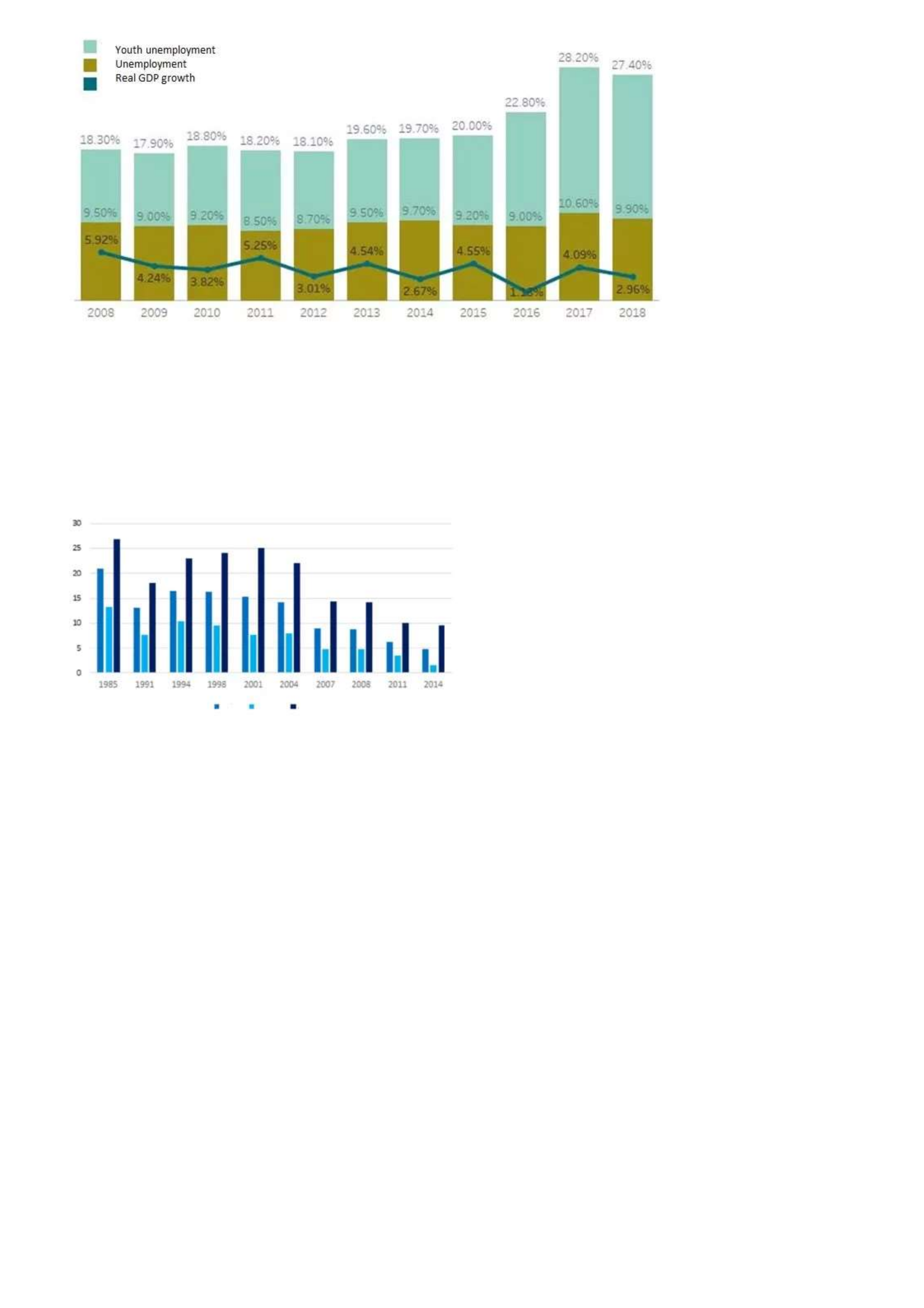
Fig. 1. Correlation between unemployment, youth unemployment, and growth in Morocco, percentage change with 2012 base.
However, the labor share of GDP is the highest in the upper-middle-income sector which demonstrates the growth of a strong middle class in the
country. At the same time, social spending in Morocco is less than in neighboring countries such as Tunisia and Jordan. Thus, the progress in the
achievement of SDGs is ambiguous, although progressive development is evident. It should be noted that the country managed to decrease the
poverty rate significantly in dynamics (Fig. 2).
Total Urban Rural
Fig. 2. The Evolution of poverty rate in Morocco, 1985-2014.
There is a gradual increase in the human capital index and efforts are being made in the field of education. The dynamics of youth functional literacy
in Morocco for the period 2000-2018 is the highest among ten African countries. Net Enrollment Ratio in primary education manifested two-fold
growth since 1971 (Mansouri and Moumine 12). The duration of primary education is 6 years – this figure has not changed since 2009. The net
enrollment rate in primary education is 98.92%, which is a good value for an African country. Adult literacy is 73.75% (Sandberg and Binder 26).
Moreover, the illiterate population is concentrated in rural areas.
Processes of digital transformation are being observed – the ruling elite of Morocco realizes that digitalization is one of the integral mechanisms of
the global development of the national economy. It plays a critical role in attracting investment, creating jobs, modernizing the public sector, and
creating fast and efficient services for citizens. Efforts are being made to improve the digital infrastructure, strengthen the professional knowledge of
people to meet the market demand for specialists in the digital sphere.
Nevertheless, economic inequality persists – for example, the Gini index, which measures the degree to which the distribution of income or
consumption expenditures among households in the economy differs from absolute equality in distribution, was 35.70% in 2018 (UN). This is,
however, almost 10% less than in the previous year, which indicates the success of the government’s efforts to reduce inequality. According to World
Bank Human Capital Index, Morocco is ahead of Egypt and Yemen and almost on the same level as other Arab countries, being behind such rich
countries as Qatar and UAE (Fig. 3 below).
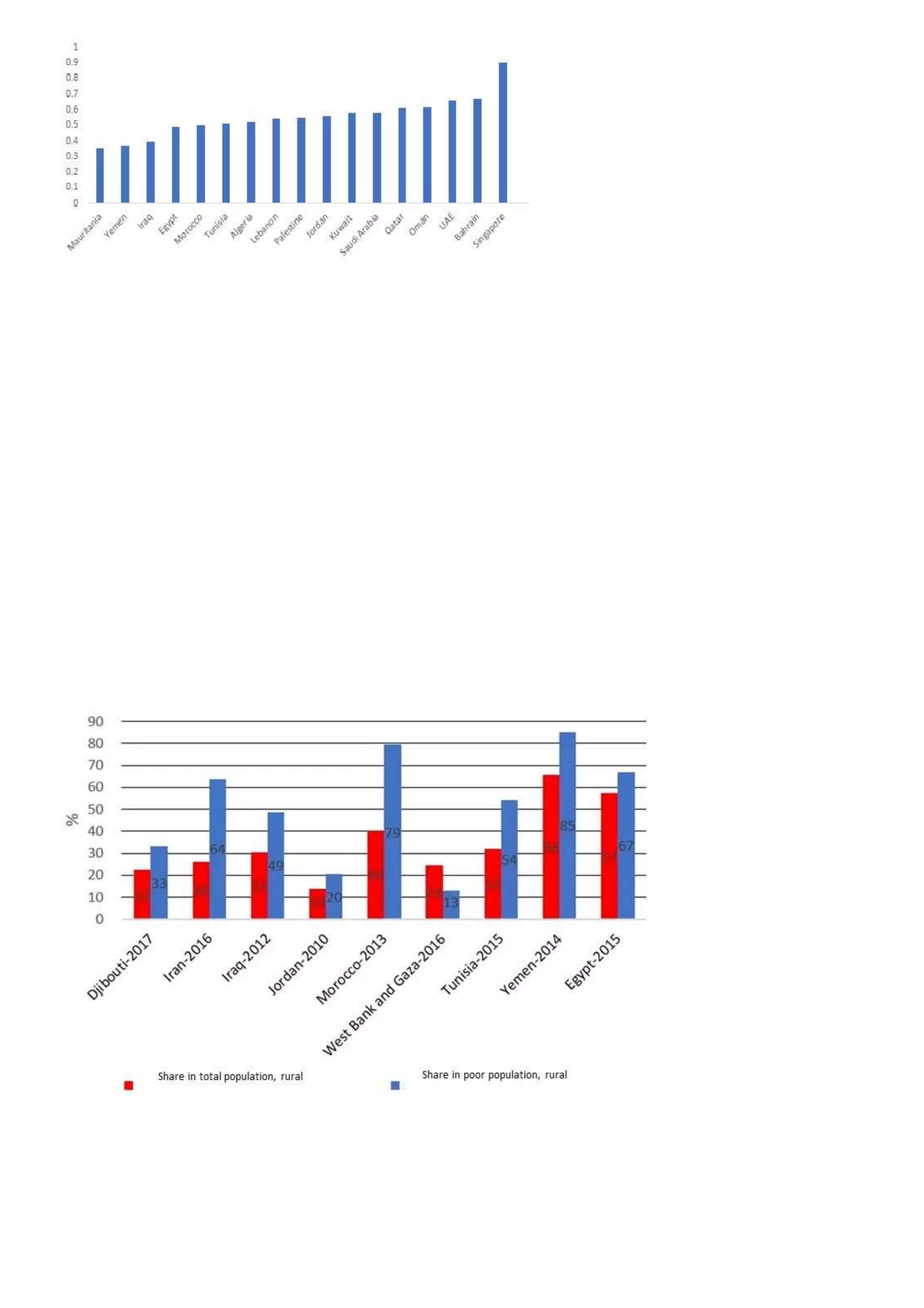
Fig. 3. The World Bank Human Capital Index, 2019.
Issues of reducing gender inequality should also be noted. Noteworthy, recent family law reforms in Morocco have strengthened women’s property
rights by equalizing the property rights of husbands and wives over property acquired during the marriage. Methods for strengthening the voice of
women in society include political representation quotas, training future women leaders, and increasing their participation in trade unions and
professional associations.
However, while the gender gap in leadership positions in corporate governance and public administration has narrowed, women, especially in rural
areas, are largely the face of poverty in Morocco. In Morocco, there are two main methods of measuring poverty, which include the “classical
approach” and the second one, which is more of a capacity-based approach. The “classical approach” uses a poverty line to statistically define the
poor. This approach quantifies the number of poor people and households but does not take into account how poor people lack basic needs such as
shelter, food, health, and education. The second approach addresses this lack of basic needs and emphasizes the multidimensional nature of poverty.
Moroccan women represent the most economically vulnerable social group in the country (Sandberg and Binder 32-39). The feminization of poverty
refers to a trend towards increasing inequality in living standards between men and women due to the widening gap in poverty between women and
men. This phenomenon is not only a consequence of a lack of income but also a result of disenfranchisement and gender bias inherent in both
societies and governments at the regional level. It encompasses the poverty of choice and opportunity, such as the ability to lead a long, healthy, and
creative life and the enjoyment of fundamental rights such as freedom, respect, and dignity. This phenomenon is largely due to the overall ratio of
total and poor population in rural areas. In Morocco, the percentage of the poor rural population is rather high in comparison with other MENA
countries (Fig. 4).
Fig. 4. Rural shares in total and poor population in selected MENA countries.
Indeed, education seems to be an important factor associated with access to rural non-farm activities – thus, the issue of rural poverty should be
addressed simultaneously with making efforts to eradicate illiteracy in rural areas. The figure below clearly shows that education represents one of
the definitive factors associated with access to rural non-farm activities.
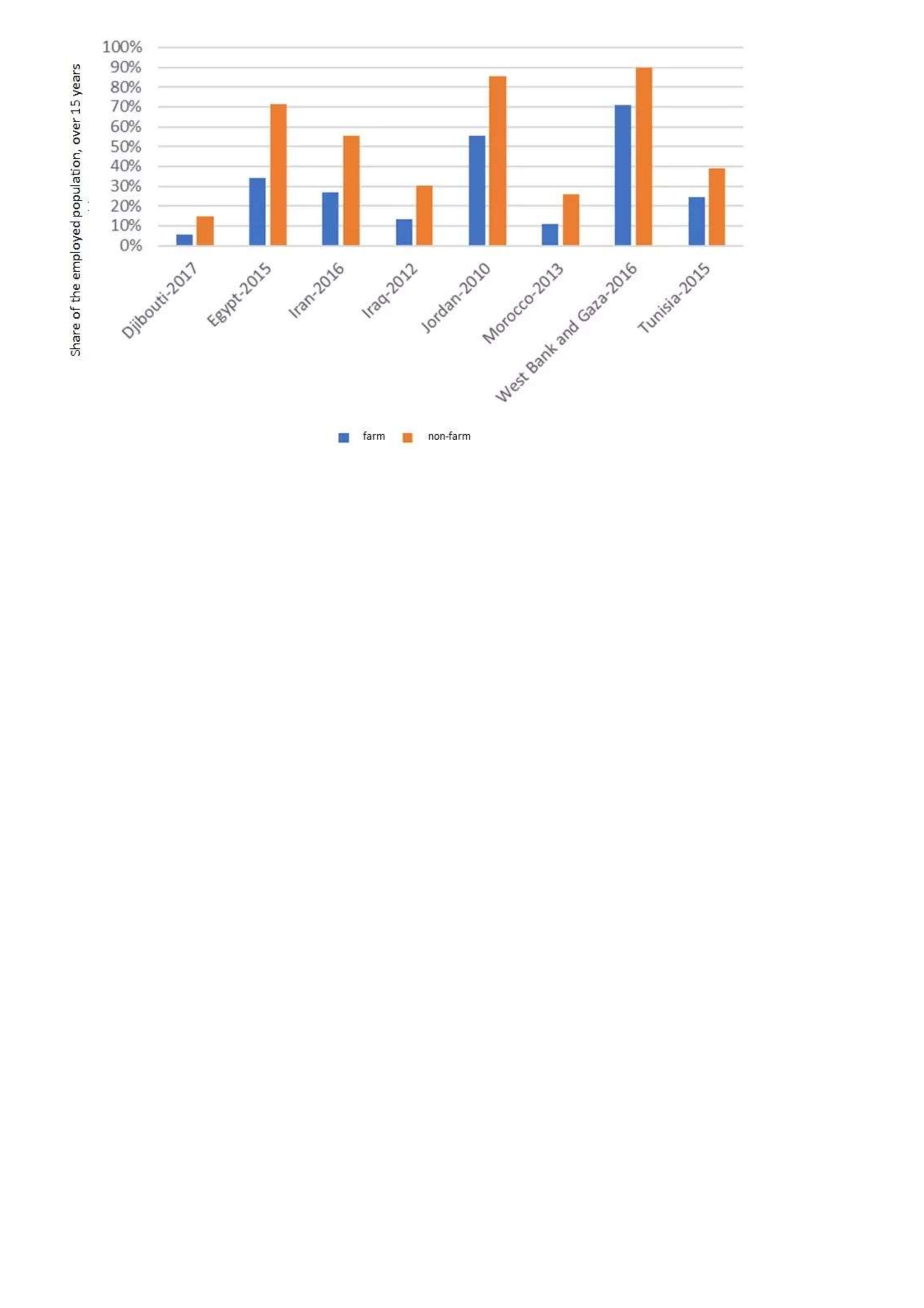
Fig. 5. Shares of the population over 15 years old with incomplete secondary education and above among employed farm and non-farm activities in
rural areas of selected MENA countries.
The Kingdom of Morocco continues to pursue its efforts to follow up on recommendations from major United Nations development meetings and
conferences, including the Millennium Development Goals, which are included in the national development strategy. Modernization, democratization,
and economic development, as well as indicators of sustainable human development, are interdependent in promoting equal opportunities,
disseminating knowledge, and providing basic social services.
Increasingly more environmental protection programs are being implemented in the country. In particular, by supporting ecotourism, Morocco strives
to highlight its unique tangible and spiritual heritage by engaging industry professionals and regional authorities. For this, a special program has been
developed – the charter for sustainable tourism. The development of ecotourism is also supported by numerous individual projects, such as the
botanical garden of aromatic plants located near the ancient city. To date, 13 Moroccan beaches have received the Blue Flag award (Rihab 287). Many
hotels and inns in the country have received the Green Key award. All this highlights the efforts of the owners of the companies in the field of
environmental protection.
The percentage of the marine protected area has increased in recent years, and on the 22nd Conference of the Parties to the United Nations
Framework Convention on Climate Change, for the first time in its history, at the request of the Moroccan government, an Action Day for the
Protection of the Oceans was organized as part of the official UNFCCC program. Efforts to combat illegal, unreported, and unregulated fishing also
should be noted. In the energy sector, Morocco stands out for the presence of the seventh-largest solar power plant in the world – in Noor. Spread
over an area of 3000 hectares (3500 football fields), the station is capable of providing energy to a city the size of two Marrakech or Prague. Located
at the entrance to the Sahara Desert, the complex saves the planet from more than 760,000 tons of carbon emissions (Mohamed et al. 193-195). The
main sectors of the economy that can support green growth are clean renewable energy, water management, agriculture and forestry, fisheries,
recycling, and waste management.
This major project primarily serves the interests of Morocco, but it is also part of a worldwide effort to expand the use of renewable energy sources.
Investment in renewable energy in Morocco grew 13 times in 2018 to $ 2.8 billion (Mohamed et al. 191). Morocco has set an ambitious goal of
generating more than half of its electricity from renewable sources by 2030. These goals, along with other climate change policies, helped make
Morocco the second best-performing country in the 2018 and 2019 Climate Change Performance Indices. Morocco ranks 64th in the world in terms of
environmental performance, ahead of most African countries (Rihab 289). The country is trying to integrate the climate change component into all
national public policies.
Separately, the degree of application of a legal, regulatory, and institutional framework that recognizes and protects access rights for small-scale
fisheries in Morocco should be noted. The country is among the leading ones in Africa by the degree of efforts in this field. For the Sahara region, the
most relevant is the efforts of the Kingdom of Morocco on control and surveillance issues, given the importance of fishing activities. Control requires
the average performance of equipment and, namely control on water and on land, which mobilizes ships, vehicles, and service personnel, equipped
with specific measurement and remote communication equipment. Indeed, control concerns all the elements: fishermen’s activities, fishing area,
fishing gear and sizes, documentation (capture declaration, logbook), unloading (market size, quota), transportation, and storage of fishing products.
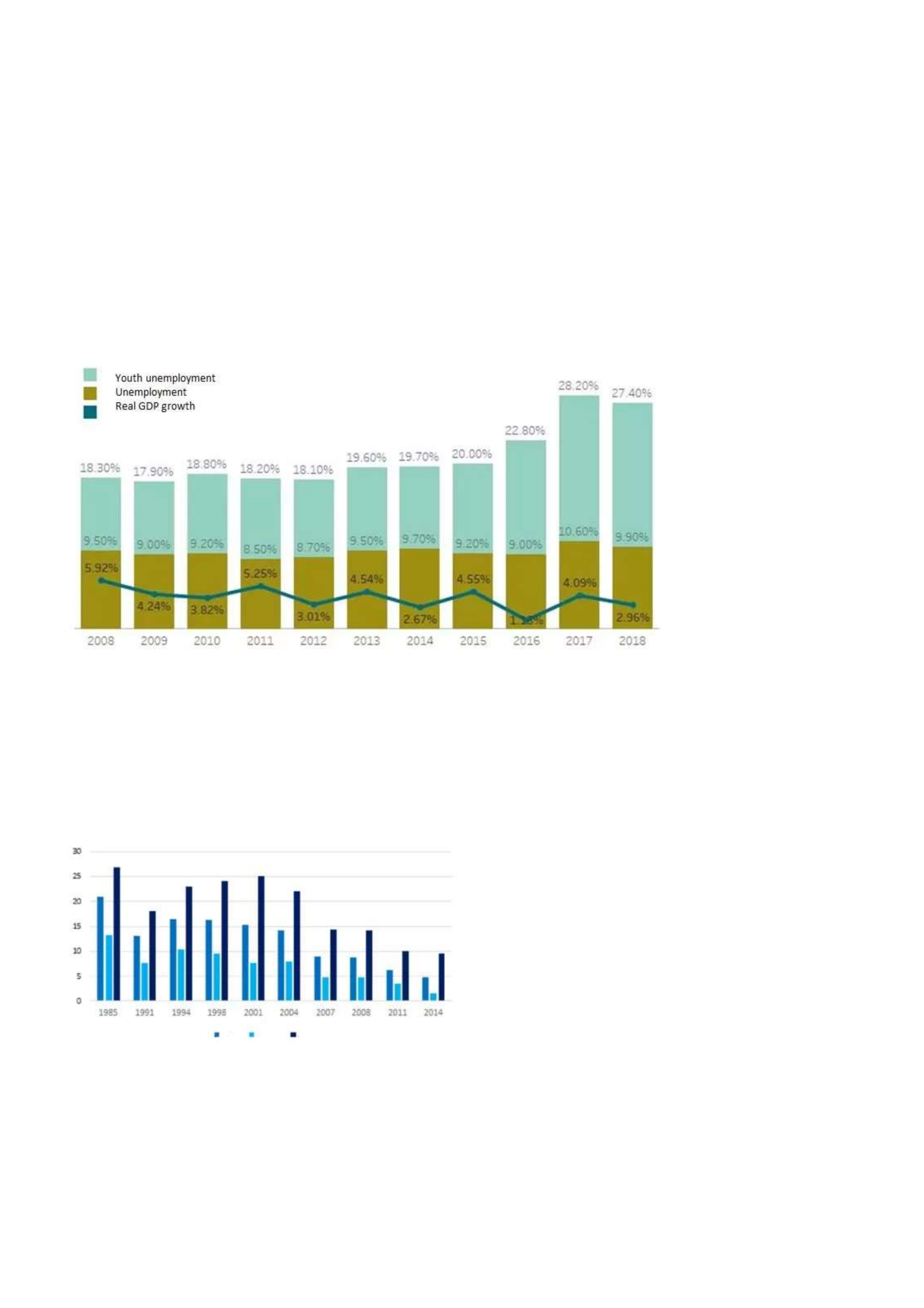
Thus, the country demonstrates evident and, to a significant extent, effective efforts to achieve meeting goals of sustainable development both in
addressing the issues of social capital growth and environmental protection. At the same time, still, problems in social inequality, gender gaps, rural
poverty, and access to quality education persist. In these conditions, it seems expedient to pay special attention to the mechanisms of public-private
partnership, which are not well developed in Morocco.
The Moroccan economy is considered to be a relatively liberal economy governed by the law of supply and demand. Since 1993, Morocco has
pursued a policy of privatizing certain sectors of the economy that were formerly in the hands of the government.
Morocco has become a major player in African economic affairs and ranks fifth among African economies in terms of GDP. The
World Economic Forum ranked Morocco as the 1st most competitive economy in North Africa in its Africa Competitiveness Report 2014-15. Since
2018, the country’s currency – the dirham – is fully convertible for current account transactions, financial sector reforms are carried out, and state
enterprises are being privatized.
There is an overall relative downward trend in unemployment in the country over the past decade. However, still, the level of youth unemployment in
2017 is 42.8%. About 80% of jobs are informal and the income gap is very large (Dadush 9). The correlation between unemployment, youth
unemployment, and growth is shown in Fig. 1 below.
Fig. 1. Correlation between unemployment, youth unemployment, and growth in Morocco, percentage change with 2012 base.
However, the labor share of GDP is the highest in the upper-middle-income sector which demonstrates the growth of a strong middle class in the
country. At the same time, social spending in Morocco is less than in neighboring countries such as Tunisia and Jordan. Thus, the progress in the
achievement of SDGs is ambiguous, although progressive development is evident. It should be noted that the country managed to decrease the
poverty rate significantly in dynamics (Fig. 2).
Total Urban Rural
Fig. 2. The Evolution of poverty rate in Morocco, 1985-2014.
There is a gradual increase in the human capital index and efforts are being made in the field of education. The dynamics of youth functional literacy
in Morocco for the period 2000-2018 is the highest among ten African countries. Net Enrollment Ratio in primary education manifested two-fold
growth since 1971 (Mansouri and Moumine 12). The duration of primary education is 6 years – this figure has not changed since 2009. The net
enrollment rate in primary education is 98.92%, which is a good value for an African country. Adult literacy is 73.75% (Sandberg and Binder 26).
Moreover, the illiterate population is concentrated in rural areas.
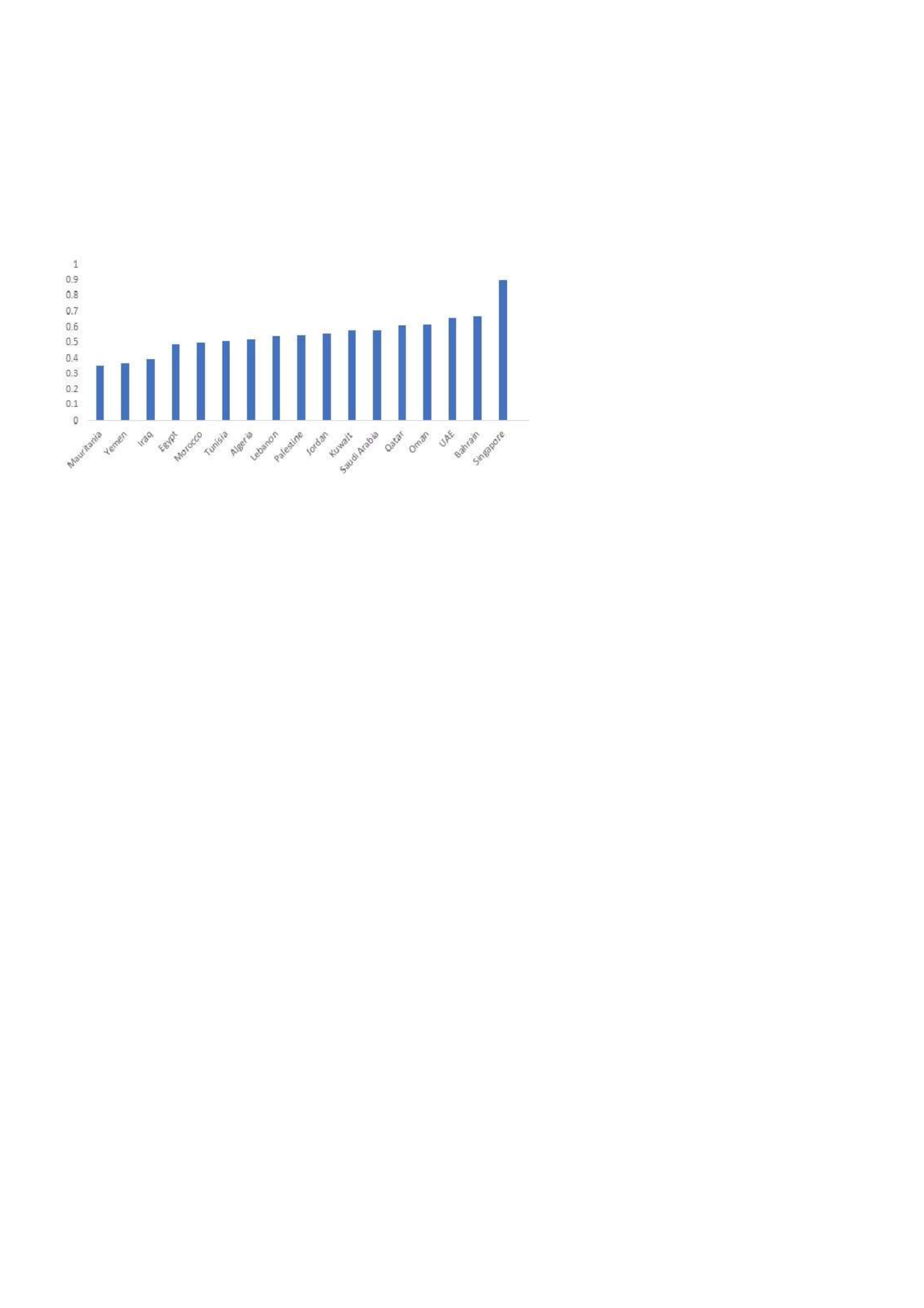
Processes of digital transformation are being observed – the ruling elite of Morocco realizes that digitalization is one of the integral mechanisms of
the global development of the national economy. It plays a critical role in attracting investment, creating jobs, modernizing the public sector, and
creating fast and efficient services for citizens. Efforts are being made to improve the digital infrastructure, strengthen the professional knowledge of
people to meet the market demand for specialists in the digital sphere.
Nevertheless, economic inequality persists – for example, the Gini index, which measures the degree to which the distribution of income or
consumption expenditures among households in the economy differs from absolute equality in distribution, was 35.70% in 2018 (UN). This is,
however, almost 10% less than in the previous year, which indicates the success of the government’s efforts to reduce inequality. According to World
Bank Human Capital Index, Morocco is ahead of Egypt and Yemen and almost on the same level as other Arab countries, being behind such rich
countries as Qatar and UAE (Fig. 3 below).
Fig. 3. The World Bank Human Capital Index, 2019.
Issues of reducing gender inequality should also be noted. Noteworthy, recent family law reforms in Morocco have strengthened women’s property
rights by equalizing the property rights of husbands and wives over property acquired during the marriage. Methods for strengthening the voice of
women in society include political representation quotas, training future women leaders, and increasing their participation in trade unions and
professional associations.
However, while the gender gap in leadership positions in corporate governance and public administration has narrowed, women, especially in rural
areas, are largely the face of poverty in Morocco. In Morocco, there are two main methods of measuring poverty, which include the “classical
approach” and the second one, which is more of a capacity-based approach. The “classical approach” uses a poverty line to statistically define the
poor. This approach quantifies the number of poor people and households but does not take into account how poor people lack basic needs such as
shelter, food, health, and education. The second approach addresses this lack of basic needs and emphasizes the multidimensional nature of poverty.
Moroccan women represent the most economically vulnerable social group in the country (Sandberg and Binder 32-39). The feminization of poverty
refers to a trend towards increasing inequality in living standards between men and women due to the widening gap in poverty between women and
men. This phenomenon is not only a consequence of a lack of income but also a result of disenfranchisement and gender bias inherent in both
societies and governments at the regional level. It encompasses the poverty of choice and opportunity, such as the ability to lead a long, healthy, and
creative life and the enjoyment of fundamental rights such as freedom, respect, and dignity. This phenomenon is largely due to the overall ratio of
total and poor population in rural areas. In Morocco, the percentage of the poor rural population is rather high in comparison with other MENA
countries (Fig. 4).
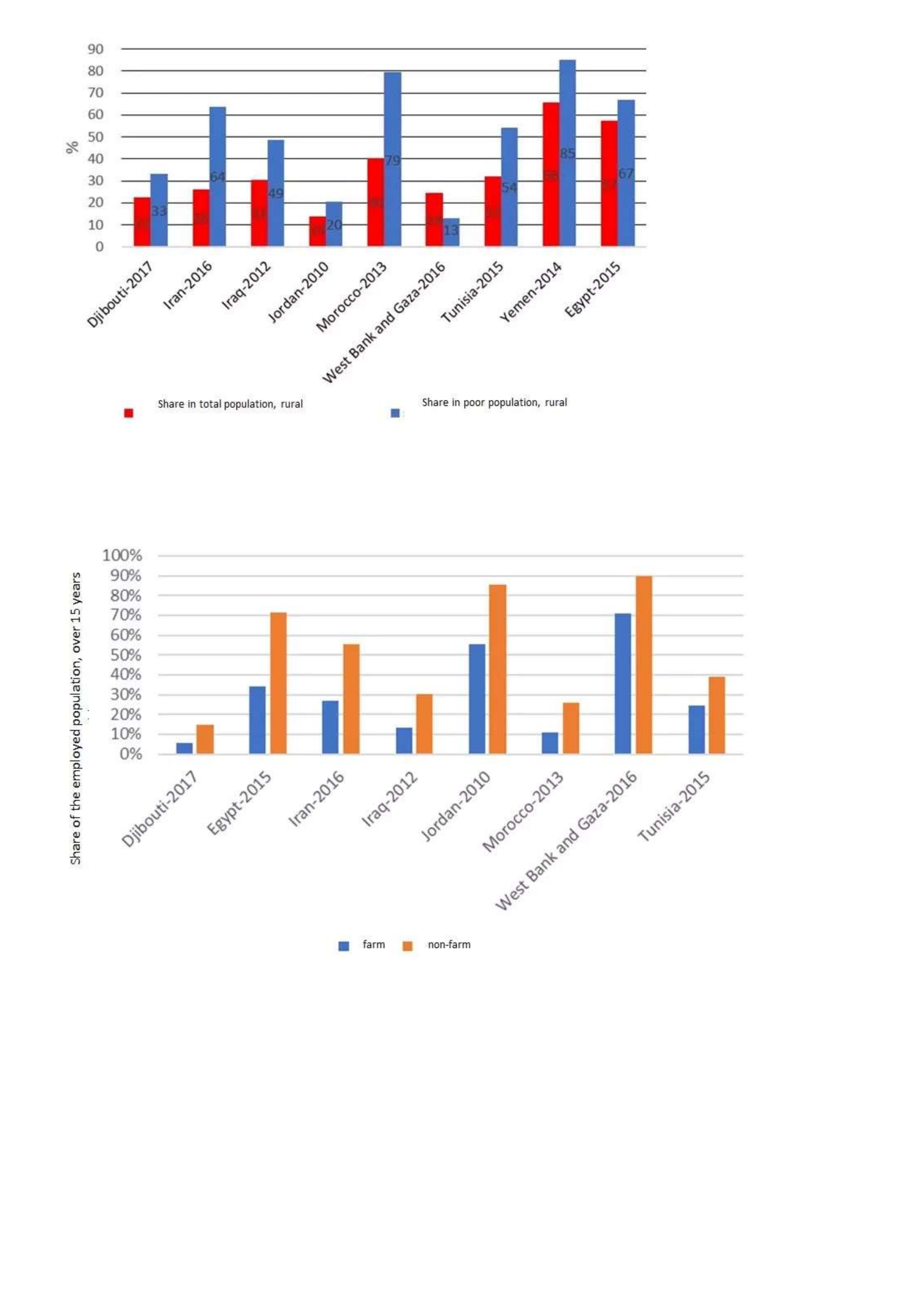
Fig. 4. Rural shares in total and poor population in selected MENA countries.
Indeed, education seems to be an important factor associated with access to rural non-farm activities – thus, the issue of rural poverty should be
addressed simultaneously with making efforts to eradicate illiteracy in rural areas. The figure below clearly shows that education represents one of
the definitive factors associated with access to rural non-farm activities.
Fig. 5. Shares of the population over 15 years old with incomplete secondary education and above among employed farm and non-farm activities in
rural areas of selected MENA countries.
The Kingdom of Morocco continues to pursue its efforts to follow up on recommendations from major United Nations development meetings and
conferences, including the Millennium Development Goals, which are included in the national development strategy. Modernization, democratization,
and economic development, as well as indicators of sustainable human development, are interdependent in promoting equal opportunities,
disseminating knowledge, and providing basic social services.
Increasingly more environmental protection programs are being implemented in the country. In particular, by supporting ecotourism, Morocco strives
to highlight its unique tangible and spiritual heritage by engaging industry professionals and regional authorities. For this, a special program has been
developed – the charter for sustainable tourism. The development of ecotourism is also supported by numerous individual projects, such as the
botanical garden of aromatic plants located near the ancient city. To date, 13 Moroccan beaches have received the Blue Flag award (Rihab 287). Many
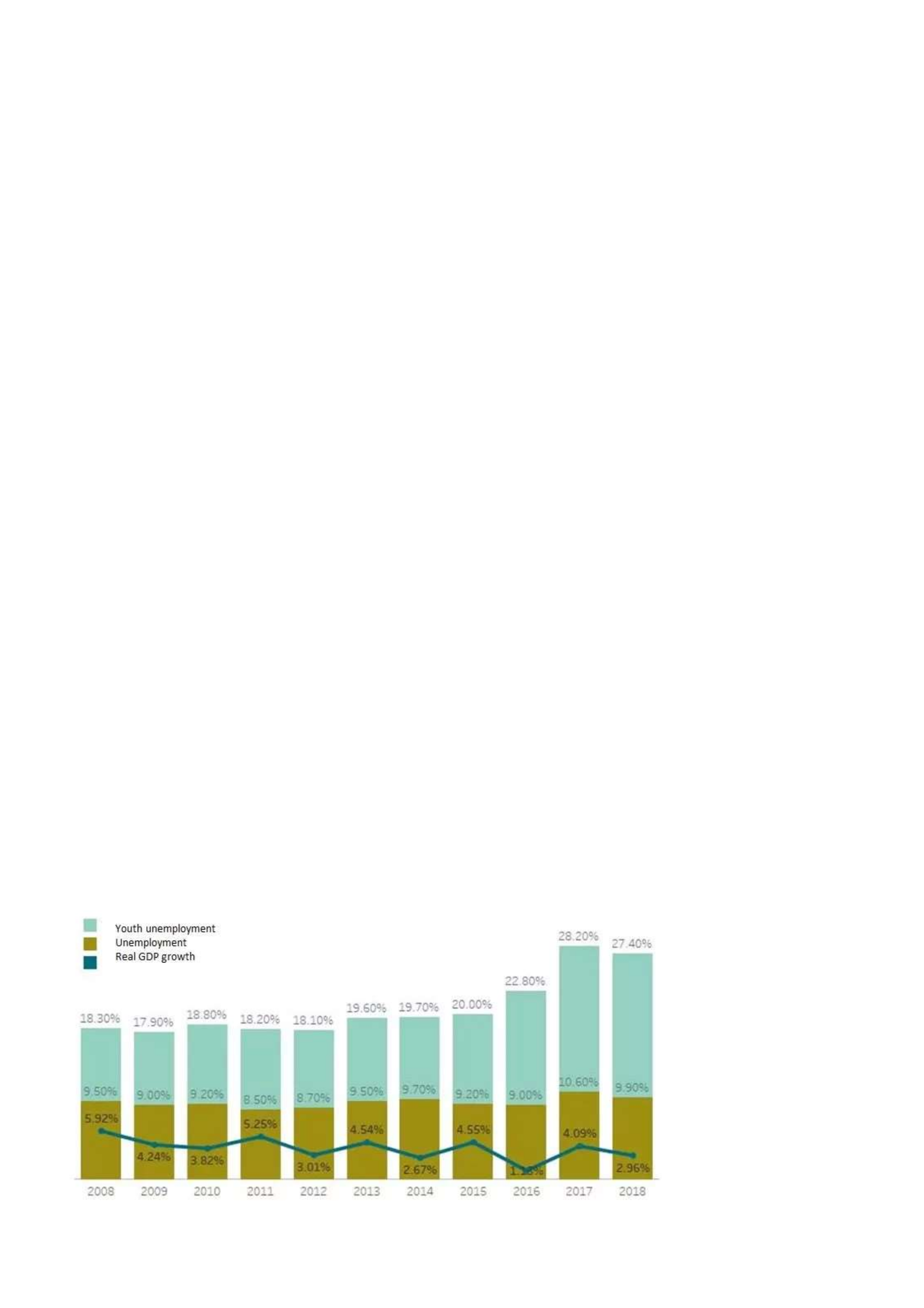
hotels and inns in the country have received the Green Key award. All this highlights the efforts of the owners of the companies in the field of
environmental protection.
The percentage of the marine protected area has increased in recent years, and on the 22nd Conference of the Parties to the United Nations
Framework Convention on Climate Change, for the first time in its history, at the request of the Moroccan government, an Action Day for the
Protection of the Oceans was organized as part of the official UNFCCC program. Efforts to combat illegal, unreported, and unregulated fishing also
should be noted. In the energy sector, Morocco stands out for the presence of the seventh-largest solar power plant in the world – in Noor. Spread
over an area of 3000 hectares (3500 football fields), the station is capable of providing energy to a city the size of two Marrakech or Prague. Located
at the entrance to the Sahara Desert, the complex saves the planet from more than 760,000 tons of carbon emissions (Mohamed et al. 193-195). The
main sectors of the economy that can support green growth are clean renewable energy, water management, agriculture and forestry, fisheries,
recycling, and waste management.
This major project primarily serves the interests of Morocco, but it is also part of a worldwide effort to expand the use of renewable energy sources.
Investment in renewable energy in Morocco grew 13 times in 2018 to $ 2.8 billion (Mohamed et al. 191). Morocco has set an ambitious goal of
generating more than half of its electricity from renewable sources by 2030. These goals, along with other climate change policies, helped make
Morocco the second best-performing country in the 2018 and 2019 Climate Change Performance Indices. Morocco ranks 64th in the world in terms of
environmental performance, ahead of most African countries (Rihab 289). The country is trying to integrate the climate change component into all
national public policies.
Separately, the degree of application of a legal, regulatory, and institutional framework that recognizes and protects access rights for small-scale
fisheries in Morocco should be noted. The country is among the leading ones in Africa by the degree of efforts in this field. For the Sahara region, the
most relevant is the efforts of the Kingdom of Morocco on control and surveillance issues, given the importance of fishing activities. Control requires
the average performance of equipment and, namely control on water and on land, which mobilizes ships, vehicles, and service personnel, equipped
with specific measurement and remote communication equipment. Indeed, control concerns all the elements: fishermen’s activities, fishing area,
fishing gear and sizes, documentation (capture declaration, logbook), unloading (market size, quota), transportation, and storage of fishing products.
Thus, the country demonstrates evident and, to a significant extent, effective efforts to achieve meeting goals of sustainable development both in
addressing the issues of social capital growth and environmental protection. At the same time, still, problems in social inequality, gender gaps, rural
poverty, and access to quality education persist. In these conditions, it seems expedient to pay special attention to the mechanisms of public-private
partnership, which are not well developed in Morocco.
The Moroccan economy is considered to be a relatively liberal economy governed by the law of supply and demand. Since 1993, Morocco has
pursued a policy of privatizing certain sectors of the economy that were formerly in the hands of the government.
Morocco has become a major player in African economic affairs and ranks fifth among African economies in terms of GDP. The
World Economic Forum ranked Morocco as the 1st most competitive economy in North Africa in its Africa Competitiveness Report 2014-15. Since
2018, the country’s currency – the dirham – is fully convertible for current account transactions, financial sector reforms are carried out, and state
enterprises are being privatized.
There is an overall relative downward trend in unemployment in the country over the past decade. However, still, the level of youth unemployment in
2017 is 42.8%. About 80% of jobs are informal and the income gap is very large (Dadush 9). The correlation between unemployment, youth
unemployment, and growth is shown in Fig. 1 below.
Fig. 1. Correlation between unemployment, youth unemployment, and growth in Morocco, percentage change with 2012 base.
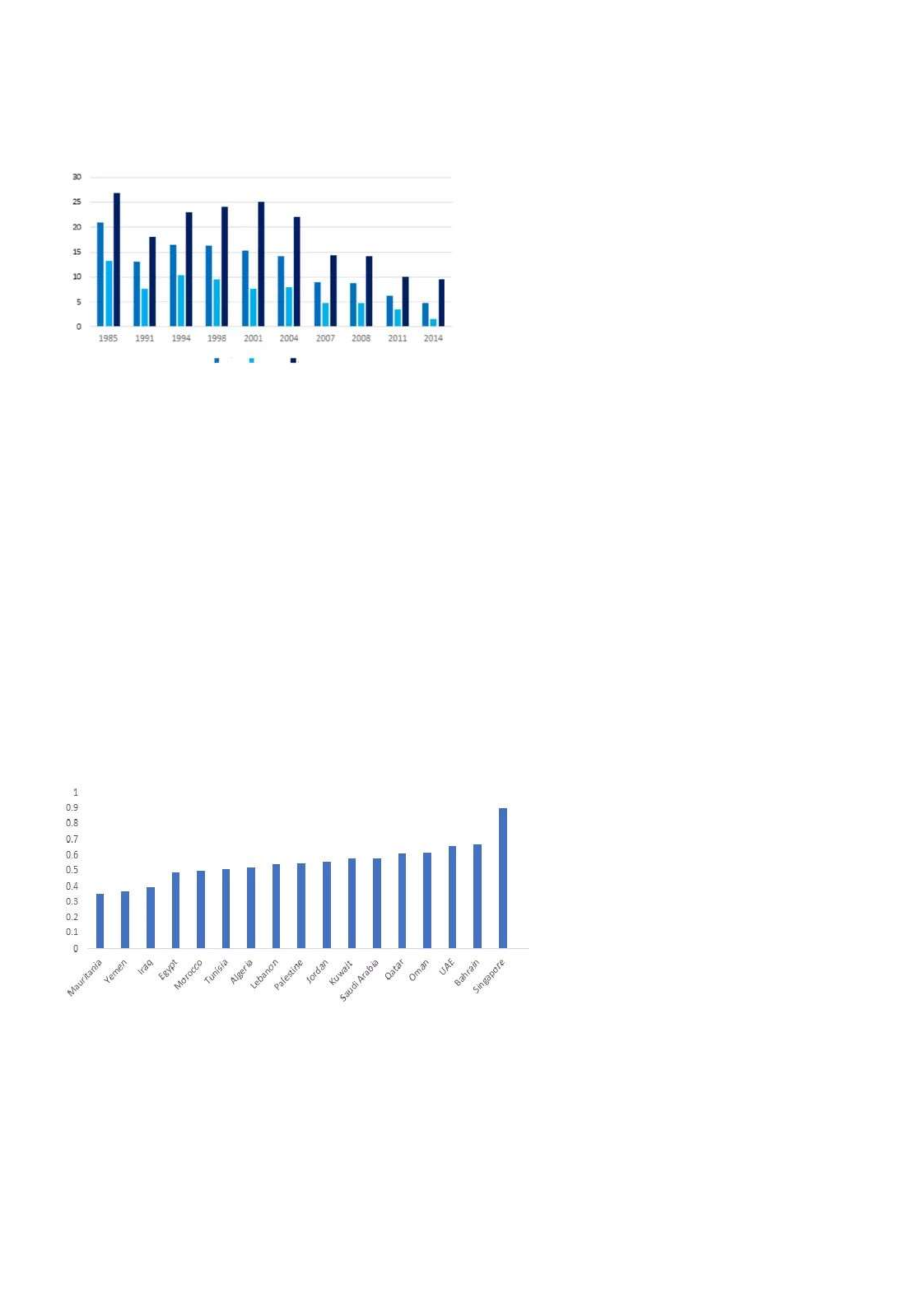
However, the labor share of GDP is the highest in the upper-middle-income sector which demonstrates the growth of a strong middle class in the
country. At the same time, social spending in Morocco is less than in neighboring countries such as Tunisia and Jordan. Thus, the progress in the
achievement of SDGs is ambiguous, although progressive development is evident. It should be noted that the country managed to decrease the
poverty rate significantly in dynamics (Fig. 2).
Total Urban Rural
Fig. 2. The Evolution of poverty rate in Morocco, 1985-2014.
There is a gradual increase in the human capital index and efforts are being made in the field of education. The dynamics of youth functional literacy
in Morocco for the period 2000-2018 is the highest among ten African countries. Net Enrollment Ratio in primary education manifested two-fold
growth since 1971 (Mansouri and Moumine 12). The duration of primary education is 6 years – this figure has not changed since 2009. The net
enrollment rate in primary education is 98.92%, which is a good value for an African country. Adult literacy is 73.75% (Sandberg and Binder 26).
Moreover, the illiterate population is concentrated in rural areas.
Processes of digital transformation are being observed – the ruling elite of Morocco realizes that digitalization is one of the integral mechanisms of
the global development of the national economy. It plays a critical role in attracting investment, creating jobs, modernizing the public sector, and
creating fast and efficient services for citizens. Efforts are being made to improve the digital infrastructure, strengthen the professional knowledge of
people to meet the market demand for specialists in the digital sphere.
Nevertheless, economic inequality persists – for example, the Gini index, which measures the degree to which the distribution of income or
consumption expenditures among households in the economy differs from absolute equality in distribution, was 35.70% in 2018 (UN). This is,
however, almost 10% less than in the previous year, which indicates the success of the government’s efforts to reduce inequality. According to World
Bank Human Capital Index, Morocco is ahead of Egypt and Yemen and almost on the same level as other Arab countries, being behind such rich
countries as Qatar and UAE (Fig. 3 below).
Fig. 3. The World Bank Human Capital Index, 2019.
Issues of reducing gender inequality should also be noted. Noteworthy, recent family law reforms in Morocco have strengthened women’s property
rights by equalizing the property rights of husbands and wives over property acquired during the marriage. Methods for strengthening the voice of
women in society include political representation quotas, training future women leaders, and increasing their participation in trade unions and
professional associations.
However, while the gender gap in leadership positions in corporate governance and public administration has narrowed, women, especially in rural
areas, are largely the face of poverty in Morocco. In Morocco, there are two main methods of measuring poverty, which include the “classical
approach” and the second one, which is more of a capacity-based approach. The “classical approach” uses a poverty line to statistically define the
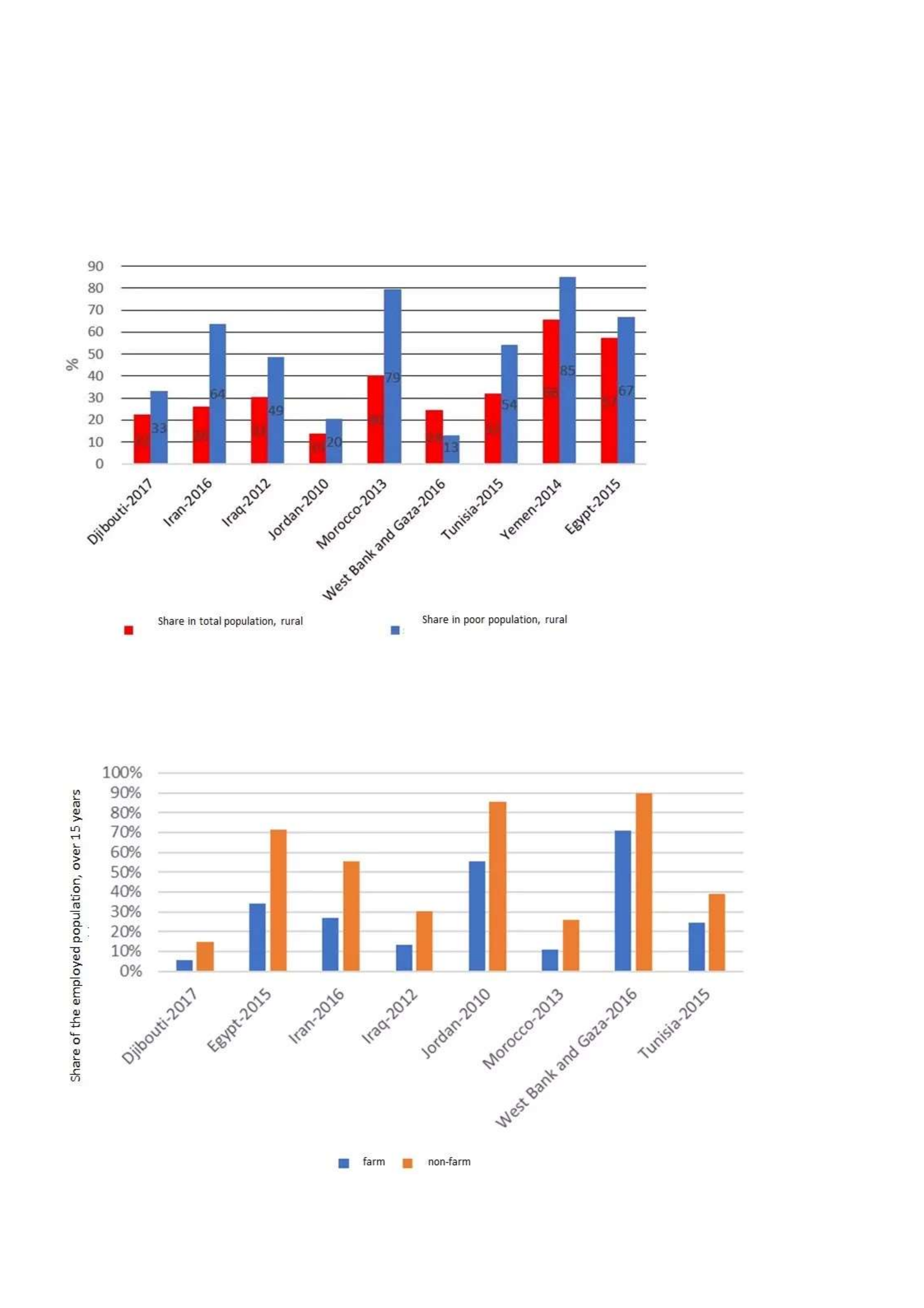
poor. This approach quantifies the number of poor people and households but does not take into account how poor people lack basic needs such as
shelter, food, health, and education. The second approach addresses this lack of basic needs and emphasizes the multidimensional nature of poverty.
Moroccan women represent the most economically vulnerable social group in the country (Sandberg and Binder 32-39). The feminization of poverty
refers to a trend towards increasing inequality in living standards between men and women due to the widening gap in poverty between women and
men. This phenomenon is not only a consequence of a lack of income but also a result of disenfranchisement and gender bias inherent in both
societies and governments at the regional level. It encompasses the poverty of choice and opportunity, such as the ability to lead a long, healthy, and
creative life and the enjoyment of fundamental rights such as freedom, respect, and dignity. This phenomenon is largely due to the overall ratio of
total and poor population in rural areas. In Morocco, the percentage of the poor rural population is rather high in comparison with other MENA
countries (Fig. 4).
Fig. 4. Rural shares in total and poor population in selected MENA countries.
Indeed, education seems to be an important factor associated with access to rural non-farm activities – thus, the issue of rural poverty should be
addressed simultaneously with making efforts to eradicate illiteracy in rural areas. The figure below clearly shows that education represents one of
the definitive factors associated with access to rural non-farm activities.
Fig. 5. Shares of the population over 15 years old with incomplete secondary education and above among employed farm and non-farm activities in
rural areas of selected MENA countries.

The Kingdom of Morocco continues to pursue its efforts to follow up on recommendations from major United Nations development meetings and
conferences, including the Millennium Development Goals, which are included in the national development strategy. Modernization, democratization,
and economic development, as well as indicators of sustainable human development, are interdependent in promoting equal opportunities,
disseminating knowledge, and providing basic social services.
Increasingly more environmental protection programs are being implemented in the country. In particular, by supporting ecotourism, Morocco strives
to highlight its unique tangible and spiritual heritage by engaging industry professionals and regional authorities. For this, a special program has been
developed – the charter for sustainable tourism. The development of ecotourism is also supported by numerous individual projects, such as the
botanical garden of aromatic plants located near the ancient city. To date, 13 Moroccan beaches have received the Blue Flag award (Rihab 287). Many
hotels and inns in the country have received the Green Key award. All this highlights the efforts of the owners of the companies in the field of
environmental protection.
The percentage of the marine protected area has increased in recent years, and on the 22nd Conference of the Parties to the United Nations
Framework Convention on Climate Change, for the first time in its history, at the request of the Moroccan government, an Action Day for the
Protection of the Oceans was organized as part of the official UNFCCC program. Efforts to combat illegal, unreported, and unregulated fishing also
should be noted. In the energy sector, Morocco stands out for the presence of the seventh-largest solar power plant in the world – in Noor. Spread
over an area of 3000 hectares (3500 football fields), the station is capable of providing energy to a city the size of two Marrakech or Prague. Located
at the entrance to the Sahara Desert, the complex saves the planet from more than 760,000 tons of carbon emissions (Mohamed et al. 193-195). The
main sectors of the economy that can support green growth are clean renewable energy, water management, agriculture and forestry, fisheries,
recycling, and waste management.
This major project primarily serves the interests of Morocco, but it is also part of a worldwide effort to expand the use of renewable energy sources.
Investment in renewable energy in Morocco grew 13 times in 2018 to $ 2.8 billion (Mohamed et al. 191). Morocco has set an ambitious goal of
generating more than half of its electricity from renewable sources by 2030. These goals, along with other climate change policies, helped make
Morocco the second best-performing country in the 2018 and 2019 Climate Change Performance Indices. Morocco ranks 64th in the world in terms of
environmental performance, ahead of most African countries (Rihab 289). The country is trying to integrate the climate change component into all
national public policies.
Separately, the degree of application of a legal, regulatory, and institutional framework that recognizes and protects access rights for small-scale
fisheries in Morocco should be noted. The country is among the leading ones in Africa by the degree of efforts in this field. For the Sahara region, the
most relevant is the efforts of the Kingdom of Morocco on control and surveillance issues, given the importance of fishing activities. Control requires
the average performance of equipment and, namely control on water and on land, which mobilizes ships, vehicles, and service personnel, equipped
with specific measurement and remote communication equipment. Indeed, control concerns all the elements: fishermen’s activities, fishing area,
fishing gear and sizes, documentation (capture declaration, logbook), unloading (market size, quota), transportation, and storage of fishing products.
Thus, the country demonstrates evident and, to a significant extent, effective efforts to achieve meeting goals of sustainable development both in
addressing the issues of social capital growth and environmental protection. At the same time, still, problems in social inequality, gender gaps, rural
poverty, and access to quality education persist. In these conditions, it seems expedient to pay special attention to the mechanisms of public-private
partnership, which are not well developed in Morocco.
The Moroccan economy is considered to be a relatively liberal economy governed by the law of supply and demand. Since 1993, Morocco has
pursued a policy of privatizing certain sectors of the economy that were formerly in the hands of the government.
Morocco has become a major player in African economic affairs and ranks fifth among African economies in terms of GDP. The
World Economic Forum ranked Morocco as the 1st most competitive economy in North Africa in its Africa Competitiveness Report 2014-15. Since
2018, the country’s currency – the dirham – is fully convertible for current account transactions, financial sector reforms are carried out, and state
enterprises are being privatized.
There is an overall relative downward trend in unemployment in the country over the past decade. However, still, the level of youth unemployment in
2017 is 42.8%. About 80% of jobs are informal and the income gap is very large (Dadush 9). The correlation between unemployment, youth
unemployment, and growth is shown in Fig. 1 below.
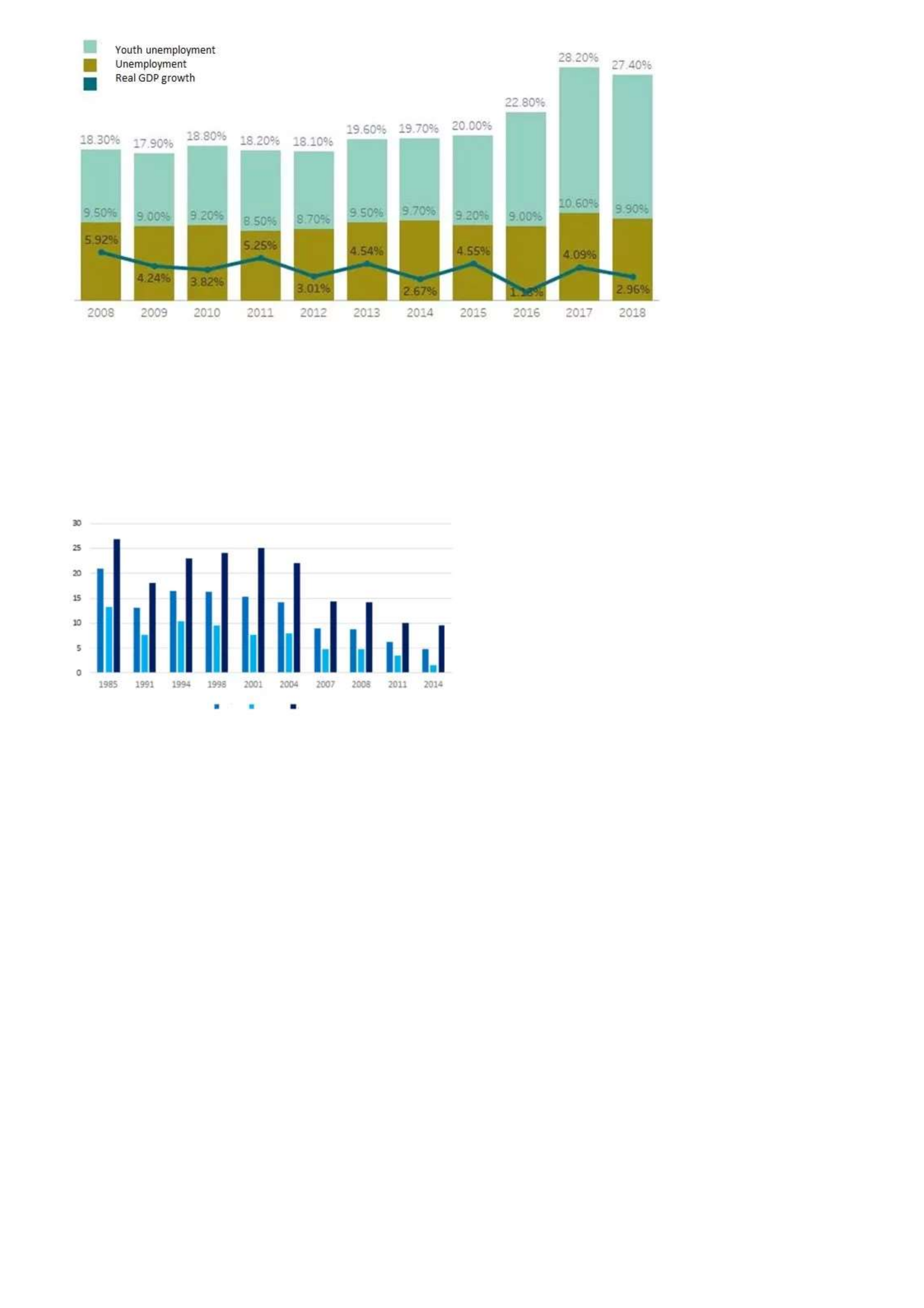
Fig. 1. Correlation between unemployment, youth unemployment, and growth in Morocco, percentage change with 2012 base.
However, the labor share of GDP is the highest in the upper-middle-income sector which demonstrates the growth of a strong middle class in the
country. At the same time, social spending in Morocco is less than in neighboring countries such as Tunisia and Jordan. Thus, the progress in the
achievement of SDGs is ambiguous, although progressive development is evident. It should be noted that the country managed to decrease the
poverty rate significantly in dynamics (Fig. 2).
Total Urban Rural
Fig. 2. The Evolution of poverty rate in Morocco, 1985-2014.
There is a gradual increase in the human capital index and efforts are being made in the field of education. The dynamics of youth functional literacy
in Morocco for the period 2000-2018 is the highest among ten African countries. Net Enrollment Ratio in primary education manifested two-fold
growth since 1971 (Mansouri and Moumine 12). The duration of primary education is 6 years – this figure has not changed since 2009. The net
enrollment rate in primary education is 98.92%, which is a good value for an African country. Adult literacy is 73.75% (Sandberg and Binder 26).
Moreover, the illiterate population is concentrated in rural areas.
Processes of digital transformation are being observed – the ruling elite of Morocco realizes that digitalization is one of the integral mechanisms of
the global development of the national economy. It plays a critical role in attracting investment, creating jobs, modernizing the public sector, and
creating fast and efficient services for citizens. Efforts are being made to improve the digital infrastructure, strengthen the professional knowledge of
people to meet the market demand for specialists in the digital sphere.
Nevertheless, economic inequality persists – for example, the Gini index, which measures the degree to which the distribution of income or
consumption expenditures among households in the economy differs from absolute equality in distribution, was 35.70% in 2018 (UN). This is,
however, almost 10% less than in the previous year, which indicates the success of the government’s efforts to reduce inequality. According to World
Bank Human Capital Index, Morocco is ahead of Egypt and Yemen and almost on the same level as other Arab countries, being behind such rich
countries as Qatar and UAE (Fig. 3 below).
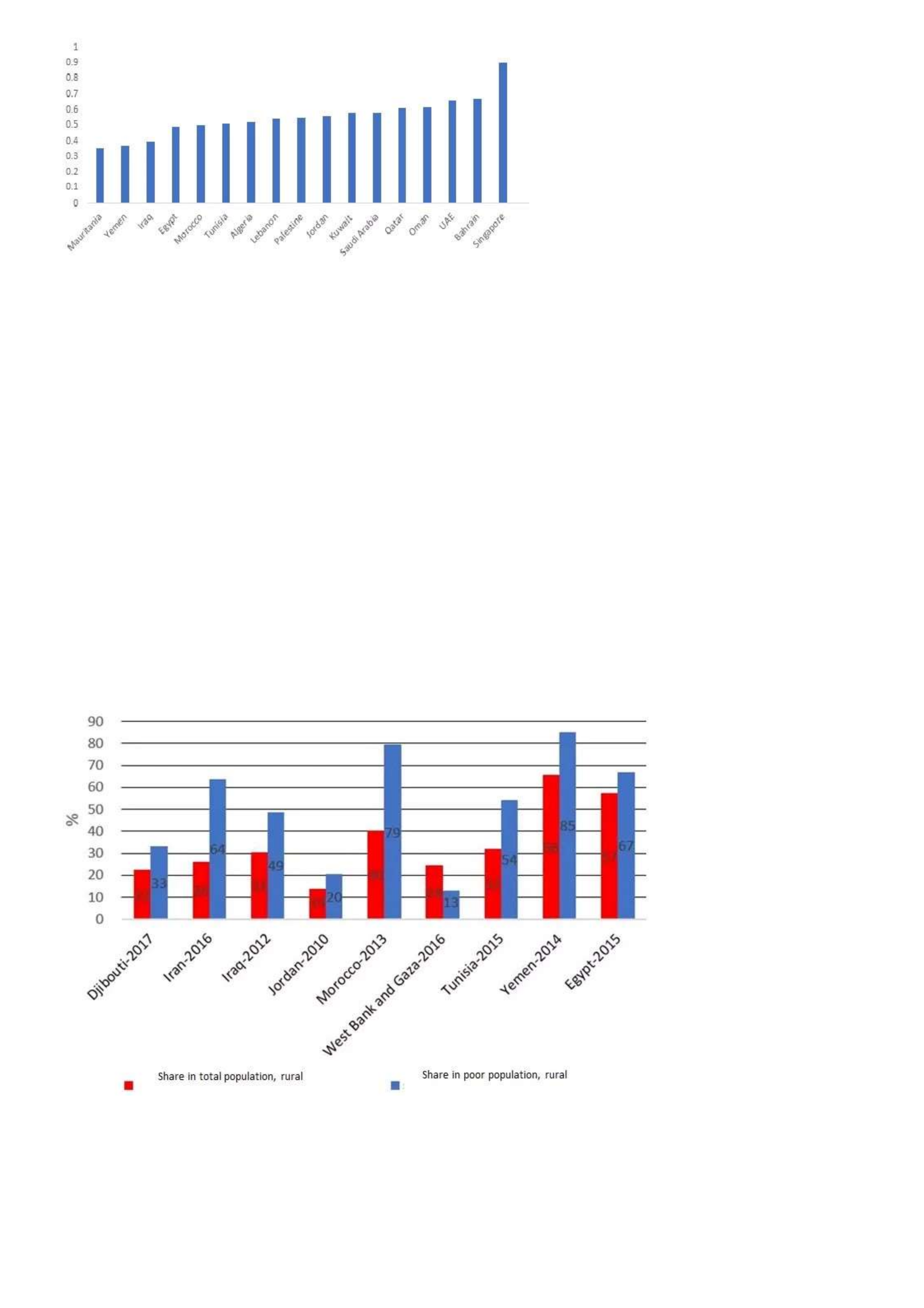
Fig. 3. The World Bank Human Capital Index, 2019.
Issues of reducing gender inequality should also be noted. Noteworthy, recent family law reforms in Morocco have strengthened women’s property
rights by equalizing the property rights of husbands and wives over property acquired during the marriage. Methods for strengthening the voice of
women in society include political representation quotas, training future women leaders, and increasing their participation in trade unions and
professional associations.
However, while the gender gap in leadership positions in corporate governance and public administration has narrowed, women, especially in rural
areas, are largely the face of poverty in Morocco. In Morocco, there are two main methods of measuring poverty, which include the “classical
approach” and the second one, which is more of a capacity-based approach. The “classical approach” uses a poverty line to statistically define the
poor. This approach quantifies the number of poor people and households but does not take into account how poor people lack basic needs such as
shelter, food, health, and education. The second approach addresses this lack of basic needs and emphasizes the multidimensional nature of poverty.
Moroccan women represent the most economically vulnerable social group in the country (Sandberg and Binder 32-39). The feminization of poverty
refers to a trend towards increasing inequality in living standards between men and women due to the widening gap in poverty between women and
men. This phenomenon is not only a consequence of a lack of income but also a result of disenfranchisement and gender bias inherent in both
societies and governments at the regional level. It encompasses the poverty of choice and opportunity, such as the ability to lead a long, healthy, and
creative life and the enjoyment of fundamental rights such as freedom, respect, and dignity. This phenomenon is largely due to the overall ratio of
total and poor population in rural areas. In Morocco, the percentage of the poor rural population is rather high in comparison with other MENA
countries (Fig. 4).
Fig. 4. Rural shares in total and poor population in selected MENA countries.
Indeed, education seems to be an important factor associated with access to rural non-farm activities – thus, the issue of rural poverty should be
addressed simultaneously with making efforts to eradicate illiteracy in rural areas. The figure below clearly shows that education represents one of
the definitive factors associated with access to rural non-farm activities.
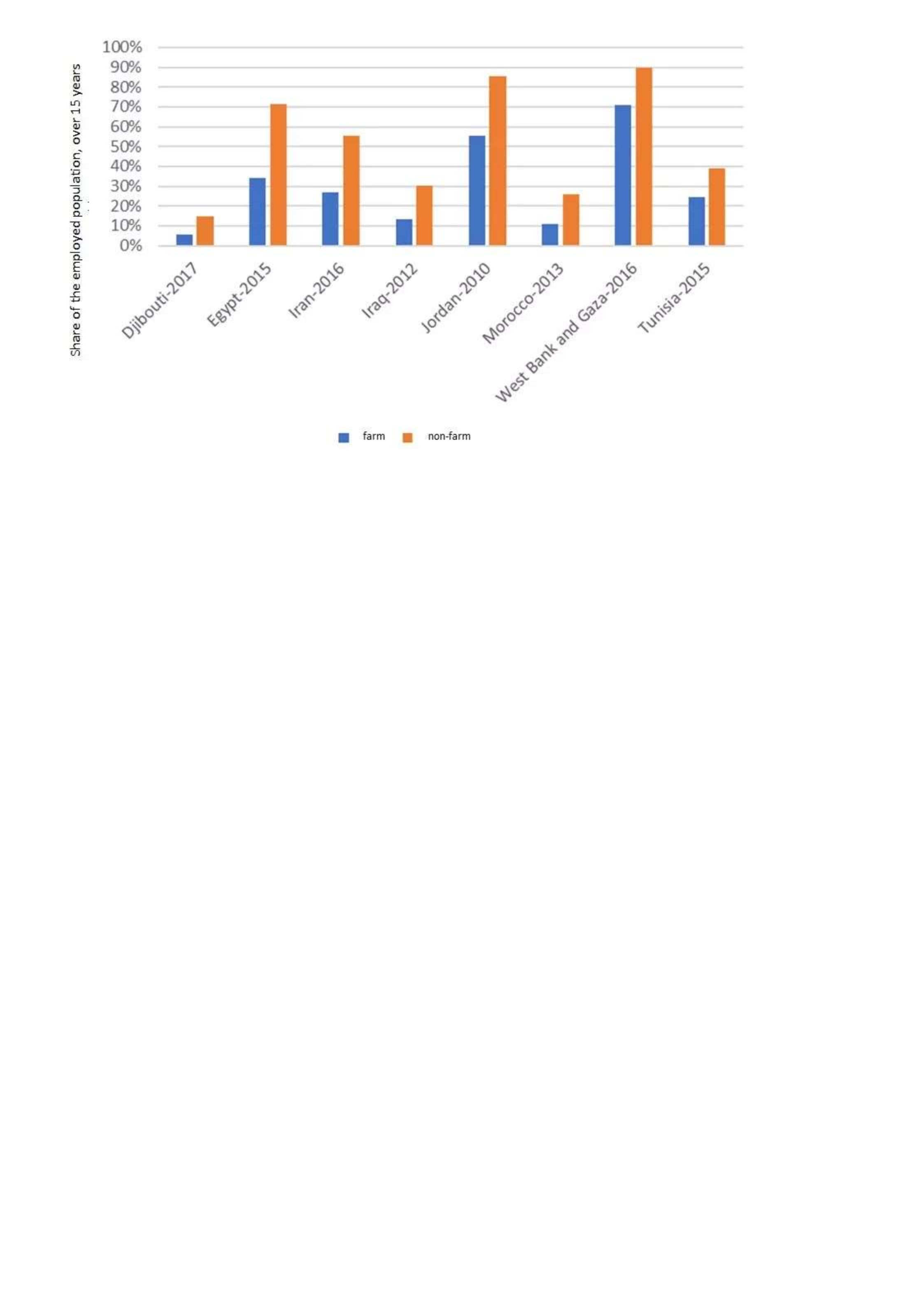
Fig. 5. Shares of the population over 15 years old with incomplete secondary education and above among employed farm and non-farm activities in
rural areas of selected MENA countries.
The Kingdom of Morocco continues to pursue its efforts to follow up on recommendations from major United Nations development meetings and
conferences, including the Millennium Development Goals, which are included in the national development strategy. Modernization, democratization,
and economic development, as well as indicators of sustainable human development, are interdependent in promoting equal opportunities,
disseminating knowledge, and providing basic social services.
Increasingly more environmental protection programs are being implemented in the country. In particular, by supporting ecotourism, Morocco strives
to highlight its unique tangible and spiritual heritage by engaging industry professionals and regional authorities. For this, a special program has been
developed – the charter for sustainable tourism. The development of ecotourism is also supported by numerous individual projects, such as the
botanical garden of aromatic plants located near the ancient city. To date, 13 Moroccan beaches have received the Blue Flag award (Rihab 287). Many
hotels and inns in the country have received the Green Key award. All this highlights the efforts of the owners of the companies in the field of
environmental protection.
The percentage of the marine protected area has increased in recent years, and on the 22nd Conference of the Parties to the United Nations
Framework Convention on Climate Change, for the first time in its history, at the request of the Moroccan government, an Action Day for the
Protection of the Oceans was organized as part of the official UNFCCC program. Efforts to combat illegal, unreported, and unregulated fishing also
should be noted. In the energy sector, Morocco stands out for the presence of the seventh-largest solar power plant in the world – in Noor. Spread
over an area of 3000 hectares (3500 football fields), the station is capable of providing energy to a city the size of two Marrakech or Prague. Located
at the entrance to the Sahara Desert, the complex saves the planet from more than 760,000 tons of carbon emissions (Mohamed et al. 193-195). The
main sectors of the economy that can support green growth are clean renewable energy, water management, agriculture and forestry, fisheries,
recycling, and waste management.
This major project primarily serves the interests of Morocco, but it is also part of a worldwide effort to expand the use of renewable energy sources.
Investment in renewable energy in Morocco grew 13 times in 2018 to $ 2.8 billion (Mohamed et al. 191). Morocco has set an ambitious goal of
generating more than half of its electricity from renewable sources by 2030. These goals, along with other climate change policies, helped make
Morocco the second best-performing country in the 2018 and 2019 Climate Change Performance Indices. Morocco ranks 64th in the world in terms of
environmental performance, ahead of most African countries (Rihab 289). The country is trying to integrate the climate change component into all
national public policies.
Separately, the degree of application of a legal, regulatory, and institutional framework that recognizes and protects access rights for small-scale
fisheries in Morocco should be noted. The country is among the leading ones in Africa by the degree of efforts in this field. For the Sahara region, the
most relevant is the efforts of the Kingdom of Morocco on control and surveillance issues, given the importance of fishing activities. Control requires
the average performance of equipment and, namely control on water and on land, which mobilizes ships, vehicles, and service personnel, equipped
with specific measurement and remote communication equipment. Indeed, control concerns all the elements: fishermen’s activities, fishing area,
fishing gear and sizes, documentation (capture declaration, logbook), unloading (market size, quota), transportation, and storage of fishing products.
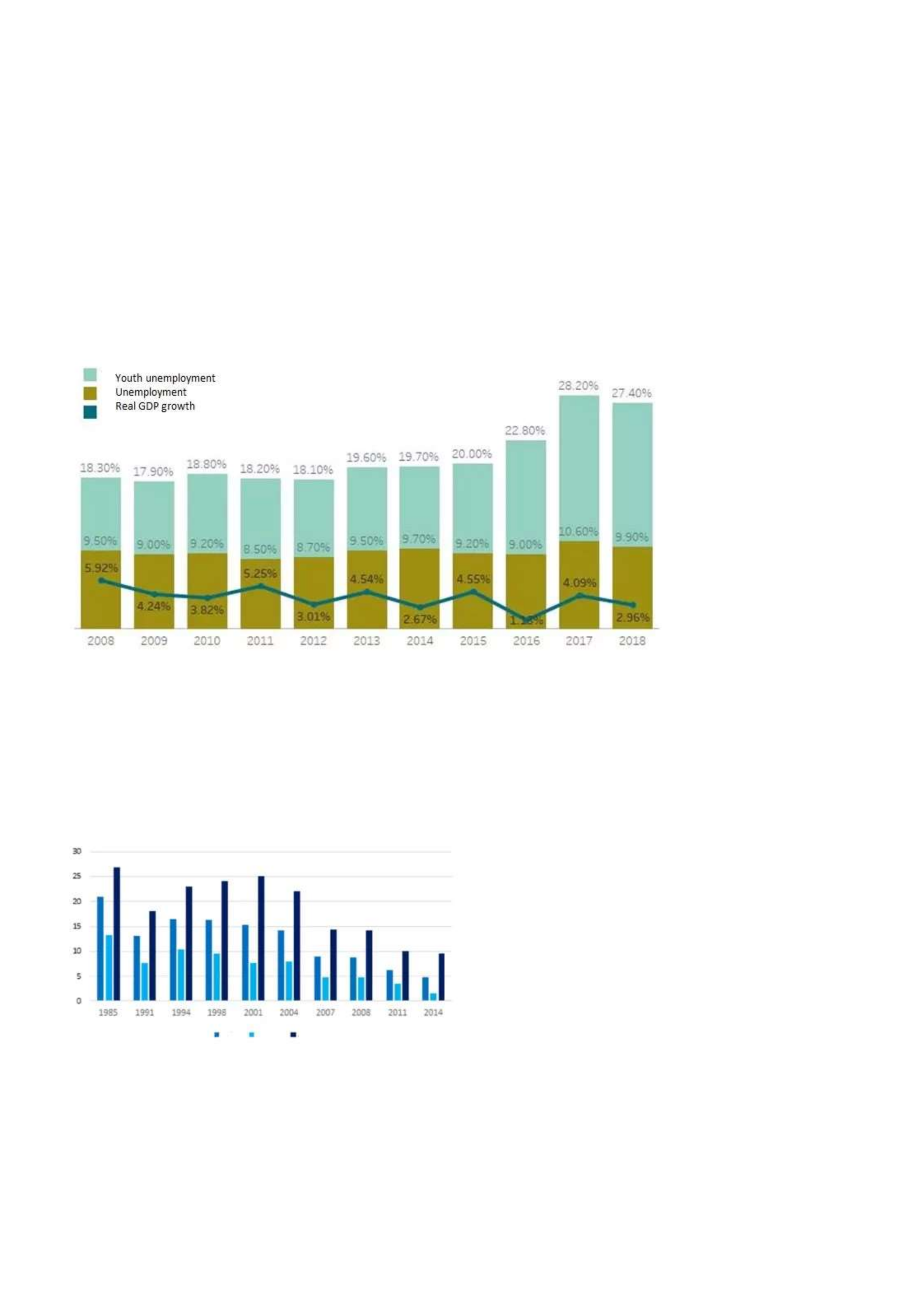
Thus, the country demonstrates evident and, to a significant extent, effective efforts to achieve meeting goals of sustainable development both in
addressing the issues of social capital growth and environmental protection. At the same time, still, problems in social inequality, gender gaps, rural
poverty, and access to quality education persist. In these conditions, it seems expedient to pay special attention to the mechanisms of public-private
partnership, which are not well developed in Morocco.
The Moroccan economy is considered to be a relatively liberal economy governed by the law of supply and demand. Since 1993, Morocco has
pursued a policy of privatizing certain sectors of the economy that were formerly in the hands of the government.
Morocco has become a major player in African economic affairs and ranks fifth among African economies in terms of GDP. The
World Economic Forum ranked Morocco as the 1st most competitive economy in North Africa in its Africa Competitiveness Report 2014-15. Since
2018, the country’s currency – the dirham – is fully convertible for current account transactions, financial sector reforms are carried out, and state
enterprises are being privatized.
There is an overall relative downward trend in unemployment in the country over the past decade. However, still, the level of youth unemployment in
2017 is 42.8%. About 80% of jobs are informal and the income gap is very large (Dadush 9). The correlation between unemployment, youth
unemployment, and growth is shown in Fig. 1 below.
Fig. 1. Correlation between unemployment, youth unemployment, and growth in Morocco, percentage change with 2012 base.
However, the labor share of GDP is the highest in the upper-middle-income sector which demonstrates the growth of a strong middle class in the
country. At the same time, social spending in Morocco is less than in neighboring countries such as Tunisia and Jordan. Thus, the progress in the
achievement of SDGs is ambiguous, although progressive development is evident. It should be noted that the country managed to decrease the
poverty rate significantly in dynamics (Fig. 2).
Total Urban Rural
Fig. 2. The Evolution of poverty rate in Morocco, 1985-2014.
There is a gradual increase in the human capital index and efforts are being made in the field of education. The dynamics of youth functional literacy
in Morocco for the period 2000-2018 is the highest among ten African countries. Net Enrollment Ratio in primary education manifested two-fold
growth since 1971 (Mansouri and Moumine 12). The duration of primary education is 6 years – this figure has not changed since 2009. The net
enrollment rate in primary education is 98.92%, which is a good value for an African country. Adult literacy is 73.75% (Sandberg and Binder 26).
Moreover, the illiterate population is concentrated in rural areas.
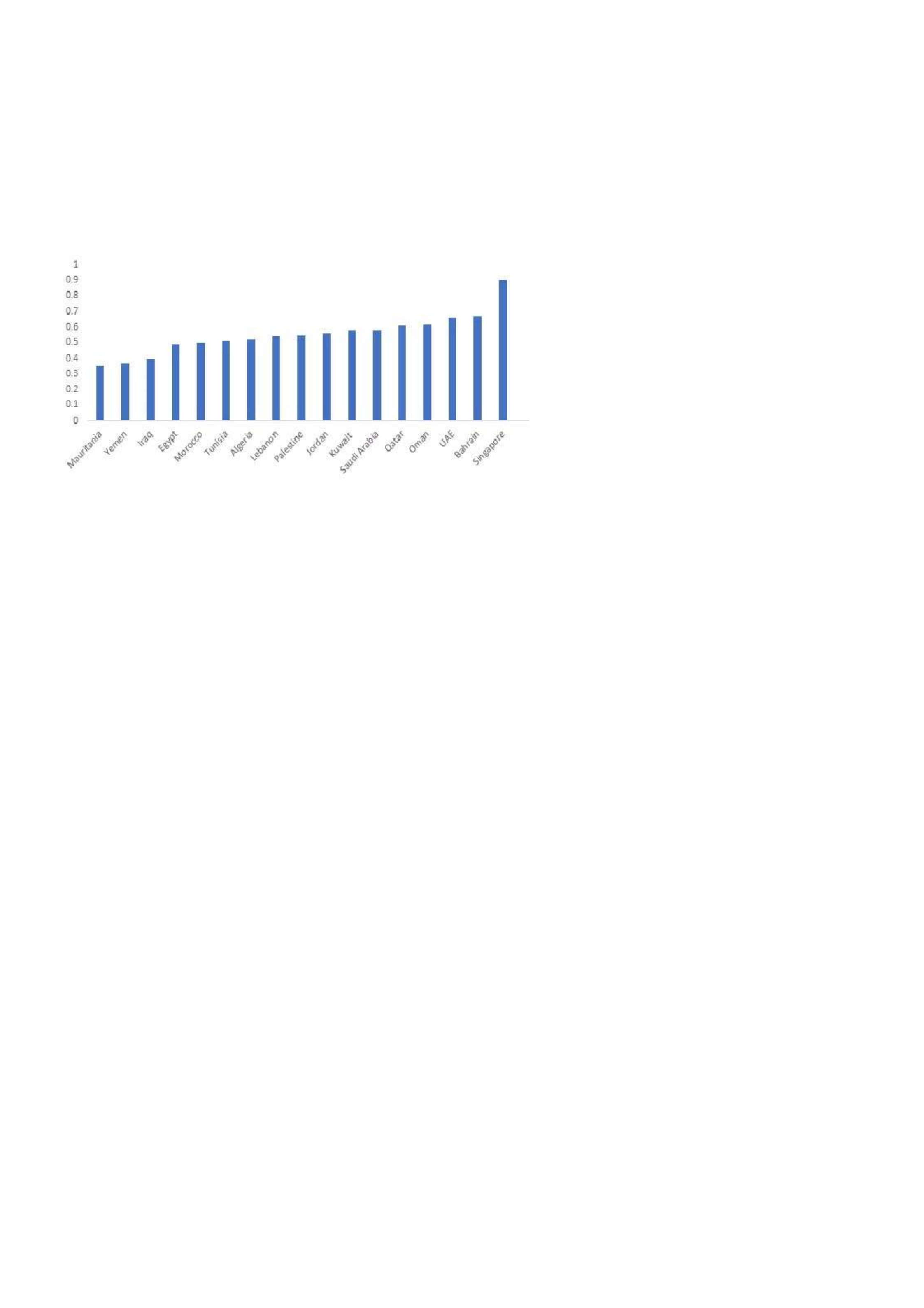
Processes of digital transformation are being observed – the ruling elite of Morocco realizes that digitalization is one of the integral mechanisms of
the global development of the national economy. It plays a critical role in attracting investment, creating jobs, modernizing the public sector, and
creating fast and efficient services for citizens. Efforts are being made to improve the digital infrastructure, strengthen the professional knowledge of
people to meet the market demand for specialists in the digital sphere.
Nevertheless, economic inequality persists – for example, the Gini index, which measures the degree to which the distribution of income or
consumption expenditures among households in the economy differs from absolute equality in distribution, was 35.70% in 2018 (UN). This is,
however, almost 10% less than in the previous year, which indicates the success of the government’s efforts to reduce inequality. According to World
Bank Human Capital Index, Morocco is ahead of Egypt and Yemen and almost on the same level as other Arab countries, being behind such rich
countries as Qatar and UAE (Fig. 3 below).
Fig. 3. The World Bank Human Capital Index, 2019.
Issues of reducing gender inequality should also be noted. Noteworthy, recent family law reforms in Morocco have strengthened women’s property
rights by equalizing the property rights of husbands and wives over property acquired during the marriage. Methods for strengthening the voice of
women in society include political representation quotas, training future women leaders, and increasing their participation in trade unions and
professional associations.
However, while the gender gap in leadership positions in corporate governance and public administration has narrowed, women, especially in rural
areas, are largely the face of poverty in Morocco. In Morocco, there are two main methods of measuring poverty, which include the “classical
approach” and the second one, which is more of a capacity-based approach. The “classical approach” uses a poverty line to statistically define the
poor. This approach quantifies the number of poor people and households but does not take into account how poor people lack basic needs such as
shelter, food, health, and education. The second approach addresses this lack of basic needs and emphasizes the multidimensional nature of poverty.
Moroccan women represent the most economically vulnerable social group in the country (Sandberg and Binder 32-39). The feminization of poverty
refers to a trend towards increasing inequality in living standards between men and women due to the widening gap in poverty between women and
men. This phenomenon is not only a consequence of a lack of income but also a result of disenfranchisement and gender bias inherent in both
societies and governments at the regional level. It encompasses the poverty of choice and opportunity, such as the ability to lead a long, healthy, and
creative life and the enjoyment of fundamental rights such as freedom, respect, and dignity. This phenomenon is largely due to the overall ratio of
total and poor population in rural areas. In Morocco, the percentage of the poor rural population is rather high in comparison with other MENA
countries (Fig. 4).
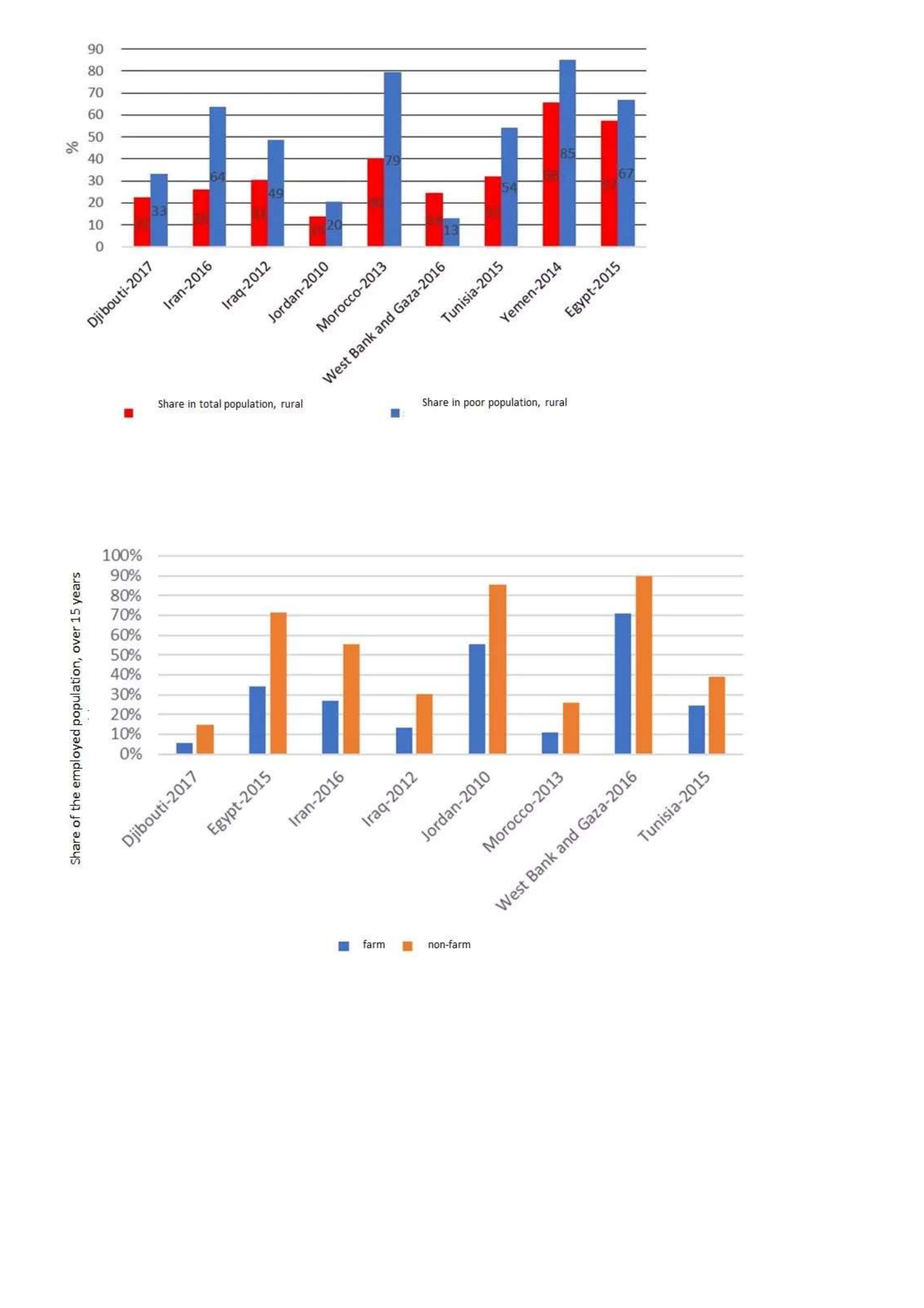
Fig. 4. Rural shares in total and poor population in selected MENA countries.
Indeed, education seems to be an important factor associated with access to rural non-farm activities – thus, the issue of rural poverty should be
addressed simultaneously with making efforts to eradicate illiteracy in rural areas. The figure below clearly shows that education represents one of
the definitive factors associated with access to rural non-farm activities.
Fig. 5. Shares of the population over 15 years old with incomplete secondary education and above among employed farm and non-farm activities in
rural areas of selected MENA countries.
The Kingdom of Morocco continues to pursue its efforts to follow up on recommendations from major United Nations development meetings and
conferences, including the Millennium Development Goals, which are included in the national development strategy. Modernization, democratization,
and economic development, as well as indicators of sustainable human development, are interdependent in promoting equal opportunities,
disseminating knowledge, and providing basic social services.
Increasingly more environmental protection programs are being implemented in the country. In particular, by supporting ecotourism, Morocco strives
to highlight its unique tangible and spiritual heritage by engaging industry professionals and regional authorities. For this, a special program has been
developed – the charter for sustainable tourism. The development of ecotourism is also supported by numerous individual projects, such as the
botanical garden of aromatic plants located near the ancient city. To date, 13 Moroccan beaches have received the Blue Flag award (Rihab 287). Many
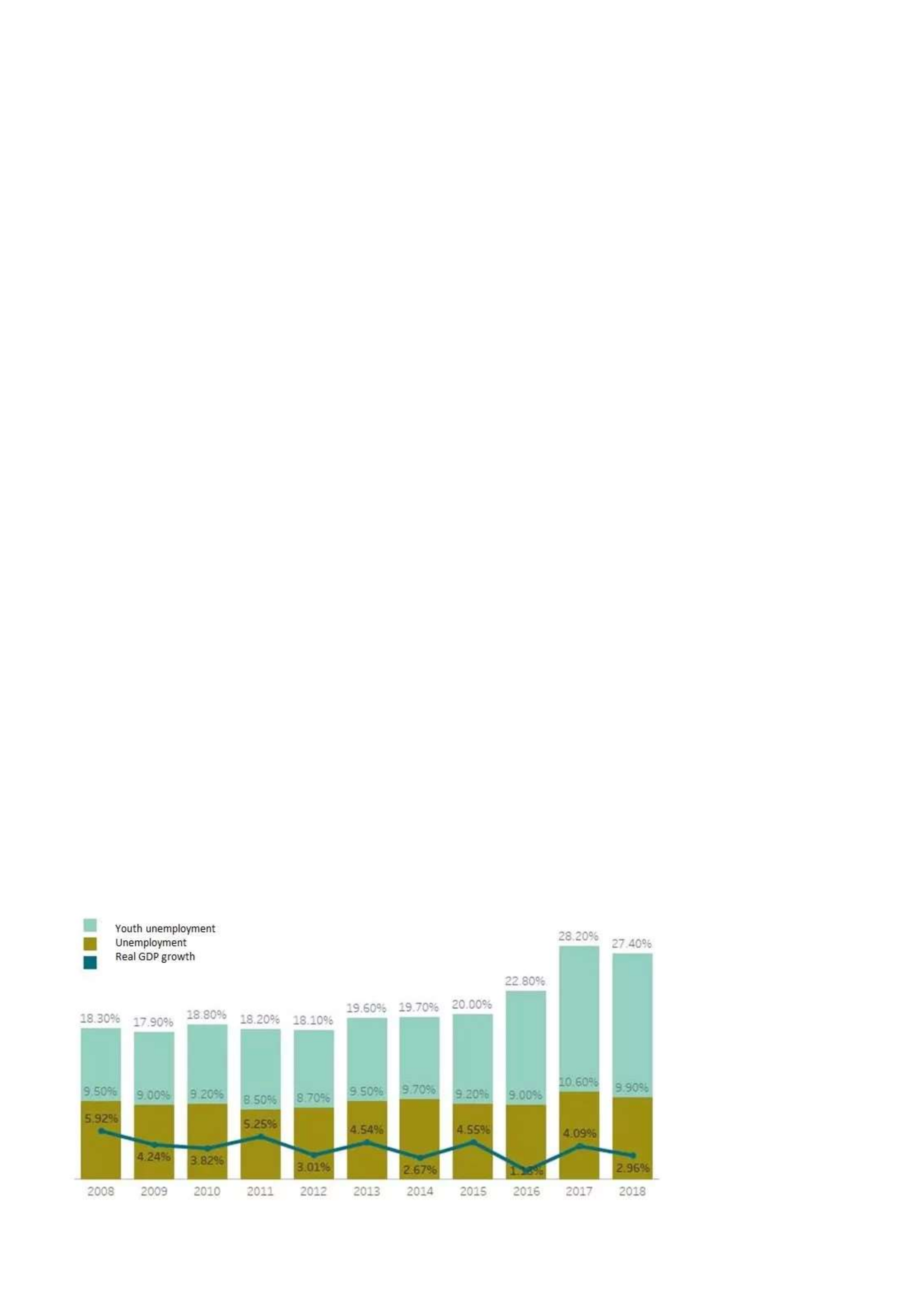
hotels and inns in the country have received the Green Key award. All this highlights the efforts of the owners of the companies in the field of
environmental protection.
The percentage of the marine protected area has increased in recent years, and on the 22nd Conference of the Parties to the United Nations
Framework Convention on Climate Change, for the first time in its history, at the request of the Moroccan government, an Action Day for the
Protection of the Oceans was organized as part of the official UNFCCC program. Efforts to combat illegal, unreported, and unregulated fishing also
should be noted. In the energy sector, Morocco stands out for the presence of the seventh-largest solar power plant in the world – in Noor. Spread
over an area of 3000 hectares (3500 football fields), the station is capable of providing energy to a city the size of two Marrakech or Prague. Located
at the entrance to the Sahara Desert, the complex saves the planet from more than 760,000 tons of carbon emissions (Mohamed et al. 193-195). The
main sectors of the economy that can support green growth are clean renewable energy, water management, agriculture and forestry, fisheries,
recycling, and waste management.
This major project primarily serves the interests of Morocco, but it is also part of a worldwide effort to expand the use of renewable energy sources.
Investment in renewable energy in Morocco grew 13 times in 2018 to $ 2.8 billion (Mohamed et al. 191). Morocco has set an ambitious goal of
generating more than half of its electricity from renewable sources by 2030. These goals, along with other climate change policies, helped make
Morocco the second best-performing country in the 2018 and 2019 Climate Change Performance Indices. Morocco ranks 64th in the world in terms of
environmental performance, ahead of most African countries (Rihab 289). The country is trying to integrate the climate change component into all
national public policies.
Separately, the degree of application of a legal, regulatory, and institutional framework that recognizes and protects access rights for small-scale
fisheries in Morocco should be noted. The country is among the leading ones in Africa by the degree of efforts in this field. For the Sahara region, the
most relevant is the efforts of the Kingdom of Morocco on control and surveillance issues, given the importance of fishing activities. Control requires
the average performance of equipment and, namely control on water and on land, which mobilizes ships, vehicles, and service personnel, equipped
with specific measurement and remote communication equipment. Indeed, control concerns all the elements: fishermen’s activities, fishing area,
fishing gear and sizes, documentation (capture declaration, logbook), unloading (market size, quota), transportation, and storage of fishing products.
Thus, the country demonstrates evident and, to a significant extent, effective efforts to achieve meeting goals of sustainable development both in
addressing the issues of social capital growth and environmental protection. At the same time, still, problems in social inequality, gender gaps, rural
poverty, and access to quality education persist. In these conditions, it seems expedient to pay special attention to the mechanisms of public-private
partnership, which are not well developed in Morocco.
The Moroccan economy is considered to be a relatively liberal economy governed by the law of supply and demand. Since 1993, Morocco has
pursued a policy of privatizing certain sectors of the economy that were formerly in the hands of the government.
Morocco has become a major player in African economic affairs and ranks fifth among African economies in terms of GDP. The
World Economic Forum ranked Morocco as the 1st most competitive economy in North Africa in its Africa Competitiveness Report 2014-15. Since
2018, the country’s currency – the dirham – is fully convertible for current account transactions, financial sector reforms are carried out, and state
enterprises are being privatized.
There is an overall relative downward trend in unemployment in the country over the past decade. However, still, the level of youth unemployment in
2017 is 42.8%. About 80% of jobs are informal and the income gap is very large (Dadush 9). The correlation between unemployment, youth
unemployment, and growth is shown in Fig. 1 below.
Fig. 1. Correlation between unemployment, youth unemployment, and growth in Morocco, percentage change with 2012 base.
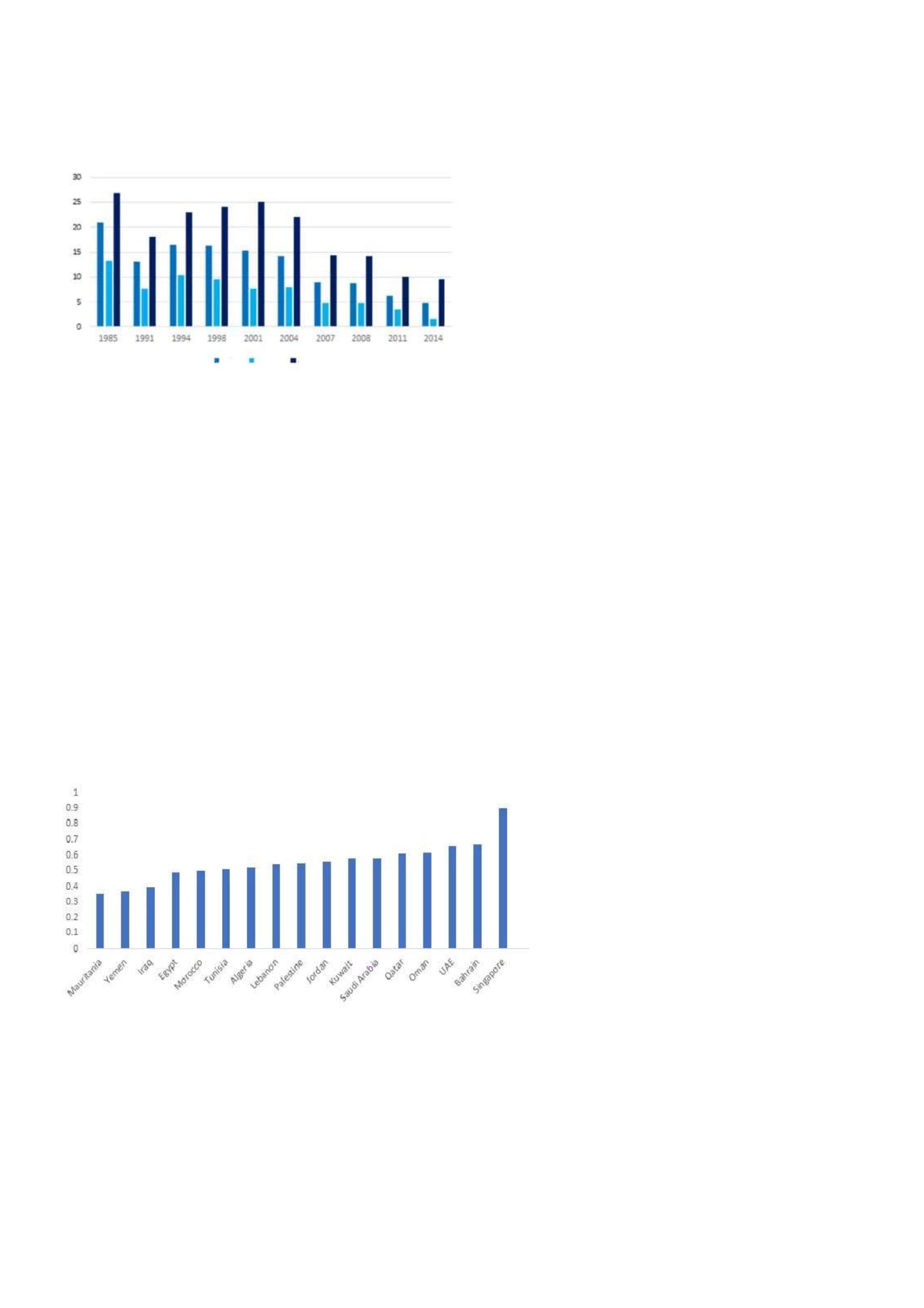
However, the labor share of GDP is the highest in the upper-middle-income sector which demonstrates the growth of a strong middle class in the
country. At the same time, social spending in Morocco is less than in neighboring countries such as Tunisia and Jordan. Thus, the progress in the
achievement of SDGs is ambiguous, although progressive development is evident. It should be noted that the country managed to decrease the
poverty rate significantly in dynamics (Fig. 2).
Total Urban Rural
Fig. 2. The Evolution of poverty rate in Morocco, 1985-2014.
There is a gradual increase in the human capital index and efforts are being made in the field of education. The dynamics of youth functional literacy
in Morocco for the period 2000-2018 is the highest among ten African countries. Net Enrollment Ratio in primary education manifested two-fold
growth since 1971 (Mansouri and Moumine 12). The duration of primary education is 6 years – this figure has not changed since 2009. The net
enrollment rate in primary education is 98.92%, which is a good value for an African country. Adult literacy is 73.75% (Sandberg and Binder 26).
Moreover, the illiterate population is concentrated in rural areas.
Processes of digital transformation are being observed – the ruling elite of Morocco realizes that digitalization is one of the integral mechanisms of
the global development of the national economy. It plays a critical role in attracting investment, creating jobs, modernizing the public sector, and
creating fast and efficient services for citizens. Efforts are being made to improve the digital infrastructure, strengthen the professional knowledge of
people to meet the market demand for specialists in the digital sphere.
Nevertheless, economic inequality persists – for example, the Gini index, which measures the degree to which the distribution of income or
consumption expenditures among households in the economy differs from absolute equality in distribution, was 35.70% in 2018 (UN). This is,
however, almost 10% less than in the previous year, which indicates the success of the government’s efforts to reduce inequality. According to World
Bank Human Capital Index, Morocco is ahead of Egypt and Yemen and almost on the same level as other Arab countries, being behind such rich
countries as Qatar and UAE (Fig. 3 below).
Fig. 3. The World Bank Human Capital Index, 2019.
Issues of reducing gender inequality should also be noted. Noteworthy, recent family law reforms in Morocco have strengthened women’s property
rights by equalizing the property rights of husbands and wives over property acquired during the marriage. Methods for strengthening the voice of
women in society include political representation quotas, training future women leaders, and increasing their participation in trade unions and
professional associations.
However, while the gender gap in leadership positions in corporate governance and public administration has narrowed, women, especially in rural
areas, are largely the face of poverty in Morocco. In Morocco, there are two main methods of measuring poverty, which include the “classical
approach” and the second one, which is more of a capacity-based approach. The “classical approach” uses a poverty line to statistically define the
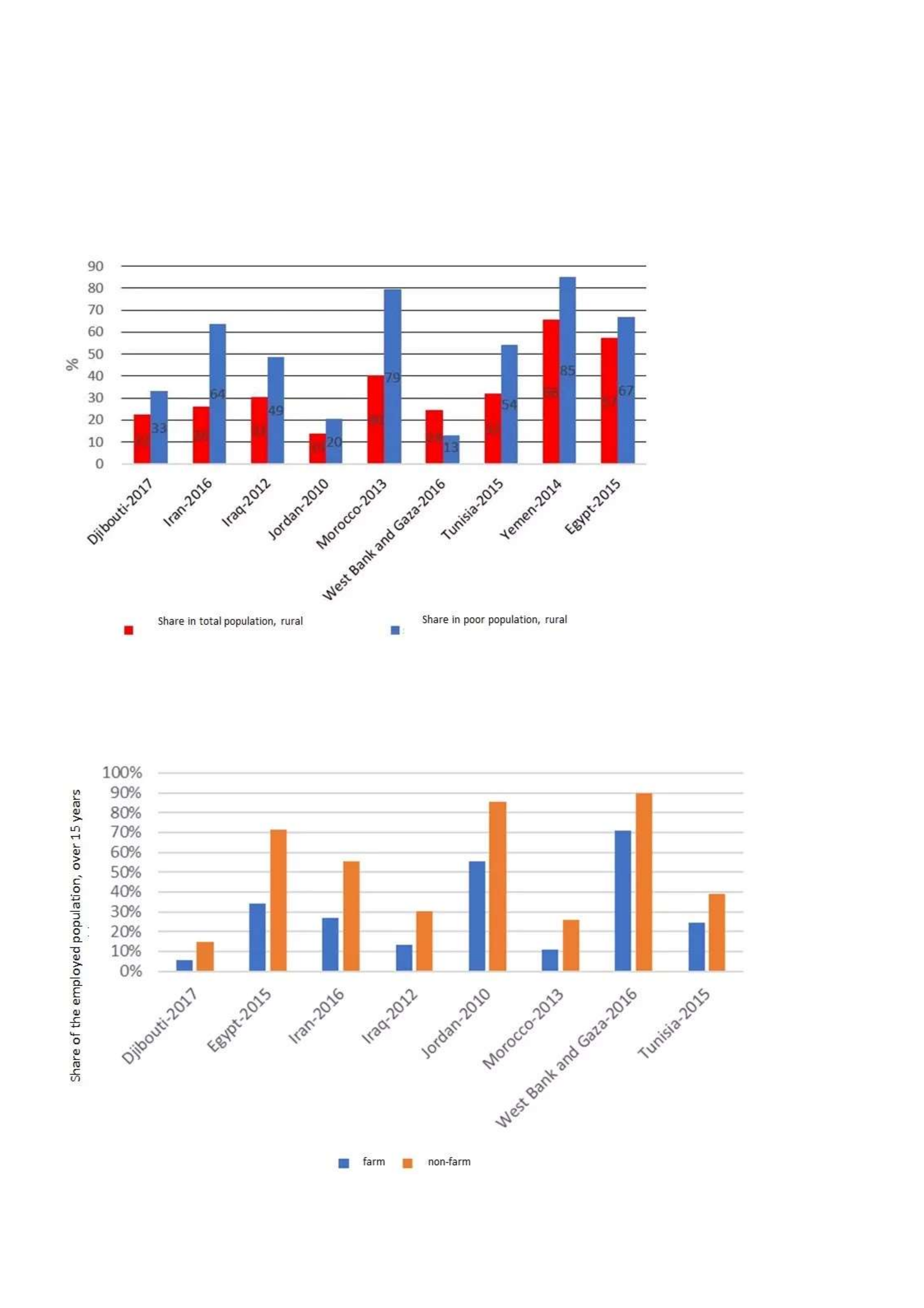
poor. This approach quantifies the number of poor people and households but does not take into account how poor people lack basic needs such as
shelter, food, health, and education. The second approach addresses this lack of basic needs and emphasizes the multidimensional nature of poverty.
Moroccan women represent the most economically vulnerable social group in the country (Sandberg and Binder 32-39). The feminization of poverty
refers to a trend towards increasing inequality in living standards between men and women due to the widening gap in poverty between women and
men. This phenomenon is not only a consequence of a lack of income but also a result of disenfranchisement and gender bias inherent in both
societies and governments at the regional level. It encompasses the poverty of choice and opportunity, such as the ability to lead a long, healthy, and
creative life and the enjoyment of fundamental rights such as freedom, respect, and dignity. This phenomenon is largely due to the overall ratio of
total and poor population in rural areas. In Morocco, the percentage of the poor rural population is rather high in comparison with other MENA
countries (Fig. 4).
Fig. 4. Rural shares in total and poor population in selected MENA countries.
Indeed, education seems to be an important factor associated with access to rural non-farm activities – thus, the issue of rural poverty should be
addressed simultaneously with making efforts to eradicate illiteracy in rural areas. The figure below clearly shows that education represents one of
the definitive factors associated with access to rural non-farm activities.
Fig. 5. Shares of the population over 15 years old with incomplete secondary education and above among employed farm and non-farm activities in
rural areas of selected MENA countries.

The Kingdom of Morocco continues to pursue its efforts to follow up on recommendations from major United Nations development meetings and
conferences, including the Millennium Development Goals, which are included in the national development strategy. Modernization, democratization,
and economic development, as well as indicators of sustainable human development, are interdependent in promoting equal opportunities,
disseminating knowledge, and providing basic social services.
Increasingly more environmental protection programs are being implemented in the country. In particular, by supporting ecotourism, Morocco strives
to highlight its unique tangible and spiritual heritage by engaging industry professionals and regional authorities. For this, a special program has been
developed – the charter for sustainable tourism. The development of ecotourism is also supported by numerous individual projects, such as the
botanical garden of aromatic plants located near the ancient city. To date, 13 Moroccan beaches have received the Blue Flag award (Rihab 287). Many
hotels and inns in the country have received the Green Key award. All this highlights the efforts of the owners of the companies in the field of
environmental protection.
The percentage of the marine protected area has increased in recent years, and on the 22nd Conference of the Parties to the United Nations
Framework Convention on Climate Change, for the first time in its history, at the request of the Moroccan government, an Action Day for the
Protection of the Oceans was organized as part of the official UNFCCC program. Efforts to combat illegal, unreported, and unregulated fishing also
should be noted. In the energy sector, Morocco stands out for the presence of the seventh-largest solar power plant in the world – in Noor. Spread
over an area of 3000 hectares (3500 football fields), the station is capable of providing energy to a city the size of two Marrakech or Prague. Located
at the entrance to the Sahara Desert, the complex saves the planet from more than 760,000 tons of carbon emissions (Mohamed et al. 193-195). The
main sectors of the economy that can support green growth are clean renewable energy, water management, agriculture and forestry, fisheries,
recycling, and waste management.
This major project primarily serves the interests of Morocco, but it is also part of a worldwide effort to expand the use of renewable energy sources.
Investment in renewable energy in Morocco grew 13 times in 2018 to $ 2.8 billion (Mohamed et al. 191). Morocco has set an ambitious goal of
generating more than half of its electricity from renewable sources by 2030. These goals, along with other climate change policies, helped make
Morocco the second best-performing country in the 2018 and 2019 Climate Change Performance Indices. Morocco ranks 64th in the world in terms of
environmental performance, ahead of most African countries (Rihab 289). The country is trying to integrate the climate change component into all
national public policies.
Separately, the degree of application of a legal, regulatory, and institutional framework that recognizes and protects access rights for small-scale
fisheries in Morocco should be noted. The country is among the leading ones in Africa by the degree of efforts in this field. For the Sahara region, the
most relevant is the efforts of the Kingdom of Morocco on control and surveillance issues, given the importance of fishing activities. Control requires
the average performance of equipment and, namely control on water and on land, which mobilizes ships, vehicles, and service personnel, equipped
with specific measurement and remote communication equipment. Indeed, control concerns all the elements: fishermen’s activities, fishing area,
fishing gear and sizes, documentation (capture declaration, logbook), unloading (market size, quota), transportation, and storage of fishing products.
Thus, the country demonstrates evident and, to a significant extent, effective efforts to achieve meeting goals of sustainable development both in
addressing the issues of social capital growth and environmental protection. At the same time, still, problems in social inequality, gender gaps, rural
poverty, and access to quality education persist. In these conditions, it seems expedient to pay special attention to the mechanisms of public-private
partnership, which are not well developed in Morocco.
The Moroccan economy is considered to be a relatively liberal economy governed by the law of supply and demand. Since 1993, Morocco has
pursued a policy of privatizing certain sectors of the economy that were formerly in the hands of the government.
Morocco has become a major player in African economic affairs and ranks fifth among African economies in terms of GDP. The
World Economic Forum ranked Morocco as the 1st most competitive economy in North Africa in its Africa Competitiveness Report 2014-15. Since
2018, the country’s currency – the dirham – is fully convertible for current account transactions, financial sector reforms are carried out, and state
enterprises are being privatized.
There is an overall relative downward trend in unemployment in the country over the past decade. However, still, the level of youth unemployment in
2017 is 42.8%. About 80% of jobs are informal and the income gap is very large (Dadush 9). The correlation between unemployment, youth
unemployment, and growth is shown in Fig. 1 below.
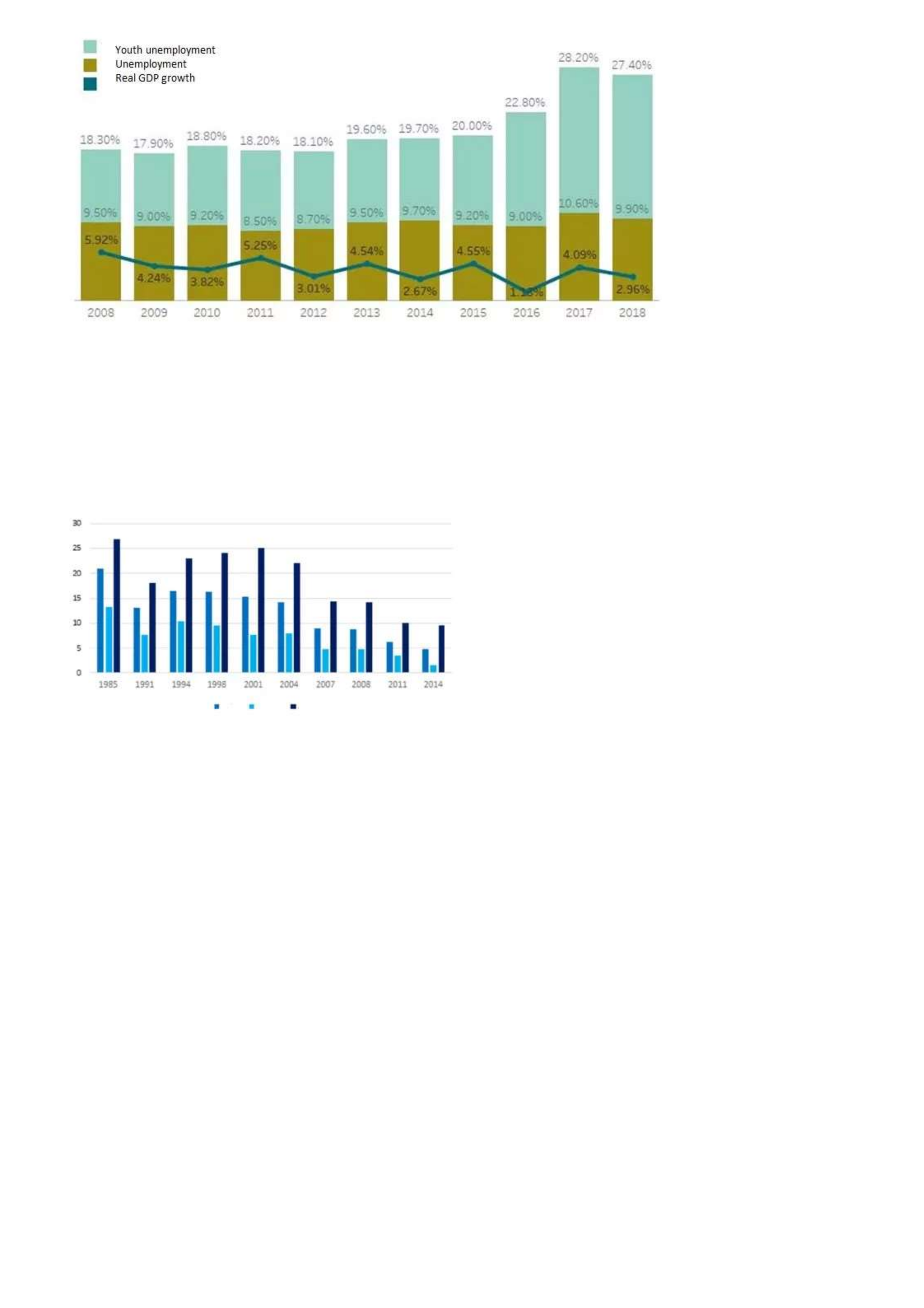
Fig. 1. Correlation between unemployment, youth unemployment, and growth in Morocco, percentage change with 2012 base.
However, the labor share of GDP is the highest in the upper-middle-income sector which demonstrates the growth of a strong middle class in the
country. At the same time, social spending in Morocco is less than in neighboring countries such as Tunisia and Jordan. Thus, the progress in the
achievement of SDGs is ambiguous, although progressive development is evident. It should be noted that the country managed to decrease the
poverty rate significantly in dynamics (Fig. 2).
Total Urban Rural
Fig. 2. The Evolution of poverty rate in Morocco, 1985-2014.
There is a gradual increase in the human capital index and efforts are being made in the field of education. The dynamics of youth functional literacy
in Morocco for the period 2000-2018 is the highest among ten African countries. Net Enrollment Ratio in primary education manifested two-fold
growth since 1971 (Mansouri and Moumine 12). The duration of primary education is 6 years – this figure has not changed since 2009. The net
enrollment rate in primary education is 98.92%, which is a good value for an African country. Adult literacy is 73.75% (Sandberg and Binder 26).
Moreover, the illiterate population is concentrated in rural areas.
Processes of digital transformation are being observed – the ruling elite of Morocco realizes that digitalization is one of the integral mechanisms of
the global development of the national economy. It plays a critical role in attracting investment, creating jobs, modernizing the public sector, and
creating fast and efficient services for citizens. Efforts are being made to improve the digital infrastructure, strengthen the professional knowledge of
people to meet the market demand for specialists in the digital sphere.
Nevertheless, economic inequality persists – for example, the Gini index, which measures the degree to which the distribution of income or
consumption expenditures among households in the economy differs from absolute equality in distribution, was 35.70% in 2018 (UN). This is,
however, almost 10% less than in the previous year, which indicates the success of the government’s efforts to reduce inequality. According to World
Bank Human Capital Index, Morocco is ahead of Egypt and Yemen and almost on the same level as other Arab countries, being behind such rich
countries as Qatar and UAE (Fig. 3 below).
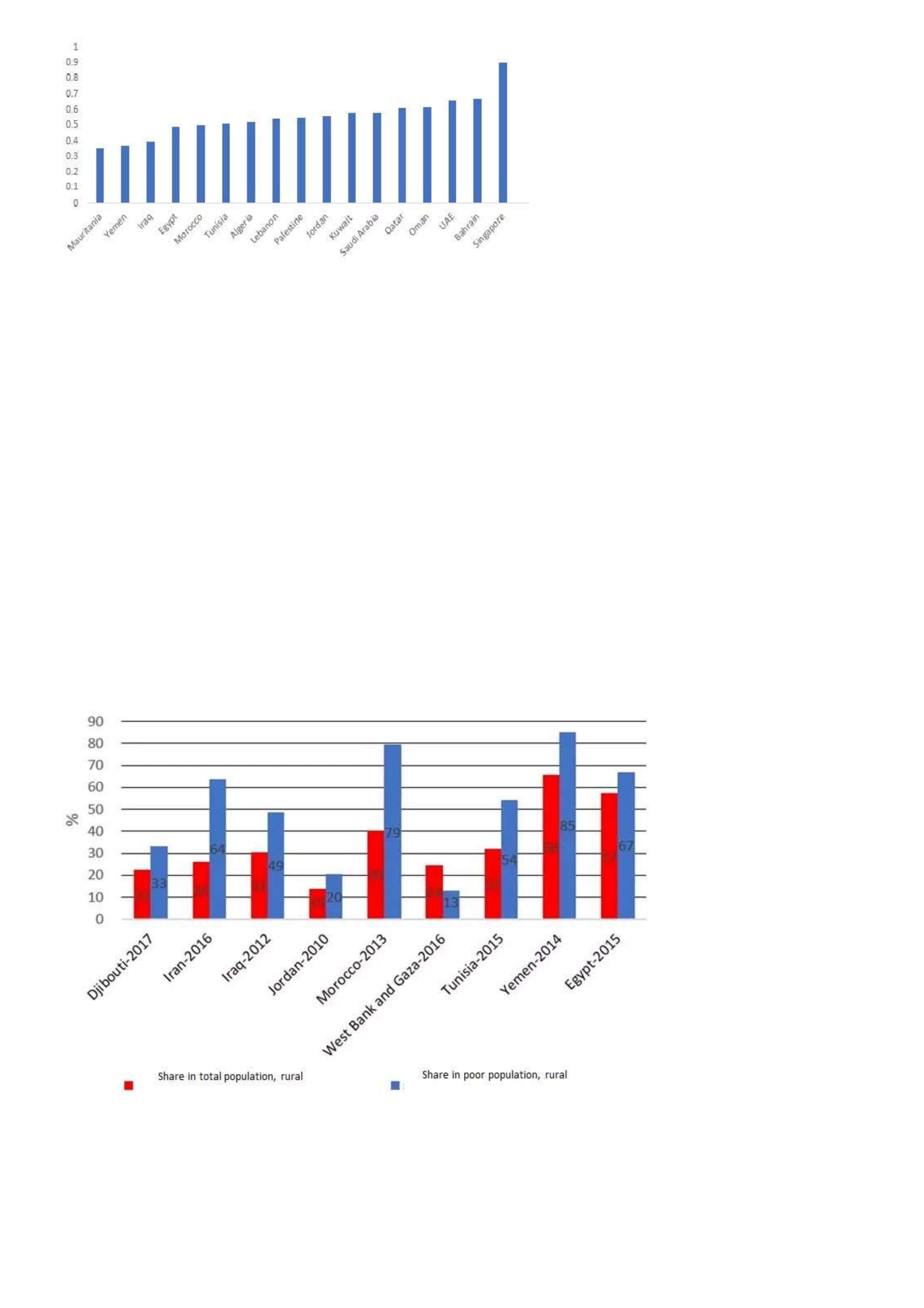
Fig. 3. The World Bank Human Capital Index, 2019.
Issues of reducing gender inequality should also be noted. Noteworthy, recent family law reforms in Morocco have strengthened women’s property
rights by equalizing the property rights of husbands and wives over property acquired during the marriage. Methods for strengthening the voice of
women in society include political representation quotas, training future women leaders, and increasing their participation in trade unions and
professional associations.
However, while the gender gap in leadership positions in corporate governance and public administration has narrowed, women, especially in rural
areas, are largely the face of poverty in Morocco. In Morocco, there are two main methods of measuring poverty, which include the “classical
approach” and the second one, which is more of a capacity-based approach. The “classical approach” uses a poverty line to statistically define the
poor. This approach quantifies the number of poor people and households but does not take into account how poor people lack basic needs such as
shelter, food, health, and education. The second approach addresses this lack of basic needs and emphasizes the multidimensional nature of poverty.
Moroccan women represent the most economically vulnerable social group in the country (Sandberg and Binder 32-39). The feminization of poverty
refers to a trend towards increasing inequality in living standards between men and women due to the widening gap in poverty between women and
men. This phenomenon is not only a consequence of a lack of income but also a result of disenfranchisement and gender bias inherent in both
societies and governments at the regional level. It encompasses the poverty of choice and opportunity, such as the ability to lead a long, healthy, and
creative life and the enjoyment of fundamental rights such as freedom, respect, and dignity. This phenomenon is largely due to the overall ratio of
total and poor population in rural areas. In Morocco, the percentage of the poor rural population is rather high in comparison with other MENA
countries (Fig. 4).
Fig. 4. Rural shares in total and poor population in selected MENA countries.
Indeed, education seems to be an important factor associated with access to rural non-farm activities – thus, the issue of rural poverty should be
addressed simultaneously with making efforts to eradicate illiteracy in rural areas. The figure below clearly shows that education represents one of
the definitive factors associated with access to rural non-farm activities.
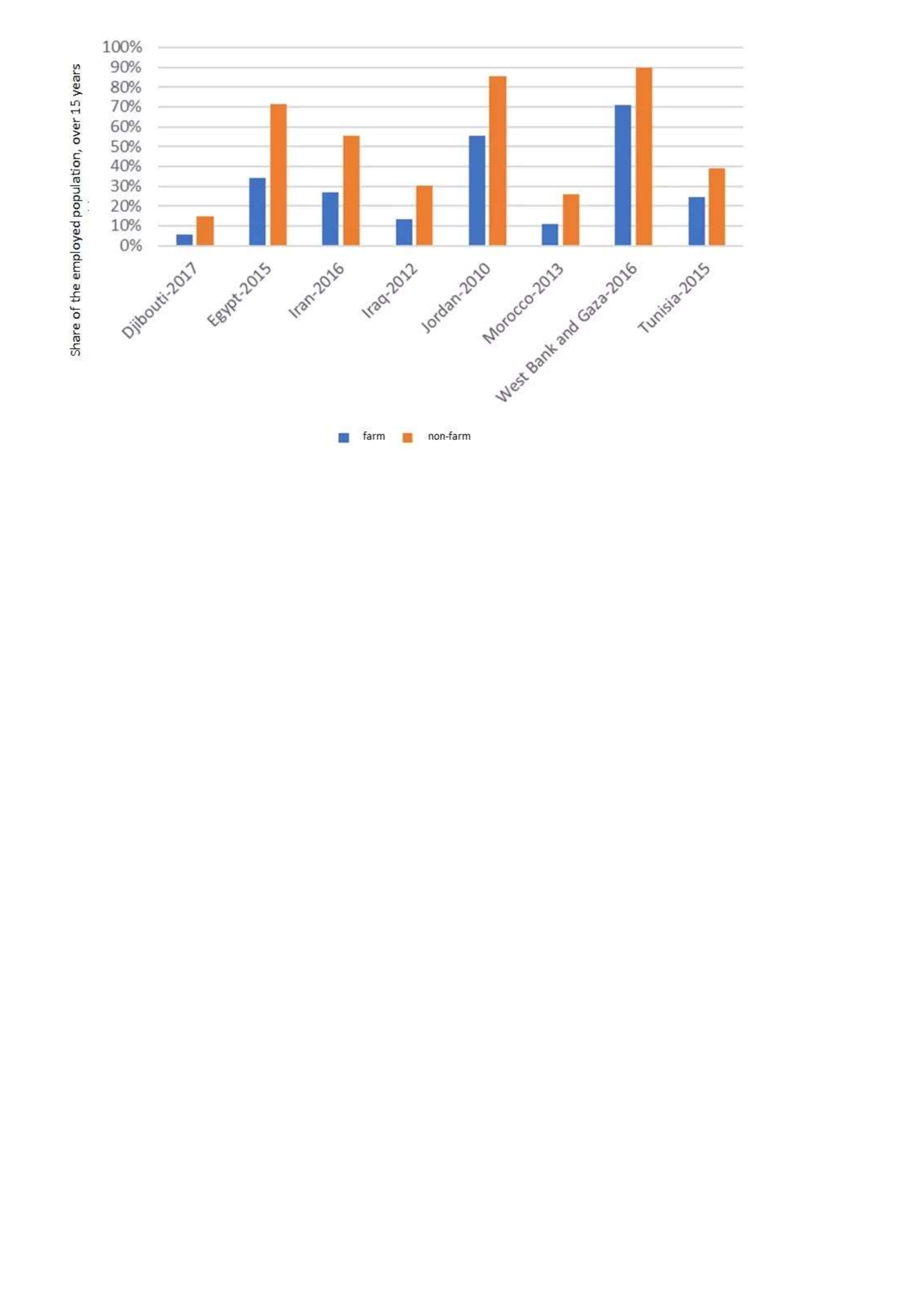
Fig. 5. Shares of the population over 15 years old with incomplete secondary education and above among employed farm and non-farm activities in
rural areas of selected MENA countries.
The Kingdom of Morocco continues to pursue its efforts to follow up on recommendations from major United Nations development meetings and
conferences, including the Millennium Development Goals, which are included in the national development strategy. Modernization, democratization,
and economic development, as well as indicators of sustainable human development, are interdependent in promoting equal opportunities,
disseminating knowledge, and providing basic social services.
Increasingly more environmental protection programs are being implemented in the country. In particular, by supporting ecotourism, Morocco strives
to highlight its unique tangible and spiritual heritage by engaging industry professionals and regional authorities. For this, a special program has been
developed – the charter for sustainable tourism. The development of ecotourism is also supported by numerous individual projects, such as the
botanical garden of aromatic plants located near the ancient city. To date, 13 Moroccan beaches have received the Blue Flag award (Rihab 287). Many
hotels and inns in the country have received the Green Key award. All this highlights the efforts of the owners of the companies in the field of
environmental protection.
The percentage of the marine protected area has increased in recent years, and on the 22nd Conference of the Parties to the United Nations
Framework Convention on Climate Change, for the first time in its history, at the request of the Moroccan government, an Action Day for the
Protection of the Oceans was organized as part of the official UNFCCC program. Efforts to combat illegal, unreported, and unregulated fishing also
should be noted. In the energy sector, Morocco stands out for the presence of the seventh-largest solar power plant in the world – in Noor. Spread
over an area of 3000 hectares (3500 football fields), the station is capable of providing energy to a city the size of two Marrakech or Prague. Located
at the entrance to the Sahara Desert, the complex saves the planet from more than 760,000 tons of carbon emissions (Mohamed et al. 193-195). The
main sectors of the economy that can support green growth are clean renewable energy, water management, agriculture and forestry, fisheries,
recycling, and waste management.
This major project primarily serves the interests of Morocco, but it is also part of a worldwide effort to expand the use of renewable energy sources.
Investment in renewable energy in Morocco grew 13 times in 2018 to $ 2.8 billion (Mohamed et al. 191). Morocco has set an ambitious goal of
generating more than half of its electricity from renewable sources by 2030. These goals, along with other climate change policies, helped make
Morocco the second best-performing country in the 2018 and 2019 Climate Change Performance Indices. Morocco ranks 64th in the world in terms of
environmental performance, ahead of most African countries (Rihab 289). The country is trying to integrate the climate change component into all
national public policies.
Separately, the degree of application of a legal, regulatory, and institutional framework that recognizes and protects access rights for small-scale
fisheries in Morocco should be noted. The country is among the leading ones in Africa by the degree of efforts in this field. For the Sahara region, the
most relevant is the efforts of the Kingdom of Morocco on control and surveillance issues, given the importance of fishing activities. Control requires
the average performance of equipment and, namely control on water and on land, which mobilizes ships, vehicles, and service personnel, equipped
with specific measurement and remote communication equipment. Indeed, control concerns all the elements: fishermen’s activities, fishing area,
fishing gear and sizes, documentation (capture declaration, logbook), unloading (market size, quota), transportation, and storage of fishing products.
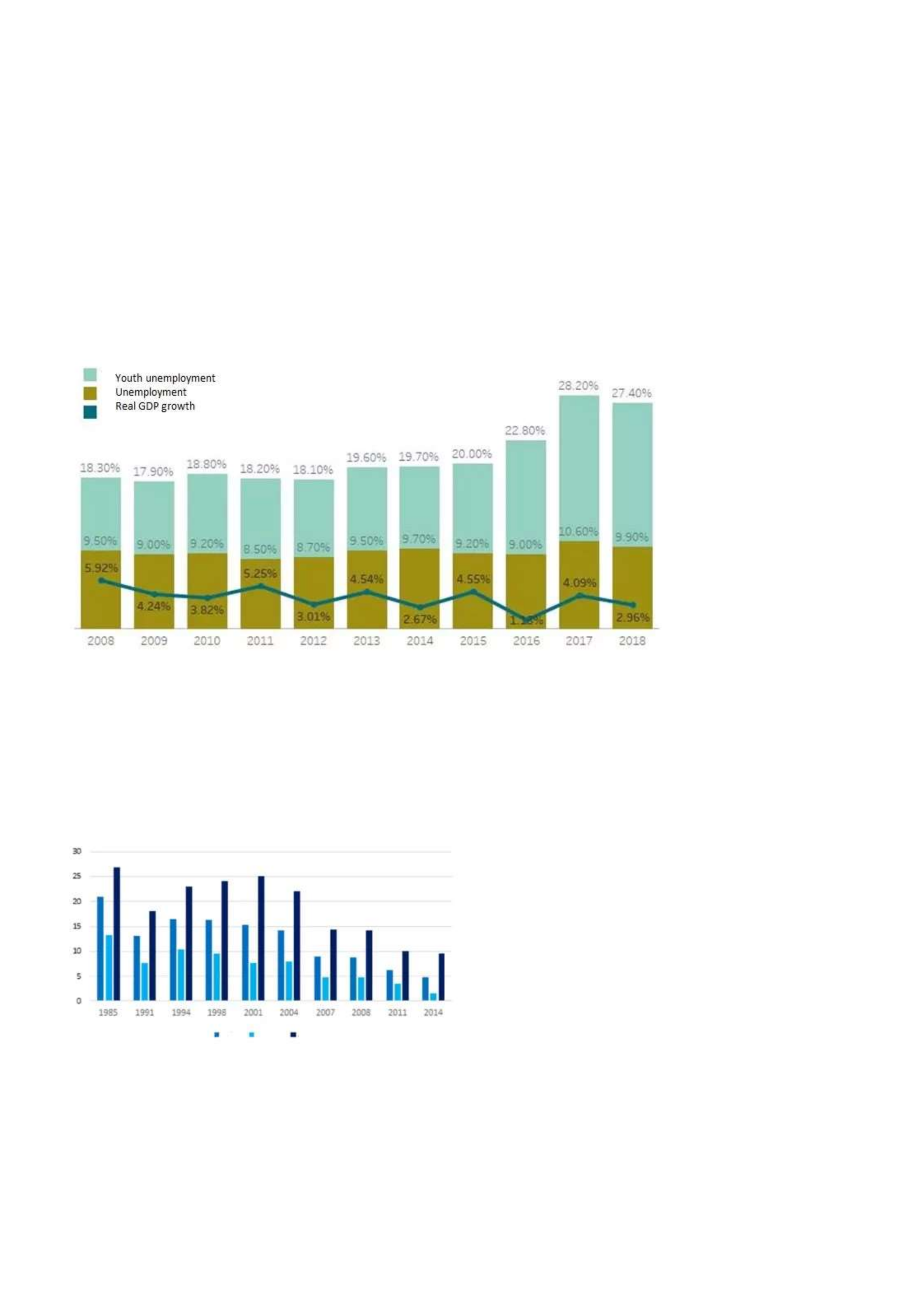
Thus, the country demonstrates evident and, to a significant extent, effective efforts to achieve meeting goals of sustainable development both in
addressing the issues of social capital growth and environmental protection. At the same time, still, problems in social inequality, gender gaps, rural
poverty, and access to quality education persist. In these conditions, it seems expedient to pay special attention to the mechanisms of public-private
partnership, which are not well developed in Morocco.
The Moroccan economy is considered to be a relatively liberal economy governed by the law of supply and demand. Since 1993, Morocco has
pursued a policy of privatizing certain sectors of the economy that were formerly in the hands of the government.
Morocco has become a major player in African economic affairs and ranks fifth among African economies in terms of GDP. The
World Economic Forum ranked Morocco as the 1st most competitive economy in North Africa in its Africa Competitiveness Report 2014-15. Since
2018, the country’s currency – the dirham – is fully convertible for current account transactions, financial sector reforms are carried out, and state
enterprises are being privatized.
There is an overall relative downward trend in unemployment in the country over the past decade. However, still, the level of youth unemployment in
2017 is 42.8%. About 80% of jobs are informal and the income gap is very large (Dadush 9). The correlation between unemployment, youth
unemployment, and growth is shown in Fig. 1 below.
Fig. 1. Correlation between unemployment, youth unemployment, and growth in Morocco, percentage change with 2012 base.
However, the labor share of GDP is the highest in the upper-middle-income sector which demonstrates the growth of a strong middle class in the
country. At the same time, social spending in Morocco is less than in neighboring countries such as Tunisia and Jordan. Thus, the progress in the
achievement of SDGs is ambiguous, although progressive development is evident. It should be noted that the country managed to decrease the
poverty rate significantly in dynamics (Fig. 2).
Total Urban Rural
Fig. 2. The Evolution of poverty rate in Morocco, 1985-2014.
There is a gradual increase in the human capital index and efforts are being made in the field of education. The dynamics of youth functional literacy
in Morocco for the period 2000-2018 is the highest among ten African countries. Net Enrollment Ratio in primary education manifested two-fold
growth since 1971 (Mansouri and Moumine 12). The duration of primary education is 6 years – this figure has not changed since 2009. The net
enrollment rate in primary education is 98.92%, which is a good value for an African country. Adult literacy is 73.75% (Sandberg and Binder 26).
Moreover, the illiterate population is concentrated in rural areas.
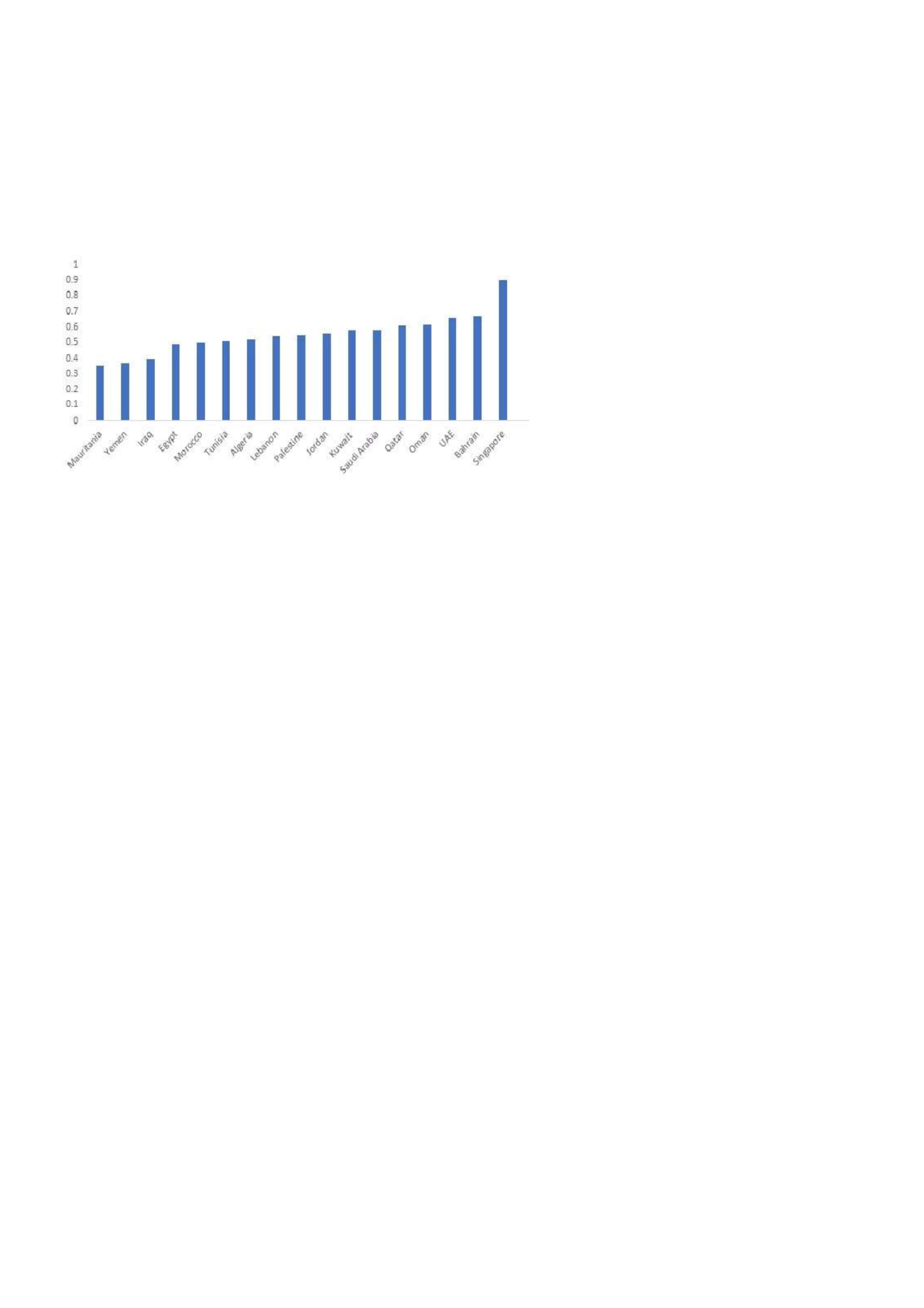
Processes of digital transformation are being observed – the ruling elite of Morocco realizes that digitalization is one of the integral mechanisms of
the global development of the national economy. It plays a critical role in attracting investment, creating jobs, modernizing the public sector, and
creating fast and efficient services for citizens. Efforts are being made to improve the digital infrastructure, strengthen the professional knowledge of
people to meet the market demand for specialists in the digital sphere.
Nevertheless, economic inequality persists – for example, the Gini index, which measures the degree to which the distribution of income or
consumption expenditures among households in the economy differs from absolute equality in distribution, was 35.70% in 2018 (UN). This is,
however, almost 10% less than in the previous year, which indicates the success of the government’s efforts to reduce inequality. According to World
Bank Human Capital Index, Morocco is ahead of Egypt and Yemen and almost on the same level as other Arab countries, being behind such rich
countries as Qatar and UAE (Fig. 3 below).
Fig. 3. The World Bank Human Capital Index, 2019.
Issues of reducing gender inequality should also be noted. Noteworthy, recent family law reforms in Morocco have strengthened women’s property
rights by equalizing the property rights of husbands and wives over property acquired during the marriage. Methods for strengthening the voice of
women in society include political representation quotas, training future women leaders, and increasing their participation in trade unions and
professional associations.
However, while the gender gap in leadership positions in corporate governance and public administration has narrowed, women, especially in rural
areas, are largely the face of poverty in Morocco. In Morocco, there are two main methods of measuring poverty, which include the “classical
approach” and the second one, which is more of a capacity-based approach. The “classical approach” uses a poverty line to statistically define the
poor. This approach quantifies the number of poor people and households but does not take into account how poor people lack basic needs such as
shelter, food, health, and education. The second approach addresses this lack of basic needs and emphasizes the multidimensional nature of poverty.
Moroccan women represent the most economically vulnerable social group in the country (Sandberg and Binder 32-39). The feminization of poverty
refers to a trend towards increasing inequality in living standards between men and women due to the widening gap in poverty between women and
men. This phenomenon is not only a consequence of a lack of income but also a result of disenfranchisement and gender bias inherent in both
societies and governments at the regional level. It encompasses the poverty of choice and opportunity, such as the ability to lead a long, healthy, and
creative life and the enjoyment of fundamental rights such as freedom, respect, and dignity. This phenomenon is largely due to the overall ratio of
total and poor population in rural areas. In Morocco, the percentage of the poor rural population is rather high in comparison with other MENA
countries (Fig. 4).
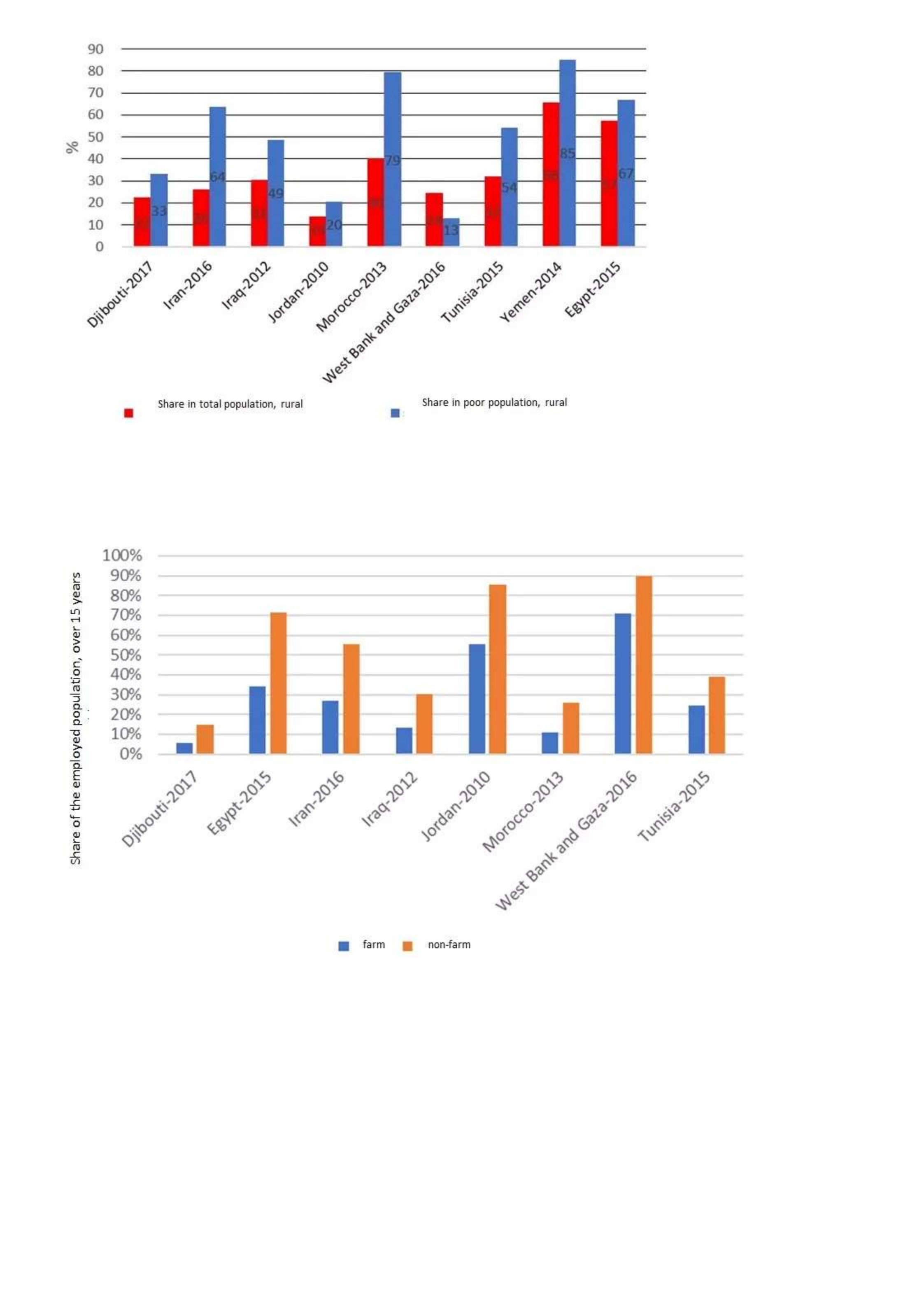
Fig. 4. Rural shares in total and poor population in selected MENA countries.
Indeed, education seems to be an important factor associated with access to rural non-farm activities – thus, the issue of rural poverty should be
addressed simultaneously with making efforts to eradicate illiteracy in rural areas. The figure below clearly shows that education represents one of
the definitive factors associated with access to rural non-farm activities.
Fig. 5. Shares of the population over 15 years old with incomplete secondary education and above among employed farm and non-farm activities in
rural areas of selected MENA countries.
The Kingdom of Morocco continues to pursue its efforts to follow up on recommendations from major United Nations development meetings and
conferences, including the Millennium Development Goals, which are included in the national development strategy. Modernization, democratization,
and economic development, as well as indicators of sustainable human development, are interdependent in promoting equal opportunities,
disseminating knowledge, and providing basic social services.
Increasingly more environmental protection programs are being implemented in the country. In particular, by supporting ecotourism, Morocco strives
to highlight its unique tangible and spiritual heritage by engaging industry professionals and regional authorities. For this, a special program has been
developed – the charter for sustainable tourism. The development of ecotourism is also supported by numerous individual projects, such as the
botanical garden of aromatic plants located near the ancient city. To date, 13 Moroccan beaches have received the Blue Flag award (Rihab 287). Many
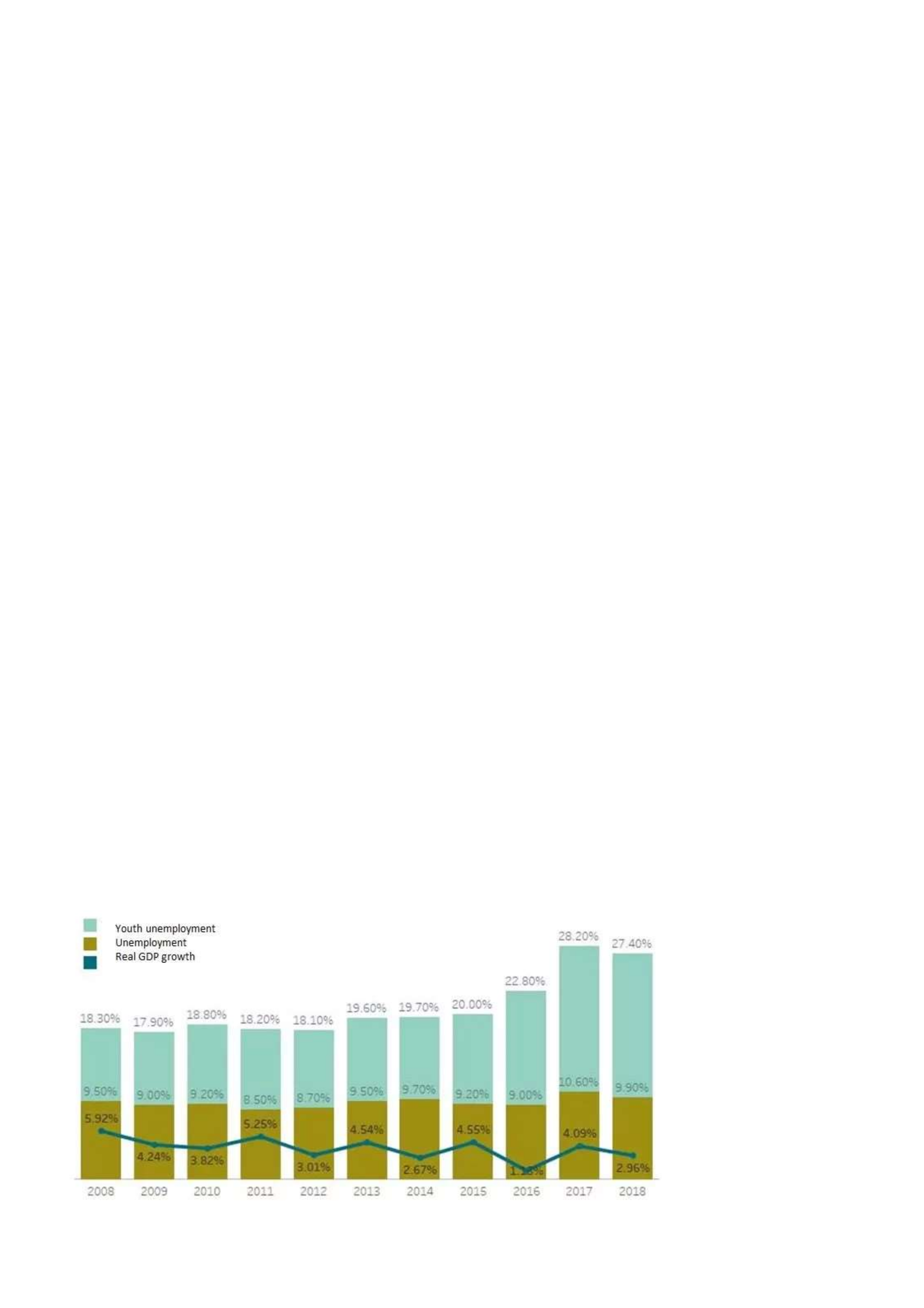
hotels and inns in the country have received the Green Key award. All this highlights the efforts of the owners of the companies in the field of
environmental protection.
The percentage of the marine protected area has increased in recent years, and on the 22nd Conference of the Parties to the United Nations
Framework Convention on Climate Change, for the first time in its history, at the request of the Moroccan government, an Action Day for the
Protection of the Oceans was organized as part of the official UNFCCC program. Efforts to combat illegal, unreported, and unregulated fishing also
should be noted. In the energy sector, Morocco stands out for the presence of the seventh-largest solar power plant in the world – in Noor. Spread
over an area of 3000 hectares (3500 football fields), the station is capable of providing energy to a city the size of two Marrakech or Prague. Located
at the entrance to the Sahara Desert, the complex saves the planet from more than 760,000 tons of carbon emissions (Mohamed et al. 193-195). The
main sectors of the economy that can support green growth are clean renewable energy, water management, agriculture and forestry, fisheries,
recycling, and waste management.
This major project primarily serves the interests of Morocco, but it is also part of a worldwide effort to expand the use of renewable energy sources.
Investment in renewable energy in Morocco grew 13 times in 2018 to $ 2.8 billion (Mohamed et al. 191). Morocco has set an ambitious goal of
generating more than half of its electricity from renewable sources by 2030. These goals, along with other climate change policies, helped make
Morocco the second best-performing country in the 2018 and 2019 Climate Change Performance Indices. Morocco ranks 64th in the world in terms of
environmental performance, ahead of most African countries (Rihab 289). The country is trying to integrate the climate change component into all
national public policies.
Separately, the degree of application of a legal, regulatory, and institutional framework that recognizes and protects access rights for small-scale
fisheries in Morocco should be noted. The country is among the leading ones in Africa by the degree of efforts in this field. For the Sahara region, the
most relevant is the efforts of the Kingdom of Morocco on control and surveillance issues, given the importance of fishing activities. Control requires
the average performance of equipment and, namely control on water and on land, which mobilizes ships, vehicles, and service personnel, equipped
with specific measurement and remote communication equipment. Indeed, control concerns all the elements: fishermen’s activities, fishing area,
fishing gear and sizes, documentation (capture declaration, logbook), unloading (market size, quota), transportation, and storage of fishing products.
Thus, the country demonstrates evident and, to a significant extent, effective efforts to achieve meeting goals of sustainable development both in
addressing the issues of social capital growth and environmental protection. At the same time, still, problems in social inequality, gender gaps, rural
poverty, and access to quality education persist. In these conditions, it seems expedient to pay special attention to the mechanisms of public-private
partnership, which are not well developed in Morocco.
The Moroccan economy is considered to be a relatively liberal economy governed by the law of supply and demand. Since 1993, Morocco has
pursued a policy of privatizing certain sectors of the economy that were formerly in the hands of the government.
Morocco has become a major player in African economic affairs and ranks fifth among African economies in terms of GDP. The
World Economic Forum ranked Morocco as the 1st most competitive economy in North Africa in its Africa Competitiveness Report 2014-15. Since
2018, the country’s currency – the dirham – is fully convertible for current account transactions, financial sector reforms are carried out, and state
enterprises are being privatized.
There is an overall relative downward trend in unemployment in the country over the past decade. However, still, the level of youth unemployment in
2017 is 42.8%. About 80% of jobs are informal and the income gap is very large (Dadush 9). The correlation between unemployment, youth
unemployment, and growth is shown in Fig. 1 below.
Fig. 1. Correlation between unemployment, youth unemployment, and growth in Morocco, percentage change with 2012 base.
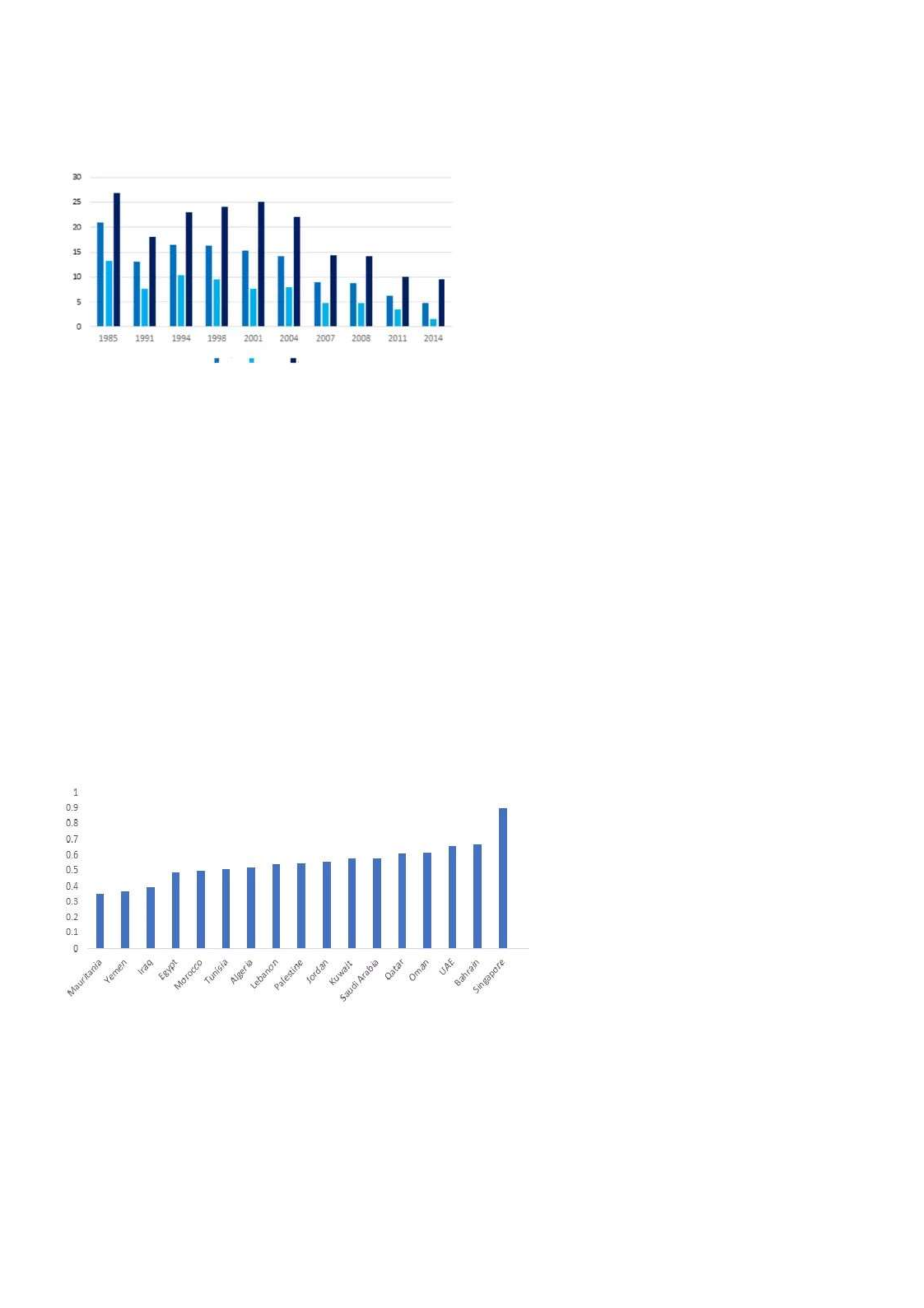
However, the labor share of GDP is the highest in the upper-middle-income sector which demonstrates the growth of a strong middle class in the
country. At the same time, social spending in Morocco is less than in neighboring countries such as Tunisia and Jordan. Thus, the progress in the
achievement of SDGs is ambiguous, although progressive development is evident. It should be noted that the country managed to decrease the
poverty rate significantly in dynamics (Fig. 2).
Total Urban Rural
Fig. 2. The Evolution of poverty rate in Morocco, 1985-2014.
There is a gradual increase in the human capital index and efforts are being made in the field of education. The dynamics of youth functional literacy
in Morocco for the period 2000-2018 is the highest among ten African countries. Net Enrollment Ratio in primary education manifested two-fold
growth since 1971 (Mansouri and Moumine 12). The duration of primary education is 6 years – this figure has not changed since 2009. The net
enrollment rate in primary education is 98.92%, which is a good value for an African country. Adult literacy is 73.75% (Sandberg and Binder 26).
Moreover, the illiterate population is concentrated in rural areas.
Processes of digital transformation are being observed – the ruling elite of Morocco realizes that digitalization is one of the integral mechanisms of
the global development of the national economy. It plays a critical role in attracting investment, creating jobs, modernizing the public sector, and
creating fast and efficient services for citizens. Efforts are being made to improve the digital infrastructure, strengthen the professional knowledge of
people to meet the market demand for specialists in the digital sphere.
Nevertheless, economic inequality persists – for example, the Gini index, which measures the degree to which the distribution of income or
consumption expenditures among households in the economy differs from absolute equality in distribution, was 35.70% in 2018 (UN). This is,
however, almost 10% less than in the previous year, which indicates the success of the government’s efforts to reduce inequality. According to World
Bank Human Capital Index, Morocco is ahead of Egypt and Yemen and almost on the same level as other Arab countries, being behind such rich
countries as Qatar and UAE (Fig. 3 below).
Fig. 3. The World Bank Human Capital Index, 2019.
Issues of reducing gender inequality should also be noted. Noteworthy, recent family law reforms in Morocco have strengthened women’s property
rights by equalizing the property rights of husbands and wives over property acquired during the marriage. Methods for strengthening the voice of
women in society include political representation quotas, training future women leaders, and increasing their participation in trade unions and
professional associations.
However, while the gender gap in leadership positions in corporate governance and public administration has narrowed, women, especially in rural
areas, are largely the face of poverty in Morocco. In Morocco, there are two main methods of measuring poverty, which include the “classical
approach” and the second one, which is more of a capacity-based approach. The “classical approach” uses a poverty line to statistically define the
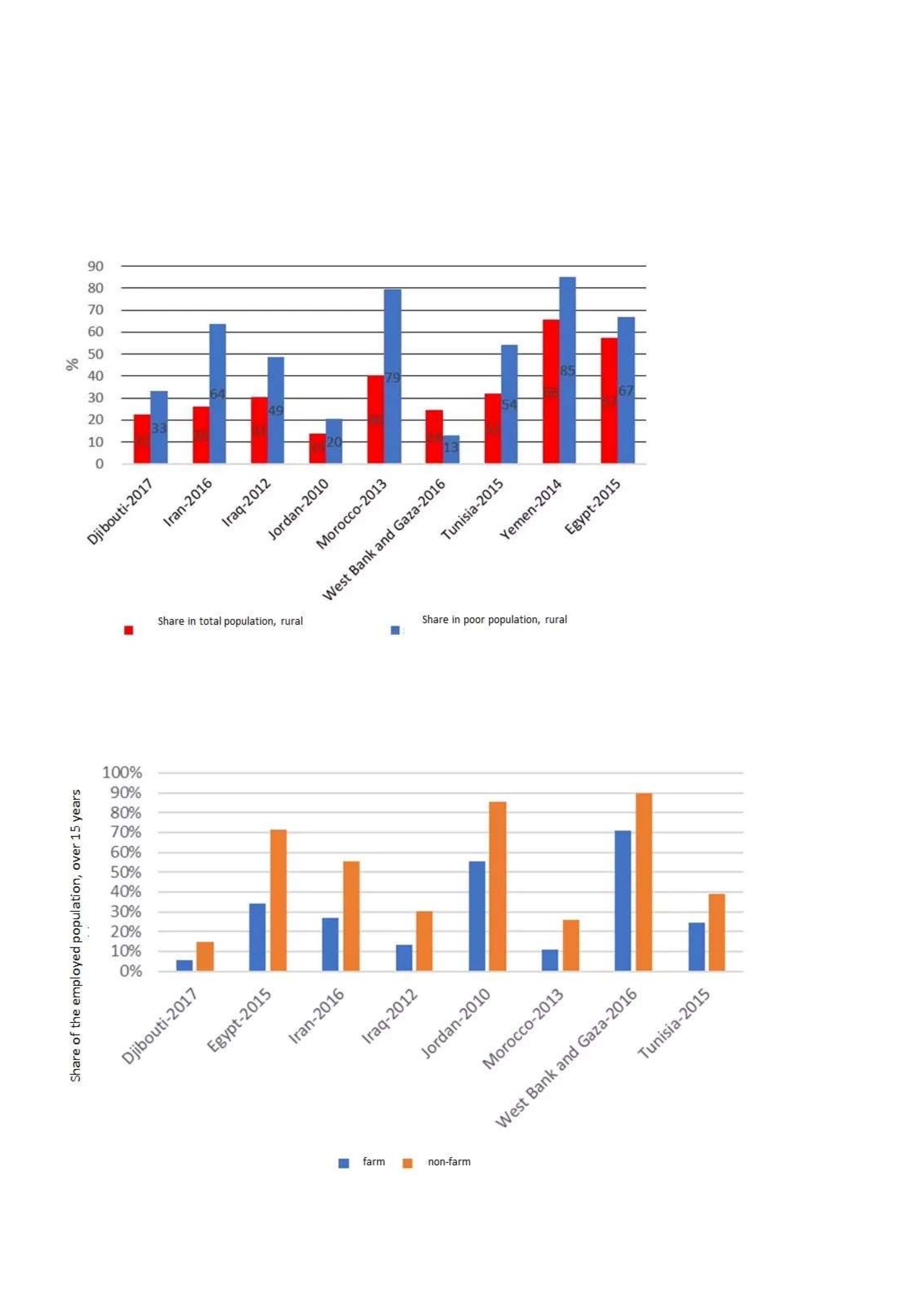
poor. This approach quantifies the number of poor people and households but does not take into account how poor people lack basic needs such as
shelter, food, health, and education. The second approach addresses this lack of basic needs and emphasizes the multidimensional nature of poverty.
Moroccan women represent the most economically vulnerable social group in the country (Sandberg and Binder 32-39). The feminization of poverty
refers to a trend towards increasing inequality in living standards between men and women due to the widening gap in poverty between women and
men. This phenomenon is not only a consequence of a lack of income but also a result of disenfranchisement and gender bias inherent in both
societies and governments at the regional level. It encompasses the poverty of choice and opportunity, such as the ability to lead a long, healthy, and
creative life and the enjoyment of fundamental rights such as freedom, respect, and dignity. This phenomenon is largely due to the overall ratio of
total and poor population in rural areas. In Morocco, the percentage of the poor rural population is rather high in comparison with other MENA
countries (Fig. 4).
Fig. 4. Rural shares in total and poor population in selected MENA countries.
Indeed, education seems to be an important factor associated with access to rural non-farm activities – thus, the issue of rural poverty should be
addressed simultaneously with making efforts to eradicate illiteracy in rural areas. The figure below clearly shows that education represents one of
the definitive factors associated with access to rural non-farm activities.
Fig. 5. Shares of the population over 15 years old with incomplete secondary education and above among employed farm and non-farm activities in
rural areas of selected MENA countries.

The Kingdom of Morocco continues to pursue its efforts to follow up on recommendations from major United Nations development meetings and
conferences, including the Millennium Development Goals, which are included in the national development strategy. Modernization, democratization,
and economic development, as well as indicators of sustainable human development, are interdependent in promoting equal opportunities,
disseminating knowledge, and providing basic social services.
Increasingly more environmental protection programs are being implemented in the country. In particular, by supporting ecotourism, Morocco strives
to highlight its unique tangible and spiritual heritage by engaging industry professionals and regional authorities. For this, a special program has been
developed – the charter for sustainable tourism. The development of ecotourism is also supported by numerous individual projects, such as the
botanical garden of aromatic plants located near the ancient city. To date, 13 Moroccan beaches have received the Blue Flag award (Rihab 287). Many
hotels and inns in the country have received the Green Key award. All this highlights the efforts of the owners of the companies in the field of
environmental protection.
The percentage of the marine protected area has increased in recent years, and on the 22nd Conference of the Parties to the United Nations
Framework Convention on Climate Change, for the first time in its history, at the request of the Moroccan government, an Action Day for the
Protection of the Oceans was organized as part of the official UNFCCC program. Efforts to combat illegal, unreported, and unregulated fishing also
should be noted. In the energy sector, Morocco stands out for the presence of the seventh-largest solar power plant in the world – in Noor. Spread
over an area of 3000 hectares (3500 football fields), the station is capable of providing energy to a city the size of two Marrakech or Prague. Located
at the entrance to the Sahara Desert, the complex saves the planet from more than 760,000 tons of carbon emissions (Mohamed et al. 193-195). The
main sectors of the economy that can support green growth are clean renewable energy, water management, agriculture and forestry, fisheries,
recycling, and waste management.
This major project primarily serves the interests of Morocco, but it is also part of a worldwide effort to expand the use of renewable energy sources.
Investment in renewable energy in Morocco grew 13 times in 2018 to $ 2.8 billion (Mohamed et al. 191). Morocco has set an ambitious goal of
generating more than half of its electricity from renewable sources by 2030. These goals, along with other climate change policies, helped make
Morocco the second best-performing country in the 2018 and 2019 Climate Change Performance Indices. Morocco ranks 64th in the world in terms of
environmental performance, ahead of most African countries (Rihab 289). The country is trying to integrate the climate change component into all
national public policies.
Separately, the degree of application of a legal, regulatory, and institutional framework that recognizes and protects access rights for small-scale
fisheries in Morocco should be noted. The country is among the leading ones in Africa by the degree of efforts in this field. For the Sahara region, the
most relevant is the efforts of the Kingdom of Morocco on control and surveillance issues, given the importance of fishing activities. Control requires
the average performance of equipment and, namely control on water and on land, which mobilizes ships, vehicles, and service personnel, equipped
with specific measurement and remote communication equipment. Indeed, control concerns all the elements: fishermen’s activities, fishing area,
fishing gear and sizes, documentation (capture declaration, logbook), unloading (market size, quota), transportation, and storage of fishing products.
Thus, the country demonstrates evident and, to a significant extent, effective efforts to achieve meeting goals of sustainable development both in
addressing the issues of social capital growth and environmental protection. At the same time, still, problems in social inequality, gender gaps, rural
poverty, and access to quality education persist. In these conditions, it seems expedient to pay special attention to the mechanisms of public-private
partnership, which are not well developed in Morocco.
The Moroccan economy is considered to be a relatively liberal economy governed by the law of supply and demand. Since 1993, Morocco has
pursued a policy of privatizing certain sectors of the economy that were formerly in the hands of the government.
Morocco has become a major player in African economic affairs and ranks fifth among African economies in terms of GDP. The
World Economic Forum ranked Morocco as the 1st most competitive economy in North Africa in its Africa Competitiveness Report 2014-15. Since
2018, the country’s currency – the dirham – is fully convertible for current account transactions, financial sector reforms are carried out, and state
enterprises are being privatized.
There is an overall relative downward trend in unemployment in the country over the past decade. However, still, the level of youth unemployment in
2017 is 42.8%. About 80% of jobs are informal and the income gap is very large (Dadush 9). The correlation between unemployment, youth
unemployment, and growth is shown in Fig. 1 below.
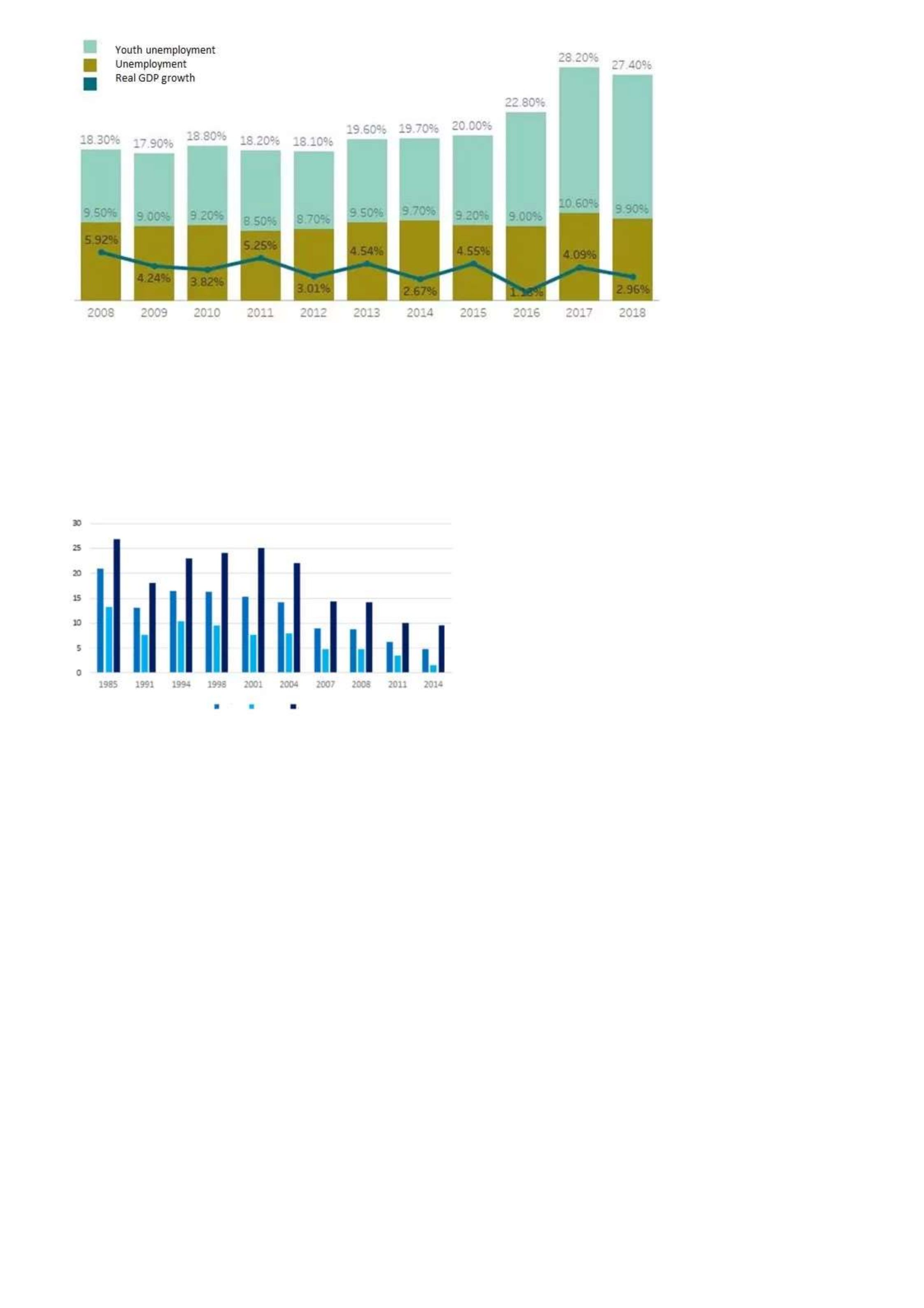
Fig. 1. Correlation between unemployment, youth unemployment, and growth in Morocco, percentage change with 2012 base.
However, the labor share of GDP is the highest in the upper-middle-income sector which demonstrates the growth of a strong middle class in the
country. At the same time, social spending in Morocco is less than in neighboring countries such as Tunisia and Jordan. Thus, the progress in the
achievement of SDGs is ambiguous, although progressive development is evident. It should be noted that the country managed to decrease the
poverty rate significantly in dynamics (Fig. 2).
Total Urban Rural
Fig. 2. The Evolution of poverty rate in Morocco, 1985-2014.
There is a gradual increase in the human capital index and efforts are being made in the field of education. The dynamics of youth functional literacy
in Morocco for the period 2000-2018 is the highest among ten African countries. Net Enrollment Ratio in primary education manifested two-fold
growth since 1971 (Mansouri and Moumine 12). The duration of primary education is 6 years – this figure has not changed since 2009. The net
enrollment rate in primary education is 98.92%, which is a good value for an African country. Adult literacy is 73.75% (Sandberg and Binder 26).
Moreover, the illiterate population is concentrated in rural areas.
Processes of digital transformation are being observed – the ruling elite of Morocco realizes that digitalization is one of the integral mechanisms of
the global development of the national economy. It plays a critical role in attracting investment, creating jobs, modernizing the public sector, and
creating fast and efficient services for citizens. Efforts are being made to improve the digital infrastructure, strengthen the professional knowledge of
people to meet the market demand for specialists in the digital sphere.
Nevertheless, economic inequality persists – for example, the Gini index, which measures the degree to which the distribution of income or
consumption expenditures among households in the economy differs from absolute equality in distribution, was 35.70% in 2018 (UN). This is,
however, almost 10% less than in the previous year, which indicates the success of the government’s efforts to reduce inequality. According to World
Bank Human Capital Index, Morocco is ahead of Egypt and Yemen and almost on the same level as other Arab countries, being behind such rich
countries as Qatar and UAE (Fig. 3 below).
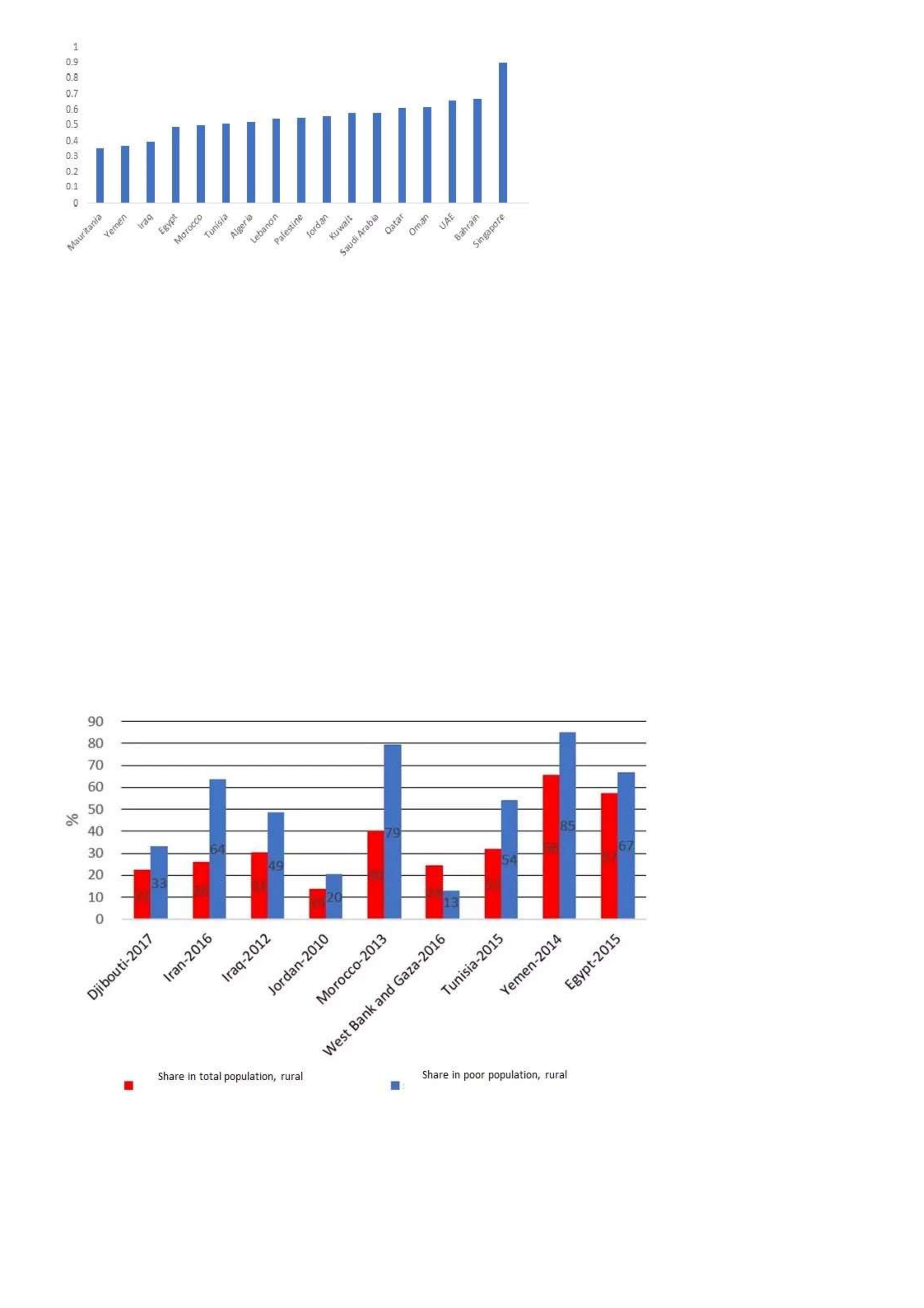
Fig. 3. The World Bank Human Capital Index, 2019.
Issues of reducing gender inequality should also be noted. Noteworthy, recent family law reforms in Morocco have strengthened women’s property
rights by equalizing the property rights of husbands and wives over property acquired during the marriage. Methods for strengthening the voice of
women in society include political representation quotas, training future women leaders, and increasing their participation in trade unions and
professional associations.
However, while the gender gap in leadership positions in corporate governance and public administration has narrowed, women, especially in rural
areas, are largely the face of poverty in Morocco. In Morocco, there are two main methods of measuring poverty, which include the “classical
approach” and the second one, which is more of a capacity-based approach. The “classical approach” uses a poverty line to statistically define the
poor. This approach quantifies the number of poor people and households but does not take into account how poor people lack basic needs such as
shelter, food, health, and education. The second approach addresses this lack of basic needs and emphasizes the multidimensional nature of poverty.
Moroccan women represent the most economically vulnerable social group in the country (Sandberg and Binder 32-39). The feminization of poverty
refers to a trend towards increasing inequality in living standards between men and women due to the widening gap in poverty between women and
men. This phenomenon is not only a consequence of a lack of income but also a result of disenfranchisement and gender bias inherent in both
societies and governments at the regional level. It encompasses the poverty of choice and opportunity, such as the ability to lead a long, healthy, and
creative life and the enjoyment of fundamental rights such as freedom, respect, and dignity. This phenomenon is largely due to the overall ratio of
total and poor population in rural areas. In Morocco, the percentage of the poor rural population is rather high in comparison with other MENA
countries (Fig. 4).
Fig. 4. Rural shares in total and poor population in selected MENA countries.
Indeed, education seems to be an important factor associated with access to rural non-farm activities – thus, the issue of rural poverty should be
addressed simultaneously with making efforts to eradicate illiteracy in rural areas. The figure below clearly shows that education represents one of
the definitive factors associated with access to rural non-farm activities.
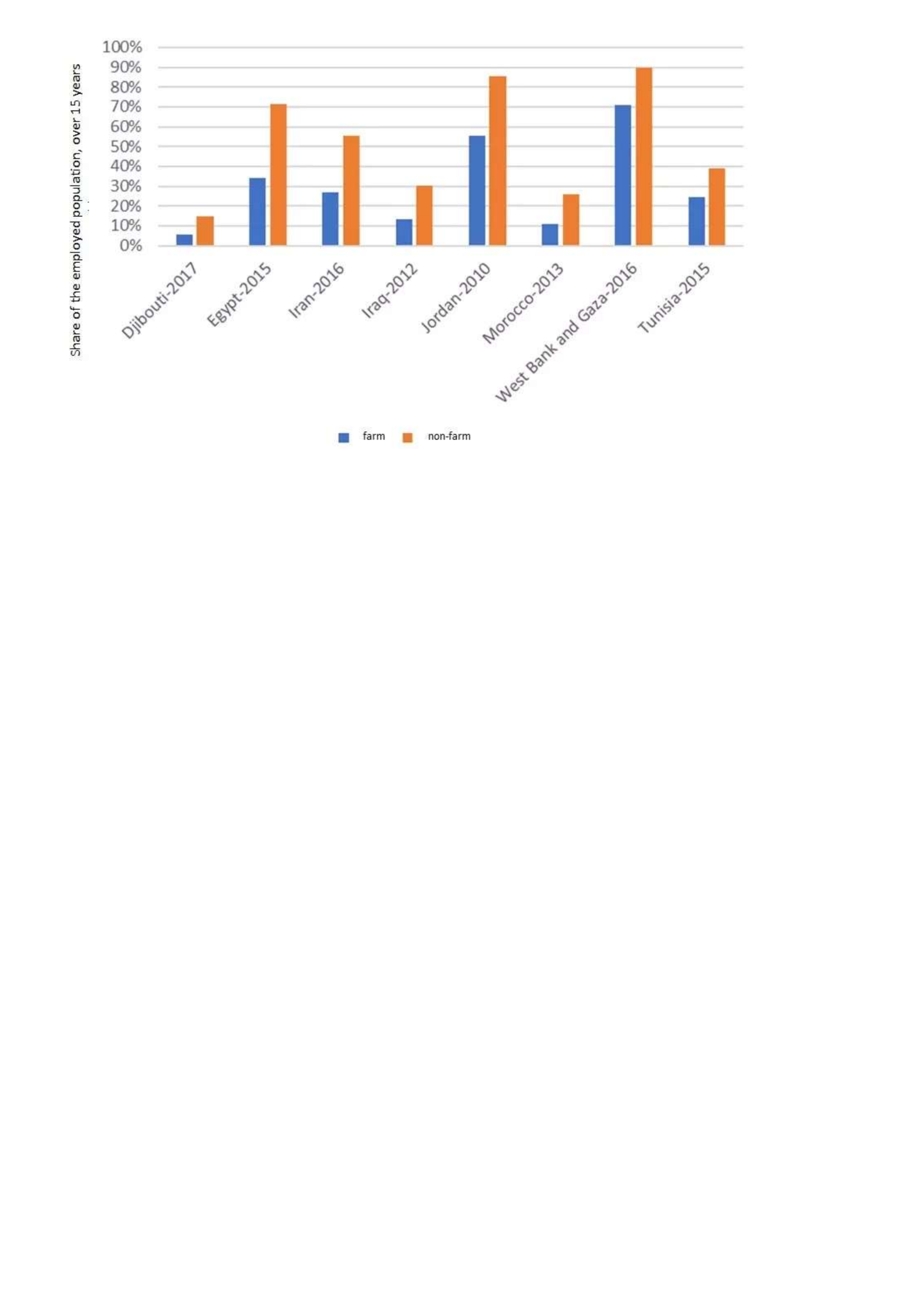
Fig. 5. Shares of the population over 15 years old with incomplete secondary education and above among employed farm and non-farm activities in
rural areas of selected MENA countries.
The Kingdom of Morocco continues to pursue its efforts to follow up on recommendations from major United Nations development meetings and
conferences, including the Millennium Development Goals, which are included in the national development strategy. Modernization, democratization,
and economic development, as well as indicators of sustainable human development, are interdependent in promoting equal opportunities,
disseminating knowledge, and providing basic social services.
Increasingly more environmental protection programs are being implemented in the country. In particular, by supporting ecotourism, Morocco strives
to highlight its unique tangible and spiritual heritage by engaging industry professionals and regional authorities. For this, a special program has been
developed – the charter for sustainable tourism. The development of ecotourism is also supported by numerous individual projects, such as the
botanical garden of aromatic plants located near the ancient city. To date, 13 Moroccan beaches have received the Blue Flag award (Rihab 287). Many
hotels and inns in the country have received the Green Key award. All this highlights the efforts of the owners of the companies in the field of
environmental protection.
The percentage of the marine protected area has increased in recent years, and on the 22nd Conference of the Parties to the United Nations
Framework Convention on Climate Change, for the first time in its history, at the request of the Moroccan government, an Action Day for the
Protection of the Oceans was organized as part of the official UNFCCC program. Efforts to combat illegal, unreported, and unregulated fishing also
should be noted. In the energy sector, Morocco stands out for the presence of the seventh-largest solar power plant in the world – in Noor. Spread
over an area of 3000 hectares (3500 football fields), the station is capable of providing energy to a city the size of two Marrakech or Prague. Located
at the entrance to the Sahara Desert, the complex saves the planet from more than 760,000 tons of carbon emissions (Mohamed et al. 193-195). The
main sectors of the economy that can support green growth are clean renewable energy, water management, agriculture and forestry, fisheries,
recycling, and waste management.
This major project primarily serves the interests of Morocco, but it is also part of a worldwide effort to expand the use of renewable energy sources.
Investment in renewable energy in Morocco grew 13 times in 2018 to $ 2.8 billion (Mohamed et al. 191). Morocco has set an ambitious goal of
generating more than half of its electricity from renewable sources by 2030. These goals, along with other climate change policies, helped make
Morocco the second best-performing country in the 2018 and 2019 Climate Change Performance Indices. Morocco ranks 64th in the world in terms of
environmental performance, ahead of most African countries (Rihab 289). The country is trying to integrate the climate change component into all
national public policies.
Separately, the degree of application of a legal, regulatory, and institutional framework that recognizes and protects access rights for small-scale
fisheries in Morocco should be noted. The country is among the leading ones in Africa by the degree of efforts in this field. For the Sahara region, the
most relevant is the efforts of the Kingdom of Morocco on control and surveillance issues, given the importance of fishing activities. Control requires
the average performance of equipment and, namely control on water and on land, which mobilizes ships, vehicles, and service personnel, equipped
with specific measurement and remote communication equipment. Indeed, control concerns all the elements: fishermen’s activities, fishing area,
fishing gear and sizes, documentation (capture declaration, logbook), unloading (market size, quota), transportation, and storage of fishing products.
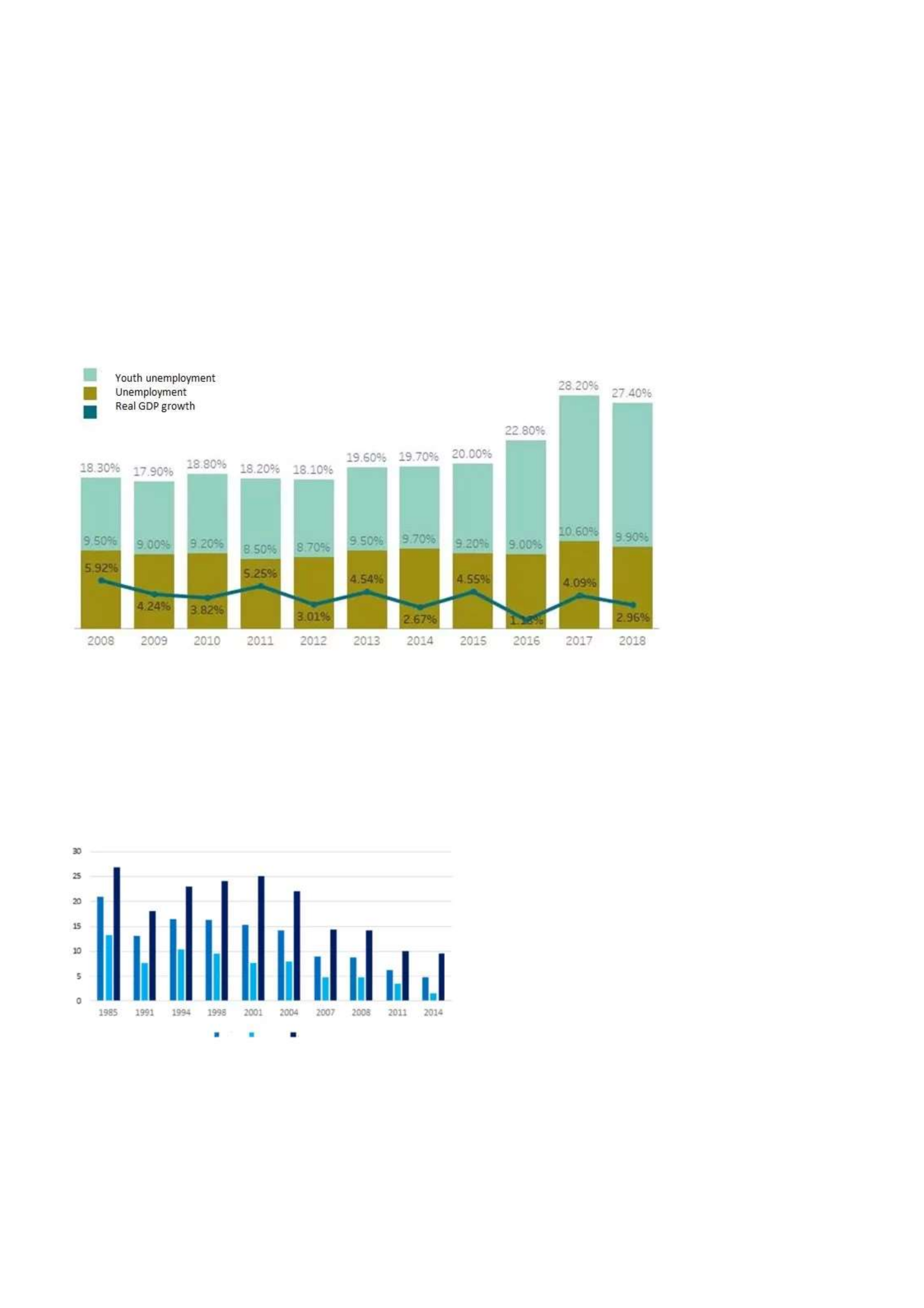
Thus, the country demonstrates evident and, to a significant extent, effective efforts to achieve meeting goals of sustainable development both in
addressing the issues of social capital growth and environmental protection. At the same time, still, problems in social inequality, gender gaps, rural
poverty, and access to quality education persist. In these conditions, it seems expedient to pay special attention to the mechanisms of public-private
partnership, which are not well developed in Morocco.
The Moroccan economy is considered to be a relatively liberal economy governed by the law of supply and demand. Since 1993, Morocco has
pursued a policy of privatizing certain sectors of the economy that were formerly in the hands of the government.
Morocco has become a major player in African economic affairs and ranks fifth among African economies in terms of GDP. The
World Economic Forum ranked Morocco as the 1st most competitive economy in North Africa in its Africa Competitiveness Report 2014-15. Since
2018, the country’s currency – the dirham – is fully convertible for current account transactions, financial sector reforms are carried out, and state
enterprises are being privatized.
There is an overall relative downward trend in unemployment in the country over the past decade. However, still, the level of youth unemployment in
2017 is 42.8%. About 80% of jobs are informal and the income gap is very large (Dadush 9). The correlation between unemployment, youth
unemployment, and growth is shown in Fig. 1 below.
Fig. 1. Correlation between unemployment, youth unemployment, and growth in Morocco, percentage change with 2012 base.
However, the labor share of GDP is the highest in the upper-middle-income sector which demonstrates the growth of a strong middle class in the
country. At the same time, social spending in Morocco is less than in neighboring countries such as Tunisia and Jordan. Thus, the progress in the
achievement of SDGs is ambiguous, although progressive development is evident. It should be noted that the country managed to decrease the
poverty rate significantly in dynamics (Fig. 2).
Total Urban Rural
Fig. 2. The Evolution of poverty rate in Morocco, 1985-2014.
There is a gradual increase in the human capital index and efforts are being made in the field of education. The dynamics of youth functional literacy
in Morocco for the period 2000-2018 is the highest among ten African countries. Net Enrollment Ratio in primary education manifested two-fold
growth since 1971 (Mansouri and Moumine 12). The duration of primary education is 6 years – this figure has not changed since 2009. The net
enrollment rate in primary education is 98.92%, which is a good value for an African country. Adult literacy is 73.75% (Sandberg and Binder 26).
Moreover, the illiterate population is concentrated in rural areas.
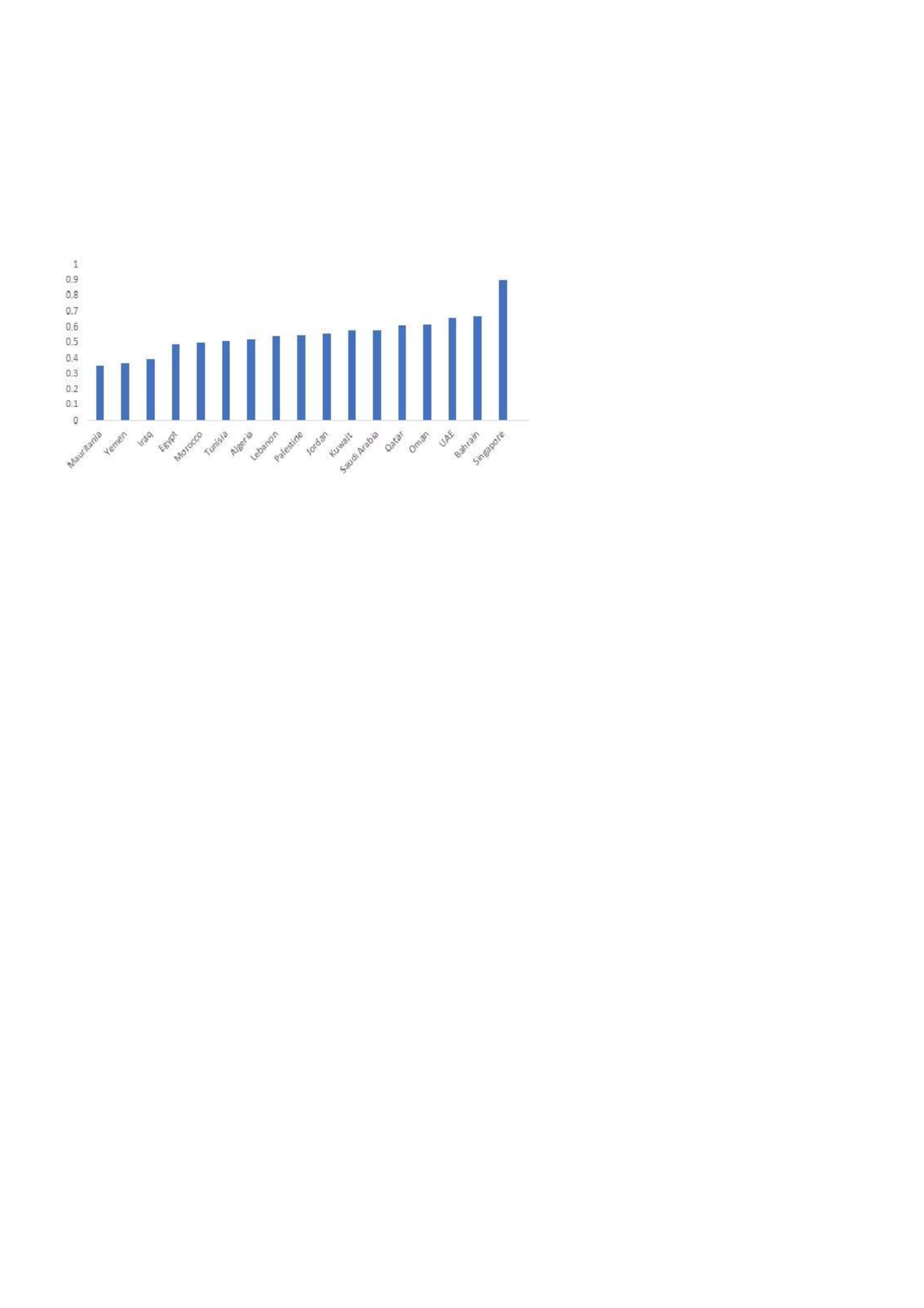
Processes of digital transformation are being observed – the ruling elite of Morocco realizes that digitalization is one of the integral mechanisms of
the global development of the national economy. It plays a critical role in attracting investment, creating jobs, modernizing the public sector, and
creating fast and efficient services for citizens. Efforts are being made to improve the digital infrastructure, strengthen the professional knowledge of
people to meet the market demand for specialists in the digital sphere.
Nevertheless, economic inequality persists – for example, the Gini index, which measures the degree to which the distribution of income or
consumption expenditures among households in the economy differs from absolute equality in distribution, was 35.70% in 2018 (UN). This is,
however, almost 10% less than in the previous year, which indicates the success of the government’s efforts to reduce inequality. According to World
Bank Human Capital Index, Morocco is ahead of Egypt and Yemen and almost on the same level as other Arab countries, being behind such rich
countries as Qatar and UAE (Fig. 3 below).
Fig. 3. The World Bank Human Capital Index, 2019.
Issues of reducing gender inequality should also be noted. Noteworthy, recent family law reforms in Morocco have strengthened women’s property
rights by equalizing the property rights of husbands and wives over property acquired during the marriage. Methods for strengthening the voice of
women in society include political representation quotas, training future women leaders, and increasing their participation in trade unions and
professional associations.
However, while the gender gap in leadership positions in corporate governance and public administration has narrowed, women, especially in rural
areas, are largely the face of poverty in Morocco. In Morocco, there are two main methods of measuring poverty, which include the “classical
approach” and the second one, which is more of a capacity-based approach. The “classical approach” uses a poverty line to statistically define the
poor. This approach quantifies the number of poor people and households but does not take into account how poor people lack basic needs such as
shelter, food, health, and education. The second approach addresses this lack of basic needs and emphasizes the multidimensional nature of poverty.
Moroccan women represent the most economically vulnerable social group in the country (Sandberg and Binder 32-39). The feminization of poverty
refers to a trend towards increasing inequality in living standards between men and women due to the widening gap in poverty between women and
men. This phenomenon is not only a consequence of a lack of income but also a result of disenfranchisement and gender bias inherent in both
societies and governments at the regional level. It encompasses the poverty of choice and opportunity, such as the ability to lead a long, healthy, and
creative life and the enjoyment of fundamental rights such as freedom, respect, and dignity. This phenomenon is largely due to the overall ratio of
total and poor population in rural areas. In Morocco, the percentage of the poor rural population is rather high in comparison with other MENA
countries (Fig. 4).
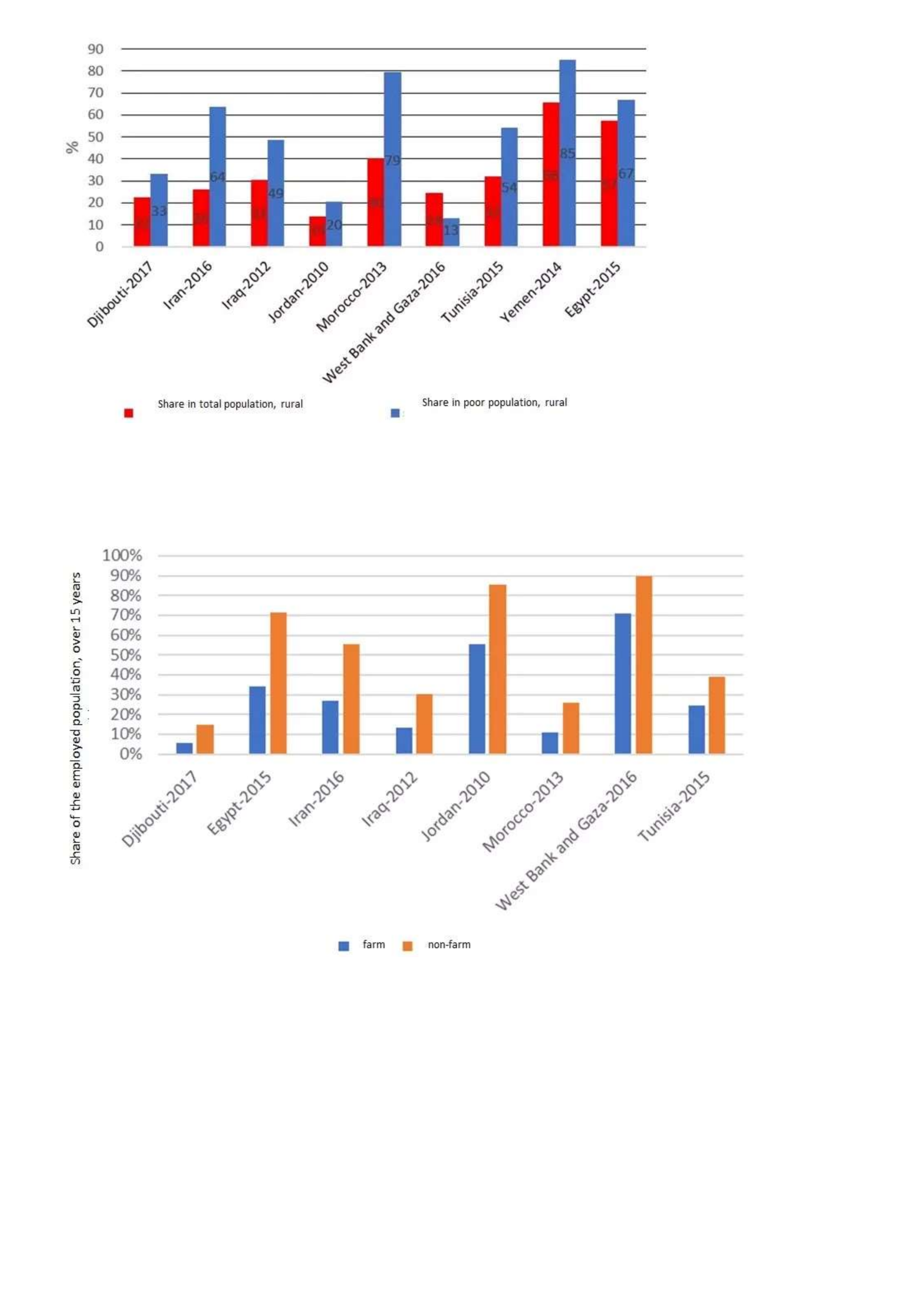
Fig. 4. Rural shares in total and poor population in selected MENA countries.
Indeed, education seems to be an important factor associated with access to rural non-farm activities – thus, the issue of rural poverty should be
addressed simultaneously with making efforts to eradicate illiteracy in rural areas. The figure below clearly shows that education represents one of
the definitive factors associated with access to rural non-farm activities.
Fig. 5. Shares of the population over 15 years old with incomplete secondary education and above among employed farm and non-farm activities in
rural areas of selected MENA countries.
The Kingdom of Morocco continues to pursue its efforts to follow up on recommendations from major United Nations development meetings and
conferences, including the Millennium Development Goals, which are included in the national development strategy. Modernization, democratization,
and economic development, as well as indicators of sustainable human development, are interdependent in promoting equal opportunities,
disseminating knowledge, and providing basic social services.
Increasingly more environmental protection programs are being implemented in the country. In particular, by supporting ecotourism, Morocco strives
to highlight its unique tangible and spiritual heritage by engaging industry professionals and regional authorities. For this, a special program has been
developed – the charter for sustainable tourism. The development of ecotourism is also supported by numerous individual projects, such as the
botanical garden of aromatic plants located near the ancient city. To date, 13 Moroccan beaches have received the Blue Flag award (Rihab 287). Many
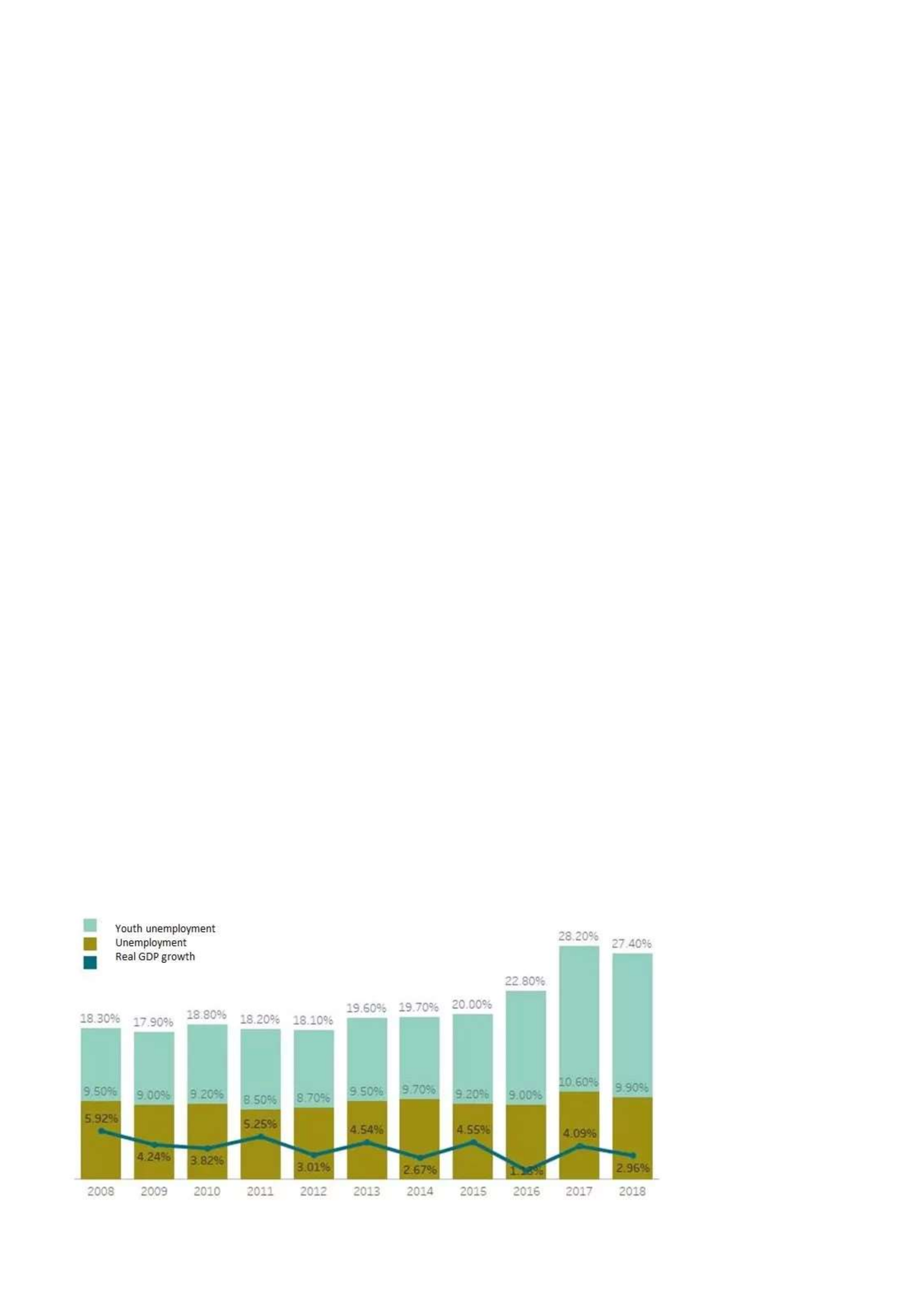
hotels and inns in the country have received the Green Key award. All this highlights the efforts of the owners of the companies in the field of
environmental protection.
The percentage of the marine protected area has increased in recent years, and on the 22nd Conference of the Parties to the United Nations
Framework Convention on Climate Change, for the first time in its history, at the request of the Moroccan government, an Action Day for the
Protection of the Oceans was organized as part of the official UNFCCC program. Efforts to combat illegal, unreported, and unregulated fishing also
should be noted. In the energy sector, Morocco stands out for the presence of the seventh-largest solar power plant in the world – in Noor. Spread
over an area of 3000 hectares (3500 football fields), the station is capable of providing energy to a city the size of two Marrakech or Prague. Located
at the entrance to the Sahara Desert, the complex saves the planet from more than 760,000 tons of carbon emissions (Mohamed et al. 193-195). The
main sectors of the economy that can support green growth are clean renewable energy, water management, agriculture and forestry, fisheries,
recycling, and waste management.
This major project primarily serves the interests of Morocco, but it is also part of a worldwide effort to expand the use of renewable energy sources.
Investment in renewable energy in Morocco grew 13 times in 2018 to $ 2.8 billion (Mohamed et al. 191). Morocco has set an ambitious goal of
generating more than half of its electricity from renewable sources by 2030. These goals, along with other climate change policies, helped make
Morocco the second best-performing country in the 2018 and 2019 Climate Change Performance Indices. Morocco ranks 64th in the world in terms of
environmental performance, ahead of most African countries (Rihab 289). The country is trying to integrate the climate change component into all
national public policies.
Separately, the degree of application of a legal, regulatory, and institutional framework that recognizes and protects access rights for small-scale
fisheries in Morocco should be noted. The country is among the leading ones in Africa by the degree of efforts in this field. For the Sahara region, the
most relevant is the efforts of the Kingdom of Morocco on control and surveillance issues, given the importance of fishing activities. Control requires
the average performance of equipment and, namely control on water and on land, which mobilizes ships, vehicles, and service personnel, equipped
with specific measurement and remote communication equipment. Indeed, control concerns all the elements: fishermen’s activities, fishing area,
fishing gear and sizes, documentation (capture declaration, logbook), unloading (market size, quota), transportation, and storage of fishing products.
Thus, the country demonstrates evident and, to a significant extent, effective efforts to achieve meeting goals of sustainable development both in
addressing the issues of social capital growth and environmental protection. At the same time, still, problems in social inequality, gender gaps, rural
poverty, and access to quality education persist. In these conditions, it seems expedient to pay special attention to the mechanisms of public-private
partnership, which are not well developed in Morocco.
The Moroccan economy is considered to be a relatively liberal economy governed by the law of supply and demand. Since 1993, Morocco has
pursued a policy of privatizing certain sectors of the economy that were formerly in the hands of the government.
Morocco has become a major player in African economic affairs and ranks fifth among African economies in terms of GDP. The
World Economic Forum ranked Morocco as the 1st most competitive economy in North Africa in its Africa Competitiveness Report 2014-15. Since
2018, the country’s currency – the dirham – is fully convertible for current account transactions, financial sector reforms are carried out, and state
enterprises are being privatized.
There is an overall relative downward trend in unemployment in the country over the past decade. However, still, the level of youth unemployment in
2017 is 42.8%. About 80% of jobs are informal and the income gap is very large (Dadush 9). The correlation between unemployment, youth
unemployment, and growth is shown in Fig. 1 below.
Fig. 1. Correlation between unemployment, youth unemployment, and growth in Morocco, percentage change with 2012 base.
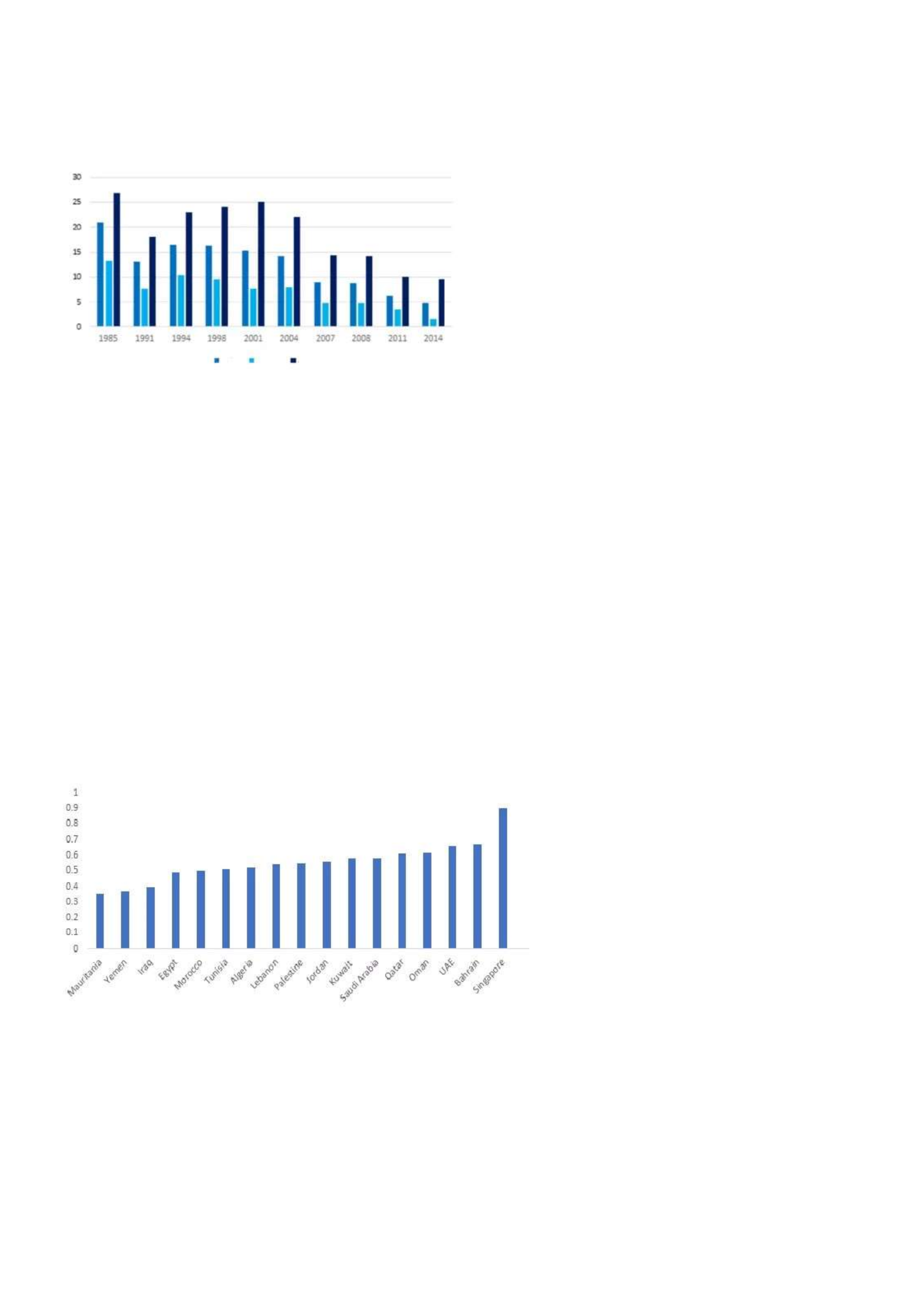
However, the labor share of GDP is the highest in the upper-middle-income sector which demonstrates the growth of a strong middle class in the
country. At the same time, social spending in Morocco is less than in neighboring countries such as Tunisia and Jordan. Thus, the progress in the
achievement of SDGs is ambiguous, although progressive development is evident. It should be noted that the country managed to decrease the
poverty rate significantly in dynamics (Fig. 2).
Total Urban Rural
Fig. 2. The Evolution of poverty rate in Morocco, 1985-2014.
There is a gradual increase in the human capital index and efforts are being made in the field of education. The dynamics of youth functional literacy
in Morocco for the period 2000-2018 is the highest among ten African countries. Net Enrollment Ratio in primary education manifested two-fold
growth since 1971 (Mansouri and Moumine 12). The duration of primary education is 6 years – this figure has not changed since 2009. The net
enrollment rate in primary education is 98.92%, which is a good value for an African country. Adult literacy is 73.75% (Sandberg and Binder 26).
Moreover, the illiterate population is concentrated in rural areas.
Processes of digital transformation are being observed – the ruling elite of Morocco realizes that digitalization is one of the integral mechanisms of
the global development of the national economy. It plays a critical role in attracting investment, creating jobs, modernizing the public sector, and
creating fast and efficient services for citizens. Efforts are being made to improve the digital infrastructure, strengthen the professional knowledge of
people to meet the market demand for specialists in the digital sphere.
Nevertheless, economic inequality persists – for example, the Gini index, which measures the degree to which the distribution of income or
consumption expenditures among households in the economy differs from absolute equality in distribution, was 35.70% in 2018 (UN). This is,
however, almost 10% less than in the previous year, which indicates the success of the government’s efforts to reduce inequality. According to World
Bank Human Capital Index, Morocco is ahead of Egypt and Yemen and almost on the same level as other Arab countries, being behind such rich
countries as Qatar and UAE (Fig. 3 below).
Fig. 3. The World Bank Human Capital Index, 2019.
Issues of reducing gender inequality should also be noted. Noteworthy, recent family law reforms in Morocco have strengthened women’s property
rights by equalizing the property rights of husbands and wives over property acquired during the marriage. Methods for strengthening the voice of
women in society include political representation quotas, training future women leaders, and increasing their participation in trade unions and
professional associations.
However, while the gender gap in leadership positions in corporate governance and public administration has narrowed, women, especially in rural
areas, are largely the face of poverty in Morocco. In Morocco, there are two main methods of measuring poverty, which include the “classical
approach” and the second one, which is more of a capacity-based approach. The “classical approach” uses a poverty line to statistically define the
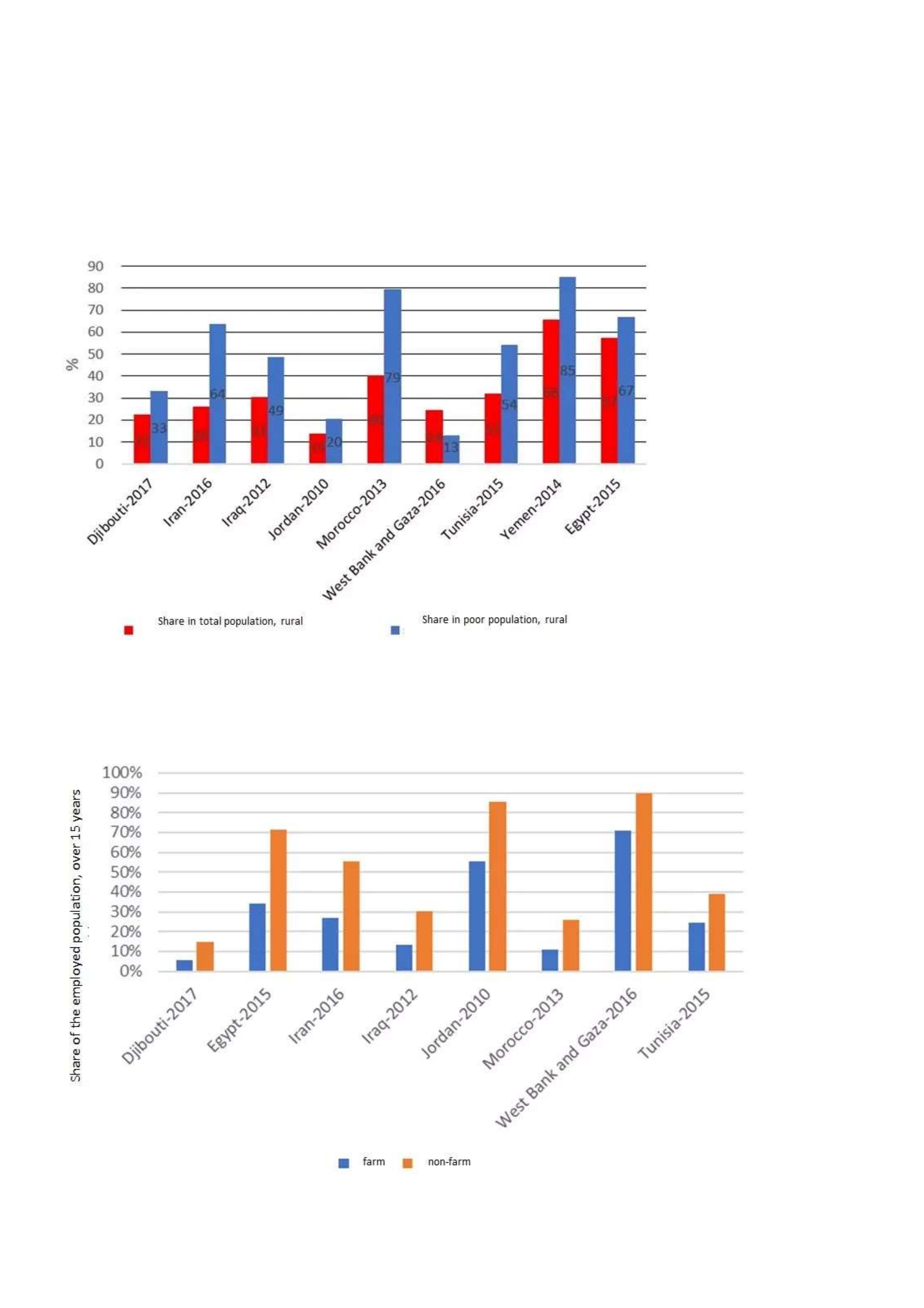
poor. This approach quantifies the number of poor people and households but does not take into account how poor people lack basic needs such as
shelter, food, health, and education. The second approach addresses this lack of basic needs and emphasizes the multidimensional nature of poverty.
Moroccan women represent the most economically vulnerable social group in the country (Sandberg and Binder 32-39). The feminization of poverty
refers to a trend towards increasing inequality in living standards between men and women due to the widening gap in poverty between women and
men. This phenomenon is not only a consequence of a lack of income but also a result of disenfranchisement and gender bias inherent in both
societies and governments at the regional level. It encompasses the poverty of choice and opportunity, such as the ability to lead a long, healthy, and
creative life and the enjoyment of fundamental rights such as freedom, respect, and dignity. This phenomenon is largely due to the overall ratio of
total and poor population in rural areas. In Morocco, the percentage of the poor rural population is rather high in comparison with other MENA
countries (Fig. 4).
Fig. 4. Rural shares in total and poor population in selected MENA countries.
Indeed, education seems to be an important factor associated with access to rural non-farm activities – thus, the issue of rural poverty should be
addressed simultaneously with making efforts to eradicate illiteracy in rural areas. The figure below clearly shows that education represents one of
the definitive factors associated with access to rural non-farm activities.
Fig. 5. Shares of the population over 15 years old with incomplete secondary education and above among employed farm and non-farm activities in
rural areas of selected MENA countries.

The Kingdom of Morocco continues to pursue its efforts to follow up on recommendations from major United Nations development meetings and
conferences, including the Millennium Development Goals, which are included in the national development strategy. Modernization, democratization,
and economic development, as well as indicators of sustainable human development, are interdependent in promoting equal opportunities,
disseminating knowledge, and providing basic social services.
Increasingly more environmental protection programs are being implemented in the country. In particular, by supporting ecotourism, Morocco strives
to highlight its unique tangible and spiritual heritage by engaging industry professionals and regional authorities. For this, a special program has been
developed – the charter for sustainable tourism. The development of ecotourism is also supported by numerous individual projects, such as the
botanical garden of aromatic plants located near the ancient city. To date, 13 Moroccan beaches have received the Blue Flag award (Rihab 287). Many
hotels and inns in the country have received the Green Key award. All this highlights the efforts of the owners of the companies in the field of
environmental protection.
The percentage of the marine protected area has increased in recent years, and on the 22nd Conference of the Parties to the United Nations
Framework Convention on Climate Change, for the first time in its history, at the request of the Moroccan government, an Action Day for the
Protection of the Oceans was organized as part of the official UNFCCC program. Efforts to combat illegal, unreported, and unregulated fishing also
should be noted. In the energy sector, Morocco stands out for the presence of the seventh-largest solar power plant in the world – in Noor. Spread
over an area of 3000 hectares (3500 football fields), the station is capable of providing energy to a city the size of two Marrakech or Prague. Located
at the entrance to the Sahara Desert, the complex saves the planet from more than 760,000 tons of carbon emissions (Mohamed et al. 193-195). The
main sectors of the economy that can support green growth are clean renewable energy, water management, agriculture and forestry, fisheries,
recycling, and waste management.
This major project primarily serves the interests of Morocco, but it is also part of a worldwide effort to expand the use of renewable energy sources.
Investment in renewable energy in Morocco grew 13 times in 2018 to $ 2.8 billion (Mohamed et al. 191). Morocco has set an ambitious goal of
generating more than half of its electricity from renewable sources by 2030. These goals, along with other climate change policies, helped make
Morocco the second best-performing country in the 2018 and 2019 Climate Change Performance Indices. Morocco ranks 64th in the world in terms of
environmental performance, ahead of most African countries (Rihab 289). The country is trying to integrate the climate change component into all
national public policies.
Separately, the degree of application of a legal, regulatory, and institutional framework that recognizes and protects access rights for small-scale
fisheries in Morocco should be noted. The country is among the leading ones in Africa by the degree of efforts in this field. For the Sahara region, the
most relevant is the efforts of the Kingdom of Morocco on control and surveillance issues, given the importance of fishing activities. Control requires
the average performance of equipment and, namely control on water and on land, which mobilizes ships, vehicles, and service personnel, equipped
with specific measurement and remote communication equipment. Indeed, control concerns all the elements: fishermen’s activities, fishing area,
fishing gear and sizes, documentation (capture declaration, logbook), unloading (market size, quota), transportation, and storage of fishing products.
Thus, the country demonstrates evident and, to a significant extent, effective efforts to achieve meeting goals of sustainable development both in
addressing the issues of social capital growth and environmental protection. At the same time, still, problems in social inequality, gender gaps, rural
poverty, and access to quality education persist. In these conditions, it seems expedient to pay special attention to the mechanisms of public-private
partnership, which are not well developed in Morocco.
The Moroccan economy is considered to be a relatively liberal economy governed by the law of supply and demand. Since 1993, Morocco has
pursued a policy of privatizing certain sectors of the economy that were formerly in the hands of the government.
Morocco has become a major player in African economic affairs and ranks fifth among African economies in terms of GDP. The
World Economic Forum ranked Morocco as the 1st most competitive economy in North Africa in its Africa Competitiveness Report 2014-15. Since
2018, the country’s currency – the dirham – is fully convertible for current account transactions, financial sector reforms are carried out, and state
enterprises are being privatized.
There is an overall relative downward trend in unemployment in the country over the past decade. However, still, the level of youth unemployment in
2017 is 42.8%. About 80% of jobs are informal and the income gap is very large (Dadush 9). The correlation between unemployment, youth
unemployment, and growth is shown in Fig. 1 below.
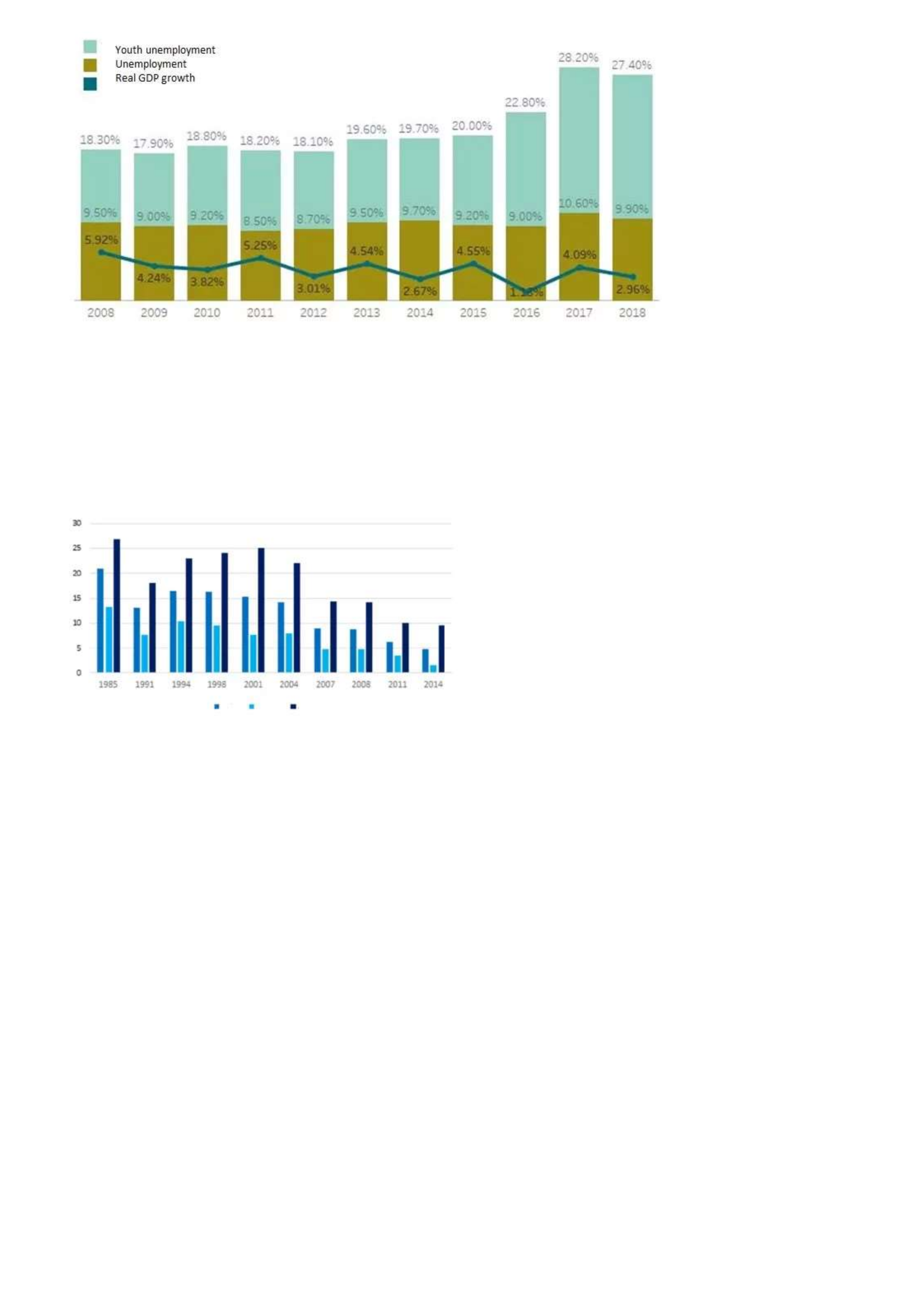
Fig. 1. Correlation between unemployment, youth unemployment, and growth in Morocco, percentage change with 2012 base.
However, the labor share of GDP is the highest in the upper-middle-income sector which demonstrates the growth of a strong middle class in the
country. At the same time, social spending in Morocco is less than in neighboring countries such as Tunisia and Jordan. Thus, the progress in the
achievement of SDGs is ambiguous, although progressive development is evident. It should be noted that the country managed to decrease the
poverty rate significantly in dynamics (Fig. 2).
Total Urban Rural
Fig. 2. The Evolution of poverty rate in Morocco, 1985-2014.
There is a gradual increase in the human capital index and efforts are being made in the field of education. The dynamics of youth functional literacy
in Morocco for the period 2000-2018 is the highest among ten African countries. Net Enrollment Ratio in primary education manifested two-fold
growth since 1971 (Mansouri and Moumine 12). The duration of primary education is 6 years – this figure has not changed since 2009. The net
enrollment rate in primary education is 98.92%, which is a good value for an African country. Adult literacy is 73.75% (Sandberg and Binder 26).
Moreover, the illiterate population is concentrated in rural areas.
Processes of digital transformation are being observed – the ruling elite of Morocco realizes that digitalization is one of the integral mechanisms of
the global development of the national economy. It plays a critical role in attracting investment, creating jobs, modernizing the public sector, and
creating fast and efficient services for citizens. Efforts are being made to improve the digital infrastructure, strengthen the professional knowledge of
people to meet the market demand for specialists in the digital sphere.
Nevertheless, economic inequality persists – for example, the Gini index, which measures the degree to which the distribution of income or
consumption expenditures among households in the economy differs from absolute equality in distribution, was 35.70% in 2018 (UN). This is,
however, almost 10% less than in the previous year, which indicates the success of the government’s efforts to reduce inequality. According to World
Bank Human Capital Index, Morocco is ahead of Egypt and Yemen and almost on the same level as other Arab countries, being behind such rich
countries as Qatar and UAE (Fig. 3 below).
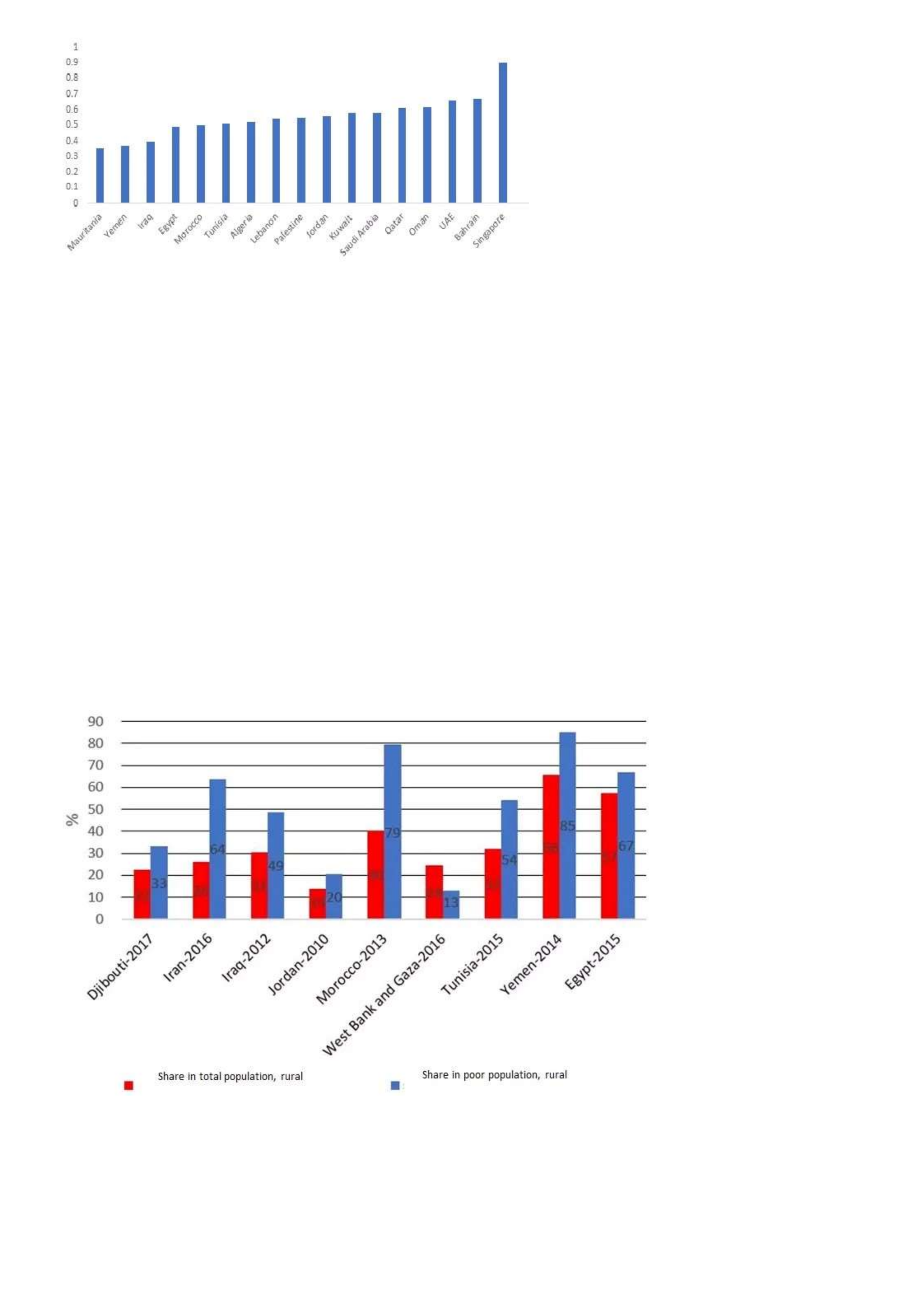
Fig. 3. The World Bank Human Capital Index, 2019.
Issues of reducing gender inequality should also be noted. Noteworthy, recent family law reforms in Morocco have strengthened women’s property
rights by equalizing the property rights of husbands and wives over property acquired during the marriage. Methods for strengthening the voice of
women in society include political representation quotas, training future women leaders, and increasing their participation in trade unions and
professional associations.
However, while the gender gap in leadership positions in corporate governance and public administration has narrowed, women, especially in rural
areas, are largely the face of poverty in Morocco. In Morocco, there are two main methods of measuring poverty, which include the “classical
approach” and the second one, which is more of a capacity-based approach. The “classical approach” uses a poverty line to statistically define the
poor. This approach quantifies the number of poor people and households but does not take into account how poor people lack basic needs such as
shelter, food, health, and education. The second approach addresses this lack of basic needs and emphasizes the multidimensional nature of poverty.
Moroccan women represent the most economically vulnerable social group in the country (Sandberg and Binder 32-39). The feminization of poverty
refers to a trend towards increasing inequality in living standards between men and women due to the widening gap in poverty between women and
men. This phenomenon is not only a consequence of a lack of income but also a result of disenfranchisement and gender bias inherent in both
societies and governments at the regional level. It encompasses the poverty of choice and opportunity, such as the ability to lead a long, healthy, and
creative life and the enjoyment of fundamental rights such as freedom, respect, and dignity. This phenomenon is largely due to the overall ratio of
total and poor population in rural areas. In Morocco, the percentage of the poor rural population is rather high in comparison with other MENA
countries (Fig. 4).
Fig. 4. Rural shares in total and poor population in selected MENA countries.
Indeed, education seems to be an important factor associated with access to rural non-farm activities – thus, the issue of rural poverty should be
addressed simultaneously with making efforts to eradicate illiteracy in rural areas. The figure below clearly shows that education represents one of
the definitive factors associated with access to rural non-farm activities.
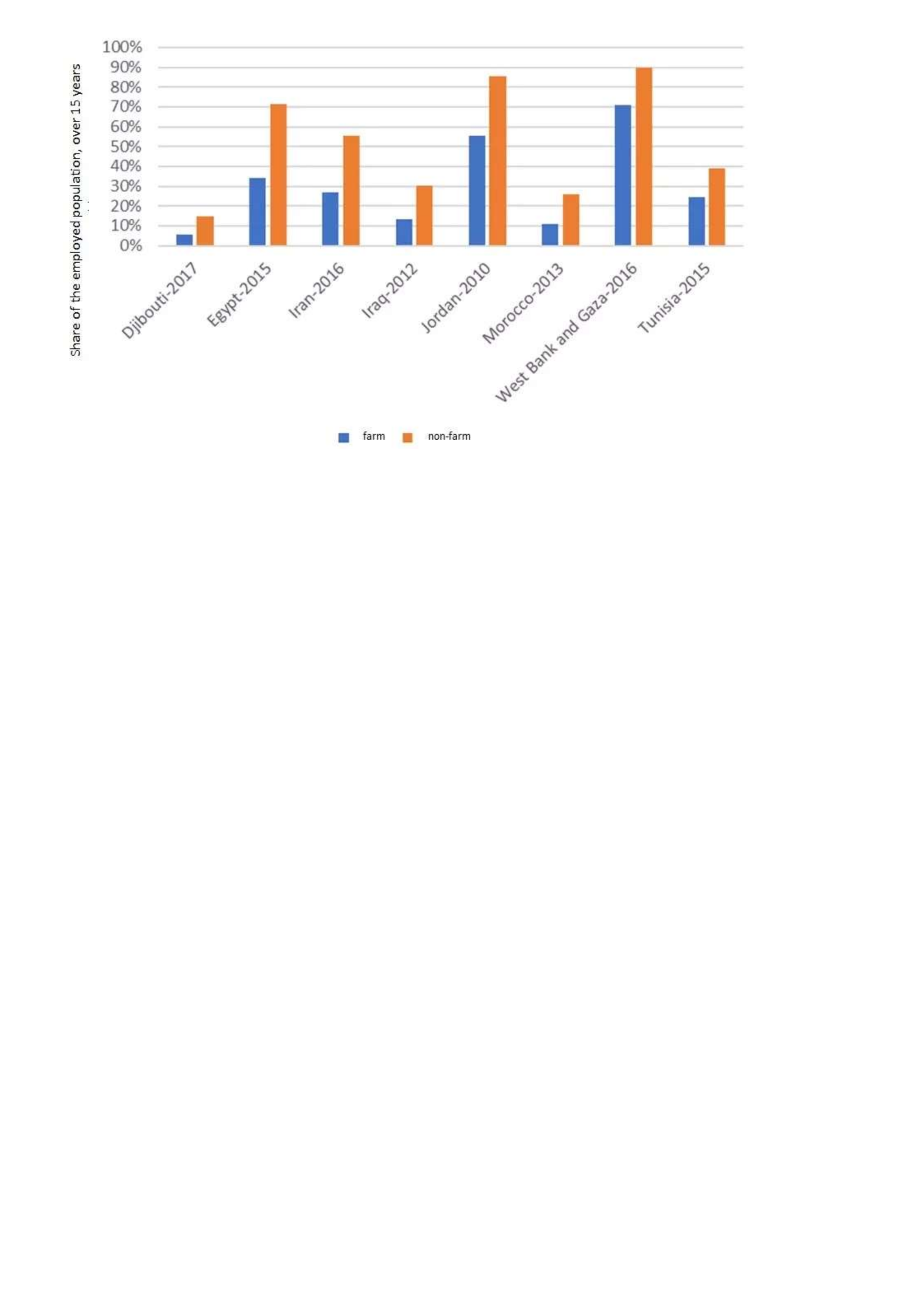
Fig. 5. Shares of the population over 15 years old with incomplete secondary education and above among employed farm and non-farm activities in
rural areas of selected MENA countries.
The Kingdom of Morocco continues to pursue its efforts to follow up on recommendations from major United Nations development meetings and
conferences, including the Millennium Development Goals, which are included in the national development strategy. Modernization, democratization,
and economic development, as well as indicators of sustainable human development, are interdependent in promoting equal opportunities,
disseminating knowledge, and providing basic social services.
Increasingly more environmental protection programs are being implemented in the country. In particular, by supporting ecotourism, Morocco strives
to highlight its unique tangible and spiritual heritage by engaging industry professionals and regional authorities. For this, a special program has been
developed – the charter for sustainable tourism. The development of ecotourism is also supported by numerous individual projects, such as the
botanical garden of aromatic plants located near the ancient city. To date, 13 Moroccan beaches have received the Blue Flag award (Rihab 287). Many
hotels and inns in the country have received the Green Key award. All this highlights the efforts of the owners of the companies in the field of
environmental protection.
The percentage of the marine protected area has increased in recent years, and on the 22nd Conference of the Parties to the United Nations
Framework Convention on Climate Change, for the first time in its history, at the request of the Moroccan government, an Action Day for the
Protection of the Oceans was organized as part of the official UNFCCC program. Efforts to combat illegal, unreported, and unregulated fishing also
should be noted. In the energy sector, Morocco stands out for the presence of the seventh-largest solar power plant in the world – in Noor. Spread
over an area of 3000 hectares (3500 football fields), the station is capable of providing energy to a city the size of two Marrakech or Prague. Located
at the entrance to the Sahara Desert, the complex saves the planet from more than 760,000 tons of carbon emissions (Mohamed et al. 193-195). The
main sectors of the economy that can support green growth are clean renewable energy, water management, agriculture and forestry, fisheries,
recycling, and waste management.
This major project primarily serves the interests of Morocco, but it is also part of a worldwide effort to expand the use of renewable energy sources.
Investment in renewable energy in Morocco grew 13 times in 2018 to $ 2.8 billion (Mohamed et al. 191). Morocco has set an ambitious goal of
generating more than half of its electricity from renewable sources by 2030. These goals, along with other climate change policies, helped make
Morocco the second best-performing country in the 2018 and 2019 Climate Change Performance Indices. Morocco ranks 64th in the world in terms of
environmental performance, ahead of most African countries (Rihab 289). The country is trying to integrate the climate change component into all
national public policies.
Separately, the degree of application of a legal, regulatory, and institutional framework that recognizes and protects access rights for small-scale
fisheries in Morocco should be noted. The country is among the leading ones in Africa by the degree of efforts in this field. For the Sahara region, the
most relevant is the efforts of the Kingdom of Morocco on control and surveillance issues, given the importance of fishing activities. Control requires
the average performance of equipment and, namely control on water and on land, which mobilizes ships, vehicles, and service personnel, equipped
with specific measurement and remote communication equipment. Indeed, control concerns all the elements: fishermen’s activities, fishing area,
fishing gear and sizes, documentation (capture declaration, logbook), unloading (market size, quota), transportation, and storage of fishing products.
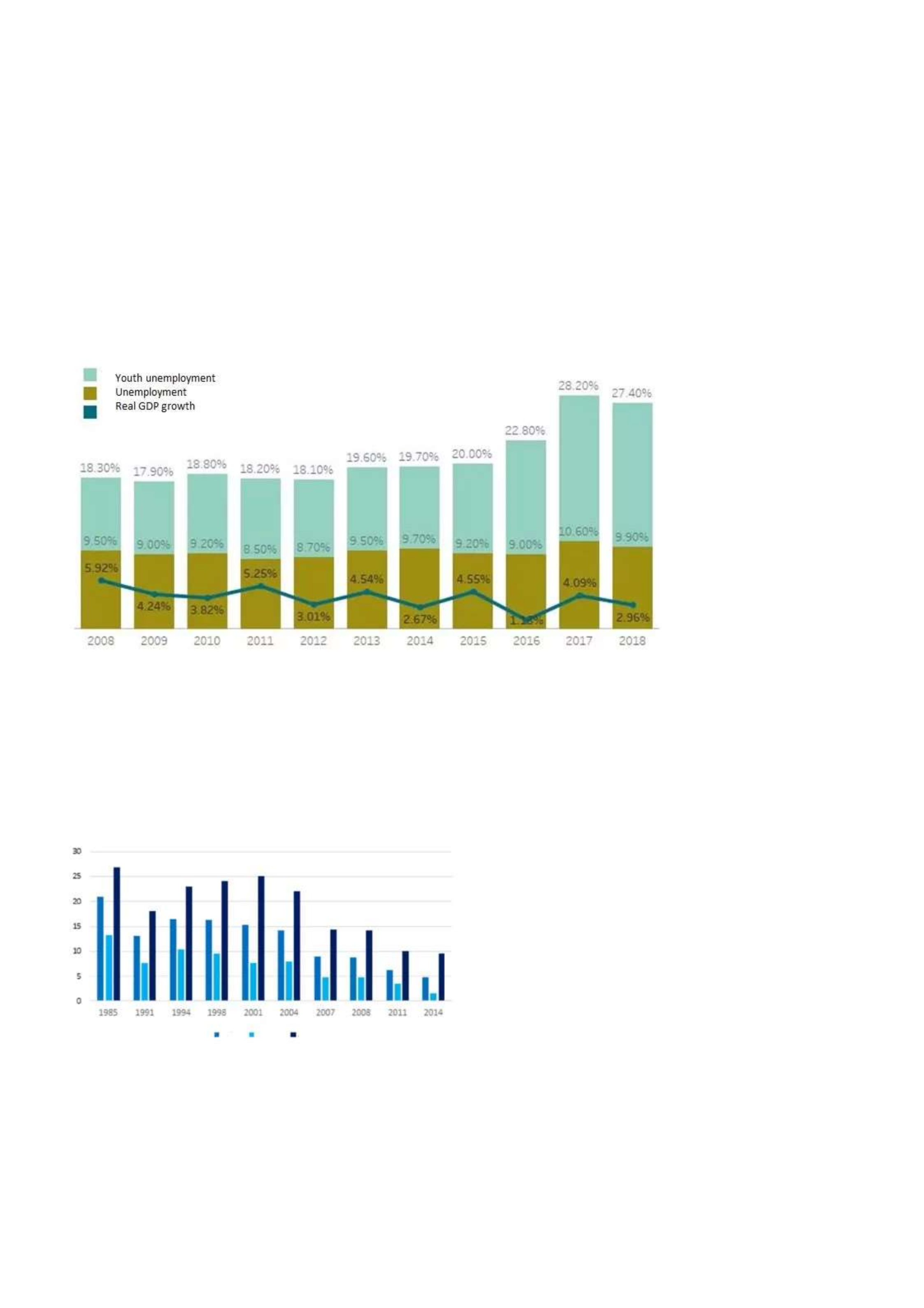
Thus, the country demonstrates evident and, to a significant extent, effective efforts to achieve meeting goals of sustainable development both in
addressing the issues of social capital growth and environmental protection. At the same time, still, problems in social inequality, gender gaps, rural
poverty, and access to quality education persist. In these conditions, it seems expedient to pay special attention to the mechanisms of public-private
partnership, which are not well developed in Morocco.
The Moroccan economy is considered to be a relatively liberal economy governed by the law of supply and demand. Since 1993, Morocco has
pursued a policy of privatizing certain sectors of the economy that were formerly in the hands of the government.
Morocco has become a major player in African economic affairs and ranks fifth among African economies in terms of GDP. The
World Economic Forum ranked Morocco as the 1st most competitive economy in North Africa in its Africa Competitiveness Report 2014-15. Since
2018, the country’s currency – the dirham – is fully convertible for current account transactions, financial sector reforms are carried out, and state
enterprises are being privatized.
There is an overall relative downward trend in unemployment in the country over the past decade. However, still, the level of youth unemployment in
2017 is 42.8%. About 80% of jobs are informal and the income gap is very large (Dadush 9). The correlation between unemployment, youth
unemployment, and growth is shown in Fig. 1 below.
Fig. 1. Correlation between unemployment, youth unemployment, and growth in Morocco, percentage change with 2012 base.
However, the labor share of GDP is the highest in the upper-middle-income sector which demonstrates the growth of a strong middle class in the
country. At the same time, social spending in Morocco is less than in neighboring countries such as Tunisia and Jordan. Thus, the progress in the
achievement of SDGs is ambiguous, although progressive development is evident. It should be noted that the country managed to decrease the
poverty rate significantly in dynamics (Fig. 2).
Total Urban Rural
Fig. 2. The Evolution of poverty rate in Morocco, 1985-2014.
There is a gradual increase in the human capital index and efforts are being made in the field of education. The dynamics of youth functional literacy
in Morocco for the period 2000-2018 is the highest among ten African countries. Net Enrollment Ratio in primary education manifested two-fold
growth since 1971 (Mansouri and Moumine 12). The duration of primary education is 6 years – this figure has not changed since 2009. The net
enrollment rate in primary education is 98.92%, which is a good value for an African country. Adult literacy is 73.75% (Sandberg and Binder 26).
Moreover, the illiterate population is concentrated in rural areas.
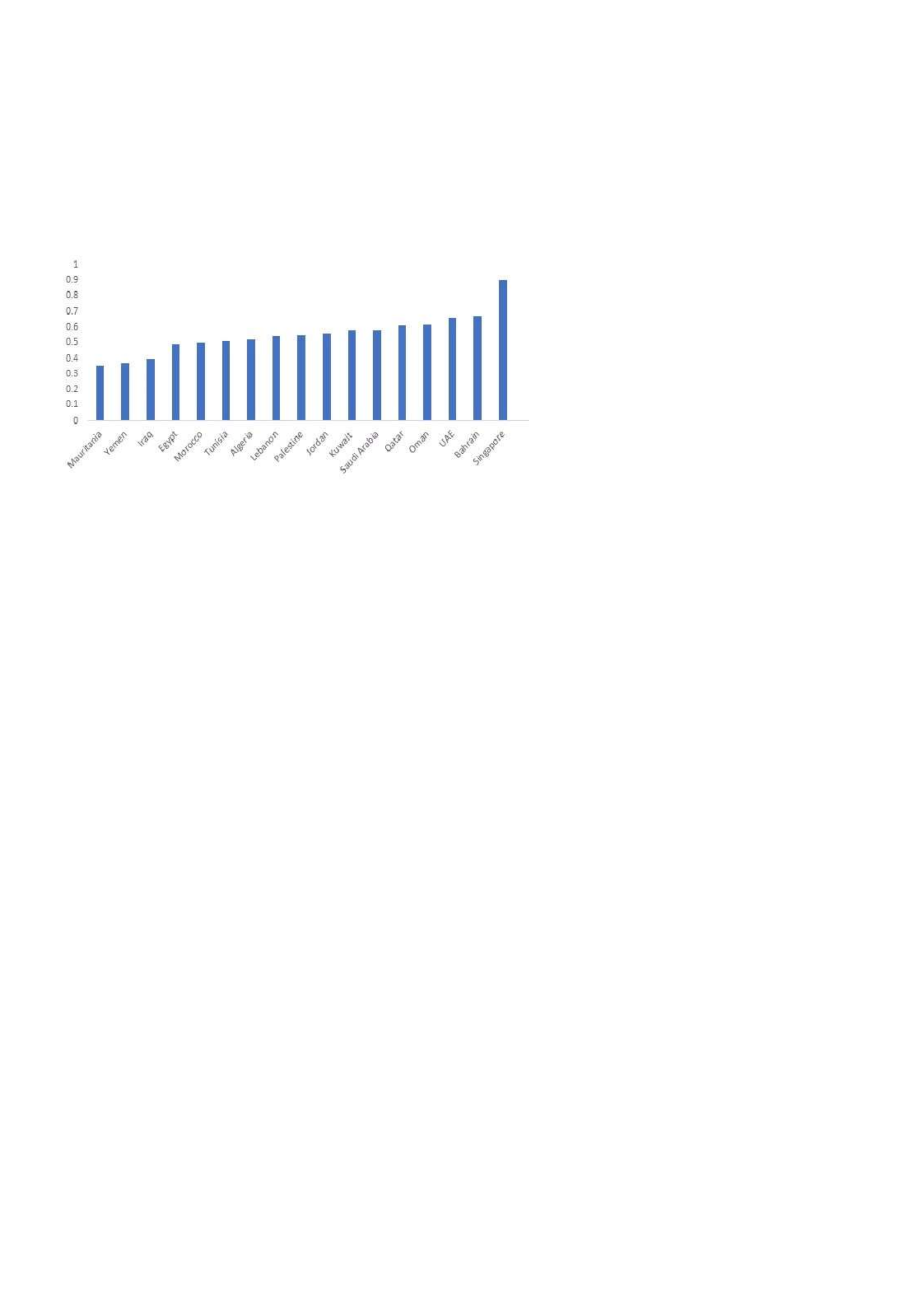
Processes of digital transformation are being observed – the ruling elite of Morocco realizes that digitalization is one of the integral mechanisms of
the global development of the national economy. It plays a critical role in attracting investment, creating jobs, modernizing the public sector, and
creating fast and efficient services for citizens. Efforts are being made to improve the digital infrastructure, strengthen the professional knowledge of
people to meet the market demand for specialists in the digital sphere.
Nevertheless, economic inequality persists – for example, the Gini index, which measures the degree to which the distribution of income or
consumption expenditures among households in the economy differs from absolute equality in distribution, was 35.70% in 2018 (UN). This is,
however, almost 10% less than in the previous year, which indicates the success of the government’s efforts to reduce inequality. According to World
Bank Human Capital Index, Morocco is ahead of Egypt and Yemen and almost on the same level as other Arab countries, being behind such rich
countries as Qatar and UAE (Fig. 3 below).
Fig. 3. The World Bank Human Capital Index, 2019.
Issues of reducing gender inequality should also be noted. Noteworthy, recent family law reforms in Morocco have strengthened women’s property
rights by equalizing the property rights of husbands and wives over property acquired during the marriage. Methods for strengthening the voice of
women in society include political representation quotas, training future women leaders, and increasing their participation in trade unions and
professional associations.
However, while the gender gap in leadership positions in corporate governance and public administration has narrowed, women, especially in rural
areas, are largely the face of poverty in Morocco. In Morocco, there are two main methods of measuring poverty, which include the “classical
approach” and the second one, which is more of a capacity-based approach. The “classical approach” uses a poverty line to statistically define the
poor. This approach quantifies the number of poor people and households but does not take into account how poor people lack basic needs such as
shelter, food, health, and education. The second approach addresses this lack of basic needs and emphasizes the multidimensional nature of poverty.
Moroccan women represent the most economically vulnerable social group in the country (Sandberg and Binder 32-39). The feminization of poverty
refers to a trend towards increasing inequality in living standards between men and women due to the widening gap in poverty between women and
men. This phenomenon is not only a consequence of a lack of income but also a result of disenfranchisement and gender bias inherent in both
societies and governments at the regional level. It encompasses the poverty of choice and opportunity, such as the ability to lead a long, healthy, and
creative life and the enjoyment of fundamental rights such as freedom, respect, and dignity. This phenomenon is largely due to the overall ratio of
total and poor population in rural areas. In Morocco, the percentage of the poor rural population is rather high in comparison with other MENA
countries (Fig. 4).
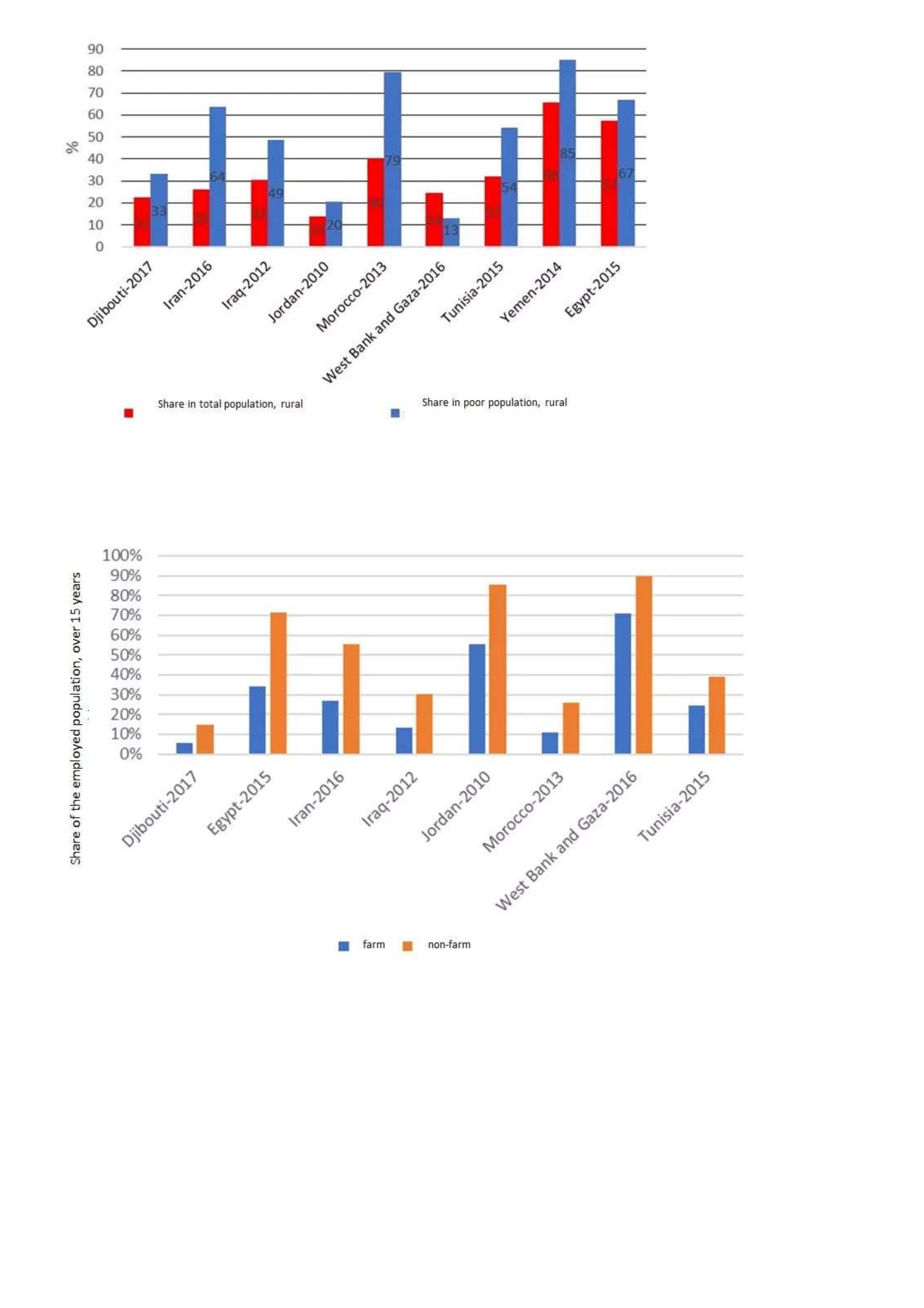
Fig. 4. Rural shares in total and poor population in selected MENA countries.
Indeed, education seems to be an important factor associated with access to rural non-farm activities – thus, the issue of rural poverty should be
addressed simultaneously with making efforts to eradicate illiteracy in rural areas. The figure below clearly shows that education represents one of
the definitive factors associated with access to rural non-farm activities.
Fig. 5. Shares of the population over 15 years old with incomplete secondary education and above among employed farm and non-farm activities in
rural areas of selected MENA countries.
The Kingdom of Morocco continues to pursue its efforts to follow up on recommendations from major United Nations development meetings and
conferences, including the Millennium Development Goals, which are included in the national development strategy. Modernization, democratization,
and economic development, as well as indicators of sustainable human development, are interdependent in promoting equal opportunities,
disseminating knowledge, and providing basic social services.
Increasingly more environmental protection programs are being implemented in the country. In particular, by supporting ecotourism, Morocco strives
to highlight its unique tangible and spiritual heritage by engaging industry professionals and regional authorities. For this, a special program has been
developed – the charter for sustainable tourism. The development of ecotourism is also supported by numerous individual projects, such as the
botanical garden of aromatic plants located near the ancient city. To date, 13 Moroccan beaches have received the Blue Flag award (Rihab 287). Many
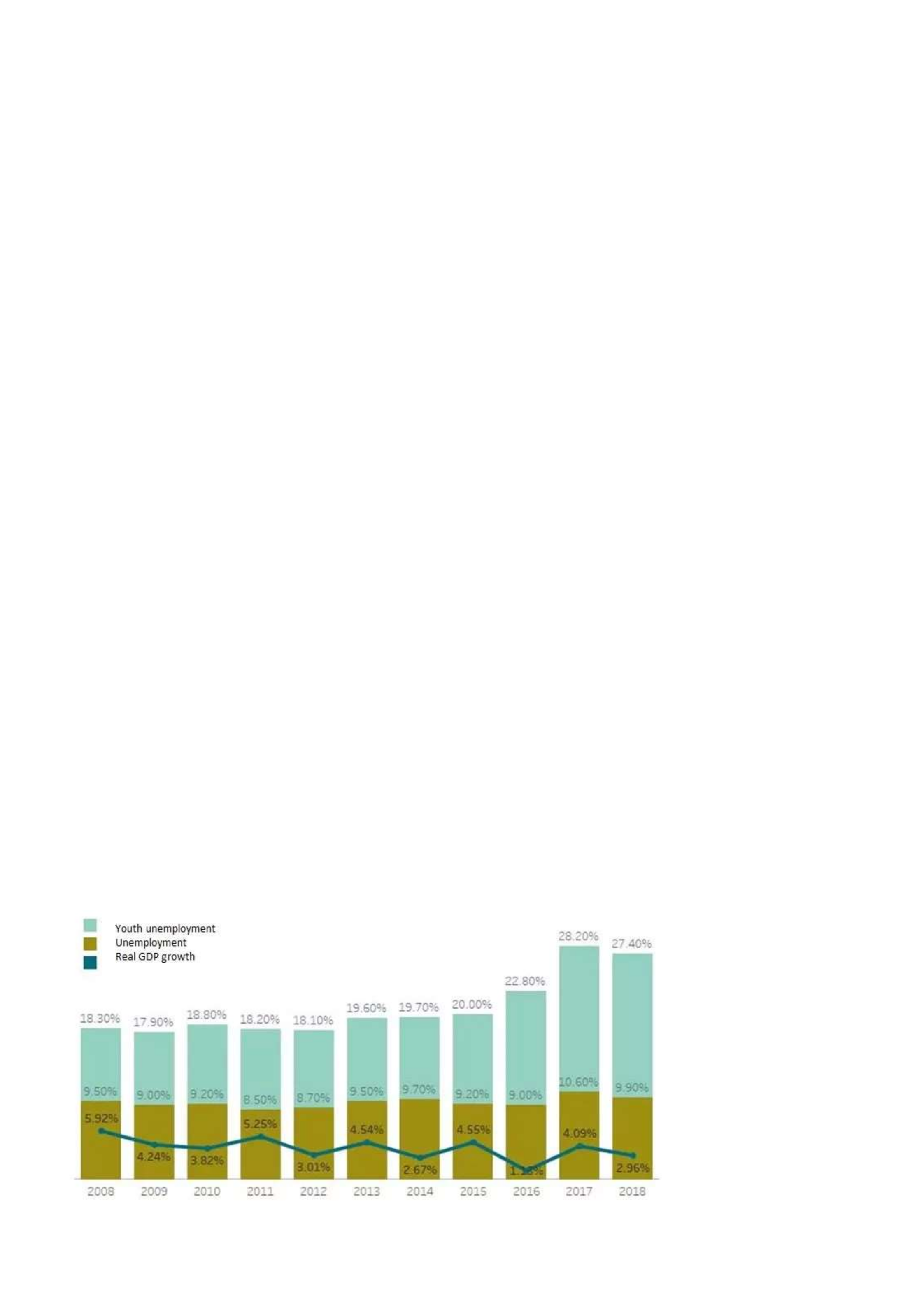
hotels and inns in the country have received the Green Key award. All this highlights the efforts of the owners of the companies in the field of
environmental protection.
The percentage of the marine protected area has increased in recent years, and on the 22nd Conference of the Parties to the United Nations
Framework Convention on Climate Change, for the first time in its history, at the request of the Moroccan government, an Action Day for the
Protection of the Oceans was organized as part of the official UNFCCC program. Efforts to combat illegal, unreported, and unregulated fishing also
should be noted. In the energy sector, Morocco stands out for the presence of the seventh-largest solar power plant in the world – in Noor. Spread
over an area of 3000 hectares (3500 football fields), the station is capable of providing energy to a city the size of two Marrakech or Prague. Located
at the entrance to the Sahara Desert, the complex saves the planet from more than 760,000 tons of carbon emissions (Mohamed et al. 193-195). The
main sectors of the economy that can support green growth are clean renewable energy, water management, agriculture and forestry, fisheries,
recycling, and waste management.
This major project primarily serves the interests of Morocco, but it is also part of a worldwide effort to expand the use of renewable energy sources.
Investment in renewable energy in Morocco grew 13 times in 2018 to $ 2.8 billion (Mohamed et al. 191). Morocco has set an ambitious goal of
generating more than half of its electricity from renewable sources by 2030. These goals, along with other climate change policies, helped make
Morocco the second best-performing country in the 2018 and 2019 Climate Change Performance Indices. Morocco ranks 64th in the world in terms of
environmental performance, ahead of most African countries (Rihab 289). The country is trying to integrate the climate change component into all
national public policies.
Separately, the degree of application of a legal, regulatory, and institutional framework that recognizes and protects access rights for small-scale
fisheries in Morocco should be noted. The country is among the leading ones in Africa by the degree of efforts in this field. For the Sahara region, the
most relevant is the efforts of the Kingdom of Morocco on control and surveillance issues, given the importance of fishing activities. Control requires
the average performance of equipment and, namely control on water and on land, which mobilizes ships, vehicles, and service personnel, equipped
with specific measurement and remote communication equipment. Indeed, control concerns all the elements: fishermen’s activities, fishing area,
fishing gear and sizes, documentation (capture declaration, logbook), unloading (market size, quota), transportation, and storage of fishing products.
Thus, the country demonstrates evident and, to a significant extent, effective efforts to achieve meeting goals of sustainable development both in
addressing the issues of social capital growth and environmental protection. At the same time, still, problems in social inequality, gender gaps, rural
poverty, and access to quality education persist. In these conditions, it seems expedient to pay special attention to the mechanisms of public-private
partnership, which are not well developed in Morocco.
The Moroccan economy is considered to be a relatively liberal economy governed by the law of supply and demand. Since 1993, Morocco has
pursued a policy of privatizing certain sectors of the economy that were formerly in the hands of the government.
Morocco has become a major player in African economic affairs and ranks fifth among African economies in terms of GDP. The
World Economic Forum ranked Morocco as the 1st most competitive economy in North Africa in its Africa Competitiveness Report 2014-15. Since
2018, the country’s currency – the dirham – is fully convertible for current account transactions, financial sector reforms are carried out, and state
enterprises are being privatized.
There is an overall relative downward trend in unemployment in the country over the past decade. However, still, the level of youth unemployment in
2017 is 42.8%. About 80% of jobs are informal and the income gap is very large (Dadush 9). The correlation between unemployment, youth
unemployment, and growth is shown in Fig. 1 below.
Fig. 1. Correlation between unemployment, youth unemployment, and growth in Morocco, percentage change with 2012 base.
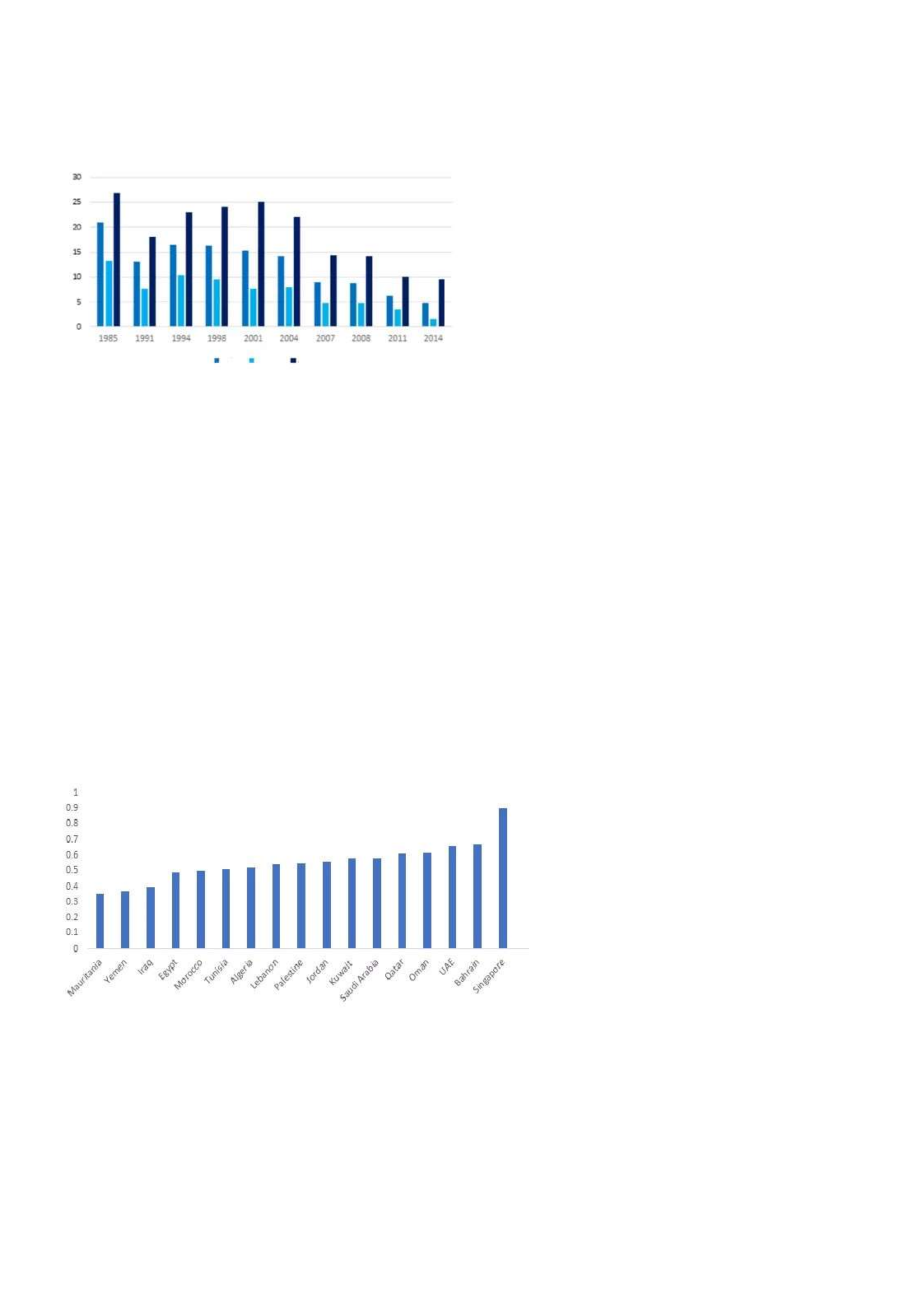
However, the labor share of GDP is the highest in the upper-middle-income sector which demonstrates the growth of a strong middle class in the
country. At the same time, social spending in Morocco is less than in neighboring countries such as Tunisia and Jordan. Thus, the progress in the
achievement of SDGs is ambiguous, although progressive development is evident. It should be noted that the country managed to decrease the
poverty rate significantly in dynamics (Fig. 2).
Total Urban Rural
Fig. 2. The Evolution of poverty rate in Morocco, 1985-2014.
There is a gradual increase in the human capital index and efforts are being made in the field of education. The dynamics of youth functional literacy
in Morocco for the period 2000-2018 is the highest among ten African countries. Net Enrollment Ratio in primary education manifested two-fold
growth since 1971 (Mansouri and Moumine 12). The duration of primary education is 6 years – this figure has not changed since 2009. The net
enrollment rate in primary education is 98.92%, which is a good value for an African country. Adult literacy is 73.75% (Sandberg and Binder 26).
Moreover, the illiterate population is concentrated in rural areas.
Processes of digital transformation are being observed – the ruling elite of Morocco realizes that digitalization is one of the integral mechanisms of
the global development of the national economy. It plays a critical role in attracting investment, creating jobs, modernizing the public sector, and
creating fast and efficient services for citizens. Efforts are being made to improve the digital infrastructure, strengthen the professional knowledge of
people to meet the market demand for specialists in the digital sphere.
Nevertheless, economic inequality persists – for example, the Gini index, which measures the degree to which the distribution of income or
consumption expenditures among households in the economy differs from absolute equality in distribution, was 35.70% in 2018 (UN). This is,
however, almost 10% less than in the previous year, which indicates the success of the government’s efforts to reduce inequality. According to World
Bank Human Capital Index, Morocco is ahead of Egypt and Yemen and almost on the same level as other Arab countries, being behind such rich
countries as Qatar and UAE (Fig. 3 below).
Fig. 3. The World Bank Human Capital Index, 2019.
Issues of reducing gender inequality should also be noted. Noteworthy, recent family law reforms in Morocco have strengthened women’s property
rights by equalizing the property rights of husbands and wives over property acquired during the marriage. Methods for strengthening the voice of
women in society include political representation quotas, training future women leaders, and increasing their participation in trade unions and
professional associations.
However, while the gender gap in leadership positions in corporate governance and public administration has narrowed, women, especially in rural
areas, are largely the face of poverty in Morocco. In Morocco, there are two main methods of measuring poverty, which include the “classical
approach” and the second one, which is more of a capacity-based approach. The “classical approach” uses a poverty line to statistically define the
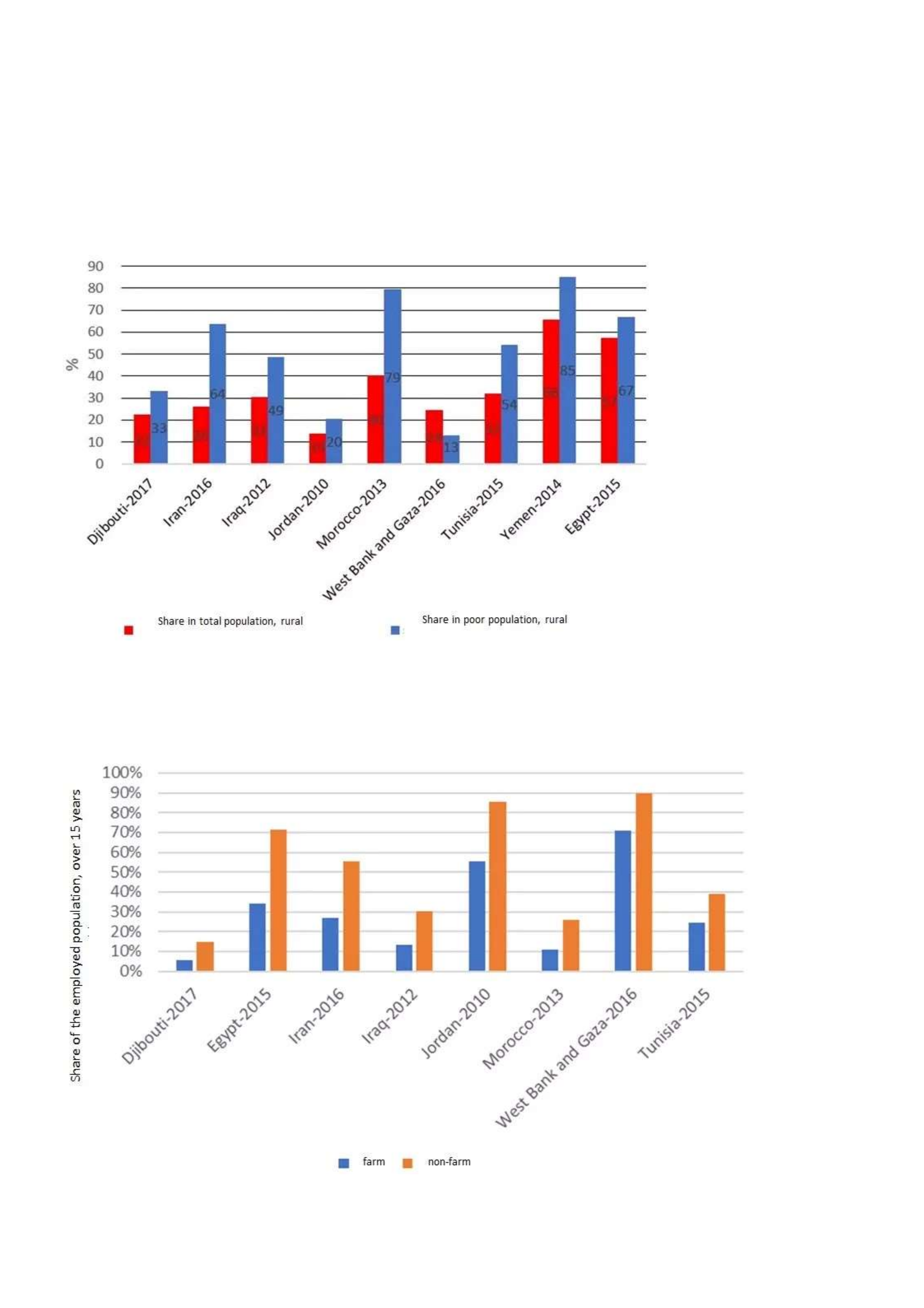
poor. This approach quantifies the number of poor people and households but does not take into account how poor people lack basic needs such as
shelter, food, health, and education. The second approach addresses this lack of basic needs and emphasizes the multidimensional nature of poverty.
Moroccan women represent the most economically vulnerable social group in the country (Sandberg and Binder 32-39). The feminization of poverty
refers to a trend towards increasing inequality in living standards between men and women due to the widening gap in poverty between women and
men. This phenomenon is not only a consequence of a lack of income but also a result of disenfranchisement and gender bias inherent in both
societies and governments at the regional level. It encompasses the poverty of choice and opportunity, such as the ability to lead a long, healthy, and
creative life and the enjoyment of fundamental rights such as freedom, respect, and dignity. This phenomenon is largely due to the overall ratio of
total and poor population in rural areas. In Morocco, the percentage of the poor rural population is rather high in comparison with other MENA
countries (Fig. 4).
Fig. 4. Rural shares in total and poor population in selected MENA countries.
Indeed, education seems to be an important factor associated with access to rural non-farm activities – thus, the issue of rural poverty should be
addressed simultaneously with making efforts to eradicate illiteracy in rural areas. The figure below clearly shows that education represents one of
the definitive factors associated with access to rural non-farm activities.
Fig. 5. Shares of the population over 15 years old with incomplete secondary education and above among employed farm and non-farm activities in
rural areas of selected MENA countries.

The Kingdom of Morocco continues to pursue its efforts to follow up on recommendations from major United Nations development meetings and
conferences, including the Millennium Development Goals, which are included in the national development strategy. Modernization, democratization,
and economic development, as well as indicators of sustainable human development, are interdependent in promoting equal opportunities,
disseminating knowledge, and providing basic social services.
Increasingly more environmental protection programs are being implemented in the country. In particular, by supporting ecotourism, Morocco strives
to highlight its unique tangible and spiritual heritage by engaging industry professionals and regional authorities. For this, a special program has been
developed – the charter for sustainable tourism. The development of ecotourism is also supported by numerous individual projects, such as the
botanical garden of aromatic plants located near the ancient city. To date, 13 Moroccan beaches have received the Blue Flag award (Rihab 287). Many
hotels and inns in the country have received the Green Key award. All this highlights the efforts of the owners of the companies in the field of
environmental protection.
The percentage of the marine protected area has increased in recent years, and on the 22nd Conference of the Parties to the United Nations
Framework Convention on Climate Change, for the first time in its history, at the request of the Moroccan government, an Action Day for the
Protection of the Oceans was organized as part of the official UNFCCC program. Efforts to combat illegal, unreported, and unregulated fishing also
should be noted. In the energy sector, Morocco stands out for the presence of the seventh-largest solar power plant in the world – in Noor. Spread
over an area of 3000 hectares (3500 football fields), the station is capable of providing energy to a city the size of two Marrakech or Prague. Located
at the entrance to the Sahara Desert, the complex saves the planet from more than 760,000 tons of carbon emissions (Mohamed et al. 193-195). The
main sectors of the economy that can support green growth are clean renewable energy, water management, agriculture and forestry, fisheries,
recycling, and waste management.
This major project primarily serves the interests of Morocco, but it is also part of a worldwide effort to expand the use of renewable energy sources.
Investment in renewable energy in Morocco grew 13 times in 2018 to $ 2.8 billion (Mohamed et al. 191). Morocco has set an ambitious goal of
generating more than half of its electricity from renewable sources by 2030. These goals, along with other climate change policies, helped make
Morocco the second best-performing country in the 2018 and 2019 Climate Change Performance Indices. Morocco ranks 64th in the world in terms of
environmental performance, ahead of most African countries (Rihab 289). The country is trying to integrate the climate change component into all
national public policies.
Separately, the degree of application of a legal, regulatory, and institutional framework that recognizes and protects access rights for small-scale
fisheries in Morocco should be noted. The country is among the leading ones in Africa by the degree of efforts in this field. For the Sahara region, the
most relevant is the efforts of the Kingdom of Morocco on control and surveillance issues, given the importance of fishing activities. Control requires
the average performance of equipment and, namely control on water and on land, which mobilizes ships, vehicles, and service personnel, equipped
with specific measurement and remote communication equipment. Indeed, control concerns all the elements: fishermen’s activities, fishing area,
fishing gear and sizes, documentation (capture declaration, logbook), unloading (market size, quota), transportation, and storage of fishing products.
Thus, the country demonstrates evident and, to a significant extent, effective efforts to achieve meeting goals of sustainable development both in
addressing the issues of social capital growth and environmental protection. At the same time, still, problems in social inequality, gender gaps, rural
poverty, and access to quality education persist. In these conditions, it seems expedient to pay special attention to the mechanisms of public-private
partnership, which are not well developed in Morocco.
The Moroccan economy is considered to be a relatively liberal economy governed by the law of supply and demand. Since 1993, Morocco has
pursued a policy of privatizing certain sectors of the economy that were formerly in the hands of the government.
Morocco has become a major player in African economic affairs and ranks fifth among African economies in terms of GDP. The
World Economic Forum ranked Morocco as the 1st most competitive economy in North Africa in its Africa Competitiveness Report 2014-15. Since
2018, the country’s currency – the dirham – is fully convertible for current account transactions, financial sector reforms are carried out, and state
enterprises are being privatized.
There is an overall relative downward trend in unemployment in the country over the past decade. However, still, the level of youth unemployment in
2017 is 42.8%. About 80% of jobs are informal and the income gap is very large (Dadush 9). The correlation between unemployment, youth
unemployment, and growth is shown in Fig. 1 below.
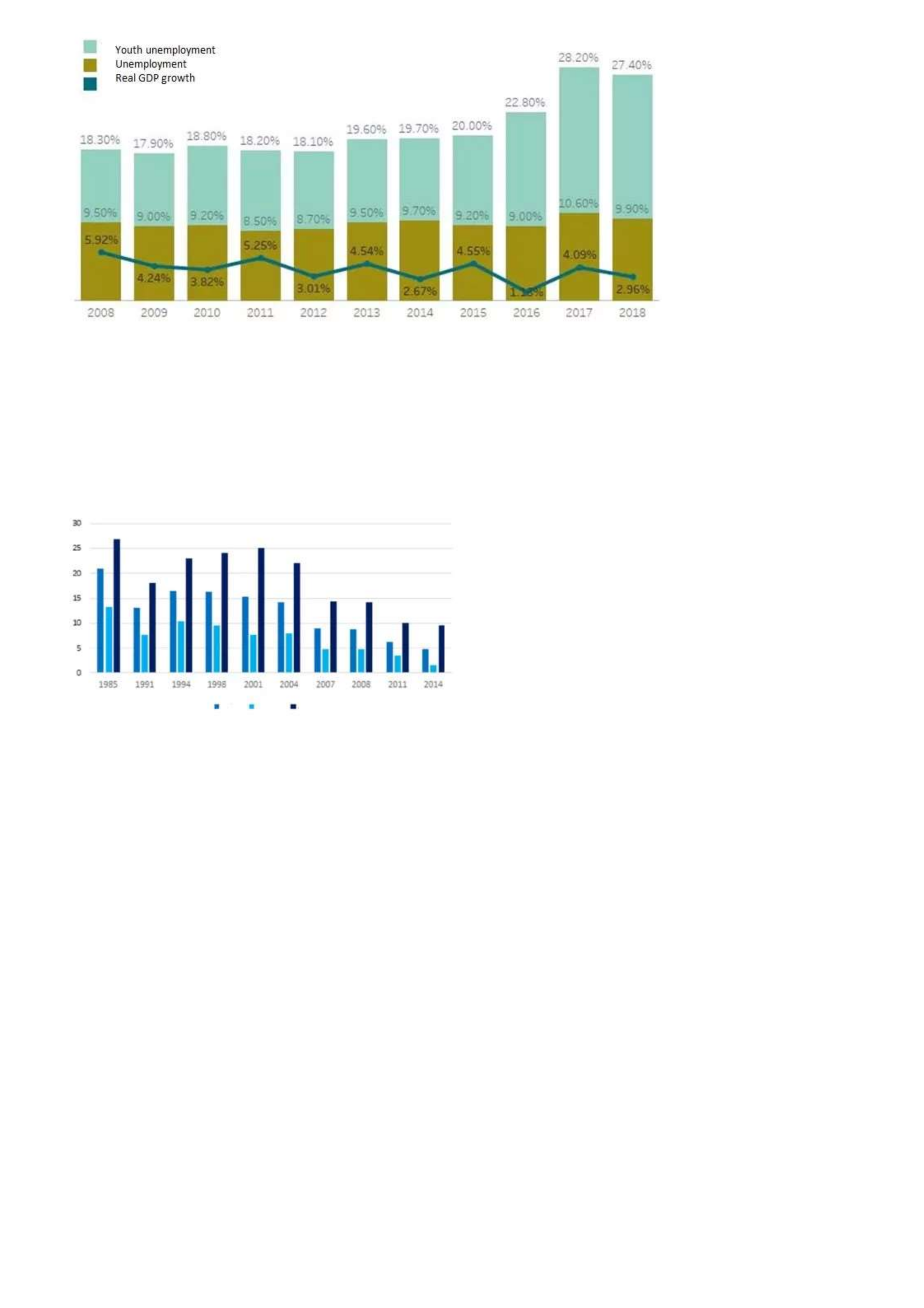
Fig. 1. Correlation between unemployment, youth unemployment, and growth in Morocco, percentage change with 2012 base.
However, the labor share of GDP is the highest in the upper-middle-income sector which demonstrates the growth of a strong middle class in the
country. At the same time, social spending in Morocco is less than in neighboring countries such as Tunisia and Jordan. Thus, the progress in the
achievement of SDGs is ambiguous, although progressive development is evident. It should be noted that the country managed to decrease the
poverty rate significantly in dynamics (Fig. 2).
Total Urban Rural
Fig. 2. The Evolution of poverty rate in Morocco, 1985-2014.
There is a gradual increase in the human capital index and efforts are being made in the field of education. The dynamics of youth functional literacy
in Morocco for the period 2000-2018 is the highest among ten African countries. Net Enrollment Ratio in primary education manifested two-fold
growth since 1971 (Mansouri and Moumine 12). The duration of primary education is 6 years – this figure has not changed since 2009. The net
enrollment rate in primary education is 98.92%, which is a good value for an African country. Adult literacy is 73.75% (Sandberg and Binder 26).
Moreover, the illiterate population is concentrated in rural areas.
Processes of digital transformation are being observed – the ruling elite of Morocco realizes that digitalization is one of the integral mechanisms of
the global development of the national economy. It plays a critical role in attracting investment, creating jobs, modernizing the public sector, and
creating fast and efficient services for citizens. Efforts are being made to improve the digital infrastructure, strengthen the professional knowledge of
people to meet the market demand for specialists in the digital sphere.
Nevertheless, economic inequality persists – for example, the Gini index, which measures the degree to which the distribution of income or
consumption expenditures among households in the economy differs from absolute equality in distribution, was 35.70% in 2018 (UN). This is,
however, almost 10% less than in the previous year, which indicates the success of the government’s efforts to reduce inequality. According to World
Bank Human Capital Index, Morocco is ahead of Egypt and Yemen and almost on the same level as other Arab countries, being behind such rich
countries as Qatar and UAE (Fig. 3 below).
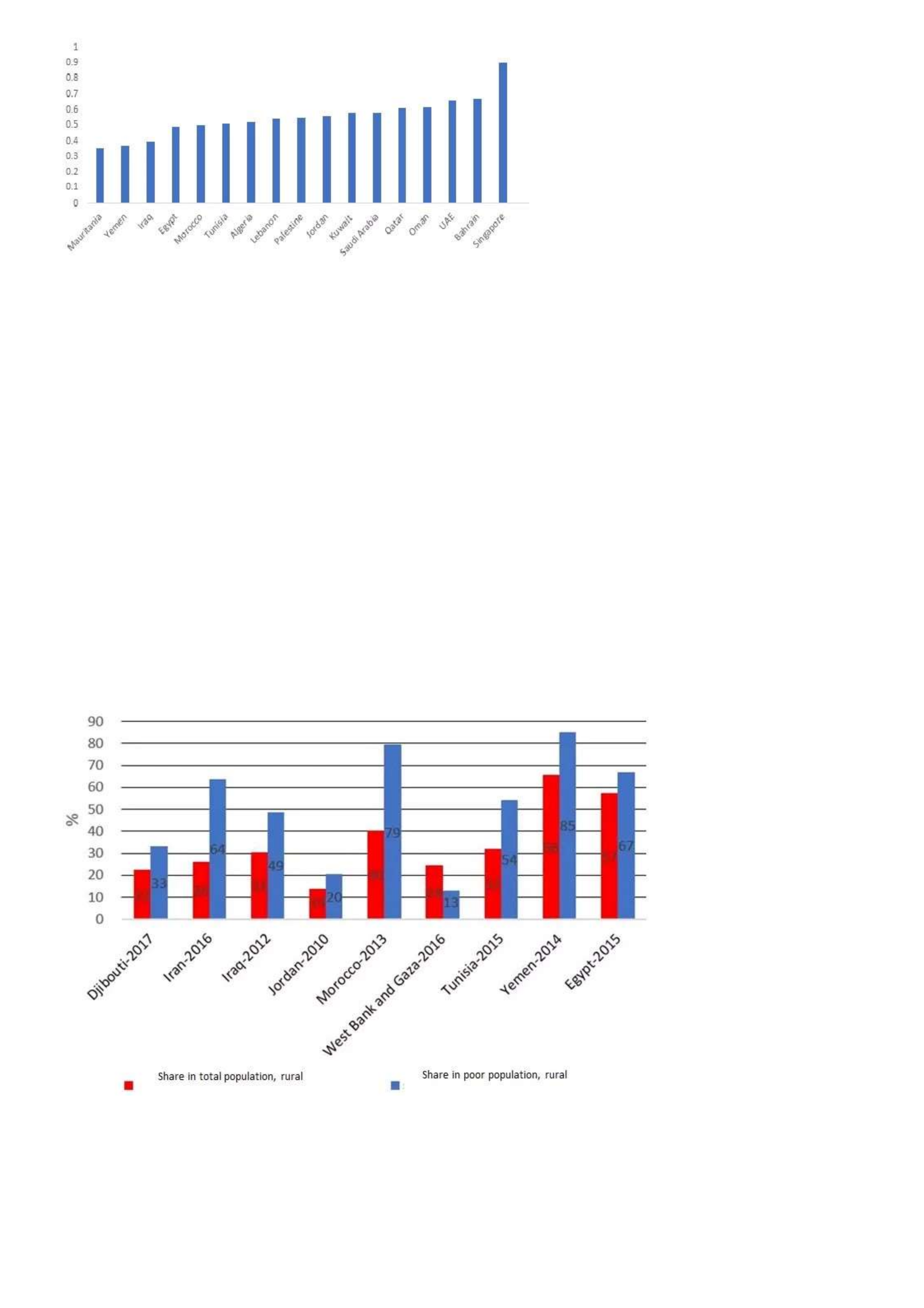
Fig. 3. The World Bank Human Capital Index, 2019.
Issues of reducing gender inequality should also be noted. Noteworthy, recent family law reforms in Morocco have strengthened women’s property
rights by equalizing the property rights of husbands and wives over property acquired during the marriage. Methods for strengthening the voice of
women in society include political representation quotas, training future women leaders, and increasing their participation in trade unions and
professional associations.
However, while the gender gap in leadership positions in corporate governance and public administration has narrowed, women, especially in rural
areas, are largely the face of poverty in Morocco. In Morocco, there are two main methods of measuring poverty, which include the “classical
approach” and the second one, which is more of a capacity-based approach. The “classical approach” uses a poverty line to statistically define the
poor. This approach quantifies the number of poor people and households but does not take into account how poor people lack basic needs such as
shelter, food, health, and education. The second approach addresses this lack of basic needs and emphasizes the multidimensional nature of poverty.
Moroccan women represent the most economically vulnerable social group in the country (Sandberg and Binder 32-39). The feminization of poverty
refers to a trend towards increasing inequality in living standards between men and women due to the widening gap in poverty between women and
men. This phenomenon is not only a consequence of a lack of income but also a result of disenfranchisement and gender bias inherent in both
societies and governments at the regional level. It encompasses the poverty of choice and opportunity, such as the ability to lead a long, healthy, and
creative life and the enjoyment of fundamental rights such as freedom, respect, and dignity. This phenomenon is largely due to the overall ratio of
total and poor population in rural areas. In Morocco, the percentage of the poor rural population is rather high in comparison with other MENA
countries (Fig. 4).
Fig. 4. Rural shares in total and poor population in selected MENA countries.
Indeed, education seems to be an important factor associated with access to rural non-farm activities – thus, the issue of rural poverty should be
addressed simultaneously with making efforts to eradicate illiteracy in rural areas. The figure below clearly shows that education represents one of
the definitive factors associated with access to rural non-farm activities.
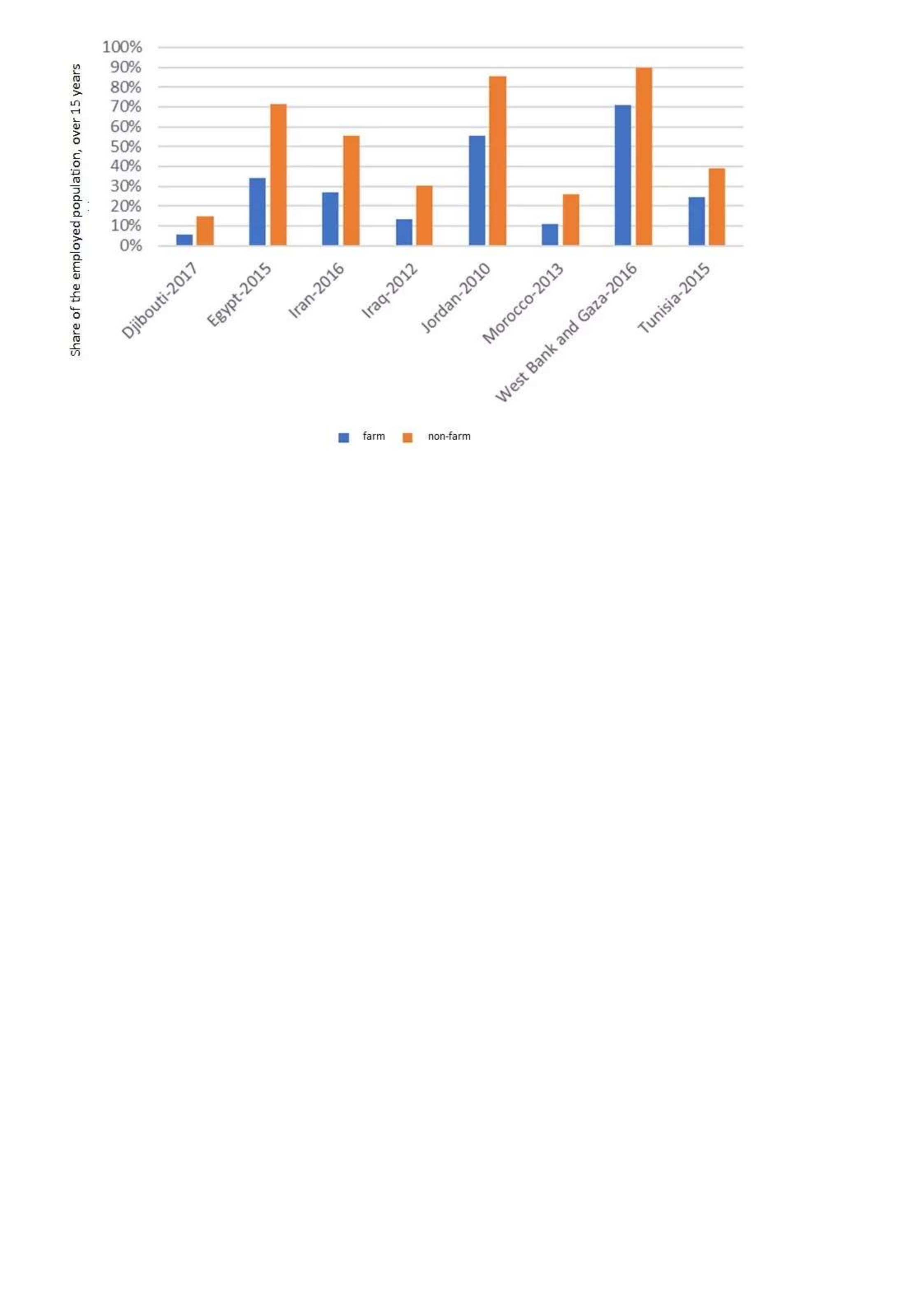
Fig. 5. Shares of the population over 15 years old with incomplete secondary education and above among employed farm and non-farm activities in
rural areas of selected MENA countries.
The Kingdom of Morocco continues to pursue its efforts to follow up on recommendations from major United Nations development meetings and
conferences, including the Millennium Development Goals, which are included in the national development strategy. Modernization, democratization,
and economic development, as well as indicators of sustainable human development, are interdependent in promoting equal opportunities,
disseminating knowledge, and providing basic social services.
Increasingly more environmental protection programs are being implemented in the country. In particular, by supporting ecotourism, Morocco strives
to highlight its unique tangible and spiritual heritage by engaging industry professionals and regional authorities. For this, a special program has been
developed – the charter for sustainable tourism. The development of ecotourism is also supported by numerous individual projects, such as the
botanical garden of aromatic plants located near the ancient city. To date, 13 Moroccan beaches have received the Blue Flag award (Rihab 287). Many
hotels and inns in the country have received the Green Key award. All this highlights the efforts of the owners of the companies in the field of
environmental protection.
The percentage of the marine protected area has increased in recent years, and on the 22nd Conference of the Parties to the United Nations
Framework Convention on Climate Change, for the first time in its history, at the request of the Moroccan government, an Action Day for the
Protection of the Oceans was organized as part of the official UNFCCC program. Efforts to combat illegal, unreported, and unregulated fishing also
should be noted. In the energy sector, Morocco stands out for the presence of the seventh-largest solar power plant in the world – in Noor. Spread
over an area of 3000 hectares (3500 football fields), the station is capable of providing energy to a city the size of two Marrakech or Prague. Located
at the entrance to the Sahara Desert, the complex saves the planet from more than 760,000 tons of carbon emissions (Mohamed et al. 193-195). The
main sectors of the economy that can support green growth are clean renewable energy, water management, agriculture and forestry, fisheries,
recycling, and waste management.
This major project primarily serves the interests of Morocco, but it is also part of a worldwide effort to expand the use of renewable energy sources.
Investment in renewable energy in Morocco grew 13 times in 2018 to $ 2.8 billion (Mohamed et al. 191). Morocco has set an ambitious goal of
generating more than half of its electricity from renewable sources by 2030. These goals, along with other climate change policies, helped make
Morocco the second best-performing country in the 2018 and 2019 Climate Change Performance Indices. Morocco ranks 64th in the world in terms of
environmental performance, ahead of most African countries (Rihab 289). The country is trying to integrate the climate change component into all
national public policies.
Separately, the degree of application of a legal, regulatory, and institutional framework that recognizes and protects access rights for small-scale
fisheries in Morocco should be noted. The country is among the leading ones in Africa by the degree of efforts in this field. For the Sahara region, the
most relevant is the efforts of the Kingdom of Morocco on control and surveillance issues, given the importance of fishing activities. Control requires
the average performance of equipment and, namely control on water and on land, which mobilizes ships, vehicles, and service personnel, equipped
with specific measurement and remote communication equipment. Indeed, control concerns all the elements: fishermen’s activities, fishing area,
fishing gear and sizes, documentation (capture declaration, logbook), unloading (market size, quota), transportation, and storage of fishing products.
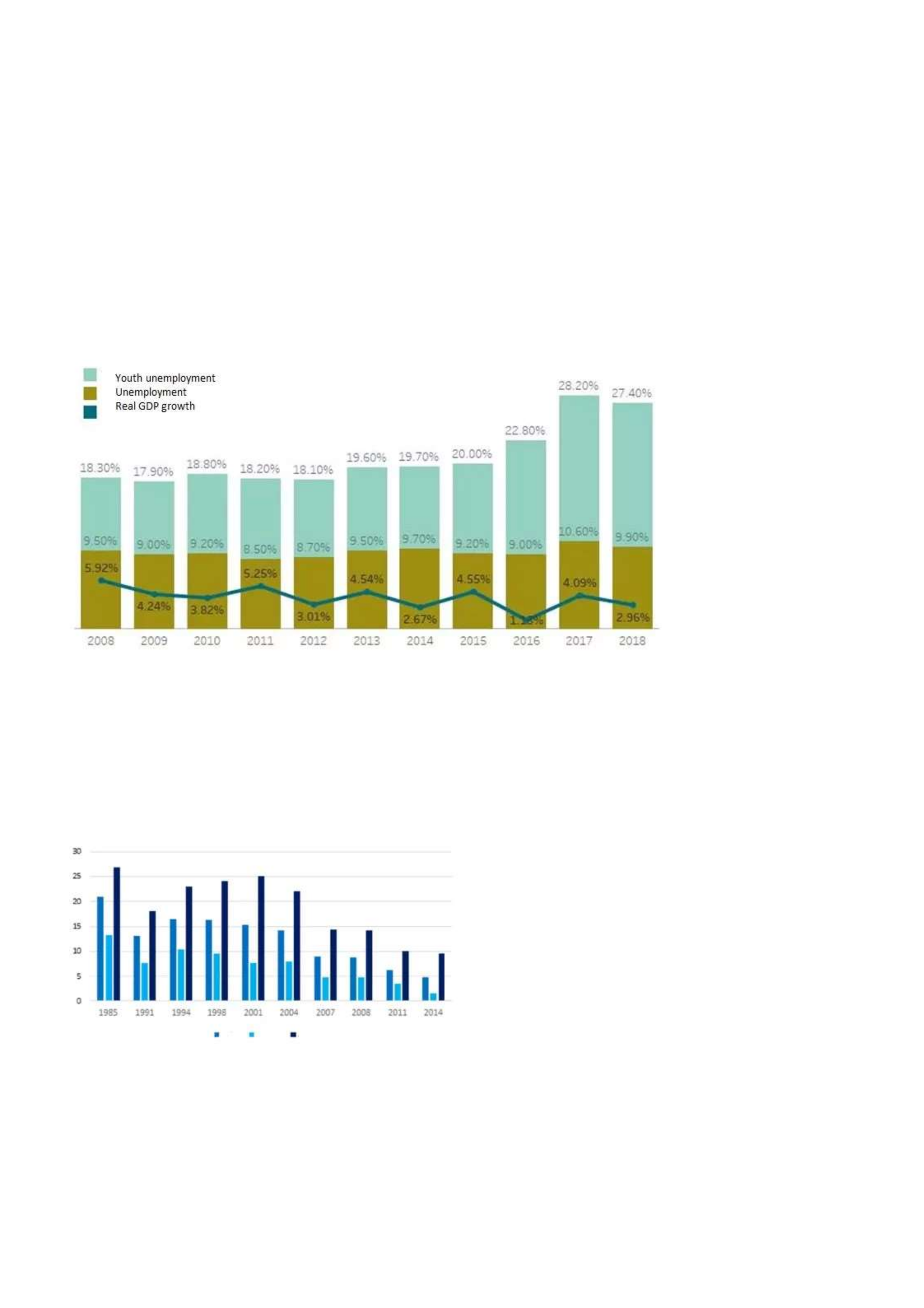
Thus, the country demonstrates evident and, to a significant extent, effective efforts to achieve meeting goals of sustainable development both in
addressing the issues of social capital growth and environmental protection. At the same time, still, problems in social inequality, gender gaps, rural
poverty, and access to quality education persist. In these conditions, it seems expedient to pay special attention to the mechanisms of public-private
partnership, which are not well developed in Morocco.
The Moroccan economy is considered to be a relatively liberal economy governed by the law of supply and demand. Since 1993, Morocco has
pursued a policy of privatizing certain sectors of the economy that were formerly in the hands of the government.
Morocco has become a major player in African economic affairs and ranks fifth among African economies in terms of GDP. The
World Economic Forum ranked Morocco as the 1st most competitive economy in North Africa in its Africa Competitiveness Report 2014-15. Since
2018, the country’s currency – the dirham – is fully convertible for current account transactions, financial sector reforms are carried out, and state
enterprises are being privatized.
There is an overall relative downward trend in unemployment in the country over the past decade. However, still, the level of youth unemployment in
2017 is 42.8%. About 80% of jobs are informal and the income gap is very large (Dadush 9). The correlation between unemployment, youth
unemployment, and growth is shown in Fig. 1 below.
Fig. 1. Correlation between unemployment, youth unemployment, and growth in Morocco, percentage change with 2012 base.
However, the labor share of GDP is the highest in the upper-middle-income sector which demonstrates the growth of a strong middle class in the
country. At the same time, social spending in Morocco is less than in neighboring countries such as Tunisia and Jordan. Thus, the progress in the
achievement of SDGs is ambiguous, although progressive development is evident. It should be noted that the country managed to decrease the
poverty rate significantly in dynamics (Fig. 2).
Total Urban Rural
Fig. 2. The Evolution of poverty rate in Morocco, 1985-2014.
There is a gradual increase in the human capital index and efforts are being made in the field of education. The dynamics of youth functional literacy
in Morocco for the period 2000-2018 is the highest among ten African countries. Net Enrollment Ratio in primary education manifested two-fold
growth since 1971 (Mansouri and Moumine 12). The duration of primary education is 6 years – this figure has not changed since 2009. The net
enrollment rate in primary education is 98.92%, which is a good value for an African country. Adult literacy is 73.75% (Sandberg and Binder 26).
Moreover, the illiterate population is concentrated in rural areas.
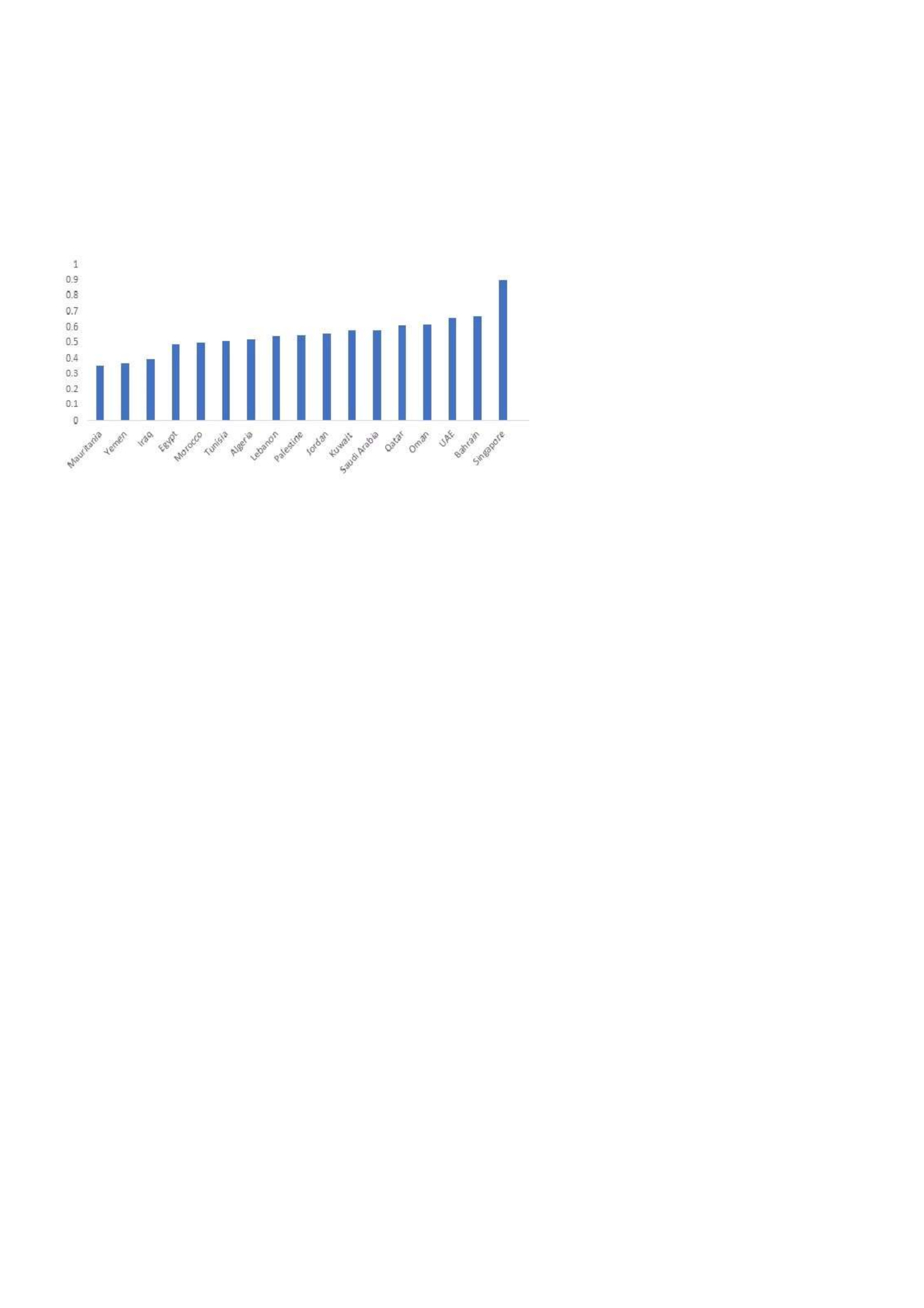
Processes of digital transformation are being observed – the ruling elite of Morocco realizes that digitalization is one of the integral mechanisms of
the global development of the national economy. It plays a critical role in attracting investment, creating jobs, modernizing the public sector, and
creating fast and efficient services for citizens. Efforts are being made to improve the digital infrastructure, strengthen the professional knowledge of
people to meet the market demand for specialists in the digital sphere.
Nevertheless, economic inequality persists – for example, the Gini index, which measures the degree to which the distribution of income or
consumption expenditures among households in the economy differs from absolute equality in distribution, was 35.70% in 2018 (UN). This is,
however, almost 10% less than in the previous year, which indicates the success of the government’s efforts to reduce inequality. According to World
Bank Human Capital Index, Morocco is ahead of Egypt and Yemen and almost on the same level as other Arab countries, being behind such rich
countries as Qatar and UAE (Fig. 3 below).
Fig. 3. The World Bank Human Capital Index, 2019.
Issues of reducing gender inequality should also be noted. Noteworthy, recent family law reforms in Morocco have strengthened women’s property
rights by equalizing the property rights of husbands and wives over property acquired during the marriage. Methods for strengthening the voice of
women in society include political representation quotas, training future women leaders, and increasing their participation in trade unions and
professional associations.
However, while the gender gap in leadership positions in corporate governance and public administration has narrowed, women, especially in rural
areas, are largely the face of poverty in Morocco. In Morocco, there are two main methods of measuring poverty, which include the “classical
approach” and the second one, which is more of a capacity-based approach. The “classical approach” uses a poverty line to statistically define the
poor. This approach quantifies the number of poor people and households but does not take into account how poor people lack basic needs such as
shelter, food, health, and education. The second approach addresses this lack of basic needs and emphasizes the multidimensional nature of poverty.
Moroccan women represent the most economically vulnerable social group in the country (Sandberg and Binder 32-39). The feminization of poverty
refers to a trend towards increasing inequality in living standards between men and women due to the widening gap in poverty between women and
men. This phenomenon is not only a consequence of a lack of income but also a result of disenfranchisement and gender bias inherent in both
societies and governments at the regional level. It encompasses the poverty of choice and opportunity, such as the ability to lead a long, healthy, and
creative life and the enjoyment of fundamental rights such as freedom, respect, and dignity. This phenomenon is largely due to the overall ratio of
total and poor population in rural areas. In Morocco, the percentage of the poor rural population is rather high in comparison with other MENA
countries (Fig. 4).
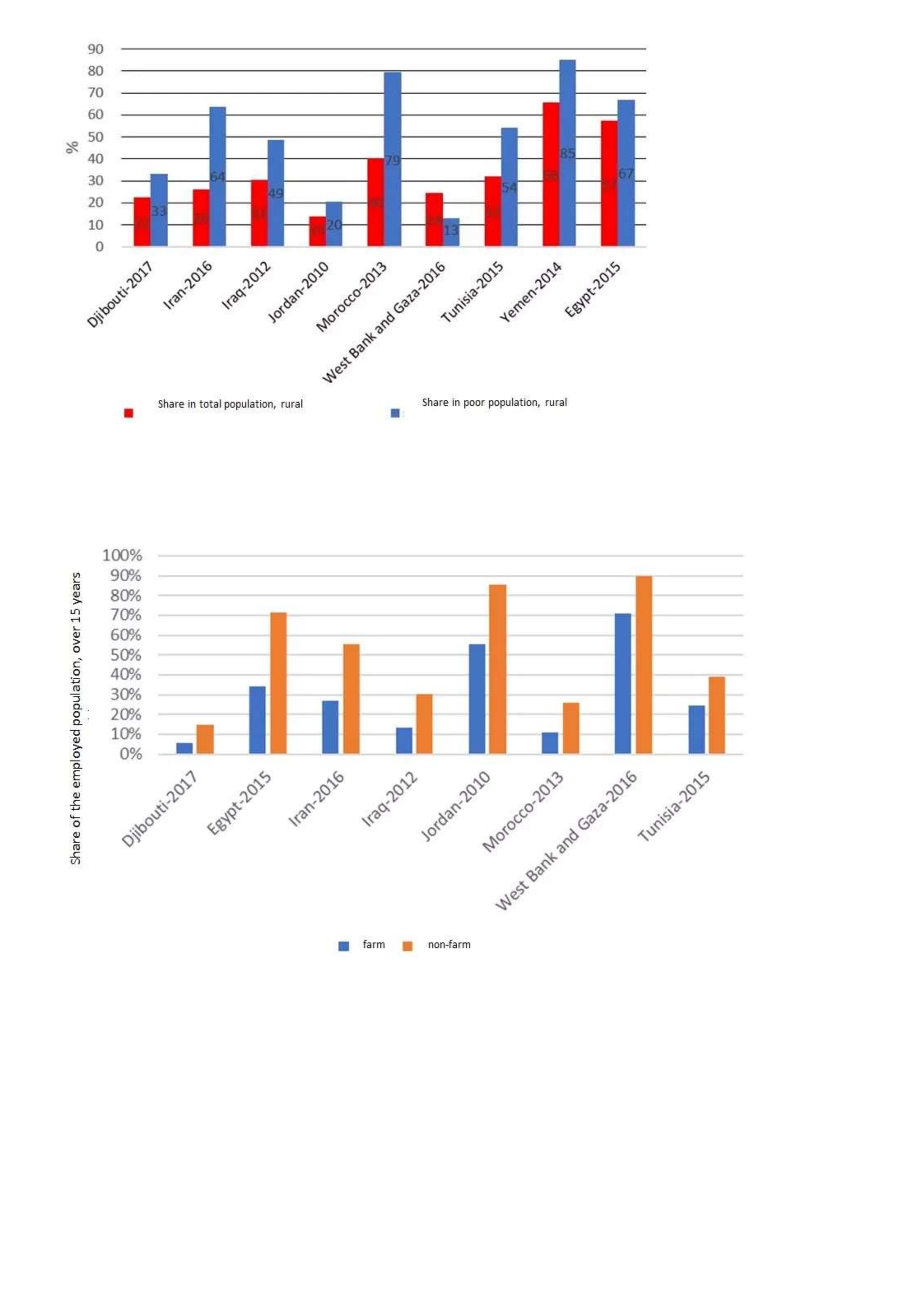
Fig. 4. Rural shares in total and poor population in selected MENA countries.
Indeed, education seems to be an important factor associated with access to rural non-farm activities – thus, the issue of rural poverty should be
addressed simultaneously with making efforts to eradicate illiteracy in rural areas. The figure below clearly shows that education represents one of
the definitive factors associated with access to rural non-farm activities.
Fig. 5. Shares of the population over 15 years old with incomplete secondary education and above among employed farm and non-farm activities in
rural areas of selected MENA countries.
The Kingdom of Morocco continues to pursue its efforts to follow up on recommendations from major United Nations development meetings and
conferences, including the Millennium Development Goals, which are included in the national development strategy. Modernization, democratization,
and economic development, as well as indicators of sustainable human development, are interdependent in promoting equal opportunities,
disseminating knowledge, and providing basic social services.
Increasingly more environmental protection programs are being implemented in the country. In particular, by supporting ecotourism, Morocco strives
to highlight its unique tangible and spiritual heritage by engaging industry professionals and regional authorities. For this, a special program has been
developed – the charter for sustainable tourism. The development of ecotourism is also supported by numerous individual projects, such as the
botanical garden of aromatic plants located near the ancient city. To date, 13 Moroccan beaches have received the Blue Flag award (Rihab 287). Many
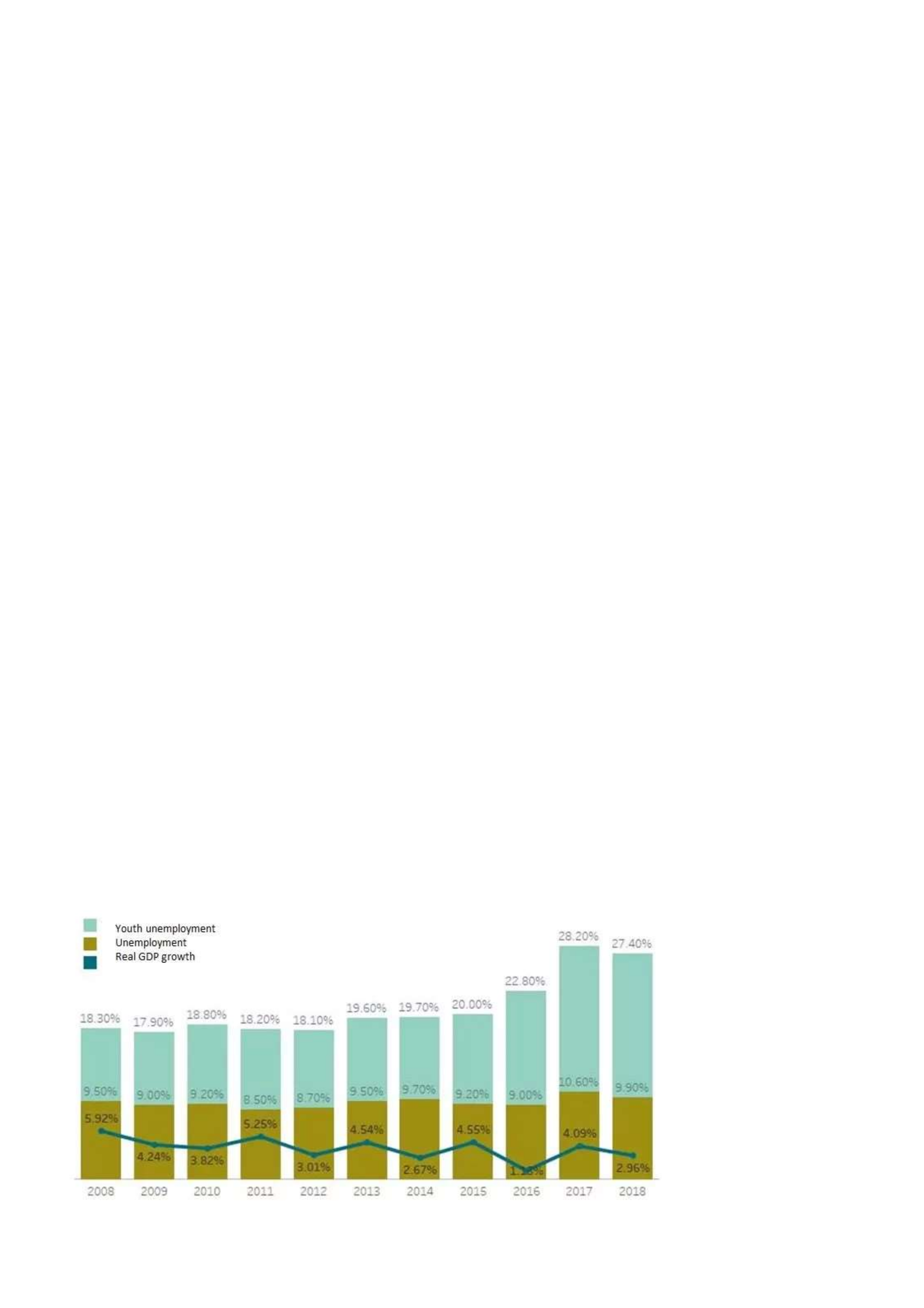
hotels and inns in the country have received the Green Key award. All this highlights the efforts of the owners of the companies in the field of
environmental protection.
The percentage of the marine protected area has increased in recent years, and on the 22nd Conference of the Parties to the United Nations
Framework Convention on Climate Change, for the first time in its history, at the request of the Moroccan government, an Action Day for the
Protection of the Oceans was organized as part of the official UNFCCC program. Efforts to combat illegal, unreported, and unregulated fishing also
should be noted. In the energy sector, Morocco stands out for the presence of the seventh-largest solar power plant in the world – in Noor. Spread
over an area of 3000 hectares (3500 football fields), the station is capable of providing energy to a city the size of two Marrakech or Prague. Located
at the entrance to the Sahara Desert, the complex saves the planet from more than 760,000 tons of carbon emissions (Mohamed et al. 193-195). The
main sectors of the economy that can support green growth are clean renewable energy, water management, agriculture and forestry, fisheries,
recycling, and waste management.
This major project primarily serves the interests of Morocco, but it is also part of a worldwide effort to expand the use of renewable energy sources.
Investment in renewable energy in Morocco grew 13 times in 2018 to $ 2.8 billion (Mohamed et al. 191). Morocco has set an ambitious goal of
generating more than half of its electricity from renewable sources by 2030. These goals, along with other climate change policies, helped make
Morocco the second best-performing country in the 2018 and 2019 Climate Change Performance Indices. Morocco ranks 64th in the world in terms of
environmental performance, ahead of most African countries (Rihab 289). The country is trying to integrate the climate change component into all
national public policies.
Separately, the degree of application of a legal, regulatory, and institutional framework that recognizes and protects access rights for small-scale
fisheries in Morocco should be noted. The country is among the leading ones in Africa by the degree of efforts in this field. For the Sahara region, the
most relevant is the efforts of the Kingdom of Morocco on control and surveillance issues, given the importance of fishing activities. Control requires
the average performance of equipment and, namely control on water and on land, which mobilizes ships, vehicles, and service personnel, equipped
with specific measurement and remote communication equipment. Indeed, control concerns all the elements: fishermen’s activities, fishing area,
fishing gear and sizes, documentation (capture declaration, logbook), unloading (market size, quota), transportation, and storage of fishing products.
Thus, the country demonstrates evident and, to a significant extent, effective efforts to achieve meeting goals of sustainable development both in
addressing the issues of social capital growth and environmental protection. At the same time, still, problems in social inequality, gender gaps, rural
poverty, and access to quality education persist. In these conditions, it seems expedient to pay special attention to the mechanisms of public-private
partnership, which are not well developed in Morocco.
The Moroccan economy is considered to be a relatively liberal economy governed by the law of supply and demand. Since 1993, Morocco has
pursued a policy of privatizing certain sectors of the economy that were formerly in the hands of the government.
Morocco has become a major player in African economic affairs and ranks fifth among African economies in terms of GDP. The
World Economic Forum ranked Morocco as the 1st most competitive economy in North Africa in its Africa Competitiveness Report 2014-15. Since
2018, the country’s currency – the dirham – is fully convertible for current account transactions, financial sector reforms are carried out, and state
enterprises are being privatized.
There is an overall relative downward trend in unemployment in the country over the past decade. However, still, the level of youth unemployment in
2017 is 42.8%. About 80% of jobs are informal and the income gap is very large (Dadush 9). The correlation between unemployment, youth
unemployment, and growth is shown in Fig. 1 below.
Fig. 1. Correlation between unemployment, youth unemployment, and growth in Morocco, percentage change with 2012 base.
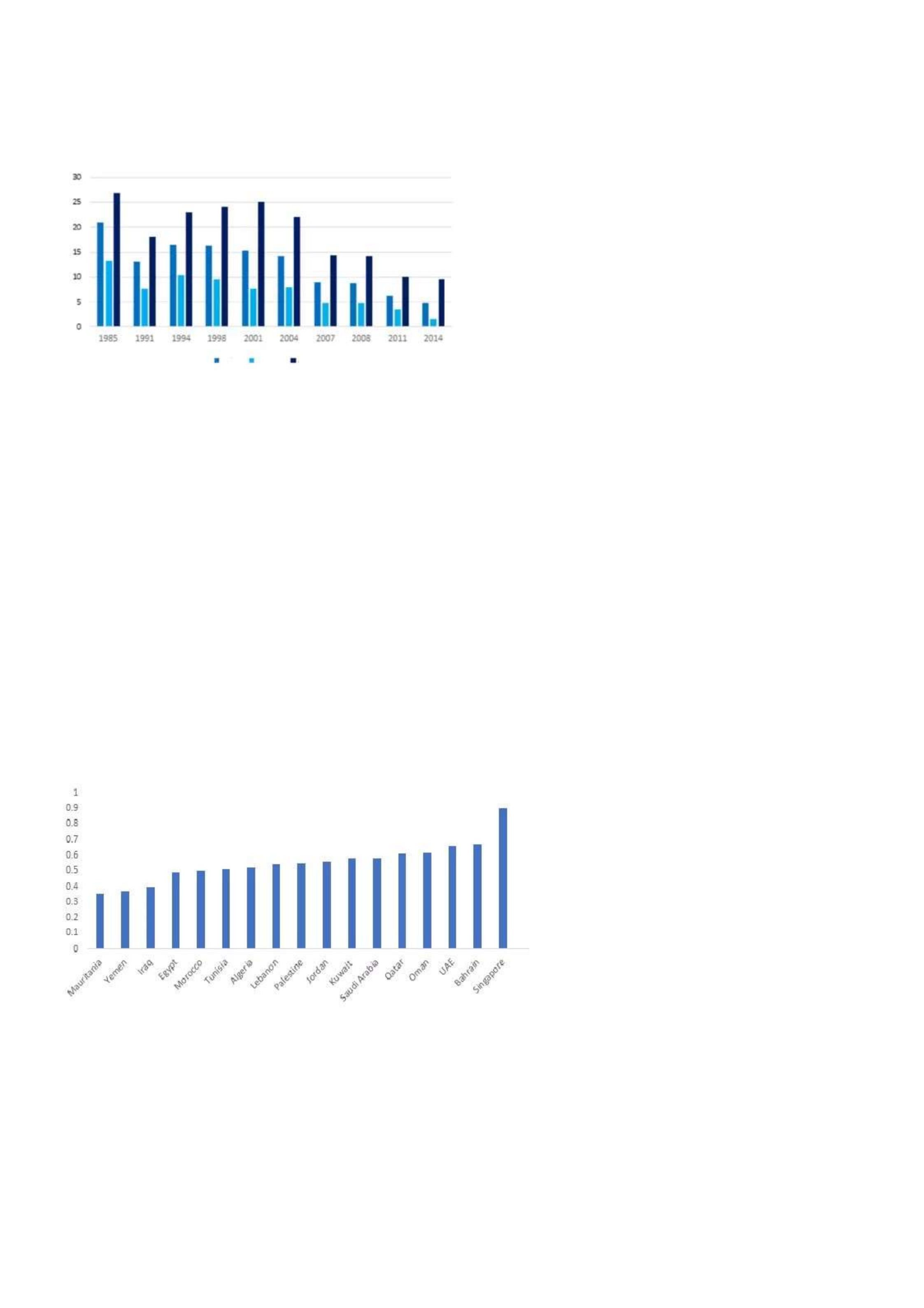
However, the labor share of GDP is the highest in the upper-middle-income sector which demonstrates the growth of a strong middle class in the
country. At the same time, social spending in Morocco is less than in neighboring countries such as Tunisia and Jordan. Thus, the progress in the
achievement of SDGs is ambiguous, although progressive development is evident. It should be noted that the country managed to decrease the
poverty rate significantly in dynamics (Fig. 2).
Total Urban Rural
Fig. 2. The Evolution of poverty rate in Morocco, 1985-2014.
There is a gradual increase in the human capital index and efforts are being made in the field of education. The dynamics of youth functional literacy
in Morocco for the period 2000-2018 is the highest among ten African countries. Net Enrollment Ratio in primary education manifested two-fold
growth since 1971 (Mansouri and Moumine 12). The duration of primary education is 6 years – this figure has not changed since 2009. The net
enrollment rate in primary education is 98.92%, which is a good value for an African country. Adult literacy is 73.75% (Sandberg and Binder 26).
Moreover, the illiterate population is concentrated in rural areas.
Processes of digital transformation are being observed – the ruling elite of Morocco realizes that digitalization is one of the integral mechanisms of
the global development of the national economy. It plays a critical role in attracting investment, creating jobs, modernizing the public sector, and
creating fast and efficient services for citizens. Efforts are being made to improve the digital infrastructure, strengthen the professional knowledge of
people to meet the market demand for specialists in the digital sphere.
Nevertheless, economic inequality persists – for example, the Gini index, which measures the degree to which the distribution of income or
consumption expenditures among households in the economy differs from absolute equality in distribution, was 35.70% in 2018 (UN). This is,
however, almost 10% less than in the previous year, which indicates the success of the government’s efforts to reduce inequality. According to World
Bank Human Capital Index, Morocco is ahead of Egypt and Yemen and almost on the same level as other Arab countries, being behind such rich
countries as Qatar and UAE (Fig. 3 below).
Fig. 3. The World Bank Human Capital Index, 2019.
Issues of reducing gender inequality should also be noted. Noteworthy, recent family law reforms in Morocco have strengthened women’s property
rights by equalizing the property rights of husbands and wives over property acquired during the marriage. Methods for strengthening the voice of
women in society include political representation quotas, training future women leaders, and increasing their participation in trade unions and
professional associations.
However, while the gender gap in leadership positions in corporate governance and public administration has narrowed, women, especially in rural
areas, are largely the face of poverty in Morocco. In Morocco, there are two main methods of measuring poverty, which include the “classical
approach” and the second one, which is more of a capacity-based approach. The “classical approach” uses a poverty line to statistically define the
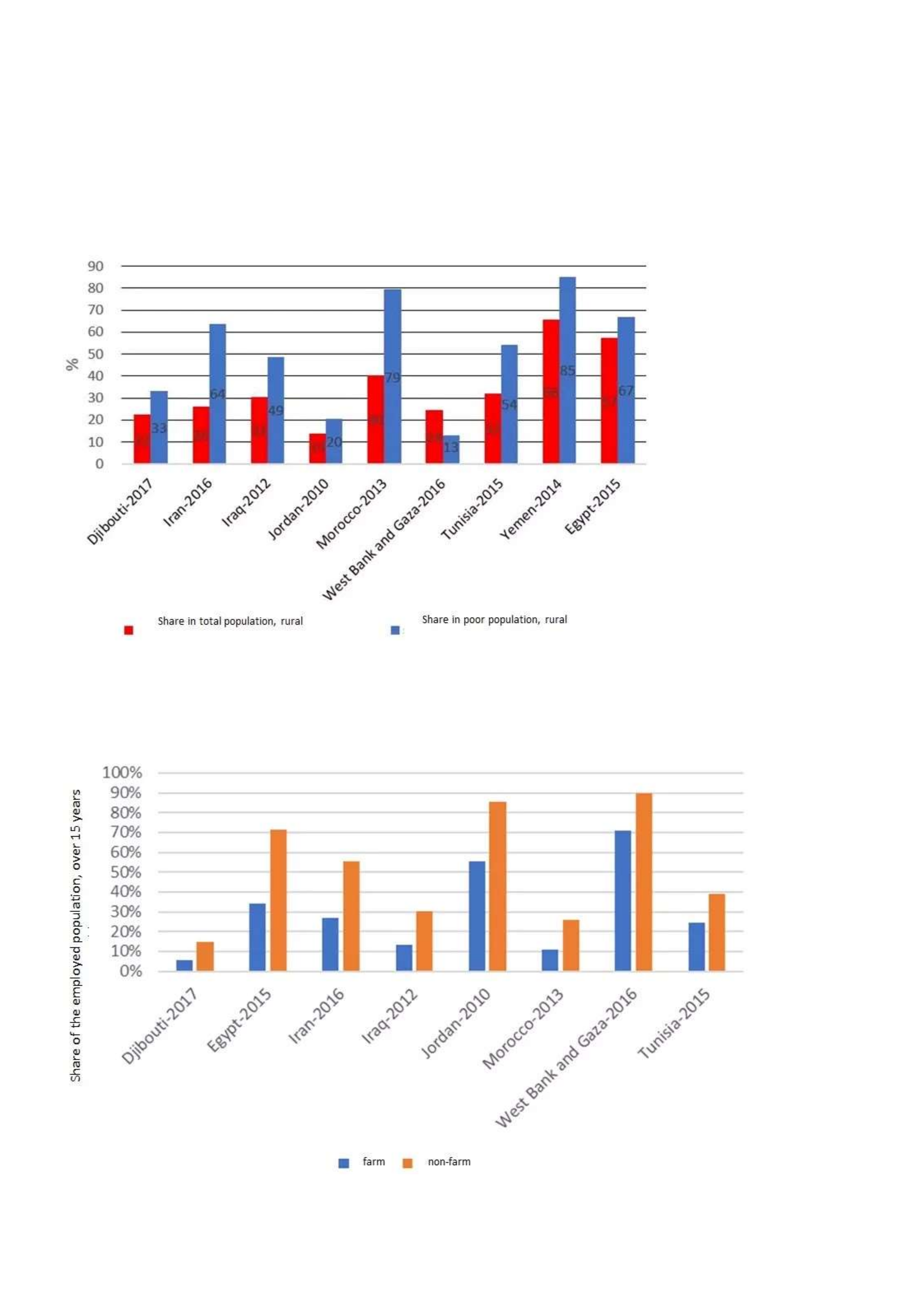
poor. This approach quantifies the number of poor people and households but does not take into account how poor people lack basic needs such as
shelter, food, health, and education. The second approach addresses this lack of basic needs and emphasizes the multidimensional nature of poverty.
Moroccan women represent the most economically vulnerable social group in the country (Sandberg and Binder 32-39). The feminization of poverty
refers to a trend towards increasing inequality in living standards between men and women due to the widening gap in poverty between women and
men. This phenomenon is not only a consequence of a lack of income but also a result of disenfranchisement and gender bias inherent in both
societies and governments at the regional level. It encompasses the poverty of choice and opportunity, such as the ability to lead a long, healthy, and
creative life and the enjoyment of fundamental rights such as freedom, respect, and dignity. This phenomenon is largely due to the overall ratio of
total and poor population in rural areas. In Morocco, the percentage of the poor rural population is rather high in comparison with other MENA
countries (Fig. 4).
Fig. 4. Rural shares in total and poor population in selected MENA countries.
Indeed, education seems to be an important factor associated with access to rural non-farm activities – thus, the issue of rural poverty should be
addressed simultaneously with making efforts to eradicate illiteracy in rural areas. The figure below clearly shows that education represents one of
the definitive factors associated with access to rural non-farm activities.
Fig. 5. Shares of the population over 15 years old with incomplete secondary education and above among employed farm and non-farm activities in
rural areas of selected MENA countries.

The Kingdom of Morocco continues to pursue its efforts to follow up on recommendations from major United Nations development meetings and
conferences, including the Millennium Development Goals, which are included in the national development strategy. Modernization, democratization,
and economic development, as well as indicators of sustainable human development, are interdependent in promoting equal opportunities,
disseminating knowledge, and providing basic social services.
Increasingly more environmental protection programs are being implemented in the country. In particular, by supporting ecotourism, Morocco strives
to highlight its unique tangible and spiritual heritage by engaging industry professionals and regional authorities. For this, a special program has been
developed – the charter for sustainable tourism. The development of ecotourism is also supported by numerous individual projects, such as the
botanical garden of aromatic plants located near the ancient city. To date, 13 Moroccan beaches have received the Blue Flag award (Rihab 287). Many
hotels and inns in the country have received the Green Key award. All this highlights the efforts of the owners of the companies in the field of
environmental protection.
The percentage of the marine protected area has increased in recent years, and on the 22nd Conference of the Parties to the United Nations
Framework Convention on Climate Change, for the first time in its history, at the request of the Moroccan government, an Action Day for the
Protection of the Oceans was organized as part of the official UNFCCC program. Efforts to combat illegal, unreported, and unregulated fishing also
should be noted. In the energy sector, Morocco stands out for the presence of the seventh-largest solar power plant in the world – in Noor. Spread
over an area of 3000 hectares (3500 football fields), the station is capable of providing energy to a city the size of two Marrakech or Prague. Located
at the entrance to the Sahara Desert, the complex saves the planet from more than 760,000 tons of carbon emissions (Mohamed et al. 193-195). The
main sectors of the economy that can support green growth are clean renewable energy, water management, agriculture and forestry, fisheries,
recycling, and waste management.
This major project primarily serves the interests of Morocco, but it is also part of a worldwide effort to expand the use of renewable energy sources.
Investment in renewable energy in Morocco grew 13 times in 2018 to $ 2.8 billion (Mohamed et al. 191). Morocco has set an ambitious goal of
generating more than half of its electricity from renewable sources by 2030. These goals, along with other climate change policies, helped make
Morocco the second best-performing country in the 2018 and 2019 Climate Change Performance Indices. Morocco ranks 64th in the world in terms of
environmental performance, ahead of most African countries (Rihab 289). The country is trying to integrate the climate change component into all
national public policies.
Separately, the degree of application of a legal, regulatory, and institutional framework that recognizes and protects access rights for small-scale
fisheries in Morocco should be noted. The country is among the leading ones in Africa by the degree of efforts in this field. For the Sahara region, the
most relevant is the efforts of the Kingdom of Morocco on control and surveillance issues, given the importance of fishing activities. Control requires
the average performance of equipment and, namely control on water and on land, which mobilizes ships, vehicles, and service personnel, equipped
with specific measurement and remote communication equipment. Indeed, control concerns all the elements: fishermen’s activities, fishing area,
fishing gear and sizes, documentation (capture declaration, logbook), unloading (market size, quota), transportation, and storage of fishing products.
Thus, the country demonstrates evident and, to a significant extent, effective efforts to achieve meeting goals of sustainable development both in
addressing the issues of social capital growth and environmental protection. At the same time, still, problems in social inequality, gender gaps, rural
poverty, and access to quality education persist. In these conditions, it seems expedient to pay special attention to the mechanisms of public-private
partnership, which are not well developed in Morocco.
The Moroccan economy is considered to be a relatively liberal economy governed by the law of supply and demand. Since 1993, Morocco has
pursued a policy of privatizing certain sectors of the economy that were formerly in the hands of the government.
Morocco has become a major player in African economic affairs and ranks fifth among African economies in terms of GDP. The
World Economic Forum ranked Morocco as the 1st most competitive economy in North Africa in its Africa Competitiveness Report 2014-15. Since
2018, the country’s currency – the dirham – is fully convertible for current account transactions, financial sector reforms are carried out, and state
enterprises are being privatized.
There is an overall relative downward trend in unemployment in the country over the past decade. However, still, the level of youth unemployment in
2017 is 42.8%. About 80% of jobs are informal and the income gap is very large (Dadush 9). The correlation between unemployment, youth
unemployment, and growth is shown in Fig. 1 below.
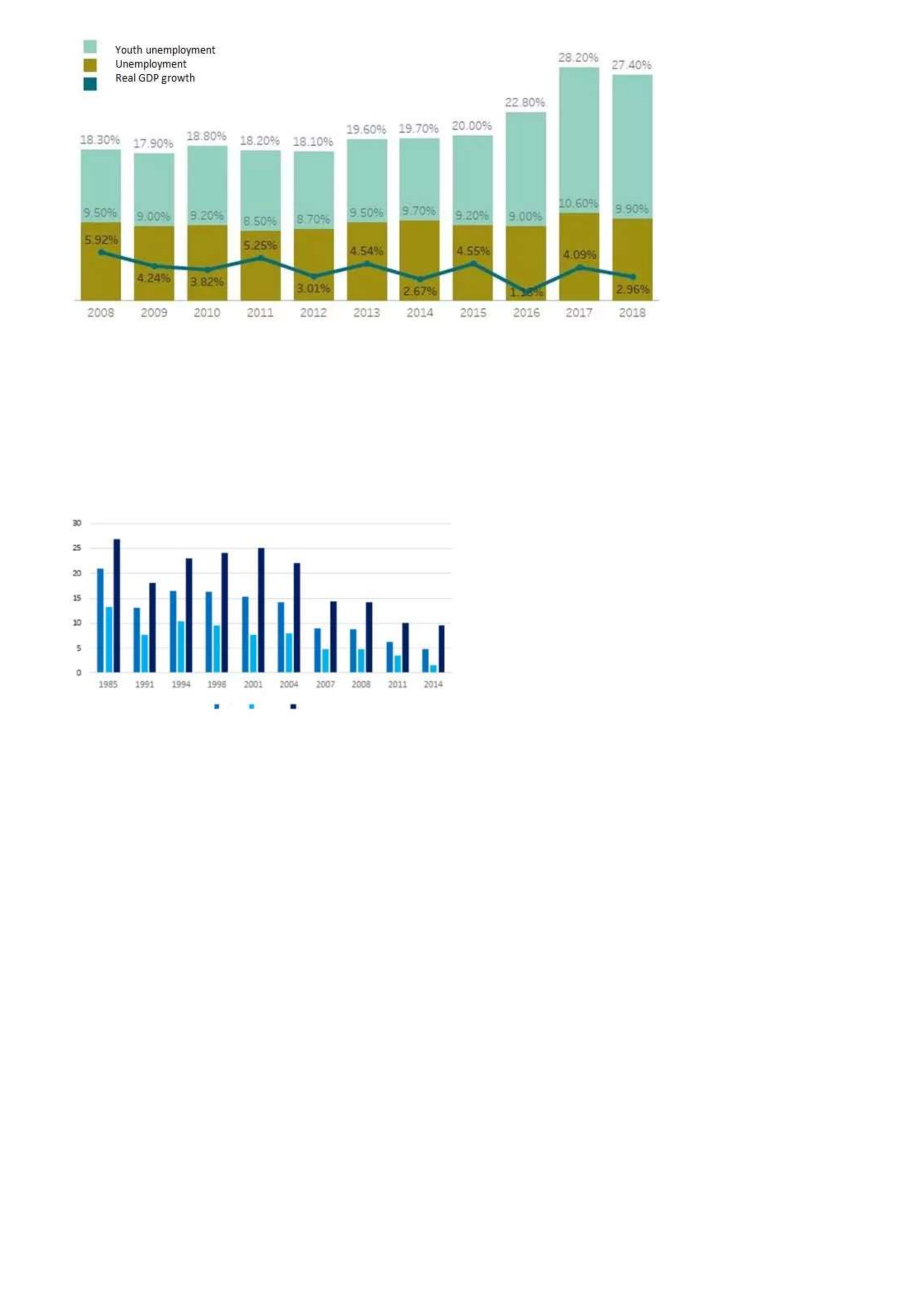
Fig. 1. Correlation between unemployment, youth unemployment, and growth in Morocco, percentage change with 2012 base.
However, the labor share of GDP is the highest in the upper-middle-income sector which demonstrates the growth of a strong middle class in the
country. At the same time, social spending in Morocco is less than in neighboring countries such as Tunisia and Jordan. Thus, the progress in the
achievement of SDGs is ambiguous, although progressive development is evident. It should be noted that the country managed to decrease the
poverty rate significantly in dynamics (Fig. 2).
Total Urban Rural
Fig. 2. The Evolution of poverty rate in Morocco, 1985-2014.
There is a gradual increase in the human capital index and efforts are being made in the field of education. The dynamics of youth functional literacy
in Morocco for the period 2000-2018 is the highest among ten African countries. Net Enrollment Ratio in primary education manifested two-fold
growth since 1971 (Mansouri and Moumine 12). The duration of primary education is 6 years – this figure has not changed since 2009. The net
enrollment rate in primary education is 98.92%, which is a good value for an African country. Adult literacy is 73.75% (Sandberg and Binder 26).
Moreover, the illiterate population is concentrated in rural areas.
Processes of digital transformation are being observed – the ruling elite of Morocco realizes that digitalization is one of the integral mechanisms of
the global development of the national economy. It plays a critical role in attracting investment, creating jobs, modernizing the public sector, and
creating fast and efficient services for citizens. Efforts are being made to improve the digital infrastructure, strengthen the professional knowledge of
people to meet the market demand for specialists in the digital sphere.
Nevertheless, economic inequality persists – for example, the Gini index, which measures the degree to which the distribution of income or
consumption expenditures among households in the economy differs from absolute equality in distribution, was 35.70% in 2018 (UN). This is,
however, almost 10% less than in the previous year, which indicates the success of the government’s efforts to reduce inequality. According to World
Bank Human Capital Index, Morocco is ahead of Egypt and Yemen and almost on the same level as other Arab countries, being behind such rich
countries as Qatar and UAE (Fig. 3 below).
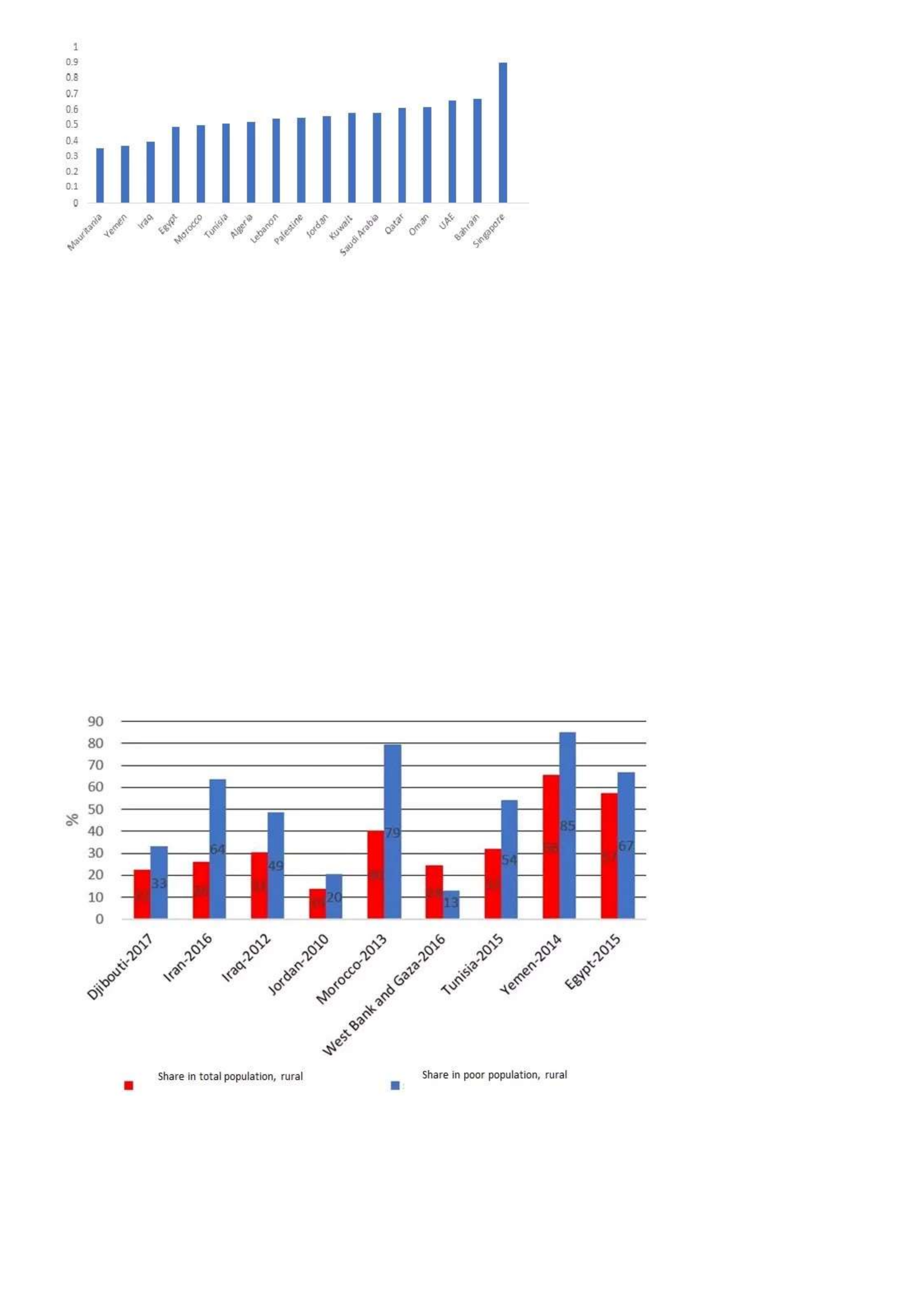
Fig. 3. The World Bank Human Capital Index, 2019.
Issues of reducing gender inequality should also be noted. Noteworthy, recent family law reforms in Morocco have strengthened women’s property
rights by equalizing the property rights of husbands and wives over property acquired during the marriage. Methods for strengthening the voice of
women in society include political representation quotas, training future women leaders, and increasing their participation in trade unions and
professional associations.
However, while the gender gap in leadership positions in corporate governance and public administration has narrowed, women, especially in rural
areas, are largely the face of poverty in Morocco. In Morocco, there are two main methods of measuring poverty, which include the “classical
approach” and the second one, which is more of a capacity-based approach. The “classical approach” uses a poverty line to statistically define the
poor. This approach quantifies the number of poor people and households but does not take into account how poor people lack basic needs such as
shelter, food, health, and education. The second approach addresses this lack of basic needs and emphasizes the multidimensional nature of poverty.
Moroccan women represent the most economically vulnerable social group in the country (Sandberg and Binder 32-39). The feminization of poverty
refers to a trend towards increasing inequality in living standards between men and women due to the widening gap in poverty between women and
men. This phenomenon is not only a consequence of a lack of income but also a result of disenfranchisement and gender bias inherent in both
societies and governments at the regional level. It encompasses the poverty of choice and opportunity, such as the ability to lead a long, healthy, and
creative life and the enjoyment of fundamental rights such as freedom, respect, and dignity. This phenomenon is largely due to the overall ratio of
total and poor population in rural areas. In Morocco, the percentage of the poor rural population is rather high in comparison with other MENA
countries (Fig. 4).
Fig. 4. Rural shares in total and poor population in selected MENA countries.
Indeed, education seems to be an important factor associated with access to rural non-farm activities – thus, the issue of rural poverty should be
addressed simultaneously with making efforts to eradicate illiteracy in rural areas. The figure below clearly shows that education represents one of
the definitive factors associated with access to rural non-farm activities.
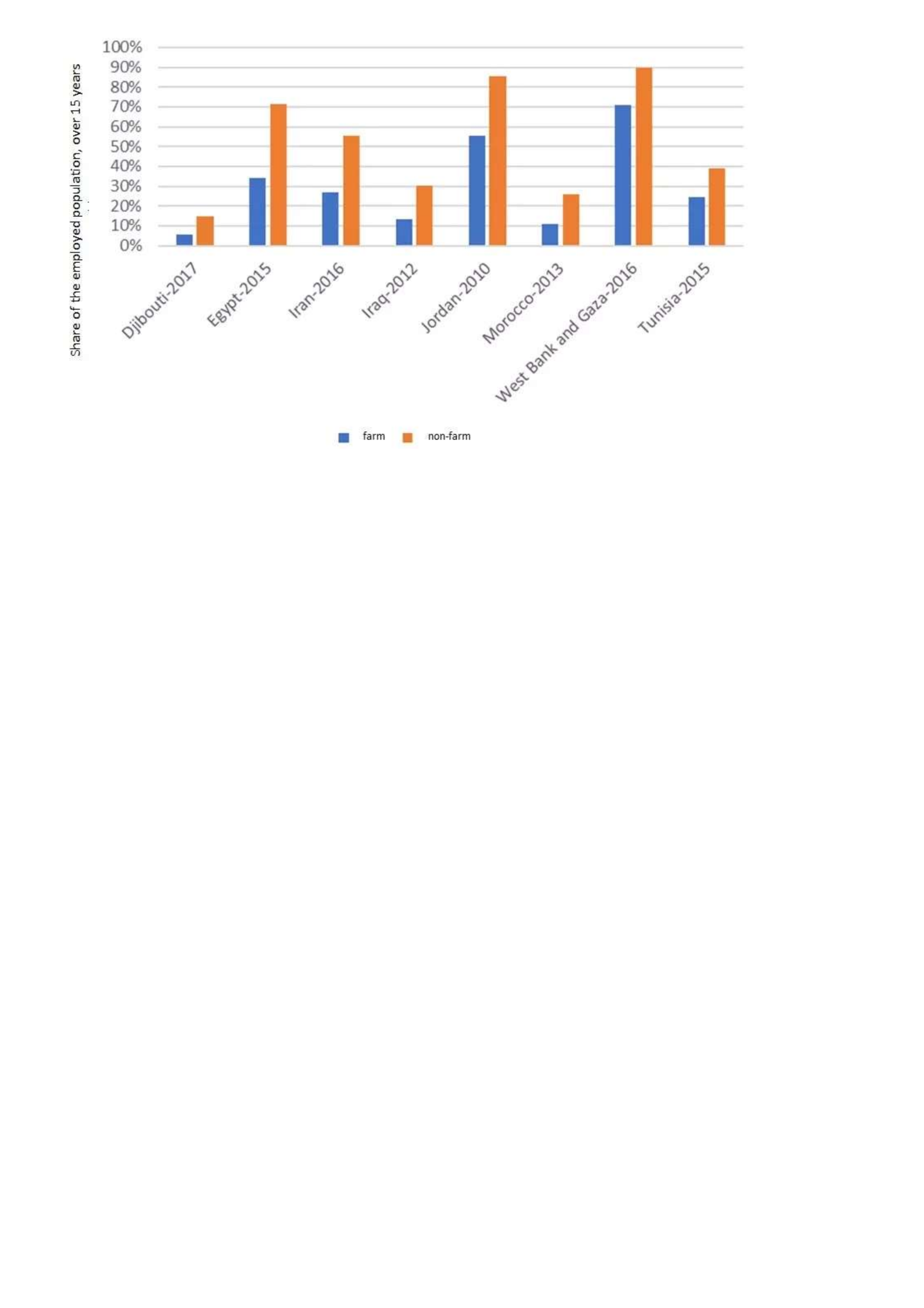
Fig. 5. Shares of the population over 15 years old with incomplete secondary education and above among employed farm and non-farm activities in
rural areas of selected MENA countries.
The Kingdom of Morocco continues to pursue its efforts to follow up on recommendations from major United Nations development meetings and
conferences, including the Millennium Development Goals, which are included in the national development strategy. Modernization, democratization,
and economic development, as well as indicators of sustainable human development, are interdependent in promoting equal opportunities,
disseminating knowledge, and providing basic social services.
Increasingly more environmental protection programs are being implemented in the country. In particular, by supporting ecotourism, Morocco strives
to highlight its unique tangible and spiritual heritage by engaging industry professionals and regional authorities. For this, a special program has been
developed – the charter for sustainable tourism. The development of ecotourism is also supported by numerous individual projects, such as the
botanical garden of aromatic plants located near the ancient city. To date, 13 Moroccan beaches have received the Blue Flag award (Rihab 287). Many
hotels and inns in the country have received the Green Key award. All this highlights the efforts of the owners of the companies in the field of
environmental protection.
The percentage of the marine protected area has increased in recent years, and on the 22nd Conference of the Parties to the United Nations
Framework Convention on Climate Change, for the first time in its history, at the request of the Moroccan government, an Action Day for the
Protection of the Oceans was organized as part of the official UNFCCC program. Efforts to combat illegal, unreported, and unregulated fishing also
should be noted. In the energy sector, Morocco stands out for the presence of the seventh-largest solar power plant in the world – in Noor. Spread
over an area of 3000 hectares (3500 football fields), the station is capable of providing energy to a city the size of two Marrakech or Prague. Located
at the entrance to the Sahara Desert, the complex saves the planet from more than 760,000 tons of carbon emissions (Mohamed et al. 193-195). The
main sectors of the economy that can support green growth are clean renewable energy, water management, agriculture and forestry, fisheries,
recycling, and waste management.
This major project primarily serves the interests of Morocco, but it is also part of a worldwide effort to expand the use of renewable energy sources.
Investment in renewable energy in Morocco grew 13 times in 2018 to $ 2.8 billion (Mohamed et al. 191). Morocco has set an ambitious goal of
generating more than half of its electricity from renewable sources by 2030. These goals, along with other climate change policies, helped make
Morocco the second best-performing country in the 2018 and 2019 Climate Change Performance Indices. Morocco ranks 64th in the world in terms of
environmental performance, ahead of most African countries (Rihab 289). The country is trying to integrate the climate change component into all
national public policies.
Separately, the degree of application of a legal, regulatory, and institutional framework that recognizes and protects access rights for small-scale
fisheries in Morocco should be noted. The country is among the leading ones in Africa by the degree of efforts in this field. For the Sahara region, the
most relevant is the efforts of the Kingdom of Morocco on control and surveillance issues, given the importance of fishing activities. Control requires
the average performance of equipment and, namely control on water and on land, which mobilizes ships, vehicles, and service personnel, equipped
with specific measurement and remote communication equipment. Indeed, control concerns all the elements: fishermen’s activities, fishing area,
fishing gear and sizes, documentation (capture declaration, logbook), unloading (market size, quota), transportation, and storage of fishing products.
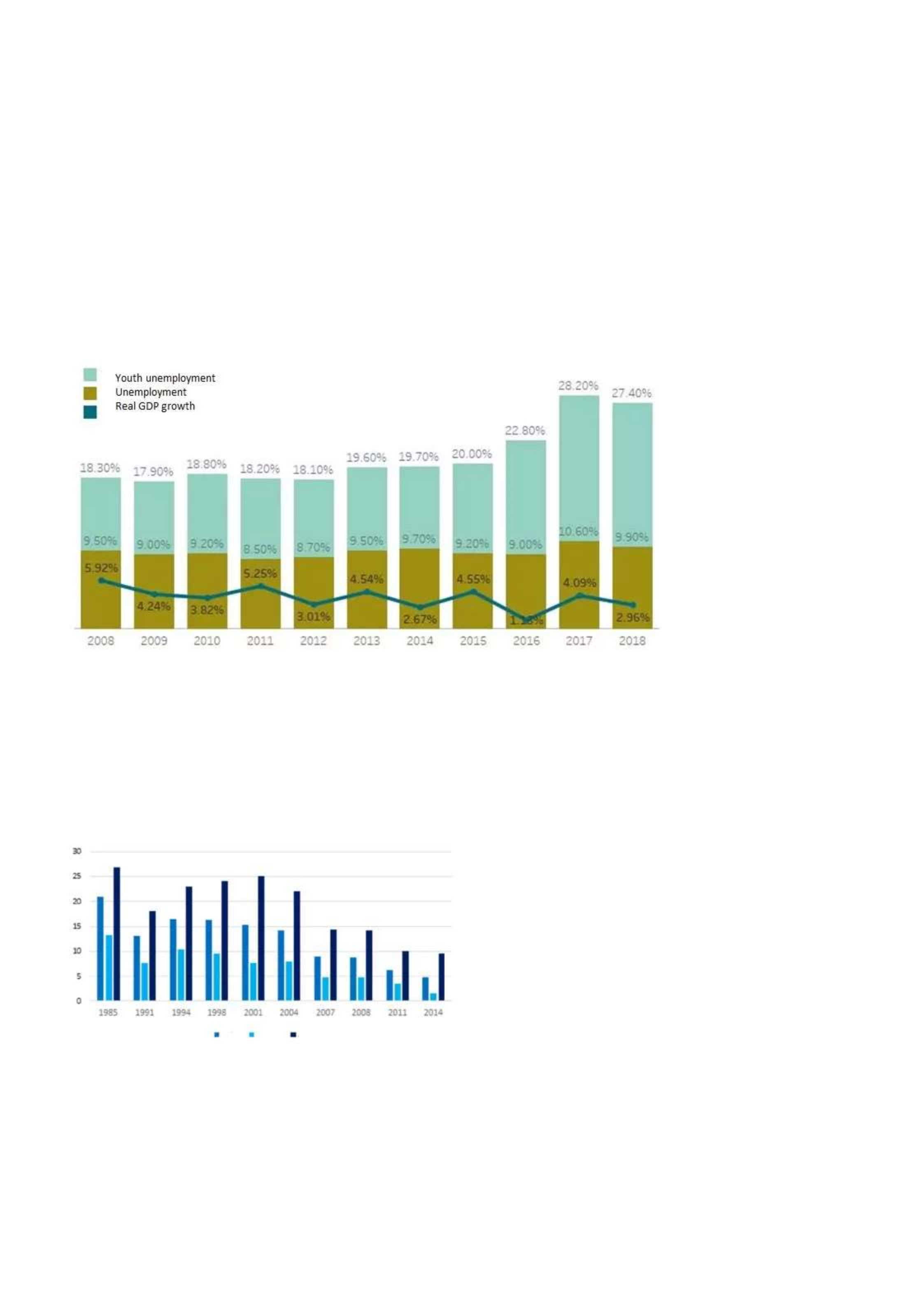
Thus, the country demonstrates evident and, to a significant extent, effective efforts to achieve meeting goals of sustainable development both in
addressing the issues of social capital growth and environmental protection. At the same time, still, problems in social inequality, gender gaps, rural
poverty, and access to quality education persist. In these conditions, it seems expedient to pay special attention to the mechanisms of public-private
partnership, which are not well developed in Morocco.
The Moroccan economy is considered to be a relatively liberal economy governed by the law of supply and demand. Since 1993, Morocco has
pursued a policy of privatizing certain sectors of the economy that were formerly in the hands of the government.
Morocco has become a major player in African economic affairs and ranks fifth among African economies in terms of GDP. The
World Economic Forum ranked Morocco as the 1st most competitive economy in North Africa in its Africa Competitiveness Report 2014-15. Since
2018, the country’s currency – the dirham – is fully convertible for current account transactions, financial sector reforms are carried out, and state
enterprises are being privatized.
There is an overall relative downward trend in unemployment in the country over the past decade. However, still, the level of youth unemployment in
2017 is 42.8%. About 80% of jobs are informal and the income gap is very large (Dadush 9). The correlation between unemployment, youth
unemployment, and growth is shown in Fig. 1 below.
Fig. 1. Correlation between unemployment, youth unemployment, and growth in Morocco, percentage change with 2012 base.
However, the labor share of GDP is the highest in the upper-middle-income sector which demonstrates the growth of a strong middle class in the
country. At the same time, social spending in Morocco is less than in neighboring countries such as Tunisia and Jordan. Thus, the progress in the
achievement of SDGs is ambiguous, although progressive development is evident. It should be noted that the country managed to decrease the
poverty rate significantly in dynamics (Fig. 2).
Total Urban Rural
Fig. 2. The Evolution of poverty rate in Morocco, 1985-2014.
There is a gradual increase in the human capital index and efforts are being made in the field of education. The dynamics of youth functional literacy
in Morocco for the period 2000-2018 is the highest among ten African countries. Net Enrollment Ratio in primary education manifested two-fold
growth since 1971 (Mansouri and Moumine 12). The duration of primary education is 6 years – this figure has not changed since 2009. The net
enrollment rate in primary education is 98.92%, which is a good value for an African country. Adult literacy is 73.75% (Sandberg and Binder 26).
Moreover, the illiterate population is concentrated in rural areas.
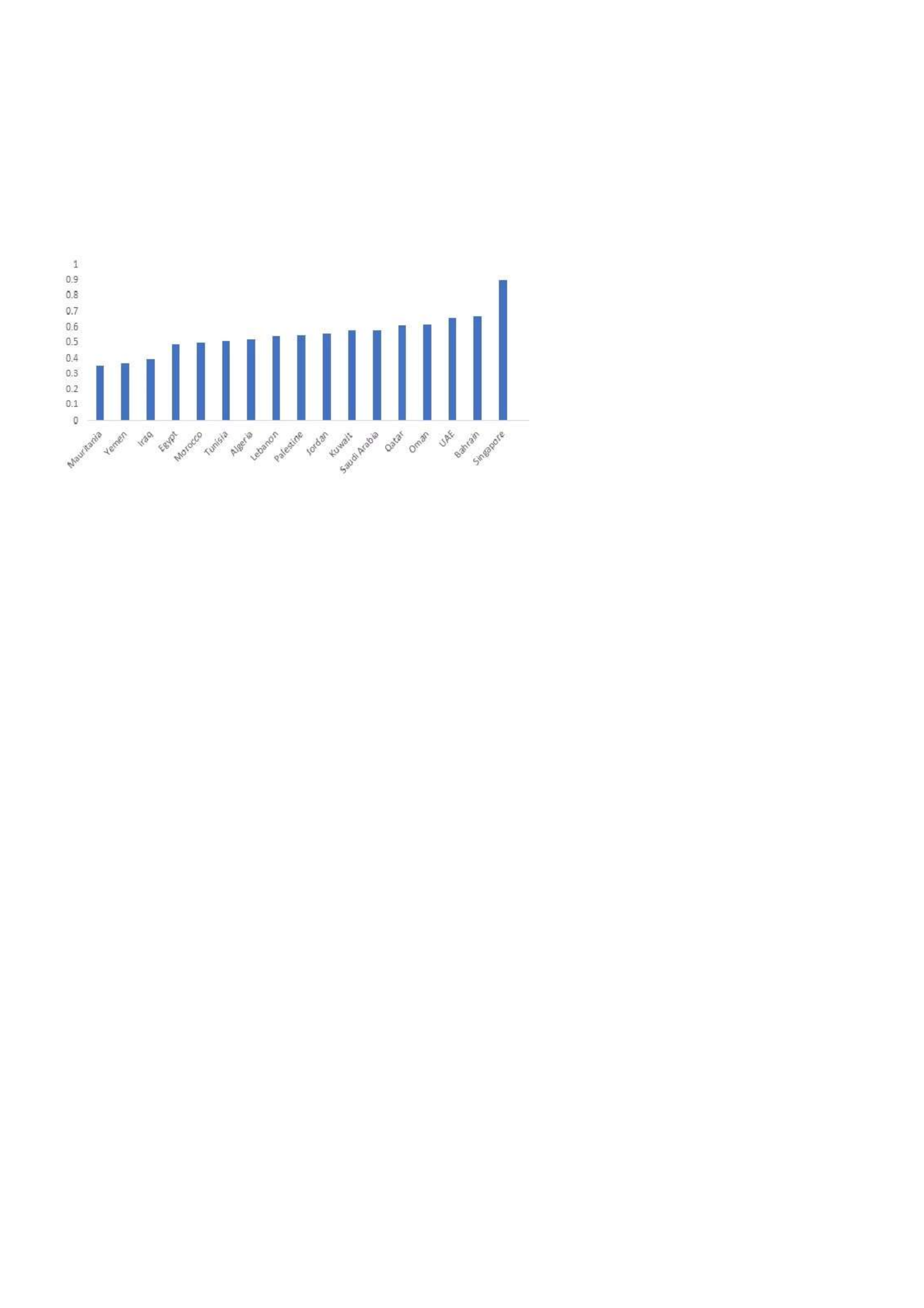
Processes of digital transformation are being observed – the ruling elite of Morocco realizes that digitalization is one of the integral mechanisms of
the global development of the national economy. It plays a critical role in attracting investment, creating jobs, modernizing the public sector, and
creating fast and efficient services for citizens. Efforts are being made to improve the digital infrastructure, strengthen the professional knowledge of
people to meet the market demand for specialists in the digital sphere.
Nevertheless, economic inequality persists – for example, the Gini index, which measures the degree to which the distribution of income or
consumption expenditures among households in the economy differs from absolute equality in distribution, was 35.70% in 2018 (UN). This is,
however, almost 10% less than in the previous year, which indicates the success of the government’s efforts to reduce inequality. According to World
Bank Human Capital Index, Morocco is ahead of Egypt and Yemen and almost on the same level as other Arab countries, being behind such rich
countries as Qatar and UAE (Fig. 3 below).
Fig. 3. The World Bank Human Capital Index, 2019.
Issues of reducing gender inequality should also be noted. Noteworthy, recent family law reforms in Morocco have strengthened women’s property
rights by equalizing the property rights of husbands and wives over property acquired during the marriage. Methods for strengthening the voice of
women in society include political representation quotas, training future women leaders, and increasing their participation in trade unions and
professional associations.
However, while the gender gap in leadership positions in corporate governance and public administration has narrowed, women, especially in rural
areas, are largely the face of poverty in Morocco. In Morocco, there are two main methods of measuring poverty, which include the “classical
approach” and the second one, which is more of a capacity-based approach. The “classical approach” uses a poverty line to statistically define the
poor. This approach quantifies the number of poor people and households but does not take into account how poor people lack basic needs such as
shelter, food, health, and education. The second approach addresses this lack of basic needs and emphasizes the multidimensional nature of poverty.
Moroccan women represent the most economically vulnerable social group in the country (Sandberg and Binder 32-39). The feminization of poverty
refers to a trend towards increasing inequality in living standards between men and women due to the widening gap in poverty between women and
men. This phenomenon is not only a consequence of a lack of income but also a result of disenfranchisement and gender bias inherent in both
societies and governments at the regional level. It encompasses the poverty of choice and opportunity, such as the ability to lead a long, healthy, and
creative life and the enjoyment of fundamental rights such as freedom, respect, and dignity. This phenomenon is largely due to the overall ratio of
total and poor population in rural areas. In Morocco, the percentage of the poor rural population is rather high in comparison with other MENA
countries (Fig. 4).
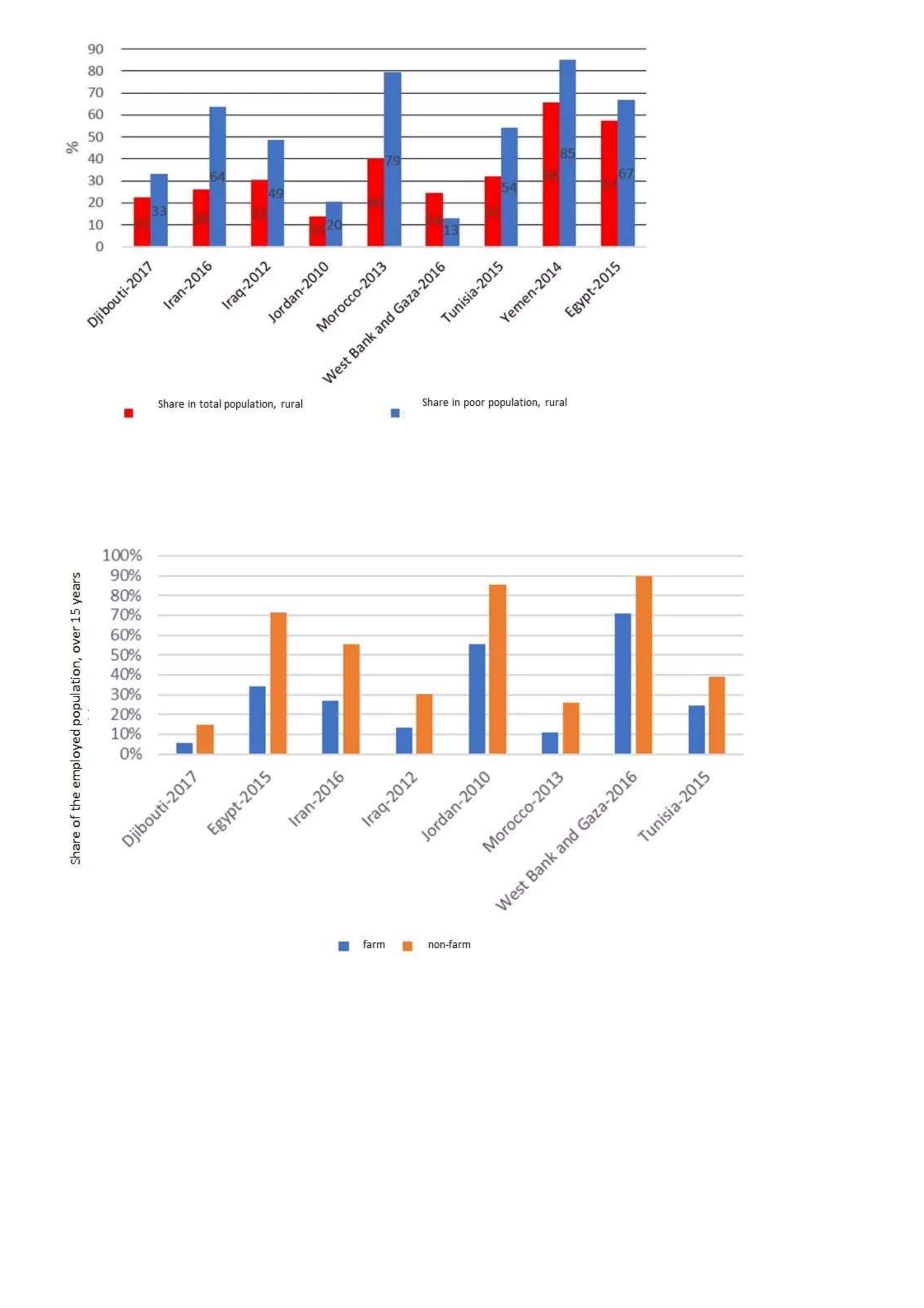
Fig. 4. Rural shares in total and poor population in selected MENA countries.
Indeed, education seems to be an important factor associated with access to rural non-farm activities – thus, the issue of rural poverty should be
addressed simultaneously with making efforts to eradicate illiteracy in rural areas. The figure below clearly shows that education represents one of
the definitive factors associated with access to rural non-farm activities.
Fig. 5. Shares of the population over 15 years old with incomplete secondary education and above among employed farm and non-farm activities in
rural areas of selected MENA countries.
The Kingdom of Morocco continues to pursue its efforts to follow up on recommendations from major United Nations development meetings and
conferences, including the Millennium Development Goals, which are included in the national development strategy. Modernization, democratization,
and economic development, as well as indicators of sustainable human development, are interdependent in promoting equal opportunities,
disseminating knowledge, and providing basic social services.
Increasingly more environmental protection programs are being implemented in the country. In particular, by supporting ecotourism, Morocco strives
to highlight its unique tangible and spiritual heritage by engaging industry professionals and regional authorities. For this, a special program has been
developed – the charter for sustainable tourism. The development of ecotourism is also supported by numerous individual projects, such as the
botanical garden of aromatic plants located near the ancient city. To date, 13 Moroccan beaches have received the Blue Flag award (Rihab 287). Many
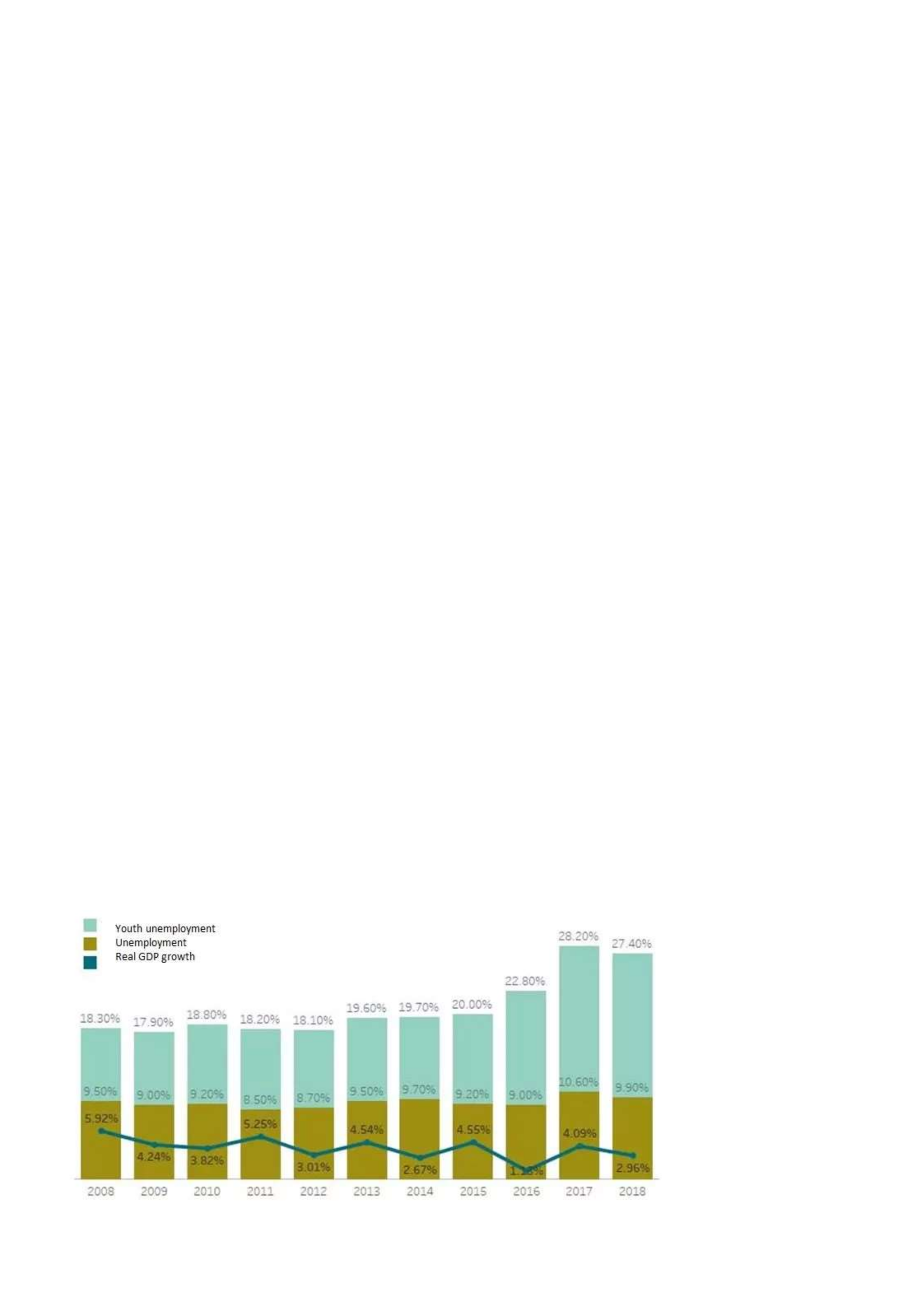
hotels and inns in the country have received the Green Key award. All this highlights the efforts of the owners of the companies in the field of
environmental protection.
The percentage of the marine protected area has increased in recent years, and on the 22nd Conference of the Parties to the United Nations
Framework Convention on Climate Change, for the first time in its history, at the request of the Moroccan government, an Action Day for the
Protection of the Oceans was organized as part of the official UNFCCC program. Efforts to combat illegal, unreported, and unregulated fishing also
should be noted. In the energy sector, Morocco stands out for the presence of the seventh-largest solar power plant in the world – in Noor. Spread
over an area of 3000 hectares (3500 football fields), the station is capable of providing energy to a city the size of two Marrakech or Prague. Located
at the entrance to the Sahara Desert, the complex saves the planet from more than 760,000 tons of carbon emissions (Mohamed et al. 193-195). The
main sectors of the economy that can support green growth are clean renewable energy, water management, agriculture and forestry, fisheries,
recycling, and waste management.
This major project primarily serves the interests of Morocco, but it is also part of a worldwide effort to expand the use of renewable energy sources.
Investment in renewable energy in Morocco grew 13 times in 2018 to $ 2.8 billion (Mohamed et al. 191). Morocco has set an ambitious goal of
generating more than half of its electricity from renewable sources by 2030. These goals, along with other climate change policies, helped make
Morocco the second best-performing country in the 2018 and 2019 Climate Change Performance Indices. Morocco ranks 64th in the world in terms of
environmental performance, ahead of most African countries (Rihab 289). The country is trying to integrate the climate change component into all
national public policies.
Separately, the degree of application of a legal, regulatory, and institutional framework that recognizes and protects access rights for small-scale
fisheries in Morocco should be noted. The country is among the leading ones in Africa by the degree of efforts in this field. For the Sahara region, the
most relevant is the efforts of the Kingdom of Morocco on control and surveillance issues, given the importance of fishing activities. Control requires
the average performance of equipment and, namely control on water and on land, which mobilizes ships, vehicles, and service personnel, equipped
with specific measurement and remote communication equipment. Indeed, control concerns all the elements: fishermen’s activities, fishing area,
fishing gear and sizes, documentation (capture declaration, logbook), unloading (market size, quota), transportation, and storage of fishing products.
Thus, the country demonstrates evident and, to a significant extent, effective efforts to achieve meeting goals of sustainable development both in
addressing the issues of social capital growth and environmental protection. At the same time, still, problems in social inequality, gender gaps, rural
poverty, and access to quality education persist. In these conditions, it seems expedient to pay special attention to the mechanisms of public-private
partnership, which are not well developed in Morocco.
The Moroccan economy is considered to be a relatively liberal economy governed by the law of supply and demand. Since 1993, Morocco has
pursued a policy of privatizing certain sectors of the economy that were formerly in the hands of the government.
Morocco has become a major player in African economic affairs and ranks fifth among African economies in terms of GDP. The
World Economic Forum ranked Morocco as the 1st most competitive economy in North Africa in its Africa Competitiveness Report 2014-15. Since
2018, the country’s currency – the dirham – is fully convertible for current account transactions, financial sector reforms are carried out, and state
enterprises are being privatized.
There is an overall relative downward trend in unemployment in the country over the past decade. However, still, the level of youth unemployment in
2017 is 42.8%. About 80% of jobs are informal and the income gap is very large (Dadush 9). The correlation between unemployment, youth
unemployment, and growth is shown in Fig. 1 below.
Fig. 1. Correlation between unemployment, youth unemployment, and growth in Morocco, percentage change with 2012 base.
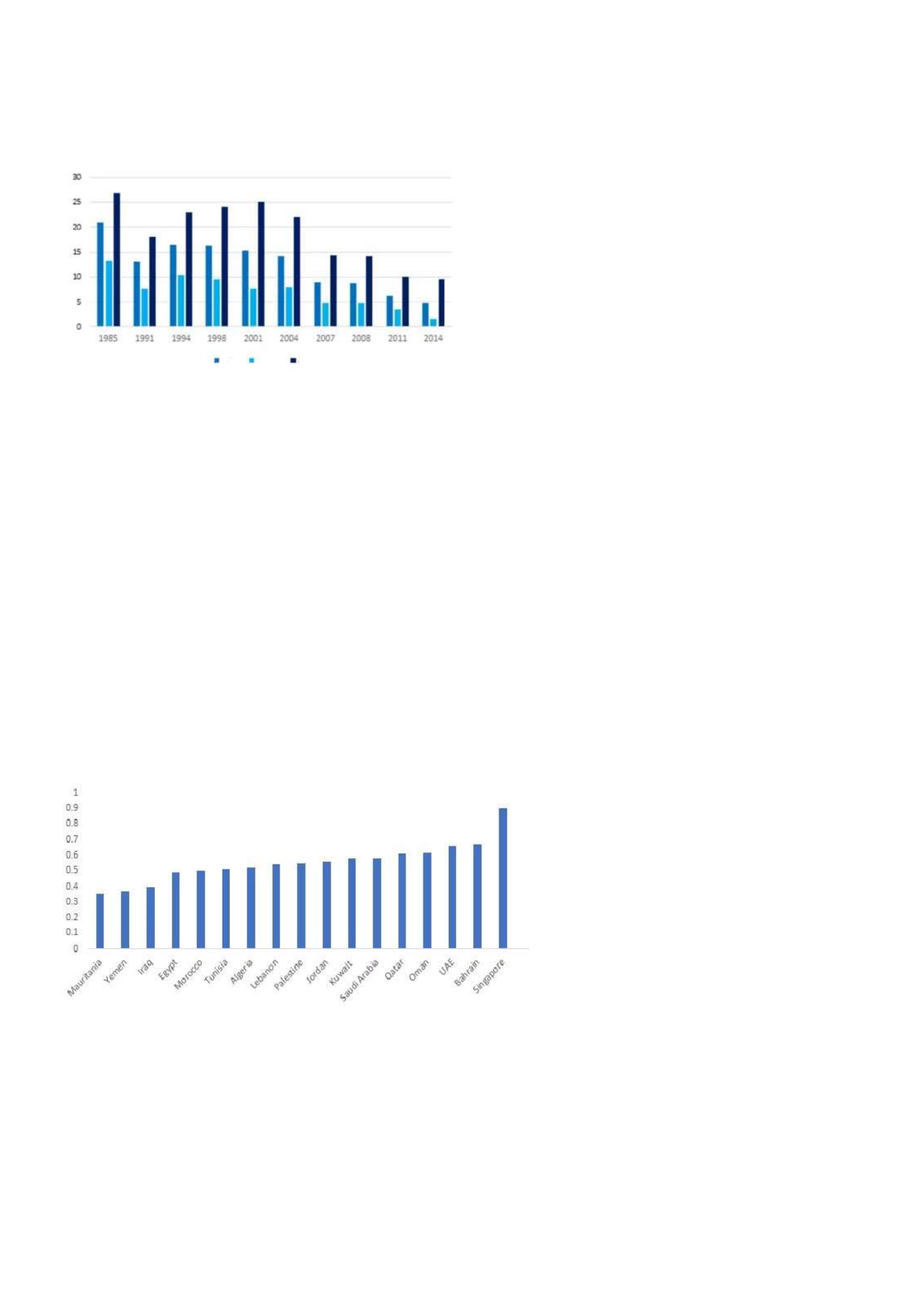
However, the labor share of GDP is the highest in the upper-middle-income sector which demonstrates the growth of a strong middle class in the
country. At the same time, social spending in Morocco is less than in neighboring countries such as Tunisia and Jordan. Thus, the progress in the
achievement of SDGs is ambiguous, although progressive development is evident. It should be noted that the country managed to decrease the
poverty rate significantly in dynamics (Fig. 2).
Total Urban Rural
Fig. 2. The Evolution of poverty rate in Morocco, 1985-2014.
There is a gradual increase in the human capital index and efforts are being made in the field of education. The dynamics of youth functional literacy
in Morocco for the period 2000-2018 is the highest among ten African countries. Net Enrollment Ratio in primary education manifested two-fold
growth since 1971 (Mansouri and Moumine 12). The duration of primary education is 6 years – this figure has not changed since 2009. The net
enrollment rate in primary education is 98.92%, which is a good value for an African country. Adult literacy is 73.75% (Sandberg and Binder 26).
Moreover, the illiterate population is concentrated in rural areas.
Processes of digital transformation are being observed – the ruling elite of Morocco realizes that digitalization is one of the integral mechanisms of
the global development of the national economy. It plays a critical role in attracting investment, creating jobs, modernizing the public sector, and
creating fast and efficient services for citizens. Efforts are being made to improve the digital infrastructure, strengthen the professional knowledge of
people to meet the market demand for specialists in the digital sphere.
Nevertheless, economic inequality persists – for example, the Gini index, which measures the degree to which the distribution of income or
consumption expenditures among households in the economy differs from absolute equality in distribution, was 35.70% in 2018 (UN). This is,
however, almost 10% less than in the previous year, which indicates the success of the government’s efforts to reduce inequality. According to World
Bank Human Capital Index, Morocco is ahead of Egypt and Yemen and almost on the same level as other Arab countries, being behind such rich
countries as Qatar and UAE (Fig. 3 below).
Fig. 3. The World Bank Human Capital Index, 2019.
Issues of reducing gender inequality should also be noted. Noteworthy, recent family law reforms in Morocco have strengthened women’s property
rights by equalizing the property rights of husbands and wives over property acquired during the marriage. Methods for strengthening the voice of
women in society include political representation quotas, training future women leaders, and increasing their participation in trade unions and
professional associations.
However, while the gender gap in leadership positions in corporate governance and public administration has narrowed, women, especially in rural
areas, are largely the face of poverty in Morocco. In Morocco, there are two main methods of measuring poverty, which include the “classical
approach” and the second one, which is more of a capacity-based approach. The “classical approach” uses a poverty line to statistically define the
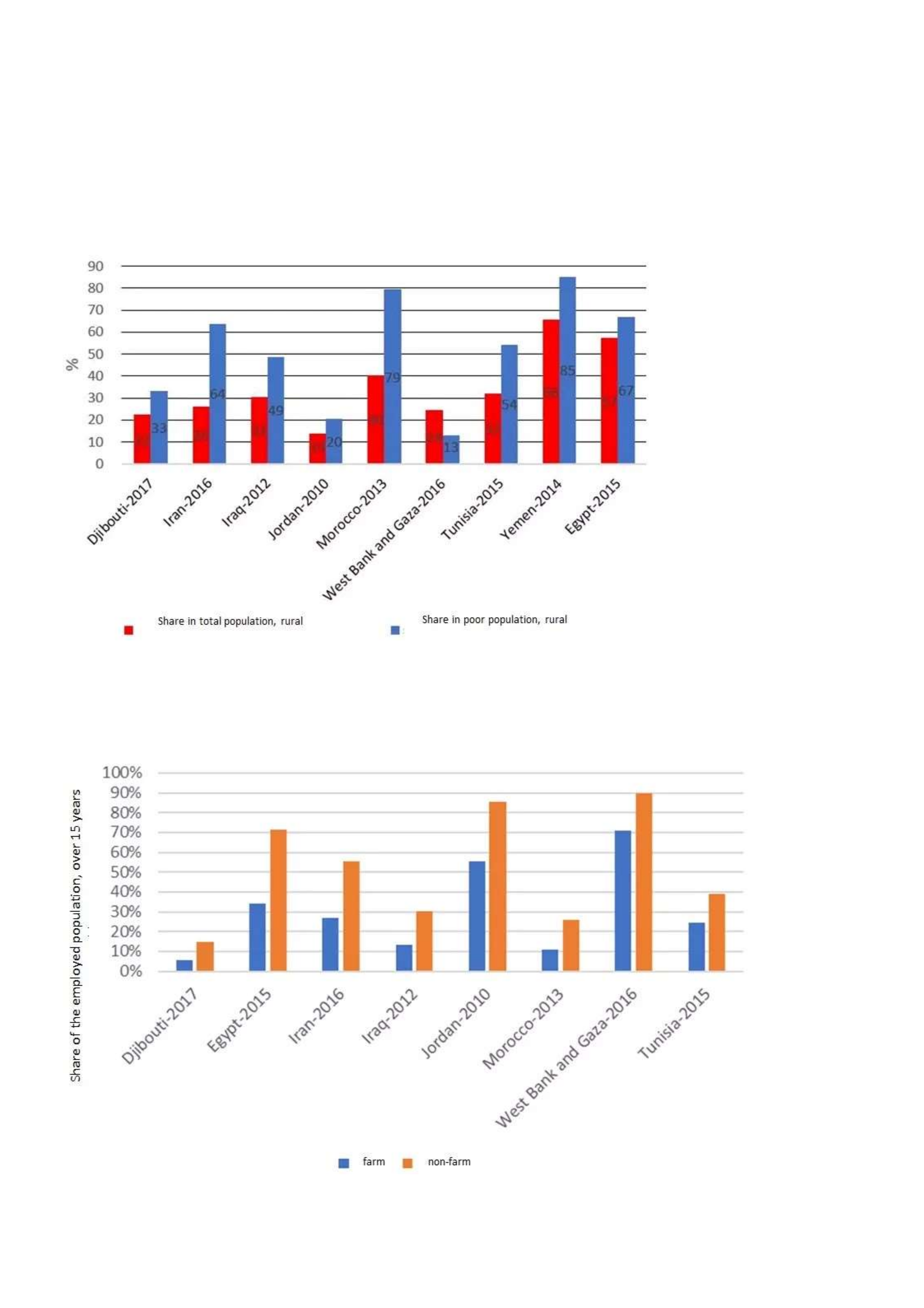
poor. This approach quantifies the number of poor people and households but does not take into account how poor people lack basic needs such as
shelter, food, health, and education. The second approach addresses this lack of basic needs and emphasizes the multidimensional nature of poverty.
Moroccan women represent the most economically vulnerable social group in the country (Sandberg and Binder 32-39). The feminization of poverty
refers to a trend towards increasing inequality in living standards between men and women due to the widening gap in poverty between women and
men. This phenomenon is not only a consequence of a lack of income but also a result of disenfranchisement and gender bias inherent in both
societies and governments at the regional level. It encompasses the poverty of choice and opportunity, such as the ability to lead a long, healthy, and
creative life and the enjoyment of fundamental rights such as freedom, respect, and dignity. This phenomenon is largely due to the overall ratio of
total and poor population in rural areas. In Morocco, the percentage of the poor rural population is rather high in comparison with other MENA
countries (Fig. 4).
Fig. 4. Rural shares in total and poor population in selected MENA countries.
Indeed, education seems to be an important factor associated with access to rural non-farm activities – thus, the issue of rural poverty should be
addressed simultaneously with making efforts to eradicate illiteracy in rural areas. The figure below clearly shows that education represents one of
the definitive factors associated with access to rural non-farm activities.
Fig. 5. Shares of the population over 15 years old with incomplete secondary education and above among employed farm and non-farm activities in
rural areas of selected MENA countries.

The Kingdom of Morocco continues to pursue its efforts to follow up on recommendations from major United Nations development meetings and
conferences, including the Millennium Development Goals, which are included in the national development strategy. Modernization, democratization,
and economic development, as well as indicators of sustainable human development, are interdependent in promoting equal opportunities,
disseminating knowledge, and providing basic social services.
Increasingly more environmental protection programs are being implemented in the country. In particular, by supporting ecotourism, Morocco strives
to highlight its unique tangible and spiritual heritage by engaging industry professionals and regional authorities. For this, a special program has been
developed – the charter for sustainable tourism. The development of ecotourism is also supported by numerous individual projects, such as the
botanical garden of aromatic plants located near the ancient city. To date, 13 Moroccan beaches have received the Blue Flag award (Rihab 287). Many
hotels and inns in the country have received the Green Key award. All this highlights the efforts of the owners of the companies in the field of
environmental protection.
The percentage of the marine protected area has increased in recent years, and on the 22nd Conference of the Parties to the United Nations
Framework Convention on Climate Change, for the first time in its history, at the request of the Moroccan government, an Action Day for the
Protection of the Oceans was organized as part of the official UNFCCC program. Efforts to combat illegal, unreported, and unregulated fishing also
should be noted. In the energy sector, Morocco stands out for the presence of the seventh-largest solar power plant in the world – in Noor. Spread
over an area of 3000 hectares (3500 football fields), the station is capable of providing energy to a city the size of two Marrakech or Prague. Located
at the entrance to the Sahara Desert, the complex saves the planet from more than 760,000 tons of carbon emissions (Mohamed et al. 193-195). The
main sectors of the economy that can support green growth are clean renewable energy, water management, agriculture and forestry, fisheries,
recycling, and waste management.
This major project primarily serves the interests of Morocco, but it is also part of a worldwide effort to expand the use of renewable energy sources.
Investment in renewable energy in Morocco grew 13 times in 2018 to $ 2.8 billion (Mohamed et al. 191). Morocco has set an ambitious goal of
generating more than half of its electricity from renewable sources by 2030. These goals, along with other climate change policies, helped make
Morocco the second best-performing country in the 2018 and 2019 Climate Change Performance Indices. Morocco ranks 64th in the world in terms of
environmental performance, ahead of most African countries (Rihab 289). The country is trying to integrate the climate change component into all
national public policies.
Separately, the degree of application of a legal, regulatory, and institutional framework that recognizes and protects access rights for small-scale
fisheries in Morocco should be noted. The country is among the leading ones in Africa by the degree of efforts in this field. For the Sahara region, the
most relevant is the efforts of the Kingdom of Morocco on control and surveillance issues, given the importance of fishing activities. Control requires
the average performance of equipment and, namely control on water and on land, which mobilizes ships, vehicles, and service personnel, equipped
with specific measurement and remote communication equipment. Indeed, control concerns all the elements: fishermen’s activities, fishing area,
fishing gear and sizes, documentation (capture declaration, logbook), unloading (market size, quota), transportation, and storage of fishing products.
Thus, the country demonstrates evident and, to a significant extent, effective efforts to achieve meeting goals of sustainable development both in
addressing the issues of social capital growth and environmental protection. At the same time, still, problems in social inequality, gender gaps, rural
poverty, and access to quality education persist. In these conditions, it seems expedient to pay special attention to the mechanisms of public-private
partnership, which are not well developed in Morocco.
The Moroccan economy is considered to be a relatively liberal economy governed by the law of supply and demand. Since 1993, Morocco has
pursued a policy of privatizing certain sectors of the economy that were formerly in the hands of the government.
Morocco has become a major player in African economic affairs and ranks fifth among African economies in terms of GDP. The
World Economic Forum ranked Morocco as the 1st most competitive economy in North Africa in its Africa Competitiveness Report 2014-15. Since
2018, the country’s currency – the dirham – is fully convertible for current account transactions, financial sector reforms are carried out, and state
enterprises are being privatized.
There is an overall relative downward trend in unemployment in the country over the past decade. However, still, the level of youth unemployment in
2017 is 42.8%. About 80% of jobs are informal and the income gap is very large (Dadush 9). The correlation between unemployment, youth
unemployment, and growth is shown in Fig. 1 below.
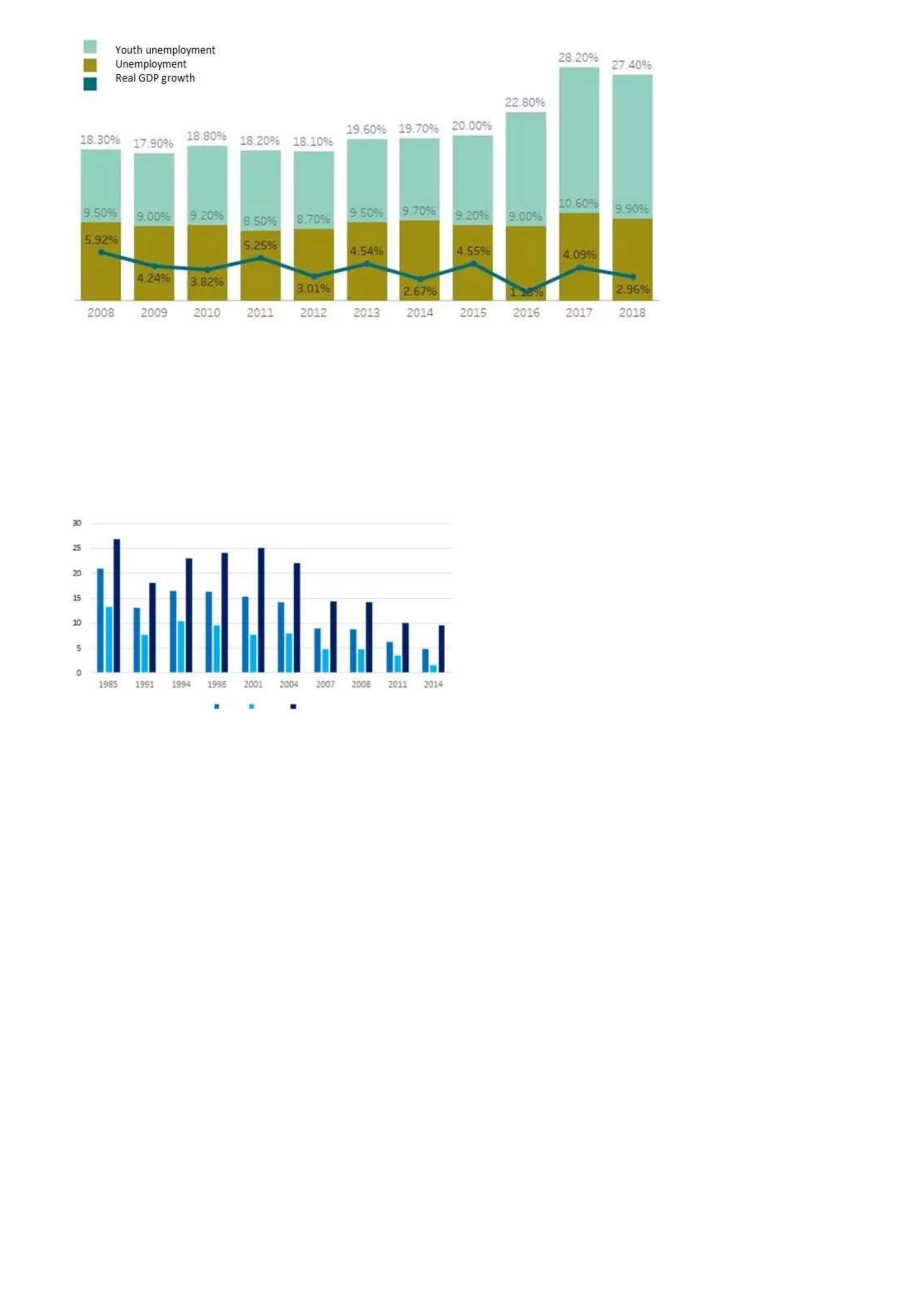
Fig. 1. Correlation between unemployment, youth unemployment, and growth in Morocco, percentage change with 2012 base.
However, the labor share of GDP is the highest in the upper-middle-income sector which demonstrates the growth of a strong middle class in the
country. At the same time, social spending in Morocco is less than in neighboring countries such as Tunisia and Jordan. Thus, the progress in the
achievement of SDGs is ambiguous, although progressive development is evident. It should be noted that the country managed to decrease the
poverty rate significantly in dynamics (Fig. 2).
Total Urban Rural
Fig. 2. The Evolution of poverty rate in Morocco, 1985-2014.
There is a gradual increase in the human capital index and efforts are being made in the field of education. The dynamics of youth functional literacy
in Morocco for the period 2000-2018 is the highest among ten African countries. Net Enrollment Ratio in primary education manifested two-fold
growth since 1971 (Mansouri and Moumine 12). The duration of primary education is 6 years – this figure has not changed since 2009. The net
enrollment rate in primary education is 98.92%, which is a good value for an African country. Adult literacy is 73.75% (Sandberg and Binder 26).
Moreover, the illiterate population is concentrated in rural areas.
Processes of digital transformation are being observed – the ruling elite of Morocco realizes that digitalization is one of the integral mechanisms of
the global development of the national economy. It plays a critical role in attracting investment, creating jobs, modernizing the public sector, and
creating fast and efficient services for citizens. Efforts are being made to improve the digital infrastructure, strengthen the professional knowledge of
people to meet the market demand for specialists in the digital sphere.
Nevertheless, economic inequality persists – for example, the Gini index, which measures the degree to which the distribution of income or
consumption expenditures among households in the economy differs from absolute equality in distribution, was 35.70% in 2018 (UN). This is,
however, almost 10% less than in the previous year, which indicates the success of the government’s efforts to reduce inequality. According to World
Bank Human Capital Index, Morocco is ahead of Egypt and Yemen and almost on the same level as other Arab countries, being behind such rich
countries as Qatar and UAE (Fig. 3 below).
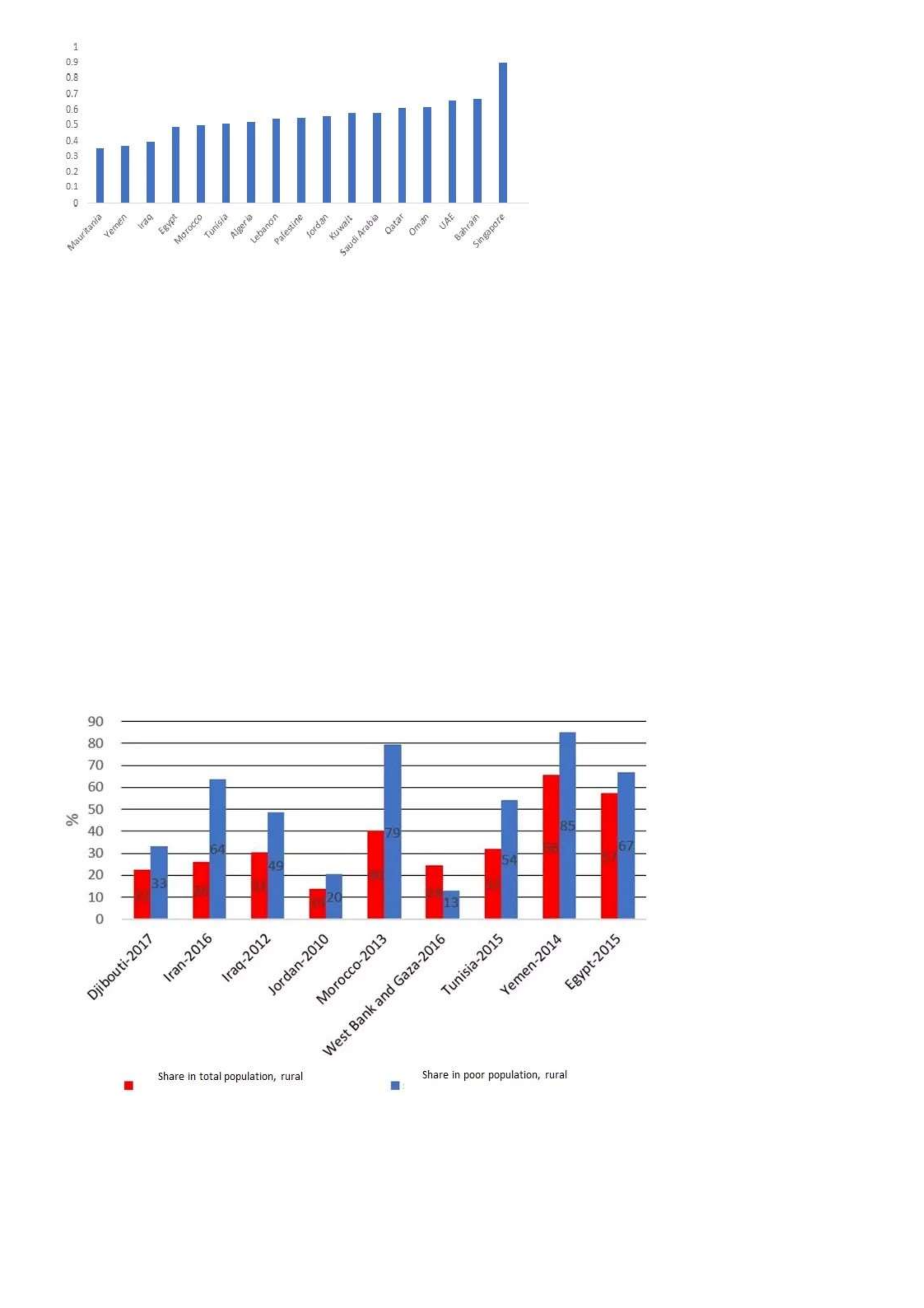
Fig. 3. The World Bank Human Capital Index, 2019.
Issues of reducing gender inequality should also be noted. Noteworthy, recent family law reforms in Morocco have strengthened women’s property
rights by equalizing the property rights of husbands and wives over property acquired during the marriage. Methods for strengthening the voice of
women in society include political representation quotas, training future women leaders, and increasing their participation in trade unions and
professional associations.
However, while the gender gap in leadership positions in corporate governance and public administration has narrowed, women, especially in rural
areas, are largely the face of poverty in Morocco. In Morocco, there are two main methods of measuring poverty, which include the “classical
approach” and the second one, which is more of a capacity-based approach. The “classical approach” uses a poverty line to statistically define the
poor. This approach quantifies the number of poor people and households but does not take into account how poor people lack basic needs such as
shelter, food, health, and education. The second approach addresses this lack of basic needs and emphasizes the multidimensional nature of poverty.
Moroccan women represent the most economically vulnerable social group in the country (Sandberg and Binder 32-39). The feminization of poverty
refers to a trend towards increasing inequality in living standards between men and women due to the widening gap in poverty between women and
men. This phenomenon is not only a consequence of a lack of income but also a result of disenfranchisement and gender bias inherent in both
societies and governments at the regional level. It encompasses the poverty of choice and opportunity, such as the ability to lead a long, healthy, and
creative life and the enjoyment of fundamental rights such as freedom, respect, and dignity. This phenomenon is largely due to the overall ratio of
total and poor population in rural areas. In Morocco, the percentage of the poor rural population is rather high in comparison with other MENA
countries (Fig. 4).
Fig. 4. Rural shares in total and poor population in selected MENA countries.
Indeed, education seems to be an important factor associated with access to rural non-farm activities – thus, the issue of rural poverty should be
addressed simultaneously with making efforts to eradicate illiteracy in rural areas. The figure below clearly shows that education represents one of
the definitive factors associated with access to rural non-farm activities.
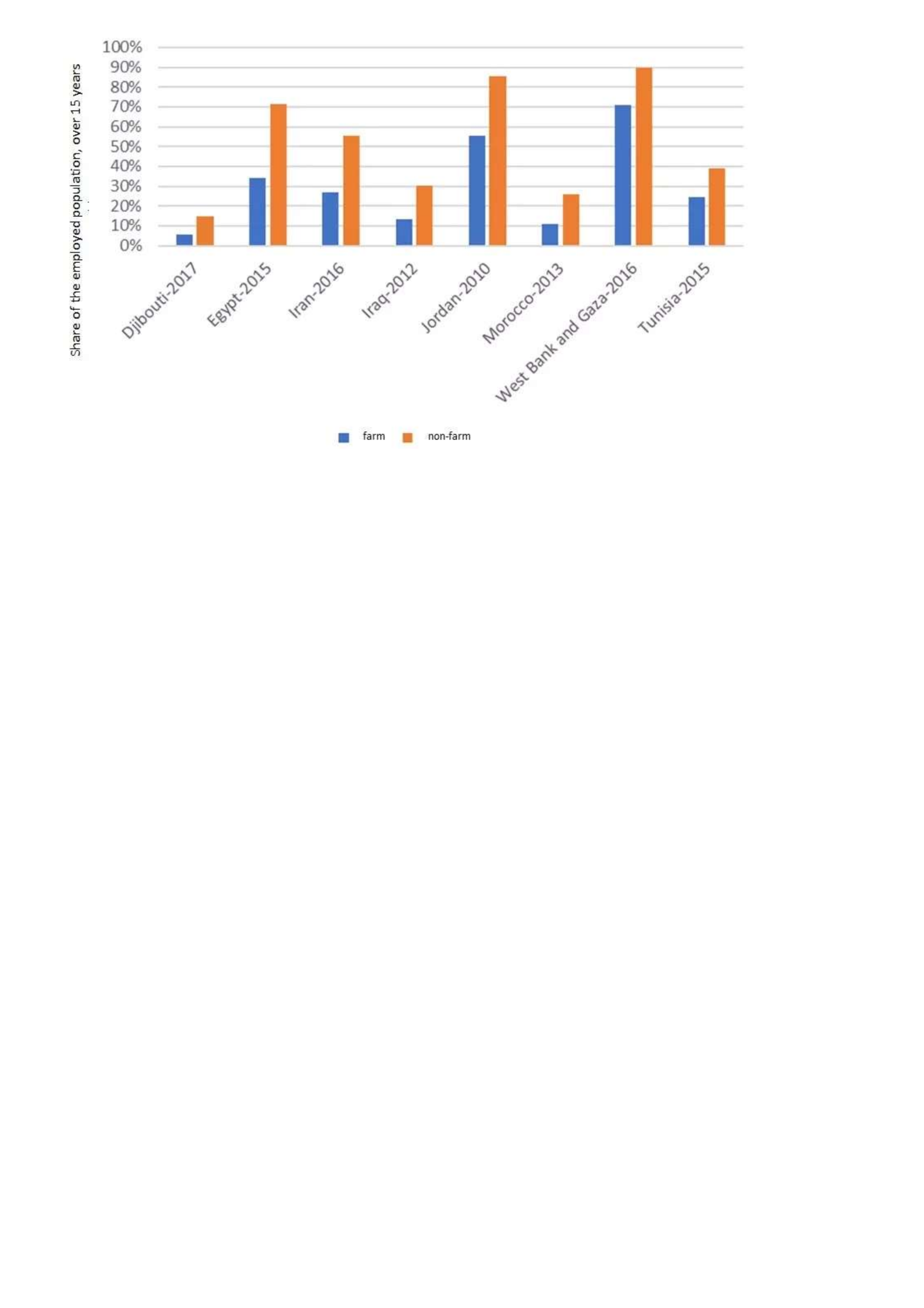
Fig. 5. Shares of the population over 15 years old with incomplete secondary education and above among employed farm and non-farm activities in
rural areas of selected MENA countries.
The Kingdom of Morocco continues to pursue its efforts to follow up on recommendations from major United Nations development meetings and
conferences, including the Millennium Development Goals, which are included in the national development strategy. Modernization, democratization,
and economic development, as well as indicators of sustainable human development, are interdependent in promoting equal opportunities,
disseminating knowledge, and providing basic social services.
Increasingly more environmental protection programs are being implemented in the country. In particular, by supporting ecotourism, Morocco strives
to highlight its unique tangible and spiritual heritage by engaging industry professionals and regional authorities. For this, a special program has been
developed – the charter for sustainable tourism. The development of ecotourism is also supported by numerous individual projects, such as the
botanical garden of aromatic plants located near the ancient city. To date, 13 Moroccan beaches have received the Blue Flag award (Rihab 287). Many
hotels and inns in the country have received the Green Key award. All this highlights the efforts of the owners of the companies in the field of
environmental protection.
The percentage of the marine protected area has increased in recent years, and on the 22nd Conference of the Parties to the United Nations
Framework Convention on Climate Change, for the first time in its history, at the request of the Moroccan government, an Action Day for the
Protection of the Oceans was organized as part of the official UNFCCC program. Efforts to combat illegal, unreported, and unregulated fishing also
should be noted. In the energy sector, Morocco stands out for the presence of the seventh-largest solar power plant in the world – in Noor. Spread
over an area of 3000 hectares (3500 football fields), the station is capable of providing energy to a city the size of two Marrakech or Prague. Located
at the entrance to the Sahara Desert, the complex saves the planet from more than 760,000 tons of carbon emissions (Mohamed et al. 193-195). The
main sectors of the economy that can support green growth are clean renewable energy, water management, agriculture and forestry, fisheries,
recycling, and waste management.
This major project primarily serves the interests of Morocco, but it is also part of a worldwide effort to expand the use of renewable energy sources.
Investment in renewable energy in Morocco grew 13 times in 2018 to $ 2.8 billion (Mohamed et al. 191). Morocco has set an ambitious goal of
generating more than half of its electricity from renewable sources by 2030. These goals, along with other climate change policies, helped make
Morocco the second best-performing country in the 2018 and 2019 Climate Change Performance Indices. Morocco ranks 64th in the world in terms of
environmental performance, ahead of most African countries (Rihab 289). The country is trying to integrate the climate change component into all
national public policies.
Separately, the degree of application of a legal, regulatory, and institutional framework that recognizes and protects access rights for small-scale
fisheries in Morocco should be noted. The country is among the leading ones in Africa by the degree of efforts in this field. For the Sahara region, the
most relevant is the efforts of the Kingdom of Morocco on control and surveillance issues, given the importance of fishing activities. Control requires
the average performance of equipment and, namely control on water and on land, which mobilizes ships, vehicles, and service personnel, equipped
with specific measurement and remote communication equipment. Indeed, control concerns all the elements: fishermen’s activities, fishing area,
fishing gear and sizes, documentation (capture declaration, logbook), unloading (market size, quota), transportation, and storage of fishing products.
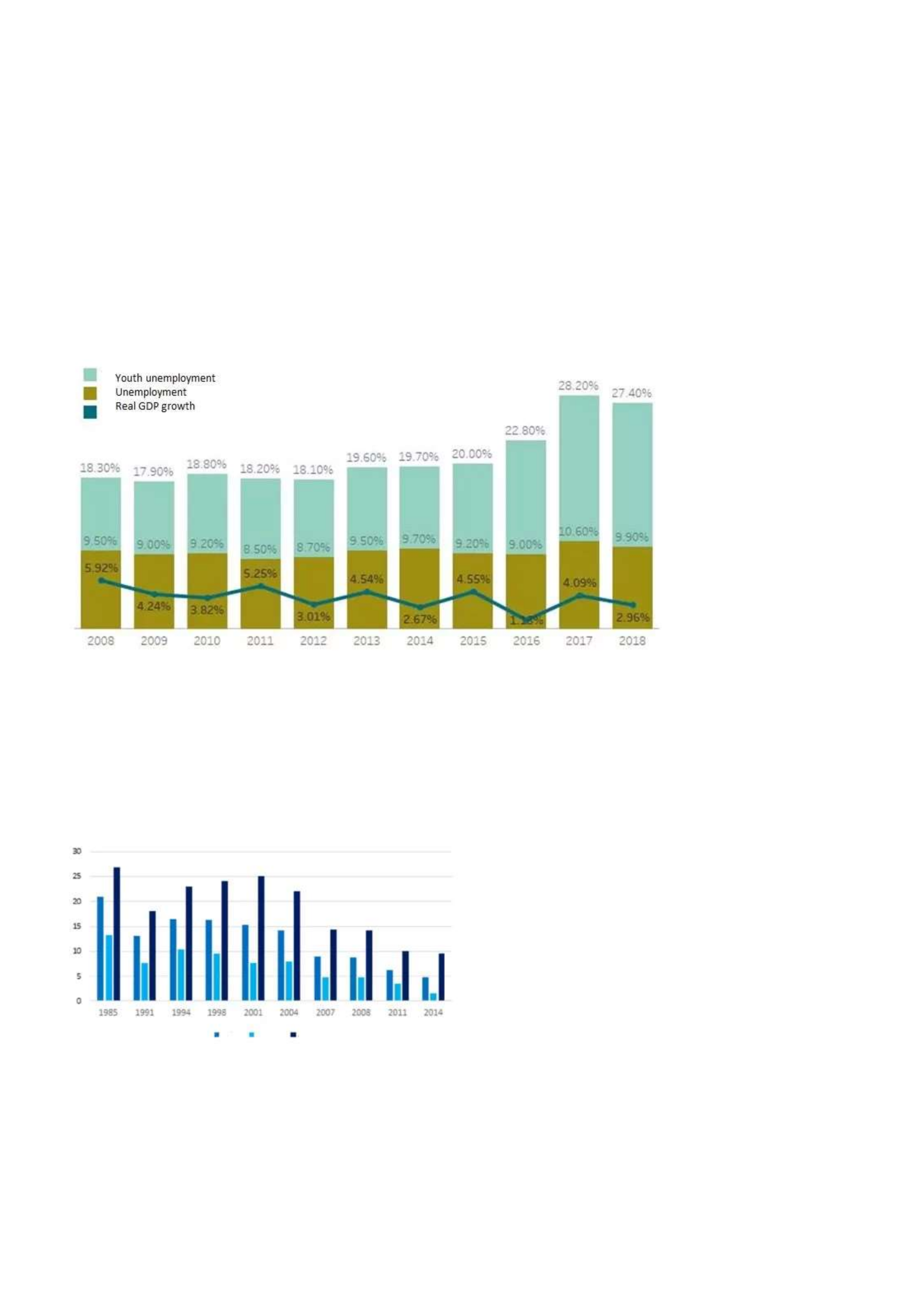
Thus, the country demonstrates evident and, to a significant extent, effective efforts to achieve meeting goals of sustainable development both in
addressing the issues of social capital growth and environmental protection. At the same time, still, problems in social inequality, gender gaps, rural
poverty, and access to quality education persist. In these conditions, it seems expedient to pay special attention to the mechanisms of public-private
partnership, which are not well developed in Morocco.
The Moroccan economy is considered to be a relatively liberal economy governed by the law of supply and demand. Since 1993, Morocco has
pursued a policy of privatizing certain sectors of the economy that were formerly in the hands of the government.
Morocco has become a major player in African economic affairs and ranks fifth among African economies in terms of GDP. The
World Economic Forum ranked Morocco as the 1st most competitive economy in North Africa in its Africa Competitiveness Report 2014-15. Since
2018, the country’s currency – the dirham – is fully convertible for current account transactions, financial sector reforms are carried out, and state
enterprises are being privatized.
There is an overall relative downward trend in unemployment in the country over the past decade. However, still, the level of youth unemployment in
2017 is 42.8%. About 80% of jobs are informal and the income gap is very large (Dadush 9). The correlation between unemployment, youth
unemployment, and growth is shown in Fig. 1 below.
Fig. 1. Correlation between unemployment, youth unemployment, and growth in Morocco, percentage change with 2012 base.
However, the labor share of GDP is the highest in the upper-middle-income sector which demonstrates the growth of a strong middle class in the
country. At the same time, social spending in Morocco is less than in neighboring countries such as Tunisia and Jordan. Thus, the progress in the
achievement of SDGs is ambiguous, although progressive development is evident. It should be noted that the country managed to decrease the
poverty rate significantly in dynamics (Fig. 2).
Total Urban Rural
Fig. 2. The Evolution of poverty rate in Morocco, 1985-2014.
There is a gradual increase in the human capital index and efforts are being made in the field of education. The dynamics of youth functional literacy
in Morocco for the period 2000-2018 is the highest among ten African countries. Net Enrollment Ratio in primary education manifested two-fold
growth since 1971 (Mansouri and Moumine 12). The duration of primary education is 6 years – this figure has not changed since 2009. The net
enrollment rate in primary education is 98.92%, which is a good value for an African country. Adult literacy is 73.75% (Sandberg and Binder 26).
Moreover, the illiterate population is concentrated in rural areas.
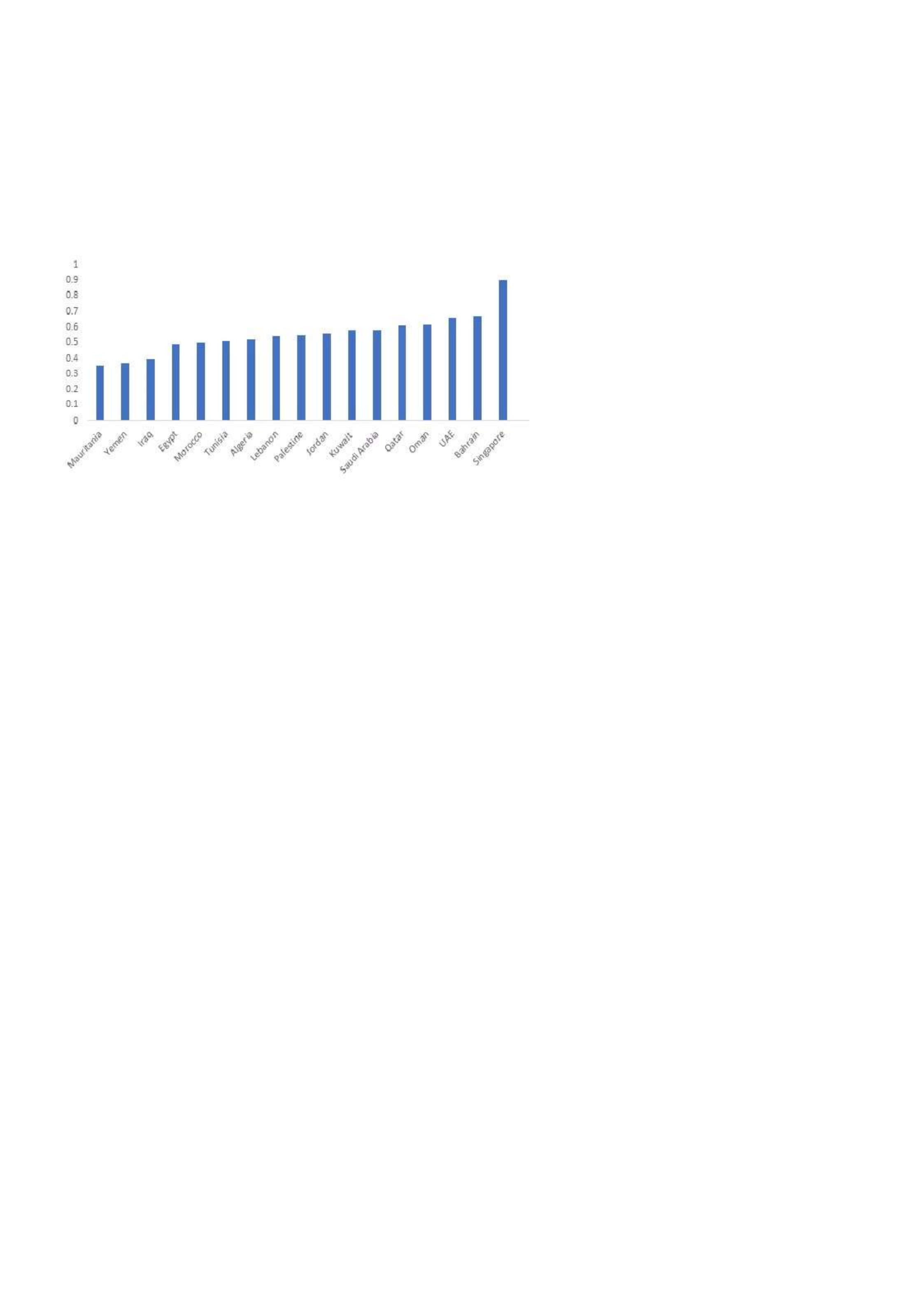
Processes of digital transformation are being observed – the ruling elite of Morocco realizes that digitalization is one of the integral mechanisms of
the global development of the national economy. It plays a critical role in attracting investment, creating jobs, modernizing the public sector, and
creating fast and efficient services for citizens. Efforts are being made to improve the digital infrastructure, strengthen the professional knowledge of
people to meet the market demand for specialists in the digital sphere.
Nevertheless, economic inequality persists – for example, the Gini index, which measures the degree to which the distribution of income or
consumption expenditures among households in the economy differs from absolute equality in distribution, was 35.70% in 2018 (UN). This is,
however, almost 10% less than in the previous year, which indicates the success of the government’s efforts to reduce inequality. According to World
Bank Human Capital Index, Morocco is ahead of Egypt and Yemen and almost on the same level as other Arab countries, being behind such rich
countries as Qatar and UAE (Fig. 3 below).
Fig. 3. The World Bank Human Capital Index, 2019.
Issues of reducing gender inequality should also be noted. Noteworthy, recent family law reforms in Morocco have strengthened women’s property
rights by equalizing the property rights of husbands and wives over property acquired during the marriage. Methods for strengthening the voice of
women in society include political representation quotas, training future women leaders, and increasing their participation in trade unions and
professional associations.
However, while the gender gap in leadership positions in corporate governance and public administration has narrowed, women, especially in rural
areas, are largely the face of poverty in Morocco. In Morocco, there are two main methods of measuring poverty, which include the “classical
approach” and the second one, which is more of a capacity-based approach. The “classical approach” uses a poverty line to statistically define the
poor. This approach quantifies the number of poor people and households but does not take into account how poor people lack basic needs such as
shelter, food, health, and education. The second approach addresses this lack of basic needs and emphasizes the multidimensional nature of poverty.
Moroccan women represent the most economically vulnerable social group in the country (Sandberg and Binder 32-39). The feminization of poverty
refers to a trend towards increasing inequality in living standards between men and women due to the widening gap in poverty between women and
men. This phenomenon is not only a consequence of a lack of income but also a result of disenfranchisement and gender bias inherent in both
societies and governments at the regional level. It encompasses the poverty of choice and opportunity, such as the ability to lead a long, healthy, and
creative life and the enjoyment of fundamental rights such as freedom, respect, and dignity. This phenomenon is largely due to the overall ratio of
total and poor population in rural areas. In Morocco, the percentage of the poor rural population is rather high in comparison with other MENA
countries (Fig. 4).
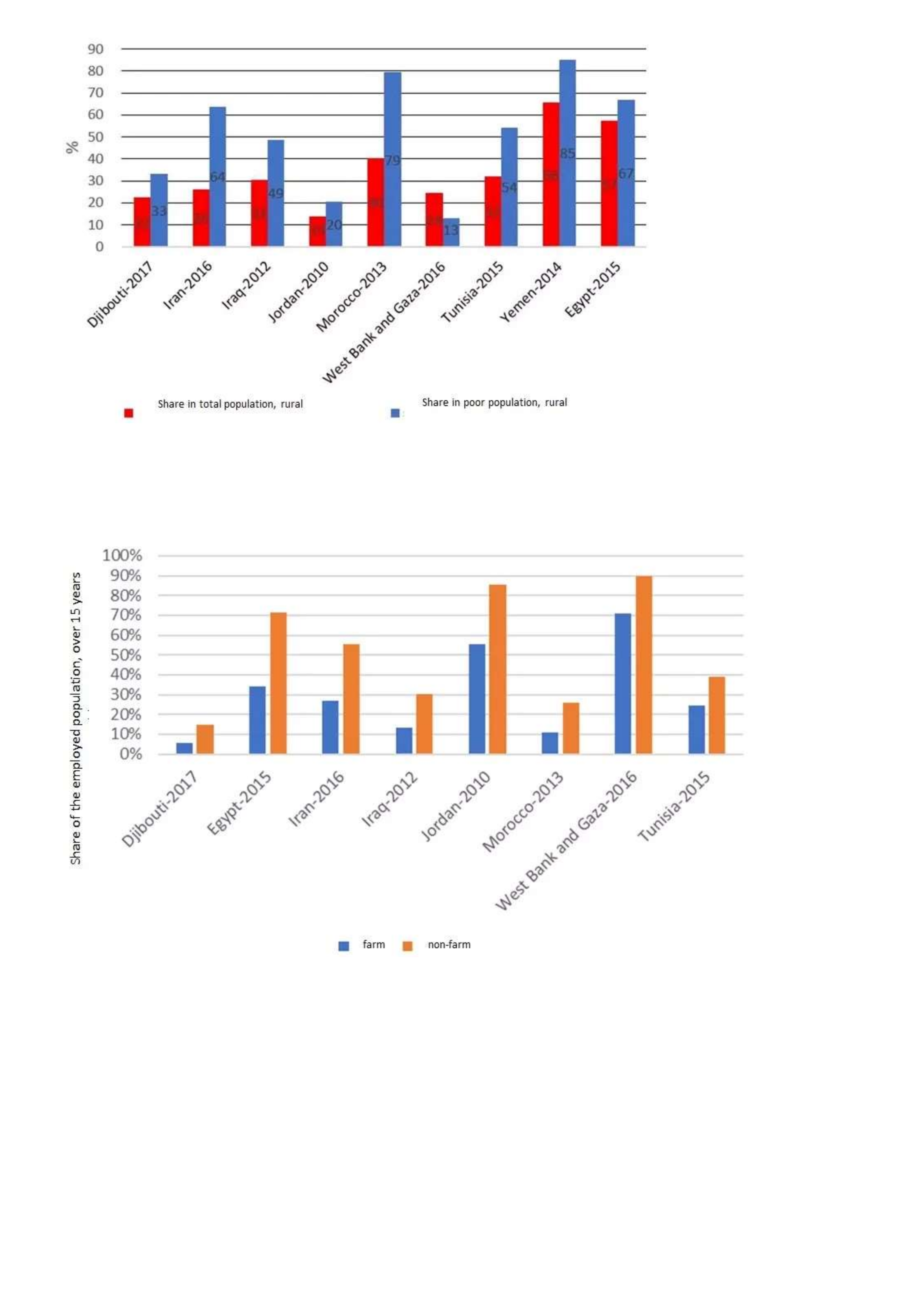
Fig. 4. Rural shares in total and poor population in selected MENA countries.
Indeed, education seems to be an important factor associated with access to rural non-farm activities – thus, the issue of rural poverty should be
addressed simultaneously with making efforts to eradicate illiteracy in rural areas. The figure below clearly shows that education represents one of
the definitive factors associated with access to rural non-farm activities.
Fig. 5. Shares of the population over 15 years old with incomplete secondary education and above among employed farm and non-farm activities in
rural areas of selected MENA countries.
The Kingdom of Morocco continues to pursue its efforts to follow up on recommendations from major United Nations development meetings and
conferences, including the Millennium Development Goals, which are included in the national development strategy. Modernization, democratization,
and economic development, as well as indicators of sustainable human development, are interdependent in promoting equal opportunities,
disseminating knowledge, and providing basic social services.
Increasingly more environmental protection programs are being implemented in the country. In particular, by supporting ecotourism, Morocco strives
to highlight its unique tangible and spiritual heritage by engaging industry professionals and regional authorities. For this, a special program has been
developed – the charter for sustainable tourism. The development of ecotourism is also supported by numerous individual projects, such as the
botanical garden of aromatic plants located near the ancient city. To date, 13 Moroccan beaches have received the Blue Flag award (Rihab 287). Many
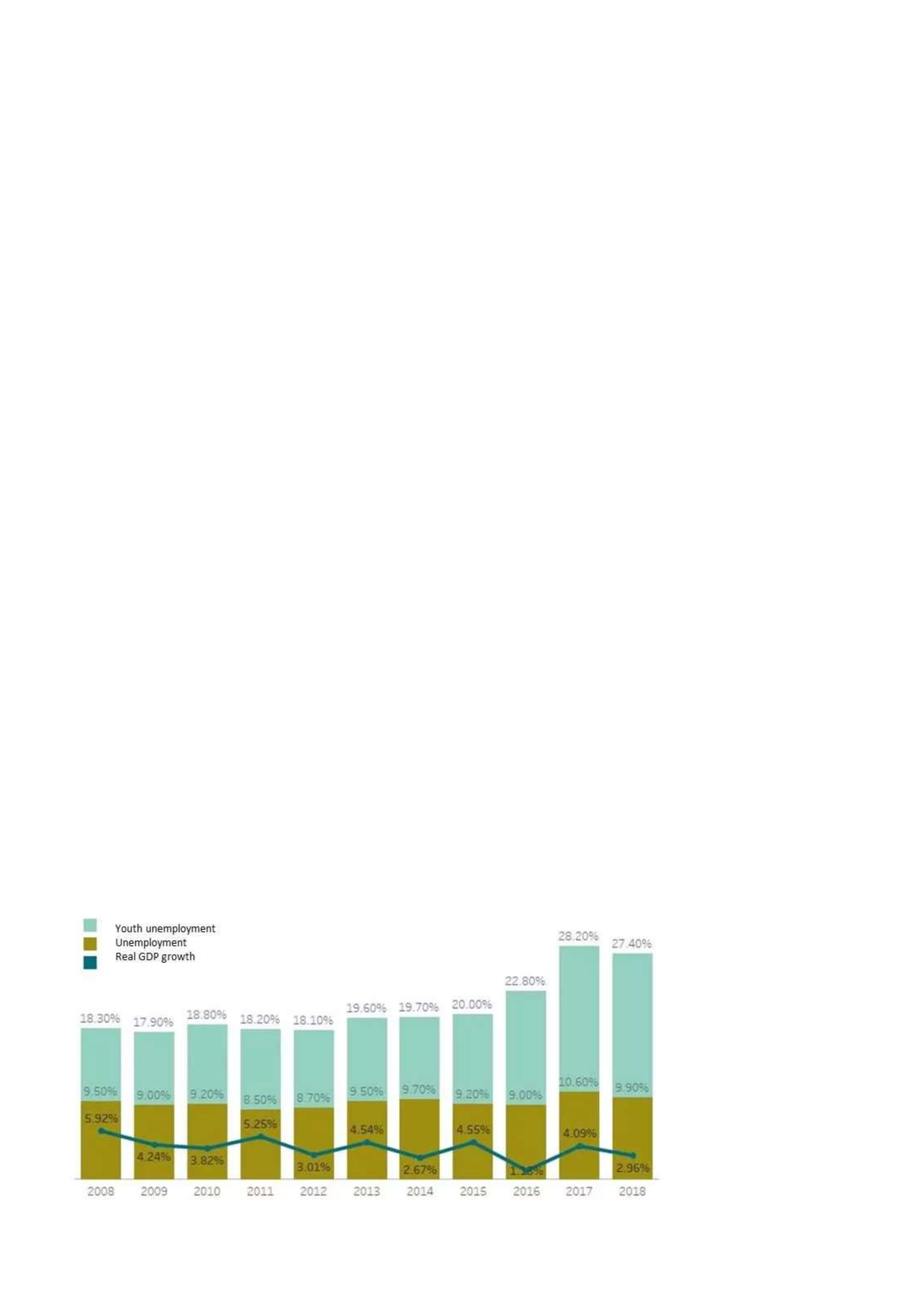
hotels and inns in the country have received the Green Key award. All this highlights the efforts of the owners of the companies in the field of
environmental protection.
The percentage of the marine protected area has increased in recent years, and on the 22nd Conference of the Parties to the United Nations
Framework Convention on Climate Change, for the first time in its history, at the request of the Moroccan government, an Action Day for the
Protection of the Oceans was organized as part of the official UNFCCC program. Efforts to combat illegal, unreported, and unregulated fishing also
should be noted. In the energy sector, Morocco stands out for the presence of the seventh-largest solar power plant in the world – in Noor. Spread
over an area of 3000 hectares (3500 football fields), the station is capable of providing energy to a city the size of two Marrakech or Prague. Located
at the entrance to the Sahara Desert, the complex saves the planet from more than 760,000 tons of carbon emissions (Mohamed et al. 193-195). The
main sectors of the economy that can support green growth are clean renewable energy, water management, agriculture and forestry, fisheries,
recycling, and waste management.
This major project primarily serves the interests of Morocco, but it is also part of a worldwide effort to expand the use of renewable energy sources.
Investment in renewable energy in Morocco grew 13 times in 2018 to $ 2.8 billion (Mohamed et al. 191). Morocco has set an ambitious goal of
generating more than half of its electricity from renewable sources by 2030. These goals, along with other climate change policies, helped make
Morocco the second best-performing country in the 2018 and 2019 Climate Change Performance Indices. Morocco ranks 64th in the world in terms of
environmental performance, ahead of most African countries (Rihab 289). The country is trying to integrate the climate change component into all
national public policies.
Separately, the degree of application of a legal, regulatory, and institutional framework that recognizes and protects access rights for small-scale
fisheries in Morocco should be noted. The country is among the leading ones in Africa by the degree of efforts in this field. For the Sahara region, the
most relevant is the efforts of the Kingdom of Morocco on control and surveillance issues, given the importance of fishing activities. Control requires
the average performance of equipment and, namely control on water and on land, which mobilizes ships, vehicles, and service personnel, equipped
with specific measurement and remote communication equipment. Indeed, control concerns all the elements: fishermen’s activities, fishing area,
fishing gear and sizes, documentation (capture declaration, logbook), unloading (market size, quota), transportation, and storage of fishing products.
Thus, the country demonstrates evident and, to a significant extent, effective efforts to achieve meeting goals of sustainable development both in
addressing the issues of social capital growth and environmental protection. At the same time, still, problems in social inequality, gender gaps, rural
poverty, and access to quality education persist. In these conditions, it seems expedient to pay special attention to the mechanisms of public-private
partnership, which are not well developed in Morocco.
The Moroccan economy is considered to be a relatively liberal economy governed by the law of supply and demand. Since 1993, Morocco has
pursued a policy of privatizing certain sectors of the economy that were formerly in the hands of the government.
Morocco has become a major player in African economic affairs and ranks fifth among African economies in terms of GDP. The
World Economic Forum ranked Morocco as the 1st most competitive economy in North Africa in its Africa Competitiveness Report 2014-15. Since
2018, the country’s currency – the dirham – is fully convertible for current account transactions, financial sector reforms are carried out, and state
enterprises are being privatized.
There is an overall relative downward trend in unemployment in the country over the past decade. However, still, the level of youth unemployment in
2017 is 42.8%. About 80% of jobs are informal and the income gap is very large (Dadush 9). The correlation between unemployment, youth
unemployment, and growth is shown in Fig. 1 below.
Fig. 1. Correlation between unemployment, youth unemployment, and growth in Morocco, percentage change with 2012 base.
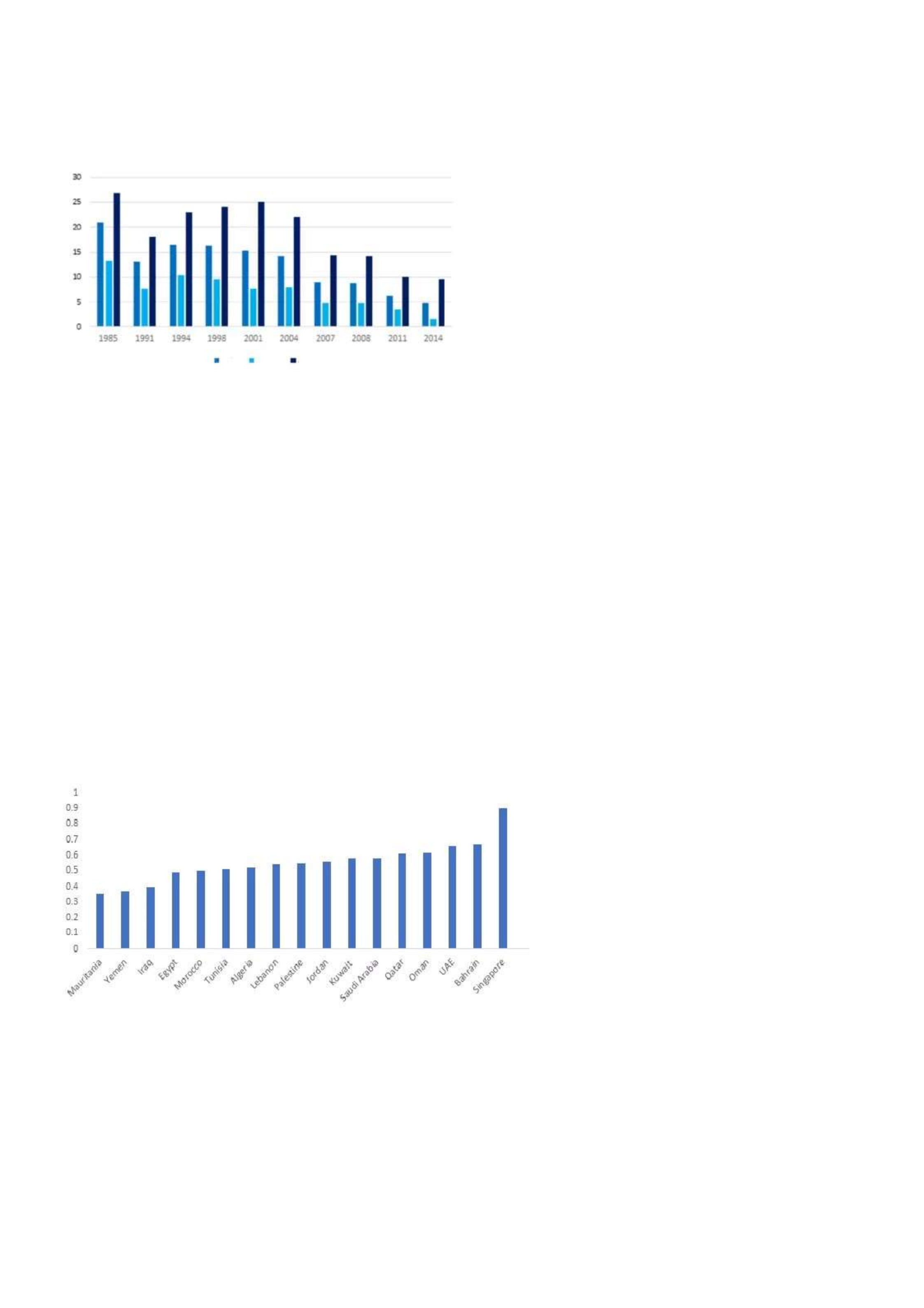
However, the labor share of GDP is the highest in the upper-middle-income sector which demonstrates the growth of a strong middle class in the
country. At the same time, social spending in Morocco is less than in neighboring countries such as Tunisia and Jordan. Thus, the progress in the
achievement of SDGs is ambiguous, although progressive development is evident. It should be noted that the country managed to decrease the
poverty rate significantly in dynamics (Fig. 2).
Total Urban Rural
Fig. 2. The Evolution of poverty rate in Morocco, 1985-2014.
There is a gradual increase in the human capital index and efforts are being made in the field of education. The dynamics of youth functional literacy
in Morocco for the period 2000-2018 is the highest among ten African countries. Net Enrollment Ratio in primary education manifested two-fold
growth since 1971 (Mansouri and Moumine 12). The duration of primary education is 6 years – this figure has not changed since 2009. The net
enrollment rate in primary education is 98.92%, which is a good value for an African country. Adult literacy is 73.75% (Sandberg and Binder 26).
Moreover, the illiterate population is concentrated in rural areas.
Processes of digital transformation are being observed – the ruling elite of Morocco realizes that digitalization is one of the integral mechanisms of
the global development of the national economy. It plays a critical role in attracting investment, creating jobs, modernizing the public sector, and
creating fast and efficient services for citizens. Efforts are being made to improve the digital infrastructure, strengthen the professional knowledge of
people to meet the market demand for specialists in the digital sphere.
Nevertheless, economic inequality persists – for example, the Gini index, which measures the degree to which the distribution of income or
consumption expenditures among households in the economy differs from absolute equality in distribution, was 35.70% in 2018 (UN). This is,
however, almost 10% less than in the previous year, which indicates the success of the government’s efforts to reduce inequality. According to World
Bank Human Capital Index, Morocco is ahead of Egypt and Yemen and almost on the same level as other Arab countries, being behind such rich
countries as Qatar and UAE (Fig. 3 below).
Fig. 3. The World Bank Human Capital Index, 2019.
Issues of reducing gender inequality should also be noted. Noteworthy, recent family law reforms in Morocco have strengthened women’s property
rights by equalizing the property rights of husbands and wives over property acquired during the marriage. Methods for strengthening the voice of
women in society include political representation quotas, training future women leaders, and increasing their participation in trade unions and
professional associations.
However, while the gender gap in leadership positions in corporate governance and public administration has narrowed, women, especially in rural
areas, are largely the face of poverty in Morocco. In Morocco, there are two main methods of measuring poverty, which include the “classical
approach” and the second one, which is more of a capacity-based approach. The “classical approach” uses a poverty line to statistically define the
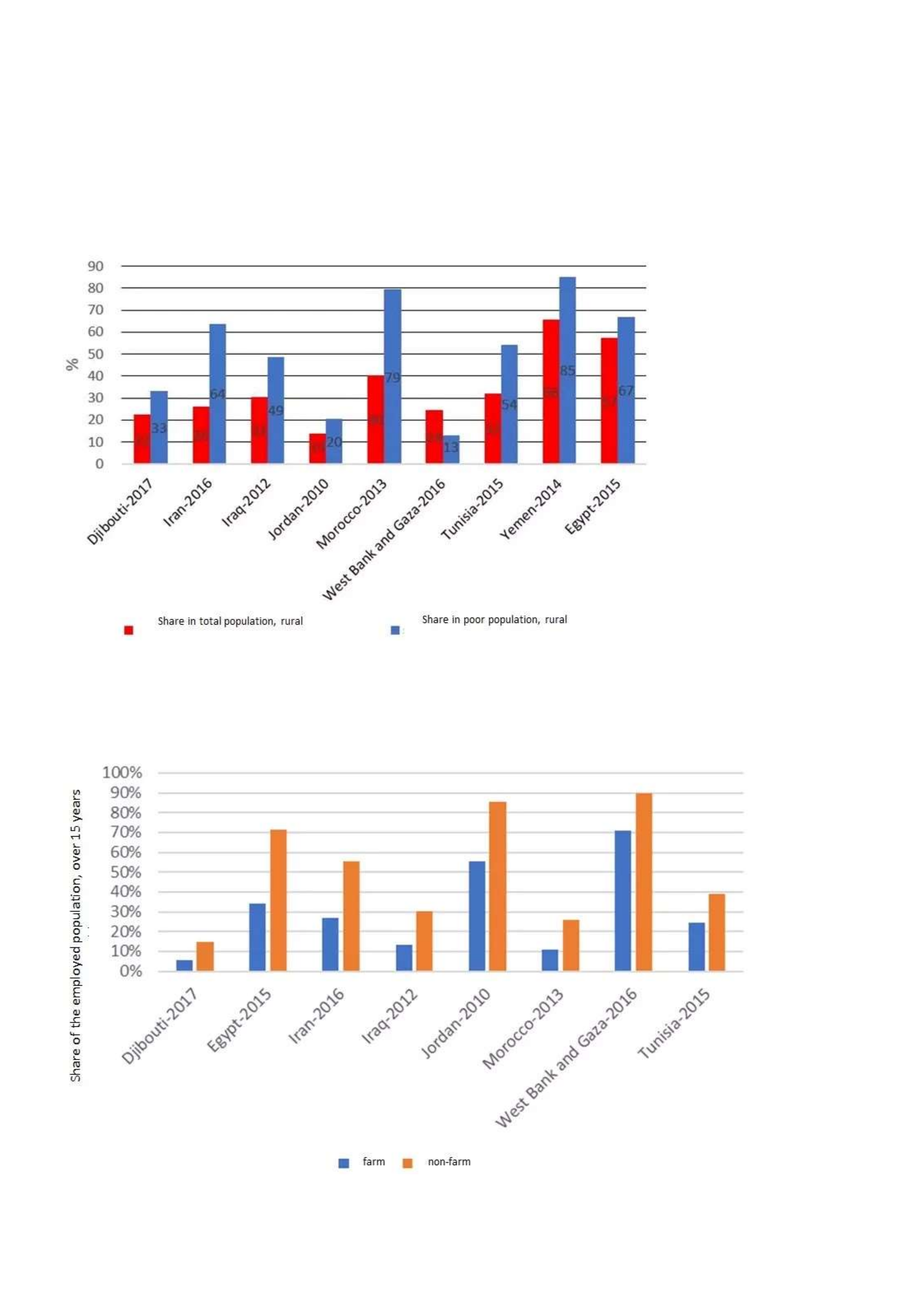
poor. This approach quantifies the number of poor people and households but does not take into account how poor people lack basic needs such as
shelter, food, health, and education. The second approach addresses this lack of basic needs and emphasizes the multidimensional nature of poverty.
Moroccan women represent the most economically vulnerable social group in the country (Sandberg and Binder 32-39). The feminization of poverty
refers to a trend towards increasing inequality in living standards between men and women due to the widening gap in poverty between women and
men. This phenomenon is not only a consequence of a lack of income but also a result of disenfranchisement and gender bias inherent in both
societies and governments at the regional level. It encompasses the poverty of choice and opportunity, such as the ability to lead a long, healthy, and
creative life and the enjoyment of fundamental rights such as freedom, respect, and dignity. This phenomenon is largely due to the overall ratio of
total and poor population in rural areas. In Morocco, the percentage of the poor rural population is rather high in comparison with other MENA
countries (Fig. 4).
Fig. 4. Rural shares in total and poor population in selected MENA countries.
Indeed, education seems to be an important factor associated with access to rural non-farm activities – thus, the issue of rural poverty should be
addressed simultaneously with making efforts to eradicate illiteracy in rural areas. The figure below clearly shows that education represents one of
the definitive factors associated with access to rural non-farm activities.
Fig. 5. Shares of the population over 15 years old with incomplete secondary education and above among employed farm and non-farm activities in
rural areas of selected MENA countries.

The Kingdom of Morocco continues to pursue its efforts to follow up on recommendations from major United Nations development meetings and
conferences, including the Millennium Development Goals, which are included in the national development strategy. Modernization, democratization,
and economic development, as well as indicators of sustainable human development, are interdependent in promoting equal opportunities,
disseminating knowledge, and providing basic social services.
Increasingly more environmental protection programs are being implemented in the country. In particular, by supporting ecotourism, Morocco strives
to highlight its unique tangible and spiritual heritage by engaging industry professionals and regional authorities. For this, a special program has been
developed – the charter for sustainable tourism. The development of ecotourism is also supported by numerous individual projects, such as the
botanical garden of aromatic plants located near the ancient city. To date, 13 Moroccan beaches have received the Blue Flag award (Rihab 287). Many
hotels and inns in the country have received the Green Key award. All this highlights the efforts of the owners of the companies in the field of
environmental protection.
The percentage of the marine protected area has increased in recent years, and on the 22nd Conference of the Parties to the United Nations
Framework Convention on Climate Change, for the first time in its history, at the request of the Moroccan government, an Action Day for the
Protection of the Oceans was organized as part of the official UNFCCC program. Efforts to combat illegal, unreported, and unregulated fishing also
should be noted. In the energy sector, Morocco stands out for the presence of the seventh-largest solar power plant in the world – in Noor. Spread
over an area of 3000 hectares (3500 football fields), the station is capable of providing energy to a city the size of two Marrakech or Prague. Located
at the entrance to the Sahara Desert, the complex saves the planet from more than 760,000 tons of carbon emissions (Mohamed et al. 193-195). The
main sectors of the economy that can support green growth are clean renewable energy, water management, agriculture and forestry, fisheries,
recycling, and waste management.
This major project primarily serves the interests of Morocco, but it is also part of a worldwide effort to expand the use of renewable energy sources.
Investment in renewable energy in Morocco grew 13 times in 2018 to $ 2.8 billion (Mohamed et al. 191). Morocco has set an ambitious goal of
generating more than half of its electricity from renewable sources by 2030. These goals, along with other climate change policies, helped make
Morocco the second best-performing country in the 2018 and 2019 Climate Change Performance Indices. Morocco ranks 64th in the world in terms of
environmental performance, ahead of most African countries (Rihab 289). The country is trying to integrate the climate change component into all
national public policies.
Separately, the degree of application of a legal, regulatory, and institutional framework that recognizes and protects access rights for small-scale
fisheries in Morocco should be noted. The country is among the leading ones in Africa by the degree of efforts in this field. For the Sahara region, the
most relevant is the efforts of the Kingdom of Morocco on control and surveillance issues, given the importance of fishing activities. Control requires
the average performance of equipment and, namely control on water and on land, which mobilizes ships, vehicles, and service personnel, equipped
with specific measurement and remote communication equipment. Indeed, control concerns all the elements: fishermen’s activities, fishing area,
fishing gear and sizes, documentation (capture declaration, logbook), unloading (market size, quota), transportation, and storage of fishing products.
Thus, the country demonstrates evident and, to a significant extent, effective efforts to achieve meeting goals of sustainable development both in
addressing the issues of social capital growth and environmental protection. At the same time, still, problems in social inequality, gender gaps, rural
poverty, and access to quality education persist. In these conditions, it seems expedient to pay special attention to the mechanisms of public-private
partnership, which are not well developed in Morocco.
The Moroccan economy is considered to be a relatively liberal economy governed by the law of supply and demand. Since 1993, Morocco has
pursued a policy of privatizing certain sectors of the economy that were formerly in the hands of the government.
Morocco has become a major player in African economic affairs and ranks fifth among African economies in terms of GDP. The
World Economic Forum ranked Morocco as the 1st most competitive economy in North Africa in its Africa Competitiveness Report 2014-15. Since
2018, the country’s currency – the dirham – is fully convertible for current account transactions, financial sector reforms are carried out, and state
enterprises are being privatized.
There is an overall relative downward trend in unemployment in the country over the past decade. However, still, the level of youth unemployment in
2017 is 42.8%. About 80% of jobs are informal and the income gap is very large (Dadush 9). The correlation between unemployment, youth
unemployment, and growth is shown in Fig. 1 below.
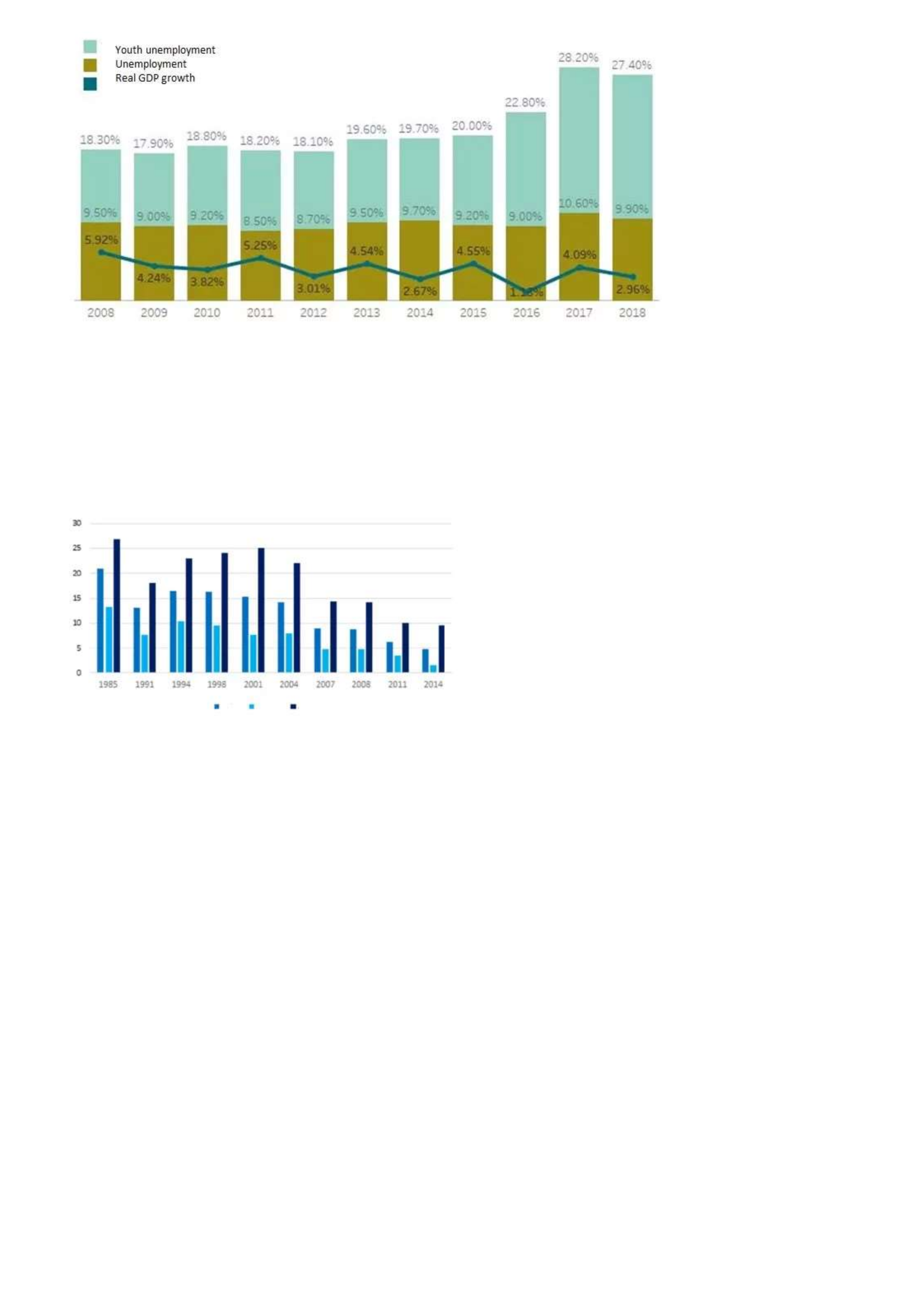
Fig. 1. Correlation between unemployment, youth unemployment, and growth in Morocco, percentage change with 2012 base.
However, the labor share of GDP is the highest in the upper-middle-income sector which demonstrates the growth of a strong middle class in the
country. At the same time, social spending in Morocco is less than in neighboring countries such as Tunisia and Jordan. Thus, the progress in the
achievement of SDGs is ambiguous, although progressive development is evident. It should be noted that the country managed to decrease the
poverty rate significantly in dynamics (Fig. 2).
Total Urban Rural
Fig. 2. The Evolution of poverty rate in Morocco, 1985-2014.
There is a gradual increase in the human capital index and efforts are being made in the field of education. The dynamics of youth functional literacy
in Morocco for the period 2000-2018 is the highest among ten African countries. Net Enrollment Ratio in primary education manifested two-fold
growth since 1971 (Mansouri and Moumine 12). The duration of primary education is 6 years – this figure has not changed since 2009. The net
enrollment rate in primary education is 98.92%, which is a good value for an African country. Adult literacy is 73.75% (Sandberg and Binder 26).
Moreover, the illiterate population is concentrated in rural areas.
Processes of digital transformation are being observed – the ruling elite of Morocco realizes that digitalization is one of the integral mechanisms of
the global development of the national economy. It plays a critical role in attracting investment, creating jobs, modernizing the public sector, and
creating fast and efficient services for citizens. Efforts are being made to improve the digital infrastructure, strengthen the professional knowledge of
people to meet the market demand for specialists in the digital sphere.
Nevertheless, economic inequality persists – for example, the Gini index, which measures the degree to which the distribution of income or
consumption expenditures among households in the economy differs from absolute equality in distribution, was 35.70% in 2018 (UN). This is,
however, almost 10% less than in the previous year, which indicates the success of the government’s efforts to reduce inequality. According to World
Bank Human Capital Index, Morocco is ahead of Egypt and Yemen and almost on the same level as other Arab countries, being behind such rich
countries as Qatar and UAE (Fig. 3 below).
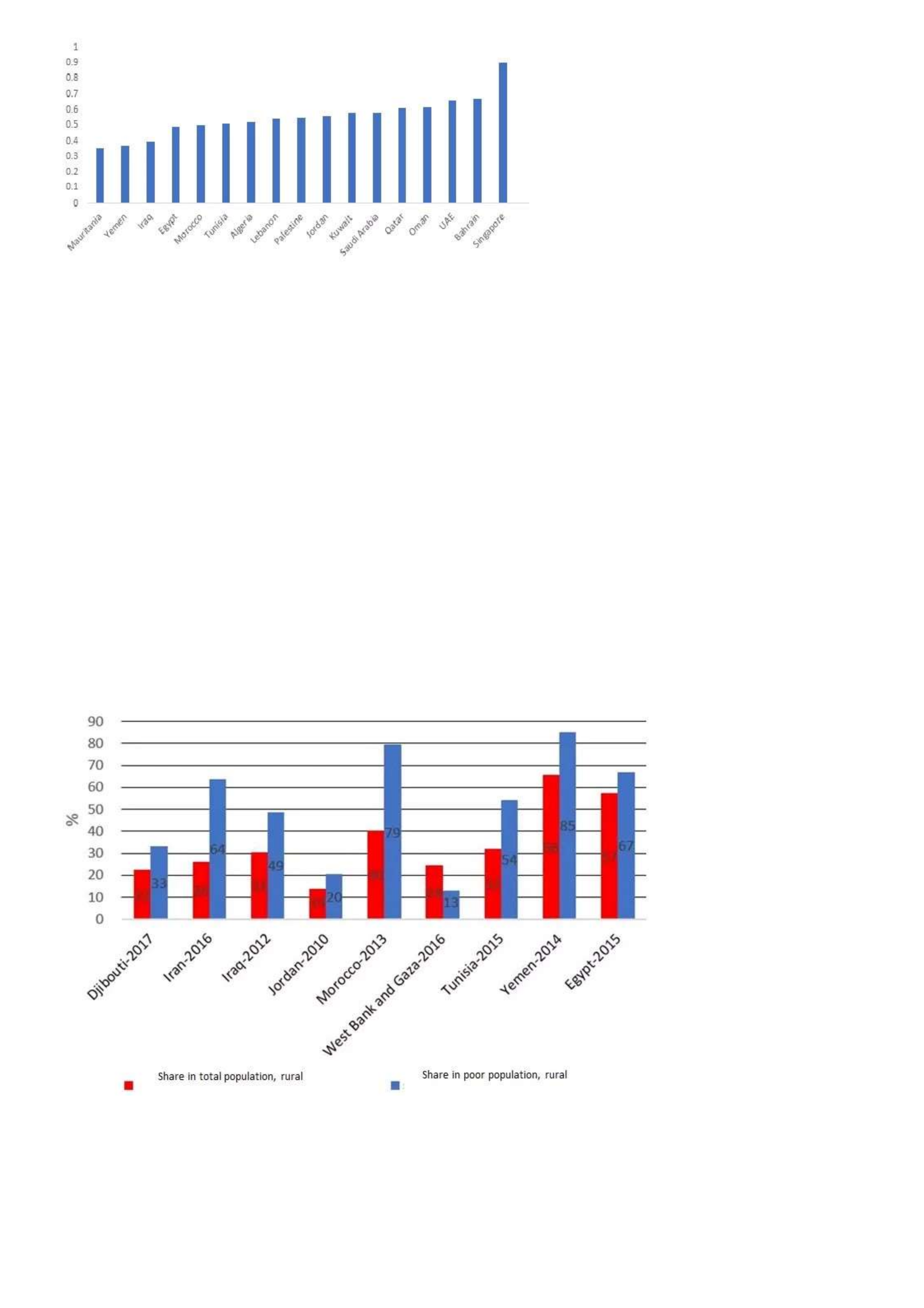
Fig. 3. The World Bank Human Capital Index, 2019.
Issues of reducing gender inequality should also be noted. Noteworthy, recent family law reforms in Morocco have strengthened women’s property
rights by equalizing the property rights of husbands and wives over property acquired during the marriage. Methods for strengthening the voice of
women in society include political representation quotas, training future women leaders, and increasing their participation in trade unions and
professional associations.
However, while the gender gap in leadership positions in corporate governance and public administration has narrowed, women, especially in rural
areas, are largely the face of poverty in Morocco. In Morocco, there are two main methods of measuring poverty, which include the “classical
approach” and the second one, which is more of a capacity-based approach. The “classical approach” uses a poverty line to statistically define the
poor. This approach quantifies the number of poor people and households but does not take into account how poor people lack basic needs such as
shelter, food, health, and education. The second approach addresses this lack of basic needs and emphasizes the multidimensional nature of poverty.
Moroccan women represent the most economically vulnerable social group in the country (Sandberg and Binder 32-39). The feminization of poverty
refers to a trend towards increasing inequality in living standards between men and women due to the widening gap in poverty between women and
men. This phenomenon is not only a consequence of a lack of income but also a result of disenfranchisement and gender bias inherent in both
societies and governments at the regional level. It encompasses the poverty of choice and opportunity, such as the ability to lead a long, healthy, and
creative life and the enjoyment of fundamental rights such as freedom, respect, and dignity. This phenomenon is largely due to the overall ratio of
total and poor population in rural areas. In Morocco, the percentage of the poor rural population is rather high in comparison with other MENA
countries (Fig. 4).
Fig. 4. Rural shares in total and poor population in selected MENA countries.
Indeed, education seems to be an important factor associated with access to rural non-farm activities – thus, the issue of rural poverty should be
addressed simultaneously with making efforts to eradicate illiteracy in rural areas. The figure below clearly shows that education represents one of
the definitive factors associated with access to rural non-farm activities.
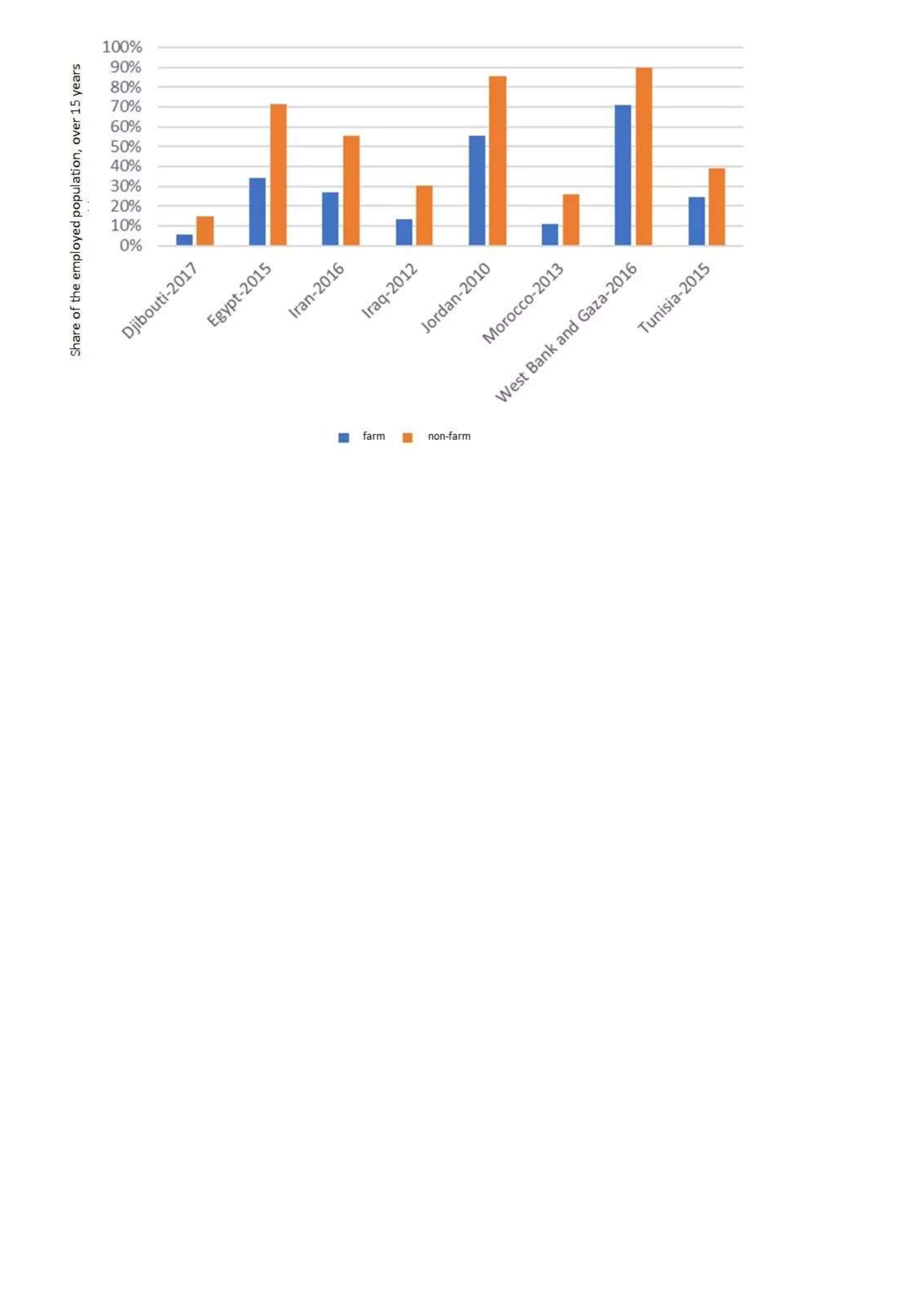
Fig. 5. Shares of the population over 15 years old with incomplete secondary education and above among employed farm and non-farm activities in
rural areas of selected MENA countries.
The Kingdom of Morocco continues to pursue its efforts to follow up on recommendations from major United Nations development meetings and
conferences, including the Millennium Development Goals, which are included in the national development strategy. Modernization, democratization,
and economic development, as well as indicators of sustainable human development, are interdependent in promoting equal opportunities,
disseminating knowledge, and providing basic social services.
Increasingly more environmental protection programs are being implemented in the country. In particular, by supporting ecotourism, Morocco strives
to highlight its unique tangible and spiritual heritage by engaging industry professionals and regional authorities. For this, a special program has been
developed – the charter for sustainable tourism. The development of ecotourism is also supported by numerous individual projects, such as the
botanical garden of aromatic plants located near the ancient city. To date, 13 Moroccan beaches have received the Blue Flag award (Rihab 287). Many
hotels and inns in the country have received the Green Key award. All this highlights the efforts of the owners of the companies in the field of
environmental protection.
The percentage of the marine protected area has increased in recent years, and on the 22nd Conference of the Parties to the United Nations
Framework Convention on Climate Change, for the first time in its history, at the request of the Moroccan government, an Action Day for the
Protection of the Oceans was organized as part of the official UNFCCC program. Efforts to combat illegal, unreported, and unregulated fishing also
should be noted. In the energy sector, Morocco stands out for the presence of the seventh-largest solar power plant in the world – in Noor. Spread
over an area of 3000 hectares (3500 football fields), the station is capable of providing energy to a city the size of two Marrakech or Prague. Located
at the entrance to the Sahara Desert, the complex saves the planet from more than 760,000 tons of carbon emissions (Mohamed et al. 193-195). The
main sectors of the economy that can support green growth are clean renewable energy, water management, agriculture and forestry, fisheries,
recycling, and waste management.
This major project primarily serves the interests of Morocco, but it is also part of a worldwide effort to expand the use of renewable energy sources.
Investment in renewable energy in Morocco grew 13 times in 2018 to $ 2.8 billion (Mohamed et al. 191). Morocco has set an ambitious goal of
generating more than half of its electricity from renewable sources by 2030. These goals, along with other climate change policies, helped make
Morocco the second best-performing country in the 2018 and 2019 Climate Change Performance Indices. Morocco ranks 64th in the world in terms of
environmental performance, ahead of most African countries (Rihab 289). The country is trying to integrate the climate change component into all
national public policies.
Separately, the degree of application of a legal, regulatory, and institutional framework that recognizes and protects access rights for small-scale
fisheries in Morocco should be noted. The country is among the leading ones in Africa by the degree of efforts in this field. For the Sahara region, the
most relevant is the efforts of the Kingdom of Morocco on control and surveillance issues, given the importance of fishing activities. Control requires
the average performance of equipment and, namely control on water and on land, which mobilizes ships, vehicles, and service personnel, equipped
with specific measurement and remote communication equipment. Indeed, control concerns all the elements: fishermen’s activities, fishing area,
fishing gear and sizes, documentation (capture declaration, logbook), unloading (market size, quota), transportation, and storage of fishing products.
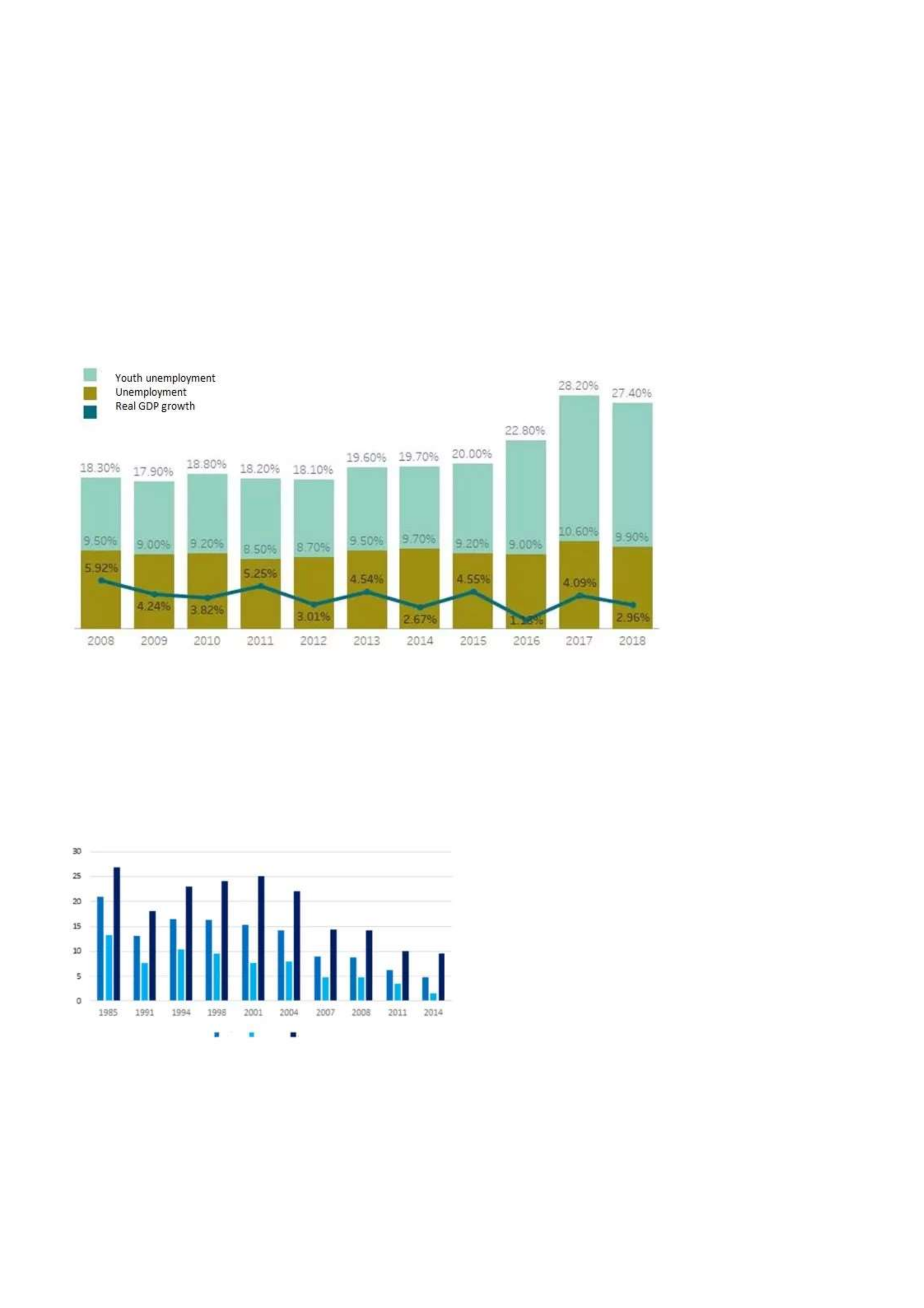
Thus, the country demonstrates evident and, to a significant extent, effective efforts to achieve meeting goals of sustainable development both in
addressing the issues of social capital growth and environmental protection. At the same time, still, problems in social inequality, gender gaps, rural
poverty, and access to quality education persist. In these conditions, it seems expedient to pay special attention to the mechanisms of public-private
partnership, which are not well developed in Morocco.
The Moroccan economy is considered to be a relatively liberal economy governed by the law of supply and demand. Since 1993, Morocco has
pursued a policy of privatizing certain sectors of the economy that were formerly in the hands of the government.
Morocco has become a major player in African economic affairs and ranks fifth among African economies in terms of GDP. The
World Economic Forum ranked Morocco as the 1st most competitive economy in North Africa in its Africa Competitiveness Report 2014-15. Since
2018, the country’s currency – the dirham – is fully convertible for current account transactions, financial sector reforms are carried out, and state
enterprises are being privatized.
There is an overall relative downward trend in unemployment in the country over the past decade. However, still, the level of youth unemployment in
2017 is 42.8%. About 80% of jobs are informal and the income gap is very large (Dadush 9). The correlation between unemployment, youth
unemployment, and growth is shown in Fig. 1 below.
Fig. 1. Correlation between unemployment, youth unemployment, and growth in Morocco, percentage change with 2012 base.
However, the labor share of GDP is the highest in the upper-middle-income sector which demonstrates the growth of a strong middle class in the
country. At the same time, social spending in Morocco is less than in neighboring countries such as Tunisia and Jordan. Thus, the progress in the
achievement of SDGs is ambiguous, although progressive development is evident. It should be noted that the country managed to decrease the
poverty rate significantly in dynamics (Fig. 2).
Total Urban Rural
Fig. 2. The Evolution of poverty rate in Morocco, 1985-2014.
There is a gradual increase in the human capital index and efforts are being made in the field of education. The dynamics of youth functional literacy
in Morocco for the period 2000-2018 is the highest among ten African countries. Net Enrollment Ratio in primary education manifested two-fold
growth since 1971 (Mansouri and Moumine 12). The duration of primary education is 6 years – this figure has not changed since 2009. The net
enrollment rate in primary education is 98.92%, which is a good value for an African country. Adult literacy is 73.75% (Sandberg and Binder 26).
Moreover, the illiterate population is concentrated in rural areas.
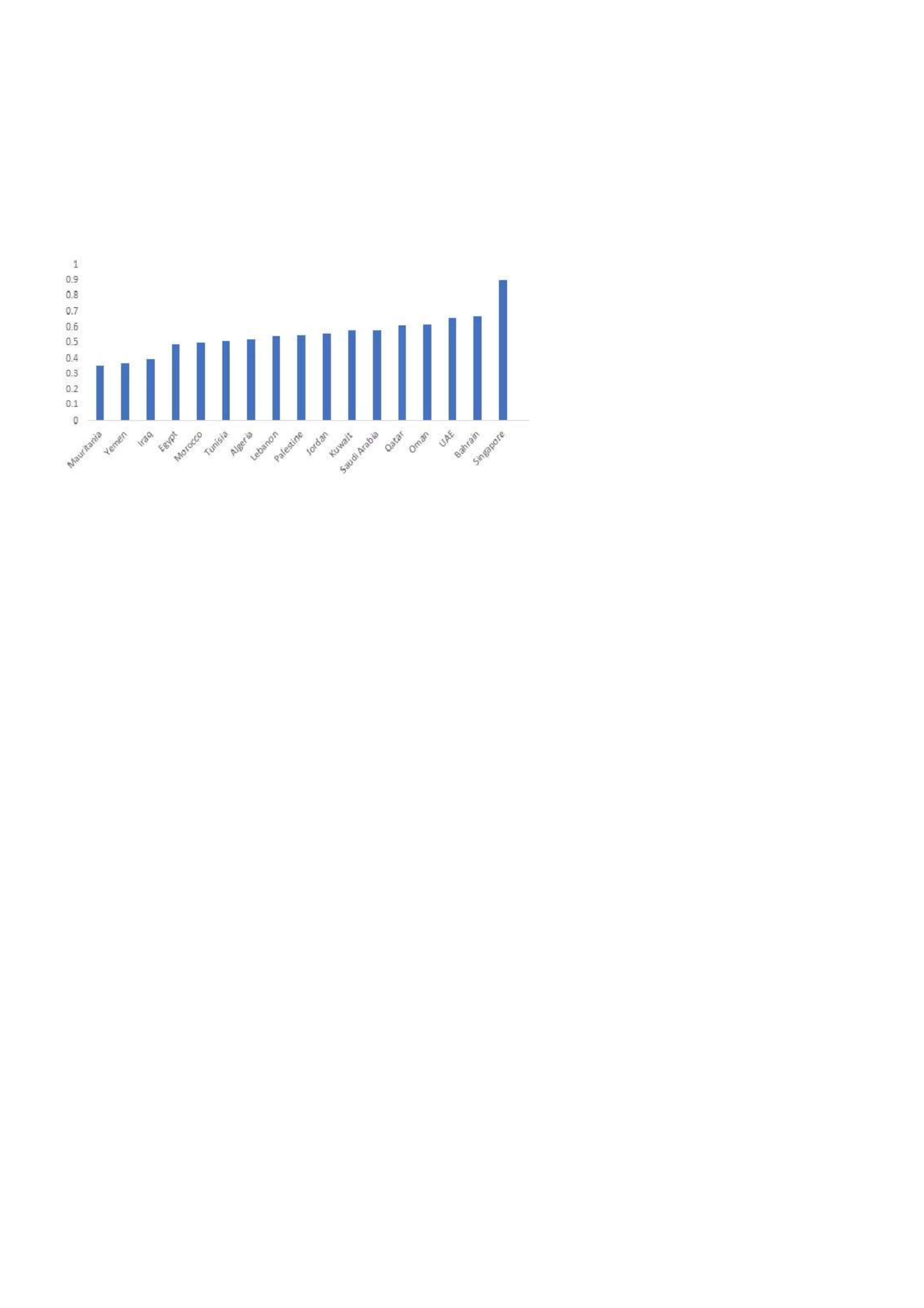
Processes of digital transformation are being observed – the ruling elite of Morocco realizes that digitalization is one of the integral mechanisms of
the global development of the national economy. It plays a critical role in attracting investment, creating jobs, modernizing the public sector, and
creating fast and efficient services for citizens. Efforts are being made to improve the digital infrastructure, strengthen the professional knowledge of
people to meet the market demand for specialists in the digital sphere.
Nevertheless, economic inequality persists – for example, the Gini index, which measures the degree to which the distribution of income or
consumption expenditures among households in the economy differs from absolute equality in distribution, was 35.70% in 2018 (UN). This is,
however, almost 10% less than in the previous year, which indicates the success of the government’s efforts to reduce inequality. According to World
Bank Human Capital Index, Morocco is ahead of Egypt and Yemen and almost on the same level as other Arab countries, being behind such rich
countries as Qatar and UAE (Fig. 3 below).
Fig. 3. The World Bank Human Capital Index, 2019.
Issues of reducing gender inequality should also be noted. Noteworthy, recent family law reforms in Morocco have strengthened women’s property
rights by equalizing the property rights of husbands and wives over property acquired during the marriage. Methods for strengthening the voice of
women in society include political representation quotas, training future women leaders, and increasing their participation in trade unions and
professional associations.
However, while the gender gap in leadership positions in corporate governance and public administration has narrowed, women, especially in rural
areas, are largely the face of poverty in Morocco. In Morocco, there are two main methods of measuring poverty, which include the “classical
approach” and the second one, which is more of a capacity-based approach. The “classical approach” uses a poverty line to statistically define the
poor. This approach quantifies the number of poor people and households but does not take into account how poor people lack basic needs such as
shelter, food, health, and education. The second approach addresses this lack of basic needs and emphasizes the multidimensional nature of poverty.
Moroccan women represent the most economically vulnerable social group in the country (Sandberg and Binder 32-39). The feminization of poverty
refers to a trend towards increasing inequality in living standards between men and women due to the widening gap in poverty between women and
men. This phenomenon is not only a consequence of a lack of income but also a result of disenfranchisement and gender bias inherent in both
societies and governments at the regional level. It encompasses the poverty of choice and opportunity, such as the ability to lead a long, healthy, and
creative life and the enjoyment of fundamental rights such as freedom, respect, and dignity. This phenomenon is largely due to the overall ratio of
total and poor population in rural areas. In Morocco, the percentage of the poor rural population is rather high in comparison with other MENA
countries (Fig. 4).
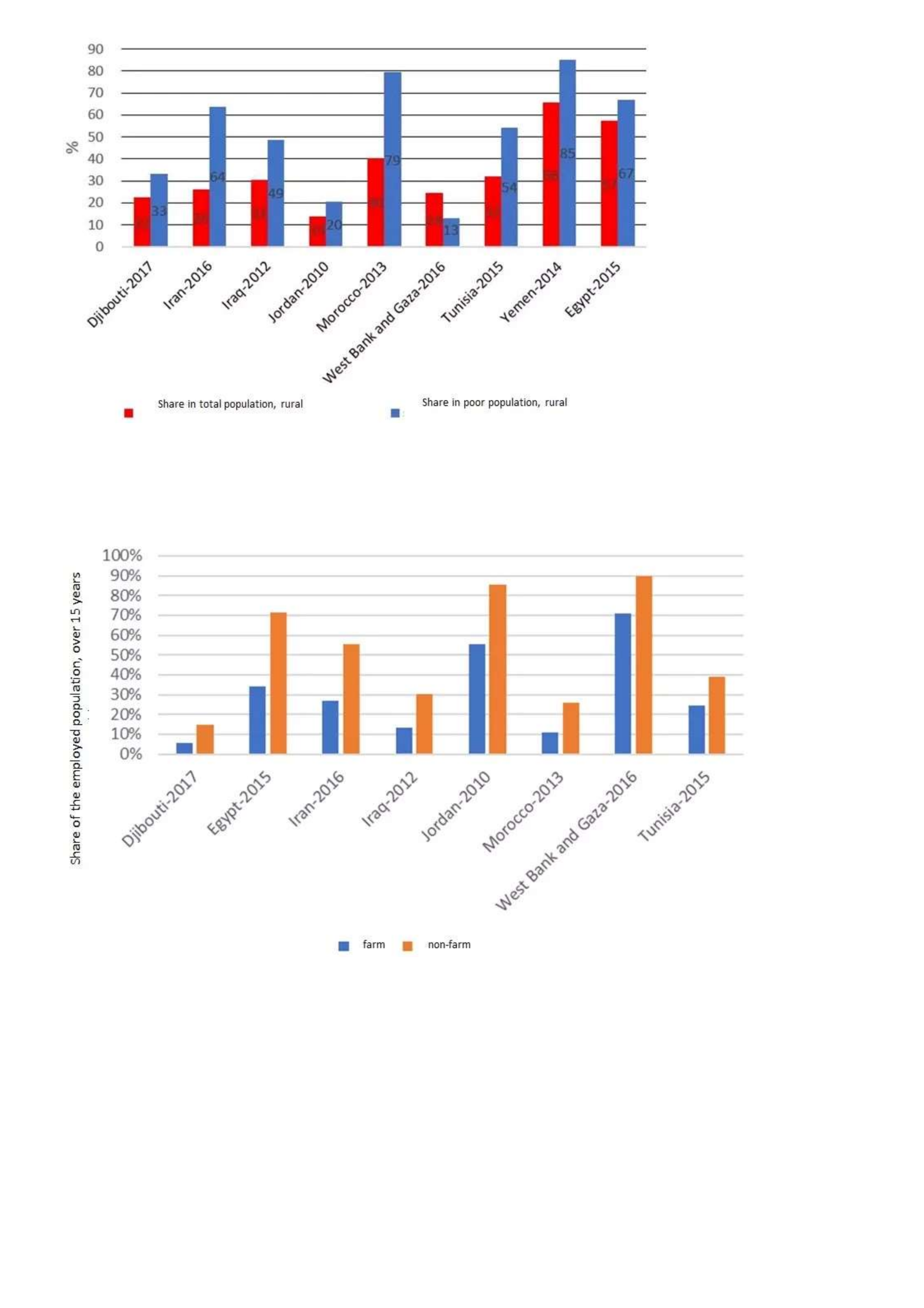
Fig. 4. Rural shares in total and poor population in selected MENA countries.
Indeed, education seems to be an important factor associated with access to rural non-farm activities – thus, the issue of rural poverty should be
addressed simultaneously with making efforts to eradicate illiteracy in rural areas. The figure below clearly shows that education represents one of
the definitive factors associated with access to rural non-farm activities.
Fig. 5. Shares of the population over 15 years old with incomplete secondary education and above among employed farm and non-farm activities in
rural areas of selected MENA countries.
The Kingdom of Morocco continues to pursue its efforts to follow up on recommendations from major United Nations development meetings and
conferences, including the Millennium Development Goals, which are included in the national development strategy. Modernization, democratization,
and economic development, as well as indicators of sustainable human development, are interdependent in promoting equal opportunities,
disseminating knowledge, and providing basic social services.
Increasingly more environmental protection programs are being implemented in the country. In particular, by supporting ecotourism, Morocco strives
to highlight its unique tangible and spiritual heritage by engaging industry professionals and regional authorities. For this, a special program has been
developed – the charter for sustainable tourism. The development of ecotourism is also supported by numerous individual projects, such as the
botanical garden of aromatic plants located near the ancient city. To date, 13 Moroccan beaches have received the Blue Flag award (Rihab 287). Many
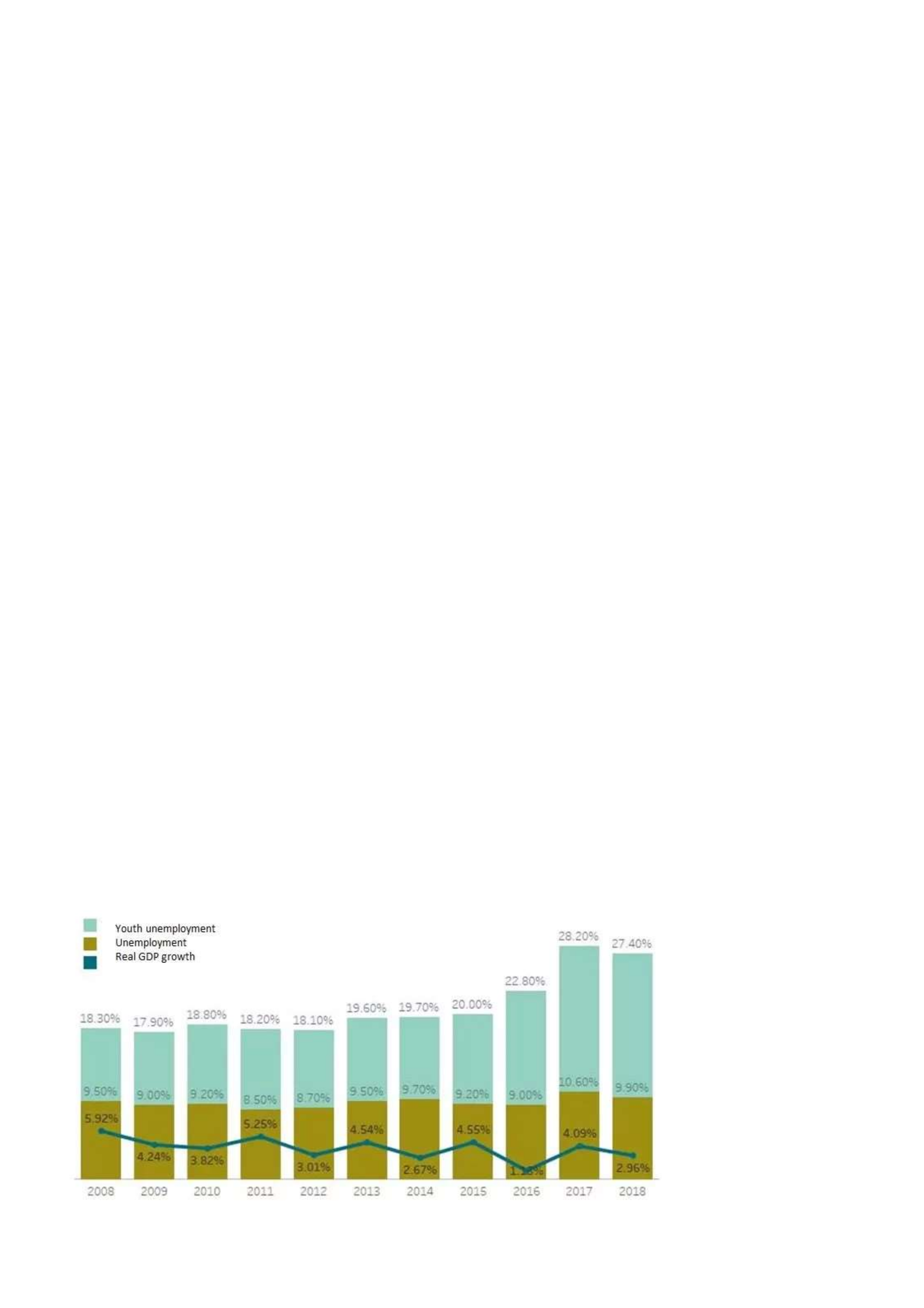
hotels and inns in the country have received the Green Key award. All this highlights the efforts of the owners of the companies in the field of
environmental protection.
The percentage of the marine protected area has increased in recent years, and on the 22nd Conference of the Parties to the United Nations
Framework Convention on Climate Change, for the first time in its history, at the request of the Moroccan government, an Action Day for the
Protection of the Oceans was organized as part of the official UNFCCC program. Efforts to combat illegal, unreported, and unregulated fishing also
should be noted. In the energy sector, Morocco stands out for the presence of the seventh-largest solar power plant in the world – in Noor. Spread
over an area of 3000 hectares (3500 football fields), the station is capable of providing energy to a city the size of two Marrakech or Prague. Located
at the entrance to the Sahara Desert, the complex saves the planet from more than 760,000 tons of carbon emissions (Mohamed et al. 193-195). The
main sectors of the economy that can support green growth are clean renewable energy, water management, agriculture and forestry, fisheries,
recycling, and waste management.
This major project primarily serves the interests of Morocco, but it is also part of a worldwide effort to expand the use of renewable energy sources.
Investment in renewable energy in Morocco grew 13 times in 2018 to $ 2.8 billion (Mohamed et al. 191). Morocco has set an ambitious goal of
generating more than half of its electricity from renewable sources by 2030. These goals, along with other climate change policies, helped make
Morocco the second best-performing country in the 2018 and 2019 Climate Change Performance Indices. Morocco ranks 64th in the world in terms of
environmental performance, ahead of most African countries (Rihab 289). The country is trying to integrate the climate change component into all
national public policies.
Separately, the degree of application of a legal, regulatory, and institutional framework that recognizes and protects access rights for small-scale
fisheries in Morocco should be noted. The country is among the leading ones in Africa by the degree of efforts in this field. For the Sahara region, the
most relevant is the efforts of the Kingdom of Morocco on control and surveillance issues, given the importance of fishing activities. Control requires
the average performance of equipment and, namely control on water and on land, which mobilizes ships, vehicles, and service personnel, equipped
with specific measurement and remote communication equipment. Indeed, control concerns all the elements: fishermen’s activities, fishing area,
fishing gear and sizes, documentation (capture declaration, logbook), unloading (market size, quota), transportation, and storage of fishing products.
Thus, the country demonstrates evident and, to a significant extent, effective efforts to achieve meeting goals of sustainable development both in
addressing the issues of social capital growth and environmental protection. At the same time, still, problems in social inequality, gender gaps, rural
poverty, and access to quality education persist. In these conditions, it seems expedient to pay special attention to the mechanisms of public-private
partnership, which are not well developed in Morocco.
The Moroccan economy is considered to be a relatively liberal economy governed by the law of supply and demand. Since 1993, Morocco has
pursued a policy of privatizing certain sectors of the economy that were formerly in the hands of the government.
Morocco has become a major player in African economic affairs and ranks fifth among African economies in terms of GDP. The
World Economic Forum ranked Morocco as the 1st most competitive economy in North Africa in its Africa Competitiveness Report 2014-15. Since
2018, the country’s currency – the dirham – is fully convertible for current account transactions, financial sector reforms are carried out, and state
enterprises are being privatized.
There is an overall relative downward trend in unemployment in the country over the past decade. However, still, the level of youth unemployment in
2017 is 42.8%. About 80% of jobs are informal and the income gap is very large (Dadush 9). The correlation between unemployment, youth
unemployment, and growth is shown in Fig. 1 below.
Fig. 1. Correlation between unemployment, youth unemployment, and growth in Morocco, percentage change with 2012 base.
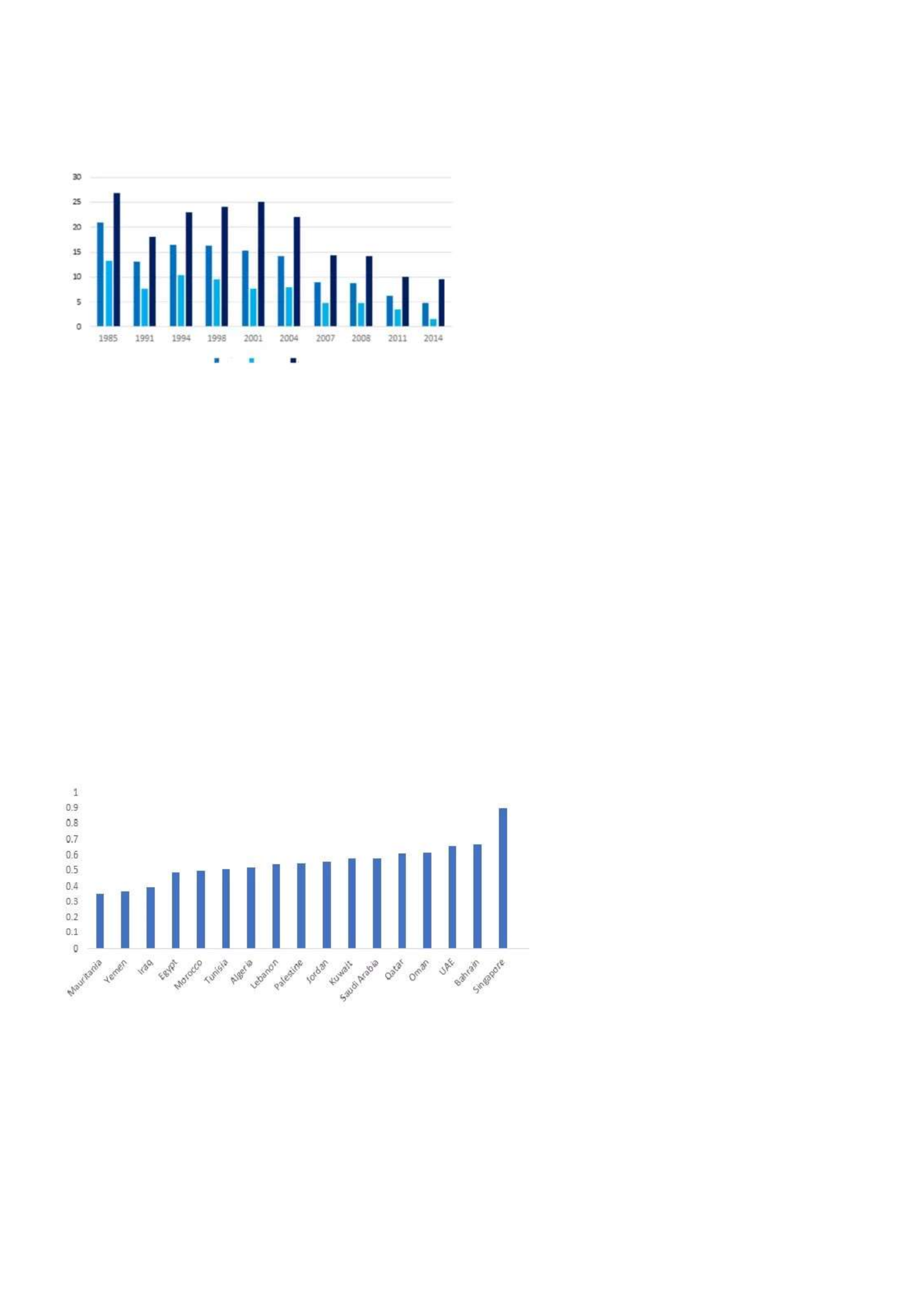
However, the labor share of GDP is the highest in the upper-middle-income sector which demonstrates the growth of a strong middle class in the
country. At the same time, social spending in Morocco is less than in neighboring countries such as Tunisia and Jordan. Thus, the progress in the
achievement of SDGs is ambiguous, although progressive development is evident. It should be noted that the country managed to decrease the
poverty rate significantly in dynamics (Fig. 2).
Total Urban Rural
Fig. 2. The Evolution of poverty rate in Morocco, 1985-2014.
There is a gradual increase in the human capital index and efforts are being made in the field of education. The dynamics of youth functional literacy
in Morocco for the period 2000-2018 is the highest among ten African countries. Net Enrollment Ratio in primary education manifested two-fold
growth since 1971 (Mansouri and Moumine 12). The duration of primary education is 6 years – this figure has not changed since 2009. The net
enrollment rate in primary education is 98.92%, which is a good value for an African country. Adult literacy is 73.75% (Sandberg and Binder 26).
Moreover, the illiterate population is concentrated in rural areas.
Processes of digital transformation are being observed – the ruling elite of Morocco realizes that digitalization is one of the integral mechanisms of
the global development of the national economy. It plays a critical role in attracting investment, creating jobs, modernizing the public sector, and
creating fast and efficient services for citizens. Efforts are being made to improve the digital infrastructure, strengthen the professional knowledge of
people to meet the market demand for specialists in the digital sphere.
Nevertheless, economic inequality persists – for example, the Gini index, which measures the degree to which the distribution of income or
consumption expenditures among households in the economy differs from absolute equality in distribution, was 35.70% in 2018 (UN). This is,
however, almost 10% less than in the previous year, which indicates the success of the government’s efforts to reduce inequality. According to World
Bank Human Capital Index, Morocco is ahead of Egypt and Yemen and almost on the same level as other Arab countries, being behind such rich
countries as Qatar and UAE (Fig. 3 below).
Fig. 3. The World Bank Human Capital Index, 2019.
Issues of reducing gender inequality should also be noted. Noteworthy, recent family law reforms in Morocco have strengthened women’s property
rights by equalizing the property rights of husbands and wives over property acquired during the marriage. Methods for strengthening the voice of
women in society include political representation quotas, training future women leaders, and increasing their participation in trade unions and
professional associations.
However, while the gender gap in leadership positions in corporate governance and public administration has narrowed, women, especially in rural
areas, are largely the face of poverty in Morocco. In Morocco, there are two main methods of measuring poverty, which include the “classical
approach” and the second one, which is more of a capacity-based approach. The “classical approach” uses a poverty line to statistically define the
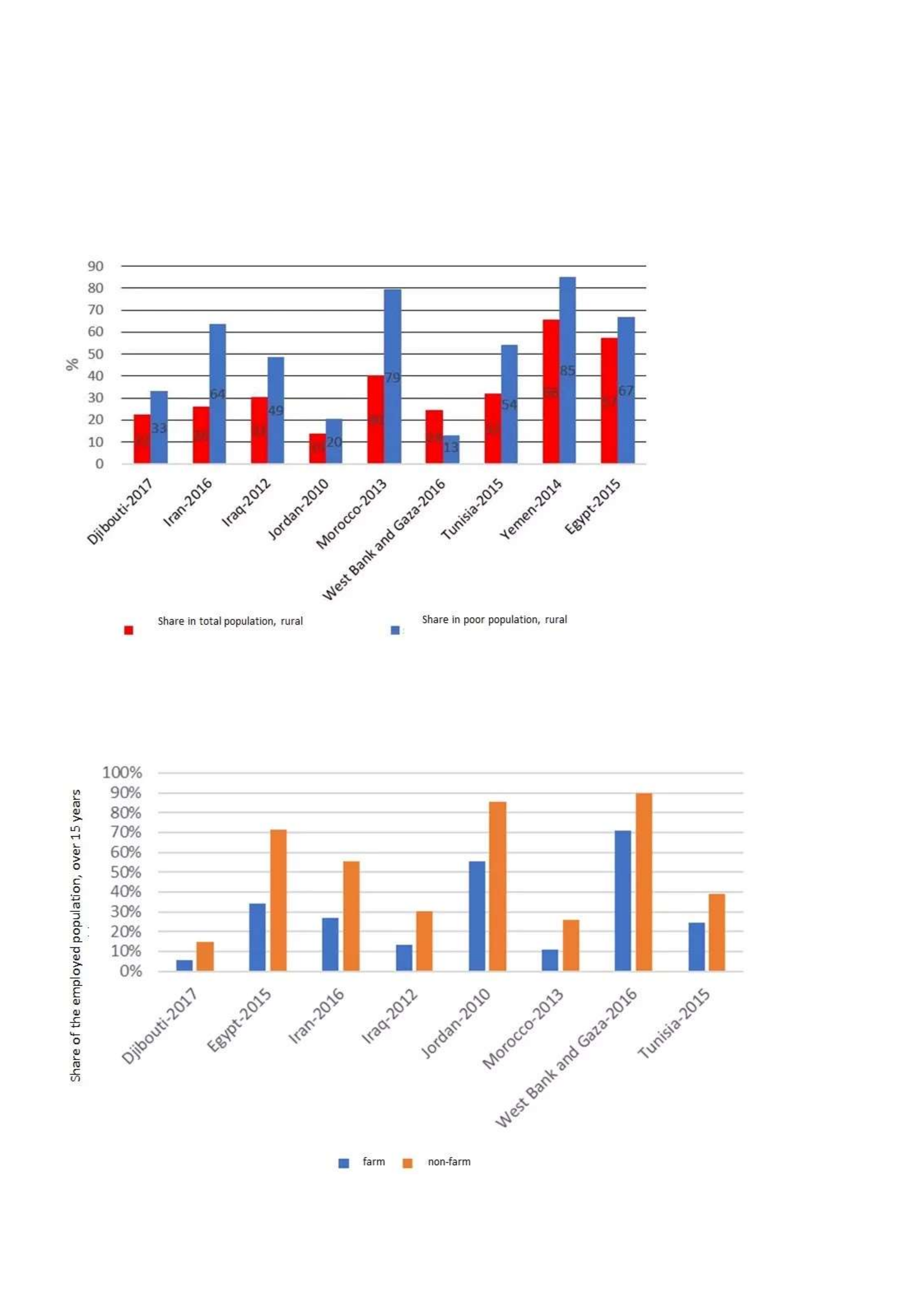
poor. This approach quantifies the number of poor people and households but does not take into account how poor people lack basic needs such as
shelter, food, health, and education. The second approach addresses this lack of basic needs and emphasizes the multidimensional nature of poverty.
Moroccan women represent the most economically vulnerable social group in the country (Sandberg and Binder 32-39). The feminization of poverty
refers to a trend towards increasing inequality in living standards between men and women due to the widening gap in poverty between women and
men. This phenomenon is not only a consequence of a lack of income but also a result of disenfranchisement and gender bias inherent in both
societies and governments at the regional level. It encompasses the poverty of choice and opportunity, such as the ability to lead a long, healthy, and
creative life and the enjoyment of fundamental rights such as freedom, respect, and dignity. This phenomenon is largely due to the overall ratio of
total and poor population in rural areas. In Morocco, the percentage of the poor rural population is rather high in comparison with other MENA
countries (Fig. 4).
Fig. 4. Rural shares in total and poor population in selected MENA countries.
Indeed, education seems to be an important factor associated with access to rural non-farm activities – thus, the issue of rural poverty should be
addressed simultaneously with making efforts to eradicate illiteracy in rural areas. The figure below clearly shows that education represents one of
the definitive factors associated with access to rural non-farm activities.
Fig. 5. Shares of the population over 15 years old with incomplete secondary education and above among employed farm and non-farm activities in
rural areas of selected MENA countries.

The Kingdom of Morocco continues to pursue its efforts to follow up on recommendations from major United Nations development meetings and
conferences, including the Millennium Development Goals, which are included in the national development strategy. Modernization, democratization,
and economic development, as well as indicators of sustainable human development, are interdependent in promoting equal opportunities,
disseminating knowledge, and providing basic social services.
Increasingly more environmental protection programs are being implemented in the country. In particular, by supporting ecotourism, Morocco strives
to highlight its unique tangible and spiritual heritage by engaging industry professionals and regional authorities. For this, a special program has been
developed – the charter for sustainable tourism. The development of ecotourism is also supported by numerous individual projects, such as the
botanical garden of aromatic plants located near the ancient city. To date, 13 Moroccan beaches have received the Blue Flag award (Rihab 287). Many
hotels and inns in the country have received the Green Key award. All this highlights the efforts of the owners of the companies in the field of
environmental protection.
The percentage of the marine protected area has increased in recent years, and on the 22nd Conference of the Parties to the United Nations
Framework Convention on Climate Change, for the first time in its history, at the request of the Moroccan government, an Action Day for the
Protection of the Oceans was organized as part of the official UNFCCC program. Efforts to combat illegal, unreported, and unregulated fishing also
should be noted. In the energy sector, Morocco stands out for the presence of the seventh-largest solar power plant in the world – in Noor. Spread
over an area of 3000 hectares (3500 football fields), the station is capable of providing energy to a city the size of two Marrakech or Prague. Located
at the entrance to the Sahara Desert, the complex saves the planet from more than 760,000 tons of carbon emissions (Mohamed et al. 193-195). The
main sectors of the economy that can support green growth are clean renewable energy, water management, agriculture and forestry, fisheries,
recycling, and waste management.
This major project primarily serves the interests of Morocco, but it is also part of a worldwide effort to expand the use of renewable energy sources.
Investment in renewable energy in Morocco grew 13 times in 2018 to $ 2.8 billion (Mohamed et al. 191). Morocco has set an ambitious goal of
generating more than half of its electricity from renewable sources by 2030. These goals, along with other climate change policies, helped make
Morocco the second best-performing country in the 2018 and 2019 Climate Change Performance Indices. Morocco ranks 64th in the world in terms of
environmental performance, ahead of most African countries (Rihab 289). The country is trying to integrate the climate change component into all
national public policies.
Separately, the degree of application of a legal, regulatory, and institutional framework that recognizes and protects access rights for small-scale
fisheries in Morocco should be noted. The country is among the leading ones in Africa by the degree of efforts in this field. For the Sahara region, the
most relevant is the efforts of the Kingdom of Morocco on control and surveillance issues, given the importance of fishing activities. Control requires
the average performance of equipment and, namely control on water and on land, which mobilizes ships, vehicles, and service personnel, equipped
with specific measurement and remote communication equipment. Indeed, control concerns all the elements: fishermen’s activities, fishing area,
fishing gear and sizes, documentation (capture declaration, logbook), unloading (market size, quota), transportation, and storage of fishing products.
Thus, the country demonstrates evident and, to a significant extent, effective efforts to achieve meeting goals of sustainable development both in
addressing the issues of social capital growth and environmental protection. At the same time, still, problems in social inequality, gender gaps, rural
poverty, and access to quality education persist. In these conditions, it seems expedient to pay special attention to the mechanisms of public-private
partnership, which are not well developed in Morocco.
The Moroccan economy is considered to be a relatively liberal economy governed by the law of supply and demand. Since 1993, Morocco has
pursued a policy of privatizing certain sectors of the economy that were formerly in the hands of the government.
Morocco has become a major player in African economic affairs and ranks fifth among African economies in terms of GDP. The
World Economic Forum ranked Morocco as the 1st most competitive economy in North Africa in its Africa Competitiveness Report 2014-15. Since
2018, the country’s currency – the dirham – is fully convertible for current account transactions, financial sector reforms are carried out, and state
enterprises are being privatized.
There is an overall relative downward trend in unemployment in the country over the past decade. However, still, the level of youth unemployment in
2017 is 42.8%. About 80% of jobs are informal and the income gap is very large (Dadush 9). The correlation between unemployment, youth
unemployment, and growth is shown in Fig. 1 below.
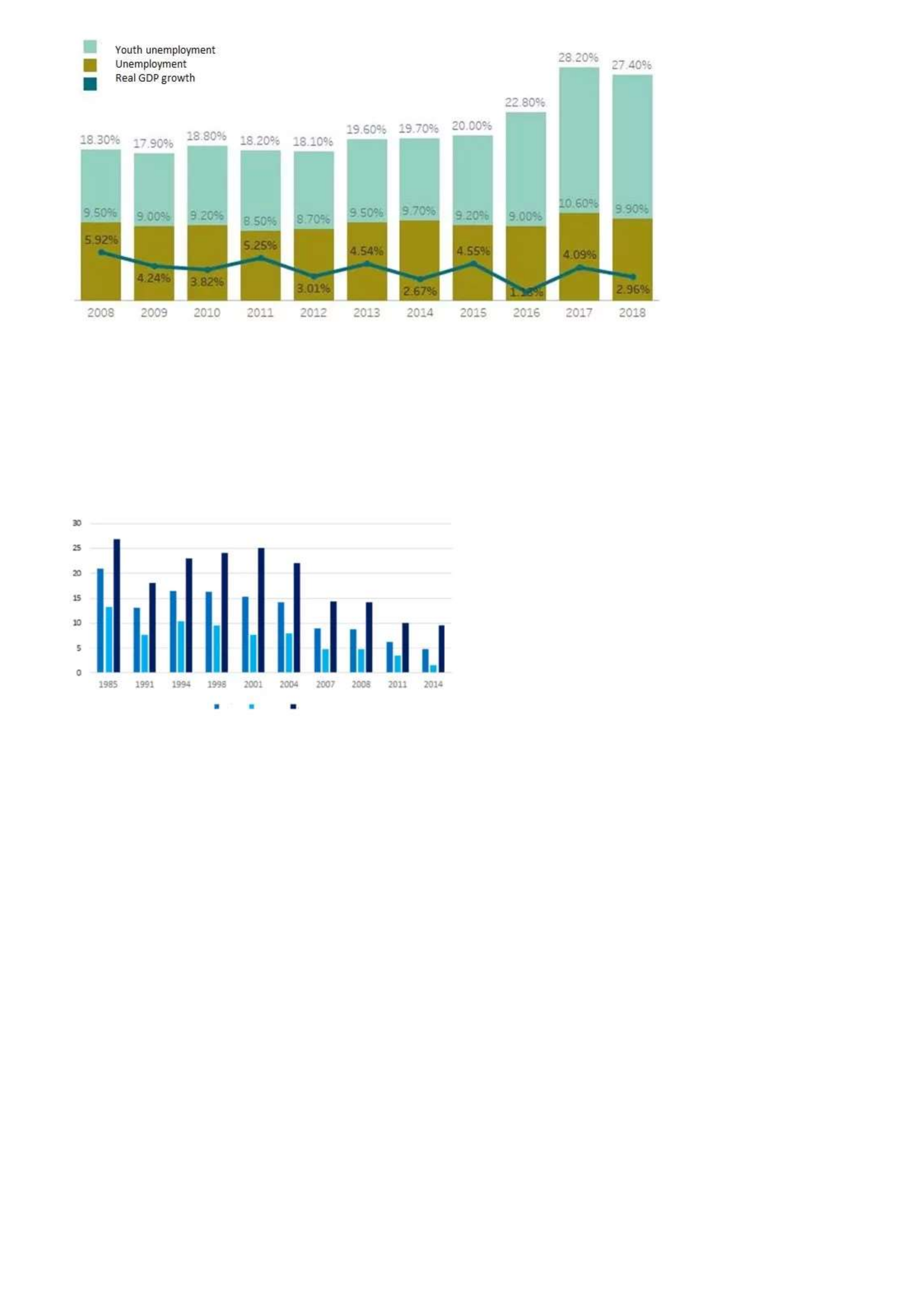
Fig. 1. Correlation between unemployment, youth unemployment, and growth in Morocco, percentage change with 2012 base.
However, the labor share of GDP is the highest in the upper-middle-income sector which demonstrates the growth of a strong middle class in the
country. At the same time, social spending in Morocco is less than in neighboring countries such as Tunisia and Jordan. Thus, the progress in the
achievement of SDGs is ambiguous, although progressive development is evident. It should be noted that the country managed to decrease the
poverty rate significantly in dynamics (Fig. 2).
Total Urban Rural
Fig. 2. The Evolution of poverty rate in Morocco, 1985-2014.
There is a gradual increase in the human capital index and efforts are being made in the field of education. The dynamics of youth functional literacy
in Morocco for the period 2000-2018 is the highest among ten African countries. Net Enrollment Ratio in primary education manifested two-fold
growth since 1971 (Mansouri and Moumine 12). The duration of primary education is 6 years – this figure has not changed since 2009. The net
enrollment rate in primary education is 98.92%, which is a good value for an African country. Adult literacy is 73.75% (Sandberg and Binder 26).
Moreover, the illiterate population is concentrated in rural areas.
Processes of digital transformation are being observed – the ruling elite of Morocco realizes that digitalization is one of the integral mechanisms of
the global development of the national economy. It plays a critical role in attracting investment, creating jobs, modernizing the public sector, and
creating fast and efficient services for citizens. Efforts are being made to improve the digital infrastructure, strengthen the professional knowledge of
people to meet the market demand for specialists in the digital sphere.
Nevertheless, economic inequality persists – for example, the Gini index, which measures the degree to which the distribution of income or
consumption expenditures among households in the economy differs from absolute equality in distribution, was 35.70% in 2018 (UN). This is,
however, almost 10% less than in the previous year, which indicates the success of the government’s efforts to reduce inequality. According to World
Bank Human Capital Index, Morocco is ahead of Egypt and Yemen and almost on the same level as other Arab countries, being behind such rich
countries as Qatar and UAE (Fig. 3 below).
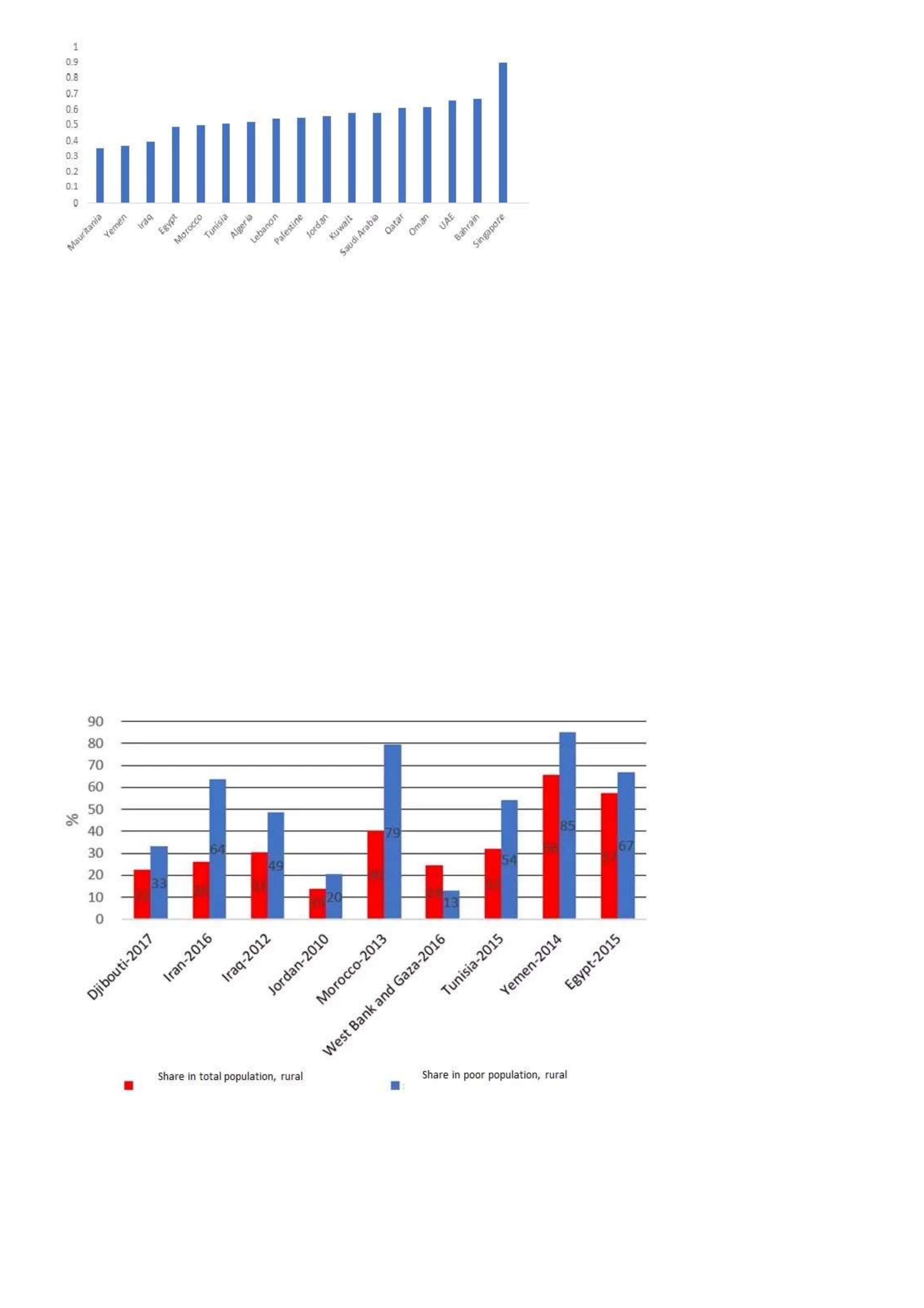
Fig. 3. The World Bank Human Capital Index, 2019.
Issues of reducing gender inequality should also be noted. Noteworthy, recent family law reforms in Morocco have strengthened women’s property
rights by equalizing the property rights of husbands and wives over property acquired during the marriage. Methods for strengthening the voice of
women in society include political representation quotas, training future women leaders, and increasing their participation in trade unions and
professional associations.
However, while the gender gap in leadership positions in corporate governance and public administration has narrowed, women, especially in rural
areas, are largely the face of poverty in Morocco. In Morocco, there are two main methods of measuring poverty, which include the “classical
approach” and the second one, which is more of a capacity-based approach. The “classical approach” uses a poverty line to statistically define the
poor. This approach quantifies the number of poor people and households but does not take into account how poor people lack basic needs such as
shelter, food, health, and education. The second approach addresses this lack of basic needs and emphasizes the multidimensional nature of poverty.
Moroccan women represent the most economically vulnerable social group in the country (Sandberg and Binder 32-39). The feminization of poverty
refers to a trend towards increasing inequality in living standards between men and women due to the widening gap in poverty between women and
men. This phenomenon is not only a consequence of a lack of income but also a result of disenfranchisement and gender bias inherent in both
societies and governments at the regional level. It encompasses the poverty of choice and opportunity, such as the ability to lead a long, healthy, and
creative life and the enjoyment of fundamental rights such as freedom, respect, and dignity. This phenomenon is largely due to the overall ratio of
total and poor population in rural areas. In Morocco, the percentage of the poor rural population is rather high in comparison with other MENA
countries (Fig. 4).
Fig. 4. Rural shares in total and poor population in selected MENA countries.
Indeed, education seems to be an important factor associated with access to rural non-farm activities – thus, the issue of rural poverty should be
addressed simultaneously with making efforts to eradicate illiteracy in rural areas. The figure below clearly shows that education represents one of
the definitive factors associated with access to rural non-farm activities.
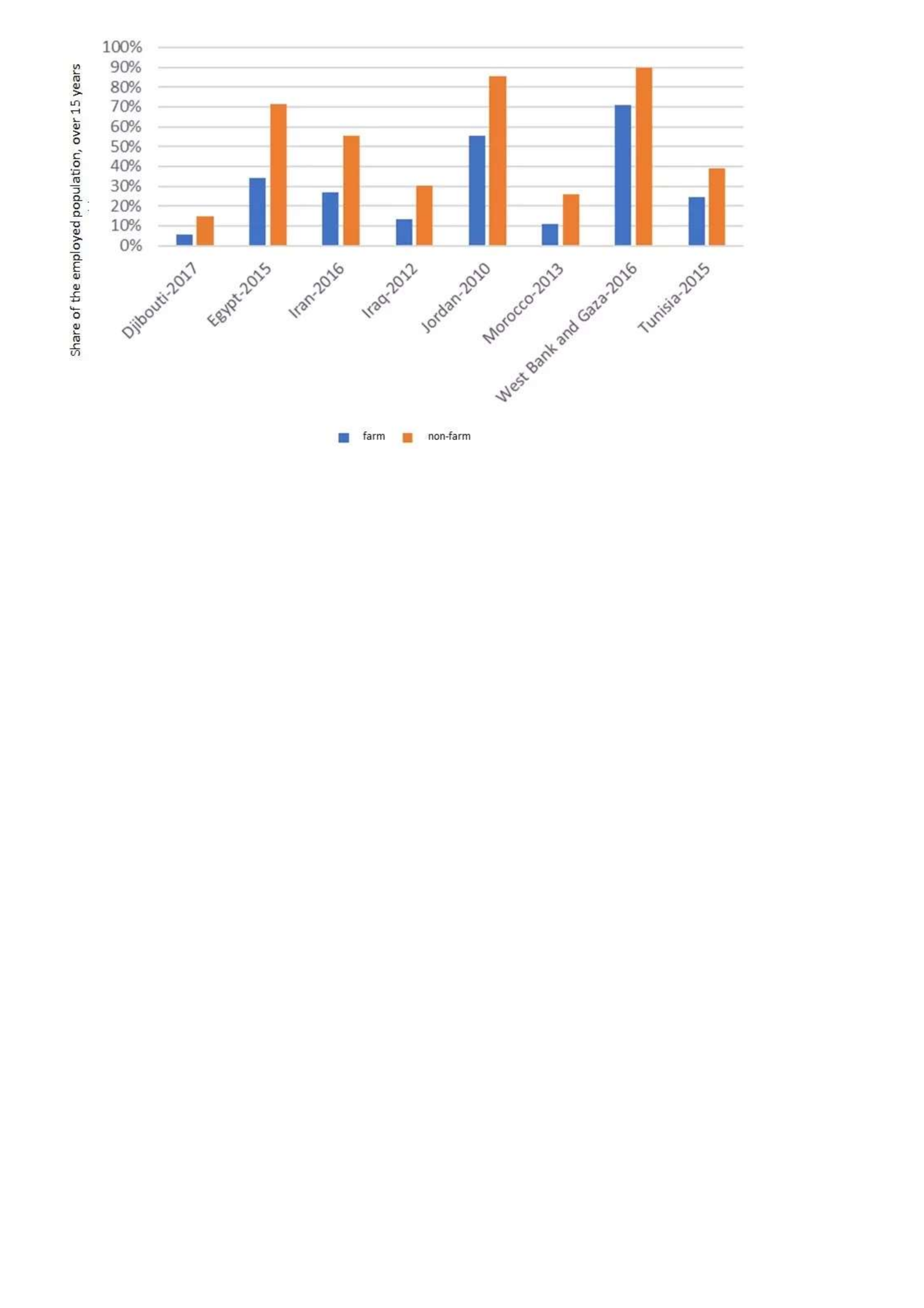
Fig. 5. Shares of the population over 15 years old with incomplete secondary education and above among employed farm and non-farm activities in
rural areas of selected MENA countries.
The Kingdom of Morocco continues to pursue its efforts to follow up on recommendations from major United Nations development meetings and
conferences, including the Millennium Development Goals, which are included in the national development strategy. Modernization, democratization,
and economic development, as well as indicators of sustainable human development, are interdependent in promoting equal opportunities,
disseminating knowledge, and providing basic social services.
Increasingly more environmental protection programs are being implemented in the country. In particular, by supporting ecotourism, Morocco strives
to highlight its unique tangible and spiritual heritage by engaging industry professionals and regional authorities. For this, a special program has been
developed – the charter for sustainable tourism. The development of ecotourism is also supported by numerous individual projects, such as the
botanical garden of aromatic plants located near the ancient city. To date, 13 Moroccan beaches have received the Blue Flag award (Rihab 287). Many
hotels and inns in the country have received the Green Key award. All this highlights the efforts of the owners of the companies in the field of
environmental protection.
The percentage of the marine protected area has increased in recent years, and on the 22nd Conference of the Parties to the United Nations
Framework Convention on Climate Change, for the first time in its history, at the request of the Moroccan government, an Action Day for the
Protection of the Oceans was organized as part of the official UNFCCC program. Efforts to combat illegal, unreported, and unregulated fishing also
should be noted. In the energy sector, Morocco stands out for the presence of the seventh-largest solar power plant in the world – in Noor. Spread
over an area of 3000 hectares (3500 football fields), the station is capable of providing energy to a city the size of two Marrakech or Prague. Located
at the entrance to the Sahara Desert, the complex saves the planet from more than 760,000 tons of carbon emissions (Mohamed et al. 193-195). The
main sectors of the economy that can support green growth are clean renewable energy, water management, agriculture and forestry, fisheries,
recycling, and waste management.
This major project primarily serves the interests of Morocco, but it is also part of a worldwide effort to expand the use of renewable energy sources.
Investment in renewable energy in Morocco grew 13 times in 2018 to $ 2.8 billion (Mohamed et al. 191). Morocco has set an ambitious goal of
generating more than half of its electricity from renewable sources by 2030. These goals, along with other climate change policies, helped make
Morocco the second best-performing country in the 2018 and 2019 Climate Change Performance Indices. Morocco ranks 64th in the world in terms of
environmental performance, ahead of most African countries (Rihab 289). The country is trying to integrate the climate change component into all
national public policies.
Separately, the degree of application of a legal, regulatory, and institutional framework that recognizes and protects access rights for small-scale
fisheries in Morocco should be noted. The country is among the leading ones in Africa by the degree of efforts in this field. For the Sahara region, the
most relevant is the efforts of the Kingdom of Morocco on control and surveillance issues, given the importance of fishing activities. Control requires
the average performance of equipment and, namely control on water and on land, which mobilizes ships, vehicles, and service personnel, equipped
with specific measurement and remote communication equipment. Indeed, control concerns all the elements: fishermen’s activities, fishing area,
fishing gear and sizes, documentation (capture declaration, logbook), unloading (market size, quota), transportation, and storage of fishing products.
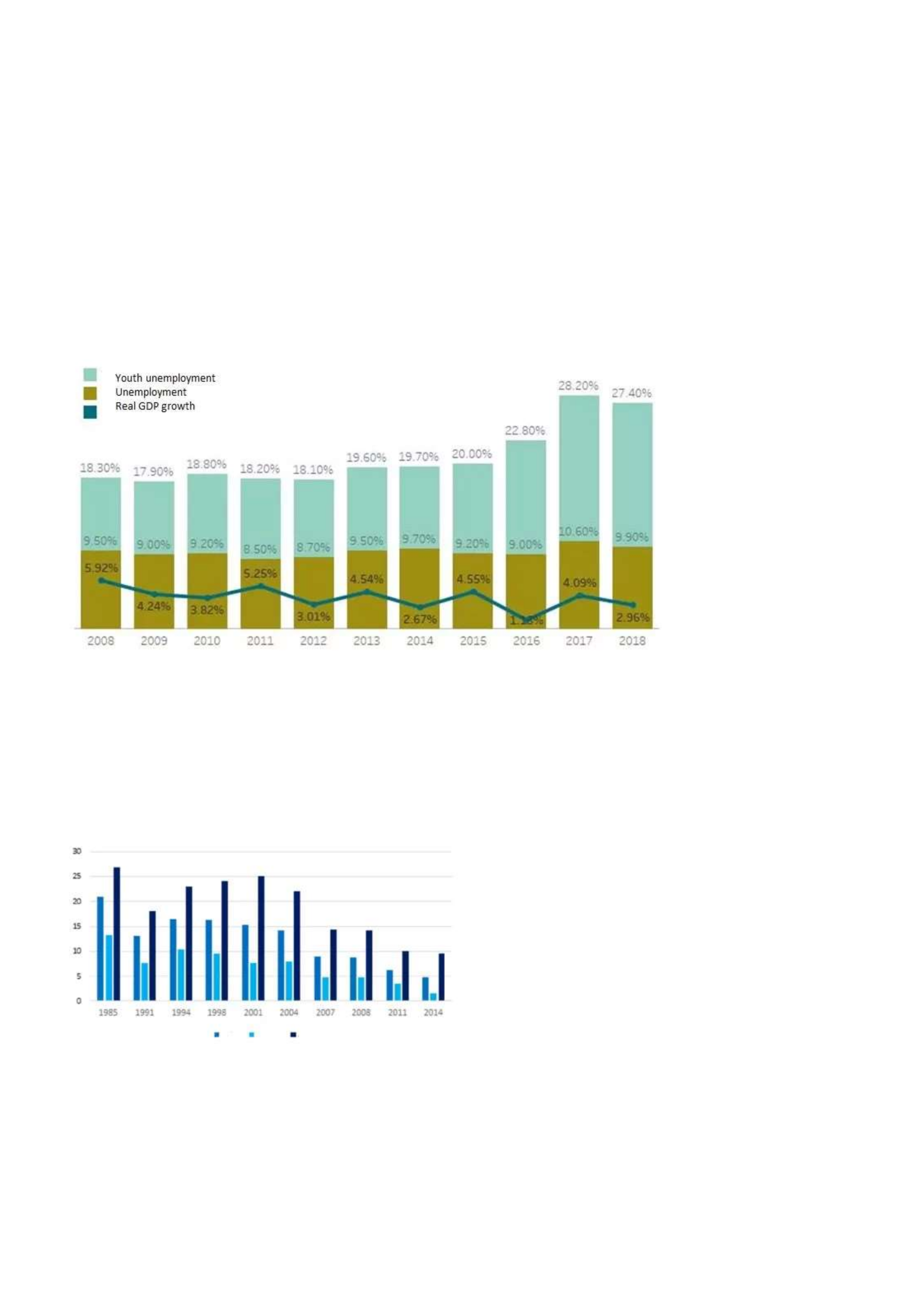
Thus, the country demonstrates evident and, to a significant extent, effective efforts to achieve meeting goals of sustainable development both in
addressing the issues of social capital growth and environmental protection. At the same time, still, problems in social inequality, gender gaps, rural
poverty, and access to quality education persist. In these conditions, it seems expedient to pay special attention to the mechanisms of public-private
partnership, which are not well developed in Morocco.
The Moroccan economy is considered to be a relatively liberal economy governed by the law of supply and demand. Since 1993, Morocco has
pursued a policy of privatizing certain sectors of the economy that were formerly in the hands of the government.
Morocco has become a major player in African economic affairs and ranks fifth among African economies in terms of GDP. The
World Economic Forum ranked Morocco as the 1st most competitive economy in North Africa in its Africa Competitiveness Report 2014-15. Since
2018, the country’s currency – the dirham – is fully convertible for current account transactions, financial sector reforms are carried out, and state
enterprises are being privatized.
There is an overall relative downward trend in unemployment in the country over the past decade. However, still, the level of youth unemployment in
2017 is 42.8%. About 80% of jobs are informal and the income gap is very large (Dadush 9). The correlation between unemployment, youth
unemployment, and growth is shown in Fig. 1 below.
Fig. 1. Correlation between unemployment, youth unemployment, and growth in Morocco, percentage change with 2012 base.
However, the labor share of GDP is the highest in the upper-middle-income sector which demonstrates the growth of a strong middle class in the
country. At the same time, social spending in Morocco is less than in neighboring countries such as Tunisia and Jordan. Thus, the progress in the
achievement of SDGs is ambiguous, although progressive development is evident. It should be noted that the country managed to decrease the
poverty rate significantly in dynamics (Fig. 2).
Total Urban Rural
Fig. 2. The Evolution of poverty rate in Morocco, 1985-2014.
There is a gradual increase in the human capital index and efforts are being made in the field of education. The dynamics of youth functional literacy
in Morocco for the period 2000-2018 is the highest among ten African countries. Net Enrollment Ratio in primary education manifested two-fold
growth since 1971 (Mansouri and Moumine 12). The duration of primary education is 6 years – this figure has not changed since 2009. The net
enrollment rate in primary education is 98.92%, which is a good value for an African country. Adult literacy is 73.75% (Sandberg and Binder 26).
Moreover, the illiterate population is concentrated in rural areas.
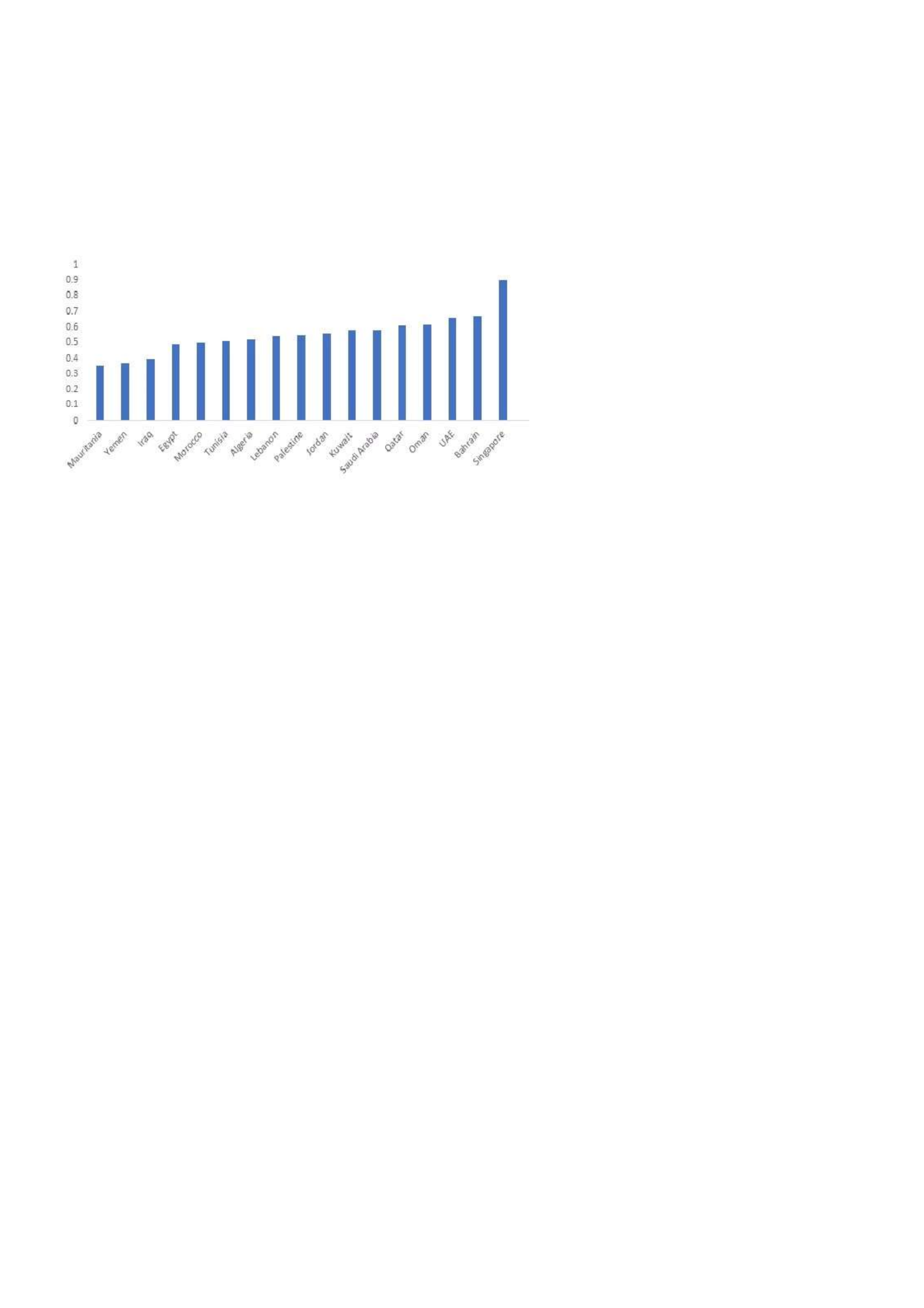
Processes of digital transformation are being observed – the ruling elite of Morocco realizes that digitalization is one of the integral mechanisms of
the global development of the national economy. It plays a critical role in attracting investment, creating jobs, modernizing the public sector, and
creating fast and efficient services for citizens. Efforts are being made to improve the digital infrastructure, strengthen the professional knowledge of
people to meet the market demand for specialists in the digital sphere.
Nevertheless, economic inequality persists – for example, the Gini index, which measures the degree to which the distribution of income or
consumption expenditures among households in the economy differs from absolute equality in distribution, was 35.70% in 2018 (UN). This is,
however, almost 10% less than in the previous year, which indicates the success of the government’s efforts to reduce inequality. According to World
Bank Human Capital Index, Morocco is ahead of Egypt and Yemen and almost on the same level as other Arab countries, being behind such rich
countries as Qatar and UAE (Fig. 3 below).
Fig. 3. The World Bank Human Capital Index, 2019.
Issues of reducing gender inequality should also be noted. Noteworthy, recent family law reforms in Morocco have strengthened women’s property
rights by equalizing the property rights of husbands and wives over property acquired during the marriage. Methods for strengthening the voice of
women in society include political representation quotas, training future women leaders, and increasing their participation in trade unions and
professional associations.
However, while the gender gap in leadership positions in corporate governance and public administration has narrowed, women, especially in rural
areas, are largely the face of poverty in Morocco. In Morocco, there are two main methods of measuring poverty, which include the “classical
approach” and the second one, which is more of a capacity-based approach. The “classical approach” uses a poverty line to statistically define the
poor. This approach quantifies the number of poor people and households but does not take into account how poor people lack basic needs such as
shelter, food, health, and education. The second approach addresses this lack of basic needs and emphasizes the multidimensional nature of poverty.
Moroccan women represent the most economically vulnerable social group in the country (Sandberg and Binder 32-39). The feminization of poverty
refers to a trend towards increasing inequality in living standards between men and women due to the widening gap in poverty between women and
men. This phenomenon is not only a consequence of a lack of income but also a result of disenfranchisement and gender bias inherent in both
societies and governments at the regional level. It encompasses the poverty of choice and opportunity, such as the ability to lead a long, healthy, and
creative life and the enjoyment of fundamental rights such as freedom, respect, and dignity. This phenomenon is largely due to the overall ratio of
total and poor population in rural areas. In Morocco, the percentage of the poor rural population is rather high in comparison with other MENA
countries (Fig. 4).
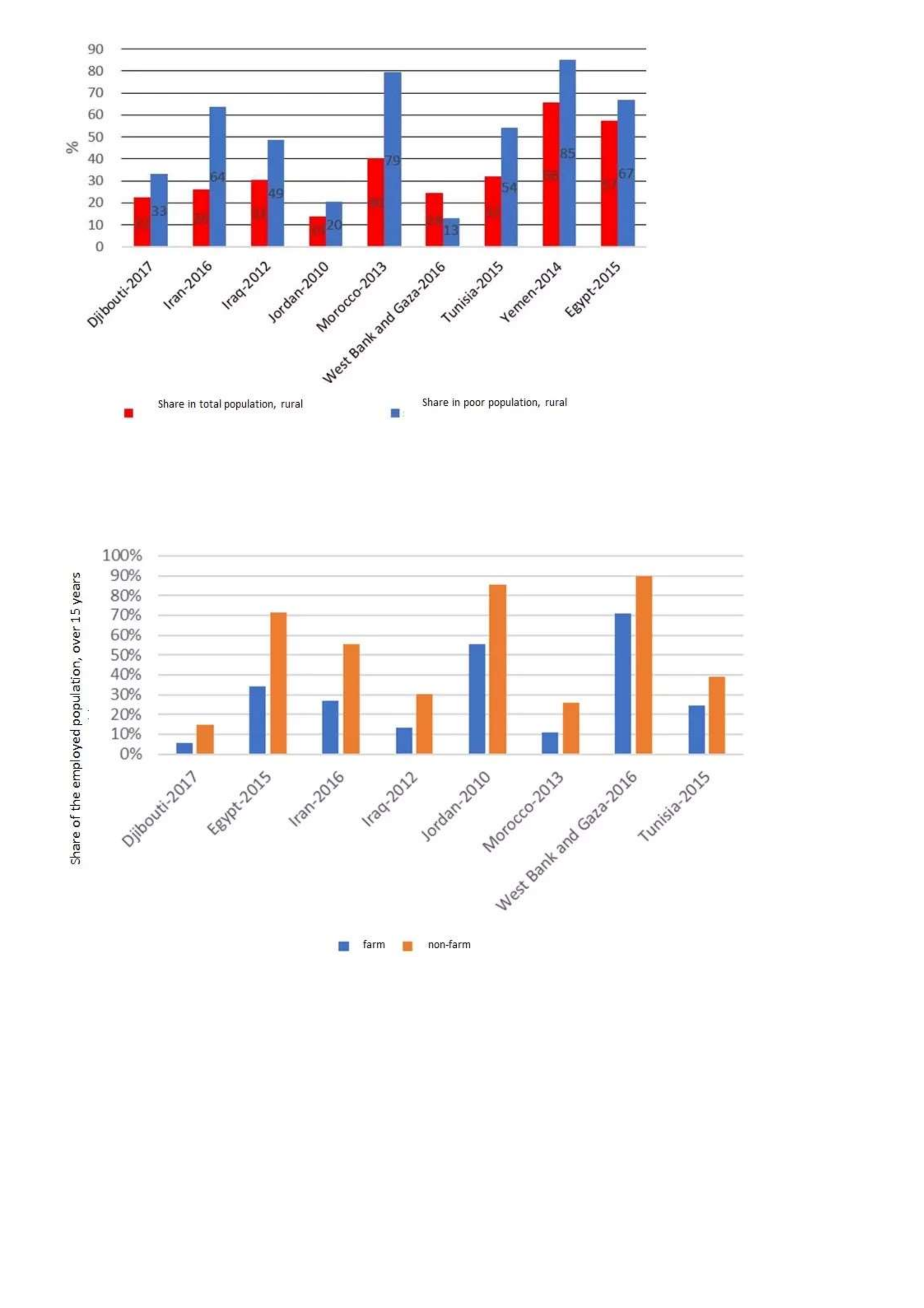
Fig. 4. Rural shares in total and poor population in selected MENA countries.
Indeed, education seems to be an important factor associated with access to rural non-farm activities – thus, the issue of rural poverty should be
addressed simultaneously with making efforts to eradicate illiteracy in rural areas. The figure below clearly shows that education represents one of
the definitive factors associated with access to rural non-farm activities.
Fig. 5. Shares of the population over 15 years old with incomplete secondary education and above among employed farm and non-farm activities in
rural areas of selected MENA countries.
The Kingdom of Morocco continues to pursue its efforts to follow up on recommendations from major United Nations development meetings and
conferences, including the Millennium Development Goals, which are included in the national development strategy. Modernization, democratization,
and economic development, as well as indicators of sustainable human development, are interdependent in promoting equal opportunities,
disseminating knowledge, and providing basic social services.
Increasingly more environmental protection programs are being implemented in the country. In particular, by supporting ecotourism, Morocco strives
to highlight its unique tangible and spiritual heritage by engaging industry professionals and regional authorities. For this, a special program has been
developed – the charter for sustainable tourism. The development of ecotourism is also supported by numerous individual projects, such as the
botanical garden of aromatic plants located near the ancient city. To date, 13 Moroccan beaches have received the Blue Flag award (Rihab 287). Many
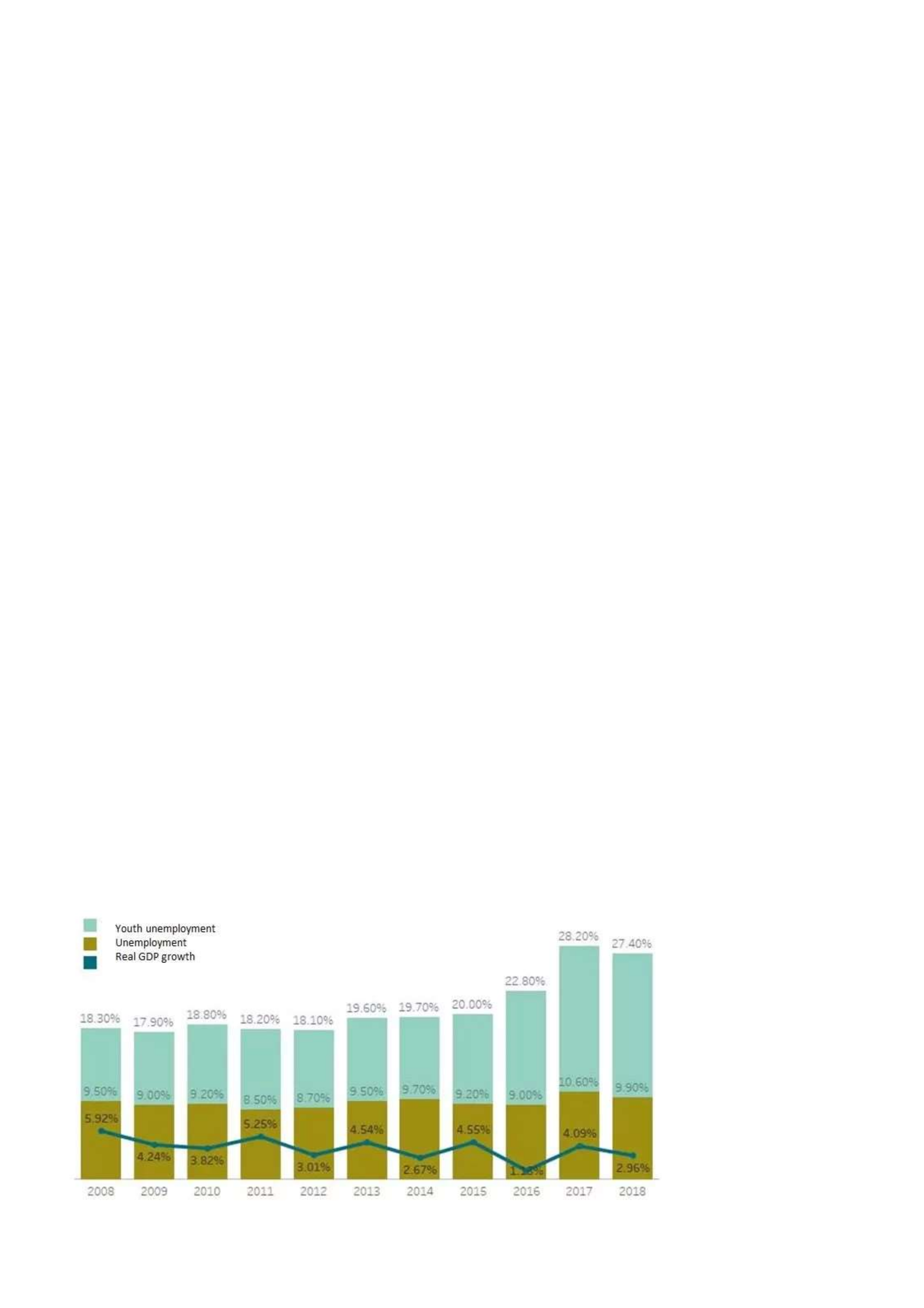
hotels and inns in the country have received the Green Key award. All this highlights the efforts of the owners of the companies in the field of
environmental protection.
The percentage of the marine protected area has increased in recent years, and on the 22nd Conference of the Parties to the United Nations
Framework Convention on Climate Change, for the first time in its history, at the request of the Moroccan government, an Action Day for the
Protection of the Oceans was organized as part of the official UNFCCC program. Efforts to combat illegal, unreported, and unregulated fishing also
should be noted. In the energy sector, Morocco stands out for the presence of the seventh-largest solar power plant in the world – in Noor. Spread
over an area of 3000 hectares (3500 football fields), the station is capable of providing energy to a city the size of two Marrakech or Prague. Located
at the entrance to the Sahara Desert, the complex saves the planet from more than 760,000 tons of carbon emissions (Mohamed et al. 193-195). The
main sectors of the economy that can support green growth are clean renewable energy, water management, agriculture and forestry, fisheries,
recycling, and waste management.
This major project primarily serves the interests of Morocco, but it is also part of a worldwide effort to expand the use of renewable energy sources.
Investment in renewable energy in Morocco grew 13 times in 2018 to $ 2.8 billion (Mohamed et al. 191). Morocco has set an ambitious goal of
generating more than half of its electricity from renewable sources by 2030. These goals, along with other climate change policies, helped make
Morocco the second best-performing country in the 2018 and 2019 Climate Change Performance Indices. Morocco ranks 64th in the world in terms of
environmental performance, ahead of most African countries (Rihab 289). The country is trying to integrate the climate change component into all
national public policies.
Separately, the degree of application of a legal, regulatory, and institutional framework that recognizes and protects access rights for small-scale
fisheries in Morocco should be noted. The country is among the leading ones in Africa by the degree of efforts in this field. For the Sahara region, the
most relevant is the efforts of the Kingdom of Morocco on control and surveillance issues, given the importance of fishing activities. Control requires
the average performance of equipment and, namely control on water and on land, which mobilizes ships, vehicles, and service personnel, equipped
with specific measurement and remote communication equipment. Indeed, control concerns all the elements: fishermen’s activities, fishing area,
fishing gear and sizes, documentation (capture declaration, logbook), unloading (market size, quota), transportation, and storage of fishing products.
Thus, the country demonstrates evident and, to a significant extent, effective efforts to achieve meeting goals of sustainable development both in
addressing the issues of social capital growth and environmental protection. At the same time, still, problems in social inequality, gender gaps, rural
poverty, and access to quality education persist. In these conditions, it seems expedient to pay special attention to the mechanisms of public-private
partnership, which are not well developed in Morocco.
The Moroccan economy is considered to be a relatively liberal economy governed by the law of supply and demand. Since 1993, Morocco has
pursued a policy of privatizing certain sectors of the economy that were formerly in the hands of the government.
Morocco has become a major player in African economic affairs and ranks fifth among African economies in terms of GDP. The
World Economic Forum ranked Morocco as the 1st most competitive economy in North Africa in its Africa Competitiveness Report 2014-15. Since
2018, the country’s currency – the dirham – is fully convertible for current account transactions, financial sector reforms are carried out, and state
enterprises are being privatized.
There is an overall relative downward trend in unemployment in the country over the past decade. However, still, the level of youth unemployment in
2017 is 42.8%. About 80% of jobs are informal and the income gap is very large (Dadush 9). The correlation between unemployment, youth
unemployment, and growth is shown in Fig. 1 below.
Fig. 1. Correlation between unemployment, youth unemployment, and growth in Morocco, percentage change with 2012 base.
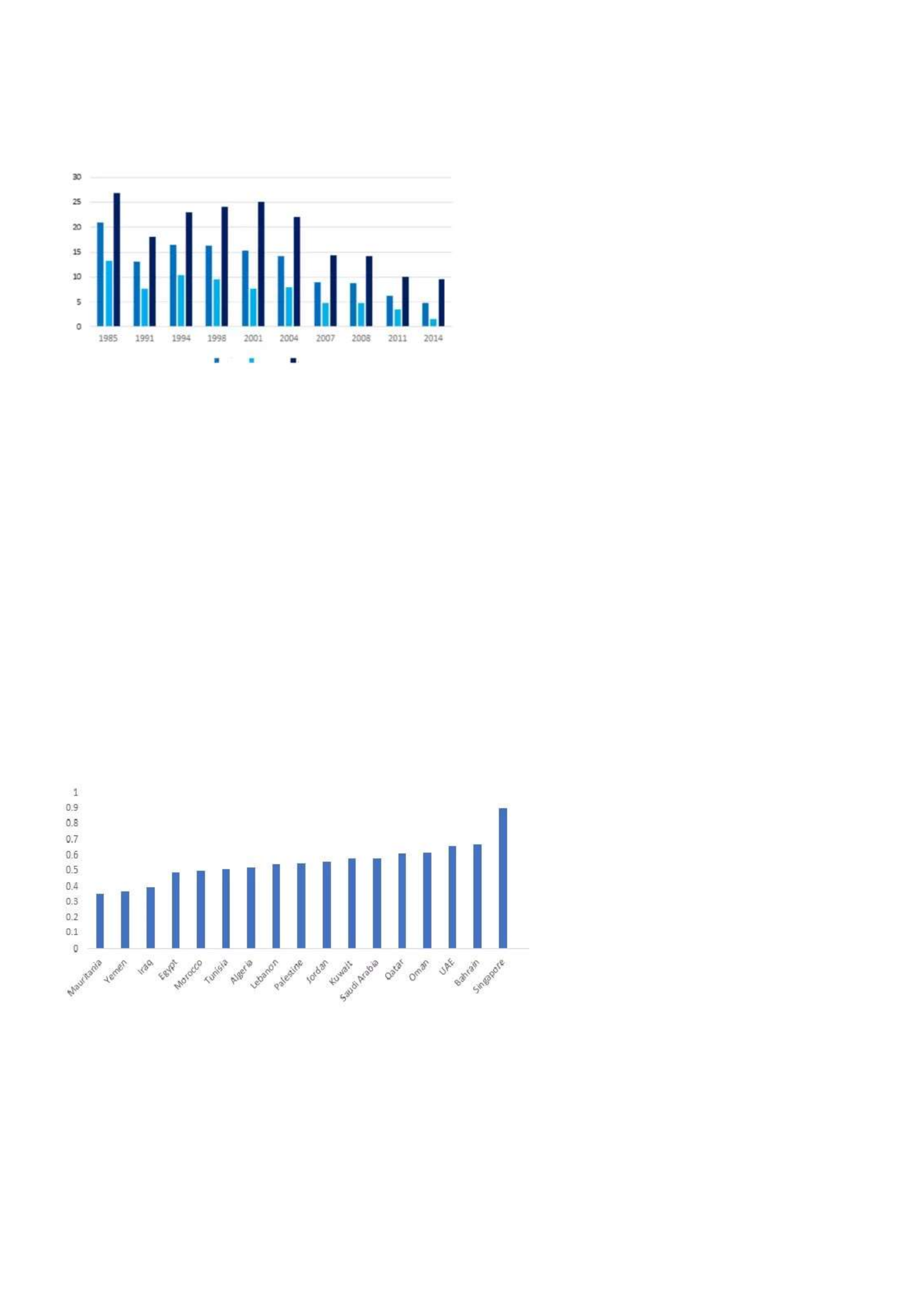
However, the labor share of GDP is the highest in the upper-middle-income sector which demonstrates the growth of a strong middle class in the
country. At the same time, social spending in Morocco is less than in neighboring countries such as Tunisia and Jordan. Thus, the progress in the
achievement of SDGs is ambiguous, although progressive development is evident. It should be noted that the country managed to decrease the
poverty rate significantly in dynamics (Fig. 2).
Total Urban Rural
Fig. 2. The Evolution of poverty rate in Morocco, 1985-2014.
There is a gradual increase in the human capital index and efforts are being made in the field of education. The dynamics of youth functional literacy
in Morocco for the period 2000-2018 is the highest among ten African countries. Net Enrollment Ratio in primary education manifested two-fold
growth since 1971 (Mansouri and Moumine 12). The duration of primary education is 6 years – this figure has not changed since 2009. The net
enrollment rate in primary education is 98.92%, which is a good value for an African country. Adult literacy is 73.75% (Sandberg and Binder 26).
Moreover, the illiterate population is concentrated in rural areas.
Processes of digital transformation are being observed – the ruling elite of Morocco realizes that digitalization is one of the integral mechanisms of
the global development of the national economy. It plays a critical role in attracting investment, creating jobs, modernizing the public sector, and
creating fast and efficient services for citizens. Efforts are being made to improve the digital infrastructure, strengthen the professional knowledge of
people to meet the market demand for specialists in the digital sphere.
Nevertheless, economic inequality persists – for example, the Gini index, which measures the degree to which the distribution of income or
consumption expenditures among households in the economy differs from absolute equality in distribution, was 35.70% in 2018 (UN). This is,
however, almost 10% less than in the previous year, which indicates the success of the government’s efforts to reduce inequality. According to World
Bank Human Capital Index, Morocco is ahead of Egypt and Yemen and almost on the same level as other Arab countries, being behind such rich
countries as Qatar and UAE (Fig. 3 below).
Fig. 3. The World Bank Human Capital Index, 2019.
Issues of reducing gender inequality should also be noted. Noteworthy, recent family law reforms in Morocco have strengthened women’s property
rights by equalizing the property rights of husbands and wives over property acquired during the marriage. Methods for strengthening the voice of
women in society include political representation quotas, training future women leaders, and increasing their participation in trade unions and
professional associations.
However, while the gender gap in leadership positions in corporate governance and public administration has narrowed, women, especially in rural
areas, are largely the face of poverty in Morocco. In Morocco, there are two main methods of measuring poverty, which include the “classical
approach” and the second one, which is more of a capacity-based approach. The “classical approach” uses a poverty line to statistically define the
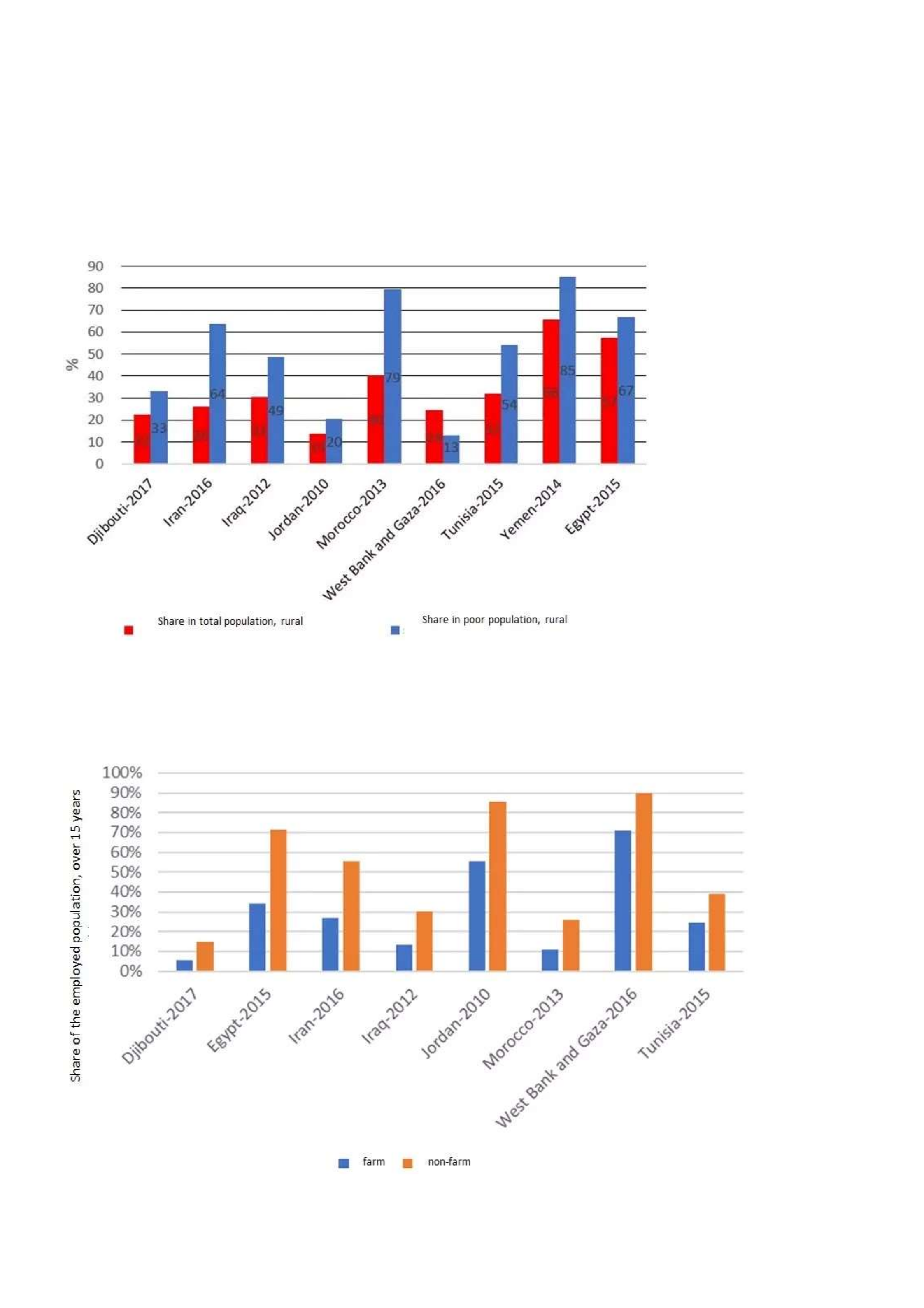
poor. This approach quantifies the number of poor people and households but does not take into account how poor people lack basic needs such as
shelter, food, health, and education. The second approach addresses this lack of basic needs and emphasizes the multidimensional nature of poverty.
Moroccan women represent the most economically vulnerable social group in the country (Sandberg and Binder 32-39). The feminization of poverty
refers to a trend towards increasing inequality in living standards between men and women due to the widening gap in poverty between women and
men. This phenomenon is not only a consequence of a lack of income but also a result of disenfranchisement and gender bias inherent in both
societies and governments at the regional level. It encompasses the poverty of choice and opportunity, such as the ability to lead a long, healthy, and
creative life and the enjoyment of fundamental rights such as freedom, respect, and dignity. This phenomenon is largely due to the overall ratio of
total and poor population in rural areas. In Morocco, the percentage of the poor rural population is rather high in comparison with other MENA
countries (Fig. 4).
Fig. 4. Rural shares in total and poor population in selected MENA countries.
Indeed, education seems to be an important factor associated with access to rural non-farm activities – thus, the issue of rural poverty should be
addressed simultaneously with making efforts to eradicate illiteracy in rural areas. The figure below clearly shows that education represents one of
the definitive factors associated with access to rural non-farm activities.
Fig. 5. Shares of the population over 15 years old with incomplete secondary education and above among employed farm and non-farm activities in
rural areas of selected MENA countries.

The Kingdom of Morocco continues to pursue its efforts to follow up on recommendations from major United Nations development meetings and
conferences, including the Millennium Development Goals, which are included in the national development strategy. Modernization, democratization,
and economic development, as well as indicators of sustainable human development, are interdependent in promoting equal opportunities,
disseminating knowledge, and providing basic social services.
Increasingly more environmental protection programs are being implemented in the country. In particular, by supporting ecotourism, Morocco strives
to highlight its unique tangible and spiritual heritage by engaging industry professionals and regional authorities. For this, a special program has been
developed – the charter for sustainable tourism. The development of ecotourism is also supported by numerous individual projects, such as the
botanical garden of aromatic plants located near the ancient city. To date, 13 Moroccan beaches have received the Blue Flag award (Rihab 287). Many
hotels and inns in the country have received the Green Key award. All this highlights the efforts of the owners of the companies in the field of
environmental protection.
The percentage of the marine protected area has increased in recent years, and on the 22nd Conference of the Parties to the United Nations
Framework Convention on Climate Change, for the first time in its history, at the request of the Moroccan government, an Action Day for the
Protection of the Oceans was organized as part of the official UNFCCC program. Efforts to combat illegal, unreported, and unregulated fishing also
should be noted. In the energy sector, Morocco stands out for the presence of the seventh-largest solar power plant in the world – in Noor. Spread
over an area of 3000 hectares (3500 football fields), the station is capable of providing energy to a city the size of two Marrakech or Prague. Located
at the entrance to the Sahara Desert, the complex saves the planet from more than 760,000 tons of carbon emissions (Mohamed et al. 193-195). The
main sectors of the economy that can support green growth are clean renewable energy, water management, agriculture and forestry, fisheries,
recycling, and waste management.
This major project primarily serves the interests of Morocco, but it is also part of a worldwide effort to expand the use of renewable energy sources.
Investment in renewable energy in Morocco grew 13 times in 2018 to $ 2.8 billion (Mohamed et al. 191). Morocco has set an ambitious goal of
generating more than half of its electricity from renewable sources by 2030. These goals, along with other climate change policies, helped make
Morocco the second best-performing country in the 2018 and 2019 Climate Change Performance Indices. Morocco ranks 64th in the world in terms of
environmental performance, ahead of most African countries (Rihab 289). The country is trying to integrate the climate change component into all
national public policies.
Separately, the degree of application of a legal, regulatory, and institutional framework that recognizes and protects access rights for small-scale
fisheries in Morocco should be noted. The country is among the leading ones in Africa by the degree of efforts in this field. For the Sahara region, the
most relevant is the efforts of the Kingdom of Morocco on control and surveillance issues, given the importance of fishing activities. Control requires
the average performance of equipment and, namely control on water and on land, which mobilizes ships, vehicles, and service personnel, equipped
with specific measurement and remote communication equipment. Indeed, control concerns all the elements: fishermen’s activities, fishing area,
fishing gear and sizes, documentation (capture declaration, logbook), unloading (market size, quota), transportation, and storage of fishing products.
Thus, the country demonstrates evident and, to a significant extent, effective efforts to achieve meeting goals of sustainable development both in
addressing the issues of social capital growth and environmental protection. At the same time, still, problems in social inequality, gender gaps, rural
poverty, and access to quality education persist. In these conditions, it seems expedient to pay special attention to the mechanisms of public-private
partnership, which are not well developed in Morocco.
The Moroccan economy is considered to be a relatively liberal economy governed by the law of supply and demand. Since 1993, Morocco has
pursued a policy of privatizing certain sectors of the economy that were formerly in the hands of the government.
Morocco has become a major player in African economic affairs and ranks fifth among African economies in terms of GDP. The
World Economic Forum ranked Morocco as the 1st most competitive economy in North Africa in its Africa Competitiveness Report 2014-15. Since
2018, the country’s currency – the dirham – is fully convertible for current account transactions, financial sector reforms are carried out, and state
enterprises are being privatized.
There is an overall relative downward trend in unemployment in the country over the past decade. However, still, the level of youth unemployment in
2017 is 42.8%. About 80% of jobs are informal and the income gap is very large (Dadush 9). The correlation between unemployment, youth
unemployment, and growth is shown in Fig. 1 below.
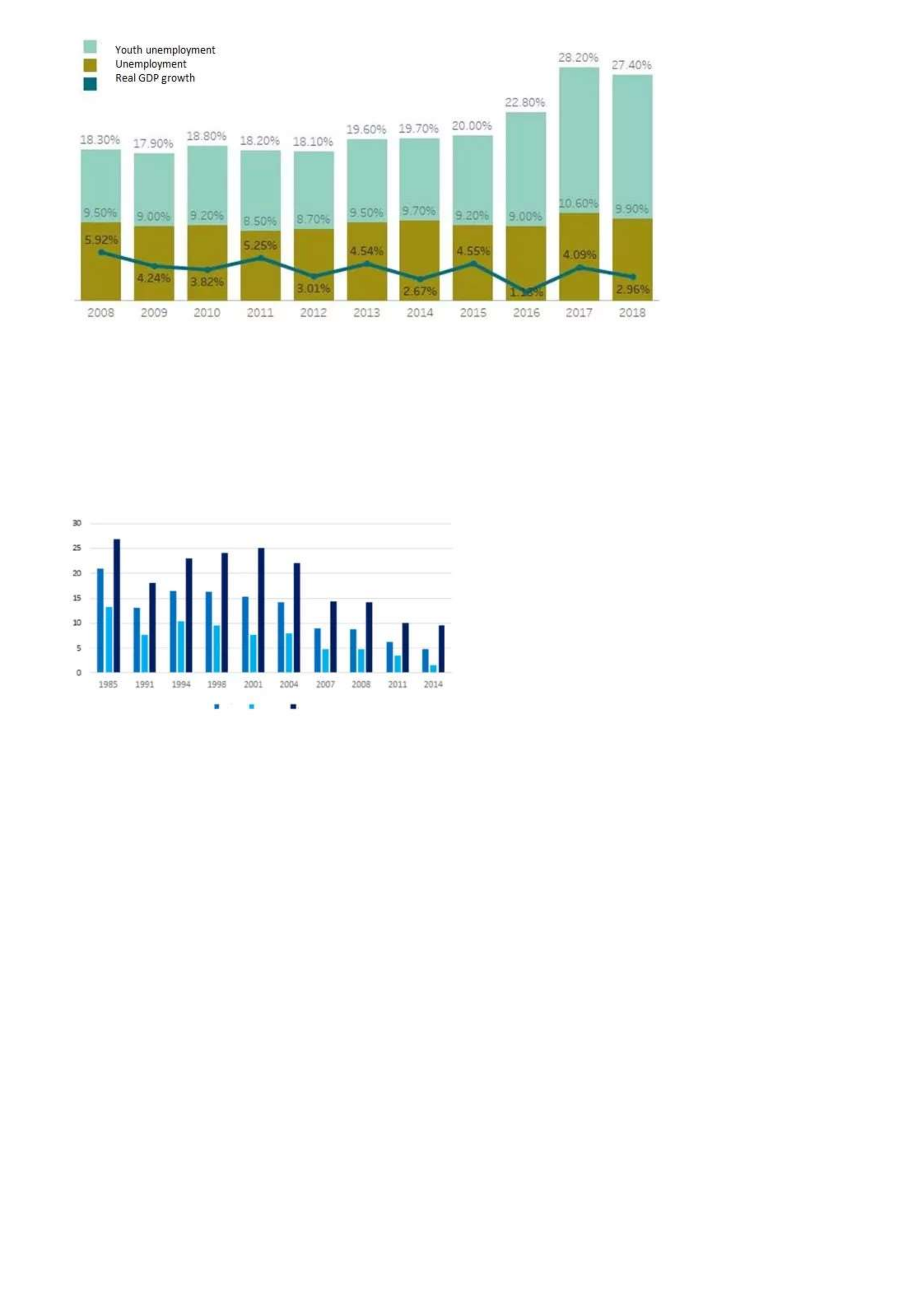
Fig. 1. Correlation between unemployment, youth unemployment, and growth in Morocco, percentage change with 2012 base.
However, the labor share of GDP is the highest in the upper-middle-income sector which demonstrates the growth of a strong middle class in the
country. At the same time, social spending in Morocco is less than in neighboring countries such as Tunisia and Jordan. Thus, the progress in the
achievement of SDGs is ambiguous, although progressive development is evident. It should be noted that the country managed to decrease the
poverty rate significantly in dynamics (Fig. 2).
Total Urban Rural
Fig. 2. The Evolution of poverty rate in Morocco, 1985-2014.
There is a gradual increase in the human capital index and efforts are being made in the field of education. The dynamics of youth functional literacy
in Morocco for the period 2000-2018 is the highest among ten African countries. Net Enrollment Ratio in primary education manifested two-fold
growth since 1971 (Mansouri and Moumine 12). The duration of primary education is 6 years – this figure has not changed since 2009. The net
enrollment rate in primary education is 98.92%, which is a good value for an African country. Adult literacy is 73.75% (Sandberg and Binder 26).
Moreover, the illiterate population is concentrated in rural areas.
Processes of digital transformation are being observed – the ruling elite of Morocco realizes that digitalization is one of the integral mechanisms of
the global development of the national economy. It plays a critical role in attracting investment, creating jobs, modernizing the public sector, and
creating fast and efficient services for citizens. Efforts are being made to improve the digital infrastructure, strengthen the professional knowledge of
people to meet the market demand for specialists in the digital sphere.
Nevertheless, economic inequality persists – for example, the Gini index, which measures the degree to which the distribution of income or
consumption expenditures among households in the economy differs from absolute equality in distribution, was 35.70% in 2018 (UN). This is,
however, almost 10% less than in the previous year, which indicates the success of the government’s efforts to reduce inequality. According to World
Bank Human Capital Index, Morocco is ahead of Egypt and Yemen and almost on the same level as other Arab countries, being behind such rich
countries as Qatar and UAE (Fig. 3 below).
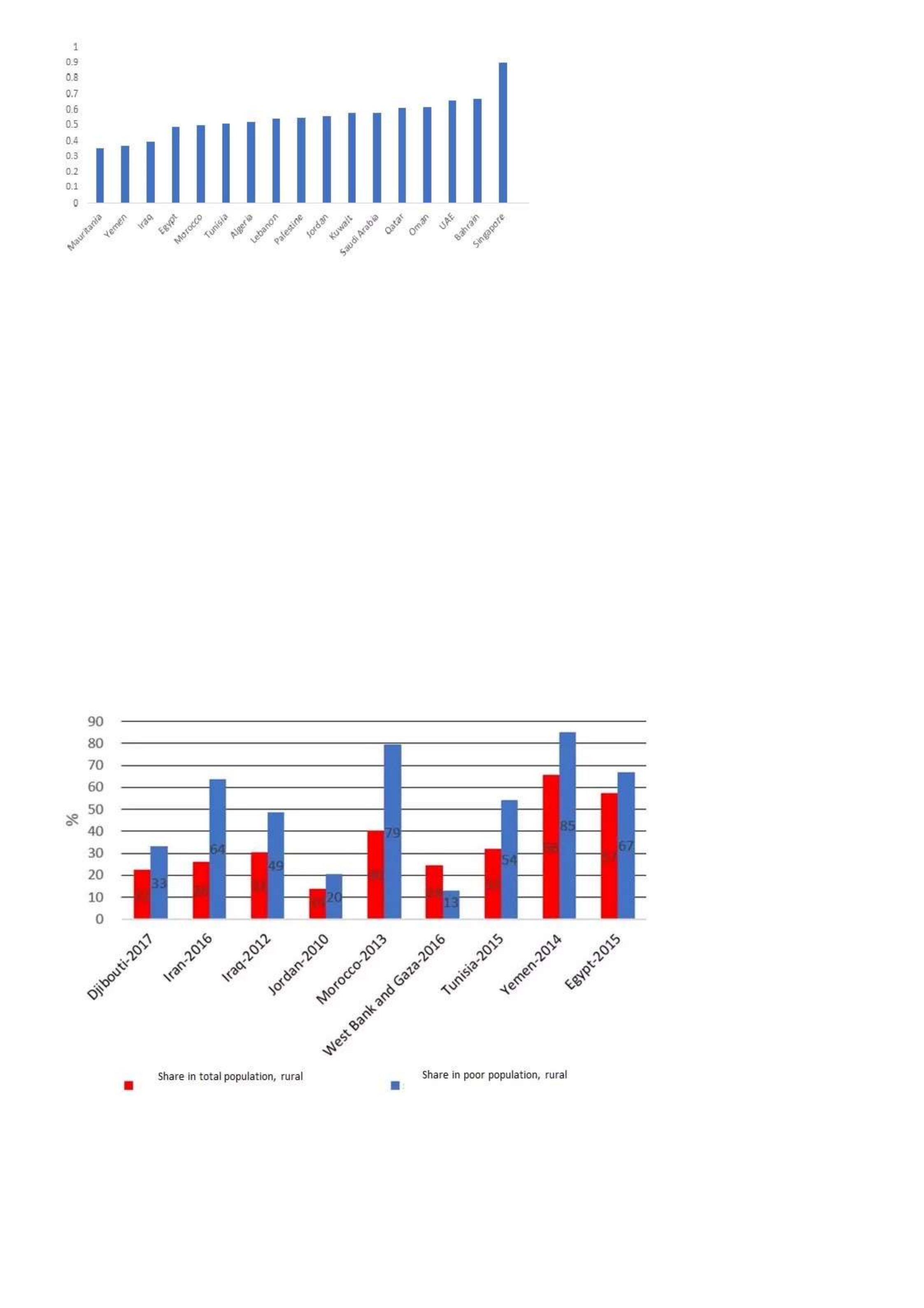
Fig. 3. The World Bank Human Capital Index, 2019.
Issues of reducing gender inequality should also be noted. Noteworthy, recent family law reforms in Morocco have strengthened women’s property
rights by equalizing the property rights of husbands and wives over property acquired during the marriage. Methods for strengthening the voice of
women in society include political representation quotas, training future women leaders, and increasing their participation in trade unions and
professional associations.
However, while the gender gap in leadership positions in corporate governance and public administration has narrowed, women, especially in rural
areas, are largely the face of poverty in Morocco. In Morocco, there are two main methods of measuring poverty, which include the “classical
approach” and the second one, which is more of a capacity-based approach. The “classical approach” uses a poverty line to statistically define the
poor. This approach quantifies the number of poor people and households but does not take into account how poor people lack basic needs such as
shelter, food, health, and education. The second approach addresses this lack of basic needs and emphasizes the multidimensional nature of poverty.
Moroccan women represent the most economically vulnerable social group in the country (Sandberg and Binder 32-39). The feminization of poverty
refers to a trend towards increasing inequality in living standards between men and women due to the widening gap in poverty between women and
men. This phenomenon is not only a consequence of a lack of income but also a result of disenfranchisement and gender bias inherent in both
societies and governments at the regional level. It encompasses the poverty of choice and opportunity, such as the ability to lead a long, healthy, and
creative life and the enjoyment of fundamental rights such as freedom, respect, and dignity. This phenomenon is largely due to the overall ratio of
total and poor population in rural areas. In Morocco, the percentage of the poor rural population is rather high in comparison with other MENA
countries (Fig. 4).
Fig. 4. Rural shares in total and poor population in selected MENA countries.
Indeed, education seems to be an important factor associated with access to rural non-farm activities – thus, the issue of rural poverty should be
addressed simultaneously with making efforts to eradicate illiteracy in rural areas. The figure below clearly shows that education represents one of
the definitive factors associated with access to rural non-farm activities.
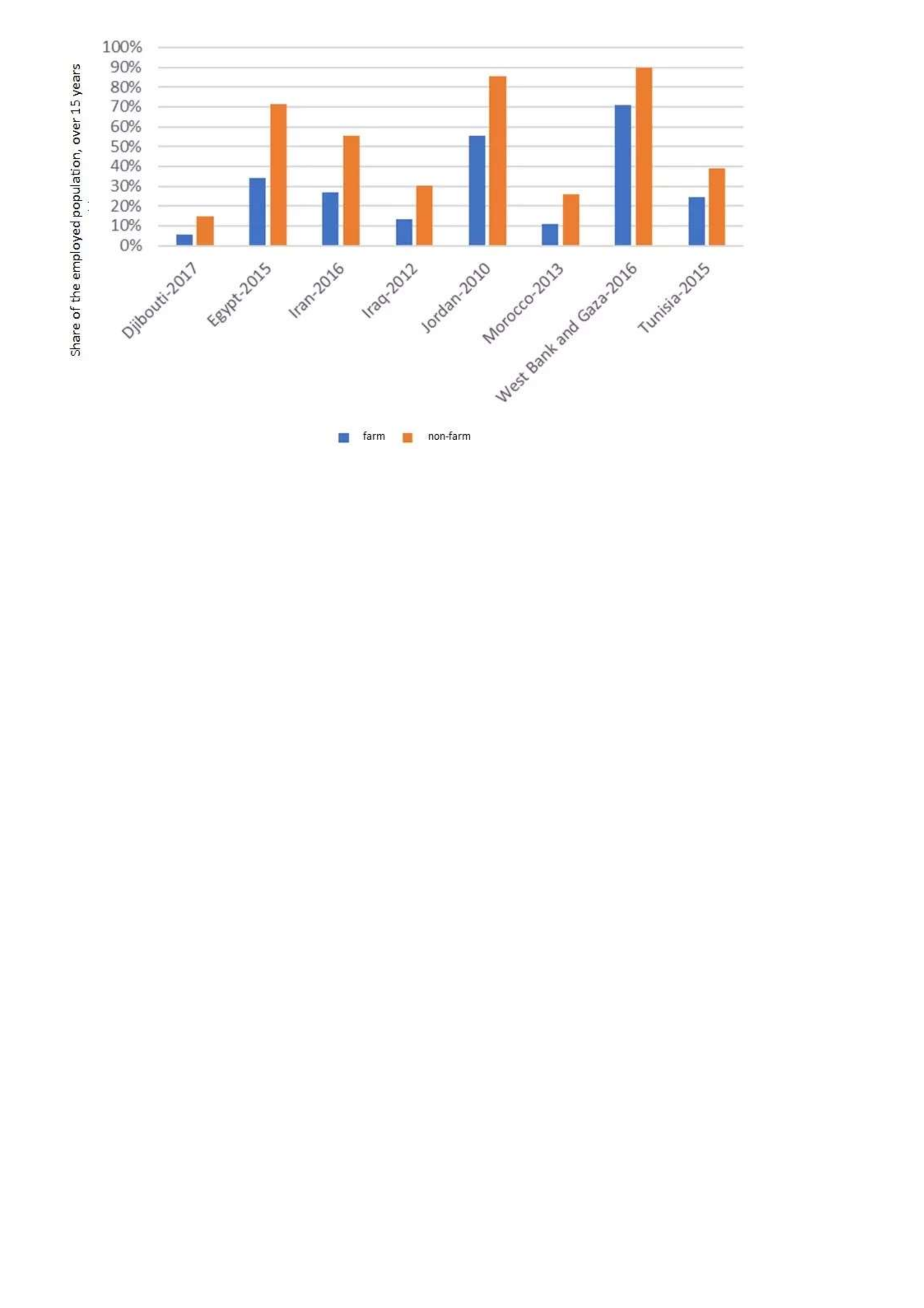
Fig. 5. Shares of the population over 15 years old with incomplete secondary education and above among employed farm and non-farm activities in
rural areas of selected MENA countries.
The Kingdom of Morocco continues to pursue its efforts to follow up on recommendations from major United Nations development meetings and
conferences, including the Millennium Development Goals, which are included in the national development strategy. Modernization, democratization,
and economic development, as well as indicators of sustainable human development, are interdependent in promoting equal opportunities,
disseminating knowledge, and providing basic social services.
Increasingly more environmental protection programs are being implemented in the country. In particular, by supporting ecotourism, Morocco strives
to highlight its unique tangible and spiritual heritage by engaging industry professionals and regional authorities. For this, a special program has been
developed – the charter for sustainable tourism. The development of ecotourism is also supported by numerous individual projects, such as the
botanical garden of aromatic plants located near the ancient city. To date, 13 Moroccan beaches have received the Blue Flag award (Rihab 287). Many
hotels and inns in the country have received the Green Key award. All this highlights the efforts of the owners of the companies in the field of
environmental protection.
The percentage of the marine protected area has increased in recent years, and on the 22nd Conference of the Parties to the United Nations
Framework Convention on Climate Change, for the first time in its history, at the request of the Moroccan government, an Action Day for the
Protection of the Oceans was organized as part of the official UNFCCC program. Efforts to combat illegal, unreported, and unregulated fishing also
should be noted. In the energy sector, Morocco stands out for the presence of the seventh-largest solar power plant in the world – in Noor. Spread
over an area of 3000 hectares (3500 football fields), the station is capable of providing energy to a city the size of two Marrakech or Prague. Located
at the entrance to the Sahara Desert, the complex saves the planet from more than 760,000 tons of carbon emissions (Mohamed et al. 193-195). The
main sectors of the economy that can support green growth are clean renewable energy, water management, agriculture and forestry, fisheries,
recycling, and waste management.
This major project primarily serves the interests of Morocco, but it is also part of a worldwide effort to expand the use of renewable energy sources.
Investment in renewable energy in Morocco grew 13 times in 2018 to $ 2.8 billion (Mohamed et al. 191). Morocco has set an ambitious goal of
generating more than half of its electricity from renewable sources by 2030. These goals, along with other climate change policies, helped make
Morocco the second best-performing country in the 2018 and 2019 Climate Change Performance Indices. Morocco ranks 64th in the world in terms of
environmental performance, ahead of most African countries (Rihab 289). The country is trying to integrate the climate change component into all
national public policies.
Separately, the degree of application of a legal, regulatory, and institutional framework that recognizes and protects access rights for small-scale
fisheries in Morocco should be noted. The country is among the leading ones in Africa by the degree of efforts in this field. For the Sahara region, the
most relevant is the efforts of the Kingdom of Morocco on control and surveillance issues, given the importance of fishing activities. Control requires
the average performance of equipment and, namely control on water and on land, which mobilizes ships, vehicles, and service personnel, equipped
with specific measurement and remote communication equipment. Indeed, control concerns all the elements: fishermen’s activities, fishing area,
fishing gear and sizes, documentation (capture declaration, logbook), unloading (market size, quota), transportation, and storage of fishing products.
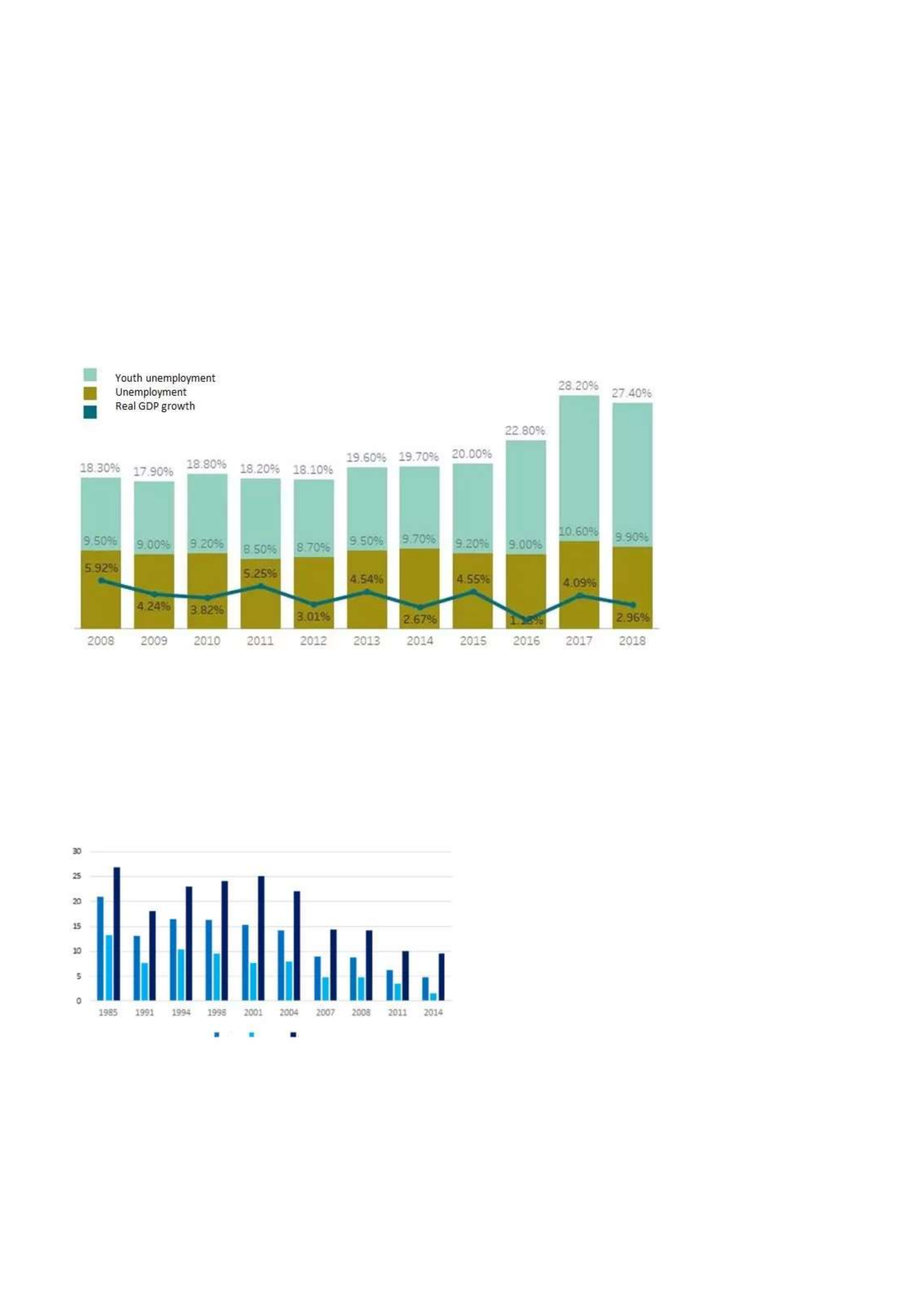
Thus, the country demonstrates evident and, to a significant extent, effective efforts to achieve meeting goals of sustainable development both in
addressing the issues of social capital growth and environmental protection. At the same time, still, problems in social inequality, gender gaps, rural
poverty, and access to quality education persist. In these conditions, it seems expedient to pay special attention to the mechanisms of public-private
partnership, which are not well developed in Morocco.
The Moroccan economy is considered to be a relatively liberal economy governed by the law of supply and demand. Since 1993, Morocco has
pursued a policy of privatizing certain sectors of the economy that were formerly in the hands of the government.
Morocco has become a major player in African economic affairs and ranks fifth among African economies in terms of GDP. The
World Economic Forum ranked Morocco as the 1st most competitive economy in North Africa in its Africa Competitiveness Report 2014-15. Since
2018, the country’s currency – the dirham – is fully convertible for current account transactions, financial sector reforms are carried out, and state
enterprises are being privatized.
There is an overall relative downward trend in unemployment in the country over the past decade. However, still, the level of youth unemployment in
2017 is 42.8%. About 80% of jobs are informal and the income gap is very large (Dadush 9). The correlation between unemployment, youth
unemployment, and growth is shown in Fig. 1 below.
Fig. 1. Correlation between unemployment, youth unemployment, and growth in Morocco, percentage change with 2012 base.
However, the labor share of GDP is the highest in the upper-middle-income sector which demonstrates the growth of a strong middle class in the
country. At the same time, social spending in Morocco is less than in neighboring countries such as Tunisia and Jordan. Thus, the progress in the
achievement of SDGs is ambiguous, although progressive development is evident. It should be noted that the country managed to decrease the
poverty rate significantly in dynamics (Fig. 2).
Total Urban Rural
Fig. 2. The Evolution of poverty rate in Morocco, 1985-2014.
There is a gradual increase in the human capital index and efforts are being made in the field of education. The dynamics of youth functional literacy
in Morocco for the period 2000-2018 is the highest among ten African countries. Net Enrollment Ratio in primary education manifested two-fold
growth since 1971 (Mansouri and Moumine 12). The duration of primary education is 6 years – this figure has not changed since 2009. The net
enrollment rate in primary education is 98.92%, which is a good value for an African country. Adult literacy is 73.75% (Sandberg and Binder 26).
Moreover, the illiterate population is concentrated in rural areas.
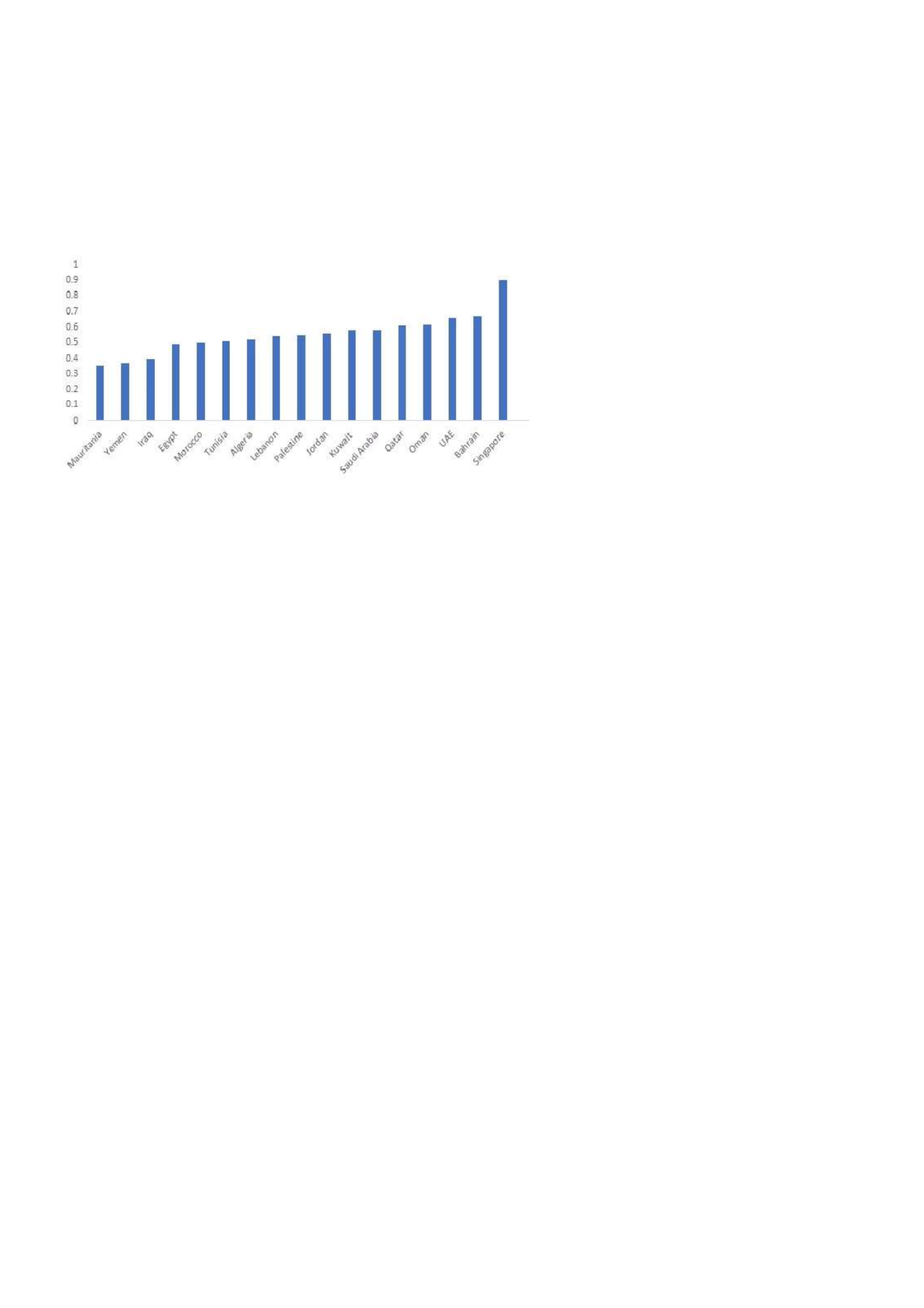
Processes of digital transformation are being observed – the ruling elite of Morocco realizes that digitalization is one of the integral mechanisms of
the global development of the national economy. It plays a critical role in attracting investment, creating jobs, modernizing the public sector, and
creating fast and efficient services for citizens. Efforts are being made to improve the digital infrastructure, strengthen the professional knowledge of
people to meet the market demand for specialists in the digital sphere.
Nevertheless, economic inequality persists – for example, the Gini index, which measures the degree to which the distribution of income or
consumption expenditures among households in the economy differs from absolute equality in distribution, was 35.70% in 2018 (UN). This is,
however, almost 10% less than in the previous year, which indicates the success of the government’s efforts to reduce inequality. According to World
Bank Human Capital Index, Morocco is ahead of Egypt and Yemen and almost on the same level as other Arab countries, being behind such rich
countries as Qatar and UAE (Fig. 3 below).
Fig. 3. The World Bank Human Capital Index, 2019.
Issues of reducing gender inequality should also be noted. Noteworthy, recent family law reforms in Morocco have strengthened women’s property
rights by equalizing the property rights of husbands and wives over property acquired during the marriage. Methods for strengthening the voice of
women in society include political representation quotas, training future women leaders, and increasing their participation in trade unions and
professional associations.
However, while the gender gap in leadership positions in corporate governance and public administration has narrowed, women, especially in rural
areas, are largely the face of poverty in Morocco. In Morocco, there are two main methods of measuring poverty, which include the “classical
approach” and the second one, which is more of a capacity-based approach. The “classical approach” uses a poverty line to statistically define the
poor. This approach quantifies the number of poor people and households but does not take into account how poor people lack basic needs such as
shelter, food, health, and education. The second approach addresses this lack of basic needs and emphasizes the multidimensional nature of poverty.
Moroccan women represent the most economically vulnerable social group in the country (Sandberg and Binder 32-39). The feminization of poverty
refers to a trend towards increasing inequality in living standards between men and women due to the widening gap in poverty between women and
men. This phenomenon is not only a consequence of a lack of income but also a result of disenfranchisement and gender bias inherent in both
societies and governments at the regional level. It encompasses the poverty of choice and opportunity, such as the ability to lead a long, healthy, and
creative life and the enjoyment of fundamental rights such as freedom, respect, and dignity. This phenomenon is largely due to the overall ratio of
total and poor population in rural areas. In Morocco, the percentage of the poor rural population is rather high in comparison with other MENA
countries (Fig. 4).
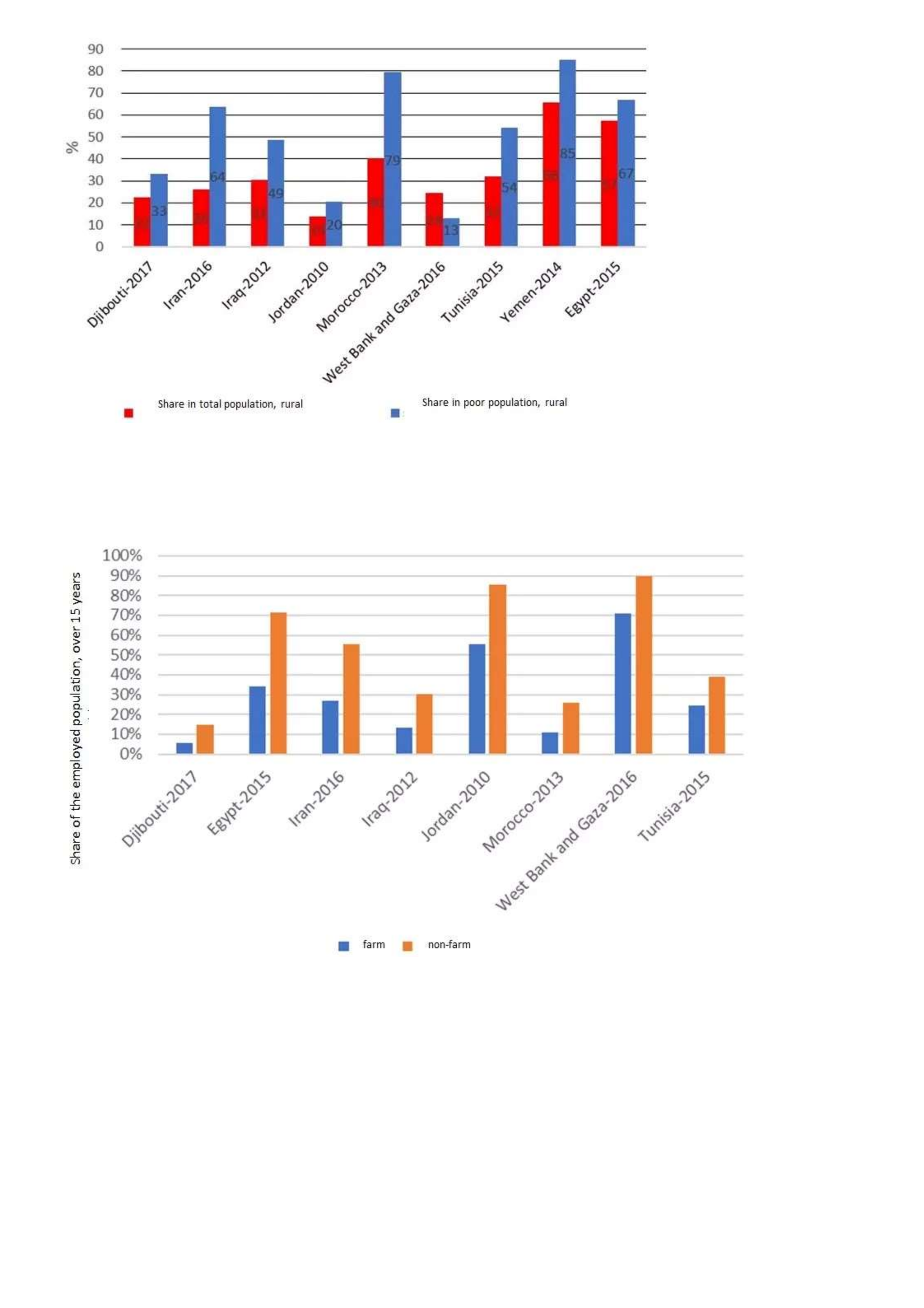
Fig. 4. Rural shares in total and poor population in selected MENA countries.
Indeed, education seems to be an important factor associated with access to rural non-farm activities – thus, the issue of rural poverty should be
addressed simultaneously with making efforts to eradicate illiteracy in rural areas. The figure below clearly shows that education represents one of
the definitive factors associated with access to rural non-farm activities.
Fig. 5. Shares of the population over 15 years old with incomplete secondary education and above among employed farm and non-farm activities in
rural areas of selected MENA countries.
The Kingdom of Morocco continues to pursue its efforts to follow up on recommendations from major United Nations development meetings and
conferences, including the Millennium Development Goals, which are included in the national development strategy. Modernization, democratization,
and economic development, as well as indicators of sustainable human development, are interdependent in promoting equal opportunities,
disseminating knowledge, and providing basic social services.
Increasingly more environmental protection programs are being implemented in the country. In particular, by supporting ecotourism, Morocco strives
to highlight its unique tangible and spiritual heritage by engaging industry professionals and regional authorities. For this, a special program has been
developed – the charter for sustainable tourism. The development of ecotourism is also supported by numerous individual projects, such as the
botanical garden of aromatic plants located near the ancient city. To date, 13 Moroccan beaches have received the Blue Flag award (Rihab 287). Many
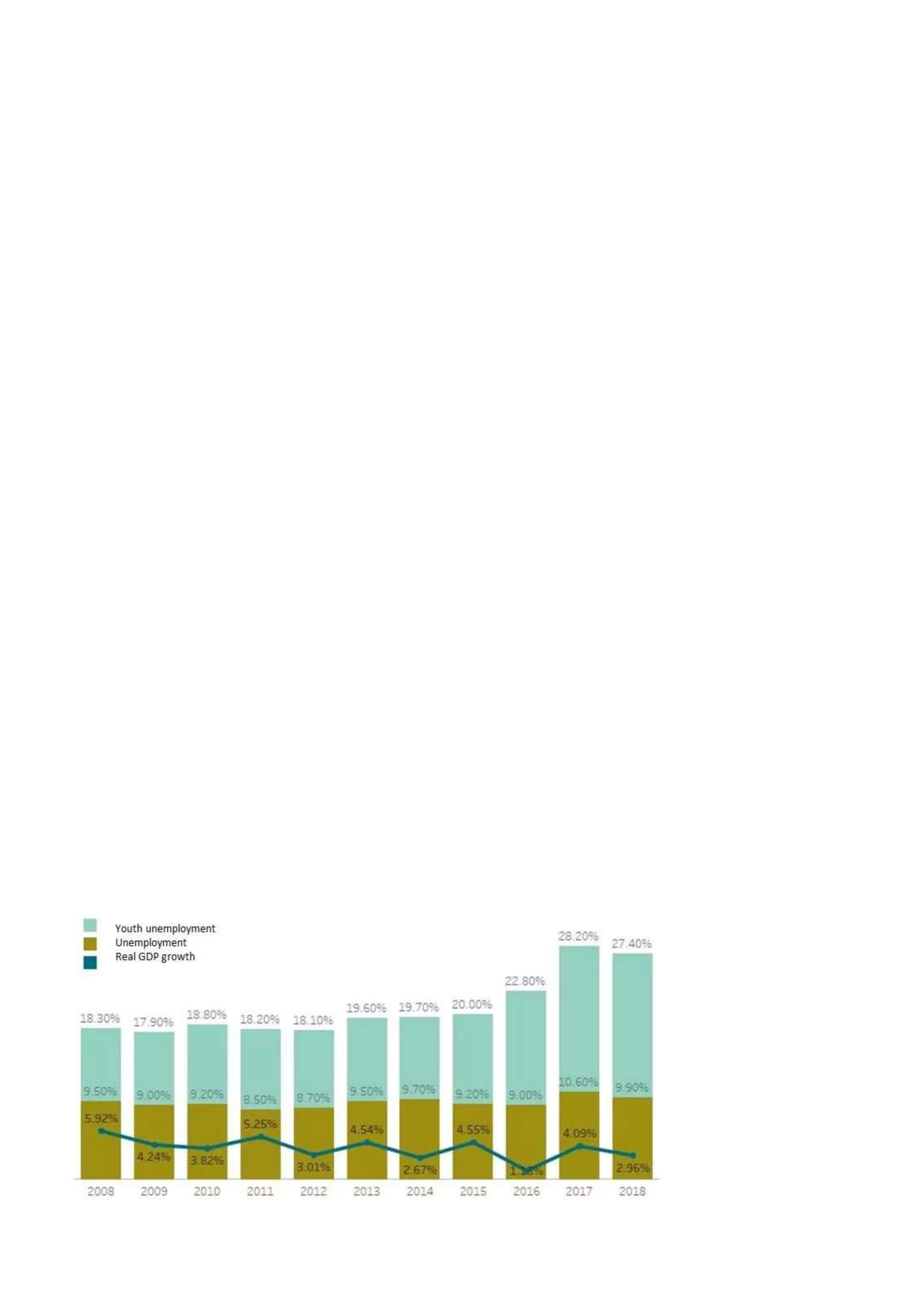
hotels and inns in the country have received the Green Key award. All this highlights the efforts of the owners of the companies in the field of
environmental protection.
The percentage of the marine protected area has increased in recent years, and on the 22nd Conference of the Parties to the United Nations
Framework Convention on Climate Change, for the first time in its history, at the request of the Moroccan government, an Action Day for the
Protection of the Oceans was organized as part of the official UNFCCC program. Efforts to combat illegal, unreported, and unregulated fishing also
should be noted. In the energy sector, Morocco stands out for the presence of the seventh-largest solar power plant in the world – in Noor. Spread
over an area of 3000 hectares (3500 football fields), the station is capable of providing energy to a city the size of two Marrakech or Prague. Located
at the entrance to the Sahara Desert, the complex saves the planet from more than 760,000 tons of carbon emissions (Mohamed et al. 193-195). The
main sectors of the economy that can support green growth are clean renewable energy, water management, agriculture and forestry, fisheries,
recycling, and waste management.
This major project primarily serves the interests of Morocco, but it is also part of a worldwide effort to expand the use of renewable energy sources.
Investment in renewable energy in Morocco grew 13 times in 2018 to $ 2.8 billion (Mohamed et al. 191). Morocco has set an ambitious goal of
generating more than half of its electricity from renewable sources by 2030. These goals, along with other climate change policies, helped make
Morocco the second best-performing country in the 2018 and 2019 Climate Change Performance Indices. Morocco ranks 64th in the world in terms of
environmental performance, ahead of most African countries (Rihab 289). The country is trying to integrate the climate change component into all
national public policies.
Separately, the degree of application of a legal, regulatory, and institutional framework that recognizes and protects access rights for small-scale
fisheries in Morocco should be noted. The country is among the leading ones in Africa by the degree of efforts in this field. For the Sahara region, the
most relevant is the efforts of the Kingdom of Morocco on control and surveillance issues, given the importance of fishing activities. Control requires
the average performance of equipment and, namely control on water and on land, which mobilizes ships, vehicles, and service personnel, equipped
with specific measurement and remote communication equipment. Indeed, control concerns all the elements: fishermen’s activities, fishing area,
fishing gear and sizes, documentation (capture declaration, logbook), unloading (market size, quota), transportation, and storage of fishing products.
Thus, the country demonstrates evident and, to a significant extent, effective efforts to achieve meeting goals of sustainable development both in
addressing the issues of social capital growth and environmental protection. At the same time, still, problems in social inequality, gender gaps, rural
poverty, and access to quality education persist. In these conditions, it seems expedient to pay special attention to the mechanisms of public-private
partnership, which are not well developed in Morocco.
The Moroccan economy is considered to be a relatively liberal economy governed by the law of supply and demand. Since 1993, Morocco has
pursued a policy of privatizing certain sectors of the economy that were formerly in the hands of the government.
Morocco has become a major player in African economic affairs and ranks fifth among African economies in terms of GDP. The
World Economic Forum ranked Morocco as the 1st most competitive economy in North Africa in its Africa Competitiveness Report 2014-15. Since
2018, the country’s currency – the dirham – is fully convertible for current account transactions, financial sector reforms are carried out, and state
enterprises are being privatized.
There is an overall relative downward trend in unemployment in the country over the past decade. However, still, the level of youth unemployment in
2017 is 42.8%. About 80% of jobs are informal and the income gap is very large (Dadush 9). The correlation between unemployment, youth
unemployment, and growth is shown in Fig. 1 below.
Fig. 1. Correlation between unemployment, youth unemployment, and growth in Morocco, percentage change with 2012 base.
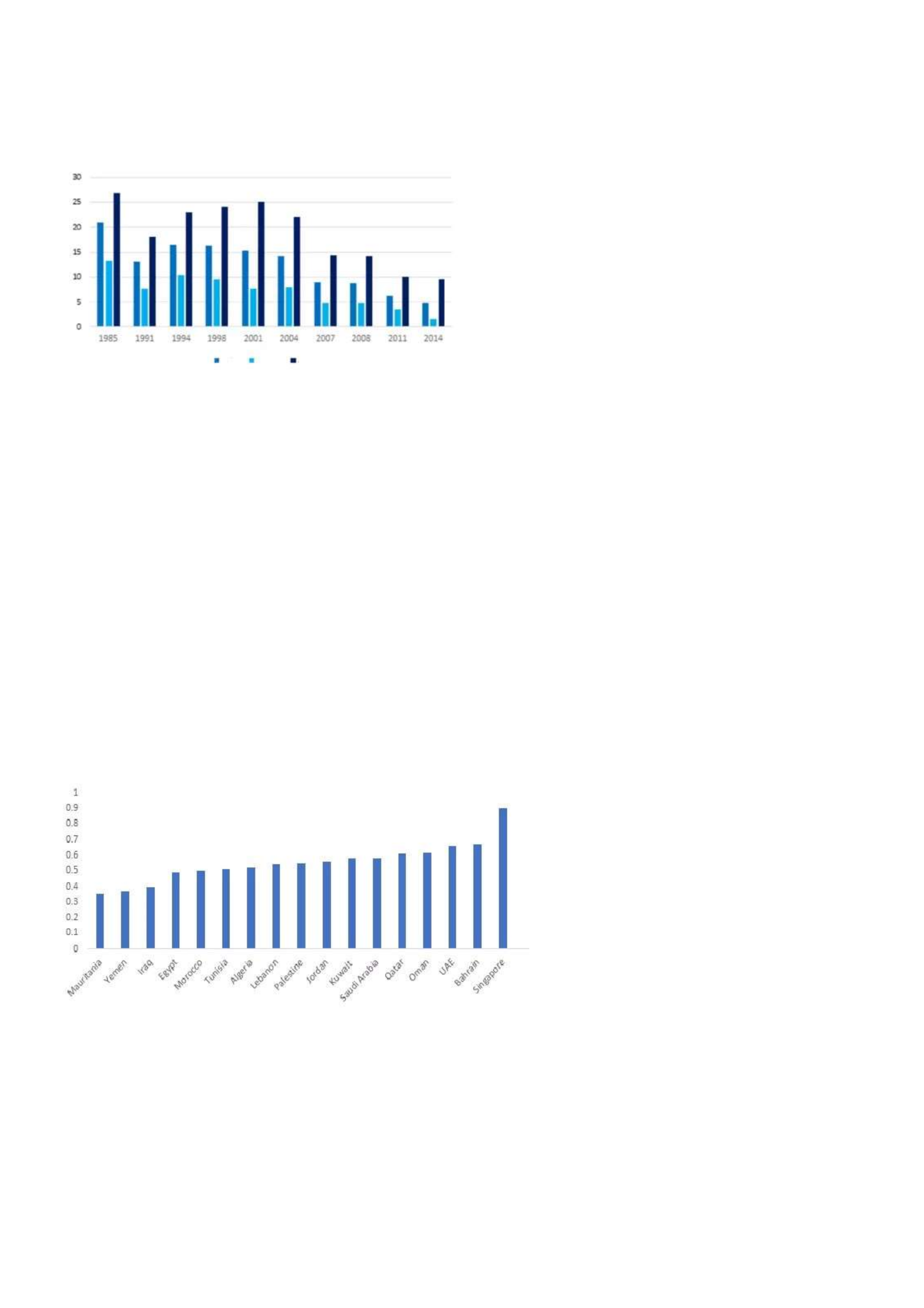
However, the labor share of GDP is the highest in the upper-middle-income sector which demonstrates the growth of a strong middle class in the
country. At the same time, social spending in Morocco is less than in neighboring countries such as Tunisia and Jordan. Thus, the progress in the
achievement of SDGs is ambiguous, although progressive development is evident. It should be noted that the country managed to decrease the
poverty rate significantly in dynamics (Fig. 2).
Total Urban Rural
Fig. 2. The Evolution of poverty rate in Morocco, 1985-2014.
There is a gradual increase in the human capital index and efforts are being made in the field of education. The dynamics of youth functional literacy
in Morocco for the period 2000-2018 is the highest among ten African countries. Net Enrollment Ratio in primary education manifested two-fold
growth since 1971 (Mansouri and Moumine 12). The duration of primary education is 6 years – this figure has not changed since 2009. The net
enrollment rate in primary education is 98.92%, which is a good value for an African country. Adult literacy is 73.75% (Sandberg and Binder 26).
Moreover, the illiterate population is concentrated in rural areas.
Processes of digital transformation are being observed – the ruling elite of Morocco realizes that digitalization is one of the integral mechanisms of
the global development of the national economy. It plays a critical role in attracting investment, creating jobs, modernizing the public sector, and
creating fast and efficient services for citizens. Efforts are being made to improve the digital infrastructure, strengthen the professional knowledge of
people to meet the market demand for specialists in the digital sphere.
Nevertheless, economic inequality persists – for example, the Gini index, which measures the degree to which the distribution of income or
consumption expenditures among households in the economy differs from absolute equality in distribution, was 35.70% in 2018 (UN). This is,
however, almost 10% less than in the previous year, which indicates the success of the government’s efforts to reduce inequality. According to World
Bank Human Capital Index, Morocco is ahead of Egypt and Yemen and almost on the same level as other Arab countries, being behind such rich
countries as Qatar and UAE (Fig. 3 below).
Fig. 3. The World Bank Human Capital Index, 2019.
Issues of reducing gender inequality should also be noted. Noteworthy, recent family law reforms in Morocco have strengthened women’s property
rights by equalizing the property rights of husbands and wives over property acquired during the marriage. Methods for strengthening the voice of
women in society include political representation quotas, training future women leaders, and increasing their participation in trade unions and
professional associations.
However, while the gender gap in leadership positions in corporate governance and public administration has narrowed, women, especially in rural
areas, are largely the face of poverty in Morocco. In Morocco, there are two main methods of measuring poverty, which include the “classical
approach” and the second one, which is more of a capacity-based approach. The “classical approach” uses a poverty line to statistically define the
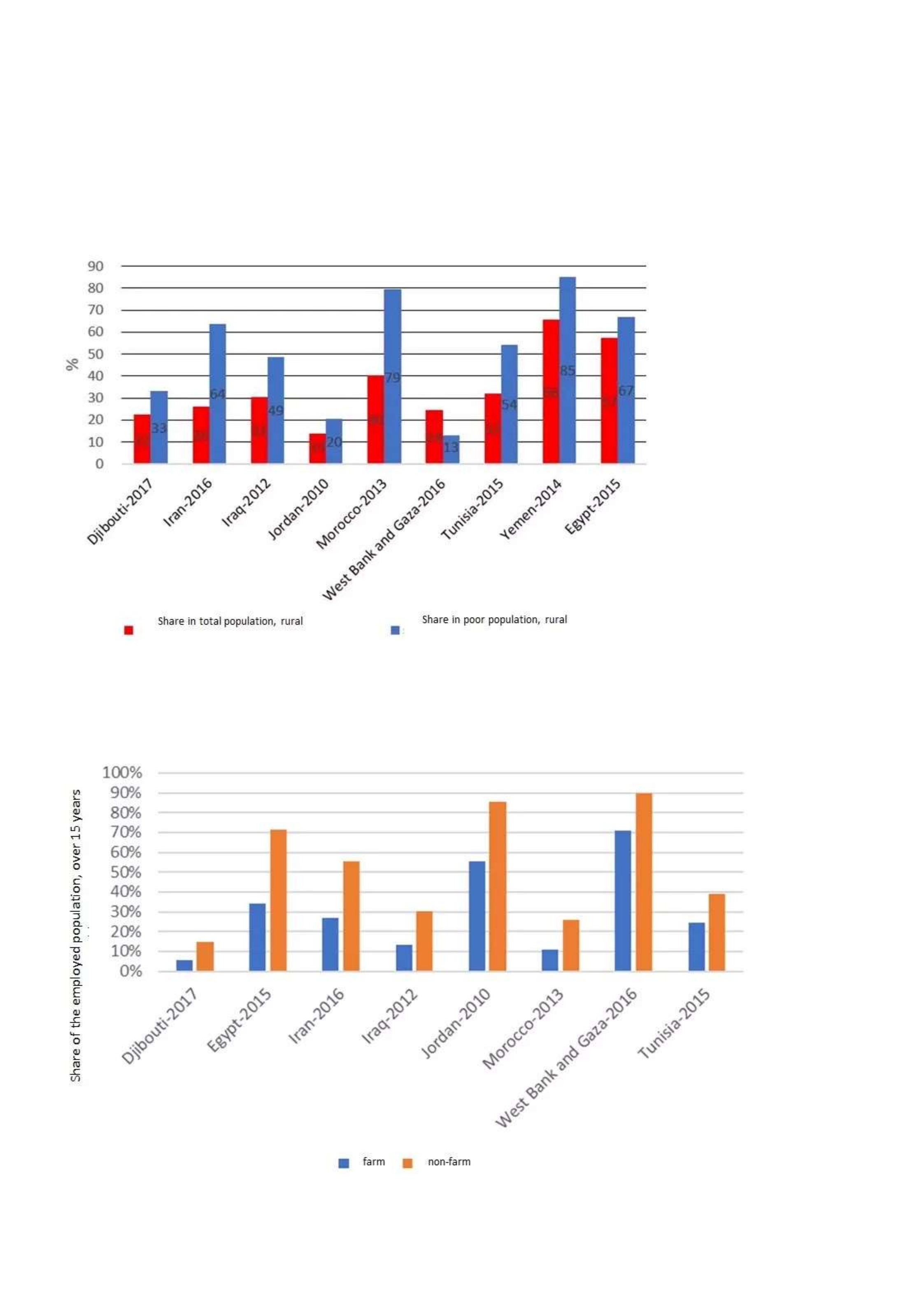
poor. This approach quantifies the number of poor people and households but does not take into account how poor people lack basic needs such as
shelter, food, health, and education. The second approach addresses this lack of basic needs and emphasizes the multidimensional nature of poverty.
Moroccan women represent the most economically vulnerable social group in the country (Sandberg and Binder 32-39). The feminization of poverty
refers to a trend towards increasing inequality in living standards between men and women due to the widening gap in poverty between women and
men. This phenomenon is not only a consequence of a lack of income but also a result of disenfranchisement and gender bias inherent in both
societies and governments at the regional level. It encompasses the poverty of choice and opportunity, such as the ability to lead a long, healthy, and
creative life and the enjoyment of fundamental rights such as freedom, respect, and dignity. This phenomenon is largely due to the overall ratio of
total and poor population in rural areas. In Morocco, the percentage of the poor rural population is rather high in comparison with other MENA
countries (Fig. 4).
Fig. 4. Rural shares in total and poor population in selected MENA countries.
Indeed, education seems to be an important factor associated with access to rural non-farm activities – thus, the issue of rural poverty should be
addressed simultaneously with making efforts to eradicate illiteracy in rural areas. The figure below clearly shows that education represents one of
the definitive factors associated with access to rural non-farm activities.
Fig. 5. Shares of the population over 15 years old with incomplete secondary education and above among employed farm and non-farm activities in
rural areas of selected MENA countries.

The Kingdom of Morocco continues to pursue its efforts to follow up on recommendations from major United Nations development meetings and
conferences, including the Millennium Development Goals, which are included in the national development strategy. Modernization, democratization,
and economic development, as well as indicators of sustainable human development, are interdependent in promoting equal opportunities,
disseminating knowledge, and providing basic social services.
Increasingly more environmental protection programs are being implemented in the country. In particular, by supporting ecotourism, Morocco strives
to highlight its unique tangible and spiritual heritage by engaging industry professionals and regional authorities. For this, a special program has been
developed – the charter for sustainable tourism. The development of ecotourism is also supported by numerous individual projects, such as the
botanical garden of aromatic plants located near the ancient city. To date, 13 Moroccan beaches have received the Blue Flag award (Rihab 287). Many
hotels and inns in the country have received the Green Key award. All this highlights the efforts of the owners of the companies in the field of
environmental protection.
The percentage of the marine protected area has increased in recent years, and on the 22nd Conference of the Parties to the United Nations
Framework Convention on Climate Change, for the first time in its history, at the request of the Moroccan government, an Action Day for the
Protection of the Oceans was organized as part of the official UNFCCC program. Efforts to combat illegal, unreported, and unregulated fishing also
should be noted. In the energy sector, Morocco stands out for the presence of the seventh-largest solar power plant in the world – in Noor. Spread
over an area of 3000 hectares (3500 football fields), the station is capable of providing energy to a city the size of two Marrakech or Prague. Located
at the entrance to the Sahara Desert, the complex saves the planet from more than 760,000 tons of carbon emissions (Mohamed et al. 193-195). The
main sectors of the economy that can support green growth are clean renewable energy, water management, agriculture and forestry, fisheries,
recycling, and waste management.
This major project primarily serves the interests of Morocco, but it is also part of a worldwide effort to expand the use of renewable energy sources.
Investment in renewable energy in Morocco grew 13 times in 2018 to $ 2.8 billion (Mohamed et al. 191). Morocco has set an ambitious goal of
generating more than half of its electricity from renewable sources by 2030. These goals, along with other climate change policies, helped make
Morocco the second best-performing country in the 2018 and 2019 Climate Change Performance Indices. Morocco ranks 64th in the world in terms of
environmental performance, ahead of most African countries (Rihab 289). The country is trying to integrate the climate change component into all
national public policies.
Separately, the degree of application of a legal, regulatory, and institutional framework that recognizes and protects access rights for small-scale
fisheries in Morocco should be noted. The country is among the leading ones in Africa by the degree of efforts in this field. For the Sahara region, the
most relevant is the efforts of the Kingdom of Morocco on control and surveillance issues, given the importance of fishing activities. Control requires
the average performance of equipment and, namely control on water and on land, which mobilizes ships, vehicles, and service personnel, equipped
with specific measurement and remote communication equipment. Indeed, control concerns all the elements: fishermen’s activities, fishing area,
fishing gear and sizes, documentation (capture declaration, logbook), unloading (market size, quota), transportation, and storage of fishing products.
Thus, the country demonstrates evident and, to a significant extent, effective efforts to achieve meeting goals of sustainable development both in
addressing the issues of social capital growth and environmental protection. At the same time, still, problems in social inequality, gender gaps, rural
poverty, and access to quality education persist. In these conditions, it seems expedient to pay special attention to the mechanisms of public-private
partnership, which are not well developed in Morocco.
The Moroccan economy is considered to be a relatively liberal economy governed by the law of supply and demand. Since 1993, Morocco has
pursued a policy of privatizing certain sectors of the economy that were formerly in the hands of the government.
Morocco has become a major player in African economic affairs and ranks fifth among African economies in terms of GDP. The
World Economic Forum ranked Morocco as the 1st most competitive economy in North Africa in its Africa Competitiveness Report 2014-15. Since
2018, the country’s currency – the dirham – is fully convertible for current account transactions, financial sector reforms are carried out, and state
enterprises are being privatized.
There is an overall relative downward trend in unemployment in the country over the past decade. However, still, the level of youth unemployment in
2017 is 42.8%. About 80% of jobs are informal and the income gap is very large (Dadush 9). The correlation between unemployment, youth
unemployment, and growth is shown in Fig. 1 below.
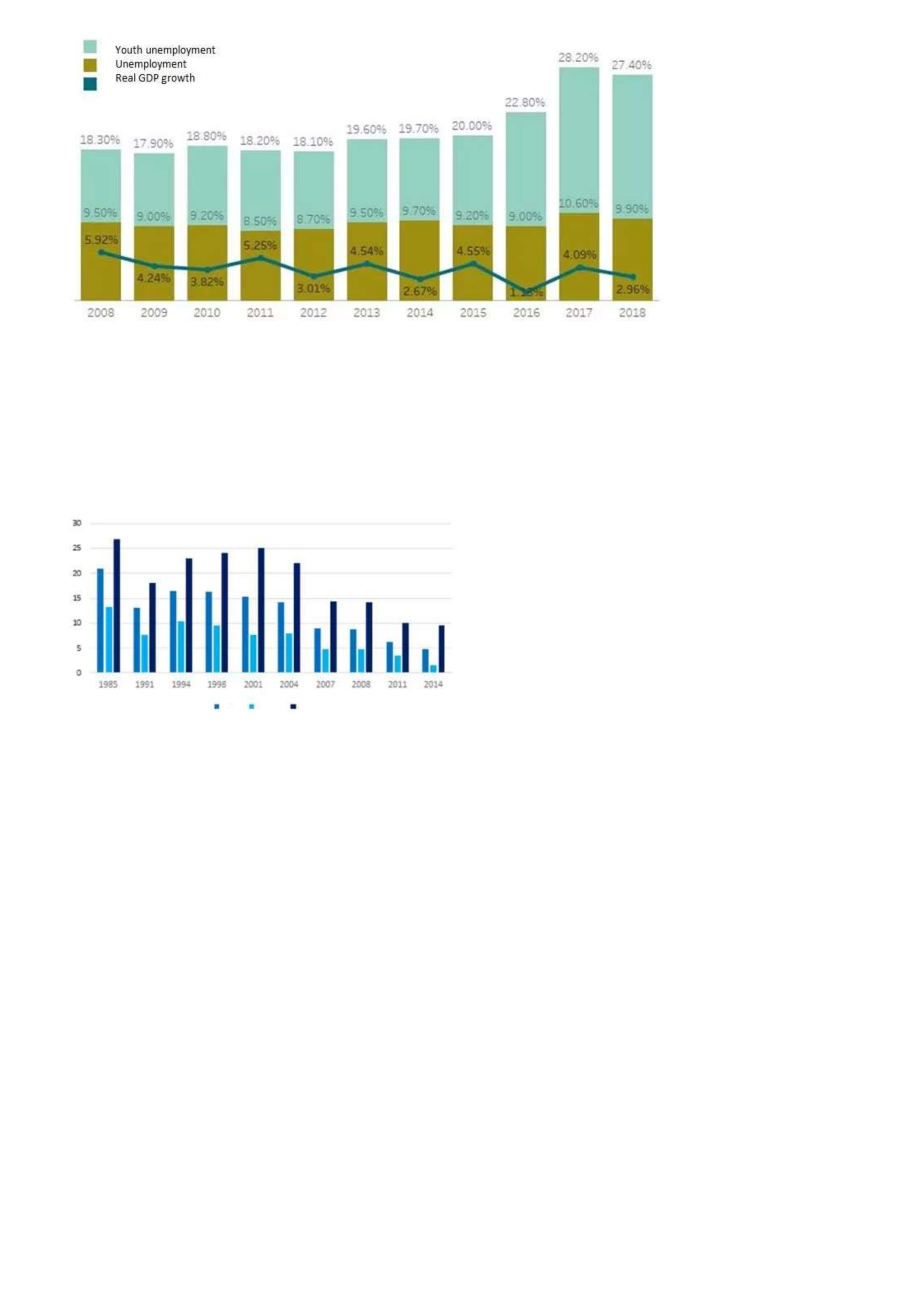
Fig. 1. Correlation between unemployment, youth unemployment, and growth in Morocco, percentage change with 2012 base.
However, the labor share of GDP is the highest in the upper-middle-income sector which demonstrates the growth of a strong middle class in the
country. At the same time, social spending in Morocco is less than in neighboring countries such as Tunisia and Jordan. Thus, the progress in the
achievement of SDGs is ambiguous, although progressive development is evident. It should be noted that the country managed to decrease the
poverty rate significantly in dynamics (Fig. 2).
Total Urban Rural
Fig. 2. The Evolution of poverty rate in Morocco, 1985-2014.
There is a gradual increase in the human capital index and efforts are being made in the field of education. The dynamics of youth functional literacy
in Morocco for the period 2000-2018 is the highest among ten African countries. Net Enrollment Ratio in primary education manifested two-fold
growth since 1971 (Mansouri and Moumine 12). The duration of primary education is 6 years – this figure has not changed since 2009. The net
enrollment rate in primary education is 98.92%, which is a good value for an African country. Adult literacy is 73.75% (Sandberg and Binder 26).
Moreover, the illiterate population is concentrated in rural areas.
Processes of digital transformation are being observed – the ruling elite of Morocco realizes that digitalization is one of the integral mechanisms of
the global development of the national economy. It plays a critical role in attracting investment, creating jobs, modernizing the public sector, and
creating fast and efficient services for citizens. Efforts are being made to improve the digital infrastructure, strengthen the professional knowledge of
people to meet the market demand for specialists in the digital sphere.
Nevertheless, economic inequality persists – for example, the Gini index, which measures the degree to which the distribution of income or
consumption expenditures among households in the economy differs from absolute equality in distribution, was 35.70% in 2018 (UN). This is,
however, almost 10% less than in the previous year, which indicates the success of the government’s efforts to reduce inequality. According to World
Bank Human Capital Index, Morocco is ahead of Egypt and Yemen and almost on the same level as other Arab countries, being behind such rich
countries as Qatar and UAE (Fig. 3 below).
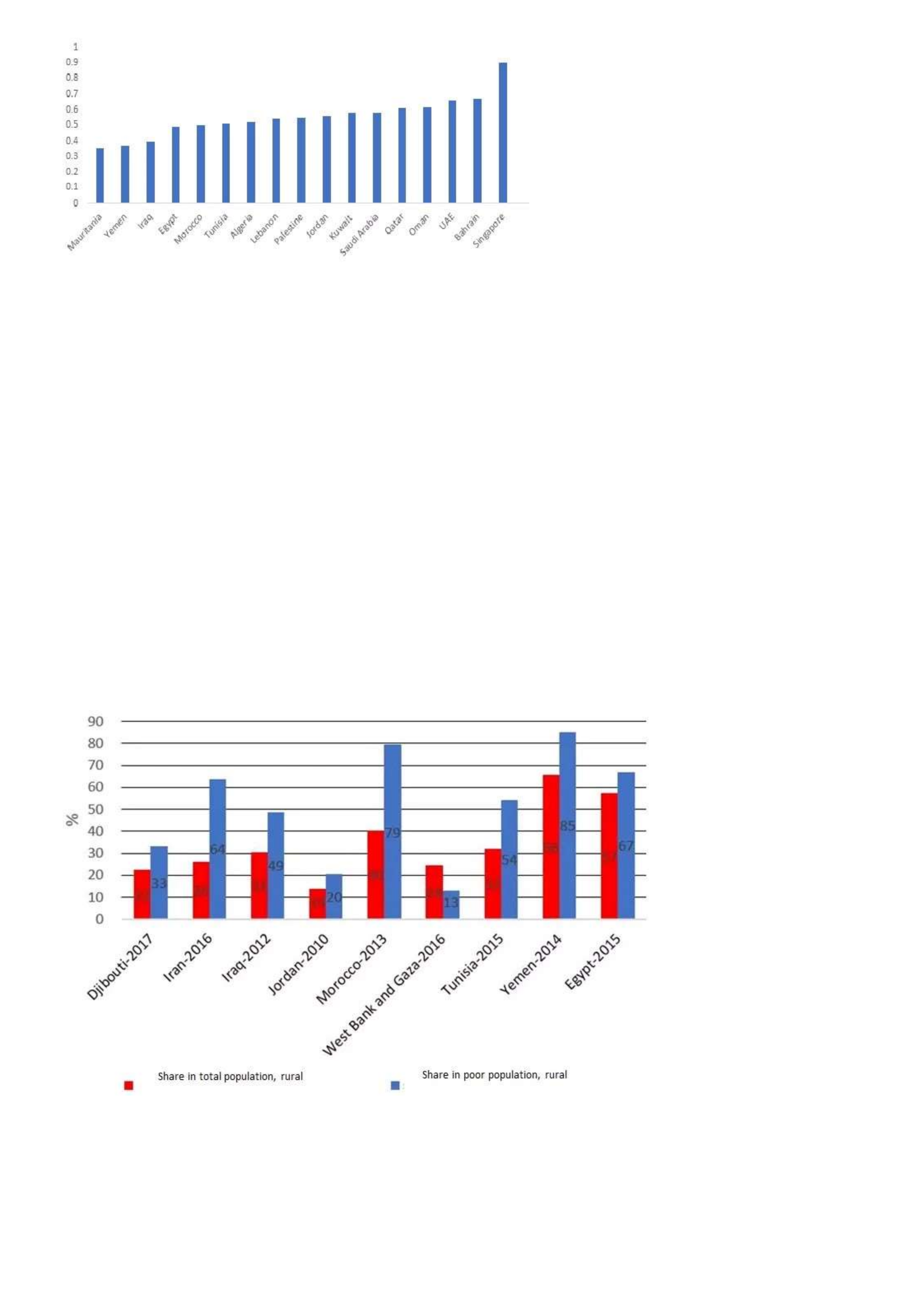
Fig. 3. The World Bank Human Capital Index, 2019.
Issues of reducing gender inequality should also be noted. Noteworthy, recent family law reforms in Morocco have strengthened women’s property
rights by equalizing the property rights of husbands and wives over property acquired during the marriage. Methods for strengthening the voice of
women in society include political representation quotas, training future women leaders, and increasing their participation in trade unions and
professional associations.
However, while the gender gap in leadership positions in corporate governance and public administration has narrowed, women, especially in rural
areas, are largely the face of poverty in Morocco. In Morocco, there are two main methods of measuring poverty, which include the “classical
approach” and the second one, which is more of a capacity-based approach. The “classical approach” uses a poverty line to statistically define the
poor. This approach quantifies the number of poor people and households but does not take into account how poor people lack basic needs such as
shelter, food, health, and education. The second approach addresses this lack of basic needs and emphasizes the multidimensional nature of poverty.
Moroccan women represent the most economically vulnerable social group in the country (Sandberg and Binder 32-39). The feminization of poverty
refers to a trend towards increasing inequality in living standards between men and women due to the widening gap in poverty between women and
men. This phenomenon is not only a consequence of a lack of income but also a result of disenfranchisement and gender bias inherent in both
societies and governments at the regional level. It encompasses the poverty of choice and opportunity, such as the ability to lead a long, healthy, and
creative life and the enjoyment of fundamental rights such as freedom, respect, and dignity. This phenomenon is largely due to the overall ratio of
total and poor population in rural areas. In Morocco, the percentage of the poor rural population is rather high in comparison with other MENA
countries (Fig. 4).
Fig. 4. Rural shares in total and poor population in selected MENA countries.
Indeed, education seems to be an important factor associated with access to rural non-farm activities – thus, the issue of rural poverty should be
addressed simultaneously with making efforts to eradicate illiteracy in rural areas. The figure below clearly shows that education represents one of
the definitive factors associated with access to rural non-farm activities.
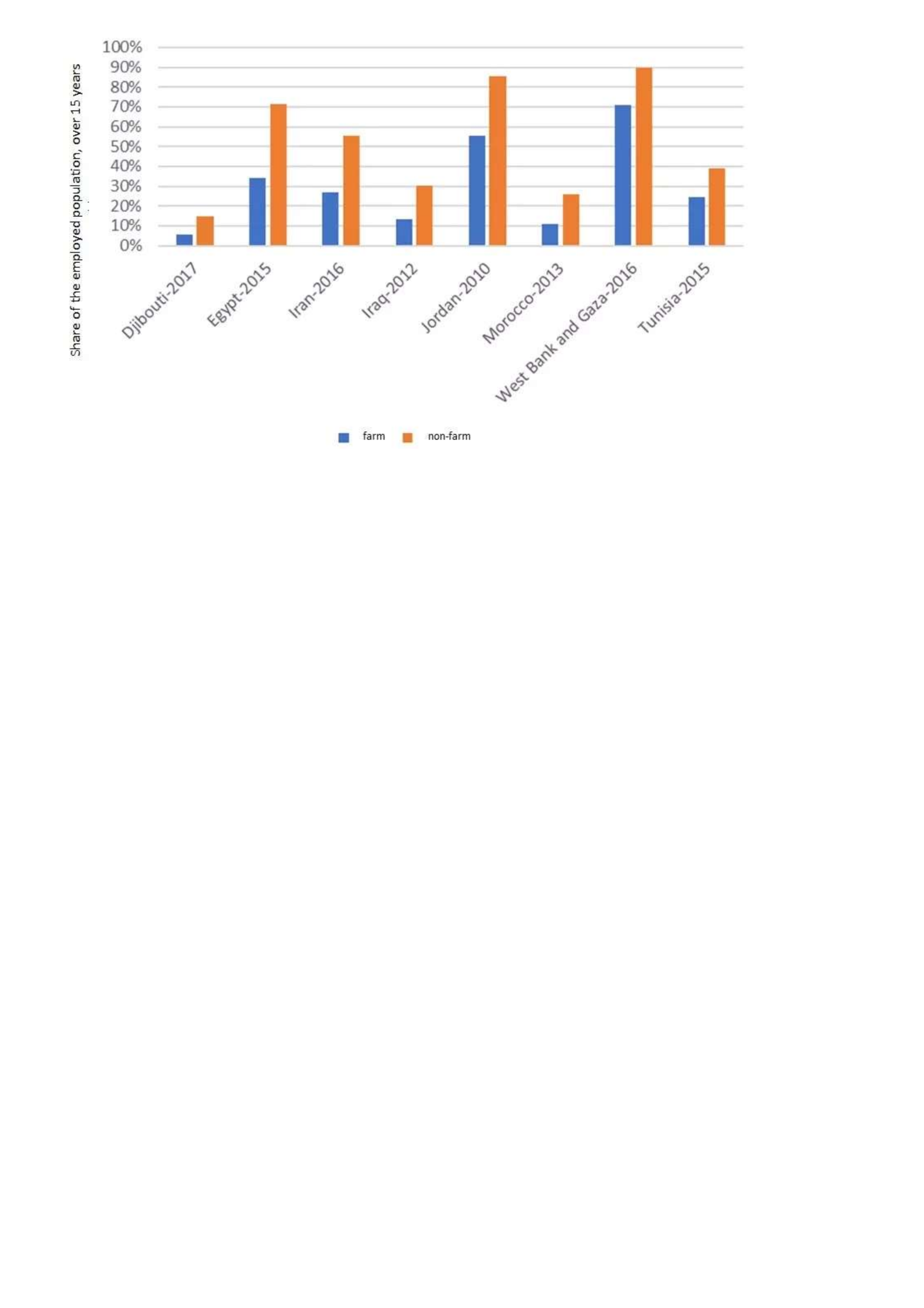
Fig. 5. Shares of the population over 15 years old with incomplete secondary education and above among employed farm and non-farm activities in
rural areas of selected MENA countries.
The Kingdom of Morocco continues to pursue its efforts to follow up on recommendations from major United Nations development meetings and
conferences, including the Millennium Development Goals, which are included in the national development strategy. Modernization, democratization,
and economic development, as well as indicators of sustainable human development, are interdependent in promoting equal opportunities,
disseminating knowledge, and providing basic social services.
Increasingly more environmental protection programs are being implemented in the country. In particular, by supporting ecotourism, Morocco strives
to highlight its unique tangible and spiritual heritage by engaging industry professionals and regional authorities. For this, a special program has been
developed – the charter for sustainable tourism. The development of ecotourism is also supported by numerous individual projects, such as the
botanical garden of aromatic plants located near the ancient city. To date, 13 Moroccan beaches have received the Blue Flag award (Rihab 287). Many
hotels and inns in the country have received the Green Key award. All this highlights the efforts of the owners of the companies in the field of
environmental protection.
The percentage of the marine protected area has increased in recent years, and on the 22nd Conference of the Parties to the United Nations
Framework Convention on Climate Change, for the first time in its history, at the request of the Moroccan government, an Action Day for the
Protection of the Oceans was organized as part of the official UNFCCC program. Efforts to combat illegal, unreported, and unregulated fishing also
should be noted. In the energy sector, Morocco stands out for the presence of the seventh-largest solar power plant in the world – in Noor. Spread
over an area of 3000 hectares (3500 football fields), the station is capable of providing energy to a city the size of two Marrakech or Prague. Located
at the entrance to the Sahara Desert, the complex saves the planet from more than 760,000 tons of carbon emissions (Mohamed et al. 193-195). The
main sectors of the economy that can support green growth are clean renewable energy, water management, agriculture and forestry, fisheries,
recycling, and waste management.
This major project primarily serves the interests of Morocco, but it is also part of a worldwide effort to expand the use of renewable energy sources.
Investment in renewable energy in Morocco grew 13 times in 2018 to $ 2.8 billion (Mohamed et al. 191). Morocco has set an ambitious goal of
generating more than half of its electricity from renewable sources by 2030. These goals, along with other climate change policies, helped make
Morocco the second best-performing country in the 2018 and 2019 Climate Change Performance Indices. Morocco ranks 64th in the world in terms of
environmental performance, ahead of most African countries (Rihab 289). The country is trying to integrate the climate change component into all
national public policies.
Separately, the degree of application of a legal, regulatory, and institutional framework that recognizes and protects access rights for small-scale
fisheries in Morocco should be noted. The country is among the leading ones in Africa by the degree of efforts in this field. For the Sahara region, the
most relevant is the efforts of the Kingdom of Morocco on control and surveillance issues, given the importance of fishing activities. Control requires
the average performance of equipment and, namely control on water and on land, which mobilizes ships, vehicles, and service personnel, equipped
with specific measurement and remote communication equipment. Indeed, control concerns all the elements: fishermen’s activities, fishing area,
fishing gear and sizes, documentation (capture declaration, logbook), unloading (market size, quota), transportation, and storage of fishing products.

Thus, the country demonstrates evident and, to a significant extent, effective efforts to achieve meeting goals of sustainable development both in
addressing the issues of social capital growth and environmental protection. At the same time, still, problems in social inequality, gender gaps, rural
poverty, and access to quality education persist. In these conditions, it seems expedient to pay special attention to the mechanisms of public-private
partnership, which are not well developed in Morocco.
Works Cited
Dadush, Uri, and Hamza Saoudi. Inequality in Morocco: An International Perspective. Policy Center for the New South, 2019.
IMF. Country Report No. 19/230.
Mansouri, Zoulal, and Mohamed El Amine Moumine. “Primary and Secondary Education in Morocco: From Access to School into Generalization to
Dropout.” International Journal of Evaluation and Research in Education (IJERE), vol. 6, no. 1, 2017, pp. 9-16. Web.
Mohamed, Azeroual et al. “Renewable Energy Potential and Available Capacity for Wind and Solar Power in Morocco Towards 2030.” Journal of
Engineering Science and Technology Review, vol.11, no. 1, 2018, pp. 189-198.
Rihab, Belyazid. “Sustainable Development in Morocco: The Green Future.” 38th International Scientific Conference on Economic and Social
Development, Rabat, 2019, pp. 285-293.
Sandberg, Eve and Seth Binder. Mohammed VI’s Strategies for Moroccan Economic Development. Routledge, 2019.
UN. “The Sustainable Development Goals Report 2019.”

