


TEAM AND ORGANIZATIONAL LEADERSHIP
Situational Adaptability in Roles, Phases, and Skills
(Drew Brees)
• Situational Team Leadership – Challenges of Unproductive Teammates
Slackers – social loafing due to diffusion of responsibility
oLeadership solution: communicate value of team members
Achievers – controlling through dominance or individualism
oLeadership solution: win trust of team members
Friends – destructive decision-making through “groupthink”
oLeadership solution: legitimize dissent among team members
• Situational Team Leadership – Leading by Adapting to Roles
Effective leaders function as versatile actors, flexibly playing beneficial
roles based on the requirements of a “script”
oLeaders first read the “script” by assessing team member needs relative
to the assigned task
oLeaders then play a beneficial role by adapting to an appropriate
leadership style
Three dimensions of team needs relative to assigned task
oCapability – level of team knowledge and skills
oCommitment – level of team motivation and task ownership
oCohesion – level of team cooperation and coordination
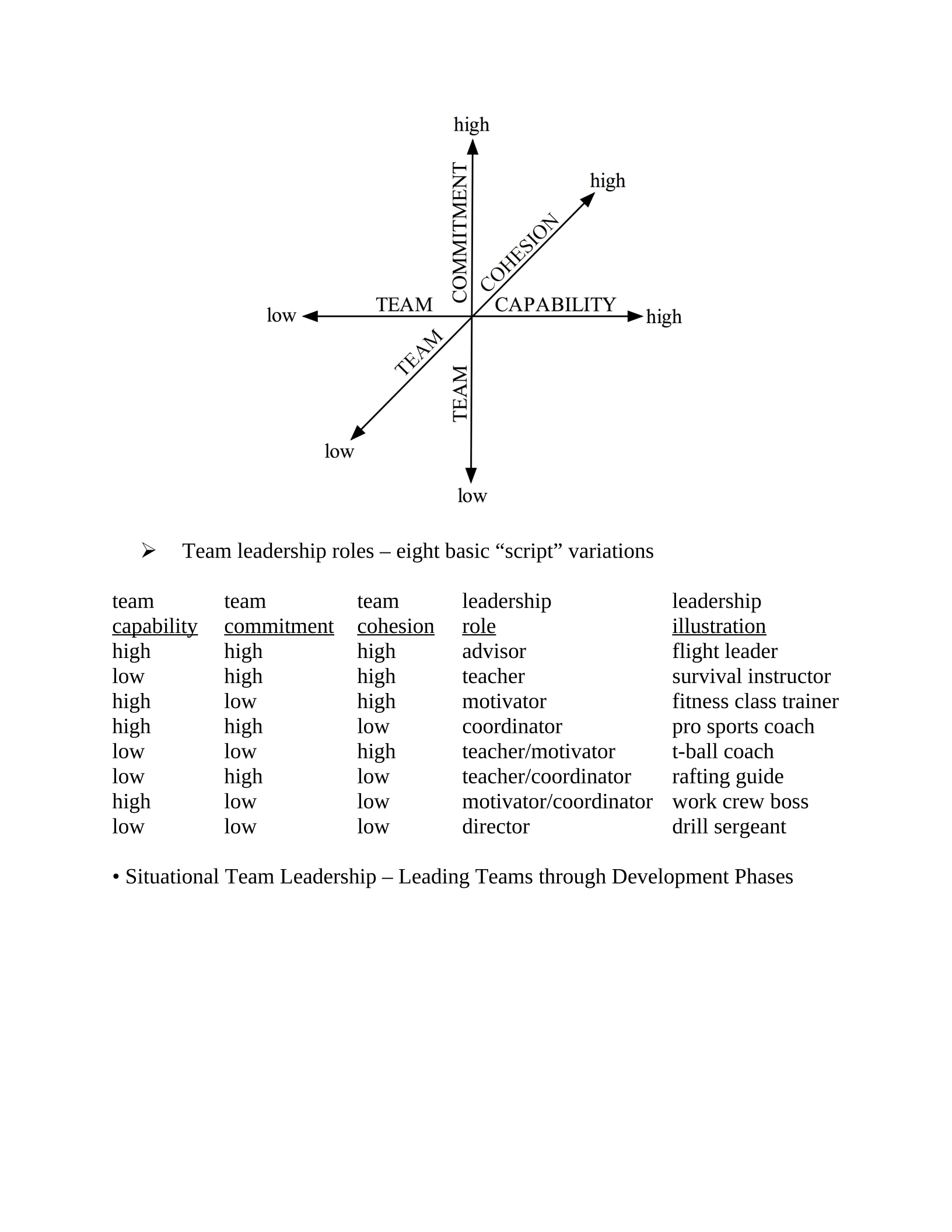
Team leadership roles – eight basic “script” variations
team team team leadership leadership
capability commitment cohesion role illustration
high high high advisor flight leader
low high high teacher survival instructor
high low high motivator fitness class trainer
high high low coordinator pro sports coach
low low high teacher/motivator t-ball coach
low high low teacher/coordinator rafting guide
high low low motivator/coordinator work crew boss
low low low director drill sergeant
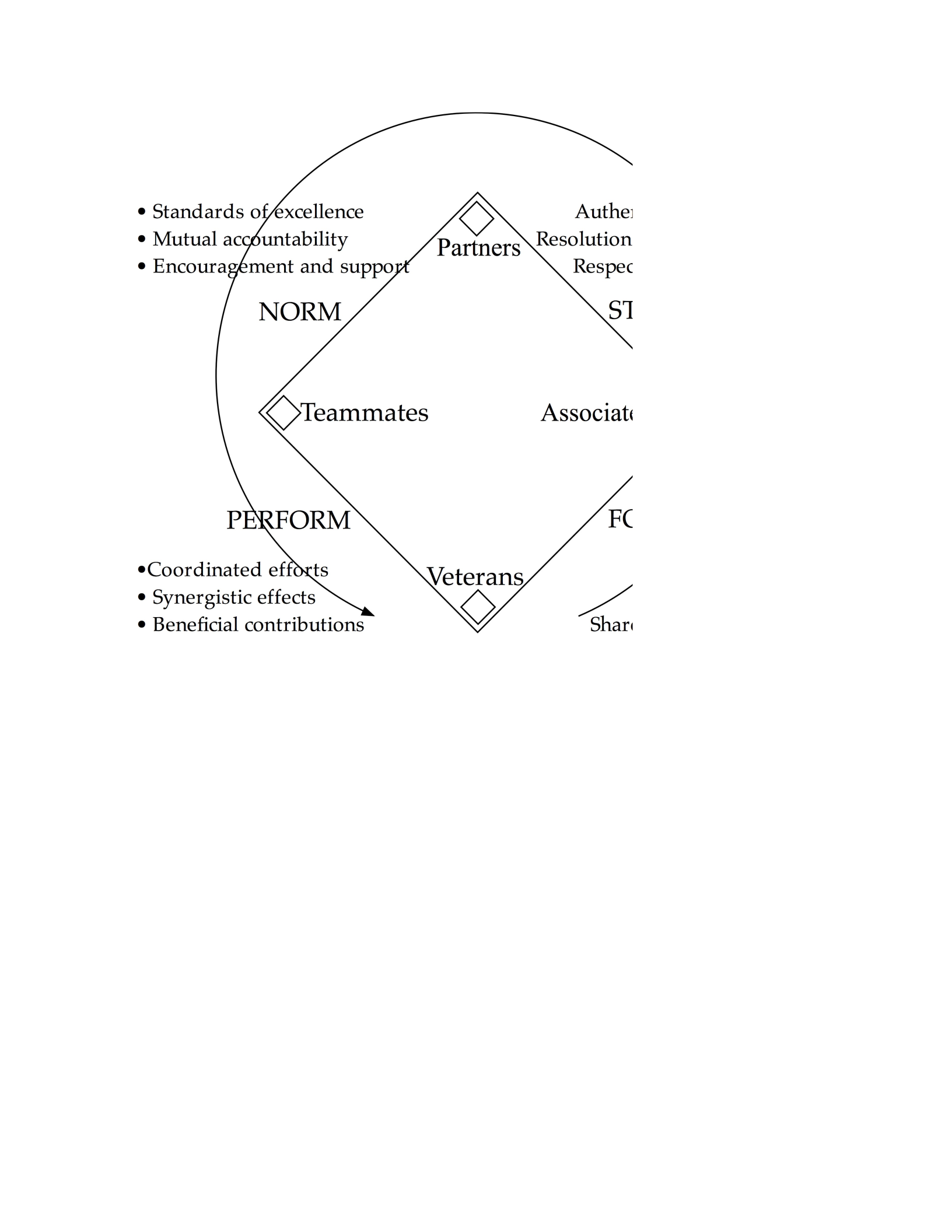
• Situational Team Leadership – Leading Teams through Development Phases

• Leadership in Organizations – Leadership Traits and Skills
Universal traits approach to leadership (Great Leaders)
oLeaders are born, not made (“nature”)
oEffective leaders with inate capabilities must be identified and
selected
oEssential capabilities of natural leaders:
Cognitive clarity – intellectual ability to grasp situational
complexities and determine direction; visionary problem-solver
Confident conviction – self-assuredness in the face of
challenging, uncertain, and risky outcomes; willingness to embrace
responsibility
Commitment to cause – perseverance through difficulties,
obstacles, and resistance toward goal achievement; motivation and
drive
Communication competence – fluency in appropriate and
effective means of social influence; inspiring charisma and relational
savvy
Situational skills approach to leadership
oLeaders are made, not born (“nurture”)
oEffective leaders must learn the skills required by their situation
oEssential skills required in varying levels of organizational
responsibility (Manager & Leader Functions):
Supervising to achieve compliance by directing workers,
inspecting work, correcting workers (DIC)
Managing to achieve consistency by planning processes,
organizing structures, controlling operations (POC)
Leading to achieve change by seeing direction, securing
alignment, sustaining vitality (DAV)
Powered by TCPDF (www.tcpdf.org)

