


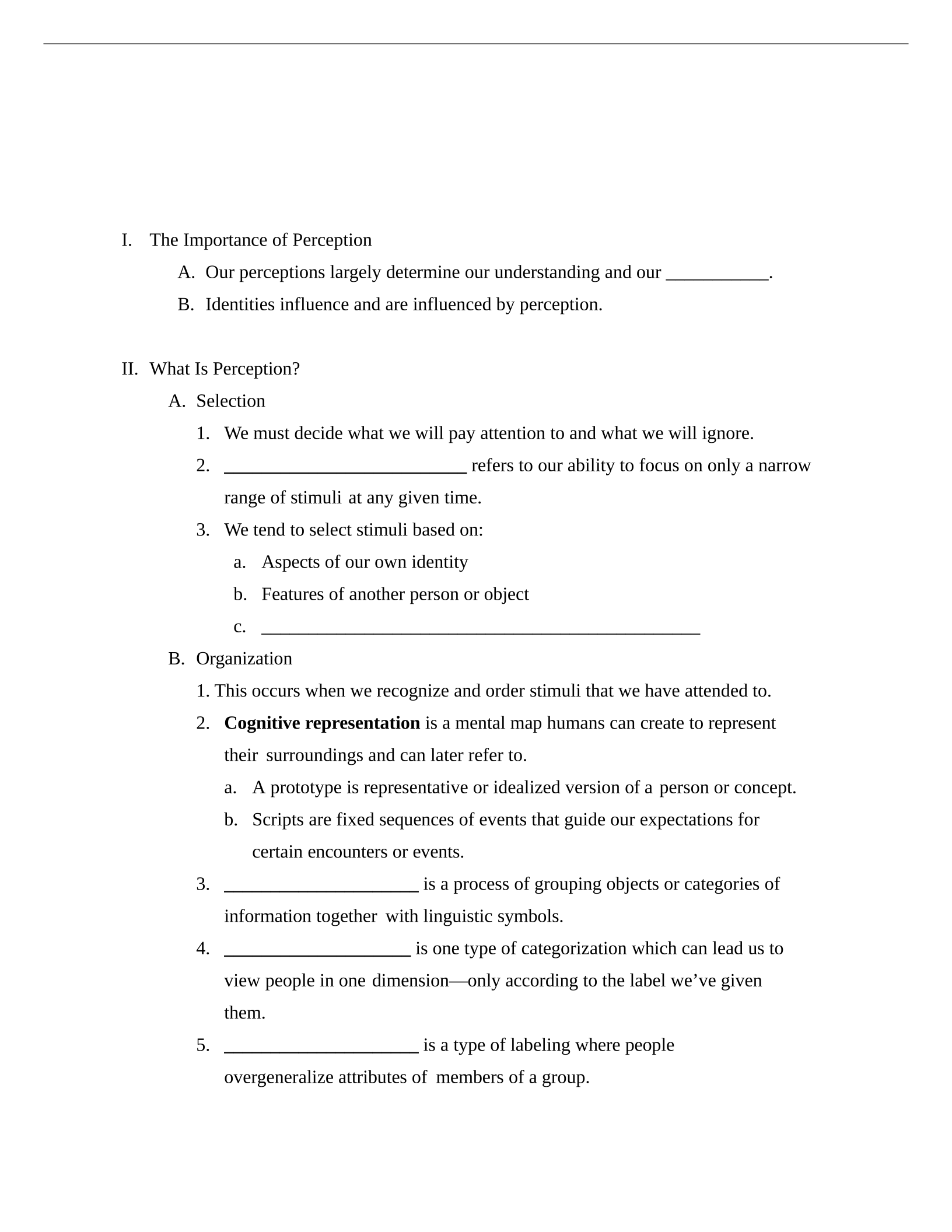
I. The Importance of Perception
A. Our perceptions largely determine our understanding and our ___________.
B. Identities influence and are influenced by perception.
II. What Is Perception?
A. Selection
1. We must decide what we will pay attention to and what we will ignore.
2. __________________________ refers to our ability to focus on only a narrow
range of stimuli
at any given time.
3. We tend to select stimuli based on:
a. Aspects of our own identity
b. Features of another person or object
c. _______________________________________________
B. Organization
1. This occurs when we recognize and order stimuli that we have attended to.
2. Cognitive representation is a mental map humans can create to represent
their surroundings and can later refer to.
a. A prototype is representative or idealized version of a
person or concept.
b. Scripts are fixed sequences of events that guide our expectations for
certain encounters or events.
3. _____________________ is a process of grouping objects or categories of
information together
with linguistic symbols.
4. ____________________ is one type of categorization which can lead us to
view people in one
dimension―only according to the label we’ve given
them.
5. _____________________ is a type of labeling where people
overgeneralize attributes of members of a group.
CHAPTER FOUR: COMMUNICATING, PERCEIVING,
AND
UNDERSTANDING
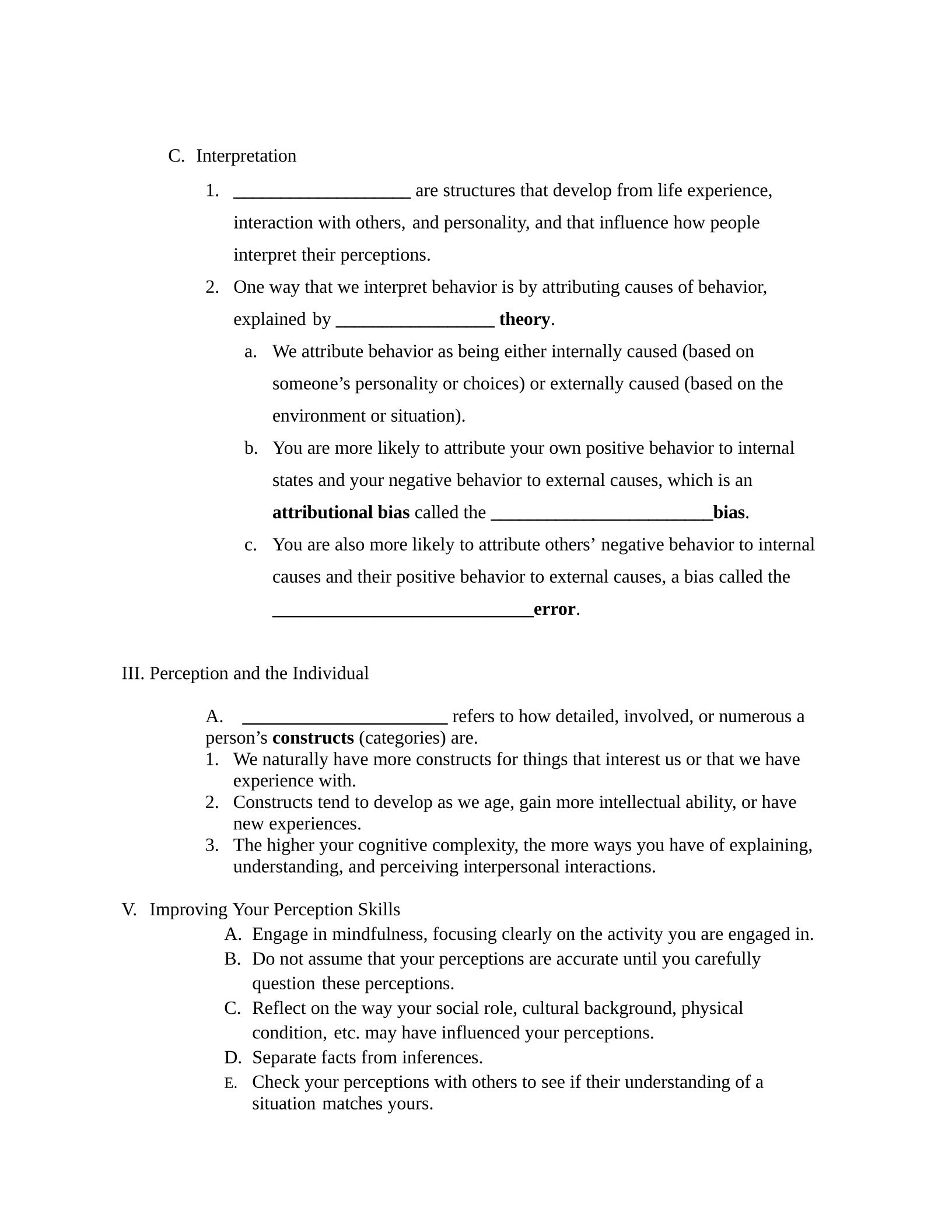
C. Interpretation
1. ___________________ are structures that develop from life experience,
interaction with others,
and personality, and that influence how people
interpret their perceptions.
2. One way that we interpret behavior is by attributing causes of behavior,
explained
by _________________ theory.
a. We attribute behavior as being either internally caused (based on
someone’s personality or choices) or externally caused (based on the
environment or situation).
b. You are more likely to attribute your own positive behavior to internal
states and your negative behavior to external causes, which is an
attributional bias called the ________________________bias.
c. You are also more likely to attribute others’ negative behavior to internal
causes and their positive behavior to external causes, a bias called the
____________________________error.
III. Perception and the Individual
A. ______________________ refers to how detailed, involved, or numerous a
person’s constructs (categories) are.
1. We naturally have more constructs for things that interest us or that we have
experience with.
2. Constructs tend to develop as we age, gain more intellectual ability, or have
new experiences.
3. The higher your cognitive complexity, the more ways you have of explaining,
understanding, and perceiving interpersonal interactions.
V. Improving Your Perception Skills
A. Engage in mindfulness, focusing clearly on the activity you are engaged in.
B. Do not assume that your perceptions are accurate until you carefully
question
these perceptions.
C. Reflect on the way your social role, cultural background, physical
condition,
etc. may have influenced your perceptions.
D. Separate facts from inferences.
E. Check your perceptions with others to see if their understanding of a
situation
matches yours.
Powered by TCPDF (www.tcpdf.org)

