


THEO 360
Name:
CASE STUDY: CONTEXT AND AUTHORIAL INTENT TEMPLATE
1. Observing the Biblical Text
A. I have read the Philippians 4:10-20 in one sitting. Highlight the correct answer:
oYes
oNo
B. I have read Philippians 4:10-20 in both a formal/word-for-word translation (KJV, NKJV,
NASB, ESV, or CSB) and a functional translation/thought-for-thought (NIV, NLT, or
NCV). You can find a copy of these translations at BibleGateway.com.
oYes
oNo
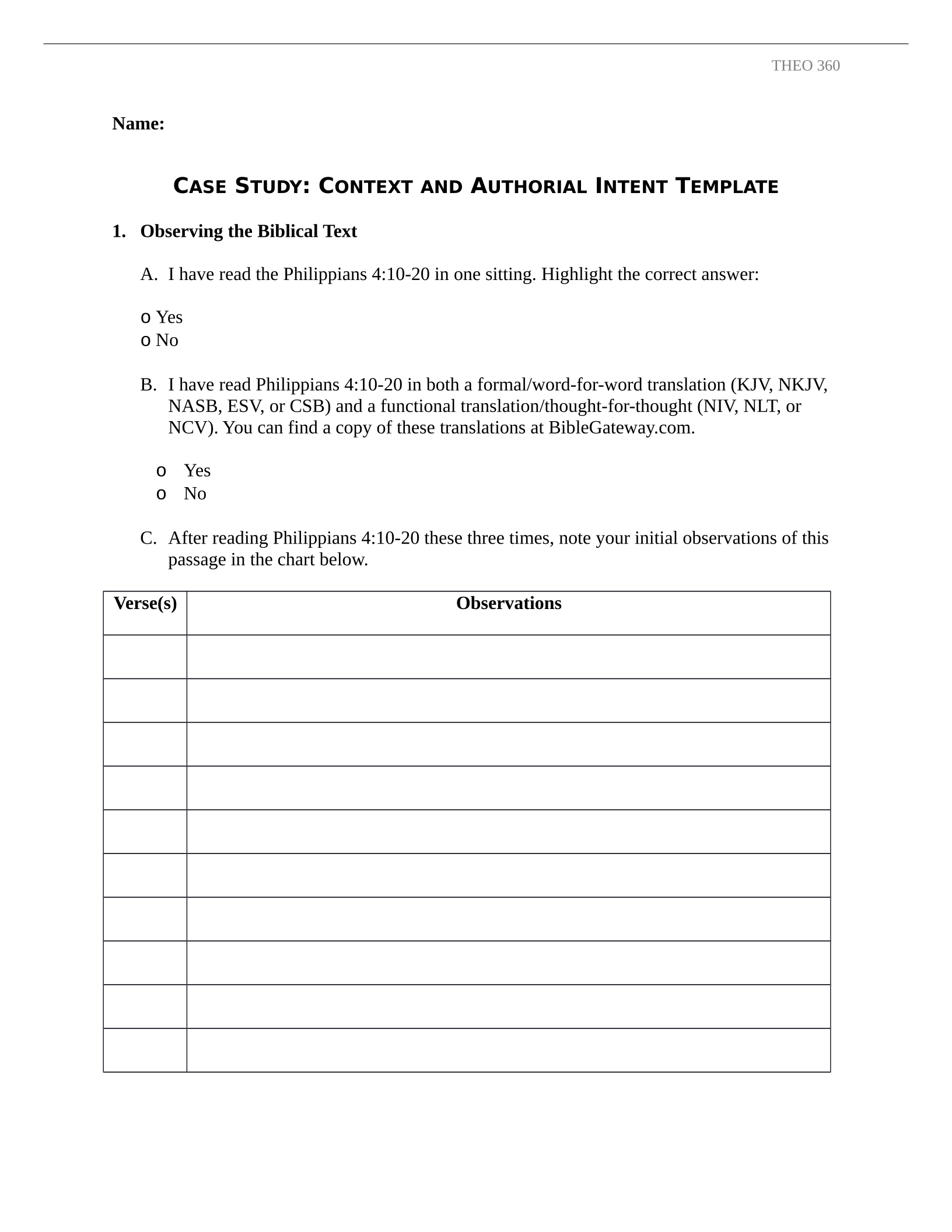
C. After reading Philippians 4:10-20 these three times, note your initial observations of this
passage in the chart below.
Verse(s) Observations
THEO 360
D. Using your Bible and the chart of observations on Philippians 4:10-20 you have
constructed above, record the major facts of the passage. For this exercise you should not
consult any outside resource. You are simply writing down what you have observed in
reading the Scriptures.
i. Who (main characters in the narrative):
ii. What are the circumstances:
iii. Where (setting):
iv. When (What section of the Old Testament and/or when in the history of Israel):
THEO 360
2. Context and Authorial Intent
A. Literary Context: In 200-400 words, identify where Philippians 4:10-20 (specifically v.
13) fits in relationship with the rest of the book of Philippians. Describe where
Philippians 4:10-20 fits with the rest of Pauline Literature. Describe how Philippians
4:10-20 fits in to the rest of the New Testament. Last level of correlation and
identification of the literary context, how does Philippians 4:10-20 fit in the message of
the entire Bible? You must interact with a minimum of 1 academic source and include
biblical references to support your findings.
B. Historical Context: In 200-400 words, describe the circumstance/situation at play in
Philippians 4:10-20. List a few differences between this time in antiquity and the modern
day (language, location, situation, time, culture, covenant [if studying the Old Testament],
etc.). You must interact with a minimum of 3 academic sources and include biblical
references to support your findings.
C. Authorial Intent: In 200-400 words, consider the historical and literary contexts
(answered above) and state what the author intended to communicate to his original
audience of the church in Philippi. Support your findings with a minimum of 1 academic
source and include biblical references (outside of the passage) to support your
interpretation of the author’s intended meaning.
Powered by TCPDF (www.tcpdf.org)

