


2
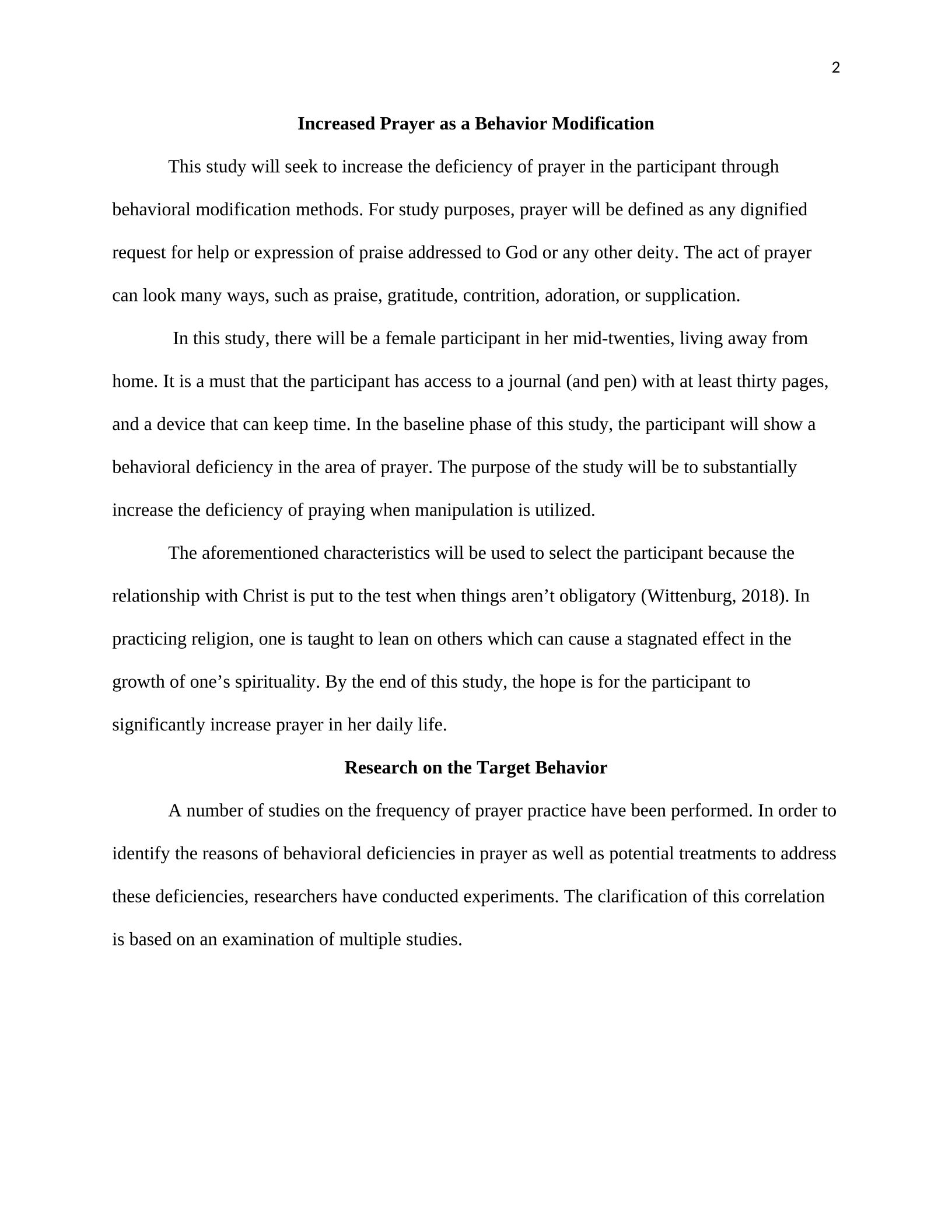
Increased Prayer as a Behavior Modification
This study will seek to increase the deficiency of prayer in the participant through
behavioral modification methods. For study purposes, prayer will be defined as any dignified
request for help or expression of praise addressed to God or any other deity. The act of prayer
can look many ways, such as praise, gratitude, contrition, adoration, or supplication.
In this study, there will be a female participant in her mid-twenties, living away from
home. It is a must that the participant has access to a journal (and pen) with at least thirty pages,
and a device that can keep time. In the baseline phase of this study, the participant will show a
behavioral deficiency in the area of prayer. The purpose of the study will be to substantially
increase the deficiency of praying when manipulation is utilized.
The aforementioned characteristics will be used to select the participant because the
relationship with Christ is put to the test when things aren’t obligatory (Wittenburg, 2018). In
practicing religion, one is taught to lean on others which can cause a stagnated effect in the
growth of one’s spirituality. By the end of this study, the hope is for the participant to
significantly increase prayer in her daily life.
Research on the Target Behavior
A number of studies on the frequency of prayer practice have been performed. In order to
identify the reasons of behavioral deficiencies in prayer as well as potential treatments to address
these deficiencies, researchers have conducted experiments. The clarification of this correlation
is based on an examination of multiple studies.
3
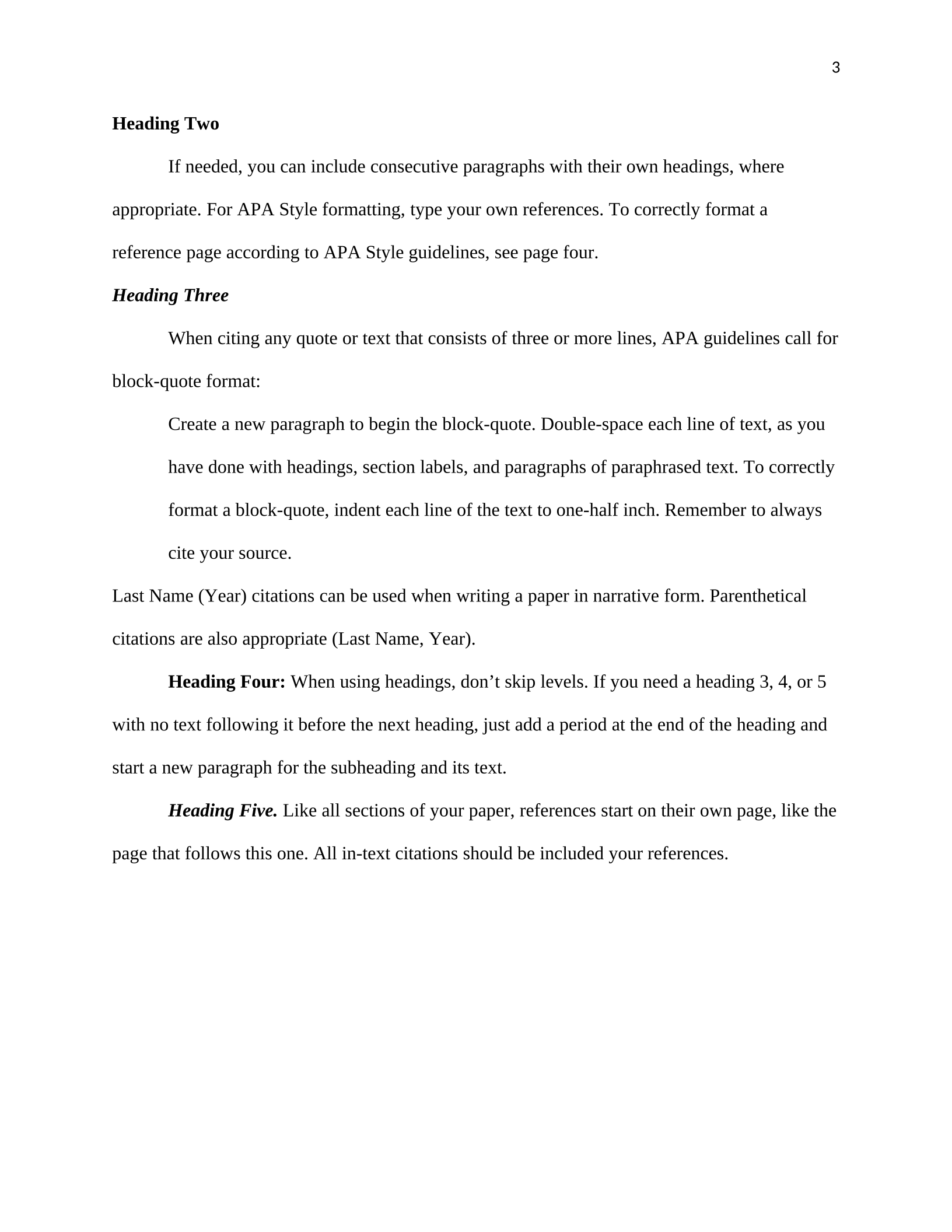
Heading Two
If needed, you can include consecutive paragraphs with their own headings, where
appropriate. For APA Style formatting, type your own references. To correctly format a
reference page according to APA Style guidelines, see page four.
Heading Three
When citing any quote or text that consists of three or more lines, APA guidelines call for
block-quote format:
Create a new paragraph to begin the block-quote. Double-space each line of text, as you
have done with headings, section labels, and paragraphs of paraphrased text. To correctly
format a block-quote, indent each line of the text to one-half inch. Remember to always
cite your source.
Last Name (Year) citations can be used when writing a paper in narrative form. Parenthetical
citations are also appropriate (Last Name, Year).
Heading Four: When using headings, don’t skip levels. If you need a heading 3, 4, or 5
with no text following it before the next heading, just add a period at the end of the heading and
start a new paragraph for the subheading and its text.
Heading Five. Like all sections of your paper, references start on their own page, like the
page that follows this one. All in-text citations should be included your references.
4
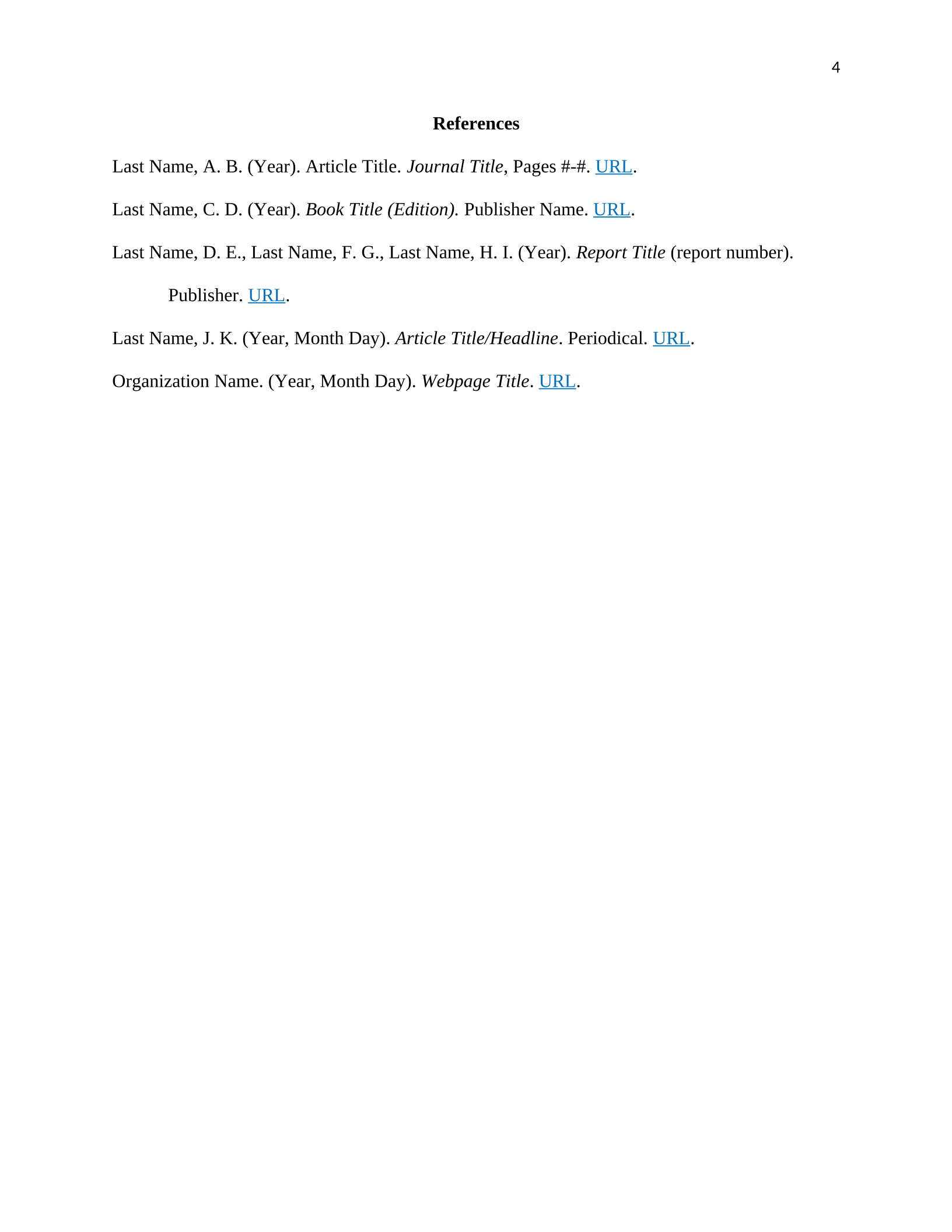
References
Last Name, A. B. (Year). Article Title. Journal Title, Pages #-#. URL.
Last Name, C. D. (Year). Book Title (Edition). Publisher Name. URL.
Last Name, D. E., Last Name, F. G., Last Name, H. I. (Year). Report Title (report number).
Publisher. URL.
Last Name, J. K. (Year, Month Day). Article Title/Headline. Periodical. URL.
Organization Name. (Year, Month Day). Webpage Title. URL.

