


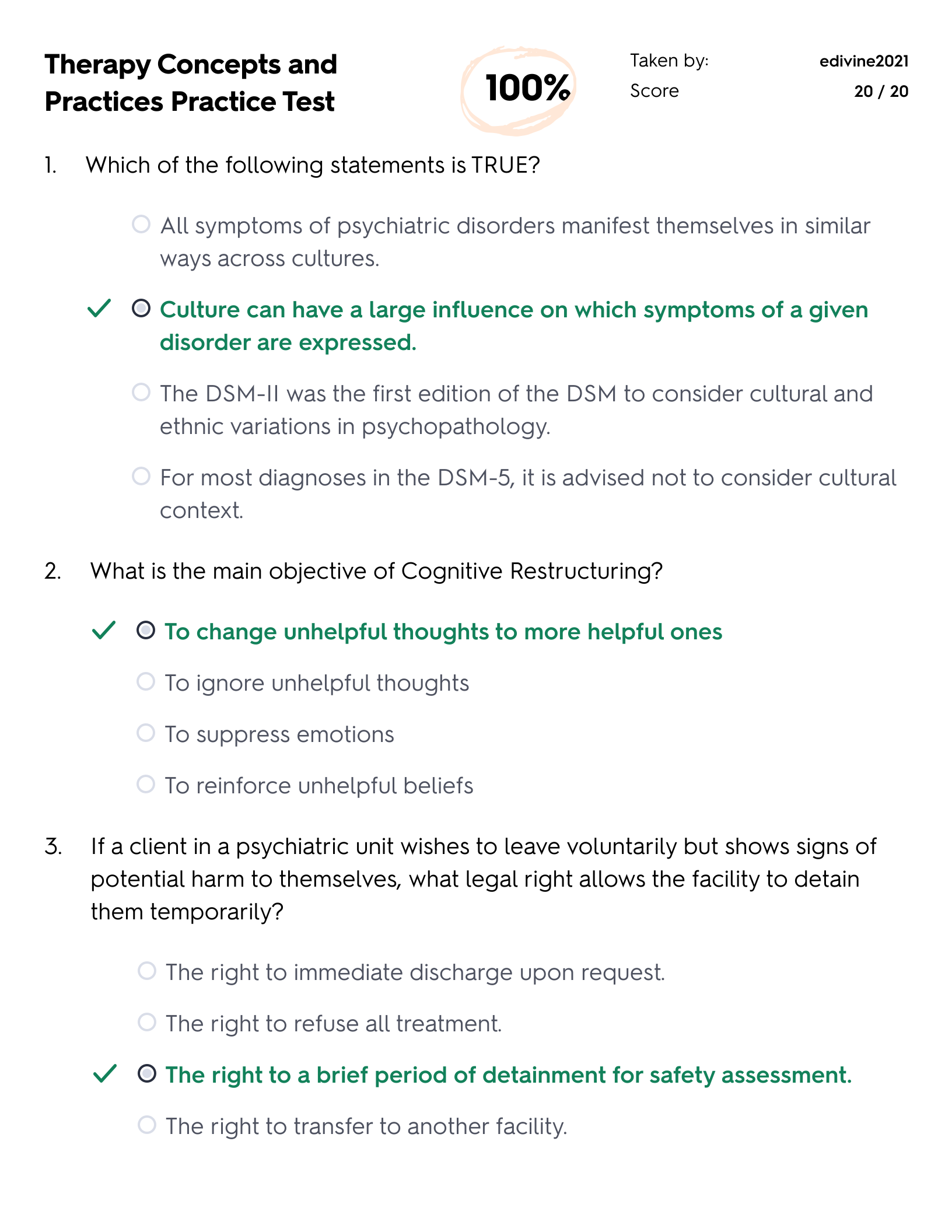
Therapy Concepts and
Practices Practice Test 100%
Taken by: edivine2021
Score 20 / 20
1. Which of the following statements is TRUE?
2. What is the main objective of Cognitive Restructuring?
3. If a client in a psychiatric unit wishes to leave voluntarily but shows signs of
potential harm to themselves, what legal right allows the facility to detain
them temporarily?
All symptoms of psychiatric disorders manifest themselves in similar
ways across cultures.
Culture can have a large influence on which symptoms of a given
disorder are expressed.
The DSM-II was the first edition of the DSM to consider cultural and
ethnic variations in psychopathology.
For most diagnoses in the DSM-5, it is advised not to consider cultural
context.
To change unhelpful thoughts to more helpful ones
To ignore unhelpful thoughts
To suppress emotions
To reinforce unhelpful beliefs
The right to immediate discharge upon request.
The right to refuse all treatment.
The right to a brief period of detainment for safety assessment.
The right to transfer to another facility.
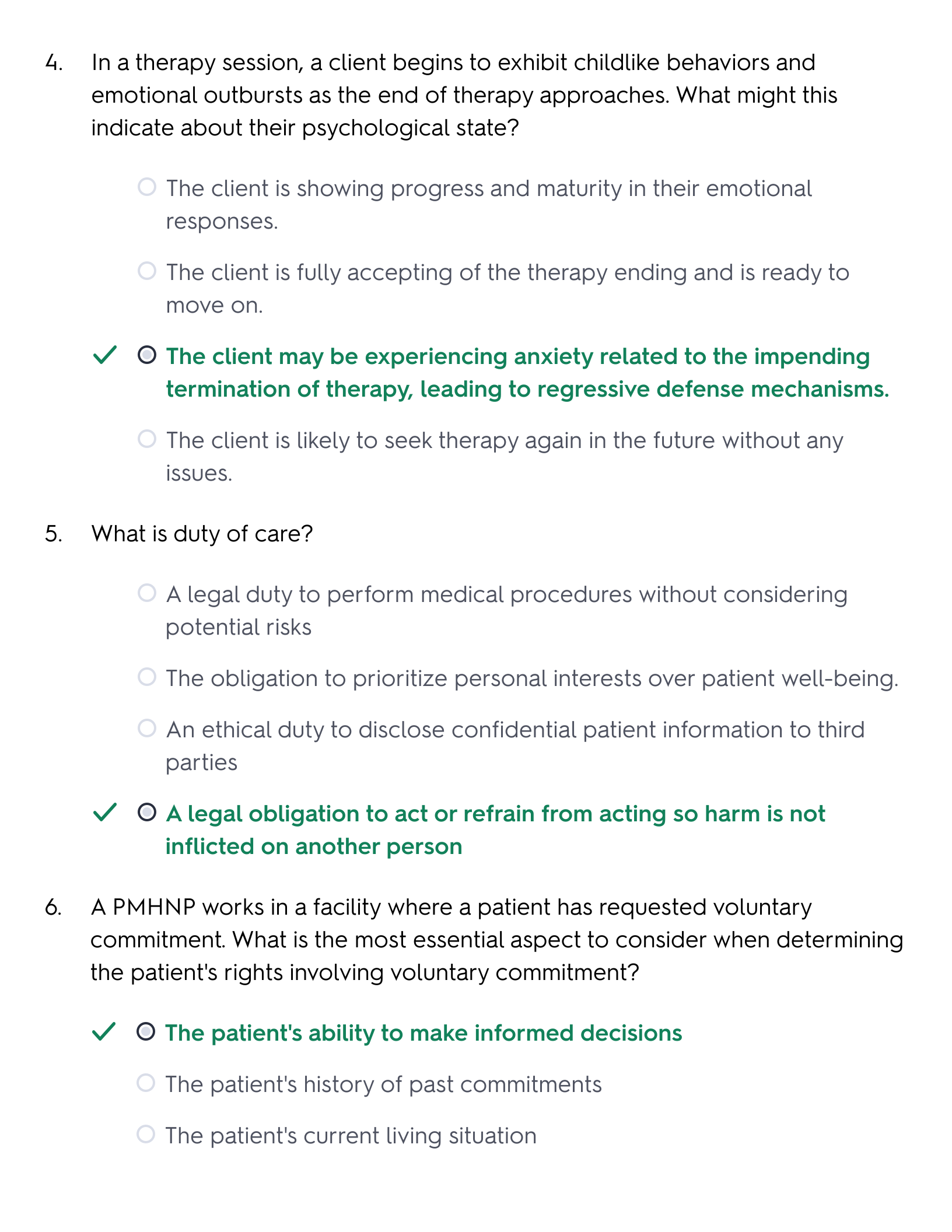
4. In a therapy session, a client begins to exhibit childlike behaviors and
emotional outbursts as the end of therapy approaches. What might this
indicate about their psychological state?
5. What is duty of care?
6. A PMHNP works in a facility where a patient has requested voluntary
commitment. What is the most essential aspect to consider when determining
the patient's rights involving voluntary commitment?
The client is showing progress and maturity in their emotional
responses.
The client is fully accepting of the therapy ending and is ready to
move on.
The client may be experiencing anxiety related to the impending
termination of therapy, leading to regressive defense mechanisms.
The client is likely to seek therapy again in the future without any
issues.
A legal duty to perform medical procedures without considering
potential risks
The obligation to prioritize personal interests over patient well-being.
An ethical duty to disclose confidential patient information to third
parties
A legal obligation to act or refrain from acting so harm is not
inflicted on another person
The patient's ability to make informed decisions
The patient's history of past commitments
The patient's current living situation
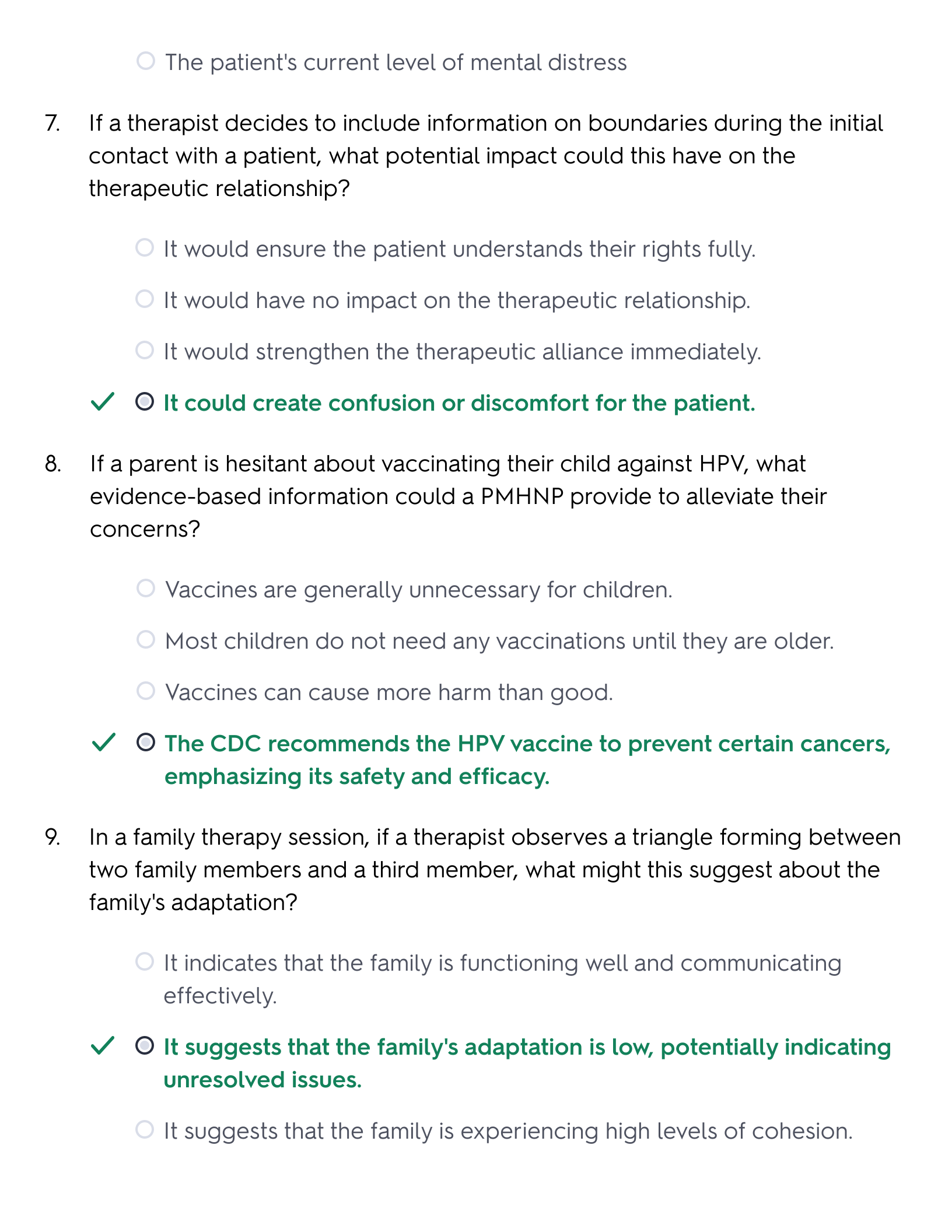
7. If a therapist decides to include information on boundaries during the initial
contact with a patient, what potential impact could this have on the
therapeutic relationship?
8. If a parent is hesitant about vaccinating their child against HPV, what
evidence-based information could a PMHNP provide to alleviate their
concerns?
9. In a family therapy session, if a therapist observes a triangle forming between
two family members and a third member, what might this suggest about the
family's adaptation?
The patient's current level of mental distress
It would ensure the patient understands their rights fully.
It would have no impact on the therapeutic relationship.
It would strengthen the therapeutic alliance immediately.
It could create confusion or discomfort for the patient.
Vaccines are generally unnecessary for children.
Most children do not need any vaccinations until they are older.
Vaccines can cause more harm than good.
The CDC recommends the HPV vaccine to prevent certain cancers,
emphasizing its safety and efficacy.
It indicates that the family is functioning well and communicating
effectively.
It suggests that the family's adaptation is low, potentially indicating
unresolved issues.
It suggests that the family is experiencing high levels of cohesion.
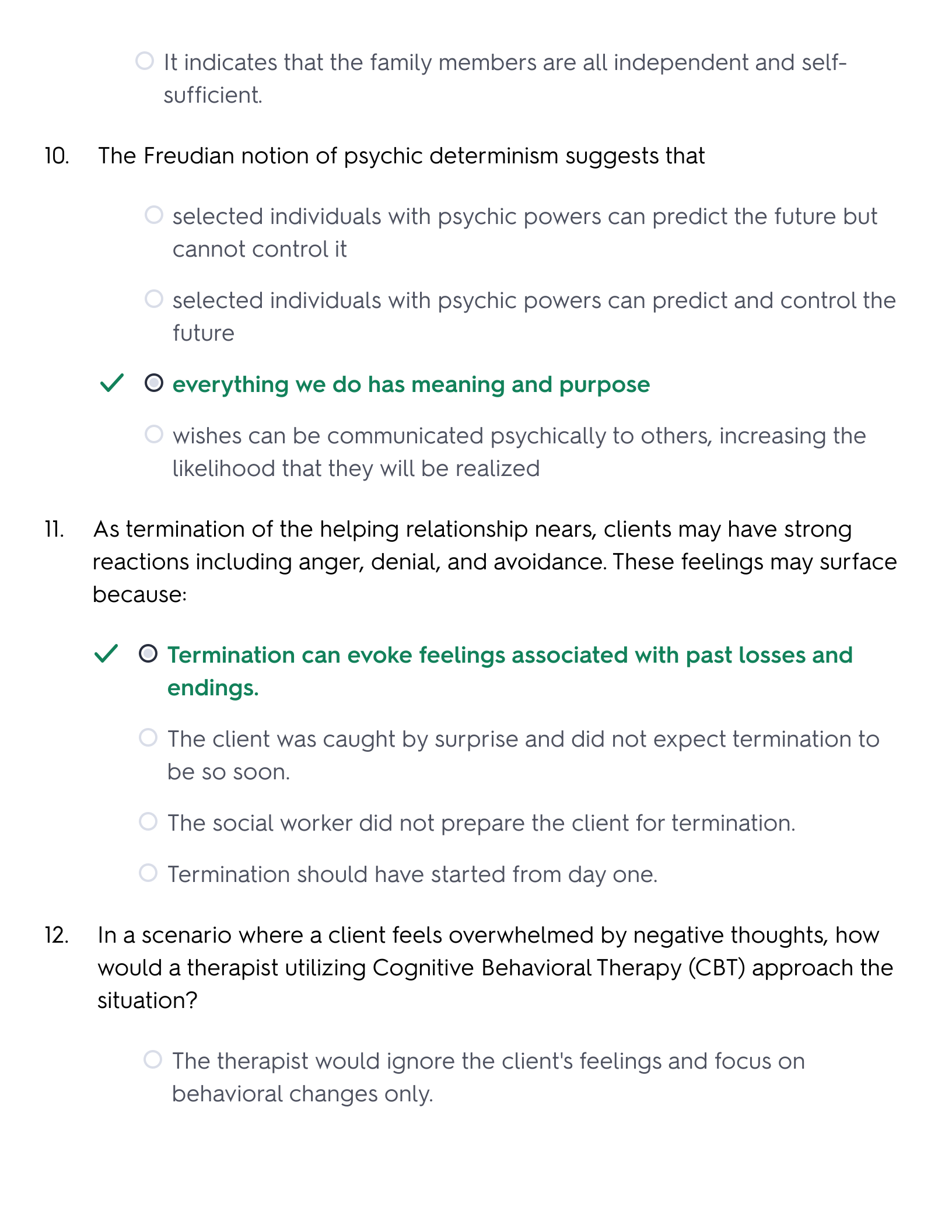
10. The Freudian notion of psychic determinism suggests that
11. As termination of the helping relationship nears, clients may have strong
reactions including anger, denial, and avoidance. These feelings may surface
because:
12. In a scenario where a client feels overwhelmed by negative thoughts, how
would a therapist utilizing Cognitive Behavioral Therapy (CBT) approach the
situation?
It indicates that the family members are all independent and self-
sufficient.
selected individuals with psychic powers can predict the future but
cannot control it
selected individuals with psychic powers can predict and control the
future
everything we do has meaning and purpose
wishes can be communicated psychically to others, increasing the
likelihood that they will be realized
Termination can evoke feelings associated with past losses and
endings.
The client was caught by surprise and did not expect termination to
be so soon.
The social worker did not prepare the client for termination.
Termination should have started from day one.
The therapist would ignore the client's feelings and focus on
behavioral changes only.
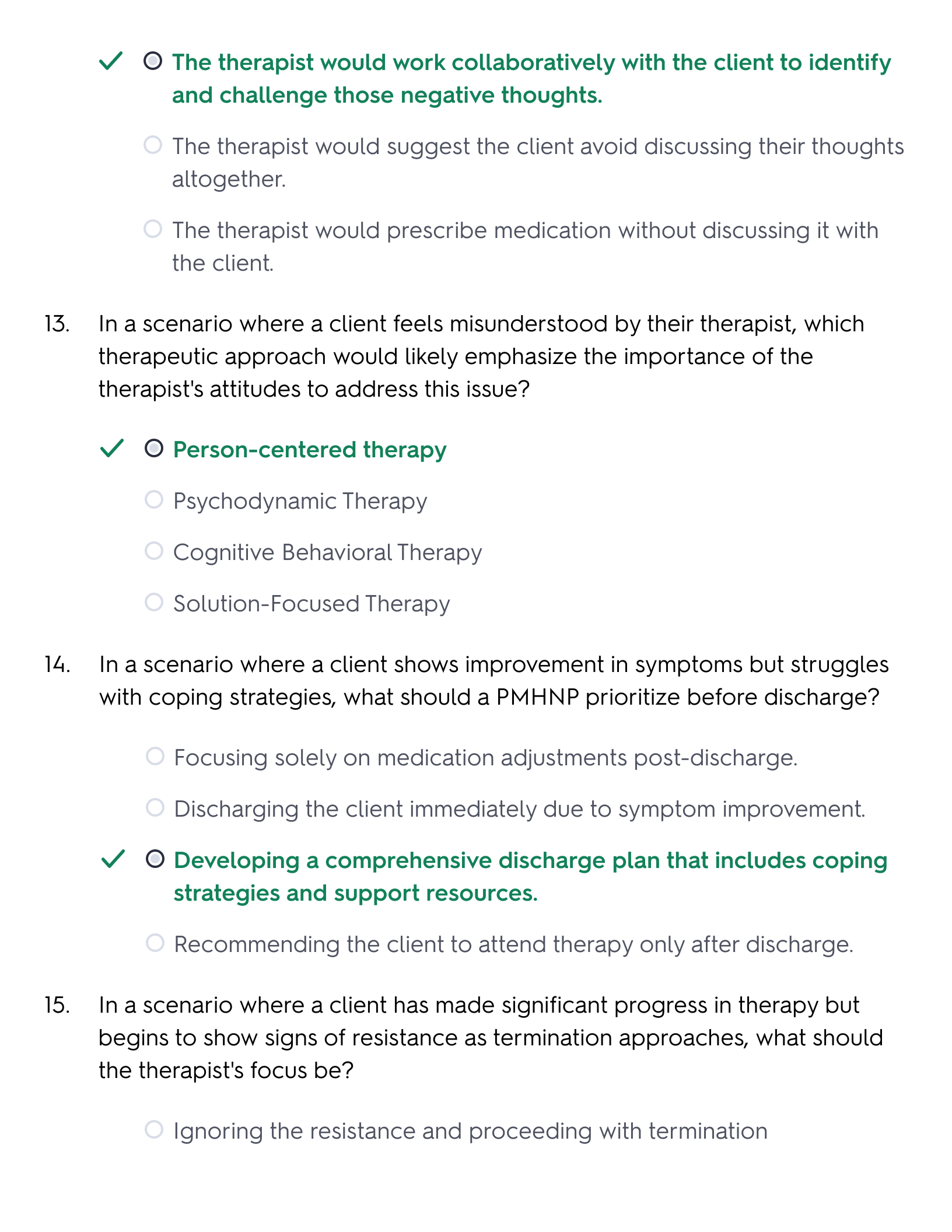
13. In a scenario where a client feels misunderstood by their therapist, which
therapeutic approach would likely emphasize the importance of the
therapist's attitudes to address this issue?
14. In a scenario where a client shows improvement in symptoms but struggles
with coping strategies, what should a PMHNP prioritize before discharge?
15. In a scenario where a client has made significant progress in therapy but
begins to show signs of resistance as termination approaches, what should
the therapist's focus be?
The therapist would work collaboratively with the client to identify
and challenge those negative thoughts.
The therapist would suggest the client avoid discussing their thoughts
altogether.
The therapist would prescribe medication without discussing it with
the client.
Person-centered therapy
Psychodynamic Therapy
Cognitive Behavioral Therapy
Solution-Focused Therapy
Focusing solely on medication adjustments post-discharge.
Discharging the client immediately due to symptom improvement.
Developing a comprehensive discharge plan that includes coping
strategies and support resources.
Recommending the client to attend therapy only after discharge.
Ignoring the resistance and proceeding with termination
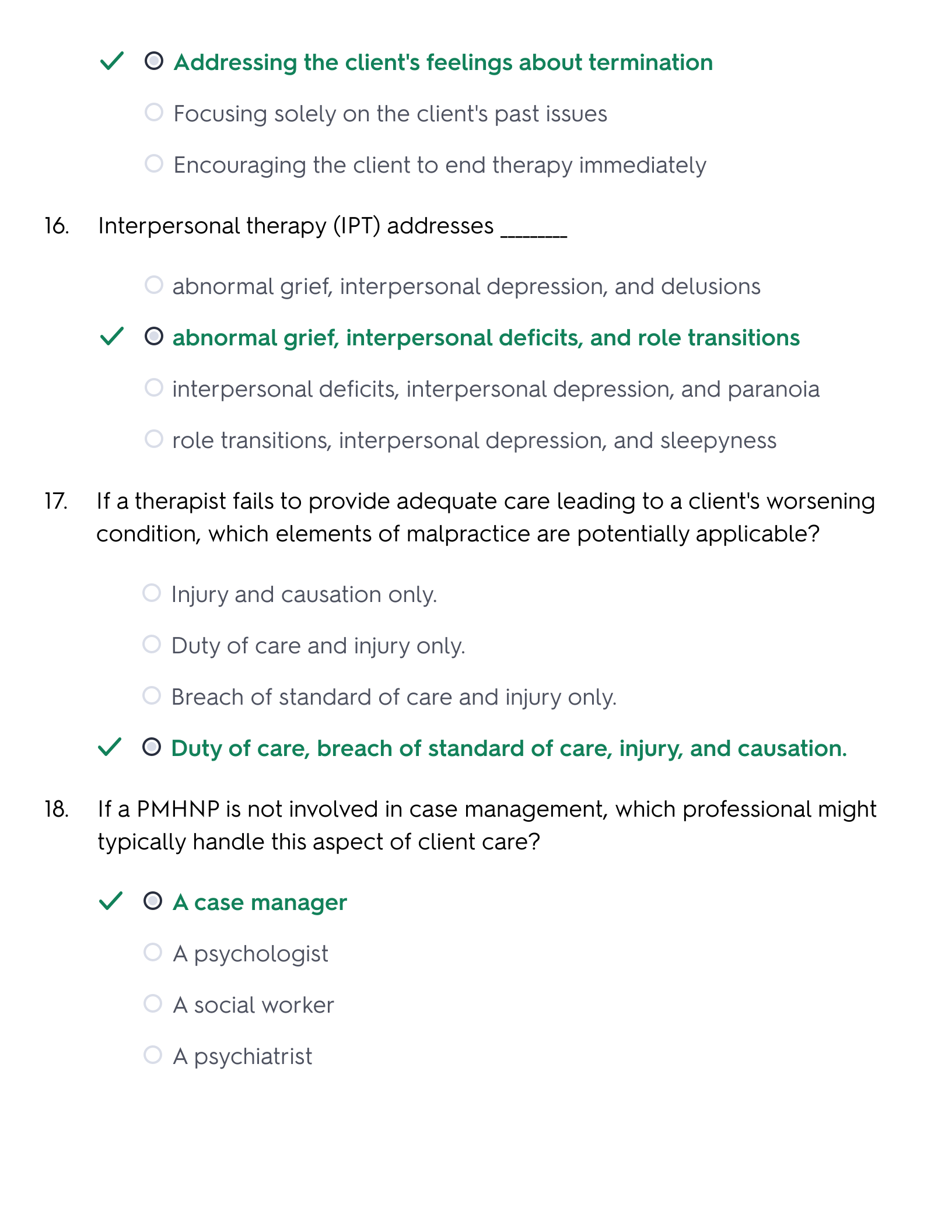
16. Interpersonal therapy (IPT) addresses _________
17. If a therapist fails to provide adequate care leading to a client's worsening
condition, which elements of malpractice are potentially applicable?
18. If a PMHNP is not involved in case management, which professional might
typically handle this aspect of client care?
Addressing the client's feelings about termination
Focusing solely on the client's past issues
Encouraging the client to end therapy immediately
abnormal grief, interpersonal depression, and delusions
abnormal grief, interpersonal deficits, and role transitions
interpersonal deficits, interpersonal depression, and paranoia
role transitions, interpersonal depression, and sleepyness
Injury and causation only.
Duty of care and injury only.
Breach of standard of care and injury only.
Duty of care, breach of standard of care, injury, and causation.
A case manager
A psychologist
A social worker
A psychiatrist
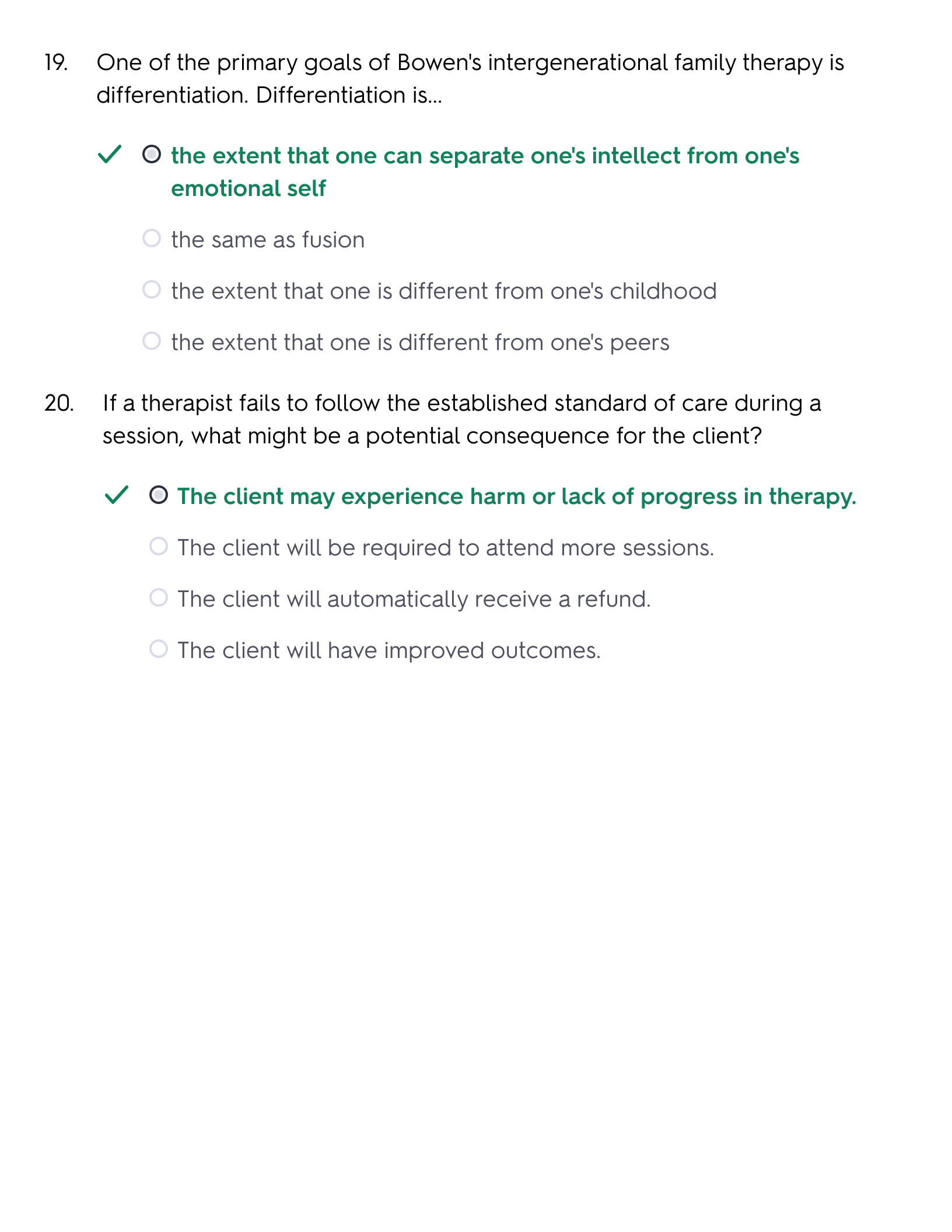
19. One of the primary goals of Bowen's intergenerational family therapy is
differentiation. Differentiation is...
20. If a therapist fails to follow the established standard of care during a
session, what might be a potential consequence for the client?
the extent that one can separate one's intellect from one's
emotional self
the same as fusion
the extent that one is different from one's childhood
the extent that one is different from one's peers
The client may experience harm or lack of progress in therapy.
The client will be required to attend more sessions.
The client will automatically receive a refund.
The client will have improved outcomes.

