


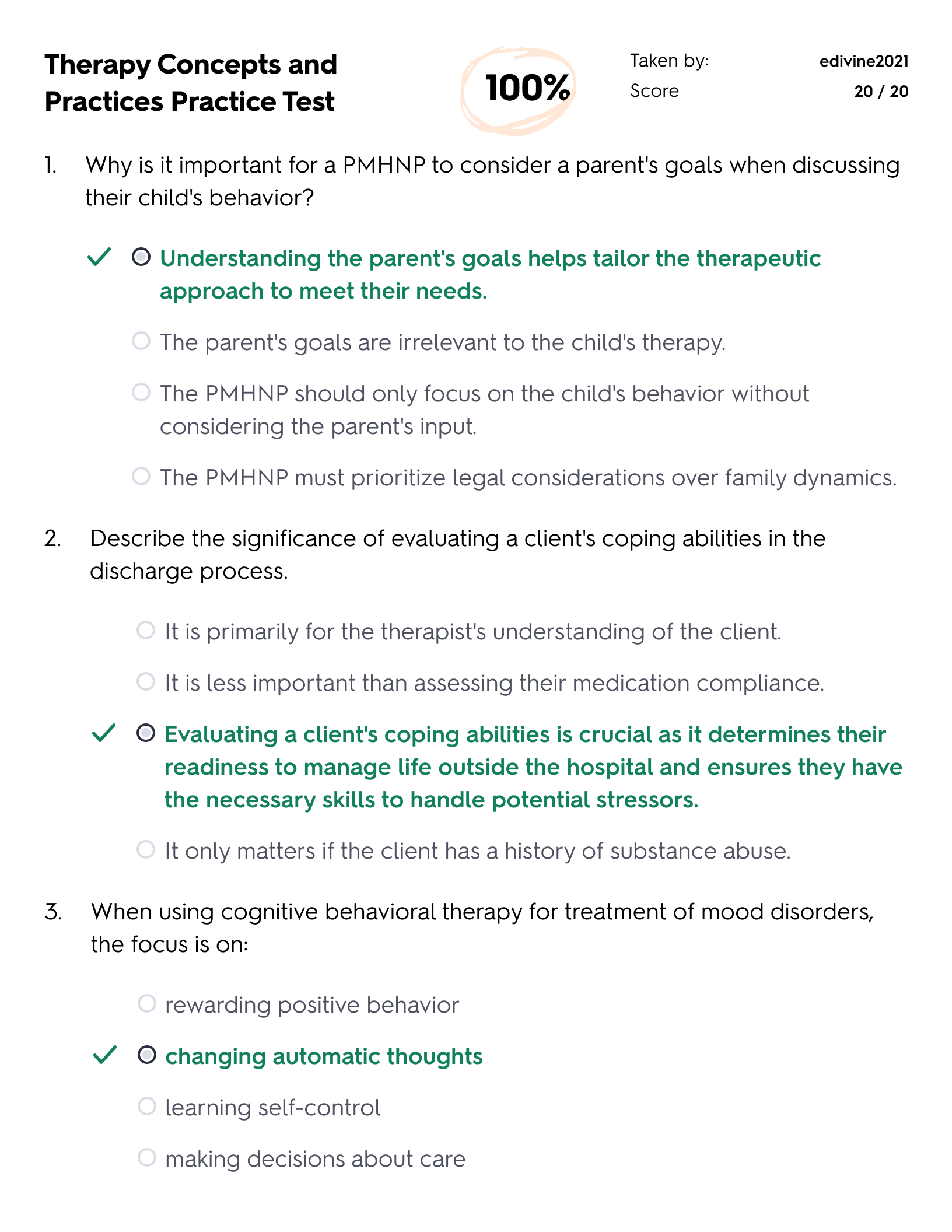
Therapy Concepts and
Practices Practice Test 100%
Taken by: edivine2021
Score 20 / 20
1. Why is it important for a PMHNP to consider a parent's goals when discussing
their child's behavior?
2. Describe the significance of evaluating a client's coping abilities in the
discharge process.
3. When using cognitive behavioral therapy for treatment of mood disorders,
the focus is on:
Understanding the parent's goals helps tailor the therapeutic
approach to meet their needs.
The parent's goals are irrelevant to the child's therapy.
The PMHNP should only focus on the child's behavior without
considering the parent's input.
The PMHNP must prioritize legal considerations over family dynamics.
It is primarily for the therapist's understanding of the client.
It is less important than assessing their medication compliance.
Evaluating a client's coping abilities is crucial as it determines their
readiness to manage life outside the hospital and ensures they have
the necessary skills to handle potential stressors.
It only matters if the client has a history of substance abuse.
rewarding positive behavior
changing automatic thoughts
learning self-control
making decisions about care
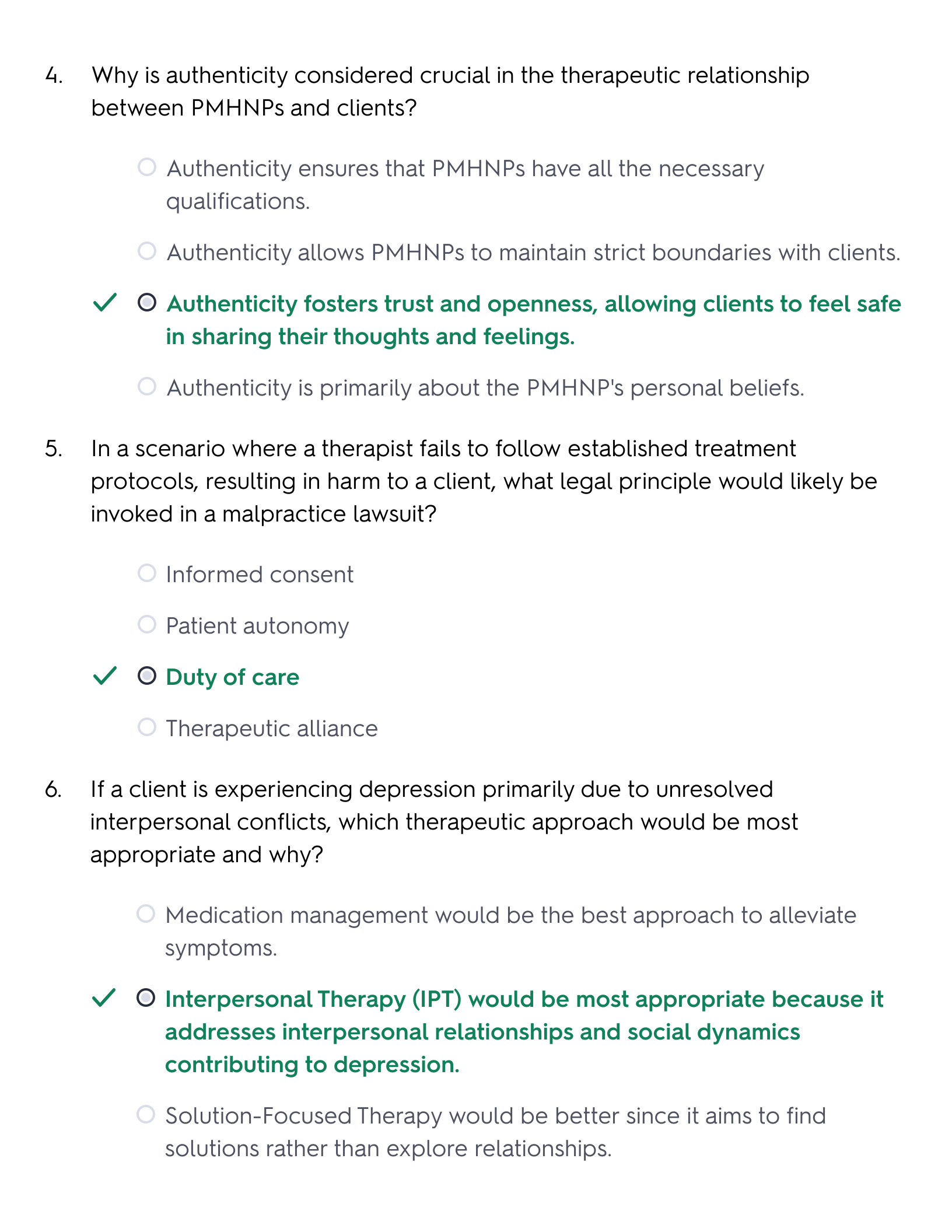
4. Why is authenticity considered crucial in the therapeutic relationship
between PMHNPs and clients?
5. In a scenario where a therapist fails to follow established treatment
protocols, resulting in harm to a client, what legal principle would likely be
invoked in a malpractice lawsuit?
6. If a client is experiencing depression primarily due to unresolved
interpersonal conflicts, which therapeutic approach would be most
appropriate and why?
Authenticity ensures that PMHNPs have all the necessary
qualifications.
Authenticity allows PMHNPs to maintain strict boundaries with clients.
Authenticity fosters trust and openness, allowing clients to feel safe
in sharing their thoughts and feelings.
Authenticity is primarily about the PMHNP's personal beliefs.
Informed consent
Patient autonomy
Duty of care
Therapeutic alliance
Medication management would be the best approach to alleviate
symptoms.
Interpersonal Therapy (IPT) would be most appropriate because it
addresses interpersonal relationships and social dynamics
contributing to depression.
Solution-Focused Therapy would be better since it aims to find
solutions rather than explore relationships.
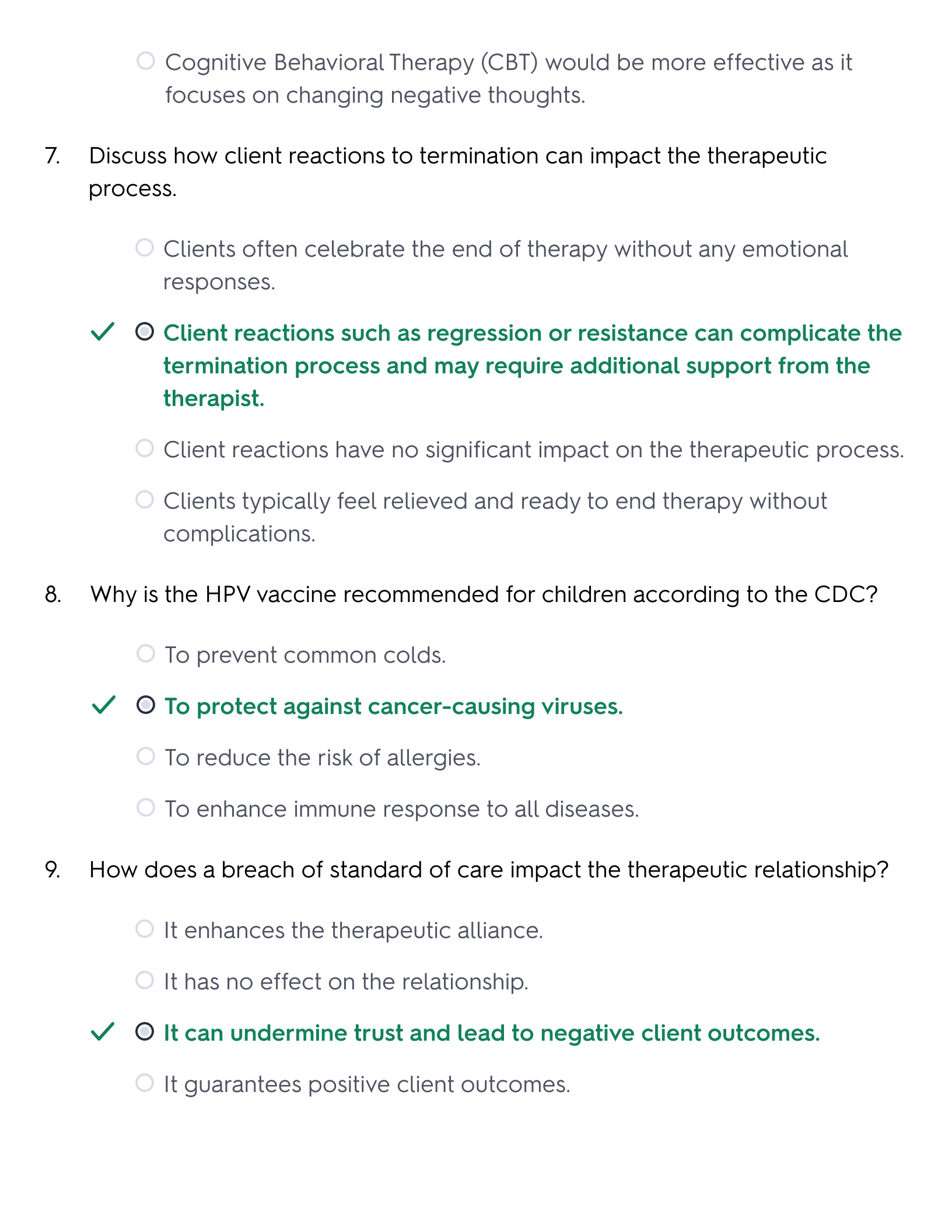
7. Discuss how client reactions to termination can impact the therapeutic
process.
8. Why is the HPV vaccine recommended for children according to the CDC?
9. How does a breach of standard of care impact the therapeutic relationship?
Cognitive Behavioral Therapy (CBT) would be more effective as it
focuses on changing negative thoughts.
Clients often celebrate the end of therapy without any emotional
responses.
Client reactions such as regression or resistance can complicate the
termination process and may require additional support from the
therapist.
Client reactions have no significant impact on the therapeutic process.
Clients typically feel relieved and ready to end therapy without
complications.
To prevent common colds.
To protect against cancer-causing viruses.
To reduce the risk of allergies.
To enhance immune response to all diseases.
It enhances the therapeutic alliance.
It has no effect on the relationship.
It can undermine trust and lead to negative client outcomes.
It guarantees positive client outcomes.
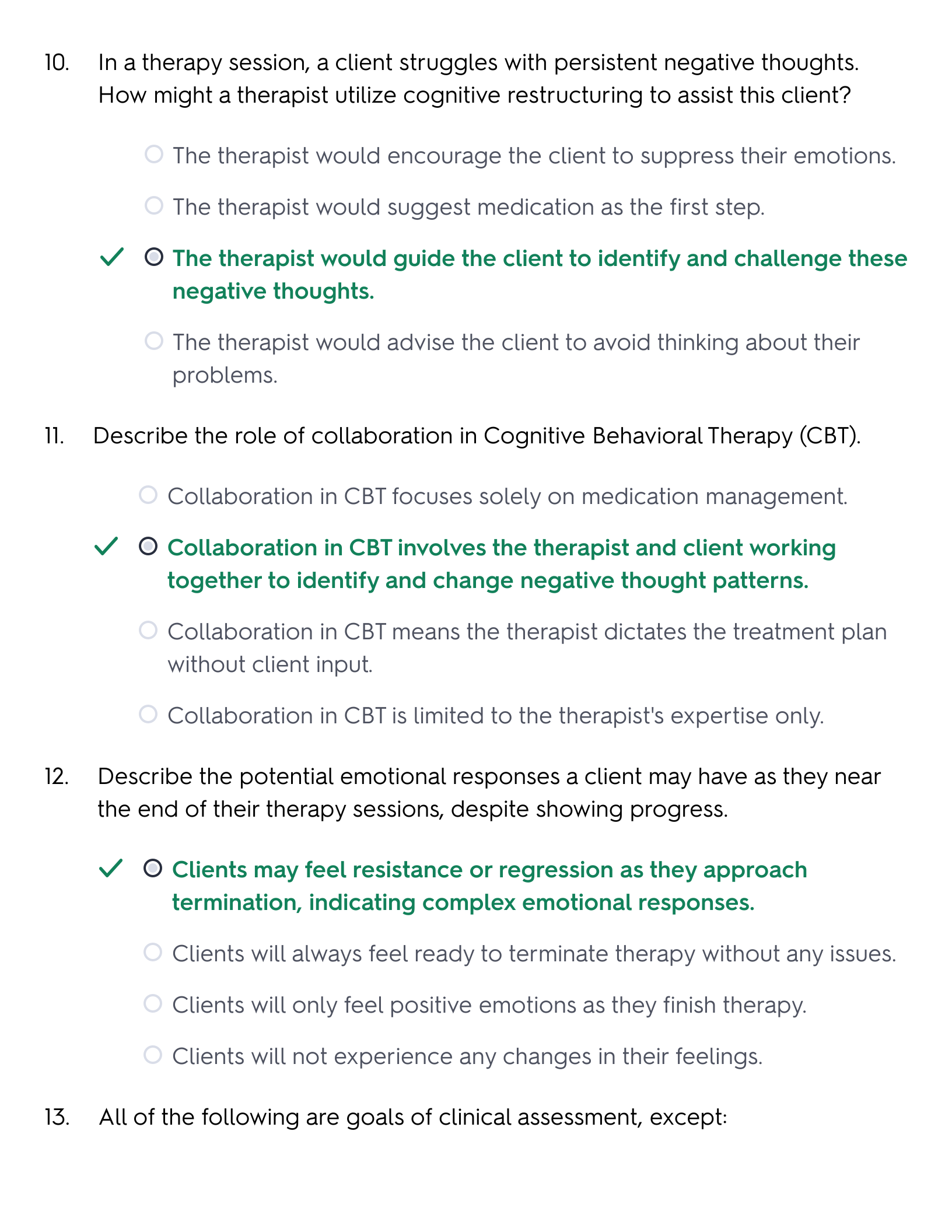
10. In a therapy session, a client struggles with persistent negative thoughts.
How might a therapist utilize cognitive restructuring to assist this client?
11. Describe the role of collaboration in Cognitive Behavioral Therapy (CBT).
12. Describe the potential emotional responses a client may have as they near
the end of their therapy sessions, despite showing progress.
13. All of the following are goals of clinical assessment, except:
The therapist would encourage the client to suppress their emotions.
The therapist would suggest medication as the first step.
The therapist would guide the client to identify and challenge these
negative thoughts.
The therapist would advise the client to avoid thinking about their
problems.
Collaboration in CBT focuses solely on medication management.
Collaboration in CBT involves the therapist and client working
together to identify and change negative thought patterns.
Collaboration in CBT means the therapist dictates the treatment plan
without client input.
Collaboration in CBT is limited to the therapist's expertise only.
Clients may feel resistance or regression as they approach
termination, indicating complex emotional responses.
Clients will always feel ready to terminate therapy without any issues.
Clients will only feel positive emotions as they finish therapy.
Clients will not experience any changes in their feelings.
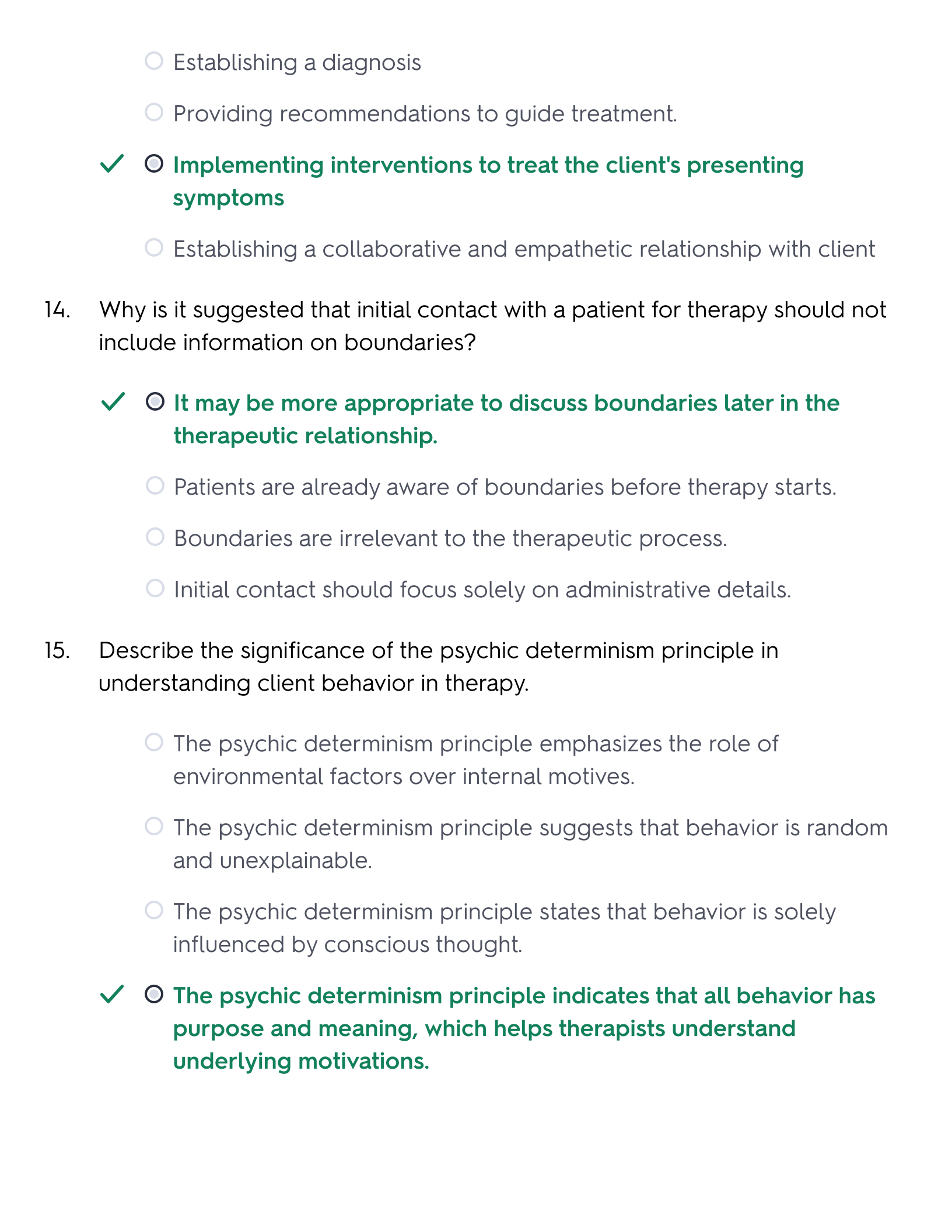
14. Why is it suggested that initial contact with a patient for therapy should not
include information on boundaries?
15. Describe the significance of the psychic determinism principle in
understanding client behavior in therapy.
Establishing a diagnosis
Providing recommendations to guide treatment.
Implementing interventions to treat the client's presenting
symptoms
Establishing a collaborative and empathetic relationship with client
It may be more appropriate to discuss boundaries later in the
therapeutic relationship.
Patients are already aware of boundaries before therapy starts.
Boundaries are irrelevant to the therapeutic process.
Initial contact should focus solely on administrative details.
The psychic determinism principle emphasizes the role of
environmental factors over internal motives.
The psychic determinism principle suggests that behavior is random
and unexplainable.
The psychic determinism principle states that behavior is solely
influenced by conscious thought.
The psychic determinism principle indicates that all behavior has
purpose and meaning, which helps therapists understand
underlying motivations.

16. Describe how approaching termination in therapy can lead to regressive
defense mechanisms in clients.
17. Describe the significance of the therapist's attitudes in person-centered
therapy.
18. If a PMHNP fails to provide a Notice of Privacy Practice to a client before
therapy begins, what potential legal issue could arise?
Clients feel empowered and confident, thus they do not display
regressive behaviors.
Approaching termination can create anxiety and fear of loss,
leading clients to revert to earlier coping strategies, such as
regressive defense mechanisms.
Clients typically become more independent and self-sufficient.
Termination is a positive experience that enhances coping
mechanisms.
The therapist's attitudes focus solely on diagnosing the client.
The therapist's attitudes are irrelevant to the therapeutic outcome.
The therapist's attitudes are secondary to the techniques used in
therapy.
The therapist's attitudes create a supportive environment that
fosters client growth and self-discovery.
Inability to collect payment for services.
Failure to document therapy sessions.
Violation of client confidentiality rights.
Lack of informed consent for treatment.
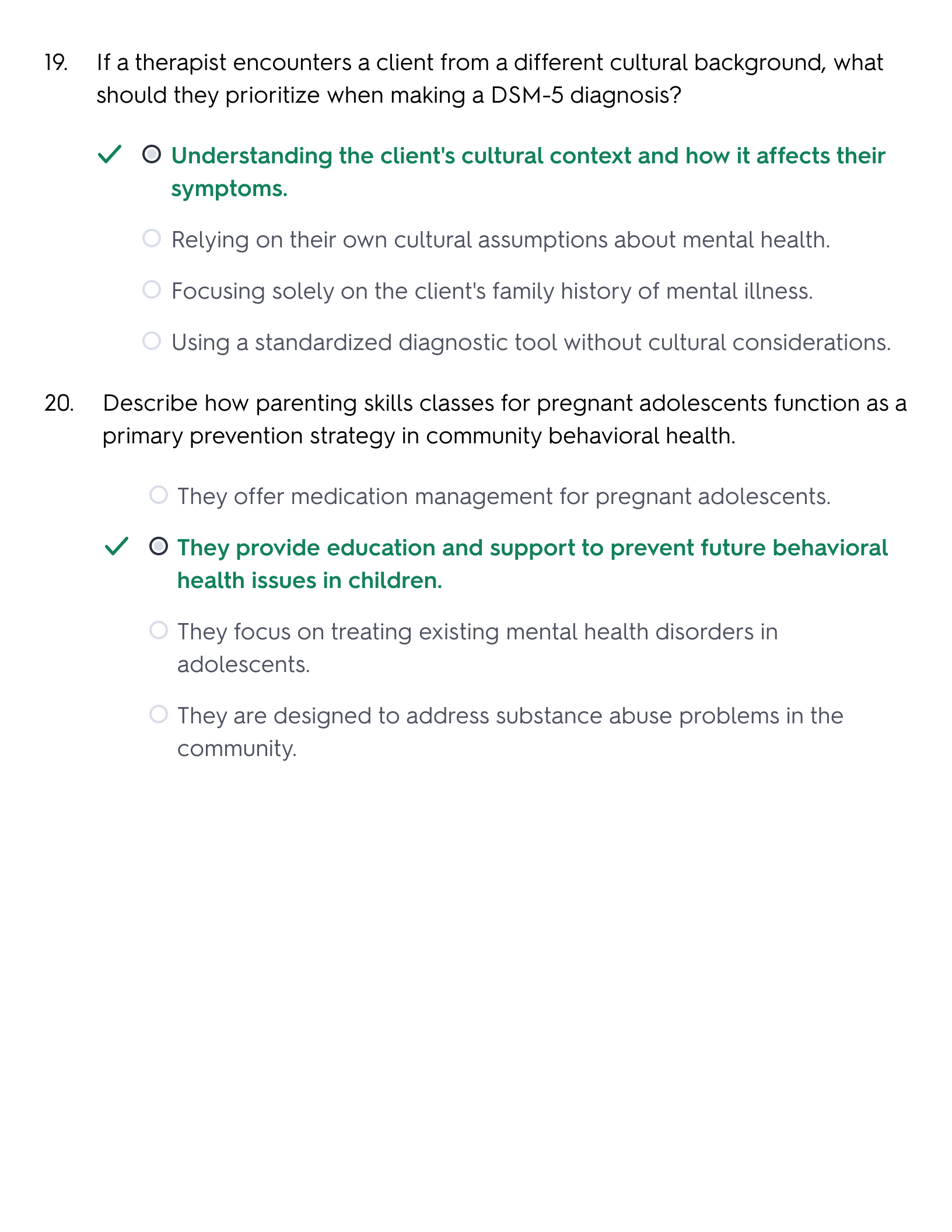
19. If a therapist encounters a client from a different cultural background, what
should they prioritize when making a DSM-5 diagnosis?
20. Describe how parenting skills classes for pregnant adolescents function as a
primary prevention strategy in community behavioral health.
Understanding the client's cultural context and how it affects their
symptoms.
Relying on their own cultural assumptions about mental health.
Focusing solely on the client's family history of mental illness.
Using a standardized diagnostic tool without cultural considerations.
They offer medication management for pregnant adolescents.
They provide education and support to prevent future behavioral
health issues in children.
They focus on treating existing mental health disorders in
adolescents.
They are designed to address substance abuse problems in the
community.

