


NURS 115 TEST ONE STUDY GUIDE
Stress and Adaptation (Chapter 7)
Stress response – what does it look like and how does it work? How does adaptation function?
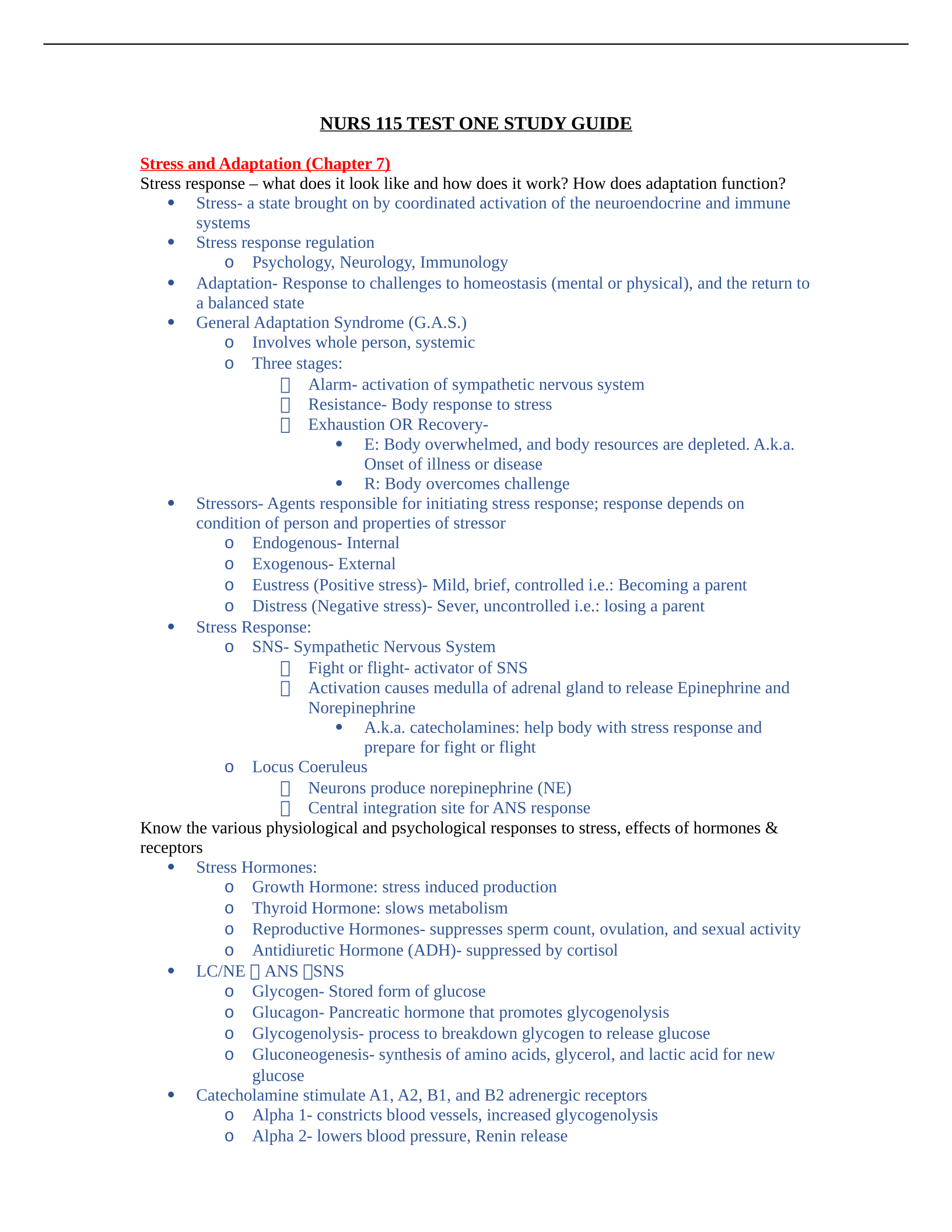
Stress- a state brought on by coordinated activation of the neuroendocrine and immune
systems
Stress response regulation
oPsychology, Neurology, Immunology
Adaptation- Response to challenges to homeostasis (mental or physical), and the return to
a balanced state
General Adaptation Syndrome (G.A.S.)
oInvolves whole person, systemic
oThree stages:
Alarm- activation of sympathetic nervous system
Resistance- Body response to stress
Exhaustion OR Recovery-
E: Body overwhelmed, and body resources are depleted. A.k.a.
Onset of illness or disease
R: Body overcomes challenge
Stressors- Agents responsible for initiating stress response; response depends on
condition of person and properties of stressor
oEndogenous- Internal
oExogenous- External
oEustress (Positive stress)- Mild, brief, controlled i.e.: Becoming a parent
oDistress (Negative stress)- Sever, uncontrolled i.e.: losing a parent
Stress Response:
oSNS- Sympathetic Nervous System
Fight or flight- activator of SNS
Activation causes medulla of adrenal gland to release Epinephrine and
Norepinephrine
A.k.a. catecholamines: help body with stress response and
prepare for fight or flight
oLocus Coeruleus
Neurons produce norepinephrine (NE)
Central integration site for ANS response
Know the various physiological and psychological responses to stress, effects of hormones &
receptors
Stress Hormones:
oGrowth Hormone: stress induced production
oThyroid Hormone: slows metabolism
oReproductive Hormones- suppresses sperm count, ovulation, and sexual activity
oAntidiuretic Hormone (ADH)- suppressed by cortisol
LC/NE ANS SNS
oGlycogen- Stored form of glucose
oGlucagon- Pancreatic hormone that promotes glycogenolysis
oGlycogenolysis- process to breakdown glycogen to release glucose
oGluconeogenesis- synthesis of amino acids, glycerol, and lactic acid for new
glucose
Catecholamine stimulate A1, A2, B1, and B2 adrenergic receptors
oAlpha 1- constricts blood vessels, increased glycogenolysis
oAlpha 2- lowers blood pressure, Renin release
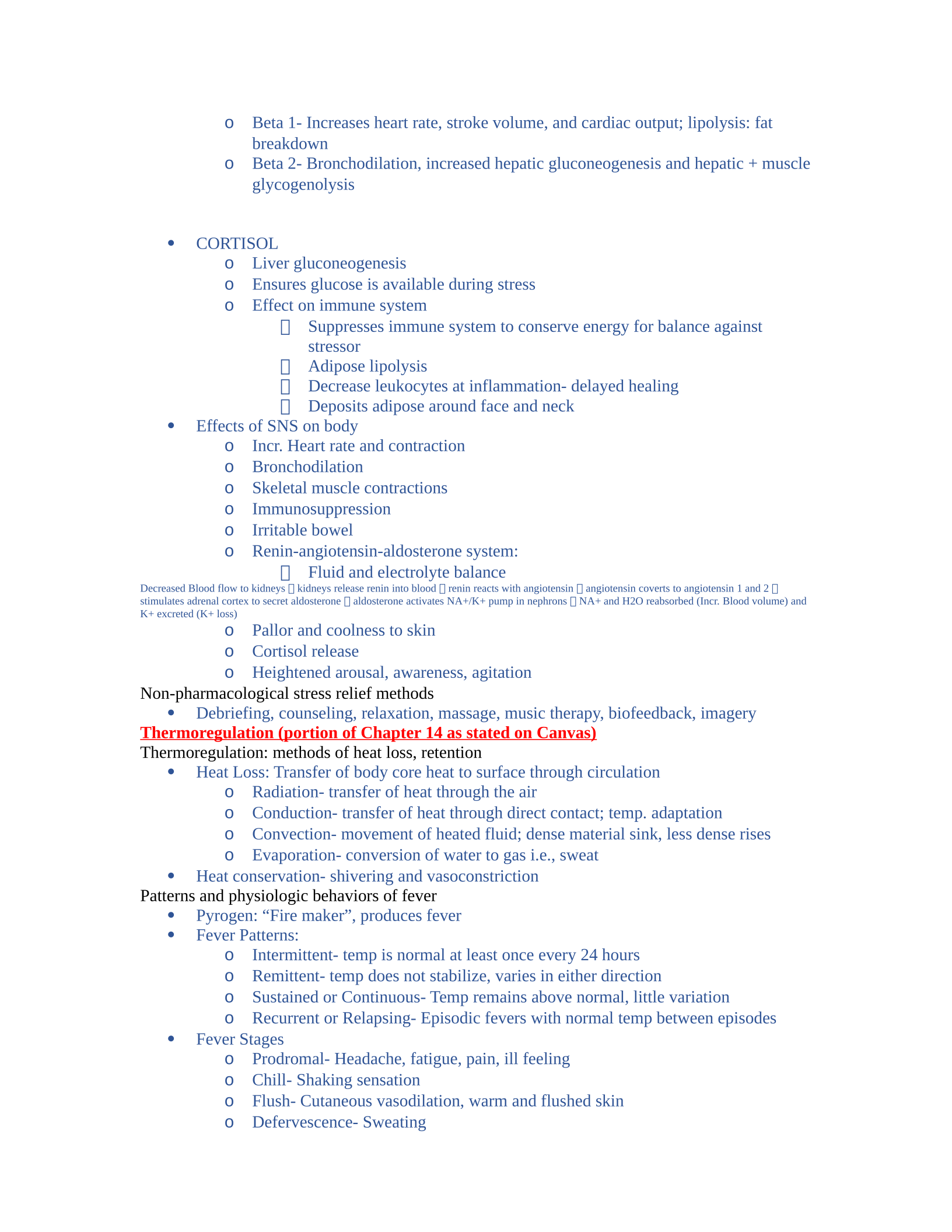
oBeta 1- Increases heart rate, stroke volume, and cardiac output; lipolysis: fat
breakdown
oBeta 2- Bronchodilation, increased hepatic gluconeogenesis and hepatic + muscle
glycogenolysis
CORTISOL
oLiver gluconeogenesis
oEnsures glucose is available during stress
oEffect on immune system
Suppresses immune system to conserve energy for balance against
stressor
Adipose lipolysis
Decrease leukocytes at inflammation- delayed healing
Deposits adipose around face and neck
Effects of SNS on body
oIncr. Heart rate and contraction
oBronchodilation
oSkeletal muscle contractions
oImmunosuppression
oIrritable bowel
oRenin-angiotensin-aldosterone system:
Fluid and electrolyte balance
Decreased Blood flow to kidneys kidneys release renin into blood renin reacts with angiotensin angiotensin coverts to angiotensin 1 and 2
stimulates adrenal cortex to secret aldosterone aldosterone activates NA+/K+ pump in nephrons NA+ and H2O reabsorbed (Incr. Blood volume) and
K+ excreted (K+ loss)
oPallor and coolness to skin
oCortisol release
oHeightened arousal, awareness, agitation
Non-pharmacological stress relief methods
Debriefing, counseling, relaxation, massage, music therapy, biofeedback, imagery
Thermoregulation (portion of Chapter 14 as stated on Canvas)
Thermoregulation: methods of heat loss, retention
Heat Loss: Transfer of body core heat to surface through circulation
oRadiation- transfer of heat through the air
oConduction- transfer of heat through direct contact; temp. adaptation
oConvection- movement of heated fluid; dense material sink, less dense rises
oEvaporation- conversion of water to gas i.e., sweat
Heat conservation- shivering and vasoconstriction
Patterns and physiologic behaviors of fever
Pyrogen: “Fire maker”, produces fever
Fever Patterns:
oIntermittent- temp is normal at least once every 24 hours
oRemittent- temp does not stabilize, varies in either direction
oSustained or Continuous- Temp remains above normal, little variation
oRecurrent or Relapsing- Episodic fevers with normal temp between episodes
Fever Stages
oProdromal- Headache, fatigue, pain, ill feeling
oChill- Shaking sensation
oFlush- Cutaneous vasodilation, warm and flushed skin
oDefervescence- Sweating
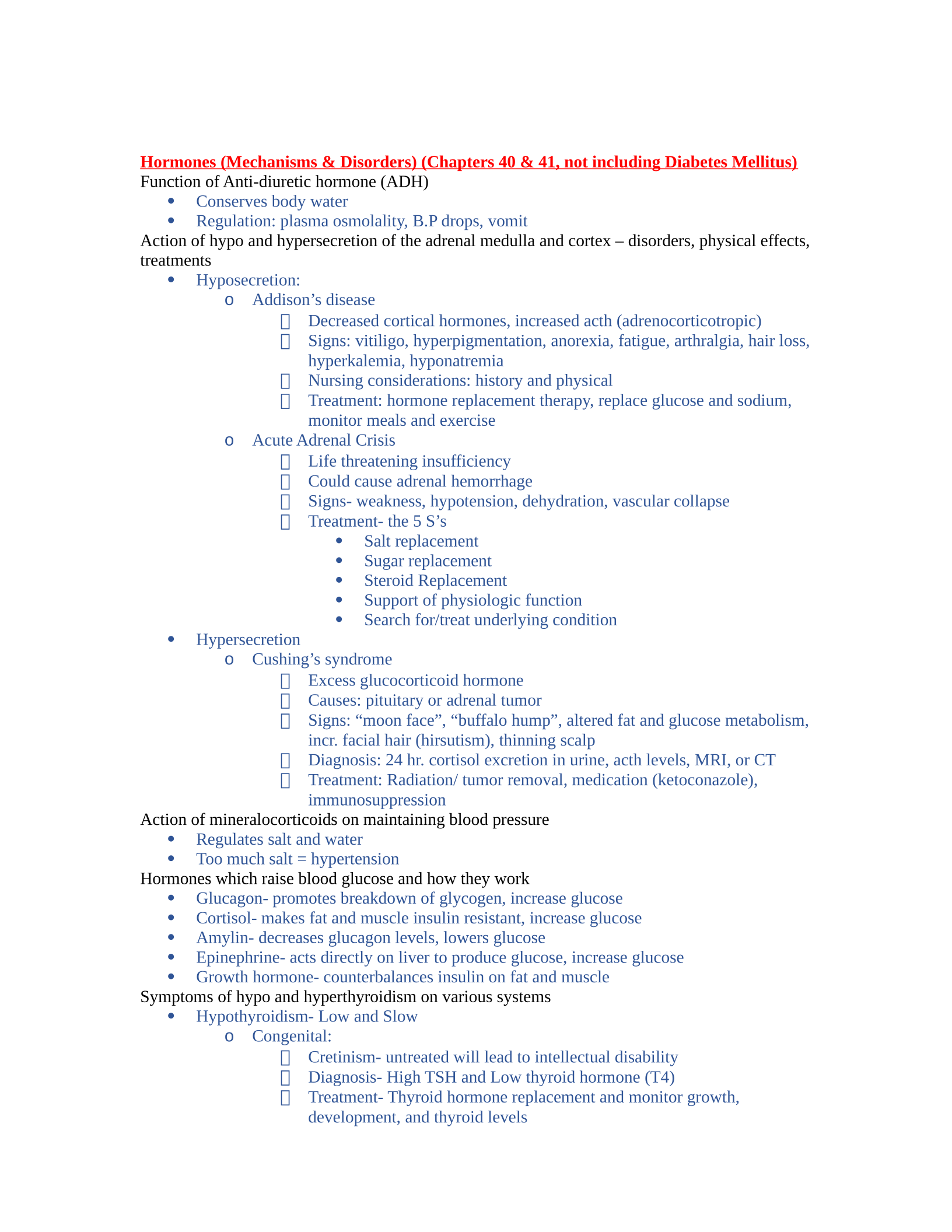
Hormones (Mechanisms & Disorders) (Chapters 40 & 41, not including Diabetes Mellitus)
Function of Anti-diuretic hormone (ADH)
Conserves body water
Regulation: plasma osmolality, B.P drops, vomit
Action of hypo and hypersecretion of the adrenal medulla and cortex – disorders, physical effects,
treatments
Hyposecretion:
oAddison’s disease
Decreased cortical hormones, increased acth (adrenocorticotropic)
Signs: vitiligo, hyperpigmentation, anorexia, fatigue, arthralgia, hair loss,
hyperkalemia, hyponatremia
Nursing considerations: history and physical
Treatment: hormone replacement therapy, replace glucose and sodium,
monitor meals and exercise
oAcute Adrenal Crisis
Life threatening insufficiency
Could cause adrenal hemorrhage
Signs- weakness, hypotension, dehydration, vascular collapse
Treatment- the 5 S’s
Salt replacement
Sugar replacement
Steroid Replacement
Support of physiologic function
Search for/treat underlying condition
Hypersecretion
oCushing’s syndrome
Excess glucocorticoid hormone
Causes: pituitary or adrenal tumor
Signs: “moon face”, “buffalo hump”, altered fat and glucose metabolism,
incr. facial hair (hirsutism), thinning scalp
Diagnosis: 24 hr. cortisol excretion in urine, acth levels, MRI, or CT
Treatment: Radiation/ tumor removal, medication (ketoconazole),
immunosuppression
Action of mineralocorticoids on maintaining blood pressure
Regulates salt and water
Too much salt = hypertension
Hormones which raise blood glucose and how they work
Glucagon- promotes breakdown of glycogen, increase glucose
Cortisol- makes fat and muscle insulin resistant, increase glucose
Amylin- decreases glucagon levels, lowers glucose
Epinephrine- acts directly on liver to produce glucose, increase glucose
Growth hormone- counterbalances insulin on fat and muscle
Symptoms of hypo and hyperthyroidism on various systems
Hypothyroidism- Low and Slow
oCongenital:
Cretinism- untreated will lead to intellectual disability
Diagnosis- High TSH and Low thyroid hormone (T4)
Treatment- Thyroid hormone replacement and monitor growth,
development, and thyroid levels
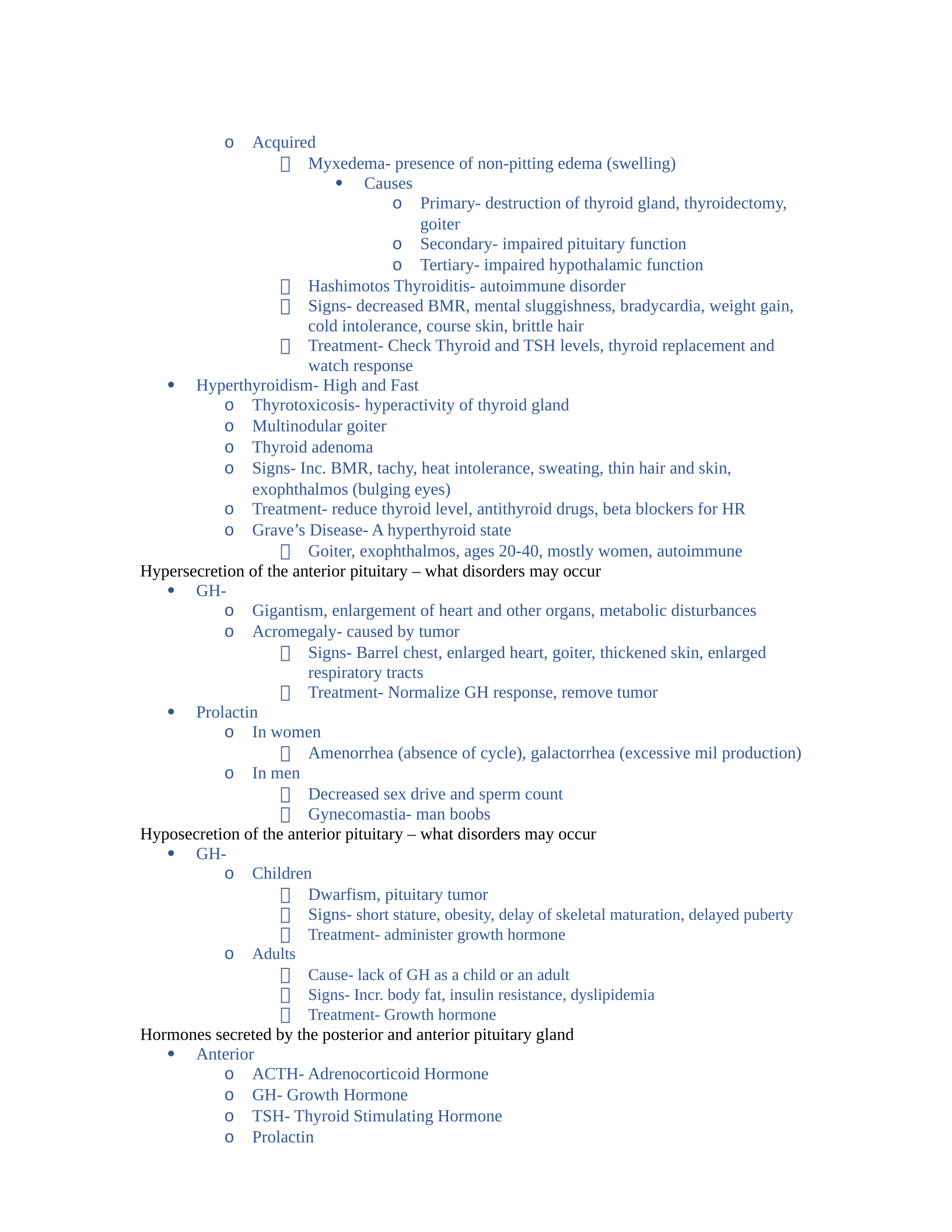
oAcquired
Myxedema- presence of non-pitting edema (swelling)
Causes
oPrimary- destruction of thyroid gland, thyroidectomy,
goiter
oSecondary- impaired pituitary function
oTertiary- impaired hypothalamic function
Hashimotos Thyroiditis- autoimmune disorder
Signs- decreased BMR, mental sluggishness, bradycardia, weight gain,
cold intolerance, course skin, brittle hair
Treatment- Check Thyroid and TSH levels, thyroid replacement and
watch response
Hyperthyroidism- High and Fast
oThyrotoxicosis- hyperactivity of thyroid gland
oMultinodular goiter
oThyroid adenoma
oSigns- Inc. BMR, tachy, heat intolerance, sweating, thin hair and skin,
exophthalmos (bulging eyes)
oTreatment- reduce thyroid level, antithyroid drugs, beta blockers for HR
oGrave’s Disease- A hyperthyroid state
Goiter, exophthalmos, ages 20-40, mostly women, autoimmune
Hypersecretion of the anterior pituitary – what disorders may occur
GH-
oGigantism, enlargement of heart and other organs, metabolic disturbances
oAcromegaly- caused by tumor
Signs- Barrel chest, enlarged heart, goiter, thickened skin, enlarged
respiratory tracts
Treatment- Normalize GH response, remove tumor
Prolactin
oIn women
Amenorrhea (absence of cycle), galactorrhea (excessive mil production)
oIn men
Decreased sex drive and sperm count
Gynecomastia- man boobs
Hyposecretion of the anterior pituitary – what disorders may occur
GH-
oChildren
Dwarfism, pituitary tumor
Signs- short stature, obesity, delay of skeletal maturation, delayed puberty
Treatment- administer growth hormone
oAdults
Cause- lack of GH as a child or an adult
Signs- Incr. body fat, insulin resistance, dyslipidemia
Treatment- Growth hormone
Hormones secreted by the posterior and anterior pituitary gland
Anterior
oACTH- Adrenocorticoid Hormone
oGH- Growth Hormone
oTSH- Thyroid Stimulating Hormone
oProlactin
oLH- Luteinizing Hormone
oFSH- Follicle Stimulating Hormone
Posterior
oOxytocin
oADH- Anti Diuretic hormone
Difference between Primary, secondary, tertiary disorders
Primary- Originates from gland that produces the hormone
Secondary- Target gland is normal, defective levels of stim. Hormone or releasing factors
Tertiary- Hypothalamic dysfunction, pituitary, and target organ under stimulated
Myxedema coma, signs and symptoms, treatment
Extreme hypothyroidism
Life threatening
Cardiovascular collapse
Hypoventilation and hypothermia
Three factors
oHypoxia, fluid and electrolyte imbalances, hypothermia
Treatment- Cardiovascular and ventilation support, correct hypothermia + hyponatremia
+ hypoglycemia, correct thyroid imbalance
Thyroid storm
Hyperthyroid crisis
Life threatening
Signs- high fever, tachy, heart failure, restless, delirious
HIGH MORTALITY RATE
Treatment- cooling blanket, reduce fluids, glucose, and electrolytes, Beta blockers,
glucocorticoids
NO ASPIRIN
Diagnostic tests and treatments for endocrine disorders
Tests
oFine Needle Aspiration, MRI, Ultrasound
Treatment
oSynthetic hormones or radiation/chemo for tumors
Concerns with a patient post-operative- thyroidectomy
Thyroid Storm- high mortality rate
Injury to laryngeal nerves
Airway obstruction
Parathyroid hormone, Signs and symptoms of hypo and hyper states
Hypo-
oLow Serum calcium
oTetany (muscles spasms) and seizures
Hyper-
oHigh Serum Calcium
oArrythmia
oMuscle-bone weakness
SIADH and DI and effects on serum and urine osmolality, signs and symptoms, priority nursing
diagnoses/interventions
SIADH
oHypersecretion of ADH
oCauses- Pancreatic cancers, disease or injury to CNS, meningitis, stress, surgery
oCan be Chronic or transient
oSigns: Hypotonic hyponatremia, natriuresis, high urine osmolality, low plasma
osmolality, confusion, coma, seizures
oTreatment: fluid restriction, mannitol (swelling reduction), 3% Sodium Chloride
oWET inside. Serum> Urine
Diabetes Insipidus
oD.I.= DRY INSIDE
oLabs= HIGH and DRY
oSerum<Urine
oDeficient ADH
oKidneys don’t respond
oSigns- sever dehydration, polydipsia, Excessive Urination (2L-20L vs .8L-2L),
fever
oDiagnostics- 24hr urine output, measure ADH, Urine and serum osmolality
oTreatment: Hormones, salt reduction, excess water
Stimulation for release of ADH
Increase in blood osmolality or decrease in blood volume
Normal blood glucose range
140 mg/dL and below
Test blueprint:
Stress & Adaptation 28%
Thermoregulation 12%
Hormones (Mechanisms & Disorders) 60%
Powered by TCPDF (www.tcpdf.org)

