


NURS 115
HORMONES
Overview of Endocrinology
Hormones exert their effect
by altering the rate of a
body reaction

Endocrine System Functions
•Growth and development
•Sex differentiation
•Metabolism
•Adaptation to an ever-changing
environment
–Regulation of digestion
–Use and storage of nutrients
–Electrolyte and water metabolism
–Reproductive functions

Hormones
•Function as ___________________
–Move through the blood to distant
target sites of action
–Or, act more locally as paracrine or
autocrine messengers that incite more
local effects
–Most are present in body fluids at all
times in greater or lesser amounts as
needed

Mechanisms of Hormones
•Hormones interact with high-affinity receptors
–These are linked to one or more effector system in
the cell
•Some receptors are located on the surface of
the cell
–These act through second messenger mechanisms
•Others are located in the cell
–They modulate the synthesis of enzymes, transport
proteins, or structural proteins
Hormones Characteristics
Keep in Mind
•A __________________ can exert various
effects in different tissues
•A ___________________ can be regulated by
several hormones

Control of Endocrine Activity
•Rate of production
•Rate of delivery
•Rate of degradation and elimination
•Feedback control of hormone production

Hormone Chemistry four
main categories
•A___________& A____________
•P____________& P___________
•S______________
•F_________ A________

Amines and Amino acids
•Amino acid Derivative
–Thyroid hormones – double tyrosine with the
incorporation of 3-4 iodine atoms.
–Catecholamines – epinephrine and norepinephrine,
used both as a hormone and neurotransmitter
•Pathway for synthesis – thyroid and adrenal
medulla
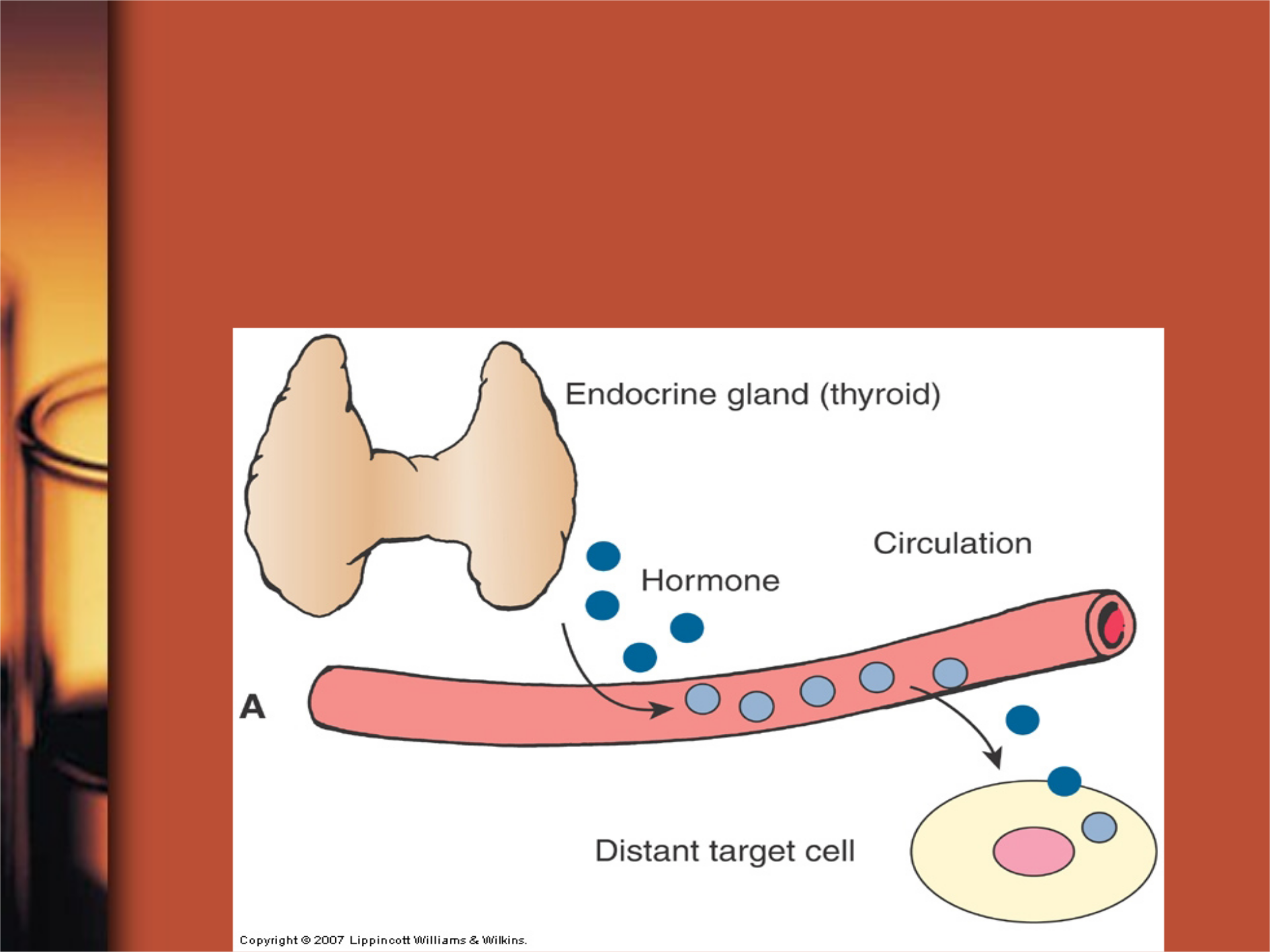
Hormones, Receptors and
Target Cells
E_______________ Action
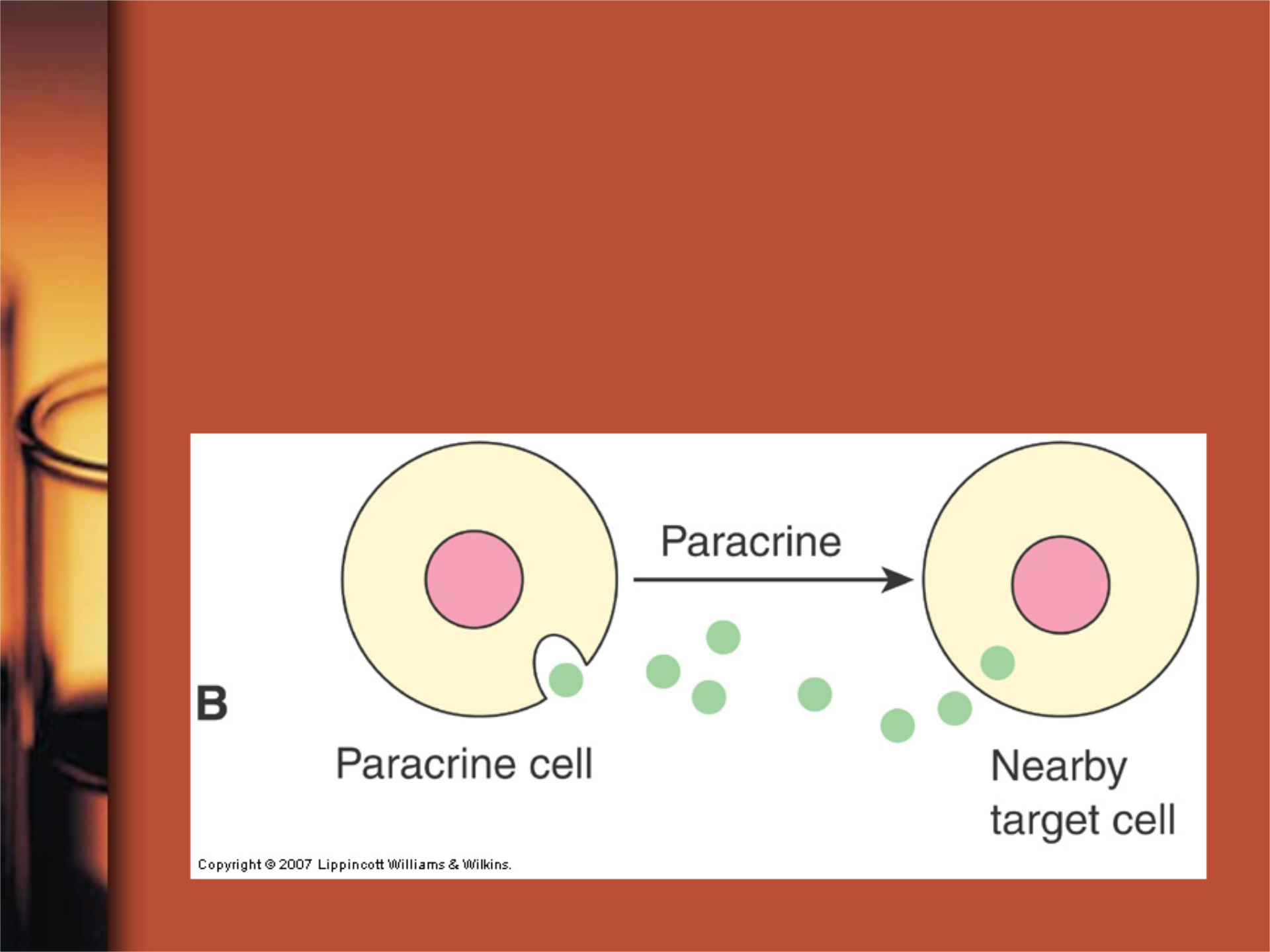
Hormones, Receptors and
Target Cells
P_____________ Action
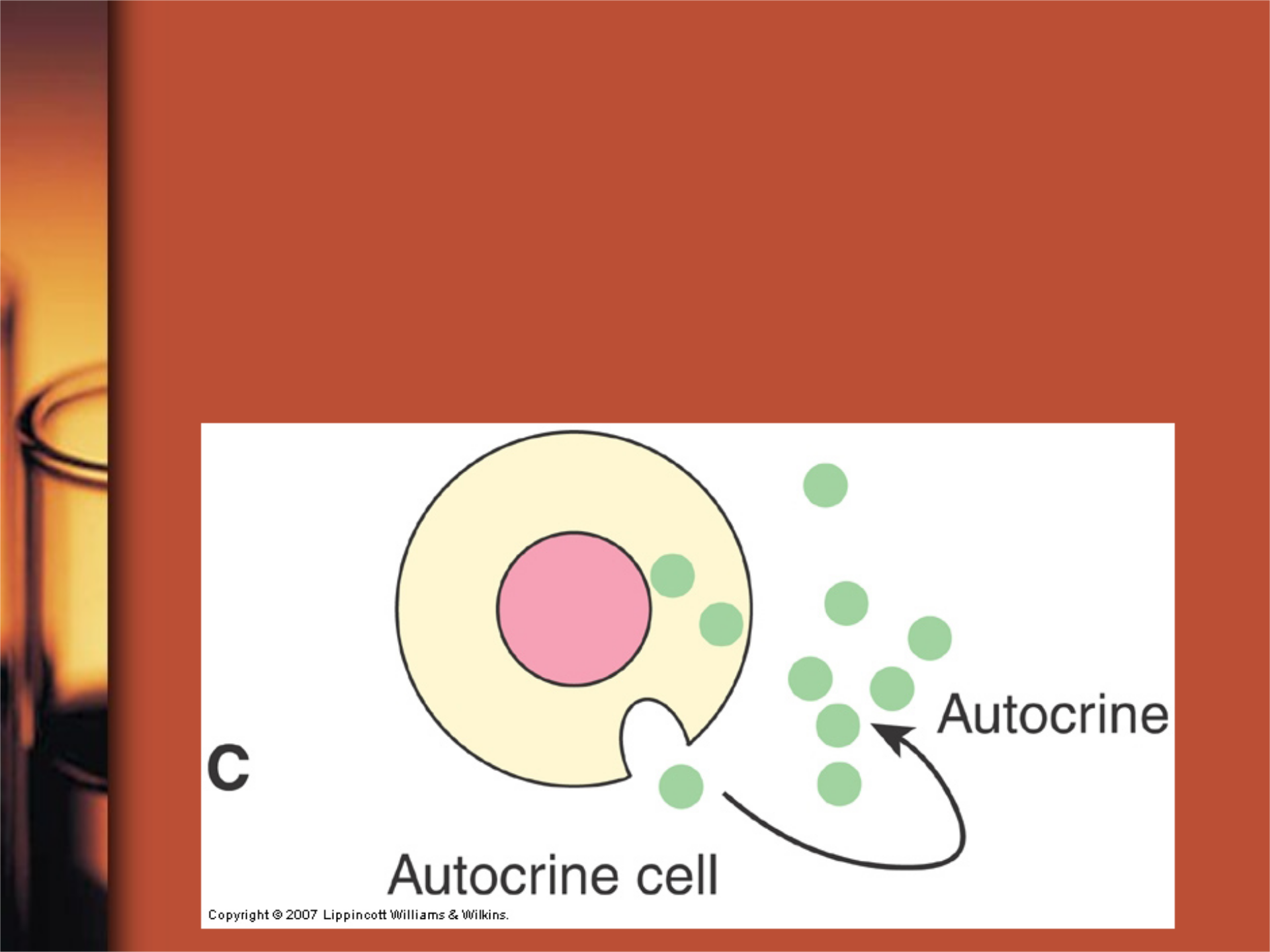
Hormones, Receptors and
Target Cells
A______________ action

Agonist vs Antagonist
•A______________
–Binds with receptor sites
–Induces some biological event
•A______________
–Binds with receptor sites
–BLOCKS the activity of the Agonist
Two systems control all
physiologic processes
•Nervous System
•Endocrine System
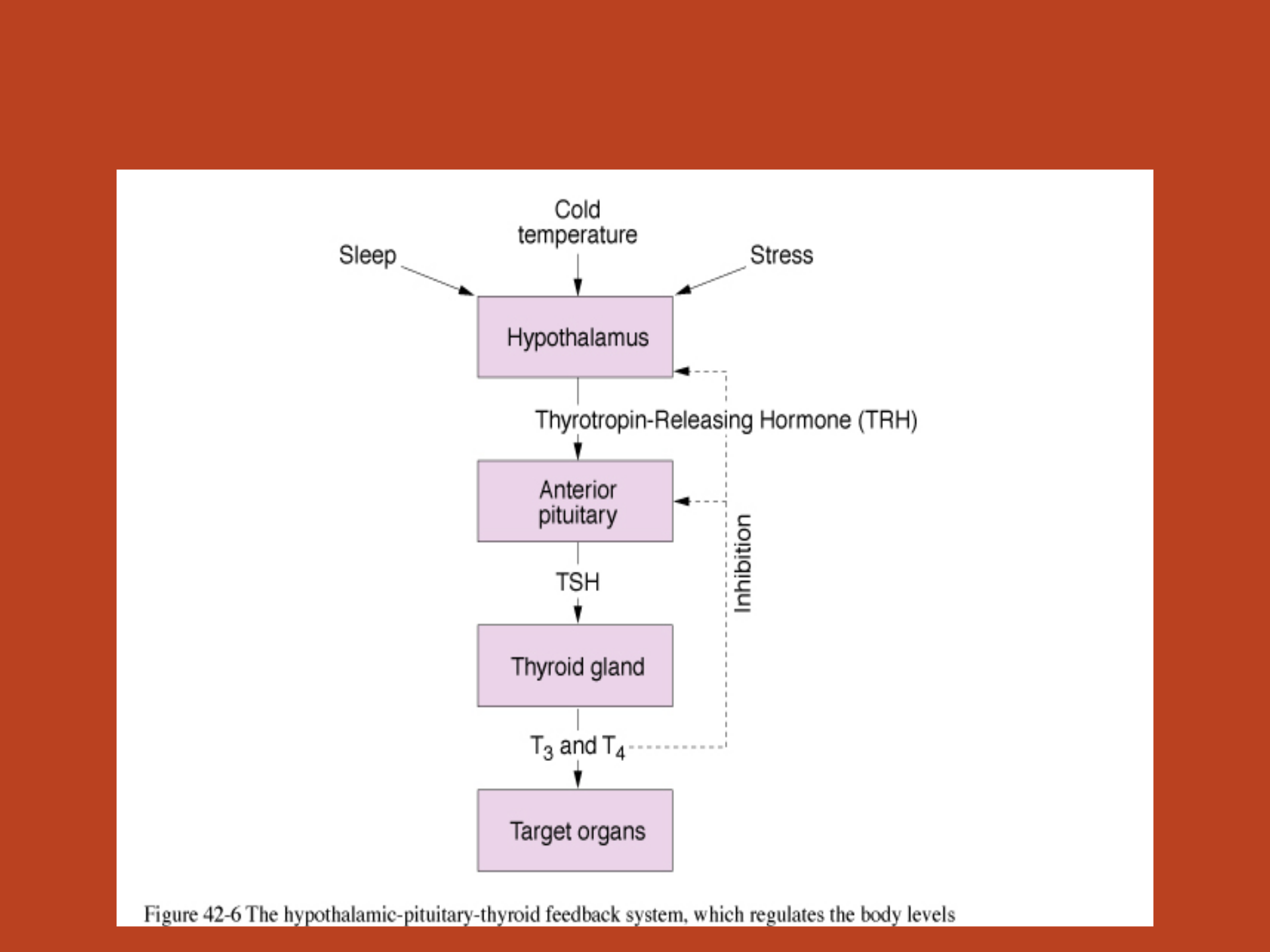
Cold
temperature
Sleep
_
P
|
re
Hypothalamus
<==
Thyrotropin-Releasing
Hormone
(TRA)
Anterior
7
pituitary
|
TSH
Y
“Inhibition
Thyroid
gland
|
Ts
and
T4
'
Target
organs
Fieure
47-6
The
hypothalamic-pituitary-thyroid
feedback
system,
which
reeulates
the
body
levels
Negative Feedback System
Hypothalamus Links the nervous
system to the endocrine system
CRH – Corticotropin releasing hormone
TRH – Thyrotropin releasing hormone
GHRH – Growth hormone releasing hormone
Somatostatin – Inhibits growth hormone
GnRH – Gonadotropin releasing hormone
Hypothalamus links the Nervous system to
the Endocrine system
The Hypothalamus also
Produces __________ and
_____, which are transported
Through the _____________ to
_________________ pituitary
The hypothalamus controls
temperature, hunger & thirst as well!

Overview of _____________ Pituitary
Hormone released Target Organ Physiologic effect
Adrenocoticotropic
Hormone (ACTH)
Adrenal Cortex 1) Glucocorticoid- cortisol
2) Mineralcorticoid- aldosterone
3) Adrenal sex hormones
-androgens
Growth Hormone (GH) Liver, Adipose
tissue
1) Promotes growth (indirectly)
2) Control of Protein, Lipid, and
Carbohydrate Metabolism
Thyroid-stimulating
hormone (TSH)
Thyroid Gland Stimulates secretion of the thyroid
hormones
Prolactin Mammary Gland Milk Production
Luteinizing Hormone
(LH)
Ovary and testis Control of reproductive function
Follicle stimulating
Hormone (FSH)
Ovary and Testis Control of reproductive function

Overview of ___________ Pituitary
Hormone Target Organ Physiologic effect
Antidiuretic hormone Kidney Conservation of Body water
Oxytocin Ovary and testis Stimulates milk ejection and
uterine contractions

Endocrine Disorder Categories
•P_______________ disorders
–Originate in the target gland responsible
for producing the hormone
•S_______________ disorders
–The target gland is essentially normal
–Its function is altered by defective levels
of stimulating hormones from the pituitary
system

Endocrine Disorders Categories
(cont.)
•T_______________ disorders
–Result from hypothalamic dysfunction
–Both the pituitary and target organ are
understimulated
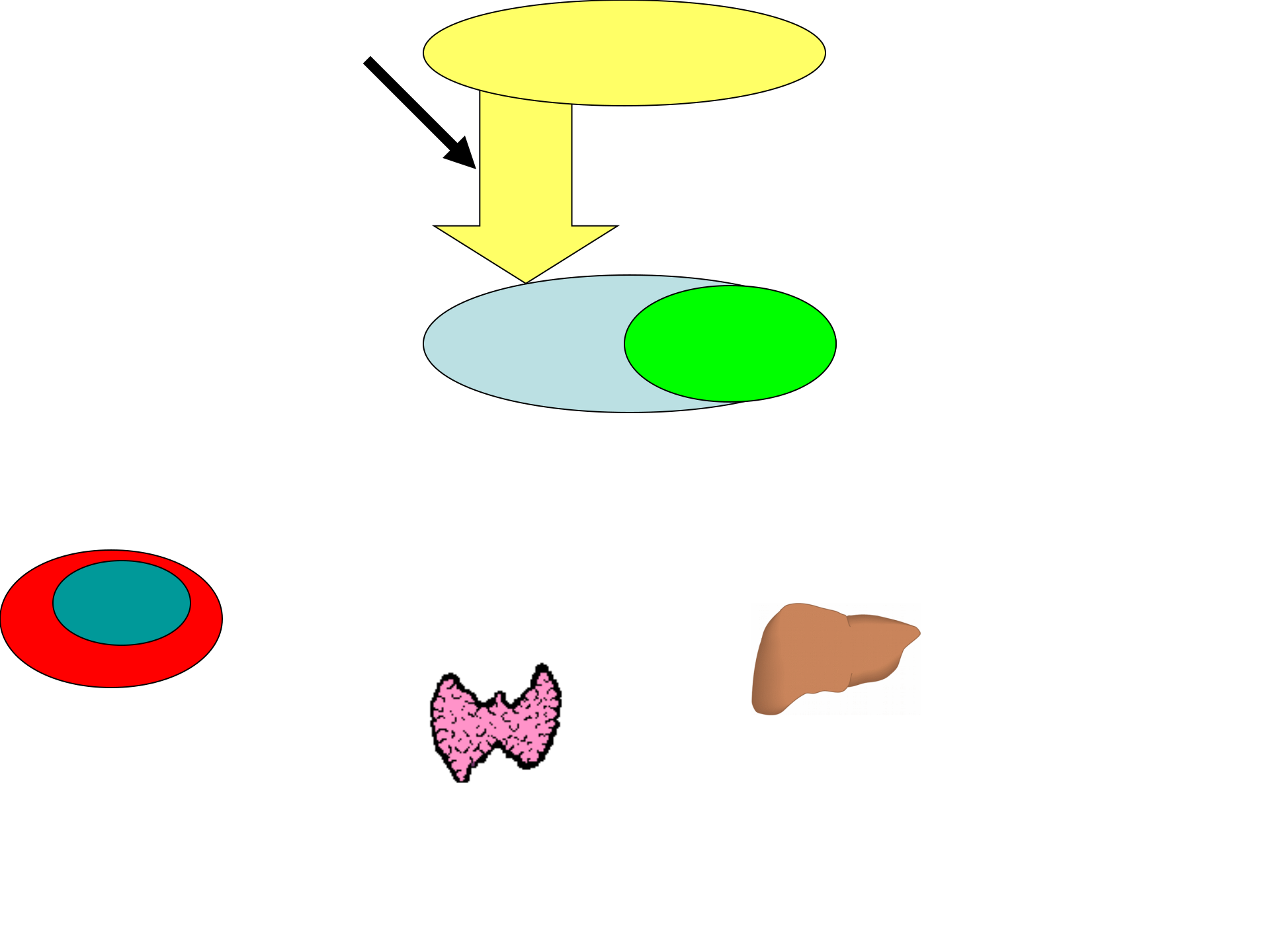
Ant.
Pituitary
Hypothalamus
Portal
vessels
Cortex
Post. Pituitary
Thyroid
Liver
Adrenals
Medulla
END ORGANS
Adrenal Glands
Cortisol,
Aldosterone,
Epinephrine,
Norepinephrine
•Catecholamines
–Norepinephrine and
epinephrine
•Glucocorticoids
–Cortisol
•Mineralocorticoid
–Aldosterone:
–Regulation of concentrations of
K+ ion in ECF
Angiotensin II stimulates its
release

Adrenal C____________
•Mineralocorticoid – Aldosterone
–regulates salt and water
–Increases secretion of K+ in urine
•Glucocorticoids – Cortisol
–regulates metabolism
•Adrenal sex hormones—androsterone &
testosterone

Adrenal M____________
•Secretes Epinephrine (adrenaline) and
Norepinephrine (NE)
•Responds to sympathetic nervous system
(SNS) stimulation
•Autoimmune destruction common
•Decreased cortical hormones
Increased ACTH (no feedback)
•Signs and Symptoms
–Anorexia, weight loss, fatique, Nausea,
diarrhea, arthralgia, abd. Pain, hyperkalemia,
hyponatremia
–Mineralocorticoid- increased urinary loss of
sodium, chloride and water- Appetite for
______, hypoglycemia
P_________ Adrenal Insufficiency
____________ Disease

Primary Adrenal Insufficiency
•Treatment / Nursing Consideration
–History and physical
–Administer hormone replacement therapy
–Replace glucose and sodium, monitor
electrolytes
•Monitor meals and exercise, stressors,
and infection
•Medic alert bracelet
S__________ Adrenal Insufficiency
•CAUSES
–Hypopituitarism
–rapid withdrawal from glucocorticoids that
were prescribed for other conditions (more
common). Drugs may cause suppression of
adrenal function

Secondary Adrenal Insufficiency
•Treatment / Nursing considerations
–Monitor patient
–replace glucocorticoids

Acute Adrenal Crisis
•Life threatening- insufficiency
•If Addison’s – illness or stress may
precipitate
•Or adrenal hemorrhage from infection
•Signs and Symptoms:
–Weakness, ______________, dehydration
–Vascular collapse

Acute Adrenal Crisis
•S________ replacement
•S________ replacement
•S________ replacement
•S___________ of physiologic function
•S________ for/treat underlying condition
•Monitor VS, Electrolyte values, physical
condition
Treatment: 5 S’s
•Excess Glucocorticoid hormone
–H________________
•Causes:
–Pitutiary – Tumor production of ACTH
–Adrenal tumor
________________Syndrome
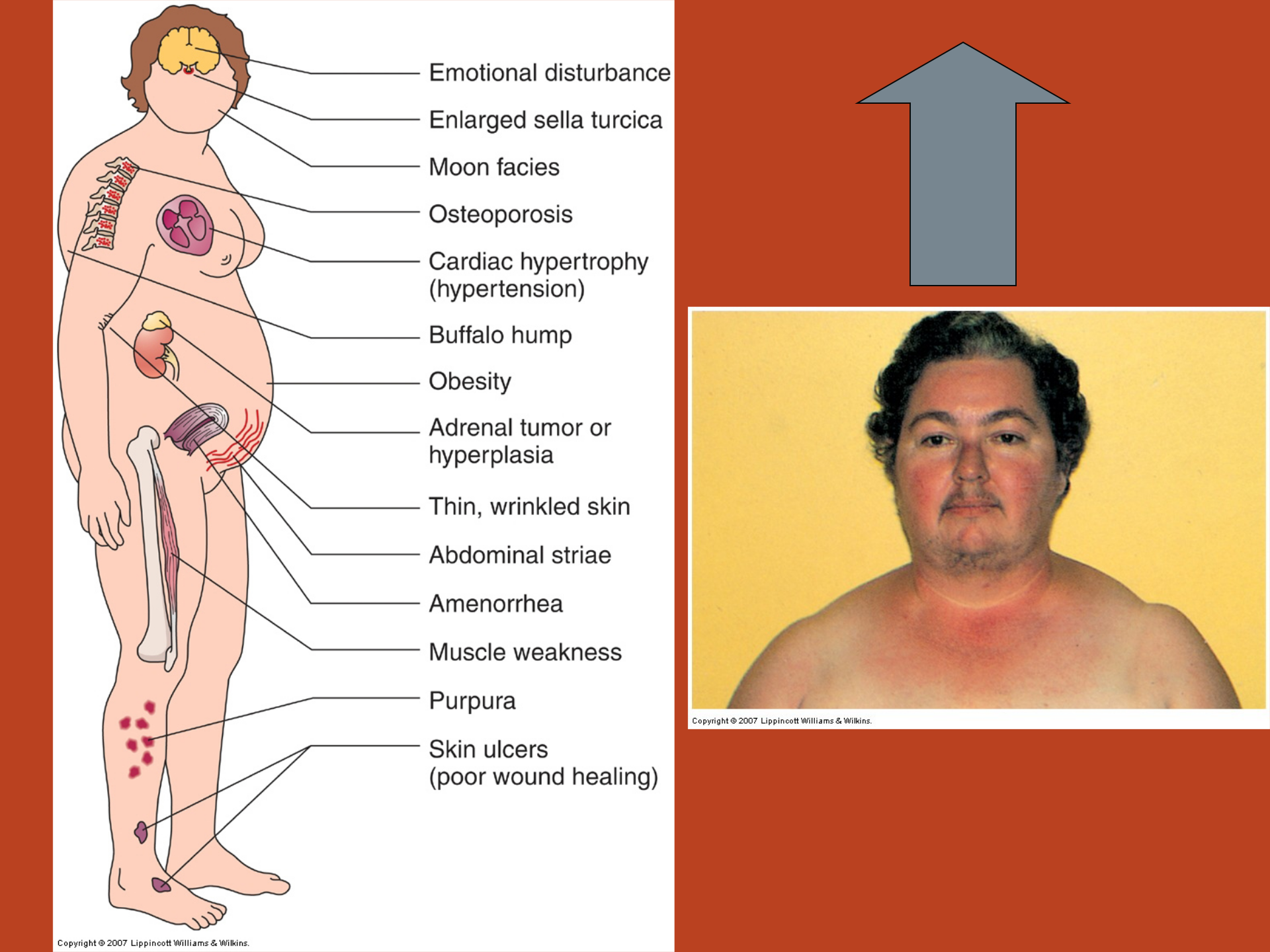
Cushing’s Syndrome
•Signs and symptoms
–moon face, buffalo hump
•D/T exaggerated effects of cortisol
–altered fat metabolism
–altered glucose metabolism
–increased facial hair
–thinning scalp hair
Cushing’s Syndrome
•Diagnosis
–24 hour excretion of cortisol in urine
– Level of ACTH
–MRI /CT of head
Cushing’s Syndrome
•Treatment / Nursing management
–Radiation/Removal of tumor
–Medications to block steroid synthesis,
–For immune suppression, give
pneumocystis prophylaxis
–Monitor patient VS, Fluid & electrolyte
values, physical finding
Cushing’s
Syndrome

G_________ H__________ (GH)
•Produced by somatotropes in the anterior
pituitary
•Necessary for linear bone growth in children
•Stimulates cells to increase in size and divide
more rapidly
•Enhances amino acid transport across cell
membranes
•Increases the rate at which cells use fatty
acids
•Decreases the rate at which cells use
carbohydrates

Growth Hormone in Children (Before
fusion of epiphyses)
•GH deficiency
–Interferes with linear bone growth
–Results in short stature or
_____________
–Causes: Lack of GHRH, pituitary
tumor, or lack of IGF production or
abnormal GH receptor (Laron-type)
Growth Hormone in
Children (Before fusion of
epiphyses)
•GH excess
–Results in increased linear
bone growth/Gigantism
–Common cause: Excessive
GH secretion from
somatotrope adenoma
Growth Hormone in Adults
•GH deficiency
•Lack of GH as child that carries
over into adulthood
•Hypopituitarism
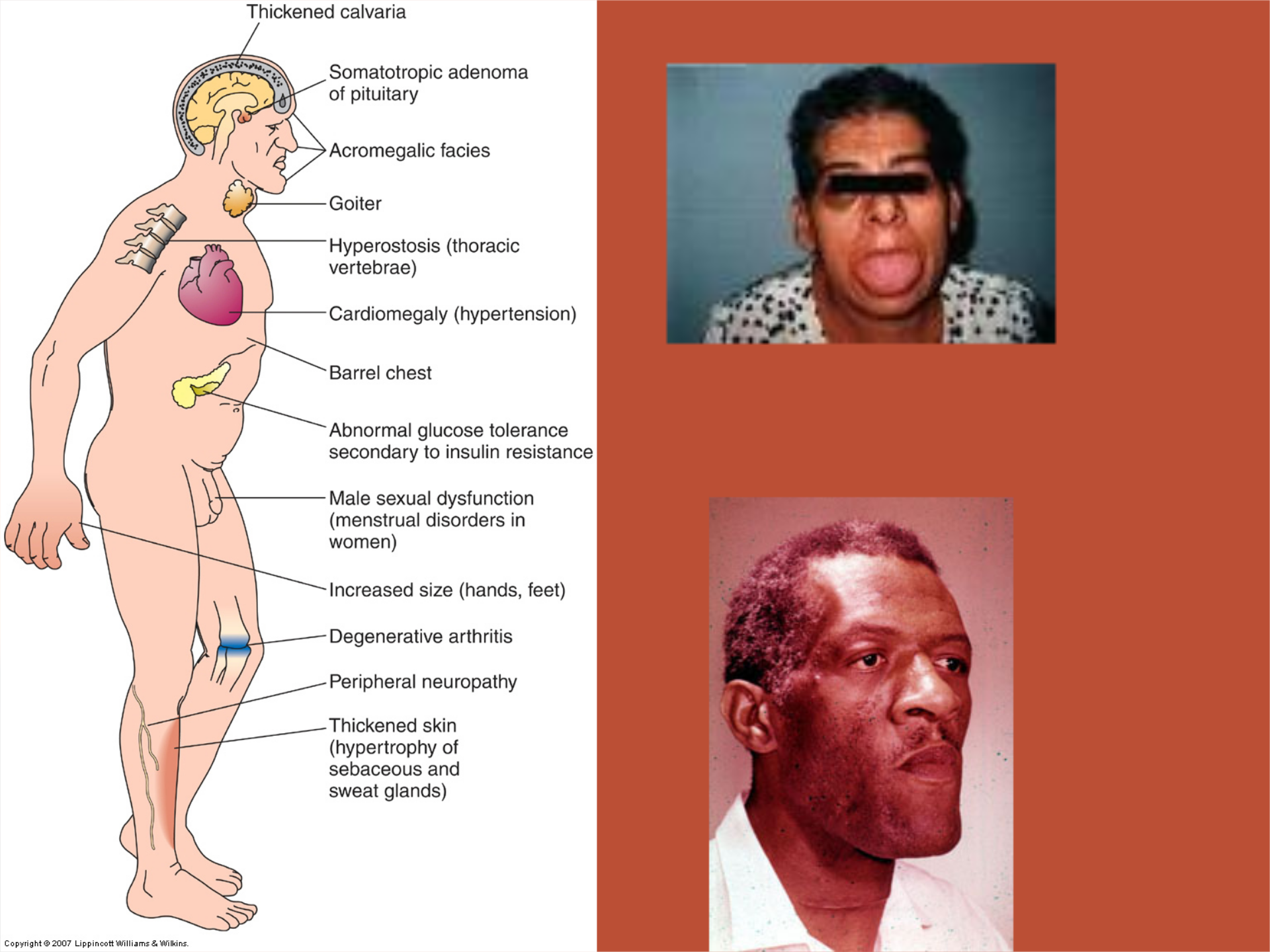
•GH excess (Acromegaly)
•Most common cause >95% is
Somatotrope adenoma in pituitary

Effects of Growth Hormone
Excess in Adults (Acromegaly)
•Growth occurs ________ fusion of epiphyses
–Overgrowth of the cartilaginous parts of the
skeleton
–Small bones of Hands and Feet enlarged
–Enlargement of the heart and other organs of the
body
•Metabolic disturbances resulting in altered fat
metabolism and impaired glucose tolerance

Treatment of Acromegaly
•Correct ____________ abnormalities
•Remove/reduce _______, if present
•Normalize IGF-1 levels
•Improve adverse clinical features
•Medication to block GH release or reduce
binding to receptor sites
Thyroid Gland
Thyroxine,
Triiothyronine
Calcitonin from c-cells
in Thyroid
•Utilizes iodine to make thyroid
hormones, T3 and T 4
–Action – increased metabolism and
protein synthesis in tissues
•Calcitonin
–inhibits tubular reabsorption of
phosphorus and calcium in kidneys
& suppress reabsorption of bone
Thyroid Stimulating
Hormone
•Physiologic effects
–Metabolic
–Cardiovascular
–Gastrointestinal
–Neuromuscular
–Infants- needed for
normal brain
development
Hypothalamus
TRH
A. Pituitary
TSH
+
Thyroid gland
+Thyroid hormones
-
-
H_______thyroidism
LOW
&
Congenital
Hypothyroidism
•At birth – C______________
–untreated will lead to intellectual disability
•Diagnosed ?
–Signs and Symptoms
–Blood screening for High TSH and Low thyroid
hormone T4
•Treatment / nursing considerations
–Thyroid hormone replacement
–Monitor growth and development
–Monitor thyroid levels
•Myxedema
–presence of non-pitting edema
•CAUSES:
–Primary
•destruction of thyroid gland
•Thyroidectomy
•Ingestion of some medications or iodine leads to goiter
–Secondary – impaired pituitary function
–Tertiary – impaired hypothalamic function
–H____________ T_________ - Autoimmune
disorder
Acquired Hypothyroidism
Hypothyroidism
•Signs and Symptoms
–Decreased
•BMR
•Mental sluggishness
•Bradycardia
•Weight gain
•cold intolerance
•Coarse dry skin and brittle hair

Hypothyroidism
•Treatment / nursing considerations
–History / physical exam
–Thyroid levels and TSH level, test for
antithyroid antibiodies
–TRH if considering pituitary or hypothalamus
–Thyroid replacement and monitor response
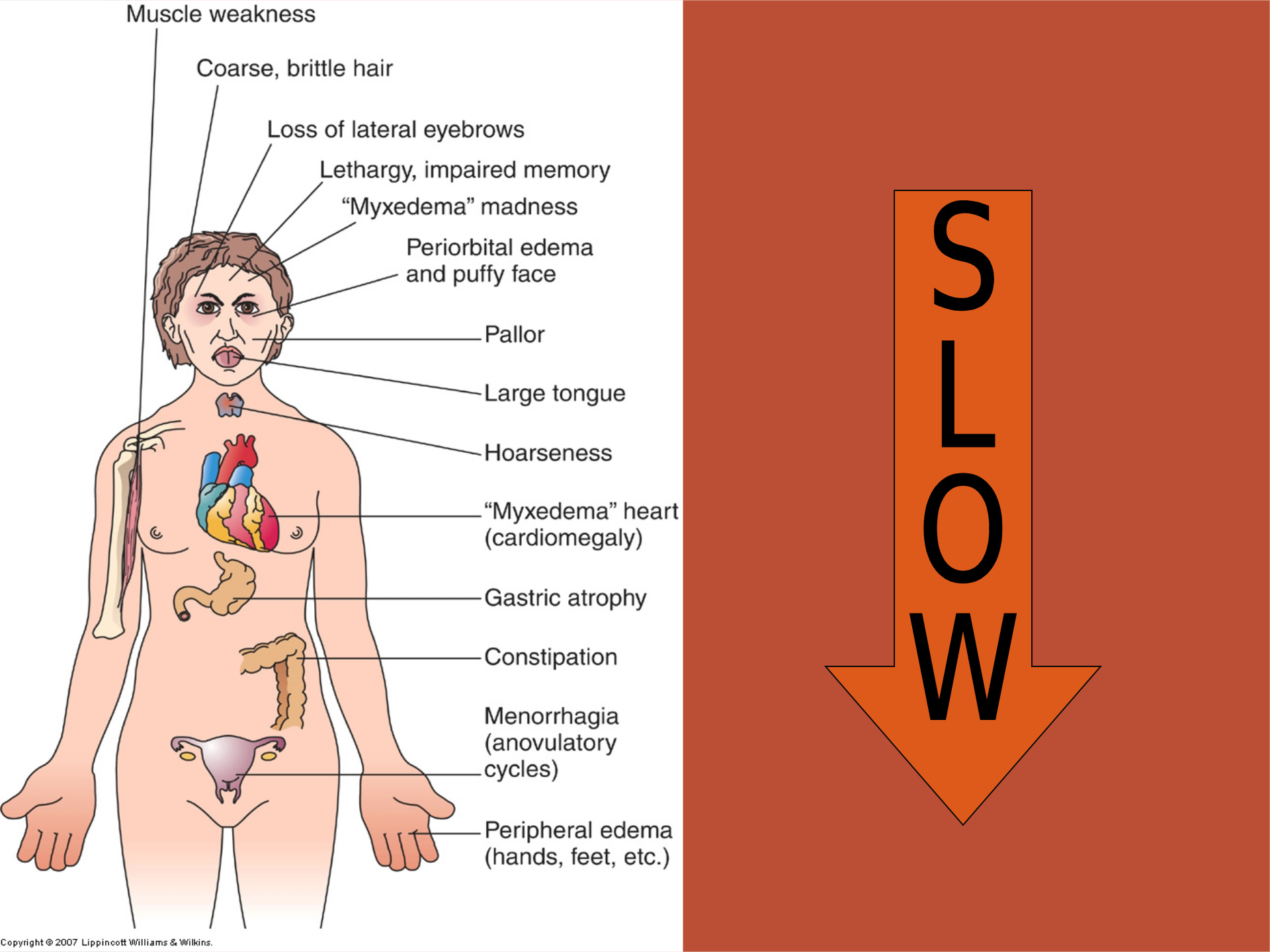
Muscle
weakness
Loss
of
lateral
eyebrows
Lethargy,
impaired
memory
“Myxedema’”
madness
Periorbital
edema
and
puffy
face
Pallor
Large
tongue
Hoarseness
“Myxedema”
heart
|
(cardiomegaly)
Gastric
atrophy
oN
\
Constipation
Menorrhagia
o
(anovulatory
=
\7
cycles)
Peripheral
edema
(hands,
feet,
etc.)
Copyright
&
2007
Lippincott
Williams
&
Wilkins.
Hypothyroidism

Review of Hypothyroidism
•Mental and Physical sluggishness
•Somnolence
•Decreased Cardiac Output, Bradycardia
•Constipation
•Hypoventilation
•Decreased appetite
•Coarse dry skin and hair
•Weight gain
Myxedematous Coma
•Progression of hypothyroidism
•Life threatening – end stage - ______!
•Cardiovascular collapse
•Hypoventilation & Hypothermia
•Three factors:
–carbon dioxide retention - hypoxia
–fluid & electrolyte imbalances
–hypothermia (common elderly women)

Myxedematous Coma
•Treatment / Nursing considerations
–Monitor high risk populations
•women with hx. Hashimoto’s thyroiditis
–Cardiovascular and ventilatory support
–Correct hypothermia
–Correct hyponatremia and hypoglycemia
–Monitor physical condition, Vital signs and
correct thyroid imbalance
H________thyroidism
HIGH
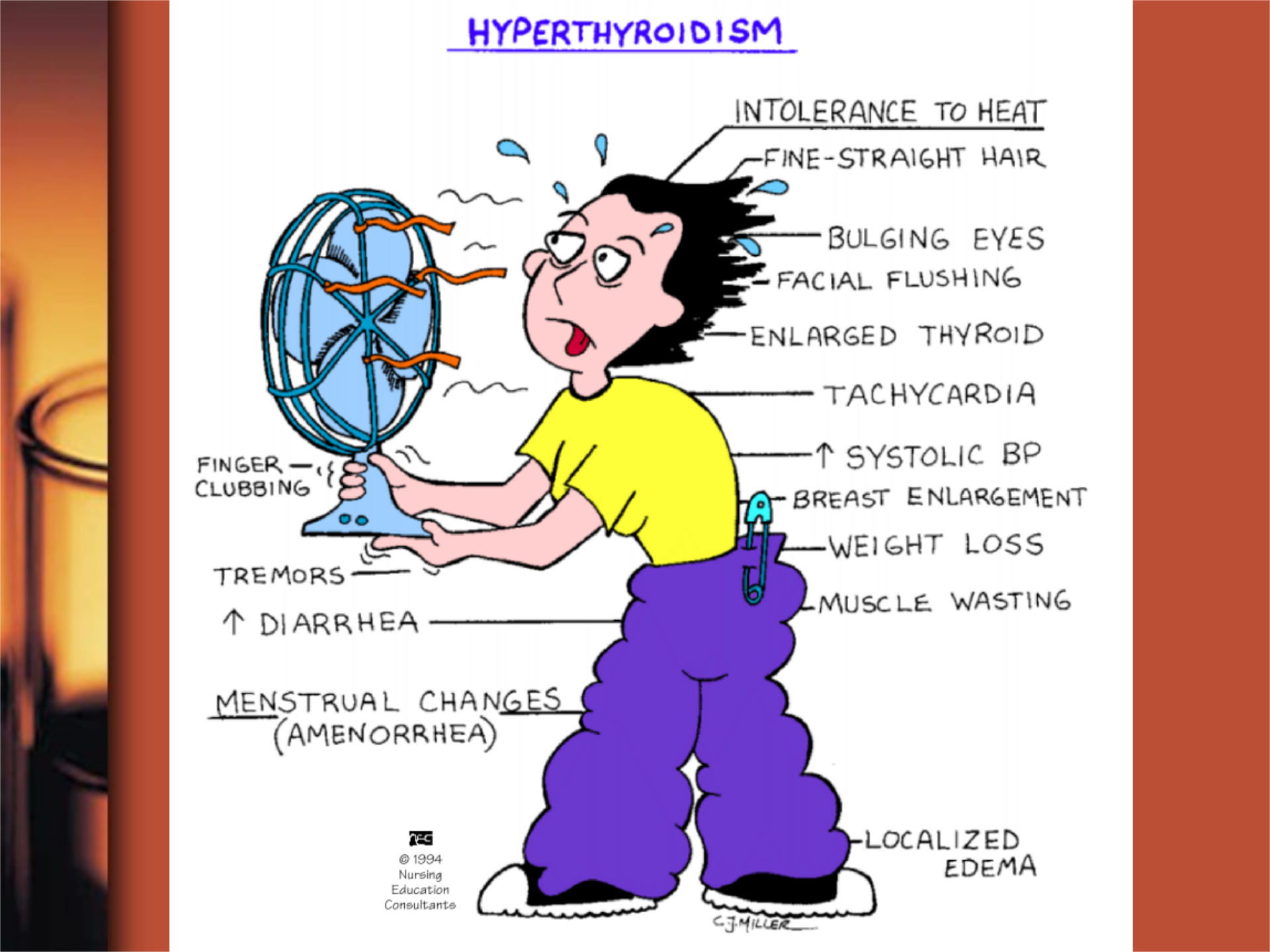
HYPERTHYROIDISM
INTOLERANCE
TO
HEAT
FINE-STRAIGHT
HAIR
—)
BULGING
EYES
FACIAL
FLUSHING
=——ENLARGED
THYROID
i
NS
FINGER,
—,
f
=
CLUBBING
'S3
TACHYCARDIA
T
SYSTOLIC
BP
BREAST
ENLARGEMENT
WEIGHT
LOSS
Ma
=
TREMORS
*
DIARRHEA
Musc
LE
WASTING
MENSTRUAL
CHANGE
(AMENORRHEA)
LOCALIZED
i
EDEMA
@
1994
Nursing
E
the
ducation
Consultants
Disease- Hyperthyroidism
•T________________
–often related to hyperactivity of thyroid
gland
•Multinodular Goiter
•Adenoma of the Thyroid
•Ingestion of excessive hormone
Disease- Hyperthyroidism
•Signs and symptoms
–Increased BMR
–Tachycardia
–Intolerance to heat
–Increased sweating
–Thin and silky hair and skin
–Restlessness, anxiety
–Exophthalmos
Disease- Hyperthyroidism
•Treatment
–Reduce thyroid level – eradication of thyroid
gland
–Antithyroid drugs
–Beta adrenergic blocking drugs to reduce the
effects of the SNS - tachycardia
•Nursing consideration
–Thyroid Storm
G_____________ Disease
A hyperthyroid state
•Goiter
•Exophthalmos
•Onset ages 20-40 – mostly women
•Autoimmune disease
–Thyroid stimulating antibodies
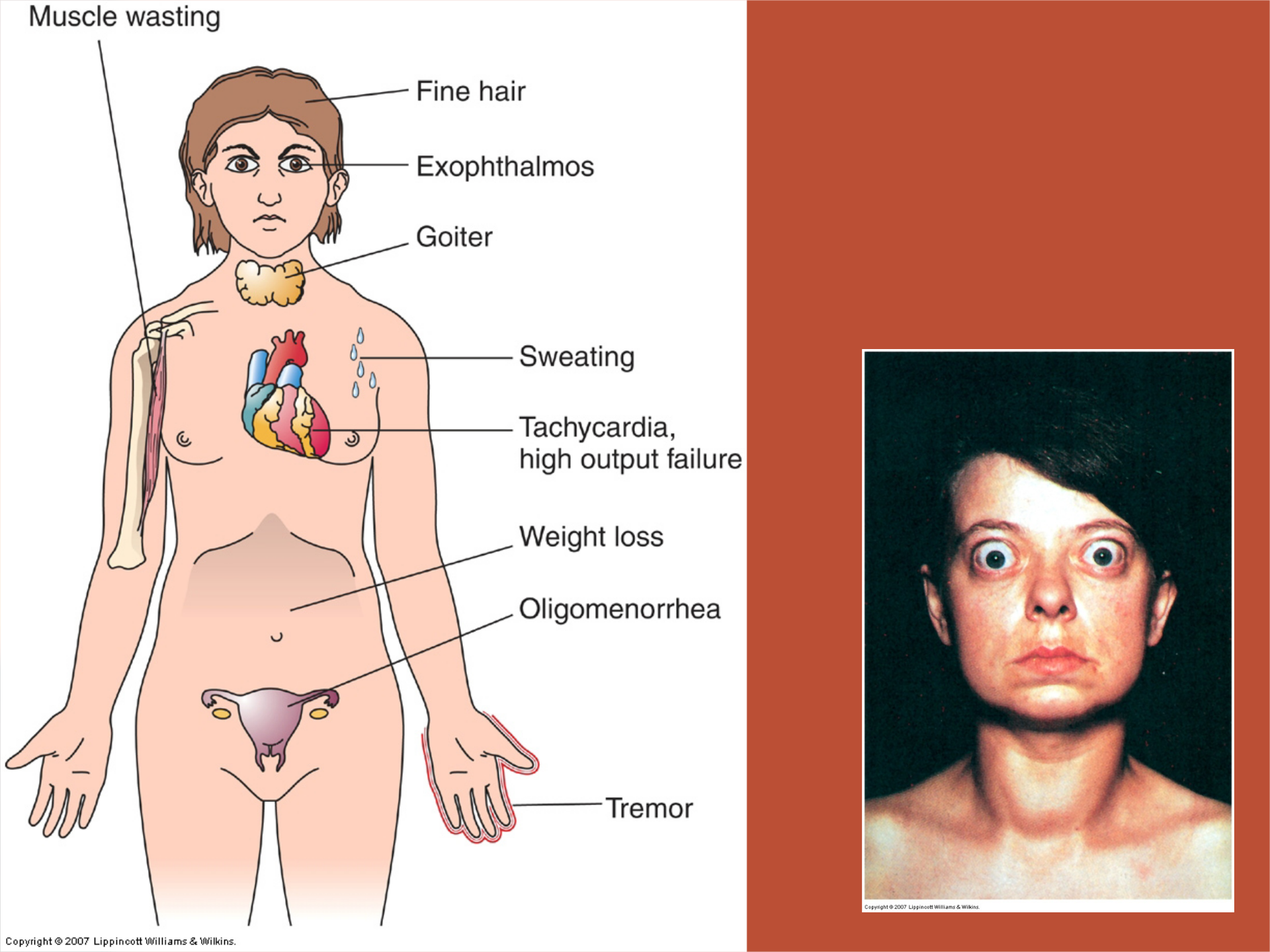
Graves
Disease
Thyroid Storm
Hyperthyroid CRISIS - Life threatening
Undiagnosed or untreated hyperthyroidism
Signs and Symptoms:
Very high fever
Tachycardia
Heart failure
Restlessness and delirium
HIGH MORTALITY RATE
Thyroid Storm
•Treatment / Nursing Consideration
–Cooling blanket- reduce fever, shivering
–Replace fluids, glucose, and electrolytes
d/t hyperactive state
–B-adrenergic blocking drugs
–Glucocorticoids to replace loss d/t
increase BMR
•NO Aspirin
Review of Hyperthyroidism
•Restlessness, Irritability, anxiety
•Wakefulness
•Increased Cardiac output
•Tachycardia & palpitations
•Diarrhea, Increased appetite
•Dsypnea
•Heat Intolerance, increased sweating
•Thin and silky skin and hair
•Weight loss
Parathyroid Gland –
Parathyroid Hormone (PTH)
Parathyroid hormone -
sooo easy…for a change! Regulates Calcium
control bone formation
Hyposecretions of PTH = Serum Calcium
tetany and seizures
Hypersecretion of PTH = Serum Calcium
cardiac arrhythmias
muscle - bone weakness
renal calculi

P__________ - Protein hormone
•Secreted by the ____________ pituitary
•Physiologic effects
–mammary gland development, milk
production, and reproduction
•Control of secretion
–stimulation of the nipples during nursing
–release of prolactin stimulating hormones from the
hypothalamus

Hyperprolactinemia
•In Women
–Amenorrhea
–Galactorrhea- excessive milk production
•In Men
–Decreased sex drive
–Decreased sperm count
–Often: breast enlargement – gynecomastia
•rarely produce milk

Gonadotropins
•Produced by the anterior Pituitary Gland
•Luteinizing and follicle stimulating
hormones- stimulate Ovaries in females
•Testes in males
•Essential for reproduction,
but_______________________

Posterior Pituitary
Antidiuretic Hormone
•ADH (_________________)
•Effects on the Kidney
–CONSERVE BODY WATER
•Regulation
–Plasma osmolality
–Drop in blood pressure
–Vomiting
Thank Goodness
We have ADH
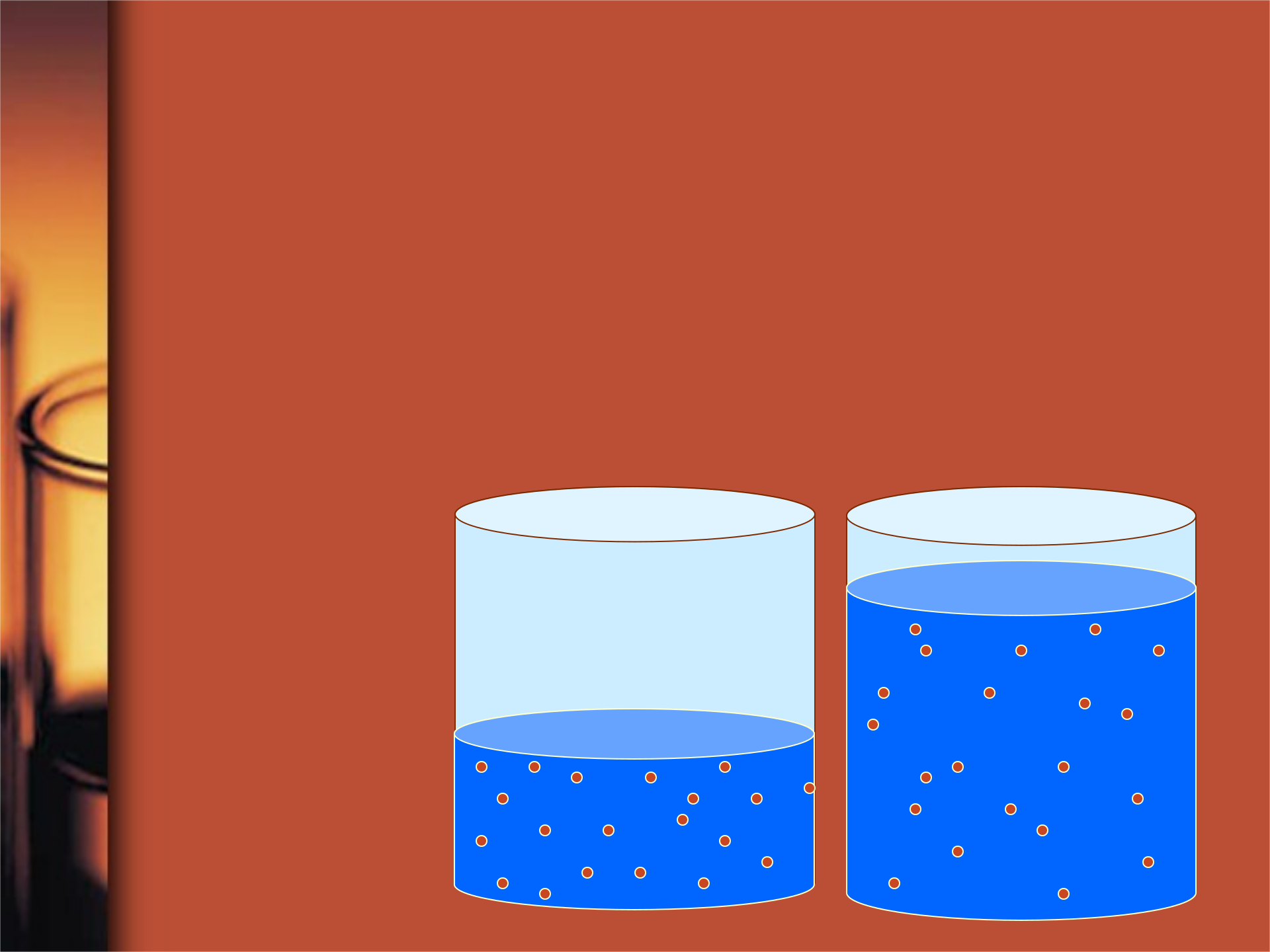
Osmolality
“Concentration of a solution in terms of
osmoles of solutes per Kg of
solvent”

Hyposecretion of ADH
Diabetes Insipidus
• Hypothalamus – (Central)
–Deficient secretion of ADH from Post. Pituitary
–head trauma, infections, tumor
•Kidneys – do not respond (Nephrogenic)
•Signs and Symptoms
–Excessive urination
•Nursing Considerations
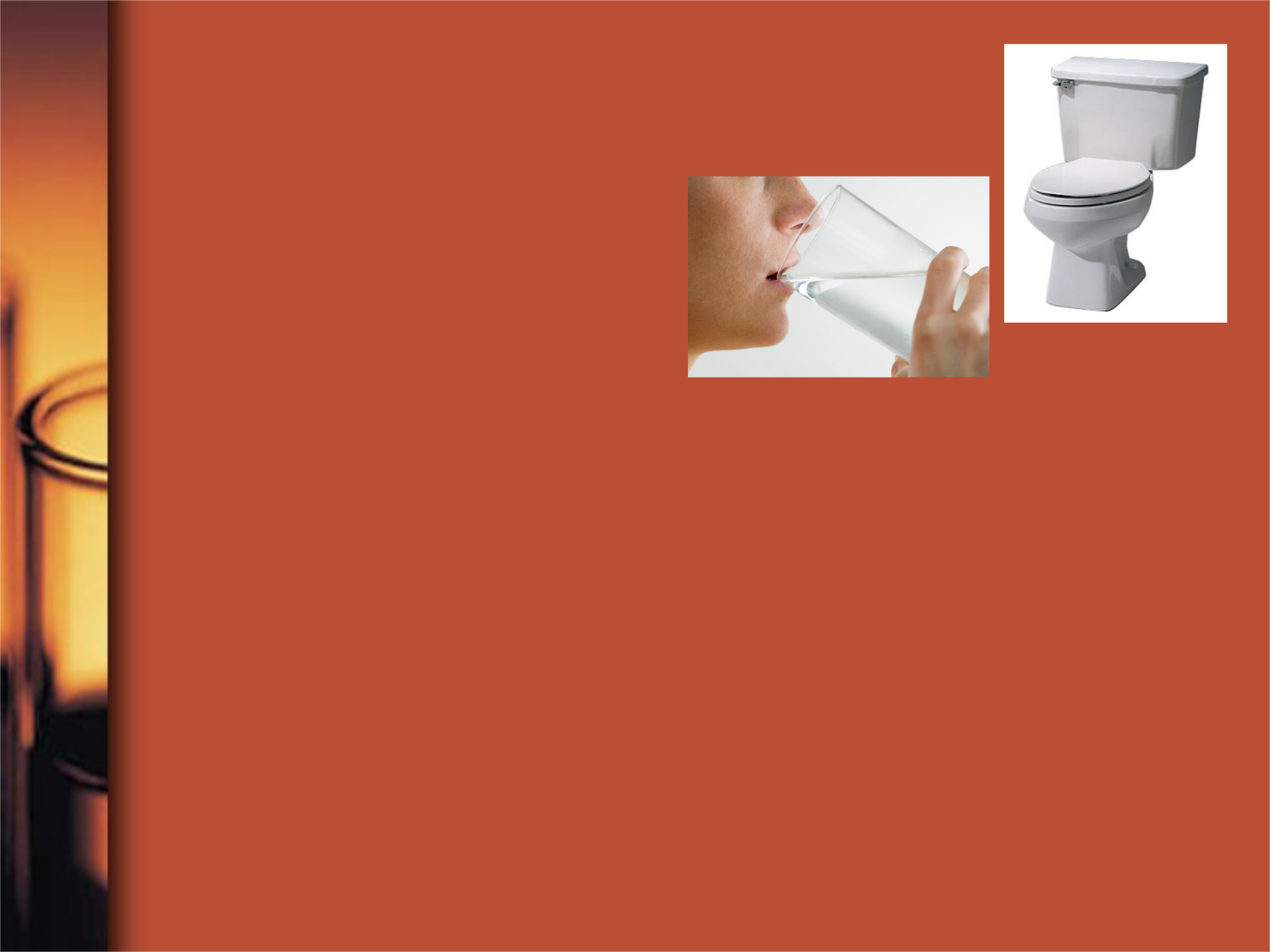
DIABETES INSIPIDUS (DI)
•Signs & Symptoms
–Severe dehydration – possible CV collapse
–Excessive Thirst
–Excessive Urination > 2 L day up to ___ L day
–Fever
•Diagnostics:
–Document of 24 hr. urine output
–Measurement of ADH, urine osmolality, serum
osmolality
•Tx w/Desmopressin acetate (DDAVP)
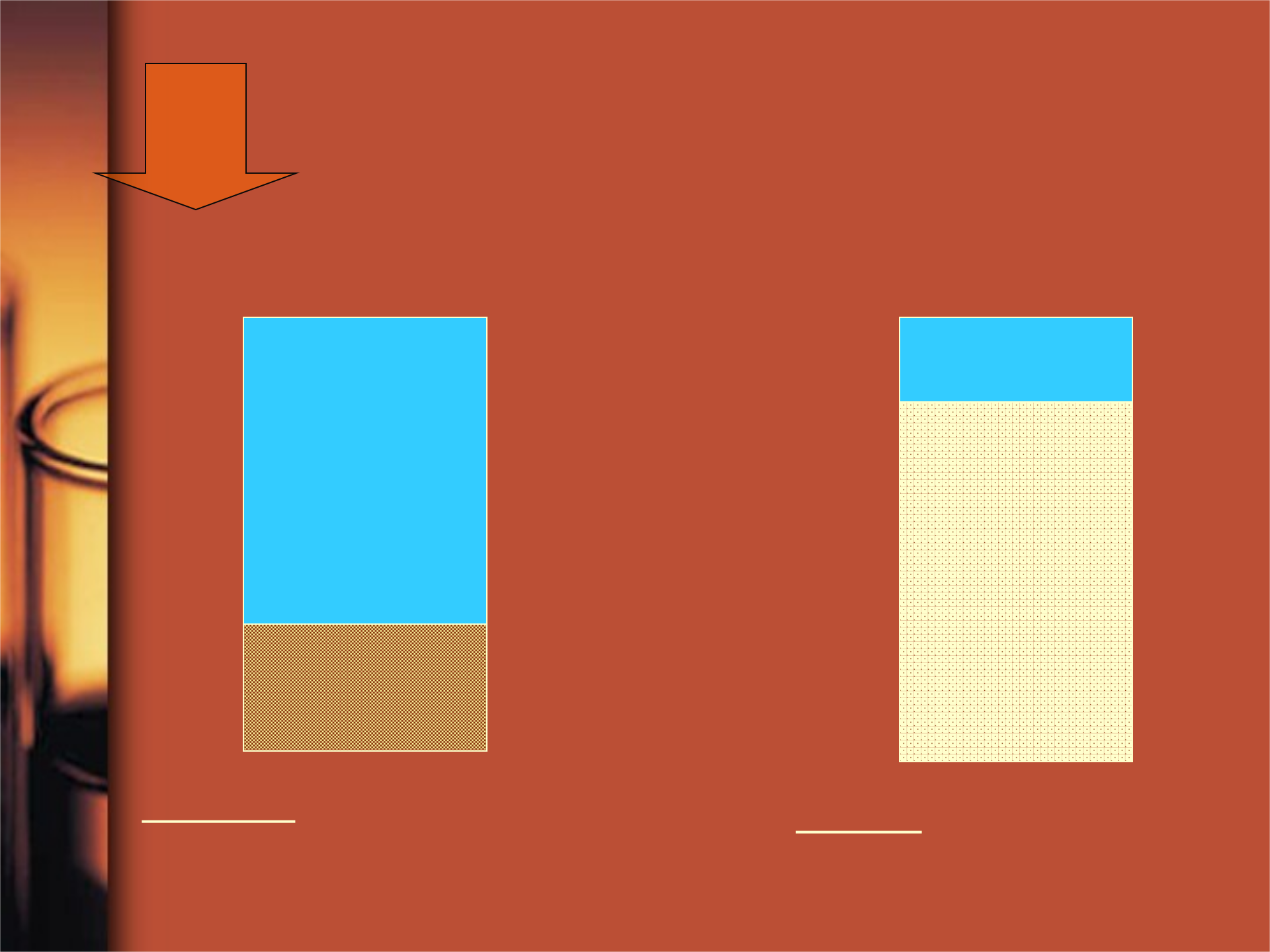
DI and OSMOLALITY
Urine Osmolality
______
Serum Osmolality
_______
Serum Urine
WHY?
Syndrome of I_______________
Antidiuretic Hormone (SIADH)
•Diagnosis: Hypersecretion of ADH
•Causes –
•Chronic or transient

Syndrome of Inappropriate
Antidiuretic Hormone (SIADH)
•Signs and Symptoms
–Hypotonic hyponatremia,
–Natriuresis,
–Urine osmolality in excess of plasma osmolality,
–Absence of edema and volume depletion
–Normal renal and adrenal function
•Treatments
–fluid restriction, diuretics such as Mannitol and Lasix
–If severe water intoxication – hypertonic solution used
3% Sodium Chloride
•Dilutional hyponatremia
•HA, NV, Confusion and Coma
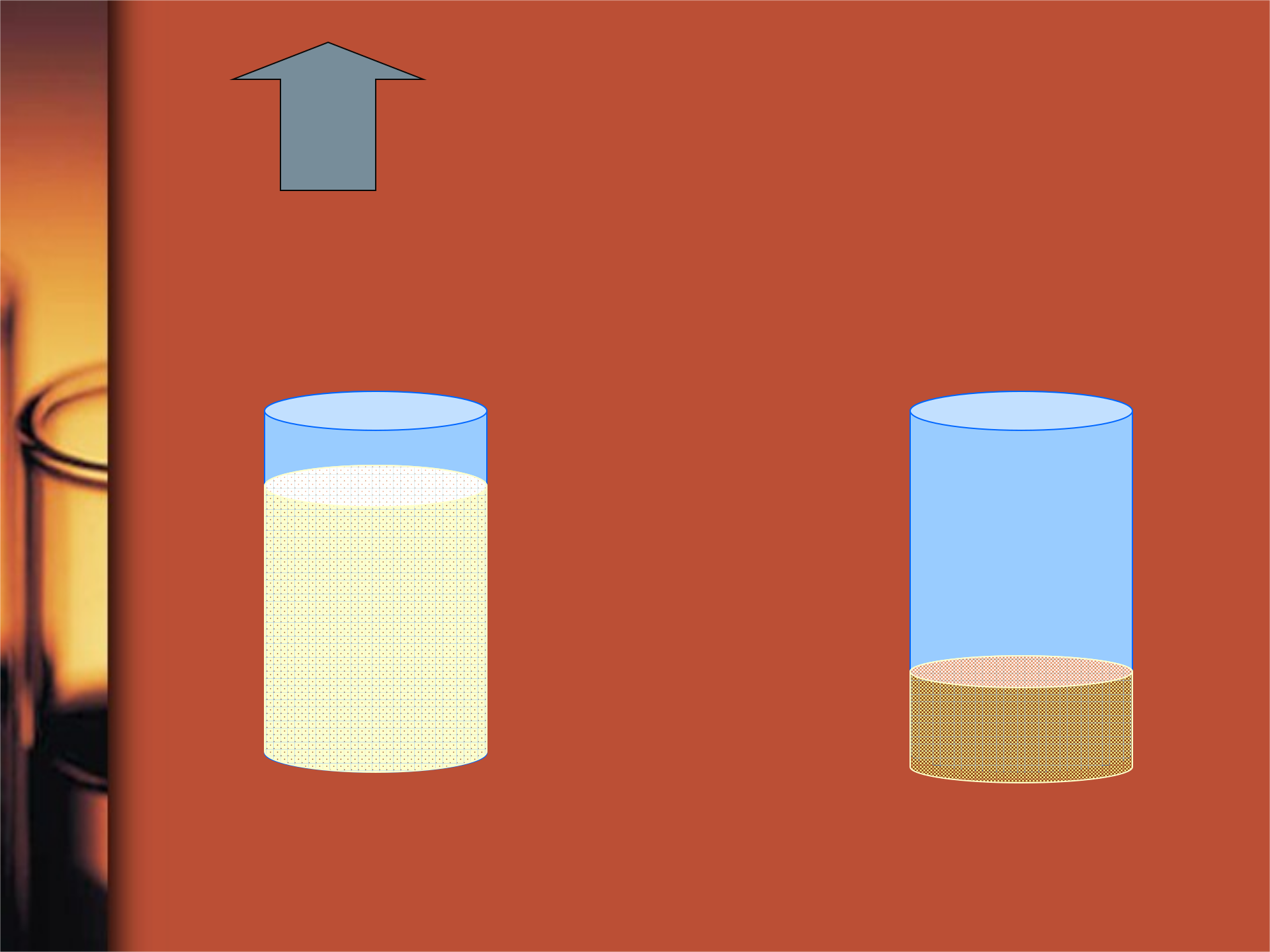
SIADH and Osmolality
Serum Osmolality
_______
Urine Osmolality
_______
Serum Urine
WHY?

