


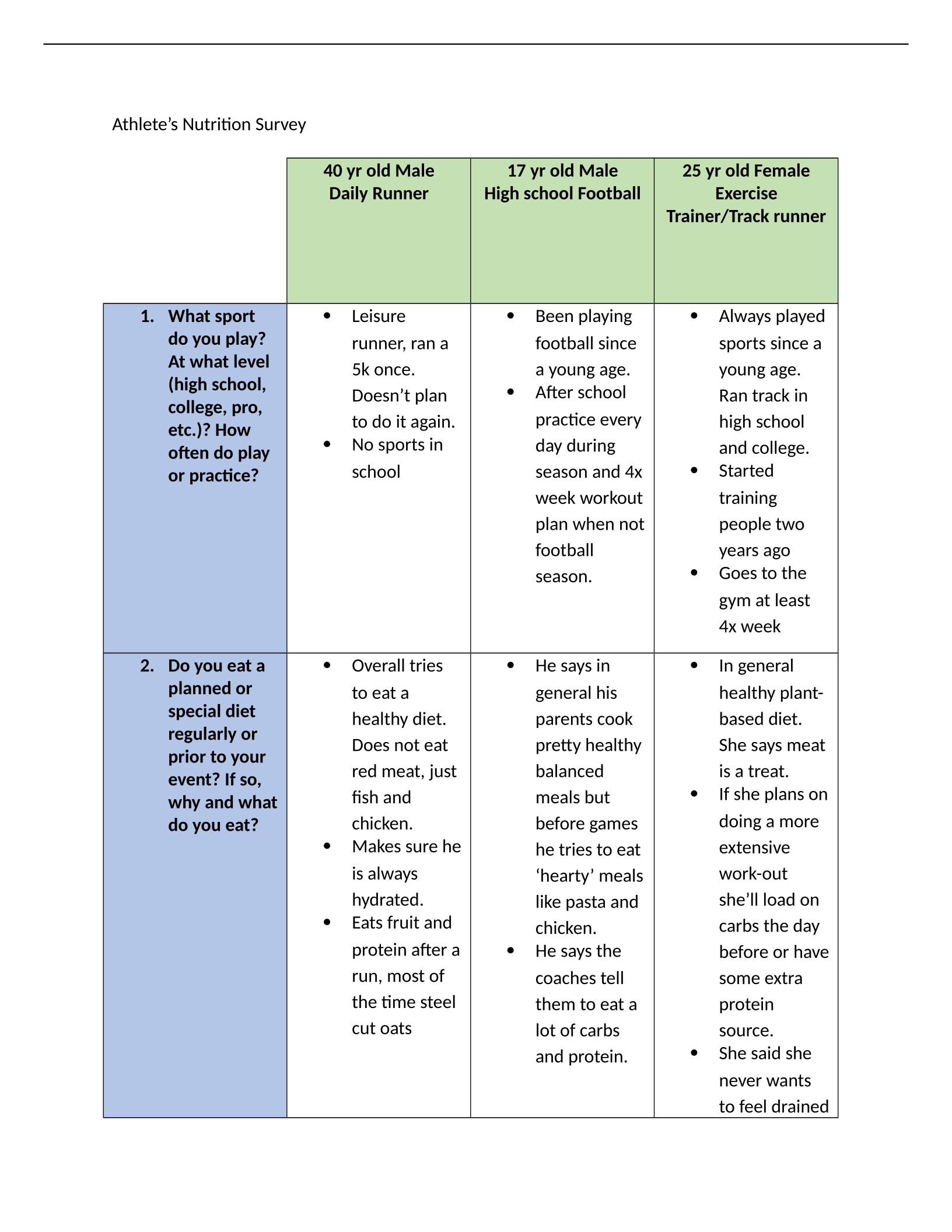
Athlete’s Nutrition Survey
40 yr old Male
Daily Runner
17 yr old Male
High school Football
25 yr old Female
Exercise
Trainer/Track runner
1. What sport
do you play?
At what level
(high school,
college, pro,
etc.)? How
often do play
or practice?
Leisure
runner, ran a
5k once.
Doesn’t plan
to do it again.
No sports in
school
Been playing
football since
a young age.
After school
practice every
day during
season and 4x
week workout
plan when not
football
season.
Always played
sports since a
young age.
Ran track in
high school
and college.
Started
training
people two
years ago
Goes to the
gym at least
4x week
2. Do you eat a
planned or
special diet
regularly or
prior to your
event? If so,
why and what
do you eat?
Overall tries
to eat a
healthy diet.
Does not eat
red meat, just
fish and
chicken.
Makes sure he
is always
hydrated.
Eats fruit and
protein after a
run, most of
the time steel
cut oats
He says in
general his
parents cook
pretty healthy
balanced
meals but
before games
he tries to eat
‘hearty’ meals
like pasta and
chicken.
He says the
coaches tell
them to eat a
lot of carbs
and protein.
In general
healthy plant-
based diet.
She says meat
is a treat.
If she plans on
doing a more
extensive
work-out
she’ll load on
carbs the day
before or have
some extra
protein
source.
She said she
never wants
to feel drained
from working
her body so
hard.
3. Have you
changed your
diet since the
beginning of
your
involvement
in this sport?
If so, why?
Not much.
Stopped
eating meat
ten years ago.
Started
running 6
years ago.
Has increased
fruit and
water intake.
He said over
the years his
mom has
started
making him
pasta dishes
more and
making sure
he has
enough meat-
protein
sources.
He has started
drinking
protein
shakes/drinks
but no other
changes.
No. She said
she hasn’t
altered
anything
besides more
water intake.
She said she
has never
been a big
water drinker
but now she
really tries to
do a gallon a
day.
4. Do you
regularly
include any
vitamins,
protein drinks
or bars,
herbs, or any
other type of
supplements
in your diet?
If so, why?
Yes, general
men’s daily
vitamin.
Occasional
protein drink
when in a
rush after a
run but not
often.
He takes a
daily
multivitamin
and drinks
protein shakes
after work
outs and the
protein bars
as a snack
during the
day.
He said he
does it
because they
Yes a vitamin
when she
remembers.
Protein bars
when she
leaves the
gym and
rarely a
protein meal
shake if she’s
too busy to
eat right after.
are filling
when he’s
hungry.
5. Where did
you get your
knowledge
about your
diet?
He is a nurse
practitioner so
most of his
knowledge is
from career
education.
Parents,
coaches,
health
teachers, and
general
knowledge.
In college she
took a
nutrition
course and
enjoyed it.
Mostly the
internet
6. Do you feel
this diet has
altered your
performance?
If so, how?
Yes, he said he
was never
‘athletic’ until
he switched
up his diet
and started
eating much
healthier ten
years ago. He
has lost
weight but
that is not his
focus for
running.
He said he can
feel the
difference if
he doesn’t eat
well one day
and has a
game or if he
works out and
then sleeps
instead of
fueling his
body.
She doesn’t
think her
performance
has changed.
She said now
that she
drinks more
she doesn’t
feel as
exasperated
after a long
workout. She
said she does
feel a little
week if she
doesn’t eat a
healthy meal
after working
out.
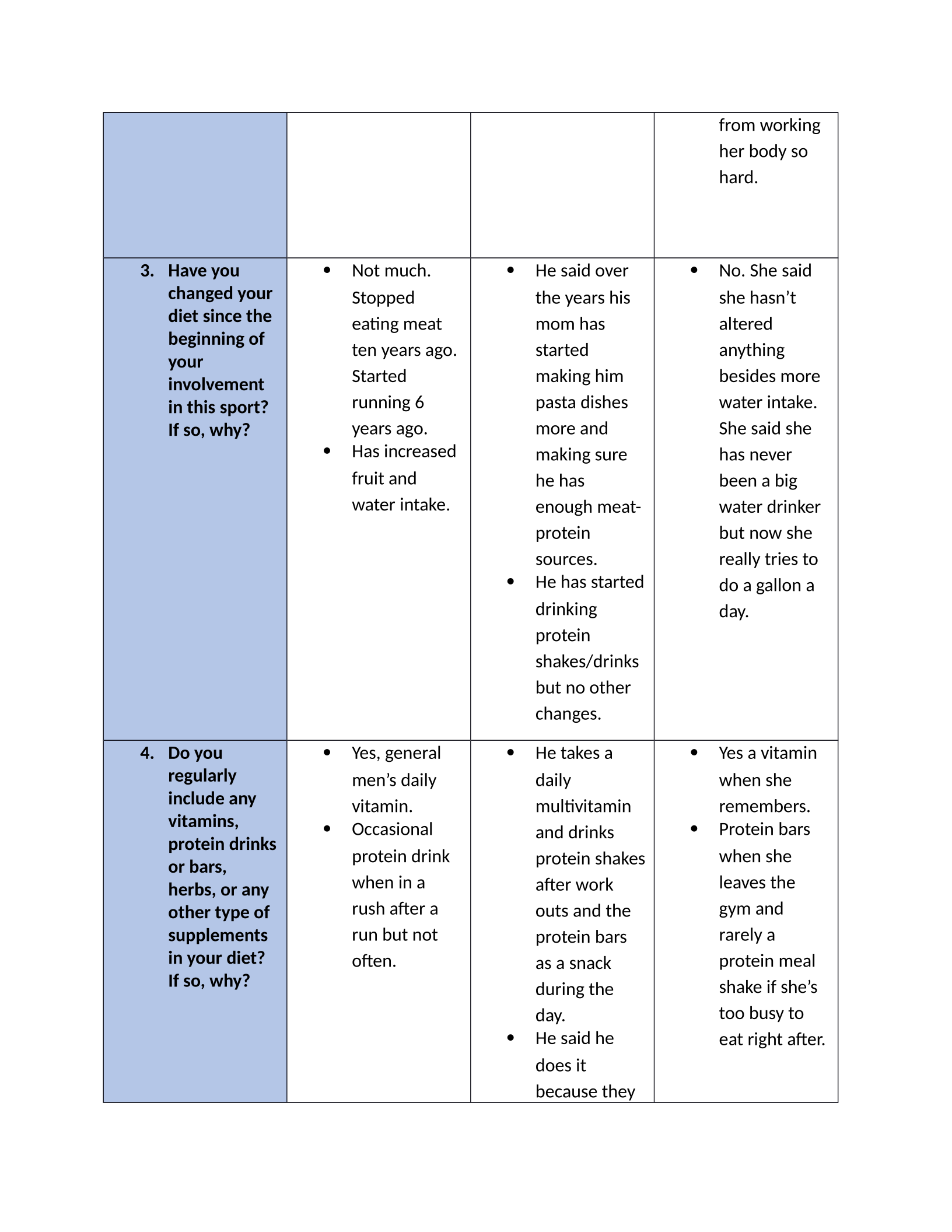
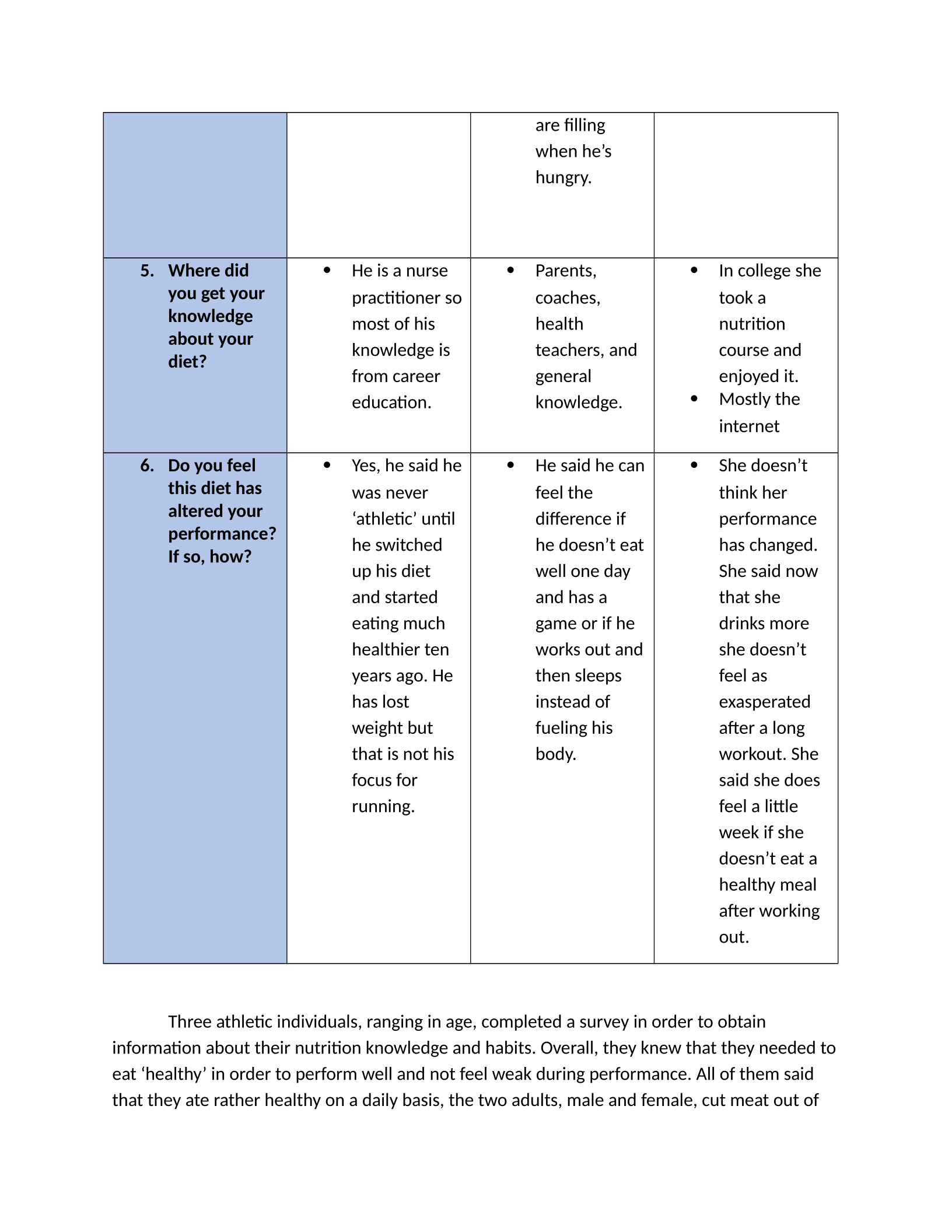
Three athletic individuals, ranging in age, completed a survey in order to obtain
information about their nutrition knowledge and habits. Overall, they knew that they needed to
eat ‘healthy’ in order to perform well and not feel weak during performance. All of them said
that they ate rather healthy on a daily basis, the two adults, male and female, cut meat out of
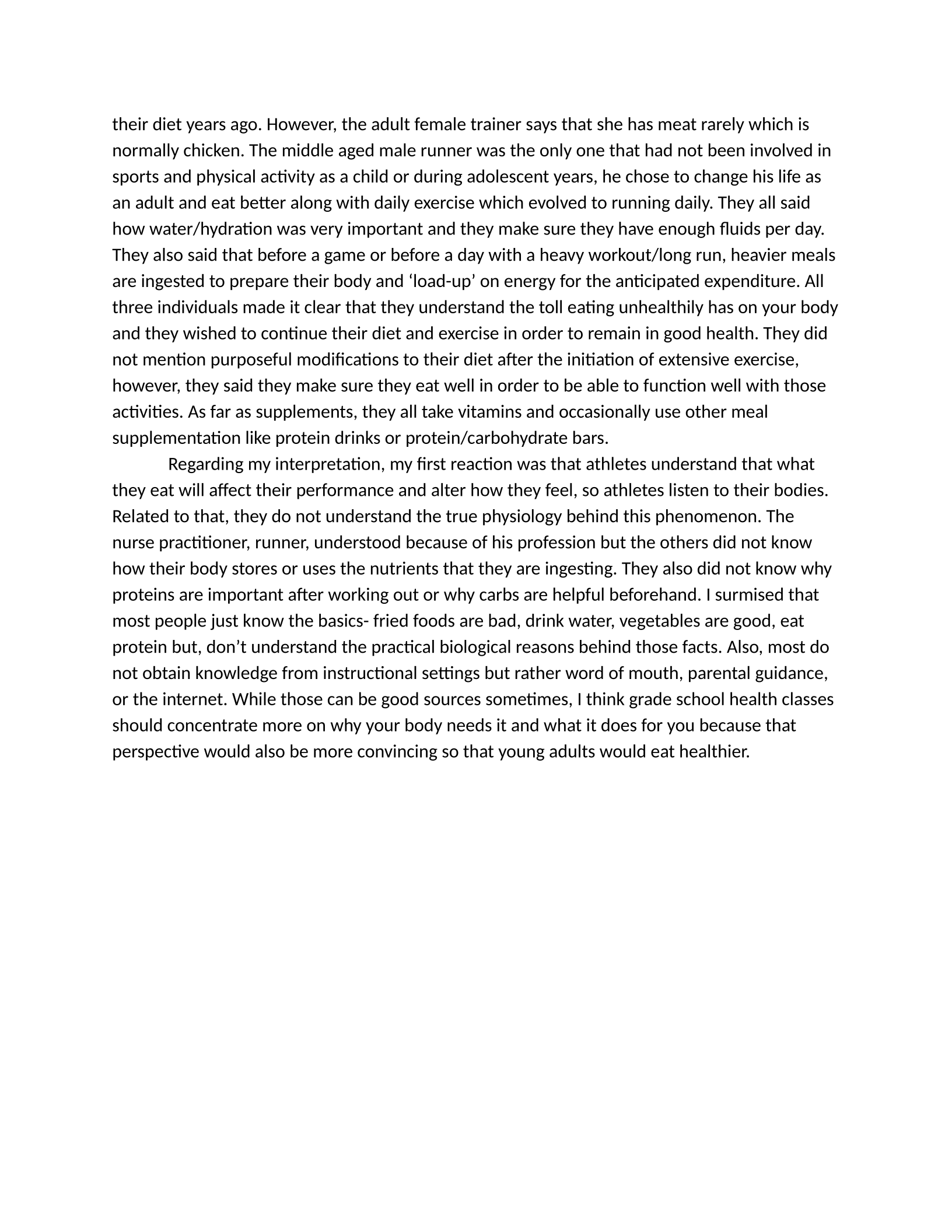
their diet years ago. However, the adult female trainer says that she has meat rarely which is
normally chicken. The middle aged male runner was the only one that had not been involved in
sports and physical activity as a child or during adolescent years, he chose to change his life as
an adult and eat better along with daily exercise which evolved to running daily. They all said
how water/hydration was very important and they make sure they have enough fluids per day.
They also said that before a game or before a day with a heavy workout/long run, heavier meals
are ingested to prepare their body and ‘load-up’ on energy for the anticipated expenditure. All
three individuals made it clear that they understand the toll eating unhealthily has on your body
and they wished to continue their diet and exercise in order to remain in good health. They did
not mention purposeful modifications to their diet after the initiation of extensive exercise,
however, they said they make sure they eat well in order to be able to function well with those
activities. As far as supplements, they all take vitamins and occasionally use other meal
supplementation like protein drinks or protein/carbohydrate bars.
Regarding my interpretation, my first reaction was that athletes understand that what
they eat will affect their performance and alter how they feel, so athletes listen to their bodies.
Related to that, they do not understand the true physiology behind this phenomenon. The
nurse practitioner, runner, understood because of his profession but the others did not know
how their body stores or uses the nutrients that they are ingesting. They also did not know why
proteins are important after working out or why carbs are helpful beforehand. I surmised that
most people just know the basics- fried foods are bad, drink water, vegetables are good, eat
protein but, don’t understand the practical biological reasons behind those facts. Also, most do
not obtain knowledge from instructional settings but rather word of mouth, parental guidance,
or the internet. While those can be good sources sometimes, I think grade school health classes
should concentrate more on why your body needs it and what it does for you because that
perspective would also be more convincing so that young adults would eat healthier.
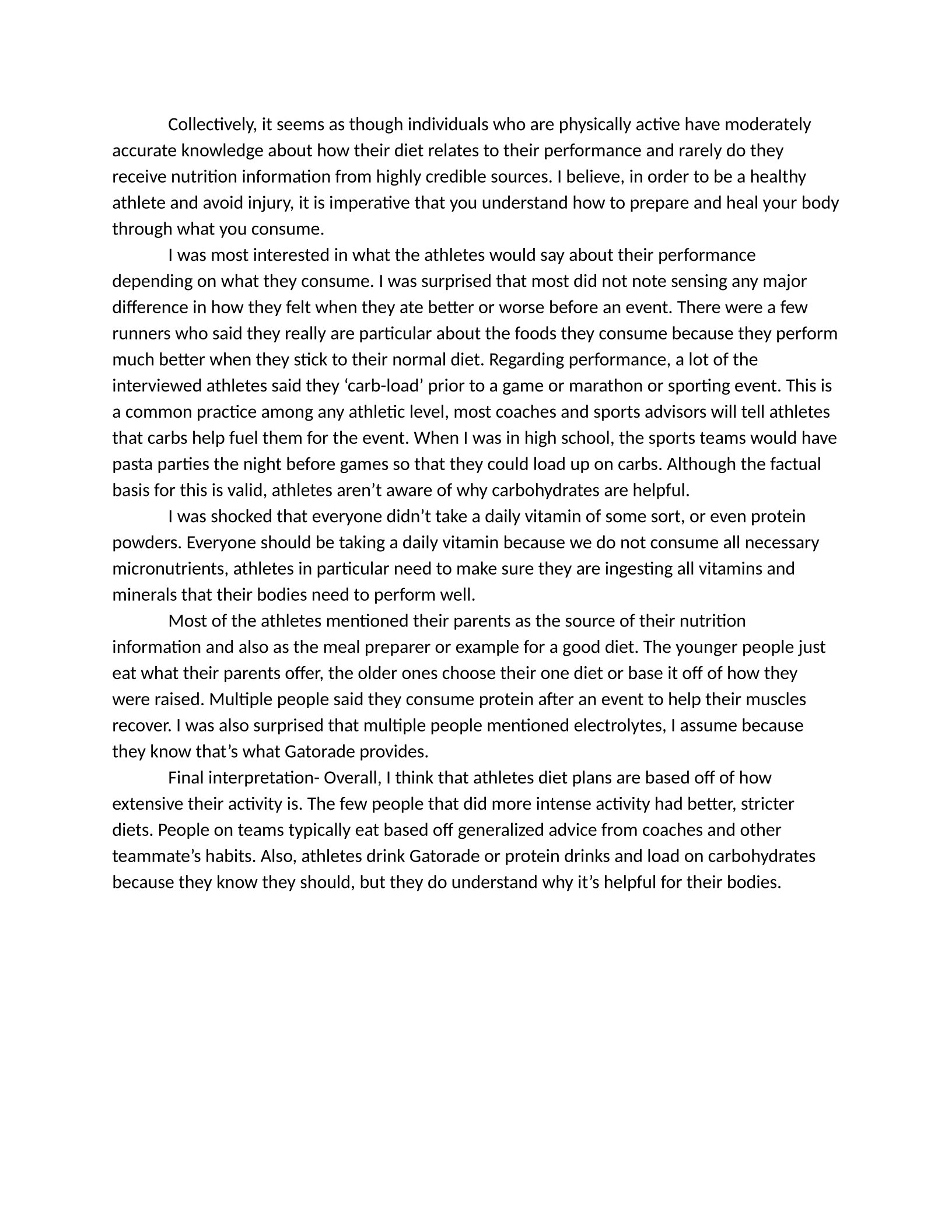
Collectively, it seems as though individuals who are physically active have moderately
accurate knowledge about how their diet relates to their performance and rarely do they
receive nutrition information from highly credible sources. I believe, in order to be a healthy
athlete and avoid injury, it is imperative that you understand how to prepare and heal your body
through what you consume.
I was most interested in what the athletes would say about their performance
depending on what they consume. I was surprised that most did not note sensing any major
difference in how they felt when they ate better or worse before an event. There were a few
runners who said they really are particular about the foods they consume because they perform
much better when they stick to their normal diet. Regarding performance, a lot of the
interviewed athletes said they ‘carb-load’ prior to a game or marathon or sporting event. This is
a common practice among any athletic level, most coaches and sports advisors will tell athletes
that carbs help fuel them for the event. When I was in high school, the sports teams would have
pasta parties the night before games so that they could load up on carbs. Although the factual
basis for this is valid, athletes aren’t aware of why carbohydrates are helpful.
I was shocked that everyone didn’t take a daily vitamin of some sort, or even protein
powders. Everyone should be taking a daily vitamin because we do not consume all necessary
micronutrients, athletes in particular need to make sure they are ingesting all vitamins and
minerals that their bodies need to perform well.
Most of the athletes mentioned their parents as the source of their nutrition
information and also as the meal preparer or example for a good diet. The younger people just
eat what their parents offer, the older ones choose their one diet or base it off of how they
were raised. Multiple people said they consume protein after an event to help their muscles
recover. I was also surprised that multiple people mentioned electrolytes, I assume because
they know that’s what Gatorade provides.
Final interpretation- Overall, I think that athletes diet plans are based off of how
extensive their activity is. The few people that did more intense activity had better, stricter
diets. People on teams typically eat based off generalized advice from coaches and other
teammate’s habits. Also, athletes drink Gatorade or protein drinks and load on carbohydrates
because they know they should, but they do understand why it’s helpful for their bodies.
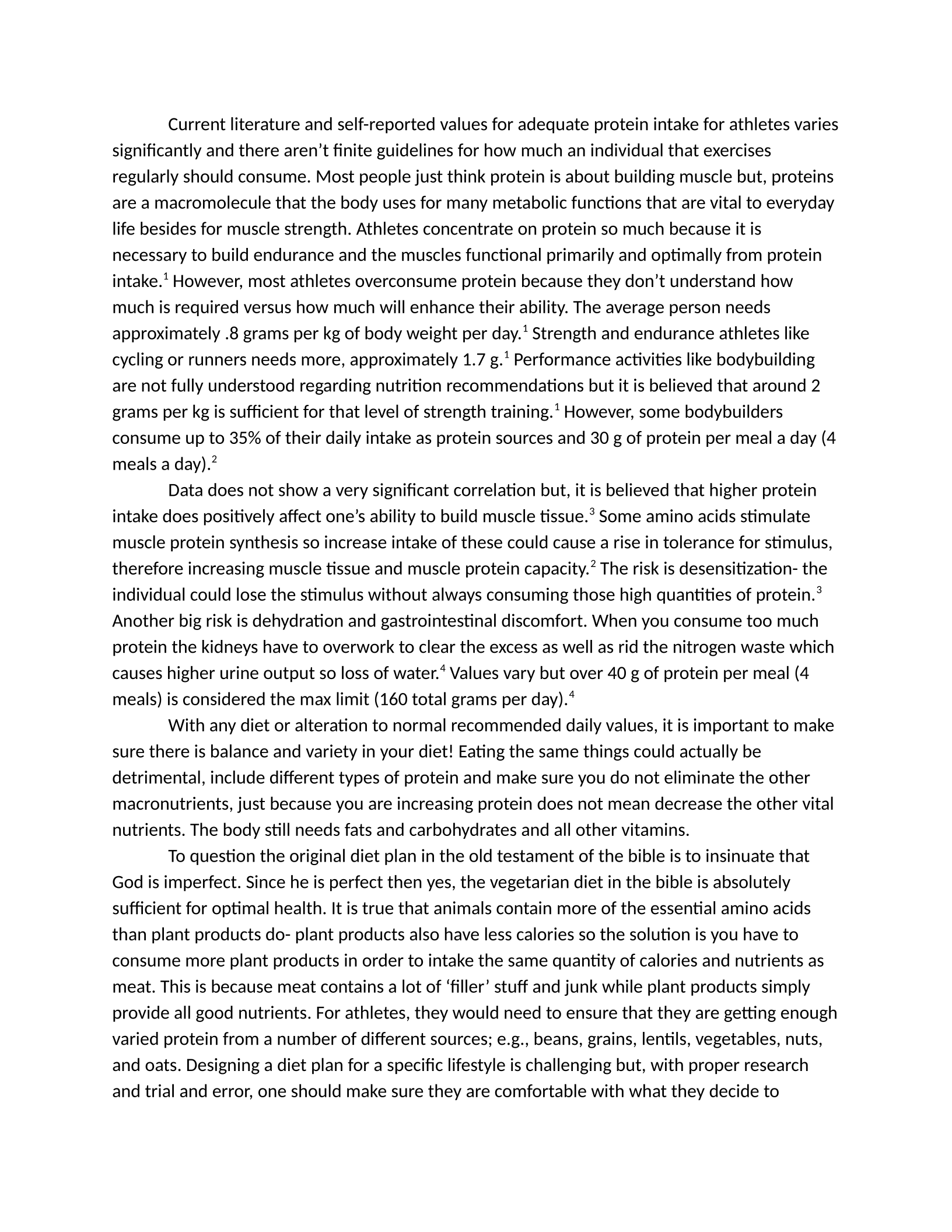
Current literature and self-reported values for adequate protein intake for athletes varies
significantly and there aren’t finite guidelines for how much an individual that exercises
regularly should consume. Most people just think protein is about building muscle but, proteins
are a macromolecule that the body uses for many metabolic functions that are vital to everyday
life besides for muscle strength. Athletes concentrate on protein so much because it is
necessary to build endurance and the muscles functional primarily and optimally from protein
intake.1 However, most athletes overconsume protein because they don’t understand how
much is required versus how much will enhance their ability. The average person needs
approximately .8 grams per kg of body weight per day.1 Strength and endurance athletes like
cycling or runners needs more, approximately 1.7 g.1 Performance activities like bodybuilding
are not fully understood regarding nutrition recommendations but it is believed that around 2
grams per kg is sufficient for that level of strength training.1 However, some bodybuilders
consume up to 35% of their daily intake as protein sources and 30 g of protein per meal a day (4
meals a day).2
Data does not show a very significant correlation but, it is believed that higher protein
intake does positively affect one’s ability to build muscle tissue.3 Some amino acids stimulate
muscle protein synthesis so increase intake of these could cause a rise in tolerance for stimulus,
therefore increasing muscle tissue and muscle protein capacity.2 The risk is desensitization- the
individual could lose the stimulus without always consuming those high quantities of protein.3
Another big risk is dehydration and gastrointestinal discomfort. When you consume too much
protein the kidneys have to overwork to clear the excess as well as rid the nitrogen waste which
causes higher urine output so loss of water.4 Values vary but over 40 g of protein per meal (4
meals) is considered the max limit (160 total grams per day).4
With any diet or alteration to normal recommended daily values, it is important to make
sure there is balance and variety in your diet! Eating the same things could actually be
detrimental, include different types of protein and make sure you do not eliminate the other
macronutrients, just because you are increasing protein does not mean decrease the other vital
nutrients. The body still needs fats and carbohydrates and all other vitamins.
To question the original diet plan in the old testament of the bible is to insinuate that
God is imperfect. Since he is perfect then yes, the vegetarian diet in the bible is absolutely
sufficient for optimal health. It is true that animals contain more of the essential amino acids
than plant products do- plant products also have less calories so the solution is you have to
consume more plant products in order to intake the same quantity of calories and nutrients as
meat. This is because meat contains a lot of ‘filler’ stuff and junk while plant products simply
provide all good nutrients. For athletes, they would need to ensure that they are getting enough
varied protein from a number of different sources; e.g., beans, grains, lentils, vegetables, nuts,
and oats. Designing a diet plan for a specific lifestyle is challenging but, with proper research
and trial and error, one should make sure they are comfortable with what they decide to
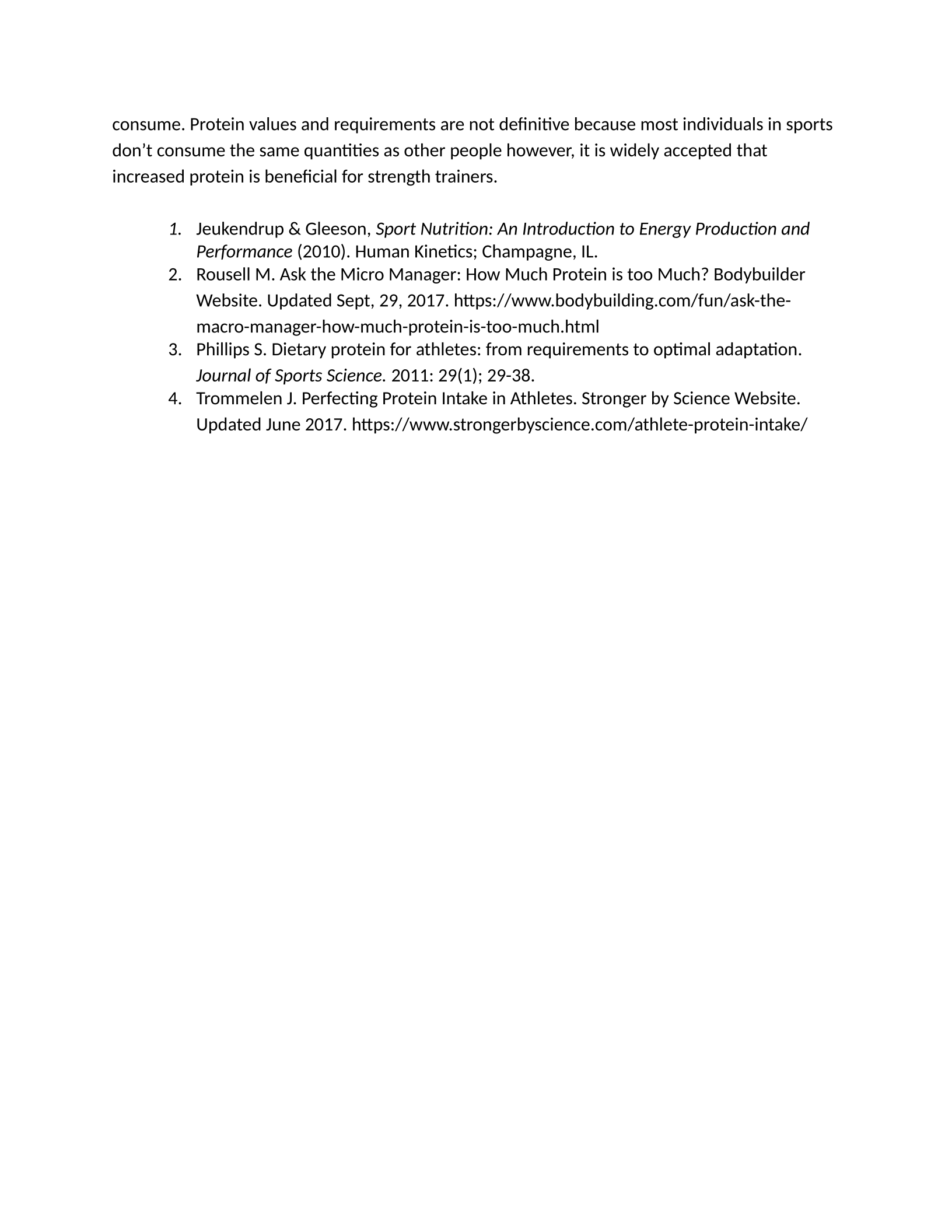
consume. Protein values and requirements are not definitive because most individuals in sports
don’t consume the same quantities as other people however, it is widely accepted that
increased protein is beneficial for strength trainers.
1. Jeukendrup & Gleeson, Sport Nutrition: An Introduction to Energy Production and
Performance (2010). Human Kinetics; Champagne, IL.
2. Rousell M. Ask the Micro Manager: How Much Protein is too Much? Bodybuilder
Website. Updated Sept, 29, 2017. https://www.bodybuilding.com/fun/ask-the-
macro-manager-how-much-protein-is-too-much.html
3. Phillips S. Dietary protein for athletes: from requirements to optimal adaptation.
Journal of Sports Science. 2011: 29(1); 29-38.
4. Trommelen J. Perfecting Protein Intake in Athletes. Stronger by Science Website.
Updated June 2017. https://www.strongerbyscience.com/athlete-protein-intake/
Powered by TCPDF (www.tcpdf.org)

