


EXSC 520
CASE STUDY: SIMPLE ANALYSIS OF VARIANCE TEMPLATE
I. Simple Analysis of Variance
Research Question: “is there statistically significant difference among mean core
body temperature of groups who worked in a: cold, neutral, or hot environment?”
Assumptions Testing
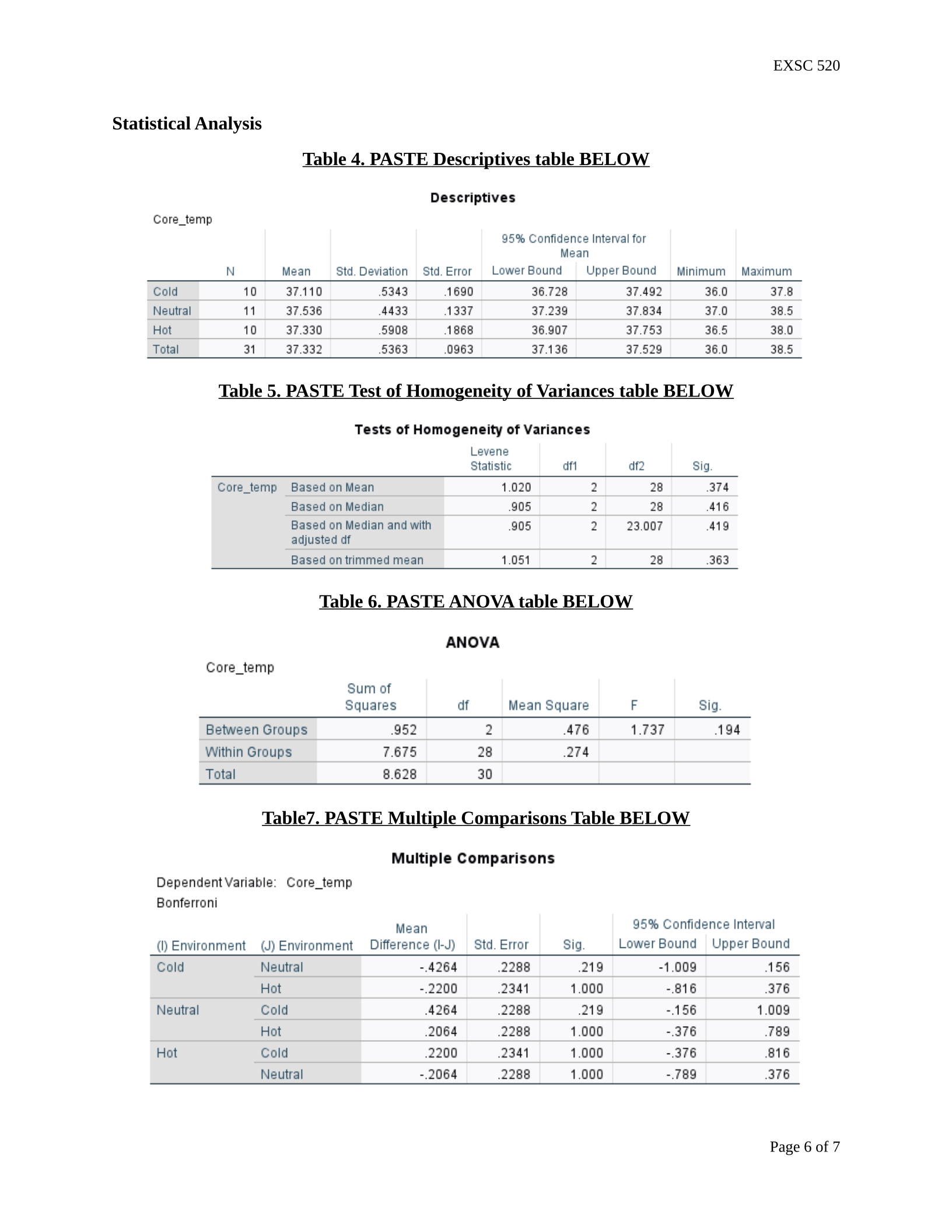
1. Data level of measurement- what is the level of measurement for the data used in this
case study?
The environment variable was nominal and the core temp was ratio
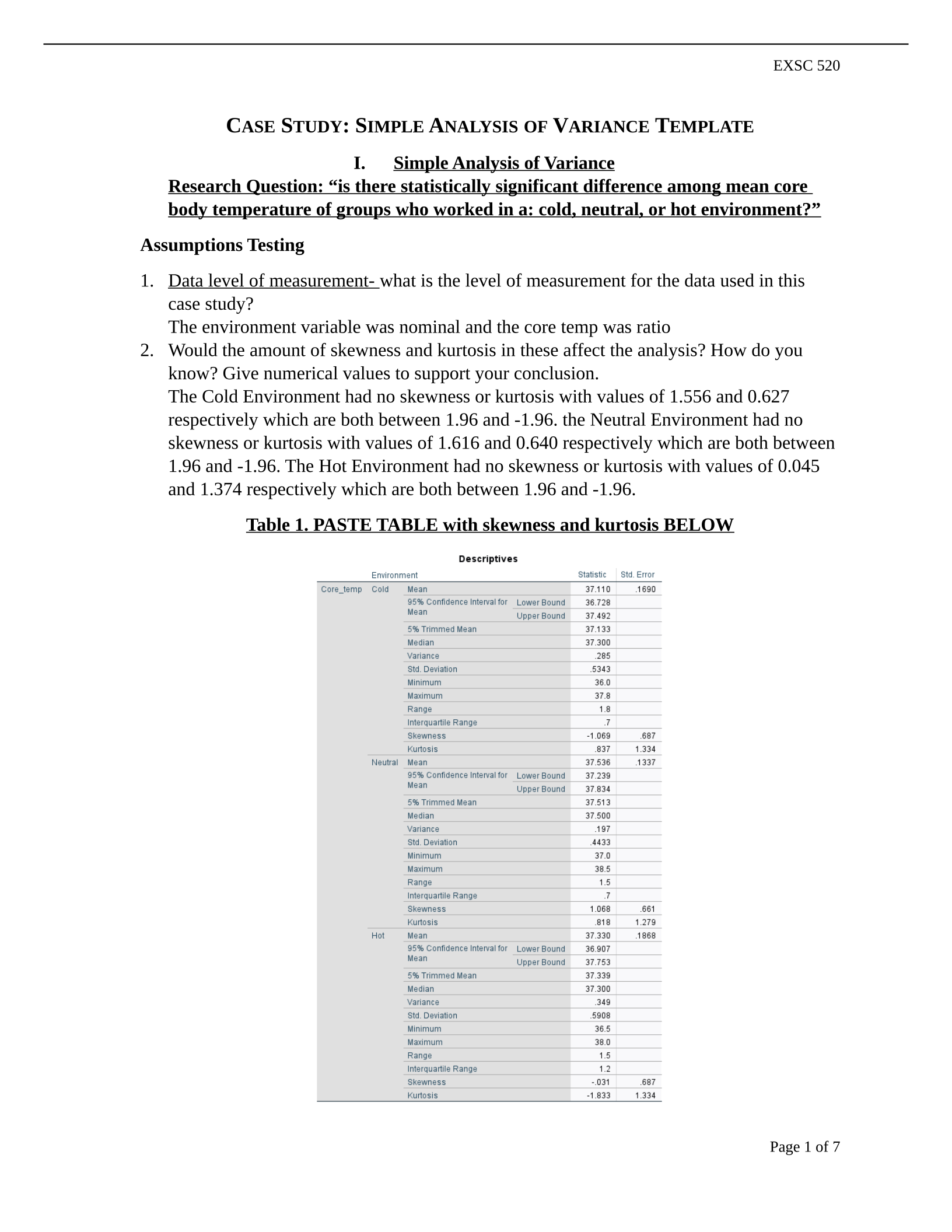
2. Would the amount of skewness and kurtosis in these affect the analysis? How do you
know? Give numerical values to support your conclusion.
The Cold Environment had no skewness or kurtosis with values of 1.556 and 0.627
respectively which are both between 1.96 and -1.96. the Neutral Environment had no
skewness or kurtosis with values of 1.616 and 0.640 respectively which are both between
1.96 and -1.96. The Hot Environment had no skewness or kurtosis with values of 0.045
and 1.374 respectively which are both between 1.96 and -1.96.
Table 1. PASTE TABLE with skewness and kurtosis BELOW
Page 1 of 7
EXSC 520
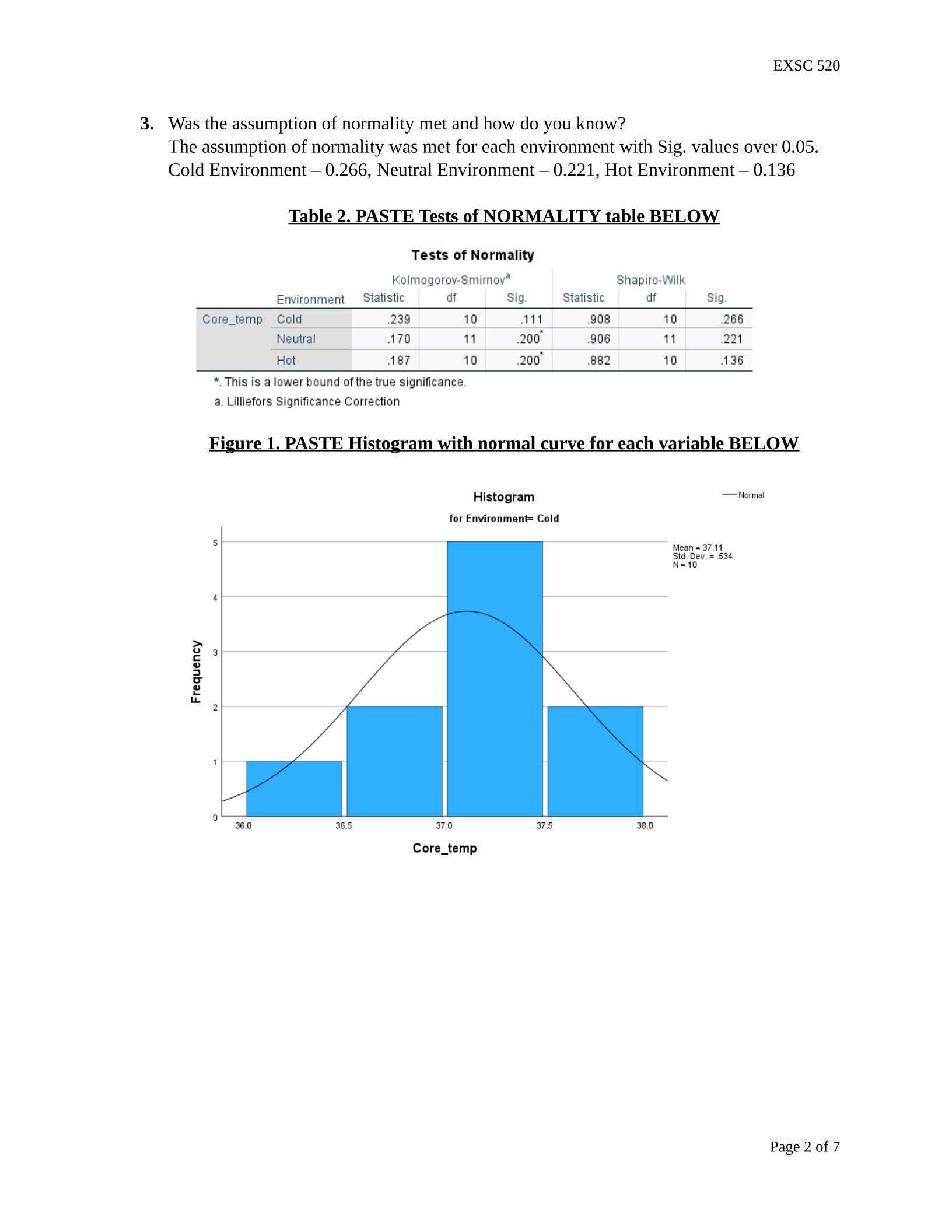
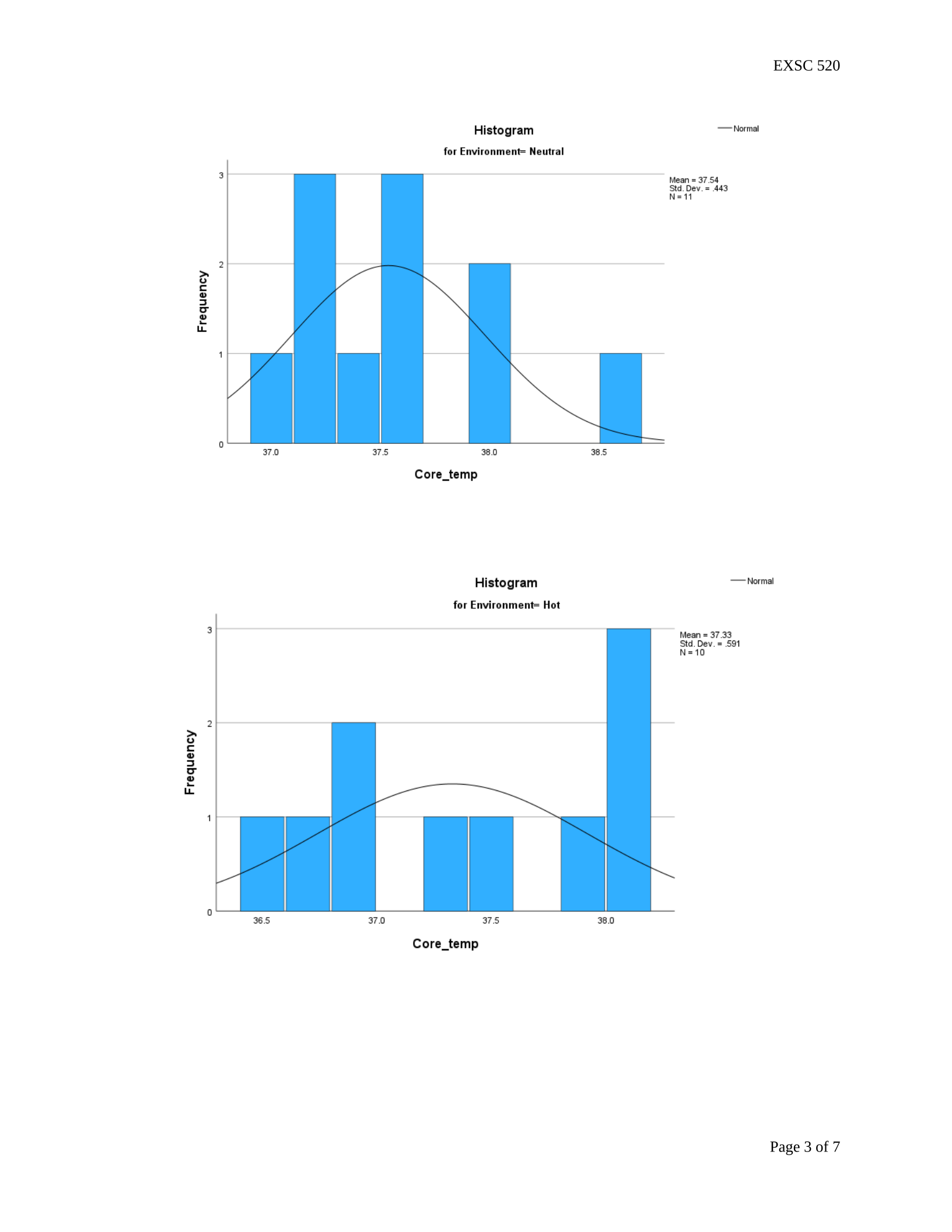
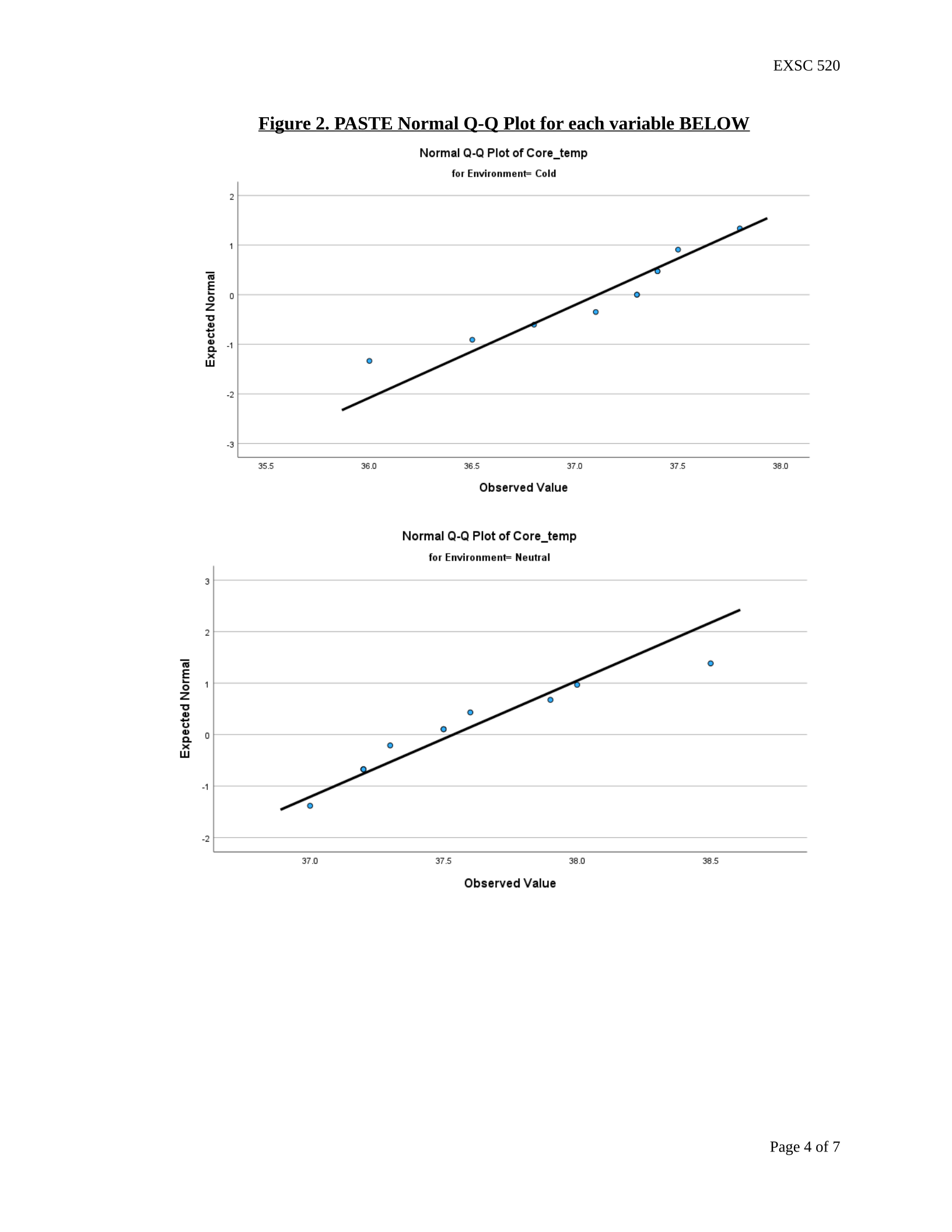
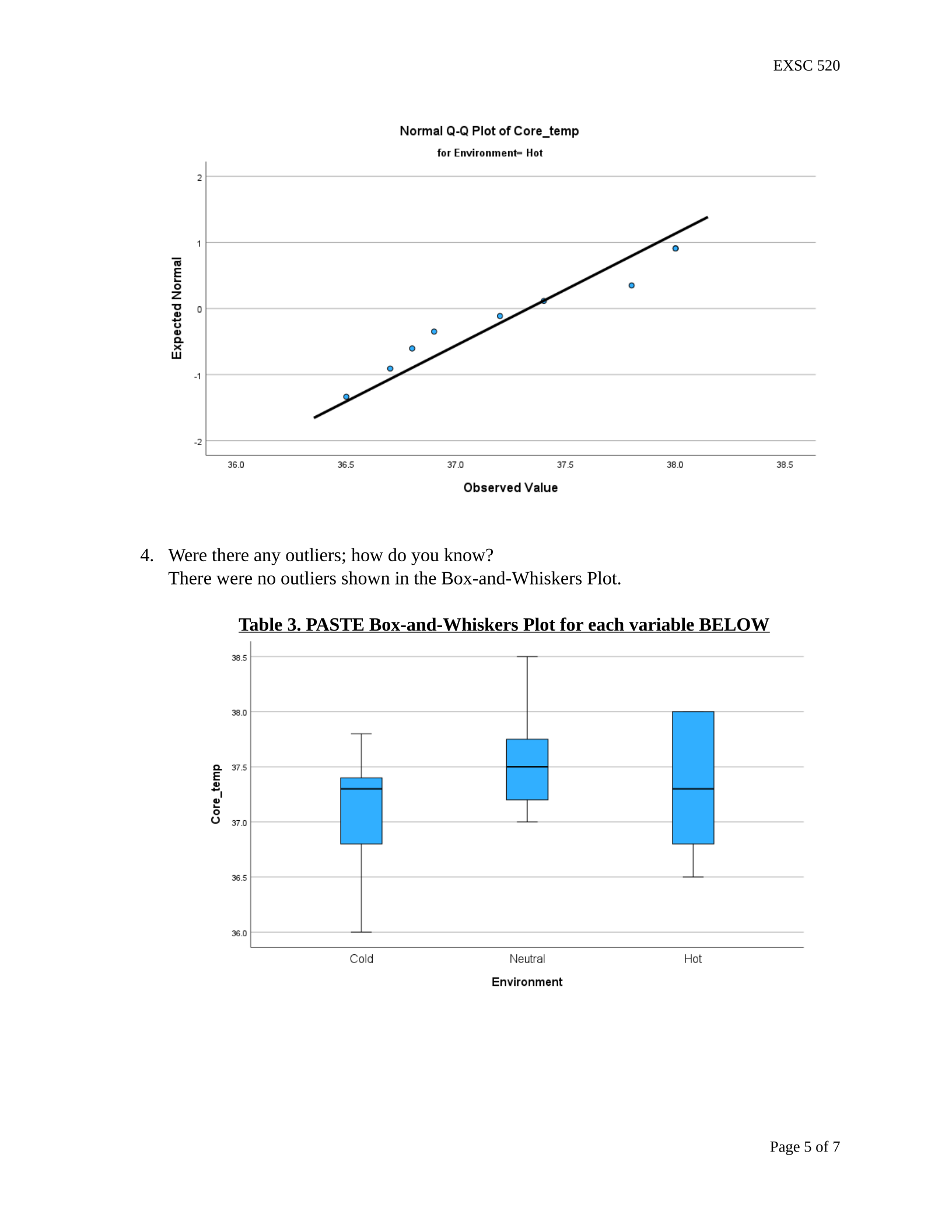
3. Was the assumption of normality met and how do you know?
The assumption of normality was met for each environment with Sig. values over 0.05.
Cold Environment – 0.266, Neutral Environment – 0.221, Hot Environment – 0.136
Table 2. PASTE Tests of NORMALITY table BELOW
Figure 1. PASTE Histogram with normal curve for each variable BELOW
Page 2 of 7
EXSC 520
Write-up- Use these questions as a guide to write an abstract (paragraph). Use past tense.
The write-up must include the following. Use these questions as a guide.
1. What is the research question?
2. What is the mean and standard deviation for core body temperature of each group?
3. Was the test of Homogeneity of Variance met? How do you know?
4. Was the ANOVA statistically significant? (Hint: look at p sig value in ANOVA table)
5. List all (if any) significant multiple comparisons
6. What do the statistical findings of these data suggest about the research question?
7. What are your thoughts on the finding of this analysis, and what are the practical
application(s) of this finding? Elaborate on what the study means, why, how you know,
and relate the findings to exercise physiology knowledge. Use references if needed.
(Hint- does this study “make sense?” What could influence results?)
The research question for this data set was, “is there statistically significant difference among
mean core body temperature of groups who worked in a: cold, neutral, or hot environment?” For
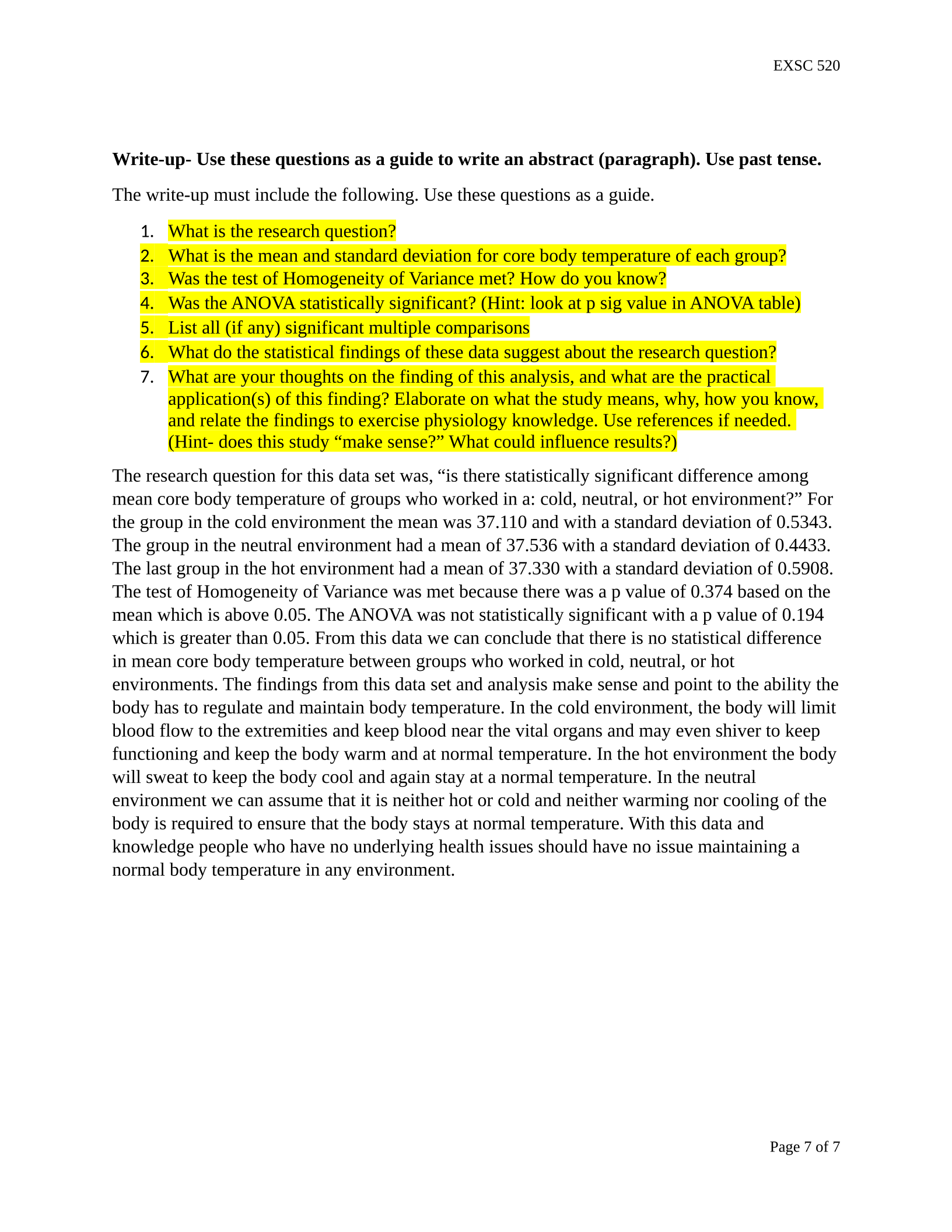
the group in the cold environment the mean was 37.110 and with a standard deviation of 0.5343.
The group in the neutral environment had a mean of 37.536 with a standard deviation of 0.4433.
The last group in the hot environment had a mean of 37.330 with a standard deviation of 0.5908.
The test of Homogeneity of Variance was met because there was a p value of 0.374 based on the
mean which is above 0.05. The ANOVA was not statistically significant with a p value of 0.194
which is greater than 0.05. From this data we can conclude that there is no statistical difference
in mean core body temperature between groups who worked in cold, neutral, or hot
environments. The findings from this data set and analysis make sense and point to the ability the
body has to regulate and maintain body temperature. In the cold environment, the body will limit
blood flow to the extremities and keep blood near the vital organs and may even shiver to keep
functioning and keep the body warm and at normal temperature. In the hot environment the body
will sweat to keep the body cool and again stay at a normal temperature. In the neutral
environment we can assume that it is neither hot or cold and neither warming nor cooling of the
body is required to ensure that the body stays at normal temperature. With this data and
knowledge people who have no underlying health issues should have no issue maintaining a
normal body temperature in any environment.
Page 7 of 7
Powered by TCPDF (www.tcpdf.org)

