


the time value of money
Why does money have a time value?
- A dollar today is worth more than a dollar in the future
- A dollar can be spent now or invested and earn interest
- Spending now is preferred
- A borrower pays interest to the lender to compensate for this
- A dollar invested and earning interest increases the ability to spend later
- The interest rate determines the trade-off between spending today or saving for the
future
- The time value of money reflects the difference in value between a dollar in hand today
and a dollar promised in the future
Future value
- Future value is the value of an investment after it earns interest for one or more periods
- Compounding involves calculating future value from present value
We can determine the balance in an account at the end of a period if we know the interest rate
earned on the principal
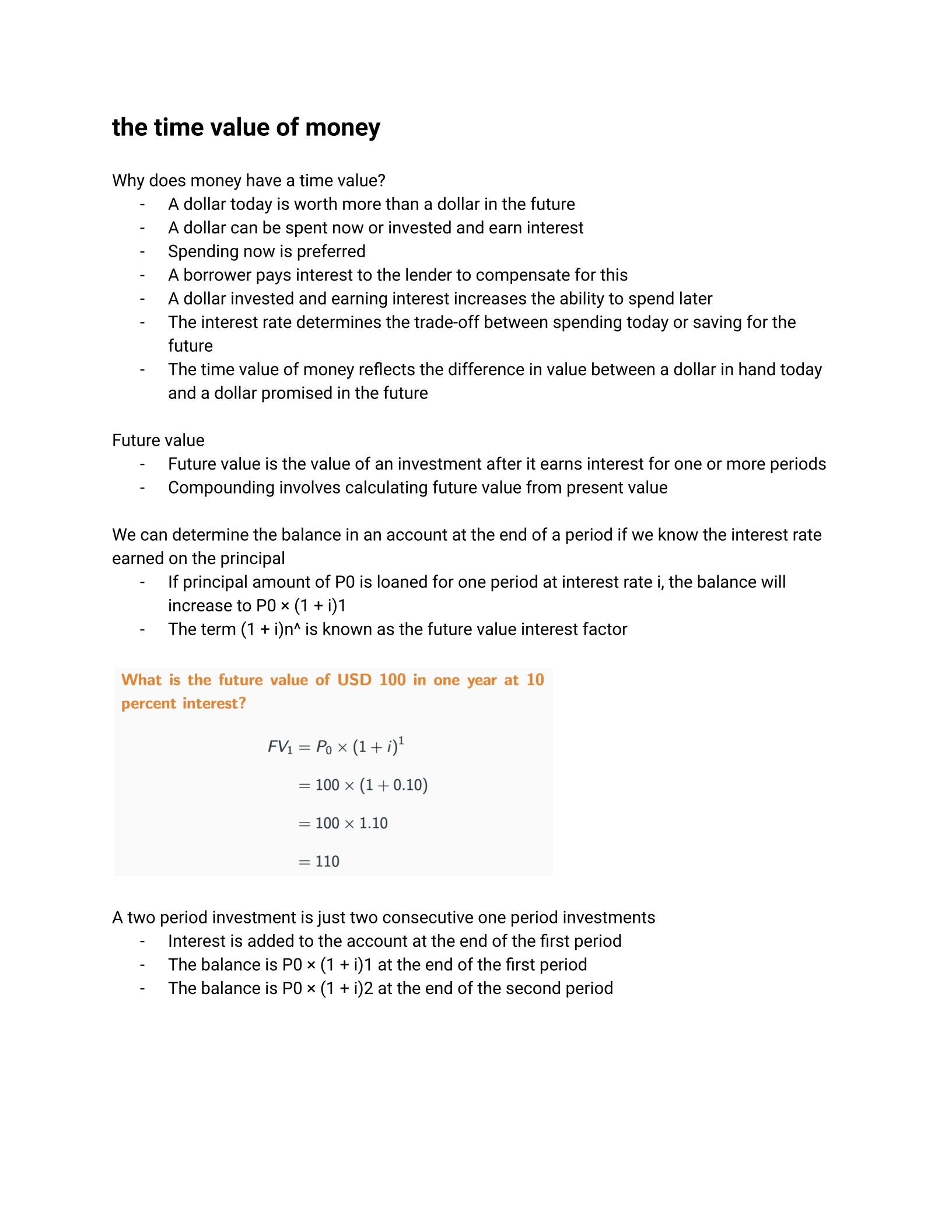
- If principal amount of P0 is loaned for one period at interest rate i, the balance will
increase to P0 × (1 + i)1
- The term (1 + i)n^ is known as the future value interest factor
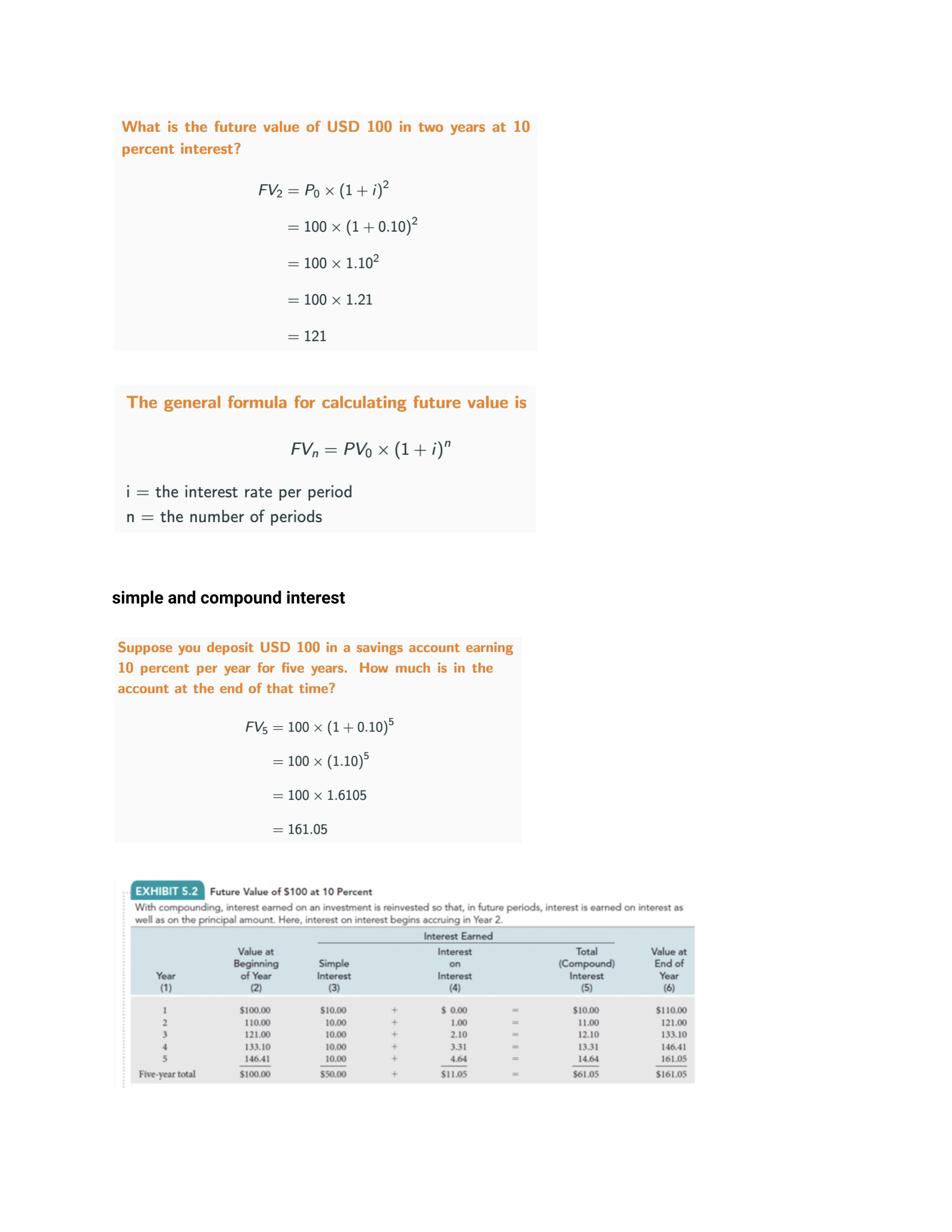
A two period investment is just two consecutive one period investments
- Interest is added to the account at the end of the first period
- The balance is P0 × (1 + i)1 at the end of the first period
- The balance is P0 × (1 + i)2 at the end of the second period
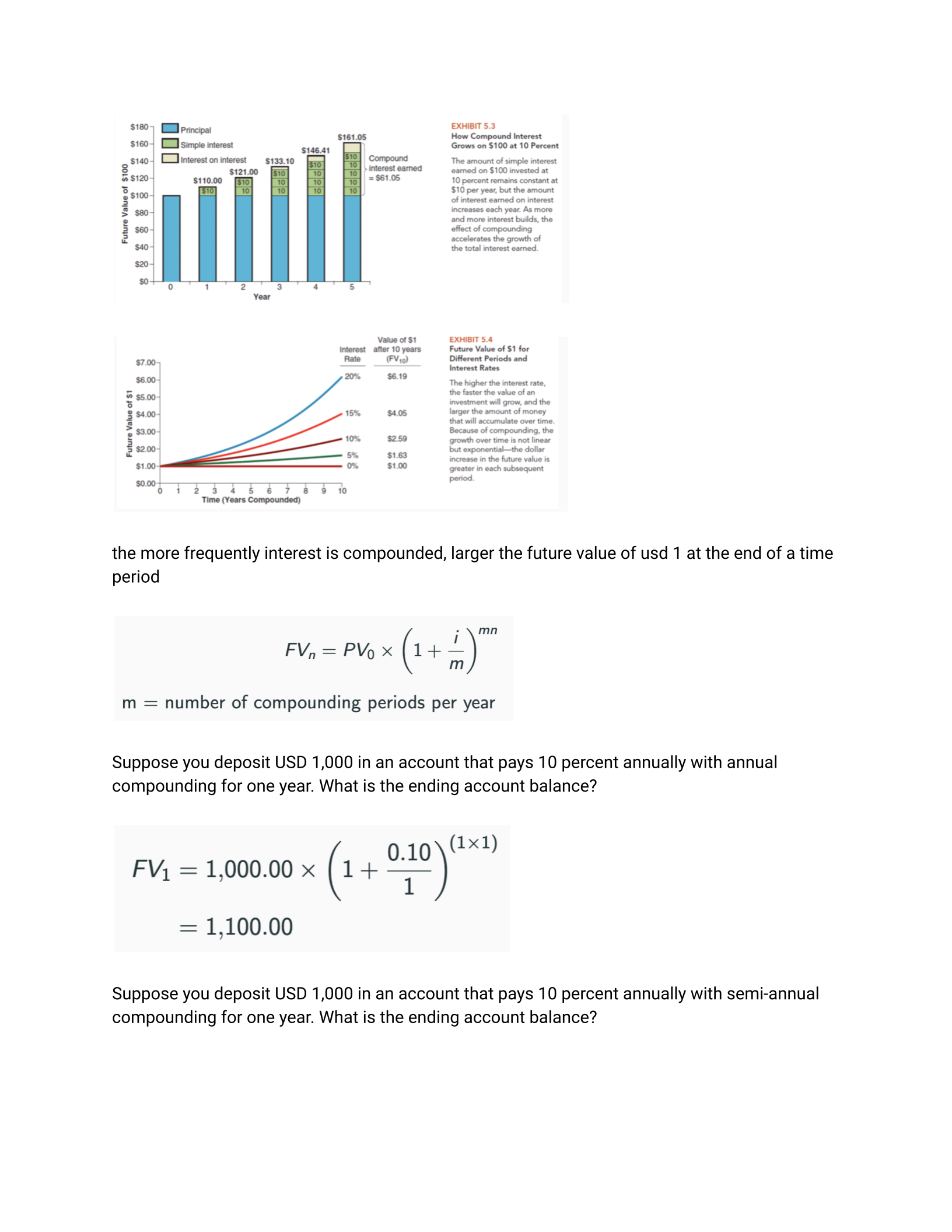
the more frequently interest is compounded, larger the future value of usd 1 at the end of a time
period
Suppose you deposit USD 1,000 in an account that pays 10 percent annually with annual
compounding for one year. What is the ending account balance?
Suppose you deposit USD 1,000 in an account that pays 10 percent annually with semi-annual
compounding for one year. What is the ending account balance?
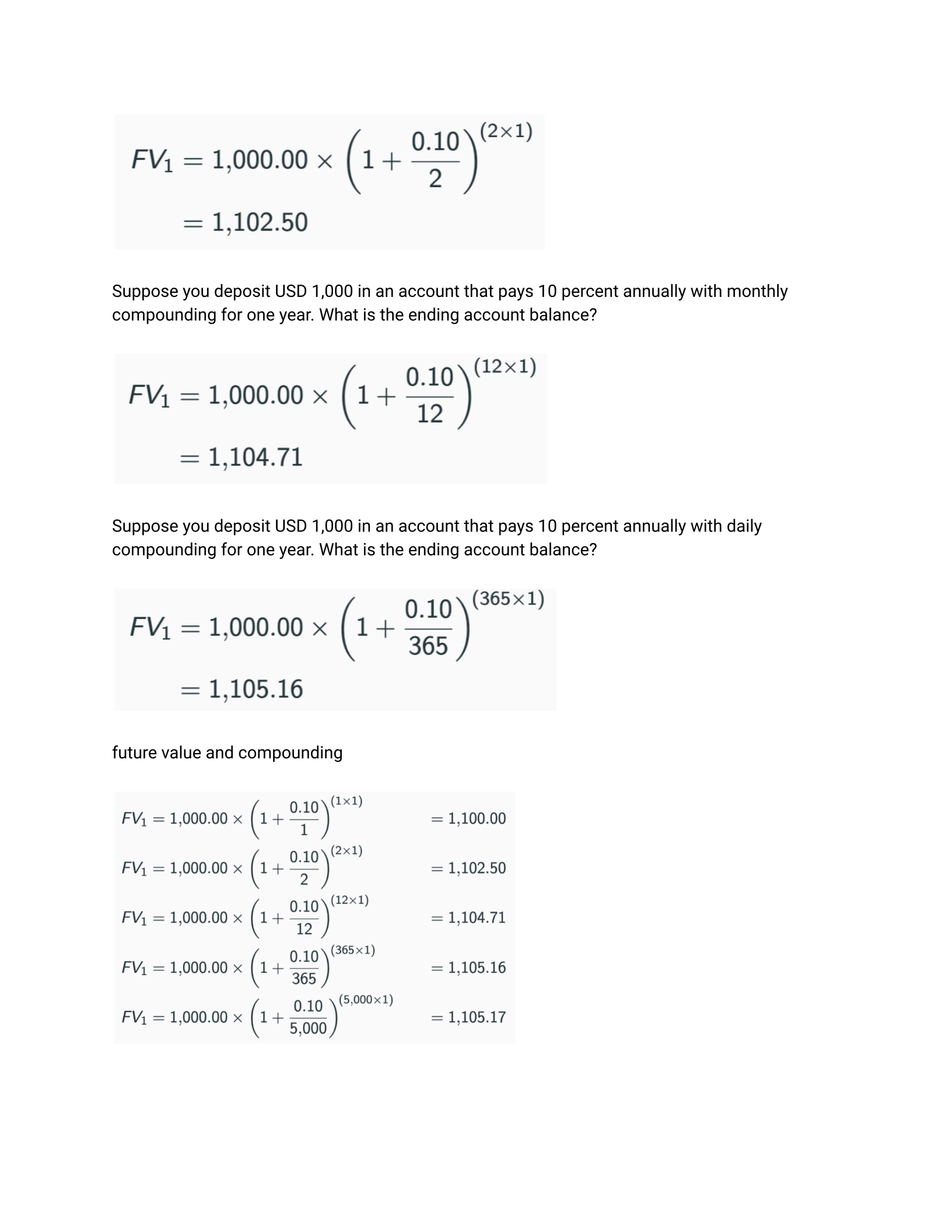
Suppose you deposit USD 1,000 in an account that pays 10 percent annually with monthly
compounding for one year. What is the ending account balance?
Suppose you deposit USD 1,000 in an account that pays 10 percent annually with daily
compounding for one year. What is the ending account balance?
future value and compounding
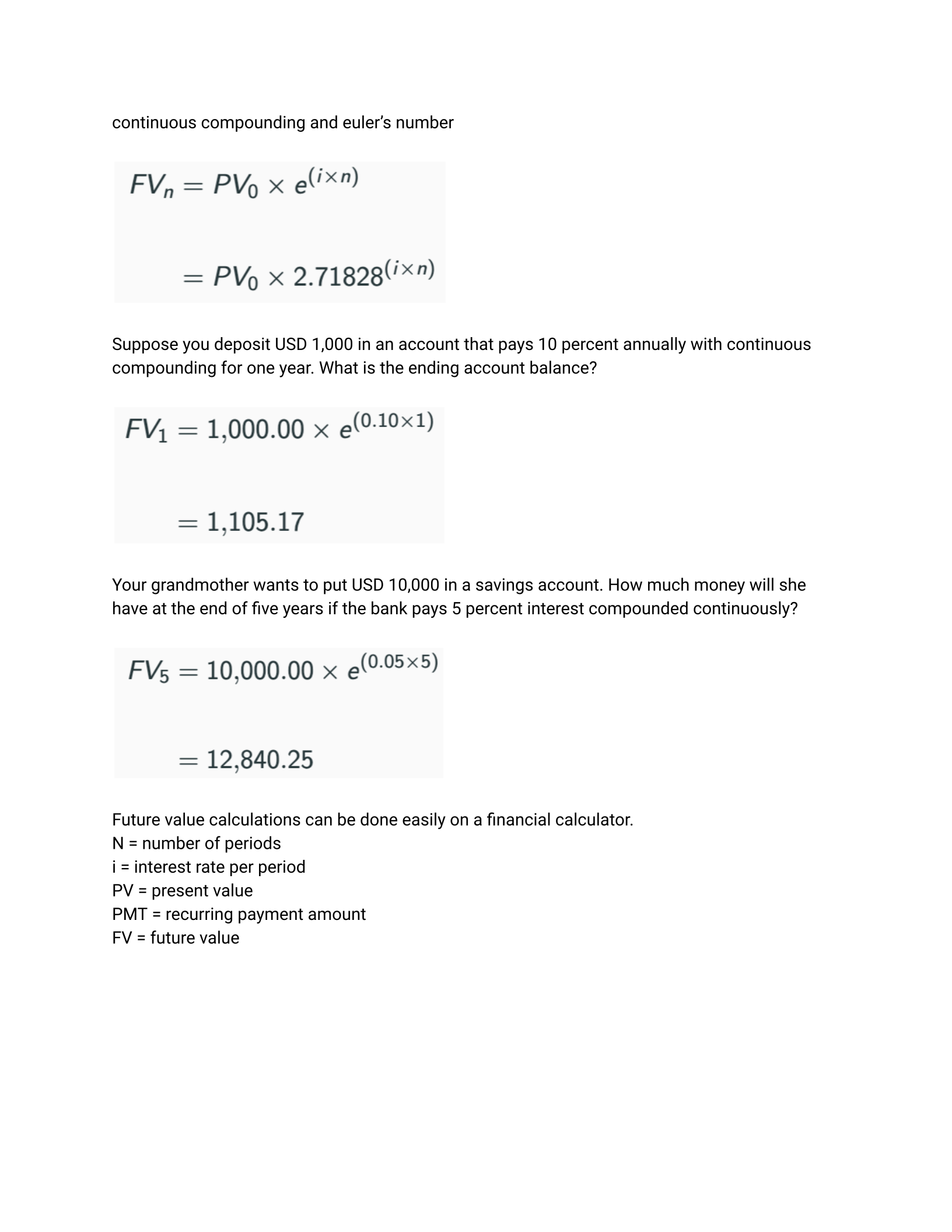
continuous compounding and euler’s number
Suppose you deposit USD 1,000 in an account that pays 10 percent annually with continuous
compounding for one year. What is the ending account balance?
Your grandmother wants to put USD 10,000 in a savings account. How much money will she
have at the end of five years if the bank pays 5 percent interest compounded continuously?
Future value calculations can be done easily on a financial calculator.
N = number of periods
i = interest rate per period
PV = present value
PMT = recurring payment amount
FV = future value
Powered by TCPDF (www.tcpdf.org)

