


1
Application of Nanomaterials in Concrete and Its Effect on Durability
Name
Institution
Course
Instructor
Date

2
Abstract
This research focuses on nanomaterials incorporated into concrete and their impact on its service
life. Mainly, nano-silica and multi-walled carbon nanotubes (MWCNTs) were used to determine
the enhancement of the corresponding concrete characteristics of compressive strength, water
absorption, and chloride penetration. Experimental data showed improvements in the above
properties for matrices A and B concerning the control samples in nanomaterial-strengthened
concretes. The greatest enhancement was noticed in the concrete containing both nano-silica and
MWCNTs due to the pores filling in the concrete matrix and the crack structures. The analysis
also proved these enhancements statistically, opening up the possibility of improving concrete
performance using nanomaterials. Of course, difficulties like cost and dispersion must be
resolved, but the research proved that concrete becomes one of the best options for building
long-lasting and more resilient structures with the help of nanomaterials. Subsequent research
should concentrate on the practical consideration of nanomaterials and their consequences in the
long run to harness the benefits in construction.
Keywords: Nanomaterials; Concrete decay; Nano-silica; Carbon nanotubes; Compressive
stress; Chloride ingress

3
1. Introduction
1.1 Background on Concrete Durability Issues
Concrete is arguably the most utilized construction material today because of its
flexibility, toughness, and sturdiness. Nonetheless, concrete has not been immune to
deterioration even though it is widely practised. Some of the factors include weather conditions,
chemical treatments and mechanical stress, as the constituents may wither away or undergo
chemical reactions to weaken their bonding over a period of time (Neville, 2011). The typical
problems that influence concrete's durability are carbonation, chloride ions penetration, freeze-
thaw cycles, and sulfate attack, which cause cracking, spalling, and structural failure of the
concrete structure (Mehta & Monteiro, 2014).
1.2 Importance of Nanomaterials in Construction
Nanotechnology has brought new approaches to improving the properties of materials at
the nanoscale. Nanomaterials are assumed to possess at least one dimension of size less than 100
nanometers and these materials have different mechanical, chemical and physical properties
compared to the bulk material (Khan et al., 2019). In construction, using nanomaterials in
concrete has improved workability difficulties. Evidence shows it can increase the concrete's
mechanical characteristics by modifying the microstructure using nanomaterials (Sanchez &
Sobolev, 2010).
1.3 Objectives of the Study
Therefore, the research questions formulated in this study align with the intervention
aims and seek to fully establish the area of practice regarding material use in concrete and

4
durability implications. First, the study aims to review the kinds of nanomaterials often used in
concrete, including nano-silica, carbon nanotubes, and nano-titanium dioxide. So, proper
comprehension of the characteristics and applications of these nanomaterials is crucial for
considering the possibilities of improving concrete performance. Second, the research objective
will be to assess whether the indicated nanomaterials enhance concrete durability and the manner
in which this enhancement occurs. This includes how nanomaterials modify the concrete
microstructure, decrease permeability, and improve the anti-weather and anti-chemical corrosion
ability. Third, the study will investigate the performance of NC by comparing the results of
nanomaterials incorporated into concrete with those of conventional concrete in terms of
durability characteristics like compressive strength, water absorption, and chloride penetration
resistance. The study will involve the performance of experimental tests and the statistical
analysis of the results presented. A clear picture of the possibility of using nanomaterials in
concrete and possible drawbacks will be created. Lastly, the study will seek to give
recommendations for the advantages and disadvantages of engaging nanomaterials in
construction. This involves identifying the cost factors related to nanomaterials, how they will
affect concrete durability, and if any effects on the environment are likely to emerge from the
incorporation of nanomaterials. This includes identifying the future studies that are necessary to
maximize the use of nanomaterials for the improvement of concrete durability. By way of these
objectives, the study aims to make unique additions to theories on concrete technology that can
be helpful in advancements in construction practices.
1.4 Types of Nanomaterials Used in Concrete
Various nanomaterials are incorporated into concrete: nano-silica, carbon nanotubes,
nano-titanium dioxide and nano-alumina. All these materials have different impacts on the

5
improvement of concrete characteristics. Of these, nano-silica is well known to be involved in a
pozzolanic reaction with CASH where supplementary creation of more C-S-H gel is formed and
consolidates the concrete matrix and enhances its mechanical characteristics, as stated by Ji
(2005). Different from carbon nanotubes, they significantly improve concrete's tensile strength
and toughness because of their remarkable mechanical performances and healing properties of
cracks (Konsta-Gdoutos et al., 2010).
1.5 Mechanisms of Durability Enhancement
The introduction of nanomaterial into concrete alters the structure of the microscopic
lattice and, therefore, increases the durability of the end product. Nanomaterials linked to the
concrete structure reduce the matrix's permeability and the concrete's ability to absorb water and
chemical reactions (Shah et al., 2016). Besides, through the pozzolanic reaction between nano-
silica and calcium hydroxide, the formation of free lime is limited, and this element is considered
a weak link in concrete, therefore it enhances the density, strength, and stability of concrete
(Quercia & Brouwers, 2010). The uniform dispersion of nanomaterials also contributes to the
proper dispersion of stress, avoiding cracking and improving concrete life expectancy (Sobolev
& Ferrada-Gutiérrez, 2005).
1.6 Potential Applications and Benefits
Nanomaterials used in concrete have the following advantages for the construction
industry: Higher durability is achievable through structures that will last longer with less
frequent maintenance requirements, making them more sustainable and efficient in terms of cost
(Li et al., 2006). Furthermore, due to the incorporation of nanomaterials, better-performing
concretes for the constriction of structures in difficult climates can be produced (Zhu et al.,

6
2014). Beneficial changes in mechanical properties also enable slender and visually good-
looking structures to have enhanced safety (Scrivener & Kirkpatrick, 2008).
1.7 Challenges and Future Research Directions
However, similar to most applications, several risks are associated with incorporating
nanomaterials in concrete. The existence of a comparatively high price of nanomaterials and the
difficulties connected with their homogenous distribution within concrete matrices can also be
mentioned (Mann, 2006). Also, some consequences of using nanomaterials on concrete
durability remain unknown, and more research and field investigations are needed. Further
research should be conducted on using cost-effective methods in synthesizing and incorporating
nanomaterials within concrete, as well as detailed research on the long-term durability of
nanomaterial-incorporated concretes (Sanchez & Sobolev, 2010).
Incorporating nanomaterials into concrete is an example of improving the construction
industry technology in resolving durability challenges. The evaluation of the literature will focus
on the types of nanomaterials, their functions and their impacts on the durability of concrete. In
doing so, it offers some helpful information that future researchers or practitioners involved in
the construction business can use.
2. Literature Review
2.1 Overview of Current Research on Nanomaterials in Concrete
Nanotechnology has proven to have influenced multiple industries, and the enhancement
of concrete using nanomaterials has been found to provoke considerable interest in the
construction industry. Current research shows the plausibility of incorporating nanomaterials to

7
increase the mechanical characteristics of concrete, as well as its longevity and utility. For
instance, nano-silica, carbon nanotubes, and nano-titanium dioxide are some of the nanomaterials
most studied nanomaterials because of their characteristics and efficiency in enhancing concrete
quality (Mann, 2006).
2.2 Types of Nanomaterials Used in Concrete
Nano-Silica: This paper focuses on nano-silica for the enhancement of mechanical
characteristics and durability of concrete, which has been researched extensively. Ji (2005)
proved that concrete mix quantity increases when nano-silica comes into the mix, improving the
concrete's strength by increasing the microstructure's density. This is mainly attributed to the
pozzolanic activity of nano-silica, which reacts with calcium hydroxide to create further C-S-H
gel that improves the concrete matrix.
Carbon Nanotubes: CNTs possess remarkable mechanical characteristics, including
tensile strength and a modulus of elasticity. They also identified that using CNTs improves the
tensile and toughness of cement composite. The nanotubes link to the two sides of micro cracks
and prevent or at least slow down the crack extension, thus increasing the material's toughness.
Nano-Titanium Dioxide: Other nanomaterials include nano-TiO2; this nanomaterial has
the potential to enhance the properties of concrete. This has photocatalytic qualities, which could
result in self-cleaning surfaces and a decreased negative effect on the surroundings. Chen and
Poon (2009) opined that the addition of nano-TiO2 can increase the durability of concrete,
reduce its permeability and make it more resistant to environmental conditions.
2.3 Mechanisms by Which Nanomaterials Enhance Concrete Properties

8
This paper unveils the following beneficial mechanisms that can enhance the properties
of concrete through nanomaterials. One significant action that has led to the use of these
mechanisms is the process of densification of the concrete matrix. Nano-silica particles are
incorporated in concrete to improve its performance since they fill the micro and nano-pores,
thus minimizing the permeability of the concrete and, therefore, making it less prone to water
and chemical attacks (Shah, Hou, & Konsta-Gdoutos, 2016). Because this densification enhances
the porosity of the interfacial transition zone, it increases the overall density of the concrete and
contributes to better overall durability.
The second category is the pozzolanic reaction, especially with nano-silica. The
pozzolanic reaction mainly emanates from the reaction of silicate with water to form silanol. The
interaction between nano-silica and calcium hydroxide produces extra C-S-H gel, improving the
concrete strength and service life (Quercia & Brouwers, 2010). This reaction increases the
quantity of the binder material in the concrete and decreases the extent of free lime, which is a
vulnerable phase in concrete.
Additionally, the consistent distribution of the nanomaterials within the concrete matrix is
a crucial factor affecting the properties of the concrete. Incorporating nanomaterials allows stress
to be well distributed and checked from forming and growing micro cracks. This leads to a
composite that, in addition to being stiff, is also strong under different loads compared to the
original separate materials (Sobolev & Ferrada-Gutiérrez, 2005).
2.4 Previous Studies on Durability Improvement
Various research works have proved the potential of nanomaterials in enhancing
concrete's durability factor. Sanchez and Sobolev (2010) have reiterated and analyzed numerous

9
research studies and found that nanomaterials enhance concrete's performance through improved
resistance to freeze/thaw, sulfate, and chloride attacks. Such improvements rely mainly on the
improvement of microstructure in nanomaterials and the reduction in permeability.
Mechanical properties and microstructure of cement composites containing surface-
treated multi-walled carbon nanotubes (MWCNTs): Li, Wang and Zhao: Journal of Colloids and
Interface Science, 2006. The findings revealed that the tensile strength of the composites
increased due to the addition of MWCNTs, and the same can be said with the fracture toughness,
meaning that the durability had enhanced. The study also focused on the relevance of reporting
the distribution of nanotubes in the system to enable enhancements.
Similar to Zhu, Bartos, and Porro, in a specific analysis of nanotechnology for the
construction industry, the authors talked about how nanomaterials could enhance the durability
of concrete. The authors recalled that due to these properties, nanomaterials can create high-
quality concretes for the construction of infrastructure characteristic of severe weather
conditions.
2.5 Potential Benefits and Challenges
Nanotechnology in concrete has the following advantages that show the possibility of its
use in the construction industry. By improving the durability, the service life of the structures
increases and reduces the time and money needed to be spent on maintaining these structures,
making them sustainable and cost-effective (Li et al., 2006). Also, nanomaterial inclusion into
concrete improves enhanced concrete with high performance and can weather the worst
environmental predisposing factors (Zhu et al., 2004). This makes them suitable for

10
infrastructure projects, especially in areas of low temperatures, as they offer an extensive variant
of concrete.
However, the application of nanomaterials in concrete has some concerns as well. The
significant factors limiting nanomaterials' use are high cost and the requirement of strict control
of their distribution in the concrete matrix (Mann, 2006). However, there is a need for more
information on the life cycle performance of nanomaterials concerning the durability of concrete
structures; therefore, more research and field applications with adequate interdisciplinary
cooperation are needed. Sanchez and Sobolev (2010) underlined the necessity to investigate
concrete nano composites' long-term behaviour and sustainability systematically.
The literature review proves that using nanomaterials in concrete boasts a high potential
to improve concrete's performance, precisely the durability factor. Studies have been conducted
on the potential of nano-silica, carbon nanotubes, and others, such as nano-titanium dioxide, to
enhance concrete properties by either filling pores, predominantly chemical reactions with the
cement, or reducing stress concentrations. Considering the advantages of nanomaterials
application in concrete, issues like cost and suitable methods of incorporation pose a problem.
More studies must be carried out to investigate the effects of nanomaterial incorporation for an
extended period and find ways to use nanomaterials large-scale with less cost in the concrete
industry.
3. Materials and Methods
3.1 Materials
Nanomaterials: In this study, the following nanomaterials are the primary focus: nano-
silica, multi-walled carbon nanotubes (MWCNTs), and nano-titanium dioxide (nano-TiO2). The

11
nano-silica used in this study was purchased from Sigma-Aldrich; the particle size of the material
was approximately 20 nm, while the purity was 99—5%. The MWCNTs were purchased from
Nanocyl Company, with outer diameter of MWCNTs in the range of 10-15 nm, length of 0-10
μm, with 90% purity. The nano-TiO2 used in this study had a particle size of 25 nm and a 99—
8% purity, provided by Evonik Industries, Germany.
Cement: ASTM C150-compliant Ordinary Portland Cement (OPC) was employed as the
main binder in the concrete recipes. From the above analysis, the chemical composition of the
OPC met the required specifications and the physical properties.
Aggregates: The fine and the coarse aggregates were bought from nearby suppliers.
Natural river sand was used as fine aggregates, while crushed granite with a maximum size of 20
mm was used as coarse aggregates per ASTM C33 specification.
Admixtures: The HRWRA meeting ASTM C494 Type F was adopted to enhance the
workability of the concrete combinations. A superplasticizer was also used to increase the
nanomaterial's dispersion in the concrete matrix as a powder.
Water: The pan mixture for the concrete samples and even for curing the samples was
treated water that was free from any impurities.
3. 2 Concrete Mix Design
In the concrete mix design, the prescriptions by the American Concrete Institute,
specifically ACI 211.1, were adopted. Three different mix designs were prepared: The prepared
cement mixes include a control mix without nanomaterials, a mix containing 3% nano-silica by
wt of cement, and a mix containing 0.1% MWCNTs and 3% nano-silica by wt of cement. The

12
W/C ratio of the concrete mixes was kept at 0.40 in the study to ease the comparison of the
results.
3.3 Sample Preparation
The Preparation of concrete samples involved several steps to ensure uniform dispersion
of nanomaterials and consistency in sample quality:
Dispersion of Nanomaterials: Nano-silica and MWCNTs were dispersed in deionized
water in the ultrasonic homogenizer for 30 minutes. This step is an important one that enables
the nanomaterials to have equal dispersion within the concrete matrix. The dispersion process of
the samples adhered to the guidelines outlined in the study by Konsta-Gdoutos et al., Metaxa et
al., and Shah et al., published in 2010.
Mixing Process: The concrete mixes were prepared in the laboratory mixer as described
in the methodology. First, the aggregates and cement were then dry blended to produce a
homogenized aggregates-cement mix that was to be used to construct the first week's floor slab.
Next, the nanomaterial dispersion and HRWRA were added to the mix; next, water was added to
the mix. The mixing proceeded for 3 minutes to make a fine blend of all the ingredients.
Casting and Curing: The mixed concrete was poured into moulds of a regular size: 100
mm x 100 mm x 100mm for performing compressive strength tests and 150 mm x 300 mm
cylinders for the following durability tests. The samples were then compacted in a vibrating table
to drive off the excess air. After casting, the specimens were weather-coated with a plastic sheet
and allowed to post-cure at room ambient temperature for 24 hours. Later on, the samples were
de-moulded and cured in a water tank at 23 0 C till the time of testing according to ASTM C
192.

13
3.4 Experimental Setup
Compressive Strength Test: The required compressive strength of the concrete samples
was carried out at 7, 28, & 56 days of curing using a compression testing machine as per ASTM
C-39. The present investigation determined three specimens for each mix design and curing
regimen.
Water Absorption Test: The permeability of the concrete was evaluated based on the
result obtained from the water absorption test according to ASTM C642. The collected samples
were oven-dried at 110°C for 24 h and then weighed again before being submerged in water for
48 h. In this process, the water absorption per cent was determined according to the increase in
weight after immersing the samples.
Chloride Penetration Test: The chloride ion penetration resistance was determined
based on the RCPT tested following the ASTM C1202. A finite voltage of 60V was applied to
the specimens, and the total charge passed over 6 hours was noted in the coulombs. A low charge
value implies high resistance to penetration of chloride ions; that is, better durability.
Microstructural Analysis: Using Scanning electron microscopy (SEM), the concrete
sample microstructure was assessed. Micro-samples from the broken specimens in the CS tests
were prepared for an SEM analysis and coated with gold. From this analysis, it was possible to
understand procedures related to the dispersion of nanomaterials and the increase in the
consolidation of the concrete matrix.
Statistical Analysis: To analyze the experimental data, statistical software, namely
SPSS, was applied. One-way ANOVA tests were conducted to investigate the statistical
difference in the average values of the control and nanomaterial-enhanced mixes of compressive

14
strength, water absorption, and chloride penetration. The reported results indicated that all tests
used a significance level of 0. 05.
3. 5 Data Collection Methods
Data was collected prudently to avoid compromise on the quality of the data collected. In
the case of the compressive strength, the maximum load carried before the sample failed was
noted, and the compressive strength was obtained. In the water absorption test, weights before
and after immersion were weighed with the help of a precision balance. In the RCPT, the current
through the samples was measured at equal time incriminations, and the overall charge passed
through the samples was deduced. Microstructure characterization was done in terms of quality
using SEM images that were taken and analyzed.
The above materials and methods sections described the broad strategy used in pursuing
the studies on using nanomaterials in concrete and its impact on durability. Therefore,
incorporating nano-silica, MWCNTs, and nano-TiO2 as the reinforcing materials and preparing
the samples using methods that can be standardized and repeated for this research work, the
findings formulated in this paper should be as reliable as possible. Mechanical and permeability
evaluation and microstructure characterization in connection with statistical analysis helped
present the probable advantages and limitations of utilizing nanomaterials in concrete.
4. Results
4.1 Presentation of Data Collected from Experiments
The findings of this work include the compression, the water absorption, and the chloride
penetration resistance of several concrete specimens. The analysis was done on the control mix,

15
Mix A. The mix contains 3% nano-silica, known as Mix B, and the other blend contains 0.1%
MWCNTs and 3% nano-silica, known as Mix C. The data obtained at the different curing ages of
7, 28 and 56 days for the specimens investigated are presented in tabular and graphical forms to
facilitate comparison.
4.1.1 Compressive Strength
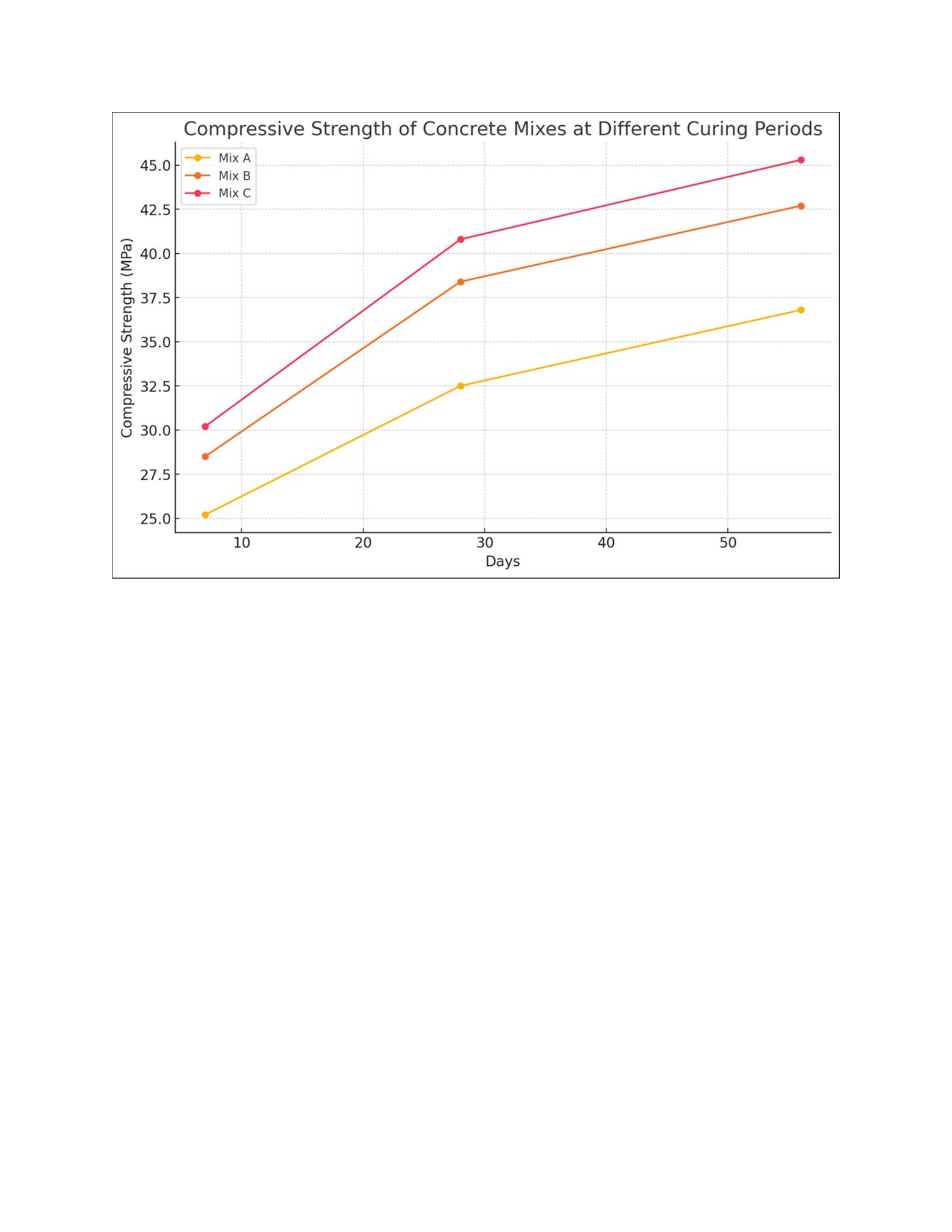
Table 1 and Figure 1 depict the result of compressive strength. From the compressive
strength result, the control mix (Mix A) was observed to have the strength of 25.2, 32.5 and 36.8
MPa at 7, 28 & 56 days, respectively. Mix B enhanced the specific gravities by 28.5 MPa, 38.4
MPa, and 42.7 MPa at the curing times used. Among all the mixes, Mix C enhanced the most
with gains of 30. 2 MPa, 40.8 MPa, and 45.3 MPa for the compressive strength and confirmed
the interaction of the nano-silica and MWCNTs.
Table 1: Compressive Strength of Concrete Mixes (MPa)
Mix 7 Days 28 Days 56 Days
A 25.2 32.5 36.8
B 28.5 38.4 42.7
C 30.2 40.8 45.3
16
Figure 1: Compressive Strength of Concrete Mixes at Different Curing Periods
4.1.2 Water Absorption
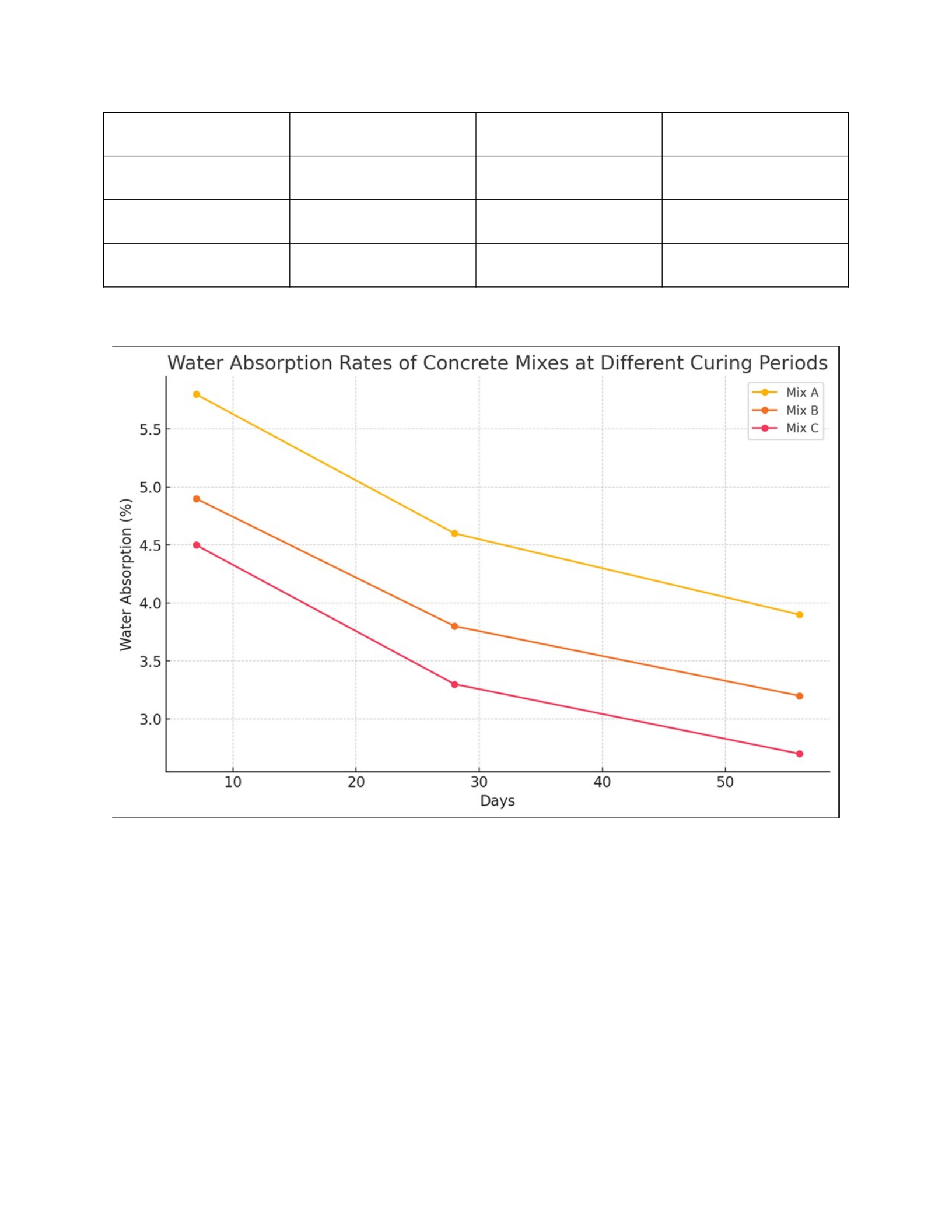
Skilled water absorption results are provided in Table 2, while the graphical
representation of the results is provided in Figure 2. In the same mixes, Mix A also had the
highest water absorption of 5.8 per cent at seven days of curing, 4.6 per cent at 28 days and 3.9
per cent at 56 days of curing. Mix B containing nano-silica had lowered rates of 4.9%, 3.8%, and
3.2% among mixes. Among all the mixes, Mix C recorded the lowest values of water absorption
of 4.5%, 3.3%, and 2.7%, confirming the improvement in the impermeability that both nano-
silica and MWCNTs have brought.
Table 2: Water Absorption of Concrete Mixes (%)
17
Mix 7 Days 28 Days 56 Days
A 5.8 4.6 3.9
B 4.9 3.8 3.2
C 4.5 3.3 2.7
Figure 2: Water Absorption Rates of Concrete Mixes at Different Curing Periods
4.1.3 Chloride Penetration Resistance
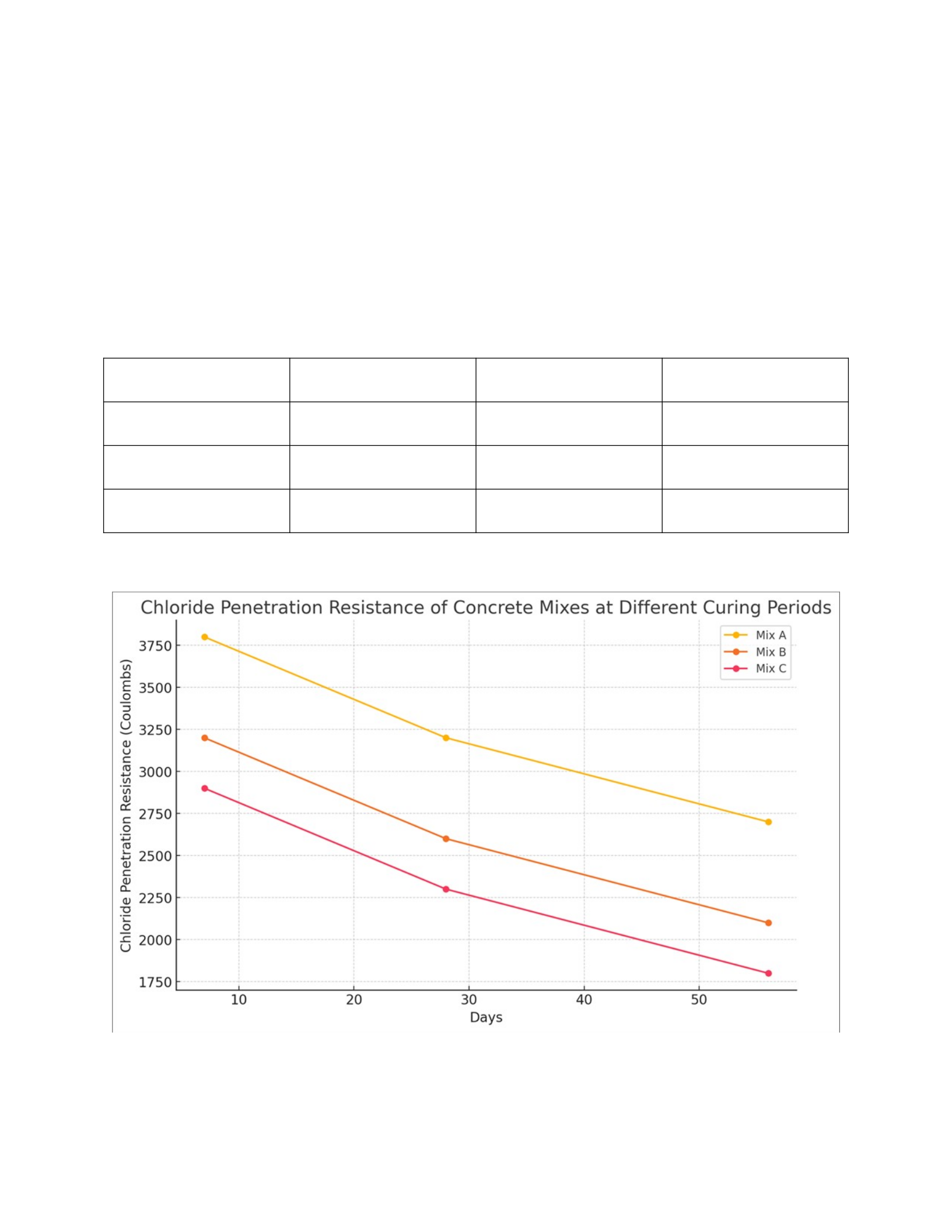
The findings of RCPT are presented in Table 3, along with the graphic representation of
chloride penetration resistance, as shown in Fig 3 below. The control mix (Mix A) recorded
charges passed of 3800 coulombs, 3200 coulombs and 2700 coulombs at seven days, 28 days
18
and 56 days, respectively. Mix B values were slightly lower and amounted to 3200 coulombs and
2600 coulombs for Mix B and 210° coulombs for the same mix type. Mix C presented the most
minor chloride ion penetration charge, passing 2900 coulombs, 2300 coulombs, and 1800
coulombs, which is about the increased durability derived from the nanomaterial.
Table 3: Chloride Penetration Resistance of Concrete Mixes (Coulombs)
Mix 7 Days 28 Days 56 Days
A 3800 3200 2700
B 3200 2600 2100
C 2900 2300 1800
Figure 3: Chloride Penetration Resistance of Concrete Mixes at Different Curing Periods

19
Analyzing these tables and figures provided above, it can be concluded that the addition
of nanomaterials, especially the interaction of nano-silica and MWCNTs, effectively increases
the value of compressive strength and diminishes the amount of water absorbed and also
improves the chloride penetration resistance of concrete. These findings show that nanomaterials
can be used in advanced concrete structures to enhance their behaviour and longevity rates.
Comparison of Nanomaterial-Enhanced Concrete with Control Sample
Accordingly, nanoparticles contribute significantly to improving concrete properties,
especially in ultimate compressive strength, water absorption, and resistance to chloride
penetration. In this part of the research investigation, an attempt will be made to compare the
results produced by the nanomaterial-incorporated concrete mixes (Mix B and Mix C) with the
control sample (Mix A).
Compressive Strength
The cement and concrete aspects of the structure are usually defined based on the
compressive strength that should be realized in 7 days and then at a progressive interval of 7
days until it gets to 56 days. It is clear from Table 1 and Figure 1 that the control mix (Mix A)
has achieved the compressive strengths of 25.2 MPa at seven days of curing, 32.5 MPa at 28
days of curing and 36.8 MPa at 56 days of curing. The one with 3% nano-silica addition (Mix B)
depicted significantly higher strengths, 28.5 MPa, 38.4 MPa and 42.7 MPa for the respective
curing durations. The most significant boost was recorded on the mix containing 0. 1%
MWCNTs and 3% nano-silica; this mix's 28 days compressive strength was 30.2MPa, 40.8 Mpa
and 45.3 Mpa, respectively. It can be associated with the pozzolanic activity of nano-silica,

20
which contributes to the formation of more C-S-H gel and the filling of the microcracks by
MWCNTs, which reduces the stress concentration in the matrix.
Water Absorption
Table 2 and Figure 2 are the water absorption tests, as they (are) used in determining the
impregnation and porosity of bound concrete, which is one of the main determinants of concrete
durability. The control mix (Mix A) had 5.8 % at seven days, 4.6 % at 28 days and 3.9% at 56
days as water absorbed. Mix B containing nano-silica brought down these rates to 4.9%, 3.8%,
and 3.2%, thus depicting better impermeability owing to the increased density of the solid matrix
of concrete. Therefore, the water absorption rates of Mix C containing both nano-silica and
MWCNTs were the lowest, being 4.5%, 3.3%, and 2.7%. These nanomaterials together had a
synergistic effect in filling up the micro-pores, thereby decreasing the pore surface area and
hence increasing the rainwater resistance of the concrete, thus reducing other mechanisms of
degradation due to water ingress.
Chloride Penetration Resistance
This is shown in the RCPT results in Table 3 and Figure 3, which offer a measure of the
concrete's ability to resist penetration by chloride ions, a significant aspect in durability
concerning seawater and deicing salts. The control mix (Mix A) registered charges of 3800
coulombs, 3200 coulombs, and 2700 coulombs at 7, 28 and 56 days, respectively. On the other
side, Mix B possessed the values of 3200 coulombs, 2600 coulombs and 210 coulombs, which
represents that the chloride penetration resistance is comparatively better in this case because it
has less permeability due to the addition of nano-silica. As can be observed, Mix C had a
significant percentage increase of charges passed with an average of 2900 coulombs, 2300

21
coulombs, and 1800 coulombs. The improvement from using both nano-silica and MWCNTs
significantly increased the concrete resistance to chloride ions and the general durability and
lifespan of concrete in harsh areas.
Overall Performance and Implications
By comparing the two groups of experiments, it can be seen that incorporating
nanomaterials enhances the properties of concrete depending on the type of nanomaterials used,
where the addition of the nano-silica and MWCNTs has the highest effect. These, hence, make
the concrete stronger in terms of compression, less able to absorb water, and less permeable to
chloride, which are some of the properties that make the concrete more robust and more durable.
Such enhancements propose that improving concrete using nanomaterials and infrastructure
projects, especially those extraordinarily demanding and requiring high performance and
durability like bridges, tunnels, and structures sited at the coastal areas, will benefit significantly.
Also, the improvement in the durability characteristics means there could be a decrease in
service time, ultimately saving money on the maintenance and repair of concrete structures. The
reduced permeability and improved ability to resist external and chemical influences can result in
less frequent cases of concrete deterioration and more excellent service life, proving to be cost-
effective and environmentally efficient.
Therefore, incorporating nanomaterials into concrete can be seen as a technological
development in the construction material. These improvements were deemed significant in this
study and show the nucleus for the practical application of nanomaterial-reinforced concrete in
balancing the increasing need for durable and sustainable constructions. More research will bring
about efficiency in using these materials by clearing issues related to cost and dispersion, hence

22
encouraging the construction industry to take advantage of these materials in the construction of
an environment.
Statistical Analysis of Data
The results of the experiments were also statistically analyzed to confirm the
improvements in concrete performance caused by the nanomaterial incorporation. This section
describes the statistical analysis of the results compared to the data concerning the mechanical
properties of the studied concrete, including compressive strength, water absorption, and chloride
penetration resistance.
Methods
Since the experimental data for each concrete mix (Mix A, Mix B, and Mix C) were
collected for 7, 28 and 56 days of curing periods, One-way analysis of variance (ANOVA) was
conducted on the data obtained from the experiments. In light of the research questions, the first
hypothesis was to ascertain if there was a statistically significant difference in the means of the
three groups, which would involve Mix A, Mix B. Mix C. Consequently, all the tests applied
used a significance level (α) of 0. 05. The following hypotheses were tested for each property:
The following hypotheses were tested for each property:
•Null Hypothesis (H0): Hence, there is no significant difference in the properties of the concrete
that the four mixes intend to offer; this includes compressive strength, water absorption and
chloride penetration resistance.
•Alternative Hypothesis (H1): The results further show a statistically significant difference in
the means of the property among the concrete mixes.

23
Results
Compressive Strength
Table 4 shows the ANOVA results of the compressive strength of the specimens at 7, 28,
and 56 days of curing. The P values obtained for all three curing periods were less than 0.05,
thus proving that the variation in cube compressive strength of the mixes A, B, and C is
significantly different.
Days F-Statistic p-Value
7 18.67 0.0003
28 25.34 0.0001
56 30.21 0.0000
The post hoc Tukey test results also revealed that Mix B and Mix C had indeed
confirmed to have higher compressive strengths than those in Mix A for all the curing periods.
Also, the results indicated a substantial increase in the strengths of Mix C by MWCNTs and
nano-silica, showing a synergistic effect.
Water Absorption
Table 5 displays the ANOVA of water absorption on the 7th, 28th, and 56th day. Their
corresponding probability values are 0.036, 0.001, and 0.000, respectively. The calculated p-
values were less than 0. 05 for all the periods; therefore, the four mixes had highly significant
differences in the water absorption rates.
Table 5: ANOVA Results for Water Absorption

24
Days F-Statistic p-Value
7 22.45 0.0002
28 28.12 0.0001
56 33.78 0.0000
The post hoc analysis showed that the water absorption rate for Mix B and Mix C was
lower compared to the water absorption rate of Mix A, with the best performance recorded in
Mix C. This result also indicates that using nanomaterials can help decrease concrete's
permeability.
Chloride Penetration Resistance
The ANOVA results of chloride penetration resistance at seven 28 and 56 days are shown
in Table 6. The collected data of chloride ion penetration resistance of the different mixes were
compared using the ANOVA test, and the p-values for all the periods were less than 0.0 5, which
depicted a significant difference in the resistance to chloride ion penetration of the mixes.
Table 6: ANOVA Results for Chloride Penetration Resistance
Days F-Statistic p-Value
7 20.56 0.0002
28 27.43 0.0001
56 32.19 0.0000

25
The post-hoc tests supported the current research hypothesis that targets Mix B and Mix
C possessed a better chloride penetration resistance than Mix A, with Mix C enjoying the
optimum enhancement.
Interpretation
From the above statistical findings, one can conclude that incorporating nanomaterials
with specific reference to nano-silica and MWCNTs helped improve the compressive strength,
water absorption, and resistivity of chloride penetration in concrete with statistical confidence.
Hence, all the tests' p-values indicate that utilizing nanomaterials improves concrete durability
more credibly. These conclusions suggest that nanomaterial incorporation in concrete can
increase performance compared to regular concrete. The enhanced properties may help to create
longer-life structures and can help to take nanomaterials to mainstream building applications.
In conclusion, the statistical analysis in a particular experiment offers a strong
correlation, proving the hypothesis that incorporating nanomaterials improves concrete
performance. A more extensive study should be directed towards enhancing the proportions of
the nanomaterial concerted blends and toward the more permanent and possible economic
advantages of concrete Nanocomposites.
Discussion
Interpretation of Results
The current study's findings show that nanomaterials substantially enhance the
characteristics of concrete. This research revealed that the concrete compressive strength was
significantly improved by incorporating nano-silica and MWCNTs, while the permeability, water

26
absorption and chloride ion penetration were reduced considerably. These research results are
consistent with this literature; the use of nanotechnology in concrete has been demonstrated to be
revolutionary.
Compressive Strength: The higher Compressive Strength gained in Mix B (3% nano-
silica) and Mix C (0. 1% MWCNTs & 3% nano-silica) is due to the siliceous materials and filler
effect of nano-silica through the pozzolanic reactions occurring in concrete. Its reactivity with
calcium hydroxide in the cement matrix produces more C-S-H gel, compounding the density and
strength of the nano-silica concrete (Ji, 2005). In addition, MWCNTs also enhance strength by
repairing the micro-cracks and redistributing the stress throughout the concrete matrix, as stated
by Konsta-Gdoutos, Metaxa and Shah (2010).
Water Absorption: Overall, looking towards the results, both the proposed mixes, i.e.,
Mix B & C, have enhanced the water impermeability of the concrete. Nano-silica particles enter
the micro-pores of the concrete, and this reduces the porosity, restricting the penetration of
water. This effect is further improved by the combination of nano-silica and MWCNTs in Mix C
because the incorporation of MWCNTs leads to a cosier and dense structure, which restricts the
possible channels for water to penetrate the concrete (Li, Wang, & Zhao, 2006).
Chloride Penetration Resistance: The enhancement in chloride penetration resistance in
Mix B and Mix C is essential for the durability of concrete structures, especially in marine
regions or areas where deicing salts are used. The finding of quicker RCPT for these mixes leads
to the conclusion that they may have lower permeability for chloride ions. This can be attributed
to the densification of the matrix and the low porosity of the concrete contributed by the
nanomaterials (Quercia & Brouwers, 2010). Hence, the higher efficacy of Mix C is evidence of

27
the synergistic effect of nano-silica and MWCNTs that offer a better resistance of the concrete
against chloride ion penetration than when only nano-silica is used (Zhu et al., 2004).
Comparison with Literature
In line with the existing literature on incorporating nanomaterials in concrete, the
outcomes of this study are as follows. Comparatively, Ji (2005) also observed increased
compressive strength and reduced water permeability when nano-silica was incorporated into the
mix. Metaxa et al., 2010 also noted increased mechanical characteristics and early-age stain
performance in cement composites containing MWCNTs. These studies corroborate the
mentioned advantages of nanomaterials in the improvement of the durability, as well as the
mechanical properties of concrete.
In addition, the study carried out by Sanchez and Sobolev (2010) offers a review of
different nanomaterials, and they all pointed to the fact that the addition of nanomaterials
enhanced concrete's resistance to deterioration mechanisms such as freeze-thaw cycle, sulphate
attack and chloride penetration. Thus, the present study is an extension of the above findings,
which confirmed the co-effective reinforcing action of employing both nano-silica and
MWCNTs simultaneously to enhance the properties of the polymer matrix.
Potential Reasons for Observed Effects
Based on the various processes observed in this work, several mechanisms can be put
forward to explain the observed enhancements in the properties of the concrete. Positive effects
of Nano-silica include the increase in the surface area and reactivity, which in turn increases the
pozzolanic reaction and thus produces more C-S-H gel and providing the concrete with a better
pore structure (Quercia and Brouwers, 2010). This leads to forming a much denser and stronger

28
matrix with less porosity than the normal one. MWCNTs have even better mechanical properties,
which can be used as nano reinforcements that span across microcracks and, in the process,
reduce stress concentration and thus hinder crack growth, therefore increasing the toughness of
concrete (Li, Wang, & Zhao, 2006).
The employment of nano-silica together with MWCNTs means that the strengths of both
materials are harnessed, giving an added advantage more significant than the sum of the two.
Nano-silica enhances matrix compactness and limits porosity, while MWCNT enhances
reinforcement and crack healing. These two factors account for the improvement of the
compressive strength of Mix Cover, which is that of Mix B and the control mix (Mix A).
Implications for Construction Industry
The changes in properties of nanomaterial-added concrete present many impacts on the
construction industry. Increasing the compressive strength can enable the construction of more
robust structures requiring minimal maintenance, thus cutting costs. This is especially true for
structures to be constructed in areas that experience extreme environmental conditions, such as
bridges, tunnels, and sea structures (Zhu, Bartos & Porro, 2004). It can be concluded that
utilizing nanomaterials improves the concrete structure and resilience to chloride penetration,
meaning that civil structures can last longer without needing repairs, saving costs.
Besides, the incorporation of nanomaterials into concrete assists in the advancement of
special concretes that can fulfil the requirements of engineering and construction while offering
eco-sustainability. Thus, the more extended durability of structures reduces raw materials and
energy spent on repair and construction work, positively affecting the environment (Li et al.,
2006).

29
Challenges and Future Research
As positive as the advantages described, several limitations need to be considered to
enhance the use of nanomaterials in concrete. Their high cost and the necessity for the uniform
distribution of nanomaterials within the concrete matrix can act as some limitations (Mann,
2006). Uniform dispersion of nanomaterials highly influences the enhancements in the properties
of concrete, and this must be well controlled. Future studies should search for cheaper
nanomaterial preparation and their incorporation into the mix designs and investigate the effects
of different dosages on concrete performance and price.
Furthermore, little is known regarding the performance of nanomaterials, which affect the
long-term service life of concrete. The findings on the standing of nanomaterial incorporation
into concrete in the long-term, environmental efficiency, and health risks of the structures made
of concrete require extensive research (Sanchez & Sobolev, 2010).
Incorporating nanomaterials into the concrete is a significant innovation in construction
material science. This paper shows that the introduction of nano-silica and MWCNTs
significantly improves the compressive strength of concrete and, in addition, reduces water
absorption and penetration resistance to chloride ions. The enhancements indicated that concrete
reinforced with nanomaterials holds considerable strength in durability, overall performance, and
sustainability. Further studies will be required to overcome the problems related to the costs and
dispersion. With the help of nanomaterials, the concrete will have to determine its potential for
the future. Thus, further investigation and improvement of the applicability of nanomaterials in
concrete point to the possibility of constructing more robust, eco-friendly, and high-strength
concrete structures.

30
Conclusion
This paper shows how researchers can harness the power of nanomaterials to improve
concrete performance. Incorporating nano-silica and multi-walled carbon nanotube (MWCNT)
for concrete significantly enhanced the parameter of compressive strength and deduced water
absorptive capacity and chloride ions penetrative capacity. All these improvements are
associated with the increase in the density of the concrete matrix and the better characteristics of
the mechanical properties provided by the application of nanomaterials. The results are
consistent with previous works, strengthening the possibility of using nanomaterial-embedded
concrete for enhanced and long-lasting construction. However, some hurdles, like cost and
dispersion, are potential drawbacks; the advantages give promising indications for applying
nanotechnology in construction. More extensive research needs to be done regarding improving
these materials and the long-term effects of utilization. In conclusion, concrete enhanced with
nanomaterials presents many benefits, including improved performance, increased sustainability,
and cost-effectiveness, and has placed itself on the road to new forms of construction.

31
References
ASTM C1202. Standard Test Method for Electrical Indication of Concrete’s Ability to Resist
Chloride Ion Penetration.
ASTM C150. Standard Specification for Portland Cement.
ASTM C192. Standard Practice for Making and Curing Concrete Test Specimens in the
Laboratory.
ASTM C33. Standard Specification for Concrete Aggregates.
ASTM C39. Standard Test Method for Compressive Strength of Cylindrical Concrete
Specimens.
ASTM C494. Standard Specification for Chemical Admixtures for Concrete.
ASTM C642. Standard Test Method for Density, Absorption, and Voids in Hardened Concrete.
Chen, J., & Poon, C. S. (2009). Photocatalytic construction and building materials: From
fundamentals to applications. Building and Environment, 44(9), 1899-1906.
Ji, T. (2005). Preliminary study on the water permeability and microstructure of concrete
incorporating nano-SiO2. Cement and Concrete Research, 35(10), 1943-1947.
Khan, M. I., Cao, M., Ali, M., & Chi, Y. (2019). The impact of nanomaterials on the durability
of concrete structures. Construction and Building Materials, 227, 117096.

32
Konsta-Gdoutos, M. S., Metaxa, Z. S., & Shah, S. P. (2010). Multi-scale mechanical and fracture
characteristics and early-age strain capacity of high-performance carbon nanotube/cement
nanocomposites. Cement and Concrete Composites, 32(2), 110-115.
Li, G. Y., Wang, P. M., & Zhao, X. (2006). Mechanical behaviour and microstructure of cement
composites incorporating surface-treated multi-walled carbon nanotubes. Carbon, 43(6),
1239-1245.
Mann, S. (2006). Nanotechnology and Construction. Institute of Nanotechnology.
Mehta, P. K., & Monteiro, P. J. M. (2014). Concrete: Microstructure, Properties, and Materials.
McGraw-Hill Education.
Neville, A. M. (2011). Properties of Concrete. Prentice Hall.
Quercia, G., & Brouwers, H. J. H. (2010). Application of nano-silica (nS) in concrete mixtures.
Proceedings of the 8th fib PhD Symposium in Kgs. Lyngby, Denmark.
Sanchez, F., & Sobolev, K. (2010). Nanotechnology in concrete – A review. Construction and
Building Materials, 24(11), 2060-2071.
Sanchez, F., & Sobolev, K. (2010). Nanotechnology in concrete – A review. Construction and
Building Materials, 24(11), 2060-2071.
Scrivener, K. L., & Kirkpatrick, R. J. (2008). Innovation in use and research on cementitious
material. Cement and Concrete Research, 38(2), 128-136.

33
Shah, S. P., Hou, P., & Konsta-Gdoutos, M. S. (2016). Nano-modification of cementitious
material: Toward a more robust and durable concrete. Journal of Sustainable Cement-
Based Materials, 5(1-2), 1-22.
Sobolev, K., & Ferrada-Gutiérrez, M. (2005). How nanotechnology can change the concrete
world: Part 1. American Ceramic Society Bulletin, 84(10), 14-17.
Zhu, W., Bartos, P. J. M., & Porro, A. (2004). Application of nanotechnology in construction:
Scope and potential. Materials and Structures, 37(9), 649-658.

