


Lopez 1
Discovering Computers Module 8 Checkpoint Exercises
True/False
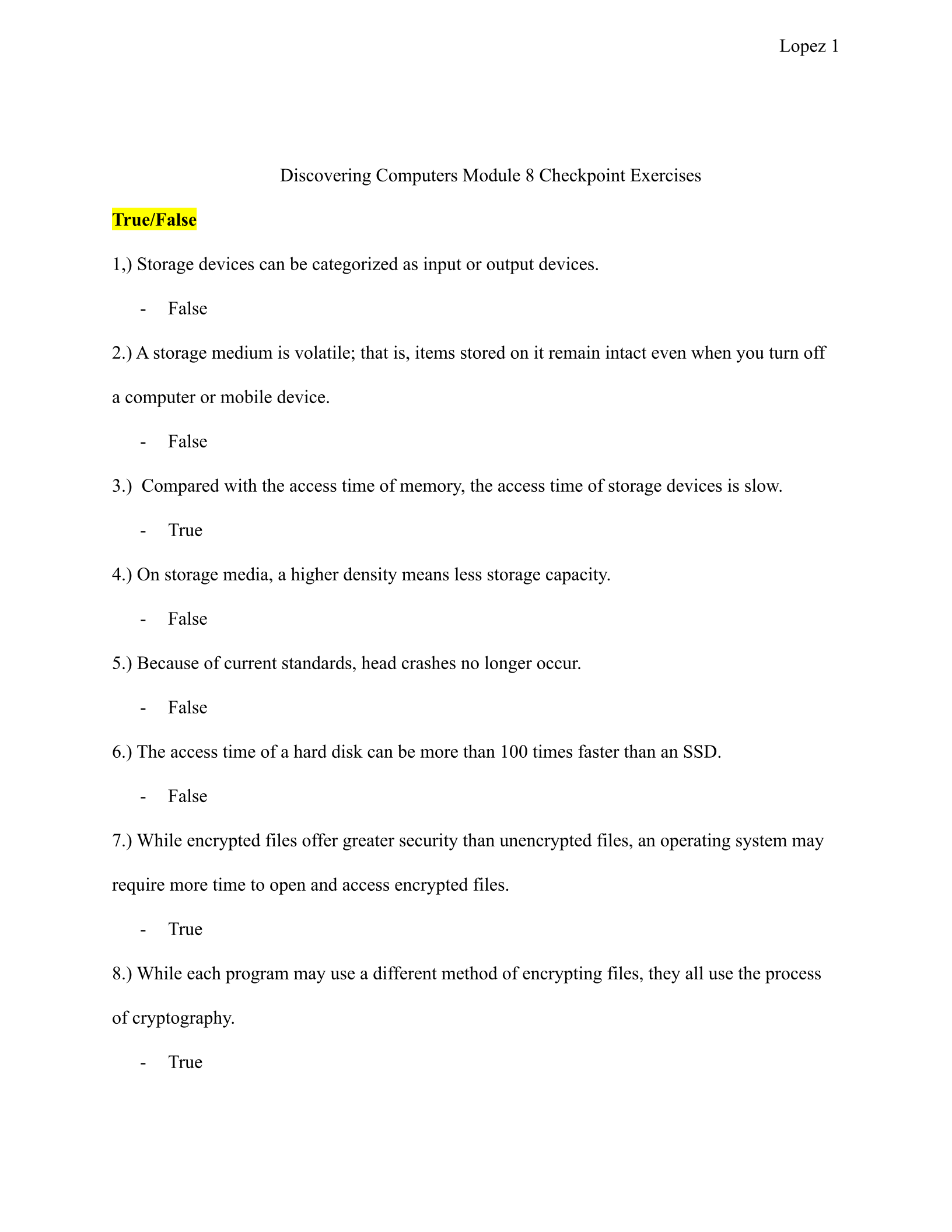
1,) Storage devices can be categorized as input or output devices.
- False
2.) A storage medium is volatile; that is, items stored on it remain intact even when you turn off
a computer or mobile device.
- False
3.) Compared with the access time of memory, the access time of storage devices is slow.
- True
4.) On storage media, a higher density means less storage capacity.
- False
5.) Because of current standards, head crashes no longer occur.
- False
6.) The access time of a hard disk can be more than 100 times faster than an SSD.
- False
7.) While encrypted files offer greater security than unencrypted files, an operating system may
require more time to open and access encrypted files.
- True
8.) While each program may use a different method of encrypting files, they all use the process
of cryptography.
- True
Lopez 2
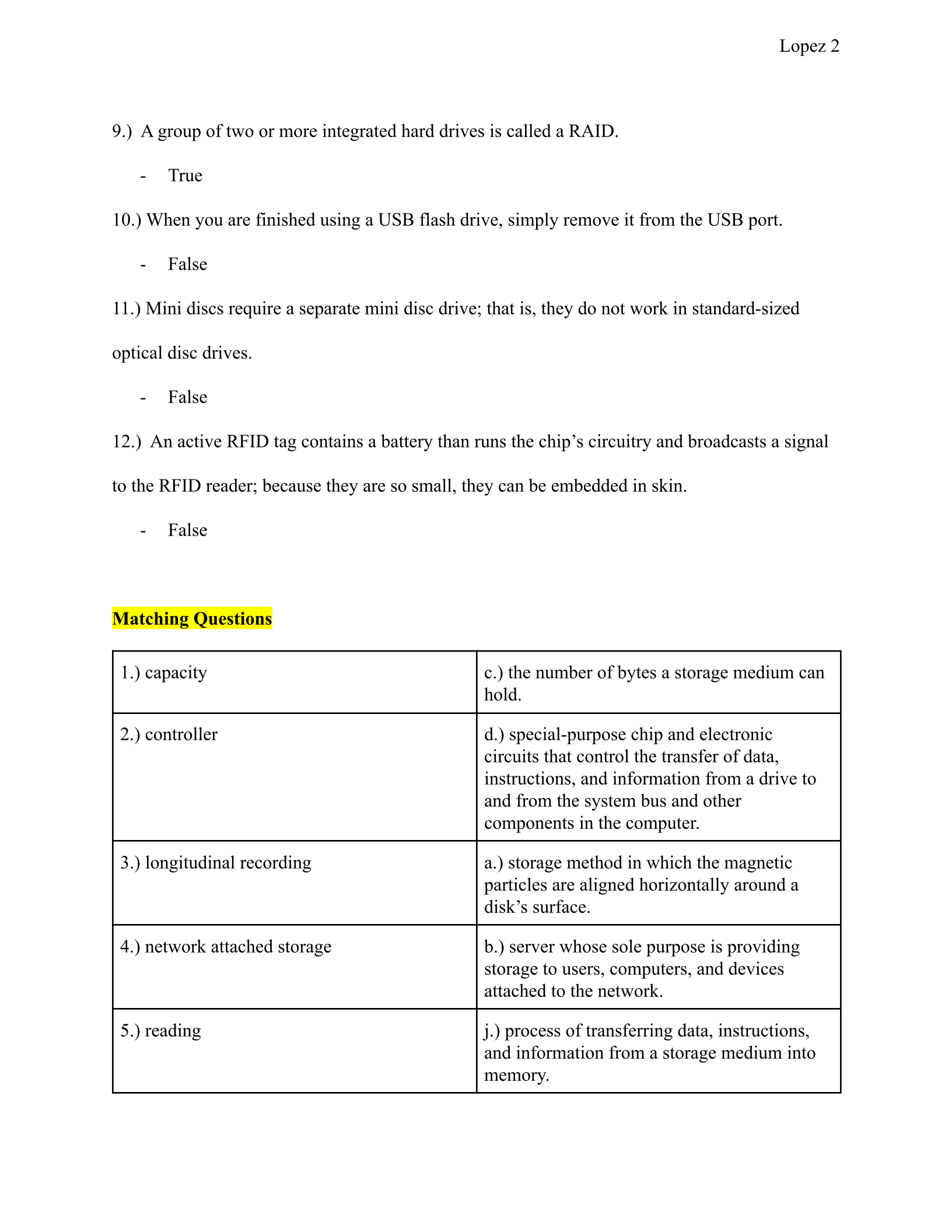
9.) A group of two or more integrated hard drives is called a RAID.
- True
10.) When you are finished using a USB flash drive, simply remove it from the USB port.
- False
11.) Mini discs require a separate mini disc drive; that is, they do not work in standard-sized
optical disc drives.
- False
12.) An active RFID tag contains a battery than runs the chip’s circuitry and broadcasts a signal
to the RFID reader; because they are so small, they can be embedded in skin.
- False
Matching Questions
1.) capacity
c.) the number of bytes a storage medium can
hold.
2.) controller
d.) special-purpose chip and electronic
circuits that control the transfer of data,
instructions, and information from a drive to
and from the system bus and other
components in the computer.
3.) longitudinal recording
a.) storage method in which the magnetic
particles are aligned horizontally around a
disk’s surface.
4.) network attached storage
b.) server whose sole purpose is providing
storage to users, computers, and devices
attached to the network.
5.) reading
j.) process of transferring data, instructions,
and information from a storage medium into
memory.
Lopez 3
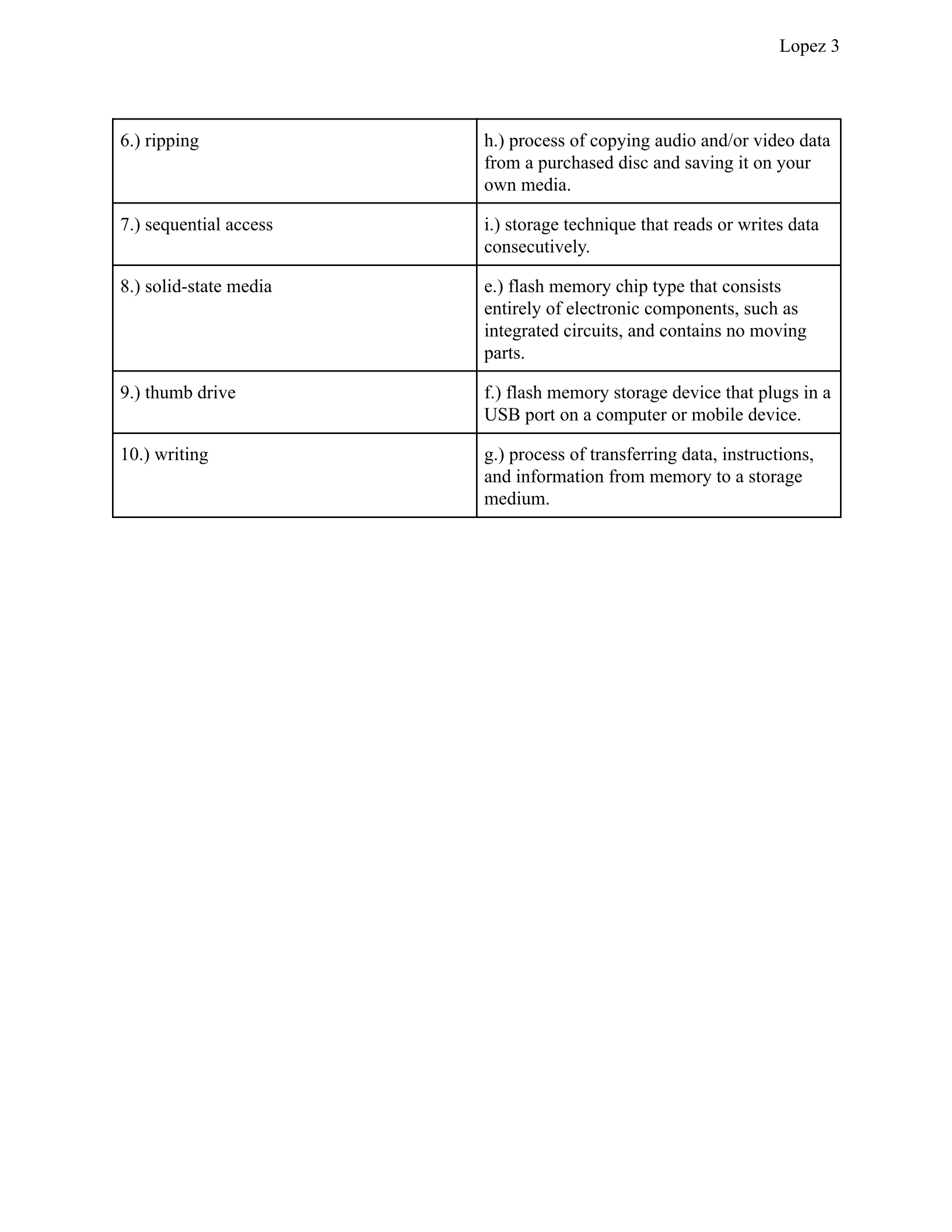
6.) ripping
h.) process of copying audio and/or video data
from a purchased disc and saving it on your
own media.
7.) sequential access
i.) storage technique that reads or writes data
consecutively.
8.) solid-state media
e.) flash memory chip type that consists
entirely of electronic components, such as
integrated circuits, and contains no moving
parts.
9.) thumb drive
f.) flash memory storage device that plugs in a
USB port on a computer or mobile device.
10.) writing
g.) process of transferring data, instructions,
and information from memory to a storage
medium.
Powered by TCPDF (www.tcpdf.org)

