


Study Guide Module 1
Ethical and Policy Issues: Stem cell research and cloning
Picture courtesy of: http://www.wnd.com/files/2012/12/babies-cloning-340x255.jpg
Overview: This module explores the ethics and policy issues surrounding one of the most
controversial and rapidly developing technologies today: Human Biotechnology, specifically:
Stem cell research and cloning. According to the National Institute of Health (NIH) in Exploring
Bioethics, 2009): Scientific breakthroughs and new biomedical technologies have brought great
benefits to millions of people, but they also raise difficult ethical questions about when and how
they should be used.
What if you are faced with a complicated ethical decision involving stem cell treatment…a
treatment that perhaps, could enhance or save the life of a loved one? Could you feel
comfortable about donating your eggs for the sole purpose of Stem cell research? What types of
information do you need to obtain to answer such questions? You have all been trained in the
art of the "scientific method". Ethical methodology (or decision making) is quite different.
Ethical inquiry uses a set of concepts and skills aimed at analyzing challenging situations and
making decisions about the best course of action for society. In general, scientists aim to
understand what is the case, while ethicists aim to determine what should be the case (NIH,
2009).
1) How, exactly should we think through an ethical issue?
“ Thinking Ethically : A Framework for Moral Decision Making”
http://www.scu.edu/ethics/practicing/decision/thinking.html
1. How do ethical views affect the law?
a. Law can deviate from what is ethical. It can become ethically corrupt,
can be a function of power alone & designed to serve the interests of
narrow groups, have a difficult timed designing or enforcing standards in
some important areas & may be slow to address new problems.
2. Ethical decision making is the same as “feelings” True or false?
a. False
3. Social and natural science can provide important data to help us make better
ethical choices. True or false?
a. True
4. Philosophers have developed five different approaches to values to deal with
moral issues. What are these five approaches?
a. Utilitarian, rights, fairness or justice, common-good, and virtue.
Images courtesy of: https://hapiland.net/wp-content/uploads/2015/01/71-Free-Online-CNA-Practice-Exam-Questions-on-
Ethical-and-Bioethical-Issues.jpg; https://encrypted-tbn0.gstatic.com/images?q=tbn:ANd9GcRIABRZDVmiOIFjr4P26U7-
Cn5lfsT-5ASq0vlasLNorLxF9zpIcg-
https://encrypted-tbn2.gstatic.com/images?q=tbn:ANd9GcQtlB_Qje9Jwjzjq0w1UzqGmSb39X_BaVTZp7h0VvIX6BzkNh3d4Q
2) What are the ethical issues surrounding the stem cell debate?
Images courtesy of: http://learn.genetics.utah.edu/content/stemcells/scissues/BabyEmbryo.jpg
“ Ethics of Stem Cell Research”
http://plato.stanford.edu/entries/stem-cells/
1. The standard view of those that oppose Human Stem Cell Research is that a human
being begins to exist with the emergence of what?
i. It’s morally impermissible to intentionally kill innocent human beings; the
human embryo is an innocent human being; therefore it is morally
impermissible to intentionally kill the human embryo.
2. Why do Smith and Brogard (2003) and McMahan (2002) reject the stipulation that
the early human embryo is a human being?
i. Cells that comprise the early embryo are a bundle of homogeneous cells that
exist in the same membrane but do not form a human single life. Only
become parts of a human organism when there is substantial cell
differentiation and coordination, which occurs around day-16 after fertilization.
3. What are some of the capacities that are necessary for the right to Life?

i. Reasoning, self-awareness, and agency.
ii. Mental capacities: “immediately exercisable” and “basic natural”
4. How does the article morally distinguish the creation of embryos for reproductive
purposes from the creation of embryos for research and therapeutic reasons?
i. Research: creating embryos through cloning technologies with cells that are known
to have particular genetic mutations would allow researchers to study the
underpinnings of genetic diseases in vitro.
ii. Therapeutic: HESCs obtained from leftover IVF embryos are not genetically diverse
enough to address the problem of immune rejection by recipients of stem cell
transplants.
iii. Most HESCs are derived from embryos that were created for infertility treatment but
that were in excess of what the infertile individual ultimately needed to achieve a
pregnancy.
“A Brief Case for the Moral Permissibility of Stem Cell Research”
http://www.scu.edu/ethics/publications/ethicalperspectives/stem-cell-research.html
1. What are the two central questions regarding the ethics of stem cell research?
i. Do embryos have any moral status? Are embryos entities that deserve moral
respect and are they owed some duty of moral agents due to their intrinsic
properties or relationships with moral agents?
ii. If embryos have some moral status, what kind, or degree, of respect are they
entitled to and what particular duties are they owed by moral agents?
2. All living organisms deserve at least some minimal moral status because all living
things have what?
i. Special ontological, biological, and moral relationship with the persons whose
gametes constituted them. And because all livings things have a good of their
own.
3. According to the author, it is morally wrong to try to stomp every ant he can find
on the sidewalk, however if they enter his house and start eating his sugar he is
entitled to do what?
i. He is entitled to kill them.
4. According to this article “Embryos are not the kind of entity that has a justifiable
claim on a woman for the type of personal investment and involvement (including
physical risk) necessarily generated by gestation, childbirth and child rearing.”
(True or false?)
i. True
5. Does the author accept the argument that embryos have full and equal rights of
persons, because they are human?
i. No
6. According to this article, it is ethically permissible for embryos to be destroyed in
the course of responsible stem cell research provided they are destroyed with a
sincere attitude of respect and provided they are used only with voluntary,
informed consent of what?
i. Of both gamete sources.
3) What is the history of man's endeavor to develop, use and regulate Biotechnology?
“Stem Cell Timeline: The History of a Medical Sensation”
by Andy Coghlan, New Scientist
January 30th, 2014
https://www.newscientist.com/article/dn24970-stem-cell-timeline-the-history-of-a-
medical-sensation/
1. When were the first stem cells discovered?
a. 1981 by Martin Evans
2. What Did President Bush do with regard to stem cell research, in 2001?
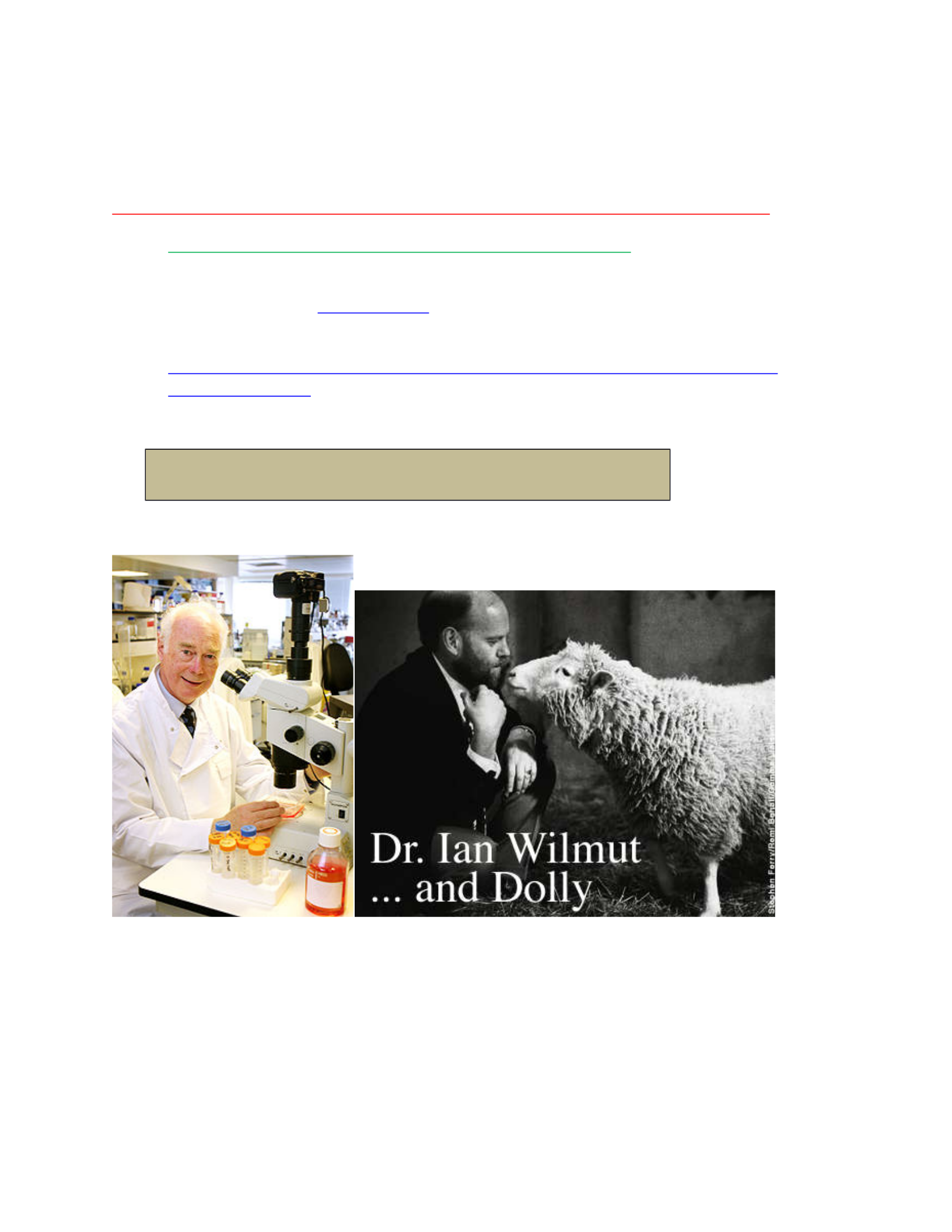
Nobel prize winner Sir Martin Evans (left)– first to culture embryonic stem cells –
1981; Ian Wilmut (right) with first artificial animal clone: Dolly the sheep in 1997)
a. Limited federal funding of research on HESCs because a human embryo is
destroyed in the process. But allowed continuation of research on human
embryonic stem cells lines that were created before the restrictions were
announced.
3. What was Shinya Yamanaka able to develop in 2006 which eliminated the need to
destroy embryos?
a. Made embryonic-like cells from adult cells by reprogramming ordinary adult cells
by inserting four key genes- forming “induced pluripotent stem cells” (IDSC).
4. The first trial of a therapy based on induced pluripotent stem cells to treat a form of age
related blindness is set to occur when?
a. 2014
4) What are the facts that assist patients in making an informed decision with regard to stem
cell treatment?
“ISSCR (International Society for Stem Cell Research) Patient Handbook”
http://www.isscr.org/docs/default-source/patient-handbook/isscrpatienthandbook.pdf
1. What are stem cells?
a. They have two properties. One, they can self-renew, which means
they can divide and give rise to more stem cells of the same kind.
Two, they can mature or differentiate into specialized cells that carry
out a specific function, such as in the skin, muscle, or blood.
2. What is stem cell therapy?
a. Treatment that uses stem cells or cells that come from stem cells, to
replace or to repair a patients cells or tissues that are damaged. The

stem cells might be put into the blood, or transplanted into the
damaged tissue directly or even recruited from the patients own
tissues for self-repair.
3. For what diseases or conditions are stem cell treatments well established?
a. Disorders of the blood and immune system and acquired loss of
bone marrow function, tissue transplants such as skin and cornea.
4. What are some of the special considerations for stem cell therapies?
a. Cannot be produced and tested for quality in large batches,
treatments may be specific to one patient, still being determined
which cells will work best to repair a particular damaged/diseased
tissue, how to get those cells in the right place in the body, side
effects and long term safety must be determined.
5. What is the usual process for developing a new medical treatment?
a. Known as clinical translation: general research into how tissue/cell
works, design/develop ways to diagnose, to test whether and how a
new intervention might work, and then wherevers possible in
animals with disease/injury like ours. Preclinical studies, permission
needed to start human clinical trials, improve method, finally get
national or regional approval from agencies like FDA and EMEA.
6. What are the differences between an approved clinical treatment and an
experimental intervention?
a. Approved clinical treatment: medical practice that has been shown
through formal process of clinical trials to be reasonably safe and
effective for treating a particular disease or condition.
b. Experimental intervention: new, untested, or different from the usual
medical treatment that has not yet been proven to be safe or that it
works in treating that particular disease.
7. What is a clinical trial?
a. Research study designed to answer specific questions about a new
treatment or a new way of using current treatments.
8. What is an informed consent form or treatment consent form?
a. Outlines your role and what might happen to you. It should clearly
provide a detailed description of the treatment or procedure in
language you understand.
9. How do you know if an approved stem cell therapy is safe?
a. No medical treatment can ever be described as completely safe.
10. What should you look for in you are considering stem cell therapy?
a. Good scientific evidence that the treatment is safe and effective and
that your rights as a patient are being respected.
11. What should you be cautious about if you are considering stem cell therapy?
a. Claims based on patient testimonials, multiple diseases treated with
the same cells, the source of the cells or how the treatment will be
done is not clearly documented, claims there’s no risk, and high
cost of treatment or hidden costs.
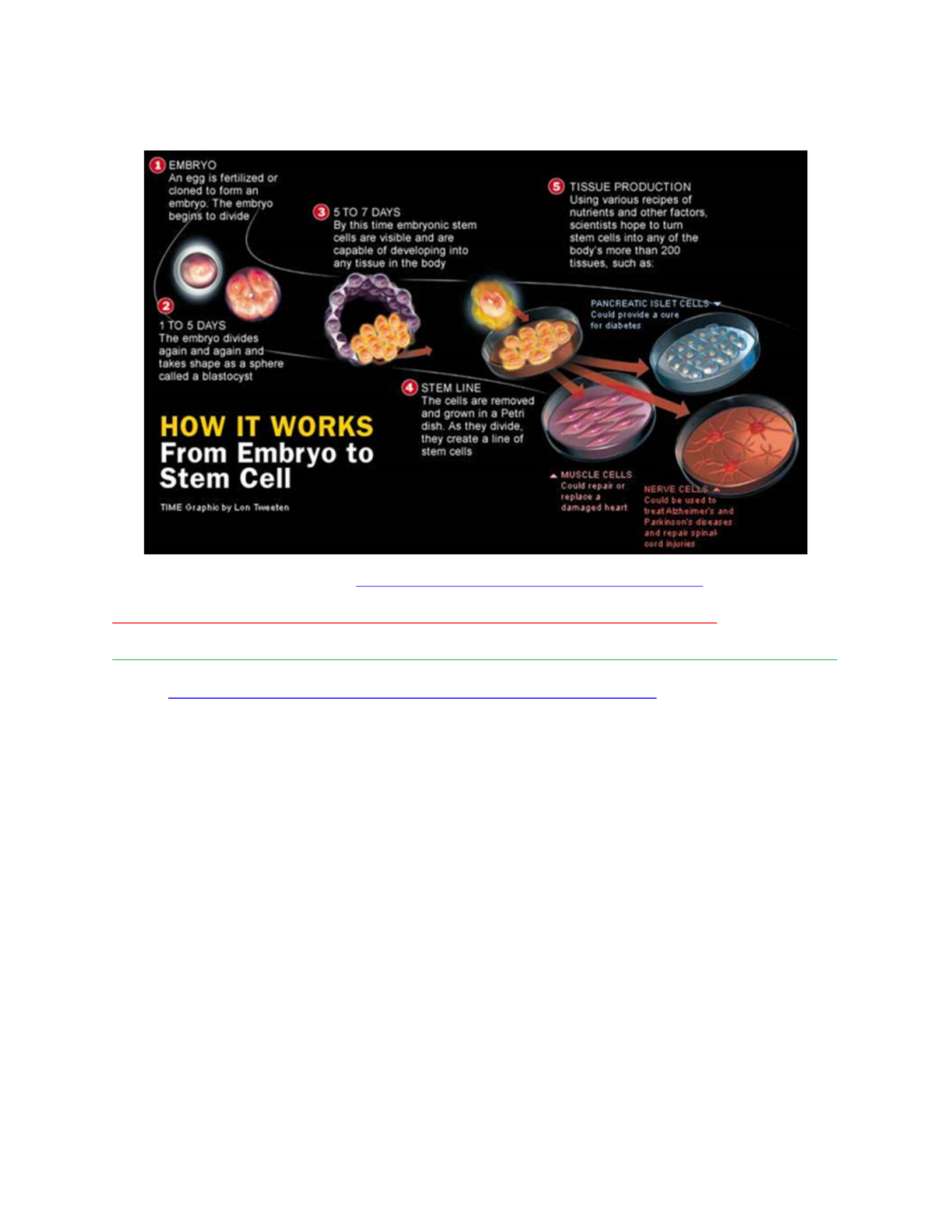
Picture courtesy of http://img.timeinc.net/time/2001/stemcells/images/stemcells.jpg
5) Who will be affected by a decision that allows the use of stem cell therapies?
“Understanding Stem Cells: An Overview of the Science and Issues form the National Academies”
https://www.nap.edu/resource/11278/Understanding_Stem_Cells.pdf
1. At what stage in embryonic transfer do we call the embryo a blastocyst?
a. 5 days after the fertilization of an egg by a sperm.
2. The largest potential source of blastocysts for stem cell research come from where?
a. From in vitro fertilization (IVF) clinics.
3. The process of IVF requires the retrieval of a woman’s eggs via a surgical procedure after the
woman has undergone an intensive regimen of what?
a. Fertility drugs
4. Because most blastocysts were created before stem cell research, most donors were not
asked for what?
a. For their permission to use the left-over-blastocysts for research.
5. The stem cells that are created by the nuclear transfer method are considered clones of the
original adult cell. True or false?
a. True because their nuclear DNA matches that of the adult cell.

6. Although using nuclear transfer to produce stem cells is not the same as reproductive cloning
some are concerned about the potential misapplication of the technique for reproductive
purposes and what two other ethical concerns?
a. Egg donation- which requires informed consent, and the possible destruction of
blastocysts.
7. How do scientists identify stem cells?
a. They display an array of proteins on the surface (different cell types have different
proteins), and observing their behavior in the lab (stem cells must be able to remain
unspecialized and self-renew for long periods of time.
8. What is a successful stem cell culture and what are the challenges in maintaining some of
these cell lines?
a. Successful stem cell culture is one that keeps the cells healthy, dividing, and
unspecialized.
b. Over time, all cell lines change, typically accumulating harmful genetic mutations.
9. What are the consequences if an undifferentiated cell is placed into an organism?
a. Can cause a type of tumor called a teratoma.
10. What is a chimera?
a. Organisms that contain cells or tissues from another individual of the same or a
different species.
11. Legal issues that will affect stem cell application include:
a.
12. Social issue regarding stem cell based therapy include
a. Responsible and ethically sensitive conduct in scientist work
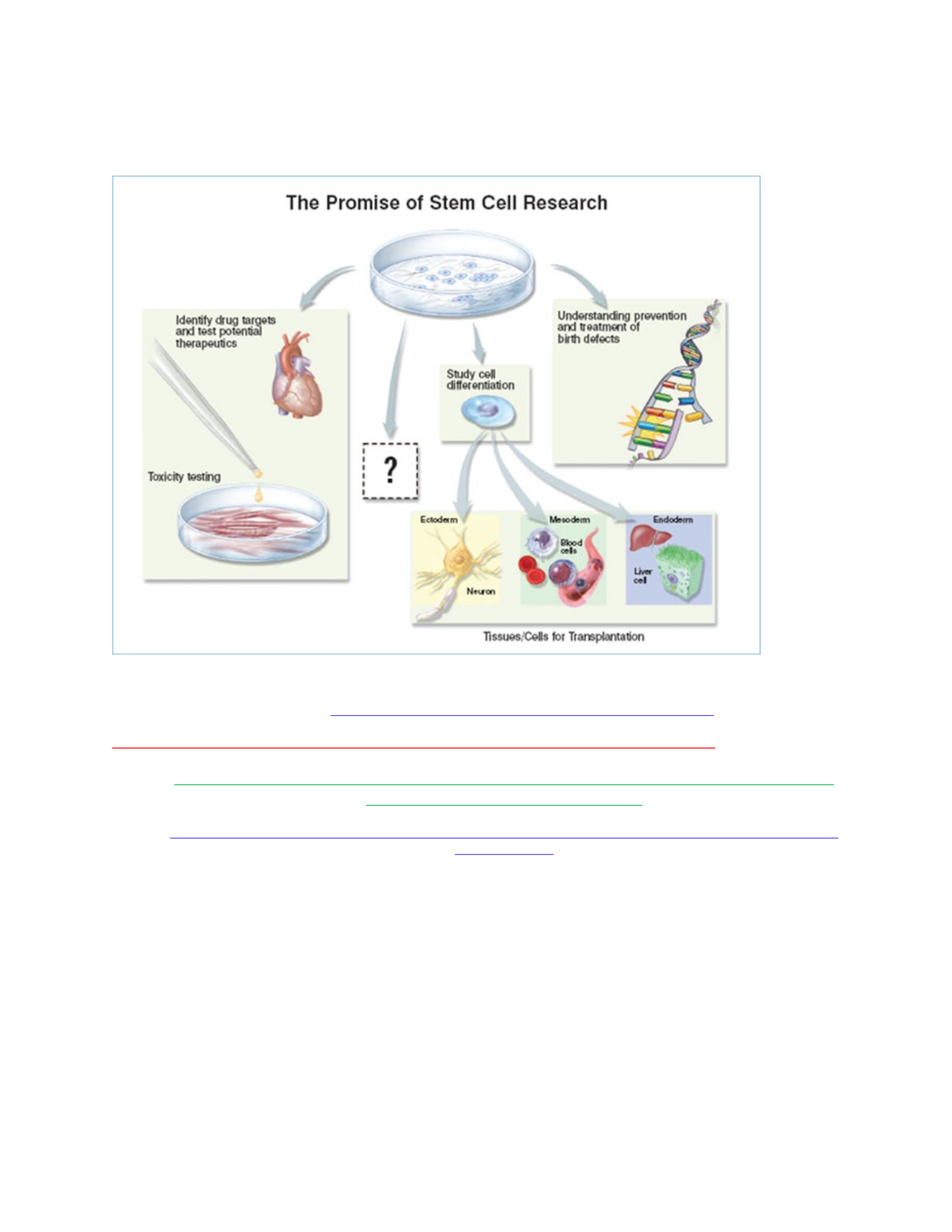
13. What role can stem cells play in basic research?
a. Can be used to study how infectious agents invade and attack human cells, to
investigate the genetic and environmental factors that are involved in cancer and other
diseases, and to decipher what happens during aging.
b. Study human development, model human disease, and develop new drugs
14. What are the three ethical concerns that arise with stem cell research
a.
15. The National Academies prohibit the introduction of human cells into what?
a. Introduction of human cells into the blastocyst of a non-human primate, or the
introduction of any animal or human cells into a human blastocyst.
b. Also prohibit the breeding of human-animal chimeras in the unlikely event that any
human genetic material would be contained in their reproductive cells.
16. Currently, are all forms of stem cell research in the US legal at the federal level?
a. Yes, but cannot make or work with new embryonic stem cell lines.
Picture courtesy of http://stemcells.nih.gov/StaticResources/info/scireport/images/1_3.jpg
6) What guidelines must researchers and doctors follow when using stem cells?
“WMA (World Medical Association) Declaration of Helsinki - Ethical Principles for Medical
Research Involving Human Subjects”
https://www.wma.net/policies-post/wma-declaration-of-helsinki-ethical-principles-for-medical-research-involving-
human-subjects/
1. The World Medical Association (WMA) has developed the declaration of Helsinki
as a statement of ethical principles for medical research involving what?
i. Human subjects, including research on identifiable human material and
date.
2. According to the general principles of the Declaration of Helsinki, the goal of
generating new knowledge for medical research can never take precedence over
the rights and interests of who?
i. Individual research subjects
3. According to the general principles, medical research involving human subjects
must be conducted only by individuals with what four characteristics?
i. Appropriate ethics, scientific education, training, and qualifications

4. Before a study involving human subjects begins, the research protocol must be
submitted to who?
i. To the concerned research ethics committee
5. Physicians do not need to seek informed consent when obtaining identifiable
human material for research purposes. (True or false?)
i. True
6. A physician may use an unproven intervention to save a person’s life, re-
establish health or alleviate suffering if other treatments or interventions do not
exist or are ineffective (True or false?)
i. True
7) How do we monitor ethical research and practices by the medical profession?
“Judges Side with FDA on Stem Cells”
http://www.the-scientist.com/?articles.view/articleNo/39108/title/Judges-Side-with-FDA-on-Stem-
Cells/
1. Who is the watchdog and regulatory agency for therapeutic stem cell research?
i. FDA
2. According to the Food and Drug Administration, therapeutic stem cells should be
regulated as drugs. (True or False?)
i. True
3. Regenerative Sciences was using patient’s mesenchymal stem cells in its
Regenexx procedure to treat what?
i. Orthopedic problems
4. Why did the FDA rule that Regenerative Sciences could no longer culture cells?
i. Alters the mesenchymal cells relevant biological characteristics and is
therefore more than minimal manipulation
“Doctor suspended for stem cell treatment “
by Nigel Duara, Associated Press / Seattle Post Intelligencer
January 10th, 2014
https://www.lubbockonline.com/article/20140111/NEWS/301119835
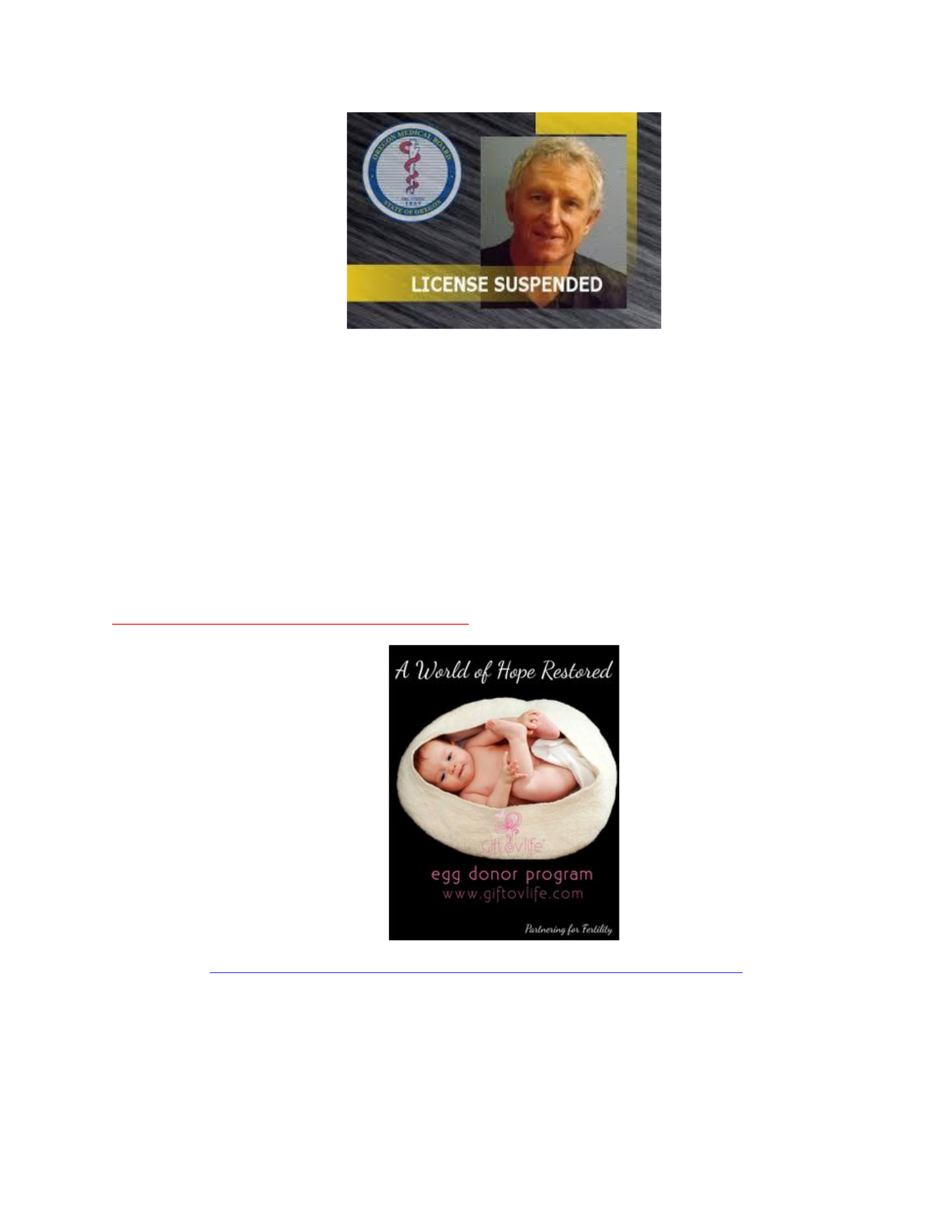
Image courtesy of:http://hghwatch.com/images/270_welker.jpg
1. Why was Dr. Welker suspended from practice?
i. Conducting experimental stem cell treatments on patients
2. Induced pluripotent stem cells (IPSC) have long been used to treat cancers such
as leukemia and lymphoma – according to the article are these approaches safe
and effective?
i. Too soon to know
8) Is commercialization of human eggs ethical?
Image: https://s-media-cache-ak0.pinimg.com/236x/70/34/ce/7034ce55565e4f705bd1026459288327.jpg

Image: http://ivfclinicinindia.com/wp-content/uploads/2015/07/diverse_frozen_egg_donors.jpeg
“The Commercialization of Human Eggs in Mitochondrial Replacement Research “
https://tandfonline.com/doi/pdf/10.1179/2050287713Z.00000000018
1. According to the article, it is ok for doctors to offer a choice for women that inflicts harm because
the woman donating the eggs has signed an informed consent and is being paid for her services.
(True or false?)
a. False
2. Women who provide ova are not subjects protected by the safeguards of a properly conducted
clinical trial but merely providers for what?
a. Raw materials for research
3. According to “The Duty to Do No Harm and “Informed Consent to Egg Sale” , what are the three
risk laden stages in obtaining a woman’s eggs?
a. Shutting down the woman’s own ovaries, stimulating them to produce multiple follicles
rather than the single follicle usually produced in a cycle, and only then extracting the
resulting ova.
4. Hyper stimulating the ovaries may produce cysts, enlargement of the ovaries and severe fluid
retention, with a potentially fatal outcome. (True or false?)
a. True
5. The California state senate approved a bill (AB926) sponsored by the American Society for
Reproductive Medicine. The bill stated that it was gender discrimination to do what?
a. To bar women from selling their eggs when men can be paid for selling their sperm.
6. According to the article, If AB926 becomes law, we will witness a disturbing national trend. What
trend is she referring to?
a. Women’s research eggs become the hot new bio-product, increasing the profits of the
multibillion-dollar-per-year infertility industry at the expense of women’s health, safety and
possibly their future fertility.
9) How does the state regulate stem cell research?
“Red Light, Green Light: The California cloning and stem cell laws”
By Margaret R. McLean
Margaret R. McLean is the Director of Biotechnology and Health Care Ethics at the Markkula
Center for Applied Ethics.
The recent signing of stem cell and reproductive cloning legislation by California Governor Gray
Davis demonstrates, once again, that the Golden State is ahead of the regulatory pack. The
legislation includes a permanent ban on reproductive cloning and an explicit endorsement of
stem cell research. The stem cell bill thaws the federally induced chill on such research by
opening up opportunities and state funds for study of multipotent and pluripotent stems cells,
including those produced by nuclear transplantation.
Both pieces of legislation are rooted in the post-Dolly national debate about cloning. As that
debate was reaching impasse in 1997, California enacted a five-year moratorium on the use of
cloning technology to produce a child.
As required by that legislation, California appointed a committee to evaluate the "medical,
ethical, and social implications" of human cloning. That panel - on which I served - spent over
two years listening to specialists and members of the public discuss how the state ought to
respond both to the potential to produce cloned human beings through somatic cell nuclear
transplantation and to the budding use of this technique to produce human stem cells. The
committee's report was delivered to Sacramento in January.
The committee's unanimous conclusion to ban reproductive cloning - cloning to produce a child
for rearing - rested chiefly on profound concerns for the physical safety both of the baby
produced and of the gestational mother. But reproductive cloning raises many other significant

social and ethical problems, including confusing familial relationships, psychological harms to
the DNA donor, and commercialization of the family.
The use of nuclear transplantation technology in medical research - "non-reproductive cloning"
in the advisory committee's report - raised neither these particular safety nor the relational
concerns, and the committee concluded that it was justified by the potential to alleviate the
suffering caused by diseases such as diabetes and Parkinson's. Such research, the committee
recommended, ought be subject to state regulation and restricted to blastocysts of less than
fourteen days. Strikingly, the committee championed regulations that would govern both
privately and publicly funded research. Again, the decision was unanimous.
On 22 September, Governor Davis signed the first law in any state explicitly endorsing stem cell
research "involving the derivation and use of human embryonic germ cells, and human adult
stem cells from any source including somatic cell nuclear transplantation," with oversight from
the institutional review boards. Embryos cannot be bought or sold. With another stroke of the
pen, Davis signed the permanent ban on human reproductive cloning. This bill also mandates the
formation of a nine-member state advisory committee to consider what the prior committee
described as "dangerous or unwise applications of our new scientific knowledge of human
biology."
The bills' roots in the advisory committee recommendations show that citizen panels can aid the
legislative process. Now California must address federal attempts to criminalize the very
research it just encouraged.
image https://dasg7xwmldix6.cloudfront.net/episodes/275681_BUGvfCdS.JPG
1. As required by legislation, California appointed a committee to evaluate the "medical, ethical,
and social implications" of human cloning and stem cell research. The committee's unanimous
conclusion to ban reproductive cloning - cloning to produce a child for rearing - rested chiefly on
profound concerns for the physical safety both of the baby produced and of the gestational
mother. But reproductive cloning raises many other significant social and ethical problems
including:

a. Confusing familial relationships, psychological harms to the DNA donor, and
commercialization of the family.
2. The committee concluded that nuclear transplantation therapy in medical research (non-
reproductive cloning) was justified based on the potential to alleviate what?
a. Suffering caused by diseases such as diabetes and Parkinson's
3. Governor Davis signed the first law in any state explicitly endorsing stem cell research. Under
this law, can embryos be bought or sold?
a. No
10) what role does the federal government play in regulation of stem cell research?
“National Institute of Health: Stem Cell Information”
https://stemcells.nih.gov/info/basics.htm
1. What are stem cells and why are they important?
a. Can develop into many different cell types in the body during early life and growth. Have
the potential to re-new themselves
2. What are the similarities and differences between human embryonic and adult stem cells?
a. Stem cells divide and can replicate many times.
b. Pluripotent are undifferentiated, they don’t have any tissue-specific characteristics that
allow them to perform specialized functions.
3. What are induced pluripotent stem cells?
a.
4. What are the potential uses of stem cells and the obstacles that must be overcome before uses
will be realized?
a.
From the website’s homepage, click on “Funding Information” then click on “Policy and Guidance”
1. On what date did President Barack Obama issue Executive order (EO) 13505.?
2. What did this Order accomplish?
Image https://media-cdn.nsistemcell.com/wp-content/uploads/2000/06/3_375X280_Feature-image_pm-2.jpg
11) What is the future of stem cell research?
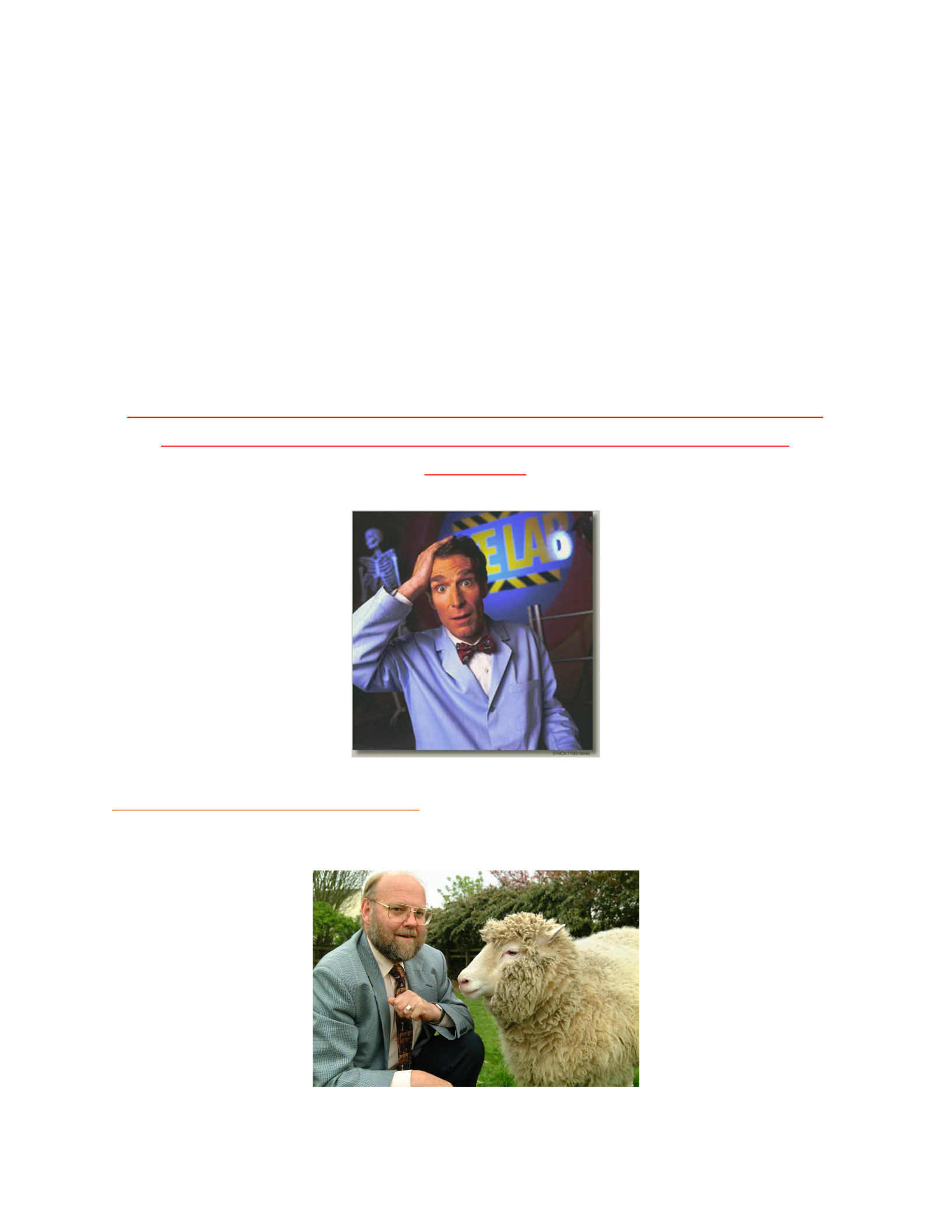
“Stem cell power unleashed after 30 minute dip in acid”
http://www.newscientist.com/article/mg22129542.500-stem-cell-power-unleashed-after-30-minute-
dip-in-acid.html?full=true
1. Vacanti and colleagues have discovered a different way to rewind adult cells -
without touching the DNA. They claim that all you need to do is place the cells in
what?
a. In a stressful situation such as acidic environment
2. The troubling potential for stimulus triggered acquisition pluripotent (STAP) cells
is that the creation of these cells would be equivalent to what?
a. IPSC

image https://si.wsj.net/public/resources/images/BN-GE176_1226st_P_20141226024920.jpg
12) How do we ensure that research and peer reviewed articles meet rigorous scientific
standards?
“Acid-bath stem cell papers are finally retracted”
http://www.newscientist.com/article/dn25831-acidbath-stem-cell-papers-are-finally-
retracted.html#.U_VsRMVdXTo
1. Were any other researchers able to replicate Obokata’s findings (from the acid-
bath paper?)
a. No
2. What was wrong with the images that were presented in the Acid-bath paper?
a. Inconsistent and manipulated. Obokata incorrectly labeled spliced images
3. According to this article ,the acid-bath paper was rejected for publication in what
journal?
a. Science
Videos
13) Is it acceptable for an embryo to be destroyed in an attempt to save
suffering people?
Image courtesy of: http://s5.miid.me/moral_issues.jpg
(#1) The Ethics of Embryonic Stem Cell Resesearch ) (2 minutes)
https://www.youtube.com/watch?v=WUNUcIIdlG8
1. According to the video, what are three reasons why is embryonic stem cell research
controversial?
a. Extracting stem cells from an embryo destroys human life
b. Using science to such an extreme is like playing god
c. A breakthrough could lead to a slippery slope, where science will have no moral
boundaries.
2. What are some of the diseases that could potentially be cured affected by stem cell
research is supported
a. Parkinson’s disease, Alzheimer’s disease, heart disease, stroke, type 1 diabetes,
birth defects, spinal cord injuries, replace/repair damaged organs, reduced risk of
transplantation, cancer, multiple sclerosis, rare genetic disorders, blindness,
deafness, Huntington’s disease, any many more.
14) What role models/tools might teachers use when educating students
on bioethical issues (Is this video below an effective way to reach
students?)
Image courtesy of: http://liveactionnews.org/wp-content/uploads/2014/02/Bill-Nye.jpg
(#2)Eyes of Nye: Cloning (24 minutes)
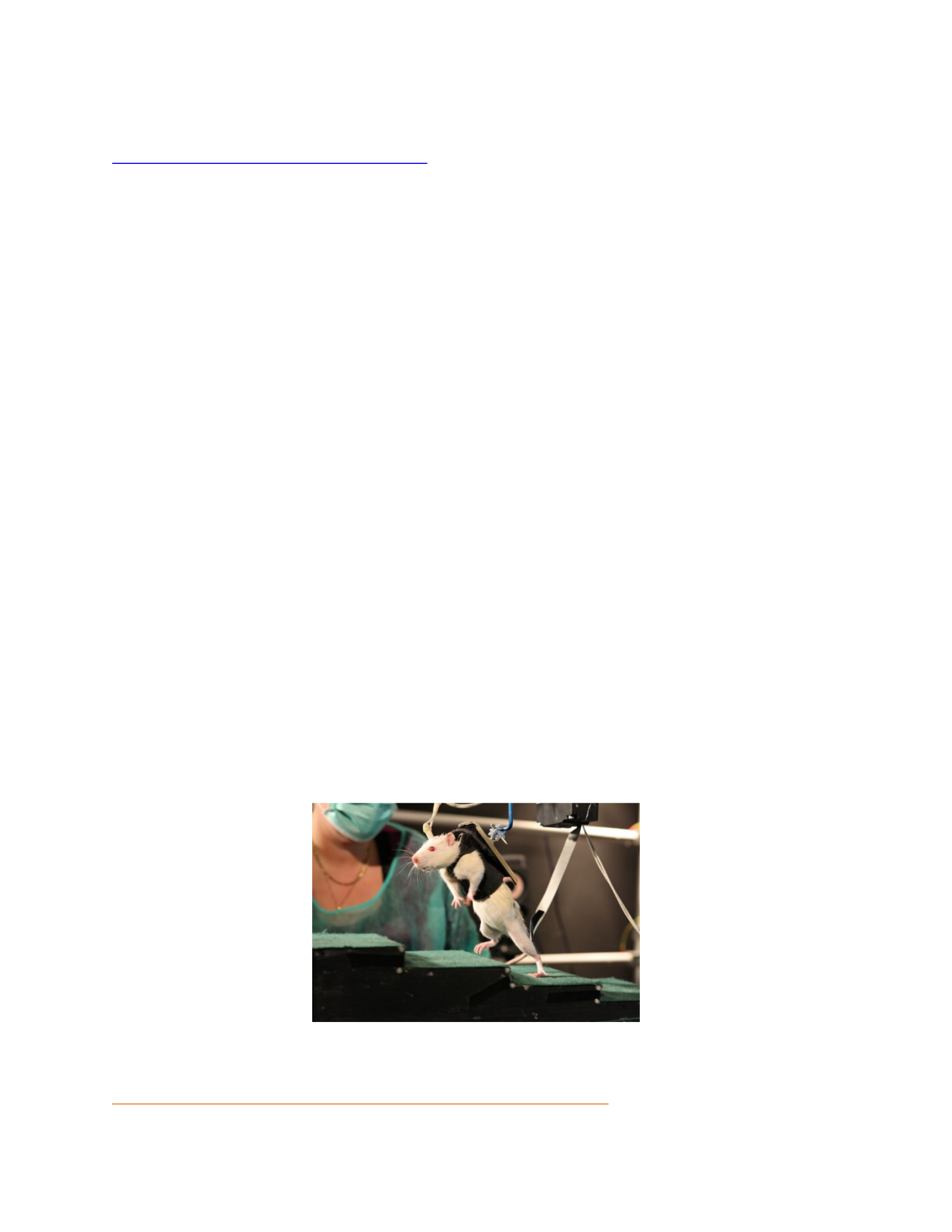
Image: https://scx2.b-cdn.net/gfx/news/2016/dollytheshee.jpg
https://www.dailymotion.com/video/x5xecqt
1. What are some of the benefits to therapeutic cloning?
a.
2. Describe the process of somatic cell nuclear transfer.
a.
3. The first patent for cloning was given to the scientists who cloned Dolly the sheep. What
did this provide for the company?
a.
4. Dr. Billie Swalla uses stem cell research to study how genes do what?
a.
5. Why does reproductive cloning not work very well?
a.
6. Dolly died at the age of 7 indicating what about the nucleus used?
a.
7. Dr. Hans Keirstead works with human embryonic stem cells in hopes of treating what
kinds of injuries?
a.
8. What evidence is shown (with the rats) that human embryonic stem cells have great
therapeutic hope for the future?
a.
9. What is happening inside the rat with the injected stem cells?
a.
10. Where does Dr. Jeffery Kahn stand with regard to moral rights of the embryo?
a.
11. Is there a law in the United States that prohibits that prohibits cloning?
a.
12. Do you agree or disagree with all viewpoints presented in this video?
a.
Image: https://i.dailymail.co.uk/i/pix/2013/02/18/article-2280405-17A76EAE000005DC-636_634x424.jpg
(#3) The Ethical Questions of Stem Cell Research (6 minutes)

https://www.youtube.com/watch?v=f5d0ieWfKlI
1. What were the first guidelines available in the United states for governing the use of stem cells in
research?
a.
2. What is the Hinxton group?
a. Group of scientist, lawyers, philosphers, etc trying to make ethical guidelines for SC
research
3. Under the National Academy of Science, What does ESCROC stand for?
a.
4. Who is involved in ESCROC?
a.
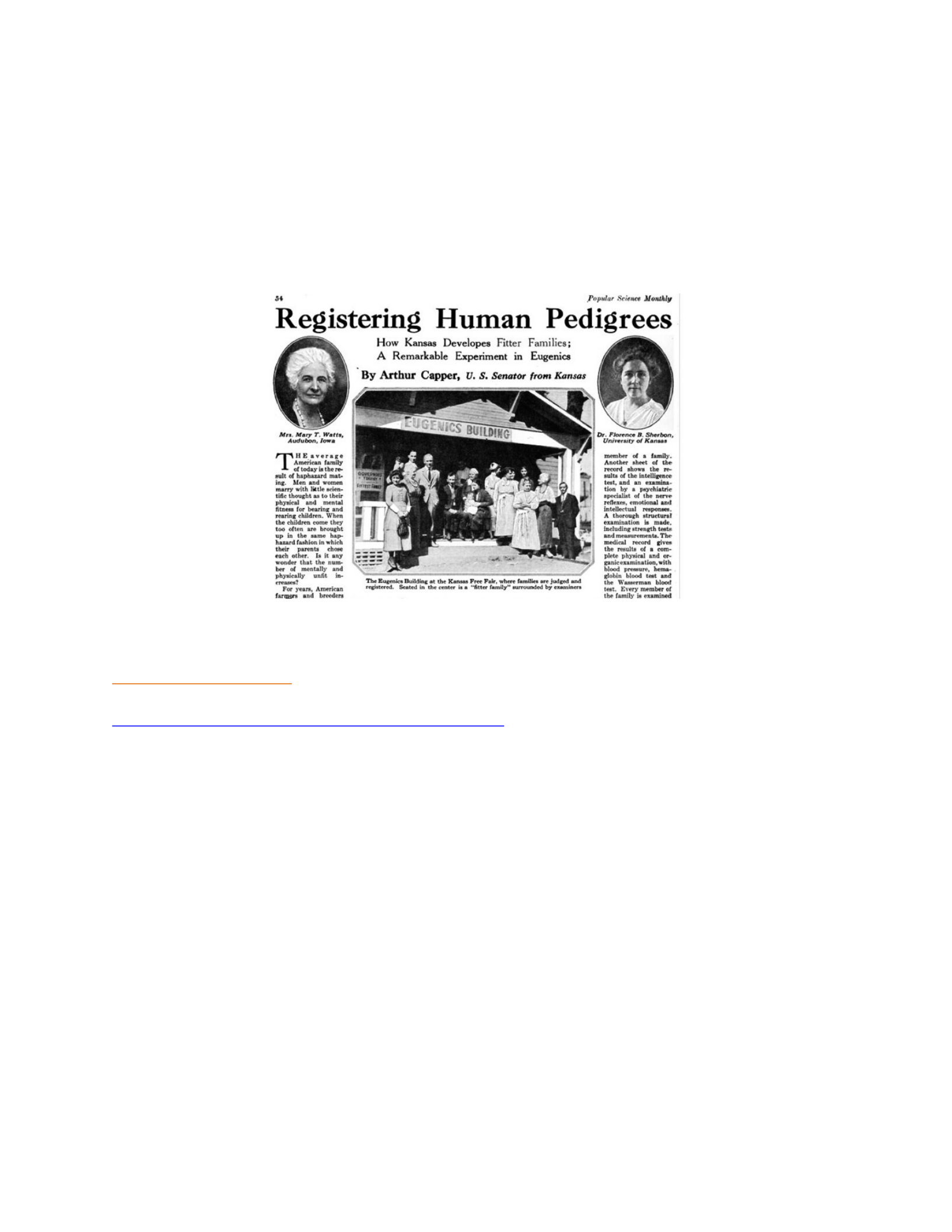
15) Into the Future: Cloning verses Eugenics
Image: https://sites.wp.odu.edu/jewishstudies/wp-content/uploads/sites/9336/2018/10/Picture1-15.png
(#4) Stem Cells- The Future: An Introduction to iPS cells
https://www.bing.com/videos/search?
q=stem+cells+the+future+videos&&view=detail&mid=0643233F04FE61710E950643233F04FE61710E95&FOR
M=VRDGAR
1. What are some of the benefits for using iPS cells?
2. What types of patients does Dr. Shinyayamanaka hope to help with his technology?
3. What are the new ethical questions that arise?
http://www.davidmcelroy.org/wp-content/uploads/2012/01/Fitter-families.jpg
#5) Cloning Humans –
https://www.youtube.com/watch?v=R4JoRy_vNEw
1. What is the difference between reproductive cloning and therapeutic cloning?
2. The Eugenics movement in the first part of the 20th century resulted in sterilization of certain
members of the population whose genes were determined to not be desirable. How is cloning
related to this movement?
3. Dr. Brent Blackwelder (President of “Friends of the Earth”) claims that genetic engineering will be
similar to “invasive species” which could harm the environment. True or false?
4. According to the video, before researchers can use cloning in their research they must do what
(in the code of practice)?
5. What was the cloning scandal that occurred in Korea?
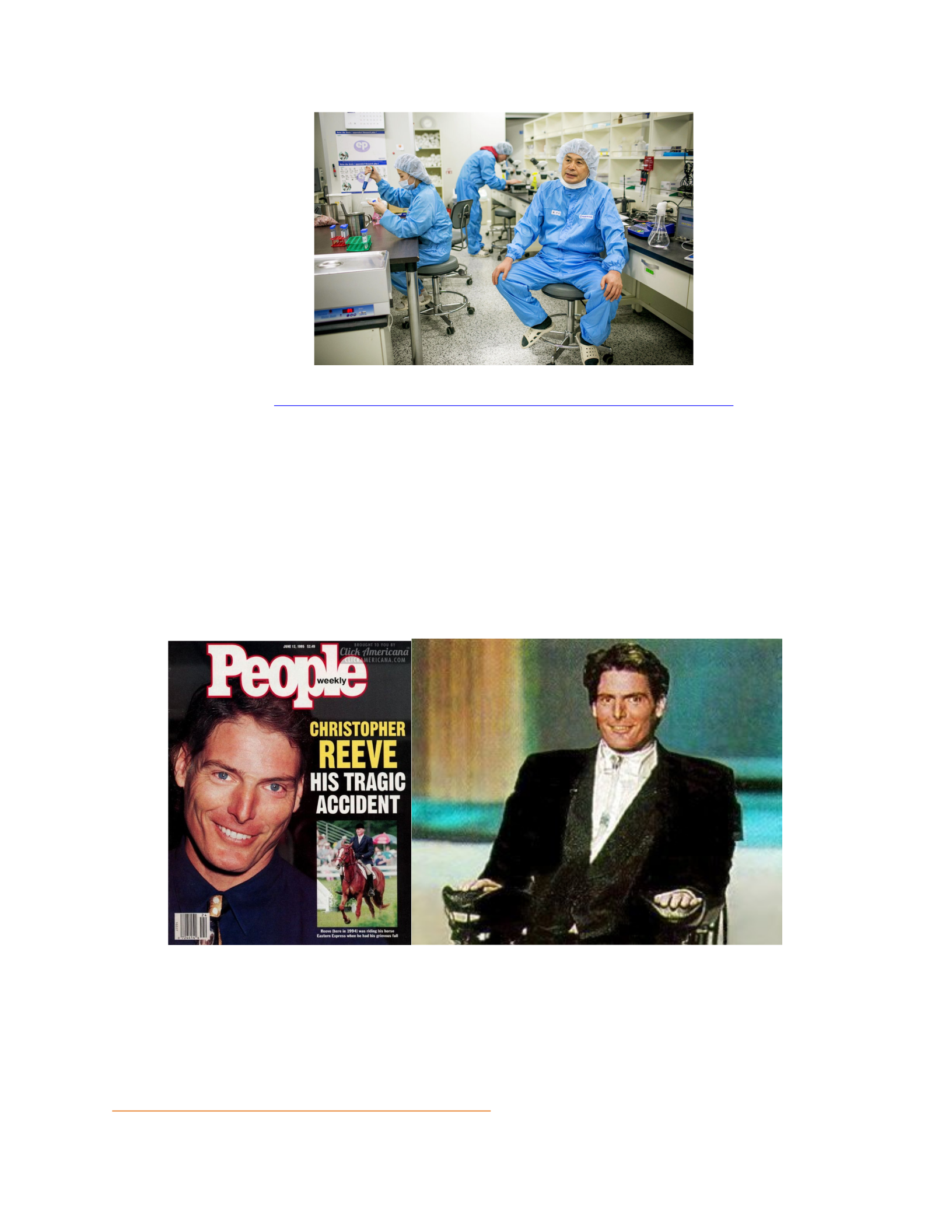
Image courtesy of: https://static01.nyt.com/images/2014/03/01/world/cloning1/cloning1-master1050.jpg
6. What are some of the risks involved in therapeutic cloning?
7. According to the video, the media has misled the public leading them to believe that only
embryonic stem cells could be used to cure certain diseases (such as Parkinsons, or spinal cord
defects). True or False?
Images: http://www.chrisreevehomepage.com/images/awards/academy.jpg
(#6) Converstaions: ethics, science, stem cells

https://www.youtube.com/watch?v=qLPyrbCu0wc
1. What are the four embryonic stages that Dr. Farouk Mahmoud discusses in the video?
2. According to Professor Hermeren, the sanctity of life and the protection of the embryo are not the
only values to be concerned with regarding stem cell research. What other group do we have a
moral obligation to?
3. What is unique about the 14th day during embryonic development (called “the primitive streak”)
4. According to the video is the following statement true or false? “As long as law is regulating
whether or not stem cell research is legal, then scientists need not worry about the consequence
of their actions”.
5. Dr. Val Wilson (a Christian and Researcher in Stem Cell Biology) supports stem cell research.
How does she justify her support of such research?
Image: https://images.immediate.co.uk/production/volatile/sites/4/2018/08/GettyImages-517324292-6ba3246.jpg?
quality=90&resize=960%2C408
(#7) Frankenstein Science: Human Cloning – Feature Film
https://www.youtube.com/watch?v=R37R6AbPN6w
1. As soon as the news of "Dolly the cloned Sheep" got out, along with the possibilities of human cloning,
President Clinton launched an immediate 90 day study of the cloning issue by what committee?

2. The Clinton And Gore administration stated that any discovery that touched upon human creation is not
simply a matter of scientific inquiry but also a matter of what?
3. President Clinton was a politician who was responding to the immediate "Yuck factor" from the public
response. Where does this video say that the public response came from?
4. According to the video, how many embryos were lost (how many unsuccessful attempts) when trying to
clone a sheep before Dolly?
5. Why is Rabbi Gabriel Elias against cloning?
6. According to the video, what is the definition of Eugenics?
7. In the early 20th century, 30 states in the United States adopted Eugenics laws requiring citizens to be
sterilized with conditions thought to be inherited. What were some of these conditions?
8. Hitler had a true desire to be cloned, along with his master race. True or false?
9. How are Dolly's chromosome different from other sheep her age?
10. According to the video the public will not feel comfortable with this technology unless what happens?

