Please I need someone to help me in this
 ahbmekis_93
 10_nutrition_canvas.pdf
5/14/2015
1
Introduction to Animal Nutrition
ANS 121
Introduction to Animal Science
Animal Science and Animal Nutrition
We spend much time on nutrition or Feeds and Feeding
600X106 metric tons/year
Major cost in animal production Finishing Cattle 70% Milk 55% Feeding Lambs 50% Poultry 75% Pork 65 – 75%
Nutrition makes other advances work
Breeding
Reproduction
Management
Proper Nutrition required to reach
genetic potential
Feed Production In US ~30% of land devoted to
Pasture and Range
Livestock feeds Pasture and Grazing 40% Corn 24% Hay 12% Protein Feeds 9% Grains 8% Silage 5% Other 2%
5/14/2015
2
Feeding Strategies
Some primary feeding strategies in animals
*Herbivores – Plant eaters
Carnivores – Flesh eaters
*Omnivores – Plant and flesh eaters
Insectivores – Insect eaters
Strategies determined by digestive anatomy, ecology, feeding ability, etc.
Digestive Systems
4 primary types in Livestock Monogastric (1 stomach)
Swine and Poultry Pseudo-ruminants
Horse Polygastric (>1 stomach)
Ruminants (Cows, Sheep, Goats…)
Monogastric Swine, dog, monkey, human
Limited capacity Chemical digestion is primary Limited microbial action Little or no fiber digestion
5/14/2015
3
Monogastric Birds
Crop
Glandular Stomach
Gizzard
Short SI
Paired Ceca
Short LI
Rapid passing time
Pseudo-ruminant Horse, Rabbit, Guinea Pig
Single stomach
SI
Large Cecum
LI
Some microbial action
30% cellulose breakdown
Require less and higher quality forages
Require higher dietary nutrients
esp. K and B vitamins, protein
5/14/2015
4
Ruminant Cattle, Sheep, Goats
4 “Stomachs”
Rumen, Reticulum
Omasum, Abomasum
Much Volume 9X human
Microbes
4 Compartments in the Rumen
Rumen Largest compartment Several sacs. 25 gallons or more Storage or holding vat Fermentation of feed - volatile fatty acids Absorbs VFA
Reticulum Pouch-like structure The tissues resemble a honeycomb. Separate from rumen by a fold of tissue
not actually separate compartments
Hardware disease – ingested metal magnet – reduces need for surgery
Omasum. Globe-shaped structure “manyplies” Contains leaves of tissue (like pages in a book). Absorbs water and other
Abomasum True stomach Glandular lining
Hydrochloric acid and digestive enzymes
Comparable to the stomach of the non-ruminant
5/14/2015
5
Rumen microbes Bacteria
>200 species (25 at concentrations >107/mL)
1010 to 1012 cells/mL 99.5% obligate anaerobes
Protozoa large (20-200 microns), unicellular organisms prey on bacteria numbers affected by diet
Fungi digest recalcitrant fiber numbers usually low known only for about 20 years
Ruminant Cattle, Sheep, Goats
Rumen Function
Digestion of fiber 70% (cellulose)
Produce nutrients
Digest microbes for nutrients
Rumination (chewing cud)
Regurgitate and re-chew
1-2 min each bolus, 8+ hrs/day
Reduces particle size to pass from rumen
Fundamental Principle of Nutrition
Nutrient Concentration Intake X = = Nutrient
Nutrient Digestibility Available
Goal
Nutrient Available = Nutrient Required
Nutrient vs. Ingredient
Nutrients are supplied by Ingredients
Protein, Vitamins, Fats, Carbohydrates
Ingredients less important than Nutrients
Corn, Hay, Soybean, Limestone
Problem Ingredients:
Endophyte infected forage in Cattle and Horses
Cottonseed meal for laying chickens
5/14/2015
6
Nutrients
Can’t be used as consumed
Digested - simplest form Absorbed - blood distributed Used for animal and products
Body Milk Eggs Wool
Classes of Ingredients
Concentrates Roughages Seeds of Plants Leaves and Stems
Animal Sources
High energy Moderate energy
Low fiber High fiber
High digestibility Low digestibility
Classes of Nutrients Water
Energy
Carbohydrates
Fats
Protein
Amino Acids
Vitamins
Minerals
Macro
Micro
Additives
Primary Balance
Ruminants Protein : Energy
Monogastrics Balanced Diet
Proper level of all required nutrients
5/14/2015
7
Water Livestock – 71-73% Water – Constant
Water’s function as a nutrient Aids in digestion
Transport
Waste Extraction
Temperature Regulation
Cell Shape
Source of Water for Livestock
Actively drink water
Dew on pasture grass
Water in feed
As fed vs. dry matter
Metabolic Water
Losses of Water Waste
Urine or Uric Acid
Feces
Metabolism
Lungs
Skin
Production
Milk
Eggs
Energy
Calories
calorie = Energy to heat 1gm water 1 degree C 14.5C to 15.5C
In Nutrition use Kilocalories or Kcal
1kcal = 1000 calories = 1 Calorie
Metric 1kcal = 4184 joules
5/14/2015
8
Energy Determination Bomb Calorimeter
Gross energy
Energy Sources
Carbohydrates
Fats
4kcal/gram
9kcal/gram
Carbohydrates
70 % of DM in Forages
80% of DM in Grains
Primary energy source in animal feeds
Composition
C H2 O
Carbohydrates 3 Forms Monosaccharides
Simple Sugars Pentose 5 carbon sugar Hexose 6 carbon sugar
Glucose
Fructose Glucose
5/14/2015
9
Carbohydrates 3 Forms Disaccharides
2 monos bound together Lactose, maltose, sucrose, Cellabiose
Sucrose Lactose
Carbohydrates 3 Forms Polysaccharides
Multiple bound sugars Starch Glycogen Cellulose
Starch Amylose (chains of 1000’s)
Glycogen glucose storage
Digestion of Carbohydrates
All bonds broken to single sugar Only monosaccharides are absorbed
Primary Enzyme – Amylase
Saliva
Pancreas
Absorbed in SI
Digestion of Cellulose
Rumen Microbes required to break Bonds Cellulase
Animal enzymes can break these bonds
Amylase
5/14/2015
10
Volatile Fatty Acids
Butyric Propionic Acetic
Rumen – Digestion of Cellulose Practical Energy Feeding For the correct fatty acid
Feed Lot – 90% grain High energy Dairy – 50% grain Lower energy
Proprionic Acid – Body Fat Acetic and Butyric – Milk Fat
Forage CHO -> Milk Grain CHO -> Body Fat
Therefore: Beef need grain CHO for fat Dairy needs forage CHO for milk
Lignin
As plants age Stems and Leaves increase in Lignin
Secondary cell wall
Reduces digestibility
Therefore old plants provide less energy
Fats - Lipids
Insoluble in Water
Need organic solvent
Digested by
Bile from liver
Lipase from Pancreas
5/14/2015
11
Fatty Acids
Essential vs. Non-essential
Only Linoleic is Essential
New interest in Linolenic acid
Fat Fatty Acids
Saturated Solid at Room Temp Animal Fat
Coconut Oil Palm Oil
Unsaturated Liquid at Room Temp Corn oil
Soybean oil Etc.
Fatty Acids
Palmitic Acid 16:0
Stearic Acid 18:0
Oleic Acid 18:1
5/14/2015
12
Fatty Acids
Linoleic Acid 18:2
Linolenic Acid 18:3
Omega-3
Fat vs Fatty Acids
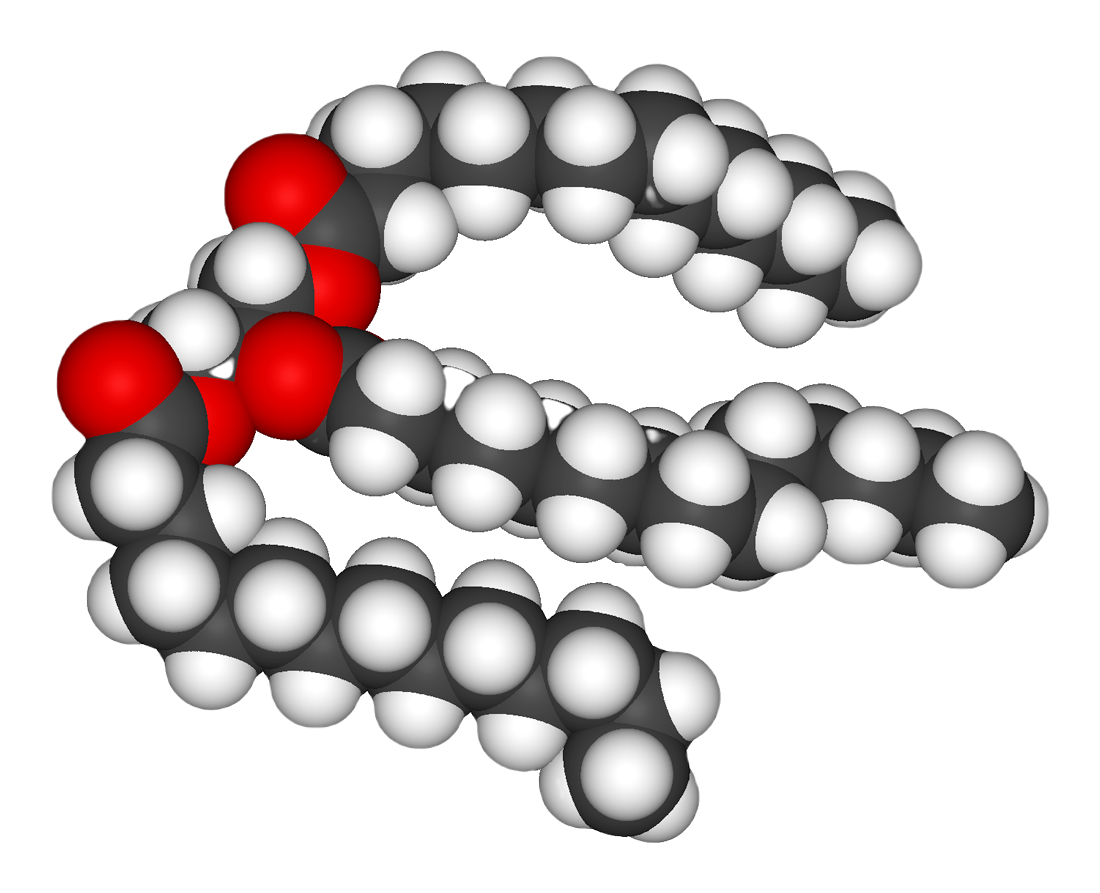
Fat is glycerol bound to Fatty Acids
Glycerol Triglyceride = Fat
Fatty Acid
Trans – Fat
Orientation of the hydrogen atoms on either side of a double bond
Artificial shape
Crude Protein Amino Acids
Protein
Protein Two ways to calculate
Energy - “Fire” to run the organism
Protein - Nitrogen for building
Complex compound, Chain of Amino Acids C; O; H; N; S
Myoglobin
5/14/2015
13
Protein
Combine with other nutrients Lipoprotein - Fats Glycoprotein - Carbos
Lipoprotein - Fats Glycoprotein - Carbos
Crude Protein Total Protein - Lipo, glyco, AA
Nutrients
Two ways to calculate protein
Digestion - Protein Amino Acids
16
9
7
28
44
Corn
SBOM
Want 16%
35
Corn = 9%
SBOM = 44%
7/35= .2 (20%)
28/35= .8 (80%)
Nutrients
Amino Acids as % of diet
AA are Nitrogen Compounds (~20)
Nutrients
Essential Amino Acids
Can’t be synthesize Required in diet
Certain ratios At the same time
5/14/2015
14
Minerals
Protein supplies most of the common elements
Other elements (metals) also required
Minerals
2 Groups of minerals
Macro and Micro
Macro Minerals >100ppm (mg/kg) in diet
Micro Minerals <100 ppm (mg/kg) in diet Trace minerals
Less than requirement in diet Poor growth, Poor performance Abnormalities, Death
More known due to research on purified diets
Most are not practical problems
Macro Minerals
Ca, P, Mg Bone ash, Milk, Egg Shells
Ca - P must be in proper ratio
P - Energy metabolism
Mg - Enzyme co-factor
5/14/2015
15
Macro Minerals
Na, K, Cl Principle Inorganic ions of body fluids
Acid-base balance Water retention
Na - outside to inside cell, lymph, blood, extracelluar
K - Inside cells
Cl - HCl in gut for digestion
Micro Minerals
Catalysts for enzymes Some important trace minerals
Mn - Perosis Zn – bone, fur and feathers Se – Muscle function I – Thyroid Function (goiter)
Minerals
Sources of Minerals
Grains and other typical feedstuffs
Ca and P Meat and Bone, Limestone, DiCalP
Na and Cl and I Table salt (iodized or trace mineral)
Added to concentrates, or Lick block Others
Trace Mineral Pre mix
Vitamins Diverse group of Compounds
What is a Vitamin
Classification requirements
Organic
Usually not synthesized Small amounts needed Not a structural member Co-enzyme, regulator, or factor
5/14/2015
16
Vitamins required by monogastrics
13 required
2 classes of Vitamins
Fat Soluble A, D, E, K
Water Soluble B-Complex
B1, Thiamin; B2, Riboflavin; Nicotinic Acid (Niacin) B6, Pyridoxine; Pantothenic acid; Biotin; Folicin (Folic Acid); B12; Choline*.
Vitamin C not required
Vitamin action
Vit A Retinol Maintains epithelial tissue
Vision
Low or lacking in diet
poor production
poor health
mucus membrane problems
Vitamin action
Vit D Cholecalciferol
Absorption and deposition of Ca
Low or lacking in diet
Rickets
Not required if in sunlight
UV Skin Vitamin D Inside mgt Vit D required
Forms of Vit D D D2 D3
Vitamin action
Vit E Nervous and Muscular maintenance
Deficiency Encephalomalacia Exudative diathesis Edema Muscular dystrophy
Strong Interaction with Selenium
5/14/2015
17
Vitamin action
Vit K Phytylmenaquinone
Blood Clotting
Vitamin action
B Complex
B1 Thiamine High in Grains
B2 Riboflavin Most commonly deficient in B complex Paralysis Hatchability problems in poultry
B12 Growth
“AMF”
Animal Manure Factor
Feed Additives
Added to feed to:
Control or eliminate disease Increase performance Enhance pigmentation
Antibiotics
Disease control 2 dosage levels
Preventive <100g/ton
Treatment >100g/ton
Growth Promoters Hormones
5/14/2015
18
Diet Formulation Considerations
Ingredients
Cost Availability Toxins Digestion problems
Add enzymes to aid digestion
Least Cost Formulation
Available Ingredients
known nutrient levels
Ingredient Price
Nutrient Requirement
Varies with: age, productive state, market
Computer formulates diet
Least cost formulationLeast Cost Formulation