


Biological evidence
 shaokumu
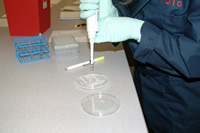
Biological evidence consists of bodily fluids and tissues. Biological evidence has particular significance since DNA analysis can be conducted in many instances. This DNA analysis may identify the donor. Examples of biological evidence containing DNA include:
- Blood.
- Saliva.
- Semen.
- Sloughed skin cells.
- Hair.
- Urine.
- Fecal material.
A DNA profile may also be obtained by swabbing items thought to have been handled by a perpetrator. This type of evidence is sometimes referred to as "touch DNA."
The power of DNA testing is such that examination of biological items can produce very compelling evidence. However, attention must be paid to safety, contamination and degradation issues.
Biological evidence may be detected by any of the following:
- Visual inspection.
- Alternate light source.
- Chemical enhancement, such as luminol.
 7 years ago
 10
10
Answer(1)![blurred-text]()
Purchase the answer to view it

 ListeningPerspectives.docx
other Questions(10)
- math homework
- Biology short answer
- 3 classes
- For Professor Ryan, ACC 206 final
- Write a 500- to 700-word magazine article that discusses visual imagery. Include the following
- would be unethical to buy a stock based on some information you found in the trash that has been thrown...
- Computer homework
- PSY 428 Week 2 Individual Assignment Productive and Counterproductive Behaviors Paper
- fact and value thesis paper (Torture of POWs)
- Written Assignment 3

