Essay: Coaching Process
Wednesday S. James
Life Coaching, Liberty University
Professor Holt
June 20th, 2022

The goal of coaching is to help people develop their lives through a process that is designed by
God for their growth. This process considers the various events that life brings. One of the most
important characteristics that a coach needs to develop is the ability to listen to and ask
questions. This will allow him or her to develop a plan that is designed to help the client reach
their goals (Stoltzfus, 2005).One of the most important characteristics that a coach needs to
develop is the ability to listen to and ask questions. This will allow him or her to develop a plan
that is designed to help the client come up with their own answers. Unfortunately, many people
do not listen to others without giving them advice. This is because, in our nature, we tend to
advise others in various settings (Stoltzfus, 2005). Setting goals is a process that is designed to
help people reach a certain end. This process is usually started with the goal in mind.
The Coaching Process
Discovery Session
A discovery session is something that is specific to coaching. Not to be confused with an
“intake” session.
Something that is all too often not discussed in coaching circles is the fact that one of the biggest
skills a coach can develop is the discovery session. A discovery session is an introductory
session with a coach that is normally free so that the coach and client get to see if working
together is a good idea. The session can last anywhere from 15-60 minutes depending on the type
of coaching offered. A discovery session actually serves multiple purposes:
Mutual interview of coach and client
The discovery session can be thought of as an interview of both client and coach. The coach is
interviewing the client to see if they’ll be a good client to work with. And the client is
interviewing the coach to determine if they’re comfortable with the coach’s personality and way
of approaching issues. In the discovery session the coach and client get to know one another and
review any questions either party may have for the other.
Determine if the client is a fit for the coach’s services, niche, or specialty
During a discovery session the coach will determine whether the client is a good fit for the type
of coaching they do. It’s not a smart idea for a business coach to take on a client who wants to
work on their relationships. This is “discovered” during the discovery session. As such, it’s
essential for the coach to ask the client questions to really get at the core of why they are seeking
out coaching, what they hope to achieve through coaching, and how familiar they are with the
coach’s work.
Determine if the client can be worked with and is coachable

The discovery session is also a session that allows a coach to ask the potential client questions to
clarify their level of investment, motivation, work ethic, etc. to ensure that the client is ready for
coaching. There is nothing worse than working with a client that is not ready for coaching. A
coach cannot make a client change. So they must ensure that their client is willing to and ready
to change on their own with the assistance and encouragement of their coach. Many clients will
seek out coaching even when they’re not ready to change or not ready to take responsibility for
their role in the issues that they’re having. These clients are considered “un coachable”.
Although they won’t always be un coachable, they are un coachable at the moment and therefore
you should not take these clients on as it will result in a difficult experience where you feel the
need to “pull” your client toward their goals rather than helping the client achieve their goals.
This ensures that both the client and coach find coaching to be a positive and fulfilling
experience.
Client determines if they’re comfortable with and enjoy working with the coach
A discovery session is essentially a “try before you buy” experience for the client so that they get
experience of coaching with the coach prior to deciding to spend money on coaching and to sign
on with that specific coach. They will see if they “click” with the coaches personality and
coaching approach. And they’ll be able to determine whether the coach is asking them questions
to take them deeper into what they want to work on or if the coach isn’t very skilled in a
coaching session. If a client doesn’t ask questions during a coaching sessions this may be an
indication that the client expects the coach to do all of the work and the coach should ask
questions that explore this in more detail.
Where the coach sells the client their coaching sessions or packages
While we normally think of “coaching” as a coaches job. A coach just also sell their services to
their clients. But luckily, once you get comfortable coaching, the sales make themselves. The
best strategy to sell a client a coaching session or package is to show up as your best self and
demonstrate your best coaching when you’re in the discovery session with your client. Do not
hold anything back. Make sure that you show them your best stuff so that they’ll be itching to
come back for more. When you do this a client will naturally ask toward the end of the session
how to proceed to purchase coaching with you. When you haven’t demonstrated your coaching
sufficiently you may find yourself “trying” to make a sale with a client. Often this is the wrong
tactic as clients often lose trust in coaches who seem like they are selling things. Instead,
communicate to the client that you are keeping the door open for them if and when they are
ready to make the investment in the future and give them your business card or email address.
This will allow those clients who take time to think about things enough space and time to
explore their options and determine if you are the right coach for them. After all, you don’t want
to coach anyone who doesn’t rally want to be there!
Client determines if they are willing to make the financial investment in coaching

Part of selling coaching packages and sessions is when you tell the client what their investment
will be in your coaching. This is when you reveal the price for what you are recommending to
your clients whether that is one session or a series of 6 or even 12 sessions. The deeper and more
profound the issues, the more sessions the client will need to work through those issues and meet
their goals. Packages are often priced cheaper than single coaching sessions in order to
encourage clients to purchase more sessions for you. So if one session is $100, a package deal of
6 sessions might be $500 and a package of 12 sessions might be $1000. This way they get a
better deal by purchasing more sessions from you.
It’s important to get comfortable talking to oyur clients about money and about prices. One great
way to do this is to talk to your friends and family about your prices. Get used to saying the
number you charge out loud so that you don’t stumble over it when you are discussing it with
your client. This is also a time when silence is golden. Just because a client doesn’t give you an
automatic “yes!” to coaching with you doesn’t mean they’re a no. They may be thinking about it.
A great way to motivate your clients to make quick decisions about coaching with you is to offer
a “fast action bonus” if they sign up immediately by giving them an instant 20% off (for
example) your coaching. This will often motivate people to get off of the fence and purchase a
session or a package from you immediately.
A welcome packet or pre-coaching questionnaire
A welcome packet or “pre-coaching questionnaire” is a form that a coach has a client fill out
prior to their first full paid session together. It allows the client to provide useful information for
the coach to know such as their family dynamics, their age, and their goals in coaching. This
document will serve as an in depth client intake that will help the coach get to know the client
before the first session. Although, not every coach uses a welcome packet most coaches do and
find it extremely helpful. It also gives the coach a document they can refer back to between
sessions to get reminders of significant events or people in the client’s life.
Coaching Agreement
For both your own and your client’s protection it is essential to have a signed coaching
agreement in place before the beginning of the first session. This agreement will help the client
understand the role of the coach, the role of the client, the coaching process, what to expect in
their first session, the nature of the relationship, and parameters of coaching such as fees, length
of session, and scheduling. The coaching agreement outlines the coach and client’s
responsibilities in the coaching relationship so that the client is aware that they are responsible
for their progress, even though you as coach will be assisting them in reaching their goals. It also
helps the client know how long each session is, who calls who, how to schedule their sessions,
and the fees that you charge for each session. The coaching agreement also serves as a legal
document that will help you to protect your interests. As such it is important to have it reviewed
by an attorney. To have your cancelation and refund policy detailed in the document. This

document will serve to limit any confusion between coach and client right at the beginning of
coaching together.
Regular Life Coaching Sessions
The life coaching process is highly variable depending on the client’s needs and the type of
coach. Some business coaches only need one one-hour session in order to begin to make
enormous changes in their clients lives. Whereas personal development coaches often need 6-12
sessions in order for the client to begin to make changes. Normally sessions are between 30 and
60 minutes and occur anywhere from once a week to once a month or even once every few
months.
Fees for coaching can be charged in one lump sum or in a monthly installment. Often when
clients pay the entire fee up front they will get a discount over paying in installments. It’s
important to note that your fees are not solid and you can raise them as your client roster fills up
and as you gain confidence in your skills as a coach.
It’s essential to determine the client’s overall goals in the first coaching session. But it’s also
important to determine the client’s goals in each individual coaching session. Then the coach
must follow up with the client about their progress toward achieving those goals in each session
in order to hold the client accountable to their goals. If the client hasn’t met their goals the coach
must follow up to determine why progress has not been made and to find new and novel
solutions to their issues.
The coach and client discuss what the client has been going through and the coachA uses strategic
questioning in order to get to the heart of the issue so that they can explore solutions together and
increase client awareness of what’s really going on. Coaches will often assign their clients
“homework” at the end of each session. Homework is something that a client does outside of
session to help integrate the knowledge that they’re learning in their coaching sessions. An
example might be getting up to sing at karaoke if the client is afraid of performing in front of
people.
Coaches also highlight client successes, celebrate with heir clients, and provide support for their
clients. This occasionally extends to providing brief email and/or phone support between
sessions. But this is generally laid out explicitly in the coaching contract so that both parties
know exactly what to expect.
Last Session
The last coaching session can be just as important as the first. The aim of the last coaching
session is to bring everything together so that the client can see a clear overview of where they
were, where they’ve gotten to, and how they got there. Coaches will often take time to celebrate
their client’s successes in this session. But more than that, coaches will ask their clients to report

what they feel that they’ve learned through coaching. Coaches can also ask their clients to
discuss what they see as their future path, their next set of goals, and how they’ll achieve it. They
might also check in with the client to help them figure out ways that they can be vigilant of
specific problems popping up again in their lives so as to avoid them in the future.
Coaching Process in Detail
Now that you have a basic understanding of the structure of a coaching session it’s important to
go into more depth about what you’ll actually need in each coaching session.
The Coaching Relationship/Establishing Rapport
The coaching relationship is the most essential aspect of coaching. Without a strong coaching
relationship coaching will not be successful. A client must feel that they are safe opening up to
the coach and expressing their deepest fears and challenges. So the coach must work at the
beginning of coaching to establish a strong coaching relationship so that the client can feel safe
in exploring their issues in a safe environment.
Establishing trust with the client
It’s important for coaches to create an environment for their clients that feels safe and supported
and provides respect and trust. Coaches create this environment through a variety of means.
First, coaches establish clear agreements with clients and follow through with their agreements.
This is why a coaching agreement is so important. But more than that, following through on
agreements means that the coach acts with integrity in their interactions with clients. They
always provide all services that they’ve been paid for. And they always follow through when
they are contracted for services with clients. If a coach fails to do this then they will lose the trust
of their client. But more than that, the coach will lose the trust of clients in general and lose the
opportunity for any future referrals for new clients. A coach’s reputation is the most important
thing in their arsenal of skills because it’s something that cannot be learned and cannot be fixed
once it’s marred. So a coach needs to always follow through with what they’ve promised because
it is how they maintain a good reputation in the coaching community. And so having integrity,
sincerity, and honesty in both coaching relationships and in life in general is a central important
skill in becoming a coach.
Second, they respect their clients views, beliefs, perceptions, and perspectives. In this way a
client will feel understood and supported in understanding themselves. If a client does not feel
that the client truly “gets” them they will not open up to the coach or recognize their own ability
to change. So establishing a trusting coaching relationship fundamentally helps the client to see
new opportunities for change in their life. When a client feels understood and supported the do
not feel that change threatens who they are. The client no longer feels like a failure and instead
begins to see that change is about becoming the best they can be, not about trying to “fix”
something that’s wrong with them.

The third important point to establishing trust in the coaching relationship is that the coach needs
to show genuine concern and empathy for their clients. They need to genuinely invested in their
clients success and overall welfare. At the end of the day, the coach shouldAcareAabout their
clients. Without caring and genuine concern the client will not feel as though they can open up to
the coach. When coaches show genuine empathy and support to their clients they have the ability
to stimulate and encourage new thoughts and behaviors. Trust is the foundation for change.
When a client feels that they can trust a client because they feel that the coach is on their side the
client will begin to open up to new ways of doing things and exploring new avenues of behavior.
A key skill in bringing together all of the pieces that a client needs to trust a coach is for a coach
to ask a client for permission to coach a client on sensitive topics. When a coach does this they
are fundamentally respecting their client’s perspective and emotions. But more than that, they are
showing the client that they genuinely care about how they feel and if they feel ready to delve
into this sensitive area. In this way, the client feels trust that the coach will not push them to
work on an area that they’re not ready to work on.A
Mirroring
Mirroring is one of the most important skills you can use with your clients. It’s basically
mirroring back to your client their posture, volume, tone, bodily movements, expressions, and
language. The key to mirroring is to use it subtly so that it doesn’t come across as making fun of
or mimicking the client. Mirroring is something that will build rapport in any relationship. You
can even try it with your friends and family. People often feel more understood when the other
person matches their presentation. After a while the client will often unconsciously begin to
mirror the coach and follow their lead and may become more relaxed or excited, depending on
what the coach is portraying.
Showing Respect
Showing your clients that you respect them can be accomplished by being non-judgmental and
non-critical. Coaches can also show respect by demonstrating genuine concern and care for their
clients and being inquisitive about their lives Furthermore, most people will know on some level
if someone doesn’t like them. So it’s important for coaches to try to find some aspect of their
client that they like and appreciate, even when the coach and client aren’t seeing eye to eye.
Assessing Current Situation
Welcome Packet and Questionnaire
The Welcome packet is an in depth questionnaire about the client’s history, family, goals,
desires, and what they’ve previously tried that the coach reviews before their first formal
coaching session. The questionnaire has items such as name, date of birth, address, email, and
nationality.

The welcome packet/ pre-coaching questionnaire also asks more specific questions to get at what
the client desires out of coaching and helps the coach gain insights into the client’s life and what
they need. Some common questions might include:
What are the names, ages, and relationship of the important people in your life?
What are your goals for coaching?
Why did you seek out life coaching?
What have you tried in the past to solve this issue?
What has been your greatest success and biggest challenge in life?
What tools have you used to overcome hardship in the past?
What life changes have you experienced over the past 2 years?
What’s most important to you? Why?
Coaches will often have a form that they send out to all of their clients with the same questions
so save time. However, you can customize each form for each specific client if you so choose
based on their unique needs and desires in coaching.
Keep in mind that your questions should be clearly worded and have a reasonable purpose
behind them. Don’t just ask things out of curiosity. And don’t repeat yourself. Also, make sure to
discuss these answers with your client during your first answer and get any clarifying
information that will help you understand them and their issues in more depth.
There is a sample pre-coaching questionnaire/welcome packet in the appendices section of this
course. You can use this form and modify it to your own needs.
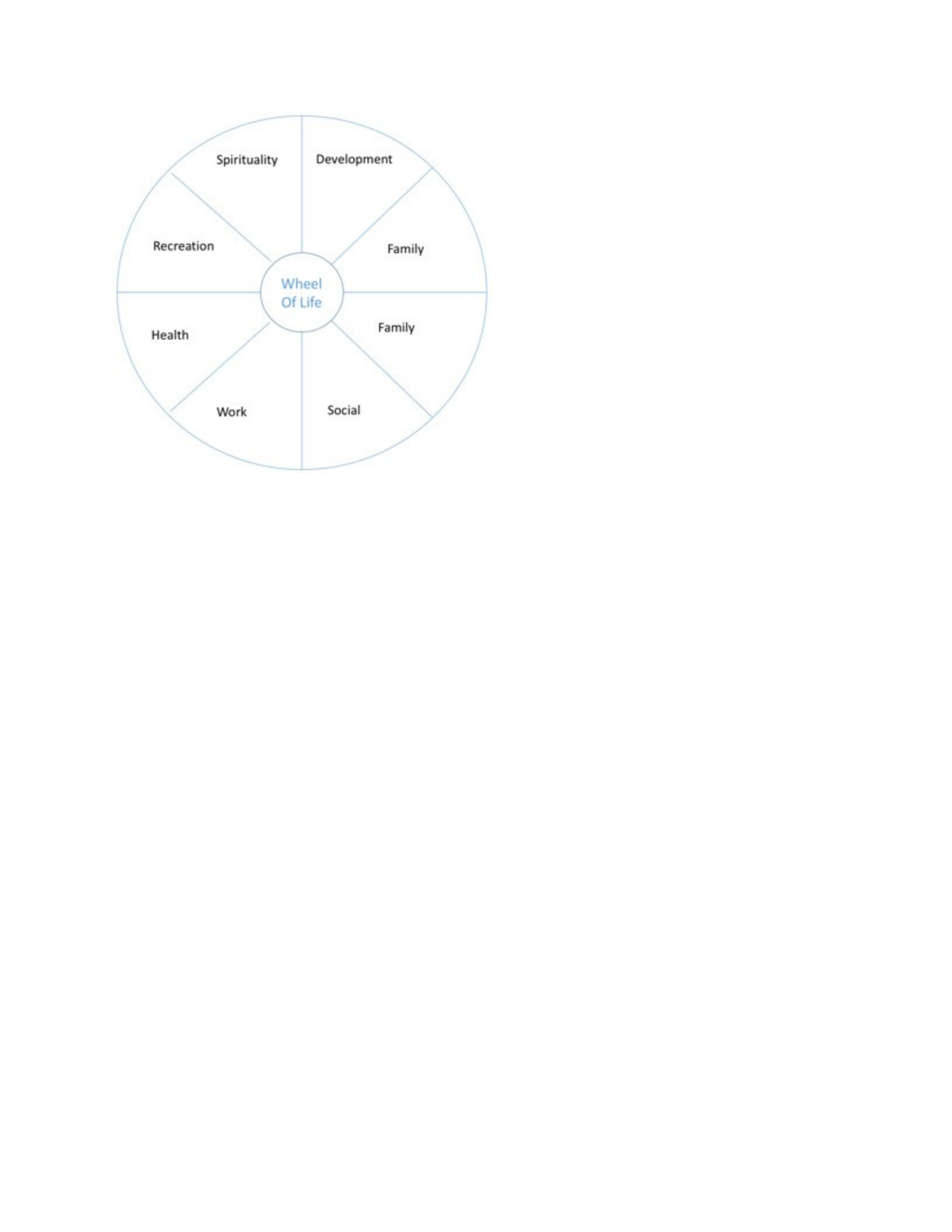
Wheel of Life
The wheel of life is a great tool to help your clients visually see the balance of what’s going on in
their life. The tool is a circle where each spoke represents a different aspect of their life. Having
your clients fill this out as part of their welcome packet will help you get a peek inside of
whether they feel their lives are balanced or out of balance.
The wheel has 8 segments that represent each area of the client’s life as you can see in the
example below. The client then draws lines to represent the areas that take up more or less time
in their life. In this way you can get a very quick and simple visual representation of what the
client feels are important and what they are prioritizing in their life.A
Here is an example of a wheel of life where all aspects are balanced: