


1
Who Are Scientists?
Gracie Frame
EDUC 324 Teaching Elementary and Middle School Science
2
Who Are Scientists?
Part One
Select ten images of men, women, and people representing multiple ethnicities, as well as a
variety of types of scientists (e.g., environmentalists, astronauts, microbiologist, and physicists).
Complete the chart below with each scientist’s name, image, and area of research/scientific
endeavor.
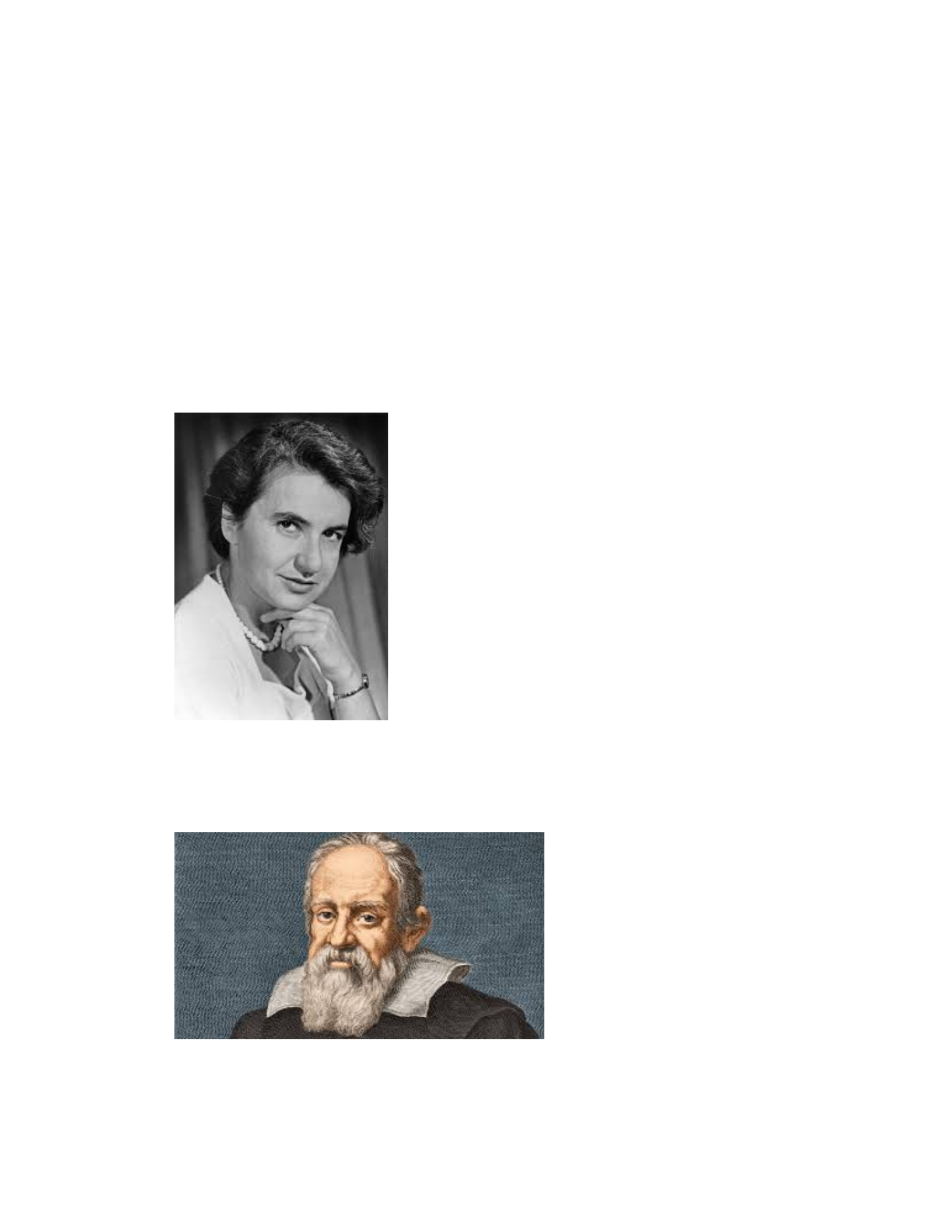
1. Name: Rosalind Franklin (1920-1958)
[ ]
[Physical Chemist]
2. Name: Galileo Galilei (1564-1642)
[ ]
[Astronomer]
3
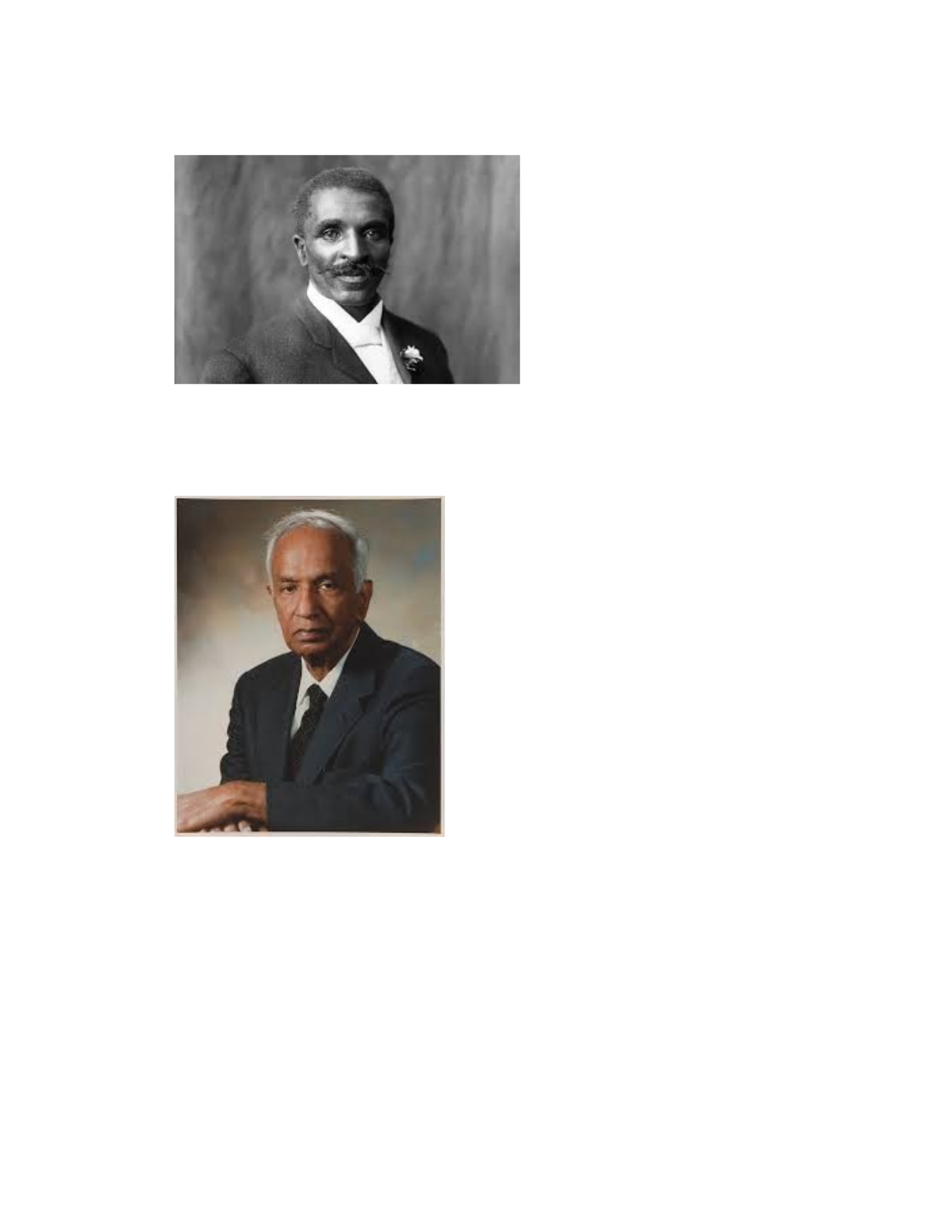
3. Name: George Washington Carver (1860-1943)
[ ]
[Agricultural Scientist and Inventor]
4. Name: Subrahmanyan Chandrasekhar (1910-1995)
[ ]
[Theoretical Physicist]
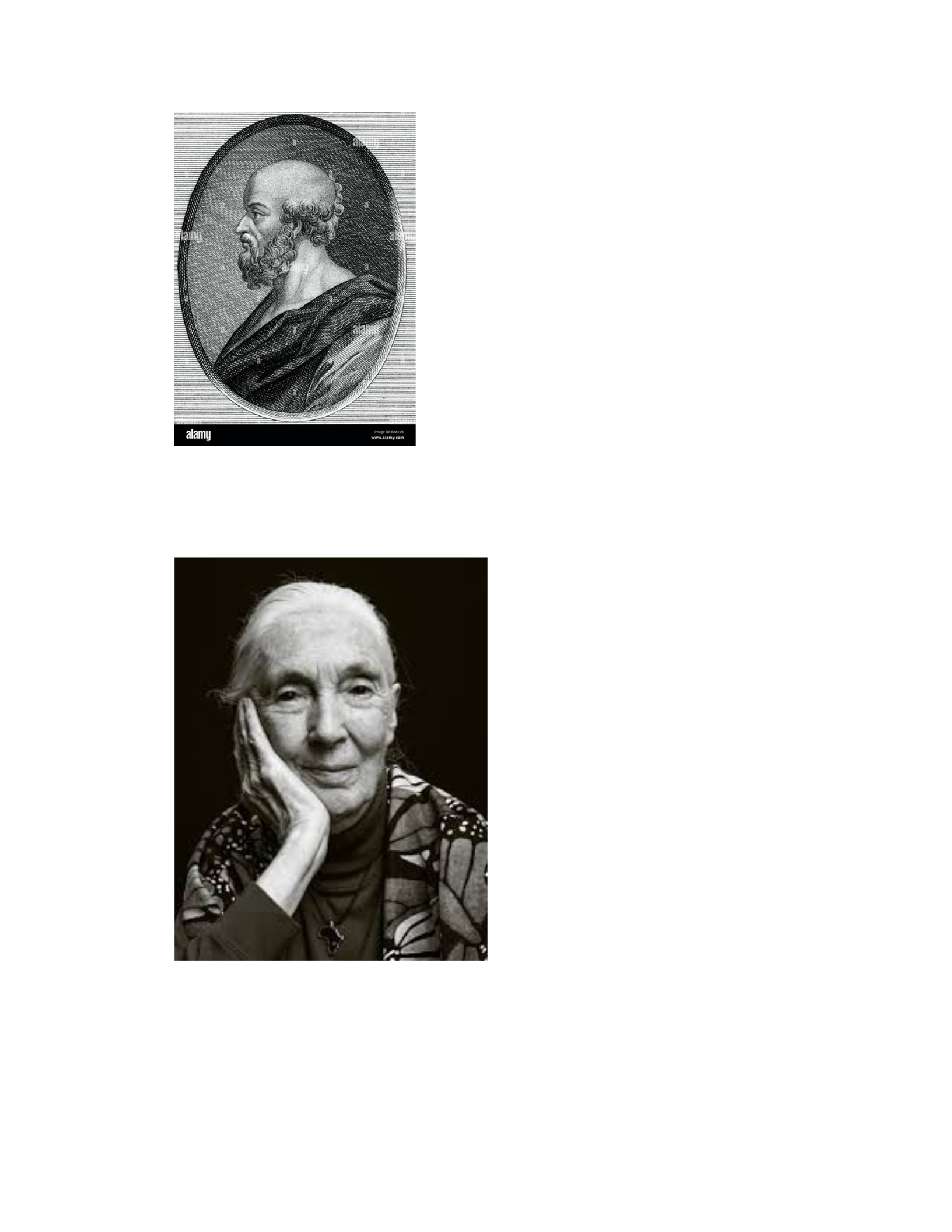
5. Name: Eratosthenes (276 BC-194 BC)
4
[ ]
[Mathematician]
6. Name: Jane Goodall (1934 - )
[ ]
[Primatologist]
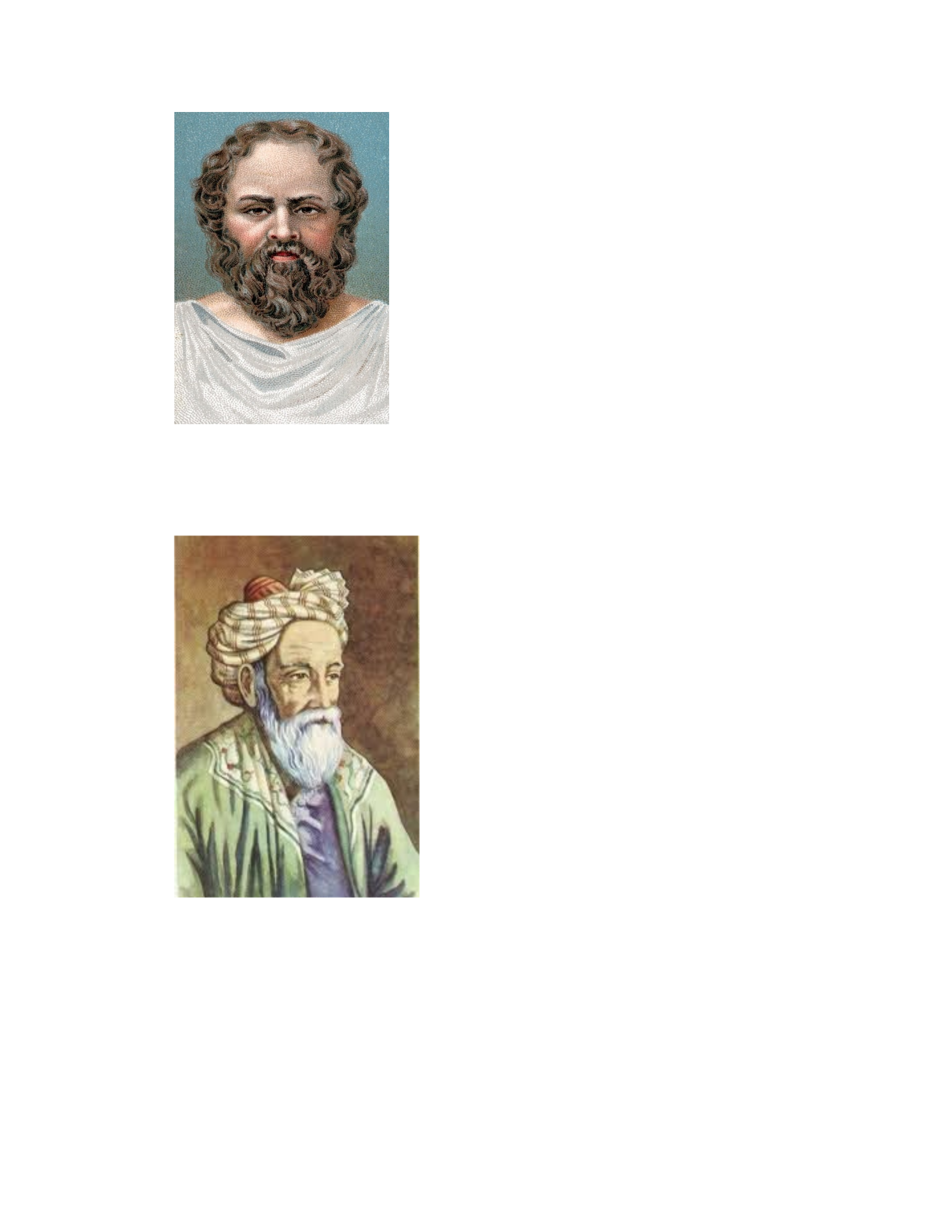
7. Name: Socrates
5
[ ]
[Philosopher]
8. Name: Omar Khayyam (1048-1131)
[ ]
[Polymath]
9. Name: Antonie Van Leeuwenhoek (1632-1723)
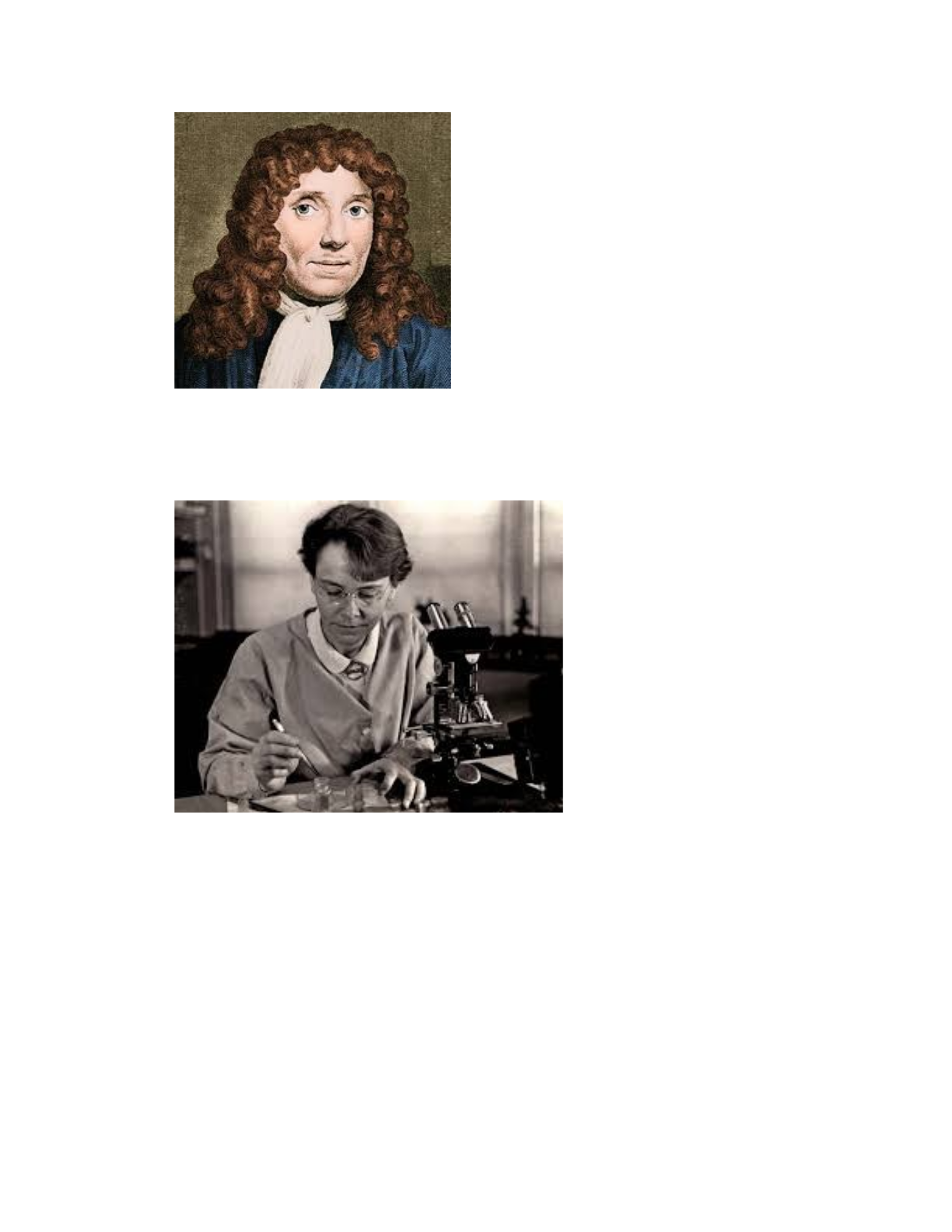
6
[ ]
[Microbiologist]
10. Name: Barbara McClintock (1902-1992)
[ ]
[Cytogeneticist]
Part Two
Explain in one paragraph (at least five sentences) how you will use these photos in your
classroom. Make sure you describe and justify how your plan will improve teaching and
learning in the above scenario. Provide evidence from the chapter to support your justification
(with citations).

7
Scientists are essential because they conduct research and make discoveries that advance
our understanding of the world. “A good science program will help youngsters understand the
ways in which we are depleting the natural resources of the earth” (Koch, 2013, p. 5). By using
pictures of these scientists, students will be able to see that scientists are not men with crazy hair
who make things explode, but they are both men and women of all different eras and ethnicities
who have used their knowledge to expand our knowledge about the universe and things in it. To
aid in learning, I would generally talk about each scientist and then allow the students to choose
a scientist from a picture and research their contributions to their field. They can then create a
presentation or poster to share their findings with the class. This project is also a great way to
spark discussion among the students as they ask questions about their scientists and their work.

8
References
Koch, J. (2013).GScience Stories: Science Methods for Elementary and Middle School Teachers.
Cengage Learning.

