


Malnutrition
(developing
countries)
Obesity
(developed
countries)
-a
growing
epidemic
-was
thought
to
be a
condition
only
for
adults,
but
now
it
is
posing
a
lot
of
health
challenges
in
teens.
-excess
energy
intake,
so excess
energy
is
stored
first
as
glycogen
in
liver
and
muscles
and
then
as
fat
(TAG)
in
adipose
tissue
like
subcutaneous
tissues
or
in
organs.
-obesity
occurs
when
there
is
excess
energy
intake
more
than
one
can
expend,
so
there
is
an
excess
form
of
fat
-but
not
all
forms
of
obesity
are
due
to
excess
intake
of
energy;
there
are
some
that
are
associated
with
genetic
factors
like
Prader-Willi,
hypothyroidism
,
Kushen’s
(excessive
production
of
cortisol,
badder-Biedi
syndrome,
poly-cystic
ovary
syndrome
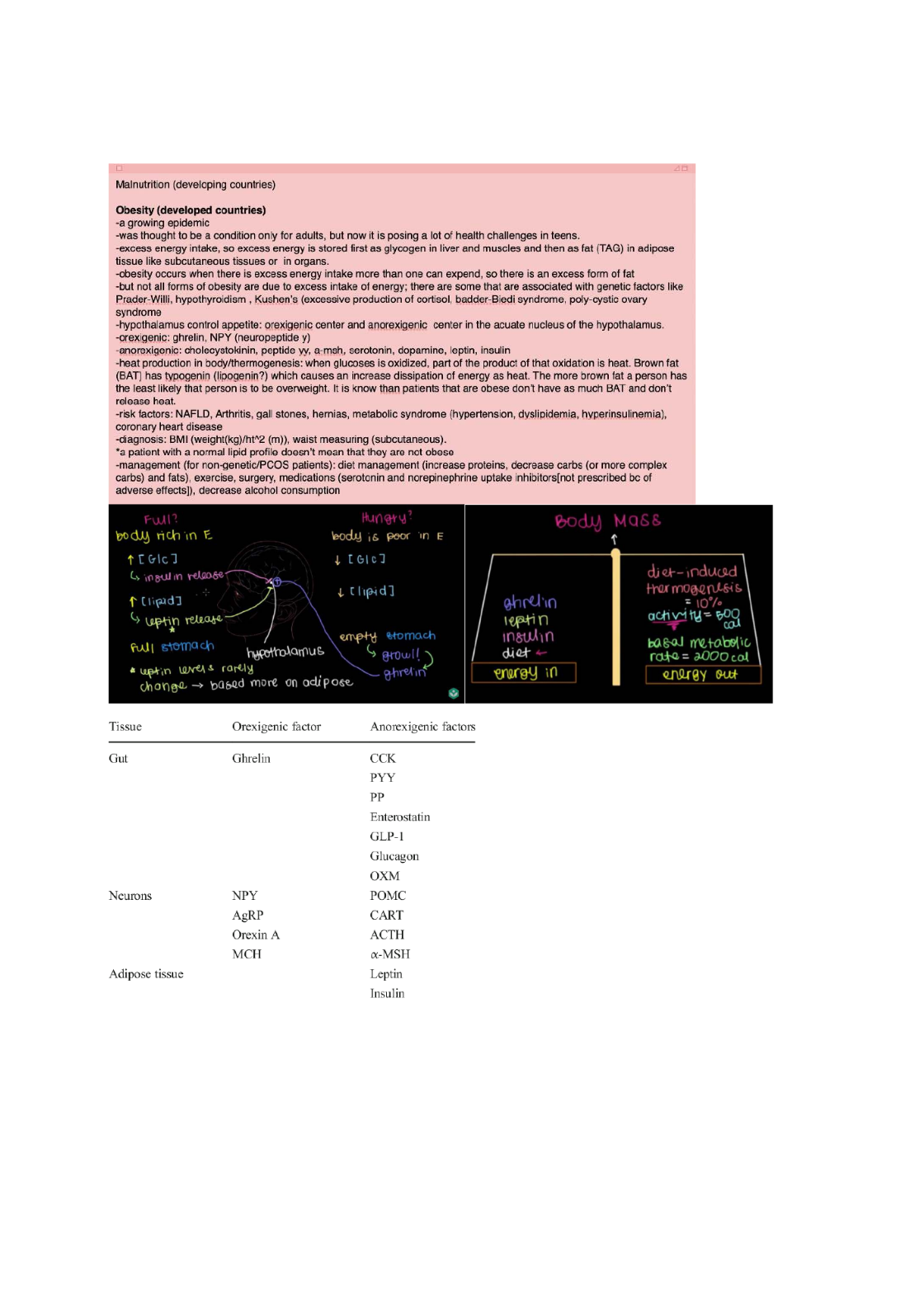
-hypothalamus
control
appetite:
orexigenic
center
and
anorexigenic
center
in
the
acuate
nucleus
of
the
hypothalamus.
-orexigenic:
ghrelin,
NPY
(neuropeptide
y)
-anorexigenic:
cholecystokinin,
peptide
yy,
a-msh,
serotonin,
dopamine,
leptin,
insulin
-heat
production
in
body/thermogenesis:
when
glucoses
is
oxidized,
part
of
the
product
of
that
oxidation
is
heat.
Brown
fat
(BAT)
has
typogenin
(lipogenin?)
which
causes
an
increase
dissipation
of
enercy
as
heat.
The
more
brown
fat
a
person
has
the
least
likely
that
person
is
to
be
overweight.
It
is
know
than
patients
that
are
obese
don't
have as
much
BAT
and
don’t
release
heat.
-risk
factors:
NAFLD,
Arthritis,
gall
stones,
hernias,
metabolic
syndrome
(hypertension,
dyslipidemia,
hyperinsulinemia),
coronary
heart
disease
-diagnosis:
BMI
(weight(kg)/nt"2
(m)),
waist
measuring
(subcutaneous).
*a
patient
with
a
normal
lipid
profile
doesn't
mean
that
they
are
not
obese
-Mmanagement
(for
non-genetic/PCOS
patients):
diet
management
(increase
proteins,
decrease
carbs
(or
more
complex
carbs)
and
fats),
exercise,
surgery,
medications
(serotonin
and
norepinephrine
uptake
inhibitors[not
prescribed
bc
of
adverse
effects]),
decrease
alcohol
consumption
eee
ote]
rere}
pose
Tissue
Orexigenic
factor
Anorexigenic
factors
Gut
Ghrelin
CCK
PYY
PP
Enterostatin
GLP-1
Glucagon
OXM
Neurons
NPY
POMC
AgRP
CART
Orexin
A ACTH
MCH
a-MSH
Adipose
tissue
Leptin
Tnsulin
OBESITY: A Growing problem

1. What is obesity and what are the ways it can be clinically evaluated? How do these measures vary in
accuracy among different populations? Obesity is a disorder of body weight regulatory systems
characterized by excessive body fat. It can be measured by BMI, waist measurement, and skin roles.
2. What are the possible causes (genetic/pathologic) of obesity? Obesity can have genetic and
environmental factors. Genetic factors include Prader Willi (leads to obesity, intellectual disability,
and TD2), Kushan’s (high cortisol levels), Bardet-Biedl disorder, PCOS. Genetics can make one more
susceptible to obesity if it runs in the family than environmental factors do. Environmental factors
like availability of food, portion size, variety of food, food preferences, and the number of people
present during eating are important.
3. What are the comorbidities of obesity? Hypertension, hyperinsulinemia, metabolic syndrome, TD2,
NAFLD, insulin and leptin resistance, CVD
4. Does a normal lipid profile exclude the possibility of obesity? NO
5. In what ways does the human body store excess fat and in what form does this commonly exist?
Glucose is stored as glycogen in the liver, but excess glucose is converted to FAs and is stored as TAG
in adipose tissue.
6. What role does hormone-sensitive lipase play in fat storage and mobilization? Hormone-sensitive
lipase catalyzes the sequential hydrolysis of triacylglycerol to yield ultimately 3 mol of fatty acids and
1 mol of glycerol. Hormone-sensitive lipase is regulated by phosphorylation by cAMP-dependent
protein kinase.
7. Why do you think alcohol consumption could contribute to obesity? Because ethanol has 7kcal/g of
energy although it has low carbs.
8. What is the general biochemical mechanism for the development of obesity?
9. Why do you think it is said that adipose tissues are endocrine organs? Because they have an
endocrine function.
10. What are the differences between subcutaneous adipocytes and visceral adipocytes? Subcutaneous
adipocytes are found underneath the skin while visceral fat is located inside the abdominal cavity in
between the internal organs. Subcutaneous adipocytes from the lower body of women are larger and
are efficient at fat deposition and tend to mobilize more slowly than subcutaneous adipocytes from
the upper body. Both types of adipocytes have high rates of lipolysis and contribute to increased
availability of FFA.
11. How do these food groups compare in relation to obesity – vegetable oils vs saturated animal fat,
whole grains vs processed sugars? Carbs and protein have 4 kcal/g, fat has 9kcal/g, and ethanol
7kcal/g. There is a relationship between high saturated fat and cholesterol intake. Vegetable oils are
unsaturated FAs and are healthier for you. Whole grains have complex carbs while processed sugars
have a high glycemic index thus provoke a high insulin response.
12. What are the roles of leptin, Ghrelin and adiponectin in obesity and glucose tolerance? Ghrelin
increases appetite, leptin regulates appetite and produces an anorexigenic effect, adiponectin reduces
FFA levels in te blood by increasing FA oxidation in muscles and has been associated with improved
lipid profiles, increased insulin sensitivity, and reduced inflammation associated with diabetes. IL-6
(an adipocytokine) is associated with impaired glucose tolerance and CVD. tumor necrosis factor-
alpha (tnf-alpha) and IL-6 are associated with inflammation and enter the portal system, thus going
to the liver. In the liver they may lead to insulin resistance and increased hepatic synthesis of TAG
(hypertriacylglycerolemia).
13. What are the pharmacologic and non-pharmacologic ways of managing obesity? Surgery, exercise,
and dieting (caloric restriction) are non-pharmacologic ways of managing obesity. Pharmacologic
treatment includes orlistate (decreases absorption of dietary fat), locaserin, phentermine, and
topiramate (promote satiety through serotonin satiety), liraglutide (decreases appetite by activating
glucagon-like peptide 1 receptor), sibutramine (a norepinephrine, serotonin, and dopamine reuptake
inhibitor) and buproprion with naltrexone (increase metabolism by increase norepinephrine).
14. PROTEIN-ENERGY MALNUTRITION (PEM)
1. Why are infants/children particularly susceptible to PEM? They are usually fed by mother via breast
milk and when they wean they sometimes don’t become accustomed to it.
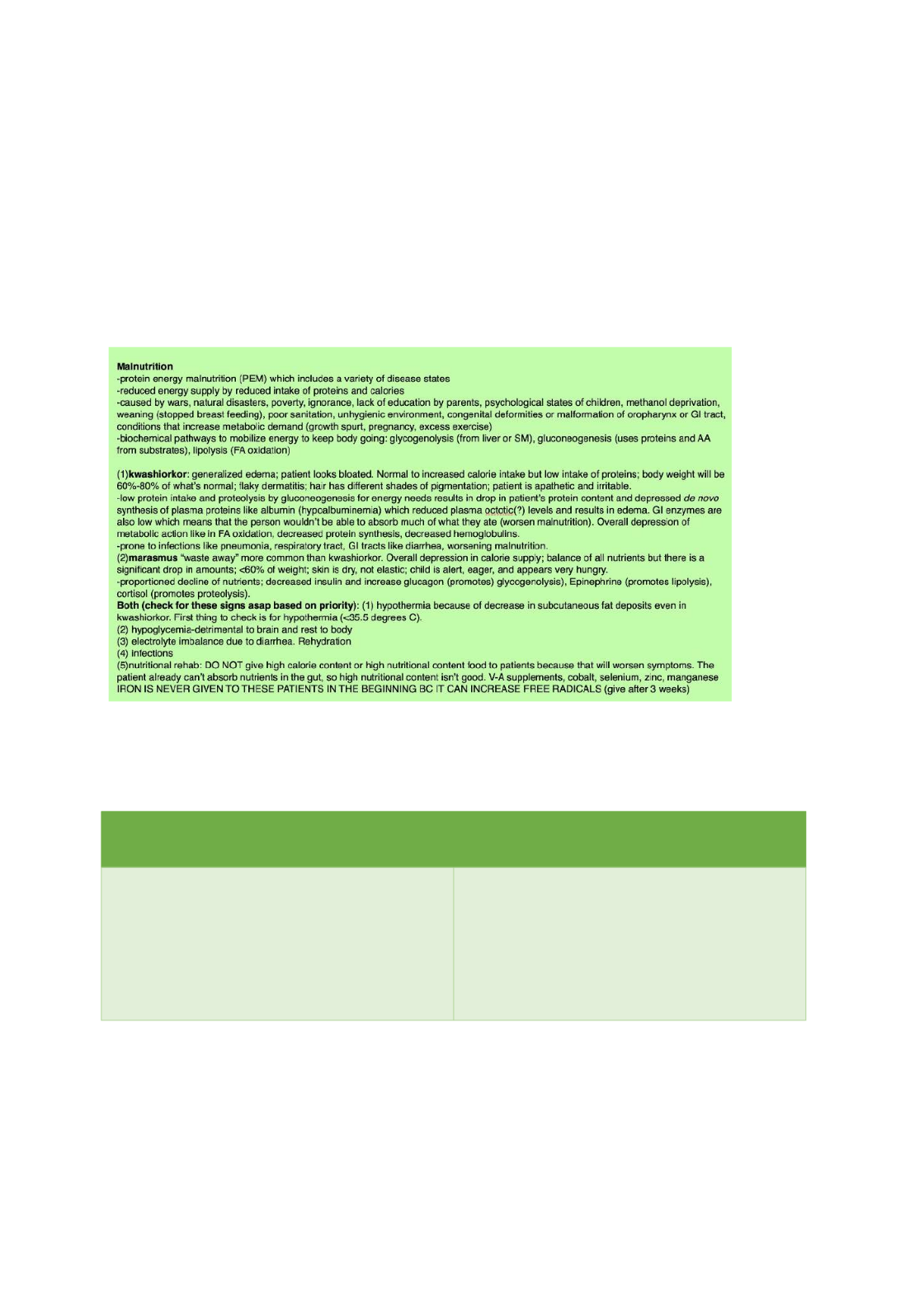
2. What are the distinguishing features of marasmus and kwashiorkor? What are the distinctive
nutritional deficits in marasmus and how does that differ kwashiorkor? Chart below
Kwashiorkor Marasmus
Low glutathione synthesis and high iron
Low albumin
Low transferrin
Low poly-unsaturated FA
Normal glutathione
Normal albumin
Normal transferrin
Normal poly-unsaturated FA

Glucose intolerance
Flaky dermatitis
Striped-pigmented hair
Edema with cysteinyl leukotrienes
Apathetic + Irritable
60%-80% of expected weight
No glucose intolerance
Loose + inelastic
No noticeable changes in hair
No edema; patient looks wasted away
Hungry + eager
<60% of expected body weight
3. Explain the reasons for the symptoms observed in patients with PEM – Itemize the signs and
symptoms then explain the causes. Look at the notes above.
4. Describe the roles of pre-albumin, cholesterol, CHI and interleukin-1 in evaluating malnutrition. The
urinary CHI is correlated to lean body mass and anthropometric measurements (decreased CHI
values mean malnutrition). Macrophages from PEM individuals have decreased IL-1 activity. While
low serum cholesterol levels have been observed in malnourished patients, largely as a result of
decreased synthesis of lipoproteins in the liver, hypocholesterolemia occurs later in the course of
malnutrition and is not good for a screening test. Albumin has a long half-life of 18 days in the
plasma and a large pool size that decreases for many disease, so it’s not a specific marker for
malnutrition, BUT pre-albumin (i.e., transthyretin) has a higher catabolic rate and small pool size
and is a good indicator of acute malnutrition and short term responses to nutritional replacement.
5. What happens to the levels of insulin, glucagon and cortisol in PEM? The level of insulin decreased
while the levels of glucagon (promotes glycogenolysis), epinephrine (promotes lipolysis), and cortisol
(promotes proteolysis) are increased.
6. What are the complications of PEM? Excessive malnutrition, hypoglycemia, hypothermia,
dehydration, infections, micronutrient deficiencies, enzymes deficiencies, stunted growth,
psychological problems, developmental delays.
7. Why did the patient in Case 1 receive potassium, phosphorus, zinc, folate and Vitamin supplements
(explain the reason for each)? In patient 1, the patient didn’t have any protein intake, so they need
supplementation for antioxidants and to stop anemia, phosphorus for bone growth, zinc is needed for
immune function since there is an atrophied thymus and therefore a low T-cell production, there is
decreased potassium in PEM because there is an inactive sodium/potassium ATPase pump. Selenium
is a part of glutathione for ROS breakdown.
8. What are the critical steps in managing a patient with PEM and what is the rationale for each one?
Check for hypothermia, hypoglycemia, hypovolemia, electrolyte imbalance/dehydration, infections
(and treat), and nutritional rehab.
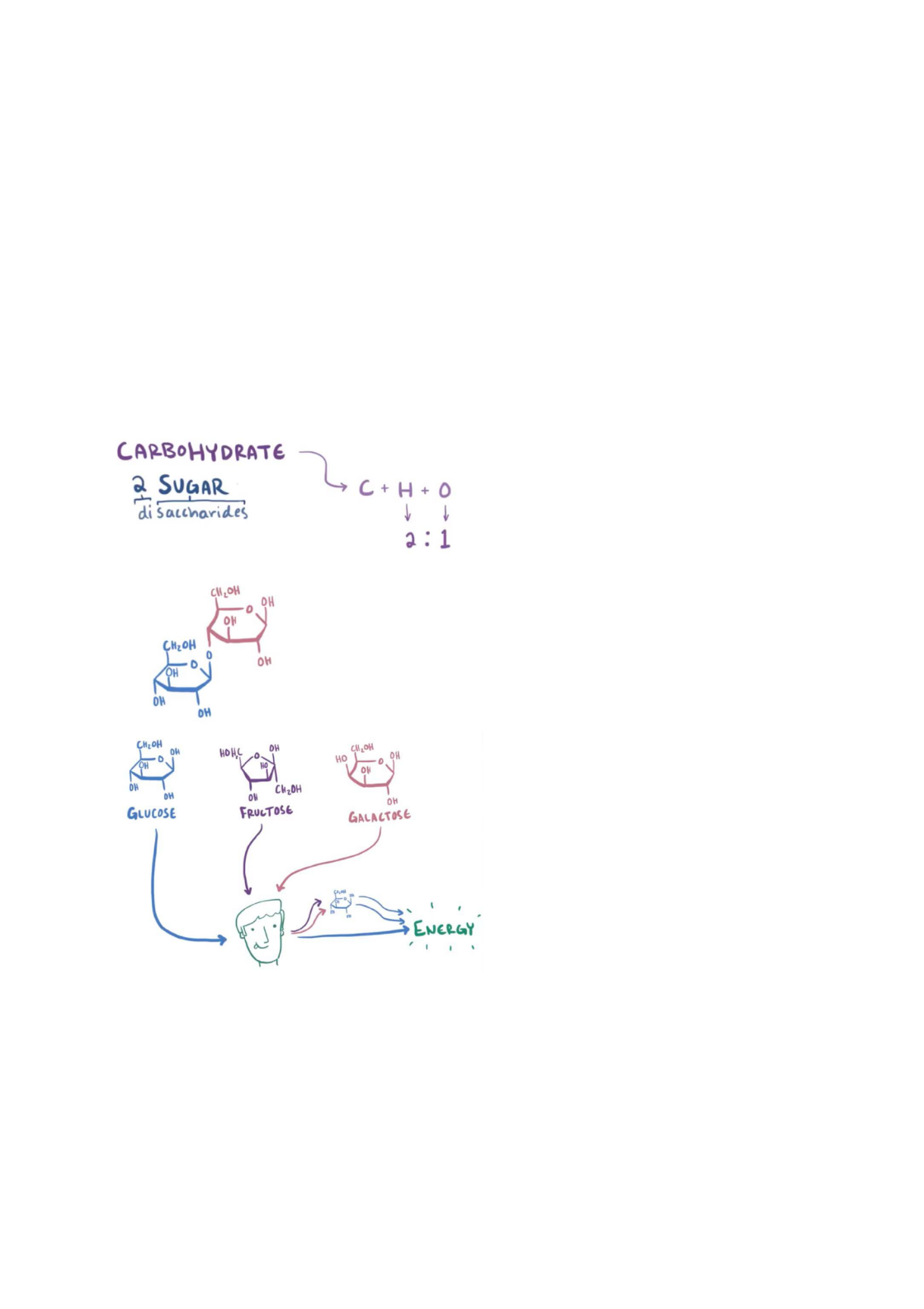
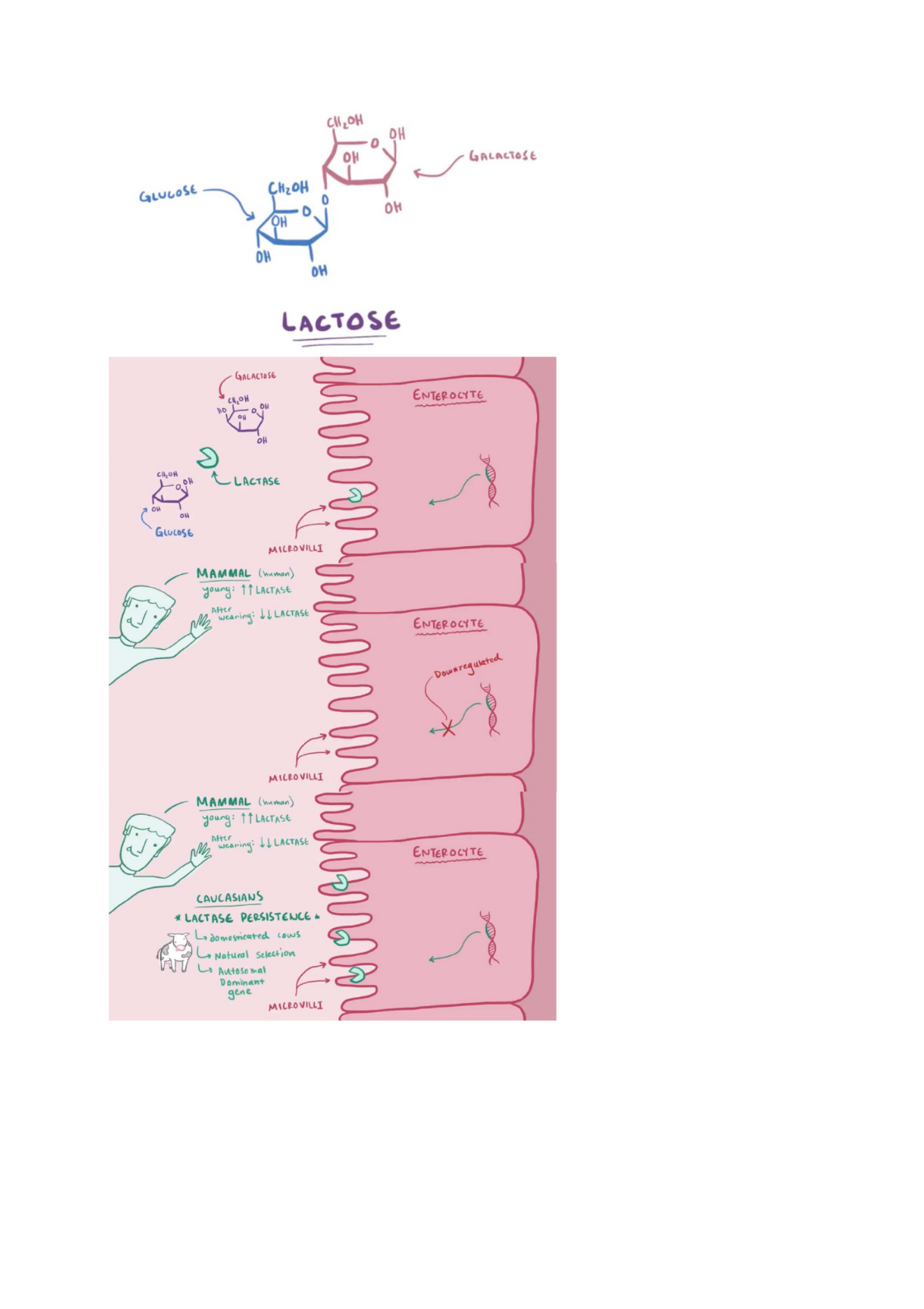
LACTOSE INTOLERANCE
CW,0K
o
Ou
ov
r
Gacactose
Gros
HOH
0
oo‘,
o
oW
ov
ow
Lactose
MAMMAL
(warnan)
—
gourd?
TT
Lacrase
MAMMAL
(warman')
o
‘gourd?
TT
Lactase
Up
serio,
LLLACTISE
CAUCASIANS
*LACTASE
PERSISTENCE
«
La
domesneatedk
cows
Ly
wotural
selection
Lea
putoso
mat
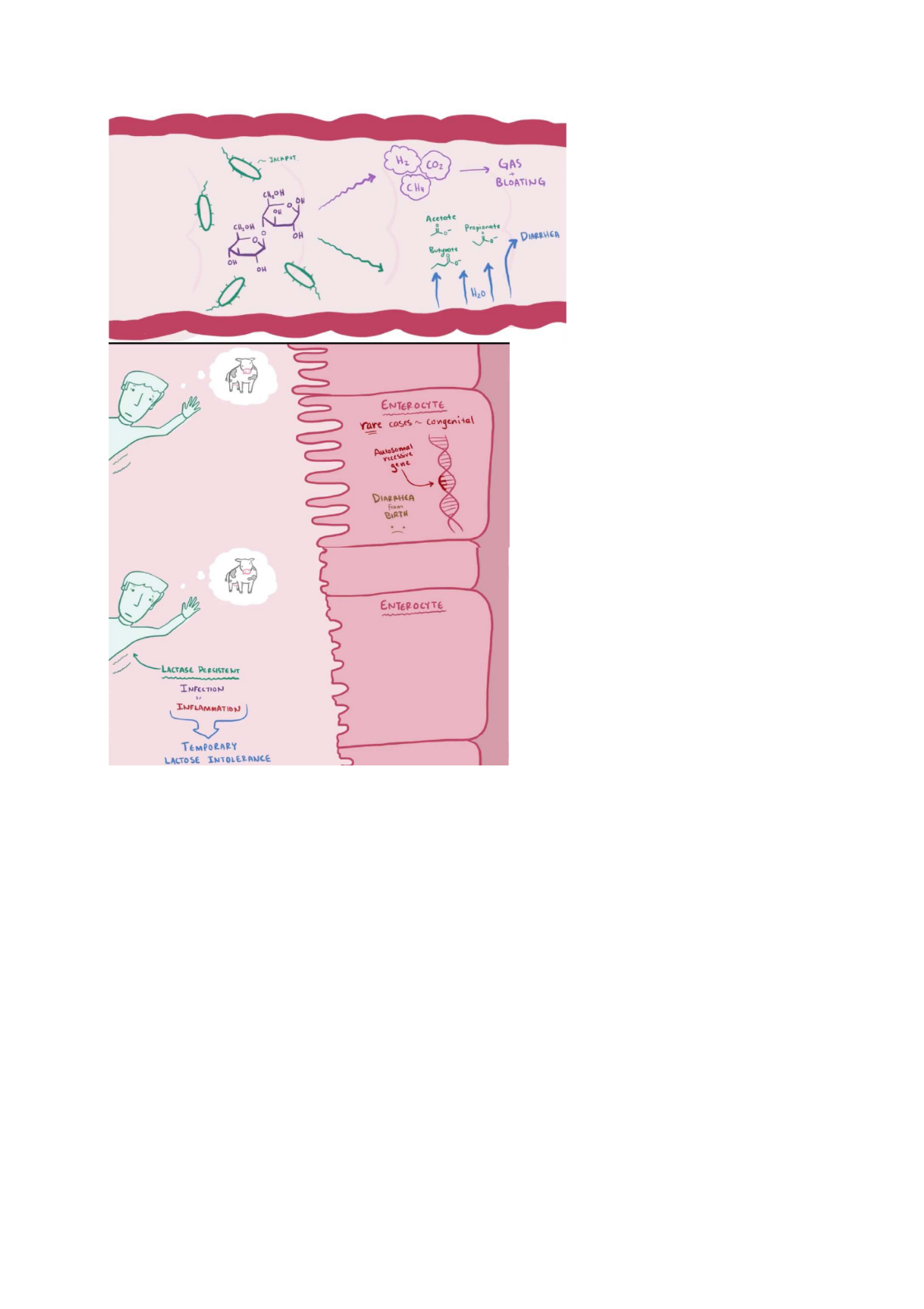
1. Explain the pathophysiological basis of the common manifestations (symptoms) of lactose intolerance.
Acidic diarrhea, borborygmi, gas, stomach pains, bloating
2. All patients with lactase insufficiency have symptoms of lactose intolerance. Discuss why this statement
is false. Not all individuals with lactase insufficiency (lactose maldigesters) have symptoms of lactose
intolerance and not all lactose-intolerant people are lactose maldigesters. The osmotic imbalance and
increase in concentration of fermentation end products results in the GI symptoms of lactose intolerance.
3. Describe the biochemistry behind the following diagnostic tests: stool pH of 5.5; positive stool test for
presence of reducing sugar (what other sugars besides lactose would give a positive test?). The osmotic
imbalance and increase in concentration of fermentation end products results in the GI symptoms of
lactose intolerance. Reduced sugars like acetate, butyrate, and propionate cannot be absorbed in the
colon, so they are excreted in stool. A low stool pH has to do with the production of hydrogen, carbon
dioxide, and methane.
4. How are H2, CO2, and methane produced in the human gut? Why is expired CO2 not used as a measure
of bacterial fermentation? They are formed due to the fermentation of lactose in the colon by bacteria.

5. Why is an overnight fast required before the lactose tolerance test or the breath hydrogen test is
administered? For the baseline sample of exhaled breath and for hasting blood sugar
6. What is the point (to the fermenting bacteria) of producing alcohols, acids, and H2 gas? Hydrogen gas
can be used by other anaerobic bacteria and the anaerobic food chain develops. Then the bottom of the
food chain, methanogens convert hydrogen gas, CO2, and acetate into methane. Lactic acid bacteria that
are ingested with food can increase lactose hydrolysis and improve lactose absorption. 7.
From your general understanding of how biomolecules interact with each other, how could change of a
single nucleotide alter transcriptional activity? Describe possible bonds/interactions that could be
altered by C T or G A changes in a DNA sequence. → → It could code for another amino acid.
8. Many lactose-intolerant patients can, over time, increase the amount of lactose ingested without an
increase of symptoms. What is the mechanism of this “tolerance”? Is there a limit to its extent? The
patient can intake small increases of lactose over time to increase tolerance to lactose.
9. Discuss the clinical consequences of lactose intolerance. It can be consequential in infants and the
elderly.

