


Stress
Have you ever forgotten where you left your keys, and it caused you to be late? Or perhaps you
have had multiple assignments due and not enough time to get them all done? These events
can cause us to feel overwhelmed and experience stress.
What is Stress?
You are exhausted. When you get home, you drop your work bag and realize you forgot to send
an e-mail to your supervisor about an upcoming project. You groan as you run downstairs to
your computer. The clock says 7:03 p.m. and you feel like you haven’t had a minute to yourself
since this morning. As you think about your day, you realize, you haven’t! It is your company’s
busy time so the last few days have been booked with meetings and a huge project, with a
Friday deadline. You send the e-mail, make a quick sandwich for dinner, and sit back down at
your computer. You are hoping to get a few more things done on the project before tomorrow
morning. As you work, you receive text messages from a colleague who is working on one
portion of the project. You answer her texts and think about checking Facebook but decide
against it as you just have too much to do. Your status update meeting is at 9 a.m. and you want
to be able to show extensive progress on the project. At 10:30 p.m., you shut your computer, go
to bed, and have a hard time falling asleep because you are thinking about everything you need
to finish this week.
Does this sound like someone you know? Many people today are struggling with the ability to
manage time with so much work/school to do and personal/family lives to manage. Technology
has certainly made working longer hours easier, as we are always in touch with the office. What
we can tend to forget is the importance of managing our stress levels so we can function more
effectively. In this situation, having no free time during the day may work for a few days but isn’t
a healthy long-term solution. This chapter will discuss some types of stress, the effects of stress,
and what you can do to reduce stress.
You probably know exactly what it’s like to feel stress, but what you may not know is that it can
objectively influence your health. Answers to questions like, “How stressed do you feel?” or
“How overwhelmed do you feel?” can predict your likelihood of developing both minor illnesses
as well as serious problems like future heart attack (Cohen, JanickiDeverts, & Miller, 2007).

The term stress as it relates to the human condition first emerged in scientific literature in the
1930s, but it did not enter the popular vernacular until the 1970s (Lyon, 2012). Today, we often
use the term loosely in describing a variety of unpleasant feeling states; for example, we often
say we are stressed out when we feel frustrated, angry, conflicted, overwhelmed, or fatigued.
Despite the widespread use of the term, stress is a fairly vague concept that is difficult to define
with precision.
Researchers have had a difficult time agreeing on an acceptable definition of stress. Some have
conceptualized stress as a demanding or threatening event or situation (e.g., a high-stress job,
overcrowding, and long commutes to work). Such conceptualizations are known as stimulus-
based definitions because they characterize stress as a stimulus that causes certain reactions.
Stimulus-based definitions of stress are problematic, however, because they fail to recognize
that people differ in how they view and react to challenging life events and situations. For
example, a conscientious student who has studied diligently all semester would likely
experience less stress during final exams week than would a less responsible, unprepared
student.
Others have conceptualized stress in ways that emphasize the physiological responses that
occur when faced with demanding or threatening situations (e.g., increased arousal). These
conceptualizations are referred to as response-based definitions because they describe stress as
a response to environmental conditions. For example, the endocrinologist Hans Selye, a famous
stress researcher, once defined stress as the “response of the body to any demand, whether it is
caused by, or results in, pleasant or unpleasant conditions” (Selye, 1976, p. 74). Selye’s
definition of stress is response-based in that it conceptualizes stress chiefly in terms of the
body’s physiological reaction to any demand that is placed on it. Neither stimulus-based nor
response-based definitions provide a complete definition of stress. Many of the physiological
reactions that occur when faced with demanding situations (e.g., accelerated heart rate) can
also occur in response to things that most people would not consider to be genuinely stressful,
such as receiving unanticipated good news: an unexpected promotion or raise.
A useful way to conceptualize stress is to view it as a process whereby an individual perceives
and responds to events that they appraise as overwhelming or threatening to
their well-being (Lazarus & Folkman, 1984). A critical element of this definition is that it
emphasizes the importance of how we appraise—that is, judge—demanding or threatening
events (often referred to as stressors); these appraisals, in turn, influence our reactions to such
events. Two kinds of appraisals of a stressor are especially important in this regard: primary and
secondary appraisals. A primary appraisal involves judgment about the degree of potential
harm or threat to well-being that a stressor might entail. A stressor would likely be appraised as
a threat if one anticipates that it could lead to some kind of harm, loss, or other negative
consequence; conversely, a stressor would likely be appraised as a challenge if one believes that
it carries the potential for gain or personal growth. For example, an employee who is promoted

to a leadership position would likely perceive the promotion as a much greater threat if they
believed the promotion would lead to excessive work demands than if they viewed it as an
opportunity to gain new skills and grow professionally. Similarly, a college student on the cusp of
graduation may face the change as a threat or a challenge.
The perception of a threat triggers a secondary appraisal, a judgment of the options available to
cope with a stressor, as well as perceptions of how effective such options will be (Lyon, 2012).
As you may recall from what you learned about self-efficacy, an individual’s belief in their ability
to complete a task is important (Bandura, 1994). A threat tends to be viewed as less
catastrophic if one believes something can be done about it (Lazarus & Folkman, 1984). Imagine
that two middle-aged people, Robin and Madhuri, perform breast self-examinations one
morning and each notices a lump on the lower region of their left breast. Although both view
the breast lump as a potential threat (primary appraisal), their secondary appraisals differ
considerably. In considering the breast lump, some of the thoughts racing through Robin’s mind
are, “Oh my God, I could have breast cancer! What if the cancer has spread to the rest of my
body and I cannot recover? What if I have to go through chemotherapy? I’ve heard that
experience is awful! Oh, this is just horrible…I can’t deal with it!” On the other hand, Madhuri
thinks, “Hmm, this may not be good. Although most times these things turn out to be benign, I
need to have it checked out. If it turns out to be breast cancer, there are doctors who can take
care of it because the medical technology today is quite advanced. I’ll have a lot of different
options, and I’ll be just fine.” Clearly, Robin and Madhuri have different outlooks on what might
turn out to be a very serious situation. As such, Robin would clearly experience greater stress
than would Madhuri.
To be sure, some stressors are inherently more stressful than others in that they are more
threatening and leave less potential for variation in cognitive appraisals (e.g., objective threats
to one’s health or safety). Nevertheless, appraisal will still play a role in augmenting or
diminishing our reactions to such events (Everly & Lating, 2002).
If a person appraises an event as harmful and believes that the demands imposed by the event
exceed the available resources to manage or adapt to it, the person will subjectively experience
a state of stress. In contrast, if one does not appraise the same event as harmful or threatening,
they are unlikely to experience stress. According to this definition, environmental events trigger
stress reactions by the way they are interpreted and the meanings they are assigned. In short,
stress is largely in the eye of the beholder: it’s not so much what happens to you as it is how you
respond (Selye, 1976).
Stressors
For an individual to experience stress, they must first encounter a potential stressor. In general,
stressors can be placed into one of two broad categories: chronic and acute. Chronic stressors

include events that persist over an extended period of time, such as caring for a parent with
dementia, long-term unemployment, or imprisonment. Acute stressors involve brief focal
events that sometimes continue to be experienced as overwhelming well after the event has
ended, such as falling on an icy sidewalk and breaking your leg (Cohen, Janicki-Deverts, & Miller,
2007). Whether chronic or acute, potential stressors come in many shapes and sizes. They can
include major traumatic events, significant life changes, daily hassles, as well as other situations
in which a person is regularly exposed to threat, challenge, or danger.
Traumatic Events
Some stressors involve traumatic events or situations in which a person is exposed to actual or
threatened death or serious injury. Stressors in this category include exposure to military
combat, threatened or actual physical assaults (e.g., physical attacks, sexual assault, robbery,
childhood abuse), terrorist attacks, natural disasters (e.g., earthquakes, floods, hurricanes), and
automobile accidents. Men, People of Color, and individuals in lower socioeconomic status (SES)
groups report experiencing a greater number of traumatic events than do women, Whites, and
individuals in higher SES groups (Hatch & Dohrenwend, 2007). Some individuals who are
exposed to stressors of extreme magnitude develop post-traumatic stress disorder (PTSD), a
chronic stress reaction characterized by experiences and behaviors that may include intrusive
and painful memories of the stressor event, jumpiness, persistent negative emotional states,
detachment from others, angry outbursts, and avoidance of reminders of the event (American
Psychiatric Association [APA], 2013).
Significant Life Changes
Most stressors that we encounter are not nearly as intense as the ones described above. Many
potential stressors we face involve events or situations that require us to make changes in our
ongoing lives and require time as we adjust to those changes. Examples include death of a close
family member, marriage, divorce, and moving.
In the 1960s, psychiatrists Thomas Holmes and Richard Rahe wanted to examine the link
between life stressors and physical illness, based on the hypothesis that life events requiring
significant changes in a person’s normal life routines are stressful, whether these events are
desirable or undesirable. They developed the Social Readjustment Rating Scale (SRRS),
consisting of 43 life events that require varying degrees of personal readjustment (Holmes &
Rahe, 1967). Many life events that most people would consider pleasant (e.g., holidays,
retirement, marriage) are among those listed on the SRRS; these are examples of eustress.
Holmes and Rahe also proposed that life events can add up over time, and that experiencing a
cluster of stressful events increases one’s risk of developing physical illnesses.

In developing their scale, Holmes and Rahe asked 394 participants to provide a numerical
estimate for each of the 43 items; each estimate corresponded to how much readjustment
participants felt each event would require (Table 8.1). These estimates resulted in mean value
scores for each event—often called life change units (LCUs) (Rahe, McKeen, & Arthur, 1967). The
numerical scores ranged from 11 to 100, representing the perceived magnitude of life change
each event entails. Death of a spouse ranked highest on the scale with 100 LCUs, and divorce
ranked second highest with 73 LCUs. In addition, personal injury or illness, marriage, and job
termination also ranked highly on the scale with 53, 50, and 47 LCUs, respectively. Conversely,
change in residence (20 LCUs), change in eating habits (15 LCUs), and vacation (13 LCUs) ranked
low on the scale. Minor violations of the law ranked the lowest with 11 LCUs. To complete the
scale, participants checked yes for events experienced within the last 12 months. LCUs for each
checked item are totaled for a score quantifying the amount of life change. Agreement on the
amount of adjustment required by the various life events on the SRRS is highly consistent, even
cross-culturally (Holmes & Masuda, 1974).
Extensive research has demonstrated that accumulating a high number of life change units
within a brief period of time (one or two years) is related to a wide range of physical illnesses
(even accidents and athletic injuries) and mental health problems (Monat & Lazarus, 1991;
Scully, Tosi, & Banning, 2000). In an early demonstration, researchers obtained LCU scores for
U.S. and Norwegian Navy personnel who were about to embark on a six-month voyage. A later
examination of medical records revealed positive (but small) correlations between LCU scores
prior to the voyage and subsequent illness symptoms during the ensuing six-month journey
(Rahe, 1974). In addition, people tend to experience more physical symptoms, such as
backache, upset stomach, diarrhea, and acne, on specific days in which self-reported LCU values
are considerably higher than normal, such as the day of a family member’s wedding (Holmes &
Holmes, 1970).
The Social Readjustment Rating Scale (SRRS) provides researchers a simple, easy-toadminister
way of assessing the amount of stress in people’s lives, and it has been used in hundreds of
studies (Thoits, 2010). Despite its widespread use, the scale has been subject to criticism. First,
many of the items on the SRRS are vague; for example, death of a close friend could involve the
death of a long-absent childhood friend that requires little social readjustment (Dohrenwend,
2006). In addition, some have challenged its assumption that undesirable life events are no
more stressful than desirable ones (Derogatis & Coons, 1993). However, most of the available
evidence suggests that, at least as far as mental health is concerned, undesirable or negative
events are more strongly associated with poor outcomes (such as depression) than are
desirable, positive events (Hatch & Dohrenwend, 2007). Perhaps the most serious criticism is
that the scale does not take into consideration respondents’ appraisals of the life events it
contains. As you recall, appraisal of a stressor is a key element in the conceptualization and
overall experience of stress. Being fired from work may be devastating to some but a welcome

opportunity to obtain a better job for others. The SRRS remains one of the most well-known
instruments in the study of stress, and it is a useful tool for identifying potential stress-related
health outcomes (Scully et al., 2000).
Daily Hassles
Potential stressors do not always involve major life events. Daily hassles are the minor
irritations and annoyances that are part of our everyday lives (e.g., rush hour traffic, lost keys,
obnoxious coworkers, inclement weather, arguments with friends or family) and can build on
one another and leave us just as stressed as significant life changes (Kanner, Coyne, Schaefer, &
Lazarus, 1981).
Researchers have demonstrated that the frequency of daily hassles is actually a better predictor
of both physical and psychological health than are life change units. In a wellknown study of San
Francisco residents, the frequency of daily hassles was found to be more strongly associated
with physical health problems than were life change events (DeLongis, Coyne, Dakof, Folkman,
& Lazarus, 1982). In addition, daily minor hassles, especially interpersonal conflicts, often lead
to negative and distressed mood states (Bolger, DeLongis, Kessler, & Schilling, 1989). Cyber
hassles that occur on social media may represent a modern and evolving source of stress. In one
investigation, social media stress was tied to loss of sleep in adolescents, presumably because
ruminating about social media caused a physiological stress response that increased arousal
(van der Schuur, Baumgartner, & Sumter, 2018). Clearly, daily hassles can add up and take a toll
on us both emotionally and physically.
Is There Good Stress?
Stress is everywhere and has been on the rise over the last several years. Each of us is
acquainted with stress—some are more familiar than others. In many ways, stress feels like a
load you just can’t carry—a feeling you experience when, for example, you have to drive
somewhere in a blizzard, when you wake up late the morning of an important job interview,
when you run out of money before the next pay period, and before taking an important exam
for which, you realize you are not fully prepared.
Although stress carries a negative connotation, at times it may be of some benefit. Stress can
motivate us to do things in our best interests, such as study for exams, visit the doctor regularly,
exercise, and perform to the best of our ability at work. Indeed, Selye (1974) pointed out that
not all stress is harmful. He argued that stress can sometimes be a positive, motivating force
that can improve the quality of our lives. This kind of stress, which Selye called eustress (from
the Greek eu = “good”), is a good kind of stress associated with positive feelings, optimal health,
and performance. A moderate amount of stress can be beneficial in challenging situations. For
example, students may experience beneficial stress before a major exam. Research shows that
moderate stress can enhance both immediate and delayed recall of educational material.
Participants in one study who memorized a scientific text passage showed improved memory of
the passage immediately after exposure to a mild stressor as well as one day following exposure
to the stressor (Hupbach & Fieman, 2012).
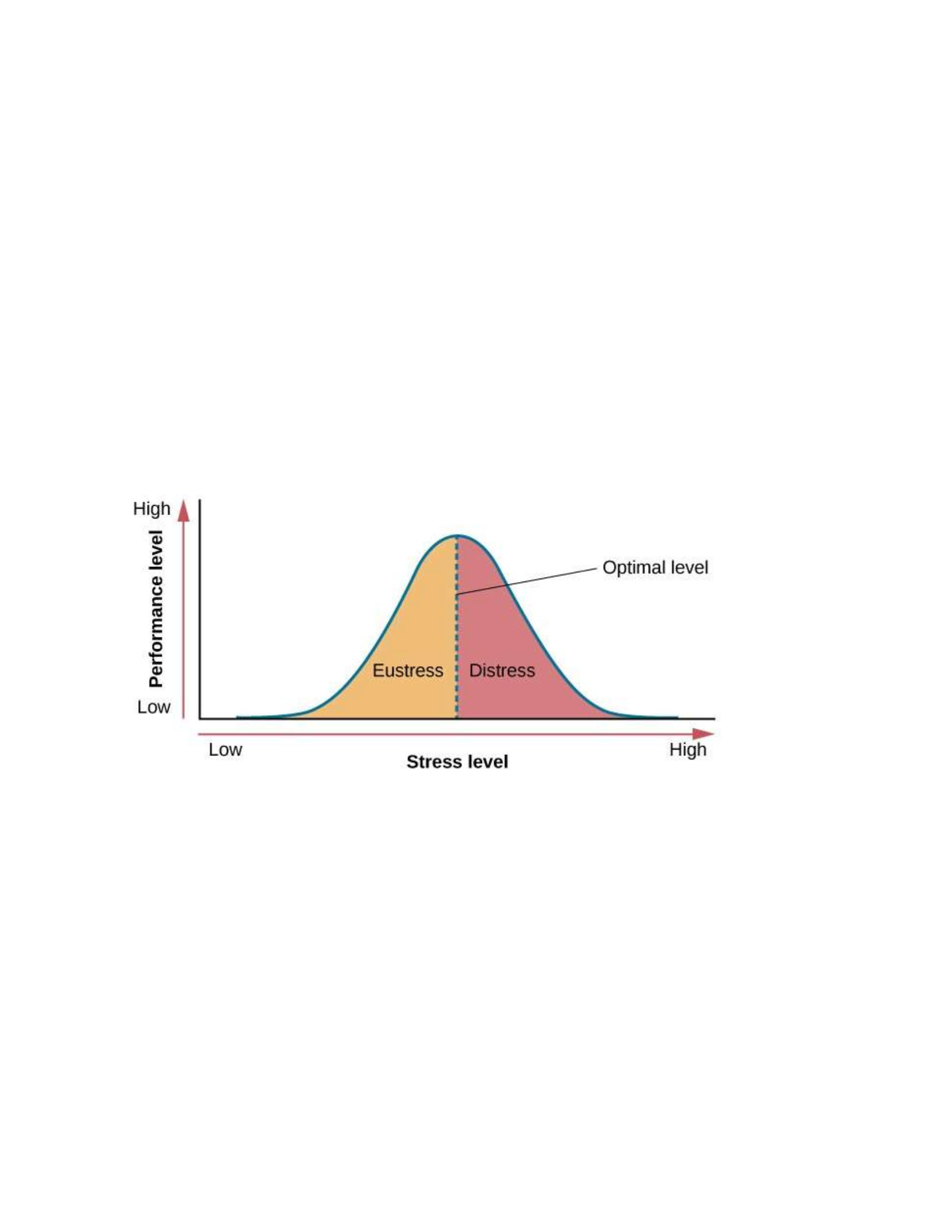
Increasing one’s level of stress will cause performance to change in a predictable way. As stress
increases, so do performance and general well-being (eustress); when stress levels reach an
optimal level (the highest point of the curve), performance reaches its peak. A person at this
stress level will feel fully energized, focused, and can work with minimal effort and maximum
efficiency. But when stress exceeds this optimal level, it is no longer a positive force—it
becomes excessive and debilitating, or what Selye termed distress (from the Latin dis = “bad”).
People who reach this level of stress feel burned out; they are fatigued, exhausted, and their
performance begins to decline. If the stress remains excessive, health may begin to erode as
well (Everly & Lating, 2002). A good example of distress is severe test anxiety. When students
are feeling very stressed about a test, negative emotions combined with physical symptoms may
make concentration difficult, thereby negatively affecting test scores.
As the stress level increases from low to moderate, so does performance
(eustress). At the optimal level (the peak of the curve), performance has
reached its peak. If stress exceeds the optimal level, it will reach the
distress region, where it will become excessive and debilitating, and
performance will decline (Ev
erly & Lating, 2002).
Coping With Stress
As we learned in the previous section, stress—especially if it is chronic—takes a toll on our
bodies and can have enormously negative health implications. When we experience events in
our lives that we appraise as stressful, it is essential that we use effective coping strategies to

manage our stress. Coping refers to mental and behavioral efforts that we use to deal with
problems relating to stress.
Coping Styles
Lazarus and Folkman (1984) distinguished two fundamental kinds of coping: problemfocused
coping and emotion-focused coping. In problem-focused coping, one attempts to manage or
alter the problem that is causing one to experience stress (i.e., the stressor). Problem-focused
coping strategies are similar to strategies used in everyday problemsolving: they typically
involve identifying the problem, considering possible solutions, weighing the costs and benefits
of these solutions, and then selecting an alternative (Lazarus & Folkman, 1984). As an example,
suppose Bradford receives a midterm notice that he is failing statistics class. If Bradford adopts a
problem-focused coping approach to managing his stress, he would be proactive in trying to
alleviate the source of the stress. He might contact his professor to discuss what must be done
to raise his grade, he might also decide to set aside two hours daily to study statistics
assignments, and he may seek tutoring assistance. A problem-focused approach to managing
stress means we actively try to do things to address the problem.
Emotion-focused coping, in contrast, consists of efforts to change or reduce the negative
emotions associated with stress. These efforts may include avoiding, minimizing, or distancing
oneself from the problem, or positive comparisons with others (“I’m not as bad off as she is”),
or seeking something positive in a negative event (“Now that I’ve been fired, I can sleep in for a
few days”). In some cases, emotion-focused coping strategies involve reappraisal, whereby the
stressor is construed differently (and somewhat selfdeceptively) without changing its objective
level of threat (Lazarus & Folkman, 1984). For example, a person sentenced to federal prison
who thinks, “This will give me a great chance to network with others,” is using reappraisal. If
Bradford adopted an emotionfocused approach to managing his midterm deficiency stress, he
might watch a comedy movie, play video games, or spend hours on social media to take his
mind off the situation. In a certain sense, emotion-focused coping can be thought of as treating
the symptoms rather than the actual cause.
While many stressors elicit both kinds of coping strategies, problem-focused coping is more
likely to occur when encountering stressors, we perceive as controllable, while emotion-focused
coping is more likely to predominate when faced with stressors that we believe we are
powerless to change (Folkman & Lazarus, 1980). Clearly, emotion-focused coping is more
effective in dealing with uncontrollable stressors. For example, the stress you experience when
a loved one dies can be overwhelming. You are simply powerless to change the situation as
there is nothing you can do to bring this person back. The most helpful coping response is
emotion-focused coping aimed at minimizing the pain of the grieving period.

Fortunately, most stressors we encounter can be modified and are, to varying degrees,
controllable. A person who cannot stand her job can quit and look for work elsewhere; a
middle-aged divorcee can find another potential partner; the freshman who fails an exam can
study harder next time, and a breast lump does not necessarily mean that one is fated to die of
breast cancer.
Control and Stress
The desire and ability to predict events, make decisions, and affect outcomes—that is, to enact
control in our lives—is a basic tenet of human behavior (Everly & Lating, 2002). Albert Bandura
(1997) stated that “the intensity and chronicity of human stress is governed largely by perceived
control over the demands of one’s life” (p. 262). As cogently described in his statement, our
reaction to potential stressors depends to a large extent on how much control we feel we have
over such things. Perceived control is our beliefs about our personal capacity to exert influence
over and shape outcomes, and it has major implications for our health and happiness (Infurna &
Gerstorf, 2014). Extensive research has demonstrated that perceptions of personal control are
associated with a variety of favorable outcomes, such as better physical and mental health and
greater psychological well-being (Diehl & Hay, 2010). Greater personal control is also associated
with lower reactivity to stressors in daily life. For example, researchers in one investigation
found that higher levels of perceived control at one point in time were later associated with
lower emotional and physical reactivity to interpersonal stressors (Neupert, Almeida, & Charles,
2007). Further, a daily diary study with 34 older widows found that their stress and anxiety
levels were significantly reduced on days during which the widows felt greater perceived control
(Ong, Bergeman, & Bisconti, 2005).
People who report higher levels of perceived control view their health as controllable, thereby
making it more likely that they will better manage their health and engage in behaviors
conducive to good health (Bandura, 2004). Not surprisingly, greater perceived control has been
linked to lower risk of physical health problems, including declines in physical functioning
(Infurna, Gerstorf, Ram, Schupp, & Wagner, 2011), heart attacks (Rosengren et al., 2004), and
both cardiovascular disease incidence (Stürmer, Hasselbach, & Amelang, 2006) and mortality
from cardiac disease (Surtees et al., 2010). In addition, longitudinal studies of British civil
servants have found that those in low-status jobs (e.g., clerical and office support staff) in which
the degree of control over the job is minimal are considerably more likely to develop heart
disease than those with high-status jobs or considerable control over their jobs (Marmot,
Bosma, Hemingway, & Stansfeld, 1997).
The link between perceived control and health may provide an explanation for the frequently
observed relationship between social class and health outcomes (Kraus, Piff, Mendoza-Denton,
Rheinschmidt, & Keltner, 2012). In general, research has found that more affluent individuals
experience better health partly because they tend to believe that they can personally control

and manage their reactions to life’s stressors (Johnson & Krueger, 2006). Perhaps buoyed by the
perceived level of control, individuals of higher social class may be prone to overestimating the
degree of influence they have over particular outcomes. For example, those of higher social
class tend to believe that their votes have greater sway on election outcomes than do those of
lower social class, which may explain higher rates of voting in more affluent communities
(Krosnick, 1990). Other research has found that a sense of perceived control can protect less
affluent individuals from poorer health, depression, and reduced life-satisfaction—all of which
tend to accompany lower social standing (Lachman & Weaver, 1998).
Taken together, findings from these and many other studies clearly suggest that perceptions of
control and coping abilities are important in managing and coping with the stressors we
encounter throughout life.
Social Support
The need to form and maintain strong, stable relationships with others is a powerful, pervasive,
and fundamental human motive (Baumeister & Leary, 1995). Building strong interpersonal
relationships with others helps us establish a network of close, caring individuals who can
provide social support in times of distress, sorrow, and fear. Social support can be thought of as
the soothing impact of friends, family, and acquaintances (Baron & Kerr, 2003). Social support
can take many forms, including advice, guidance, encouragement, acceptance, emotional
comfort, and tangible assistance (such as financial help). Thus, other people can be very
comforting to us when we are faced with a wide range of life stressors, and they can be
extremely helpful in our efforts to manage these challenges. Even in nonhuman animals, species
mates can offer social support during times of stress. For example, elephants seem to be able to
sense when other elephants are stressed and will often comfort them with physical contact—
such as a trunk touch—or an empathetic vocal response (Krumboltz, 2014).
Scientific interest in the importance of social support first emerged in the 1970s when health
researchers developed an interest in the health consequences of being socially integrated
(Stroebe & Stroebe, 1996). Interest was further fueled by longitudinal studies showing that
social connectedness reduced mortality. In one classic study, nearly 7,000 Alameda County,
California, residents were followed over 9 years. Those who had previously indicated that they
lacked social and community ties were more likely to die during the follow-up period than those
with more extensive social networks. Compared to those with the most social contacts, isolated
men and women were, respectively, 2.3 and 2.8 times more likely to die. These trends persisted
even after controlling for a variety of health-related variables, such as smoking, alcohol
consumption, self-reported health at the beginning of the study, and physical activity (Berkman
& Syme, 1979).

Since the time of that study, social support has emerged as one of the well-documented
psychosocial factors affecting health outcomes (Uchino, 2009). A statistical review of 148 studies
conducted between 1982 and 2007 involving over 300,000 participants concluded that
individuals with stronger social relationships have a 50% greater likelihood of survival compared
to those with weak or insufficient social relationships (Holt-Lunstad, Smith, & Layton, 2010).
According to the researchers, the magnitude of the effect of social support observed in this
study is comparable with quitting smoking and exceeded many wellknown risk factors for
mortality, such as obesity and physical inactivity.
A number of large-scale studies have found that individuals with low levels of social support are
at greater risk of mortality, especially from cardiovascular disorders (Brummett et al., 2001).
Further, higher levels of social supported have been linked to better survival rates following
breast cancer (Falagas et al., 2007) and infectious diseases, especially HIV infection (Lee &
Rotheram-Borus, 2001). In fact, a person with high levels of social support is less likely to
contract a common cold. In one study, 334 participants completed questionnaires assessing
their sociability; these individuals were subsequently exposed to a virus that causes a common
cold and monitored for several weeks to see who became ill. Results showed that increased
sociability was linearly associated with a decreased probability of developing a cold (Cohen,
Doyle, Turner, Alper, & Skoner, 2003).
For many of us, friends are a vital source of social support. But what if you find yourself in a
situation in which you have few friends and companions? Many students who leave home to
attend and live at college experience drastic reductions in their social support, which makes
them vulnerable to anxiety, depression, and loneliness. Social media can sometimes be useful in
navigating these transitions (Raney & Troop Gordon, 2012) but might also cause increases in
loneliness (Hunt, Marx, Lipson, & Young, 2018). For this reason, many colleges have designed
first-year programs, such as peer mentoring (Raymond & Shepard, 2018), that can help students
build new social networks. For some people, our families—especially our parents—are a major
source of social support.
Social support appears to work by boosting the immune system, especially among people who
are experiencing stress (Uchino, Vaughn, Carlisle, & Birmingham, 2012). In a pioneering study,
spouses of cancer patients who reported high levels of social support showed indications of
better immune functioning on two out of three immune functioning measures, compared to
spouses who were below the median on reported social support (Baron, Cutrona, Hicklin,
Russell, & Lubaroff, 1990). Studies of other populations have produced similar results, including
those of spousal caregivers of dementia sufferers, medical students, elderly adults, and cancer
patients (Cohen & Herbert, 1996; Kiecolt-Glaser, McGuire, Robles, & Glaser, 2002).
In addition, social support has been shown to reduce blood pressure for people performing
stressful tasks, such as giving a speech or performing mental arithmetic (Lepore, 1998). In these

kinds of studies, participants are usually asked to perform a stressful task either alone, with a
stranger present (who may be either supportive or unsupportive), or with a friend present.
Those tested with a friend present generally exhibit lower blood pressure than those tested
alone or with a stranger (Fontana, Diegnan, Villeneuve, & Lepore, 1999). In one study, 112
female participants who performed stressful mental arithmetic exhibited lower blood pressure
when they received support from a friend rather than a stranger, but only if the friend was a
male (Phillips, Gallagher, & Carroll, 2009). Although these findings are somewhat difficult to
interpret, the authors mention that it is possible that females feel less supported and more
evaluated by other females, particularly females whose opinions they value.
Taken together, the findings above suggest one of the reasons social support is connected to
favorable health outcomes is because it has several beneficial physiological effects in stressful
situations. However, it is also important to consider the possibility that social support may lead
to better health behaviors, such as a healthy diet, exercising, smoking cessation, and
cooperation with medical regimens (Uchino, 2009).
Stress Reduction Techniques
Beyond having a sense of control and establishing social support networks, there are numerous
other means by which we can manage stress. A common technique people use to combat stress
is exercise (Salmon, 2001). It is well-established that exercise, both of long (aerobic) and short
(anaerobic) duration, is beneficial for both physical and mental health (Everly & Lating, 2002).
There is considerable evidence that physically fit individuals are more resistant to the adverse
effects of stress and recover more quickly from stress than less physically fit individuals (Cotton,
1990). In a study of more than 500 Swiss police officers and emergency service personnel,
increased physical fitness was associated with reduced stress, and regular exercise was reported
to protect against stress-related health problems (Gerber, Kellman, Hartman, & Pühse, 2010).
One reason exercise may be beneficial is because it might buffer some of the deleterious
physiological mechanisms of stress. One study found rats that exercised for six weeks showed a
decrease in hypothalamic-pituitary-adrenal responsiveness to mild stressors (Campeau et al.,
2010). In high-stress humans, exercise has been shown to prevent telomere shortening, which
may explain the common observation of a youthful appearance among those who exercise
regularly (Puterman et al., 2010). Further, exercise in later adulthood appears to minimize the
detrimental effects of stress on the hippocampus and memory (Head, Singh, & Bugg, 2012).
Among cancer survivors, exercise has been shown to reduce anxiety (Speck, Courneya, Masse,
Duval, & Schmitz, 2010) and depressive symptoms (Craft, VanIterson, Helenowski, Rademaker, &
Courneya, 2012).
Clearly, exercise is a highly effective tool for regulating stress.

In the 1970s, Herbert Benson, a cardiologist, developed a stress reduction method called the
relaxation response technique (Greenberg, 2006). The relaxation response technique combines
relaxation with transcendental meditation, and consists of four components (Stein, 2001):
1. Sitting upright on a comfortable chair with feet on the ground and body in a relaxed
position,
2. Being in a quiet environment with eyes closed,
3. Repeating a word or a phrase—a mantra—to oneself, such as “alert mind, calm body,”
4. Passively allowing the mind to focus on pleasant thoughts, such as nature or the warmth
of your blood nourishing your body.
The relaxation response approach is conceptualized as a general approach to stress reduction
that reduces sympathetic arousal, and it has been used effectively to treat people with high
blood pressure (Benson & Proctor, 1994).
Another technique to combat stress, biofeedback, was developed by Gary Schwartz at Harvard
University in the early 1970s. Biofeedback is a technique that uses electronic equipment to
accurately measure a person’s neuromuscular and autonomic activity— feedback is provided in
the form of visual or auditory signals. The main assumption of this approach is that providing
somebody biofeedback will enable the individual to develop strategies that help gain some level
of voluntary control over what are normally involuntary bodily processes (Schwartz & Schwartz,
1995). A number of different bodily measures have been used in biofeedback research,
including facial muscle movement, brain activity, and skin temperature, and it has been applied
successfully with individuals experiencing tension headaches, high blood pressure, asthma, and
phobias (Stein, 2001).
Understanding your current coping mechanisms for stress can help you determine what works
to manage stress—and what doesn’t. Once we do some self-analysis, we can use a method
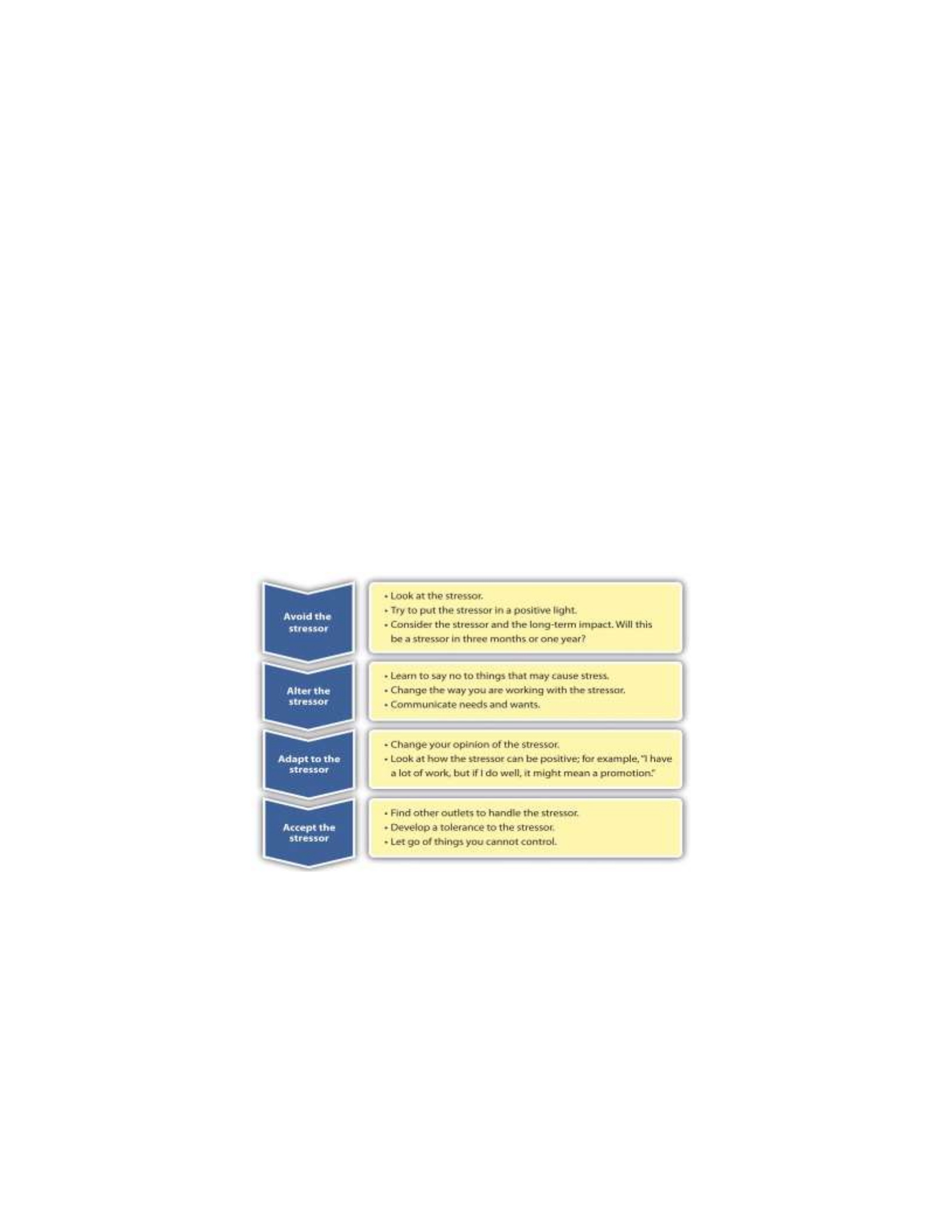
called the four A’s (Sparks, 2019). The four A’s gives us four choices for dealing with a stressor:
1. Avoid the stressor. We can try to avoid situations that stress us out. If watching certain
television programs causes stress, stop watching them! Spend time with people who help
you relax. We can also look at saying no more often if we do not have the time necessary to
complete everything we are doing.
2. Alter the stressor. Another option in dealing with stress is to try to alter it, if you can’t avoid
it. This often-involved problem-focused coping techniques. When changing a situation, you
can be more assertive, manage time better, and communicate your own needs and wants
better. For example, Karen can look at the things causing her stress, such as her home and
school commitments; while she can’t change the workload, she can examine ways to avoid a
heavy workload in the future. If Karen is stressed about the amount of homework she has
and the fact that she needs to clean the house, asking for help from roommates, for
example, can help alter the stressor. Often this involves the ability to communicate well.
3. Adapt to the stressor. If you are unable to avoid or change the stressor, getting comfortable
with the stressor is a way to handle it. Creating your own coping mechanisms for the stress
and learning to handle it can be an effective way to handle the stress. These will likely
employ emotion-focused coping techniques. For example,
we can try looking at stressful situations in a positive light, consider how important the
stressor is in the long run, and adjust our standards of perfectionism.
4. Accept the stressor. Some stressors are unavoidable. We all have to go to work and manage
our home life. So, learning to handle the things we cannot change by forgiving, developing
tolerances, and letting going of those things we cannot control is also a way to deal with a
stressor. This also involves emotion-focused coping. For example, if your mother-in-law’s
yearly visits and criticisms cause stress, obviously you are not able to avoid or alter the
stress, but you can adapt to it and accept it. Since we cannot control another person,
accepting the stressor and finding ways of dealing with it can help minimize some negative
effects of the stress we may experience.
Stress in the Workplace
Sources of Workplace Stress
In most surveys on stress and its causes, Money, Work, Family Responsibilities, and Health
Concerns have been at the top of the list for quite a long time. All four of these factors are
either directly or indirectly impact and are impacted by the workplace.

There are many differences among individuals and their stressors. Why is one person’s mind-
crippling stress another person’s biggest motivation and challenge? We’re going to attempt to
answer this by looking at the three sources of stress—individual, organizational, and
environmental—and then add in the concept of human perception in an attempt to understand
this conundrum.
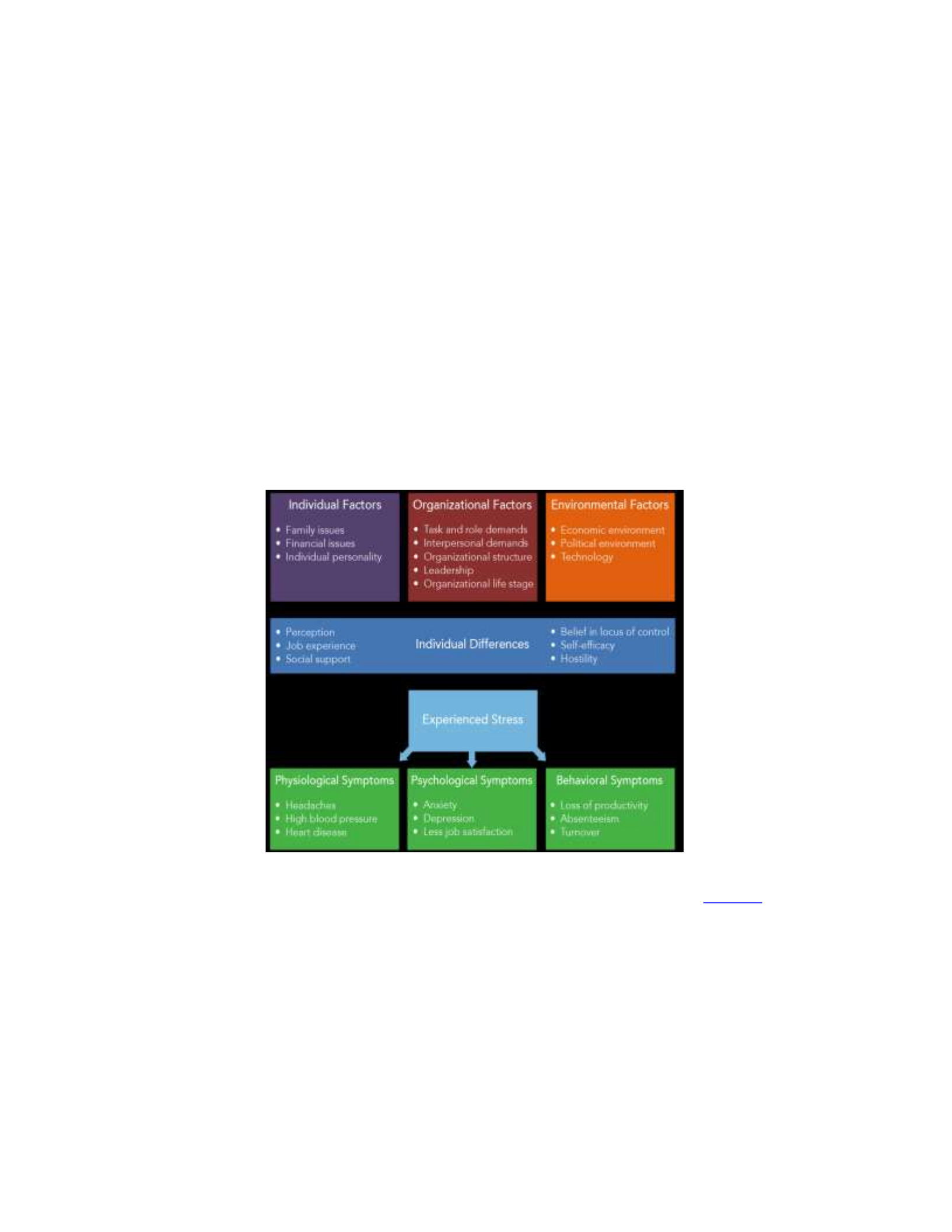
Individual Factors
Individuals might experience stressful commutes to work, or a stressful couple of weeks helping
at a work event, but those kinds of temporary, individual stresses are not what we’re looking at
here. We’re looking for a deeper, longer-term stress. Family stress— marriages that are ending,
issues with children, an ailing parent—these are stressful situations that an employee really
can’t leave at home when he or she comes to work. Financial stress, like the inability to pay bills
or an unexpected new demand on a person’s cash flow might also be an issue that disturbs an
employee’s time at work. Finally, an individual’s own personality might actually contribute to his
or her stress. People’s dispositions—how they perceive things as negative or positive—can be a
factor in each person’s stress as well.
Organizational Factors
There are several organizational sources of stress:
• Task or role demands: these are factors related to a person’s role at work, including the
design of a person’s job or working conditions. A stressful task demand might be a detailed,
weekly presentation to the company’s senior team. A stressful role demand might be where
a person is expected to achieve more in a set amount of time than is possible.
• Interpersonal demands: these are stressors created by co-workers. Perhaps an employee is
experiencing ongoing conflict with a co-worker he or she is expected to collaborate closely
with. Or maybe employees are experiencing a lack of social support in their roles.
• Organizational structure: this refers to the level of differentiation within an organization,
the degree of rules and regulations, and where decisions are made. If employees are unable
to participate in decisions that affect them, they may experience stress.
• Organizational leadership: this refers to the organization’s style of leadership, particularly
the managerial style of its senior executives. Leaders can create an environment of tension,
fear and anxiety and can exert unrealistic pressure and control. If employees are worried
that they’ll be fired for not living up to leadership’s standards, this can definitely be a source
of stress.
• Organizational life stage: an organization goes through a cycle of stages (birth, growth,
maturity, decline). For employees, the birth and decline of an organization can be
particularly stressful, as those stages tend to be filled with heavy workloads and a level of
uncertainty about the future.
Environmental Factors
Finally, there are environmental sources of stress. The economy may be in a downturn, creating
uncertainty for job futures and bank accounts. There may be political unrest or change creating
stress. Finally, technology can cause stress, as new developments are constantly making
employee skills obsolete, and workers fear they’ll be replaced by a machine that can do the
same. Employee are also often expected to stay connected to the workplace 24/7 because
technology allows it.
As a side note, it’s important to understand that these stressors are additive. In other words,
stress builds up, and new elements add to a person’s stress level. So, a single element of stress
might not seem important in itself, but when added to other stresses the worker is
experiencing, it can, as the od adage says, be the straw that broke the camel’s back.
Diagram of the sources of stress. Factors of Stress – Freedom Learning Group – CC BY 4.0
Individual Differences
Those are the sources of stress, but differences within an individual determine whether that
stress will be positive or negative. Those individual differences include:
• Perception. This is what moderates the individual’s relationship to the stressor. For instance,
one person might see a potential layoff as a stressful situation, while another person might

see that same layoff as an opportunity for a nice severance package and the opportunity to
start a new business.
• Job Experience. Because stress is associated with turnover, it would stand to reason that
those employees with a long tenure are the most stress-resistant of the bunch.
• Social Support. Co-workers, especially those who are caring or considered to be friends, can
help protect a fellow employee against the effects of stress.
• Belief in locus of control. Those who have a high internal locus of control (those that believe
they are in control of their own fate) are, unsurprisingly, not as affected by stress as those
who feel they are not in control.
• Self-efficacy. Self-efficacy is an individual’s belief that he or she can complete a task.
Research shows that employees who have strong levels of self-efficacy are more resistant to
the effects of stress.
• Hostility. Some employees carry around a high level of hostility as a part of their
personalities, and they’re often suspicious and distrustful of their co-workers. These
personality traits make a person more susceptible to stress.
If those potential sources of stress sneak through the individual difference filters and manifest
themselves as stress, they will appear in a variety of physiological, psychological and behavioral
symptoms. We reviewed the physiological symptoms when we talked about the definition of
stress. Add to that psychological symptom, like tension and anxiety, but also job dissatisfaction
and boredom, and behavioral symptoms, like turnover and absenteeism, and you can see how
stress can become an organizational problem.
Consequences and Costs of Stress
Today’s typical workplace expects quite a bit from its employees. In a climate of layoffs and
downsizing, employees are typically expected to do “more with less”—that is, additional work
for the same pay, often without updated resources and in a short amount of time. Demands for
increased efficiency, quality and innovation can come at quite the cost, and employees are
caving under the pressure.
A study conducted by Mental Health America (formerly the National Mental Health Association)
suggests that stress costs US employers an estimated $500 billion dollars in lost productivity
annually.
What does lost productivity mean? Let’s take a look at how employees responded to that 2017
survey, and talk about how it can directly (and indirectly) impact a company’s bottom line.

Absenteeism
What employees are saying (Hellebuyck, Nguyen, Halphern, Fritze, & Kennedy, 2017):
• A third of employees surveyed reported staying away from work at least two or more
days a month because their work environments were so stressful
• Of those that responded that they missed two or more days of work o 35% said they
missed between three and five days a month o 38% said they missed six days or more
According to the US Centers for Disease Control and Prevention (CDC), absenteeism alone costs
US employers $225.8 billion annually, or about $1,685 per employee. This cost, they say, comes
from (CDC Foundation, 2015):
• Wages associated with unreported paid time off
• High cost of replacement workers
• Overtime pay for employees picking up their additional work
• Overall administrative costs of managing absenteeism
It isn’t just the loss of productivity of the absentees, but their co-workers who are affected by
this. In an article for BenefitsPro.com, Mental Health American CEO Paul Gionfriddo said,
“Overstressed and unhealthy employees contribute to unhappy workplaces. This means that
the indirect effects on everyone else—the people who dread coming to work—may not show
up in the calculated productivity losses, but contribute to them nevertheless” (Hellebuyck, et
al., 2017). Indeed, this low morale, combined with possible safety and quality issues that can
result, are uncalculated effects.
Burn-Out
Burn-out is characterized as a symptom of long-term, unmanaged chronic stress in the
workplace (World Health Organization, 2019). It includes constant exhaustion, feelings of
distance or negative views of the workplace, and lowered professional efficacy. Burn-out is
specific to the workplace and should not be considered as a phenomenon in other life areas.
Burn-out has become an increasing concern in the U.S. In 2021, 79% of adult workers who
completed the American Psychological Association’s Work and Well-Being Survey reported
experiencing stress in their workplaces. Additionally, 3 of 5 employees reported that their
workplace stress also reduced their motivation, interest, and effort in their jobs and job
performance (Abramson, 2022).
A 2015 Gallup poll found the main reasons for employee burn-out have to do with how
employees are managed, rather than performance expectations (Wigert and Agrawal, 2018).
The five factors that were most correlated with burn-out were:

1. Being treated unfairly at work
Unfair treatment can include mistreatment, favoritism, and bias by coworkers,
supervisors, or company policies.
2. A workload that is difficult to manage
Employees often look to their supervisors to help regulate their workloads and look for
others who can assist in completing tasks.
3. Ambiguity in workplace role
40% of employees report being unsure of what is expected of them at work. Lack of
clarity about job responsibilities can lead to exhaustion
4. Supervisor’s lack of support and communication
Supervisors who are negligent or hostile create defensive employees who are often
uninformed.
5. Unrealistic deadlines
Supervisors who set unreasonable deadlines increase the stress their employees
experience. Continually aggressive deadlines will eventually cause employees to fall
behind.
Turnover
Here’s what employees are saying about the effects of stress on their workplaces (Hellebuyck, et
al., 2017):
• Two-thirds felt they worked in an unsupportive or even hostile environment
• Two-thirds said they didn’t often trust their coworkers to support them at work
• Two-thirds said their supervisor was unsupportive
• More than eight in 10 said the stress at work directly caused stress with family and
friend relationships
• More than seven in 10 admitted they bad-mouth their employer outside of work
It’s easy to see why, considering these sentiments, that nearly three quarters of the employees
surveyed are either actively seeking new employment or thinking of doing so.
The Work Institute’s 2017 Retention Report suggested that replacing an employee cost about
33% of that employee’s salary, meaning that the average worker making $45,000 a year will cost
about $15,000 to replace, when you consider advertising, screening and testing applicants,

training, and onboarding costs (among others). For some harder-to-fill positions, this cost could
increase to 50% of the worker’s salary (Sears, 2017).
Turnover also lowers productivity in that there is a shift of work while the position is empty and
even after when the new employee is learning her position, and the employee leaving takes
with him knowledge of the company that may not be recaptured.
Sadly, the Work Institute’s 2017 Retention Report also captured data that led them to determine
that roughly 75% of all turnovers could be avoided. When surveying their 34,000 respondents,
the top reasons for turnover were cited as career development, compensation and
benefits…and then three that are directly related to stress: work-life balance, manager’s
behavior and well-being (Sears, 2017)
Workplace Violence
Workplace violence is on the rise, and it is the third leading cause of death for workers on the
job. Of course, some workplace violence, like an active shooter or even an angry retail customer
who takes a swing, is not due to workplace stress. Still, this kind of activity takes a toll on
businesses, adding yet another layer of stress and a price tag of about $55 million in lost wages
for the 1.8 million workdays lost each year due to workplace violence (Lower & Associates,
2019).
But workplace violence rears its ugly head on a smaller level as well. Desk rage is a term used to
describe extreme or violent anger shown by someone in an office, especially when this is
caused by worry or a difficult situation. This can manifest itself in screaming and shouting,
throwing or angrily destroying office equipment, or it can be more subtle, like damaging water
cooler gossip, theft or abuse of sick time. The people who work with someone experiencing
desk rage are as much victims of workplace stress here as the “desk rager.”
These are some of the results of stress that drive down productivity, but stress also affects the
cost of health benefits and medical needs that an employer will pick up by providing health
insurance. Stress factors into five of the six leading causes of death in the US, and a staggering
number of medical office visits will, in part, address symptoms related to stress.
It’s no surprise to hear that a company like General Motors spends more money on healthcare
than it does on steel. And (surprise!) workplace stress is responsible for up to $190 billion in
annual US healthcare costs.
Goh, Pfeffer, and Zenios (2016) cited ten major factors of workplace stress and then
mathematically examined their occurrences (and co-occurrences), concluding that workplace
stress contributes to approximately 120,000 deaths each year. That, and additional healthcare
expenses related to addressing stress related problems, accounted for $125 to $190 billion in
healthcare costs, or about 5% to 8% of the nation’s total expenditure.

Managerial Approaches to Stress Management
Employees don’t just get distracted from work but get distracted from work by other work.
Workers are sitting down to thoughtful tasks and being lured away by client emails,
experiencing a new interruption every few minutes and working at a frantic pace. “Managing
your time” used to be synonymous with “managing your attention,” but the workplace doesn’t
function like that anymore. Time management training needs to change with the times.
Thomas (2015) suggests that, rather than training individuals on time management techniques,
managers should spend more time on clarity around role priorities rather than specific task
priorities. When managers can make clear to an employee what the expectations of their role is
and how they match up with the priorities of the company, the employee can gain a new clarity
on how to prioritize incoming work. Job design, its initial conception and its constant evaluation,
are important in managing workplace stress.
Job design is also key in motivating employees. Skill variety, task identity, task significance,
autonomy and feedback are all components that should be considered when designing a job, no
matter how complicated or repetitive the job might be. Job design should reinforce the effort-
to-performance link on the expectancy framework.
If job design provides the challenge that motivates an employee, it can also tip the scales
toward stress. Managers can reevaluate job design to ensure that expectations for the role
don’t exceed the employee’s abilities. They can also reduce role ambiguity by aligning
employees around company objectives and helping them prioritize need-to-do tasks over day-
to-day minutiae (Thomas, 2015).
While certain jobs are more stressful than others—consider an air traffic controller’s daily stress
versus that of a clerical worker—individual responses to stress are also very specific to an
employee’s personality. Managers should take into consideration how an individual might adapt
to a high-stress role during the selection and placement process. Previous experience is often a
good indicator of a potential employee’s suitability.
Another motivating factor for employees is goal setting. As we learned in chapter 3, individuals
should have specific, measurable goals that they can achieve if they stretch themselves.
Managers should take care that they’re achieving good, and not bad, levels of stress when
working with employees to set goals. Goals that tie into company objectives work to clarify role
responsibilities, and managers who review their employees’ progress can protect them from
demotivation and stress.
Finally, there’s the managerial option of job redesign to help with stress management.
Redesigning jobs to make them richer for the employees can alleviate stress and add new
motivation. A job redesign that gives the team member more responsibility, more say in

decisions that involve them, and more meaningful work can give an employee more control
over work activities and lessen his reliance on others. Each of these managerial approaches to
stress management can be used as a motivational tool for employees.
But what about the effects of an organization’s culture on stress levels? Some organizations
expect an employee to put in far more than the standard 40 hours of work in a week.
Employees feel an increasing need to stay connected to email and voice mail when not in the
office, and often their managers expect to be able to contact them by phone or text well after
working hours. International companies expect employees to navigate time differences, and
employees in the U.S. find themselves staying at work late or coming in early to have necessary
conversations with Europe and Asia.
Organizational Approaches to Stress Management
In addition to careful job design and managing stifling company cultures, organizations are
taking steps to help employees battle stress by offering programs, benefits and office “perks”
that allow workers to make choices about managing stress as it best suits their needs.
Healthcare is an expensive endeavour for employers these days, and smaller, privately held
companies are looking for clever benefit package designs that reduce an organization’s costs
without costing the employee too much more. Stress and stress-related illness has a significant
impact on healthcare costs, given annual costs for those stress-related health issues could be
anywhere from $125 to $190 billion.
It’s not unusual for a company to offer their employees smoking cessation programs or asthma
management programs to help keep healthcare costs in check. Now employers are looking to
implement other wellness programs, knowing that stress-related health issues are driving the
cost of medical benefits. In fact, health care providers are starting to support these client
endeavors, too, recognizing the need to cut spending however they can.
Wellness programs are organizational efforts to help employees improve their health and
mental well-being by offering company-sponsored exercise, weight-loss competitions, health
screenings and more. Some companies are looking at a more holistic view of stress release by
concentrating not just on employee physical health, but also offering financial management
classes and opportunities to give back to the community.
Nationwide, companies are seeing the benefits of offering their employees wellness programs.
91% of all large companies (with more than 10,000 employees) offer some type of wellness
program.
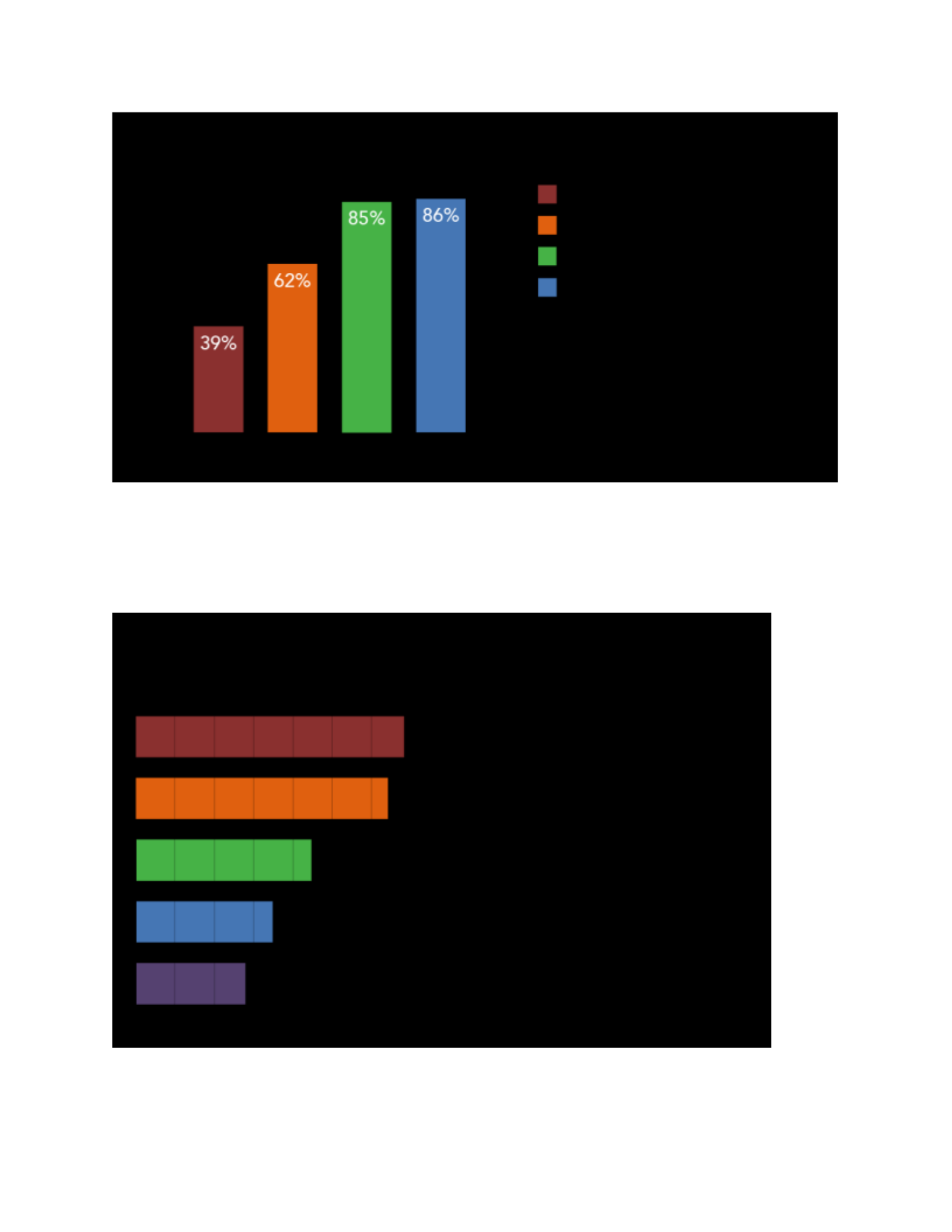
Wellness programs are increasingly used to reduce workplace stress.
They’re a cost-effective solution to a very expensive problem. Furthermore, as shown in the
second graph below, a majority of employees are open to participating in them. Wellness
programs are a win-win for companies and their employees.
Employee opinions of wellness programs.

Now, some employers offer these types of programs and then get in the way of their
effectiveness. In Joel Goh’s study, he pointed out that, while US employers recognize that stress
leads to costly health issues and put programs in place to combat them, those same employers
sometimes undermine those programs with stress-inducing employment practices. These
programs don’t work if the employee is too stressed and overloaded with work to participate!
Some younger companies are going the extra mile to incorporate wellness into their culture and
work environment. Google and Apple are headliners among organizations that offer their
employees multiple choices in stress-burning activities throughout the day—like ping-pong
tables, foosball, bowling alleys—and other perks that allow their employees to eliminate stress
from their lives, such as free meals and free rides to work. Masseuses, available for booking
during work hours, and family-room like areas where employees can relax and put up their feet
go a long way toward employee stress relief and comfort. These are great examples of
companies taking a cue from the ways individuals pursue stress release and making some of
those methods available in the workplace.
Companies can incorporate stress release into their benefits packages in other ways as well.
Companies offering a nice paid-time-off package that features use-it-or-lose-it vacation time
encourages their employees to step away from the office and enjoy time with their families.
Discounted gym memberships can encourage employees to stay physically fit, and companies
are starting to offer easy, direct-deposit college savings plans so that employees can more easily
provide for the education of their offspring. Some companies have gone as far as providing on-
site day care for employees, making child care convenient and cost-effective. Other companies
have a dogs-allowed policy at the office, where people can bring in their pets and combat
stressful situations with a furry hug.
Finally, mental health is an ever-present issue in today’s society, and employers offer employee
assistance programs (EAPs) for those employees who are struggling with issues at work or in
their personal lives. Employee assistance programs offer short-term, confidential counseling to
employees, complete with referrals, free assessments and follow up services. Where wellness
programs and company benefits can’t address mental health and wellbeing, employee
assistance programs step in and make it easier for struggling workers to find help.
These wellness programs and benefits offerings are companies’ responses to the individual
needs of their employees and their ongoing quest for work/life balance. Not only do they foster
excellent perception that they care about their employees, but they also address the very costly
issue of stress in the workplace.

