


ERGONOMICS PROGRAMS IN KENTUCKYS NURSING HOMES
CHAPTER 1: INTRODUCTION
[O]ut of this nettle, danger, we pluck this flower, safety. ~ William Shakespeare
The employees of nursing homes provide essential care to some of the most infirm
and dependent members of society. These women and men hold positions as orderlies,
nurse aides, and nurses. These employees are referred to collectively as direct care
workers, due to the feeding, moving, bathing, grooming, and other hands-on caretaking
tasks they perform for nursing home residents. Though such work appears to be at a low
risk to injury, nursing home direct care work ranks among the most hazardous types of
occupations (Hoskins, 2006; McGlothlin & Streetman, 2009).
Direct care workers have experienced notably elevated levels of occupational
injuries as a result of the physically strenuous and repetitive nature of many of their
routine work tasks (Boden et al., 2012; McCaughey, DelliFraine, McGhan, & Bruning,
2013; Pompeii, Lipscomb, & Dement, 2008). The majority of these injuries are attributed
to work that involves moving and handling nursing home residents, and results in injuries
that are broadly described as musculoskeletal disorders (MSDs) (Lim, Black, Shah,
Sarker, & Metcalfe, 2010; Occupational Safety and Health Administration [OSHA],
2008).
The prevention and control of MSDs fall within the realm of the applied science
of ergonomics (McGlothlin & Streetman, 2009). Generally, employers have recognized
that ergonomics programs can be successfully applied to prevent and reduce the severity
of MSDs among their employees (Gilbert, Vermillion, & Chase, 2012; Missar, Metcalfe,
1

& Gilmore, 2012; Nelson et al., 2006). The same holds true for the nursing home
industry, where administrators, managers, and other responsible parties have sought to
redress the ergonomics-related injuries suffered by their direct care staff members
through the implementation of ergonomics programs (Institute for Worker Health, 2007).
The literature supports the use of workplace ergonomics programs of varying
compositions (DiNardi, 1998; Kilborne & Petersson, 2006). One model in particular has
become established in the field. This model is referred to herein as the NIOSH/OSHA
model, because it has been described and supported by prominent publications issued by
these two organizations over the last two decades (Cohen, Gjessing, Fine, Bernard, &
McGlothlin, 1997; National Institute for Occupational Safety and Health [NIOSH], 2000;
OSHA, 2000; OSHA 2008). The NIOSH/OSHA ergonomics program model consists of
seven key programmatic elements. These elements are listed in basic terms as follows: 1)
the provision of management support; 2) the involvement of employees; 3) the
identification of ergonomics problems; 4) the implementation of corrective solutions; 5)
the provision of methods to address ergonomics-related injuries; 6) the provision of
training; and 7) the evaluation of ergonomics efforts (Cohen et al., 1997; OSHA, 2008).
Specific to Kentucky’s nursing homes, information is not readily available or does
not exist regarding ergonomics programs. First, it is not clear how many nursing homes in
Kentucky have ergonomics programs in place. Equally, it is not clear to what extent these
programs adhere to the NIOSH/OSHA model. In the same vein, little or no information
exists regarding what relationships might exist between the ergonomics programs
administered by Kentucky’s nursing homes and the rates of MSDs that occur among their
direct care workers. This study sought to gather essential information on these issues.
2

Injury Rates for the Nursing Home Industry
The North American Industrial Classification System has classified nursing homes
under NAICS 623 - Nursing and Residential Care Facilities, and described this group as
follows:
Industries in the Nursing and Residential Care Facilities subsector provide
residential care combined with either nursing, supervisory, or other types of care
as required by the residents. In this subsector, the facilities are a significant part of
the production process and the care provided is a mix of health and social services
with the health services being largely some level of nursing services. (U.S.
Census Bureau, 2014, para. 1)
By the measure of employee injury and illness rates, nursing homes are
substantially perilous places to work (Bureau of Labor Statistics, 2016a). National data
indicate that in 2015, private sector nursing and residential care facilities reported that
work-related injuries and illnesses occurred among their employees at a rate of 6.8
incidents per 100 full-time employees. Public sector nursing and residential care
facilities, operated by state and local government employers, reported a substantially
higher rate of 12.0 for the same year. By contrast, the rate across all private industries
nation-wide was only 3.0 per 100 full-time employees and for state and local
government-operated nursing homes, was 5.1 for the same year.
Work-Related Musculoskeletal Disorders
OSHA notes that employees of nursing homes may be exposed to various
occupational hazards such as bloodborne pathogens, tuberculosis, resident-on-caregiver
violence, slips, trips, and falls and others (OSHA, 2012a). However, the type of injury of
3

the greatest significance to direct care workers is found within the group referred to as
musculoskeletal disorders (MSDs) (Hoskins, 2006; Menzel, 2008; NIOSH, 2000). MSDs
are defined by the NIOSH (2012) as follows:
Injuries or disorders of the muscles, nerves, tendons, joints, cartilage, an (sic)
disorders of the nerves, tendons, muscles and supporting structures of the upper
and lower limbs, neck, and lower back that are caused, precipitated or exacerbated
by sudden exertion or prolonged exposure to physical factors such as repetition,
force, vibration, or awkward posture. (para. 3)
The cause of MSDs among direct care workers has been attributed to the
strenuous and repetitive resident lifting and handling tasks that these caregivers routinely
perform as part of their typical work tasks (Menzel, Hughes, Waters, Shores, & Nelson,
2007; Pompeii et al., 2008; Smith & Leggat, 2004). Data from 2013 indicate that nursing
assistants are second only to firefighters for work-related MSDs, with rates of 208 and
232, per 10,000 full-time workers, respectively (Bureau of Labor Statistics, 2015a).
The Impact of Occupational Injuries
Occupational injuries present potentially significant effects. Perhaps the most
well-recognized are the physiological pain and trauma injured employees experience.
Beyond these, injured employees may then also face further negative consequences, such
as diminished family relationships (Boden, 2005). Further, the financial consequences of
work-related injuries also bear consideration. NIOSH noted that since “the average
workers’ compensation cost for back pain is $10,689 per case, back pain alone represents
a significant health and economic burden” (2009, p. XII). Comprehensive national
4

estimates of the financial impact of workplace injuries are rare, but a 2007 study
indicated that the overall costs of occupational injuries were approximately $250 billion
(Leigh, 2011).
The costs associated with the administration of ergonomics programs are
financially significant to employers (OSHA, 1999). While developing its ergonomics
regulation, OSHA conducted detailed economic impact analyses of the anticipated costs
to employers for compliance. The agency reported that nationally, the nursing home
industry would incur approximately $95 million in total costs for compliance. Of this, the
costs incurred would be approximately $47.7 million for the administration of
ergonomics programs. These costs would be approximately $131 billion and $66 billion
in 2016, respectively, adjusted for inflation (Bureau of Labor Statistics, n.d.). However,
others have suggested that actual costs “would be 2.5 to 15 times higher than the
Agency’s estimate” (OSHA, 1999, p. 68808). There may also be cost savings result
following the implementation of an ergonomics program. For instance, following the
implementation of ergonomic improvements a return on investment at two to three times
the investment can result (Ip, Gober, & Rostykus, 2016).
Injury Prevention and Control Efforts
An expansive amount of federal occupational safety and health regulations are
enforced by OSHA to protect employees from various types of workplace hazards. No
federal regulations currently exist that expressly protect employees from ergonomics
hazards (OSHA, 1999). OSHA’s efforts at addressing ergonomics hazards began in the
early 1980s and arrived at a comprehensive regulation in the late 1990s. The agency’s
ergonomics regulation was enacted in 1999 by the out-going Clinton administration
5

(Need to Reduce, 2001), but was then promptly revoked by Congress early in the George
W. Bush administration. State-level legislation seeking to address ergonomics hazards
through divergent methods has been in enacted in 11 states (Lapane, Dube, & Desdale,
2016).
Without a regulation in place that specifically addresses ergonomic hazards,
OSHA can only seek to protect employees through citations issued under Section 5(a)(1)
of the OSH Act of 1970, often referred to as the general duty clause (Maurer, 2014).
However, citations of the general duty clause can be difficult for OSHA to uphold under
legal challenge (Ashford, 1976; Biles, 2013; Ellington, 2015). The agency’s efforts in this
regard can be seen to falter over time, with citations for ergonomic hazards applicable to
protecting workers in nursing homes peaking in 2002 and 2003 and declining thereafter
(Purswell & Purswell, 2011).
Occupational safety and health proponents and researchers have considered
various approaches to control and prevent the occurrence of MSDs, efforts at regulation
notwithstanding (OSHA, 2012b; OSHA, 2012c). Other approaches include the use of
mechanical lift devices during resident lifting and handling tasks to reduce the strain
borne by direct care workers (Waters 2010; Collins, Nelson, & Sublet, 2006). Likewise,
the provision of training of affected employees regarding the hazards of resident lifting
has been described as a means to reduce the occurrence of MSDs as well (Jaromi,
Nemeth, Kranicz, Laczko, & Betlehem, 2012; Peterson, McGlothin, & Blue, 2014).
Along with the use of mechanical lifts and training, the utilization of ergonomics
programs for the prevention and reduction of MSDs among direct care workers is widely
supported in the literature (Bernacki, Guidera, Schaefer, & Tsai, 1999; Garg &
Kappellusch, 2012; Orr, 1997; Schneider, Peterson, McGlothlin, & Blue, 2004).
6

Successful ergonomics programs have been described as being comprised of diverse
elements that include not only lifts and training, but also elements such as the application
of no-lift policies and the utilization of programs for the medical management of injured
employees (Collins, Wolf, Bell, & Evanoff, 2004; Lim et al., 2010). Similarly, OSHA and
NIOSH have developed and promoted an ergonomics program model comprised of seven
key elements (McGlothlin & Streetman, 2009; Cohen et al., 1997; OSHA, 2008).
Conceptual Framework and the NIOSH/OSHA Model
Presented below as two possible processes are concepts underlying this study.
Depicted first is Figure 1.1, which illustrates the subjection of direct care workers to
resident moving and handling tasks. This then leads to the development of MSDs.
Figure 1.1. MSDs Arising Out of Resident Handling Work
Figure 1.2 illustrates the second process, which is the treatment of the NIOSH/OSHA
model ergonomics program, shown to lead to comparatively fewer MSDs.
7
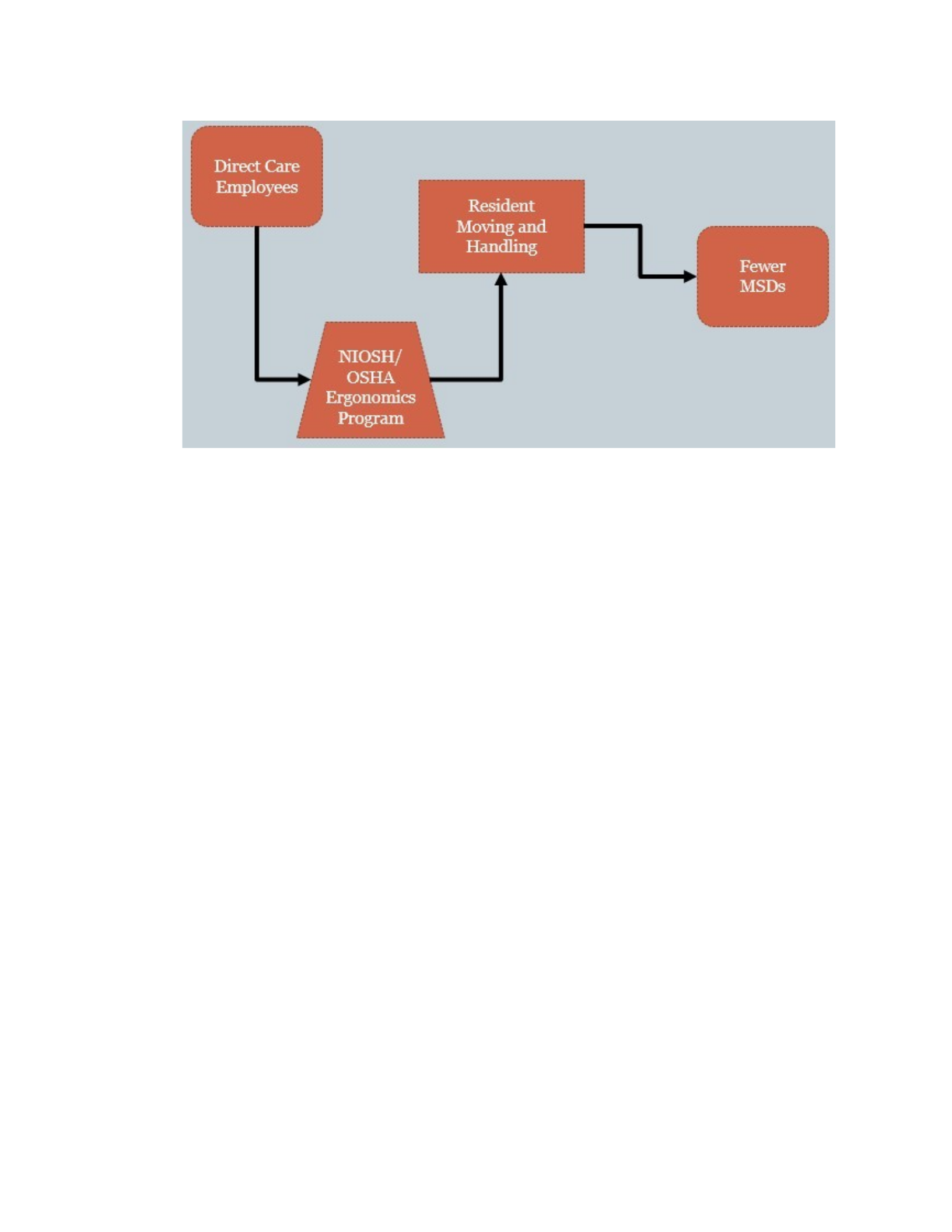
Figure 1.2. Application of NIOSH/OSHA Model Ergonomics Program.
This study has elucidated a NIOSH/OSHA model from efforts of these two
agencies toward addressing ergonomic risks, though it has not formally described. OSHA
began taking action towards addressing ergonomics in the early 1980s by holding
discussions with labor and trade groups and professional associations. It then issued
publications such as Ergonomics Program Management Guidelines for Meatpacking
Plants in 1990 and produced an educational video titled, Ergonomic Programs that Work
in 1998 (OSHA, 1999). NIOSH’s (1981) work on ergonomics follows a similar
chronology, with the issuance of guidance publications such as Work Practices Guide for
Manual Lifting and Participatory Ergonomic Intervention in Meat Packing Plants in
1994.
Three key publications formulate the NIOSH/OSHA model. The first is NIOSH’s
Elements of Ergonomics Programs: A Primer Based on Workplace Evaluations of
8

Musculoskeletal Disorders (Cohen et al., 1997). This significant publication describes a
process for employers to follow comprised of a “seven-step ‘pathway’” (Cohen et al.,
1997, p. vi). These seven steps correspond to the following programmatic elements:
•provision of management support;
•involvement of employees;
•identification of problems involving ergonomics issues;
•implementation of solutions;
•addressing of ergonomics-related injuries which have occurred;
•provision of applicable training; and
•the evaluation of efforts associated with the ergonomics program.
These elements align with those described in subsequent publications by OSHA.
A key OSHA publication that included seven ergonomics program elements
essentially identical to those given in NIOSH’s publication was the agency’s Ergonomics
Programs standard, which set forth regulatory requirements for ergonomics programs
(OSHA, 2000). The closeness in mindset between OSHA and NIOSH regarding
ergonomics programs is reflected in OSHA’s Ergonomics Programs standard, which
included 361 specific references to NIOSH in its text (OSHA, 2000). Finally, and most
specific to the nursing home industry, is OSHA’s 2008 publication Guidelines for
Nursing Homes: Ergonomics for the Prevention of Musculoskeletal Disorders. Therein,
OSHA again detailed and prescribed the seven element ergonomics program mentioned
previously.
9

Rationale for Study
The fundamental purpose for this study is to better inform nursing homes,
occupational safety and health practitioners, and other stakeholders about the nature of
ergonomics programs used in the nursing home industry. Direct care workers could be
better protected from occupational MSDs by this information. MSD injuries can impart
great harm to affected employees, resulting in physical pain, lost income, and social
devitalization (Asfaw & Souza, 2012; Boden, 2005). In addition, MSDs among direct
care staff are operationally damaging to nursing homes, as these MSDs are associated
with lost work-time, turnover, and other problems (Health Resources and Services
Administration, 2004; McConnell, Lekan, & Corazzini, 2010). The gravity of these issues
calls for focused study on the control of MSDs through ergonomics programs.
Purpose of Study
The direct care employees of nursing homes are at substantial risk of suffering
work-related MSDs (Craib, Hackett, Back, Cvitkovich, & Yassi, 2007; Hignett, 1996).
Nursing homes may elect to implement ergonomics programs in an effort to prevent and
minimize the occurrence of MSDs among these workers (Garg & Kapellusch, 2012;
Neumann, Eklund, Hansson, & Linkdbeck, 2010). The utilization of ergonomics
programs by nursing homes has been suggested as a viable approach to reducing MSDs
among direct care workers (OSHA, 2008). However, little data are available to indicate
the extent to which nursing homes in Kentucky have actually implemented ergonomics
programs in their facilities.
It is possible that nursing homes’ ergonomics programs may vary widely in terms
of composition due to a lack of controlling legislation (Nelson & Baptiste, 2004).
10

Accordingly, those who are authorized to develop and administer these programs are at
liberty to include various programmatic elements such as training, mechanical lifts, and
ergonomics teams (Missar et al., 2012; Nelson et al., 2006), and a number of models exist
from which administrators might follow in the formulation of their ergonomics programs
(Geiger, 2013; Soares, Jacobs, & Lugão et al., 2012). Although the efforts of NIOSH and
OSHA have been extensive and sustained toward influencing nursing homes to
implementing ergonomics programs that follow the seven element model, it is largely
unknown to what extent nursing homes in Kentucky have adopted and followed the
NIOSH/OSHA model.
This lack of information about Kentucky’s nursing homes’ ergonomics programs
precludes making any characterizations as to the relationships between the programs in
place and the corresponding MSD rates that occur among their direct care employees. It
might suggest that nursing homes that do not closely follow the NIOSH/OSHA model
might observe higher MSD rates than those that do closely follow the NIOSH/OSHA
model. However, this relationship would be purely speculative without purposeful study.
These deficiencies in information helped to formulate the overall purpose of this study,
which was to gather information about ergonomics programs utilized by Kentucky’s
nursing homes. This has led to the formulation of three research questions.
Research Questions
The overarching questions guiding this study were as follows:
1. How many nursing homes in Kentucky have implemented ergonomics
programs for controlling work-related musculoskeletal disorders among their
direct care employees?
11

2. How closely do the ergonomics programs in place in Kentucky’s nursing
homes follow the NIOSH/OSHA model?
3. What are the relationships between the ergonomics programs in place in
Kentucky’s nursing homes and rates of MSDs that occur among direct care
workers resultant from resident care tasks?
Significance of Study
Work-related MSDs among direct care workers present a significant issue relative
to these workers and their nursing home employers. Employees who suffer MSDs are
likely to bear physical pains from their injuries, but are also known to be at an elevated
risk of developing psychological illnesses such as depression (Asfaw & Souza, 2012).
Their injuries can lead to negative impacts on family roles and activities, such as doing
household work and helping with childrearing (Strunin & Boden, 2004). Additionally,
injured workers are exposed to significant negative economic impacts, as “injured or ill
workers and their families absorbed about 44 percent of the costs” (Leigh, Markowitz,
Fahs, & Landrigan, 2003, n.p.).
The operational vitality of nursing homes can also be affected by the substantial
costs associated with work-related MSDs. Injuries among nursing home employees have
been identified as a factor that contributes to job dissatisfaction and high turnover rates
among these workers (Health Resources and Services Administration, 2004). These
negative outcomes are compounded due to a labor supply shortage among the direct care
workforce (McConnell, Lekan, & Corazzini, 2010; Smith & Baughman, 2007).
The costs that nursing homes must bear to administer ergonomics programs
should also be considered. Costs for a single administrator to manage an ergonomics
12

program have been reported as averaging four to eight hours per month in time and $475
per year for training, with substantially higher annual costs reported to train
nonmanagerial employees (Humantech, 2014). The cost could be substantial for a nursing
home to obtain professional guidance for managing an ergonomics program, as the
median salary for a professional ergonomist was found to be $75,000 per year (Payscale,
2015).
Nursing home administrators, occupational safety and health professionals, and
others interested in protecting direct care workers from injury and in optimizing nursing
home operations may be guided by the findings of this study toward the development of
more effective ergonomics programs. The development of more effective ergonomics
programs offers the opportunity to reduce the occurrence and severity of MSDs, and the
negative repercussions they present to workers and employers.
Limitations of Study
There are several potential limitations that exist within the design of this study.
These include a lack of generalizability to nursing homes not included in the study,
validity concerns, measurement biases, data errors, and potential non-sampling errors.
Further details on the limitations of this study are discussed in Chapter 3.
Definition of Terms
A number of terms applicable to this study may not be well known, and others
may be used inconsistently in various sources. The following series of definitions help
clarify these terms:
Direct care workers refers to a group of workers in the healthcare industry whose
duties share in common the performance of tasks directly for patients or residents who
13

reside within established facilities, such as hospitals or nursing homes. There is some
ambiguity in the literature as to what direct care workers are and are not. Some sources
note that direct care workers may include home health aides, personal care aides, and
certified nurse aides (Paraprofessional Healthcare Institute [PHI], 2013). Other sources
add occupations such as registered nurses and licensed practical nurses (Hurtado,
Sabbath, Ertel, Buxton, & Berkman, 2012). Still other sources further include
“physicians, therapists, and administrators, and paraprofessional staff (e.g., certified nurse
aides [CNAs]) who provide the bulk of care on a day-to-day basis” (Miller, Wang,
Zhanlian, & Mor, 2012, p. 470). For the purposes of this study, direct care workers refers
to nurses, nurse aides, and orderlies, as their daily work most typically involves the
moving and handling of residents in nursing homes.
Ergonomics, within the field of occupational safety and health, is perhaps best
defined as the study and applied science involved in “preventing those workplace injuries
and illnesses that result when job processes, procedures, equipment and facilities have not
been designed with people in mind” (Kohn, 1999, pg. 1). The term ergonomics is also
used synonymously with others like human factors, human engineering, and engineering
psychology (Proctor & Van Zandt, 2008).
Ergonomic hazards are conditions, actions, and materials that contribute to a
greater likelihood of the occurrence of an MSD (Comcare, 2014). Ergonomics considers
the interaction between the worker (physically and psychologically) and his/her work
(including tasks and operating environment). This interaction can be described as existing
on a continuum of fit, with a good fit at one end, and poor fit at the other extreme. A poor
14

worker-work fit constitutes an ergonomic hazard, and is most strongly associated with
worker injuries (Baker & Moehling, 2013; Kroemer & Grandjean, 1997).
Musculoskeletal disorders (MSDs) are defined by OSHA as “injuries and
disorders of the muscles, nerves, tendons, ligaments, joints, cartilage and spinal discs”
(1999, pg. 66076). MSDs relevant to tasks that are associated with moving and handling
residents involve the anatomy of the shoulder and upper neck, and include injurious
conditions such as tension neck syndrome, shoulder tendonitis, and low-back pain
(Bernard, 1997). Among direct care workers, low back pain is a common symptom
indicative of a MSD (Smith & Leggat, 2004). Terms such as occupational overuse
syndrome and cumulative trauma disorder are closely associated with, if not synonymous,
with MSDs (DiNardi, 1998, pg. 716).
Nursing homes, residential care facilities, and long-term care facilities are referred
here collectively as nursing homes. These facilities are classified by the North American
Industrial Classification System within industry code 623000. (Executive Office of the
President, 2017, pp. 101-102).
Occupational injuries and illnesses are used here in the same way as they have
been defined in OSHA’s Recording and Reporting Occupational Injuries and Illness
regulation, 29 CFR 1904.46(3), as “an abnormal condition or disorder. Injuries include
cases such as, but not limited to, a cut, fracture, sprain, or amputation” (OSHA, 2001, p.
6135). Illnesses are health conditions such as cancer, hearing loss, and organ damage.
Throughout this study, the term occupational injuries has been used for the purpose of
simplicity, but should be understood to also include occupational illnesses, as well.
15

CHAPTER 2: LITERATURE REVIEW
Introduction
This chapter provides a review of the literature applicable to this study. It begins
by focusing on the nature of the work carried out by direct care workers, including their
typical work duties, as well as problems that beset the workforce such as an undersupply
of labor and high turnover rate. Thereafter, this chapter discusses occupational injuries
among direct care workers in terms of causative factors, current injurie rates, and future
outlook. Then, this chapter details the system of recording and maintaining occupational
injury data by employers on OSHA forms. Next, this chapter provides a description
regarding development of how ergonomic hazards have been recognized and control
methods, including ergonomics programs, have been developed. Chapter 2 then
concludes with a discussion of the need for this study.
Direct Care Workers
Nature of Direct Care Work. The vital work of caring for nursing home
residents falls primarily on direct care workers. These workers hold positions designated
as nurse aides, orderlies, licensed practical nurses, and registered nurses. Nurse aides’
duties include personal care tasks, such as grooming, transferring, positioning, and basic
restorative skills, such as turning and positioning residents in their bed (Office of
Inspector General, 2002). Orderlies are less likely to provide personal care to residents,
but instead typically transport residents and clean equipment and facilities (Bureau of
Labor Statistics, 2014a). Licensed practical nurses’ duties involve basic healthcare
provision, such as monitoring vital signs, but may also include helping residents dress or
16

bath (Bureau of Labor Statistics, 2014b). Registered nurses perform complex healthcare
tasks, and may oversee orderlies, nurse aides, and licensed practical nurses in the nursing
home. Registered nurses’ duties may involve lifting and moving residents, though
relatively less so than other direct care workers (Bureau of Labor Statistics, 2014c).
A Troubled Workforce. Direct care workers comprise a troubled occupational
group. Nursing home operators report that they have been unable to attract and retain
sufficient numbers of direct care workers (Bowers, Esmond, & Jacobson, 2003). For
example, nurses were found to be at an undersupply of 6% and related nursing
professions are understaffed as well (Center for Health Workforce Studies School of
Public Health, 2006). The labor undersupply has been attributed in part to demographic
trends that indicate fewer working-age persons will be available to care for an expanding
population of elderly persons (Health Resources and Services Administration, 2004). The
labor undersupply is particularly significant for rural states like Kentucky, where
conditions such as geographic isolation, limited means for transportation, and higher
proportions of elderly citizens may act to exacerbate the problem (Brown, Lash, Wright,
& Tomisek, 2011).
Compounding the labor undersupply is a high turnover rate among nurse aides,
ranging from 66% to 100% (American Health Care Association, 2008). Compensation is
meager, with the median annual wage for nursing aides, orderlies, and attendants being
approximately $24,000 (Bureau of Labor Statistics, 2014a). Low morale among direct
care workers has also been described as a substantial problem (Blaire & Glaister, 2005).
Although the interrelationships between labor undersupply, turnover, wages, and morale
are beyond the scope of this study, it is important to note that understaffing has been
17

linked to higher levels of work-related injuries among direct care workers (Brewer,
Kovner, Greene, Tukov-Shuser, & Djukic, 2012).
Prevalence of Occupational Injuries
The moving and lifting of residents is physically demanding work. Some residents
need help getting into and out of wheelchairs, while others must be completely lifted in
and out of their beds. The difficulty of resident handling and lifting becomes evident
when considering that residents may outweigh their caregivers substantially. As a result,
direct care workers are at an elevated risk of developing musculoskeletal disorders
(Menzel et al., 2007; Rice, Dusseau, & Miller, 2011). Nelson et al., (2006) explained:
Patient handling tasks are considered high-risk, due to the magnitude of weight
lifted, awkwardness and unpredictable nature of the load lifted (patient), and
sustained awkward positions used to provide nursing care, such as bending over
beds or chairs while the back is flexed. (p. 26)
Further, resident moving and lifting-related tasks may be repeated throughout the work
shift. As repetitious, exertive work is recognized as an ergonomics hazard (Keyserling,
Stetson, Silverstein, & Brouwer, 1993), direct care work should be understood to be
substantially hazardous.
The outcomes of the hazardousness of direct care work are reflected in
occupational injury and illness data (Bureau of Labor Statistics, 2016a). Nationally,
nursing homes and other residential care facilities have seen comparatively high rates of
nonfatal injuries and illnesses, with a 2015 rate the of 6.8 cases per 100 full-time
employees, for privately-operated nursing home facilities, compared to the overall rate of
3.0 for all private sector industries. Bureau of Labor Statistics data specific to Kentucky
18

indicate a problem of greater scale, as private sector nursing and residential care facilities
in the Commonwealth reported an injury rate of 8.1 (Bureau of Labor Statistics, 2015b).
Worse, for nursing homes operated by state government, the injury rate was 8.4 cases per
100 full-time employees, and those operated by local governments experienced the
highest rate, at 11.1.
The number and severity of MSD-related injuries and illnesses experienced by
direct care workers is likely to increase due to a convergence of factors (MNA, 2006).
First, because the median age of the general population is increasing, it is anticipated that
direct care workers will remain in the workforce longer than previous generations. This
will likely result in an increasingly longer duration of exposure to ergonomic hazards.
Relatedly, as employees increasingly work into advanced age, their bodies will be more
physically degraded due to the natural aging process. Also, as residents live longer lives,
they will remain in nursing home facilities longer, requiring more years of direct care.
Finally, due to a trend of increasing obesity rates among the general population, residents
will be heavier on average, increasing the strenuous nature of moving and handling them.
Tracking Occupational Injuries and Illnesses
The national system for tracking occupational injuries and illnesses, the Survey of
Occupational Injuries and Illnesses, is administered by the Bureau of Labor Statistics.
Most employers are required to keep annual records concerning work-related injuries and
illnesses experienced by their employees under 29 CFR 1904 (OSHA, 2001). Annually,
the Bureau of Labor Statistics gathers this data from a sample of employers nationally.
The data are subsequently compiled and made available publicly (Bureau of Labor
Statistics, 2016b).
19

The recordkeeping regulation enforced by OSHA under 29 CFR 1904 carries
several requirements designed to help ensure data accuracy (OSHA, 2001). For example,
only injury and illness incidents of a substantial nature are to be recorded by employers.
These recordable incidents include those sufficiently severe as to result in death, render
an employee unable to work or only able to work with restrictions, require medical
treatment, or result in one of several narrowly defined outcomes, such as hearing loss.
Incidents which are less severe, such as those requiring only first aid treatment, are not
recordable incidents and are not to be included in the data.
Data are maintained by employers on dedicated forms titled OSHA 300, 300A, and
301 (OSHA, 2001). To help further ensure accurate data collection, OSHA provides to
employers a number of instructional guidance documents and webpages, as well as direct
assistance via email and telephone. For the purposes of keeping data on OSHA 300, 300A,
and 301 documents, instances in which employees experience work-related MSDs may
be recorded as either injuries or illnesses (OSHA, 2002, p. 77167). OSHA has issued
notices regarding how to record MSDs, directing that employers should “check either the
‘injury’ or the ‘all other illness’" column, as appropriate.
Recognition of Ergonomic Hazards
The prevention and control of MSDs in the workplace has been an occupational
safety and health concern for some time. Important developments relative to ergonomics
in general include publications such as NIOSH’s A Work Practices Guide for Manual
Lifting in 1981 (OSHA, 1999), and OSHA’s Ergonomics: The Study of Work, in 1991
(OSHA, 1999.). In recognition of the need for regulation of ergonomic hazards, OSHA
began the process of drafting an ergonomics regulation in 1992 (OSHA, 1999).
20

Specific to direct care workers, the Institute of Medicine (1996) found that nurse
aides were at an elevated risk of experiencing MSDs such as back injury. As part of its
findings, the Institute of Medicine called for measures to prevent MSDs, such as more
aggressive training on resident lift devices and lift teams (especially for new hires),
annual training regarding the lift and transfer of residents, and the development of
programs intended to reduce such injuries. Thereafter, an Office of Inspector General’s
survey of nearly 1,000 nurse aides recommended more pre-professional training
regarding the lifting of residents (Office of Inspector General, 2002).
Healthcare industry groups, such as the American Nursing Association (ANA),
have also sought to address MSDs. The ANA’s Handle with Care campaign, launched in
2006, called on administrators to support the implementation of safe patient handling
practices, such as the use of resident lifts, and for changes in nursing schools’ curricula to
enhance training for preventing injuries (De Castro, 2004). That same year, NIOSH
published a guide specifically targeted at direct care staff of nursing homes that also
called for the use of lifting devices and associated training (NIOSH, 2006).
A holistic assessment of the national healthcare system by the Institute of
Medicine’s Retooling for an Aging America: Building the Health Care Workforce (2008)
addressed the risks to direct care workers from MSDs. In this report, the Institute of
Medicine called for the provision of annual training on resident lift devices and
mentioned adherence to OSHA’s guidelines for the prevention of MSDs.
The Centers for Disease Control and Prevention (2012) collected a wealth of
national data in 2004-2005 with its National Nursing Assistant Survey. The survey
involved responses from 3,017 nurse assistants over a number of measures, and included
21

information on work-related injuries. Upon analysis, the findings indicated that more than
half of the nurse aid respondents had incurred at least one work-related injury within the
past year and almost one quarter were unable to work for at least one day due to injury
(Squillace et al., 2009).
Approaches to Injury Prevention and Control
The hierarchy of controls. Within the field of occupational safety and health, a
recognized approach to controlling hazards is referred to as the hierarchy of controls
(NIOSH, 2017). This approach “systematically identifies hazards and prioritizes
intervention strategies” (De Castro, 2003, pg. 104). Three broad categories of controls are
prescribed to address all types of workplace hazards, which are given in a descending
hierarchy of preference, as follows: engineering controls, administrative controls, and
personal protective equipment.
The hierarchy of controls holds that, whenever feasible, engineering and
administrative controls should be utilized, even if they do not completely control or
eliminate a hazardous condition (OSHA, 2005). A diagram of the hierarchy is seen in
Figure 2.1. The hierarchy of controls is applicable to any type of workplace hazard, but is
discussed here only within the context of resident moving and handling.
22

Figure 2.1. The Hierarchy of Controls.
Engineering Controls. The use of engineering controls is the preferred method of
hazard control because it applies to the workplace environment, materials, and processes
(McCauley-Bush, 2011). Examples of engineering controls include workstation
modifications and the use of specialized tools to reduce the negative impact of repetitive
motion, high force, awkward postures, and their combined effects (Hagan, Montgomery,
& O’Reilly, 2001).
Engineering controls have been developed to specifically address the ergonomic
hazards associated with moving and lifting residents. For repositioning a resident in a
bed, devices that reduce friction, such as slide boards, draw sheets with handles, and
airassist lateral transfer devices, may be used. For helping partially-ambulatory residents,
powered sit-to-stand chairs, lift chairs, and toileting chairs are available. Mechanical lifts,
either wheeled or ceiling-mounted, can be used to help move residents who are
completely dependent (OSHA, 2008).
Personal Protective Equipment. Personal protective equipment (PPE) are items
that employees wear to help minimize the potentially injurious effects from a workplace
23

hazard. Common examples of PPE include gloves, safety glasses, and hard hats. For
direct care workers, there are few viable options for PPE. Supportive back belts were
once used by employees during moving and lifting tasks to prevent back injuries, but
there exists no evidence that the devices provide any protective benefit (Ammendolia,
Kerr, & Bombardier, 2005).
Administrative Controls. Administrative controls include the use of work
practices, provision of education and training, and policies and programs that reduce or
prevent employee exposure to hazards (NIOSH, 2008). Administrative controls used in
nursing homes to prevent and control ergonomics hazards may include stretching and
warm-up exercises, employee education and training programs, and proper care and
maintenance of resident lifts and similar mechanical devices. An ergonomics program is
an example of a comprehensive administrative control. Ergonomics programs may also
include the integration of engineering controls, as well (Garg & Kappellusch, 2012; Orr,
1997)
Ergonomics Programs. The purpose of an ergonomics program is similar to that
of most any safety program, which is to help management officials develop and conduct
activities that act to prevent accidents, injuries, and illnesses (Hagan et al., 2001). Over
time, the use of the term ergonomics program has been joined by similar terms in
applicable literature. Perhaps this is because a program has been construed as something
produced and implemented, but which may in time become idle and of limited long-term
efficacy.
Alexander (1986) noted that once implemented, an ergonomics program would
have only finite benefits, and that only an ongoing “ergonomics effort” (pg. 360) would
24

allow for sustained positive effect. The term “process refers to a set of ongoing and
interrelated activities” (Robbins, Decenzo, & Coulter, 2013, pg. 6), and conveys the sense
that efforts at controlling ergonomic hazards require a dynamic and ongoing
methodology. Indeed, several authorities present the programmatic control of ergonomic
hazards as a process (Khon, 1999; Kilbom & Petersson, 2006). OSHA pointed out that
“the occupational safety and health community uses various names to describe systematic
approaches to reducing injuries and illnesses in the workplace” (2012d, p. 1). The term
ergonomics program was used, for the purposes of this study, but it should be understood
to include the ongoing evaluative element integral to the notion of an ergonomics process.
This is consistent with the NIOSH/OSHA model used by this study, which includes an
evaluative element.
Studies concerning the use of ergonomic programs specific to healthcare
worksites have shown that they are effective at reducing injuries and illnesses. For
example, a study by Nelson et al. (2006) indicated that an ergonomics program with the
following elements: “ergonomic assessment protocol, resident handling assessment
criteria and decision algorithms, peer leader role, back injury resource nurses, state-ofthe-
art equipment, after action reviews, and no lift policy” (pg. 719) resulted in a significant
reduction in the rate of MSDs among nurses. Similarly, an ergonomics program for
nursing home workers that combined the use of mechanical lifts and repositioning aids, a
zero lift policy, and employee training appeared to lead to a substantial reduction in
injuries (Collins et al., 2004).
The suggested elements of an ergonomics program can be found in differing
combinations. DiNari recommended that an ergonomics program include an ergonomics
25

team with representatives from the various departments of the facility, an established
training schedule for both managers and workers, and a medical surveillance component
to determine the program’s effectiveness (1998). Hagan, Montgomery, and O’Reilly
(2001) considered management commitment and support of the ergonomics program to
be vital, along with case management of MSDs, and the education and training of
personnel. They also emphasized that an ergonomics program should include a process
improvement feature, which includes a continuum of assessment, planning, execution,
and verification.
NIOSH’s seminal publication, Elements of Ergonomics Programs, posited a
number of elements necessary for an effective program. Interestingly, these elements
were presented as a sequential “pathway” (Cohen et al., 1997, pg. vii). First in the
pathway is the verification of the presence of ergonomic hazards, as evidenced by the
occurrence of work-related MSDs among employees. Second, management must commit
to the program and employees should be involved. The third step involves the building of
expertise among staff through training and access to applicable resources. Fourth in the
pathway is the collection and evaluation of data, including OSHA injury and illness logs
and medical examinations, to characterize the nature of ergonomic hazards present in the
workplace. The fifth step employs the data collected to develop appropriate
administrative and engineering controls and evaluate their effectiveness. The penultimate
step involves the medical management of the MSDs experienced by employees. This step
sets forth responsibilities for employers, employees, and health care providers for “early
detection, prompt treatment, and timely recovery” of MSD cases (Cohen et al., 1997, pg.
26

39). The final step requires that the effectiveness of the program be evaluated and
revisions made on an ongoing basis.
After providing guidance for over two decades, OSHA acted in 2000 by issuing a
regulation that specifically required that most employers address ergonomic hazards in
their workplace. In Ergonomics Program; Final Rule, the agency included a mandate that
employers’ ergonomics programs include provisions for employee participation, job
hazard analysis and control, employee training, management of MSDs, and a means of
program evaluation (OSHA, 2008). It should be noted that these program elements
closely align with those presented in NIOSH’s Elements of Ergonomics Programs (Cohen
et al., 1997). Although OSHA’s regulation was ultimately undone by Congressional
revocation, OSHA continues to provide guidance regarding the control and prevention of
ergonomics hazards.
OSHA’s publication, Guidelines for Nursing Homes: Ergonomics for the
Prevention of Musculoskeletal Disorders (2008), endorsed an ergonomics program nearly
identical to that carried by its revoked regulation. The guidelines are presented as seven
fundamental components of an ergonomics program for nursing homes to implement: 1)
provide management support; 2) involve employees; 3) identify problems; 4) implement
solutions; 5) address injuries; 6) provide training; and 7) evaluate ergonomic efforts.
Need for Study
For businesses and larger society dependent on the labor force, occupational
injuries and illnesses constitute a meaningful threat to productivity and economic
viability. Comprehensive estimates of the financial impact of occupational injuries are
rare, but one study indicated that for 2007 “total estimated costs were approximately $250
27

billion” (Leigh, 2011). Recent estimates of the cost of occupational injuries within the
nurse home industry are not available, but data on workers’ compensation claims
indicates that for the period of 1993-2005, the average frequency of claims at nursing
homes and retirement facilities is double that of the average for claims in the private
sector (Restrepo, Shuford, & De, 2007).
Occupational injuries suffered by direct care workers have been shown to result in
absenteeism and work restrictions (Lemo et. al., 2012). Dockrell, Johnson, Ganly, and
Bennett (2011), whose study of workers’ compensation claims found that 91% of
claimants took sick leave following an injury, with 52% taking leave lasting more than 52
weeks in duration, giving some perspective on the gravity of absenteeism stemming from
employee injuries resultant from resident moving and handling.
For the workers who may be so unfortunate to experience an incident,
occupational injuries and illnesses are serious concerns. Victims often face longer-term
consequences, such as lost wages and reduced earning capacity, beyond experiencing
physiological trauma (Boden, 2005). Also, employees who suffer injuries have been
found to be more likely to sufferer from depression (Asfaw & Souza, 2012). Adding to
the troubles experienced by injured workers are indications that they may experience
discrimination from their peers and superiors, and contend with subpar services from
healthcare providers and workers’ compensation carriers (Eggert, 2010).
The negative impacts that result from occupational injuries on both nursing homes
and individual direct care workers make it imperative that nursing homes implement
effective ergonomic programs. This study is needed to help guide nursing home
28

administrators, occupational safety and health professionals, and others tasked with
developing, implementing, and managing ergonomics programs in nursing home
facilities.
29

CHAPTER 3: METHODOLOGY
Introduction
This chapter restates the purpose of the study and research questions, as well as
describe the research design and methodology. Chapter 3 also contains details regarding
the following research aspects of interest to the study: variables, sample, data sources,
instrumentation, data collection, and analysis. The chapter concludes with details
regarding the potential limitations affecting the study.
Purpose
The purpose of this study was to gain a better understanding about ergonomics
programs utilized by Kentucky’s nursing homes. A review of literature found a lack of
information to indicate how many nursing homes in Kentucky have an ergonomics
program in place for their direct care staff. Further, information could not be found to
indicate how closely ergonomics programs administrated by these nursing homes follow
the NIOSH/OSHA model. Likewise, no data was available to indicate what relationships
exist between the elements of these ergonomics programs and the MSD rates for direct
care workers resultant from resident care tasks. Three research questions were developed
to address these issues.
Research Questions
This study investigated the following research questions:
1. How many nursing homes in Kentucky have implemented ergonomics
programs for controlling work-related musculoskeletal disorders (MSDs)
among their direct care employees?
30

2. How closely do the ergonomics programs in place in Kentucky’s nursing
homes follow the NIOSH/OSHA model?
3. What are the relationships between the ergonomics programs in place in
Kentucky’s nursing homes and rates of MSDs that occur among direct care
workers resultant from resident care tasks?
Research Design
This study was designed to be cross-sectional due to the expansive time periods
over which data concerning occupational injuries are recorded by employers. It is of a
non-experimental, quantitative design, that includes both descriptive and inferential
aspects. Due to its quantitative design, descriptive statistics could be calculated regarding
data of interest to the study, such as the frequency of nursing homes which had
ergonomics programs, the mean rate of MSDs occurring among nursing homes, and
others. As data was collected randomly, inferences could be made regarding from sample
data regarding the larger population of nursing homes.
Variables and Measures
Variables of interest to this study are described here in relation to each research
question. For the first research question regarding how many nursing homes have
implemented ergonomics programs, the variable of interest was the number of nursing
homes that had ergonomics programs in place. To measure this variable, a questionnaire
was used that posed to the subjects of the study the following question: “Does your
facility have an ergonomics program for nurses, nurse aides, and orderlies?” Available
responses were, Yes, No, and I don’t know. Data collected for this variable were reported
as findings in Chapter 4.
31

The second research question involved seven variables that corresponded to the
seven elements of an ergonomics program specified by the NIOSH/OSHA model. These
variables, stated in general terms, involved the following aspects of an ergonomics
program: provision of management support, involvement of employees, identification of
problems involving ergonomics issues, implementation of solutions, addressing of
ergonomics-related injuries which have occurred, provision of applicable training, and
evaluation of efforts associated with the ergonomics program.
To measure these variables, each was operationalized as a statement, to which
subjects were asked to respond. Respondents were asked to choose from a series of five
responses the one that best described the program element for their particular nursing
home. The statements used were as follows:
•Management at my facility supports our ergonomics program.
•Employees at my facility are involved in our ergonomics program.
•My employer acts to identify ergonomics problems.
•My facility has implemented controls to prevent ergonomics injuries.
My employer provides ergonomics training.
•My facility has procedures to address ergonomics-related injuries and
illnesses that occur.
•My employer evaluates ergonomics program effectiveness. Each of these
statements required that subjects choose from one of the following responses:
Strongly Agree, Agree, Neutral, Disagree, or Strongly Disagree.
To allow for analysis of the data collected for these seven statements, responses
were scaled with nominal values as follows: Strongly Agree = 1, Agree = 2, Neutral = 3,
32

Disagree = 4, and Strongly Disagree = 5. Note that a response of Strongly Agree are
understood to indicate an ergonomics program element that most closely follows the
NIOSH/OSHA model element. For example, a response of Strongly Agree to the
statement, “My employer provides ergonomics training.” indicated that the subject
nursing home’s ergonomic program most closely followed the NIOSH/OSHA model
ergonomics program, relative to this program element. Following the collection of
response data, descriptive statistics were utilized and reported as findings in Chapter 4.
Research question 3 sought to explore the relationships that might have existed
between nursing homes' ergonomics programs and the MSD rates that occurred among
direct care workers due to resident lifting and handling tasks. Along with the variables
corresponding to the seven ergonomics program elements of the NIOSH/OSHA model
discussed above, a variable for the MSD rate was calculated.
The calculation of MSD rate involved the collection of two types of numeric data
concerning direct care workers: the count of MSD cases and number of hours worked.
Using these two data sets, a MSD rate was calculated as follows: number MSD cases x
200,000) / number of hours worked = MSD rate. 200,000 hours is based on the equivalent
of 100 employees working 40 hours per week, 50 weeks per year (Bureau of Labor
Statistics, 2013). Descriptive statistics, as well as regression analyses for these variables,
were reported as findings in Chapter 4.
Sample Population
This study sought to gather data from a representative sample of what the
researcher considered to be the population of all the nursing home facilities in Kentucky.
The population of 272 nursing home facilities was reported on a list maintained by the
33

Cabinet for Health and Family Services (CHFS). This listing included both
privatelyowned facilities as well as those administered by state and local government
agencies.
Data Sources
The list of all nursing home facilities in Kentucky used for the study was obtained
from CHFS. The list provided the following information for each facility: facility name,
name of contact person, email address, telephone number, and mailing address. A copy of
the CHFS facility list is found in Appendix A.
Data Sought
Data sought for this study fell into two categories: 1) data associated with nursing
homes’ ergonomics programs, and 2) data associated with MSD cases which were
experienced by their direct care staff and were resultant from resident moving and
handling tasks. All data collected by this study were limited to the 2015 calendar year.
Data Concerning Ergonomics Programs. This study asked nursing homes to
report whether or not their facility had an ergonomics program to control work-related
MSDs among their direct care staff members. In addition, these subjects were asked to
respond to a series of seven items/statements designed to help determine how closely
their nursing home’s ergonomics program aligned with the NIOSH/OSHA model’s seven
elements.
The likelihood was good for this study to obtain data on ergonomics programs
because the nursing home industry was aware of the use of ergonomics programs for the
control and prevention of work-related injuries among staff members (Graham &
Dougherty, 2012; Kurowski, Gore, Robert, Kincaid, & Punnett, 2017). More specifically,
34

indications were found in the literature that the nursing home industry was familiar with
the seven program elements provided by the NIOSH/OSHA model, as well (Nathenson,
2004; Strope, 2003; Weber, 2006).
Selection of Ergonomics Program Elements. The seven ergonomics program
elements that comprise the NIOSH/OSHA model were described in OSHA’s Guidelines
for Nursing Homes: Ergonomics for the Prevention of Musculoskeletal Disorders (2008).
These were selected as variables for this study for several reasons. First, the context of
OSHA’s aforementioned publication specifically applied to nursing home worksites,
directly aligning with this study’s population of interest. Second, the seven elements were
the basis for the seminal NIOSH publication: Elements of Ergonomics Programs: A
Primer Based on Workplace Evaluations of Musculoskeletal Disorders (Cohen et al.,
1997), which is widely recognized within the occupational safety and health profession as
an essential guide to ergonomics programs.
The seven program elements were incorporated within OSHA’s now-revoked
ergonomics standard, Ergonomics Programs (OSHA, 2000). During the promulgation of
the standard, OSHA conducted a complex process of research and development that led
the agency to include the same program elements in the final version of its standard.
OSHA’s research process included the collection of input from industry stakeholders,
reports from other agencies, and consensus group endorsements (OSHA, 1999).
Significantly, NIOSH supported OSHA’s selection of the seven ergonomics program
elements, “based on the extensive practical experience accumulated by NIOSH in
conducting investigations in actual workplace settings, providing technical assistance to
employers and workers, and evaluating the scientific and technical literature” (NIOSH,
35

2000, p. 19).
Finally, the seven ergonomics program elements that have been identified here as
the NIOSH/OSHA model were chosen for this study because OSHA’s policies and
positions relative to ergonomics are recognized by the nursing home industry (Boehm,
2012; Connole, 2011). This indicates that the use of the NIOSH/OSHA model’s elements
should lend credence to the findings of this study among the nursing home industry.
Data Associated with MSDs. Nursing homes were also asked to provide the
number of MSD cases that were known to have occurred among their direct care staff
members and were attributed to resident moving and handling work tasks. There was a
good expectation that these data would be available for the study, as nursing homes with
10 or more employees were mandated to keep records of these incidents under OSHA’s
standard at 29 CFR 1904 (OSHA, 2001).
Under this regulation, records must be maintained on standardized forms provided
by OSHA or by equivalent methods. The forms of utility to this study were the OSHA 300
Log of Work-Related Injuries and Illnesses and OSHA 301 Injury and Illness Incident
Report. Collectively, these documents captured the details of work-related injuries and
illnesses suffered by employees in each nursing home facility. Included on these records
were the details of each incident that could include the nature of the resultant injury or
illness, number of days missed from work by the affected employee, and/or number of
days he or she had to work while on restricted work duty due to the incident.
When providing data for this study, subjects were asked to refer to their OSHA
300 Logs, and they were also advised to refer to applicable OSHA 301 Reports or other
similar records as necessary. This was to ensure that data gathered pertained only to the
type of MSD cases of interest to the study. OSHA-300 and 301 documents may contain
36

personally identifiable information, but data requested for the study did not include this
type of information, so individual privacy was not a concern.
Data Concerning the Direct Care Labor Force. In order to allow for the
calculation of the MSD rate variable, nursing homes were asked to provide data regarding
their direct care labor force. These data concerned the number of direct care staff
employed at the nursing home as well as the total number of hours that these employees
worked, including overtime hours. It is likely that nursing homes can provide this data
from payroll and associated human resources records maintained at the facility.
Data Collection
Instrumentation. Data for the study were collected with a survey instrument in
the form of a questionnaire constructed using SurveyMonkey software. The questionnaire
consisted of 11 items; the first three were questions that were designed to collect data
regarding MSD cases and hours worked by the nursing home’s direct care labor force.
Thereafter, a single question asked if the nursing home had an ergonomics program. The
questionnaire concluded with seven items that collected scaled responses regarding the
seven elements of the subject nursing home’s ergonomics program.
The questionnaire collected data through two possible methods. For the first, the
subjects entered their responses to the questionnaire directly onto the SurveyMonkey
website. In second method, the researcher entered the data onto the SurveyMonkey
website.
For the first method, the data collection process was initiated by sending each
subject an email that communicated the basic details of the study and informed the
subject of their option to consent to participate in the study. The email ensured subjects’
37

consent to participate by including a hyperlink that lead to the questionnaire located on
the SurveyMonkey website. Subjects indicated their consent by electing to follow the
hyperlink. If they elected to decline to participate, then the subject needed only to exit the
study before closing the browser window or delete the email. Those wishing to participate
in the study would instead follow the hyperlink and be directed to the questionnaire on
the SurveyMonkey website for completion.
For the second method, the researcher contacting the subject by telephone
interview to collect data. At the onset of the conversation, the details of the subject’s
consent to participate in the study were delineated to ensure that the subject was duly
informed. If the subject elected to participate in the study, the researcher then read the
questionnaire to the subject, and entered the responses for each item directly into the
SurveyMonkey internet database during the course of the interview.
Pilot of Questionnaire. In advance of the study, a pilot study was conducted.
Pilot studies are often employed in order to assess a study’s design, feasibility of
recruitment methods, sample randomization, and other elements (Van Teijlingen &
Hundley, 2001; Leon, Davis, & Kraemer, 2011). The pilot study was performed on a
randomly-selected sample of 23 subjects from the population of 304 nursing home
facilities provided on the CHFS facility list. The pilot study was initiated by sending an
announcement email to solicit interest. The announcement gave details for the informed
consent for the study, a description of the study’s parameters, and noted that a subsequent
email containing the questionnaire would be sent within a week. The announcement email
also tested the quality of the email addresses for the nursing home facilities. As a result,
38

four email addresses were found to be faulty. These were excluded from further use in the
study.
Another issue that the pilot produced involved the response by one subject to the
announcement email, in which the recipient noted that he/she was no longer an employee
of the facility. Nonetheless, this individual sent a correct email address to be used to
contact the facility. The correct email address for the facility was not used further in the
pilot study, but was included in the larger study later.
Thereafter, a recruitment email, which carried a link to the pilot study
questionnaire, was sent to the 18 nursing homes that were considered viable out of the
original group of 23. This email included information on the consent to participate, as
well as a request that the respondents contact the researcher if they had encountered any
problems with the pilot study questionnaire. No emails were received in response.
For the recruitment email, SurveyMonkey reported that 10 of the emails sent were
not opened, eight were opened, and, in five of the eight emails that were opened, the
recipient went so far as to open the questionnaire. Of the 18 emails sent, only one
questionnaire was fully completed and another was partially completed. Approximately
one week later, the researcher sent a reminder email to encourage participation.
To understand why the response rate was so low, the researcher attempted to
contact via telephone would-be participants at all of the 16 nursing homes who did not
respond at all to the pilot study email. Only 10 non-responders could be contacted. In
speaking with persons at each nursing home, the researcher discovered that in four cases,
the email that was used was associated with an individual who was no longer employed at
39

the facility, and that in four other cases, the email address used was for someone who was
not the appropriate person to complete the questionnaire.
During one telephone conversation, one non-responder agreed to complete the
survey and did so shortly thereafter. In another case, the subject who did not fully
complete the pilot study questionnaire allowed the researcher to gather the remaining data
over the phone. As a result of these efforts, data from three complete surveys was
collected. During the telephone conversations conducted during this part of the study,
subjects were asked for suggestions to improve the survey, and two subjects remarked
they found the time required to complete the survey to be too long. As a result, the
questionnaire was subsequently shortened.
One challenge to the data collection methodology utilized by the pilot study
revealed that the nursing home contact list provided by CHFS carried a number of email
addresses for individuals who were not ideal for receipt of the recruitment email (i.e., the
Chief Operating Officer received the email, when the Human Resources Manager would
be more appropriate for response). To attempt to remedy this issue, revisions were made
to subsequent recruitment emails, which carried additional directions designed to help
guide the email to the most appropriate person within the nursing home facility. Also, the
recruitment script to be included in the subsequent emails was revised to inform the
recipient that the nursing home’s Human Resources Manager or Safety Manager would
likely be able to provide the data requested by the questionnaire.
The pilot study revealed another issue involving items 37, 38, and 39 of the
questionnaire. These items requested that the subject provide data concerning the number
of MSD cases, number of full-time direct care staff, and the number of hours worked by
40

these employees. These items were the only ones omitted by the one respondent who did
not fully complete the survey. Since, these data were highly important to research
questions 2 and 3 of the study, the survey was revised to move the questions to the
beginning of the questionnaire, renumbered as items 1, 2, and 3, respectively.
Lastly, it was discovered during a telephone conversation that the CHFS contact
list of nursing homes included a category of facilities referred to as Freestanding
Personal Care Homes. These facilities carry many monikers, such as boarding homes,
assisted living facilities, and others (Mollica, Houser, & Ujvari, 2012). The researcher
learned that these facilities utilize direct care workers to a much lesser degree (or not at
all) than nursing home-type facilities typically do. As a result, this type of facility was
excluded from the study, bringing the population of interest down to 272. Copies of the
announcement, recruitment, and reminder emails for the pilot study are found in
Appendix B.
Questionnaire Version 1 (Pilot)
During the course of the study, three versions of the questionnaire were utilized.
Version 1 was used in the pilot study, as previously discussed. It included directions and
39 items, and it was organized into three parts. Part 1 included one question concerning
the use of an ergonomics program, and 35 other items designed to determine how closely
the nursing home followed the NIOSH/OSHA model. Part 2 contained a single item
designed to collect the number of MSD cases. Part 2 also included examples of an OSHA
300 Log and OSHA 301 Report to help guide subjects toward providing the correct data.
Part 3 of the questionnaire was comprised of two items that allowed for the collection of
the number of direct care employees and number of hours worked by these employees.
Version 1 of the questionnaire is found in the Appendix B.
41

Questionnaire Version 2
Following the pilot study, changes to the questionnaire included moving and
renumbering items involving MSD cases, number of direct care employees, and hours
worked, to the beginning of the instrument. These became items 1-3. Items involving
nursing home ergonomics programs were then found at the end of the survey, becoming
items 4-39. Version 2 of the questionnaire was then emailed to 270 nursing homes,
representing the entire population of the study.
Subjects were sent a recruitment email requesting their participation in the study,
and carried the same consent details and mechanism as used in the pilot study. This email
also requested that the recipient complete the questionnaire fully and asked that the
recipient provide the researcher a better email contact for the facility, if appropriate. To
encourage participation, a reminder email was sent two weeks afterward, which asked
recipients to complete the questionnaire, if they had not yet already responded.
SurveyMonkey’s reported data for the Version 2 email invitation indicated that of
the 270 emails sent, 78 were opened, 182 were unopened, and seven were returned as
undeliverable. Four questionnaires were fully completed and one was left partially
completed. Copies of Version 2 of the questionnaire, recruitment email, and reminder
email are found in Appendix C.
Questionnaire Version 3
Due to the minimal response to Version 2 of the questionnaire, the questionnaire
was revised a final time by reducing the number of items. The researcher expected that a
substantial reduction in the number of questionnaire items would result in an increased
42

response rate. The revision was limited to questionnaire items that involved the elements
of ergonomics programs, corresponding to items 5-39 of Version 2.
These were consolidated from 35 down to 7 items, each of which corresponded to
the seven elements from the NIOSH/OSHA model ergonomics program. For example,
Version 2 carried a series of five sub-items concerning aspects of the management of a
nursing home applicable to the ergonomics program as follows:
•Management at my facility has developed plans for addressing ergonomics
issues among employees.
•Management at my facility has communicated its plans for addressing
ergonomics to staff.
•Management at my facility has designated at least one staff member to be
responsible for carrying out its plans for addressing ergonomics.
•Management at my facility has ensured that the person(s) who is responsible
for carrying out plans for addressing ergonomics is held accountable for doing
so.
•Management at my facility has provided the necessary resources to achieve its
plans for addressing ergonomics.
For Version 3, these five sub-items were consolidated into a single item to which
explanatory information was added. In keeping with the example for the management
element, Version 3 included this item: “Management at my facility supports our
ergonomics program. (Supports here is characterized as: communicates with employees
about the program, designates staff to be responsible for the program, holds staff
43

accountable for the program, provides necessary resources for the program.).” The seven
revised items were operationalized from OSHA’s publications Guidelines for Nursing
Homes: Ergonomics for the Prevention of Musculoskeletal Disorders (2008), Ergonomics
Programs regulation (2000), and NIOSH’s Elements of Ergonomics Programs: A Primer
Based on Workplace Evaluations of Musculoskeletal Disorders (Cohen et al., 1997) and
NIOSH Testimony to OSHA: Comments on the proposed ergonomics program (NIOSH,
2000).
The explanatory information newly-included in Version 3’s items was comprised
of a concentrate from the pilot study and Version 2 questionnaires of the five items
associated with each of the seven program elements. Thus, the explanatory information
allowed for the retention of some of the characteristics of the first two questionnaires
while reducing the number of affected items from 37 to 7. Beyond consolidating
questions related to ergonomics program elements, questions 1-4 were unchanged from
Version 2.
Using Version 3 of the questionnaire, the same group of 270 nursing homes was
sent an email that requested their participation in the study, and included the same consent
details and mechanism as used in the Version 2 recruitment email. Likewise, the Version 3
email also requested that the recipient complete the questionnaire fully and to provide the
researcher a better email contact for the facility, if appropriate. It should be noted that
none of the data gathered from Version 2 of the questionnaire was comingled with data
collected from Version 3.
The data collected from the Version 3 recruitment email indicated that of the 270
emails sent, 58 were opened, 201 were unopened, and eight were returned as
44

undeliverable. Only three questionnaires were completed fully and one was partially
completed.
In order to gather sufficient data for the study, the research randomly selected
nursing homes from the group of non-responders and attempted to contact them by
telephone. In some instances, during this data collection process, several individuals were
involved before the most-appropriate individual at the nursing home could be located and
contacted. In some instances, voicemail and messages were left for contact persons to
return the researcher’s call.
During these conversations, the details of the subject’s consent to participate in the
study were delineated to ensure the subject was duly informed. If the subject elected to
participate in the study, the researcher then read the questionnaire to the subject, and
entered his/her responses directly into the SurveyMonkey database during the course of
the interview.
In this manner, the researcher collected 45 completed questionnaires. In 13 cases,
subjects asked that the researcher email them the link to the questionnaire so they might
complete it at a later time. Of these, six questionnaires were completed. Version 3 of the
questionnaire is found in Appendix D.
Collection of Data
Collection of MSD Case Data. Nursing homes were asked to provide for their
facilities the number of MSD cases experienced by direct care workers and attributed to
resident handling tasks. These data were collected through item 1 of the questionnaire.
Each respondent was asked to use his/her nursing home’s OSHA 300 Form as the source
for this information. The questionnaire also noted that the MSD cases to be reported in
45

this study would be listed under column (M)(1), Injury or (M)(6), All other illnesses of
each nursing home’s OSHA 300 Form. To help ensure the data reported by respondents
was accurate, subjects were informed that a review of their facilities’ OSHA 301 records
could be helpful and examples of completed OSHA 300 and OSHA 301 documents were
included in the questionnaire.
The count of MSD cases in each nursing home was included in this study because
it could give a sound indication of how many direct care employees had experienced
injuries due to resident moving and handling tasks during the most recent year. Incidents
captured, such as MSD cases, are referred to as lagging indicators. Lagging indicators are
commonly used to evaluate the performance of safety and health management efforts
including, but not limited to, ergonomics programs (Campbell Institute, 2013). MSD case
data were collected by SurveyMonkey software and entered into SPSS software for
analysis. Findings are discussed in Chapter 4.
Collection of Workforce Data. The study’s questionnaire also requested that
each nursing home provide labor force data concerning its direct care workers. Each
respondent was asked to provide the number of full-time direct care staff it employed, as
well as the number of hours that these staff worked during the year. These were collected
from questions 2 and 3 of the questionnaire, respectively.
The number of direct care employees was not needed to respond to the research
questions, as the number of hours was the key aspect of this data. However, this data
allowed for a rough data check for the numbers of hours worked variable, as full-time
employees typically work approximately 2,000 hours per year.
46

The number of hours worked, in conjunction with the number of MSD cases
previously discussed, allowed for the calculation of the MSD rate for the nursing home
facility. The Bureau of Labor Statistics (2013) provided a formula to calculate an overall
case rate as follows: (number of injury and illness cases x 200,000) / employee hours
worked = incident case rate. Two hundred thousand hours is based on the equivalent of
100 employees working 40 hours per week for 50 weeks per year. For the purposes of this
study, the cases of interest were MSD cases, so the formula was revised to consider the
number of MSDs captured by the survey as follows: (number of MSD cases x 200,000) /
employee hours worked = MSD rate. Workforce and MSD case data were collected using
SurveyMonkey software, MSD rates were calculated using MS Excel. All these data were
entered into SPSS software for analysis and are detailed further in Chapter 4.
Collection of Ergonomics Programs Data. Each nursing home was asked to
provide data regarding the ergonomics program in place at their facility in items 4-11 of
the questionnaire. Item 4 sought to determine if the nursing home had in place an
ergonomics program for their direct care staff. Subjects were asked to choose from, Yes,
No, or I don’t know as responses. Items 5-11 of the questionnaire each addressed a
separate ergonomics program element. These elements were as follows:
•Management at my facility supports our ergonomics program.
•Employees at my facility are involved in our ergonomics program.
•My employer acts to identify ergonomics problems.
•My facility has implemented controls to prevent ergonomics injuries.
•My employer provides ergonomics training.
•My facility has procedures to address ergonomics-related injuries and illnesses
that occur.
47

•My employer evaluates ergonomics program effectiveness.
For each program element, respondents were asked to choose a response that best
described how well their nursing home followed the NIOSH/OSHA model by selecting
from a five-item scale, ranging from “strongly agree, “agree,” “neutral,” disagree,” to
“strongly disagree.” Items 5-11 were designed such that responses of “strongly agree”
were most-closely aligned with an element of the NIOSH/OSHA model. Data collected
for these items was collected by SurveyMonkey software and entered into SPSS software
for analysis. Details are provided in Chapter 4.
Data Analysis
The data collected by the questionnaire was analyzed using SPSS software. The
first analysis performed was of the frequencies of the responses collected for the first
research question; “How many nursing homes have ergonomics programs in place?” For
the second research question, “How closely do nursing home ergonomic programs follow
the NIOSH/OSHA model?” the frequencies of responses (strongly agree, agree, neutral,
disagree, strongly disagree) corresponding to each of the seven elements of ergonomics
programs were determined. Also for the second research question, descriptive statistics
were utilized to provide means for each element, a grand mean, and standard deviations.
To provide an aggregate measure of the closeness of nursing homes’ ergonomics
programs to the NIOSH/OSHA model, a grand mean was calculated using the mean
scores from each of the program elements.
For the third research question, which sought to describe the relationships between
the elements of the ergonomics programs and MSD rates, several analyses were
performed. Descriptive statistics were used for the number of MSD cases, number of
48

direct care employees, number of hours worked, and MSD rate. In answering the third
research question, multiple linear regression analyses were conducted to regress the MSD
rate upon each of the seven ergonomics program elements. The coefficients of predictor
for the seven program elements were also determined. The dependent variable was MSD
rate, while the independent variables were as follows:
•Management at my facility supports our ergonomics program.
•Employees at my facility are involved in our ergonomics program.
•My employer acts to identify ergonomics problems.
•My facility has implemented controls to prevent ergonomics injuries. My
employer provides ergonomics training.
•My facility has procedures to address ergonomics-related injuries and illnesses
that occur.
•My employer evaluates ergonomics program effectiveness.
The final statistical tests conducted were several Pearson product-moment
correlation tests. These allowed for the characterization of the strength of association
between the MSD rate and each of the seven ergonomics program elements. Each of these
are further discussed in Chapter 4.
Limitations
There are several potential limitations within this study design, as listed below,
which could have affected the findings and conclusions:
1. Generalizability—Because the sample was limited to nursing homes within
Kentucky, the findings of this study may not be generalized beyond the sample to other
nursing homes.
49

2. Data accuracy—Data representing the number of MSD cases, as recorded on each
nursing home’s OSHA 300 Forms, may have been inaccurately recorded by nursing home
administrators. The accuracy of OSHA 300 records has been called into question relative
to both under-reporting and over-reporting. OSHA found that approximately 20% of
companies inspected for recordkeeping accuracy had made significant coding mistakes
(OSHA, 2001). Conversely, Wuellner, and Bonauto (2014) noted, “While we found
evidence of under-reporting, there were also examples of over-reporting, that is, reporting
illnesses and injuries that did not meet the OSHA case criteria” (p. 9), but which were
recorded on the OSHA 300 Forms, nonetheless.
3. Construct validity—The selection of the elements of ergonomics programs may
not have completely operationalized the construct of an ergonomics program. Although
this study used the same elements suggested by publications such as OSHA’s Guidelines
for Nursing Homes: Ergonomics for the Prevention of Musculoskeletal Disorders (2008),
and was generally supported by the literature as appropriate, the potential existed that a
nursing homes ergonomics program could have carried one or more other program
elements not considered by this study.
4. Self-selection bias—The collected survey data may have been biased by the
tendency of a certain group of respondents who chose to respond, rather than considering
truly randomized responses. For example, certain respondents may have elected to
participate because they were aware of their nursing home’s low number of MSD cases,
and considered the survey a means of celebrating such a low case rate.
50

5. Response bias—These could have resulted from design flaws in the survey
instructions, survey questions, or both. Such bias is characterized by misleading
instructions, leading questions, double-barreled questions, and others.
6. Non-sampling errors—There may have been inaccuracies in the survey data.
Respondents may have made unintentional errors in their responses, such as simple
coding errors or they may have responded incorrectly due to their own misunderstandings
of the subject matter. In some cases, the data gathered allowed for the researcher to check
for these types of errors. For example, respondents who answered that they did not have
an ergonomics program (responding “No,” for Question 4, which asked, “Does your
facility have an ergonomics program for nurses, nurse aides, and orderlies?”), should not
have then gone on to answer subsequent questions about their facility’s ergonomics
program. The researcher screened and corrected for this type of error when possible.
CHAPTER 4: RESULTS
Introduction
As discussed in previous chapters, there is little substantive information available
regarding ergonomics programs in nursing homes in Kentucky. Chapter 3 described the research
methodology followed by the study. Chapter 4 begins with a restatement of the purpose of the
study, and the three research questions that guided the study. Next, the research methods
used by the study are reviewed. Finally, the findings of the study are presented, including
descriptive statistics, frequencies, correlation, and regression outcomes.
51

The overarching purpose of this study was to gather information about
ergonomics programs utilized by Kentucky’s nursing homes. More precisely, the study
sought to answer these three research questions:
1. How many nursing homes in Kentucky have ergonomics programs for
controlling work-related musculoskeletal disorders among their direct care
employees?
2. How closely do the ergonomics programs in place in Kentucky’s nursing
homes follow the NIOSH/OSHA model?
3. What are the relationships between the ergonomics programs in place in
Kentucky’s nursing homes and MSD rates that occur among their direct care
workers resultant from resident care tasks?
Summary of Methods
This study followed a cross-sectional, non-experimental, and quantitative design.
Drawing from a listing of nursing home facilities in the Commonwealth, recruitment
emails were sent to 270 facilities requesting that the nursing home provide data for the
study through a questionnaire instrument. Due to a low response rate, the researcher
randomly selected nursing homes to contact and then gathered data directly via telephone
interview. Ultimately, the researcher gathered complete data sets from 45 nursing homes.
All data gathered were entered into SurveyMonkey software, and then exported to SPSS
for analysis.
The second category of data was associated with MSD cases, and involved the
collection from each nursing home of the number of MSD cases that were known to have
occurred among their direct care staff members and attributed to resident moving and
52

handling work tasks. Additionally, to allow for the calculation of a MSD case rate, the
total number of hours that these direct care staff worked was also collected. These
procedures allowed for a response to the third research question.
Analysis of Data
Nursing Homes with Ergonomics Programs. Focusing on the first research
question, nursing homes were asked to report whether or not their facility had an
ergonomics program in place for direct care workers. Respondents were asked in
Question 4 of the questionnaire to select Yes, No, or I don’t know. Table 4.1 provides the
frequencies for the three responses.
Table 4.1
Frequency: Nursing Homes with an Ergonomic Program
Question N Yes No I don’t know
Does your facility have an ergonomics program for
nurses, nurse aides, and orderlies? 48 46 2 0
Approximately 95% of nursing homes responded Yes, to this question. It should be
noted that in two cases, respondents indicated No for Question 4, yet went on to respond
to Questions 5 through 11, which focused on the individual elements of their nursing
homes’ ergonomics programs. In these cases, these responses were revised to Yes, because
the subjects indicated that an ergonomics program did exist, by virtue of his/her responses
to Questions 5 through 11.
MSD Cases, Number of Employees, and Hours Worked. Nursing homes were
asked to provide data for three variables: 1) number of MSD cases that occurred among
direct care workers as the result of moving and handling residents; 2) number of direct
care workers employed at the facility; and 3) total numbers of hours that direct care
53

workers worked. Table 4.2 shows the minimums, maximums, means, and standard
deviations for each of the variables, which corresponded to items 1, 2, and 3 of the
questionnaire used for this study. The questionnaire is found in Appendix D.
Table 4.2
Descriptive Statistics: MSD Cases, Direct Care Employees, and Hours Worked
Question N Minimum Maximum Mean
Std.
Deviation
How many instances of
musculoskeletal disorders
occurred among direct care
employees due to patient
moving and handling work, in
2015? These incidents should be
recorded under (M)(1) or
(M)(6) of the OSHA Form 300?
48 0 12 3.81 3.32
Table 4.2 (continued)
Question N Minimum Maximum Mean
Std.
Deviation
How many full-time, direct care
employees worked in your
establishment, in 2015?
48
19
275
86.71
47.6
How many hours did full-time
direct care employees work at
your facility, in 2015? (Include
over-time, seasonal, temporary,
and part-time work.)
48
38,520
50,8200
167,093
91,945.72
54

MSD Rate. An MSD rate variable was calculated using the variables: 1) number
of MSD cases which occurred among direct care workers as the result of moving and
handling residents; and 2) numbers of hours that direct care workers worked. The formula
used was: MSD rate = number MSD cases x 200,000) / employee hours worked. Two
hundred thousand hours is based on the equivalent of 100 employees working 40 hours
per week, 50 weeks per year (Bureau of Labor Statistics, 2013). The MSD rate provides
the number of MSD incidents occurring per 100 employees. Table 4.3 provides
descriptive statistics for the MSD rate variable.
Table 4.3
Descriptive Statistics: MSD Rate
Variable N Minimum Maximum Mean Std. Deviation
MSD rate 42 0 18.03 4.86 4.45
Ergonomics Program Elements
Table 4.4 details the frequencies of responses gathered from the questionnaire
relative to the seven elements of ergonomics programs consistent with the NIOSH/OSHA
model. Available responses to nursing homes were scaled, ranging from Strongly Agree,
Agree, Neutral, Disagree, to Strongly Disagree.
Table 4.4
Frequencies: Elements of NIOSH/OSHA Model
Item N
Strongly
Agree Agree Neutral Disagree
Strongly
Disagree
55

Management at my facility
supports our ergonomics
program. ("Supports" here
is characterized as:
communicates with
employees about the
program, designates staff to
be responsible for the
program, holds staff
accountable for the
program, provides
necessary resources for the
program.)
48 26 18 2 2 0
Table 4.4 (continued)
Item N
Strongly
Agree Agree Neutral Disagree
Strongly
Disagree
56

Employees at my facility
are involved in our
ergonomics program.
("Involved" here is
characterized as: employees
help to identify ergonomics
hazards, suggest ways to
prevent ergonomics
hazards, participate in a
committee/group
responsible for addressing
ergonomics, can report
ergonomics hazards, can
give input regarding
ergonomics.)
48 24 20 3 1 0
My employer acts to
identify ergonomics
problems. ("Acts" here is
characterized as: interview
staff, conduct employee
surveys, observe workplace
conditions, review injury
and illness records,
investigate accidents &
incidents.)
48 27 20 1 0 0
Table 4.4 (continued)
Item N
Strongly
Agree Agree Neutral Disagree
Strongly
Disagree
57

My facility has
implemented controls to
prevent ergonomics
injuries. ("Controls" here is
characterized as: protocols
for resident moving &
lifting, no-lift policy, patient
moving & lifting
equipment, moving &
lifting equipment is
maintained, moving &
lifting equipment is readily
available to use.)
48 43 5 0 0 0
My employer provides
ergonomics training.
("Training" here is
characterized as:
specifically for ergonomics,
provided before doing
patient moving & lifting,
includes staff and
supervisors, includes
recognizing
ergonomicsrelated injuries,
includes regular refresher
training.)
48 34 10 2 2 0
Table 4.5 provides descriptive statistics of the weighting for the same responses, by
assigning values of Strongly Agree = 1, Agree = 2, Neutral = 3, Disagree = 4, and
58

Strongly Disagree =5. Means and standard deviations were calculated for each item and
are reported in the table. For each variable, the possible means ranged from 1.00 to 5.00.
A mean score of 1.00 represented a program element that closely aligned with a
corresponding NIOSH/OSHA model element, while a mean score of 5.00 was considered
to indicate a program element that did not closely align.
Table 4.5
Descriptive Statistics: Elements of NIOSH/OSHA Model
Item N Mean
Std.
Deviation
My facility has implemented controls to prevent
ergonomics injuries. ("Controls" here is characterized as:
protocols for resident moving & lifting, no-lift policy,
patient moving & lifting equipment, moving & lifting
equipment is maintained, moving & lifting equipment is
readily available to use.)
48 1.10 .309
Table 4.5 (continued)
Item N Mean
Std.
Deviation
59

My facility has procedures to address ergonomic-related
injuries & illnesses that occur. ("Procedures here is
characterized as: procedures for employees to report
ergonomic-related injuries & illnesses, procedures for the
early diagnosis and treatment of ergonomic-related
injuries & illnesses, light-duty program to allow
employees to heal before returning to full duty, provision
of information regarding employees' work duties to
healthcare providers, procedures that allow employees to
report injuries & illnesses without fear of discipline or
firing.)
48 1.33 .476
My employer provides ergonomics training. ("Training"
here is characterized as: specifically for ergonomics,
provided before doing patient moving & lifting, includes
staff and supervisors, includes recognizing
ergonomicsrelated injuries, includes regular refresher
training.)
48 1.42 .767
My employer acts to identify ergonomics problems.
("Acts" here is characterized as: interview staff, conduct
employee surveys, observe workplace conditions, review
injury and illness records, investigate accidents &
incidents.
48 1.46 .544
Management at my facility supports our ergonomics
program. ("Supports" here is characterized as:
communicates with employees about the program,
designates staff to be responsible for the program, holds
staff accountable for the program, provides necessary
resources for the program.)
48 1.58 .767
Table 4.5 (continued)
Item N Mean
Std.
Deviation
60

Employees at my facility are involved in our ergonomics
program. ("Involved" here is characterized as: employees
help to identify ergonomics hazards, suggest ways to
prevent ergonomics hazards, participate in a
committee/group responsible for addressing ergonomics,
can report ergonomics hazards, can give input regarding
ergonomics.)
48 1.60 .707
My employer evaluates ergonomics program
effectiveness. ("Evaluates" here is characterized as:
evaluations conducted on a regular basis, consideration
of changes in incidence rates of ergonomic-related
injuries & illnesses, consideration of changes in severity
of ergonomic-related injuries & illnesses, consideration
of changes in rate of job turnover, evaluation of patient
moving & lifting equipment.)
48 1.81 1.07
Note that in Table 4.5, each item was ranked in the table in descending order of
“closeness of alignment.” That is, means (M) were ranked from mostly closely aligned to
least closely aligned. The most closely aligned variable to the NIOSH/OSHA model was
found to be item 8, (M = 1.10), “My facility has implemented controls to prevent
ergonomics injuries,” while the least closely aligned (M = 1.81) was for the item, “My
employer evaluates ergonomics program effectiveness.”
Finally, in Table 4.6, a grand mean and standard deviation for all 7 variables were
calculated (M = 1.47, Std. Dev. = 0.22) to give an overall indication of the closeness of
ergonomics programs elements as an aggregate to the NIOSH/OSHA model. Again, a
mean score of 1.00 was considered to represent close alignment with the overall
61

NIOSH/OSHA model, while a mean at 5.00 indicated an ergonomics program that did not
closely align with the model.
Table 4.6
Descriptive Statistics: Grand Mean of Elements of NIOSH/OSHA Model
Item N
Grand
Mean
Std.
Deviation
Employees at my facility are involved in our
ergonomics program, My employer evaluates
ergonomics program effectiveness, Management at my
facility supports our ergonomics program, My
employer acts to identify ergonomics problems, My
employer provides ergonomics training, My facility has
procedures to address ergonomic-related injuries &
illnesses that occur, My facility has implemented
controls to prevent ergonomics injuries.
7 1.47 0.22
The third research question sought to characterize which relationships, if any,
existed between the ergonomics programs in place in nursing homes, and the MSD rate
among their direct care workers due to resident moving and handling tasks. In order to
determine which ergonomics programs elements, if any, were associated with the MSD
rates among their direct care workers due to resident moving and handling tasks, standard
multiple linear regression analyses were calculated with MSD rate as the dependent
variable. The seven predictor (independent) variables in the regression were:
•Management at my facility supports our ergonomics program.
•Employees at my facility are involved in our ergonomics program.
•My employer acts to identify ergonomics problems.
•My facility has implemented controls to prevent ergonomics injuries.
62

•My employer provides ergonomics training.
•My facility has procedures to address ergonomic-related injuries & illnesses
that occur.
•My employer evaluates ergonomics program effectiveness. Overall, the
model was significant (F=2.476, p<0.05). In other words, the seven predictors
explained MSD rate, better than chance alone. Collectively, the predictors
explained 18% of the variance in MSD rate. These findings are presented in
Table 4.7.
Table 4.7
Multiple Linear Regression Results: MSD Rate
Model Summary
Model R R Square Adjusted R Square Std. Error of the Estimate
1 .550 .302 .180 4.09134
ANOVAa
Model Sum of Squares df Mean Square F Sig.
Regression
Residual
Total
290.065
669.564
959.629
7
40
47
41.438 2.476 .033
16.739
Note: a) Dependent Variable: MSD rate. b) Predictors: (Constant); “Management at my
facility supports our ergonomics program;” “Employees at my facility are involved in our
ergonomics program;” “My employer acts to identify ergonomics problems;” “My
facility has implemented controls to prevent ergonomics injuries;” “My employer
provides ergonomics training;” “My facility has procedures to address ergonomic-related
injuries & illnesses that occur;” and “My employer evaluates ergonomics program
effectiveness.”
Further, considering the relationships between the dependent variable, MSD rate,
and the seven independent variables, the coefficients of predictors from the regression
indicated that two of the independent variables had significant relationships to the
63

dependent variable. The first was “Employees at my facility are involved in our
ergonomics program” (beta = 0.428, t = 2.931, p<0.05). The second was “My facility has
procedures to address ergonomic-related injuries & illnesses that occur” (beta = -0.462, t
= -2.636, p<0.05). These coefficients are presented in Table 4.8.
Table 4.8
Coefficients of Predictors Results: MSD Rate
Model
Standardized Coefficients
t Sig. Beta
1 (Constant) 2.097 .042
Management at My Facility Supports Our Ergonomics
Program -.176 .861 -.036
Employees at My Facility Are Involved in Our
Ergonomics Program 2.931 .006 .428
My Employer Acts to Identify Ergonomics Problems .834 .409 .138
My Facility Has Implemented Controls to Prevent
Ergonomics Injuries -.485 .631 -.077
My Employer Provides Ergonomics Training .250 .804 .044
My Facility Has Procedures to Address Ergonomic-
Related Injuries & Illnesses That Occur -2.636 .012 -.462
My Employer Evaluates Ergonomics Program
Effectiveness -.258 .798 -.038
AdjR2=.180
Finally, a Pearson product-moment correlation coefficient was computed to
further examine relationships between MSD rate and the elements of ergonomics
programs. Generally, most relationships among the variables were found not to be
statistically significant. However, two variables were found to have significant
relationships relative to the MSD rate variable. These were, “Employees at my facility are
64

involved in our ergonomics program,” and “My facility has procedures to address
ergonomic-related injuries & illnesses that occur.” There was a positive correlation for,
“Employees at my facility are involved in our ergonomics program,” (r = 0.342, N = 48,
p<0.05), and a negative correlation for, “My facility has procedures to address
ergonomic-related injuries & illnesses that occur.” (r = -0.302, N= 48, p<0.05). Both of
these Pearson’s r statistics, r = 0.342, and r = -0.302, are considered to have low positive
and low negative levels of correlation, respectively (Hinkle, Wiersma, & Jurs, 2003).
Table 4.9 shows these correlation results.
Table 4.9
Pearson Correlation Results: MSD Rate and Program Elements
MSD rate
N
Sig.
(2tailed)
Pearson
Correlation
MSD rate 48 1
Management at my facility supports our
ergonomics program. 48 .284 -.158
Employees at my facility are involved in
our ergonomics program. 48 .018 .342
My employer acts to identify ergonomics problems. 48 .739 .049
Table 4.9 (continued)
MSD rate
N Sig.
(2tailed)
Pearson
Correlation
My facility has implemented controls to prevent
ergonomics injuries. 48 .829 .032
My employer provides ergonomics training. 48 .858 .027
65

My facility has procedures to address ergonomicrelated
injuries & illnesses that occur. 48 .037 -.302
My facility has procedures to address ergonomicrelated
injuries & illnesses that occur. 48 .350 -.138
66

CHAPTER 5: DISCUSSION
The greatest asset of America today is not its fertile fields, its rich ores, its completely
equipped factories or its millions in currency. The greatest asset in America is the
American people. The greatest possible field for economy is not in saving materials but in
promoting the safety of our people. The future of the safety movement is not so much
dependent upon the invention of safety devices as on the improvement of methods of
educating people to the ideal of caution and safety. ~Walter Dill Scott, letter to the
National Safety Council, 1921
Introduction
This final chapter provides a review of the study, then considers how the findings
of the study might be interpreted relative to each of the three research questions. A
discussion is then provided regarding what implications the findings might have in terms
of both practice and policy. Finally, several recommendations for future research
opportunities are conveyed, and several concluding remarks are offered to bring a close to
the chapter.
Review of Study
A review of literature indicated that direct care workers have been found to suffer
rates of musculoskeletal disorders (MSD) greater than many other occupations (Bureau of
Labor Statistics, 2015a). The NIOSH/OSHA model ergonomics program, which consists
of seven key elements, has been recommended for controlling such injuries (McGlothlin
& Streetman, 2009; Cohen et al., 1997; OSHA, 2008). However, little information is
available concerning the general state of ergonomics programs in Kentucky’s nursing
homes. Accordingly, this study was designed to gather basic information on these issues.
67

The researcher gathered data to determine how many nursing homes operating in
Kentucky had an ergonomics program in place for their direct care workers, and to assess
how closely the ergonomics programs in place followed the elements of the
NIOSH/OSHA model. The researcher gathered additional data regarding the MSDs
suffered by direct care workers due to resident moving and handling tasks, to allow for
the calculation of an MSD rate. The MSD rate, along with information collected
concerning nursing homes’ ergonomics programs, was then used to determine if any
inferences could be drawn regarding the relationships between these variables.
Interpretation of Findings
Research Question 1: Widespread Use. Findings of this study indicated that
nearly all (98%) of the nursing homes sampled (N=48) reported that they did indeed have
an ergonomics program in place for direct care workers. It is expected that this degree of
implementation will be representative of all nursing homes in Kentucky.
That most nursing homes were found to have an ergonomics program in place was
not unforeseeable in light of two conditions. First, statements issued by the Kentucky
Association of Health Care Facilities (KAHCF), a nursing home trade group, appear to
advocate the NIOSH/OSHA model to its members (Hoover, 2002). The KAHCF also
provided presentations and educational offerings to its member specifically addressing
ergonomics (KAHCF, 2016; KAHCF, n.d.).
The second and perhaps more substantial reason that nearly all of Kentucky’s
nursing homes would have an ergonomics program stems from the activities of the
Kentucky Labor Cabinet’s Occupational Safety and Health Program (KYOSH). From
2002 to 2015, the agency’s enforcement arm, the Division of OSH Compliance,
68

conducted 174 worksite inspections of nursing home facilities in the Commonwealth.
Concurrently, its Division of OSH Education and Training, a compliance assistance
group, provided 343 consultative surveys for nursing homes in the state (Kentucky Labor
Cabinet, 2016). The activities of these two groups were to have been conducted in
accordance with OSHA’s National Emphasis Program for nursing and residential care
facilities (OSHA, 2012b), which carried references to ergonomics programs in general,
and the NIOSH publication Safe Lifting and Movement of Nursing Home Residents,
specifically (2006).
Furthermore, KYOSH’s visits to nursing homes would have included an
assessment of each nursing home’s OSHA 300 Logs for several years regarding
MSDrelated trends, and an evaluation of potential ergonomics-related hazards and the
facility’s ergonomics program if appropriate (OSHA, 2012b). KYOSH’s activities
probably would have brought to the attention of nursing home administrators the
importance of having ergonomics programs in place.
Research Question 2: Model Closely Followed. The second research question
sought to determine how closely nursing homes’ ergonomics programs followed the
NIOSH/OSHA model. Closeness to the model was determined separately for each of the
seven program elements using questionnaire items corresponding to each element.
Responses were collected ranging from 1.0 to 5.0, with a lower score understood to
represent elements that were most closely aligned to the model. Responses were averaged
to arrive at mean scores for each of the seven program elements.
Means for each program element ranged from a high of M=1.10 to M=1.81. Also,
a grand mean for all program elements (M=1.47, Std. Dev. = 0.22) was calculated. These
69

findings for the separate program elements, and also the aggregate of all elements,
suggest that the ergonomics program elements from the population of interest followed
the NIOSH/OSHA model’s program elements to a close degree.
It was foreseeable that nursing homes’ ergonomics programs could mirror the
NIOSH/OSHA model, under the same rationale described in the discussion of research
question 1, above. That is, the same factors that were likely to have contributed to the
widespread implementation of ergonomics programs among nursing homes in Kentucky
(e.g., acceptance within the industry and frequent interactions with KYOSH) were likely
to have contributed to the conformity of these programs to the NIOSH/OSHA model.
Another factor that was likely to have strongly influenced the adherence of
Kentucky’s nursing homes to the NIOSH/OSHA model was the ample degree of
recognition within the nursing home industry of the program elements prescribed by the
model (Boehm, 2012; Hoover, 2002; Weber, 2006). It should be expected that this
recognition would disseminate from the larger industry group down to each of its
members via communiques, such as periodicals and email newsletters (Berkowitz, 2011).
The program element found to be most closely aligned (M = 1.10) to the
NIOSH/OSHA model was addressed by the questionnaire in item 8: “My facility has
implemented controls to prevent ergonomics injuries. ("Controls" here is characterized as:
protocols for resident moving & lifting, no-lift policy, resident moving & lifting
equipment, moving & lifting equipment is maintained, moving & lifting equipment is
readily available to use).”
That the program element dealing with controls to prevent ergonomics injuries
might be found to closely follow the NIOSH/OSHA model is readily envisioned, because
70

substantial recognition exists regarding various control measures designed to prevent
ergonomics injuries. For example, protocols for resident moving and lifting have been
developed and recommended for use by authorities such as the U.S. Veteran’s
Administration (2006). Equally, numerous studies have demonstrated that substantial
reductions in injuries and associated costs have been realized through the use of
mechanical resident moving and lifting devices (Evanoff, Wolf, Aton, Canos, & Collins,
2003; Miller, Engst, Tate, & Yassi, 2006). Additionally, NIOSH has produced detailed
guidance on the use of controls such as resident lifts in its publication, Safe Lifting and
Movement of Nursing Home Residents (2006), and Safe Patient Handling Training for
Schools of Nursing (2002).
The ergonomics program element found to be least closely aligned (M = 1.81) to
the NIOSH/OSHA model was item 11 from the questionnaire. This item considered the
ongoing review of the ergonomics program, and appeared as, “My employer evaluates
ergonomics program effectiveness. ("Evaluates" here is characterized as: evaluations
conducted on a regular basis, consideration of changes in incidence rates of
ergonomicrelated injuries & illnesses, consideration of changes in severity of ergonomic-
related injuries & illnesses, consideration of changes in rate of job turnover, evaluation of
resident moving & lifting equipment.).”
A fair question asks why the ergonomics program element that deals with program
evaluation should be the element that least closely follows the NIOSH/OSHA model. This
may be addressed most reliably through future research endeavors, but a solution may
also be gleaned from a review of various sources in the literature. A perfunctory review
indicated that some considerations of ergonomics programs did not carry mention of a
71

program review elements (Fletcher, 2000; Nelson et al., 2006; Soares, Jacobs, Monroe,
Fick, & Joshi, 2012). In summary, it may be that researchers have placed program review
in a category of lesser importance, and nursing homes have followed this practice.
Research Question 3: Relationships The third research question sought to assess
the relationships between the ergonomics programs in place in nursing homes and the
MSD rates found for their direct care workers resultant from resident moving and
handling tasks. In seeking to respond to the research question, multiple linear regression
analyses were conducted. Data from these procedures are exhibited in Tables 4.7 and 4.8.
Also, several Pearson product-moment correlation coefficients were determined for the
variables of interest, and their outputs are found in Table 4.9.
Programs Predict MSD Rate. A noteworthy outcome of the multiple linear
regression analysis indicated that on the whole, the independent variables, which were the
seven elements of ergonomics programs, were a statistically significant predictor
(F=2.476, p<0.05) of the dependent variable, MSD rate. The predictor variables were as
follows:
•Management at my facility supports our ergonomics program.
•Employees at my facility are involved in our ergonomics program.
•My employer acts to identify ergonomics problems.
•My facility has implemented controls to prevent ergonomics injuries.
•My employer provides ergonomics training.
•My facility has procedures to address ergonomic-related injuries & illnesses
that occur.
•My employer evaluates ergonomics program effectiveness.
72

Significant Program Element: Employee Involvement. In considering the role
of each of the program elements separately, the regression found that only two of the
seven variables had significant relationships to MSD rate. The first significant variable
was, “Employees at my facility are involved in our ergonomics program,” (beta = 0.428, t
= 2.931, p<0.05). The determination of a positive beta statistic indicated a negative
relationship between this variable and MSD rate in this case. This is because the scale
used to collect data from the questionnaire was numbered such that Strongly Agree = 1,
Agree = 2, Neutral = 3, Disagree = 4, and Strongly Disagree = 5.
Significant Program Element: MSD Management. The second independent
variable identified by the regression analysis which exhibited a significant relationship to
MSD rate was the ergonomics program element concerned with proper management of
MSD cases. This variable was identified as, “My facility has procedures to address
ergonomic-related injuries & illnesses that occur,” (beta = -0.462, t = -2.636, p<0.05).
This indicates that a positive correlation between the variables of MSD management and
MSD rate. That is, as the level of MSD management increases, that the MSD rate variable
will increase responsively. This increase is because, as noted above, data was collected
such that scale questionnaire items were formulated as 1 = Strongly Agree, and ranged up
to 5 = Strongly Disagree. This positive relationship is somewhat perplexing. This is
because MSD management has been noted to be an important program element for
controlling MSDs, so a reduction in MSD rate would be anticipated (Gjessing,
Schoenborn, & Cohen, 1994; NIOSH 2000).
The MSD management variable was fully described by item 10 of the study’s
questionnaire as follows: “My facility has procedures to address ergonomic-related
73

injuries & illnesses that occur. (“Procedures” here is characterized as: procedures for
employees to report ergonomic-related injuries & illnesses, procedures for the early
diagnosis and treatment of ergonomic-related injuries & illnesses, light-duty program to
allow employees to heal before returning to full duty, provision of information regarding
employees' work duties to healthcare providers, procedures that allow employees to
report injuries & illnesses without fear of discipline or firing.)” The reporting-related
component of the MSD management variable that stated: “procedures that allow
employees to report injuries & illnesses without fear of discipline or firing,” was likely to
have been included with the intention of fostering the reporting of injuries and illnesses as
soon as possible (NIOSH, 2000; Gjessing et al., 1994).
Interestingly, the reporting-related provision may have also led to unintended
results, that could explain the positive correlation between the MSD management and
MSD rate found by the study. A viable explanation could hold that higher levels of
employee involvement in the ergonomics program produced conditions in which
employees were more cognizant of MSDs, were more capable of recognizing early
symptoms, and were more comfortable with reporting their occurrence. These conditions
would then produce more reports of MSD cases, which would then result in higher
numbers of MSD cases that are counted, but not necessarily more occurrences. This
explanation is supported by findings described by Liu et al. (2010), who noted that, “joint
labor-management committees might make it more likely that worker injuries would be
reported” (p. 788). Likewise, Brown et al. (2005) reported that employee representation
on health and safety committees affected a positive influence on nurses reporting
workrelated injuries.
74

Relationships Exist. The outcomes of two of the Pearson product-moment
correlation coefficient tests indicated low but statistically significant levels of correlation
for two of the study’s variables, the first described as, “Employees at my facility are
involved in our ergonomics program,” and second as, “My facility has procedures to
address ergonomic-related injuries & illnesses that occur.” The first of consequence was a
positive correlation (r = 0.342, N = 48, p<0.05) observed between MSD rate and
“Employees at my facility are involved in our ergonomics program.” The second was a
negative correlation (r = -0.302, N= 48, p<0.05) found between MSD rate and “My
facility has procedures to address ergonomic-related injuries & illnesses that occur.”
These findings are consistent with the relationships determined by the multiple linear
regression analysis discussed above, and serve to give additional strength to those
findings.
Implications for Policy and Practices
Successful Efforts. The majority of nursing homes in Kentucky appear to have
put ergonomics programs in place for their direct care staff members. This should give
some degree of satisfaction to groups such as OSHA, NIOSH, and others whose efforts to
control ergonomics-related injuries and illnesses appear to have been successful to some
degree. The findings associated with the second research question, which indicated that
Kentucky’s nursing homes’ ergonomics programs have closely followed the
NIOSH/OSHA model, similarly indicate that NIOSH, OSHA, and others have
successfully persuaded nursing homes to implement ergonomics programs which, at a
minimum, follow the seven element NIOSH/OSHA model. This further validates the
75

efforts of these groups and demonstrates that they appear to have been successful in this
regard.
Employee Involvement. The researcher observed a negative relationship between
the variable expressed as, “Employees at my facility are involved in our ergonomics
program” and the MSD rate variable. This finding appears to indicate that employee
involvement could lead to a reduction in MSD rate. This finding is consistent with
research that supports employee involvement in ergonomics programs and could serve to
highlight the importance of employee involvement as a key element of the ergonomics
programs administered by nursing homes (NIOSH, 2003; Hignett, Wilson, & Morris,
2005).
MSD Management. As noted previously, the researcher observed a positive
relationship between the MSD rate and MSD management variables. This should not be
taken as a causal relationship, as it may only be an increase in reporting that has resulted.
The Centers for Disease Control and Prevention (2017) noted that similar occurrences are
recognized relative to disease outbreaks, where reports were considered to have
increased, not due to the occurrence of disease cases, but were instead attributed to
factors such as new staff and increased interest. Thus, it is important that nursing homes
be cognizant of this potentially misleading situation.
The great significance that employee involvement plays on the reporting of
workplace injuries and illnesses is evidenced in provisions required by OSHA in its rule,
29 CFR 1904, Recording and Reporting Occupational Injuries and Illnesses. Under
1904.35 related to employee involvement, OSHA included various provisions dealing
with the sharing of information and procedures for the reporting of injuries and illnesses
76

that illustrate the agency’s belief that employee involvement is essential to the
recordkeeping process. The agency further explained in the Preamble discussion for 29
CFR 1904 that, “OSHA believes that employee involvement is essential to the success of
all aspects of an employer's safety and health program. This is especially true in the area
of recordkeeping, because free and frank reporting by employees is the cornerstone of the
system” (OSHA, 2001, p. 6050). Accordingly, nursing homes should be made aware of
the potential fallacy of attributing increases in MSD rates to MSD management and
cautioned against curtailing MSD management practices until further study of these
issues provides for better understanding.
MSD Rate. While not specifically applicable to this study’s research questions,
descriptive statistics for MSD rate were determined. These data showed a mean MSD rate
of 4.3, with a wide range from 0.0 to 18.03. The mean of 4.3 indicates a relatively high
rate of MSD’s among direct care workers compared to the Bureau of Labor Statistics
(2011) reporting an average MSD rate of 2.49 for all private and public employers. This
elevated level indicates the need for additional study. Further research could consider
factors specific to Kentucky, such as training requirements for direct care worker specific
to the state, which could account for the elevated MSD rate.
Implications for Future Research
The findings of this study have indicated that Kentucky’s nursing homes’
ergonomics programs were found to be very close to the NIOSH/OSHA model. It was
also the case, as seen in Table 4.3, that a wide range of MSD rates were found, ranging
from 0 to 18.03. This suggests that factors could be at play which were outside the
boundaries of the NIOSH/OSHA model and therefore outside the scope of this study.
77

Manual Lifting Practices. One such factor not considered by this study that
might help explain why MSD rates varied so widely among the respondents could be the
use of poor/unsafe work practices, in the form of body mechanics-based lifting methods.
The NIOSH/OSHA model does not expressly prohibit these practices. Evidence suggests
that direct care workers continue to utilize these techniques, even though the use of body
mechanics is antiquated and lacks evidence to support its use as an injury prevention
method (McConnell, 2002; Nelson et al., 2007). Future studies should consider the
ongoing use of body mechanics-based lifting techniques concurrent with the use of
NIOSH/OSHA model-based ergonomics programs in nursing homes. Findings could help
determine the relationships that body mechanics-based lifting techniques and ergonomics
programs have to MSD rates.
Some authorities recommend that direct care workers follow the Revised NIOSH
Lifting Equation to ensure the risk of injury to workers who conduct resident handling
tasks is minimized. When applied to resident lifting tasks, the Lifting Equation provides a
maximum weight limit of 35 pounds (Waters, 2007). This challenge is compounded
because the load involved is a living person who may behave unpredictably (Dockrell et
al., 2011). Future research on nursing homes should also seek to determine the extent to
which these facilities follow the Revised NIOSH Lifting Equation when manual lifting
and moving of residents is conducted.
MSD Management. This study identified a potentially problematic issue in that
increased levels of MSD management appeared to lead to a corresponding increase in
MSD rate. A feasible explanation was offered that held that MSD management, in terms
of increased employee reporting resultant from lack of fear of retribution for reporting
78

injuries and illnesses, could result in more reports of MSDs, rather than an increase in the
occurrence of MSD cases. The explanatory information for item 10 of the study’s
questionnaire involved employee reporting through the following provision: “procedures
that allow employees to report injuries & illnesses without fear of discipline or firing.”
However, this is a complex issue, as other aspects associate with MSD management but
not considered by this study could also be influential. Further research should be
conducted to help evaluate this phenomenon.
Program Review and Revision. Item 11 from the study’s questionnaire addressed
the ongoing review of the ergonomics program, and appeared primarily as, “My employer
evaluates ergonomics program effectiveness.” Findings indicated that of the seven
program elements, this element least closely resembled the NIOSH/OSHA model. The
process of program review is an integral component in the management approach referred
to as continuous improvement (Petersen, 1998; Russo, 2015). Continuous improvement is
a management approach to quality assurance characterized by a “plan-do-check-act
cycle,” (American Industrial Hygiene Association, 2005), with program review being
found within the check portion of the cycle. Following the program review, deficiencies
are corrected during the process referred to as adjustment (Crittenden, 2009), within the
act portion of the cycle. Overall, the cycle’s processes result in improvement to the
program.
Although the variable corresponding to program review was not found by this
study to have a significant relationship with MSD rate, it was noted that this variable was
least closely aligned to the NIOSH/OSHA model’s element. Future research could seek to
79

better understand the implications stemming from the lowest priority status that program
review has apparently been given by nursing homes.
One implication may be to help explain the occurrence of the plateau
phenomenon. Occupational safety and health practitioners recognize the existence of
plateaus in their efforts at injury and illness prevention (Gullotta & Bloom, 2014). In the
process of preventing and reducing injuries, a period of success has been shown to be
followed by a plateau phase, during which further progress is not achieved. Plateaus have
been encountered relative to ergonomics programs, following initial successes realized
from the implementation of task and workstation intervention strategies (Della-Giustina,
D., 1996).
It has been noted that this study observed a wide range of MSD rates, from 0 to
18.03. Nursing homes that fall in the midrange of these rates may represent cases where
the facility has encountered such a plateau. Various authorities consider program review
to be a key part of injury prevention programs (Coffin, 2013; Findley, Smith, Kress, Petty,
& Enoch, 2004; Slates, 2008). Research focusing on the program review element might
help bring greater understanding of the mechanisms involved, and perhaps identify means
by which nursing homes might overcome performance plateaus encountered by their
ergonomics programs.
Conclusion
Direct care workers provide some of the most intimate and vital tasks for our
elderly, frail, and disabled. Yet, these workers face enormous risks due to the hazards
presented by physically strenuous and repetitive resident moving and handling tasks. For
decades, risks to these workers have been recognized through the collection and analysis
80

of data by government agencies and researchers (Kilbom & Petersson, 2006; Cohen et al.,
1997; Office of Inspector General, 2002). Endeavors to alleviate the problems stemming
from ergonomics hazards in the nursing home industry have included government
publications, attempts at national and state legislation, and enforcement (Institute of
Medicine, 2008; Maurer, 2014; Collins et al., 2006; OSHA, 2008; OSHA, 2012b; U.S.
Veterans Administration, 2006). In spite of these efforts, many direct care workers
continue to suffer MSDs as a result of their difficult working conditions.
Numerous studies regarding work-related MSDs and intervention methodologies
have been conducted to help understand the problem and determine effective solutions
(Ammendolia et al., 2005; Nelson et al., 2006). However, little information has been
gathered specific to nursing homes in Kentucky and the ergonomics programs that they
have in place. It is imperative that practical data concerning these issues is gathered, as
Kentucky’s aging population will certainly put additional pressure on direct care workers
in the Commonwealth (Ruther & Ehresman, 2015). To answer these needs, this study
made several elementary determinations regarding the extent of implementation of
ergonomics programs in nursing homes, how closely the ergonomics programs follow the
NIOSH/OSHA model, and what relationships exist between the ergonomics programs
and MSD rates among direct care workers resultant from resident moving and handling
tasks.
Overall, the findings from this study should provide some cautious optimism, in
that some of the basic work toward the application of NIOSH/OSHA model ergonomics
programs appears to have been successful. Still, this study also indicated that elevated
MSD rates existed among nursing homes (M=4.86), compared to the national average
81

injury and illness incident rate of 3.0 for all industries (Bureau of Labor Statistics,
2016a). Accordingly, the need for further research on this problem is evident. Further
research could help to characterize the use of body mechanics-based manual resident
moving and handling practices in Kentucky’s nursing homes and what effects these
practices might have on the facilities’ ergonomics programs and MSD rates. Equally,
future research efforts could provide valuable information on the nature and effects of the
MSD management and program evaluation elements of ergonomics programs currently in
place in nursing homes. It is imperative that such research be conducted without delay, as
the MSDs suffered by direct care workers and the resulting toll will continue to occur.
82

