


1
Chapter 1: Introduction
Prevalence and Definitions
Since the development of SixDegrees.com as the first social networking website in 1997
in which users created profiles and connected with others online (Boyd & Ellison, 2008), the
number of social media users and platforms have increased dramatically. From 2017 to 2022,
worldwide social media users increased from 2.73 billion to 4.59 billion and are expected to
reach 5.85 billion by 2027 (Statista, 2022a). With over 100 social media platforms today, the
most popular social media platforms as ranked by the number of monthly active users include
Facebook, YouTube, WhatsApp, and Instagram with approximately 2.91, 2.56, 2.00, and 1.47
billion users, respectively (Statista, 2022b). Findings were similar from a survey by the Pew
Research Center (2021) that assessed the number of social media users in the United States and
found that 81% and 69% of the United States population reported ever using YouTube and
Facebook, respectively. Along with this increase in social media users, past literature has noted
that greater social media use is associated with several adverse health consequences including
poorer sleep health (Bhat et al., 2018), poorer mental health (Vannucci et al., 2017), increased
self-harm (Barthorpe et al., 2020), greater eating disorder symptoms/concerns (Santarossa &
Woodruff, 2017), and poorer academic performance (Leyrer-Jackson & Wilson, 2018).
Broadly, social media use can be defined as communicating with others on the internet by
sharing and viewing information, ideas, personal messages, photos, and videos. One’s social
media use may become excessive and problematic at which point it may be termed as social
media addiction (Andreassen, 2015; Griffiths et al., 2014). Behavioral addictions (Grant et al.,
2010) consist of six core components: salience, mood modification, tolerance, withdrawal,
conflict, and relapse (Griffiths, 2005). Specific to social media addiction, salience involves

2
constantly thinking about social media and how time can be freed up for social media. Mood
modification comprises using social media to reduce negative affect and feel “high.” Tolerance
encompasses spending increasing amounts of time on social media to attain the same level of
pleasure or “high.” Withdrawal involves the unpleasant states (e.g., stress, irritability) that occur
when social media cannot be accessed. Conflict includes prioritizing social media over other
important activities and people (e.g., studies/job, family). Relapse involves ignoring others’
advice to reduce social media use and failing at attempts to reduce social media use (Andreassen,
2015; Griffiths et al., 2014).
Social media addiction is not recognized as a disorder in the Diagnostic and Statistical
Manual of Mental Disorders fifth edition (DSM-5), yet internet gaming disorder is recognized as
a condition for further study in the DSM-5 (American Psychiatric Association [APA], 2013).
Although social media addiction and internet gaming disorder may be specific forms of internet
addiction (Su et al., 2020), studies have reasoned that social media addiction may be distinct
from internet gaming disorder and internet addiction given definition and gender differences.
Specifically, internet addiction typically covers a broad range of online activities while specific
internet addictions (e.g., social media addiction, internet gaming disorder) target distinct online
activities (Davis, 2001; Montag et al., 2014). Researchers have even criticized the construct of
internet addiction as too general, and suggest that specific forms of internet addiction be
investigated instead (Starcevic & Aboujaoude, 2017). Moreover, women are more likely to
exhibit social media addiction, while men are more likely to exhibit internet gaming disorder and
internet addiction (Spilková et al., 2017; Su et al., 2019; Su et al., 2020). Given these findings, it
is important to assess social media addiction as a distinct construct.

3
Despite past research observing that Facebook addiction is negatively associated with
dispositional self-control (Błachnio & Przepiorka, 2016), research on self-control failure specific
to social media is limited. Social media self-control failure is when an individual fails to control
their social media use even when their social media use conflicts with or delays other important
goals and obligations (e.g., studying; Du et al., 2018). Du et al. (2018) argued that problematic
social media use can be viewed on a continuum, with social media self-control failure on the
lower less-problematic end and social media addiction on the upper more-problematic end. One
study revealed that social media self-control failure is positively associated with checking social
media constantly, experiencing the ubiquity of social media, and being easily disturbed by social
media notifications (Du et al., 2019). Due to the scarce literature on social media self-control
failure and studies arguing that social media self-control failure is much more prevalent than
social media addiction among social media users (Du et al., 2018; Hofmann et al., 2012), it is
worth investigating if social media self-control failure relates with potential deleterious
consequences (e.g., depression, poor sleep quality).
As studies continue to measure social media use in terms of frequency and duration (e.g.,
Lerma et al., 2021), it may also be important to assess additional social media constructs such as
an individual’s emotional investment in social media. Emotional investment in social media
involves the emotional connection one has with social media in which one feels upset,
disappointed, and disconnected with others when one cannot access social media (Jenkins-
Guarnieri et al., 2013; Woods & Scott, 2016). Considering that reviews suggest a more in-depth
measurement of social media (Bekalu et al., 2019; Scott & Woods, 2019) beyond frequency and
duration, measuring emotional investment in social media, especially as it relates to mental
health (Alsunni & Latif, 2021), is warranted.

4
Mental Health
A plethora of research has investigated how social media use and addiction relate to
depression (Andreassen et al., 2016; Coyne et al., 2020; Sherlock & Wagstaff, 2019; Wright et
al., 2013), anxiety (Andreassen et al., 2016; Brailovskaia et al., 2021; Vannucci et al., 2017), and
stress (Brailovskaia et al., 2021; Denq et al., 2018; Mathis et al., 2021) from which several
systematic and meta-analytic reviews have been conducted (Ahmed & Vaghefi, 2021;
Cunningham et al., 2021; Karim et al., 2020; Keles et al., 2020; Vahedi & Zannella, 2021;
Valkenburg, 2022; Valkenburg et al., 2022; Wolfers & Utz, 2022, Yin et al., 2019). Depression
can be characterized as experiencing a loss of interest or pleasure and feeling “empty” or
hopeless, whereas anxiety includes the apprehension of a perceived future threat and excessive
worry (APA, 2013; Lambert et al., 2022). Stress involves a constant state of tension with a low
threshold for frustration usually resulting from a situation or event that one perceives as a
stressor (e.g., final examinations in college; Lovibond & Lovibond, 1995; Sanderson, 2019).
Given the severity of mental health problems and the distress these problems may cause
individuals, investigating how poor mental health associates with social media use is crucial.
Mixed findings have resulted from studies investigating the relationships between social
media use and depression and anxiety. Several studies have observed a positive association (Lin
et al., 2016; Sherlock & Wagstaff, 2019; Twenge et al., 2018; Woods & Scott, 2016; Vannucci et
al., 2017) while others have noted no association (Alsunni & Latif, 2021; Coyne et al., 2020;
Franco & Carrier, 2020). In one longitudinal study (Heffer et al., 2019), researchers investigated
the associations between social media use and depressive symptoms over two years in
adolescents (Mage = 12.22) and over six years in young adults (Mage = 19.06). Results revealed
no significant associations between social media use and depression among young adults and

5
adolescent boys, yet revealed that greater depression significantly predicted greater social media
use frequency among adolescent girls. Moreover, in a systematic review of 70 articles by
Seabrook et al. (2016) that assessed the relationships between different social media use
constructs (e.g., frequency, network size, etc.) and depression and anxiety, 30 studies investigated
the relationships between social media use frequency and depression and anxiety. Eight studies
observed a positive association and sixteen studies observed no association between social media
use frequency and depression. Similarly, three studies observed a positive association and seven
studies observed no association between social media use frequency and anxiety. Despite these
mixed findings noted by Seabrook et al. (2016), two meta-analytic reviews observed a positive
overall effect size for the relationship between overall social media use and depression (r = .165,
Vahedi & Zannella, 2021) and between time spent on social media and depression (r = 0.11,
Cunningham et al., 2021). Given these mixed findings, studies are warranted to continue
investigating these relationships.
Findings on the association between social media addiction and depression and anxiety
have been more consistent with the majority of studies observing a positive association
(Andreassen et al., 2016; Hong et al., 2014; Hussain & Griffiths, 2018; Koc & Gulyagci, 2013;
Mamun & Griffiths, 2019; Shannon et al., 2022; Wong et al., 2020). For example, in one meta-
analysis (Shannon et al., 2022), results revealed a small-to-medium effect size for the
relationship between problematic social media use and depression (r = 0.273) and a medium
effect size for the relationship between problematic social media use and anxiety (r = 0.348) in
adolescents and young adults. Despite these consistent findings, studies should continue to
explore these relationships in underassessed populations as only one study has investigated how
social media addiction is associated with depression and anxiety in Hispanic groups (Mathis et

6
al., 2021). In addition, because social media addiction is positively correlated with social media
self-control failure (r = 0.56; Du et al., 2018), studies are also needed to investigate how social
media self-control failure is associated with depression and anxiety as social media self-control
failure is widespread among social media users (Du et al., 2018) and no study has investigated
these relationships.
Relative to social media use and addiction with depression and anxiety, the relationships
between emotional investment in social media and depression and anxiety have been far less
addressed (Alsunni & Latif, 2021; Lowe-Calverley et al., 2019; Woods & Scott, 2016). For
instance, Alsunni and Latif (2021) investigated the relationships between overall social media
use, nighttime-specific social media use, emotional investment in social media, depression, and
anxiety in university students. Interestingly, results revealed that both overall and nighttime
social media use were not associated with depression or anxiety. However, emotional investment
in social media use was positively associated with depression and anxiety. Authors reasoned that
the association between social media use and negative affect may be contingent on one’s
emotional connection to social media. These findings may indicate that measuring emotional
investment in social media is also of importance as opposed to solely measuring duration and
frequency of social media use (Alsunni & Latif, 2021). In sum, research is mixed between social
media use, depression, and anxiety as well as limited between social media self-control failure,
emotional investment in social media, depression, and anxiety, thus requiring further research.
Compared to depression and anxiety, research investigating the relationships between
stress and social media use constructs have received less attention. Similar to depression and
anxiety though, the relationships between stress and social media use have also yielded mixed
findings (Wolfers & Utz, 2022) with some studies observing a positive association (Franco &

7
Carrier, 2020) and others observing no association (Denq et al., 2018). Also similar to depression
and anxiety are the consistent findings for the relationship between stress and social media
addiction in which multiple studies have observed a positive association (Brailovskaia et al.,
2021; Hou et al., 2019; Mathis et al., 2021; Shannon et al., 2022; Wong et al., 2020). For
example, in the same meta-analysis discussed above (Shannon et al., 2022), results indicated a
medium effect size (r = 0.313) for the relationship between problematic social media use and
stress. In one study, however, even though Hou et al. (2019) observed a positive correlation
between problematic social media use and stress in Chinese college students, researchers also
observed that stress was not directly related to problematic social media use in a mediation
analysis. Instead, depression and anxiety mediated the relationship between stress and
problematic social media use. Given these intricate findings and that social media addiction is
related to social media self-control failure and social media self-control failure is widespread (Du
et al., 2018), explorations of these relationships deserve further investigation as no study as
investigated the relationship between social media self-control failure and stress.
As for emotional investment in social media, studies have not yet investigated the
relationship between emotional investment in social media and stress. One study (Lowe-Calverly
et al., 2019) investigated how Instagram investment was associated with stress in which a
positive association was observed. However, this study was platform-specific and did not
measure across social media. Due to the increasing number of social media applications in recent
years (Statista, 2022b), measuring social media more broadly seems necessary. In light of these
limitations and that studies have observed a positive association between emotional investment
in social media and depression and anxiety (Alsunni & Latif, 2021; Woods & Scott, 2016), it is
worth investigating if emotional investment in social media and stress are related. Together, these

8
mixed and limited findings between social media use constructs and stress warrant more
examinations of these relationships.
Sleep Health
Mental health is closely linked with sleep health as several studies have observed a
positive association between poor mental health (e.g., depression, anxiety, stress) and poor sleep
health (e.g., increased sleep disturbances, short sleep duration, poor sleep quality; Massetti et al.,
2017; Vernon et al., 2017; Wickham et al., 2020; Woods & Scott, 2016). Even in the DSM-5,
possible symptoms for depressive and anxiety disorders include insomnia and sleep disturbances
(APA, 2013). Poor sleep health such as short sleep duration (i.e., sleeping for less than
approximately six hours a night; Grandner et al., 2010) is associated with a myriad of
consequences including: lapses in sustaining attention, impaired decision making, loss of
motivation, emotional dysregulation, mood changes, stress, metabolic obesity, increased risk for
hypertension, and increased mortality risk (Banks & Dinges, 2007; Grandner et al., 2010;
Owens, 2014).
One possible influence on poor sleep health is the use of electronic devices before
bedtime (Bhat et al., 2018). In short, light suppresses the nocturnal secretion of melatonin (Lewy
et al., 1980), an important hormone that helps manage the timing of one’s circadian rhythm and
sleep-wake cycle. In one study (Chang et al., 2015), researchers randomly assigned participants
to either read a printed book or light-emitting electronic book at night for four hours before
bedtime for five consecutive nights. Results indicated that participants who read the light-
emitting electronic book experienced reduced evening sleepiness, increased sleep latency,
reduced melatonin secretion, circadian rhythm delays, and decreased next-morning alertness
compared to participants who read the printed book. With these results and the continued

9
proliferation of electronic social media use (Statista, 2022a), social media use may be associated
with poor sleep health.
Indeed, numerous studies and reviews have suggested that greater social media use is
associated with poorer sleep health (Alonzo et al., 2021; Bhat et al., 2018; Exelmans & Scott,
2019; Garrett et al., 2016; Graham et al., 2021; Lemola et al., 2015; Levenson et al., 2016;
Levenson et al., 2017; Orzech et al., 2016; Scott & Woods, 2019; Tavernier & Willoughby, 2014;
Woods & Scott, 2016) and that poor sleep health mediates the relationship between social media
use and poor mental health (Graham et al., 2021; Lemola et al., 2015; Vernon et al., 2017).
However, far fewer studies have compared the difference in how overall versus nighttime-
specific social media use (i.e., using social media before bedtime) are associated with poor sleep
health (Exelmans & Scott, 2019; Levenson et al., 2017; Woods & Scott, 2016). Investigating this
difference may be important in order to further illuminate how the timing of social media use is
associated with poor sleep health. One study observed that only nighttime social media use (and
not overall social media use) was associated with poor sleep quality in young adults (Exelmans
& Scott, 2019), whereas another study observed that both overall and nighttime social media use
were associated with poor sleep quality in adolescents (Woods & Scott, 2016). Given these
mixed and limited findings, studies are warranted to continue exploring the difference in how
overall and nighttime social media use may be associated with sleep heath, especially among
different age groups.
Research has also demonstrated a consistent positive association between poor sleep
health and social media addiction (Koc & Gulyagci, 2013; Mamun & Griffiths, 2019; Sümen &
Evgin, 2021; Vernon et al., 2017; Wolniczak et al., 2013; Wong et al., 2020), similar to the
consistent positive association between poor mental health and social media addiction discussed

10
above. Moreover, the relationship between sleep health and social media addiction has been
investigated in several contexts including with Turkish and Bangledeshi university students (Koc
& Gulyagci, 2013; Mamun & Griffiths, 2019) as well as university students in Hong Kong and
Peru (Wolniczak et al., 2013; Wong et al., 2020). However, no study has investigated how sleep
health is associated with social media addiction in Hispanic university students.
Similar to mental health, limited studies have investigated the relationship between social
media self-control failure and sleep health (e.g., Masood et al., 2021). However, previous studies
have noted that social media self-control failure is positively associated with checking social
media constantly (Du et al., 2019), and another study observed that checking social media
constantly moderated the relationship between nighttime social media use and sleep quality
(Exelmans & Scott, 2019). Specifically, there was only a relationship between nighttime social
media use and poor sleep quality for those who constantly checked their social media at night
(Exelmans & Scott, 2019). From these findings, it is important to continue assessing if social
media self-control failure is associated with poor sleep health.
Only one study has investigated how sleep health is associated with emotional investment
in social media (Woods & Scott, 2016) in which findings revealed a positive association between
emotional investment in social media and poor sleep quality in adolescents. Authors reasoned
that adolescents more emotionally connected to social media may be more likely to experience a
fear of missing out on new social media content while they attempt to fall and stay asleep
(Woods & Scott, 2016). No study has investigated how emotional investment in social media
may be associated with sleep health in emerging adults. In sum, more research is necessary to
delineate between overall social media use, nighttime social media use, and sleep health as well

11
as extend findings between social media self-control failure, emotional investment in social
media, and sleep health, particularly in emerging adults.
Emerging Adulthood
Much of the research discussed above has investigated how social media use, addiction,
and emotional investment are associated with mental and sleep health in adolescent samples
(Lemola et al., 2015; Seo et al., 2017; Sümen & Evgin, 2021; Vernon et al., 2017; Woods &
Scott, 2016), yet these associations have been researched less in emerging adult samples
(Rasmussen et al., 2020; Vannucci et al., 2017; Wong et al., 2020). Additionally, results may
differ between the two samples. For example, while one study (Woods & Scott, 2016) observed
that overall and nighttime social media use were positively associated with depression and
anxiety in adolescents, another study (Alsunni & Latif, 2021) observed that overall and nighttime
social media use were not associated with depression and anxiety in university students, who are
typically within the range of emerging adulthood.
Emerging adulthood is the period of development between adolescence and adulthood,
approximately between the ages of 18 and 25 years, that includes five distinct features from other
developmental periods: identity exploration, instability, self-focus, feeling in-between, and
possibilities/optimism (Arnett, 2000, 2007, 2015). Additional features of emerging adulthood
include increases in risky behaviors and experiencing major life transitions (e.g., leaving home,
attending college; Arnett, 2000; Schulenberg et al., 2004; Rasmussen et al., 2020). Notably
though is that emerging adulthood can also be a time for mental health problems (Arnett, 2007;
Newcomb-Anjo et al., 2017). For example, emerging adults reported the greatest prevalence of
mental illness (30.6%) and the lowest rate of receiving mental health services (42.1%) than any

12
other adult group in the United States during 2020 (National Institute of Mental Health [NIMH],
2022).
One potential risk factor for these mental health problems in emerging adults may be
social media use (Rasmussen et al., 2020; Vannucci et al., 2017). According to one survey
conducted in the United States (Pew Research Center, 2021), 84% of adults ages 18 to 29
reported ever using any social media sites, and Andreassen et al. (2017) observed that younger
adults are more vulnerable to social media addiction than older adults. Past studies reason that
social media may serve as an important context for emerging adults such that emerging adults
may use social media to explore possible identities and manage social connections (Arnett, 2015;
Moreno & Whitehill, 2014; Villanti et al., 2017). Thus, emerging adults may be considered a
vulnerable group given their increased use of social media during a time of identity formation
and instability in relationships, work, and education (Shannon et al., 2022) as well as their
increased rates of mental illness (NIMH, 2022). Thus, assessing the relationships between social
media use constructs and mental and sleep health in emerging adults is needed.
Hispanics
In addition to emerging adulthood, the relationships between social media use, addiction,
self-control failure, and emotional investment and mental and sleep health in Hispanic groups
have been minimally studied. Only two studies have investigated how social media use and
addiction are associated with mental health in Hispanics. Specifically, one study observed that
social media use was positively associated with stress, but not with anxiety or depression (Franco
& Carrier, 2020), while another study observed that anxiety was positively associated with
weekly social media use and stress was positively associated with social media addiction (Mathis
et al., 2021). Similar to emerging adults, Hispanics are also at risk of developing a mental illness,

13
as the NIMH (2022) reported that among ethnic/racial minorities, the past year prevalence of any
mental illness was greatest among Hispanics (18.4%). Moreover, from 2000 to 2020, Hispanic
undergraduate enrollment increased by 148%, the greatest increase of any minority group (U.S.
Department of Education, 2021). Additionally, Hispanics are the largest ethnocultural minority
group with 62.5 million Hispanic individuals living in the United States in 2021, making up 19%
of the United States population (Krogstad et al., 2022). By 2060, the United States Hispanic
population is projected to reach 111.2 million individuals, accounting for 28% of the United
States population (U.S. Census Bureau, 2018).
Beyond the growth of the United States Hispanic population, sleep disparities exist
within Hispanic groups (Roncoroni et al., 2022) such that Hispanics experience shorter sleep
duration and poorer sleep quality than their non-Hispanic white counterparts (Chen et al., 2015;
Piccolo et al., 2013). More specifically, Chen et al. (2015) observed that Hispanics had a 1.80
greater odds of sleeping fewer than six hours per night and a 1.28 greater odds of sleeping
between six and seven hours per night compared to non-Hispanic whites. Furthermore, Piccolo et
al. (2013) observed that Hispanics reported a higher prevalence of poor sleep quality as
measured by restless sleep than non-Hispanic whites (43% versus 34%, respectively). A
systematic review on sleep health in the United States Hispanic population (Roncoroni et al.,
2022) observed that Hispanics sleep less and more poorly than recommended for their health.
Risk factors that may influence these sleep disturbances in Hispanics include acculturation,
discrimination, socioeconomic status, obesity, and stress (Roncoroni et al., 2022). A possible
additional factor that may influence sleep health in Hispanics is social media use.
Recent studies have investigated social media use patterns in Hispanic college students
(Gainza Perez et al., 2021; Gutierrez & Cooper, 2016; Lerma et al., 2021; Mathis et al., 2021) in

14
which one study (Lerma et al., 2021) observed that Hispanic college students reported using
social media an average of 20 hours per week. Compared to other ethnocultural groups, Hispanic
college students were not observed to use social media more than other non-Hispanic college
students (Ceballos et al., 2018). In contrast though, one survey (Statista, 2022c) reported that in
2019, daily social media use was greatest among users residing in the Latin American region at
approximately 3 hours and 30 minutes per day. Despite these mixed findings, studies have
observed that social media use frequency has increased among Hispanic college students living
on the United States – Mexico border in recent years, from an average of 46 hours per month in
2016 (Gutierrez & Cooper, 2016) to an average of 80 hours per month in 2021 (Lerma et al.,
2021). Given this rise in and frequent use of social media among Hispanic college students living
on the United States – Mexico border, the limited studies on Hispanics social media use and
mental and sleep health, and that one systematic review (Alonzo et al., 2021) suggested future
studies to investigate the relationships between social media use, mental health, and sleep health
in other technologically literate populations, investigations among Hispanic university emerging
adults are critical.
Uses and Gratifications Theory
One theory for understanding the possible relationships between social media use
constructs and mental and sleep health is Uses and Gratifications Theory (UGT; Katz et al.,
1973; Rubin, 1993). UGT is a psychological communication theory that includes five major
assumptions: 1) media use is goal-directed or motivated; 2) individuals use media to satisfy their
needs and desires; 3) one’s sociodemographic and psychological characteristics influence one’s
media use; 4) media and interpersonal communication are related for satisfying needs; and 5)
people are more influential than media (Katz et al., 1973, Rubin, 1993). In short, UGT posits that

15
individuals seek gratifications from media and technology based on their own needs, goals, or
motivations (Huang et al., 2014; Sun & Zhang, 2021) with needs and motivations being
influenced by one’s sociodemographic and psychological characteristics (Elhai et al., 2019). If
these needs are gratified, users are likely to repeat such media experiences (Huang et al., 2014).
Past studies have applied UGT to smartphone addiction and mental health (Elhai et al.,
2017) as well as social media addiction and social media motives (Ferris et al., 2021; Kircaburun
et al., 2020). For the present study, social media use, addiction, self-control failure, and
emotional investment may be related with poor mental and sleep health such that individuals
may have a need or desire to calm or cope with their pre-existing poor mental and/or sleep health
conditions, thus resorting to social media. If these needs of calming one’s poor mental and/or
sleep health are gratified by using social media, one may become emotionally invested in social
media, fail to control their social media use, and become addicted to social media. Indeed, past
studies have suggested that media may be used as a sleep aid (Exelmans & Van den Bulck,
2016), and burnout from academic stress may lead to problematic Facebook use (Walberg et al.,
2016). One longitudinal study observed not that social media use led to sleep problems, but that
sleep problems led to social media use in university emerging adults (Tavernier & Willoughby,
2014). Similarly, another longitudinal study observed not that social media use led to depression,
but that depression led to more frequent social media use in adolescent girls (Heffer et al., 2019).
Thus, pairing UGT with observed directionality from longitudinal studies suggests that
individuals use social media to treat poor mental and sleep health.
However, social media use, addiction, self-control failure, and emotional investment may
also lead to poor mental and sleep health as well. For example, longitudinal studies have found
that social media addiction serves as a risk factor for insomnia and depression in adolescents

16
(Lin et al., 2021; Raudsepp, 2019). Considering these findings, a bidirectional relationship
between social media use constructs and mental and sleep health may be at play. Of note, Elhai
et al. (2019) developed a theoretical model postulating that the relationship between anxiety,
smartphone use frequency, and problematic smartphone use is likely bidirectional. Specifically,
anxiety may lead to transdiagnostic-related anxiety constructs (e.g., fear of missing out) which
then leads to increased smartphone use frequency ultimately leading to problematic smartphone
use. Problematic smartphone use may then lead back to increased anxiety (Elhai et al., 2019).
Considering this theoretical model presented by Elhai et al. (2019) and the longitudinal findings
between social media use and addiction with poor mental and sleep health, the relationships
between social media use constructs and mental and sleep health may also be bidirectional.
Therefore, the present study utilizes a similar theoretical framework of UGT within a feedback
loop to explain the possible relationships between social media use constructs and mental and
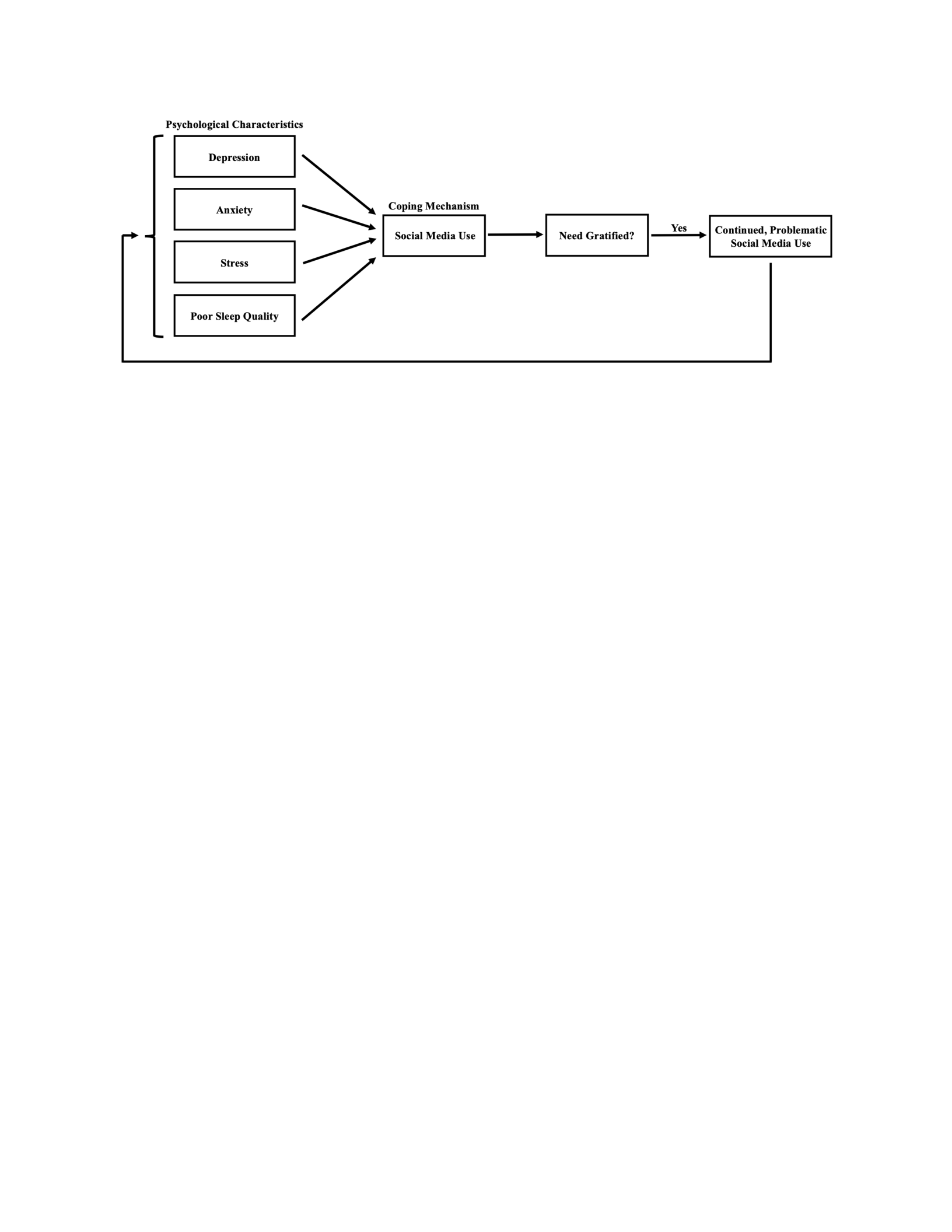
sleep health. As demonstrated in Figure 1, the presence of psychological characteristics such as
depression, anxiety, stress, and/or poor sleep quality influences one’s need to use social media as
a coping mechanism. If using social media reduces one’s levels of depression, anxiety, stress,
and/or poor sleep quality, then one’s need is gratified. When one’s need is gratified, continued
and problematic social media use will likely follow. Continued and problematic social media use
will then lead back to increased levels of depression, anxiety, stress, and/or poor sleep quality.
17
Figure 1: Theoretical Framework of Uses and Gratifications Theory within a Feedback
Loop
Present Study – Aims and Hypotheses
The present study investigated how overall social media use frequency, nighttime in-bed
social media use, social media addiction, social media self-control failure, and emotional
investment in social media relate to depression, anxiety, stress, and sleep quality in Hispanic
university emerging adults through a theoretical framework of UGT within a feedback loop.
Hypotheses were fourfold: 1) Depression will be positively associated with overall social media
use frequency, nighttime in-bed social media use, social media addiction, social media self-
control failure, and emotional investment in social media; 2) Anxiety will be positively
associated with overall social media use frequency, nighttime in-bed social media use, social
media addiction, social media self-control failure, and emotional investment in social media; 3)
Stress will be positively associated with overall social media use frequency, nighttime in-bed
social media use, social media addiction, social media self-control failure, and emotional
investment in social media; 4) Poor sleep quality will be positively associated with overall social
media use frequency, nighttime in-bed social media use, social media addiction, social media
self-control failure, and emotional investment in social media.

18
Chapter 2: Method
Participants
A power analysis was performed to determine necessary sample size by using G*Power,
a statistical power analysis tool. In G*Power, the test family was set to F-tests and the statistical
test was set to linear multiple regression fixed model, R2 deviation from zero. Power was set to
0.80, α = 0.05, and effect size to f2 = 0.042. The effect size was determined from an adjusted
squared multiple correlation between weekly social media use and poor mental health constructs
(e.g., depression, anxiety) that was derived from a study investigating the relationships between
social media use and sociodemographic and psychological constructs among Hispanic college
students (adjusted R2 = 0.04; Mathis et al., 2021). Moreover, a second squared multiple
correlation between social media use constructs (e.g., nighttime specific social media use,
emotional investment in social media) and poor sleep quality was also assessed from previous
literature (R2 = 0.13, Woods & Scott, 2016). However, because the latter correlation was larger,
the former correlation was used for the power analysis to detect the smallest possible effect size.
The number of predictors was set to seven as calculated from the number of control and
independent variables. From this power analysis, a minimum of 349 participants were required
for the present study.
Four hundred and twenty-nine university students were ultimately recruited for the
present cross-sectional study. However, 52 participants were excluded because they did not meet
the inclusion criteria. The inclusion criteria for the present study included being between 18 and
25 years of age, self-identifying as Hispanic/Latinx, and having used social media at least once
within the past week. An additional 16 participants were excluded for not passing at least three
out of four attention checks. Lastly, three participants were excluded for taking more than 24

19
hours to complete the online study. After removing these three participants, the next longest time
a participant took in completing the online study was 7.75 hours. Removing the participants
described above resulted in a final analyzable sample size of 358 Hispanic university emerging
adults (Mage = 20.11, SD = 1.79; 81.8% female).
Materials
Sociodemographic Survey
This 27-item demographic survey assesses typical demographic information (e.g., age,
sex) and information related to the COVID-19 pandemic (e.g., What best describes the impact
that the COVID-19 pandemic has had on your mental health?; Appendix A).
Social Media Use Frequency (SMUF)
This 5-item scale measures social media use frequency by assessing frequency of daily,
weekly, and monthly social media use as well as frequency of social media use divided across
major social media platforms (Facebook, Instagram, Twitter, Snapchat, TikTok, YouTube,
Reddit). For the present study, overall social media use frequency was assessed using weekly
social media use. Similar assessments of social media use frequency have been used in past
research (Gainza Perez et al., 2021; Lerma et al., 2021; Appendix B).
Adapted In-Bed Electronic Social Media Use (A-IBESMU)
This 7-item scale measures nightly electronic social media use by assessing near bedtime
and in-bed electronic social media use (Bhat et al., 2018). Items one and two assess the number
of nights per week that social media is used in the hour before going to bed and while in bed,
respectively. Item three assesses the amount of time per night that is spent on social media while
in-bed and was adapted for the present study in which the item was changed from a closed-ended
5-point Likert scale item ranging from 1 (Less than half an hour) to 5 (More than 3 hours) to a

20
non-Likert scale open-ended item. Scores from items two and three are then multiplied with the
product score representing volume of weekly in-bed electronic social media use that was termed
nighttime in-bed social media use in the present study. For example, if a participant reported
using social media at night in-bed five days a week for one hour and thirty minutes per night
while in-bed, then 5 was multiplied by 1.5 to obtain 7.5 hours of volume of weekly in-bed
electronic social media use. Items four and five assess if the participant has a bed-partner and the
bed-partner’s in-bed social media use, respectively. Items six and seven assess the number of
hours slept on weeknights and weekend nights, respectively (Appendix C).
Bergen Social Media Addiction Scale (BSMAS)
This 6-item scale measures social media addiction by assessing the six core symptoms of
addiction: salience, conflict, mood modification, withdrawal, tolerance, and relapse (Andreassen
et al., 2017; Griffiths, 2005). Items are rated on a 5-point Likert scale ranging from 1 (Very
Rarely) to 5 (Very Often). Items are summed to create a total score ranging from 6 to 30 with
higher scores indicating greater social media addiction. A conservative monothetic scoring
approach (scoring 3 or above on all 6 items) was used to identify participants with social media
addiction. The BSMAS has demonstrated adequate to high internal reliability in previous studies
(α = 0.88, Andreassen et al., 2017; α = 0.83, Gainza Perez et al., 2021). The BSMAS is a
modified version of the validated Bergen Facebook Addiction Scale which has demonstrated
adequate 3-week test-retest reliability (r = 0.82) and adequate convergent validity with the
Addictive Tendencies Scale (r = 0.69; Andreassen et al., 2012; Appendix D). Internal reliability
for the BSMAS in the present study was adequate (α = .79).

21
Social Media Self-Control Failure Scale (SMSCF)
This 3-item scale measures one’s failure to control their social media use (Du et al.,
2018). Items are rated on a 5-point Likert scale ranging from 1 (Almost Never) to 5 (Very Often).
Items are summed and a mean score is computed with higher scores indicating greater failure of
social media self-control. The SMSCF-scale has demonstrated high internal reliability at two
time points (α = 0.87 & 0.88, respectively; Du et al., 2018) and adequate 4-week test-retest
reliability (r = 0.68). However, the construct validity of the SMSCF-scale with the BSMAS was
moderate (r = 0.56), indicating that SMSCF is distinct from social media addiction (Du et al.,
2018; Appendix E). Internal reliability for the SMSCF-scale in present study was high (α = .91).
Social Media Use Integration Scale (SMUIS)
This 10-item two-factor scale measures one’s emotional investment in social media and
integration of social media into daily routines (Jenkins-Guarnieri et al., 2013). The two factors
are: 1) Social Integration and Emotional Connection (SIEC) and 2) Integration into Social
Routines. For the present study, only the first factor was used and “Facebook” was replaced with
“social media.” Items are rated on a 6-point Likert scale ranging from 1 (Strongly Disagree) to 6
(Strongly Agree). Items are summed and a mean score is computed with higher scores indicating
greater emotional investment in social media. The SIEC-factor has demonstrated high internal
reliability (α = 0.89), adequate 3-week test-retest reliability (r = 0.80), and adequate convergent
validity with the Facebook Use Intensity Scale (r = 0.69; Jenkins-Guarnieri et al., 2013;
Appendix F). Internal reliability for the SIEC-factor in the present study was high (α = .84).
Depression, Anxiety, and Stress Scale – 21 (DASS-21)
This 21-item three-factor scale measures levels of 1) depression, 2) anxiety, and 3) stress
(Lovibond & Lovibond, 1995). Items are rated on a 4-point Likert-like scale ranging from 0 (Did

22
not apply to me at all) to 3 (Applied to me very much or most of the time). Items within each
factor are summed and multiplied by two with higher scores indicating greater levels of
depression, anxiety, and/or stress. The DASS-21 has demonstrated adequate to high internal
reliability for the three factors (α = 0.91, α =0.84, & α = 0.90, respectively; Lovibond &
Lovibond, 1995). The DASS-21 depression and anxiety factors have demonstrated adequate
convergent validity with the Beck Depression Inventory and Beck Anxiety Inventory (r = 0.74 &
r = 0.81, respectively; Lovibond & Lovibond, 1995; Appendix G). Internal reliabilities for the
depression, anxiety, and stress factors in the present study were adequate to high (α = .90, α =
.83, & α = .81, respectively).
Pittsburgh Sleep Quality Index (PSQI)
This 24-item seven-component scale measures levels of one’s 1) subjective sleep quality,
2) sleep latency, 3) sleep duration, 4) habitual sleep efficiency, 5) sleep disturbances, 6) use of
sleeping medication, and 7) daytime dysfunction (Buysse et al., 1989). Within the 24-items, 19
are self-rated, and five are rated by the bed partner or roommate if one is available. For the
present study, only the self-rated questions were used as these are the only questions that are
included in the scoring. Items are grouped into seven component scores with each component
given a score ranging from 0 (No Difficulty) to 3 (Severe Difficulty). The seven component scores
are then summed to provide a ‘global sleep quality’ score ranging from 0 to 21 with higher scores
indicating poorer sleep quality and a score greater than 5 distinguishing poor sleepers from good
sleepers. The PSQI has demonstrated adequate internal reliability (α = 0.83) and high test-retest
reliability (r = 0.85). However, the PSQI did not demonstrate convergent validity with
polysomnography (Buysse et al., 1989). Despite low validity, the PSQI is widely used as one
review (Alonzo et al., 2021) reported 17 of 42 studies using the PSQI to measure sleep quality

23
(Appendix H). Internal reliability for the PSQI in the present study was slightly less than
acceptable (α = .57).
End-of-Survey Questionnaire
This 3-item questionnaire measures how comfortable participants are in answering
questions about their mental health, sleep health, and social media use. Items are rated on a 5-
point Likert scale ranging from 1 (Uncomfortable) to 5 (Very Comfortable). Items are summed
and a mean score is computed with higher scores indicating greater comfortability in answering
questions about mental health, sleep health, and social media use (Appendix I).
Procedure
Prior to study implementation, approval was obtained from the University Institutional
Review Board. Data were collected between January 20, 2023 and March 13, 2023. Participants
were recruited via SONA-system, a secure web-based recruitment website. Participants first read
and electronically signed a consent form using the Qualtrics platform. Once consent was
obtained, participants who chose to participate in the study completed a series of questionnaires
not connected to the consent form. Measures were responded to in Qualtrics and the order of
measures was randomized to protect against order effects. Participants received course credit for
their participation, were debriefed regarding the study, and were offered mental health resources
such as the University Counseling Center.
Approach to Analyses
Descriptive analyses were performed to yield participant characteristics. Bivariate
analyses were performed to assess the correlations between age, biological sex, overall social
media use frequency, nighttime in-bed social media use, social media addiction, social media
self-control failure, emotional investment in social media, depression, anxiety, stress, and sleep

24
quality. Multiple linear regressions were conducted to test hypotheses. Specifically, four multiple
linear regression models were performed in which depression, anxiety, stress, and sleep quality
served as the dependent variables. Five independent variables of interest were included in each
model: overall social media use frequency, nighttime in-bed social media use, social media
addiction, social media self-control failure, and emotional investment in social media. All models
controlled for participant age and biological sex because past studies have observed links
between these variables and the present study’s variables of interest (e.g., Andreassen et al.,
2017; Graves et al., 2021). Squared semi-partial correlations were performed to assess how much
each independent variable of interest uniquely contributed to the variance in the dependent
variable above and beyond all other independent variables.
To assess that variables were normally distributed, cutoff scores of |Sk|<2 and |Ku|<7
were used (Kim, 2013). Using these guidelines, all variables met the assumption of normality
with the exception of overall social media use frequency and nighttime in-bed social media use.
Despite exhibiting non-normality, these two variables were treated as is given that past studies
using similar variables did not modify such variables (e.g., Gainza Perez et al., 2021; Lerma et
al., 2021). Furthermore, the time spent on a behavior (e.g., using social media) may be
considered as quasi-count data (Green et al., 2021) and these type of data are often non-normal
with true outliers. There were no issues of multicollinearity in either of the four multiple linear
regression models as the variance inflation factor was less than 10 and the tolerance value was
greater than 0.100 for each independent variable.

25
Chapter 3: Results
Participants had an average age of 20.11 years (SD = 1.79) and 81.8% of the sample were
women (see table 1). Participants reported using social media an average of 4.58 hours (SD =
2.87) per day, an average of 27.36 hours (SD = 21.94) per week, and an average of 119.30 hours
(SD = 130.69) per month (assuming 30 days per month). Of the total number of hours
participants reported spending on social media per day, participants reported on average using
Facebook 6.57% of the time, Instagram 31.35% of the time, Twitter 5.53% of the time, Snapchat
6.13% of the time, TikTok 33.90% of the time, YouTube 13.02% of the time, Reddit 1.23% of
the time, and other platforms (e.g., Pinterest, Discord, WhatsApp) 1.84% of the time.
Participants used English on social media an average of 73.58% of the time, Spanish 26.24% of
the time, and other languages (e.g., French, Korean) .18% of the time. For nighttime in-bed
social media use, participants reported on average spending 14.20 hours (SD = 14.69) on social
media at night in-bed per week. Approximately 15.1% of the sample met the conservative
threshold for social media addiction.
Using the DASS-21 thresholds provided by Lovibond and Lovibond (1995), participants
reported on average mild-to-moderate levels of depression (M = 13.57, SD = 11.00), moderate
levels of anxiety (M = 11.03, SD = 9.42), and normal-to-mild levels of stress (M = 14.91, SD =
9.05). Using the PSQI threshold that a global sleep quality score of greater than 5 distinguishes
poor sleepers from good sleepers (Buysse et al., 1989), 76.7% of the sample were considered
poor sleepers. Participants reported moderate-to-high levels of comfortability in responding to
questions about their social media use (M = 4.06, SD = 1.09), mental health (M = 3.77, SD =
1.209), and sleep health (M = 4.23, SD = .998).

26
Table 1: Participant Characteristics and Descriptive Statistics
Participants (n = 358)
Characteristic
Frequency
n
Biological Sex
Women
81.8%
293
Men
18.2%
65
Social media addiction
Above monothetic addiction score
15.1%
53
PSQI
Poor sleepers
76.7%
267
Measures
Mean
Median
SD
Range
Age
20.11
20.00
1.79
18–25
Daily social media use (hours)
4.58
4.00
2.87
0–20.50
Weekly social media use (hours)
27.36
22.00
21.94
1.40–160.83
Monthly social media use (hours)
119.30
85.00
130.69
0–720.08
Nighttime in-bed social media use (hours)
14.20
10.50
14.69
0–140.58
Social media addiction
17.45
18.00
5.20
6–30
Social media self-control failure
3.61
3.67
0.91
1–5
Emotional investment in social media
2.73
2.67
1.13
1–5.67
DASS-21
Depression
13.57
12.00
11.00
0–42
Anxiety
11.03
8.00
9.42
0–42
Stress
14.91
14.00
9.05
0–42
PSQI
Subjective sleep quality
1.25
1.00
0.61
0–3
Sleep latency
1.42
2.00
1.00
0–3
Sleep duration
1.20
1.00
0.88
0–3
Habitual sleep efficiency
0.67
0.00
0.98
0–3
Sleep disturbances
1.22
1.00
0.54
0–3
Use of sleeping medication
0.51
0.00
0.95
0–3
Daytime dysfunction
1.44
1.00
0.82
0– 3
Global sleep quality score
7.73
7.00
3.13
1–17
Note. Any sample size deviations are a result of missing data; DASS-21: Depression, Anxiety,
and Stress Scale – 21; PSQI: Pittsburgh Sleep Quality Index; Higher scores on PSQI components
indicate poorer sleep patterns
Bivariate Correlations of Interest
Overall social media use frequency was positively correlated with depression (r = .111)
and anxiety (r = .131). Nighttime in-bed social media use was positively correlated with anxiety
(r = .113) and poor sleep quality (r = .135). Social media addiction was positively correlated with
depression (r = .374), anxiety (r = .368), stress (r = .456), and poor sleep quality (r = .334).

27
Similarly, social media self-control failure was positively correlated with depression (r = .295),
anxiety (r = .313), stress (r = .394), and poor sleep quality (r = .293). Emotional investment in
social media was also positively correlated with depression (r = .262), anxiety (r = .174), stress
(r = .220), and poor sleep quality (r = .198; see table 2).
28
Table 2: Correlation Matrix of Study Variables
Variable
1.
2.
3.
4.
5.
6.
7
8.
9.
10.
11.
1. Sex
1
2. Age
-.121
1
3. Overall social media use frequency
.146
-.068
1
4. Nighttime in-bed social media use
.088
-.099
.328
1
5. Social media addiction
.158
-.129
.122
.131
1
6. Social media self-control failure
.134
-.131
.164
.139
.565
1
7. Emotional investment in social media
.132
-.086
.128
.098
.472
.354
1
8. Depression
.065
-.039
.111
.071
.374
.295
.262
1
9. Anxiety
.130
-.035
.131
.113
.368
.313
.174
.628
1
10. Stress
.156
-.039
.066
.078
.456
.394
.220
.701
.755
1
11. Sleep quality
.088
-.032
.082
.135
.334
.293
.198
.430
.440
.478
1
Note. Bold text indicates significance at p < .05; Men were coded as 1 and women as 2.

29
Multiple Linear Regression Models
The model assessing depression was statistically significant, (F(7,332) = 8.536, R2 = .153,
p < .001). Participants who reported greater levels of social media addiction reported greater
levels of depression (
b
= .265, p < .001), and social media addiction uniquely accounted for
4.1% of the variance in depression above and beyond all other entered independent variables (see
table 3).
Table 3: Multiple Linear Regression of Social Media Use Constructs Predicting Depression
Variable
95% CI for B
B
SE
b
sr2
Lower
Upper
Sex
-.004
1.488
.000
.000
-2.930
2.923
Age
.025
.315
.004
.000
-.595
.644
Overall social media use frequency
.025
.027
.051
.003
-.027
.078
Nighttime in-bed social media use
-.006
.040
-.009
.000
-.086
.073
Social media addiction
.561
.139
.265
.041
.287
.835
Social media self-control failure
1.284
.745
.107
.008
-.181
2.749
Emotional investment in social media
.767
.563
.079
.005
-.341
1.875
R2
.153
.135
Adjusted R2
Note. The overall model was significant: (F(7,332) = 8.536, R2 = .153, p < .001); Bold text
indicates significance at p < .05; Men were coded as 1 and women as 2.
The model assessing anxiety was statistically significant, (F(7,326) = 8.718, R2 = .158, p
< .001). Participants who reported greater levels of social media addiction reported greater levels
of anxiety (
b
= .278, p < .001), and social media addiction uniquely accounted for 4.6% of the
variance in anxiety above and beyond all other entered independent variables. Participants who
reported greater levels of social media self-control failure reported greater levels of anxiety (
b
=
.137, p = .029), and social media self-control failure uniquely accounted for 1.2% of the variance
in anxiety above and beyond all other entered independent variables (see table 4).
Table 4: Multiple Linear Regression of Social Media Use Constructs Predicting Anxiety
Variable
95% CI for B
B
SE
b
sr2
Lower
Upper
Sex
1.923
1.285
.078
.006
-.606
4.451
Age
.101
.269
.019
.000
-.428
.630

30
Overall social media use frequency
.024
.023
.056
.003
-.021
.069
Nighttime in-bed social media use
.020
.035
.031
.001
-.049
.089
Social media addiction
.506
.120
.278
.046
.271
.742
Social media self-control failure
1.416
.646
.137
.012
.145
2.687
Emotional investment in social media
-.303
.484
-.036
.001
-1.255
.650
R2
.158
.140
Adjusted R2
Note. The overall model was significant: (F(7,326) = 8.718, R2 = .158, p < .001); Bold text
indicates significance at p < .05; Men were coded as 1 and women as 2.
The model assessing stress was statistically significant, (F(7,332) = 14.904, R2 = .239, p
< .001). Women reported greater levels of stress (
b
= .105, p = .034). Participants who reported
greater levels of social media addiction reported greater levels of stress (
b
= .339, p < .001), and
social media addiction uniquely accounted for 6.9% of the variance in stress above and beyond
all other entered independent variables. Participants who reported greater levels of social media
self-control failure reported greater levels of stress (
b
= .200, p < .001), and social media self-
control failure uniquely accounted for 2.7% of the variance in stress above and beyond all other
entered independent variables (see table 5).
Table 5: Multiple Linear Regression of Social Media Use Constructs Predicting Stress
Variable
95% CI for B
B
SE
b
sr2
Lower
Upper
Sex
2.464
1.155
.105
.010
.191
4.737
Age
.138
.242
.028
.001
-.339
.614
Overall social media use frequency
-.007
.021
-.017
.000
-.048
.034
Nighttime in-bed social media use
-.004
.031
-.006
.000
-.065
.058
Social media addiction
.592
.108
.339
.069
.380
.805
Social media self-control failure
1.982
.578
.200
.027
.846
3.116
Emotional investment in social media
-.216
.436
-.027
.001
-1.073
.641
R2
.239
.223
Adjusted R2
Note. The overall model was significant: (F(7,332) = 14.904, R2 = .239, p < .001); Bold text
indicates significance at p < .05; Men were coded as 1 and women as 2.
The model assessing sleep quality was statistically significant, (F(7,329) = 6.853, R2 =
.127, p < .001). Participants who reported greater levels of social media addiction reported

31
poorer sleep quality (
b
= .230, p < .001), and social media addiction uniquely accounted for
3.1% of the variance in sleep quality above and beyond all other entered independent variables.
Participants who reported greater levels of social media self-control failure reported poorer sleep
quality (
b
= .139, p = .029), and social media self-control failure uniquely accounted for 1.3% of
the variance in sleep quality above and beyond all other entered independent variables (see table
6).
Table 6: Multiple Linear Regression of Social Media Use Constructs Predicting Sleep
Quality
Variable
95% CI for B
B
SE
b
sr2
Lower
Upper
Sex
.279
.432
.034
.001
-.570
1.129
Age
.047
.090
.028
.001
-.130
.224
Overall social media use frequency
-.003
.008
-.017
.000
-.019
.014
Nighttime in-bed social media use
.013
.012
.064
.003
-.009
.036
Social media addiction
.136
.040
.230
.031
.057
.214
Social media self-control failure
.468
.213
.139
.013
.049
.886
Emotional investment in social media
.059
.164
.022
.000
-.259
.377
R2
.127
.109
Adjusted R2
Note. The overall model was significant: (F(7,329) = 6.853, R2 = .127, p < .001); Bold text
indicates significance at p < .05; Men were coded as 1 and women as 2.

32
Chapter 4: Discussion
The aim of the present study was to investigate how overall social media use frequency,
nighttime in-bed social media use, social media addiction, social media self-control failure, and
emotional investment in social media relate with depression, anxiety, stress, and sleep quality in
a sample of Hispanic university emerging adults through a theoretical framework of UGT within
a feedback loop. All hypotheses were partially supported such that social media addiction was
positively associated with depression, anxiety, stress, and poor sleep quality and social media
self-control failure was positively associated with anxiety, stress, and poor sleep quality in
multiple linear regression analyses.
In the present sample, participants reported using social media an average of 27.36 hours
per week, indicating a 35.78% increase in weekly social media use from the number of hours
observed in the study by Lerma et al. (2021) that was conducted in a similar sample – Hispanic
university students. However, this increase in social media use may be slightly underestimated
given that the university where data were collected banned TikTok on the university’s Wi-Fi
networks (Fischer, 2023) approximately a week before data collection began. Despite this ban,
the amount of time spent on social media observed in the present study suggests that Hispanic
university emerging adults living on the United States – Mexico border are using social media at
high rates and are technologically literate. Approximately 15.1% of the present sample met the
conservative threshold for social media addiction (Andreassen et al., 2012), a percentage
comparable to other studies conducted among Hispanic university students (Gainza Perez et al.,
2021; Lerma et al., 2021). Additionally, 76.7% of the sample were considered poor sleepers
according to the PSQI (Buysse et al., 1989), which may support the findings that Hispanic
groups are at risk for poor sleep quality (Roncoroni et al., 2022). Regarding sociodemographic

33
findings, women reported greater levels of stress than men which replicates past research
(Graves et al., 2021) and suggests that women may be more likely to perceive events as stressors
in college settings such as passing final exams.
Mental Health
Depression and Anxiety
Although overall social media use frequency was positively correlated with depression
and anxiety, no association was observed between overall social media use frequency and
depression and anxiety in regression analyses, thus contributing to the mixed findings regarding
this relationship (Alsunni & Latif, 2021; Franco & Carrier, 2020; Twenge et al., 2018; Woods &
Scott, 2016). Franco and Carrier (2020) also observed a null association between depression and
anxiety with social media use after holding other media constructs constant (e.g., media sharing)
in a Hispanic sample. However, Franco and Carrier (2020) observed that acculturation
moderated the relationship between social media use and depression and anxiety (these
moderations were marginally significant, p < .10) such that there was a positive association
between social media use and depression and anxiety for Hispanics reporting higher levels of
acculturation indicating that being less connected to one’s cultural group may in turn lead to
unhealthy social media use. (Franco & Carrier, 2020). Conversely though, another study found a
positive association between social media use and anxiety in a national sample of emerging
adults (Vannucci et al., 2017) and reasoned that increased awareness of anxiety-inducing events
seen on social media (e.g., mass shootings) may lead to greater levels of anxiety. Therefore,
future studies may wish to investigate these relationships between Hispanic emerging adults and
non-Hispanic emerging adults to assess if sociocultural constructs affect the magnitude of such
relationships.

34
A second notable point is that a relationship between social media use frequency and
depression and anxiety is typically observed in adolescent samples (Woods & Scott, 2016) and
less frequently observed in adult samples (Alsunni & Latif, 2021). This also seems consistent
with the relationship between nighttime in-bed social media use and anxiety and depression, in
which the current study also observed a null association between these variables in regression
analyses indicating that the timing of social media use (nighttime use versus overall use) may not
affect emerging adults’ mental health, yet may affect adolescents’ mental health. Indeed,
adolescence is a time period of major development (e.g., biologically through puberty and sleep
changes; Carskadon, 2002; Sisk & Romeo, 2020) which may make adolescents more vulnerable
to external influences such as nighttime in-bed social media use than emerging adults. Future
longitudinal studies may investigate how overall and nighttime in-bed social media use are
associated with depression and anxiety during adolescence and while transitioning into emerging
adulthood.
Consistent with past literature (Mamun & Griffiths, 2019; Shannon et al., 2022; Wong et
al., 2020) and hypotheses, social media addiction was positively associated with both depression
and anxiety and explained the most unique variance in depression and anxiety. This finding was
particularly expected due to the components that create social media addiction, specifically mood
modification and withdrawal. This finding suggests that Hispanic emerging adults may use social
media addictively to reduce poor mental health and increase pleasurable feelings, yet poor
mental health may result from not being able to access social media. Indeed, the present study’s
theoretical framework of UGT (Katz et al., 1973; Rubin, 1993) within a feedback loop supports
this finding such that emerging adults may have a need to cope with their pre-existing poor
mental health conditions by using social media. If using social media gratifies one’s need to cope

35
with depression and/or anxiety, then continued and addictive social media use may follow.
However, using social media addictively may in turn increase poor mental health. Considering
that the current study was cross-sectional, investigating temporality of these observed
relationships using a theoretical framework of UGT within a feedback loop may be fruitful for
future studies. Moreover, future studies are warranted to investigate how the individual
components of social media addiction relate to depression and anxiety for the development of
targeted interventions, especially as emerging adults are at increased risk for mental illness
(NIMH, 2022).
Findings also revealed a positive association between social media self-control failure
and anxiety, yet not depression. Social media self-control failure is when one cannot control their
social media use even when their use at that time conflicts with or delays important goals (Du et
al., 2018) such as studying for a final exam. Two explanations for the present finding are
noteworthy. First, social media self-control failure may be more attune with anxiety as using
social media to delay important goals (e.g., studying for an exam) may increase one’s feelings of
worry and thus anxiety, while not so much affecting one’s depressed mood, such as experiencing
a loss of pleasure. Second and consistent with UGT (Katz et al., 1973; Rubin, 1993), high levels
of anxiety may influence one’s need to use social media as a coping mechanism and if using
social media diminishes one’s anxiety, then one’s need is gratified leading to continued social
media use and potentially social media self-control failure. Together, these findings indicate that
specific social media behaviors may have differential effects on different psychopathology,
underscoring the need to assess nuanced social media constructs as they relate with specific
psychopathology for well-informed and targeted interventions for Hispanic university emerging
adults. Despite the explanation UGT provides for this observed relationship between anxiety and

36
social media self-control failure, future longitudinal studies are necessary to determine
temporality.
Inconsistent with hypotheses, emotional investment in social media was not uniquely
associated with depression or anxiety, after holding participant age and sex and additional social
media use constructs constant. This was unexpected as previous studies have observed a positive
association between emotional investment in social media and depression and anxiety in
adolescents (Woods & Scott, 2016) and university students (Alsunni & Latif, 2021). These null
findings may be attributable to the statistical control of social media addiction. Although there
were no issues of multicollinearity in either of the four multiple linear regression models,
emotional investment in social media may be obscured by the withdrawal symptom of social
media addiction given the high similarity between the two constructs. Specifically, emotional
investment in social media is when one feels upset and disappointed when one cannot access
social media (Jenkins-Guarnieri et al., 2013; Woods & Scott, 2016) and social media withdrawal
refers to the unpleasant states (e.g., stress, irritability) that occur when social media cannot be
accessed (Andreassen, 2015; Griffiths et al., 2014). Future studies may wish to compare the
differences and similarities between emotional investment in social media and social media
addiction.
Stress
Similar to depression and anxiety findings, stress was not associated with overall social
media use frequency nor nighttime in-bed social media use in regression analyses. This finding
also adds to the mixed literature between negative affect and social media use (Denq et al., 2018;
Franco & Carrier, 2020). For the present study, it may be that Hispanic sociocultural constructs,
such as familism which involves tender and supportive relations among family members

37
(Campos et al., 2014), protect against negative affect and poor mental health. Indeed, one study
found that of people with a Hispanic, European, or Asian background, those with a Hispanic
background reported the highest levels of familism (Campos et al., 2014); another study
observed that greater levels of familism were associated with lower levels of negative affect
(Corona et al., 2017). Future studies may wish to investigate how familism and other
sociocultural constructs impact the relationship between social media use and negative affect
between Hispanic groups and non-Hispanic groups.
Consistent with past literature (Brailovskaia et al., 2021; Shannon et al., 2022; Wong et
al., 2020) and hypotheses, social media addiction was positively associated with stress.
Explanations here may be similar to those regarding depression and anxiety discussed above.
Specifically, components two and three of UGT (Katz et al., 1973; Rubin, 1993) would postulate
that high levels of stress influence one’s need to use social media as a coping mechanism. If this
need of coping with high levels of stress is gratified by using social media, continued and
addictive social media use will likely occur. However, using social media addictively may in turn
lead back to high levels of stress. This finding supports the theoretical framework of UGT (Katz
et al., 1973; Rubin, 1993) within a feedback loop, which potentially provides further insight that
the relationship between social media addiction and negative affect may be cyclical and
bidirectional. Despite the theoretical framework of UGT within a feedback loop, prospective
studies are necessary to investigate whether this observed relationship is unidirectional or
bidirectional.
Additionally, increased social media self-control failure was associated with increased
levels of stress. Two explanations may help elucidate this finding. First and consistent with UGT
(Katz et al., 1973; Rubin, 1993), high levels of stress may influence one’s need to use social

38
media as a coping mechanism and if using social media reduces one’s stress, then one’s need is
gratified leading to continued social media use and potentially social media self-control failure.
Second, because the present sample was comprised of university students, this finding may also
suggest that emerging adult university students use social media problematically and in turn
procrastinate their academic tasks which results in increased levels of stress from late or
incomplete coursework. Indeed, one study noted that constantly checking Facebook predicted
using Facebook to procrastinate which in turn predicted increased academic stress (Meier et al.,
2016). However, Du et al. (2018) argued that procrastination is distinct from social media self-
control failure such that the former includes postponing difficult, distressing tasks (e.g., writing a
final term paper) and the latter involves delaying a range of tasks (e.g., doing laundry).
Therefore, along with suggestions from Du et al. (2018), future studies may wish to compare
procrastination and social media self-control failure and how each are associated with negative
affect.
Inconsistent with hypotheses, emotional investment in social media was not associated
with stress in regression analyses after controlling for participant age and sex and other social
media use constructs. This was the first study to investigate this relationship, yet Lowe-Calverley
et al. (2019) found that stress and Instagram investment were positively associated with each
other. Past studies have reasoned that different social media platforms are used for different
purposes. For example, Facebook is typically used for leisure and forming and maintaining
relationships (Ryan et al., 2014), while Twitter is used for broad entertainment (e.g., celebrity
updates; Hargittai & Litt, 2011), and Instagram is primarily used for posting photos and browsing
others’ photos (Lee et al., 2015). It may be that depending on the type of purpose of each
platform, one’s levels of stress are impacted. The current study investigated broad general social

39
media use, so future studies are recommended to investigate how emotional investment in
different major social media platforms are associated with depression, anxiety, and stress.
Indeed, the present study observed that participants reported spending large amounts of time on
Instagram and TikTok per day which highlights the need to distinguish between social media
platforms.
Sleep Health
Findings between social media use constructs and sleep health revealed two of the
hypothesized associations in the present study. Unexpectedly, overall social media use frequency
and nighttime in-bed social media use were not associated with poor sleep quality in regression
analyses, a finding that differs from the majority of the literature (Bhat et al., 2018; Graham et
al., 2021; Tavernier & Willoughby, 2014; Woods & Scott, 2016). However, nighttime in-bed
social media use was positively correlated with poor sleep quality in univariate analyses. Despite
this correlation, two explanations may help illuminate the present study’s null findings observed
in regression analyses. First, many of the studies that observe a relationship between social
media use and poor sleep quality are conducted in adolescent samples (Lemola et al., 2015; Seo
et al., 2017; Vernon et al., 2017; Woods & Scott, 2016). Adolescents experience major sleep
changes, such as natural and biological shifts in their circadian rhythms and sleep-wake cycles
(Carskadon, 2002). These changes may make adolescents’ sleep patterns more vulnerable to
social media use and in particular nighttime in-bed social media use, unlike emerging adults.
Second, the PSQI (Buysse et al., 1989) which was used to measure sleep quality in the present
study revealed low internal reliability, thus all sleep quality findings in the present study should
be interpreted with caution. One study that assessed the factorial validity of the PSQI in
adolescents and young adults observed a lower reliability (de la Vega et al., 2015; α = .72) than

40
the original reliability reported by Buysse et al. (1989; α = .83), suggesting that the reliability of
the PSQI may shift among different populations. Future studies should use sleep quality
measures already validated in Hispanic populations and/or further validate the PSQI in Hispanic
populations.
In line with past research (Mamun & Griffiths, 2019; Masood et al., 2021; Sümen &
Evgin, 2021; Wong et al., 2020) and hypotheses, social media addiction and social media self-
control failure were both positively associated with poorer sleep quality in Hispanic university
emerging adults. Three reasonings may help explicate these hypothesized findings. First and
consistent with a theoretical framework of UGT (Katz et al., 1973; Rubin, 1993) within a
feedback loop, Hispanic emerging adults with pre-existing sleep problems may have a need to
use social media as a coping mechanism. If using social media gratifies one’s need to cope with
sleep problems, then continued and problematic social media use will likely follow. However,
using social media problematically may introduce even more sleep problems, thus creating a
vicious cycle between poor sleep health and problematic social media use. Despite the utility of
UGT within a feedback loop, future studies that employ longitudinal designs are necessary to
establish temporality between problematic social media use and poor sleep health. Second and
similar with how previous studies have reasoned (e.g., Levenson et al., 2016), using social media
addictively and losing control over social media use may directly replace sleep in which one may
stay up throughout the night using social media resulting in poor sleep health. Third, light from
electronic devices being used to access social media may adversely impact one’s sleep-wake
cycle and levels of melatonin (Lewy et al., 1980), therefore leading to poor sleep health. Given
these observed relationships, clinical interventions may be justified to assess Hispanic university

41
emerging adults’ social media use patterns and intervene before these patterns become
problematic.
Last, emotional investment in social media was not uniquely associated with poor sleep
quality after controlling for participant age and sex and other social media use constructs in
regression analyses which was inconsistent with hypotheses. Investigating this relationship was
more exploratory in the present study as only one study has investigated this relationship in
adolescents in which a positive association between emotional investment in social media and
poor sleep quality was observed (Woods & Scott, 2016). Explanations here may be similar to
those discussed above such that adolescents’ sleep patterns may be more vulnerable to external
influences than emerging adults’ sleep patterns. Alternatively, poor sleep quality in Hispanic
individuals may be more attributable to other more salient factors such as discrimination,
acculturation, and stress (Roncoroni et al., 2022) and not emotional investment in social media.
Due to the rising number of social media users in the world (Statista, 2022a), studies may wish to
continue investigating how emotional investment in social media is associated with sleep quality
in different populations.
Limitations and Strengths
Several limitations and strengths exist in the present study. Three limitations are notable.
First, the PSQI demonstrated low reliability, thus results concerning sleep quality should be
interpreted with caution. Second, data were collected using a convenience sample that included
mostly women and included only Hispanic university emerging adults, thus limiting
generalizability to other non-university Hispanic emerging adults and emerging adults from other
ethnocultural groups. Third, the current study employed a cross-sectional design which does not

42
allow for the temporal, causal assessment of observed relationships, necessitating prospective
studies.
Despite the above limitations, three strengths are notable as well. First, the present study
expands on the scarce literature examining the relationships between social media use constructs
and mental health in Hispanic groups (Franco & Carrier, 2020; Mathis et al., 2021) and was the
first to investigate how different social media use constructs relate with sleep health in Hispanic
university emerging adults. Thus, the homogeneity of the sample is also a strength. Second, this
study was one of the first to assess how social media self-control failure relates with mental and
sleep health, and results indicate that social media self-control failure may be especially
important to target in Hispanic university emerging adults. Third, the present study examined the
variables of interest through a framework of UGT within a feedback loop, therefore providing
theoretical support behind the observed relationships in the present study.
Clinical Implications and Future Directions
In sum, the findings of the present study indicate that greater levels of social media
addiction and social media self-control failure are associated with poorer mental and sleep health
in Hispanic university emerging adults. Given these findings along with past findings indicating
that social media addiction serves as a risk factor for poor sleep health and depression in
adolescents (Lin et al., 2021; Raudsepp, 2019), clinical implications certainly warrant discussion
considering the increased rate that emerging adults are using social media (Pew Research Center,
2021), the sleep disparities Hispanic groups experience (Roncoroni et al., 2022), and the
increased risk that Hispanic groups and emerging adults are at for mental illness (NIMH, 2022).
Motivational enhancement in which emerging adults weigh the advantages and disadvantages of
using social media, particularly before bedtime, may help decrease problematic social media use

43
patterns. Cognitive-behavioral therapy may help emerging adults reflect on social media
behaviors that adversely impact their mental and sleep health. Importantly, therapists may
educate clients about the benefits of discontinuing social media use, even if the discontinuation is
temporary. Indeed, one experimental intervention found that taking a one-week break from social
media increased psychological well-being and decreased levels of depression and anxiety
(Lambert et al., 2022). However, this discontinuation of social media use may be sudden for
individuals using social media problematically. Thus, interventions may initially focus on
decreasing usage throughout the day by using daily dairy journals that capture when one’s
thoughts of using social media are most pervasive and when one fails to control their social
media use to target situations and/or behaviors that precipitate problematic social media use.
Future prospective and longitudinal studies are warranted to investigate the observed
relationships in the present study to determine temporality and causality. Furthermore, future
studies are encouraged to include other Hispanics, non-Hispanics, and non-university emerging
adult samples. Moreover, studies should assess how sociocultural constructs such as
acculturation and familism affect the relationships between social media use constructs and
mental and sleep health. Studies should continue to investigate how nuanced social media
constructs, such as social media self-control failure, emotional investment in social media, and
different social media motives relate with mental and sleep health. Other methodologies such as
ecological momentary assessments in which participants complete daily logs of their social
media use patterns can be used to better capture these associations in real-time.
Conclusion
The present study investigated how overall social media use frequency, nighttime in-bed
social media use, social media addiction, social media self-control failure, and emotional

44
investment in social media relate with depression, anxiety, stress, and sleep quality in a sample of
Hispanic university emerging adults through a theoretical framework of UGT within a feedback
loop. Multiple linear regressions were performed to test the above relationships and the present
study observed that greater levels of social media addiction and social media self-control failure
were associated with poorer mental health and poorer sleep health. Future research is necessary
to investigate the temporality of these relationships and include other populations. Clinically,
assessing social media self-control failure and social media addiction behaviors and how each
relate with mental and sleep health in Hispanic university emerging adults seems vital.

