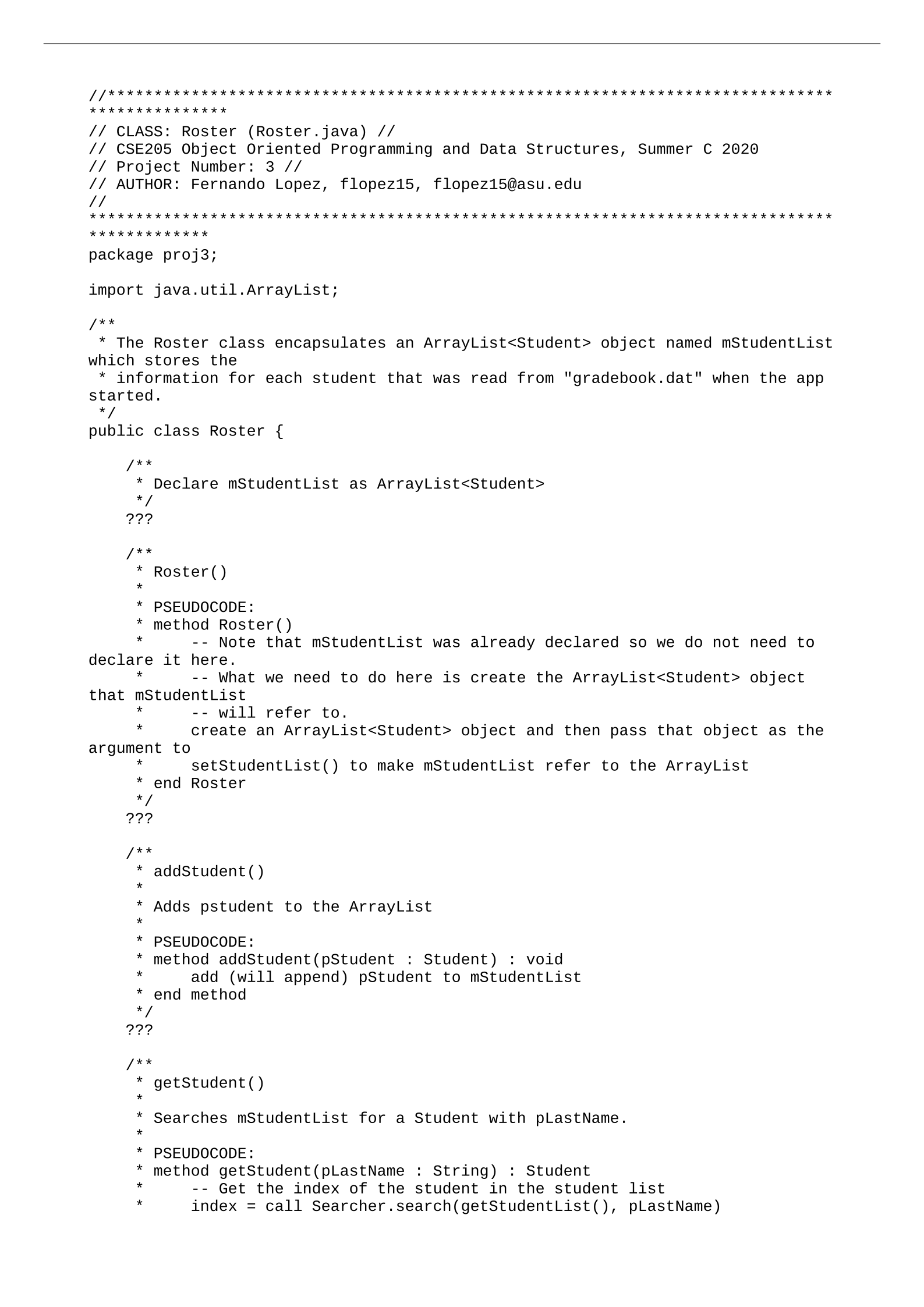
//******************************************************************************
***************
// CLASS: Roster (Roster.java) //
// CSE205 Object Oriented Programming and Data Structures, Summer C 2020
// Project Number: 3 //
//
********************************************************************************
*************
package proj3;
import java.util.ArrayList;
/**
* The Roster class encapsulates an ArrayList<Student> object named mStudentList
which stores the
* information for each student that was read from "gradebook.dat" when the app
started.
*/
public class Roster {
/**
* Declare mStudentList as ArrayList<Student>
*/
???
/**
* Roster()
*
* PSEUDOCODE:
* method Roster()
* -- Note that mStudentList was already declared so we do not need to
declare it here.
* -- What we need to do here is create the ArrayList<Student> object
that mStudentList
* -- will refer to.
* create an ArrayList<Student> object and then pass that object as the
argument to
* setStudentList() to make mStudentList refer to the ArrayList
* end Roster
*/
???
/**
* addStudent()
*
* Adds pstudent to the ArrayList
*
* PSEUDOCODE:
* method addStudent(pStudent : Student) : void
* add (will append) pStudent to mStudentList
* end method
*/
???
/**
* getStudent()
*
* Searches mStudentList for a Student with pLastName.
*
* PSEUDOCODE:
* method getStudent(pLastName : String) : Student
* -- Get the index of the student in the student list
* index = call Searcher.search(getStudentList(), pLastName)
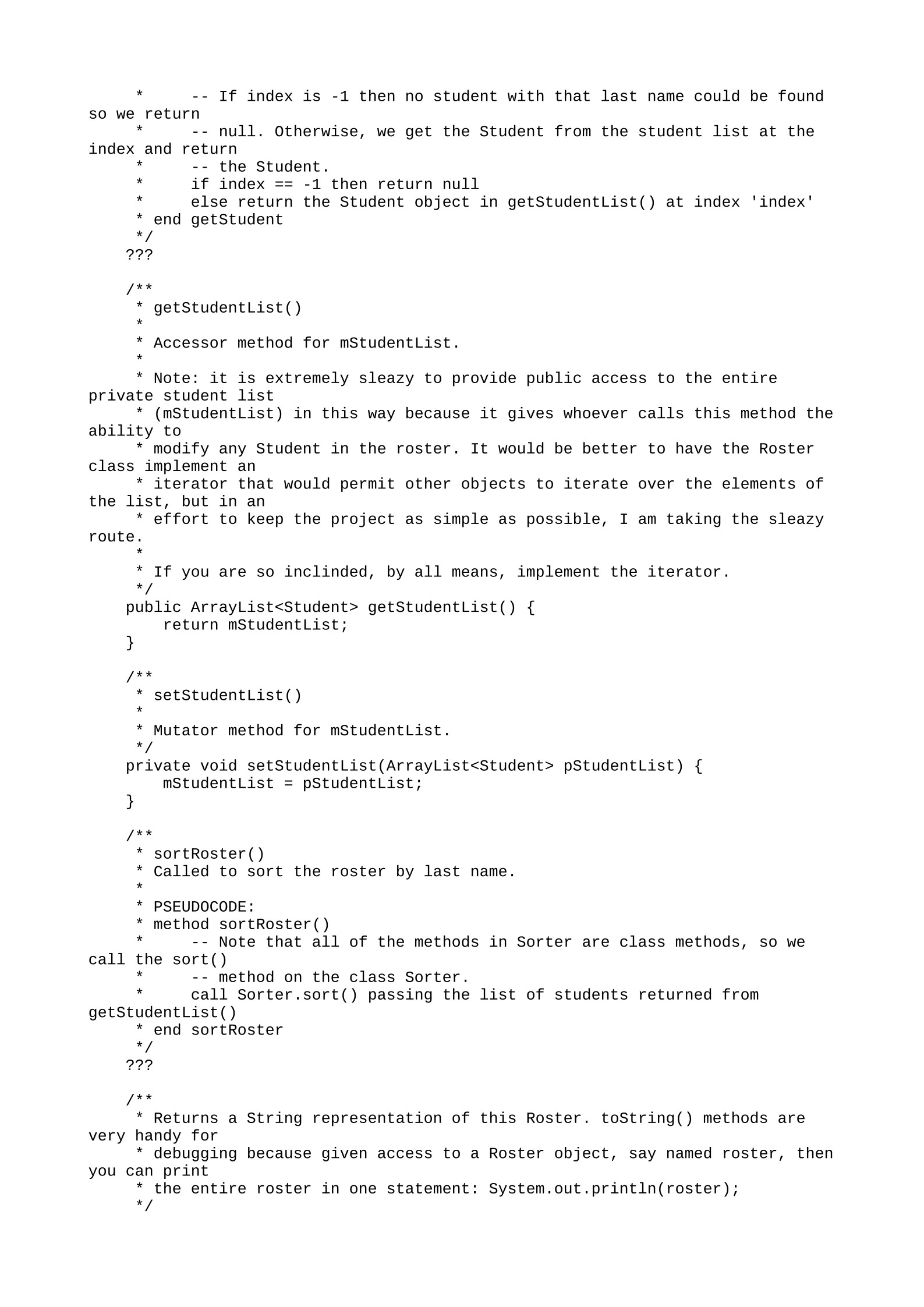
* -- If index is -1 then no student with that last name could be found
so we return
* -- null. Otherwise, we get the Student from the student list at the
index and return
* -- the Student.
* if index == -1 then return null
* else return the Student object in getStudentList() at index 'index'
* end getStudent
*/
???
/**
* getStudentList()
*
* Accessor method for mStudentList.
*
* Note: it is extremely sleazy to provide public access to the entire
private student list
* (mStudentList) in this way because it gives whoever calls this method the
ability to
* modify any Student in the roster. It would be better to have the Roster
class implement an
* iterator that would permit other objects to iterate over the elements of
the list, but in an
* effort to keep the project as simple as possible, I am taking the sleazy
route.
*
* If you are so inclinded, by all means, implement the iterator.
*/
public ArrayList<Student> getStudentList() {
return mStudentList;
}
/**
* setStudentList()
*
* Mutator method for mStudentList.
*/
private void setStudentList(ArrayList<Student> pStudentList) {
mStudentList = pStudentList;
}
/**
* sortRoster()
* Called to sort the roster by last name.
*
* PSEUDOCODE:
* method sortRoster()
* -- Note that all of the methods in Sorter are class methods, so we
call the sort()
* -- method on the class Sorter.
* call Sorter.sort() passing the list of students returned from
getStudentList()
* end sortRoster
*/
???
/**
* Returns a String representation of this Roster. toString() methods are
very handy for
* debugging because given access to a Roster object, say named roster, then
you can print
* the entire roster in one statement: System.out.println(roster);
*/