


1
CHAPTER 1
INTRODUCTION
A mass casualty incident (MCI) or event is when there is such a great number of
individuals who have been injured and require treatment that it overwhelms local
healthcare systems due to excessive requirements which cannot be met (Ben-Ishay et al.,
2016; Perry & Bitan, 2021). Mass casualty incident drills take place once annually in
each of the three Emergency Departments (ED) where this project took place. Resources
vary depending on the ED. Currently, the extent of MCI training is one annual drill at
each location in which participation is encouraged but not mandatory. During initial hire
training, ED registered nurses (RNs) are required to complete independent study courses
online through the Federal Emergency Management Agency (FEMA, 2022). These
courses are:
1. IS-100.c – Introduction to the Incident Command System
2. IS-200.c - Basic Incident Command System for Initial Response
3. IS-700.b - An Introduction to the National Incident Management System
Currently, there is no mandatory annual competency/educational initiative in
place regarding MCI’s or disaster preparedness for emergency department staff. It is
because no current mandatory annual training exists within this midwestern health system
where this project implemented educational initiatives for mass casualty incident training
and disaster preparedness. The aim of this project was to improve mass casualty/disaster

2
preparedness education and to improve current perceptions of knowledge and disaster
preparedness skills for ED RNs.
Background
Having education initiatives for mass casualty incidents with concise and
organized education for emergency department staff is of high importance. This issue is
pertinent to this health system because in the event of a true mass casualty scenario, many
lives could be saved if RNs in the ED were better prepared. For a hospital to provide
adequate and effective care during a crisis, healthcare workers must be effectively trained
to do so. However, many studies have found that hospitals across the nation are lacking
in this education for hospital staff (Goniewicz et al., 2021a). While guidelines are
currently in place for drills, it was the goal of this project to create an online educational
module for registered nurses (RNs) in the emergency department regarding mass casualty
incidents and disaster preparedness, as there are none currently in place.
Based on this project manager’s assessment in multiple previous MCI drills
within this organization, as well as post-drill debriefings, it was noted that there was a
lack of overall understanding of mass casualty incidents by emergency department staff.
As a result, staff have expressed that they feel they are inadequately prepared to treat and
care for such patients should a mass casualty occur. Feedback from staff members,
including non-nurses, involved in previous drills indicated that there is a gap in education
regarding mass casualty incidents. This project planned to use peer-reviewed articles and
government resources to develop an electronic education initiative for registered nurses.
The importance of preparing a concise presentation of what a mass casualty
incident is and how to properly execute protocols would be of great benefit not only for

3
future drills, but in the case of an actual event. This presentation was to better prepare
colleagues to provide the best care possible during mass casualty incidences. The impact
evidence-based mass casualty incident education could have on this facility is critical as
mass casualty incidents have been identified as a high risk for human hazard via hazard
vulnerability analysis at all three hospitals (Spectrum Health Lakeland, 2020a; Spectrum
Health Lakeland, 2020b; Spectrum Health Lakeland, 2021).
Rationale
The midwestern medical center conducts hazard and vulnerability analyses
(HVA) annually for each of the three hospitals. This analysis is a systematic approach to
identify hazards or risks most likely to impact a healthcare facility and the surrounding
community. This is a requirement in the Centers for Medicare and Medicaid Services
(CMS) Emergency Preparedness Rule and a requirement for the Joint Commission
Emergency Management (Assistant Secretary for Preparedness and Response, 2020).
For all hospitals, their HVA’s have identified hazards in the categories of natural,
technological, human, and hazardous materials. In the category of human-related events,
trauma mass casualty incidents hold a 49%, 73%, and a 49% risk in each respective
hospital in this midwestern medical system. Medical/infectious surge incidents hold a
53% in all three hospitals in this health system. Traumatic MCI’s are the #1, #5, and #4
risk in each respective hospital. Medical/infectious surges are the #5 risk at one and #3
risk at two of the hospitals in this system (Spectrum Health Lakeland, 2020a; Spectrum
Health Lakeland, 2020b; Spectrum Health Lakeland, 2021).
The data given indicates the risk of a mass casualty incident is of important
concern for these hospitals. Therefore, an intervention which focuses on training in this

4
area could be of great use to the facilities. Providing such an intervention could be a
critical educational resource for RNs in the setting of the emergency departments.
Significance of Project
It was the overall goal of this project that implementation of an e-Learning
module about disaster preparedness and mass casualty incidents that measured RN’s
knowledge and perceived preparedness on such subjects would show improvement. This
project holds significance not only to the emergency departments being sampled, but also
for the health system and the county. The significance will be addressed under the
following subheadings: Emergency Departments, This Midwest Medical Center, and The
County Where This Project Took Place.
Emergency Departments
The importance of this project is that for these units which have infrequent
exposure to situations of resource strain and intense patient overflow, staff will be
educated on disaster preparedness and mass casualty incidents should such an event
occur. Through the means of e-Learning, the module will be readily available to educate
staff at their own convenience and/or when mandated by management. For ED RNs, this
project may help to improve perceptions of their knowledge and skills regarding mass
casualty incidents and disaster preparedness. In doing so, it could make them more able
and willing to respond and assist with a disaster in the future (Tichy et al., 2009).
This Midwest Medical Center
Healthcare facilities and their staff are critical to establishing and maintaining
emergency preparedness within a community. It is vital that staff be prepared to respond

5
in the case of events such as natural disasters, man-made disasters, pandemic outbreaks,
and/or acts of terror. The availability and preparation of emergency staff is essential in
accommodating surges that will cause increased demand on the healthcare system during
a mass casualty incident or disaster. This project will aim to assist in the preparation of
emergency department registered nurses should such events occur (Premier, 2021).
The County Where This Project Took Place
Events that test the resiliency of healthcare are becoming increasingly common.
Health systems within this county and the state need to be adequately prepared to handle
and respond to crises. This is apparent now more than ever as a result of Covid-19
(Marcozzi et al., 2021). Staff education in disaster preparedness, mass casualty incidents,
and/or surge planning can assist in managing the influx of high acuity patients and record
number of patients seeking care we are experiencing in our healthcare systems today.
Project Question
The question for this project was: In the emergency departments of a midwestern
medical center, what is the effect of implementing an e-Learning module on disaster
preparedness and mass casualty incidents on the knowledge, perceived knowledge, and
perceived skills among emergency department registered nurses?
Purpose
The purpose of this project was to improve mass casualty education and improve
current perceptions of knowledge and disaster preparedness skills among RNs in the ED
by creating and implementing an e-Learning module. The hypothesis of this project is
that this intervention will demonstrate measured improvement in RN knowledge,

6
perceived knowledge, and perceived skills regarding mass casualty incidents and disaster
preparedness.
PICO Question
In the emergency departments of a multi-site midwestern medical center, what is
the effect of implementing an e-Learning module on disaster preparedness and mass
casualty incidents on the knowledge, perceived knowledge, and perceived skills among
registered nurses in the emergency department?

7
CHAPTER 2
LITERATURE REVIEW
This literature review will define actual and perceived knowledge, perceived
skills, preparedness, e-Learning module, and mass casualty incidents. The relevance and
importance of nursing education for mass casualty incidents and disaster preparedness
will be discussed, particularly during the Covid-19 pandemic. This literature review
section will also examine the current status and knowledge of disaster preparedness. The
status of nursing education with respect to disaster preparedness will be described.
Conceptual Definitions
For the purpose of this study, a mass casualty incident or event is when there is
such a great number of individuals who have been injured and require treatment that it
overwhelms local healthcare systems due to excessive resource requirements which
cannot be met (Ben-Ishay et al., 2016; Perry & Bitan, 2021).
Actual and perceived knowledge will be assessed independently. Knowledge is
generally defined as “information, understanding, or skill that you get from experience or
education” (“Knowledge”, 2021). As this project will be assessing actual knowledge of
disaster preparedness, actual knowledge will be defined as “information or
understanding, the sum of what is known” (Michigan State Medical Society, 2021). This
will be measured via 25 multiple choice questions provided before and after the
intervention. Nurses will be considered as having adequate knowledge by receiving an

8
overall score of 75% or higher (FEMA, 2014). Perceived knowledge is generally defined
as one’s self-opinion of the knowledge they possess (Reverso Dictionary, 2021). For this
project, the definition used for perceived knowledge will be one’s self-assessment or
feelings of knowing how to manage disaster preparedness and mass casualty incidences
(Park et al., 1988). This will be measured using a portion of the Disaster Preparedness
Evaluation Tool (DPET).
A typical definition for perceived skills is one’s self-assessment of their own
abilities (Oxford Reference, 2021). For the purposes of this project, perceived skills will
be defined as self-assessment of one’s competence and/or capability to organize and
“execute courses of actions required to attain designated types of performance” (Kremer
et al., 2012).
The general definition of preparedness is “the quality or state of being prepared;
a state of adequate preparation” (“Preparedness,” 2021). For this project, FEMA’s
definition of preparedness will be used which states “Preparedness within the field of
emergency management can best be defined as a state of readiness to respond to a
disaster, crisis or any other type of emergency situation” (FEMA, 2020b).
An e-Learning module will be defined as an online presentation with several
learning concepts which will incorporate teaching methods such as video clips, written
content, games and/or social media components (University of Nebraska Medical Center,
2020). In this project the e-Learning module will include education regarding the Sort,
Access, Lifesaving Intervention, and Treat or Transport (SALT) method, identification of
appropriate potential treatments in patients with varying acuity levels, and reporting any
changes in patient condition to the appropriate provider. The desired outcome will be a

9
perceived benefit to mass casualty education and disaster preparedness by increasing true
knowledge and perceived knowledge and skills.
Theoretical Framework
In this project, the e-Learning systems theoretical framework was used. This
theory incorporates four e-Learning factors: system stakeholders, teaching models,
instructional design, and learning technologies. This particular framework contains three
main elements of information systems: people, technologies, and services. The inclusion
of these concepts makes for a holistic learning model specific to e-Learning (Aparicio et
al., 2016).
People can utilize e-Learning systems and incorporate learned information and
principles into educational programs and practice. Technologies specific to e-Learning
provide support for staff to assimilate content, promote communication, and contribute
collaboration tools. E-learning platforms empower the complex combination of direct
and/or indirect communication between different groups of users. Concurrently, e-
Learning can also be specified and specialized to distinct strategies or activities (Aparicio
et al., 2016; Ayanwale & Oladele, 2021). This framework incorporates specific systems
dimensions which have been adapted to the platform of e-Learning for mass casualty
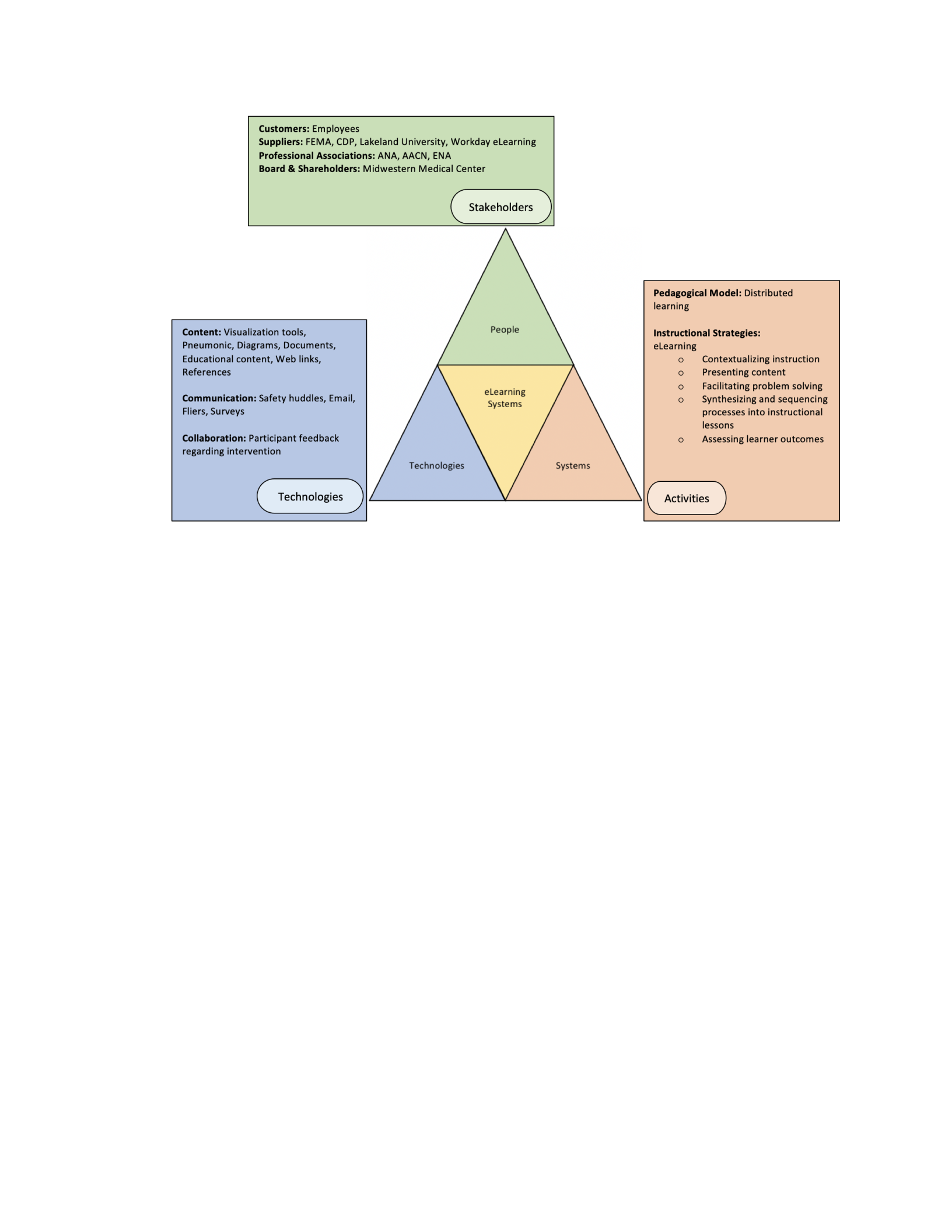
incidents, presented in Figure 1.
10
Figure 1. E-Learning systems theoretical framework adapted for disaster preparedness
(Aparicio et al., 2016).
Stakeholders for the means of this project were comprised of employees and
medical centers who will use the platform, suppliers of information regarding mass
casualty incidents, professional associations which may utilize and contribute to the
module, and shareholders who will provide maintenance services and support for the
system. Technological components utilized for the means of this e-Learning platform
included the content of the module itself, the software used to create the module,
communication via emails and during morning huddles for participant recruitment, and
surveys before and after use of the module.
The activity used to assess learner outcomes after completion of the module were
use of a pre- and post-survey. This provided information on if there had been any
improvement to true knowledge, perceived knowledge, and perceived skills of the
subject(s) (Aggarwal & Ranganathan, 2019).

11
For this project, Communications (technologies) were used to recruit and inform
participants about the project. Employees (stakeholders) used the e-Learning module
(activity: distributed learning) to learn about MCI/disaster preparedness. Within the
module, pneumonics, diagrams, and other educational content (i.e. technologies) were
presented in an aim to increase their knowledge/skills regarding MCI/disaster
preparedness which were assessed for using pre- and post-surveys (activity). As a result,
the end goal was that the hospital employees (stakeholders) benefited from this
intervention and in turn, improved the entire hospital system.
The e-Learning systems theoretical framework was important for use when
implementing and evaluating the e-Learning module because it considers all components
of module creation and use from start to finish. Stakeholders, technologies, and activities
stemming from the module are interconnected and can influence its success in the
emergency department. Healthcare employees utilize and interact with e-Learning
systems. The activities support integration, communication, and collaboration the content
provided (Aparicio et al., 2016). Using this framework, the goal was that all aspects will
be considered to allow for successful implementation of the module into emergency
department settings for disaster preparedness and mass casualty incident education in the
future.
Quality Improvement Model
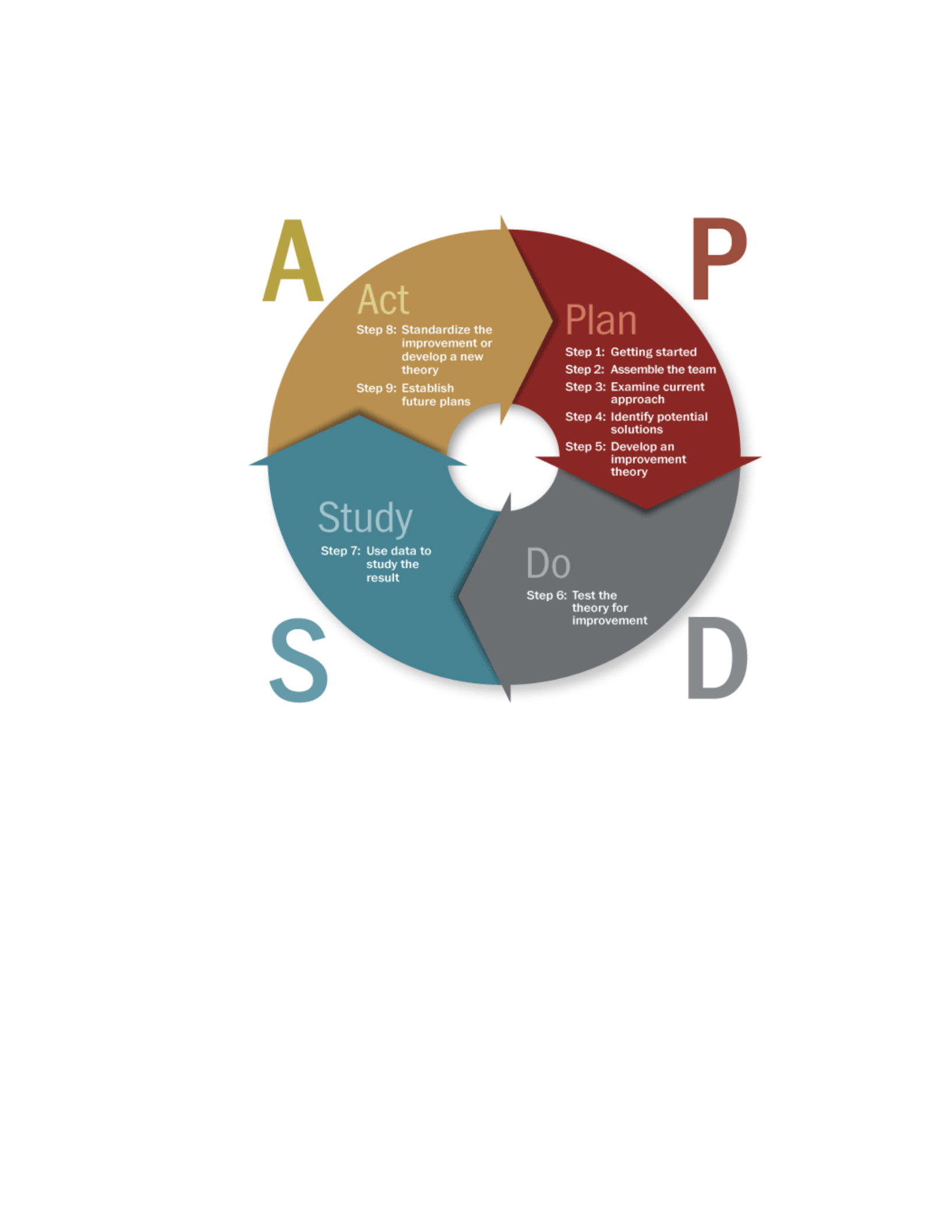
For this project, the Plan-Do-Study-Act (PDSA) model was used to evaluate for
change after implementation of the e-Learning module. Following the steps of this model
allowed for project planning, testing for improvement, using the data to study the
12
result(s), and make improvements to the intervention. The flow of the PDSA model can
be seen in Figure 2.
Figure 2. PDSA Model for quality improvement (Tribal Evaluation Institute (TEI),
2016).
Plan
The planning phase of the PDSA model consists of five steps. In step one,
opportunities for improvement were identified. Staff, community members (victim
actors/volunteers), and/or partners (emergency medical services) who have current
knowledge regarding the topic of interest were identified in step two. Those identified
were used as a resource for information acquisition and project organization and
dissemination. In the third step, current education initiatives in place were identified so

13
improvements could be made. Information regarding reasons for current lacks in
education were evaluated. Step four included ideas of how the identified issue could be
solved and a single potential solution was designed. In step five, a strategy for
improvement was theorized. A plan for materials needed and a potential timeframe was
addressed (TEI, 2016; Minnesota Department of Health, 2021).
Do
The “do” portion of this model includes a single step. Step six tested the
improvement theory on a small scale (TEI, 2016; Minnesota Department of Health,
2021). For this project, the theory was tested by means of having participants complete an
e-Learning module regarding disaster preparedness and mass casualty incidents for ease
of use and understanding of instructions.
Study
Step seven is the study portion of the PDSA model. In this step, data was
collected to measure change pre and post intervention to evaluate results. Standardized
tools were used for this evaluation. The data showed which areas of the intervention
resulted in an improvement (TEI, 2016; Minnesota Department of Health, 2021).
Act
After the intervention was completed and results were analyzed, three options
emerged for future plans. In step eight, the change/intervention that was completed can
(1) be adopted into practice, (2) be tested under different conditions, or (3) be abandoned
and a new solution sought. After this, in step nine, any progress made can be built upon

14
or plans for further/different interventions could be made (TEI, 2016; Minnesota
Department of Health, 2021).
Mass Casualty Incidents
The occurrence of mass casualty incidents is a true reality in healthcare today.
Events such as the Boston Marathon bombing in 2013 (History.com, 2022), the Orlando
night club shooting in 2016 (Ellis et al., 2016), and the Las Vegas shooting in 2017
(Allswede, 2018) are just a few examples of incidents which overwhelmed local hospital
resources with large amounts of injured people of varying acuities. Events such as these
emphasize the importance of emergency and mass casualty preparedness.
It is critical that the medical community put forth an effort to create and maintain
emergency-preparedness programs and practice response through exercises and drills.
New literature must be read every year to keep up-to-date on current practices and
changing trends for such events. It is important to also learn from hospitals and
institutions which have previously experienced mass casualty incidents to evaluate
personal current standards and learn from the past experiences of others. Doing this will
provide examples of limitations of traditional everyday workflow and educational
opportunities of adaptations needed during MCI’s (ASPR, 2019).
The Las Vegas shooting on October 1, 2017 is an example of a real-world mass
casualty incident. In 11 minutes, over 1,100 rounds of ammunition were fired into a
crowd of over 10,000. Over 500 people were injured, with 59 deaths, 35 of which died at
the scene and 24 in area hospitals. Sixteen Las Vegas hospitals were involved in the
response, significantly sharing resources between them. Sunrise Hospital was the closest
trauma center and received the majority of the casualties. This is just a single example of

15
why MCI training and preparedness is highly important in the world of emergency
medicine today (Allswede, 2018).
Planning, training, and practice activities are vital to the success of a mass
casualty incident. The ability to respond can be improved if experiences are examined,
planning is thorough, and training grows. These practices must involve not only hospital
staff, but also emergency medical services, law enforcement, and the community (ASPR,
2019). This project will adopt the FEMA definition of mass casualty incidence which is
“an event that produces a volume of ill or injured victims that cannot be handled by the
available responders.” (FEMA, 2012).
Disaster Preparedness
Natural disasters are increasing in occurrence around the world. Climate change
has led to more extreme weather and an increase in the number of weather-related
disasters. According to the World Meteorological Organization (2021), there has been at
least one weather-related disaster, climate, or water hazard occurrence every day over the
past 50 years. During this time, the number of disasters has increased times five (WMO,
2021).
Within the United States, the worst natural disasters are hurricanes and/or tropical
storms of which there were three in the year 2017 alone. One of the most notable natural
disasters in U.S. history is hurricane Katrina. This category 3 storm made landfall off the
coast of Louisiana on August 29, 2005. Winds reached speeds as high as 120 miles per
hour. It is estimated that 1,200 people lost their lives as a result of this storm. It is also the
costliest storm on record, costing an estimated $108 billion in damages (Gibbens, 2019).

16
Hurricane Katrina brought to light many issues with the federal government’s response
efforts. It became quickly apparent in the aftermath that the U.S. had been drastically
underprepared for a storm of this magnitude. More than a decade later, the affected
communities remain significantly scarred (Gibbens, 2019).
With disasters increasing in frequency, it is important that preparedness be
established and remain intact. In situations of disaster, nurses are expected to provide
medical interventions using their expertise and skills. Therefore, training in disaster
preparedness is essential (Goniewicz et al., 2021b). Disaster preparedness training in this
project was modeled after the the Plan-Do-Study-Act (PDSA) model for quality
improvement. Following the steps of this model allowed for planning the project, testing
for improvement, using the data to study the result(s), and make improvements to the
intervention. This model will also be particularly useful as ED RNs continue to navigate
the COVID-19 pandemic.
COVID-19
The current state of healthcare due to the COVID-19 pandemic is a valid example
of the necessity of disaster preparedness and mass casualty training in healthcare.
COVID-19 was first detected in China in December, 2019. By March, 2020, the World
Health Organization declared COVID-19 a pandemic. It quickly became the worst public
health emergency in more than 100 years with more than 120 million cases worldwide
and 30.5 million cases in the U.S. confirmed as of April 1, 2021 (National Academies of
Sciences, Engineering, and Medicine, et al., 2021).
This public health emergency has highlighted the importance of preparing nurses
nationwide with the knowledge, skills, and abilities to respond. COVID-19 has shown

17
that the U.S. healthcare system is deeply fragmented. This has resulted in excess
mortality and morbidity, blatant health inequities, and an inability to contain a swiftly
growing pandemic. As natural disasters and public health emergencies increase in
occurrence and severity in the future, enunciation of the nursing role in disaster
preparedness and emergency response will be critical (National Academies of Sciences,
Engineering, and Medicine [NASEM], et al., 2021).
In a disaster situation, nurses provide first aid, clinical care, administer lifesaving
medications, assess and triage victims, allocate resources, and monitor ongoing physical
health status’ of victims. Nurses also activate emergency operations plans, participate in
incident command systems, oversee personal protective equipment (PPE) use, and
provide crisis communication(s). Often, this is done at great personal risk. Within a
hospital setting, preparedness includes understanding hospital/health system capacity to
care for patients in an emergency, knowing workforce capacity and capabilities, and
determining access to PPE and medical supplies such as ventilators. An action plan
should be in place should such an event occur and the institution face such challenges
(NASEM, et al., 2021).
Specific to infectious disease outbreaks such as COVID-19, nursing roles can
include (a) surveillance and detection, (b) applying prevention and response
interventions, (c) screening, testing, and vaccinating, (d) treating patients, (e) providing
education, (f) acting as leaders, and (g) counseling. The knowledge of disaster
preparedness was vital in coping with the COVID-19 pandemic during the acute phase
when the hospitals’ capacities were overwhelmed.

18
Knowledge of Disaster Preparedness
Emergency nurses are the first line of treatment in hospitals when disaster strikes.
Therefore, they must be well prepared, educated, and trained to deal with disasters and/or
mass casualty incidents. In one study conducted in Saudi Arabia among emergency
department nurses, the top three gaps identified regarding disaster preparedness were
knowledge of incident command systems, disaster triage, and disaster drills (Brinjee et
al., 2021). Specific to the U.S., one study found that barriers facing nurses include (a)
lack of disaster experience, (b) poor education and training, (c) hospital disaster policies
and procedures, (d) not knowing their role in disaster management, (e) lack of
communication and leadership, and (f) lack of personal evacuation experience (Al Harthi
et al., 2020). It was also identified that nurses with less than three years of experience had
a significantly increased needs to learn about these elements in order to appropriately
handle a disaster and/or mass casualty incident (Brinjee et al., 2021).
Furthermore, training in disaster preparedness and mass casualty incidents is
especially needed considering current nursing demographics. In the face of the stress of
COVID-19, many highly experienced nurses have retired early and left the workforce.
Others who have been in emergency medicine are leaving to travel. In their place, most
new graduate nurses in the U.S. are entering into acute care environments (Hawkins et
al., 2019). New graduate nurses face cognitive, skill-based, and sociocultural challenges
as they enter into practice within the ED. Their critical thinking, clinical judgement, and
practice-based decision-making capabilities are significantly limited in their early
practice (Duchscher & Painter, 2021). As such, it is imperative that nursing educational
initiatives be in place to disseminate knowledge to this population of new graduates.

19
Nursing Education
Nursing is a profession which is constantly changing. Continued education for
knowledge maintenance is a necessity. It is the responsibility of nurses to not only
educate patients, but also to educate themselves and their colleagues. Healthcare
professionals as educators serve as clinical instructors, mentors, preceptors, and in other
roles to ensure students and those actively working in healthcare meet expected learning
outcomes and stay up-to-date on current practice standards and trends (Bastable et
al.,2019).
Education in nursing is paramount to exceptional patient outcomes. Continued
education and providing nurses with a means to maintain an updated knowledge base has
been shown to improve job satisfaction and competence. Sufficient education in ED RN
staff is crucial to safe, holistic, and definitive patient care (Price & Reichert, 2017).
Utilizing e-Learning platforms can be a beneficial and accessible way to reach a large
number of nurses and to provide them education.
e-Learning
As the growth of medical knowledge continues to increase, it is becoming more
difficult for healthcare professionals to keep up. Online education in this field is helping
to overcome this difficulty (Schneider & Binder, 2019). As a result, online and electronic
technologies within health professional education are increasing (Bastable et al., 2019).
Online learning initiatives for registered nurses have been found to adequately deliver
continuing skillful advancement and lifetime learning. Online learning is highly
beneficial because it allows for increased participation due to flexibility for time of
completion, thus providing convenience for nurses involved (Karvinen et al., 2017).

20
Other advantages include program design flexibility, the ability to accommodate multiple
learning styles, and being able to go back to the presented information and revisit
concepts (Bramer, 2020). Studies utilizing e-Learning modules for effective management
of mass casualty incidents and disaster preparedness are described below.
Examples of e-Learning for Mass Casualty Incidents
In a study published by the Society of Trauma Nurses, it was found that
implementation of e-Learning modules for trauma, much like that seen during a mass
casualty or disaster incident, improved nurses’ self-efficacy, knowledge, communication,
assessment of patients, and escalation of care. They also found that when attempting to
implement new e-Learning modules or a new program, it is essential to maintain regular
and ongoing education which focuses on the purpose and benefits of the module (Curtis
et al., 2016).
One study involving 22 participants conducted by Stanford University showed
that virtual MCI training can be highly beneficial. This study included 10 physicians with
an average of four years of experience and 12 nurses with an average of 9.5 years of
experience at Stanford University Medical Center and San Mateo County Medical
Center. The objective of this study was to determine if a virtual ED populated with 10
chemical and 10 radiological patient victims was an effective clinical environment for
training ED staff for MCI’s. The conclusion of this study was that online and/or virtual
training for MCI’s is effective (Heinrichs et al., 2010).
Example of e-Learning for Disaster Preparedness
In April, 2021, a prospective cross-sectional study regarding disaster response in
medical education was published. This study utilized 168 medical students from

21
Universiti Kebangsaan Malaysia to determine their knowledge on disaster response
medicine (DRM) and their perception regarding the effectiveness of e-learning in
teaching emergency disaster response (ELITE-DR). To do this, a pre-test questionnaire
was given to establish baseline DRM knowledge. Then, a three-part self-learning video
about the principles and medical management of disaster response medicine was used as
a training module. After seven days, participants were asked to complete a post-test on
knowledge and perception (Saiboon et al., 2021).
The results of this study were that participants overall knowledge showed a
significant increase after completion of the video as compared to before the intervention.
Recall and simple decision-making knowledge improved. This study also found that
visual stimuli helped participants to assimilate greater knowledge compared to audio
stimuli. Overall, it concluded that using an e-learning module for teaching disaster
response in medical education can be an effective cognitive tool (Saiboon et al., 2021).

22
CHAPTER 3
METHODOLOGY
Project Design
This project followed a nonrandomized, single group, pre-post quasi-experimental
design. This design was used to evaluate any difference as a result of the intervention
(Harris et al., 2006).
Population
Setting
The first hospital within this midwestern health system is a 49-bed hospital with
11 patient rooms in the emergency department (Spectrum Health Lakeland, 2022a). It is
designated as a level IV trauma center (Michigan Department of Health and Human
Services [MDHHS], 2021). The second hospital is an 89-bed hospital with 21 patient
rooms in the emergency department (Spectrum Health Lakeland, 2022b). It is also
designated as a level IV trauma center (MDHHS, 2021). Finally, the third hospital is a
196-bed hospital with approximately 40 patient rooms in the emergency department
(Spectrum Health Lakeland, 2022c). It is designated as a level III trauma center
(MDHHS, 2021).
To be considered a level IV trauma center, the hospital must possess (a) an
emergency department that can provide advanced trauma life support; (b) 24-hour
laboratory coverage; (c) trauma nurses and physicians; (d) transfer agreements with Level

23
I and/or II trauma centers; (e) comprehensive quality assessment; and (f) an outreach
program for the community (American Trauma Society [ATS], 2022). To be classified as
a level III trauma center, the hospital must have (a) 24-hour coverage by emergency
medicine physicians, (b) prompt availability of general surgeons and anesthesiologists,
(c) a comprehensive quality assessment program, (d) transfer agreements with level I/II
trauma centers, (e) provide back-up care for rural/community hospitals, (f) offer
continued education for staff, and maintain (g) prevention efforts with an outreach
program for the communities it serves (ATS, 2022).
The most recent mass casualty event experienced by the first hospital was on
February 7, 2003 after a 72-car accident on the expressway nearby during a snowstorm.
Twenty-two people were transported to this ED (Prichard, 2003). The only person still
working within the ED who was present during this incident is their current RN manager.
During this incident 17 years ago, she was an ED staff RN. She recounts the event as a
stressful one in which she feels they were most definitely not prepared for.
In March, 2017, the second hospital experienced what can be considered their
most recent mass casualty event. A carbon monoxide leak occurred at a local hotel. This
led to 11 people seeking emergent care for carbon monoxide poisoning. Of those 11
people, six were children (NBC Universal, 2017).
According to the ED nurse manager of the third hospital, the Covid-19 epidemic
of the last few years was seen as a mass casualty disaster event. According to the Berrien
County Health Department (2022), since the start of the pandemic there have been a total
of 35,843 confirmed cases in the county. Of those, 862 have/had been hospitalized with

24
430 deaths. In addition, there were 4,425 probable cases of which 79 were hospitalized
and 46 died.
Each emergency department attempts to participate in an annual mass casualty
incident drill consisting of registered nurses, support staff, and local EMS. However, this
has become difficult to do. The COVID-19 pandemic has led to drastic changes in
clinical staffing throughout hospitals in the United States. RNs across the nation are
experiencing high chronic fatigue, lower work satisfaction, and are leaving in droves to
transition into travel nursing for the increased pay and flexibility (Lavoie-Tremblay et al.,
2021). As a result, there are more new graduate nurses than ever working in the
emergency departments of this midwestern medical center. There are also many traveling
nurses and nurses who have transferred from other settings into the ED. Thus, many RNs
currently working in the EDs have not been exposed to real-life disaster response or mass
casualty incidents. To bridge this gap in experience and knowledge, the intended setting
for this project was the emergency departments specifically within this health system.
Recruitment
Emergency department nurses were invited to take part in this project by means
of emergency department organizational employee email (Appendix D), informational
flyers posted in the staff bathrooms and break/locker rooms (Appendix E), and a brief
announcement of the project relayed in morning safety huddles on the weekdays by unit
managers in these emergency departments. Email content included a description of who
the project administrator was, the topic of interest, participation requirements for
completion of the project, the project design, and an approximate timeline. This project

25
was implemented solely in three emergency departments within a midwestern health
system.
With the help of midwestern health systems manager of education, the
intervention was automatically assigned to all ED RNs via ‘Workday learning’. This is an
electronic learning platform integrated into Workday, the enterprise management cloud
system used. This platform grants employees access to educational content on demand
which they can complete at their own pace (Workday, Inc., 2022).
Inclusion and Exclusion Criteria
The sample for this project included emergency department registered nurses who
currently work in the emergency departments at three hospitals within this midwestern
health system. Inclusion criteria consisted of employment by this health system, active
RN licensure in the state of MI, and participants must work in the emergency department.
This project strived to include ED RNs, RN managers in these departments, RNs who
float to the ED regularly, and RN house supervisors who routinely help in the ED.
Exclusion criteria included any RNs who do not work in the ED, ED personnel
who are not a registered nurse, and any travel/agency RNs working in these units at the
time of the project. Travel/agency RNs will not be used as their time-limited employment
contracts make them unreliable pre and post participants.
Sample Size
The first hospital employs approximately 14 RNs in their emergency department.
The second hospital employs approximately 35 RNs in their ED. The third hospital
currently employs 67 RNs in their ED. The pool of participants included RNs working in

26
these units (116), clinical nurse supervisors (2), the ED managers (2), and qualifying RN
house supervisors (9). The overall projected pool for participation was 129.
This project aimed for a >95% confidence interval, a <5% margin of error, a
medium effect size of 0.5, and a power of 0.8. Using the G Power Software and paired
sample t-test as the main reference test, the minimum required sample size to ensure
validity of this project was calculated to be 34.
Sampling Strategy
Convenience sampling was utilized which consisted of appropriate RNs in the ED
(McLeod, 2019). The module was disseminated to RNs of all shifts of the emergency
room in these locations as it was automatically assigned to them via Workday Learning in
agreement with this health system. The module itself was titled “Emergency
Preparedness Focus Part 1”. From there, RNs participated at their discretion.
Ethics
Recruitment, ED RN participation, and data collection occurred once approval
was received from both Andrews University and this midwestern health system’s internal
review boards. A consent (Appendix F) was present within the initial survey which
participants were required to read and agree to before continuing to the next step.
Incentives
Compensation and/or incentives can improve participation in research (University
of Alberta, 2021). As such, there was a raffle for three $50 Amazon gift cards using
emails provided by participants. These emails were entered into an electronic name wheel

27
online and chosen at random. Winners were notified via their listed email after the
completion of data collection.
Tools and Measurement
Variables
The independent variable for this project was the e-Learning module. Dependent
variables were perceived knowledge, perceived skills, and measured knowledge.
Perceived knowledge and skills were measured using the initial portion of the Disaster
Preparedness Evaluation Tool (Appendix B). Measured knowledge was evaluated
through completion of 25 multiple choice questions (Appendix C).
Tools
Participant Demographics
Participating nurses were asked to complete a demographic questionnaire
(Appendix A). This allowed the student to develop an understanding of the composition
of the project population (French, 2014). Continuous variables included age, years of ED
experience, years of experience as an RN in general, and years of experience in the
medical field overall. Categorical variables included highest nursing degree obtained,
which shift the participant primarily works, and their employment status.
DPET
Originally, the disaster preparedness evaluation tool (DPET) was created to assess
nurse practitioner’s perceptions regarding preparation for and knowledge of disasters. For
the purpose of this project, this tool was used to evaluate emergency department
registered nurses. The actual questions and answer choices were not changed. The tool in

28
its entirety is comprised of 67 items and three subscales: (a) level of preparedness; (b)
level of preparedness for response; and (c) level of preparedness for disaster recovery
(Tichy et al., 2009). To assess perceptions of knowledge and skills in the chosen
population, only the initial portion of the DPET titled “level of preparedness” was used in
this project (Appendix B). Permission for use of the DPET for this project was granted by
the original author.
Part A of the DPET contains three domains which assess disaster knowledge,
disaster skills, and preparedness for a disaster. It was presented in the form of a six-point
Likert scale where participants were asked to rate each statement from strongly disagree
to strongly agree. Examples of questions in the perception of knowledge include: (a) I
know the limits of my knowledge, skills, and authority as an RN to act in disaster
situations; and (b) I read journal articles related to disaster preparedness. Examples of
questions measuring perception of disaster skills include: (a) I am familiar with accepted
triage principles used in disaster situations; and (b) I consider myself prepared for the
management of disasters. The preparedness for disaster section of the DPET contains the
questions: (a) I have personal/family emergency plans in place for disaster situations; and
(b) I have an agreement with loved ones and family members on how to execute our
personal/family emergency plans (Tichy et al., 2009).
Scoring and Interpretation.
All questions within the DPET are scored using a Likert scale ranging from 1 to 6
(1 = strongly disagree, 2 = disagree, 3 = somewhat disagree, 4 = somewhat agree, 5 =
agree, and 6 = strongly agree), with higher scores indicating greater perceived
preparedness (Han & Chun, 2021). Measures of central tendency (mean and standard

29
deviation) were used to describe each question, the three subsections, and the subscale as
a whole. Means between 1.00 and 2.99 were perceived as weak, means between 3.00 and
4.99 as moderate, and means between 5.00 and 6.00 as strong agreeance (King et al.,
2019).
Reliability and Validity.
The “Level of preparedness” subscale of the original DPET was found to have a
Cronbach alpha of 0.93 (Tichy et al., 2009; King et al., 2019). The closer the score is to
one, the greater the internal consistency of the items in the DPET tool. An alpha of .70 or
above is considered acceptable, but an alpha above .90 may be due to redundant items in
a tool (Tavakol & Dennick, 2011).
MCQ’s
Participants completed 25 multiple choice questions to assess their base
knowledge of mass casualty incidents, SALT triage, and information on mass casualty
and disaster preparedness specific to the county where the medical centers are located
(Appendix C). They completed the same questionnaire approximately seven days after
completing the e-Learning modules. Participants were considered as having passed with a
score of at least 75%, following FEMA standards (FEMA, 2014). As this intervention is a
combination of reading and lecture, it is expected to see an increase in pre-post
knowledge by approximately five percent (Masters, 2019).
Face validity was acquired by having these questions reviewed by two panels: (a)
two physician experts in the field of emergency medicine and (b) two masters-level RNs
currently working in managerial roles in the emergency department(s).

30
Implementation
This e-Learning module was developed with the help of the ED manager at the
second hospital, the Emergency Preparedness Specialist, and nursing faculty at Andrews
University. The manager for the medical center’s clinical education and simulation
department agreed to work on integration of the module into the Workday learning
platform as well as pre-assigning the module to all ED nurses. The module was shown to
current ED registered nurses under the advisement of ED management.
The project consisted of an initial pre-survey. After completion, participants were
given the opportunity to immediately move on to complete the educational module,
consisting of six sections, at their own pace. Seven days later, participants were sent an
email with a hyperlink asking them to complete the post-survey. The timeframe of seven
days was chosen as literature supports this ideal time frame between learning and
evaluation (Latimier et al., 2019).
The first hospital gives access to six computers for use at their ED nurses station.
The second hospital affords access to nine computers at the ED nurses station. The third
hospital has approximately 14 computers exclusively for ED staff with an additional four
resident computers available when not in use. These were available for RNs to complete
the e-Learning module while at work. As this was uploaded to their Workday learning
profile, it was also available for them to complete at home had they wished to do so.
Intervention
The e-Learning module was designed with the aim of being concise and relevant
in information. Examples of disaster/mass casualty events, realistic patient scenarios, and
questions tailored to this medical center population of emergency RNs were included.

31
This allowed for critical thinking and utilization of knowledge (Curtis et al., 2016; Sand,
2019). Lesson plans for each section of the module can be seen in Appendix G.
Content within the module was evidence-based using relevant peer-reviewed
sources from within the last five years. However, sentinel sources were also used. A
second source of content for this e-Learning module came from FEMA’s Hospital
Emergency Response Training (HERT) for Mass Casualty Incidents that was completed
by the project manager. This program took place in Anniston, AL from June 25-June 30,
2018. HERT is an educational program through the Center for Domestic Preparedness
(CDP) for hospital staff members to gain knowledge and training in emergency response.
This particular course prepares healthcare responders to integrate emergency response
while operating an Emergency Treatment Area during a mass casualty incident involving
potential patient chemical, biological, radiological, or nuclear (CBRN) contamination
(CDP, 2021).
Participants in this project learned about the incident command system, how to
triage using the SALT method, and how to appropriately don and doff protective
equipment in cases of CBRN disasters (CDP, 2021). In addition, links to websites,
continuing education, and other study materials were provided at the conclusion of the
module to allow for nurses to obtain additional information if desired. Content was
presented as pictures, text, diagrams, and video to accommodate different learning styles
(Curtis et al., 2016; Shirazi & Heidari, 2019).
This e-Learning module served as a pilot study for potential future use. In the
event this health system decides to implement the module as part of annual competencies
for nurses, it will be transposed into a module for this medical center’s online education

32
platform via Workday. This will allow ED RNs and other staff members constant and
consistent access to learning initiatives for disaster preparedness and mass casualty
incidents.
Evaluation
Before and after completion of the e-Learning module, participants were asked to
complete identical quantitative questionnaires on disaster preparedness via ‘Class
Climate.’ This is an online evaluation software which was used to deliver the
questionnaires used in this project. This software allowed the DNP student to customize
the questionnaires, obtain raw data, measure learning outcomes, and export data into
statistical software for analysis (Scantron, 2022). The “level of preparedness” subscale of
the Disaster Preparedness Evaluation Tool (DPET- see Appendix B) (Tichy et al., 2009)
consisting of 25 Likert-scale questions and also 25 multiple choice questions created for
this project and reviewed by experts prior to use (Appendix C) were used for the pre- and
post-surveys.
Procedure
Data Collection
Data was collected electronically via class climate over a period of approximately
10 weeks at the first and second hospitals. The third hospital was added after several
weeks to increase the data pool. Data was collected in the third hospital for
approximately six weeks. The project manager and statistician had access to participant
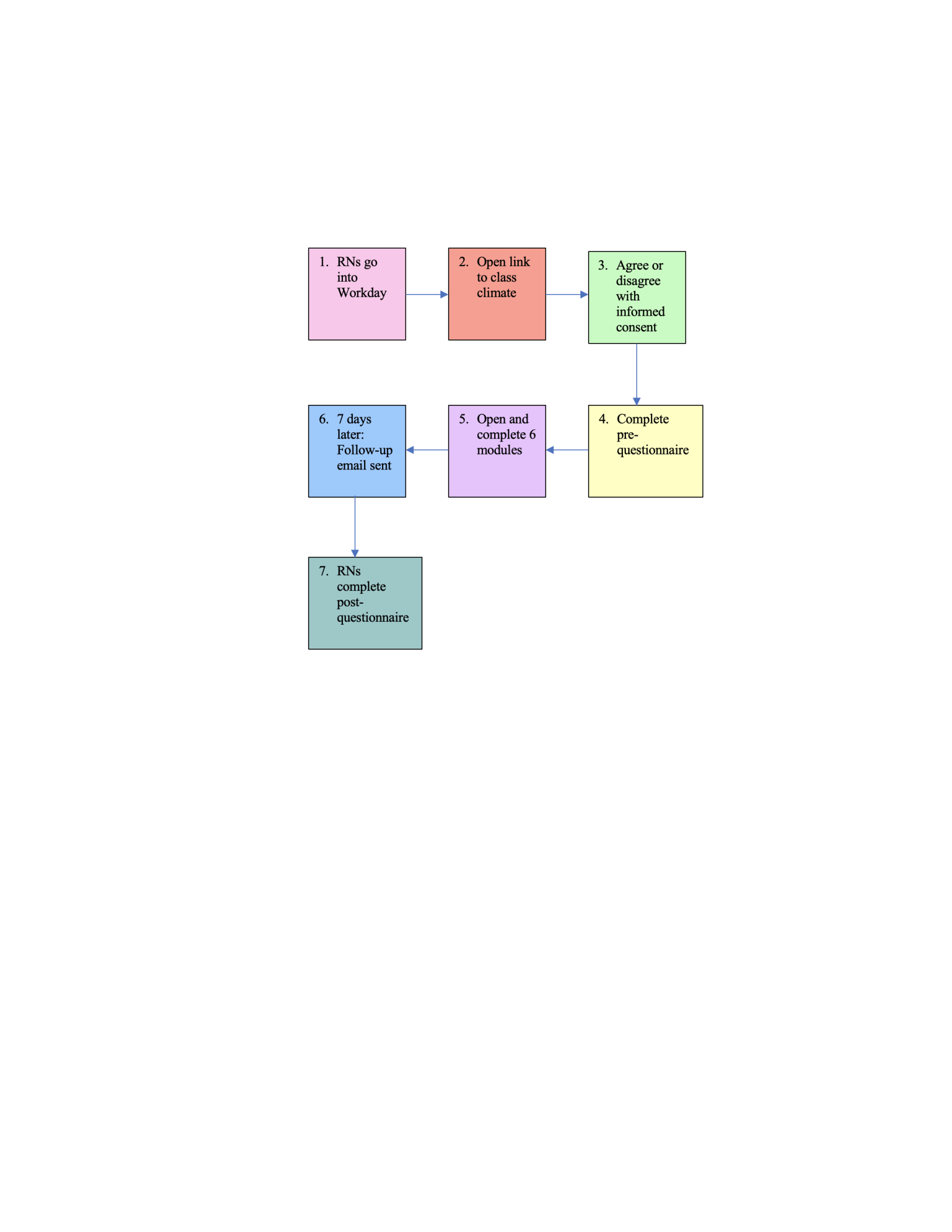
data for analysis. The step-by-step process for data collection is illustrated in figure 3.
Links to the questionnaires are as follows:
1. Pre-Survey – https://www.andrews.edu/classclimate/online.php?p=Presurvey2022
33
2. Post-Survey –
https://www.andrews.edu/classclimate/online.php?p=Postsurvey2022
Figure 3. Data collection process.
Statistical analysis
Class Climate was used to acquire data. Demographic elements were calculated
into percentages for analysis. The multiple-choice questions were evaluated by
calculating the percentage of participants who scored correctly. Quantitative data analysis
of the 25 Likert-scale questions was completed using the computer software Statistical
Package for Social Sciences (SPSS) version 27.

34
For this project, the hypotheses tested are as follows:
H0: µ1 - µ2 = 0 (there is no change)
H1: µ1 - µ2 ≠ 0 (change exists)
For demographic data, means and standard deviations were calculated for the
continuous variables. Frequencies were calculated for categorical variables.
The paired sample t-test is a parametric test that compares the means of two
measurements taken from the same individual at two different times. For this project, the
two measurements represented are pre- and post-data. Thus, the paired sample t-test was
used to compare the pre- and post-DPET and MCQ’s scores to determine if there was any
statistically significant difference between the pre- and post-values (University Libraries,
2021). Additionally, independent t-test or analysis of variance (ANOVA) test was used to
compare the DPET and MCQ scores between various demographic groups.

35
CHAPTER 4
RESULTS
The purpose of this project was to bridge knowledge gaps and improve
knowledge and perceived skills regarding mass casualty incidents and disaster
preparedness among emergency department registered nurses through the creation and
implementation of an e-Learning module. This chapter presents the results of this project
including demographics and the pre- and post-scores for the multiple choice questions
and the disaster preparedness evaluation tool subscale.
Participant Demographics
A total of 52 participants answered the demographic questionnaire. The average
age of participants was 41.4 years old (SD=13.558). Participants averaged 10.19 years as
a nurse, 7.36 years as a nurse in the ED, and 14.56 years working in medicine overall
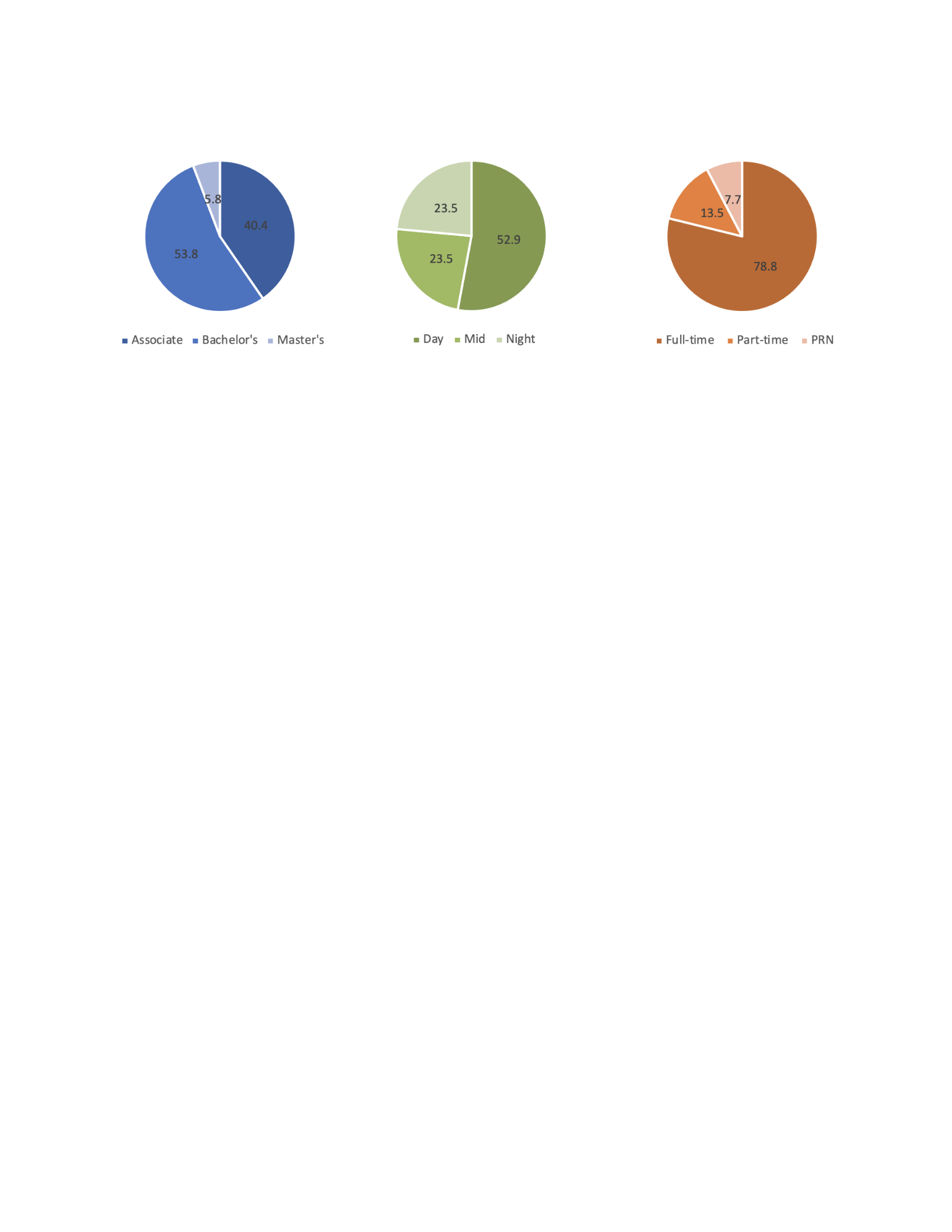
(Table 1). Fifty-nine and 6/10 (59.6%) of participants hold a bachelor’s degree or higher
in nursing. Fifty-two and 9/10 (52.9%) of those surveyed primarily work day-shift, with
23.5% working mid-shift and 23.5% working night shift. Of the 52 participants, 78.8%
are employed full-time with 13.5% employed part-time and 7.7% employed PRN.
Seventy-eight and 8/10 (78.8%) of participants have completed previous training or
education in the areas of mass casualty incidents and/or disaster preparedness. However,
only 23.1% have provided medical care in a real-life disaster event. This data is presented
in Table 1 and Figure 4.

36
Table 1
Participant Demographics
Characteristics
n
%
M ± SD
Age
52
41.40 ± 13.558
Years as RN
52
10.19 ± 10.774
Years as RN in Emergency Department
52
7.36 ± 8.382
Overall medical professional experience
52
14.56 ± 10.948
Highest nursing degree
Associate
Bachelors
Masters
21
28
3
40.4
53.8
5.8
Primary shift
Day
Mid
Night
27
12
12
52.9
23.5
23.5
Employment status
Full-time
Part-time
PRN
41
7
4
78.8
13.5
7.7
Previously completed education/training
in disaster preparedness and/or mass
casualty incidents?
Yes
No
41
11
78.8
21.2
Provided medical care in a real-life
incident?
Yes
No
12
40
23.1
76.9
37
Figure 4. Percentage of participants regarding highest degree held, primary shift, and
employment status.
Statistical Analysis
The question for this project was: In the three emergency departments in a
midwestern medical system, what is the effect of implementing an e-Learning module on
disaster preparedness and mass casualty incidents on the knowledge, perceived
knowledge, and perceived skills among registered nurses working in the emergency
department?
Knowledge
Table 2 provides the mean pre- and post-scores for the multiple choice
questionnaire. A paired sample t-test was used to compare pre- and post-scores. Overall,
there was a mean increase between pre- and post-scores of 0.98. While there was a slight
increase between pre- and post-scores, the p-value is 0.094, which is not statistically
significant. However, the number of participants who scored at least 75% increased from
11.3% to 28.6%, which shows at least some knowledge improvement after completion of
the e-Learning module.

38
Table 2
Pre- and post-scores for multiple choice questions
n
Scores
M ± SD
Scored >75%
Test Statistics
Pre-test
35
15.51 ± 2.994
11.3%
t = -1.343
df = 34
p = 0.094
Post-test
35
16.49 ± 4.402
28.6%
Perceived knowledge
Table 3 shows participant results for the “disaster knowledge” portion of the
“level of preparedness” subscale of the Disaster Preparedness Evaluation Tool.
Participants were asked to rate themselves on a Likert scale from 1 to 6 (1 = strongly
disagree, 2 = disagree, 3 = somewhat disagree, 4 = somewhat agree, 5 = agree, and 6 =
strongly agree) (Han & Chun, 2021). Means between 1.00 and 2.99 were perceived as
weak, means between 3.00 and 4.99 as moderate, and means between 5.00 and 6.00 as
strong agreeance (King et al., 2019).
Overall, there was an increase in all areas pre and post except for “interested in
classes”. The mean for this decreased by 0.4. No areas measured as having strong
agreeance pre or post. Weak agreeance pre-scores include reading journals and
participating in the creation of current guidelines. Journal reading increased to moderate
while guideline participation remained weak. Statistically significant increases were
noted on items (a) Have a list of community contacts, (b) Know where to find research
information, (c) Research is easily accessible, (d) Sufficient local support, (e) Know
chain of command, and (f) Aware of classes.

39
Table 3
Participant self-ranked responses to the Disaster Preparedness Evaluation Tool Subscale
for disaster knowledge.
Items
n
Pre-scores
M ± SD
Post-scores
M ± SD
Test Statistics
35
Interested in classes
4.34 ± 1.349
3.94 ± 1.552
t = 1.377
df = 34
p = 0.089
I know my limits
4.37 ± 1.190
4.43 ± 1.267
t = -0.239
df = 34
p = 0.406
Aware of community
vulnerabilities
4.23 ± 1.165
4.40 ± 1.117
t = -0.828
df = 34
p = 0.207
Research literature is
understandable
4.11 ± 1.132
4.31 ± 1.568
t = -0.729
df = 34
p = 0.236
Have a list of community
contacts
3.60 ± 1.265
4.17 ± 1.403
t = -2.006
df = 34
p = 0.026
d = -0.339
Read journals
2.74 ± 1.314
3.17 ± 1.505
t = -1.369
df = 34
p = 0.090
Know where to find research
information
3.60 ± 1.168
4.17 ± 1.200
t = -2.576
df = 34
p = 0.007
d = -0.435
Research is easily accessible
3.57 ± 0.948
4.23 ± 1.031
t = -2.980
df = 34
p = 0.003
d = -0.504
Sufficient local support
3.80 ± 0.933
4.34 ± 0.998
t = -2.936
df = 34

40
p = 0.003
d = -0.496
Familiar with emergency
response system
4.11 ± 1.659
4.43 ± 1.065
t = -1.300
df = 34
p = 0.101
Finding information is an
obstacle
3.20 ± 1.023
3.51 ± 1.401
t = -1.087
df = 34
p = 0.142
Know chain of command
3.63 ± 1.395
4.26 ± 1.442
t = -2.484
df = 34
p = 0.009
d = -0.420
Aware of classes
3.51 ± 1.380
4.17 ± 1.317
t = -2.793
df = 34
p = 0.004
d = -0.472
Participate in activities
3.66 ± 1.187
4.06 ± 1.494
t = -1.405
df = 34
p = 0.084
Have participated in planning
3.71 ± 1.601
3.94 ± 1.589
t = -0.773
df = 34
p = 0.223
Have created guidelines
2.26 ± 1.197
2.91 ± 1.652
t = -2.124
df = 34
p = 0.021
Perceived skill
Table 4 shows participant results for the “disaster skills” portion of the “level of
preparedness” subscale of the Disaster Preparedness Evaluation Tool. Participants
continued to rate themselves via a Likert scale from 1-6.
No items in the area of disaster skills ranked as strong. The single weak area
occurred pre-test when participants were asked if they considered themselves a leader.

41
However, this area increased to moderate strength post-test. All other areas both pre and
post ranked as moderate. Statistically significant increases were noted on items (a) Can
perform isolation procedures, (b) Participate in drills, (c) Consider myself prepared, and
(d) Consider myself a leader.
Table 4
Participant self-ranked responses to the Disaster Preparedness Evaluation Tool Subscale
for disaster skills.
Items
n
Pre-scores
M ± SD
Post-scores
M ± SD
Test Statistics
35
Know how to use personal
protective equipment
4.86 ±
1.033
4.94 ±
1.187
t = -0.367
df = 34
p = 0.358
Familiar with disaster triage
4.71 ±
0.893
4.80 ±
1.052
t = -0.407
df = 34
p = 0.343
Can perform isolation
procedures
4.34 ±
1.136
4.69 ±
0.963
t = -1.785
df = 34
p = 0.042
d = -0.302
Participate in drills
3.83 ±
1.150
4.23 ±
1.239
t = -2.171
df = 34
p = 0.019
d = -0.367
Can execute decontamination
procedures
4.31 ±
0.993
4.40 ±
1.168
t = -0.475
df = 34
p = 0.319
Consider myself prepared
3.66 ±
0.873
4.06 ±
1.282
t = -1.983
df = 34
p = 0.028
d = -0.335

42
Consider myself a leader
2.83 ±
1.424
3.31 ±
1.568
t = -1.740
df = 34
p = 0.045
d = -0.294
Perceived family preparedness
Table 5 shows participant results for the “family preparedness for disaster”
portion of the “level of preparedness” subscale of the Disaster Preparedness Evaluation
Tool. Participants continued to rate themselves via a Likert scale from 1-6.
Both pre and post-scores for the two items in this portion of the DPET ranked as
moderate. There was an increase in both areas. However, only the item concerning a
family agreement on execution of a disaster plan showed a statistically significant
increase.
Table 5
Participant self-ranked responses to the Disaster Preparedness Evaluation Tool Subscale
for family preparedness for disaster.
Items
n
Pre-scores
M ± SD
Post-scores
M ± SD
Test Statistics
35
Family plan in place
3.51 ± 1.522
3.77 ± 1.750
t = -0.867
df = 34
p = 0.196
Family agreement on
execution
3.26 ± 1.559
3.77 ± 1.832
t = -2.172
df = 34
p = 0.018
d = -0.367

43
CHAPTER 5
DISCUSSION
Having education initiatives for mass casualty incidents with concise and
organized education for staff is of high importance. This issue is pertinent to this
midwestern medical center in this community because in the event of a true mass casualty
scenario, many lives could be saved if RNs in the ED were better prepared. For a hospital
to provide adequate and effective care during a crisis, healthcare workers must be
effectively trained to do so. However, many studies have found that hospitals across the
nation are lacking in this education for hospital staff (Goniewicz et al., 2021a). Feedback
from staff members, including non-nurses, involved in previous drills indicated that there
is a gap in education regarding mass casualty incidents.
Planning, training, and practice activities are vital to the success of a mass
casualty incident (Assistant Secretary for Preparedness and Response, 2019). Natural
disasters are increasing in occurrence around the world. Climate change has led to more
extreme weather and an increase in the number of weather-related disasters. According to
the World Meteorological Organization (2021), there has been at least one weather-
related disaster, climate, or water hazard occurrence every day over the past 50 years
(WMO, 2021). In situations of disaster, nurses are expected to provide medical
interventions using their expertise and skills. Therefore, training in disaster preparedness
is essential (Goniewicz et al., 2021b).

44
The current state of healthcare because of the COVID-19 pandemic is a valid
example of the necessity of disaster preparedness and mass casualty training in
healthcare. This public health emergency has highlighted the importance of preparing
nurses nationwide with the knowledge, skills, and abilities to respond. COVID-19 has
shown that the U.S. healthcare system is deeply fragmented. As natural disasters and
public health emergencies increase in occurrence and severity in the future, enunciation
of the nursing role in disaster preparedness and emergency response will be critical
(National Academies of Sciences, Engineering, and Medicine [NASEM], et al., 2021).
Summary of Findings
The hypothesis of this project was that this intervention would improve RN
knowledge, perceived knowledge, and perceived skills regarding mass casualty incidents
and disaster preparedness. Overall, there was a mean increase of knowledge between pre-
and post-multiple choice question (MCQ) scores of 0.98. Although this was not a
statistically significant increase, participants who scored at least 75% increased from
11.3% to 28.6%, indicating some knowledge improvement after completion of the
module. Of the 25 items asked from the Disaster Preparedness Evaluation Tool (DPET),
24 showed increases in self-ranking between the pre- and post-survey, 11 of which were
statistically significant. Increases in almost all post-scores from the DPET indicate
positive change regarding perceptions of disaster knowledge, disaster skills, and family
preparedness after module completion.

45
Project Analysis and Commentary
Strengths
This is the first time a project of this type has been completed within these three
emergency departments in this midwestern health system. By gathering and analyzing
data via an educational competency in the areas of mass casualty incidents and disaster
preparedness, it identified a need for continued education on these topics.
Limitations
This project was done by means of Workday Learning, the educational platform
used by this health system. To be accessed from home requires personal device
permissions be given to the institution. Unfortunately, many staff members have not set
this up as they do not wish to give the institution access to their personal devices. As
such, they were limited to completing the initial questionnaire and module while at work.
This was an issue as the emergency department is notoriously busy and many RNs stated
they could not find the time to complete it. Data from participants who successfully
completed the pre-test and survey but were unable to complete the module and/or the
post-test and survey was not reported.
There were also several participants who stated they completed the initial
questionnaire, however, there was no data for them in Class Climate. After
communicating with Andrews University liaison for Class Climate, alterations to the
initial questionnaire were made and further lost data was prevented. However, there was
no way to access the reported completed questionnaires of those participants.

46
Implications
Although pre- and post-results of the MCQ were not statistically significant, there
was an increase in scores before and after completion of the module. With the DPET
subscale, only one area had a decrease in self-ranking before and after the module. The
other 24 items showed increases before and after the module, with 11 of them being
statistically significant increases. In conclusion, the results of this project show that
annual training in the areas of mass casualty incidents and disaster preparedness could
positively benefit staff. This could be further supported if completed in conjunction with
participant attendance of a live, in-person, disaster or mass casualty incident drill as are
done annually at all three health system facilities.
Dissemination plan
The results of this project were made available to Andrews University and this
midwestern health system. Specifically, results were provided directly to the three ED
managers, two ED clinical resource nurses, and a midwestern medical system’s
emergency preparedness specialist. The findings of this project were transposed into
poster format for presentation at Andrews University. This poster was also provided to
the aforementioned members of this healthcare system to be presented to staff if they
desired.
Recommendations
It is recommended that the findings of this project serve as evidence for the need
of continued education on mass casualty incidents and disaster preparedness. Education
in these areas should be made available not only to ED RNs, but also other essential staff
members such as emergency department technicians and emergency medicine residents.

47
This information would not only familiarize them with MCI and disaster preparedness
procedures, but also with the protocols specific to the healthcare institution for which
they work. Implementing annual educational competencies on these subjects would
positively impact the success of staff members if ever faced with a real-life experience in
the future.
Sustainability
This project was an attempt at creating an online e-Learning module which could
be used at these three hospitals for education in the areas of mass casualty incidents and
disaster preparedness. This e-Learning module is only the beginning. It is a good starting
point in building a relevant and sustainable means of providing education not only to RNs
but all who are interested in these areas. By way of this health systems education
department, this module can serve as the foundation for building an annual compliance
training e-Learning module.
Evaluation
The purpose of this project was to bridge knowledge gaps and improve perceived
knowledge and perceived skills regarding mass casualty incidents and disaster
preparedness in the county of interest through the creation and implementation of an e-
Learning module. The hypothesis of this project was that this intervention would improve
RN knowledge and perceived knowledge and perceived skills regarding mass casualty
incidents and disaster preparedness. The e-Learning module created was evaluated by ED
management and the emergency preparedness specialist for this midwestern medical
system. Suggestions for changes were implemented in the module prior to its use. Based
on feedback from staff, management, and the emergency preparedness specialist, the

48
module is sufficient for education regarding mass casualty incidents and disaster
preparedness.
Self-scholarly analysis
This project was guided by The Essentials for Doctoral Education for Advanced
Nursing Practice. Specifically, essentials I, II, III, IV, and VI were applied to this project.
Essential I (Scientific Underpinnings for Practice) led the DNP student to utilize
evidence-based theories and concepts in the creation and implementation of this project
(American Association of Colleges of Nursing [AACN], 2006). The e-Learning systems
theoretical framework was adapted for disaster preparedness for use in this project. The
Plan-Do-Study-Act (PDSA) model was used to evaluate for change after implementation
of the e-Learning module.
Essential II (Organizational and Systems Leadership for Quality Improvement
and Systems Thinking) drove the DNP student to develop and evaluate the delivery of an
educational initiative based on scientific findings to meet current and future needs of
emergency department Registered Nurses. Through this essential, advanced
communication skills and processes such as email, Workday Learning, and Class Climate
were used to ensure quality improvement of educational initiatives regarding mass
casualty incidents and disaster preparedness within the health system (AACN, 2006).
Essential III (Clinical Scholarship and Analytical Methods for Evidence-Based
Practice) guided the literature review by ensuring the DNP student critically appraised
“existing literature and evidence to determine and implement the best evidence for
practice” (AACN, 2006). The tools and processes used to evaluate this project and apply
its findings to improve nursing practice were also guided by this essential. These include

49
use of the Disaster Preparedness Evaluation Tool (a proven reliable and valid tool), use of
multiple-choice questions created by the investigator and determined valid via face
validity, creation by the investigator of an e-Learning module which was also scrutinized
and given face validity, and statistical analysis of the results using version 27 of SPSS.
Overall, this essential helped the DNP student to design an evidence-based
intervention, create hypotheses and predict outcomes, collect and analyze pre- and post-
data, and disseminate the findings of this project to improve educational initiatives and
potential healthcare outcomes for patients in the future (AACN, 2006).
Essential IV (Information Systems/Technology and Patient Care Technology for
the Improvement and Transformation of Health Care) guided the DNP student in the
creation of an e-Learning module for this project. Information systems (ie. PowerPoint
and Workday Learning) were used to design, select, and evaluate this quality
improvement project in a healthcare setting. Through the creation of the module and its
evaluation, the DNP student demonstrated the ability and skill to develop and execute a
project plan using evidence-based information obtained from information systems and
databases (AACN, 2006).
Essential VI (Interprofessional Collaboration for Improving Patient and
Population Health Outcomes) was a key component in the creation and implementation
of this project. Via this essential, the DNP student was able to effectively communicate
and collaborate with other members of the healthcare team in the creation of the e-
Learning module (AACN, 2006). Such people include ED managers, clinical resource
RNs, physicians, and an emergency preparedness specialist. These interpersonal
relationships enabled the DNP student to create a project which would aim to impact the

50
role of nursing and healthcare in the areas of mass casualty incidents and disaster
preparedness.

