


Housing equipments
1. Water trough 2. Feeder 3. Kindling (nest) box
4. Forage / Roughage rack
Water/Feeding Trough
The materials for water/feeding trough should provide the following; it
should be impossible to tip over
Deep enough to discourage scratching out of contents It
must not cause injury to the rabbit
It should not be expensive to prevent increase in cost of production
Feeders are of various sizes
May be constructed of metal wool or earthen ware Metal
or earthern ware
Waterersie can may be modified into feeder or waterer
Water bottles may also be used with the advantages that water cannot be tipped or fouled
Roughage / Forage rack (it can be fitted inside or outside of the hutch) It
must not limit feed intake
It must contain fresh succulent forage
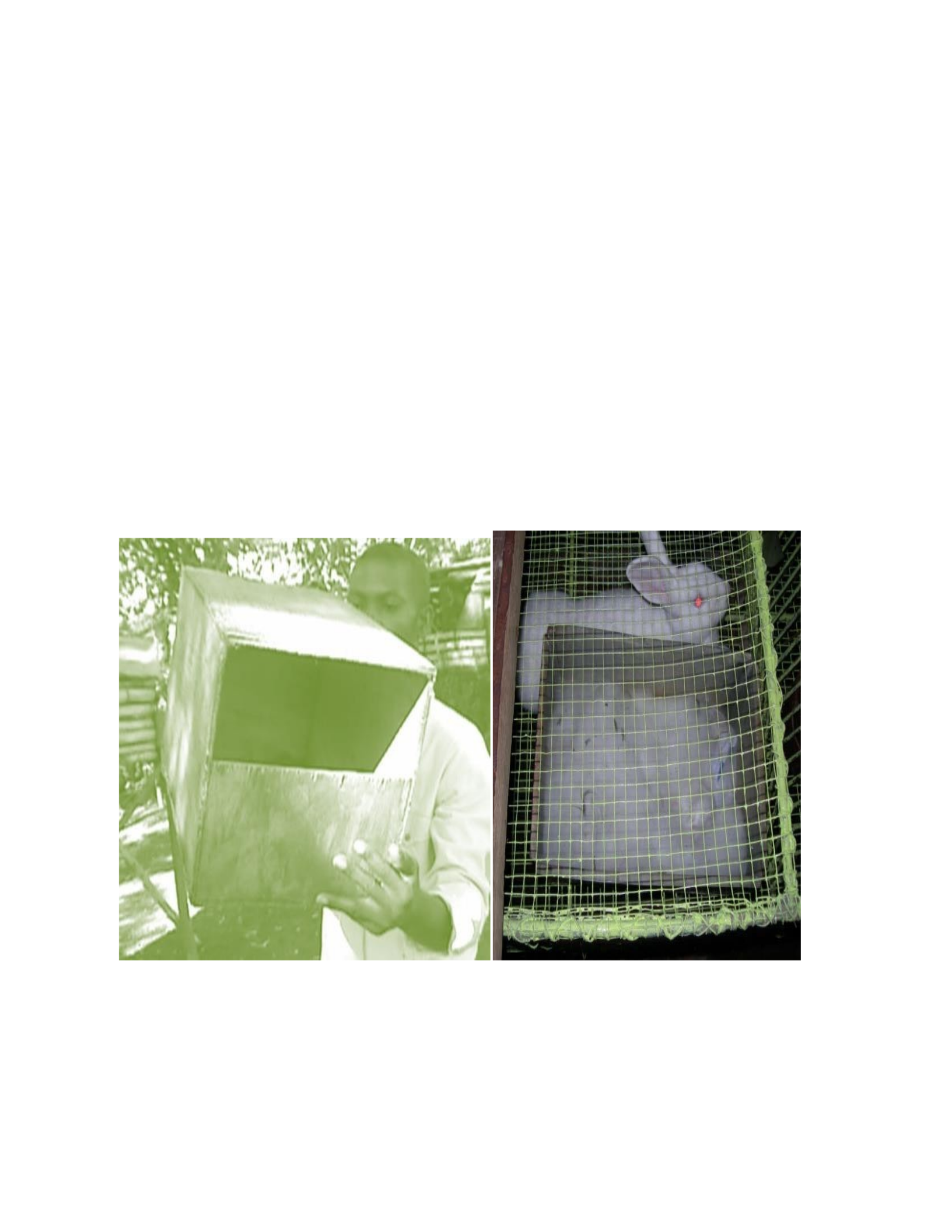
Nest boxes
Are boxes required by doe and kindles
Provide seclusion and comfort for the doe and the young
Contructed of metal or wood
Base may be of solid wood or wire netting
This can be open or closed. An open top 12" x 18" x 10" plywood box works well. This comes in
when the animal is about to kindle.
It should not be placed until the animal is about to kindle It
should be draught free/ proof
It should prevent the young rabbits leaving until they are at least 2-3 weeks old.
Measurement
a. 500mm length, 250mm width, 250 mm height
b. 30 cm x 90 cm x 30 cm (1 ft x 1 ½ ft, x 1 ft)
Wooden kindling box open top kindling box

BREEDING RABBITS
Breeders should be
Highly prolific
Posses good mothering ability
Rapid growth rate
Buck and doe meant for breeding should be
Healthy
Vigorous
Docile
The does are nearly always in heat. It is theoretically possible to breed a rabbit the same day it
kindles (gives birth), though that would not be good for the rabbit’s health. Normally, a female
should be bred 30 to 40 days after kindling.
There is no definite recognizable oestrous cycle but the following signs may be apparent
Restlessness
Rubbing chin against feeder
Riding other does
Enlarged and purplish vulv
Oestrus cycle last for approximately for 16 days. The doe may be mated whether there are signs
are not
The doe is usually taken to the buck pen and it is necessary to restrain the doe for mating
Once buildings are built or renovated and equipment purchased, you should purchase a good
breeding stock. Remember -- Poor breeding stock will produce poor offspring. It is important that
you begin with good stock.
BUYING BREEDER STOCK
The price a breeder asks for stock does not reflect the quality of the rabbits. Only time,
records, and results can prove the worth of breeding stock and the reputation of the breeder. Look
at the records of the breeder's rabbitry to see the quality of the stock. Here are a few things you
should look for:
Good health
Average litter size (8 or more)
Death rate (not over 5%)
Percent conception (90% or better)
Dressing percentage (55-60% including heart, liver and kidneys)
Select rabbit based on the feeding style/system.

All of this information may not be available, but most of it should be. It pays to deal with a breeder
who keeps good, accurate, reliable records. A look around the breeder's rabbitry can tell you much
about the type of operation he has, but his records tell the real story.
How to Tell If a Rabbit is Male or Female
You can determine the sex of a rabbit when it is more than two weeks old. To sex a rabbit, spread
its legs and part the hair around the genitals. At two weeks the male genitals are round and pop
upwhereas female genitals are oval and attach to the body on one side. At three months, males
have clearly-developed testicles and a penis presents itself when you pull back the skin.
Breeding Age
Rabbits normally do not reach sexual maturity before 5 months, and with a poor diet it will take
longer. It is never a good practice to breed an animal before its body has grown
sufficiently to handle the job of bearing offspring. It needs to have the physical strength to
produce a good litter. Often litters are aborted when the doe is not physically fit to handle the
pregnancy. It is in your interest to not breed them too young. A female should weigh at least
2.5 kg (5 lbs) before being bred for the first time.
Males
Used for the first time when they are 135 – 140 days old (breeding purposes)
Young males have low sperm counts
Females
Mature at 5.5 months
Oestrous cycle takes 28 days
Female mature when the trend of oestrus cycle is set
How Rabbits Mate
Your breeding male must always be kept alone in his own cage. Males that share a cage with a
female will likely not be interested in mating. A male kept with a bred female will likely kill the
bunnies when they are born.
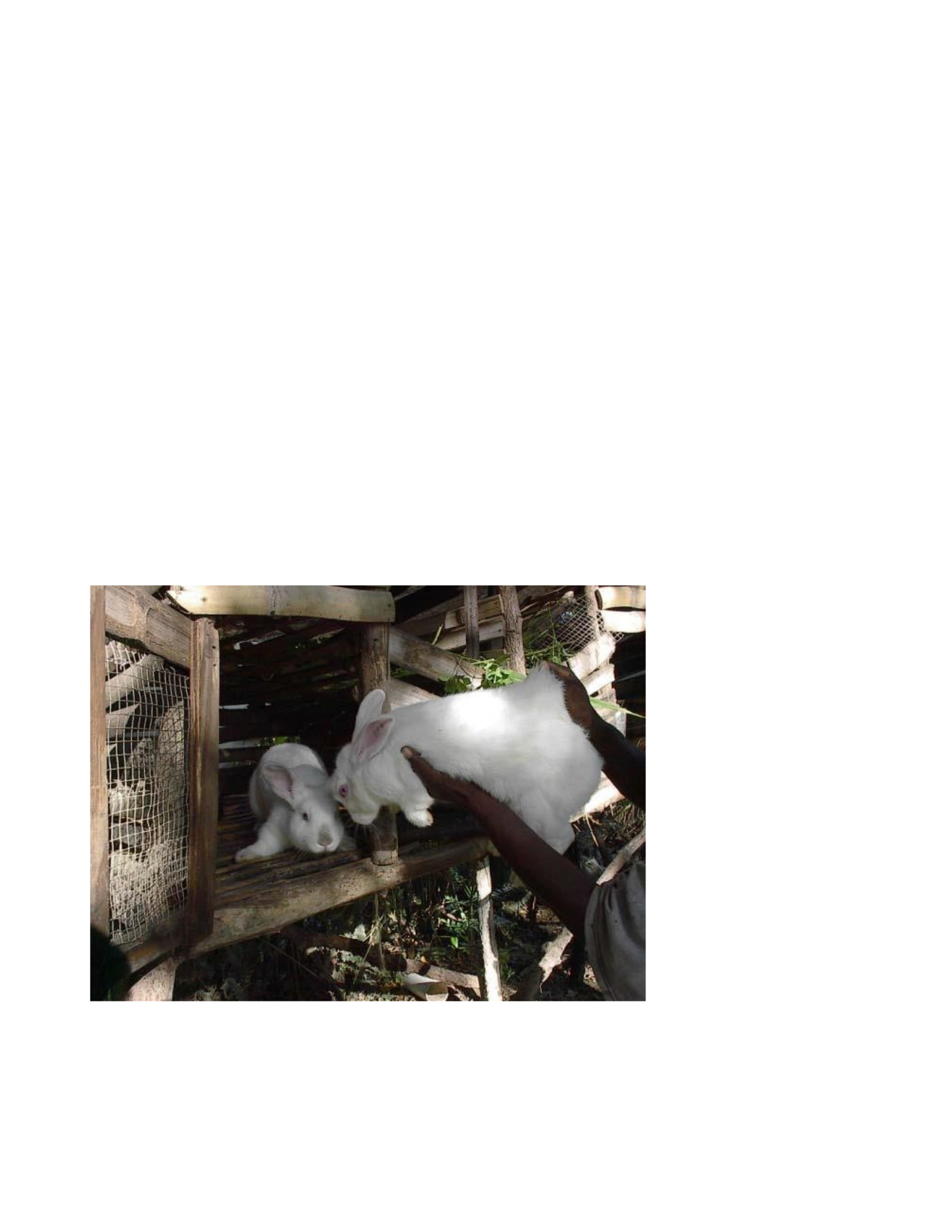
When a female is ready to be bred, you take her from her cage to the male’s cage. If you bring the
male to the female, she will defend her territory, fight with and sometimes kill the male. When
you carry a rabbit, use two hands; NEVER carry a rabbit by its ears. Hold the front feet in one hand
and the back feet in the other. A female that is mistreated will not likely come into heat.
When you present the female to the male, breeding will take place in a few seconds. When the
male falls over the female is bred. If the female is not in heat, she will fight with the male.
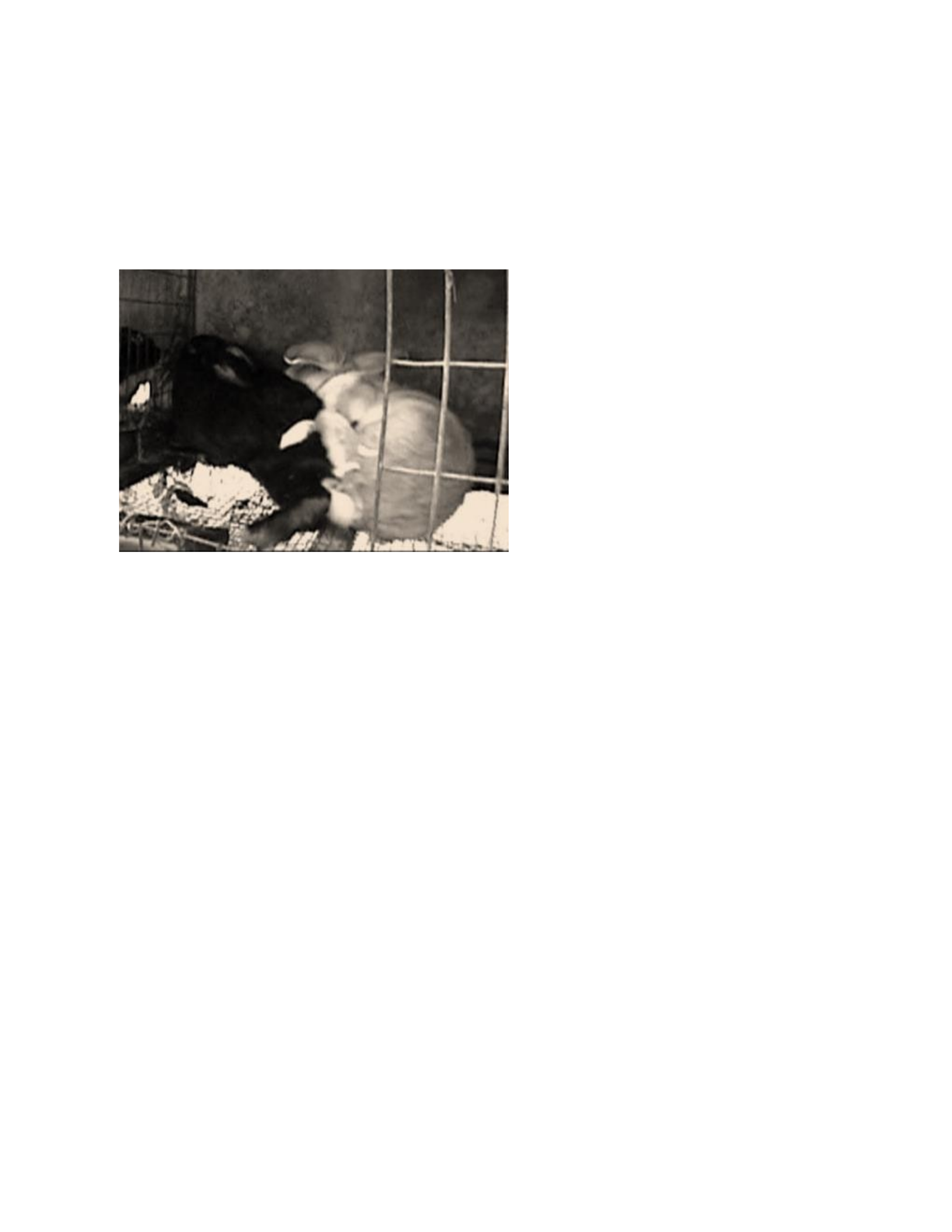
Don’t leave them together too long for they will wear each other out. Remove the female and
try again the next day.
Mating ratio
Individual mating 1:1
Colony mating 2:5 or 1:5
Never leave a female in the male cage more than 15 minutes. To assure insemination, present the
female 2-3 times; mornings and evenings are best. When she has been bred, write the date
down on the data card with the name of the male (if you have several) and mark the date If
fertilization is succesfull the doe is will be relactant to be mated
Conception rate after mating is 90% . This is due to the multiple ovulation, they have a capacity of
1-20 kindles
Nutrition is very important during this period. Under good management, the 90% chances can be
increased. Ovulation is initiated by coitus. A buck could be used for service 2 to 4 times per week
Males that are undernourished, too fat, or too old, lose heart and become poor breeders. A male
not interested in breeding must be replaced. Males should be replaced every two years even when
well kept. Males represent half your stock. Find males unrelated to your rabbit population to avoid
inbreeding. If the male you use is an offspring of your flock, the size and health of the bunnies it
produces will be poor. Inbred rabbits are weak, small, and easily fall ill. Always look for a
replacement male unrelated to your flock of rabbits.
How to determine pregnancy
1. Your rabbit will give birth 30 days after breeding ie gestation period is 30 days
12 to 16 days after breeding, you can feel the babies in her abdomen as marble shaped objects on
the two sides bypalpation
Too early palpation may cause abortion
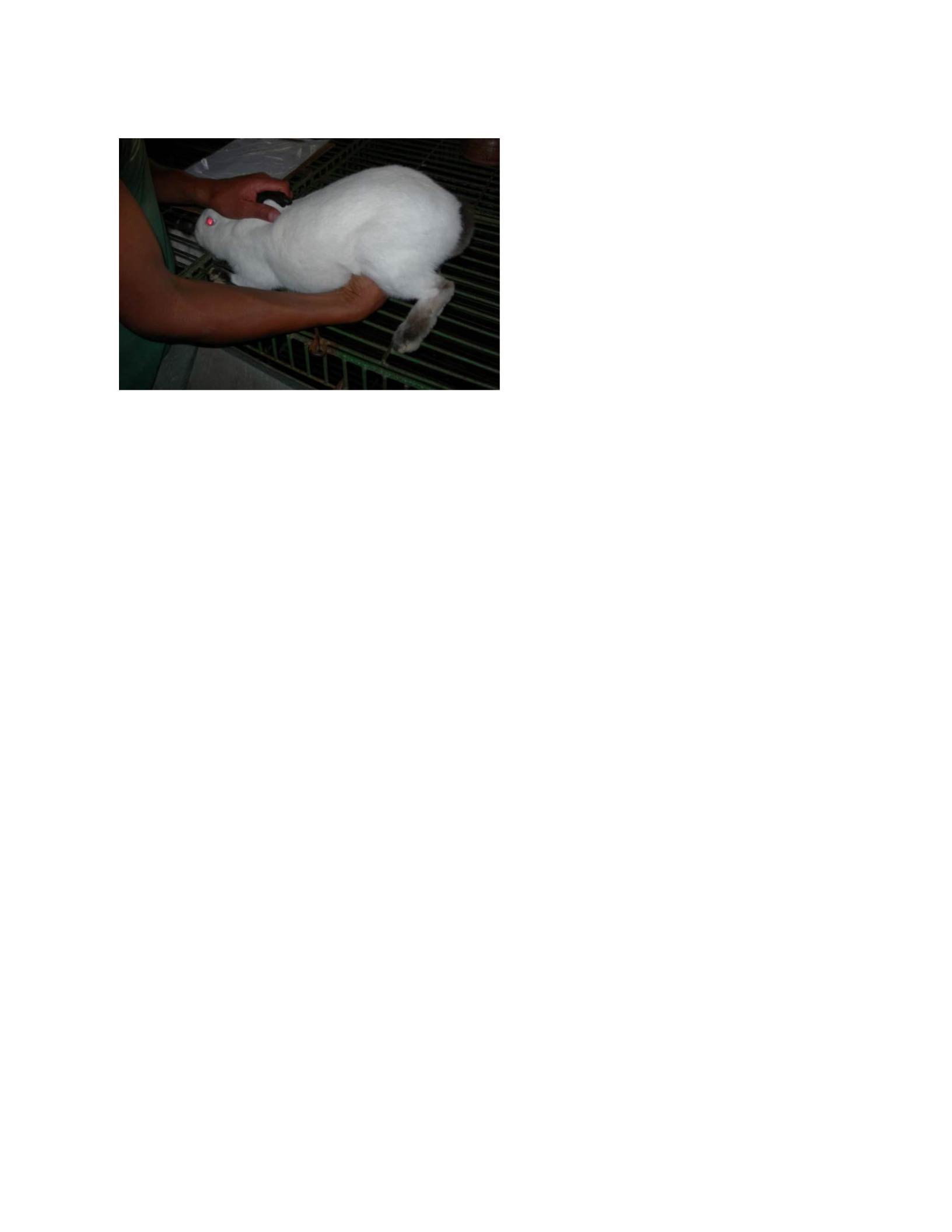
Non pregnant doe may be rebred after palpation.
Take the female in one hand and with the other gently palpate or squeeze her abdomen high up
toward her back bone. You will feel some balls the size of marbles. These are her young. Do this
gently or you will injure the rabbit or her young. She could miscarry if you are too brutal. If you
find no growing young inside, you need to breed her again. If she accepts the male, this is
confirmation that she was not bred the first time.
2. Late pregnancy test
Inexperience keepers should practice detecting pregnancy on does that are 20 days pregnant at
which stage the fetuses are easy to identify. By around 28 days the mammary gland will have
developed significantly and this can be regarded as final confirmation of pregnancy. At around 29
days, the doe will begin to remove fur from her abdomen to make a nest.
3. Pseudo-Pregnancy Test
False pregnancy occurs as a result of sterile mating or more commonly from stimulation of one
doe riding another. It happens more frequently with does that have not kindled their first
litter. Always separate does at least a month prior to breeding.
Does must be separated at least 18-20 days before mating. The doe may pull fur and attempt to
make a nest but she will not keep it clean.
What Prevents a Rabbit from Becoming Pregnant
A female will not easily become pregnant if:
• She is under weight
• The cage is too hot
• She is sick
• She is bred too soon after weaning the last litter
• She is undernourished
• She is too old (more than 3 years)
To avoid rabbits not getting bred the first time, feed them well, don’t breed them too often,
situate their cages out of the sun, rain, and wind, and finally, change your males every two years
to keep your flock young and productive.

Males
Used for the first time when they are 135 – 140 days old (breeding purposes)
Young males have low sperm counts
Females
Mature at 5.5 months Oestrous
cycle takes 28 days
Female mature when the trend of oestrus cycle is set
SELECTION
Males are selected based on the progeny performance especially
the growth rate of the kindles
Culling is done based on the same criteria
Many farmers opt for the growth rate over the body conformation Also
should be able to reach market weight as early as possible Females are
selected based on
litter size,
litter performance ie mortality rate.
Growth rate
survival rate
INBREEDING
Not reccommeded due to the following reasons;
Lethal (bad) genes may be expressed
Animals with poor birth weight and growth rate are produced
Hybrid vigor and hetorosis is reduced
Breeding males must be obtained from good performers is unrelated population to your stock
CANNIBALISM OR ABORTION
Cannibalism and abortion are common problems. The causes are many and mostly
undependable. These are some of the causes:
1. First-litter does are extremely nervous. Give them one more chance and then cull if
cannibalism recurs.
2. Unbalanced diet
3. Lack of water
4. Predators can cause the doe to stamp her feet and mash the young
5. Unusual noise can cause the doe to injure the young and can result in cannibalism.
6. Moving nest box after young are kindled.
7. Shallow nest box makes the does feel insecure and she is easily disturbed.
BREEDING PROGRAMME

Days Activity
0 Doe gives birth
12 Doe mated again
21 Time to move from kindling
35 Weaning
42 birth
FOSTERING
Fostering means getting a doe to accept a rabbit or rabbits from another litter. Guidelines for
carrying out fostering are as follows:
Mate does on the same day
The litters involved should be born within 3-4 days of each other.
Only foster rabbits that are less than five days old.
Remove both the foster doe and the donor doe from their hutches.
Carefully remove the rabbits to be fostered from their nest with the minimum of
disturbance and without touching any of the rabbis that are not being fostered; return
the donor doe.
Introduce the rabbits to be fostered, disturbing the foster nest as little as possible.
Leave the newly mixed rabbits for a few hours so that they all take on the same smell
Return the recipient doe to the hutch while at the same time giving her some food
which you know she likes.
WEANING
Weaning is the separation of the doe and the young.
This is usually takes place between 5-6 weeks. After weaning, the doe should be allowed to
recover her body condition before re-mating.
Much will depend on the level of feeding but the doe should normally have rest of at least four
weeks.
COPROPHAGY / CAECOTROPHY
This is the eating of faecal-like pellets produced in the caecum. These caecal pellets are sometimes
called soft faeces. To do this, the rabbit sucks in the soft faeces as they emerge from the anus,
then swallow without chewing.
Consumption of the soft faeces starts when the rabbit is about 4 weeks old. Note that rabbit
can survive without practicing caecotrophy for many days but death is usual if they are prevented
from eating their soft faeces for several months.
Soft faeces are higher in crude protein and lower in crude fibre than hard faeces. Their higher
protein level is due to their content of bacteria.

Caecotrophy is a very important part of the rabbit’s digestive processes. It recycles some
unabsorbed nutrients as well as returning protein and vitamin B rich bacteria for enzyme digestion
in the small intestine.
MARKETING
Regional groups of rabbit farmers can work together to set up certified rabbit slaughtering
facilities, as purpose built abattoirs or as part of existing livestock abattoirs.
Marketing of the meat is usually undertaken by one of the larger producers, the abattoir manager
or a meat wholesaler associated with a particular slaughtering facility. The important point for new
farmers to appreciate is that there is no established, state-wide marketing system as we see for
other livestock industries.
Marketing your rabbits will mean tapping into groups that are already established or establishing
your own from scratch!
However, there appears to be good domestic demand for meat rabbit.
Prices being paid for rabbits vary from group to group and are in the range of.............../ kg dressed
weight.
Rabbits usually dress out at 50% of liveweight at slaughter. There is a small residual value for
pelts and by-products. Slaughtering costs are about.............per rabbit.
DRESSING RABBITS
Human killing
Rabbits can be easily and humanely killed with a karate chop to the neck. Hold them by the back
feet and hit the back of the neck with the side of your hand. This will break the neck and spinal
cord instantly. Then suspend the rabbit by its hind legs for skinning and cleaning with its belly
facing towards you.
Begin skinning by cutting the skin around each foot and pulling down. Cut carefully around the
anus until it is completely free of the skin and supporting tissues. Continue to cut the skin in a line
down to the neck then pull and remove all the skin like a shirt. Cut the skin away from the front
paws to remove it completely.
Next cut open the abdomen beginning near the anus cutting down to the chest. Remove the
intestines, lungs, heart, and liver. Be careful not to rupture the gall bladder. This will ruin the meat.
Once you have removed the guts, remove the head and legs leaving only good meat. The rabbit
PRODUCTION RECORDS
A good manager keeps careful production records. You should make notes of the date bred,
offspring born, offspring weaned and name of male parent of each litter. The parent lines of the
mother rabbits should be known to prevent inbreeding. Each mother rabbit kept for production
should have a name or identification number. There are ways also to mark your rabbits. Easiest
is to cut a notch in an ear. Alternatively you
can tattoo their ears with a needle and ink. You don’t have to mark them, in which case you
should be able to recognize them by sight.
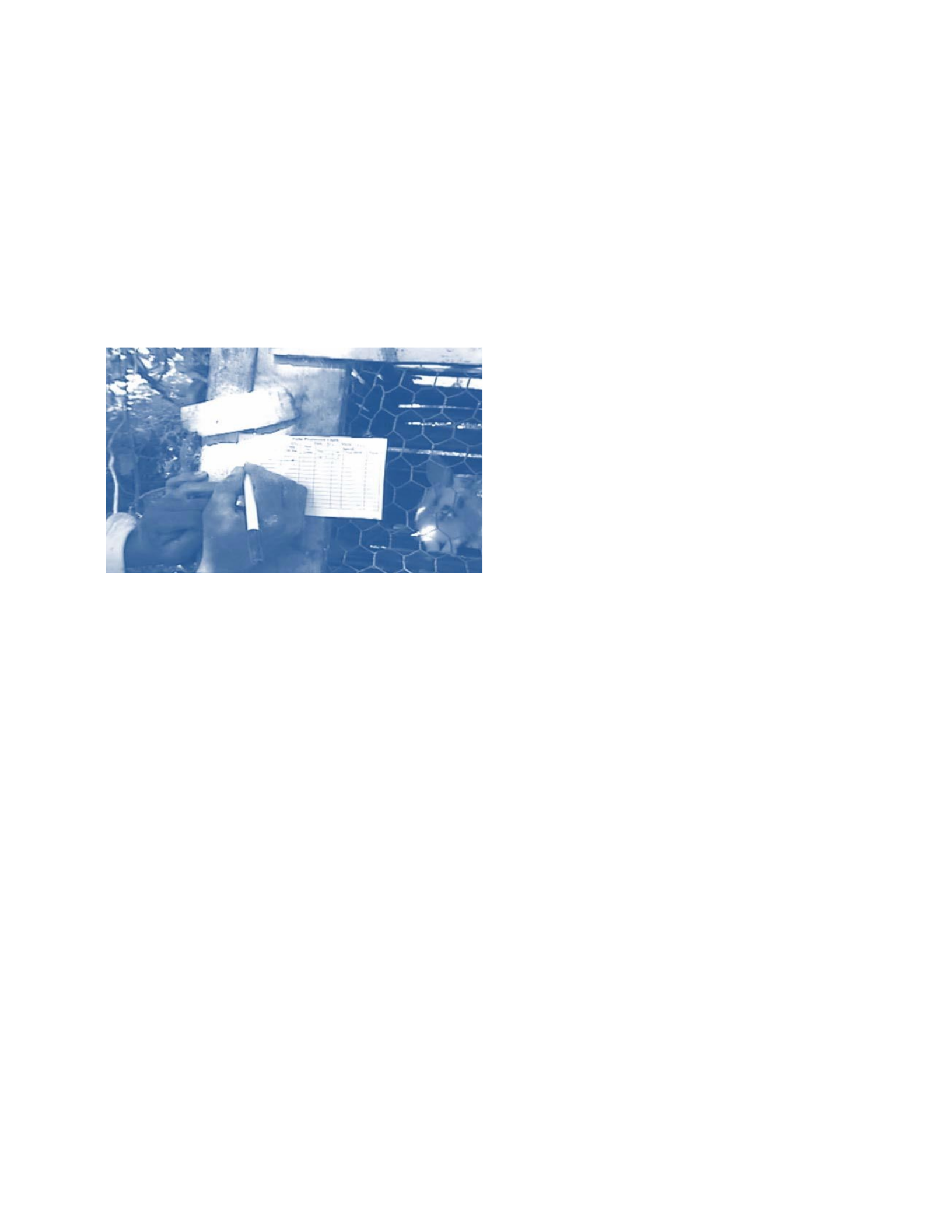
Keep Good Records! Record every mating, birth and weaning
When you breed a rabbit, write the date and name of the male. If she becomes pregnant, write
the date she gives birth and the number of live babies. When they are weaned, note the date,
quantity weaned, and number of females. All this information helps you manage your production.
If you forget the date you bred the rabbit, you may forget to put in a nest box and the babies will
be born in the cage and likely lost. With these records you can easily see which female produces
the most young, is most consistently pregnant and is a good nursing and weaning mother. Such a
mother you want to keep as well as her best daughters. On the other hand these records help you
note the poor mothers that produce few live young, are difficult to get pregnant and are poor at
nursing and weaning.

RABBIT DISEASES
Rabbits should be inspected daily for any signs of ill health.
All sick rabbits and those exposed to diseases should be isolated and held in quarantine. Dead
rabbits should be removed immediately and disposed of hygienically.
These precautionary measures will reduce spread of infection in the rabbitry in cases of
communicable diseases.
Prevention of a disease outbreak is better than cure, and more so because most of the diseases do
not have a ready and effective treatment.
pasteurellosis
Caused by Pasteurellaspp
is a bacterium that is common in animals, usually causing few ill effects in healthy rabbits in a low
stress environment. When the bacteria multiplies rapidly, the most common manifestation of
pasteurellosis is the condition called snuffles.
Signs of Pasteurellosis
Is also evidenced by pneumonia, abscesses, weepy eyes, vaginal discharge, enlarged testicles and
wryneck.
Snuffles is characterized by nasal discharge and is extremely contagious.
Control
Strict sanitation and good ventilation are required for effective control.
The condition can be readily suppressed by antibiotic treatment but a cure is difficult. If snuffles is
allowed to go untreated, rabbits will begin to die from pneumonia. Abscesses are usually seen in
the subcutaneous areas and can be treated with antibiotics.
Coccidiosis
Caused by Coccidia, a protozoan parasite, causes diarrheal disease and/or liver damage. Liver
coccidiosis is of greatest concern for the rabbitry.

Control
Sulfaquinaxilone is one of the drugs available for control and prevention of cocciosis. Veterinary
assistance is needed for the supply and use of a coccidiostat. These are usually administered in the
drinking water or the feed. Prevention of coccidiosis can be aided by daily removal of faecal
material from cages with a wire brush.
Avoid wet spots in the house
Change beddings regularly
myxomatosis
Myxoma virus causes the devastating condition .in Australia the virus was introduced to kill wild
rabbits.
It can be transmitted from wild to domestic rabbits by mosquitoes and fleas, which act as
mechanical vectors.
Signs
Rabbits of all ages are affected and swelling of eyelids, lips, face and ears is noticed in the
chronic form of the disease.
Control
Keeping flying insects out of the rabbitry is vital in preventing this disease.
Culling affected animals immediately is the best way of preventing further spread of the
disease. There is no treatment or vaccine for myxomatosis available.
Rabbit Calicivirus Disease (RCD) or viral haemorrhagic disease
Caused by Calicivirus. It is used for biological control of wild rabbits in Australia and is
transmitionis through flies, mosquitoes, direct or indirect animal contact and through the air. Signs
Adult animals mostly die rapidly, showing few clinical signs, although in some instances fever,
blood stained mucus and respiratory difficulty may be seen. Kittens up to the age of 4-5 weeks
appear to have some natural resistance against the disease.
Control
The protection of breeding stock with RCD vaccine is essential. The first dose of vaccine can be given
at the age of 12 weeks and a booster dose is essential after 12 months of age.
Ear cancer: rusty substances in the ear
Skin mange: cause by mites
Easily transmitted and usually complicated by bacterial infection
Enteritis: inflammation of the intestine due to feeding on feeds of high protein content
Symptoms
Loss of appetite
Rough coat
Low temperature

Bloated stomach
Pneumonia: caused by poor housing and ventilation in cold
areas Control; avoid cold droughts in the house
Parasite
s
Ectopasi
tes
Ear mange
Skin mange
Mites
Ringworms
Fleas
Ticks
Control dust rabbits and recommended chemicals
Endo
parasites
Tapeworms
Round
worms
Control: deworm with recommended chemicals or drugs

