


Question 1
2 out of 2 points
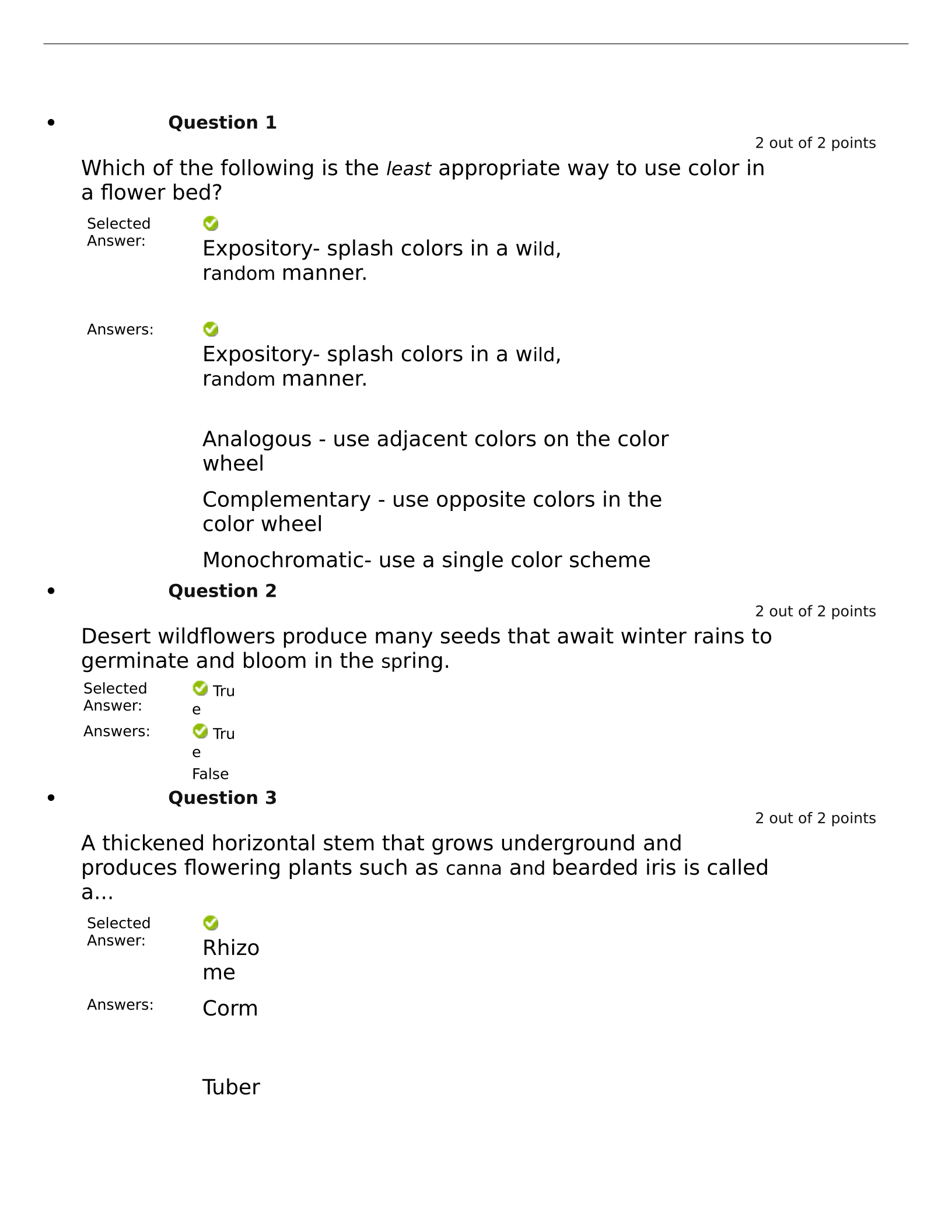
Which of the following is the least appropriate way to use color in
a flower bed?
Selected
Answer:
Expository- splash colors in a wild,
random manner.
Answers:
Expository- splash colors in a wild,
random manner.
Analogous - use adjacent colors on the color
wheel
Complementary - use opposite colors in the
color wheel
Monochromatic- use a single color scheme
Question 2
2 out of 2 points
Desert wildflowers produce many seeds that await winter rains to
germinate and bloom in the spring.
Selected
Answer:
Tru
e
Answers: Tru
e
False
Question 3
2 out of 2 points
A thickened horizontal stem that grows underground and
produces flowering plants such as canna and bearded iris is called
a...
Selected
Answer:
Rhizo
me
Answers: Corm
Tuber
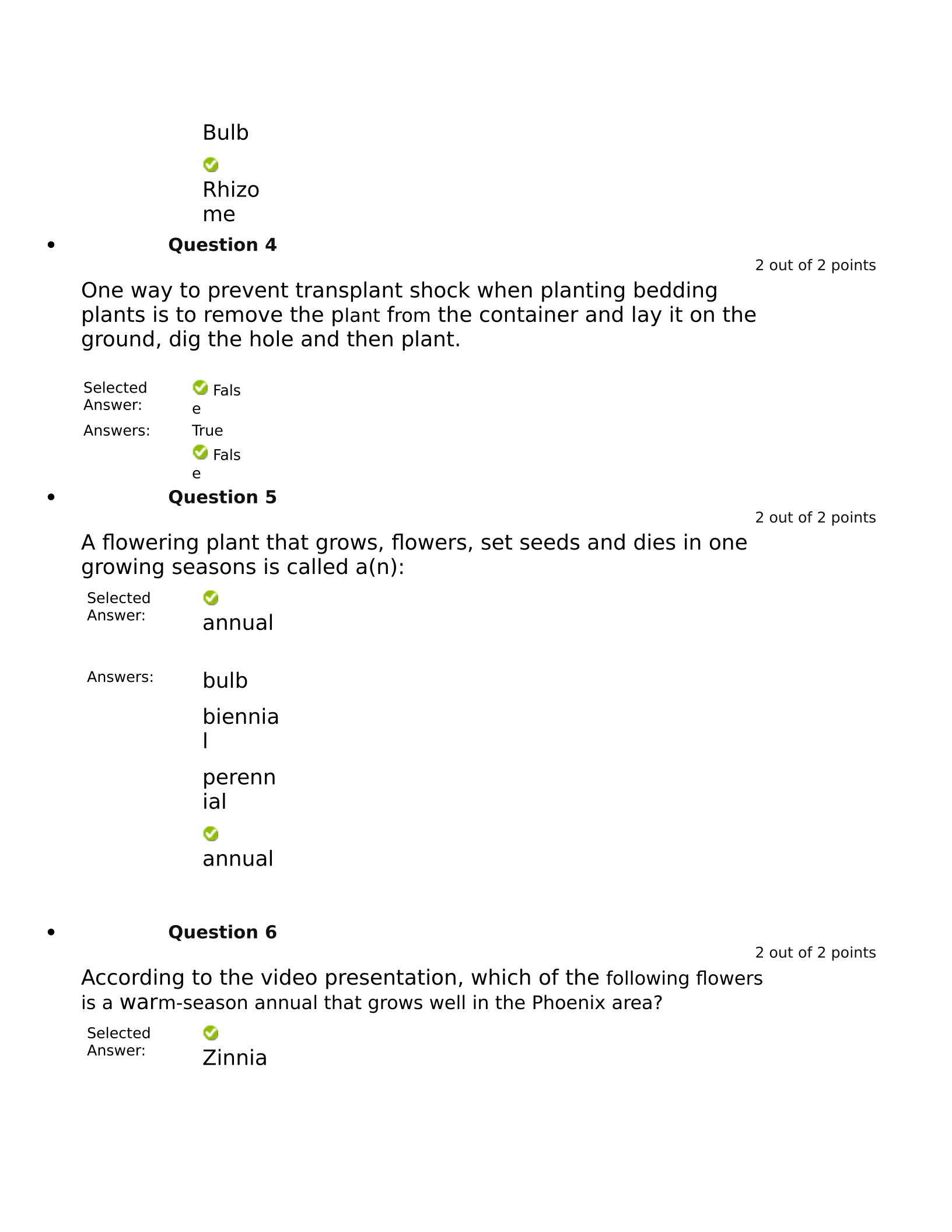
Bulb
Rhizo
me
Question 4
2 out of 2 points
One way to prevent transplant shock when planting bedding
plants is to remove the plant from the container and lay it on the
ground, dig the hole and then plant.
Selected
Answer:
Fals
e
Answers: True
Fals
e
Question 5
2 out of 2 points
A flowering plant that grows, flowers, set seeds and dies in one
growing seasons is called a(n):
Selected
Answer:
annual
Answers: bulb
biennia
l
perenn
ial
annual
Question 6
2 out of 2 points
According to the video presentation, which of the following flowers
is a warm-season annual that grows well in the Phoenix area?
Selected
Answer:
Zinnia
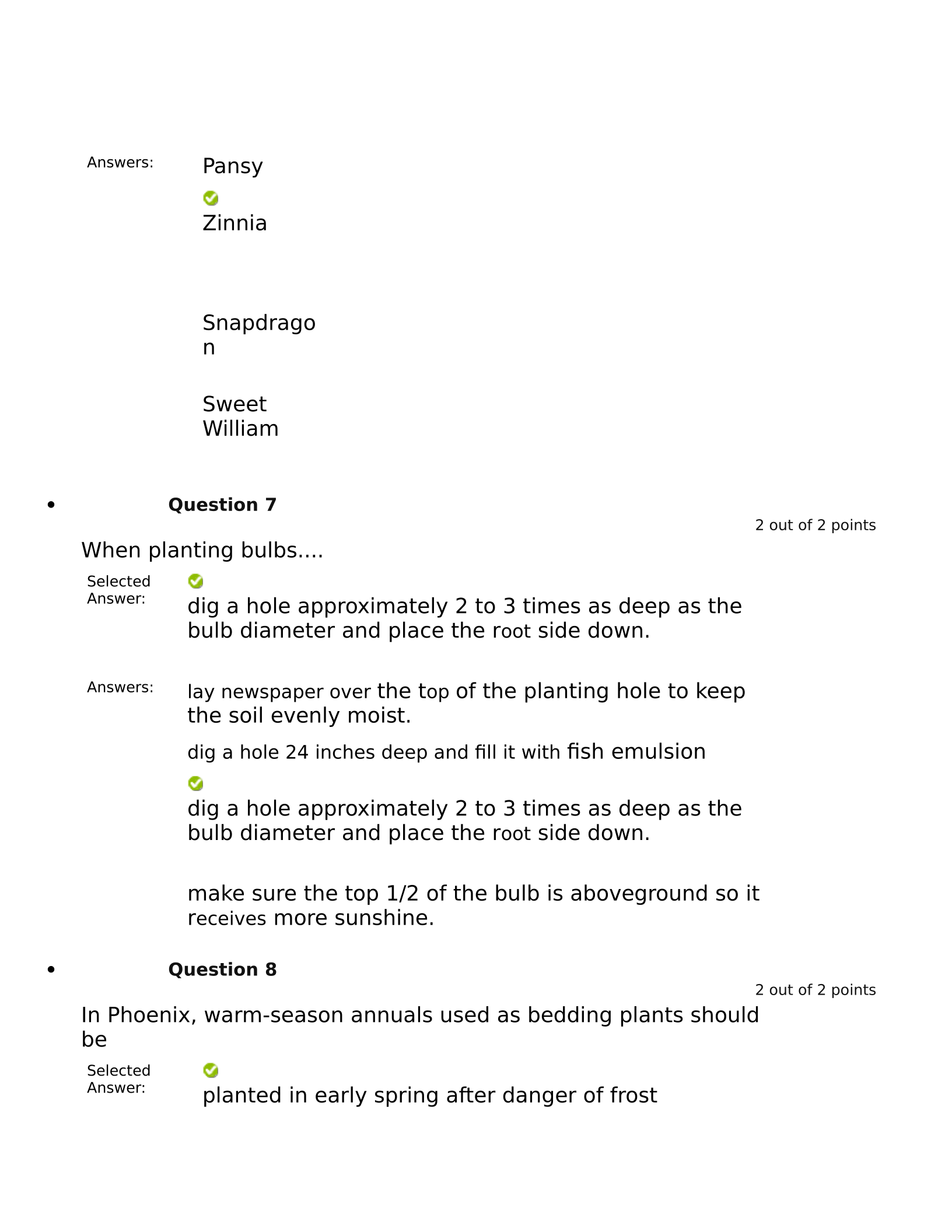
Answers: Pansy
Zinnia
Snapdrago
n
Sweet
William
Question 7
2 out of 2 points
When planting bulbs....
Selected
Answer:
dig a hole approximately 2 to 3 times as deep as the
bulb diameter and place the root side down.
Answers: lay newspaper over the top of the planting hole to keep
the soil evenly moist.
dig a hole 24 inches deep and fill it with fish emulsion
dig a hole approximately 2 to 3 times as deep as the
bulb diameter and place the root side down.
make sure the top 1/2 of the bulb is aboveground so it
receives more sunshine.
Question 8
2 out of 2 points
In Phoenix, warm-season annuals used as bedding plants should
be
Selected
Answer:
planted in early spring after danger of frost
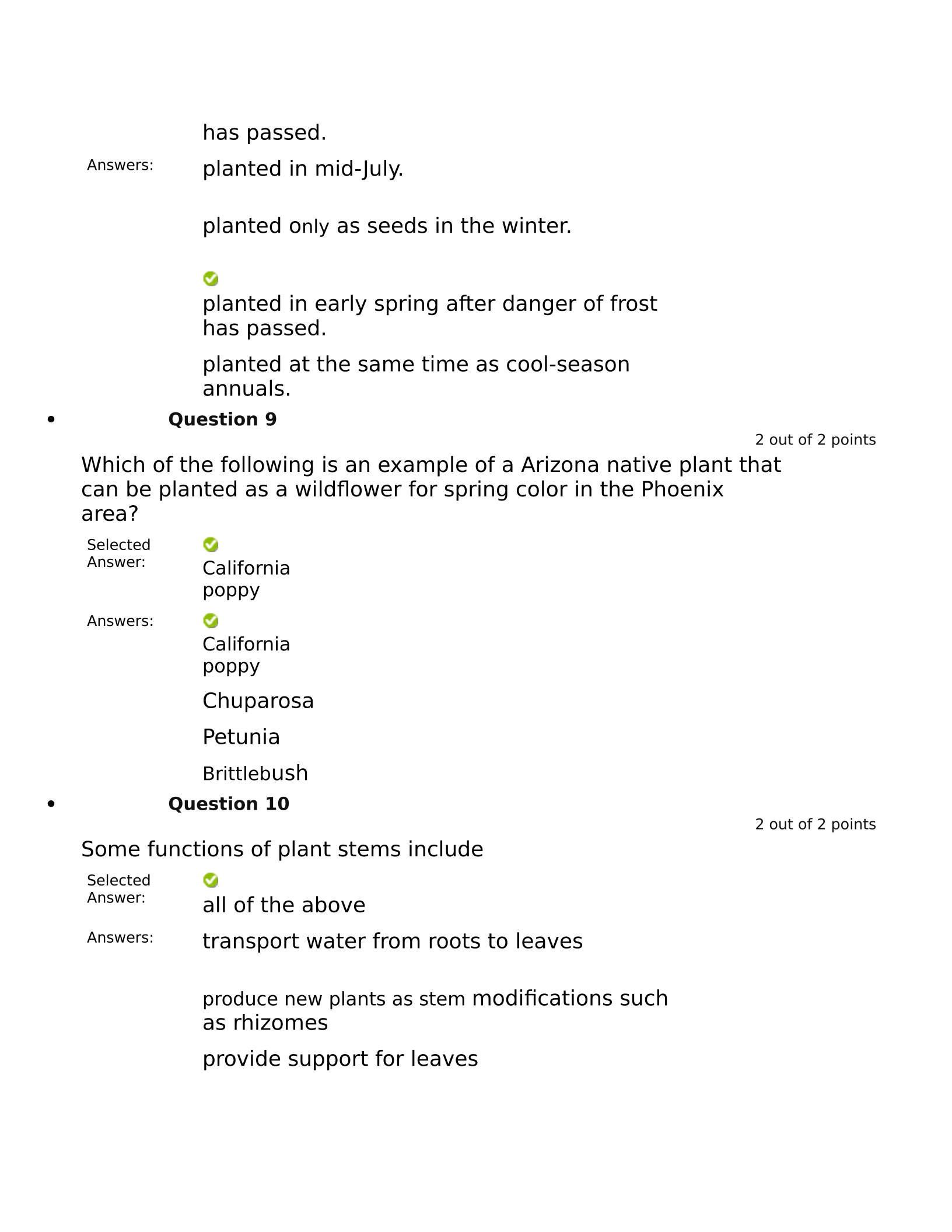
has passed.
Answers: planted in mid-July.
planted only as seeds in the winter.
planted in early spring after danger of frost
has passed.
planted at the same time as cool-season
annuals.
Question 9
2 out of 2 points
Which of the following is an example of a Arizona native plant that
can be planted as a wildflower for spring color in the Phoenix
area?
Selected
Answer:
California
poppy
Answers:
California
poppy
Chuparosa
Petunia
Brittlebush
Question 10
2 out of 2 points
Some functions of plant stems include
Selected
Answer:
all of the above
Answers: transport water from roots to leaves
produce new plants as stem modifications such
as rhizomes
provide support for leaves
all of the above
Question 11
2 out of 2 points
Daffodils, crocus and tulips are NOT the best bulb plants for the
Phoenix area because...
Selected
Answer: Daffodil, crocus and tulips have to be purchased new
each year and replanted because they do not survive
over the summer.
Answers: It is too cold here in the winter.
These plants prefer hot, tropical, humid environments.
They need more calcium than what is available in local
desert garden soil.
Daffodil, crocus and tulips have to be purchased new
each year and replanted because they do not survive
over the summer.
Question 12
2 out of 2 points
When purchasing bedding plants to achieve a mass of landscape
color, factors to consider include:
Selected
Answer:
the flowers and foliage color of the plants purchased
Answers: make sure to get enough plants so that plants are
touching one another at planting.
be sure to get the "most plant for your money" by
purchasing the largest and most healthy-looking plants
with evidence of healthy white roots emerging from the
bottom of the container.
purchase enough plants to plant them 2 inches apart
the flowers and foliage color of the plants purchased
Question 13
2 out of 2 points
Which of the following factors should be part of a plan for using
bedding plants in a planting bed in the landscape?
Selected
Answer:
Keep the tallest plants in the back of the planting bed.
Answers: Mix warm and cool-season annuals to extend the length
of flower color in a bedding plant garden.
Keep the shortest plants at the sides of a bedding plant
area to give room for the largest plants in the front and
middle part of the planting bed.
Keep the tallest plants in the back of the planting bed.
No plan is needed- plant impetuously with gusto!
Powered by TCPDF (www.tcpdf.org)

