Art
 oluwanbe
 VALUELIGHT.html
LIGHT & VALUE
Light: the quality of brightness or darkness of an image. Light is essential to seeing and producing color. In art, especially Representational artworks, light is essential when attempting to mimic the natural world, drawing the viewer's eye to important areas of an artwork, creating shadow to define the contours of a shape, and evoking emotional or psychological responses from the viewer.
Value: The lightness/darkness of tones or colors. White is the lightest value; black the darkest value; between the two are varying grays = aka gray scale

To describe the light in an artwork, we’re going to follow a small checklist to help organize our observations: 1. Is the artwork generally light or dark? 2. Does it have a broad or narrow value range? 3. Is the light hard or soft? When talking about the luminous quality of an artwork we talk about the value - or level of light in the artwork. To assess the value in an artwork using the questions above, imagine a value scale that goes from black to white. There is a value scale on page 86 of your book. Looking at an artwork IN GENERAL, does it fall on the light side or dark side of the scale (or anywhere in between). The more variety of values an artwork has, even if they’r e all in the middle gray area of the scale, the broader the value range. A broad value range doesn’t have to include white and black —it just needs to include a wide variety of values. The last question asks if extremes of light and dark exist in the artwork. Is there 100% black and/or 100% white in the artwork? A black and white checkerboard has a very narrow value range (only two values) but does contain extremes of light and dark. Again, let’s apply this information to practical examples. Examine Hopper’s etching, Night Shadows of 1921.
This work could be described as a generally dark image, with a slightly broad value range and extremes of light and dark.
How about the student drawing of a box in the light below?
This is a generally light to middle gray image with a very broad value range (lots of grays), almost an extreme of white but no black (is the darkest area 100% black?).
How about the 1761 edition of Giovanni Battista Piranesi’s untitled etching (called "The Smoking Fire") from the series The Imaginary Prisons below?
This is generally a middle dark image with an extremely broad value range and extremes of light and dark. *************************************
In certain artworks, such as 19th-century-American Landscape paintings, light can have metaphorical meanings whereas areas bathed in light are synonymous with rationality, godliness, goodness, civilization, or intelligence; and, those areas shrouded in darkness symbolize irrationality, evilness, primitiveness, savagery, or ignorance. Thomas Cole's The Oxbow (1836)is an excellent example of how the era's ideologies are embedded in an artwork. Created in the context of 1836 U.S.A., Cole's landscape conveys the doctrine of Manifest Destiny - the right side of the landscape is domesticated, cultivated, orderly and bathed in light, which represents the first 13 colonies and lands usurped since Independence; the left side is overshadowed by storm clouds which casts the landscape in a dark, stormy wilderness and symbolizes the the unknown primitive & savage territories of the western frontier as well as all who reside there (i.e., American Indians). In short, the painting is propaganda to justify the continued colonization of the American continent and the oppression of Native Americans.
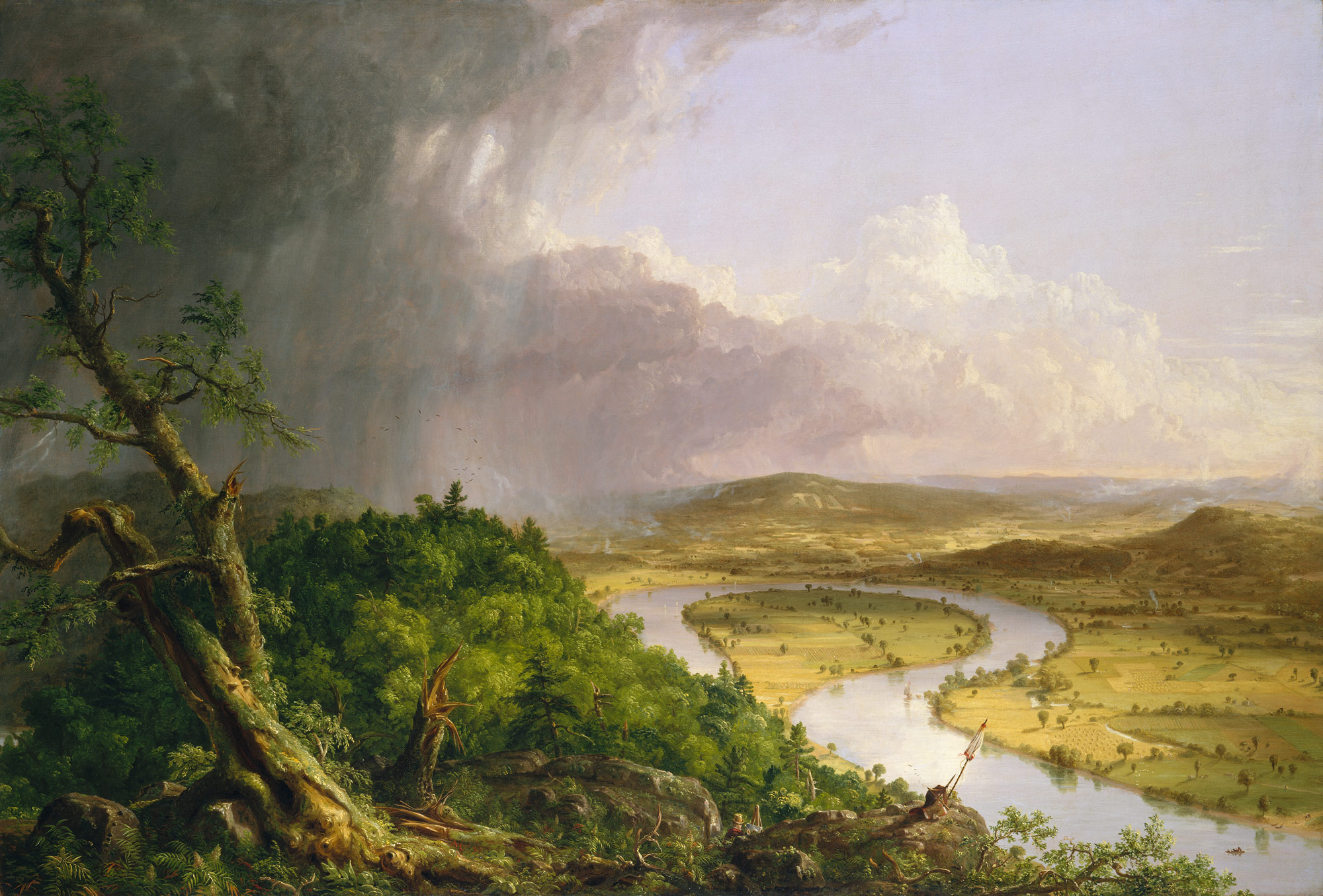
Thomas Cole, The Oxbow (or, View from Mount Holyoke, Northampton, Massachusetts After a Thunderstorm, 1836, O/C, 51.5" x 76" Metropolitan Museum of Art, NYC
TENEBRISM & CHIAROSCURO
TENEBRISM = Abrupt shift from light to dark
CHIAROSCURO = Gradual transition from light to dark
The light in Caravaggio's painting Crucifixion of St. Peter of 1600 changes very quickly specifically along St. Peter's left arm; the image is either very light or very dark — the middle grays are not very apparent. Tenebrism is a key characteristics of the Baroque Period in European art history in which light acts theatrically to draw worshipers back into the Catholic Church after the Protestant Reformation. During the era known as the Counter-Reformation, the Catholic Church used artworks as advertisement and propaganda to bring the masses back to Mass - much like concert posters and movie trailers work today.
In Peter Paul Rubens Bacchus painting of 1638/40 (below), the body of Bacchus emerges out of shadow because of the way Rubens has shown the gradual transition of light and dark across the body to create the illusion that it has mass.
CHIAROSCURO = Gradual transition from light to dark
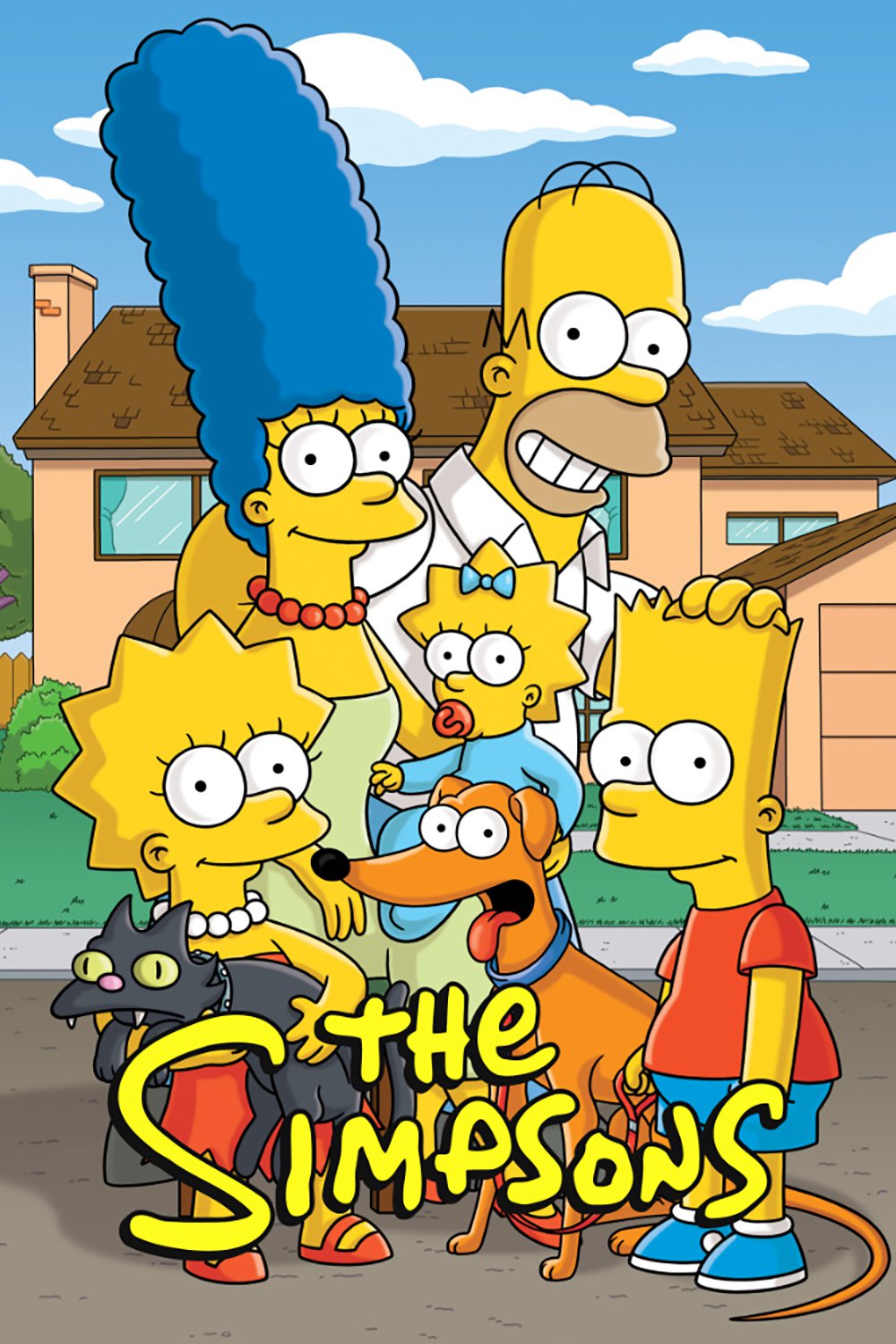
Finally, "flat light", almost the opposite of chiaroscuro, is used when there is little or no change in light across surfaces. Without the transition of light to give them form, objects/figures have a flat appearance, almost like paper doll cutouts. This is seen in Henri Matisse’s 1909 painting called Dance.
And in cartoon characters such as The Simpsons: