


Week 1_Study Questions
 reneechrissy
 BIOL181-LectureNotes_Week1.pdf
Last revised July 28, 2014
BIOL 181: Life in the Oceans – Lecture Notes
The text of these lecture notes for the Sea|mester courses Introduction to Marine Biology (v. 3.1),
by Chantale Bégin, Jessica Wurzbacher, Michael Cucknell, and Introduction to Oceanography
(v. 2.1), by Chantale Bégin and Jessica Wurzbacher, are used with the kind permission of the
authors. Images were researched and selected by UMUC BIOL and NSCI faculty.
Table of Contents
1. Introduction: Science and Marine Biology 2. Fundamentals of Ecology 3. Marine Provinces 4. Seawater 5. Tides 6. Biological Concepts 7. Marine Microorganisms 8. Multicellular Primary Producers 9. Sponges, Cnidarians, and Comb Jellies 10. Worms, Bryozoans, and Mollusks 11. Arthropods, Echinoderms, and Invertebrate Chordates 12. Marine Fish 13. Marine Reptiles and Birds 14. Marine Mammals 15. Intertidal Ecology 16. Estuaries 17. Coral Reef Communities 18. Continental Shelves and Neritic Zone 19. The Open Ocean 20. Life in the Ocean’s Depths 21. Marine Birds and Mammals in Polar Seas 22. Artificial Reefs 23. Marine Protected Areas 24. Impact of Tourism on the Marine Environment 25. The Global Trade of Marine Ornamental Species
BIOL 181: Life in the Oceans – Lecture Notes
2
1. Introduction: Science and Marine Biology (The majority of the text below originally appeared as chapter 1 of Introduction to Marine Biology)
1.1. Science and Marine Biology
Oceans cover 71 percent of the earth, and affect climate and weather patterns that in turn impact
the terrestrial environments. They are very important for transportation and as a source of food,
yet are largely unexplored; it is commonly said that we know more about the surface of the moon
than we do about the deepest parts of the oceans!
Oceanography is the study of the oceans and their phenomena, and involves sciences such as
biology, chemistry, physics, geology, and meteorology. Marine biology is the study of the
organisms that inhabit the seas and their interactions with each other and their environment.
1.2. Brief History of Marine Biology
Marine biology is a younger science than terrestrial biology, as early scientists were limited in
their study of aquatic organisms by lack of technology to observe and sample them. The Greek
philosopher Aristotle was one of the firsts to design a classification scheme for living organisms,
which he called ―the ladder of life‖ and in which he described 500 species, several of which were
marine. He also studied fish gills and cuttlefish. The Roman naturalist Pliny the Elder published
a 37-volume work called Natural History, which contained several marine species.
Little work on natural history was conducted during the middle ages, and it wasn’t until the late
eighteenth century and early nineteenth century that interest in the marine environment was
renewed, fueled by explorations now made possible by better ships and improved navigation
techniques. In 1831, Darwin set sail for a five-year circumnavigation on the HMS Beagle, and
his observations of organisms during this voyage later led to his elaboration of the theory of
evolution by natural selection. Darwin also developed theories on the formation of atolls, which
turned out to be correct. In the early nineteenth century, the English naturalist Edward Forbes
suggested that no life could survive in the cold, dark ocean depths. There was little basis for this
statement, and he was proven wrong when telegraph cables were retrieved from depths
exceeding 1.7 km deep, with unknown life-forms growing on them. In 1877, Alexander Agassiz
collected and catalogued marine animals as deep as 4,240 m. He studied their coloration patterns
and theorized the absorption of different wavelengths at depth. He also noted similarities
between deepwater organisms on the east and west coast of Central America and suggested that
the Pacific and Caribbean were once connected.
Modern marine science is generally considered to have started with the HMS Challenger
expedition, led by the British Admiralty between 1872 and 1876. During a circumnavigation that
lasted 3.5 years, the Challenger sailed on the world’s oceans, taking samples in various
locations. The information collected was enough to fill 50 volumes that took 20 years to write.
The samples taken during the Challenger expedition led to the identification of over 4,700 new
species, many from great depths, and the chief scientist, Charles Wyville Thomson, collected
plankton samples for the first time.
BIOL 181: Life in the Oceans – Lecture Notes
3
The Challenger expedition was the start of modern marine biology and oceanography, and is still
to date the longest oceanography expedition ever undertaken. However, modern technology has
allowed us to sample organisms more easily and more effectively and to quantify things more
accurately. Scuba diving and submersibles are used to directly observe and sample marine life;
remote sampling can be done with nets, bottles, and grabs from research vessels, and satellites
are used extensively for remote sensing.
1.3. Why Study Marine Biology?
1.3.1. To Dispel Misunderstandings about Marine Life
Though many people fear sharks, in reality 80 percent of shark species grow to less than 1.6 m
and are unable to hurt humans. Only three species have been identified repeatedly in attacks
(great white, tiger and bull sharks). There are typically only about eight to 12 shark attack
fatalities every year, which is far less than the number of people killed each year by elephants,
bees, crocodiles, or lightning.
1.3.2. To Preserve Our Fisheries and Food Source
Fish supply the greatest percentage of the world’s protein consumed by humans, yet about 70
percent of the world’s fisheries are currently overfished and not harvested in a sustainable way.
Fisheries biologists work to estimate a maximum sustainable yield, the theoretical maximum
quantity of fish that can be continuously harvested each year from a stock under existing
(average) environmental conditions, without significantly interfering with the regeneration of
fishing stocks (i.e., fishing sustainably).
1.3.3. To Conserve Marine Biodiversity
Life began in the sea (roughly 3-3.5 billion years ago), and about 80 percent of life on earth is
found in the oceans. A mouthful of seawater may contain millions of bacterial cells, hundreds of
thousands of phytoplankton, and tens of thousands of zooplankton. The Great Barrier Reef alone
is made of 400 species of coral and supports over 2,000 species of fish and thousands of
invertebrates.
1.3.4. To Conserve the Marine Environment
Each year, three times as much trash is dumped into the world’s oceans as the weight of the fish
caught. There are areas in the North Pacific where plastic pellets are six times more abundant
than zooplankton. Plastic is not biodegradable and can kill organisms that ingest it. Many
industrial chemicals biomagnify up the food chain and kill top predators. Some chemicals can
bind with hormone receptors and cause sex changes or infertility in fish. Understanding these
links allow us to better regulate harmful activities.
1.3.5. To Conserve the Terrestrial Environment
BIOL 181: Life in the Oceans – Lecture Notes
4
Phytoplankton and algae use CO2 dissolved in seawater in the process of photosynthesis, and
together are much more important than land plants in global photosynthetic rates. Marine
photosynthesizers therefore have the ability to reduce the amount of CO2 dissolved in the oceans
and consequently in the atmosphere, which has important implications for the entire biosphere.
Many marine habitats, such as coral reefs and mangroves, also serve to directly protect coastlines
by acting as a buffer zone, reducing the impact of storm surges and tsunamis that may threaten
human settlements.
1.3.6. For Medical Purposes
Because the architecture and chemistry of coral is very similar to human bone, it has been used
in bone grafting, helping bones to heal quickly and cleanly. Echinoderms and many other
invertebrates are used in research on regeneration. Chemicals found in sponges and many other
invertebrates are used to produce several pharmaceutical products. New compounds are found
regularly in marine species.
1.3.7. For Human Health
Several species of plankton are toxic and responsible for shellfish poisoning or ciguatera.
Understanding the biology of those species allows biologists to control outbreaks and reduce
their impact on human health.
1.3.8. Because Marine Organisms Are Really Cool
Many fish are hermaphrodites and can change sex during their lives. Others, including several
deep-sea species, are simultaneous hermaphrodites and have both male and female sex organs at
the same time.
The blue whale is the largest animal to have ever live on earth, and has a heart the size of a
Volkswagen Beetle.
An octopus recently discovered and as of yet unnamed has the ability to mimic the color and
behavior of sole fish, lionfish, and sea snakes, all toxic animals, which greatly reduces its
likelihood of encountering predators.
1.4. How Is Marine Biology Studied? Using the Scientific Method
1.4.1. Science
The word science comes from the Latin (scientia) and means ―knowledge.‖ Science is a
systematic enterprise that builds and organizes knowledge in the form of testable explanations
and predictions about the world.
1.4.2. The Scientific Method
BIOL 181: Life in the Oceans – Lecture Notes
5
The scientific method is widely used in the process of conducting science. Its general steps are to
make observations, form a hypothesis to explain the patterns seen, perform experiments to test
the hypothesis, and then draw conclusions (Figure 1.1).
Diagram showing the steps of the scientific method
by Erik Ong is licensed under CC BY-SA 3.0
Figure 1.1. Scientific method. Steps of the scientific method.
1.5. Review Questions: Introduction to Marine Biology
BIOL 181: Life in the Oceans – Lecture Notes
6
1. What percentage of the earth is covered with oceans? 2. What was the driving force behind the initial studies into oceanography? 3. Who was the scientist on board the HMS Beagle in 1831? 4. What theories did this scientist develop? 5. In the early nineteenth century, who proposed that no life could live in the deep ocean? 6. Who was the chief scientist on board the HMS Challenger from 1872 to 1876? 7. What theories did Alexander Agassiz develop? 8. Why study marine biology? Give three reasons. 9. Explain the process of the scientific method.
BIOL 181: Life in the Oceans – Lecture Notes
7
2. Fundamentals of Ecology (The majority of the text below originally appeared as chapter 2 of Introduction to Marine Biology)
2.1. Study of Ecology
Ecology (from Greek oikos meaning home) is the study of interactions of organisms with each
other and with their environment.
Ecosystems are composed of living organisms and their nonliving environment, while the
biosphere includes all of the earth’s ecosystems taken together.
The environment is all the external factors that act on an organism:
physical (abiotic): temperature, salinity, pH, sunlight, currents, wave action, and sediment
biological (biotic): other living organisms and their interactions, e.g., competition and reproduction
The habitat is the specific place in the environment where the organism lives; e.g., rocky or
sandy shore, mangrove, coral reefs. Different habitats have different chemical and physical
properties that dictate which organisms can live there.
Niche: what an organism does in its environment—range of environmental and biological factors
that affect its ability to survive and reproduce
physical: force of waves, temperature, salinity, moisture (intertidal)
biological: predator/prey relationships, parasitism, competition, organisms as shelter
behavioral: feeding time, mating, social behavior, young bearing
2.2. Environmental Factors that Affect the Distribution of Marine Organisms
2.2.1. Maintaining Homeostasis
All organisms need to maintain a stable internal environment, even though their external
environment may be changing continuously. Factors such as internal temperature, salinity, waste
products, and water content all need to be regulated within a relatively narrow range if the
organism is to survive. This regulation of the internal environment by an organism is termed
homeostasis. The ability to maintain homeostasis limits the environments where an organism can
survive and reproduce. Each species has an optimal range of each environmental factor that
affects it. Outside of this optimum, zones of stress exist where the organism may fail to
reproduce. At even more extremes lie zones of intolerance, where the environment is too extreme
for the organism to survive at all.
2.2.2. Physical Environment
Sunlight
BIOL 181: Life in the Oceans – Lecture Notes
8
Sunlight plays an essential role in the marine environment. Photosynthetic organisms are the
base of nearly every food web in the ocean and are dependent upon sunlight to provide energy to
produce organic molecules. Light is also necessary for vision, as many organisms rely on this to
capture prey, avoid predation, and communicate, and for species recognition in reproduction.
Excessive sunlight can, however, be detrimental to some life forms, as it may increase
desiccation in intertidal areas and induce photo-inhibition through pigment damage to
photosynthetic organisms in the very top of the water column.
Click the link to see a graph showing the ranges of environmental "comfort zone." Where planets
are concerned, the central location is referred to as the "Goldilocks Zone": not too hot, not too
cold range of conditions for organisms.
Temperature
Most marine organisms are ectotherms (meaning that they rely on environmental heat sources)
and as such are increasingly active in warmer temperatures. Marine mammals and birds, on the
other hand, are endotherms and obtain heat from their metabolism. To keep this heat, they often
have anatomical adaptations such as insulation. The temperature of shallow subtidal and
intertidal areas may be constantly changing, and organisms living in these environments need to
be able to adapt to these changes. Conversely, in the open oceans and deep seas, the temperatures
may remain relatively constant, so organisms do not need to be as adaptable.
Salinity
Salinity is the measure of the concentration of dissolved organic salts in the water column and is
measured in parts per thousand (‰). Organisms must maintain a proper balance of water and
salts within their tissue. Semipermeable membranes allow water but not solutes to move across
in a process called osmosis. If too much water is lost from body cells, organisms become
dehydrated and may die. Some organisms cannot regulate their internal salt balance and will
have the same salinity as their external environment; these are termed osmoconformers. These
organisms are most common in the open ocean, which has a relatively stable salinity. In coastal
areas where the salinity may change considerably, osmoregulators are more common.
Pressure
At sea level, pressure is 1 atm. Water is much denser than air, and for every 10 meters descent
below sea level, the pressure increases by 1 atm. Thus, the pressure at 4,000 m will be 401 atm,
and in the deepest part of the oceans at nearly 11,000 m, the pressure will be about 1,101 atm.
The pressure of the water may affect organisms that both live in or visit these depths. Organisms
found in the deep oceans require adaptations to allow them to survive at great pressures.
Metabolic Requirements
Organisms need a variety of organic and inorganic materials to metabolize, grow, and reproduce.
The chemical composition of saltwater provides several of the nutrients required by marine
organisms. Nitrogen and phosphorous are required by all photosynthesizing plants or plant-like
BIOL 181: Life in the Oceans – Lecture Notes
9
organisms. Other minerals such as calcium are essential for the synthesis of mollusk shells and
coral skeletons. Although nutrients are essential for life, excessively high levels of nutrients in
sea water can cause eutrophication. This process of nutrient enrichment can lead to vast algal
blooms that eventually die and start to decompose. The decomposition may deplete the available
dissolved oxygen in the water, killing fish and other organisms.
2.3. Populations and Ecology
Population: a group of organisms of the same species that occupies a specific area. Different
populations are separated from each other by barriers that prevent organisms from breeding.
Biological community: populations of different species that occupy one habitat at the same
time. The species that make up a community are linked in some way through competition,
predator/prey relationships and symbiosis.
2.3.1. Population Range and Size
Since biologists can’t count every single individual in a population, they must instead estimate
size by sampling. One common way to sample a population is to count all individuals within a
few representative areas, and then extrapolate to the total number of individuals that are likely to
be in the entire range. Of course, this method only works well if the samples are representative of
the overall density of the population; if you happen to sample areas of exceptionally high
density, you would overestimate population size. Another common method to estimate
population size is the mark-recapture method. In this process, a certain number of individuals are
captured and tagged, then released back and allowed to mingle with the rest of the population.
After a certain period, a second sample is taken. As long as the marked individuals are dispersed
well within the population and haven’t suffered mortality from the first capture, the ratio of
marked: unmarked individuals in the second capture should reflect the ratio of marked: unmarked
individuals in the entire population. (Click the link to see a graphic demonstrating a simple mark
and recapture model for determining population density and distribution.) Therefore, we can
estimate population size with the following formula:
M m
----- = -----
N R
where:
N = Population size
M = Number of animals captured and marked in first sample
R = Number of animals captured in resampling event
m = Number of "R" that were already marked
2.3.2. Distribution of Organisms in a Population
Population density refers to the number of individuals per unit area or volume. In many
populations, individuals are not distributed evenly, and the dispersion (pattern of spacing among
BIOL 181: Life in the Oceans – Lecture Notes
10
individuals) can tell a lot about the spacing of resources and interactions between individuals. A
clumped dispersion pattern may reflect variations in the physical environment, or a clumped food
source; a uniform distribution is often the result of strong intraspecific competition; random
dispersion reflects weak interactions among individuals.
2.3.3. Changes in Population Size
Populations change in size over time. They acquire new individuals through immigration and
births, and lose individuals through emigration and deaths. Different species can have varying
reproductive outputs, life span and generation times, all of which can affect how quickly
populations of that species can grow. Collectively, these traits and others that impact births,
deaths and reproduction are referred to as life history traits. On each extreme of a continuum of
life history, strategies are r-selected species (those that have short generation times, high
reproductive potential) and K-selected species (those that have much longer generation time and
are long-lived, but have low reproductive outputs and low population growth potential. The
typical traits of r- and K-selected species are outlined in table 2.1.
Table 2.1. Characteristics of Organisms that Are Extreme r or K Strategists
r
Unstable Environment; Density-
Independent
K
Stable Environment; Density-Dependent
Interactions
organism is small organism is large
energy used to make each individual is low energy used to make each individual is high
many offspring are produced few offspring are produced
organisms have early maturity organisms have late maturity, often after a
prolonged period of parental care
organisms have a short life expectancy organisms have a long life expectancy
each individual reproduces only once individuals can reproduce more than once in a
lifetime
organisms have a type III survivorship pattern,
in which most die within a short time, but a
few live much longer
organisms have a type I or II survivorship
pattern, in which most live to near the
maximum life span
Source: Adapted from University of Miami Department of Biology. Accessed July 15, 2014, from
http://www.bio.miami.edu/tom/courses/bil160/bil160goods/16_rKselection.html
BIOL 181: Life in the Oceans – Lecture Notes
11
Populations change in size due to births, deaths, immigration, and emigration. Click here for a
graphic showing various factors that influence population size.
2.3.4. Population Growth
There are many ways in which a population can increase in size, including reproduction and
immigration. When a population has sufficient food or nutrients and is not greatly affected by
predation, it can grow rapidly in an exponential curve. However, no population can maintain this
growth forever—at some point resources become limited and slow down population growth
(either through lower birth rate or increased death rate). That population growth model is called
logistic growth. Here, the population levels off at size which the environment can sustain, known
as the carrying capacity of the environment. The carrying capacity is a dynamic point which may
fluctuate with changes in resource availability and predator behavior. Predator abundance often
mirrors prey abundance with somewhat of a lag in time. Click here to see a graph of exponential
(geometric) and logistic growth curves.
2.4. Communities
A biological community comprises the various populations of different species that interact
together in the same place at the same time. Organisms in a community interact with one another
in a variety of ways.
2.4.1. Niche
The niche of an organism is often described as its role in the community. It refers to the
environmental conditions and resources that define the requirements of an organism. The
broadest niche that an organism can occupy (defined mostly by resource availability and
tolerance to abiotic factors, e.g., pH, salinity) is called its fundamental niche. In reality,
organisms often occupy a smaller subset of their fundamental niche because of biological
interactions with other species such as competition and predation. This subset is called the
realized niche. Click the link to see a graphic indicating the difference between realized and
fundamental niches in nature and how these zones are determined.
2.4.2. Biological Interactions
Competition—occurs when organisms require the same limiting resources such as food, space
or mates. Interspecific competition occurs between organisms of different species, whereas
intraspecific competition is between organisms of the same species. Interspecific competition for
resources prevents different species from occupying exactly the same niche; if two species have
the same requirements, one will outcompete the other with several possible results: local
extinction (also known as competitive exclusion), displacement of the less successful competitor,
or selection for speciation that would lessen the competition.
To efficiently take advantage of a common resource, organisms may have unique anatomical and
behavioral specializations. This is commonly seen on coral reefs. For example, fairy basslets,
brown chromis, and soldierfish are all plankton feeders, but they do not directly compete with
BIOL 181: Life in the Oceans – Lecture Notes
12
each other. Fairy basslets feed close to the reef, chromic feed in the water column, and
soldierfish feed mainly at night. Another strategy to lessen competition is to take advantage of a
resource not in demand by other species, e.g., angelfish are one of the only reef fish that eat
sponges.
Predator-prey relationship—may determine the abundance of different trophic levels. The
amount of vegetation in a given area may determine the number of herbivores, which in turn may
limit or be limited by the amount of primary consumers and so on and so forth up the trophic
ladder. In some situations, if the population of primary consumers becomes large and consumes
many of the herbivores, then the vegetation of the area may thrive in a process known as a
trophic cascade. This would be an example of a top-down process in which the abundance of
prey taxa is dependent upon the actions of consumers from higher trophic levels. Bottom-up
processes are functioning when the abundance or diversity of members of higher trophic levels is
dependent upon the availability or quality of resources from lower levels. For example, the
amount of algae produced determines the amount of herbivorous fish produced, and this in turn
determines the amount of piscivorous fish the ecosystem will support.
A keystone species is an organism whose effect on the biological diversity of an area is
disproportionate to its abundance. For instance, the ochre sea star (Pisaster ochraceus) in the
intertidal zone of western North America is a keystone predator and makes it possible for many
other organisms to live through its predation on the mussel. Without the ochre sea star, the
intertidal zone becomes dominated by mussels, which outcompete most other species.
Symbiosis—occurs where organisms develop close relationships to each other, to the extent that
one frequently depends on the other for survival. There are three types of symbioses:
(a) Mutualism: both organisms benefit from the relationship; e.g., corals and zooxanthellae; clown fish and sea anemones
(b) Commensalism: one organism benefits while the other is not harmed but doesn’t benefit; e.g., remoras and sharks
(c) Parasitism: parasites live off a host, which is harmed; e.g., worms in digestive tract
2.5. Ecosystems
Ecosystems include the biological communities and their physical environment. Examples of
ecosystems include coral reefs, mangroves, rocky shores, sandy beaches, estuaries, kelp forests,
or the open ocean. Since different ecosystems don’t exist in complete isolation from one another,
important interactions between different ecosystems often exist (e.g., many coral reef fish spend
their juvenile stages in nearby mangroves).
2.5.1. Producers (Autotrophs)
Most producers obtain their energy from the sun or some form of chemicals. The vast majority of
primary producers photosynthesizes using a pigment called chlorophyll, which absorbs the sun’s
energy and convert it into an organic molecule called glucose (C6H12O6). Other autotrophs may
be chemosynthetic, using the energy from chemical reactions to produce organic compounds.
BIOL 181: Life in the Oceans – Lecture Notes
13
The glucose produced by autotrophs may be used by the organism for its own metabolic needs or
is available for higher trophic levels.
2.5.2. Consumers (Heterotrophs)
Organisms that rely on other organisms for food are collectively known as heterotrophs. Primary
consumers are herbivores, feeding on plants. Secondary consumers are carnivores feeding on the
herbivores. Tertiary consumers then feed on the secondary consumers and so on until the top
carnivores are at the top of the food chain. There are also omnivores, which feed on both
producers and heterotrophs, and then decomposers, which feed on all organic matter, breaking it
back down to simple molecules.
Click here for a graphic showing the difference between a terrestrial food chain and a marine
food chain.
2.5.3. Food Chains and Food Webs
Food chains are simple representations of the feeding relationships in an ecosystem. They show
one organism feeding on one prey while being devoured by one predator. In reality, these
interactions may be much more complex with one organism feeding on several prey at different
trophic levels while having several potential predators. This more complex relationship is called
a food web.
2.5.4. Other Energy Pathways
Not all energy pathways in the marine environment involve one organism feeding on another.
Through several inefficient feeding and metabolic mechanisms, organic matter is released into
the marine environment in the form of dissolved organic matter (DOM). These energy-rich
organic molecules can be incorporated by bacteria and other small plankton, which in turn are
eaten by larger organisms. In this way DOM, which would otherwise be lost to the environment,
is funneled back into the food web. Detritus from feces and decaying plants and animals is also
an extremely important food source for organisms in the marine environment. Detritivores, such
as bacteria and zooplankton in the pelagic zone or animals in the benthos, feed on this detritus,
returning energy back into the food chains.
2.5.5. Trophic Levels
Energy flows from the sun through producers to higher orders of consumers. Energy received
from photosynthesis, or from food, is temporarily stored until the organism is eaten or dies and is
decomposed. Thus energy storage in an organism can be portrayed as a trophic level. Primary
producers represent the first trophic level; primary consumers the second, secondary consumer
the third, and so on. Energy transfer between trophic levels is inefficient; primary producers
capture and store less than 1 percent of the sun’s energy. From there, an average of only 10
percent of the energy is passed on to successive higher trophic levels while the rest is used for
feeding, metabolism, reproduction, etc.
BIOL 181: Life in the Oceans – Lecture Notes
14
2.6. The Biosphere
2.6.1. Distribution of Marine Communities
Marine communities and ecosystems can be designated by the regions of the oceans that they
inhabit (click here for a simple representation of the ecological energy pyramid, showing energy
loss at different trophic levels). In the water column, known as the pelagic zone, the area of water
overlying the continental shelf is known as the neritic zone, whereas the area above deep ocean
basins is known as the oceanic zone. The organisms that inhabit the pelagic division exhibit one
of two different lifestyles. Plankton drift with the currents, whereas nekton are active swimmers
that can move against the currents. The benthic realm can be divided into the intertidal area, the
continental shelf, and the deep. Organisms in the benthic division are either epifauna, organisms
that live on the sediment, or infauna, organisms that live within the sediment.
2.7. Review Questions: Fundamentals of Ecology
1. Define the term ecology. 2. Define the term ecosystems. 3. Give an example of abiotic factors affecting marine organisms. 4. Give an example of biotic factors affecting marine organisms. 5. Define the term habitat. 6. Define the term niche. 7. Define the term homeostasis. 8. What is an ectotherm? 9. What is an endotherm? 10. What does it mean if an organism is anaerobic? 11. What is eutrophication? 12. What is the difference between interspecific and intraspecific competition? 13. What is resource partitioning, and give an example on a coral reef? 14. Define a keystone predator and give an example of one. 15. Name and describe the three types of symbiotic relationships. 16. What is osmosis? 17. What are osmoconformers? 18. In which type of symbiotic relationship does one organism benefit and the other is not
harmed in any way but does not benefit?
19. Define the term population. 20. What is the carrying capacity of a population? 21. What does the term neritic refer to? 22. What is plankton? 23. What does benthic refer to? 24. What does pelagic refer to? 25. What is the difference between epifauna and infauna? 26. What is an autotroph? 27. What is the equation for photosynthesis? 28. What is the primary energy source for autotrophs? 29. What inorganic nutrients do photosynthetic organisms require?
BIOL 181: Life in the Oceans – Lecture Notes
15
30. How do chemosynthetic organisms generate energy? 31. What do detritivores feed on? 32. What is the average percent of energy passed from one trophic level to another in a food
chain? What is the rest used for?
BIOL 181: Life in the Oceans – Lecture Notes
16
3. Marine Provinces (The majority of the text below originally appeared as chapter 3 of Introduction to Oceanography)
3.1. Introduction
Why study the oceans? To understand "Life in the Oceans" (our course title), we need to
understand the ocean environments. They cover 71% of our planet (Figure 3.1), and play an
important role in regulating global climate through their interaction with the atmosphere.
Map data: Google, NASA
Figure 3.1. Pacific Ocean from space. Here is an image you probably have not seen before. This
is the Pacific Ocean, with California in the upper-right corner and New Zealand in the lower-left
corner. Perhaps our planet should be named "Water" instead of "Earth" because oceans cover
71% of the planet. The Pacific Ocean is the largest ocean.
Oceans have been present for about 4 billion years, and are thought to be where life originated.
Moreover, the majority of the human population lives by the sea, and modern societies use
biological and mineral resources from the sea. Understanding the oceans is critical for optimal
and sustainable harvest of these resources.
BIOL 181: Life in the Oceans – Lecture Notes
17
Four major oceans have traditionally been recognized, with one additional ocean newly
recognized (Figure 3.2).
World map of oceans (English version) by Pinpin is licensed under CC BY-SA 3.0
Figure 3.2. The world's oceans.
The average depth of all oceans is 3.5 km. Pacific means peaceful or tranquil, but is inaccurately
named as the Pacific Ocean has numerous earthquakes and volcanoes along its edge (the Ring of
Fire). The Pacific is the oldest ocean, about 200 million years old, and the deepest, with an
average depth of 4.2 km. It is the largest (13,000 km wide) and covers 1/3 of the earth’s surface.
The Atlantic Ocean is half as old as the Pacific, and much smaller (6,600 km wide). It is 3.6 km
deep on average. The Indian Ocean is 7,000 km wide and has an average depth of 3.7 km. It is
confined to the Southern hemisphere. The Arctic Ocean is frozen but does not have any land
masses. It has an average depth of 1.1 km. Most oceanographers now also recognize the
Southern Ocean as a separate ocean. Although it is physically connected to the Pacific, Atlantic,
and Indian Oceans, this body of water, south of about 50 degrees south, is defined by the distinct
circulation of the Antarctic convergence.
Seas are bodies of salt water that are smaller than oceans. They have a direct connection to an
ocean and are often indentations into continents, or delineated by an island arc. There are many
seas around the world, including the Caribbean, Mediterranean and Red Sea
3.2. Determining Ocean Bathymetry
BIOL 181: Life in the Oceans – Lecture Notes
18
Bathymetry is the study of the depth and shape of the bottom of the ocean. Depth can be
measured in various ways. The earliest depth readings were done using soundings: lowering a
heavy weight on a line until it reached the bottom. In the early 1900s, the first echo sounders
measured ocean depth by sending a sound signal to the bottom and measuring how long it takes
for its echo to return to the surface. Modern echo sounders have tremendously increased the
precision of the measurements, but these measurements are severely limited by ship time and
resources. For this reason, satellite remote-sensing is increasingly used to infer bathymetry.
Features on the ocean floor create sea level abnormalities above them, which can be measured
accurately by satellites after correcting for waves, tides and other interferences (Figure 3.3).
Because satellites can obtain much more data than ships, bathymetric charts derived from
satellite data are more much detailed than those produced by acoustics alone (Figure 3.4).
The Jason-1 Measurement System by NASA
is in the public domain in the United States.
Figure 3.3. The Jason-1 measurement system.
BIOL 181: Life in the Oceans – Lecture Notes
19
Global seafloor topographic map by NOAA
is in the public domain in the United States.
Figure 3.4. Global bathymetric chart derived from sea surface abnormalities, which reveals
continental shelves and other shallow areas in pink, mid-ocean ridges in yellow-green and the
deepest parts of the ocean in blue.
3.3. Features of the Continental Margins
The ocean floor can generally be divided in three regions: continental margins, the ocean basins,
and mid-ocean ridges (Figure 3.5). The submerged edges of continents and the steep slopes that
lead to the sea floor, both made of continental crust, are the continental margins. Continental
margins may be passive or active. Passive margins are found where continents have rifted apart
(e.g., the Atlantic). Passive margins show little seismic or volcanic activity, and the transition
from continental to oceanic crust occurs on the same plate. They are typically wide. Active
continental margins, on the other hand, are associated with convergent plate boundaries and
subduction of oceanic crust beneath continental crust (e.g., Pacific Ocean). Active continental
margins are associated with earthquakes and volcanoes, and are typically narrow.
BIOL 181: Life in the Oceans – Lecture Notes
20
Diagram Representing Oceanic Basin by Chris_Huh
is in the public domain in the United States.
Figure 3.5. Oceanic basin features.
Continental margins are made up of several sections (Figure 3.6). The continental shelf lies right
at the edge of the continent and is nearly flat, with an average depth of 130 m. The width of the
continental shelf varies greatly, and is much greater in passive continental margins. Continental
shelves have been alternately submerged and uncovered through fluctuations in sea level during
glacial ages, and when inundated, they may accumulate sediment derived from land and carried
by rivers. The shelf break marks the abrupt change in slope from the nearly flat continental shelf
to the continental slope. The angle of the slope varies greatly. Continental slopes have submarine
canyons that were formed during periods of low sea level (Figure 3.7). These canyons are V-
shaped with steep walls and transport sediments from the shelves to the deep sea floor. Caused
by earthquakes or overloading of sediments on the shelf, turbidity currents are a fast moving
flows of sediments on the continental slope that may travel to speeds of 90 km/hr and carry
enormous quantities of sediments. At the base of the continental slope the accumulation of
sediment creates a gentle slope. This portion of the continental margin is known as the
continental rise, and is most prominent on passive continental margins. The continental rise
marks the beginning of true deep ocean basins.
BIOL 181: Life in the Oceans – Lecture Notes
21
Continental Shelf by the Office of Naval Research,
U.S. Department of the Navy, is in the public domain in the United States.
Figure 3.6. Continental margin, with continental shelf, slope, and rise.
Los Angeles Margin: Perspective View Looking North
by USGS is in the public domain in the United States.
Figure 3.7. Perspective view looking north over the San Gabriel (A) and Newport (B) submarine
canyons. The distance across the bottom of the image is about 17 km with a vertical exaggeration
of 6x. Both canyons formed when the San Gabriel River and the Santa Ana River flowed out
across the Los Angeles Basin and offshore shelf when it was exposed during lower eustatic sea
BIOL 181: Life in the Oceans – Lecture Notes
22
level. Newport Canyon begins less than 360 m from shore at the north end of Newport Harbor
and is composed of individual channels that braid down the slope over a width of about 9 km.
San Gabriel Canyon begins as a series of channels that join together midway down the slope and
then split into two channels at the base of the slope. The width of San Gabriel Canyon at "C" is
815 m and incises about 25 m into the slope. Lasuen Knoll can be seen in the foreground.
(Caption from USGS)
3.4. Features of Deep Ocean Basins
The deep sea floor covers a huge area of the oceans, and most of it consists of vast flat plains
known as the abyssal plains (Figure 3.8). Sediments carried from continental shelves are
eventually deposited on the deep sea floor, covering irregular topography and forming this flat
abyssal plain. Abyssal hills and seamounts are scattered throughout the sea floor. Abyssal hills
are short (less than 1,000 m high) and are a very common feature of the deep oceans. Most are
volcanic in origin. Seamounts are steep volcanoes that sometimes pierce the surface of the water
and become islands. Submerged seamounts that have a flat top are known as guyots, and were
formed by wave erosion when they were at the surface (Figure 3.8). Deep sea trenches occur
along convergent plate boundaries and typically have steep sides. The deepest part of the oceans,
known as the Challenger Deep, occurs in the Mariana trench off Japan and is 11,020 m deep.
Ocean trenches are associated with volcanic arcs, on the side of the overriding plate, as material
from the subducted plate melts and rises. These volcanoes can form island arcs such as the
eastern Caribbean or volcanic mountain ranges such as the Andes. The Pacific Ocean is lined
with such trenches, which create volcanoes and earthquakes around its perimeter, which has been
dubbed the Pacific Ring of Fire (Figure 3.9).
Image courtesy of Prof. Denny Whitford, UMUC.
Figure 3.8. Ocean floor features. Abyssal plains comprise about 40% of the total area in the
oceans.
BIOL 181: Life in the Oceans – Lecture Notes
23
Pacific Ring of Fire by Gringer is in
the public domain in the United States.
Figure 3.9. Deep sea trenches are especially common around the perimeter of the Pacific Ocean,
but are also found in the Indian and Atlantic Oceans. The perimeter of the Pacific Ocean is
known as "The Ring of Fire" because of earthquake activity resulting from tectonic plate
movement.
3.5. Features of the Mid-Ocean Ridges
Mid-ocean ridges and rises are the longest continuous mountain chain on earth and are
approximately 75,000 km long. Mid-ocean ridges are typically 2–3 km high and have a central
rift valley along the axis of spreading (Figure 3.10). A prominent feature of the rift valley is
hydrothermal vents (Figure 3.11a and b). These unique features are created when water seeps
down in cracks in the crust, gains heat and dissolved substances and is released by through the
seafloor. Hydrothermal vents can reach temperatures of over 350 °C and contain energy-rich
inorganic compounds such as hydrogen sulfides which can be used as a source of energy by
specialized communities than inhabit the vents. Volcanic seamounts can also be associated with
mid-ocean ridges, as magma can escape through the oceanic crust by side chambers (Figure
3.12).
BIOL 181: Life in the Oceans – Lecture Notes
24
Age of the Sea Floor with Shaded Vegetation by
NOAA is in the public domain in the United States.
Figure 3.10. Sea floor bathymetric features and tectonic plate names. Mid-ocean ridges are
shown in red with a black line. Red indicates youngest sea floor age.
New Model for Water Dynamics of Deep-Sea Hydrothermal Vents
by Zena Deretsky, NSF, is in the public domain in the United States.
Black Smoker at a Mid-Ocean
Ridge Hydrothermal Vent by P.
Rona, NOAA, is in the public
domain in the United States.
Figure 3.11a and b. Structure and image of a hydrothermal vent.
BIOL 181: Life in the Oceans – Lecture Notes
25
A Map of Seamount in the Arctic Ocean by
NOAA/NOS is licensed under CC BY 2.0
Figure 3.12. Seamounts rising from the seafloor. Color code indicates depth, with red and yellow
being the shallowest depth, and purple representing the deepest depths.
Mid-ocean ridges are cut by a number of fracture zones, parallel series of linear valleys
perpendicular to the ridge. Transform faults are the region of the fracture zone where plates
move in opposite direction (Figure 3.13). Earthquakes are frequent along transform faults.
BIOL 181: Life in the Oceans – Lecture Notes
26
Tectonic Plate Boundaries by Jose F. Vigil (USGS, Smithsonian Institution,
US Naval Research Laboratory) is in the public domain in the United States.
Figure 3.13. Mid-ocean ridge (or oceanic spreading ridge) with multiple plate boundary types.
Note the transform plate boundaries, resulting in fracture zones (or transform faults) seen as lines
perpendicular to the ridge axis.
3.6. Review Questions
1. Which type of continental margin (passive or active) typically has a wide continental shelf?
2. What does bathymetry mean? 3. Which ocean has passive margins? 4. Which ocean has a lot of volcanoes and earthquakes along its margins? 5. What is the approximate average depth of a continental margin? 6. What is the name of the boundary between the continental shelf and the continental
slope?
7. What are abyssal plains very flat? 8. Where are hydrothermal vents typically located? 9. Where are rift valleys located? 10. What is the difference between a transform fault and a fracture zone? 11. What size of sediments are typically found on the deep sea floor (fine or coarse)? 12. What is the continental rise? 13. What is a turbidity current?
BIOL 181: Life in the Oceans – Lecture Notes
27
4. Seawater (The majority of the text below originally appeared as chapter 6 of Introduction to Oceanography)
4.1. Properties of Seawater
Salinity
Salinity refers to the amount of inorganic material dissolved in water. This excludes sediments
held in suspension since those particles are not dissolved. The polar nature of the water molecule
allows it to readily dissolve salts. As salts (e.g., NaCl) are added to water, they dissociate into
ions (e.g., Na +
and Cl ˗ ), and bond with water molecules. Water can hold a certain quantity of salt
in solution; this is called the saturation value. An increase in temperature increases the saturation
value of salts.
On average the ocean has a salinity of 35 ‰, (ppt, parts per thousand), which means that 1,000 g
of seawater is composed of 965 g of water and 35 g of dissolved solids (Figure 4.1). The most
abundant salts in water are referred to as major ions. Note that the six most abundant of the
major ions make up 99% of all salts in seawater. Minor constituents include more ions, as well as
some gases and nutrients. Trace elements are present in concentrations lower than 1 ppm, and
include aluminum, copper, cobalt, iron, mercury and silver, among others. Though trace
elements are present only in very small quantities, they may still play an important role
biologically (e.g., iron).
Proportion of salt to sea water and chemical composition of sea salt
by Hannes Grobe is licensed under CC BY-SA 2.5
BIOL 181: Life in the Oceans – Lecture Notes
28
Figure 4.1. Major ions in seawater. Note that ‰ means "parts per thousand" and % indicates
"parts per hundred." Therefore 3.5% equals 35 ‰.
Determining Salinity
The principle of constant proportions states that the ratio of one major ion to another remains the
same, regardless of variations in salinity. This applies to major conservative ions in open-ocean,
not where rivers bring dissolved substances or reduce salinities. The ratios of minor non-
conservative constituents (e.g., nutrients and gases) do not follow the principle of constant
composition as they vary because they are connected to life cycles of organisms.
The salinity of water can be measured in a variety of ways. It can be measured with a
salinometer, which measures the conductivity of water (the saltier the water, the more it conducts
electricity). CTDs (Conductivity-Temperature Devices) are modern instruments that also
measure salinity through conductivity. It is also possible to titrate the chlorine in the water,
which is directly proportional to the total salinity because of the principle of constant
proportions. A refractometer measures the bending of light as it passes from air to water; the
saltier the water, the more dense it is, and the more it refracts light.
Pure Water versus Seawater
Seawater has slightly different properties than pure water: it freezes at a lower temperature, boils
at a higher temperature, has higher density and higher pH.
4.2. Processes Affecting Salinity
In the open ocean, salinity varies slightly, from about 33 to 38‰. Salinity variations are much
more extreme in coastal areas, where freshwater input and evaporation can create brackish water
(between seawater and freshwater) or hypersaline water (e.g., up to about 42‰ in the Red Sea).
Salinity often varies seasonally based several factors that affect water input or removal (and to a
much lesser degree, salt input or removal).
Salts present in the oceans originally came from the crust and interior of the earth and were
released through volcanism and hydrothermal vents. Physical and chemical weathering of rocks
on land also adds salt to the oceans through river runoff.
It is estimated that the oceans have been present for about 3.5 billion years, and it appears that
salinity has remained stable for the last 1.5 billion years. If salts are continuously added through
the processes explained above, then they must also be removed by other processes for salinity to
be stable (See an illustration of these processes). Removal of salts occurs in various ways. Sea
spray leaves some salt on land, which is removed from water. Shallow seas that evaporate over a
long period of time leave salt deposits (evaporites). Biological organisms concentrate ions in
their feces and shells, which may then be transferred to sediments. Salts in sediments may be
returned to the interior of the earth as tectonic plates collide and one plate is subducted (pulled)
under the other, along with some of the sediment overlying it. Finally, ions can adhere on the
BIOL 181: Life in the Oceans – Lecture Notes
29
surface of small particles, e.g., clay, in a process called adsorption. Salts are then incorporated in
sediments and do not return to seawater readily.
The residence time is the average time a substance remains in solution in the ocean. Conservative
constituents have long residence times (e.g., millions of years), because they tend to be non-
reactive with water and are not added or removed by biological processes. Conservative
constituents include major ions as well as some trace elements and some gases. Non-
conservative constituents, on the other hand, are typically tied to biological, seasonal or
geological cycles. They have a short residence time (< 1,000 years) and include some trace
elements, nutrients (Si, N, P) and some gases (e.g., O2, CO2).
4.3. Salinity Variations with Latitude and Depth
While average ocean salinity is 35‰, there is considerable variation with latitude and depth.
Salinity is highest around the Tropics of Cancer and Capricorn, where there is high evaporation
and little precipitation. Near the equator, evaporation rates are also high, but high precipitation
levels offset this loss of water. Salinity is lower at high latitudes because of low evaporation
rates, high precipitation and runoff, and the melting of icebergs. (See a graph comparing ocean
surface temperatures, salinity, and latitude.)
Salinity is on average higher in the Atlantic than the Pacific, because this narrower ocean
experiences higher levels of evaporation due to the land effects of the nearby continents (Figure
4.4). Satellite-derived surface salinity maps show those patterns, as well as the lower salinity in
coastal zones with high freshwater runoff (e.g., near the Amazon and Saint Lawrence rivers;
notice also the low salinity of the Arctic ocean during the summer; Figure 4.4).
BIOL 181: Life in the Oceans – Lecture Notes
30
Sea Surface Salinity by Plumbago is licensed under CC BY-SA 3.0
Figure 4.4. Global surface salinity. Surface salinity of the oceans derived from remote sensing.
Salinity also changes with depth, though the pattern depends on latitude. In the tropics, surface
salinity is high and rapidly decreases from ~200–1,000 m where it stabilizes around 35‰. At
high latitudes the pattern is inversed: surface salinity is lower at the surface than at depth.
Salinity at depth hardly changes since surface processes (evaporation, precipitation, melting of
ice) are those that affect salinity. The region of sharp change in salinity with depth (either an
increase or decrease) is called a halocline.
4.5. Variation in Seawater Density with Depth
The density of seawater is greater than that of freshwater (1.022–1.030 g/cm 3 ). Seawater density
increases continuously with decreasing temperature until it reaches it freezing point (at ˗1.9 °C),
where it rapidly increases in density (unlike freshwater, which has a highest at 4 °C). The density
of a water mass determines whether it rises or sinks relative to other water masses. The ocean is
layered according to density, with the densest water found at depth and less dense water found at
the surface. Temperature, salinity and pressure all affect seawater density. Density increases with
decreasing water, increasing salinity and increasing pressure. Of these pressure has the least
effect and is only at play in the deep ocean, and can mostly be ignored. Temperature has the
greatest effect on density because of the wide range of temperatures experienced in the ocean but
salinity can also be important, especially in polar regions where temperature is stable year-round.
The density of seawater resulting from its temperature and salinity is important to deep ocean
circulation because high density water (e.g., cold, high-salinity water) sinks below less dense
water.
In warm regions, where surface water is continuously heated by the sun, a layer of relatively
well-mixed warm water extends to about 300 m. Temperature then rapidly drops until ~1,000 m
and then remains constant all the way to the ocean’s bottom. The region of sharp change in
temperature is called a thermocline. Because temperature has the greatest influence on density,
the thermocline is accompanied by a pycnocline, a region of rapid change in density. This creates
three main water masses: the mixed surface water above the permanent thermocline, which has
the lowest density, the upper water which is the zone encompassing the thermocline (and
corresponding pycnocline), and the deep water below, which has the highest density. At high
latitudes, this thermocline is absent because the entire water column is cold (water is isothermal).
Similarly, there is little change in density with depth (water is isopycnal). Therefore vertical
water mixing occurs readily. Note that in temperate zones, a temporary thermocline and
pycnocline is set up during the summer. (Click the link to see temperature variations with depth
and density variations with depth at low and high latitudes.)
4.6. Review Questions
1. What is the average salinity of the oceans (include units)? 2. Where would you expect to find a higher average open ocean salinity; in the tropics (5° N
& S of equator) or in the desert belts (25° N & S)?
BIOL 181: Life in the Oceans – Lecture Notes
31
3. How does salinity compared between the Atlantic and the Pacific? 4. What property of water makes it such a good solvent? 5. Name three different processes that add salts in the oceans. 6. Name three different processes that remove salt from the ocean. 7. What are the six major ions dissolved in seawater? 8. What is a trace element? 9. What is the residence time of a substance? 10. Is nitrate a conservative or a non-conservative constituent of seawater? 11. What is the principle of constant composition? 12. How does temperature affect the salt saturation value of seawater? 13. What is the name of the device used to determine salinity by measuring the bending of
light as it passes from air to the water sample?
14. What effect does adding salt have on the boiling point and freezing point of water? 15. Is salt water denser or less dense than freshwater? 16. What do you call a rapid change in salinity with depth? 17. What do you call a rapid change in temperature with depth? 18. What do you call a rapid change in density with depth?
BIOL 181: Life in the Oceans – Lecture Notes
32
5. Tides (The majority of the text below originally appeared as chapter 12 of Introduction to Oceanography)
Tides are waves created by the gravitational pull of the moon and the sun. Their wavelength can
equal half the circumference of the earth, and therefore they are always shallow-water waves and
their speed is controlled by the depth of the water. The crest of the wave is high tide and the
trough is low tide. Tides are forced waves as they are always under the influence of their
generating force. Although the earth moves at a speed of 463 m/s at the equator, tide waves only
move at a speed of about 200 m/s because of friction with the sea floor.
The tidal range is the vertical difference between high tide and low tide. Tidal datum is the
reference level from which ocean depths and tide heights are measured. Typically on U.S. charts
it is the mean lower low water. The current created as the tide comes in is called a flood tide, and
as it comes out, an ebb tide. The time of minimal tidal current at high tide and at low tide is
known as slack tide (Figure 5.1).
Bay of Fundy by Tttrung is licensed under CC BY-SA 3.0
Figure 5.1. Low and high tide in the Bay of Fundy.
5.1. Causes of Tides
BIOL 181: Life in the Oceans – Lecture Notes
33
Let’s first consider a simplified earth with no land masses, and oceans of uniform depth. This is
known as equilibrium tidal theory and is useful to understand the basic behavior of tide waves.
Tides are caused by three main factors: the gravitational pull of the moon, the gravitational pull
of the sun, and the rotation of the earth. Though the moon has a much smaller mass than the sun,
it is much closer and therefore has a greater effect on tides (Figure 5.2).
What Causes Tides? by NOAA is in the
public domain in the United States.
Figure 5.2. Earth-moon-sun distances. The relationship between the masses of the Earth, moon
and sun and their distances to each other play critical roles in affecting tides.
The gravitational force of the moon pulls water particles on the side of the earth directly under
the moon to create a bulge. Additionally, as this system rotates, the centrifugal force of the earth-
moon system pulls water particles on the side of the earth opposite the moon to create another
bulge (Figure 5.3). These two bulges are the crests of the tidal wave, and the two depressions are
the troughs.
BIOL 181: Life in the Oceans – Lecture Notes
34
Gravity, Inertia, and the Two Bulges by NOAA
is in the public domain in the United States.
Figure 5.3. Tidal bulges. Two tidal bulges are created on opposite sides of the Earth due to the
moon's gravitational force and inertia counterbalance.
While these water bulges are created by the sun and the moon, the earth makes one full rotation
in 24 hours. The bulges stay under the tide-producing body as the earth turns, and these bulges
appear to move towards the west as the earth turns towards the east, creating high and low tides
(Figure 5.4; click on the image to see an animated version).
Frequency of Tides - The Lunar Day by NOAA
is in the public domain in the United States.
BIOL 181: Life in the Oceans – Lecture Notes
35
Figure 5.4. Lunar day. Unlike a 24-hour solar day, a lunar day lasts 24 hours and 50 minutes.
This occurs because the moon revolves around the Earth in the same direction that the Earth
rotates around its axis.
A tidal day is 24 hours and 50 minutes, however, not 24 h. Because the moon has a greater
influence on tides than the sun, a tidal day is the time it takes for a point on the earth to be
directly under the moon again. The earth completes a full rotation in 24 hours, but during that
time the moon moves 12.2° around the earth on its revolution cycle of 29.53 days. It takes the
earth another 50 minutes of rotation for a point to be again directly under the moon (Figure 5.4).
It is for this reason that the moon rises 50 minutes later each night, and that tides are 50 minutes
later every day.
Because the sun is much farther away (Figure 5.2), its tide-raising force is approximately 46%
that of the moon. The sun tidal day is 24 hours (as opposed to 24 hours 50 minutes for the moon)
and the sun tide is constantly moving West relative to the moon tide. The changes in the position
of the moon relative to the earth and the sun creates monthly changes in tides.
5.2. Monthly Tidal Cycle
When the moon, the earth and the sun are all in line, the bulges created by the moon and the sun
coincide to create larger bulges (constructive interference) and a maximum tidal range. This is
called a spring tide, and happens twice a month, during the new moon and again during the full
moon. A neap tide, on the other hand, occurs when the moon, the earth and the sun are at right
angle to each other, and the bulges created by the moon and the sun are out of phase. This leads
to destructive interference, smaller bulges and minimum tidal range. Neap tides occur twice a
month, during the first and third quarter (Figure 5.5; click on the image to see an animated
version).
BIOL 181: Life in the Oceans – Lecture Notes
36
Tidal Variations - The Influence of Position and Distance
by NOAA is in the public domain in the United States.
Figure 5.5. Spring and neap tides. Together, the gravitational pull of the moon and the sun affect
the Earth’s tides on a monthly basis. When the sun, moon, and Earth are in alignment (at the time
of the new or full moon), the solar tide has an additive effect on the lunar tide, creating extra-
high high tides, and very low, low tides — both commonly called spring tides. One week later,
when the sun and moon are at right angles to each other, the solar tide partially cancels out the
lunar tide and produces moderate tides known as neap tides. During each lunar month, two sets
of spring and two sets of neap tides occur.
5.2.1. Effect of Declination
In the simple explanation of tides so far, it was assumed that the sun and the moon always
remain directly above the equator. However, this is not the case. The axis of rotation of the earth
is tilted 23.5° relative to its plane of revolution around the sun (this is why we experience
seasons). The plane of the moon’s orbit is also not aligned with the equator, and the declination
of the moon varies from 28.5° North to 28.5° South.
The tidal bulges will therefore rarely be aligned with the equator. Since the moon is the dominant
force creating the tides, the bulges follow the moon as it moves on a monthly journey across the
equator to a maximum of 28.5° North and South. In this case, one bulge is created in each
hemisphere, creating different tidal patterns at different latitudes (Figure 5.6; click on the image
to see an animated version). In this model, high latitudes only experience one of the bulges every
day, and therefore show a diurnal tide pattern. Equatorial regions experience each bulge, though
not the highest section of it. Therefore they have semi-diurnal tides with a smaller range than
high latitudes. Intermediate latitudes experience mixed semi-diurnal tides (Figure 5.7 and 5.8).
BIOL 181: Life in the Oceans – Lecture Notes
37
Changing Angles and Changing Tides by NOAA
is in the public domain in the United States.
Figure 5.6. Lunar declination. The Earth’s tidal bulges track, or follow, the position of the moon,
and to a lesser extent, the sun. As the angles of these two celestial bodies in relation to the Earth
increase and decrease, so do the tidal bulges. Here we observe the moon's changing declination
to the equator and the effect that this has on the positions of the Earth’s tidal bulges.
Diurnal, Semidiurnal, and Mixed Semidiurnal Cycles
by NOAA is in the public domain in the United States.
Figure 5.7. Three tidal cycles. Depending upon your location on the Earth you may experience
Diurnal, Semidiurnal or Mixed Semidiurnal tidal cycles. Diurnal tide cycle (upper left). An area
has a diurnal tidal cycle if it experiences one high and one low tide every lunar day. Many areas
in the Gulf of Mexico experience these types of tides. Semidiurnal tide cycle (upper right). An
area has a semidiurnal tidal cycle if it experiences two high and two low tides of approximately
equal size every lunar day. Many areas on the eastern coast of North America experience these
tidal cycles. Mixed Semidiurnal tide cycle (lower middle). An area has a mixed semidiurnal tidal
cycle if it experiences two high and two low tides of different size every lunar day. Many areas
on the western coast of North America experience these tidal cycles.
BIOL 181: Life in the Oceans – Lecture Notes
38
[Types of Tidal Cycles] by NOAA is in
the public domain in the United States.
Figure 5.8. Tidal types around the world. This map shows the geographic distribution of different
tidal cycles. Coastal areas experiencing diurnal tides are yellow, areas experiencing semidiurnal
tides are red and regions with mixed semidiurnal tides are outlined in blue.
5.3. Actual Tide Patterns in the Ocean and Coastal Zones
Because of their extremely long wavelengths (half the world’s circumference), tide waves are
always shallow water waves, and their speed is controlled by the depth of the ocean, and the tidal
bulges cannot keep up with the speed of the rotation of the earth. Moreover, continents prevent
tide waves from travelling all the way around the world. Ocean tides instead break up into large
circulation units called cells.
Tide waves can move either as progressive waves or standing waves. Progressive tide waves
occur in large ocean basins or semi-enclosed basins where the tide wave moves across the sea-
surface as a shallow-water wave, where orbits reach the sea floor and are elliptical and there is
much greater horizontal movement than vertical movement. The crest of this wave lags behind
the moon because friction with the seafloor slows down the speed. Progressive tide waves occur
in the Western North Pacific and the South Atlantic (Figure 5.9). As the progressive tide wave
moves across the ocean, the Coriolis effect deflects water movement to the right in the Northern
hemisphere (and to the left in the Southern hemisphere). Progressive tide waves also occur in
some narrow semi-enclosed basins (Figure 5.10). (Click here for an animation of how tides move
in the real oceans.)
BIOL 181: Life in the Oceans – Lecture Notes
39
TOPEX/Poseidon: Revealing Hidden Tidal Energy by NASA
(R. Ray, NASA - Goddard Space Flight Center, NASA - Jet Propulsion Laboratory,
Scientific Visualization Studio, Television Production NASA-TV/GSFC)
is in the public domain in the United States.
Figure 5.9. Global cotidal lines. Cotidal lines across the oceans showing progressive tide waves
in the Western North Pacific and the South Atlantic, and rotary standing waves in the North
Atlantic. Cotidal lines connect all points experiencing the same phase of the tide (e.g., maximum
or minimum) at a given time. In this image, amplitude is indicated by color, and the white lines
are cotidal differing by 1 hour. The curved arcs around the amphidromic points show the
direction of the tides, each indicating a synchronized 6-hour period. Tidal ranges generally
increase with increasing distance from amphidromic points. The colors indicate where tides are
most extreme (highest highs, lowest lows), with blues being least extreme. In almost a dozen
places on this map the lines converge. Notice how at each of these places the surrounding color
is blue, indicating little or no tide. These convergent areas are called amphidromic points. Tide
waves move around these points, generally counterclockwise in the N. Hemisphere and
clockwise in the S. Hemisphere.
BIOL 181: Life in the Oceans – Lecture Notes
40
Bay of Fundy: The Highest Tides in the World by the National
Weather Service is in the public domain in the United States.
Figure 5.10. Fundy tidal lines. A progressive tide wave in a semi-enclosed basin such as the Bay
of Fundy.
Standing tide waves occur in ocean basins where the wave is reflected by the edge of continents.
In this case, the Coriolis effect produces a rotary standing wave with an accompanying rotary
tidal current. In the North Atlantic as the tide crest moves west it piles up on the coast of North
America. As the tide comes out, the water is deflected to the right, towards the equator.
In a rotary standing wave, the highest tidal range is found on the outside of the basins (antinodes)
and no or little tidal range is found in the middle of the basin (node, also called amphidromic
point) (Click here to see a diagram showing the development of amphidromic circulation.)
Rotary standing waves can be found in the open ocean as well as in broad semi-enclosed basins
(Click here to see an animation of the tidal lines in the Gulf of St. Lawrence.)
The shape of the coastline and semi-enclosed basins greatly affect the tide patterns observed in a
particular location. Broad semi-enclosed basins tend to experience rotary standing waves. Long
and narrow basins tend to experience progressive waves where the tide wave reverses direction
between flood and ebb. Tidal range typically increases if a bay tapers landward and water is
funneled towards narrow end, as in the case of the Bay of Fundy. Tidal resonance occurs if the
BIOL 181: Life in the Oceans – Lecture Notes
41
period of the basin is similar to the tidal period, which increases tidal range even further,
producing extreme tidal ranges of over 56 ft in the Bay of Fundy (Figure 5.10).
The orientation of semi-enclosed basins also affects the tides. East-west basins allow for a
greater movement of the tide crest with the easterly rotation of the earth, and tend to experience
higher tides. The Baltic Sea is connected to the Atlantic through an opening too small for the tide
wave to move in. The Baltic itself has a north-south orientation and for that reason generates
essentially no tides. The Mediterranean has an east-west orientation but has land masses in the
middle that defeat the natural period of oscillation. Like the Baltic, the opening at Gibraltar is too
narrow for the tide wave from the Atlantic to have much of an effect in the Mediterranean, and
tidal range is extremely low (8 cm in Malta).
5.4. Tidal Patterns
The various depths and shape of the ocean basins modify tidal patterns that are expected in a
simple model. The type of tidal pattern experienced in a given location is a result of the
gravitational forces acting on the tide (including the latitude and location relative to position of
the moon), and the shape of the basin. There are three types of tidal patterns (Figure 5.8). Diurnal
tides have one high tide and one low tide every day, with a period of 24 hours 50 minutes. A
semidiurnal tide has two high tides and two low tides of approximately equal heights every day.
A mixed semidiurnal tide has two high tides and two low tides of different heights every day.
Semidiurnal tides and mixed semidiurnal tides both have a period of 12 hours 25 minutes.
5.5. Review Questions
1. Are tides shallow water waves or deep water waves? 2. What is a mixed semi-diurnal tide? 3. What is the length of a tidal day? 4. What is the name of a rising or incoming tide? 5. What three factors cause tides? 6. What is the name of the tides of maximum tidal range, which occur during the new moon
and full moon? Is this constructive or destructive interference?
7. Over how many years is mean low water level averaged to calculate tidal datum? 8. What is the tidal range? 9. Why are two bulges formed in the equilibrium tidal theory? 10. Does the sun or the moon have a greater effect in controlling the timing of the tides? 11. Where would you experience the greatest tidal range, of 40–50 ft? Why? 12. What is the amphidromic point? 13. What is an antinode? 14. Which direction does a rotary standing wave rotate in the northern hemisphere? 15. Where would you see a rotary standing wave? 16. What force or effect causes a rotary standing wave in some ocean basins?
BIOL 181: Life in the Oceans – Lecture Notes
42
6. Biological Concepts (The majority of the text below originally appeared as chapter 3 of Introduction to Marine Biology)
All living organisms are composed of cells, which are the basic units of life. Cells contain all the
chemical compounds necessary to support life and to pass on their genetic information. The
activities of all organisms are ultimately geared toward their survival and reproduction. Those
that are best at surviving will pass the most copies of their genetic information onto the next
generation.
6.1. Building Blocks of Life: Macromolecules
Living organisms are composed of chemical compounds which make up their cells. To
understand the basis behind the biology of living cells, one must understand these
macromolecules.
6.1.1. Carbohydrates (Carbon Water—C, H, O)
Carbohydrates have two major uses in organisms. First, they can be used as sugars (mono and
disaccharides); for example glucose, sucrose and starch, which are the basic fuel molecules for
living cells. Their second function, performed by polysaccharides, is that of structure within
cells. These long-chained structural carbohydrates may be found in plant cell walls (e.g.,
cellulose) or the exterior structures of some marine animals, such as crabs and lobsters (e.g.,
chitin).
6.1.2. Lipids
Fat, oils, and waxes are all examples of lipids. Marine organisms use lipids to store energy, to
cushion vital organs, and to increase buoyancy. Phospholipids are a major component of cell
membranes. Some homeothermic animals may also use lipids as insulation to trap heat in cold
climates. Lipids also play a role in controlling reproduction through chemical messengers called
steroids, such as testosterone.
6.1.3. Proteins
Chains of amino acids assemble to form proteins. The complex structure of protein molecules
allows them to serve several functions. They form the primary structural components of muscles
and connective tissue in animals. They can also form enzymes, which are biological catalysts
that speed up the rate of chemical reactions and are vital for life.
6.1.4. Nucleic Acids
Nucleic acids assemble to form large molecules that function as genetic material (DNA) and in
protein synthesis (RNA). DNA (deoxyribonucleic acid) forms a two-strand double-helix shape
which contains all the genetic material, or genes, of an organism, and is capable of replicating
itself and passing these genes onto the next generation. RNA (ribonucleic acid) is made mostly
BIOL 181: Life in the Oceans – Lecture Notes
43
of the same nucleic acids as DNA, yet is composed of only a single strand. RNA functions in
protein synthesis by copying the genes in DNA to produce new cell parts and enzymes.
6.2. Cells
All living organisms are composed of basic units, called cells, which are capable of all the basic
processes of life: metabolism, growth, and reproduction. Each cell is surrounded by a simple cell
membrane, which separates the cytoplasm (cytosol (fluid) and organelles) from the external
environment. Some cells, such as plants and fungi, also have a cell wall, which may give them
protection and support.
6.2.1. Types of Cells
There are two major types of cells in nature: prokaryotic and eukaryotic. Prokaryotic cells lack a
nucleus and do not have membrane-bound organelles. Organisms with prokaryotic cells are
known as prokaryotes and are always unicellular. Marine prokaryotes include marine bacteria
and archaeons. Eukaryotic cells possess a well-defined nucleus and many membrane-bound
organelles. These organisms are known as eukaryotes and can be either unicellular or
multicellular. Marine eukaryotes include seaweeds, plants, algae, and animals.
Diagram of a Typical Prokaryotic Cell by Mariana Ruiz Villarreal
is in the public domain in the United States.
BIOL 181: Life in the Oceans – Lecture Notes
44
Typical Animal Cell by Mediran is licensed under CC BY-SA 3.0
Figure 6.1a and b. Prokaryotic cell and eukaryotic cell. A prokaryotic cell (a) is small and has no
membrane-bound organelles. The genetic material is found in the nucleoid region, which is not
separate from the rest of the cytosol. In contrast, a eukaryotic cell (b) has multiple subcellular
structures that are bound by membranes, such as the nucleus, mitochondria, and (in
photosynthetic organisms) chloroplasts. There is strong evidence that eukaryotic organelles
originated from prokaryotic cells.
6.2.2. Organelles
Every organelle within a eukaryotic cell has a specific function within that cell. Examples of
membrane-bound organelles include the nucleus, chloroplasts, and mitochondria. The nucleus
contains all the DNA and ribosomes within the cell and functions in protein synthesis. The
chloroplasts and mitochondria are both energy conversion organelles. In photosynthetic
organisms, chloroplasts are the site of photosynthesis, where energy from the sun is used to fix
carbon in the following reaction:
6H2O + 6CO2 -------------------------------------------- C6H12O6 + 6O2
Photosynthesis occurs only during the daytime when there is sufficient light and releases oxygen
(O2) as a byproduct. Respiration occurs in the mitochondria, which is present in both animal and
plant cells, where food molecules are broken down to release energy. Respiration, the reverse of
BIOL 181: Life in the Oceans – Lecture Notes
45
the above equation, releases carbon dioxide (CO2) as a byproduct and occurs both throughout the
day and night.
Organelles that function in movement include flagella and cilia. Flagella are long, hair-like
structures, of which a cell typically has one, two, or three, and they are used in propulsion. Cilia
are short hair-like structures, which can be numerous and cover large areas of the cell. Cilia can
function in locomotion in unicellular organisms or to move things along the cell’s surface in
multicellular organisms.
6.2.3. Cellular Division
Cells reproduce by cell division. In unicellular organisms, cellular division leads to population
growth. In multicellular organisms, cellular division may lead to growth or reproduction.
Cell division in prokaryotes is relatively simple and is known as binary fission. In this process,
the single circular chromosome replicates itself, and then the cell divides so that each daughter
cell receives one copy of the genetic information.
In eukaryotic cells, the nucleus divides through mitosis prior to cell division. In this process, all
chromosomes are replicated and then separated, so that each daughter cell receives a completed
set of chromosome.
6.2.4. Levels of Organization
In multicellular organisms, cells of one type assemble together in a tissue; multiple tissues form
organs, which work together in organ systems.
6.3. Evolution and Natural Selection
6.3.1. Darwin and the Theory of Evolution
In 1831, Charles Darwin sailed aboard the HMS Beagle for a five-year voyage of discovery
around the world. He was already familiar with the process of artificial selection, selection being
forced by human hands—for instance through practiced farmers breeding animals for a certain
desired trait. Darwin suggested that a similar process may be happening in the wild through
natural selection. Darwin receives most of the historical credit for formulating this theory, but
another naturalist, Alfred Wallace, had independently formulated similar ideas. Darwin and
Wallace’s views were presented together in 1858 at the Linnaean society. A year later, Darwin
published his full theory in his book On the Origin of Species by Means of Natural Selection. In
it, he postulated that those individuals which were best suited for their environment would have a
higher survival and reproduction rate, therefore passing on more of their genes to the next
generation.
Darwin’s theory of evolution contains four premises:
i) All organisms produce more offspring than can survive to reproduce.
BIOL 181: Life in the Oceans – Lecture Notes
46
ii) There is a great deal of variation in traits among individuals in natural populations, and many of these traits are inherited.
iii) The amount of resources necessary for survival (e.g., food, light, living space) are limited, and organisms must compete with each other for these resources.
iv) Those organisms that inherit traits that make them better adapted to their environment are more successful in the competition for resources. They are more likely to survive
and produce more offspring. The offspring inherit their parents' traits, and they
continue to reproduce, increasing the number of individuals in a population with the
adaptations necessary for survival.
Peppered Moths by Khaydock is licensed under CC BY-SA 3.0
Figure 6.2. An example of natural selection. A population of beetles has natural variation in
color. The lightest individuals are easier to see and therefore caught at a higher rate by predators;
dark individuals have a higher survival rate and higher reproduction rate. After several
generations, there is a higher proportion of dark individuals.
6.4. Genes and Natural Selection
BIOL 181: Life in the Oceans – Lecture Notes
47
Darwin’s ideas were proposed before any of the basics of cell division and genes that we
understand today had been discovered. The discovery of DNA has revolutionized biology, and
the development of molecular biology has expanded our understanding of the evolutionary
process. Much of Darwin’s initial hypotheses still hold true today but have been refined by the
modern knowledge of genetics.
6.4.1. Modern Evolutionary Theory
It is now known that the gene is the basic unit of hereditary information producing such traits as
eye color or size of limbs in offspring. Genes are a sequence of DNA that code for a particular
trait. They can be present in different forms, known as alleles. An individual has two alleles for
each gene, one coming from each parent. There will be different combinations of alleles within a
population, which is shown as variations in that trait.
Homologous Pair of Chromosomes, from Anatomy & Physiology, a module developed by OpenStax College,
licensed by Rice University, and available on the Connexions website, is available under a Creative Commons
Attribution 3.0 Unported license. © 2013, Connexions.
Figure 6.3. Homologous chromosomes. Genes are a segment of DNA that code for a particular
protein and therefore traits. Diploid organisms have two sets of genetic material on homologous
chromosomes.
6.4.2. Role of Reproduction
BIOL 181: Life in the Oceans – Lecture Notes
48
Genes are transferred from one generation to the next when DNA is passed from parent to
offspring through reproduction. Reproduction may be either asexual (one parent) or sexual (two
parents). In asexual reproduction, the offspring is identical to the parent; in effect a clone. There
is no genetic variation within the population, except through chance mutations. Asexual may be
common in organisms that live in stable environments where rapid reproduction is advantageous;
asexual reproduction doesn’t require finding a mate, and every member of the population can
reproduce. In sexual reproduction, on the other hand, chromosomes from two parents are
combined when gametes unite. This recombination of genes forms a genetically unique
individual, and therefore sexual reproduction leads to greater genetic variation than asexual
reproduction. This genetic variation is an important factor allowing for natural selection.
6.4.3. Population Genetics
Environmental factors are constantly changing. Organisms which have the combination of traits
that make them well-adapted to their environment are more likely to survive and reproduce,
passing on their genetic material to their offspring. The biological success of an organism, called
fitness, is a measure of the number of their genes present in the next generation.
6.5. Evolution of New Species
6.5.1. Typological Definition of Species
The definition of a species has changed over time with our understanding of evolution and
molecular biology. In the past, a species has been defined by its morphology. This definition
comes with difficulties however, because individuals of one species can look very different (e.g.,
through sexual dimorphism, or in species with a high-level plastic variation) and conversely, in
some cases, two different species may appear to look identical.
6.5.2. Modern Species Definition and Reproductive Isolation
A species is now defined as ―one or more populations of potentially interbreeding organisms that
are reproductively isolated from other such groups.‖ Some scientists also specify that individuals
of one species can potentially interbreed to produce viable and fertile offspring. That is, groups
of organisms that can mate but whose offspring dies before reproduction or is infertile are
considered distinct species (e.g., horses and donkeys can mate to produce mules, which are
themselves infertile. Horses and donkeys are therefore distinct species). Since the biological
definition that relies on mating compatibility can be difficult to apply in practice (e.g., when
organisms wouldn’t normally encounter each other to mate, or in the case of asexual organisms),
species are also often classified based on the degree of genetic differentiation between groups of
organisms.
For a new species to arise from a previous species, a population must become reproductively
isolated from other populations of the species. If enough time elapses and the selective pressures
on various populations are different, they may each evolve independently to the point where the
populations can no longer interbreed, and therefore are now distinct species. There are several
different mechanisms by which reproductive isolation (and potentially new species) may arise.
BIOL 181: Life in the Oceans – Lecture Notes
49
Habitat isolation occurs when different populations are found in different locations, thereby
limiting gene flow. Anatomical isolation refers to differences in size or anatomy which prevents
successful mating. Behavioral isolation includes differences in courtship behaviors which would
prevent individuals from recognizing each other as potential mates. Temporal isolation occurs
when members of different populations are active at different times of the day or year, and
therefore reproduce at different times. In some cases, closely related species may succeed in
mating, but their gametes are incompatible (biochemical isolation), or they can have hybrid
offspring that are infertile or weak. All these mechanisms are reproductive isolation and
contribute to the formation of new species and the maintenance of distinct species.
6.5.3. Process of Speciation
Speciation refers to the formation of new species from previously existing ones. A common way
in which new species arise is through habitat isolation, when two or more populations of the
species become geographically isolated, perhaps through migration or geological change. There
will be different selection pressures on these isolated groups of organisms, and without gene
flow between them, in time they may diverge enough to become distinct species. Sympatric
speciation refers to the formation of new species without geographic isolation; it may happen
through anatomical, behavioral, temporal, or biochemical isolation between organisms.
6.6. Biological Classification
While studying living organisms, biologists have developed a universal system of naming that
enables scientists all over the world to exchange information. This system of naming is known as
taxonomy, and describes, classifies, and names organisms based on evolutionary links between
them.
6.6.1. Binomial System of Naming
The basic system that modern biologists use for taxonomy is binomial nomenclature, and it was
first introduced by Karl von Linné, (who later changed his name to Carolus Linnaeus), a Swedish
botanist, in the mid-1700s. Linnaeus categorized organisms with two words, based on
morphological characteristics. The first part identifies those that shared certain similar traits,
which he grouped as the same genus. For instance, all butterflyfish belong to the genus
Chaetodon. The second part identifies those of a certain kind, or species; for instance, the long-
nosed butterflyfish (Chaetodon longirostris). Note that the first letter of the genus is always
capitalized and both genus and species names are italicized. Linnaeus then categorized
organisms into higher groups of orders and classes. Today, we use a very similar system of
taxonomy except that classification relies on molecular and genetic evidence as opposed to
simple morphology.
6.6.2. Modern Taxonomic Categories
The taxonomic categories used today include eight different major divisions. Listed from most
inclusive to least inclusive are domain, kingdom, phylum, class, order, family, genus, and
species.
BIOL 181: Life in the Oceans – Lecture Notes
50
There are three domains: Archaea, Eubacteria, and Eukarya. Archaea and Eubacteria both
contain single-celled prokaryotic organisms but differ in many ways at the biochemical level;
Eukarya includes all eukaryotic organisms (Figure 6.4).
The Three Domains of Life, by C3lin, is
in the public domain in the United States.
Figure 6.4. The three domains of life.
The Eukarya may be broken down into four kingdoms. Three of them are well-defined and
clearly related by common ancestry: fungi, plants, animals. The fourth kingdom, the protists,
includes various phyla that do not fit the definition of plants, animals, or fungi (Figure 6.5).
i) Fungi are heterotrophic eukaryotic organisms that are not capable of photosynthesis. Their cell walls contain chitin, and they can either be unicellular or multicellular.
They are primarily decomposers, but some may be parasites living off hosts.
ii) Plants (Plantae) are multicellular organisms capable of photosynthesis, which generally have specialized vessels that carry water and nutrients, and give structural
support (xylem and phloem). Their cell walls typically contain cellulose.
iii) Animals (Animalia) are multicellular heterotrophs with cells that lack cell walls. iv) Protists are a very loosely related group of organisms that may not all be
evolutionarily linked. They are eukaryotic organisms that don’t fit the definition of
animal, plant, or fungus. They include algae, protozoans, and slime molds that are
mostly unicellular (but can also be multicellular) and can be either autotrophs,
heterotrophs, decomposers, or a combination of all.
BIOL 181: Life in the Oceans – Lecture Notes
51
Maximum Likelihood Phylogenetic Tree of Metazoan Relationships Using the Concatenated Data Matrix, by B.
Schierwater, M. Eitel, W. Jakob, H-J Osigus, H. Hadrys, et al., is available under a Creative Commons Attribution
2.5 Generic license.
BIOL 181: Life in the Oceans – Lecture Notes
52
Figure 6.5. Classification of eukaryotes.
6.6.3. Tracing Relationships
The evolutionary history of a species (or group of species) is its phylogeny. Taxonomists
(biologists who study biological classification) often use phylogenetic trees to represent the
hypothesized relationships between species or groups. Species relationships have traditionally
been evaluated based on morphological similarities but rely increasingly on molecular data: two
species that are more closely related to one another share more of their genetic code.
In the most modern approach to phylogeny, biologists use cladistics to classify organisms. In this
method, one pays attention to the order of evolution of traits; the order of branch points in a
cladogram (phylogenetic tree derived from cladistics) relates to the appearance of new traits
(termed derived characteristics). The branch point on a cladogram represents the splitting of two
or more groups from their common ancestors.
6.7. Review Questions: Basics of Life
1. Which polysaccharide is used for structure in the cell wall of plants? 2. Which polysaccharide is used for the hard exterior of crabs and lobsters? 3. Give three roles of lipids in marine organisms. 4. Which macromolecule is an enzyme an example of? 5. What are the two types of nucleic acids? 6. What is the difference between prokaryotic & eukaryotic cells? 7. Which organelle is the site for photosynthesis in eukaryotic cells? 8. What organelle is a long hair-like structure used in propulsion? 9. Who independently formulated similar ideas to Darwin on the theory of evolution by
natural selection?
10. What is the modern definition of a species? 11. Which two words are use to describe a species in the binomial nomenclature system? 12. List four possible isolating mechanisms that lead to sympatric speciation. 13. What term describes the mechanism by which new species arise due to geographical
(habitat) isolation?
14. Which comes first, the genus or species name when describing an organism using the binomial system?
15. Which is capitalized, the genus or species name when describing an organism using the binomial system?
16. Are protists prokaryotic or eukaryotic organisms? 17. Compare sexual and asexual reproduction. 18. What is the difference between a cladogram and a traditional phylogenetic tree? 19. What are the various levels of species classification, from most to least inclusive?
BIOL 181: Life in the Oceans – Lecture Notes
53
7. Marine Microorganisms (The majority of the text below originally appeared as chapter 4 of Introduction to Marine Biology)
Microorganisms are the most abundant organisms in the oceans. They include viruses,
prokaryotes, protists, and some fungi. Even though they are not visible to the naked eye, they
have very important ecological roles. They are the basis of the food chains and play an important
role in decomposition and recycling of nutrients.
7.1. Marine Viruses
Marine viruses are extremely abundant in the oceans and play an important ecological role.
Marine viruses are 10 times more abundant than marine prokaryotes, and can be found in
densities of up to 10 10
virions/liter in surface water and up to 10 13
virions/liter in sediment.
Viruses are generally not considered to be alive because they have no metabolism and can only
reproduce by injecting their DNA into a host, which is called viral replication. Viruses can use
both prokaryotic and eukaryotic organisms as hosts. They are subcellular particles that are
between 10 and 400 nanometers in length. Outside their host they are called virions, and consist
of a nucleic acid core surrounded by a protein coat (Figure 7.1).
Schemes of Virions, by Nossedotti, is available under a
Creative Commons Attribution-ShareAlike 3.0 Unported license.
BIOL 181: Life in the Oceans – Lecture Notes
54
Figure 7.1. Typical structure of a marine virus. The exact structure varies with the virus strain.
The capsid is a protein coat that envelopes the genetic material; the helical tail, when present,
helps attach to the host. Key: 1 = nucleic acid; 2 = capsid ; 3 = capsomeres; 4 = nucleocapsid; 5
= nuclear membrane; 6 = glycoprotein.
Viral replication often leads to cell lysis and the death of the cell (Figure 7.2). Therefore, viruses
can reduce the populations of bacteria and other microorganisms and at the same time release
nutrients back in the water column.
Lambda Phage Replication Cycle, by Vhyr, Qhan, is available under a
Creative Commons Attribution-ShareAlike 3.0 Unported license.
Figure 7.2. Phage replication. This phage (virus that infects bacteria) causes lysis (breakdown)
and death of the cell after it has replicated itself.
7.2. Marine Bacteria
Bacteria have a simple prokaryotic organization, and like the archaea (see section 4.3), they lack
nuclei and membrane-bound organelles. Most marine bacteria are rod-shaped (bacillus) or
spherical (coccus) (Figure 7.3) and are small, between 200 nanometers to 750 micrometers in
length.
BIOL 181: Life in the Oceans – Lecture Notes
55
Bacilli and Cocci is available under a Creative Commons Attribution 2.0 Generic license. © Umberto Salvagnin.
Figure 7.3. Bacilli and Cocci. Typical shapes of marine bacteria: bacilli (rods) and cocci
(spheres).
7.2.1. Nutritional Types of Marine Bacteria
Cyanobacteria are also known blue-green algae (Figure 7.4a). They are the only photosynthetic
prokaryotes, and in fact photosynthesis has evolved only once, in this group. All other
photosynthetic organisms have acquired their plastids (photosynthetic organelles) at some point
by endosymbiosis with cyanobacteria. Many species of cyanobacteria can use N2 as a source of
nitrogen—allowing them to thrive where low levels of nitrogen nutrients (nitrates (NO3 - and
nitrites NO2 - ) limit the photosynthesis and growth of other photosynthetic organisms. They
possess unique accessory pigments, which capture different wavelengths of light, enable
chromatic adaptation with depth, and protect the cell from damaging wavelengths of light. The
cyanobacteria Prochlorococcus sp., which thrives in nutrient-poor tropical waters, is believed to
be the most abundant life form throughout the oceans. Blooms of cyanobacteria can form dense
mats that may discolor the water, giving the Red Sea its title. Other cyanobacteria form mats that
BIOL 181: Life in the Oceans – Lecture Notes
56
trap sediment and precipitate chemicals forming structures known as stromatolites, now only
seen in the Bahamas and Australia (Figure 7.4b).
(a) An Image of Cyanobacteria, Tolypothrix, by Matthewjparker, is available under a Creative Commons
Attribution-ShareAlike 3.0 Unported license.
(b) Stromatolites, by Ruth Ellison, is available under a Creative Commons Attribution 2.0 Generic license.
Figure 7.4a and b. Cyanobacteria and stromatolites. Cyanobacteria (a) can form structures called
stromatolites (b).
Chemosynthetic bacteria are found in areas that are rich in compounds that can be oxidized to
release energy, such as hydrothermal vents (where they use hydrogen sulfide, H2S) and cold
seeps (use methane, CH4). They may be free-living or occur in symbiosis with other organisms.
Chemosynthetic bacteria are often anaerobic (don’t need oxygen) and do not need sunlight.
Heterotrophic bacteria are decomposers and break down available organic matter to obtain their
energy. As a result, they release inorganic chemicals back into the water, which can then be used
again by primary producers. Many heterotrophic bacteria may release exoenzymes that can
digest cellulose, chitin, keratin, and other molecules largely resistant to decay.
7.2.2. Nitrogen Fixation and Nitrification
Nitrogen fixation is the process by which molecular nitrogen (N2) dissolved in seawater is
converted to ammonium (NH4 + ). Some cyanobacteria and a few archaeons (see section 7.5) are
capable of fixing nitrogen, allowing them to thrive in low nutrient conditions. Nitrification is the
bacterial conversion of ammonium (NH4 + ) to nitrite (NO2
- ) and nitrate (NO3
- ), forms usable by
most plants and algae (Figure 7.5).
BIOL 181: Life in the Oceans – Lecture Notes
57
Nitrogen Cycle is available under a Creative Commons Attribution-ShareAlike 3.0 Unported license.
Figure 7.5. Processes of nitrogen fixation and nitrification.
7.2.3. Symbiotic Bacteria
Symbiosis is the phenomenon where two different organisms live in very close association.
Many marine bacteria have evolved symbiotic relationships with a variety of organisms. For
example, mitochondria and chloroplasts found in modern eukaryotic cells originated from
prokaryotic organisms that started living inside another cell (endosymbiosis; Figure 7.6); at
hydrothermal vents, bacteria live within tissues of worms and clams supplying their hosts with
organic food molecules through chemosynthesis. The bioluminescence of deep-sea fish or squid
is often the result of a symbiosis with light-producing bacteria.
BIOL 181: Life in the Oceans – Lecture Notes
58
Chloroplast Endosymbiosis, by Kelvinsong, is available under a
Creative Commons Attribution-ShareAlike 3.0 Unported license.
Figure 7.6. Endosymbiosis. Mitochondria and plastids (photosynthetic organelles such as
chloroplasts) in eukaryotic cells are now understood to be the result of endosymbiosis, where an
ancient archaeal cell acquired bacteria through phagocytosis, but did not digest them and instead
the bacteria became a part of the archeon’s metabolism. Photosynthesis has evolved only once in
the earth’s history (in cyanobacteria), and all photosynthetic organisms acquired their plastids
through endosymbiosis of cyanobacteria (primary endosymbiosis) or through endosymbiosis
with a eukaryote which itself acquired plastids from cyanobacteria (secondary endosymbiosis).
7.3. Archaea
The archaea are also prokaryotes, but they differ from the bacteria in a few important ways.
Probably most important is the biochemistry of their cell walls, which in archaea is more
resistant to heat and other extreme environments. For this reason, many archeons inhabit extreme
habitats: high or low temperatures, high salinities, low pH, or high pressure.
Hyperthermophiles are archaeons that can tolerate temperatures of over 100 o C and may inhabit
hydrothermal vents.
BIOL 181: Life in the Oceans – Lecture Notes
59
Archaeons are generally smaller than bacteria, measuring 0.1 to 15 micrometers in length. They
may be either autotrophs or heterotrophs. Some archaeons are methanogens: anaerobic
organisms that live in environments rich in organic matter, releasing methane as a waste product
of metabolism.
7.4. Domain Eukarya
The domain Eukarya includes all organisms with eukaryotic cells, such as plants, animals, fungi,
and protists. There is an incredible diversity of microorganisms in the domain Eukarya in the
ocean, and this chapter only covers some of the most important groups.
7.4.1. Marine Fungi
Fungi are eukaryotes with cell walls made of chitin (the same compound used in the exoskeleton
of crustaceans). They are heterotrophic decomposers that use exoenzymes to recycle organic
matter. Fungi are strict aerobes; anaerobic decomposition is carried out by bacteria. Marine fungi
are not very abundant (less than 1 percent of fungi are marine), and they are mostly microscopic.
Marine fungi can be classified on the basis of where they live. By far, the most diverse group of
marine fungi can be found on decomposing wood of terrestrial origin, although other types may
inhabit coastal salt marshes, mangroves, sand, or the planktonic communities of the open ocean.
Fungi are also important as disease agents; for example, aspergillosis, a disease found in
Caribbean sea fans, is caused by the fungus Aspergillus sydowii.
Lichens are mutualistic associations of fungus and algae. The fungus provides the attachment,
general structure, minerals, and moisture, while the algae produce organic matter through
photosynthesis. This association allows lichens to inhabit inhospitable environments, for
example, high up in the intertidal zone.
7.4.2. Stramenopiles
The stramenopiles are a diverse group of protists with two flagella of unequal length. They are
named for one of their flagella which has hair-like filaments (stramen=straw; pilos=hair). Some
stramenopiles are photosynthetic; others are not. Those that photosynthesize have acquired their
plastids (photosynthetic organelles) through secondary endosymbiosis. This means that
stramenopiles acquired through endosymbiosis a photosynthetic eukaryotic organism, which
itself had acquired its plastics from endosymbiosis with cyanobacteria (Figure 7.6). The
stramenopiles are a varied group which includes the brown algae, diatoms, other ochrophytes,
and labyrinthomorphs. Brown algae are discussed in the next chapter. Of the microscopic
stramenopiles, only diatoms will be discussed in this course.
Diatoms are important members of both planktonic and benthic communities. They are
photosynthetic primary producers and have a cell wall made of silicon dioxide (SiO2, a major
constituent of glass). This cell wall, called a frustule, is composed of two halves, or valves, with
one fitting over the other like a shoe box. They exhibit either radial symmetry (centric), usually
seen in planktonic species, or bilateral symmetry (pinnate), more typical in benthic diatoms
BIOL 181: Life in the Oceans – Lecture Notes
60
(Figure 7.7). They are most abundant at high latitudes and in areas of upwelling where nutrient
levels are relatively high, as they are large phytoplankton and require silica as well as nitrates
and phosphates in order to thrive. Some diatoms can produce a toxin called domoic acid, which
when present in high concentrations can kill other organisms.
Diatoms reproduce both asexually and sexually. They reproduce asexually by fission, where the
valves separate and each secretes a new valve inside the old valve. This asexual reproduction
leads to progressively smaller individuals (Figure 7.8), and when a diatom has reached 50
percent of its original size, it reproduces sexually through the formation of an auxospore. Under
poor environmental conditions, diatoms can form resting spores which sink to the bottom and
stay dormant until such time when favorable conditions persist before developing.
Because silica is insoluble and does not decompose, when diatoms die, their frustules sink to the
benthos and accumulate in the sediment, creating siliceous oozes prolific at high latitudes. When
brought to the surface, diatomaceous earth can be harvested as commercial filters (used in
swimming pools, and beer and champagne production) or abrasives (used in silver polish and
toothpaste).
Assorted Diatoms by NOAA is in the public domain in the United States.
Figure 7.7. Diatoms. Diatoms may have radial symmetry (centric) or bilateral symmetry
(pinnate).
BIOL 181: Life in the Oceans – Lecture Notes
61
Reproduction of a Centric Diatom, by Matt-eee, is available under a
Creative Commons Attribution-ShareAlike 3.0 Unported license.
Figure 7.8. Reproduction cycle in diatoms.
7.4.3. Haptophytes
The haptophytes are a group of mostly photosynthetic organisms that are closely related to the
stramenopiles but have simple flagella (without hair) and a unique structure called the
haptonema. The haptonema is used to capture food in heterotrophic haptophytes but is also
present (if usually shorter) in photosynthetic ones. The largest group of haptophytes is the
coccolithophores.
BIOL 181: Life in the Oceans – Lecture Notes
62
Coccolithophores are exclusively marine and photosynthetic. They have a calcium carbonate
shells made of coccolith plates (Figure 7.9), which may account for up to 40 percent of modern
carbonate production in the oceans forming sediment known as calcareous oozes. In some areas,
these sediments have been uplifted and form chalk cliffs, e.g., the white cliffs of Dover.
Electron Micrograph of a Single Coccolithophore Cell, by Alison R. Taylor,
is available under a Creative Commons Attribution-ShareAlike 2.5 Generic license.
Figure 7.9. Coccolithophores showing coccolith plates.
7.4.4. Alveolates
BIOL 181: Life in the Oceans – Lecture Notes
63
Alveolates have membranous sacs under their cell membranes. They include several closely
related groups; by far the most important in the marine environment are the dinoflagellates,
which is the only group of alveolates discussed here.
Dinoflagellates are globular, single-celled organisms which have two flagella that lie in grooves
on the cell’s surface. One of the flagella creates forward propulsion while the other makes the
dinoflagellate spin (Figure 7.10). Armored dinoflagellates are covered in cellulose plates which
give protection and aid in species identification (Figure 7.11).
Dinoflagellates is available under a Creative Commons Attribution-ShareAlike 3.0 Unported license.
Figure 7.10. Dinoflagellate showing the grooves where the flagella lie.
Dinoflagellates mostly reproduce asexually by fission, yet many species may also reproduce
sexually. Dinoflagellates also occasionally produce dormant cysts which are resistant to decay
and environmental stress and can mature when environmental conditions are favorable.
Dinoflagellates, unlike diatoms, do not require silica as a nutrient. Moreover, they can be
autotrophic, heterotrophic, or mixotrophic (capable of both autotrophy and heterotrophy). These
characteristics allow dinoflagellates to be more abundant than diatoms in nutrient-poor tropical
waters. Some dinoflagellates are parasitic, while others occur in mutualistic symbioses such as
the zooxanthellae that live in the tissues of corals and other cnidarians. Some dinoflagellates are
bioluminescent, e.g., Noctiluca, and light up the wake of boats and waves on the beach.
BIOL 181: Life in the Oceans – Lecture Notes
64
Dinoflagellates are one of the most important groups responsible for harmful algal blooms, also
known as red tides. Some species produce toxins that may be concentrated by filter feeders but
are harmful to humans and other organisms that consume them.
Dinoflagellate is available under a Creative Commons Attribution-ShareAlike 2.0 Generic license. © Tim Evanson.
Figure 7.11. Model of a dinoflagellate.
7.4.5. Choanoflagellates
Choanoflagellates are the protists most closely-related to the animal kingdom. They occur as
single cells or in colonies, and their cells closely resemble the feeding cells of sponges (Figure
7.12).
BIOL 181: Life in the Oceans – Lecture Notes
65
Desmarella Moniliformis, by Sergey Karpov, is available under a
Creative Commons Attribution-ShareAlike 3.0 Unported license.
Figure 7.12. Choanoflagellates, which can occur as single cells or colonies. The beating of their
single flagellum creates a current over their collar of tentacle-like projections, where food
particles get trapped.
7.4.6. Amoeboid Protozoans
Foraminiferans and radiolarians are heterotrophic protists grouped together as amoeboid
protozoans. They all have organelles called pseudopods, which are extensions of the cell surface
that can change shape and are used for propulsion or to catch prey. Amoeboid protozoans are
heterotrophs and consume bacteria and other small organisms by phagocytosis. Most have a shell
or test (externally secreted organic membrane covered in foreign particles or strengthened with
mineral secretions), which form a thick ooze over vast areas of the deep sea floor.
Foraminiferans have branched pseudopods that form netlike structures used to catch prey, reduce
sinking rate, or crawl on the benthos (Figure 7.13a). They produce a multi-chambered calcium
carbonate test (Figure 7.13b) and are a major constituent of deep-sea sediment, in areas
shallower than 5000 m. Foraminiferans also contribute to the pink sands of many Caribbean
islands.
BIOL 181: Life in the Oceans – Lecture Notes
66
(a) Ammonia tepida, by Scott Fay, is available under a Creative Commons Attribution 2.5 Generic license.
(b) Benthic foraminifera by USGS is in the public domain in the United States.
Figure 7.13a and b. Foraminifera showing a pseudopod (a) and CaCO3 test (b).
Radiolarians have an external organic membrane called a capsule, which bears pores that allow
pseudopods to pass through (Figure 7.14). They also secrete an internal shell of silica, which
doesn’t decompose and accumulates as a siliceous ooze at low latitudes.
BIOL 181: Life in the Oceans – Lecture Notes
67
Spumellaria, by Ernst Haeckel, is in the public domain in the United States.
Figure 7.14. Spumellaria subclass of Radiolarians, from Ernst Haeckel's 1899 Kunstformen der
Natur.
7.5. Review Questions: Marine Microorganisms
1. Why is a virus not considered to be alive? 2. How do viruses replicate? 3. Can cyanobacteria photosynthesize? 4. What are two roles of accessory pigments in photosynthetic organisms? 5. What are stromatolites? Where are they found? 6. What is the source of energy for chemosynthetic bacteria? 7. In what ecosystem do you find chemosynthetic bacteria? 8. Some cyanobacteria can fix nitrogen. What does this mean? 9. Why are nitrogen fixation and nitrification important? 10. Give an example of symbiotic bacteria.
BIOL 181: Life in the Oceans – Lecture Notes
68
11. Which domain includes the single-celled prokaryotes that are similar to bacteria but very well adapted to extreme conditions?
12. What is the name of the polysaccharide in the cell wall of fungi and the exoskeleton of crustaceans?
13. Can diatoms photosynthesize? 14. What is impregnated in the cell wall of diatoms? 15. When does a diatom switch from asexual to sexual reproduction? 16. How does diatomaceous earth form, and what are three of its roles? 17. What is the name of the feeding structure in coccolithophores? 18. What are the coccoliths of coccolithophores made of? 19. Can dinoflagellates photosynthesize? 20. Give an example of an important dinoflagellate on coral reefs. 21. What organism is responsible for red tides? 22. What compound forms the multi-chambered test in for maniniferans? 23. What organism is responsible for the pink sands on beaches in Tonga and the Bahamas?
BIOL 181: Life in the Oceans – Lecture Notes
69
8. Multicellular Primary Producers (The majority of the text below originally appeared as chapter 5 of Introduction to Marine Biology)
Most of the primary production in the oceans is carried out by phytoplankton (diverse species of
photosynthetic microorganisms that live in the water column), which are small yet extremely
abundant. Multicellular primary producers (seaweeds and flowering plants) need to be attached
to the benthos and for that reason are limited to shallow coastal areas. In these ecosystems, they
provide a significant portion of the primary production, contribute to detrital food chains, and
provide habitat for many organisms. Further, the roots of flowering plants are important in
trapping and stabilizing sediment.
8.1. Multicellular Algae: Kingdom Protista
There are three groups of multicellular macroalgae (seaweeds): the red algae, the green algae,
and the brown algae. These three groups represent distinct evolutionary lines, with green algae
being most closely related to land plants of the kingdom Plantae. Red algae are also included in
the same eukaryotic supergroup as land plants and green algae, while brown algae are in the
distinct lineage of the Stramenopiles and closely related to diatoms (Figure 8.1).
8.1.1. Distribution of Seaweeds
Almost all species of macroalgae are benthic and attach to hard substrates. Like microalgae, they
must live in areas where they receive enough light to conduct photosynthesis. At very high light
levels (at the very surface), rates of photosynthesis are often reduced through photoinhibition,
but generally speaking, the rate of photosynthesis decreases with decreasing light level and thus
with increasing depth. All plants must also respire, and in the process they use some of the
products of photosynthesis for their own metabolic needs. Respiration rate is constant with
depth. The depth at which the rate of photosynthesis is equal to the rate of respiration is called
the compensation depth. Seaweeds (just like phytoplankton) cannot live below the compensation
depth for any extended period.
The distribution of seaweeds is therefore greatly influenced by light availability, which changes
with depth, latitude, and seasons. Different seaweeds have different accessory pigments, and
these may play a role in the depth that a seaweed can tolerate. Red algae, which have pigments
that can absorb blue light (which penetrates the deepest in coastal waters), typically are found
deepest. Green algae, which have pigments that absorb red wavelengths (which are absorbed
quickly), are found in the shallowest depths. Brown algae are usually found at intermediate
depths. This pattern is found in many environments, though seaweeds do not always show this
zonation based on their pigments (called chromatic adaptation), as many other factors influence
distribution, including herbivory, competition, and ability to alter growth form.
BIOL 181: Life in the Oceans – Lecture Notes
70
Phylogenetic Tree by NASA is in the public domain in the United States.
Figure 8.1 Phylogenetic tree of living organisms, with multicellular primary producers
highlighted in green.
Temperature also affects the distribution of seaweeds. The greatest diversity of seaweeds is
found in the tropics, although the biomass of seaweeds in the tropics is low. There is a much
greater biomass in temperate zones, where many species (e.g., kelp) are perennials and live more
than two years. Many cold water algae are reduced in the winter when light is limited and
turbulence increases, but initiate new growth in the spring. Other abiotic factors such as duration
of exposure and desiccation, wave action and surge, salinity, and availability of mineral nutrients
also affect the distribution of seaweeds.
8.1.2. Structure of Seaweeds
Seaweeds have no roots, stems, or leaves, as they lack the vascular tissue that flowering plants
have. All cells are photosynthetic. The thallus is the seaweed body, and the blade (or frond) is the
flattened part of the thallus. The holdfast attaches the thallus to the hard bottom. The stipe is the
stem-like region between the holdfast and the blade. Some seaweeds have air bladders which
hold the blade closer to the surface and allow for increased rates of photosynthesis (Figure 8.2).
BIOL 181: Life in the Oceans – Lecture Notes
71
Macroalgae anatomy, by the U.S. Navy, is
in the public domain in the United States.
Figure 8.2. Structure of a seaweed.
8.1.3. Biochemistry of Seaweeds
The color of the thallus is due to the wavelengths that are not absorbed by pigments in the
seaweed. All seaweeds have chlorophyll a, and some have chlorophyll b (green algae), c (brown
algae) and d (red algae). The chlorophyll is responsible for photosynthesis. Seaweeds also have
accessory pigments such as carotenes, xanthophylls, and phycobilins, which absorb different
wavelengths of light and pass energy to the chlorophyll for photosynthesis. Accessory pigments
allow seaweeds to photosynthesize in different light levels, and some protect from light damage
at high light levels.
The cell wall of seaweeds is primarily composed of cellulose, but some species also have
calcium carbonate (calcareous seaweeds). Many species produce slimy gelatinous mucilage that
holds water and may slow down desiccation of exposed seaweeds in intertidal areas. The
mucilage can also be sloughed off if the epiphyte load becomes too great.
8.1.4. Reproduction in Seaweeds
Seaweeds can reproduce sexually and asexually. Many species reproduce asexually by
fragmentation, where the thallus breaks into several pieces and each piece can reattach to form a
new individual. Most species of seaweeds also show an alternation of generations, where the
organism alternates between a haploid stage and a diploid stage (Figure 8.3).
BIOL 181: Life in the Oceans – Lecture Notes
72
Diagram Illustrating Alternation of Generations in Plants is in the public domain in the United States.
Figure 8.3. Many seaweeds exhibit a sporic life cycle, or alternation of generations, which means
that both the haploid (top half) and diploid (bottom half) phase develop into a multicellular
structure (in contrast, in the gametic life cycle of animals, haploid gametes do not undergo cell
division until they are fertilized. Only then does the diploid zygote undergo mitosis). In this and
other species of kelp, only the diploid sporophyte grows into a large seaweed. The haploid
gametophyte remains much smaller. In some other species (e.g., the green alga Ulva lactuca),
both the diploid sporophyte and haploid gametophyte develop into a full-grown seaweed. The
life cycle in red algae is even more complex, with two separate diploid multicellular stages.
8.1.5. Medicinal Uses of Seaweeds
There are many interesting medicinal uses for seaweeds, some even dating back as early as 300
BC when the iodine concentrated in seaweeds was used to treat goiter. The slimy mucilage
produced by seaweeds was used in Roman times to relieve the discomfort and prevent infection
on burns and rashes. Red algae were eaten directly as a good source of vitamin C to prevent
scurvy, being more readily available than citrus fruits. Still, today there are many uses for
seaweeds; for example, agar and carrageenan are used to treat ulcers as they slowly dissolve and
are not digested and therefore coat the stomach. There is also a polysaccharide from red algae
that is used to coat pills and produce time-release capsules.
8.1.6. Green Algae: Phylum Chlorophyta
Green algae have the same pigments as vascular plants: chlorophyll a, b, and carotenoids. Most
species of green algae are found in freshwater and most of those found in the marine
BIOL 181: Life in the Oceans – Lecture Notes
73
environment are microscopic. Some macroscopic green algae in the tropics are coenocytic,
meaning they are composed of a single giant cell or a few large cells with multiple nuclei. For
example, Valonia (sea pearl) is coenocytic and has a saclike thallus and elaborate multilayered
cellulose cell wall (Figure 8.4a). Many green algae produce deterrents to herbivory-like calcium
carbonate or toxins; others avoid problems of predation by growing extremely fast or occupying
small unreachable crevices. For example, the calcareous green alga Halimeda sp is an important
source of calcium carbonate sand in the Caribbean (Figure 8.4b).
Valonia Ventricosa in the Red Sea, by Alexander Vasenin, is available under a
Creative Commons Attribution-ShareAlike 3.0 Unported license.
BIOL 181: Life in the Oceans – Lecture Notes
74
Halimeda Opuntia, by Nick Hobgood, is available under a
Creative Commons Attribution-ShareAlike 3.0 Unported license.
Figure 8.4a and b. Valonia, a coenocytic green algae (a) and Halimeda sp., a calcareous green
alga (b).
8.1.7. Red Algae: Phylum Rhodophyta
The red algae are primarily marine and are most diverse in the tropics. Their pigments include
chlorophyll a, d, phycoerythrins (which gives the red color) and phycocyanins. They are almost
all multicellular, but are seldom larger than 1 m. Red algae are mostly benthic, and exhibit many
types of growth forms, including blade-like, leafy, branching, encrusting, calcareous, or turf.
Many red algae deter herbivores by incorporating calcium carbonate into their cell walls, making
the thallus difficult to eat and digest. A group of such algae, the coralline red algae, are important
in reef consolidation in the tropics (Figure 8.5).
BIOL 181: Life in the Oceans – Lecture Notes
75
Reef Scene with Coralline Algae, by Derek Keats, is available under a
Creative Commons Attribution 2.0 Generic license.
Figure 8.5. Coralline alga.
Red algae are harvested commercially for many uses. They are harvested for agar and
carrageenan used for their gel-forming capacity in pharmaceuticals and foods (e.g., laboratory
gels, ice creams, cosmetics, salad dressings). Many species, such as Irish moss, dulse, and nori
(used in sushi), are harvested to be used as food. Others are harvested to be used as animal feed
or fertilizers.
8.1.8. Brown Algae: Phylum Phaeophyta
The species in this phylum are almost exclusively marine, and include rockweeds, kelp, and
sargassum (Figure 8.6). The brown algae are the largest seaweeds, and have been known to attain
lengths of 100 m. They contain chlorophyll a and c, and their olive-brown color is caused by the
accessory pigment fucoxanthin, which is also found in diatoms.
BIOL 181: Life in the Oceans – Lecture Notes
76
Kelp Forest is available under a Creative Commons Attribution-ShareAlike 2.0 Generic license. © Stef Maruch.
Figure 8.6. Kelp found in temperate zones.
Brown algae are most diverse and abundant at temperate latitudes, which is where large kelp
forests form (Figure 8.6). Many are perennials, and they are an important source of food and
habitat for many other species. Although they are not vascular plants, larger kelps have
specialized cells, called trumpet cells, to conduct photosynthetic products to the deepest part of
the thallus. Sargassum spp. (Figure 8.7a and b) is one of the few species of seaweed that does not
grow attached to the benthos and is found in the tropics. The blades of Sargassum spp. have gas-
filled bladders that allow the seaweed to remain at the surface.
BIOL 181: Life in the Oceans – Lecture Notes
77
Long Leaded Sargassum, by Peter Southwood, is available under a
Creative Commons Attribution-ShareAlike 3.0 Unported license.
Figure 8.7a. Sargassum sp. free-floating brown seaweed.
BIOL 181: Life in the Oceans – Lecture Notes
78
Sargassum by NOAA is in the public domain in the United States.
Figure 8.7b. Floating Sargassum.
Kelp forests are very productive ecosystems and they are home to many species of plants and
animals. Similarly, free-floating Sargassum spp. weeds form a three-dimensional habitat in the
middle of the Atlantic, and clumps of Sargassum spp. at the surface are home to many species.
8.2. Marine Flowering Plants
The kingdom Plantae includes several major groups including mosses, ferns, conifers, and
flowering plants, which all have adaptations for life on land. All of these except mosses are
included in the vascular plants, which are characterized by the presence of xylem and phloem;
structures that provide structure and carry water and nutrients, respectively. Unlike seaweeds,
vascular plants have well-differentiated roots, stems, and leaves. Advanced vascular plants
reproduce through seeds, which are held in cones (conifers) or fruit (flowering plants). Conifers
BIOL 181: Life in the Oceans – Lecture Notes
79
are exclusively terrestrial, but a few species of flowering plants, called halophytes, live in the
marine environment.
8.2.1. Adaptations of Marine Flowering Plants
Marine flowering plants evolved from land plants and because of that, they have lost many
adaptations for the marine environment found in seaweeds, such as the reliance on the buoyant
effect of water, the presence of flagellated gametes for dispersal in water, the ability to absorb
nutrients through their entire body, and the ability to photosynthesize in low light levels. Marine
flowering plants, therefore, live in shallower water than seaweeds, and absorb nutrients only
through their roots. Their cell wall contains cellulose and lignin; therefore, they are not easily
digested by herbivores.
8.2.2. Seagrasses
Seagrasses are hydrophytes, as they live beneath the water (Figure 8.8); they are the group of
flowering plants that is best adapted to the marine environment. Seagrasses are found in both
temperate and tropical waters.
Floridian Seagrass Bed by NOAA is in the public domain in the United States.
Figure 8.8. Seagrass meadow.
Structure
Seagrasses exhibit vegetative growth much like many lawn grasses. Rhizomes (horizontal stems)
generally lie in the sand or mud, and vertical stems arise from them. Stems of seagrasses are
bamboo-like, with cylindrical sections (internodes) separated by rings (nodes). Roots arise from
the nodes of the rhizomes, and anchor the seagrass in the sediment. As seagrasses depend on
their roots for nutrient absorption, they don’t benefit from an increase in nutrients in the water
column. The ribbon-like leaves arise from vertical stems and have a lower protective sheath that
BIOL 181: Life in the Oceans – Lecture Notes
80
has no chlorophyll and an upper blade that carries out photosynthesis. Leaves also control salt
balance, and have aerenchyme, a gas-filled tissue that aids in oxygen transport (Figure 8.9).
Aerenchyma of Schoenoplectus Tabernaemontani, by Bb143143, is available
under a Creative Commons Attribution-ShareAlike 3.0 Unported license.
Figure 8.9. Aerenchyme of a seagrass.
Reproduction
Many seagrasses have lost their flowers in the process of evolution, and reproduce asexually by
fragmentation and rerooting. In the flowering species, the flowers are small and inconspicuous.
BIOL 181: Life in the Oceans – Lecture Notes
81
Submerged flowering seagrasses rely on hydrophilous pollination for fertilization, where the
sperm-bearing pollen is carried by currents to the female pollen receptor.
Ecological Roles
Seagrasses have a high rate of primary production. This is due to the ability of seagrasses to
extract nutrients from the sediment, the presence of symbiotic nitrogen-fixing bacteria in the
roots, and the epiphytes growing on the seagrasses. However, unlike seaweeds, seagrasses are
not fed upon directly by most marine herbivores, as they are too tough to digest. Only a limited
number of herbivores, including waterfowl, manatees, green sea turtles, dugongs, certain
parrotfish, and some urchins, are adapted to eat seagrasses; therefore, seagrasses make only a
small direct contribution to higher levels of the food chain. However, their fragmentation and
loss of leaves contributes to the detrital and microbial food chains, where they form a substantial
food base for bacteria, brittle stars, sea cucumbers, and deposit-feeding worms.
Seagrasses play an important role in aiding deposition and stabilizing sediments. Their blades
reduce water velocity, which in turn increases the deposition of particles in suspension.
Moreover, the decay of seagrasses adds detritus to the sediment. Their rhizomes and roots
stabilize the bottom and prevent currents from resuspending sediments, which in turn reduces
water turbidity.
Seagrasses are also an important habitat for many species. Their blades create a three-
dimensional habitat and shelter for many species of animals, and the complexity of the sand
increases with the rhizomes. They are a habitat for the juveniles of many species of fish and
invertebrates. At high tide many eels, flounder, and fish come in to feed. Many snails thrive in
seagrass meadows, e.g., conch, whelks, and tulip snails. Their surface provides an attachment
site for many epiphytes and epifauna, e.g., hydrozoans, tubeworms, bryozoans, and tunicates.
These organisms are responsible for a large portion of the primary production in seagrass
meadows; however, they can become detrimental if the load becomes too great and blocks
radiant energy from reaching the leaves.
8.2.3. Salt Marsh Plants
Salt marsh plants, as opposed to seagrasses, must have some exposure to air to flourish, and
therefore they inhabit the intertidal zone. They are found in temperate zones, along the gentle
slopes of river deltas and bays. Salt marsh plants are halophytes; they can grow in soil with a
high salt content. When the surrounding salinity is high, they tend to lose water through osmosis,
and for that reason have several adaptations to retain water. Their leaves are covered by a thick
cuticle; some species have salt glands to excrete excess salt, and many have water-retaining
succulent (enlarged) parts. Salt marshes tend to be species poor due to the difficult conditions of
varying salinities and anoxic conditions.
Ecological Roles of Salt Marsh Plants
Like seagrasses, few herbivores can consume salt marsh plants, and therefore they contribute
little directly to higher trophic levels, but contribute substantially to detrital food chains.
BIOL 181: Life in the Oceans – Lecture Notes
82
Herbivores that can consume salt marsh plants are mostly terrestrial, e.g., grasshoppers, beetles,
crabs, and geese. Salt marsh roots and rhizomes stabilize sediments and prevent erosion, and
they may remove some excess nutrients and toxic organic pollutants from land runoff. They also
serve as a buffer to storm damage and prevent erosion.
8.2.4. Mangroves
Mangroves replace salt marshes in the tropics. They are found in the intertidal zone, and only
their roots are submerged by the tides. They are the tropical equivalent of salt marshes, and
inhabit tropical shores with low wave action, high rates of sedimentation, and a gradual slope.
There are 54 species of mangroves worldwide, but the most important are the red and black
mangroves. Both have specialized roots that rise out of the sediment.
Structure
Mangroves are trees with simple leaves and complex root systems. Their roots grow in loose,
anoxic sediment, and many species have aerial roots (above water) that have aerenchyme. The
aerenchyme is linked to the atmosphere through the lenticels, and supplies oxygen to the root
system. Stilt roots of red mangroves branch above ground and extend the root system far out
away from the tree, increasing its stability. Smaller nutritive roots emerge from larger anchor
roots. Black mangroves, on the other hand, have a root system below ground called cable roots
(Figure 8.10). Anchor roots grow down from the cable root to anchor the tree, while aerial roots
(pneumatophores) grow out of the sediment and into water or air, and have an aerenchyme and
lenticels for gas exchange. Nutritive roots emerge from the aerial roots.
The leaves of mangroves are simple, oval, leathery, thick, and succulent, much like salt marsh
plants. However, the leaves of mangroves are never submerged. The epidermis is covered by a
thick cuticle to reduce water loss, and the stomata (openings for gas exchange) are usually
located on the underside to reduce water loss through evaporation. Some species of mangroves
can eliminate excess salts through salt glands or by concentrating it in old leaves (sacrificial
leaves), which are then shed from the tree.
BIOL 181: Life in the Oceans – Lecture Notes
83
Pneumatophore Aerial Roots in Mature Mangrove and Mudflats at Tibar, and Extensive Mature Mangrove Patch,
by Colin Trainor, is available under a Creative Commons Attribution-ShareAlike 3.0 Unported license.
Figure 8.10. Cable roots.
Reproduction
Mangroves have simple flowers that are pollinated by wind or bees. Some mangroves in the high
intertidal zone produce small buoyant seeds that drift with currents (e.g., black mangroves),
others in the mid to low intertidal show viviparity, where the embryo grows on the parent plant
(e.g., red mangroves) before detaching to reattach elsewhere.
Ecological Roles of Mangroves
The ecological roles of mangroves are similar to that of seagrasses and salt marsh plants. Their
roots stabilize sediments, and aerial roots increase deposition accumulating sediments and
producing new coastal land. They offer a variety of habitats; for example, their roots provide a
substrate for epiphytes, the canopy of mangroves is home to a diversity of insects and birds, and
their root system is a nursery ground for many reef fish. They have low levels of herbivory due
to their high salt content, but contribute to the detritus and thus to the microbial food chains.
BIOL 181: Life in the Oceans – Lecture Notes
84
They act as a buffer protecting the shore from erosion and as biochemical filters of terrestrial
runoff.
8.3. Review Questions: Multicellular Primary Producers
1. What is chromatic adaptation? 2. How do seaweeds differ from marine flowering plants? 3. How do seaweeds anchor to the substrate? 4. Why are air bladders important in seaweeds? 5. What are two of the roles of the slimy gelatinous mucilage of seaweeds? 6. What are three medicinal uses of seaweed? 7. Which of the following seaweeds would you expect to inhabit the deepest water: green
algae, red algae, brown algae?
8. Give an example of a member of the phylum Chlorophyta. 9. Give an example of a member of the phylum Rhodophyta. 10. What is carrageenan used for? 11. Give an example of a member of the phylum Phaeophyta. 12. How do large kelp conduct the products of photosynthesis to the deepest part of the
plant?
13. Where would you find Sargassum? 14. What are three examples of marine flowering plants? 15. What are the horizontal underground stems of seagrasses called? 16. Name three organisms that feed on seagrasses directly. 17. What are three ecological roles of seagrasses? 18. Must salt marsh plants always be submerged? 19. Would you expect to find marsh plants in the tropics or temperate regions? 20. Give three ecological roles of salt marsh plants. 21. Where would you expect to find mangroves? 22. Describe the roots of the red mangrove. 23. Describe the roots of the black mangrove. 24. Describe three adaptations of mangrove leafs to prevent water loss and salt accumulation. 25. How do red and black mangroves reproduce? 26. Give three ecological roles of mangroves.
BIOL 181: Life in the Oceans – Lecture Notes
85
9. Sponges, Cnidarians, and Comb Jellies (The majority of the text below originally appeared as chapter 6 of Introduction to Marine Biology)
9.1. Animals
Animals are organisms that are multicellular, eukaryotic, and lack rigid cell walls. They are
heterotrophs: cannot produce their own food and need to consume other organisms. Except for
adult sponges, animals can actively move, even those that live a sessile lifestyle. Animals that
don’t have a backbone are called invertebrates; they represent the vast majority of animal
species. Animals with a backbone are called vertebrates.
9.2. Sponges: Phylum Porifera
Sponges are the simplest of multicellular animals. They have no tissues, organs or nervous
system and their cells show little differentiation and specialization. They are asymmetric and
sessile, and show a variety of growth forms and colors.
9.2.1. Structure of Sponges
Sponges are filter feeders, and constantly circulate water through their bodies. They have many
small incurrent holes called ostia, and one or few excurrent holes called the osculum (Figure
9.1). The cavity inside the sponge is called the spongocoel.
BIOL 181: Life in the Oceans – Lecture Notes
86
Diagram of a Syconoid Sponge, by Kelvinsong, is available under a
Creative Commons Attribution-ShareAlike 3.0 Unported license.
Figure 9.1. Parts of a typical sponge, with main types of cells.
Sponges lack specialized tissues; instead, they have certain cell types that are specialized to
perform a function. Choanocytes (collar cells) line the spongocoel and use a flagellum to move
water through. They also trap suspended food particles. Archaeocytes are amoebalike cells that
move throughout the body to transport food and aid in repair and regeneration.
Sponges have spicules, skeletal elements made of calcium carbonate, silica, or spongin that
provide structural support. Spongin is a protein that forms a flexible fiber found in sponges of the
class Desmospongia, the sponges that are harvested commercially.
9.2.2. Size and Body Form of Sponges
The size of a sponge is limited by its ability to circulate water through its body, which in turn is
limited by its body form. The simplest of sponges are small and tubular. Increasing folding of the
body wall in more complex sponges allows for an increased surface area for choanocytes and
allows those sponges to grow to a bigger size (Figure 9.2).
Porifera Body Structure, by Philcha, is available under a
Creative Commons Attribution-ShareAlike 3.0 Unported license.
Figure 9.2. Main growth forms in sponges. More complex folding (e.g., leuconoid) allows
increased surface area for collar cells and a bigger size.
BIOL 181: Life in the Oceans – Lecture Notes
87
9.2.3. Nutrition and Digestion in Sponges
Sponges are suspension feeders (or filter feeders) and create a current of water through their
body by the beating of the flagella in the choanocytes. In this way, they capture small particles in
the water including bacteria, plankton, and detritus. Food particles get trapped in the collar cells
(choanocytes) and are transported through the sponge by the archaeocytes, which also function in
food storage. Undigested materials and waste products exit the sponge through the osculum.
9.2.4. Reproduction in Sponges
Sponges can reproduce asexually by budding, where a group of cells on the outer surface of the
sponge develop and grow into a new sponge. When these are developed, the new sponges drop
off and settle nearby. Another method of asexual reproduction is fragmentation, where pieces
broken off by waves and storms develop into new individuals.
Sponges also reproduce sexually. Most species are hermaphrodites, and produce both male and
female gametes, although not usually at the same time. Sperm is released in the water column
and captured by another sponge. The sperm is engulfed by a choanocyte and transported to an
egg. The fertilized eggs are released in the water column, where the larvae develop until they are
ready to settle on the benthos (Figure 9.3).
Stove-Pipe Sponge-Pink Variation, by Nick Hobgood, is available under a
Creative Commons Attribution-ShareAlike 3.0 Unported license.
BIOL 181: Life in the Oceans – Lecture Notes
88
Figure 9.3. A sponge.
9.2.5. Ecological Roles of Sponges
Sponges are important inhabitants of shallow water ecosystems and compete for space with
animals like corals and bryozoans. They produce chemicals (toxins) to kill or inhibit their
competitors. Other sponges create their own habitat, such as boring sponges that burrow into
coral, thereby playing an important role in calcium recycling. The spicules and toxins of sponges
deter most predators, though hawksbill sea turtles and angelfish have evolved adaptation to
withstand them. Sponges form symbiotic relationships with a variety of other organisms. Many
bacteria and some dinoflagellates live within their tissues, and the spongocoel offers shelter for a
variety of organisms.
Chemicals have been isolated from Caribbean sponges that block DNA synthesis in tumors, and
there is the prospect of utilizing them in cancer treatment. The antibacterial properties of sponges
are also being studied.
9.3. Cnidarians
9.3.1. Structure of Cnidarians
Cnidarians have radial symmetry, with their body organized around a central mouth. This type of
symmetry is common in organisms that are sessile or do not live an active lifestyle, and allows
them to respond to stimuli equally from all sides. Cnidarians have two main body plans, a
benthic polyp and a pelagic medusa (Figure 9.4). Many groups of cnidarians exhibit an
alternation of generation, alternating between the two body plans, while others have lost one or
the other.
Two Basic Body Forms of Cnidaria: Medusa and Polyp, by Philcha, is in the public domain in the United States.
BIOL 181: Life in the Oceans – Lecture Notes
89
Figure 9.4. Typical medusa (left) and polyp (right) stages of cnidarians.
The phylum Cnidaria is characterized by stinging cells called cnidocytes, which contain a
stinging organelle called a cnida. The spearing type of cnida, called nematocysts, can be
triggered by touch or chemical stimulus. They are found mostly in the tentacles but also in the
outer body walls and gastrodermis. They are used both in catching prey and in defense. The sting
of some species, including the Portuguese man-o-war and box jellyfish, is so powerful that it can
be deadly to humans. However some animals (e.g., anemone fish) are immune to cnidarian
stings.
9.3.2. Cnidarian Classes
There are four classes in the phylum Cnidaria, each showing different life histories. The
hydrozoans (class Hydrozoa) have an alternation of polyp and medusa stages, both of which are
small. The polyps are mostly colonial. The colony includes feeding polyps and reproductive
polyps (Figure 9.5). Fire coral (Figure 9.6a) is a type of hydrozoan that secretes a calcium
carbonate skeleton and contributes to reef building, and because of that is often confused with
true corals (class Anthozoa). The Portuguese man-o-war is another type of hydrozoan in which
the polyp colony, rather than being benthic, is attached to a float (Figure 9.6b).
BIOL 181: Life in the Oceans – Lecture Notes
90
Putative Scheme of the Life Cycle of H. Antarctius, by Lucilia S. Miranda, Allen G. Collins, and Antonio C.
Marques, is available under a Creative Commons Attribution-ShareAlike 2.5 Generic license.
Figure 9.5. The reproductive polyps of release medusa through asexual reproduction.
BIOL 181: Life in the Oceans – Lecture Notes
91
Fire Coral, Looking Up, by Derek Keats, is available under a Creative Commons Attribution 2.0 Generic license.
Portuguese Man-of-War by NOAA is in the public domain in the United States.
BIOL 181: Life in the Oceans – Lecture Notes
92
Figure 9.6a and b. Hydroids (class Hydrozoa); fire coral (a) and Portuguese man-o-war (b).
The true jellyfish (class Scyphozoa) have a dominant medusa stage, with a reduced or absent
polyp stage (Figure 9.7a). Scyphozoan medusae are larger than hydrozoan medusae, and they can
swim better. They swim by pulsating their bodies, but are still considered part of the plankton
because they cannot swim against a current. Jellyfish, as all cnidarians, have a very simple
nervous system without a brain or eyes, but some species have photoreceptors that allow them to
tell light from dark. Several species avoid sunlight and come to the surface on cloudy days and at
twilight.
Box jellies (class Cubozoa) are closely related to scyphozoans. They are voracious predators and
feed primarily on fish (Figure 9.7b).
Jellyfishes Floating in the Sea is available under a
Creative Commons Attribution-ShareAlike 2.0 Generic license. © stefani.drew.
BIOL 181: Life in the Oceans – Lecture Notes
93
Cubozoa, by Arthurfogo7, is in the public domain in the United States.
Figure 9.7a and b. Typical scyphozoan (a) and cubozoan (b).
The anthozoans (class Anthozoa) are benthic cnidarians with a polyp stage only, and all adults
are sessile. This class includes corals, gorgonians, and sea anemones (Figure 9.8). In sea
anemones, the polyps are larger and more complex than hydrozoan polyps. They are typically
solitary and attach to the substrate. Sea anemones catch prey with their tentacles, which they can
move and withdraw into the gastrovascular cavity. Hard corals (Hexacoralia) are polyps that
secrete a hard skeleton, most often of calcium carbonate. Most hard corals are large colonies
made of smaller polyps, where all polyps are interconnected. Some others are solitary. Polyps of
hard corals exhibit a six-part radial symmetry. Hard corals form the extensive calcium carbonate
reefs found in many tropical regions (see Chapter 17). Soft corals (Octocoralia) have an eight-
part radial symmetry and produce a flexible skeleton. They include gorgonians (sea fans and sea
whips) as well as sea pansies and sea pens (in areas of softer sediments).
BIOL 181: Life in the Oceans – Lecture Notes
94
Hard Coral, by Nick Hobgood, is available under a
Creative Commons Attribution-ShareAlike 3.0 Unported license.
BIOL 181: Life in the Oceans – Lecture Notes
95
Sea Anemone, by Brocken Inaglory, is available under a
Creative Commons Attribution-ShareAlike 3.0 Unported license.
Fan Coral, by Anders Poulsen, is available under a Creative Commons Attribution-ShareAlike 3.0 Unported license.
Figure 9.8 a, b, and c. Representative anthozoans: hard coral (a), sea anemone (b) and gorgonian
(c).
BIOL 181: Life in the Oceans – Lecture Notes
96
9.3.3. Nutrition and Digestion in Cnidarians
Many hydrozoans and anthozoans are suspension feeders. Scyphozoans, cubozoans, and sea
anemones are mainly carnivorous and feed on fish and invertebrates, although many also feed on
plankton. Cnidarians trap food on their tentacles with their nematocysts and bring it to their
central mouth by movement of cilia on the tentacles. Cnidarians do not have a complete digestive
tract with an anus; they digest their prey in the central gastrovascular cavity, and then expel their
waste back through their mouth (Figure 9.9).
Coral Polyp by NOAA is in the public domain in the United States.
BIOL 181: Life in the Oceans – Lecture Notes
97
Figure 9.9. Cross-section of a coral polyp showing the gastrovascular cavity and the central
mouth.
Many cnidarians have symbiotic algae within their tissues. The upside-down jellyfish has algae
in its tentacles and swims upside down to expose the algae to higher light levels. Corals obtain
most of their nutrition from their symbiotic zooxanthellae (a dinoflagellate) and also feed on
plankton.
9.3.4. Reproduction in Cnidarians
Cnidarians can reproduce both sexually and asexually. Asexual reproduction usually occurs in
the polyp stage through budding, fission, fragmentation, or the production of medusae.
Sexual reproduction occurs in different ways for the different groups of cnidarians. Hydrozoans
have both an asexual polyp stage and a sexual medusa stage, and sexual reproduction happens in
the medusa stage, which release gametes in the water column to be fertilized and develop into a
new polyp stage (Figure 9.10). Scyphozoans have a similar reproduction to hydrozoans, but the
polyp stage is much reduced.
BIOL 181: Life in the Oceans – Lecture Notes
98
Obelia Geniculata, by Ernst Haeckel, is in the public domain in the United States.
Figure 9.10. Obelia, a typical hydrozoan showing alternation of generation. The benthic polyp
reproduces asexually to produce medusae, which reproduce sexually.
Anthozoans have a well-developed polyp stage and a reduced or absent medusa stage. Asexual
reproduction is common for most anthozoans, and fragmentation is an important mode of
reproduction in some tropical corals. Moreover, large coral colonies are created by the asexual
reproduction of polyps through budding. As there is no medusa stage, sexual reproduction is
conducted by the benthic polyps, which release their gametes in the water column. This is often
timed with lunar cycles and other environmental cues to form mass spawning that may include
several different species (e.g., in tropical corals). Mass spawning of several species has the
BIOL 181: Life in the Oceans – Lecture Notes
99
advantage of overwhelming predators with a large amount of eggs at the same time, thereby
reducing the mortality of eggs and larvae.
9.3.5. Ecological Roles of Cnidarians
Many cnidarians are important predators and catch prey with their tentacles and stinging cells;
therefore, they have few predators themselves. However some species are adapted to eat
jellyfish, including several sea turtles and some fish, and the crown-of-thorns starfish is an
important predator of corals in the Indo-Pacific.
Reef-building corals create the largest living structure on the planet, which is a three-dimensional
habitat for many other species and offers a solid substrate for attachment of benthic organisms.
Tropical coral reefs are one of the environments with the highest species diversity on earth.
Moreover, they are important wave buffers and protect the coast from storm damage.
Cnidarians form symbiotic relationships with many other organisms. The most obvious is
probably the zooxanthellae that live in the tissues of hard corals and provide them with food and
oxygen in exchange for shelter, carbon dioxide, and nutrients. Sea anemones are often found
with anemone fish (clown fish) or cleaner shrimp. These organisms are immune to the sting of
the anemone and find shelter in its tentacles. Many sea anemones and hydrozoans are found on
the shell of hermit crabs. As they move around with the crab, they are exposed to more sources
of food than they would by remaining in the same location.
9.4. Phylum Ctenophora: Comb Jellies
Ctenophores are planktonic, nearly transparent and exhibit radial symmetry (Figure 9.11a and b).
At first glance, they look similar to jellyfish, but they lack stinging cells and have eight rows of
comb plates (ctenes). Ctenes are composed of large cilia that propel the animal with their
beating. Ctenophores do not have rings of tentacles that surround their mouth like jellyfish,
although some have two long tentacles that are lined with adhesive cells and used in catching
prey. Many ctenophores are iridescent during the day and luminescent at night, and their
bioluminescence is thought to be used to attract mates or scare predators.
BIOL 181: Life in the Oceans – Lecture Notes
100
Comb Jelly, by Bruno C. Vellutini, is available under a
Creative Commons Attribution-ShareAlike 3.0 Unported license.
Ctenophore Body Vert Section is in the public domain in the United States.
Figure 9.11a and b. A ctenophore (a) showing rows of ctenes and tentacles lined with sticky
cells; vertical cross-section of the same (b).
BIOL 181: Life in the Oceans – Lecture Notes
101
Ctenophores are carnivorous and are important predators of smaller plankton. Ctenophores catch
prey with the adhesive cells on their tentacles and carry them to their mouth. Ctenophores have
the beginnings of a complete digestive tract, but although they have anal pores, most expel
undigested food back through their mouth like cnidarians. Some ctenophores prey on jellyfish,
and can incorporate the cnida of their prey and use them to capture subsequent prey.
Almost all ctenophores are hermaphrodites. Most release their gametes in the water column,
where fertilization occurs. Some brood the eggs in their bodies.
9.5. Review Questions: Sponges, Cnidarians, and Ctenophores
1. What are four distinctive characteristics of animals? 2. What is the phylum that contains sponges? 3. What is the name of the incurrent and excurrent pores in sponge? 4. Are the cells in sponges organized into tissues and organs? 5. What are choanocytes (collar cells)? 6. What is the role of spicules? 7. What are spicules made of? 8. What is spongin? 9. How do sponges reproduce asexually? 10. How do sponges prevent predation? 11. Give an example of commensalism involving sponges. 12. Which organisms are members of the phylum Cnidaria? 13. What is the benefit of radial symmetry in the cnidarians? 14. What are the two types of cnidarian body plans? 15. What is an example of a spearing type of stinging organelle? 16. What triggers the stinging cells in cnidaria? 17. Give an example of a member of the class Hydrozoa. 18. What is the skeleton of fire coral made of? 19. Is the Portuguese man-of-war an example of a solitary or colonial hydrozoa? 20. Give an example of a member of the class Scyphozoa. 21. Is jellyfish part of the plankton? 22. Give an example of a member of the class Anthozoa. 23. What is the skeleton of hard coral made from? 24. Do cnidarians have an anus? 25. How does the upside-down jellyfish obtain its food? 26. How do hard corals feed? 27. What are the advantages of mass spawning in hard corals? 33. How do corals reproduce asexually? 34. Give an example of a serious coral predator in the Pacific. 35. Give an example of a mutualistic symbiotic relationship involving Cnidaria. 36. Can a ctenophore sting you?
BIOL 181: Life in the Oceans – Lecture Notes
102
10. Worms, Bryozoans, and Mollusks (The majority of the text below originally appeared as chapter 7 of Introduction to Marine Biology)
10.1. Bilateral Symmetry
There are three types of symmetry found in the animal kingdom: radial, bilateral, and biradial
(Figure 10.1a, b, and c). The Porifera and Cnidaria are characterized by radial symmetry, in
which there are an infinite number of planes that can divide an animal into two mirror-image
halves, each one passing through a central axis. (In fact, most sponges and corals display no
obvious symmetry at all, but their bodies are built of repeated units which are radially symmetric
and so can properly be considered to have radial symmetry.) Almost all the rest of the Animal
Kingdom, comprising 98% of animal species, is characterized by bilateral symmetry, in which
there is one and only one plane that can divide an animal into two mirror-image halves.
Radial symmetry is characteristic of sessile animals, which need to be able to respond to stimuli
coming from any direction. Bilateral symmetry is characteristic of animals which move actively
through their environment. As a bilaterally symmetric animal moves, one end tends to encounter
novel stimuli first, and sensory and feeding structures develop at that end, forming a head. This
process is known as cephalization.
The Ctenophora have their own unique kind of symmetry, known as biradial symmetry, in which
there are two planes which can divide an animal into two mirror-image halves, each plane
perpendicular to the other.
Haeckel Actiniae is in the public domain in the United States.
BIOL 181: Life in the Oceans – Lecture Notes
103
Haeckel Platodes is in the public domain in the United States.
Haeckel Ctenophorae is in the public domain in the United States.
BIOL 181: Life in the Oceans – Lecture Notes
104
Figure 10.1a, b, and c. Types of symmetry found in various groups of animals. Sponges and
cnidarians: radial symmetry (a); almost all animals: bilateral symmetry (b); ctenophores: biradial
symmetry (c).
10.2. Marine Worms
Marine worms have elongated bodies and lack any external skeleton. They gain support for their
body from fluid contained in body compartments, known as a hydrostatic skeleton. Marine
worms are a very large group comprising many different phyla. This chapter will cover only a
few of the important groups of worms.
10.2.1. Platyhelminthes (Flatworms)
Structure and Description
Flatworms, as their name suggests, have a flattened body (Figure 10.2). They show bilateral
symmetry, with a head and a posterior end. They have eye spots that allow them to sense
differences in light intensity (for example, the shadow of a predator above). Flatworms have a
blind gut, and like cnidarians, their waste products are expelled back through their mouth. Some
flatworms are free-living while others are parasites. Free-living flatworms move by gliding on
their ventral side through the action of cilia.
Bedford's Flatworm, by Jan Derk, is in the public domain in the United States.
10.2. Typical platyhelminthe, showing bilateral symmetry and cephalization.
Groups of Platyhelminthes
BIOL 181: Life in the Oceans – Lecture Notes
105
Turbellarians are a group of free-living flatworms, which measure from a few millimeters to 50
cm long. Most are benthic, and they are often found in the meiofauna, occupying interstitial
spaces between sediment grains. They are common in the Arctic and Antarctic waters, where
they feed on sea ice diatoms.
Flukes are parasitic worms with a complex life cycle, frequently involving several hosts.
Tapeworms are parasites that live in the digestive tract of their host. They can get quite large,
and may attain 30 m long in whales (Figure 10.3a, b, and c).
Marine Flatworm, by Jens Petersen, is available under a
Creative Commons Attribution-ShareAlike 3.0 Unported license.
BIOL 181: Life in the Oceans – Lecture Notes
106
A Giant Digenean Parasite, by Anilocra, is in the public domain in the United States.
Proglottids of Diphyllobothrium Latum by CDC is in the public domain in the United States.
Figure 10.3a, b, and c. Representatives of the Phylum Platyhelminthes: turbellarian (a), fluke (b),
and tapeworm (c).
Nutrition and Digestion
Most free-living flatworms are carnivorous and feed on small invertebrates. They have
chemoreceptors to help locate their prey. Flatworms have various strategies to catch and eat their
prey; some entangle their prey in mucus to suffocate it, others stab their prey with a sharp penis
(stylet) that comes out of their mouths. The food is digested externally or in the gastrovascular
cavity. Wastes from digestion are ejected through the mouth.
Reproduction
Flatworms can reproduce both asexually or sexually. Asexual reproduction enables regeneration
of missing body parts. Flatworms are typically hermaphrodites, and sexual reproduction involves
reciprocal copulation and internal fertilization.
10.2.2. Nematodes (Round Worms)
Nematodes are the most numerous animals on earth, and can be found in densities of up to
4,400,000 individuals/m 2 in some sediments. The body is cylindrical and elongated, tapered at
both ends (Figure 10.4). Most of them are small (less than 5 cm), but some can reach lengths of
over 1 m. Nematodes may be scavengers, parasites, predators, or eat algae and bacteria. Most are
hermaphrodites.
BIOL 181: Life in the Oceans – Lecture Notes
107
Anguillicola Crassus, by Bill.bessmer, is available under a
Creative Commons Attribution-ShareAlike 3.0 Unported license.
Figure 10.4. Nematode worms.
10.2.3. Annelids (Segmented Worms)
The bodies of segmented worms are divided internally and externally into repeating segments
(Figure 10.5), which allows them to be more mobile with a more efficient hydrostatic skeleton.
Their body wall has longitudinal and circular muscles for movement: crawling, swimming, and
burrowing. Their skin often has bristles (setae) that can be used for locomotion, digging, or
protection. Annelids have a complete digestive tract with a mouth and an anus. The most
common marine annelids are polychaetes, which live in various habitats: sand, mud, under rocks,
in crevices, or in tubes they create. Many are mobile, or errant; others are sedentary.
BIOL 181: Life in the Oceans – Lecture Notes
108
Bearded Fireworm, by Colin Ackerman, is available under a
Creative Commons Attribution-ShareAlike 3.0 Unported license.
Figure 10.5. Annelid worm showing repeated segments. This bearded fireworm (Hermodice sp.)
has calcareous chaetae that break off and release a poison for defense.
Feeding and Digestion
Errant polychaetes tend to be predators or deposit feeders. Active predators feed on small
invertebrates, dead animals, and algae. Many have jaws or teeth to catch their prey. Nonselective
deposit feeders (e.g., lugworms, Arenicola) ingest sediment and digest the organic matter in it,
releasing the nondigestable mineral particles in their feces as mounds of sediments called fecal
casts (Figure 10.6). Selective deposit feeders (e.g., spaghetti worm, Eupolymnia crassicornis)
separate organic materials from minerals and ingest the organic matter.
Lugworm Cast, by Nveitch, is available under a
Creative Commons Attribution-ShareAlike 3.0 Unported license.
BIOL 181: Life in the Oceans – Lecture Notes
109
Figure 10.6. Faecal casts produced by the lugworm, a nonselective deposit feeder.
Sedentary polychaetes are either burrowers that live in sediments or tube dwellers that construct
a tube. Sedentary polychaetes are usually suspension feeders, and the head is usually modified
with special feeding structures to collect detritus and plankton from the water (Figure 10.7a, b,
and c). Food particles are then passed to the mouth.
Spirobrancheus Giganteus, by Nick Hobgood, is available under a
Creative Commons Attribution-ShareAlike 3.0 Unported license.
BIOL 181: Life in the Oceans – Lecture Notes
110
Christmas Tree Worms, by Nick Hobgood, is available under a
Creative Commons Attribution-ShareAlike 3.0 Unported license.
Tubeworm, by Nick Hobgood, is available under a
Creative Commons Attribution-ShareAlike 3.0 Unported license.
Figure 10.7a, b, and c. Sedentary polychaetes showing the modified head appendage used in
feeding. Christmas tree worms (a and b) and tubeworms (c).
BIOL 181: Life in the Oceans – Lecture Notes
111
Reproduction
Some polychaetes can reproduce asexually, through the process of budding or division of the
body into fragments. They therefore have a high ability to regenerate lost body parts, e.g.,
tentacles, the head, even nearly their entire body. However, most species only reproduce sexually
and they are gonochoristic (single sexes). The gametes accumulate within the body cavity and
are released through ducts or the rupture of the body cavity, in which case the adult subsequently
then dies.
10.2.4. Ecological Roles of Marine Worms
Nutrient Cycling
Burrowing worms can be important in recycling nutrients. Most decomposition occurs on the
benthos, and through their burrowing, worms bring nutrients back to the surface where they can
be used by other organisms.
Predator-Prey Relationship
Many small worms consume organic matter that is too small and therefore not available to bigger
organisms, and they are an important link in the food chain. For example, marine nematodes,
which are the most abundant meiofauna, feed on microorganisms and detritus in the sediment
and are an important source of food for fish, birds, and marine invertebrates.
Symbiotic Relationships
Some tube-dwelling or burrowing polychaetes provide a home for other organisms such as small
crabs, bivalves, or scale worms, in a commensal symbiotic relationship.
10.3. Bryozoans (Phylum Ectoprocta)
Bryozoans are part of a group called the lophophorates. Lophophorates have bilateral symmetry,
but lack a distinct head. They possess a feeding and gas exchange appendage called a
lophophore, composed of ciliated tentacles that surround the mouth. They have a completed
digestive tract shaped like a U, which means that they excrete their wastes close to their mouths
(Figure 10.8a and b). There are three phyla of lophophorates, but here we will only consider the
most important, the bryozoans.
Bryozoans are sessile and live in a variety of habitats, including on seaweeds and are very
abundant, especially in shallow water. They form colonies of small animals called zooids that
live in box-like chambers. They are filter feeders and are important fouling organisms.
BIOL 181: Life in the Oceans – Lecture Notes
112
Haeckel Bryozoa is in the public domain in the United States.
Flustra Foliacea, by Hans Hillewaert, is available under a
Creative Commons Attribution-ShareAlike 3.0 Unported license.
Figure 10.8a and b. Bryozoan diversity.
BIOL 181: Life in the Oceans – Lecture Notes
113
10.4. Mollusks
Mollusks are a large and varied group of animals that have a soft body and are most often
covered with a calcium carbonate shell. Their body is divided into two major parts (Figure 10.9).
The head-foot region includes the head, mouth, sensory organs, and the foot, which is usually
used for locomotion. The visceral mass includes all the other organ systems. The mantle of
mollusks covers the visceral mass and hangs from the sides of the body. The mantle produces the
shell and in some groups is used in locomotion or gas exchange. All mollusks except bivalves
have a radula (Figure 10.10), a ribbon of tissue that contains teeth, used for scraping, tearing,
piercing, and cutting.
Anatomical Diagram of a Hypothetical Ancestral Mollusc, by KDS444,
is available under a Creative Commons Attribution-ShareAlike 3.0 Unported license.
Figure 10.9. Generalized mollusk showing the head-foot region, visceral mass, and mantle.
BIOL 181: Life in the Oceans – Lecture Notes
114
Radula Diagram is available under a Creative Commons Attribution-ShareAlike 3.0 Unported license.
Figure 10.10. Radula of mollusks.
10.4.1. Chitons (Class Polyplacophora)
Chitons have a flattened body covered by eight calcareous plates held together by a girdle
(Figure 10.11a and b). Chitons are common in the intertidal zone, where they attach to rocks and
scrape off algae and other organisms with their radula.
BIOL 181: Life in the Oceans – Lecture Notes
115
Lined Chiton, by Kirt L. Onthank, is available under a
Creative Commons Attribution-ShareAlike 3.0 Unported license.
Cryptoconchus Porosus, by Graham Bould, is in the public domain in the United States.
Figure 10.11a and b. Chitons (Class Polyplacophora).
10.4.2. Gastropods (Class Gastropoda)
Gastropods move by sliding along the bottom on their foot. Most gastropods have a shell, which
may be coiled (e.g., snails) or not (e.g., limpets). Others, the nudibranchs, lack a shell. Many
snails can retreat in their shell and close the aperture with the operculum (Figure 10.12a and b),
which can be used as defense or to reduce water loss in the intertidal zone. The shape of the shell
reflects the environment a snail is adapted to live in; for example, snails that live in exposed
intertidal zones often have low, broad shells that reduce drag and allow them to cling to rocks.
BIOL 181: Life in the Oceans – Lecture Notes
116
Sea Snail on Findhorn Beach is available under a
Creative Commons Attribution 2.0 Generic license.
© Chris Pearson.
Common Limpets, by Tango22, is available under a
Creative Commons Attribution-ShareAlike 3.0 Unported
license.
Figure 10.12a and b. Gastropods: snail (a) and limpet (b).
Feeding and Nutrition
Gastropods have wide range of feeding strategies. Herbivores usually eat small algae that they
scrape off rocks with their radula. Some can eat seaweeds, such as kelp. Carnivorous gastropods
locate their prey with chemical cues, and eat a variety of prey including cnidarians, echinoderms,
and bivalves. Cone snails have a modified harpoon-like radula, which is coated with a toxin and
allows them to kill their prey. Other gastropods are scavengers, deposit feeders (e.g., conch), or
filter feeders (e.g., sea butterfly, Figure 10.13a and b).
Sea Butterfly by USGS is in the public domain in the United States.
BIOL 181: Life in the Oceans – Lecture Notes
117
Clione Limacina by NOAA is in the public domain in the United States.
Figure 10.13a and b. The sea butterfly, a planktonic gastropod mollusk.
Nudibranchs
Nudibranchs are marine gastropods that lack a shell (Figure 10.14a and b). They are often bright
in color, which may be an indication of toxicity. Many have cerata on their back, extensions of
the mantle that increase the surface area of the mantle available for gas exchange. Some
nudibranchs will feed on cnidaria and retain their nematocysts as protection for themselves.
BIOL 181: Life in the Oceans – Lecture Notes
118
Berghia Coerulescens Eats Aiptasia Coushii, by Parent Gery, is in the public domain in the United States.
Nudibranch, by Sean Murray, is available under a Creative Commons Attribution 2.0 Generic license.
BIOL 181: Life in the Oceans – Lecture Notes
119
Figure 10.14a and b. Nudibranchs showing cerata.
10.4.3. Bivalves (Class Bivalvia)
The body of bivalves is compressed laterally, and they have two valves (shells) attached dorsally
by ligaments (see a longitudinal section of a bivalve). The valves are closed by adductor muscles
and opened as the muscles relax and the weight of the valves pulls it apart. Bivalves have no
head or radula, and their foot is located ventrally and functions in burrowing and locomotion.
Their mantle forms inhalant and exhalent openings, and cilia on the gills move water, exchange
gases, and filter food particles that are then brought to the mouth.
Bivalves have evolved adaptations to live in a variety of different habitats. Those that burrow in
soft bottoms (infauna), such as clams, often have their mantle fused around their inhalant and
exhalant openings, creating a siphon that can draw water in from above the sediment. Others live
attached to the surface of hard substrates (epifauna), and may attach by cementing one valve to
the substrate (e.g., oysters), or by byssus threads, made from a tough protein (e.g., mussels).
Unattached surface dwellers such as scallops and file clams can swim by jet propulsion, as they
open and close their valves rapidly. Boring bivalves include some boring clams which live in soft
rocks, and shipworms, which burrow into wood by swallowing and digesting the wood, with the
help of enzymes from their symbiotic bacteria.
10.4.4. Cephalopods (Class Cephalopoda)
The foot of cephalopods is modified into a head-like structure, and they have a ring of tentacles
that projects from the anterior end of the head. The tentacles are used to capture prey, for
defense, reproduction, and locomotion. With the exception of the nautilus, cephalopods lack a
shell or have a small internal shell. Most cephalopods can move by jet propulsion, where water is
taken into the mantle, then channeled through a small funnel and expelled. The funnel directs the
flow of water and therefore the direction of movement. Some, like octopus, can also crawl on the
benthos.
Nautiloid Cephalopods
These cephalopods have a large, coiled shell with multiple chambers filled with gas, which can
be used to regulate buoyancy. The animal itself lives in the last chamber. Nautiloids have 60 to
90 tentacles, many of which have chemosensory and tactile functions, while others bring food to
the mouth. They commonly come to the surface at night, although they feed on the bottom
during the day.
BIOL 181: Life in the Oceans – Lecture Notes
120
Nautilus Palau, by Manuae, is available under a Creative Commons Attribution-ShareAlike 3.0 Unported license.
Nautilus Shell Cut in Half, by Chris 73, is available under a
Creative Commons Attribution-ShareAlike 3.0 Unported
license.
Figure 10.15a and b. Nautilus, live (a) and section of shell (b).
Coleoid Cephalopods
Coleoid cephalopods include squid, octopus, and cuttlefish. These cephalopods have the most
complex nervous system of all invertebrates, and have highly developed eyes and well-
developed tactile senses. They release a cloud of ink when disturbed to distract predators. Squid
have a large cylindrical body with a pair of fins derived from the mantle. Squid have an internal
shell remnant called a pen, which is made of flexible, hard protein. They have 10 appendages:
eight short arms, and two long tentacles. Octopuses have eight arms and no tentacles. Their
bodies are sac-like and lack fins, and since they have no shell at all, they are very flexible and
can fit into very small openings.
BIOL 181: Life in the Oceans – Lecture Notes
121
Octopus Vulgaris, by Albert Kok, is available under a
Creative Commons Attribution-ShareAlike 3.0 Unported license.
BIOL 181: Life in the Oceans – Lecture Notes
122
Reef Cuttlefish, by Nick Hobgood, is available under a
Creative Commons Attribution-ShareAlike 3.0 Unported license.
Figure 10.16a and b. Coleoid cephalopods: octopus (a) and cuttlefish (b).
Color and Shape in Cephalopods
Cephalopods have an impressive ability to change color, pattern, and texture, which is used in
communication and camouflage. They can achieve this by modifying the distribution of
pigments in special cells in their skin called chromatophores.
Feeding and Nutrition in Cephalopods
Most cephalopods are carnivores. They locate their prey visually and capture it with their arms
and tentacles. Cephalopods have a radula, but they use their large beak to bite; the salivary gland
in octopus and cuttlefish produces a poison. The actual diet depends on the species and its
habitat.
Reproduction in Cephalopods
BIOL 181: Life in the Oceans – Lecture Notes
123
Sexes are usually separate, and mating involves a courtship display. Many species reproduce
only once and then die.
10.4.5. Ecological Roles of Mollusks
Mollusks are an important source of food for many marine animals as well as for humans. Sperm
whales consume high numbers of squids. Gastropod shells can be an important source of calcium
for some seabirds. Shipworms can damage wooden boat and wood pilings.
10.5. Review Questions: Marine Worms, Bryozoans and Mollusks
1. Why is bilateral symmetry favored in platyhelminthes (flatworms)? 2. What is cephalization? 3. Flatworms reproduce sexually by reciprocal copulation. What does this mean? 4. What phylum do round worms belong to? 5. Give an example of an annelid with toxins in its setae? 6. What are characteristic features of annelids? 7. What are the most common annelids in the marine environment? 8. What type of feeding is characteristic of sedentary polychaetes? 9. Give an example of a sedentary polychaete worm. 10. What part of the mollusk produces the shell? 11. What is the radula of a mollusk? 12. What phylum contains chitons? 13. Do all members of the class Gastropoda have a shell? 14. What is the operculum? 15. Are all gastropods herbivores? 16. Which phylum contains bivalves? 17. What is the role of byssus threads in mollusks? 18. Describe the shell of the nautilus. 19. What are chromatophores? 20. What is the name of the individual animals that make up a colony of bryozoans? 21. What is the name of the crown of tentacles on the head of a bryozoan?
BIOL 181: Life in the Oceans – Lecture Notes
124
11. Arthropods, Echinoderms, and Invertebrate Chordates (The majority of the text below originally appeared as chapter 8 of Introduction to Marine Biology)
11.1. Arthropods (Phylum Arthropoda)
Arthropods are an extremely diverse group; they include terrestrial insects and represent 75
percent of all animal species. Arthropods have an exoskeleton made of chitin, which provides
protection and a point of attachment for muscles. However, this exoskeleton does not grow with
the animal, and arthropods have to molt periodically.
The body of arthropods is divided into segments, and each usually has a pair of appendages that
can be sensory, or used in locomotion or feeding. They have a highly developed nervous system
with sophisticated sense organs.
Marine arthropods can be divided into two major groups: the chelicerates and the mandibulates.
The subphylum Crustacean makes up the vast majority of mandibulates. The taxonomy of
arthropods is still debated by scientists, and the exact grouping of the various taxa changes from
textbook to textbook. Table 11.1 shows the classification used in this class for the organisms that
will be covered.
Table 11.1. Taxonomic classification of some important groups of marine arthropods.
Subphylum Class Order Common name
Chelicerata Merostomata Xiphosura Horseshoe crab
Crustacea Malacostraca Decapoda Lobsters, crabs, shrimp
Euphausiacea Krill
Amphipoda Amphipods
Stomatopoda Mantis shrimp
Copepoda Various Copepods
Cirripedia Various Barnacles
11.1.1. Chelicerates (Subphylum Chelicerata)
Chelicerates are a primitive group of arthropods that includes spiders, ticks, and scorpions.
Marine chelicerates have bodies composed of three parts; this group includes horseshoe crabs
and sea spiders. Chelicerates have six pairs of appendages, one of which, the chelicerae, is an
oral appendage modified for feeding. They lack mouthparts for chewing and predigest their food
externally before sucking it up in a semi-liquid form.
Horseshoe crabs are chelicerates and therefore more closely related to spiders than to true crabs.
They live in shallow coastal waters, and their body comprises three regions: the cephalothorax,
which contains most appendages, the abdomen, which contains the gills, and the telson, which is
a long spike used in steering and for defense (Figure 11.1). Horseshoe crabs are mostly
scavengers and feed on invertebrates and algae.
BIOL 181: Life in the Oceans – Lecture Notes
125
Tachypleus Tridentatus, by Binh Giang, is in the public domain in the United States.
Figure 11.1. A horseshoe crab, subphylum Chelicerata.
11.1.2. Mandibulates
In mandibulates, the feeding appendages are called mandibles and they are used to crush and
chew food before it is ingested. Marine mandibulates belong to the subphylum Crustacea.
The body of crustaceans is segmented and can be divided into the head, thorax, and abdomen. In
some species (e.g., lobsters), the head and thorax are fused together to form the cephalothorax
(Figure 11.2). Each segment has a pair of appendages that have a specific function. All
crustaceans have two pairs of sensory antennae, and depending on the species, they may also
have walking legs, swimmerets (for swimming), and chelipeds (for defense).
BIOL 181: Life in the Oceans – Lecture Notes
126
Tachypleus Tridentatus, by Binh Giang, is in the public domain in the United States.
Figure 11.2. American lobster, Homarus americanus, subphylum Crustacea.
Crustaceans, like all arthropods, have to molt as they grow. Molting is controlled by hormones
and is often initiated by changes in environmental conditions. The frequency of molting
decreases with age. Crustaceans are much more vulnerable immediately after molting, and often
seek a hiding place until their new exoskeleton hardens.
Decapods
Decapods are a group of crustaceans with five pairs of walking legs. The first pair is often
modified into chelipeds (pincers) used in catching prey and in defense. Decapods include
lobsters, crabs, and true shrimp (Figure 11.3a and b).
BIOL 181: Life in the Oceans – Lecture Notes
127
Southern Rock Lobster, by Stemonitis, is available under a
Creative Commons Attribution-ShareAlike 3.0 Unported license.
BIOL 181: Life in the Oceans – Lecture Notes
128
Heterocarpus Ensifer by NOAA is in the public domain in the United States.
Figure 11.3a and b. Lobster (a) and shrimp (b), order Decapoda.
Many decapods exhibit specialized behaviors. Hermit crabs live in the discarded shells of
gastropods and must find larger shells as they molt and grow. Decorator crabs attach other
organisms to their shells for camouflage. The last pair of legs of blue crabs has been modified
into paddles, allowing them to be very powerful and agile swimmers.
Many decapods are predators, and can use their chelipeds to catch prey. Others are scavengers,
deposit feeders, or filter feeders. Food is ground using the mandibles and plates in the stomach.
Mantis Shrimp
Mantis shrimp are highly specialized predators that range in size from 5 cm to 36 cm. Their
second pair of thoracic appendages is enlarged, and they have a movable finger that can be
extended very rapidly to spear and smash prey and in defense. They can even smash aquarium
glass (Figure 11.4).
BIOL 181: Life in the Oceans – Lecture Notes
129
Mantis Shrimp from NSF is in the public domain in the United States.
Figure 11.4. Mantis shrimp.
Krill
Krill are pelagic, shrimp-like crustaceans that measure 3–6 cm in length. They are filter feeders
and eat phytoplankton and other zooplankton. They occur in large swarms and one species,
Euphausia superba, is extremely abundant in Antarctica and is the main food source for many
species of marine mammals, birds, and fish. One species of krill can molt so quickly it literally
jumps out if its skin; this is used as a technique to avoid predation.
BIOL 181: Life in the Oceans – Lecture Notes
130
A Northern Krill, by Øystein Paulsen, is available under a
Creative Commons Attribution-ShareAlike 3.0 Unported license.
Figure 11.5. Krill.
Amphipods
Amphipods resemble shrimp and are small and laterally compressed (Figure 11.6). Their
posterior three appendages are directed backward and are modified for jumping, burrowing, or
swimming. Many are burrowers and tube dwellers, and they can be abundant in the intertidal
zone on beaches. They are commonly known as beach fleas.
Amphipod, by Hans Hillewaert, is available under a
Creative Commons Attribution-ShareAlike 3.0 Unported license.
Figure 11.6. Amphipod.
Copepods
Copepods are the largest group of small crustaceans (Figure 11.7a and b). They are the dominant
zooplankton throughout the world’s oceans. Many exhibit daily vertical migrations to feed in the
BIOL 181: Life in the Oceans – Lecture Notes
131
photic zone at night and descend to the aphotic zone during the day (see chapter 19). They are
mostly herbivorous suspension feeders.
Copepodas is in the public domain in the United States.
Copepod, by Uwe Kils, is available under a
Creative Commons Attribution-ShareAlike 3.0
Unported license
Figure 11.7a and b. Copepods, class Copepoda.
Barnacles
Barnacles are the only sessile crustaceans (Figure 11.8a and b). They are found on rocks, shells,
hulls of boats, dock pilings, and even on marine mammals. Their shells are made of calcium
carbonate and they superficially resemble bivalves. However, their taxonomic relationship to
other crustaceans is clear in their larvae and internal anatomy. Upon reaching a suitable
settlement site, larvae attach to the substrate by their antennae, which contain adhesive glands.
They then extend their cirripeds (legs) into the water to feed and exchange gas. Many are
adapted to live in the intertidal zone and can close their shells at low tide to keep water in. Like
many other crustaceans, barnacles reproduce sexually through internal fertilization. However,
because they are sessile, they have evolved the longest penis relative to body size in the entire
animal kingdom.
BIOL 181: Life in the Oceans – Lecture Notes
132
Cirripedia is in the public domain in the United
States.
Entenmuscheln im EcoMare, by M. Buschmann,
is available under a Creative Commons Attribution-
ShareAlike 3.0 Unported license.
Figure 11.8a and b. Barnacles.
11.1.3. Ecological Roles of Arthropods
Decapods such as crabs, lobsters, and shrimp are an important source of food for humans.
Copepods and krill are an important link in pelagic food chains, feeding on small phytoplankton
and in turn being food for larger organisms (such as baleen whales and penguins). Many, such as
cleaning shrimp, act in symbiosis with other organisms, removing their parasites. Barnacles are
important fouling organisms that can create problems for boats, sometimes reducing a ship's
speed by 30 percent.
11.2. Echinoderms (Phylum Echinodermata)
Echinodermata means ―spiny skin.‖ This is a strictly marine group that includes animals such as
urchins, sea stars, and sea cucumbers. They have a complete digestive tract, and though their
larvae show bilateral symmetry. The adults exhibit modified radial symmetry, usually five-part
radial symmetry, which allows these slow-moving organisms to respond to stimuli from all
directions. They are particularly common in the deep sea but are also abundant in shallow
ecosystems. Echinoderms have great powers of regeneration, giving them the ability to
reproduce a new individual asexually from a part of the body if it is lost. They can also
BIOL 181: Life in the Oceans – Lecture Notes
133
reproduce sexually through external fertilization, and they release their gametes into the water
column.
11.2.1. Structure of Echinoderms
Echinoderms have an endoskeleton made of calcareous ossicles (plates) held together by
connective tissue (Figure 11.9). The ossicles may be fused together to form a hard test (e.g.,
urchins) or far apart forming a softer covering (e.g., sea cucumbers). Spines may project outward
from the ossicles. Echinoderms have a water vascular system which is used in locomotion
(through the tube feet), feeding and gas exchange. Water enters the water vascular system
through the madreporite, and is pumped into the tube feet from the ampullae when it contracts,
causing the feet to project. Then when the muscles in the tube feet contract, water is forced back
into the ampullae, and the feet shorten.
Sea Star at Ship Harbor, by Aldaron, is available under a
Creative Commons Attribution-ShareAlike 2.5 Generic license.
Figure 11.9. Sea star, phylum Echinodermata.
11.2.2. Sea Stars (Class Asteroidea)
Sea stars typically have a central disk and five arms that radiate from it. Their mouth is on their
underside, along with the tube feet used in locomotion, which are found in the ambulacral
BIOL 181: Life in the Oceans – Lecture Notes
134
grooves. The top surface is often rough or spiny. Most sea stars are carnivores or scavengers, and
they can evert their stomach to digest prey outside their body (Figure 11.10a). Sea stars, like
most echinoderms, have great power of regeneration, and can regenerate lost arms (Figure
11.10b); extra arms are often produced in the process. If the lost arm includes a portion of the
central disk, it can also regenerate a new individual. Some species reproduce this way through
division of the central disk, and each half recreates an entire individual.
Sea Star Eating a Mussell, by Brocken Inaglory, is available under a
Creative Commons Attribution-ShareAlike 3.0 Unported license.
BIOL 181: Life in the Oceans – Lecture Notes
135
Sea Star Regenerating Legs, by Brocken Inaglory, is available under a
Creative Commons Attribution-ShareAlike 3.0 Unported license.
Figure 11.10a and b. Sea star eating a mussel (a) and in the process or regenerating arms (b).
11.2.3. Brittle Stars (Class Ophiuroidea)
Brittle stars also have five arms, but they are more slender than those of sea stars, and are distinct
from the central disk (Figure 11.11a and b). They have no suckers on their tube feet, and can
move their arms for locomotion. They tend to hide in crevices in the day and come out at night to
feed. Brittle stars have a variety of feeding strategies, and can be carnivores, scavengers, deposit
feeders, or suspension feeders. For example, some species string mucous between the spines on
adjacent arms to form a net. Brittle stars can reproduce asexually through division of the central
disk, like sea stars. If caught by predators, they can autotomize and cast off an arm, which
undulates wildly to distract the predator, and they can later regenerate.
BIOL 181: Life in the Oceans – Lecture Notes
136
Brittle Stars is in the public domain in the United States.
BIOL 181: Life in the Oceans – Lecture Notes
137
A Green Brittle Star, by Neil, is available under a
Creative Commons Attribution-ShareAlike 3.0 Unported license.
Figure 11.11a and b. Brittle stars.
11.2.4. Sea Urchins and Their Relatives
The body of echinoids is enclosed by a calcareous test. Spines project from the test and function
in defense, containing venom in some species (e.g., Diadema sp.). Spines also dissipate the
energy of waves for urchins living in the intertidal zone.
In regular echinoids (sea urchins), the body is roughly spherical and armed with moveable spines
(Figure 11.12a and b). The mouth is on the underside and the anus on top. They typically live on
hard substrates and graze on algae with their five-part mouth parts called the Aristotle’s lantern
(Figure 11.13). They are important herbivores on coral reefs, and the negative effect of their
absence is evident in Jamaica and many other Caribbean reefs where macroalgae now dominate.
Irregular echinoids (heart urchins and sand dollars), on the other hand, have adapted for
burrowing in the sand. They are flattened and their test is covered in very small spines which
function in locomotion and keeping sediment off their body (Figure 11.13). They are selective
deposit feeders and consume organic material from the sediments.
BIOL 181: Life in the Oceans – Lecture Notes
138
West Indian Sea Egg, by Nick Hobgood, is available under a
Creative Commons Attribution-ShareAlike 3.0 Unported license.
BIOL 181: Life in the Oceans – Lecture Notes
139
Sand Dollar, by Gerhard H, is available under a Creative Commons Attribution-ShareAlike 3.0 Unported license.
Figure 11.12a and b. Regular (a) and irregular (b) echinoids.
BIOL 181: Life in the Oceans – Lecture Notes
140
Echinidea is in the public domain in the United States.
Figure 11.13. Echinoids. Aristotle’s lantern, used in feeding in regular echinoids, is depicted at
the bottom center.
11.2.5. Sea Cucumbers (Holothurians)
Sea cucumbers have an elongated body and lie on their sides. Superficially, they may resemble
worms, but the five-part radial symmetry characteristic of echinoderms is still evident, even if
only internally in some species. The body wall is leathery as they have few ossicles. Like sea
stars, they move with their tube feet, which are only present on their underside. Gas exchange
occurs through the respiratory tree located in their anus. Sea cucumbers are deposit feeders or
suspension feeders, and their oral tentacles used in catching food are modified tube feet coated in
mucous. Sea cucumbers (Figure 11.14) are slow-moving and do not have spines or an external
test; therefore, they have evolved interesting adaptations to avoid predation. Some species
release sticky Cuverian tubules from the anus, which immobilize crustaceans and are distasteful
BIOL 181: Life in the Oceans – Lecture Notes
141
to fish. Others can eviscerate (release their internal organs) through the anus or mouth. Both
tactics can distract the predator while the animal escapes.
Sea Cucumber, by Maxim Gavrilyuk, is available under a
Creative Commons Attribution-ShareAlike 3.0 Unported license.
Figure 11.14. Sea cucumber.
11.2.6. Crinoids
Crinoids are the most primitive of echinoderms. The majority of present-day crinoids are feather
stars, which cling to the bottom with their grasping cirri and extend their arms into the water at
night to feed. They are able to swim by undulating their arms, as an escape response. They are
suspension feeders and like most echinoderms have high powers of regeneration.
11.2.7. Ecological Roles of Echinoderms
Because of their spines, echinoderms do not have many predators, but some sea otters, mollusks,
crabs, and fish eat sea stars and sea urchins. In some parts of the world, humans eat the gonads of
urchins and sea cucumbers, believed to be an aphrodisiac.
BIOL 181: Life in the Oceans – Lecture Notes
142
Many echinoderms are important herbivores or predators and sometimes play a
disproportionately important role in ecosystems. The crown-of-thorn sea star is a major predator
of corals in the Indo-Pacific, and its population explosions, which may be caused by overfishing
of their predators, threaten many Pacific reefs. The sea urchin Diadema antillarum is an
important herbivore on Caribbean reefs, and when its population suffered from a mass mortality
in the early 1980s, the resulting overgrowth of macroalgae on reefs resulted in a massive decline
in coral cover. Sea urchins in temperate zones (Figure 11.15) can also be very important in
shaping the ecosystem; in the Northwest Atlantic, the decline in sea otters allowed for an
increase in the population of urchins (Strongylocentrotus sp.) and consequently a decline in
kelps. Some sea cucumbers produce a poison that can be used to poison tide pools and suppress
growth of tumors, due to its effects on nerves and muscles.
Black Sea Urchin, by Johnmartindavies, is available under a
Creative Commons Attribution-ShareAlike 3.0 Unported license.
Figure 11.15. The long-spined sea urchin, Diadema antillarum.
11.3. Tunicates (Phylum Chordata, Subphylum Urochordata)
BIOL 181: Life in the Oceans – Lecture Notes
143
Tunicates are mostly sessile animals named after their body covering of tunic, largely similar to
cellulose. Tunicates are part of the phylum Chordata, which also includes all vertebrates. Their
larvae share many features with vertebrates, including a notochord and gill clefts. However, they
lose those features as adults.
Sea squirts are sessile tunicates, with a round or cylindrical body (Figure 11.16a, b, and c). They
are filter feeders with an incurrent and excurrent siphon, and the food gets trapped in a mucus net
in the pharynx. Sea squirts can be solitary or colonial.
Salps and larvaceans are pelagic tunicates often found in the open ocean. Their incurrent and
excurrent siphons are located at opposite ends of the body. Larvaceans produce a mucous net to
trap food particles; this is frequently shed every four hours when clogged. This mucus net sinks,
becoming marine snow, and carries a substantial portion of the upper ocean's productivity to the
deep seabed as a source of food for deep-sea animals.
Polycarpa Aurata, by Nick Hobgood, is
available under a Creative Commons
Attribution-ShareAlike 3.0 Unported license.
Pelagic Colonial Salp, by Nick Hobgood, is
available under a Creative Commons
Attribution-ShareAlike 3.0 Unported license.
Leucothea Pulchra, by Ed Bierman, is
available under a Creative Commons
Attribution 2.0 Generic license.
Figure 11.16 a, b, and c. Benthic tunicate (a) and pelagic tunicates (b and c).
11.4. Review Questions: Arthropods, Echinoderms, and Invertebrate
Chordates
1. What is the exoskeleton of an organism in the phylum Arthropoda composed of?
2. Is a horseshoe crab more closely related to a crab or a spider?
3. Which phylum contains organisms which need to molt their exoskeleton?
4. Which subphylum lacks mouthparts for chewing food and must suck up its food in a semi-
liquid form: chelicerates or mandibulates?
5. Which phylum contains crustaceans?
6. Give an example of an organism in the order Decapoda.
7. Give two examples of important zooplankton in pelagic food chains from the phylum
Arthropoda.
8. Are barnacles a mollusk or crustacean?
BIOL 181: Life in the Oceans – Lecture Notes
144
9. What does the term echinoderm mean?
10. What is the advantage of radial symmetry shown by members of the phylum
Echinodermata?
11. What is the system unique to echinoderms that is used in locomotion, feeding, and gas
exchange?
12. Give an example of a member of the phylum Echinodermata that has venom in its spines.
13. What is the name of the five-toothed feeding structure in sea urchins?
14. Give an example of a method of defense in sea cucumbers.
15. Give an example of a free-living tunicate.
16. Why are tunicates members of the phylum Chordata?
BIOL 181: Life in the Oceans – Lecture Notes
145
12. Marine Fish (The majority of the text below originally appeared as chapter 9 of Introduction to Marine Biology)
All fish are vertebrates and have a series of bone or cartilage that supports the spinal cord and
provides attachment sites for muscles. Marine fish can be found from the surface waters to the
deepest trenches; from the highly diverse coral reef communities to the almost barren open
oceans. Their species outnumber all other vertebrate species in the ocean combined, and they
display an amazing array of adaptations enabling them to thrive in almost every niche available.
Fish are a valuable resource to humans, being commercially harvested as food for humans and
animals, fertilizers, and many other products.
Like many other taxonomic groups, classification of fish has been shifting as more molecular
data become available. Our current understanding of fish phylogeny recognizes five main groups
(Figure 12.1). The two most primitive groups, the hagfish and lampreys, lack jaws and paired
fins. The cartilaginous fish have a skeleton made of cartilage and include sharks, rays, and
relatives. The ray-finned fish have a bony skeleton and are by far the most diverse group of fish.
The lobe-finned fish have a bony skeleton, with skeletal extension into some of their fins. They
are the precursor to land vertebrates.
Phlyogeny, by Zebra.element, is in the public domain in the United States.
Figure 12.1. Phylogenetic trees showing relationships among the Deuterostomia.
BIOL 181: Life in the Oceans – Lecture Notes
146
12.1 Jawless Fish
The first fish to evolve lacked both paired fins and jaws and probably spent their time scavenging
for food in the bottom sediments of the early seas. Modern jawless fish include the hagfish and
lampreys, which both still lack jaws and paired appendages. Their skeletons are entirely
composed of cartilage and their bodies lack scales. Although superficially similar, hagfish and
lampreys are morphologically and behaviorally very different.
12.1.1 Hagfish (Also Known as Slime Eels)
Hagfish are deep-sea bottom-dwelling fish found throughout the world. They inhabit depths of
more than 600 m, often in the tropics, although they are sometimes found in the shallower seas.
Hagfish feed using two dental plates, containing horny cups, with which they grab their prey and
draw it into the mouth. They feed primarily on small invertebrates but may also be scavengers on
larger carcasses found on the sea floor. Hagfish can produce large amounts of milky gelatinous
slime when disturbed. This slime is thought to be used for protection as it coats the gills of
predatory fish, either suffocating them or at least discouraging them. To remove the copious
amount of slime that can build up on the body, hagfish have the ability to tie themselves in a
knot, then move the knot along their bodies and scrape off excess slime (Figure 12.2). This
property is also used to gain leverage to tear flesh from large carcasses, such as whales.
Pacific Hagfish by NOAA is in the public domain in the United States.
Figure 12.2. Hagfish.
12.1.2 Lampreys
Lampreys can inhabit both salt and freshwater. They have a bony vertebral column. Their mouth
parts consist of an oral disk and rasping tongue covered with tooth-like plates of keratin (Figure
12.3). Several species use these plates to grasp prey, rasp a hole in the victim, and suck out the
tissue and fluids. Marine lamprey species spend their adult life in the open oceans but have been
found to migrate to freshwater to spawn, where they die shortly afterwards. They have very large
nerves, making them a great subject for neurobiological research.
BIOL 181: Life in the Oceans – Lecture Notes
147
Petromyzon Marinus (Lamprey) Mouth, by Drow_male, is available
under a Creative Commons Attribution-ShareAlike 3.0 Unported license.
Figure 12.3. The oral disk of a lamprey.
12.2 Cartilaginous Fish
Modern cartilaginous fish include sharks, skates, rays, and chimaeras, which possess both jaws
and paired fins. Their skeletons are composed entirely of cartilage, although this is often
strengthened by calcium salts. The bodies of cartilaginous fish are covered in placoid scales
(dermal teeth; Figure 12.4), which are modified to form rows of teeth on their jaws. There are
two major groups of cartilaginous fish; the elasmobranchs (sharks, skates and rays) and the
holocephalans (chimaeras and ratfish).
12.2.1 Sharks
Sharks typically have streamlined bodies and are excellent swimmers, using their strong body in
a sideways sweeping motion. Their caudal fin is heterocercal in shape, meaning the dorsal
(upper) lobe is longer than the ventral (lower) one, which gives the shark lift as it swims (Figure
12.4). The paired pelvic fins of males are modified into claspers, which transfer sperm to the
BIOL 181: Life in the Oceans – Lecture Notes
148
females when mating (Figure 12.5). Sharks do not possess swim bladders, and so will sink if
they stop swimming. To counteract this buoyancy problem, their livers contain large quantities
of an oily substance called squalene, which helps to offset the shark’s high density.
Carcharhinus Amblyhynchos Detail of Tail, by Jean-Lou Justine,
is available under a Creative Commons Attribution 3.0 Unported license.
Figure 12.4. The heterocercal caudal fin of sharks.
BIOL 181: Life in the Oceans – Lecture Notes
149
Physical Characteristics of a General Shark, by Chris_huh, is in the public domain in the United States.
Figure 12.5. The anatomy of sharks.
12.2.2 Skates and Rays
Skates and rays differ from sharks by having flattened bodies with greatly enlarged pectoral fins,
and reduced dorsal and caudal fins. They lack anal fins. Their eyes and spiracles (openings for
the passage of water) are located on the top of their heads while their gill slits are on the ventral
side, allowing debris-free water to enter through the spiracles and be passed out over the gills
(Figure 12.6a and b). Most skates and rays are adapted to live a benthic lifestyle where they feed
on invertebrates (e.g., crustaceans and mollusks) using their specialized crushing teeth. However,
a few species, including manta rays (Manta birostris) and eagle rays, glide through the water
column feeding on plankton (Figure 12.7).
BIOL 181: Life in the Oceans – Lecture Notes
150
Common Torpedo, by Roberto Pillon, is availabe under a
Creative Commons Attribution-ShareAlike 3.0 Unported license.
Batoidea is available under a Creative Commons Attribution 2.0 Generic license. © Dirk Vorderstrabe.
Figure 12.6a and b. Most skates and rays have adapted to a benthic lifestyle with eyes and
spiracles on their upper surface and mouth and gill slits on their lower surface.
BIOL 181: Life in the Oceans – Lecture Notes
151
Manta Ray is available under a Creative Commons Attribution 2.0 Generic license. © John Hanson.
Figure 12.7. Manta rays are pelagic and feed on plankton.
Although they may be visually very similar, skates and rays have very different morphology and
behavior. Skates swim by creating sinusoidal ripples, which travel along their pectoral fins, as
opposed to rays, which move their fins up and down. Skates also have small fins on their tails;
these are not present in rays, which may have venomous barbs instead. Rays often grow larger
than skates (manta rays can be up to 7 m wide) and reproduce in a ovoviviparous strategy as
opposed to skates reproducing oviparously producing little egg-sacks knows as mermaid’s
purses.
Skates and rays have evolved various defensive mechanisms to protect themselves from
predators. Electric rays can deliver up to 220 volts from organs in their heads that may also help
them navigate and stun prey. Stingrays use hollow barbs on the base of their tails, which may be
lined with venom, although these tend to be used primarily for defensive purposes. Sawfish and
guitarfish have a series of barbs running along their pointed rostrums, which can be used to
inflict damage on either predator or potential prey as they shake their heads.
12.2.3 Chimaeras
BIOL 181: Life in the Oceans – Lecture Notes
152
Chimaeras are generally bottom dwellers inhabiting habitats from the shallows to deep waters
(Figure 12.8). They contain species such as the ratfish, rabbitfish, and spookfish, named because
of their pointed heads and long slender tails. Unlike other cartilaginous fish, their gills are
covered with an operculum, and water is taken in through the nostrils before being expelled over
the gills. Chimeras are oviparous, producing large eggs in leathery cases. They feed on a variety
of prey, including crustaceans, mollusks and fish, crushing them between oral plates (instead of
teeth).
Chimoera Callorynchus, by William Smyth, is in the public domain in the United States.
Figure 12.8. Chimera.
12.3 Bony Fish
There are approximately 25,000 species of modern bony fish, with most being characterized by
the presence of a swim bladder, bony skeleton, bony scales, and rays constituting part of their
fins. They can be divided into two major lineages: the lobefins and ray-finned fish.
12.3.1 Lobefin Fish
Coelacanths (Figure 12.9) are living fossils, in that they have changed very little in the last 300
million years. Biologists knew of the coelacanth first from the fossil record, and they were
thought to be extinct, until a living specimen was discovered in 1938. Several other coelacanths
have been seen and caught since then. Their skeletons consist of both bone and cartilage with a
reduced skeleton and a fat-filled swim-bladder that allows them to remain neutrally buoyant.
BIOL 181: Life in the Oceans – Lecture Notes
153
Coelacanths, like sharks, maintain high concentrations of urea within their body fluids to remain
relatively isotonic to the surrounding environment. Coelacanths, among lungfish, are known as
lobefins because of rod-shaped bones that extend into their pelvic and pectoral fins. Lobefin fish
represent the evolutionary line that gave rise to the terrestrial tetrapods.
Coelacanth, by Rept0n1x, is available under a Creative Commons
Attribution-NonCommercial-ShareAlike 3.0 United States license.
Figure 12.9. The primitive lobe-finned fish coelacanth, the sister group of the line that gave rise
to tetrapods.
12.3.2. Ray-Finned Fish
The ray-finned fish are the most numerous group of vertebrates in the ocean. They are typically
covered in scales, and their fins are attached to their bodies by fin rays. They have a homocercal
caudal fin, where the dorsal and ventral lobes are relatively similar. The caudal fin is typically
used for propulsion. They maneuver with paired pectoral and pelvic fins, which give increased
stability (Figure 12.10). In some fish, the pectoral fins have been modified for flying (e.g., flying
fish) or walking (e.g., mudskipper). Wrasse and parrotfish use their pectoral fins as their main
force for propulsion.
BIOL 181: Life in the Oceans – Lecture Notes
154
Fish Anatomy Diagram by USDA is in the public domain in the United States.
Figure 12.10. The anatomy of a ray-finned fish.
Ray-finned bony fish are represented by many different body shapes, which are correlated with
the lifestyle and characteristics of their habitats (Figure 12.11). Fish that are active swimmers,
such as tuna and marlin, have a very streamlined shape, to move through the water with great
efficiency. Fish that live in seagrass meadows or coral reefs, such as butterflyfish (Chaetodon
spp.) or angelfish (Pomacanthus spp), typically have laterally compressed bodies for increased
maneuverability in these complex habitats. Some bottom-dwellers, such as flounders, have
dorso-ventrally depressed bodies adapted to their benthic lifestyle, whereas others, such as
scorpionfish (Scorpaena) or anglerfish (Antennarius), have evolved globular bodies, ideal for a
sedentary lifestyle. Others, which may burrow or hide in tight crevices, such as moray eels
(Gymnothorax), have long, thin snake-like (attenuated) bodies with reduced pelvic and pectoral
fins.
BIOL 181: Life in the Oceans – Lecture Notes
155
Chromys Lapidifer, Clinus Fasciatus, Malthea Notata, and Acanthurus Coeruleus
is in the public domain in the United States.
Figure 12.11. The shape of bony fish is determined by behavior and habitat.
The shape of the caudal fin (Figure 12.12) also varies and depends on the swimming behavior of
the fish. Fast-cruising pelagic fish, such as tuna and marlin, have a lunate caudal fin with a small
caudal peduncle (the base of the caudal fin), which is rigid and very efficient at high speed
propelling for long durations, but not very efficient at slow speeds or maneuvering. A forked fin
is commonly seen on fast swimmers, although it also functions well at slower speeds, too, e.g.,
the yellowtail snapper. A more maneuverable fin shape is the truncate tail; this provides strength
but slower speeds, and is seen for example in salmon and herring. The most flexible caudal fin is
BIOL 181: Life in the Oceans – Lecture Notes
156
the rounded fin, very efficient for maneuvering at low speed. This is seen on many reef fish, such
as the angelfish.
Fin Shapes by the USDA is in the public domain in the United States.
Figure 12.12. Caudal fin shapes: lunate, forked, truncate, and rounded.
12.4. The Biology of Fish
12.4.1. Fish Coloration and Patterns
Most bony fish use vision as their primary sensory stimuli for finding food and mates, and for
communication. Color is therefore extremely important for both species recognition and
concealment in the marine environment. Color is derived from specialized cells called
chromatophores, which can alter their color by moving pigments around within the cells.
Specialized chromatophores, called iridophores, produce the mirror-like silver of many pelagic
fish or the iridescent gleam in many reef fish. Fish that live in the open ocean, such as billfish
and tuna, display a coloration pattern called obliterative countershading, where fish have a dark
dorsal surface and a lighter silvery ventral surface. Therefore, when viewed from above, the dark
dorsum blends in with the dark surrounding waters, and yet when viewed from below, the white
belly blends in with the brightly lit surface waters, thus offering these fish camouflage in the
open ocean. Many coral reef species (for example, butterflyfish) may exhibit disruptive
coloration, in which the background color of the body is interrupted by vertical lines, often
passing through the eye, making the fish more difficult to see against the reef. Some fish may
also exhibit false eyespots on the posterior part of the body near the caudal peduncle. This extra
eyespot may deceive predators into thinking that the fish may be larger than it actually is and that
it is facing the other way, allowing the potential prey to escape. Cryptic coloration allows the fish
to be camouflaged into its environment, which is important for reef species. Fish such as
scorpionfish rely on their irregularly shaped bodies and coloration to blend almost perfectly into
their environment while waiting for their prey to swim within attacking distance. Many fish
associated with coral reef environments however, exhibit poster colors—bright, showy color
patterns that may advertise terrestrial ownership, aid in sexual displays, or simply warn of toxic
defenses.
12.4.2. Locomotion
BIOL 181: Life in the Oceans – Lecture Notes
157
Water is 1,000 times denser than air, making movement more difficult. For this reason, fish must
be streamlined to achieve maximum efficiency of movement. Fish rely on their trunk muscles,
arranged in a series of bands along each side of their bodies, to propel themselves through the
water column. These bands contract alternatively from one side to the other, originating at the
anterior end and pushing the fish along. Elongated fish, such as eels, undulate their entire bodies
while swifter swimmers, such as jacks, flex only the posterior portion of their bodies (Figure
12.13a and b). Other fish such as wrasses or parrotfish use only their pectoral fins, and
triggerfish their dorsal and anal fin, to propel themselves about the reef. The highest recorded
speeds have been set by swordfish and marlin, reaching 75mph in bursts.
Fish Fillet, by Brucke-Osteuropa, is available under a
Creative Commons 1.0 Universal Public Domain
Dedication license.
Swimming of the Fish is in the public
domain in the United States.
Figure 12.13a and b. Fillet of shark showing segmentally arranged trunk muscles (a) and
swimming in fish (b).
12.4.3. Respiration and Osmoregulation
Bony fish use their gills to extract oxygen (O2) from the water and eliminate carbon dioxide
(CO2) from the bloodstream. The operculum is a hard, bony plate that covers the gills. Gills are
composed of thin, highly vascular rod-like structures called gill filaments attached to a gill arch.
The gill filaments are highly folded to increase the surface area for gas exchange, and unfolded
can be 10 times the size of the fish. In these structures, the blood flows in the opposite direction
to the incoming water, creating a countercurrent multiplier system, in which water constantly
meets blood with lower O2 and higher CO2 concentration, maintaining a stable gradient that
favors the diffusion of gasses across the membrane (Figure 12.14a and b). This mechanism is
very efficient, removing almost 80 percent of O2 from the incoming water.
BIOL 181: Life in the Oceans – Lecture Notes
158
Countercurrent Flow for the Exchange Across a Gradient of a Material Property,
by Joe, is in the public domain in the United States.
Gill Arches of a Northern Pike, by GFDK, is available under a
Creative Commons Attribution-ShareAlike 3.0 Unported license.
BIOL 181: Life in the Oceans – Lecture Notes
159
Figure 12.14a and b. A countercurrent exchange system transfers almost all of the oxygen in the
surrounding water to the bloodstream of the fish. Percentages represent percent oxygen
saturation (a). Gill arches of a northern pike bearing gills (b).
The gills can be ventilated by actively pumping water through the gills, and in active fish by
continuous swimming with an open mouth (ram ventilation). Fish can ―suffocate‖ if their gill
arches collapse (e.g., if removed from water and lose the buoyant force provided by it) or if the
oxygen levels fall too low (e.g., in a red tide).
Salt concentration in the blood of most fish is about a third of that in the marine environment.
For that reason, marine fish then to loose water across their membranes to the surrounding
environment through osmosis. Different groups have different solutions to this problem. Hagfish
are osmoconformers, their internal osmotic concentration is the same as the surroundings.
Coelacanths and cartilaginous fish retain urea in their blood and body fluids to increase their
internal osmolarity, which ends up being the same or higher than the surrounding water. They
have unique physiological adaptations to tolerate high levels of urea, which are toxic to most
vertebrates.
Ray-finned fish do not retain urea, and therefore constantly lose water to the environment. To
compensate, they drink considerable amounts of seawater, up to 25 percent of their body weight
a day. They also remove and excrete the extra salts, primarily through specialized chloride cells
within the gills. Salt is also eliminated through the kidneys and digestive tracts and marine fish
produce negligible amounts of urine because of their need to retain water (Figure 12.15).
BIOL 181: Life in the Oceans – Lecture Notes
160
The Movement of Water and Ions in Saltwater Fish, by Kare Kare, modified by Biezl, translation improved by
smartse, is used under the terms of the Creative Commons Attribution-ShareAlike 3.0 Unported license.
Figure 12.15. Osmoregulation in ray-finned fishes.
12.4.4. Cardiovascular System
The cardiovascular system of fish is relatively similar to that of terrestrial vertebrates, containing
a heart, arteries, veins, and capillaries. Active swimmers, such as tuna, use a countercurrent
arrangement in their blood vessels to warm up blood coming from their body surfaces and
maintaining a body temperature at 2° to 10° C above that of the surrounding environment (Figure
12.16). In this way, they increase the efficiency of their swimming muscles and nerve signals,
and maintain a higher internal temperature. They can reach speeds of 70 mph.
Thunnus Orientalis, by OpenCage, is available under a
Creative Commons Attribution-NonCommercial-ShareAlike 2.5 Generic license.
BIOL 181: Life in the Oceans – Lecture Notes
161
Figure 12.16. The bluefin tuna, an active long-distance swimmer, has evolved a countercurrent
heat exchange system that can keep its body temperature 20° C warmer than that of the
surrounding water.
12.4.5. Buoyancy Regulation
Most bony fish, with the exception of some pelagic species, bottom-dwellers and deep-sea fish,
use a gas-filled sac located in their abdomen called a swim bladder to help them maintain
buoyancy in the water column. By adjusting the amount of gas in the swim bladder, a fish can
maintain its position without any unnecessary expenditure of energy for swimming. Two
mechanisms have evolved for adjusting the volume of gas in the bladder. First, an open swim
bladder can be filled by gulping air from the surface, for example in herring and eels. Second, in
a closed swim bladder, gas can be added through a specialized gas gland which fills the bladder
from gases dissolved in the blood. This is a derived condition found in deeper water and more
advanced fish, such as percids and cod.
Pelagic fish which are active swimmers do not have swim bladders because the response time is
too slow to respond to the rapid changes in pressure; therefore, they must continue swimming to
maintain their position in the water column. Benthic dwellers also have no swim bladder, since
they have no need to maintain buoyancy as they rest on the bottom. Another method of
maintaining buoyancy is to incorporate a greater proportion of low density oils and fats into
muscles, internal organs, and body cavities.
The swim bladder of bony fish also functions in additional roles, for example, as an accessory
breathing organ to supplement breathing (e.g., tarpon), or as a sound-producing organ amplifying
sounds (e.g., drums and grunts).
12.4.6. Nervous System and Senses
Olfaction and Taste
Olfaction (smell) receptors are highly developed in sharks and are located in pits surrounding the
mouth. Almost two-thirds of a shark’s brain is devoted to processing olfactory information.
Olfaction in ray-finned fish occurs through specialized olfactory pits located in nares (nostrils)
on the snout. These are open to the external environment, but there is no connection to the throat.
Taste receptors are located on the surface of the head, jaws, mouth, tongue, and barbells (in
goatfish and catfish).
Lateral Line System and Hearing
The lateral line is a series of canals running the length of the body and over the head. At regular
intervals, the canals are opened to the outside, where there is free movement of water in and out
of them. Within the canals are neuromasts that can detect vibrations and are used to locate prey
and potential predators (Figure 12.17).
BIOL 181: Life in the Oceans – Lecture Notes
162
The lateral line of bony fish is similar to that of sharks, and helps detect movement on the water.
Neuromasts in fluid-filled canals detect vibrations in the water when the projecting hairs within it
are moved. The ears of bony fish are internal and composed of three bones called otoliths, which
can detect a smaller range of frequencies than human ears. There is no external opening or ear
drum; instead, the sound waves travel through the soft tissues to the internal ear, as the tissue has
the same acoustic density as water. In some fish, the swim bladder lies against the ear and acts as
an amplifier to enhance sound detection.
The Lateral Line Sensory Organ, by Thomas.haslwanter, is available
under a Creative Commons Attribution-ShareAlike 3.0 Unported license.
Figure 12.17. The lateral line system.
Vision
Sharks are the top predators of the oceans and have evolved highly adapted sensory systems.
Their eyes are able to see color yet lack eyelids, instead having a clear nictitating membrane
which covers the eye and protects it from damage. Behind the retina of their eyes is a reflective
layer, called a tepetum lucidum, which reflects light back through the retina, allowing sharks to
see in very low light levels.
The eyes of bony fish lack eyelids; instead, they have tough corneas. Bony fish do not need to
regulate the size of their pupils, as the amount of light in water is generally low. Just as a camera,
the entire lens moves if needed to adjust for distance. It is thought that fish generally have
monocular vision, with each eye seeing its own independent field, and shallow water species
may perceive color. Some fish, however, have no eyes; for example, the blind cave fish, which
relies more heavily on its other sense.
Ampullae of Lorenzini
Sharks can also detect electrical current in the water using a specialized organ called the
ampullae of Lorenzini. These organs are scattered over the head and are thought to detect the
BIOL 181: Life in the Oceans – Lecture Notes
163
electrical fields of alternating current created by the muscles of prey. It is also suspected that this
organ may detect the earth’s magnetic field, assisting the shark in navigation.
12.4.7. Feeding Types
Sharks exhibit a range of feeding strategies, from the predatory great white shark to the whale
shark, which strains plankton from the water. The teeth of sharks are composed of modified
placoid scales, which form several rows of blade-like triangular teeth. These teeth are used for
grasping and tearing flesh and are continually lost and replaced in a conveyer belt system. Sharks
are unable to move their jaws back and forward to chew, and must shake their heads to tear off
flesh or devour their prey whole.
The great diversity of bony fish is reflected in their ability to exploit virtually every food
resource available. Most bony fish are carnivores and usually seize and swallow whole prey,
since chewing would block the flow of water over their gills. Examples of carnivores include
groupers and pufferfish. Butterflyfish are also carnivorous, picking out coral polyps with their
tiny mouths. Herbivores feed on a variety of plants and algae and are important in maintaining
the delicate balance of algal abundance on the reef. The key herbivores on coral reefs are
surgeonfish and parrotfish. Herbivorous fish tend to require longer guts with a greater surface
area for digestion and absorption. Filter-feeders such as anchovies rely primarily on plankton.
They often travel in large schools and typically use gill rakers to filter out plankton and detritus
from the water column.
12.4.8 Adaptations to Avoid Predation
As most species of fish are predatory in nature, specialized adaptations have evolved to avoid
becoming prey themselves. Porcupinefish and pufferfish can inflate themselves by swallowing
large amounts of water, and this also causes their spines to stick out, making them too large for
most fish to swallow. Flying fish (Cypselurus spp.) can leap out of the water and glide for long
distances using their enlarged pectoral fins. Some species of parrotfish secrete a mucous cocoon
at night to mask their scent from predators while they rest. Surgeonfish have sharp scalpel-like
spines located on their caudal peduncle, which may be used in defense. Scorpion and stonefish
are highly camouflaged and have venomous dorsal spines to avoid predation.
12.4.9. Reproduction
Sharks reproduce through internal fertilization, with male sharks transferring sperm to the female
through modified pelvic fins called claspers. There are three different reproductive strategies
seen in sharks: oviparity, ovoviviparity, and viviparity. Oviparity is the most primitive method,
with eggs being laid outside the female, and development occurs in a protective casing. The
offspring usually hatch relatively small due to the limited availability of nutrients in the eggs.
This is exhibited in whale sharks. Ovoviviparity is the most common method, with eggs hatching
inside the mother's uterus, yet no placental connection is made. The developing young are
nourished through yolk stored in the egg, but are able to develop within the protection of the
mother. This is seen for example in basking sharks and thresher sharks. Viviparity is the most
evolutionary advanced method where the offspring are attached to the mother’s uterus. The
BIOL 181: Life in the Oceans – Lecture Notes
164
young are fed directly from the mother and are able to be born relatively large and independent.
This is exhibited in hammerhead sharks.
Bony fish have developed a variety of reproductive strategies, although most of them are
oviparous. Some species are pelagic spawners, e.g., cod, tuna, sardines, parrotfish, and wrasse,
releasing large amounts of eggs and sperm in the water column. In this strategy, there is no
parental care and there is an extremely high mortality rate. In benthic spawning, nonbuoyant
eggs and sperm are usually spread over large areas of vegetation or other substrate; there may
still be a high mortality rate, as there is no parental care. Certain species may hide their eggs in
some way, e.g., the grunion (Leuresthes tenuis) buries its eggs in the sand at high tide. Guarders,
such as damselfish, blennies, and gobies, exhibit strong parental care, typically from the males,
who guard the eggs until they hatch, and thus fewer eggs are produced. In a rarer strategy, fish
such as jawfish (Ophistognathus macrognathus) or sea horses (Hippocampus), which are known
as bearers, the males will actually carry the eggs until they hatch.
Certain bony fish exhibit hermaphroditism in which individuals have both testes and ovaries for
at least some part of their lives. Hermaphroditism may be synchronous, with an individual
possessing functional gonads of both sexes at one time (for example, hamlets, salmon and deep-
sea fish), or sequential, changing from one sex to another throughout their life. Sequential
hermaphroditism may be protogynous, where females change into males (e.g., wrasses and
parrotfish) or protandrous, where males later change to females (e.g., anemonefish).
12.4.10. Migrations
There are many instances of migrations in fish. These migrations are due to physical and
biological factors such as temperature variations, following food or mating, and spawning
requirements. Daily migrations occur to avoid predators or to obtain food; for example, grunts
migrate from the reefs in the daytime to feed in the seagrass at night. Vertical migration through
the water column is exhibited in species such as the lanternfish and is primarily in response to
migrating prey species. Seasonal migrations occur primarily associated with mating and
spawning. Some fish, such as salmon, spend most of their lives in saltwater and move to
freshwater to spawn, and are known as anadromous. The reverse, found in freshwater eels which
spend their lives in freshwater yet migrate to saltwater to spawn, is termed catadromous.
12.4. Review Questions: Fish
1. What is the skeleton of jawless fish composed of?
2. What are the two living representatives of jawless fish?
3. Which fish is able to tie its body in knots to remove excess slime and gain leverage to tear
flesh?
4. What is a valuable commercial use for hagfish hide?
5. Do hagfish have eyes?
6. Give an example of a jawed fish with a cartilaginous skeleton.
7. Do sharks and rays have a swim bladder?
8. Name three mechanisms sharks use to remain neutrally buoyant.
9. How do sharks achieve internal fertilization?
BIOL 181: Life in the Oceans – Lecture Notes
165
10. What do the ampullae of Lorenzini detect?
11. Are all sharks predators?
12. Describe the three different reproductive strategies seen in sharks.
13. Why are the eyes and spiracles of a ray on the top side?
14. Give four functions of the pectoral fins in ray-finned fish.
15. Which caudal fin shape is best for high speeds?
16. Which caudal fin shape is best for maneuvering at low speeds?
17. What is the body shape of a reef fish, such as the butterfly fish? How is it adapted to its
habitat?
18. What is the typical body shape of a bottom-dwelling fish?
19. What are chromatophores?
20. What is an iridophore?
21. What is the advantage of countershading?
22. Give an example of a fish showing disruptive coloration.
23. Which fins do parrotfish and wrasses use to swim?
24. What is the operculum?
25. Explain the countercurrent exchange system in the gills, and its importance.
26. How do marine fish regulate their internal body fluid concentration (osmoregulation)?
27. Why is it advantageous for active swimmers to have a countercurrent arrangement of
arteries and veins?
28. What is a swim bladder, and what is its main role?
29. How does a fish with a closed swim bladder control its volume?
30. Why do active swimmers not have a swim bladder, and how do they achieve buoyancy
instead?
31. In addition to providing buoyancy, what other roles does the swim bladder have?
32. What do neuromasts of the lateral line system detect?
33. How are fish ears different to ours?
34. What role does the swim bladder play in hearing?
35. How does the lens in a fish eye adjust for distance?
36. Why does a carnivorous fish swallow its prey whole?
37. Give three adaptations to avoid predation seen in fish.
38. Give an example of a simultaneous/synchronous hermaphroditic fish.
39. Give an example of a protogynous sequential hermaphroditic fish.
40. Describe the reproductive strategy of a protandrous sequential hermaphroditic fish.
BIOL 181: Life in the Oceans – Lecture Notes
166
13. Marine Reptiles and Birds (The majority of the text below originally appeared as chapter 10 of Introduction to Marine Biology)
13.1. General Characteristics and Adaptations
Reptiles and birds are vertebrates that inhabit both terrestrial and marine environments. They are
typically large organisms that are high in the food chain, at the tertiary level or higher. They feed
on a variety of organisms and have relatively few predators. They are adapted to move freely and
have highly developed senses. They have proportionally large brains and a high capacity for
learning.
The ancestors of marine reptiles and birds were terrestrial, and the reinvasion of the sea by these
organisms is reflected in their body formation, locomotion, insulation, osmotic balance, and
feeding. Marine reptiles and birds excrete excess salts, and their nitrogenous wastes are
converted to uric acid, which allows for very little water loss with their wastes.
13.2. The Amniotic Egg
The evolutionary success of reptiles and birds in due in large part to the development of the
amniotic egg, which evolved 340 million years ago and allowed the egg to develop for a longer
period of time within a protective covering (Figure 13.1). This eliminated the need for a free-
swimming larval stage and decreased early mortality. It also allowed the egg to be laid in a dry
area away from aquatic predators. However, the egg must be fertilized before the shell is added,
which required the evolution of copulatory organs for internal fertilization.
BIOL 181: Life in the Oceans – Lecture Notes
167
Crocodile Egg Diagram, by Amelia P., is available under a
Creative Commons Attribution-ShareAlike 3.0 Unported license.
Figure 13.1. Parts of the amniotic egg. (1) eggshell (2) yolk sac (3) yolk (nutrients) (4) vessels
(5) amnion (6) chorion (7) air space (8) allantois (9) albumin (egg white) (10) amniotic sac (11)
embryo (12) amniotic fluid.
13.3. Marine Reptiles
13.3.1. Adaptations of Marine Reptiles
The ancestors of modern reptiles appeared 100 million years ago. Reptiles are poikilotherms
(their internal temperature varies with the environment) and ectotherms (lose their metabolic heat
to the environment). They are commonly referred to as cold-blooded, and their metabolic rate
and activity level varies with the temperature; they get sluggish in the cold. For these reasons,
they are limited to warm areas. Modern-day reptiles include crocodiles, turtles, lizards, and
snakes, all of which are present in the marine environment.
Reptiles have several adaptations that allow them to survive both on land and in seawater.
Circulation through their lungs is nearly completely separate from the circulation through the rest
of their body, which is more efficient at supplying oxygen to tissues than the circulatory system
of fish, and helps support their active lifestyle. Their kidneys are efficient at eliminating wastes
while conserving water, allowing them to inhabit dry and salty environments. Their skin is
covered in scales and generally lacks glands, which minimizes water loss.
13.3.2. Marine Crocodiles
The American crocodile (Crocodylus acutus) and the Nile crocodile (Crododylus niloticus) both
venture in the marine environment to feed, but the Asian saltwater crocodile (Crocodylus
porosus) is the one that is best adapted to the marine environment. They inhabit estuaries from
India and Southeast Asia to Australia. These are large animals and can reach 6 m in length. They
feed mainly on fish, but can attack sharks and mammals. They drink salt water and excrete
excess salts through salt glands on their tongues. Saltwater crocodiles live along the shore and
lay their eggs in nests on land.
13.3.3. Sea Turtles
There are seven species of sea turtles, six of which are in danger of extinction. They are mostly
found in tropical and subtropical coastal water, but leatherbacks tolerate colder water and have
been found in Canada and Alaska.
Adaptations to Life at Sea
All sea turtles, except the leatherback, have a protective shell fused to their skeleton. The outer
layer is made of keratin, which is similar to reptilian scales, and the inner layer is made of bone.
The shell of a sea turtle is more flattened and streamlined than that of terrestrial turtles. The
leatherback sea turtle, the largest of all marine turtles, lacks a shell, and its body is covered in a
BIOL 181: Life in the Oceans – Lecture Notes
168
thick hide containing small bony plates. Buoyancy of sea turtles is increased by large fatty
deposits beneath the skin and their light and spongy bones. Their front limbs are large flippers
used in propulsion, and their back limbs are shaped like paddles and are used in steering and
digging nests.
Skeleton from Dinosaurland, by Ballista, is available under a
Creative Commons Attribution-ShareAlike 3.0 Unported license.
Figure 13.2. Skeleton of the leatherback sea turtle Dermochelys.
BIOL 181: Life in the Oceans – Lecture Notes
169
Leatherback Turtle, by Ernst Haeckel, is in the public domain in the United States.
Underside of a Loggerhead Sea Turtle, by ukanda, is available
under a Creative Commons Attribution 2.0 Generic license.
BIOL 181: Life in the Oceans – Lecture Notes
170
Figure 13.3a and b. Sea turtles showing flippers and beak-like structure.
Behavior
Sea turtles are generally solitary and only interact for courtship and mating. They must surface to
breathe, but can stay submerged for up to three hours at a time. They sleep on the bottom,
wedged under rocks and coral, or when in deep water, they sleep while floating at the surface.
Feeding and Nutrition
Sea turtles lack teeth, and instead they have a beak-like structure to secure food. Most sea turtles
are carnivorous, but the green sea turtle is mostly herbivorous. Several species feed on jellyfish;
the pharynx is lined with spines to hold the slippery prey and the digestive system is adapted to
withstand the stinging cells. Many turtles also ingest plastic bags that they mistake for jellyfish,
which often leads to starvation and death. They consume large amounts of saltwater and
eliminate excess salts by secreting a concentrated salt solution from the salt gland located above
their eyes.
Reproduction
Mating occurs at sea, and females may mate with several males and lay a clutch with eggs
fertilized by different males. When ready to lay their eggs, females crawl out of the water and
dig pits on the beach, usually at night. They secrete a mucous on the eggs during laying to keep
them moist and bury their eggs (usually 80 to 150 in a clutch).
The average incubation period is 60 days, but it varies with temperature. The temperature
during the development also determines the sex ratio of the hatchlings; warmer temperatures
(above 29.9 o C) lead to more females and colder (below 29.9
o C) to more males. Once hatched,
the turtles orient themselves toward the brightest horizon and rush to the sea. Once in the water,
hatchlings swim several miles offshore until they are caught in currents that take them farther
out. Early mortality is extremely high, and only 0.1 percent of hatchlings survive to adulthood,
becoming prey to birds and crabs on the beach, or large fish and seabirds once out at sea.
Turtle Migrations
Turtles undertake considerable migrations of hundreds to thousands of miles from their feeding
grounds to their nesting beaches. They return to the beach where they hatched to mate and lay
their eggs. The exact method of navigation for these migrations is unknown; the role of their
sense of smell and taste is known to be important, as are audible sounds from other animals.
Turtles also probably detect the earth’s magnetic field and may navigate using the sun.
Sea Turtles in Danger
Six of the seven species of sea turtles are endangered by human activities. Beach development
destroys nesting sites, and artificial lighting near nesting beaches disorients new hatchlings.
Plastics and other types of pollution also greatly affect sea turtles. The number one reason cited
BIOL 181: Life in the Oceans – Lecture Notes
171
for the decline and near extinction of sea turtles is getting trapped in fishing nets at sea
(particularly shrimp nets), which can lead to drowning and death if hauled aboard in nets. Many
areas now require turtle exclusion devices (TEDs), which allow the turtles to escape from the net
(Figure 13.4). Sea turtles are also hunted in many countries for their meat, leather, eggs, and
shells.
Sea Turtle Escaping a Shrimp Net by NOAA is in the public domain in the United States.
Figure 13.4. All shrimp supplied to the US market must now be caught in nets fitted with TEDs.
13.3.4. Marine Iguanas
Marine iguanas are the only marine lizard, and they are endemic to the Galapagos Islands. They
have a dark coloration, which allows them to absorb heat and warm faster when out of the cold
Pacific water. They are herbivores and graze on mats of seaweeds in the shallow subtidal zone.
They swallow small stones to decrease their buoyancy and reach their food. They consume salt
through water and food, and excrete the excess salts through tear and nasal glands, periodically
expelled by nasal spraying.
BIOL 181: Life in the Oceans – Lecture Notes
172
Marine iguanas are good swimmers, and propel themselves through lateral undulations of their
body and tail. Males occupy small territories on shore, and intruders are attacked when they enter
this territory. They ride up the swells and touch their tongue to the rocks to locate their territory.
Marine Iguana is available under a Creative Commons
Attribution-ShareAlike 2.5 Generic license.
Marine Iguana, by David Adam Kess, is available under
a Creative Commons Attribution-ShareAlike 3.0
Unported license.
Figure 13.5a and b. Marine iguana on shore (a) and in the water (b).
13.3.5. Sea Snakes
There are about 50 species of sea snakes that live in the marine environment. Most remain close
to shore in shallow waters of the western Pacific and Indian oceans; there are no sea snakes in
the Atlantic.
Sea snakes have several adaptations for the marine environment. Their scales are absent or
reduced to increase streamlining; their tail is laterally compressed to form a paddle; their nostrils
are higher on their head than their terrestrial counterparts, allowing them to breathe while
drifting at the surface, and they have valves, which prevents water from entering while the snake
is submerged. Sea snakes have a single lung that reaches almost all the way to the tail, and the
trachea is modified to absorb oxygen, acting as an accessory lung. They can lower their
metabolic rate when submerged and can stay underwater for several hours.
Sea snakes feed mainly on fish and eels. Most have venomous fangs and can swallow prey more
than twice their diameter. They are slow swimmers and rely on ambush to capture their prey.
Their most highly developed sense is eyesight, and so they feed during the day.
Three species of sea snakes are oviparous and come to land to lay eggs. The rest are
ovoviviparous, and the female retains the eggs within her body until they hatch. The young are
able to feed and swim immediately.
BIOL 181: Life in the Oceans – Lecture Notes
173
The toxins produced by sea snakes are toxic to other vertebrates, including humans. Luckily,
they are timid and rarely bite humans, except in self-defense. Humans are more of a threat to sea
snakes than vice versa, and they are often eaten by humans or hunted for their skins.
13.4. Seabirds
Birds are homeotherms, commonly referred to as warm-blooded; they are able to keep their body
temperature constant even with changes in temperature in the environment. They are also
endotherms, able to retain some metabolic heat to raise their body temperature. This has allowed
birds to live in a wide variety of environments, including colder climates.
Birds eat a lot and have a high metabolism, which allows them to maintain their internal
temperature. Their body is covered in feathers, which provide insulation. They also have
advanced respiratory and circulatory systems to provide oxygen to active muscles. Their keen
senses and large brains help process sensory information effectively.
Of the 8,000 species of birds, about 250 are adapted for the marine environment. Seabirds
descended from several groups of terrestrial birds, and as a result, they vary widely in their flying
skills, feeding mechanisms, and ability to live away from land. Seabirds feed at sea but all must
return to land to breed, and most breed in colonies.
Like marine reptiles, seabirds consume large amounts of salt with the food and water they ingest.
They have salt glands above their eyes to excrete the excess salt in a concentrated solution
through their nostrils. Also like marine reptiles, their nitrogenous wastes are converted to uric
acid, which reduces water loss.
Seabirds are commonly gregarious nesters. There are many benefits to nesting in large colonies,
mainly protection from predators and safety in numbers. Birds often nest on deserted islands, and
if predators, such as rats or goats were introduced, then the majority of the nests on the inside of
the colony would survive. However, the downfall of breeding in a large colony is that the entire
colony is susceptible to disturbance. Seabirds will often abandon nests if disturbed, which is a
huge problem for the species if they all nest together in one particular place and only breed once
a year.
13.4.1. Shorebirds
Shorebirds, or waders, have long legs and thin bills. They are not seabirds in the strict sense
since they do not swim much and do not have webbed feet. They feed mainly in the intertidal
zone, and are therefore less common in the tropics where the tidal range is typically less extreme.
They typically show countershading, with dark dorsums and white ventral surfaces. Shorebirds
include oystercatchers, curlews, turnstones, plovers, avocets, stilts, sandpipers, and herons.
The most effective tool a shorebird has for feeding is its thin, sharp bill. The bill of
oystercatchers is long, blunt, vertically flattened and orange, and used to slice adductor muscles
of bivalves, pry limpets of rocks, crush crabs, and probe the mud for crustaceans and worms. The
curlew has such a long bill (20 cm) that is can actually use it like forceps to extract invertebrates
BIOL 181: Life in the Oceans – Lecture Notes
174
from burrows. The turnstone has a slightly upturned bill and can use it like a crowbar to overturn
stones and debris in search of food.
Pied Oystercatcher, by Fir0002, is available under a
Creative Commons Attribution-NonCommercial 3.0 Unported license.
Long-billed Curlew, Hudsonian Curlew, and Eskimo Curlew,
by Louis Agassiz Fuertes, is in the public domain in the United States.
BIOL 181: Life in the Oceans – Lecture Notes
175
Three Ruddy Turnstones Molting, by Papier K, is available under a
Creative Commons Attribution-ShareAlike 3.0 Unported license.
Figure 13.6a, b, and c. Shorebirds: oystercatcher (a), curlews (b), turnstones (c).
Avocets, stilts, and sandpipers have very long legs, elongated necks, and slender bodies. They
wade through the water, moving their upturned partially open beak from side to side. The stilt
has the longest legs in proportion to its body size than any other bird, except the flamingo.
Sandpipers accomplish extremely long migrations of 6,000 miles annually.
BIOL 181: Life in the Oceans – Lecture Notes
176
Pied Avocet is available under a Creative Commons Attribution-ShareAlike 2.0 Generic license. © Lip Kee Yap.
BIOL 181: Life in the Oceans – Lecture Notes
177
Black-necked Stilt by USDA is in the public domain in the United States.
Broad-billed Sandpiper is available under a Creative Commons
Attribution-ShareAlike 3.0 Unported license. © Michele Lamberti.
Figure 13.7a, b, and c. Shorebirds: avocets (a), stilt (b), and sandpiper (c).
BIOL 181: Life in the Oceans – Lecture Notes
178
Herons (which includes herons, egrets and bitterns) are represented on every major continent.
They have skinny legs and long necks. Most herons hunt by stalking their prey; for example, the
great blue heron quietly waits until small fish or crustaceans come into range, and then spears the
prey with its pincer-like bill as it rapidly extends its neck. The reddish egret uses an interesting
technique called canopy hunting, in which it extends its wings to create shade, which lures prey
seeking shelter. Other species, such as the little egret, are more active hunters, vibrating their feet
to scare bottom-dwellers to the surface.
Great Blue Heron by Mike Baird is available under a Creative Commons Attribution 2.0 Generic license.
Reddish Egret by Derek Bakken is available under a Creative Commons Attribution 2.0 Generic license.
BIOL 181: Life in the Oceans – Lecture Notes
179
Little Egret, by Glen Fergus, is available under a Creative Commons Attribution-ShareAlike 3.0 Unported license.
Figure 13.8a, b, and c. Shorebirds: great blue heron (a), reddish egret (b), and little egret (c).
13.4.2. Gulls and Their Relatives
This group includes the largest variety of seabirds, with a worldwide distribution including polar
regions. Gulls and their relatives (Figure 13.9a and b) have webbed feet and oil glands to
waterproof their feathers. They are not true ocean-going birds and do not stray far from land.
They have enormous appetites and are not very selective eaters (opportunistic feeders). Relatives
include terns, skuas, jaegers, skimmers, and alcids (auks, puffins, and murres).
Of the gulls, herring gulls are the most widespread and well known, probably because they are so
vocal and extremely efficient feeders, reaching nuisance proportions in some areas. They are
aggressive carnivores, known to eat the eggs and young of other birds, even those of other gulls
when food is scarce. They gather in large colonies to breed, nesting in a pile of stones on the
ground.
Terns are relatives of gulls found in tropical and subtropical shores. They are similar in color to
gulls, but have head feathers projecting back from their heads and are more streamlined. They
are not as avid hunters as gulls but do steal from other birds. The Arctic tern makes the longest
migration of any animal, flying solo from north of the Arctic Circle to Antarctica. The royal tern
is a gregarious nester, a trait commonly seen in seabirds.
BIOL 181: Life in the Oceans – Lecture Notes
180
Herring Gull, by Kurt Kulac, is available under a
Creative Commons Attribution-ShareAlike 2.5
Generic license.
Crested Tern444, by Benjamint, is available under a Creative
Commons Attribution-ShareAlike 3.0 Unported license.
Figure 13.9a and b. Gulls and their relatives: herring gull (a) and tern (b).
Skuas and jaegers are found at high latitudes in colder climates. Skuas are termed the hawks or
vultures of the sea, as they are keen predators. The parasite jaeger is known to frequently pursue
terns and rob them of their prey. Skimmers (or scissorbills) have a protruding lower jaw and fly
with their lower bill just beneath the surface, creating a ripple to attract fish.
Brown Skua, by Liam Quinn, is available under a Creative Commons Attribution-ShareAlike 2.0 Generic license.
BIOL 181: Life in the Oceans – Lecture Notes
181
Stercorarius Pomarinus, by Patrick Coin, is available under a
Creative Commons Attribution-ShareAlike 2.5 Generic license.
Black Skimmer by the U.S. Fish and Wildlife Service is in the public domain in the United States.
Figure 13.10a, b, and c. Gulls and their relatives: skua (a), jaeger (b), skimmer (c).
BIOL 181: Life in the Oceans – Lecture Notes
182
Although they are related to gulls, alcids look more like penguins, and this a good example of
convergent evolution (similar selective pressures brought about similar adaptations in unrelated
groups of animals). Both groups evolved independently and are considered ecological
equivalents (different groups of animals that have evolved independently along the same lines in
similar habitats and therefore display similar adaptations). Alcids live in the Northern
Hemisphere and penguins in the Southern Hemisphere, but both groups share many
characteristics (Figures 13.11 and 13.12). One major difference between the groups is that
modern alcids can fly. Alcids nest in noisy colonies high on cliffs of the northern Atlantic and
Pacific oceans. The mortality rate of the young is high, as the birds are frequently knocked off
the ledge by their parents or predated by gulls.
Puffin with Spread Wings, by Matthias Meckel, is available under a
Creative Commons Attribution-ShareAlike 2.5 Generic license.
BIOL 181: Life in the Oceans – Lecture Notes
183
Little Auk by Alastair Rae is available under a Creative Commons Attribution 2.0 Generic license.
Thick-billed Murres by the U.S. Fish and Wildlife Service is in the public domain in the United States.
Figure 13.11a, b, and c. Gulls and their relatives: puffin (a), auks (b), and murres (c).
BIOL 181: Life in the Oceans – Lecture Notes
184
Atlantic Puffin by Hanno is available under a Creative
Commons Attribution-ShareAlike 3.0 Unported
license.
Emperor Penguin by Samuel Blanc is available under a Creative
Commons Attribution-ShareAlike 3.0 Unported license.
Figure 13.12 a and b. The many similarities between alcids (a) and penguins (b) are the result of
convergent evolution.
13.4.3. Pelicans and Their Relatives
This group includes pelicans, gannets, boobies, cormorants, frigatebirds, and tropicbirds (Figure
13.13a, b, and c). Many are brightly colored or have head ornaments. Most live in coastal areas
or inland waters. They have a worldwide distribution, but are more common in the tropics and
warm temperate regions.
Pelicans are large birds, and large fish populations are required to support colonies. Pelicans feed
just below the water’s surface using their gular pouches (sac of skin that hangs between flexible
bones of lower mandible) as nets. The brown pelican is commonly seen in the Caribbean and is
the most fully marine pelican. They patrol about 10 m above the water, diving down, folding
back their wings, and opening their gular pouch when they spot their prey. Their impact stuns the
fish, and they scoop them up along with about 10 liters of water, which must be drained before
they can fly again. It is suggested that a major cause of death is loss of eyesight from diving,
because once blind, they are unable to catch prey.
BIOL 181: Life in the Oceans – Lecture Notes
185
The boobies have brightly colored faces and feet, and include species endemic to the Galapagos
such as the red-footed booby and masked booby. The brown booby is commonly seen in the
Caribbean. Boobies and gannets can dive into the sea from heights of 18 to 30 m to catch fish.
Brown Pelican in Florida, by Coveredinsevindust, is available under a
Creative Commons Attribution-ShareAlike 3.0 Unported license.
Red-footed Booby, by Gregg Yan, is available under a
Creative Commons Attribution-ShareAlike 3.0 Unported license.
BIOL 181: Life in the Oceans – Lecture Notes
186
Brown Booby, by Duncan Wright, U.S. Fish and Wildlife Service, is in the public domain in the United States.
Figure 13.13a, b, and c. Pelicans and their relatives: brown pelican (a), red-footed booby (b),
brown booby (c).
Tropicbirds are also known as the "bosun birds" from their characteristic "t'weee-eee" call
reminiscent of a bosun's whistle used to call deck hands. They have two distinctive long tail
feathers and are seen sitting on the surface momentarily after a dive with their tail feathers
upright. A familiar example in the Caribbean is the red-billed tropicbird, which nests on Saba
and Kick-'em-Jenny.
Cormorants are also impressive divers, and they swim along the surface while scanning for fish,
then plunge to 21-30 m to pursue prey. They swallow their prey headfirst so the scales and spines
don’t catch in their throat. Cormorants lack oil glands, and that decreases their buoyancy and
allows them to spend less energy while swimming, but they must periodically dry their wings to
be able to fly. Cormorants are used by fishermen in Japan and Asia to help catch fish. The bird is
fitted with a rope or steel ring around its neck to prevent swallowing, and it returns to the fishing
boat after catching prey. Most cormorants are strong fliers, except the flightless cormorant of the
Galapagos Islands. With no natural enemies and abundant food and nesting materials, the need to
fly became unnecessary.
BIOL 181: Life in the Oceans – Lecture Notes
187
Frigatebirds have a lightweight body and a wingspan close to 2 m, which allows them to soar for
hours in the lightest breezes. Like cormorants, they lack oil glands, and they most likely will
drown if they settle on water; they feed by skimming the water with their bills, picking up
jellyfish, fish, squid, or young sea turtles. Frigatebirds regularly pursue and attack other birds to
steal their prey; this is termed cleptoparasitism.
Red-billed Tropicbird, by Joseph C. Boone, is available under a
Creative Commons Attribution-ShareAlike 3.0 Unported license.
Cormorant Fishing by Ingrid Taylar is available under a Creative Commons Attribution 2.0 Generic license.
BIOL 181: Life in the Oceans – Lecture Notes
188
Male Frigatebird is available under a Creative Commons
Attribution-ShareAlike 2.5 Generic license. © Aquaimages.
Figure 13.14a, b, and c. Pelicans and their relatives: red-billed tropicbird (a), cormorant fishing
(b), frigatebird (c).
13.4.4. Tubenoses
Tubenoses include albatrosses, petrels, and shearwaters, and received their name because of the
obvious tubular nostrils on their beaks, the significance of which is unknown (Figure 13.15).
Like other seabirds and reptiles, they have salt glands to excrete excess salt. The resulting
concentrated solution empties in the nostrils. The stomach contains a large gland that produces a
yellow oil, composed of liquefied fat and vitamin A, which is fed to newly hatched young.
Because of the strong unpleasant odor, adults may also use it in defense by regurgitating it
through the mouth and nostrils if disturbed. Tubenoses spend months and even years on the open
sea, and are skillful flyers. Male and female tubenoses mate for life and perform elaborate
courtship displays. Many undertake spectacular migrations from their breeding grounds to their
feeding grounds.
BIOL 181: Life in the Oceans – Lecture Notes
189
Southern Royal Albatross, by JJ Harrison, is available under a
Creative Commons Attribution-ShareAlike 3.0 Unported license.
Figure 13.15. Details of the nostrils of the tubenose.
Albatrosses are superb gliders with a wingspan of up of 3.5 m, the largest of any living bird
(Figure 13.16a and b). This allows them to take advantage of light winds to keep them aloft,
while gliding with minimal effort. Most live in the Southern Hemisphere, where the winds circle
the earth without encountering land. A few species in the Pacific Ocean migrate to the Northern
Hemisphere to breed, but most species are limited to the Southern Hemisphere because it is
difficult to pass the Doldrums. Albatrosses usually come back to land only to reproduce, and
courtship displays precede mating, which include gyrations, wing flapping, and bill snapping.
Long-line fishing is a serious threat to the albatross, and it is estimated that 100,000 die every
year due to this, which is one every five minutes.
BIOL 181: Life in the Oceans – Lecture Notes
190
Wandering Albatross in Flight, by JJ Harrison, is available under a
Creative Commons Attribution-ShareAlike 3.0 Unported license.
BIOL 181: Life in the Oceans – Lecture Notes
191
Wandering Albatross by Dimitri Damasceno is available under a
Creative Commons Attribution-ShareAlike 2.0 Generic license.
Figure 13.16a and b. Tubenoses: the largest albatross, the wandering albatross (a); elaborate
courtship displays of the albatross (b).
Storm petrels are also tubenoses; they are small birds with long legs. They have erratic flight,
like a fluttering moth, and are sometimes called the St. Peter's Bird, as they look like they are
walking on water. The Wilson’s storm petrel is the most abundant of all the seabirds, with an
extremely long life span (20 years) for such a small bird. The diving petrel actually pursues its
prey actively underwater as it dives headlong down and continues the chase, emerging after its
meal without even missing a wing beat.
Storm Petrel, by Nanda Ramesh, is available under a
Creative Commons Attribution-ShareAlike 3.0 Unported
license.
Peruvian Diving Petrel has been made available for free use
by its author. © Roar Johansen.
Figure 13.17a and b. Tubenoses: Wilson's storm petrel (a) and the diving petrel (b).
13.4.5. Penguins
Penguins are the group of birds best adapted to a marine lifestyle. They are flightless, and their
wings are adapted as flippers; while underwater, they flap their wings to swim. They only come
on land to breed, and are awkward, waddling on their legs or tobogganing on their bellies. Their
bodies are torpedo-shaped and streamlined and their flat, webbed feet are used for steering. Their
bones are dense, which reduces buoyancy and helps them swim. They breathe by leaping from
the water. Penguins live in the Southern Hemisphere and eat fish, squid, and krill. In the water,
they are preyed upon by leopard seals and killer whales, while on land the main threat is
predation by skuas, or the freezing temperatures.
Penguins are well adapted for the cold; all but one species, the Galapagos penguin, live in
Antarctica or other cold regions of the Southern Hemisphere. They have a layer of fat under their
skin and their dense, waterproof feathers trap air that is warmed by body heat. They typically
BIOL 181: Life in the Oceans – Lecture Notes
192
have a large size and a decreased surface area-to-volume ratio, which allows them to conserve
heat.
Life in the extremely cold climates of Antarctica requires special adaptations for reproduction.
The emperor penguin (Figure 13.18) lays its eggs in the middle of the winter, when temperatures
drop to minus-63 o C and blizzards blow 81–106 mph. The female lays one egg and then leaves
for the feeding grounds, leaving the egg in the care of the male for two months. Despite the
extremely cold temperature, males incubate the egg by balancing it on their feet and covering it
with a fold of skin of the lower abdomen. The males fast during the entire incubation period, and
if the chick hatches before the mother returns, the male can feed it with undigested food from its
crop (a digestive organ that stores food before it is processed). When the mother returns with her
crop full of fish, she feeds the chick and the male returns to feed. Both parents then help feed the
chick. By the summer, the chick can feed itself and can enter the sea. The advantage of laying
eggs in the middle of the winter is that the chick enters the sea in the summer, when food is most
abundant in polar regions.
Emperor Penguins by the NOAA is in the public domain in the United States.
Figure 13.18. Colony of emperor penguins.
13.5. Review Questions: Marine Reptiles and Birds
1. What is an amniotic egg, and what are the advantages of it?
BIOL 181: Life in the Oceans – Lecture Notes
193
2. Why was the evolution of copulatory organs important for the evolution of the amniotic egg?
3. How do marine crocodiles eliminate excess salt?
4. What are the two layers of the shell of a sea turtle composed of?
5. Which species feeds primarily on jellyfish, and what adaptations does it have?
6. How do sea turtles eliminate excess salt?
7. How does temperature affect the development of sea turtles?
8. Where would you find the only marine iguana?
9. What adaptation helps marine iguanas live in the cold waters of the Pacific?
10. How do iguanas feed underwater?
11. How do marine iguanas eliminate excess salts?
12. Give five examples of adaptations seen in sea snakes for a marine existence?
13. How do marine birds remove excess salts from their bodies?
14. Why are there not many oyster catchers in the Caribbean?
15. What does a heron look like?
16. Which seabird is the biggest nuisance to humans?
17. What do gulls feed on?
18. What are the advantages and disadvantages of nesting in a colony?
19. What is convergent evolution?
20. Give an example of two groups of birds that are ecological equivalents.
21. What is a crop, and what is it used for?
22. What species of pelican do we see in the Caribbean most frequently?
23. What is a gular pouch, and on which bird would you find it?
24. What is the most common booby in the Caribbean?
25. Which bird is used by fishermen in Asia to help them catch fish?
26. What is cleptoparasitism and which bird exhibits it?
27. Why can a frigate bird not attack prey underwater?
28. Which male birds inflate their throats to attract a mate?
29. Which bird spends most of its life at sea?
30. Which is the largest bird?
31. Give two examples of birds that pursue their prey underwater.
32. In emperor penguins which of the parents incubates the egg?
33. Which are more diverse, land or sea birds, and why?
34. Describe the nesting behavior of seabirds in general.
BIOL 181: Life in the Oceans – Lecture Notes
194
14. Marine Mammals (The majority of the text below originally appeared as chapter 11 of Introduction to Marine Biology)
Mammals are vertebrates of the phylum Chordata and class Mammalia. Marine mammals live
mostly or entirely in water and are dependent on the ocean for food. They therefore have
anatomical features adapted for an aquatic lifestyle, such as fins. In all mammals, the mother
feeds her young with milk produced in mammary glands, and marine mammals are homeotherms
and endotherms. Marine mammals have an insulating layer of hair or a thick layer of
subcutaneous blubber to help maintain their body temperature. Like other homeothermic
animals, marine mammals expend about 10 times more energy than reptiles to support their high
metabolic rate, and therefore need a greater amount of food. Being homeotherms, marine
mammals can remain active even in the cold and have adapted to a variety of environments
including polar waters.
Mammals evolved on land and marine mammals are descendants of terrestrial animals, which is
seen in fossil evidence. Further, the flippers of many marine mammals have the bone structure of
a five-fingered hand, and those that do not have hind limbs (sirenians and cetaceans) have
vestigial pelvic bones.
14.1. Sea Otters
Sea Otter Cropped, by Mike Baird, is available under a
Creative Commons Attribution 2.0 Generic license.
BIOL 181: Life in the Oceans – Lecture Notes
195
Sea Otter, by Matt Knoth, is available under a
Creative Commons Attribution 2.0 Generic license.
Figure 14.1a and b. Sea otters at the surface.
Sea otters are found in the North Pacific. They were nearly hunted to extinction for their thick
fur. They lack blubber and rely on their fur for warmth. They have short, erect ears, dexterous
five-fingered forelimbs, and well-defined hind limbs with fin-like feet. Sea otters stay near
coastal reefs and kelp beds, and eat sea urchins, crustaceans, abalone, and some fish. They pick
their food from the seabed and carry it to the surface, where they float on their backs while they
eat (Figure 14.1a and b). They have been seen bringing up stones to smash shells against their
reinforced chests, and have powerful jaw muscles and strong teeth to break tough shells on their
prey. They can eat 25 percent of their body weight each day. Sea otters are often found wrapped
up in kelp with their feet to stay in the same place while eating or sleeping.
14.2 Polar Bears
BIOL 181: Life in the Oceans – Lecture Notes
196
Polar bears are top predators of marine food chains in the Arctic region. While they spend much
of their time on land and ice, they are equally comfortable on ice floes and are excellent
swimmers. They have thick blubber and their fur traps an insulating layer of air, which keeps the
skin warmer while the bear swims. Nearly all of their food comes from the sea, with seals being
their most important food items. Polar bears are hunted in the Arctic and are greatly affected by
climate change. The Arctic is warming faster than any other ocean, and the amount of sea ice is
steadily decreasing. Less sea ice means both lower productivity (less ice-associated algae, and
therefore less food available for higher trophic levels), and less habitat. Polar bears are found
more and more south, and those that get stranded on the Canadian mainland due to the lack of
sea ice have much less food available.
14.3 Pinnipeds
The pinnipeds include seals, sea lions, and walruses. Pinnipeds have four limbs like terrestrial
animals but are more at home in the water. They are found in all oceans, mostly in cold water.
Pinnipeds spend most of their life at sea where they feed, but they must come back to land or ice
to give birth and molt. Most eat fish and invertebrates but some, like the leopard seal, eat other
homeothermic animals. Pinnipeds are eaten by sharks, killer whales and humans.
Pinnipeds are well adapted for life in cold water and have thick layers of subcutaneous fat. They
have large brains with well-developed sense, and their two pairs of limbs are modified into
flippers. Pinnipeds are fast swimmers and expert divers. They exhale before diving, which
reduces the amount of air in their lungs, making them less buoyant and less susceptible to
decompression illness. During the dive, their metabolism decreases by 20 percent and their heart
rate slows, reducing their oxygen consumption. The blood is redistributed to vital organs like the
heart and brain so they still receive enough oxygen to function. Northern elephant seals have
been known to dive to a depth of over 1500 m.
Pinnipeds mate and give birth on beaches or on ice. Most species mate annually. Some species
are polygynous, where males mate with several females. This is typically found in species that
breed in high densities where it is easy for one male to gain control of several females, and tends
to be associated with sexual dimorphism. It is mostly found in eared seals; true seals (phocids)
are usually monogamous. Typically, in polygynous species, males establish territories, and
females arrive and give birth to their pups conceived the previous year, and then mate again.
Gestation is typically nine to 12 months. The lactation period varies with the species and habitat.
The species that live in the coldest habitats, mostly phocids, have shorter lactation periods, from
four days to two to three weeks. This is in part because the female phocids fast while they nurse,
and in part due to the nature of the habitat; many phocids breed on pack ice, which is unstable. A
shorter lactation period means that the pup develops insulation faster, which it needs to enter the
ocean in this cold climate. On the other hand, sea lions in temperate habitats may nurse their
pups for up to six months.
There are three families of pinnipeds: the eared seals (family Otariidae), the true seals (family
Phocidae), and the walruses (family Odobenidae).
14.3.1. Eared Seals
BIOL 181: Life in the Oceans – Lecture Notes
197
Eared seals, as their name suggests, have external ears (Figure 14.2a). They swim with their fore
flippers, and their hind limbs remain motionless and are used for steering. On land, their hind
limbs and forelimbs can be rotated at right angles to the body to help them walk on land. There
are two groups of eared seals: sea lions and fur seals.
Sea lions (Figure 14.2b) are highly social animals and congregate in groups when they are
ashore. They are the trained seals of zoos and circuses and are intelligent animals. Fur seals have
thick, woolly undercoats that are prized in the fur market, and they have been heavily hunted in
the past. There is one species of fur seal in the Northern Hemisphere and eight in the Southern
Hemisphere.
Seal at Kepy Cape Town Scuba Diving, by Tim Sheerman-
Chase, is in the public domain.
Sea Lion Head, by Alexdi, is available under a
Creative Commons Attribution 3.0 Unported license.
Figure 14.2a and b. Brown fur seal (a) sea lion (b).
14.3.2. True Seals
Phocids, or true seals, lack external ears and swim using only their hind flippers. They are less
well-adapted to life on land, as their forelimbs are smaller and closer to their head and cannot be
rotated; instead, they are dragged behind them on land (Figure 14.3). They drag their bodies on
land, rolling or crawling where possible. True seals congregate on shore or on ice floes when
breeding and typically do not establish harems; instead, couples remain together all season. The
crabeater seal is the most abundant of the phocids, and despite its name, it feeds on krill in the
Southern Ocean. Harbor seals are found along the cool coasts of the Northern Hemisphere. Harp
BIOL 181: Life in the Oceans – Lecture Notes
198
seals are found in the cold waters of the northern Atlantic and Arctic oceans, and their pups have
the long, silky yellow-white fur that was highly prized by hunters. The leopard seal is the only
phocid that eats homeothermic prey, and it lurks on the edge of ice floes to attack seals,
penguins, and other seabirds. Elephant seals are very large and show sexual dimorphism. The
males have a proboscis, an enlarged and inflatable nasal cavity used to warn rivals and attract
mates, as it acts as a resonating chamber amplifying their roar. The male southern elephant seal
can reach 6 m and weigh 4 tons. Elephant seals have the deepest dives every recorded for
pinnipeds, over 1,500 m deep.
Leopard Seal, by cyfer13, is available under a Creative Commons Attribution 2.0 Generic license.
Figure 14.3. Leopard seal, an example of a phocid.
14.3.3. Walruses
There is only one species in this family (Odobenus rosmarus). Walruses lack external ears and
have a distinct neck. They use their hind limbs to walk on land. They are found in the Arctic
regions of the Northern Hemisphere. The canine teeth of the upper jaw are developed into tusks
(Figure 14.4), and are used in fighting and to hoist the body onto ice floes. The tusks are more
developed in males than in females. Their main food source is benthic invertebrates, in particular
clams.
BIOL 181: Life in the Oceans – Lecture Notes
199
Walrus Pair by the U.S. Fish and Wildlife Service is in the public domain in the United States.
Figure 14.4. Male walrus showing tusks.
14.4. Sirenians: Manatees and Dugongs
Sirenians are completely aquatic marine mammals found in coastal areas and estuaries of tropical
seas. They get their names from the mythical sirens of Homer’s Odyssey, and Columbus and
other sailors mistook them for mermaids. Like whales, sirenians have streamlined, hairless
bodies. Their forelimbs form flippers, but they have no hind limbs, only a vestigial pelvis (Figure
14.5a and b). They propel themselves with their tail flukes. There are two families of sirenians;
Dungongidae (dugongs) and Trichechidae (manatees).
Dugongs are strictly marine and feed on shallow-water grasses in coastal areas of the Indian
Ocean. There is only one species of dugong, Dugong dugon, and they are hunted for their flesh
and now endangered. Dugongs are distinguished anatomically from manatees by larger heads,
shorter flippers, and a notched tail.
Manatees are found in the Atlantic Ocean and Caribbean Sea as well as nearby inland rivers and
lakes. They have smaller heads and longer flippers than dugongs, and have rounded tails. There
are three species of manatees, and they are strict vegetarians. They are slow animals and spend a
lot of time at the surface, and for those reasons they are at risk of being struck by boat propellers.
BIOL 181: Life in the Oceans – Lecture Notes
200
The Steller’s sea cow was the only sirenian in polar waters and was found in the Arctic, but it is
now extinct due to hunting, overfishing of their prey, climate change and disease.
Manatee by NOAA is in the
public domain in the United States.
Dugong Marsa Alam, by Julien Willem, is available under
a Creative Commons Attribution 3.0 Unported license.
Figure 14.5a and b. Sirenians: Manatees are found in the Atlantic Ocean (a), and dugongs, in the
Indian Ocean (b).
14.5. Cetaceans
Cetaceans are the marine mammals most adapted to life at sea, and include whales, dolphins, and
porpoises. Cetaceans evolved from an ancient group of terrestrial carnivorous mammals, and this
is supported by fossil evidence and similarities in the fetuses of cetaceans and terrestrial
mammals. Cetacean fetuses have four limbs, and their flippers have the bone structure of a five-
fingered hand (Figure 14.6). This five-fingered bone structure is maintained in the flippers of
adult baleen whales, and both baleen and toothed whales retain vestigial hip bones even though
they don’t have legs.
BIOL 181: Life in the Oceans – Lecture Notes
201
Dolphin Embryo, by Dr. J.G.M. Thewissen, is available under a
Creative Commons Attribution 3.0 Unported license.
Figure 14.6. An embryo of a spotted dolphin; hind limbs are present as small lumps.
As you can see in this evolutionary chart, cetaceans evolved from four-legged terrestrial
carnivores. Modern cetaceans have adaptations for life at sea including streamlined bodies,
flippers and a fluke, but their bone structure is a clue to their terrestrial ancestry: vestigial hip
bones or pelvis, and five-fingered bone structure inside the fins of baleen whales.
The body of cetaceans closely resembles that of fish and is very streamlined. However, cetaceans
swim with a vertical motion of their fluke, whereas fish swim with a side undulation of their
caudal fin. The blowhole of cetaceans is the nostril, which migrates to the top of the head during
embryonic development. They have a thick layer of subcutaneous fat (blubber), which provides
insulation and acts as an energy reserve and a source of water when the fat is metabolized.
Cetaceans have no external ear, but they have a small opening on side of the head that leads to
the eardrum. This opening is plugged with wax to prevent water entering and damaging the
eardrum. The forelimbs are modified into stabilizing flippers, and the tail is flat, dense
connective tissue, and is the main organ of propulsion.
BIOL 181: Life in the Oceans – Lecture Notes
202
Like sirenians, adult cetaceans do not have hind limbs, though they can be distinguished in the
fetus. Cetaceans are hairless like sirenians, and they lack sweat glands, which helps them to
conserve water.
14.5.1. Adaptations for Diving
Whales have several adaptations similar to pinnipeds that allow them to do extended dives. Prior
to a dive, they take a huge breath of air, and oxygen is rapidly transferred to the blood.
The whale then exhales to reduce buoyancy, which also prevents decompression illness from
storing air at high pressure. They have proportionately large lungs, which allow them to rapidly
absorb a lot of oxygen. Their lungs and rib cages are structured so that they can collapse easily
upon descent. During a dive, the metabolic rate and heart rate decrease, and blood is
preferentially shunted to vital organs. The brain of cetaceans is less sensitive to carbon dioxide
levels in the blood than in terrestrial mammals, so they can stay submerged longer without
feeling the urge to breathe. They have a large amount of hemoglobin in their blood compared to
terrestrial mammals, and can carry a high amount of oxygen. Cetaceans also have a high level of
myoglobin, a molecule that stores oxygen in muscle tissue providing a reservoir of oxygen for
muscle activity. When cetaceans surface, they expose their blowholes to the air and emit a spout
of vapor condensed from air and mucus droplets. The mucus may help eliminate nitrogen by
absorbing it before it gets to the lungs, thus helping prevent decompression illness (the bends).
14.5.2. Cetacean Behaviors
Cetaceans are intelligent and curious animals, and they display a range of interesting behaviors.
These behaviors are mainly to learn about their environment or play a role in communication,
although the meaning of many of them is not fully understood. Spy hopping is when a whale
sticks its head straight out of the water. It might occur if the whale is curious about a boat or
might help the whale orient itself in coastal waters.
Breaching is when the whale completely (or almost) leaves the water, which involves swimming
vertically very quickly up to the surface, twisting its body and then falling back horizontally
(Figure 14.7a and b). Humpback and sperm whales breach regularly and sometimes several times
in a row (serial breaching). The significance of this is not well understood, but it may possibly
play a role in communication. Breaching has been suggested to play a role in establishing
dominance, knocking off parasites, or purely for fun. Cetaceans also slap the water in a variety of
ways, with their pectoral fins or their flukes. Slapping can be aggressive or not.
BIOL 181: Life in the Oceans – Lecture Notes
203
Humpback Stellwagen, by Whit Welles, is available under a
Creative Commons Attribution 3.0 Unported license.
Orca Porpoising, by Minette Layne, is available under a
Creative Commons Attribution 2.0 Generic license.
BIOL 181: Life in the Oceans – Lecture Notes
204
Figure 14.7a and b. A humpback whale breaching (a) and an orca porpoising (b).
14.5.3. Reproduction and Development
Many cetaceans travel in pods, and most have one offspring at a time. Like most marine
mammals, cetacean pups are nursed on an extremely rich milk (40–50 percent fat, 10–12 percent
protein), which allows them to gain weight and increase in size rapidly. Cetaceans give
birth in the water, and most do so in tropical areas since the young are smaller and have a
thinner layer of blubber, so they lose heat more quickly.
14.5.4. Baleen Whales
Baleen whales, or mysticetes, are named after the enormous plates of baleen they have in their
mouths (Figure 14.8). These are composed of keratin, and hundreds of plates form a tight mesh
that is used to sieve water to capture plankton and small fish. The whale feeds by swimming
open-mouthed through the water, closing its mouth and then straining out the water through the
baleen. Humpback whales create a ring of bubbles (called a bubble net) as they circle around a
swarm of krill, which concentrates them. The whale then ingests the krill. It is not surprising that
the largest animals on earth, baleen whales, feed on such small organisms. Planktonic organisms,
being low on the food chain, are present in a larger biomass than organisms higher up on the
food chain, allowing the whales to ingest the large quantities of food needed to meet their high
energetic requirements.
Baleen by NOAA is in the public domain in the United States.
Figure 14.8. Enormous plates of baleen are used for straining out plankton.
Right Whales
Right whales lack a dorsal fin, and have no ventral grooves. They have strange warts on their
heads and downturned mouths (Figure 14.9a). They received their name from early whalers
because they floated once they died, making them the "right whale" to catch. They have been
hunted extensively, and the population in the north Atlantic has been heavily depleted and is
showing no signs of recovery because of a genetic bottleneck—insufficient breeding stock
remaining to repopulate. The bowhead whale is the rarest of all whales.
BIOL 181: Life in the Oceans – Lecture Notes
205
Rorquals
Rorquals have dorsal fins and ventral grooves, which allow their throats to expand as they feed.
They are streamlined and fast swimmers. Rorquals include the blue, fin, minke, and humpback
whales (Figure 14.9b). The blue whale is the largest of all whales and may be the largest whale
that ever lived; it is up to 30 m in length and can weigh as much as 1,600 humans. The fin whale
is the second largest and is rarely seen close to shore.
The humpback is easily identified by the hump on its back, and it has very long pectoral fins (its
Latin name translates as the "big wing of New England"). Humpback whales spend the summer
in the polar seas feeding on krill, coming to the warmer waters of the Caribbean (e.g.,
Grenadines and Dominica) in the winter to breed, where they are very vocal and considerably
skinnier, having lost a lot of blubber. The numbers of rorquals have also been drastically reduced
because of whaling.
Gray Whales (Eschrictius gibbosus)
Although there used to be several populations of gray whales, only the population of the eastern
Pacific remains today; the others have been hunted to extinction. Gray whales undertake the
longest migration of any whale; from their feeding grounds in the Bering Sea to their breeding
grounds in Baja California. Gray whales feed on benthic invertebrates and often have large
accumulations of barnacles of their skin (Figure 14.9c).
Southern Right Whale, by Michaël Catanzariti, is in the public domain in the United States.
BIOL 181: Life in the Oceans – Lecture Notes
206
LMazzuca Fin Whale, by Lori Mazzuca, is available under a
Creative Commons Attribution-ShareAlike 2.5 Generic license.
Gray Whale Breaching by NOAA is in the public domain in the United States.
Figure 14.9a, b, and c. Baleen whales: Southern right whale with callosities (a), minke whale (b),
and gray whale (c).
BIOL 181: Life in the Oceans – Lecture Notes
207
14.5.5. Toothed Whales
Toothed whales (odontocetes) include sperm whales, dolphins, porpoises, killer whales, and
narwhals. They have simplified teeth, which may be present in one of both jaws, and can be
modified into a tusk (e.g., narwhals)
Sperm Whales (Physeter macrocephalus)
Sperm whales are the third largest animal on earth, after the blue and fin whales. They are
characterized by a massive blunt snout and have no real dorsal fin. They eat squid and fish and
can be aggressive, occasionally attacking whalers, inspiring the story of Moby Dick.
Sperm whales are polygynous; males mate with several females. They are mainly found in the
tropics (e.g., Dominica and Guadeloupe) and temperate water, and only occasionally in the polar
seas. Sperm whales are named for the spermaceti, a transparent oily substance in the animal’s
head that is thought to be used in echolocation, which was mistaken for a reserve of sperm by
early whalers. Upon contact with air, it forms a waxy material which was highly sought after at
the height of the whaling industry as a high-grade wax. It was used in ointments, face creams,
luxury candles, and lubricants, although it has now replaced by synthetics.
Sperm whales also produce ambergris, a secretion from the digestive tract that is thought to
provide protection from undigested squid beaks and cuttlefish bones. When exposed to air, it
forms a solid, gray, waxy material with a disagreeable odor, but over time, it acquires properties
that make it highly prized as a base for expensive perfumes. Ambergris is even more valuable
than spermaceti.
White Whales
This group contains only two genera with one species each. Belugas (Delphinapterus leucas) are
unique for their white color and are found in the northern polar seas (Figure 14.10a). The
narwhal (Monodon monoceris) is a close relative to the beluga and also lives in Arctic waters.
Narwhal fetuses have tooth buds, but by birth, all but two have disappeared. In males, these
develop as a tusk that can reach 3 m. This tusk is used to break air holes in the ice or probe the
sediment for food. In the Middle Ages, the narwhal tusk was worth more than its weight in gold,
believed to be the magical horn of a unicorn. The populations suffered severe losses but have
now recovered and their only human predators are the Inuit and Yupik (Figure 14.10b).
BIOL 181: Life in the Oceans – Lecture Notes
208
Beluga, by Premier.gov.ru, is available under a
Creative Commons Attribution 3.0 Unported license.
Narwhals Breach, by Glenn Williams, NIST, is in the
public domain in the United States.
Figure 14.10a and b. White whales: beluga (a) and narwhals (b).
Porpoises
Porpoises have a rounded head with no definite beak, flat triangular teeth, and a triangular dorsal
fin. Harbor porpoises are one of the smallest cetaceans (1–2 m) and are known for their great
intelligence (Figure 14.11). The vaquita (or "little cow") is endemic to the upper Gulf of
California, a rare feature in the marine environment. They face extinction as a result of fishermen
depleting stocks of its prey.
BIOL 181: Life in the Oceans – Lecture Notes
209
Harbor Porpoise, by Eric Christensen, is available under a
Creative Commons Attribution 3.0 Unported license.
Figure 14.11. The harbor porpoise.
Dolphins (Family Delphinidae)
Dolphins are the most numerous cetacean. In contrast to porpoises, dolphins have a beaklike
face, round and conical teeth, and their dorsal fins curve backward. Common dolphins have a
definite beak and are known for following ships. They are found throughout all temperate oceans
and are one of the swiftest cetacean swimmers (Figure 14.12a). Bottlenose dolphins are common
on the east coast of the United States and in the Caribbean, and have been used extensively in
research on cetacean intelligence. They are the performers at aquariums or movies and are very
sociable (Figure 14.12b). The orca, or killer whale, is in the same family as dolphins. It is the
largest dolphin (males can reach 10 m) and is the only cetacean that is known to eat
homeothermic prey. They have distinctive black and white coloration and a false eye spot. They
are found in all seas, but are most common in the polar regions (Figure 14.12c). Pilot whales are
dolphins related to killer whales. They are the only whale not protected by international
agreements and are still hunted in Bequia (the Grenadines) but only by traditional means. They
have been exploited by whalers because of their tendency to follow individuals that stray from
the pod, allowing whalers to harpoon a couple and tow them to shallow waters, and then wait for
a mass slaughter. Pilot whales live in pods of several hundred individuals that appear to follow a
BIOL 181: Life in the Oceans – Lecture Notes
210
single leader. They frequently beach themselves in large numbers, possibly due to a parasite in
their inner ear that affects their ability to navigate.
Figure 14.12a, b, and c. Dolphins: common dolphin (a), bottlenose dolphin (b), and orca (killer
whales) (c).
14.5.6. Echolocation
Toothed whales do not have very good vision, and even in clear water they cannot see more than
30 m. To compensate for this, their ears are modified to receive a wide range of underwater
vibrations, and they use echolocation to distinguish and hone in on objects.
Dolphins emit clicking sounds, which are directed by being focused in the melon (an oval mass
of fatty, waxy material on top of the head) (see this figure). These sounds bounce off objects, and
the echoes are picked up in the lower jaw, which transmits vibrations to the inner ear. These
echoes provide information on the direction, the change in frequency, the amplitude, and the
time elapsed before the sound returns. In turn, this reveals the range, bearing, size, shape, texture,
and density of the object.
14.6. Review Questions: Marine Mammals
1. What are three characteristic of mammals?
2. How do sea otters insulate themselves? Do they have blubber?
3. What do sea otters generally feed on, and how do they do this?
4. What are the three families of pinnipeds?
5. Explain three adaptations seen in pinnipeds for diving.
6. Which pinniped can dive to the greatest depths for the longest time?
7. What provides the propulsive force in eared seals (sea lions and fur seals)?
8. What provides the propulsive force in true seals?
9. Which family of pinnipeds can rotate flippers to support weight on land?
10. Which pinniped pup has highly prized fur?
11. Which seal is the only one to eat homeothermic prey?
12. Which seal has a unique proboscis, and what is its role?
13. In which pinniped have two upper canines evolved into tusks in the males?
Common Dolphin by NOAA is in the
public domain in the United States.
Bottlenose Dolphin by NASA is in the
public domain in the United States.
Killer Whales Jumping by NOAA is in
the public domain in the United States.
BIOL 181: Life in the Oceans – Lecture Notes
211
14. Where do pinnipeds give birth? Sirens? Cetaceans?
15. Give an example of a siren.
16. Where would you be most likely to see a dugong?
17. Where would you be most likely to see a manatee?
18. What is the main food source of manatees and dugongs?
19. What organism have cetaceans evolved from? Provide three sentences of evidence for
this.
20. Name three roles of the subcutaneous blubber in cetaceans.
21. What is a fluke?
22. Describe the adaptations of cetaceans for diving.
23. Why do cetaceans have large amounts of hemoglobin and myoglobin?
24. Why is the medulla oblongata of cetaceans less sensitive to CO2 levels?
25. What is spy hopping? And what is thought to be its purpose?
26. What is breaching? And what are thought to be its purposes?
27. What is the term used to describe a group of cetaceans?
28. What are the two suborders of whales, and how do they differ?
29. What is baleen composed of?
30. What is bubble netting, and which cetacean commonly does this and why?
31. Why were right whales considered the correct whale to hunt?
32. What are ventral grooves and what is their purpose?
33. Give an example of a rorqual.
34. What is the largest animal on earth?
35. Which cetacean has very long pectoral fins?
36. Which whale has the longest migration of any whale?
37. Which whale carries large accumulations of barnacles?
38. What is the main food source of baleen whales? How might this be related to their size?
39. Give three examples of toothed whales.
40. What is spermaceti?
41. What is ambergris?
42. What is the name of the white-toothed whale that lives in the northern polar seas?
43. What is the name of the toothed whale in which the male has a long 3 m tusk for breaking
air holes in the ice?
44. Which dolphin is most commonly used in aquariums and movies?
45. Is an orca a dolphin?
46. Which is the only cetacean to eat homeothermic prey?
47. Which is the cetacean not protected by international agreement and still hunted?
48. What is the melon used for?
49. Where are sounds picked up in echolocation?
50. What is the role of echolocation?
BIOL 181: Life in the Oceans – Lecture Notes
212
15. Intertidal Ecology (The majority of the text below originally appeared as chapter 12 of Introduction to Marine Biology)
15.1. Introduction
The intertidal zone is the part of the marine environment that is between the highest high tide and
the lowest low tide. It is therefore alternately submerged and exposed to air. This is a stressful
environment with large daily fluctuations in such factors as temperature, salinity, moisture, and
wave action. Organisms must have specific adaptations to survive in these environmental
extremes. Most organisms in the intertidal zone are marine in origin and therefore prefer to
remain in seawater, so exposure at low tide is physiologically stressful to most.
15.2. Rocky Shores
Rocky shores (Figure 15.1) are found in high-energy environments, and are often densely
populated with sessile organisms well-adapted to the wave action. The distribution of organisms
on rocky shores depends on many factors including the amount of wave action, climate, length of
exposure to air, amount of light, shape of the shore, and presence of crevices, overhangs, and
caves that retain moisture. Rocky shores exhibit a well-defined zonation (Figure 15.2), a
separation of organisms in definite horizontal bands, reflecting their adaptations to specific
conditions. Each band is distinct in color and dominant organism, similar to that found on
mountains.
Rocky Shoreline of Newport, Rhode Island, by Geoking66, has been made available for free use by its author.
Figure 15.1. The rocky shoreline of Newport, Rhode Island, showing a clear line where high tide
occurs.
BIOL 181: Life in the Oceans – Lecture Notes
213
A Rock Near Kalaloch, Washington, by Bcasterline, is in the public domain in the United States.
Figure 15.2. A rock, seen at low tide, exhibiting typical intertidal zonation, Kalaloch,
Washington, Western United States.
15.2.1. Adaptations to Life on Rocky Shores
Avoiding Overheating and Water Loss (Desiccation)
As organisms are exposed to air at low tide, they lose water by evaporation. They must be able to
tolerate this water loss or have mechanisms to reduce it until the tide comes back. Mobile
organisms can move in cracks, under seaweeds, or move with the tide.
BIOL 181: Life in the Oceans – Lecture Notes
214
Sessile organisms may occupy selected micro-habitats that retain moisture, such as under
seaweeds, or live in dense aggregations. Several high intertidal seaweeds can withstand
significant water loss and become dry and brittle at low tide, but quickly absorb water and
resume normal functions at high tide. Physiological adaptations that prevent or reduce water loss
include closing an external shell (e.g., barnacles, mussels, snails), or producing mucus (e.g.,
some anemones, hydroids, and seaweeds).
As intertidal organisms are often exposed to higher temperatures at low tides, many have
adaptations to reduce heat gain and/or increase heat loss. Reducing heat gain is accomplished by
a large body size (compared to similar subtidal relatives), reducing the amount of the body
touching the substrate (e.g., mucus threads produced by knobby periwinkles), and light colors.
Increasing heat loss can be done through an increase in surface area to volume ratio (e.g., more
pronounced ridges in some mussels and snails), and evaporation; some organisms store extra
water that can be used at low tide for cooling.
Coping with Cold
At high latitude, there can be a risk of freezing in the intertidal zone. Temperate intertidal species
show adaptations to retain heat, and in contrast to their warm-climate relatives, often have
darker, more compact shells that are better at absorbing heat. Moreover, several intertidal
organisms produce anti-freeze compounds.
Avoiding Wave Shock
Many organisms have adaptations to reduce their susceptibility to wave action in the intertidal
zone. Many are small, squat, with streamlined bodies that minimize drag (e.g., limpets,
barnacles, chitons), or live in burrows (e.g., some urchins).
Seaweeds are flexible and bend with the waves. Several organisms such as barnacles, many
bivalves, and seaweeds are permanently and strongly attached to the substrate. Others have a
nonpermanent attachment but are strong nonetheless; for example, several intertidal mollusks
have an enlarged foot to cling strongly to rocks. Mobile organisms can seek shelter in crevices
and under rocks.
Respiration
Gills of intertidal organisms are typically protected inside a body cavity, which provides
protection and reduces drying during low tide. Most organisms must reduce their activity at low
tide as they reduce gas exchange. Some gastropods that live high in the intertidal zone (e.g.,
rough periwinkles, Littorina obtusata) conduct gas exchange through their enlarged, well-
vascularized mantle cavity, enabling them to conduct gas exchange at low tide (i.e., air
breathers), and eliminating the need to protect fragile gills at low tide. They will drown if
submerged for several hours.
15.2.2. Rocky Shore Zonation
BIOL 181: Life in the Oceans – Lecture Notes
215
The zonation found on rocky intertidal shores is a combination of a variety of physical and
biological factors. Physical factors include desiccation and temperature, and tend to set the upper
limit of the distribution for a given organism. Biological factors are typically more important in
setting the lower limits of distribution, and are often more complex and subtle than physical
factors.
Biological factors include competition for space, which can be quite limiting in some intertidal
areas, and for light (for seaweed). Preferential predation can allow a competitively inferior
species to dominate. Similarly, grazing by gastropods, crustaceans, urchins, and fish can limit
vertical distribution, affect species diversity and increase patchiness.
Zonation patterns in intertidal zones are very similar worldwide and can generally be described
by the Stephenson Zonation Classification. This classification of intertidal zones for rocky shores
is based on the distribution limits of certain common organisms, rather than tidal heights. In this
classification, the suppralittoral zone is that above high tide, affected by the ocean only by salt
spray. Conversely, the infralittoral zone (or subtidal zone) is covered by water even at low tide.
The true intertidal zone is separated into the suppralittoral fringe, the midlittoral zone, and the
infralittoral fringe.
The suppralittoral fringe (splash zone) is covered only by the highest spring tide and is
dampened by splash. It is dominated by periwinkles (Littorina sp.). The midlittoral zone is
regularly exposed during low tides and covered during high tides. It is dominated by barnacles.
The infralittoral fringe zone extends from the lowest of low tides to the upper limits reached by
large keps (Laminaria sp.). Click here to see Stephenson's zonation classification of the rocky
intertidal zone.
15.2.3. Temperate Rocky Shores
Temperate rocky shores exhibit well-defined zonation that is comparable in most areas of the
world. Below is a description of a typical temperate rocky shore, of the type that would be seen
in the western North Atlantic.
The supralittoral fringe is exposed to air for the longest period and is therefore a very harsh
physical environment for marine species, with little moisture. Consequently, few species have
evolved the necessary adaptations to survive in this habitat. As mentioned previously, the rough
periwinkle (Littorina obtusata) exchanges gas across its mantle. Rough periwinkles also hide in
crevices and seal the opening of their shells with mucus to avoid desiccation. Lichen form bands
or patches that mark the upper part of the intertidal zone. This is a symbiotic relationship
between fungi and algae; the fungi receives food from the algae, and the algae benefits because
the fungi is able to hold several times its weight in water at low tide. Cyanobacteria form tar-like
patches and produce a gelatinous covering that traps water, helping them resist desiccation.
In the midlittoral zone, many organisms temporarily suspend feeding as they become exposed at
low tide. The upper midlittoral zone is dominated by barnacles (Balanus sp. and Semibalanus
sp.), which are permanently attached to the rock and may be as dense as 9000 individuals/m 2 .
BIOL 181: Life in the Oceans – Lecture Notes
216
The middle to lower midlittoral zone is characterized by oysters, mussels, limpets, and
periwinkles. Seaweeds are present on rocky shores that experience less wave action, and are
dominated by brown algae, specifically rockweeds (Fucus sp.). Those are usually small but can
form large mats that trap water and provide a haven for many animals. Seaweeds in this area are
well adapted to the problems they face; they produce deterrent chemicals to prevent grazing by
herbivores, a gelatinous coating to prevent water loss, attach firmly to the substrate with a
holdfast, and have flexible blades to withstand wave action.
The infralittoral fringe, the transitional area between the midlittoral and the infralittoral zones, is
submerged except during the lowest spring tides. Organisms here can tolerate only brief
exposures to air. Dense turfs of seaweeds are often found here, in particular large brown algae,
along with anemones, mollusks, sea stars, brittle stars, bryozoans, and hydrozoans. This is the
most stable area of the intertidal zone, and it exhibits the highest species diversity.
15.2.4. Tropical Rocky Shores
Tropical rocky shores are less well studied than temperate rocky shores, and zonation patterns
seem to vary more with location. Below is a description of a typical tropical rocky shore of the
type that would be seen in the Caribbean.
The supralittoral fringe is divided into three areas, according to the color of the substrate and
predominant organisms, the white, gray, and black zones.
An interesting organism that predominates in the white zone is the knobby periwinkle
(Cenchritis muricatus) (Figure 15.3a), which has a number of adaptations to reduce the risk of
desiccation and heat stress. The shell is "knobby," covered with bead-like lumps that act as
radiator fins for cooling. When wave action is not too severe, they attach to the substrate with a
mucous thread, thereby reducing contact with the hot substrate. In addition,
the shell is lightly colored, reducing heat gains.
Nerites (Figure 15.3b) are an exclusively tropical group of mollusks that dominate in the gray
zone; they replace limpets of temperate shores. The main species to look out for in the Caribbean
are the blood-toothed nerite and the four-toothed nerite. To reduce heat stress and water loss,
they retain water in their shell for evaporative cooling, aggregate in clumps, and have ridged
shells.
The black zone is the lowest in the supralittoral fringe and the color is due to a predominance of
cyanobacteria.
BIOL 181: Life in the Oceans – Lecture Notes
217
View of Sea Snail Underneath, by Guttorm Flatabo, is available under a
Creative Commons Attribution-ShareAlike 3.0 Unported license.
Sea Snail on a Rock, by Hans Hillewaert, is available under a
Creative Commons Attribution-ShareAlike 2.5 Generic license.
Figure 15.3a and b: Periwinkle (a) and nerite (b).
The midlittoral zone of tropical rocky shores also shows zonation in color, yellow and pink. The
yellow zone is dominated by a yellow/green microscopic boring algae, and the pink zone is
covered with a widespread encrustation of coralline algae.
15.2.5. Comparison of Temperate and Tropical Rocky Shores
Temperate rocky shores have been studied extensively in locations worldwide and show striking
similarities. By comparison, tropical rocky shores seem to show a greater variation between
BIOL 181: Life in the Oceans – Lecture Notes
218
locations, and therefore it is more difficult to draw generalizations. Still, there are general trends
that can be observed.
Tropical areas tend to harbor more herbivores (generally herbivorous fish), which limit the
abundance of fleshy algae. Therefore, there are no large seaweed in the tropical intertidal zone;
instead, we find bare space or encrusting algae. Predation is also more important, and this limits
the abundance of the sessile invertebrates (e.g., barnacles and mussels) that are so important in
the temperate zone. Because of this, competition for space is much less severe in the tropics than
in temperate intertidal areas. Finally, holes and crevices are more important to intertidal
organisms in the tropics, as they provide shelter from extreme heat and abundant consumers.
15.2.6. Tide Pools
Tide pools are depressions in the rock that retain water as the tide retreats (Figure 15.4).
Organisms in tide pools are therefore not exposed to air, but nonetheless need to adapt to
particular conditions. Because of their small volume, tide pools heat up in the sun faster,
resulting in large variations in temperature. The anemone, Anthopleura elegantissima, found on
the Pacific coast, is able to tolerate temperatures of up to 13 o C above the surrounding air. To
survive these high temperatures, anemones retract their tentacles and attach light colored stones
and shells to their tentacles to reflect the heat. Rain decreases salinity within the pool, whereas
evaporation on a sunny day leads to increased salinity. As pools heat up, they also lose oxygen,
which is needed by animals. If there is a lot of algae within the pool, gas concentration tends to
change throughout the day: increased oxygen during the day, and decreased oxygen and
increased carbon dioxide at night. High levels of carbon dioxide can decrease the pH. Tide pools
are therefore also exposed to environmental extremes, but most importantly, they experience an
instantaneous return to ocean conditions when the tide rises and floods the pool again.
Organisms must therefore be able to cope with rapid changes in their environment.
BIOL 181: Life in the Oceans – Lecture Notes
219
Pteropurpura Trialata Laying Eggs, by Brocken Inaglory, is available under a
Creative Commons Attribution-ShareAlike 3.0 Unported license.
Figure 15.4. Tide pool with marine organisms.
15.2.7. Reproduction
Most intertidal organisms have a planktonic larval stage, and larval recruitment is highly variable
in time and space, as it is affected by large-scale oceanographic processes. Many organisms in
the intertidal zone are sessile and therefore rely on external fertilization, and may form
aggregations before releasing gametes to increase success rates. Breeding cycles may often be
synchronized with the tides to increase larval dispersal. An interesting exception is the barnacle,
which achieves internal fertilization using a penis three to five times the length of its body!
15.3. Intertidal Zones of Sandy Shores
Sandy shores form in areas of lower wave action, where loose sediment accumulates. This loose
material commonly includes quartz grains, black volcanic sand, pulverized carbonate plants, and
animal skeletons. The fauna is less abundant on sandy shores than it is on rocky shores.
Competition does not appear to be as important as in rocky shores, as is suggested by the sparse
BIOL 181: Life in the Oceans – Lecture Notes
220
populations, three-dimensional space, and abundance of food. There also appear to be fewer
predators on sandy shores. The physical factors of wave action, particle size, and beach slope
may be more important than biological factors in determining the distribution patterns on sandy
shores.
15.3.1. Roles of Waves and Sediments
The distribution of organisms on sandy shores (Figure 15.5) is determined by particle size, wave
action, and slope. Wave action determines the sediment size found on a given beach. High wave
action leaves coarse material and low wave action deposits finer sediment. Sediment size
influences the size of interstitial spaces (space between particles), which in turn affects porosity
and water retention: fine-grained sediments retain water better and create a better habitat for
aquatic organisms. However, very fine-grained material (silt, clay) does not allow much water
exchange, and those sediments tend to become anoxic below the surface, as available oxygen is
used up in respiration and decomposition. Sediment size also influences the ability of organisms
to burrow; fine sand is easier to burrow into.
The slope of a beach is determined by the interaction of waves, sediment size, and the relation
between swash (water running up a beach after wave breaks) and backwash (water flowing down
a beach). The slope of the beach, in turn, determines the extent of the intertidal zone for a given
tidal range; a steeper beach results in a smaller intertidal area.
Praia do Amado by Hans Lohninger is available under a
Creative Commons Attribution-ShareAlike 3.0 Unported license.
Figure 15.5. Waves on a sandy shore.
15.3.2. Living in the Sandy Intertidal
BIOL 181: Life in the Oceans – Lecture Notes
221
Most macrofauna on sandy shores are infauna: they burrow into the sediment. This behavior
allows animals to better resist desiccation and heat stress at low tide. With the effects of two
stresses reduced, wave action is the single most important factor in determining distribution of
organisms on sandy shores. In some fine-grained beaches with limited water flow between grains
of sand, oxygen levels can be very low below the very top of the sand, and thereby limit
organism distribution. Several animals have siphons or pumps to oxygenate their burrows and
survive in hypoxic or anoxic conditions.
15.3.3. Tides and the Activity of Organisms
Since the shifting sand prevents the growth of multicellular primary producers in the sandy
intertidal, primary production is limited. Benthic diatoms can provide some primary production,
but in most cases, the main food source comes from detritus that comes with the tide. The
activity of organisms in the sandy intertidal is strongly tied to the movement of the tides. Many
organisms wait until high tide to feed and exchange gas, and quickly increase their activities
when they become submerged again. High tide also brings a suite of marine predators such as
whelks, sea stars, and moon snails.
15.3.4. Meiofauna
Meiofauna are microscopic elongate organisms between 62 μm and 0.5 mm in size that are
entirely aquatic and live between sediment grains. As such, their existence is dependent on the
size of the interstitial spaces, as this regulates water content. Coarser sediments, with greater
interstitial volume, harbor larger organisms, yet drain more rapidly. Click here to see how
meiofauna, along with benthic microalgae, live in the interstices of the sediments.
Finer sediments harbor more burrowing forms of meiofauna. The abundance and type of
organisms found as meiofauna are also dependent on temperature, salinity, wave action, and
oxygen availability. They exhibit a range of feeding types; carnivores, suspension feeders, and
deposit feeders. A unique specialized feeding type is sand licking, in which sand grains are
manipulated by the mouth parts to remove minute bacterial growth and thin films of diatoms.
15.3.5. Sandy Shore Zonation
Zonation exists in sandy shores, but it is much less defined than on rocky shores. Besides
horizontal zonation such as that seen on rocky shores, sandy shores also exhibit vertical
zonation: from the surface of the sediment down. The exact pattern of zonation on a sandy shore
depends on many factors, including the amount of water trapped in the sediments, the time of
year, and the type of beach. The most important factor in determining distribution is wave action.
On exposed beaches, few organisms can inhabit the surface, so organisms are typically either
mobile or burrow deeply into the sand. Due to the shifting nature of sediments, few plants exist,
and even fewer grazers. The food web is therefore detritus based in a sandy intertidal zone.
BIOL 181: Life in the Oceans – Lecture Notes
222
While different animals are found in different zones, these often move up and down the beach
with the tides. Hence, zonation patterns along sandy shores are not as clearly defined as on rocky
shores. See this page for what you might find during low tide, mid tide, and high tide.
The following is a description of a typical horizontal zonation observed in areas such as the east
coast of North America, south of Cape Cod.
The supralittoral fringe ranges from the high tide line to the edge of vegetation. Much of this area
is uninhabitable, as it is too hot and dry because of the sun. Organisms that survive in this zone
are mainly arthropods, dominated by insects and isopods in temperate regions, and crabs in
tropical regions. An interesting organism found in this zone in tropical regions is the ghost crab.
This translucent crustacean scavenges the beach at night, repairing its burrow in the morning and
sealing itself in by midday to avoid heat and predation. The burrows often have an alternative
escape route.
It is in the midlittoral zone (true intertidal) that vertical zonation is most apparent. Moisture
reaches the zone of drying sand during the highest tides and gradually evaporates. The zone of
retention retains moisture due to capillary action and the zone of resurgence retains water at low
tide. The zone of saturation is constantly moist and supports the greatest diversity of organisms,
including polychaetes, amphipods, isopods, and bivalves. Many of these burrow and retract their
feeding and gas exchange appendages during low tide to avoid desiccation and predation.
Activity increases at high tide as organisms emerge to feed, find mates, reproduce, and exchange
gas. Bivalves project their siphons and filter water for food and O2. Carnivorous snails, such as
whelks, search for bivalves by sensing currents produced by the siphons of clams. Sea stars and
sand dollars come out to search for food. Lugworms (Arenicola spp.) are deposit feeders that
build a U-shaped burrow and leave coiled, cone-shaped casts during low tide. High tide brings
food, oxygen, and predators, such as crabs, small fish, and skates and rays. Low tide brings
terrestrial predators such as birds.
The infralittoral fringe is essentially a truly marine habitat, as it is exposed only during the
lowest spring tides. This zone is dominated by seagrass beds, with animals such as bivalves,
snails, heart urchins, sand dollars, and fish.
15.6. Review Questions: Intertidal Ecology
1. What does the term intertidal mean?
2. Which environmental variables fluctuate daily in the intertidal zone?
3. Which areas of the world experience a minimal tidal range?
4. Name one of the problems organisms in the intertidal zone face due to wave action, and in
contrast, explain why wave action can be beneficial.
5. What is zonation?
6. Define the three areas of community zonation of the rocky shore.
7. Describe the adaptations seen in organisms in the midlittoral zone of the rocky shore to
withstand wave shock.
8. Describe the adaptations seen in mobile organisms in the intertidal zone to withstand
desiccation.
BIOL 181: Life in the Oceans – Lecture Notes
223
9. Describe the adaptations seen in sessile organisms in the intertidal zone to withstand
desiccation.
10. Name three mechanisms used by intertidal organisms to reduce heat gain.
11. Name two mechanisms to increase heat loss in organisms in the intertidal zone.
12. When are organisms in the midlittoral zone of the rocky shore more active, high or low
tide?
13. How do mussels attach to the rock?
14. What is the predominant macroalgae in the midlittoral zone of temperate rocky shores?
15. How do seaweeds in the midlittoral zone overcome problems of desiccation?
16. How can pH vary rapidly in a tide pool?
17. Which area of the rocky shore has the highest diversity of organisms?
18. What adaptations are seen in the knobby periwinkle to enable it to withstand the
desiccating conditions on the upper supralittoral fringe?
19. How do the nerites living in the gray zone of the supralittoral fringe of a tropical rocky
shore withstand desiccation?
20. What are the two distinct areas of the midlittoral zone of a tropical rocky shore, and what
organism is responsible for each?
21. Why is the subtidal zone of a tropical rocky shore not dominated by large brown algae as
in the tropics, but instead small turf-forming red algae?
22. Name three differences between rocky shores in tropics and temperate regions.
23. Explain the difference between top-down and bottom-up factors, giving examples of
each.
24. What kind of sediment (coarse or fine) would you expect to find on a sandy shore with
high wave action?
25. How does particle size affect water retention?
26. What is the most important factor affecting distribution on a sandy shore?
27. True or false: You expect to find more deposit feeders on a sandy shore than a rocky
shore.
28. Which vertical zone of a sandy intertidal zone supports the highest diversity?
29. List five factors affecting distribution of meiofauna on a sandy shore.
30. Are competition and predation more or less important in determining distribution on a
sandy shore than a rocky shore?
BIOL 181: Life in the Oceans – Lecture Notes
224
16. Estuaries (The majority of the text below originally appeared as chapter 13 of Introduction to Marine Biology)
16.1. Introduction
Estuaries are semi-enclosed coastal embayments, formed where rivers meet the sea and
freshwater mixes with saltwater, resulting in constant environmental change. The mixing of the
various nutrients from freshwater and saltwater often results in high levels of primary
productivity, though planktonic productivity may be limited by high turbidity. Estuaries show
high levels of primary productivity due to the combination of turbulent mixing, daily fluctuations
in tidal cycles, and the downstream flow of freshwater. However, much of the organic matter
produced is exported and enriches adjacent waters.
Estuaries are an important nursery habitat for many species; 85 percent of fish and shellfish sold
in commercial markets spend part of their lives in estuaries. They also support commercially
important animals such as oysters, crabs, scallops, and shrimp.
The size and shape of an estuary can vary greatly depending on the geology of the region.
Typically, freshwater flows out of estuaries at the surface while seawater flows in at depth, due
to the difference in density between the two. Salinity constantly changes with the tides.
16.2. Physical Characteristics of Estuaries
16.2.1. Types of Estuaries
The type of estuary formed depends on the geology of the region.
Habitats: Estuaries-Characteristics by the Office of Naval Research,
U.S. Navy, is in the public domain in the United States.
BIOL 181: Life in the Oceans – Lecture Notes
225
Landsat Picture of Chesapeake Bay and Delaware Bay and Atlantic Coast of the
Central-eastern United States by NASA is in the public domain in the United States.
Figure 16.1a, b, and c. Overhead (a) and profile (b) views of a coastal plain estuary; Chesapeake
and Delaware bays (c).
1) Coastal Plain or Drowned River Valley Estuaries are formed by the sea level rising and
filling an existing river valley (Figure 16.1a, b, and c).
Example of coastal plain estuary—Gulf of Mexico
Examples of drowned river valleys—Chesapeake Bay, Maryland; Long Island Sound
Habitats: Estuaries-Characteristics by the Office of Naval Research,
U.S. Navy, is in the public domain in the United States.
BIOL 181: Life in the Oceans – Lecture Notes
226
Satellite Picture of the San Francisco Bay by USGS is in the public domain in the United States.
Figure 16.2a, b, and c. Overhead (a) and profile (b) views of a tectonic estuary; San Francisco
Bay (c).
2) Tectonic Estuaries form when geological events, such as an earthquake, cause the land to
fold or fault below sea level, allowing the seawater to cover it and become natural land drainage
channels directing the flow of land runoff into a new estuary. These types of estuaries are found
along major fault lines (Figure 16.2a, b, and c).
Example—San Francisco Bay
BIOL 181: Life in the Oceans – Lecture Notes
227
Habitats: Estuaries-Characteristics by the Office of Naval Research,
U.S. Navy, is in the public domain in the United States.
Geiranger Fjord by Bernard bill5 is available under a
Creative Commons Attribution-ShareAlike 2.5 Generic license.
Figure 16.3a, b, c, and d. Overhead (a) and profile (b, c) views of a coastal plain estuary;
Norway's Geirangerfjord (d).
BIOL 181: Life in the Oceans – Lecture Notes
228
3) Fjords are U-shaped valleys carved from the movement of glaciers during a glacial period. As
the glaciers retreat, the valleys fill with water. Fjords are found in areas with long histories of
glacier activity, such as northern Europe, Alaska, and Canada. Most of today's estuaries formed
because the sea level has slowly risen during the last 18,000 years, drowning river valleys and
filling in glacial troughs (Figure 16.3a, b, c, and d).
Examples—waterways in Alaska; Scandinavia
Habitats: Estuaries-Characteristic by the Office of Naval Research,
U.S. Navy, is in the public domain in the United States
Figure 16.4a and b. Overhead (a) and profile (b) views of a bar-built estuary.
4) Bar-Built Estuaries—tidal flats develop when enough sediment accumulates at the mouth of
a river to be exposed at low tide. The original channel of estuary is then divided. The coast
erodes and sediment deposited on the seaward side forms barrier islands, beaches, and brackish
water lagoons (Figure 16.4a and b).
Examples—Cape Hatteras region of North Carolina; Indian River complex of Florida’s east
coast
16.2.2. Salinity and Mixing Patterns
Salinity is constantly fluctuating in estuaries. The pattern of salinity gradient varies with
topography, season, and tides, as well as rainfall. Click here to see some images of the salinity
and mixing patterns described below.
1) Salt-Wedge Estuary
Freshwater flows rapidly out at the surface, and denser saltwater flows upstream along the bottom.
Strong vertical salinity gradient—halocline
When tide rises/river flow decreases, salt wedge moves upstream, and vice-versa
Examples—Mississippi, Amazon, Congo, Sacramento Rivers
2) Well-Mixed Estuary
River flow is low and strong tidal mixing
Horizontal salinity gradient
BIOL 181: Life in the Oceans – Lecture Notes
229
Seaward flow of water at all depths and uniform salinity at all depths, decreasing as it approaches the river.
Lines of constant salinity move toward land when tide rises or river flow decreases, and toward sea when tide falls or river flow increases.
Example—Delaware Bay
3) Partially Mixed Estuary
Strong surface flow of freshwater and strong tidal currents or turbulence (erases salt wedge)
Oblique salinity gradient
Tidal currents force seawater upward where it mixes with surface water, producing a seaward flow of surface water.
Example—San Francisco Bay, Puget Sound
4) Other Mixing Patterns
Don’t always exactly fit one category
Some change with season as rainfall, tides and winds alter the volume of water and strength of currents
Fjords—Mouth of glacier; deep, elongated U-shaped valley and a barrier (glacial deposit) at entrance
River water remains at the surface and flows seaward, with little mixing
Entrance sill isolates deeper saltwater—anoxic
Examples—Alaska, Chile, New Zealand, and Scandinavia
In a positive estuary, the influx of freshwater from the river more than replaces the amount of
water lost to evaporation, so the surface water is less dense and it flows out to sea, and denser
saltwater from the ocean moves in along the bottom and is gradually mixed upward into
outflowing low-salinity water. This causes estuarine upwelling on a local scale as the nutrient-
rich seawater replenishes lost nutrients and promotes growth of primary producers. This is the
case in most estuaries.
In contrast, in hot, arid regions, estuaries can lose more water through evaporation than a river
replaces. This is called a negative estuary. Evaporation increases the salinity of the surface water
and the flow is opposite; the surface water flows toward the river and the bottom water flows out
to sea (Figure 16.5). This type of estuary traps few nutrients, and the surface water from the
ocean is generally nutrient-poor, so negative estuaries are usually low in productivity. An
example of a negative estuary is the Laguna Madre estuary in Texas.
BIOL 181: Life in the Oceans – Lecture Notes
230
Negative Hydrology in Wave-Dominated Estuaries by OzCoasts is available
under a Creative Commons Attribution 3.0 Australia license.
Figure 16.5. Circulation pattern in a negative estuary. (Note: This image does not contain notes
on the labeled elements of the hydrodynamic process. Those notes may be read here.)
16.2.3. Temperature
Temperature is typically more variable within estuaries than in nearby coastal waters. This is due
to their smaller volume and shallower depth, which means that they heat up and cool down more
rapidly. Therefore, depending on the season, tidal currents either warm or cool estuaries.
16.3. Estuarine Productivity
Estuaries typically have very high productivity, which stem from high nutrient levels in the
photic zone. Freshwater runoff carries nutrients from land, including nitrogen, phosphorus, and
silica, into the estuary. Tides bring in seawater, which typically has less nitrogen and silica but is
richer in phosphorus and detritus. The mixing of freshwater and seawater allows a greater
spectrum of nutrients to be available in the shallow, sunlit waters. Further, nutrients can be held
in estuaries by various processes. Silt and clay transported by rivers readily absorb excess
nutrients and release them when they are in short supply and as such, these sediments act as a
BIOL 181: Life in the Oceans – Lecture Notes
231
nutrient buffer. Moreover, high levels of detritus from adjacent communities such as salt marshes
can sink to the bottom, and in deeper estuaries they remain there. These nutrients can be used by
certain types of phytoplankton that migrate down at night. High productivity in estuaries is due
both to the mixing of nutrients, which supports high levels of primary production, as well as the
input of detritus from nearby ecosystems.
16.4. Life in Estuaries
16.3.1. General
Conditions are harsh and unstable, and few species have evolved the required adaptations to live
here for their entire life. However, because of the high productivity, there is typically a large
biomass of those few species that inhabit estuaries. Species found here tend to be generalists and
feed on a variety of food, depending on what is available. Dominant organisms also have broad
tolerances to environmental factors.
16.3.2. Maintaining an Osmotic Balance
Organisms in estuaries need physiological mechanisms to tolerate varying salinity levels. They
can be osmoconformers, which have tissues and cells that tolerate dilution (e.g., tunicates,
jellyfish, anemones). When the environment becomes less saline, osmoconformers gain water
and lose ions to the surrounding water (Figure 16.6). These organisms are limited in their
distribution by their tolerance for the osmotic change in their body fluids.
On the other hand, osmoregulators can maintain optimal salt concentration in their tissues,
regardless of the salinity of their environment (Figure 16.6). When salinity decreases in the
surrounding environment, osmoregulators concentrate salts in their body fluids in various ways.
Some crabs and fish actively absorb salt ions through their gills to compensate for losses (Figure
16.7). Other organisms decrease exchange with the environment by decreasing the permeability
of their body surface, e.g., more CaCO3 in their exoskeleton or more mucous on their skin. Yet
others have structural adaptations to isolate the body surface from the surrounding water when
salinity decreases. For example, snails and bivalves can close their shells by closing their
operculum or closing the two valves together, respectively, then isolated in their shell they
switch to anaerobic respiration and await the high tide.
Most estuarine animals are stenohaline, meaning they can only tolerate exposure to a limited
range of salinities. A few opportunistic species of estuarine organisms are euryhaline, meaning
they are capable of withstanding a broad range of salinities (Figure 16.6).
BIOL 181: Life in the Oceans – Lecture Notes
232
Figure 16.6. Relationship between internal and external osmolarity in osmoconformers and
osmoregulators, and range of tolerance of external osmolarity in euryhaline and stenohaline
organisms. Graph courtesy of Prof. Paul Hartmann, UMUC.
The salinity of the body fluids of estuarine animals may or may not conform to their surrounding
environment. In a perfect osmoconformer, the salinity of the blood is the same as the water. In a
perfect osmoregulator, the blood salinity stays fairly constant regardless of the salinity of the
water. The chinook salmon is an almost perfect osmoregulator (the line has been idealized).
Other organisms, like the polychaete worm, are almost perfect osmoconformers, whereas others,
like crabs, can regulate within certain ranges, but otherwise must conform.
0
5
10
15
20
25
30
35
40
0 5 10 15 20 25 30 35 40
Sa lin
it y
o f
B lo
o d
( 0
/0 0
)
Salinity of Water (0/00)
Perfect osmoregulator
osmoregulator Example: Chinook Salmon
BIOL 181: Life in the Oceans – Lecture Notes
233
Fish are Osmoregulators, from Osmoregulation and Osmotic Balance, a module developed by OpenStax College,
licensed by Rice University, and available on the Connexions website, is available under a Creative Commons
Attribution 3.0 Unported license. © 2014, Connexions.
Figure 16.7. Methods of osmoregulation in fish in freshwater and saltwater environments.
16.3.3. Remaining Stationary in a Changing Environment
It may be important for organisms to remain in a given area of estuaries to feed, carry out other
activities, or because they have a narrow range of salinity tolerance. However, staying in one
place can be difficult because of the constant movement of water. Because of this, benthic
organisms dominate in estuaries. Marine plants and algae have substantial roots and holdfasts
that anchor them firmly to the substrate. Many animals are sessile and are attached on hard
bottoms or buried in sediments. Other organisms such as crustaceans and fish tend to move back
and forth with the tide, or actively swim to remain stationary.
16.3.4. Estuaries as Nurseries
BIOL 181: Life in the Oceans – Lecture Notes
234
Estuaries offer a good habitat as nurseries because of a high productivity coupled with a low
number of predators. Species such as striped bass, mullet, flounder, and various shrimp enter
estuaries as juveniles and migrate back to sea after they mature. In contrast, other species (e.g.,
several species of crabs) can survive the lower salinities of estuaries as adults, but their eggs and
young cannot. Therefore, the females must migrate to the open ocean to spawn, for their larvae
to develop in seawater. The young crabs later migrate back into the estuary.
16.4. Estuarine Communities
16.4.1. Oyster Reefs
Oysters are a dominant invertebrate in the intertidal zone of temperate estuaries. They attach to
solid substrates (including existing oyster shells) and form extensive oyster beds, known as
oyster reefs. Oysters are filter feeders and typically orient themselves at right angles to tidal
currents; incoming tides bring food and take away their waste and sediment. Many other
invertebrates live in the structure formed by the oysters, including algae, sponges, bryozoans,
hydrozoans, polychaetes, mollusks, echinoderms, and barnacles.
16.4.2. Mud Flats
Mud flats are found in bays and river mouths where land is protected from wave action. The
reduced water motion allows fine sediment particles to settle. Mud flats contain rich deposits of
organic material mixed with small inorganic sediment grains. Organic matter carried by rivers
and detritus from nearby communities such as salt marshes contribute to the high levels of
organic matter in mud flats.
Food Webs in Mud Flats
Benthic diatoms and photosynthetic bacteria are the dominant photosynthetic primary producers
in mud flats, but they can only survive in the surface layer where light is available. Diatoms coat
the mud with a golden-brown film. The main energy source, however, comes from organic
matter brought by rivers and tides. Decomposing bacteria thrive on the high levels of organic
matter and are in turn consumed by other organisms (Figure 16.8). When detritus and associated
bacteria are abundant, the latter can deplete oxygen levels in the mud through their
decomposition, resulting in anoxic sediments. When the sediments become anoxic, certain
bacteria produce hydrogen sulfide (H2S), which has an odor of rotten eggs and colors the
sediment black. H2S is then used as an energy base for chemosynthetic bacteria. The abundant
bacteria then become a food source for organisms at higher trophic levels. Bacteria are also
important because through decomposition, they release nutrients back to the water.
BIOL 181: Life in the Oceans – Lecture Notes
235
Figure 16.8. Mud flat food web. Graphic courtesy of Prof. Paul Hartmann, UMUC.
Animals of Mud Flats
Most of the animals on mud flats are infauna: burrowing organisms that live within the sediment.
Mud offers protection from many predators, and protection from desiccation at low tide.
Moreover, it offers good mechanical support and is therefore home to many organisms with thin
shells and soft bodies. Its cohesiveness allows for the construction of permanent burrows.
Few animal species are present on mud flats, but those that are exhibit a high biomass. Animals
of mud flats, such as polychaetes, bivalves and shrimps, feed on detritus. Deposit feeders are
most abundant; suspension feeders are less important as their filtering appendages can easily get
clogged by small sediment particles.
Circulation of water (which carries oxygen) is difficult in mud, since it is not porous like sand.
Those organisms that exchange gas through their skin must therefore circulate water through
their burrows or maintain a connection with the surface. For example, the innkeeper worm
maintains a U-shape burrow through which it continuously pumps water, carrying oxygen and
wastes. It is named after the variety of organisms that share its burrow, such as tiny pea crabs,
gobies, and scaleworms. Visitors at low tide include the long-billed curlew and sandpipers, and
at low tide, mud flats are visited by shrimp and fish.
BIOL 181: Life in the Oceans – Lecture Notes
236
16.4.3. Seagrass Meadows
Vast expanses of seagrasses grow in shallow, protected waters, where fine sediment
accumulates. Seaweed holdfasts can’t easily attach on such substrates, but seagrasses can anchor
themselves with their rhizomes.
Seagrasses are highly productive communities. The photosynthesis of seagrasses themselves is
limited by their ability to extract nutrients from the sediment. Other photosynthesizers in these
communities include green algae, which grow among the seagrasses, as well as nitrogen-fixing
cyanobacteria which grow right on the seagrass blades. Because the cyanobacteria can use
atmospheric nitrogen (N2), they not only boost primary production through their own
photosynthesis, but also by increasing the amount of available nitrate.
Most seagrasses are not consumed directly by marine herbivores, which are poorly adapted to
digest plant material with such high levels of cellulose. Much of the seagrass biomass, therefore,
is channeled through the detrital food web. Some proportion of this detritus is also exported to
nearby communities through currents.
Seagrass meadows provide an important habitat for many organisms (Figure 16.9). Many species
of small plants and animals attach directly to the seagrass blades; other species find shelter from
predators on the sand between shoots. Seagrasses support a high diversity of organisms,
including the larval and juvenile stages of many species. The high productivity and shelter from
predators make seagrass meadows good nursery grounds.
BIOL 181: Life in the Oceans – Lecture Notes
237
Green Sea Turtle Grazing Seagrass, by P. Lindgren, is available under a
Creative Commons Attribution-ShareAlike 3.0 Unported license.
Figure 16.9. Sea turtle feeding.
16.5. Wetlands
Coastal wetlands such as salt marshes and mangrove swamps often line the edges of estuaries.
They are productive ecosystems that supply a lot of food to estuaries and offshore communities
through the detrital food web. Coastal wetlands are also important as a buffer from wave energy
during large storms.
16.5.1. Salt Marshes
Salt Communities and Productivity
Salt marshes are found on the shoreward side of mudflats in temperate and subpolar regions of
the world, mostly around estuaries. In North America, they are more developed on the east coast
than on the west coast, and in both regions are dominated by a few species of hardy plants such
as cordgrass (halophytes: require or tolerate saltwater).
Salt marshes are highly productive and are responsible for a significant portion of the high
primary production of estuaries. Moreover, many commercially important species of fish and
shellfish spend a portion of their life associated with salt marshes. Salt marshes are intertidal
environments and as such, organisms here must be adapted to the particular environmental
conditions of the intertidal zone.
Tides replenish nutrients, which support a high level of production by marsh plants, green algae,
and benthic diatoms. Because marsh plants are difficult to digest, they have few herbivores, and
most of this primary production supports detrital food chains (Figure 16.10). Decomposition
converts much of this primary production to bacterial biomass, which is then eaten by deposit
feeders. The rest is decomposed to a mix of dissolved organic matter and inorganic nutrients.
Exported detritus and nutrients support bacteria and deposit feeders in communities nearby.
Click click here to see a diagram of the salt marsh food web, here to see another salt marsh food
web diagram, and here to see more on the salt marsh food web.
BIOL 181: Life in the Oceans – Lecture Notes
238
Salt Marsh Wetland by the U.S Fish and Wildlife Service is in the public domain in the United States.
Figure 16.10. Salt marsh.
Animals of Salt Marshes
Permanent residents of salt marshes include snails, mussels, and crustaceans (e.g., fiddler crabs,
amphipods, marsh periwinkle snails. At low tide, terrestrial visitors include predators such as
birds, terrestrial turtles, raccoons, otters, and minks, and herbivores such as rabbits, mice, and
deer as well as many insect and spider species. High tide brings many species of fish and crabs.
Succession in Salt Marshes
In addition to providing a significant portion of the high primary production of estuarine
communities, salt marsh plants help stabilize soils by decreasing the effects of wave action.
Through this, salt marshes can contribute to the process of building more land.
In a typical succession of salt marshes, hardy plants such as cordgrass become established in
shallow water and their roots trap sediment. This leads to a build-up of sand and silt, which
becomes mud as it gets enriched with decaying material. Small islands of mud appear and as
cordgrass traps more sediment, their size increase and they merge. As those islands grow in size
and elevation, cordgrass is slowly replaced by land, and plants and terrestrial animals appear.
BIOL 181: Life in the Oceans – Lecture Notes
239
16.5.2. Mangrove Communities
Mangrove forests, also known as mangals, are coastal wetlands found in tropical regions. They
are found in estuaries as well as adjacent coastal areas. Like salt marshes, they form in areas of
little wave action, where muddy sediments accumulate and become anoxic. The most highly
developed mangrove forests are found in Malaysia and Indonesia, which also have the greatest
number of species (over 40).
Distribution of Mangrove Plants
There are many different species of mangroves, the most important of which are the red, black,
and white mangroves. Red mangroves are found closest to the water, in the area of greatest tidal
flooding. Their seeds germinate while still attached to the parent, which ensures that the young
can develop in a favorable area. Black mangroves are found higher on shore and experience
shallow submersion at high tide. White mangroves and buttonwoods are found highest and
closest to land.
Mangrove Root Systems
Because the small grain size in mud impedes water circulation and because of important
decomposition, mud tends to be low in O2. Therefore, mangroves must have adaptations to
supply oxygen to their roots; most of them exchange oxygen with the atmosphere where the
roots are exposed to air through lenticels.
Mud is also soft, and roots must allow the mangrove to anchor firmly for the plant to be stable.
To do that, the roots are shallow and widely spread. Red mangroves have prop roots that grow
from the trunk and branches and give strong support (Figure 16.11). The roots of black
mangroves grow horizontally under the sediment for stability, but have erect, horizontal roots
that branch from them, called pneumatophores, that are exposed to air and exchange gas for
buried roots.
Both these types of roots slow water flow and therefore increase sedimentation much in the same
way as salt marsh plants do, contributing to building land in a similar way to salt marshes.
Mangal Productivity
Major primary producers in mangals, or mangrove forests, are the mangrove plants, macroalgae,
and benthic diatoms. Because mangrove leaves are tough, few herbivores can eat them. Most
leaves then become the basis of the detrital food web in a similar way as salt marsh ecosystems.
This organic matter supports commercially important fish and shellfish species such as blue crab,
shrimp, spiny lobster, mullet, spotted sea trout, and red drum.
BIOL 181: Life in the Oceans – Lecture Notes
240
Mangroves, by Natalieragan, is in the public domain in the United States.
Figure 16.11. Mangrove.
Mangroves as Habitat
Mangroves are a habitat to a variety of organisms (Figure 16.12). Roots become encrusted with
sessile organisms such as oysters, mussels, and barnacles. Herbivorous crabs and snails feed on
mangrove leaves or algae on roots.
Many organisms found in mangroves are similar to those found in salt marshes, such as crabs,
snails, and shrimp, but there are many organisms not found in salt marshes that can tolerate the
more stable environment in mangroves, such as sea stars, brittle stars, and sea squirts. Many
birds nest in the upper branches of the mangroves, e.g., pelicans, egrets, and roseate spoonbills.
The sheltered waters in mangroves are also ideal nurseries for many species of crabs, shrimp and
fish, and many species found on coral reefs are entirely dependent on mangroves as a juvenile
habitat. Click here to see a mangrove food web.
BIOL 181: Life in the Oceans – Lecture Notes
241
Fiddler Crab, by Thomas Brown, is available under a Creative Commons Attribution 2.0 Generic license.
Figure 16.12. Fiddler crab.
16.7. Review Questions: Estuaries
1. Define an estuary.
2. Is the primary productivity of an estuary typically high or low? Why?
3. Contrast the variation in temperature typically found in estuaries compared to surrounding
coastal zones.
4. Why are estuaries ideal nursery habitats for many fish and shellfish?
5. What are the four types of estuaries and how do they differ geologically?
6. Explain the difference between a positive and negative estuary.
7. Give an example of a negative estuary.
8. Are negative estuaries typically high or low in productivity? Explain why.
9. What are the four different salinity mixing patterns seen in estuaries, and explain each with
reference to the angle of the halocline.
10. Is the diversity in an estuary high or low?
11. Define the term osmoconformer, and give an example of one.
12. Define the term osmoregulator, and give an example of one.
13. List three adaptations against excessive water and salt exchange between the surrounding
environment.
14. What does the term euryhaline mean?
BIOL 181: Life in the Oceans – Lecture Notes
242
15. Define the term stenohaline.
16. What is the main energy base in mud flats?
17. Is there more infauna or epifauna on a mud flat?
18. What is an epiphyte?
19. Do you find salt marshes in the tropics?
20. True or false: Succession in the salt marsh increases the terrestrial environment.
21. Describe three ecological roles of salt marshes.
22. Describe the food webs found in salt marshes.
23. Would you expect to find mangroves in temperate regions?
24. Which mangrove (black, white, or red) is found growing closest to the seawater?
25. What are the prop roots?
26. What are pneumatophores?
BIOL 181: Life in the Oceans – Lecture Notes
243
17. Coral Reef Communities (The majority of the text below originally appeared as chapter 14 of Introduction to Marine Biology)
17.1. Introduction
Coral reefs are located in the clear, warm waters of the tropics and contain a complex community
representing virtually every major animal phylum. These waters have relatively low nutrient
concentrations, which results in reduced plankton levels and therefore clear blue waters. Coral
reefs contain an incredibly high diversity of organisms and have been described as oases in the
oceanic desert. They can only by rivaled by tropical rain forests in terms of diversity and
abundance of organisms. The high level of biodiversity in these nutrient-poor environments can
ultimately be explained through the symbiotic relationship between the coral polyps and several
species of dinoflagellates, known as zooxanthellae, which have the ability to reuse and recycle
nutrients. Together with macroalgae, they form the basis of a community upon which all other
reef animals depend upon for food and shelter.
Coral Variety Form an Outcrop on Flynn Reef, by Toby Hudson, is available under a
Creative Commons Attribution-ShareAlike 3.0 Unported license.
Figure 17.1. A diversity of corals forming a coral reef.
BIOL 181: Life in the Oceans – Lecture Notes
244
The Coral Kingdom Collection by NOAA is in the public domain in the United States.
Figure 17.2. A healthy coral reef is characterized by marine diversity.
BIOL 181: Life in the Oceans – Lecture Notes
245
Orange Cup of Coral, by Tewy, is available under a
Creative Commons Attribution-ShareAlike 3.0 Unported license.
Figure 17.3. An orange cup coral.
17.2. Reef Corals and the Formation of Reefs
Stony corals (scleractinians) are the dominant taxonomic group organisms that deposit the
calcium carbonate structure that makes up the basic three-dimensional environment of coral
reefs, in or around in which all the other organisms live, hide, feed, reproduce, and mate. Within
the stony corals, those species that build reefs are called hermatypic and are found only in
shallow tropical waters. They typically have zooxanthellae within their tissues. Some stony
corals are non-reef building, don’t have zooxanthellae, and grow below the photic zone in waters
throughout the world. Here, we focus on the groups that build tropical coral reefs. While stony
corals are the dominant reef-builders in these communities, other groups also precipitate calcium
carbonate and contribute to the reef structure, including coralline algae and some hydrozoans
(e.g., fire coral).
17.2.1. Coral Colonies
BIOL 181: Life in the Oceans – Lecture Notes
246
True, or stony, corals (phylum Cnidaria, class Anthozoa, order Scleractinia) are very simple
organisms. Colonies begin when a planula larvae settles from the plankton and attaches itself to a
solid surface. The planula develops into a coral polyp and secretes a cup of calcium carbonate, a
corallite cup, around its body (click here to see this process). Typically, coral polyps have
cylindrical bodies, topped with tentacles which are used to capture food from the surrounding
water. The polyp reproduces and expands the colony by budding, laying new skeletal material
over existing material. Through an interconnected web of epidermis, the gastrovascular cavity of
each polyp remains connected, sharing nutritional needs and wastes as each polyp requires.
Zooxanthellae are contained within the soft tissues of the polyps, giving the corals colorful
appearances—red, pink, yellow, green purple, or brown are common.
Colonies grow upward and outward and assume a shape that is partly genetically determined for
the species, with some variation due to environmental variability. The larger structures built by
colonies can become highly complex shapes, known as life forms, with massive domes,
encrusting layers, branching, foliose, tabular, or free-living colonies, often being dictated
through environmental conditions such as wave exposure or light availability.
17.2.2. Coral Nutrition
Corals can obtain food in several ways. One is through symbiosis with a type of algae. Most
scleractinian corals have a tight symbiotic relationship with dinoflagellates called zooxanthellae,
and derive most (~90 percent) of their nutrition from these algae. It is not entirely known if these
zooxanthellae are acquired from their parent or directly from the environment. This symbiotic
relationship is extremely efficient with virtually no nitrogen waste; the zooxanthellae provide
nutrition and oxygen to the polyp while gaining a stable habitat and metabolic waste materials
(used as the basis of photosynthesis). The removal of carbon dioxide and production of oxygen
by the zooxanthellae also seems to improve the growth rate of the corals carbonate skeleton. The
presence of zooxanthellae is so important to reef-building corals that few species can grow below
the depth of suitable light penetration for photosynthesis.
Although the symbiotic zooxanthellae provide most of the nutritional requirements, coral polyps
can also considered heterotrophic. Using the ring of tentacles surrounding the mouth, which
contain stinging cells called nematocysts, the coral polyp can feed on small zooplankton. These
small organisms are paralyzed and passed to the mouth using minute finger-like projections
called cilia. When not feeding, these cilia are able to beat in the reverse direction, removing
sediment from the surface of the colony. Most corals are nocturnal feeders, extending their
tentacles at night and retracting them in the day. Corals may also eat bacteria that grow on their
surface, which themselves are small enough to acquire their nutrition through dissolved organic
matter in the water column. Finally, corals can obtain organic matter from nearby sediment by
extruding mesenterial filaments from their gastrovascular cavity. These filaments secrete
digestive enzymes and interestingly can also be used to digest coral competitors that venture too
close.
17.2.3. Reproduction in Corals
BIOL 181: Life in the Oceans – Lecture Notes
247
Corals can reproduce both sexually and asexually. Asexual reproduction through budding results
in the growth of an individual coral colony. Fragmentation of a colony, also a method of asexual
reproduction and common in branching life forms, can lead to a new colony close to the parent.
Sexual reproduction, however, occurs through the production of sperm and eggs. Some species
are hermaphroditic, while others may have separate sexes. Most corals are broadcast spawners,
releasing their gametes into the water, and this is often synchronized within species and timed
with the lunar cycle, to increase the chances of fertilization and decrease mortality due to
predation.
17.2.4. Reef Formation
A coral reef’s framework constantly undergoes some level of accretion and destruction (Figure
17.4). Processes that contribute to accretion (construction) involve not only the growth of stony
coral colonies, but also solitary coral species and other reef-building species. Destruction of the
reef structure occurs through bioerosion and physical erosion. Boring clams and sponges are
important bioeroders that produce tunnels in the reef structure and weaken it. Other species such
as parrotfish can remove calcium carbonate from the surface of the reef in the process of grazing
films of algae that grow on dead coral colonies. Strong wave action experienced during tropical
storm can further break up the reef structure, in particular when it has already been weakened by
bioerosion. The rubble and calcium carbonate sediment left behind after a storm can be
consolidated by sponges and other reef organisms, and eventually is colonized by coralline algae
and new coral larvae. The relative importance of accretion and destruction over geological time
will determine the long-term changes in reef size and shape.
BIOL 181: Life in the Oceans – Lecture Notes
248
Anatomy of a Coral Polyp by the NOAA is in the public domain in the United States.
Figure 17.4. Anatomy of a coral polyp.
17.3. Structure of Coral Reefs
Corals can only grow in warm, well-lit waters and require a solid surface on which to settle.
These factors restrict the initial recruitment of hermatypic corals to shallow, rocky substrates in
the tropics. As coral colonies grow, they expand both vertically and horizontally, providing
further substrate on which recruits can settle. Coral reefs can be divided into four basic
categories based on their structure and relationship to underlying geological features (Figure
17.5a, b, c, and d).
BIOL 181: Life in the Oceans – Lecture Notes
249
17.3.1. Reef Types
Fringing Reef
Fringing reefs are perhaps the simplest type of coral reef formation. These develop in the
shallow, warm, and clear seas surrounding islands and bordering continental land masses.
Fringing reefs develop from the upward growth of corals, depositing a calcium carbonate
platform to the height of about the level of low tide. These reefs include a shallow platform out
to a defined edge, the reef crest, where there is a steeply shelving reef front dropping down to the
sea floor.
Barrier Reefs
Barrier reefs tend to be older structures rising up from a deeper base some distance from the
shore, with a lagoon separating them from the coast. It is thought that many have their origin
from fringing reefs which develop as relative water level increases. Under these conditions, the
fringing reef continues to grow upward, but deeper water fills the lagoon between the structure
and shore. In other cases, barrier reefs may have simply developed in offshore locations, but still
remain separated from the coast by lagoons. The largest reef structure in the world is the Great
Barrier Reef off the northeast coast of Australia. The Great Barrier Reef is approximately 1,200
km long.
Atoll Forming Volcano by USGS is in the public domain in the United States.
Figure 17.5a. Darwin's theory starts with a volcanic island that becomes extinct.
Atoll Forming Fringing Reef by USGS is in the public domain in the United States.
BIOL 181: Life in the Oceans – Lecture Notes
250
Figure 17.5b. As the island and ocean floor subside, coral growth builds a fringing reef, often
including a shallow lagoon between the land and the main reef.
Atoll Forming Barrier Reef by USGS is in the public domain in the United States.
Figure 17.5c. As the subsidence continues, the fringing reef becomes a larger barrier reef further
from the shore, with a bigger and deeper lagoon inside.
Atoll Forming Atoll by USGS is in the public domain in the United States.
Figure 17.5d. Ultimately, the island sinks below the sea, and the barrier reef becomes an atoll
enclosing an open lagoon.
Atolls
Atolls are broadly circular reef formations, which may form sandy cays and enclose a wide
lagoon (Figure 17.6). They are typically found offshore, especially in the Pacific and Indian
oceans. Charles Darwin was first to correctly understand atoll formation, and his hypothesis is
still accepted today. He formulated that they initially develop as fringing reefs around a
geologically young, isolated, volcanic island. As the relative sea level rises, possibly due to
isostatic crustal rebound, the reefs continue to grow toward the surface, first forming a barrier
around the sinking island, but then, as the island disappears beneath the surface, forming a ring
of coral just below the surface of the ocean—known as an atoll (click here to see the process of
atoll formation). Sand may be deposited on the tops of these reefs, forming sandy cays, while
strong currents erode and maintain passages through this ring of coral.
BIOL 181: Life in the Oceans – Lecture Notes
251
How Do Coral Reefs Form? by NOAA is in the public domain in the United States.
Figure 17.6. Atoll formation.
Patch Reefs
Patch reefs are coral reefs that simply develop where factors are appropriate for coral growth.
These are most often located in lagoons where coral recruits have been able to settle on a hard
substrate and where currents maintain optimal water temperatures and reduced sediment
deposition. Patch reefs are often individually small but may be dotted throughout a larger area.
17.3.2. Reef Structure and Zonation
Across a reef from open ocean to shore, environmental conditions vary considerably, and the
coral reef community and formation changes accordingly. Light and depth, tides, water
circulation, wave action, sediments, nutrients, temperature variation, and salinity all have a part
to play in determining which species are found where on the reef, and clear zonation can be
recognized. Click here and scroll to figure 7 to see a diagram of reef zonation.
Forereef or Reef Front
On the seaward side, the reef generally falls steeply toward the seabed and represents the area of
greatest abundance and diversity of life. The shallowest water may still be exposed to
considerable wave action, especially during rough seas, and coral growth may be restricted to
branching life forms which are typically low and compact. Wave action often leads to the
development of deep channels and high ridges known as spur-and-groove formations. Diversity
BIOL 181: Life in the Oceans – Lecture Notes
252
is highest just below the shallowest area exposed to the highest wave action. As light further
decreases with increasing depth, coral abundance and diversity also decreases. The highest
abundance of coral is found in the top 15 to 20 m. A smaller number of species have adapted to
darker conditions and may thrive below this depth. Below approximately 60 m, there will be no
hermatypic coral growth due to the low light intensities.
Reef Crest
The reef crest is the highest part of the reef, which receives the highest amount of wave energy.
Conditions for coral growth are not ideal here; however, some species, mainly branching forms,
have adapted to them. Where wave action is too high for coral, the reef crest may be dominated
by coralline algae in what is called an algal ride. In many cases, the spur-and-groove formations
extend to the reef crest.
Reef Flats
Reef flats are behind the reef crest, and depth here may vary from a few meters to a few tens of
meters. The conditions over reef flats can vary considerably, often being dependent on the degree
of enclosure. Relatively shallow reef flats may be areas of considerable temperature fluctuation
and high nutrient and sediment deposition from river runoff. Generally speaking, reef flats do not
exhibit high biological abundance or diversity, with sediment type consisting of sand and rubble;
however, they can provide ideal conditions for certain species. Seagrass communities are a
common feature of many reef flats, and corals may thrive in patch reef or bommie formations.
Spur-and-Groove Formation
Spur-and-groove formation is formed as the corals grow out from the reef crest. They form
finger-like projections that protrude seaward and disperse wave energy, protecting the reef
inhabitants. Between some of these projections (spurs) lie sand-filled pockets (grooves) that
allow sediment to be channeled down and away from the corals.
17.4. Coral Reef Distribution
The distribution of coral reefs is dependent upon the physical and biological range in which the
coral polyp and algal zooxanthellae can survive and flourish.
17.4.1 Temperature
Coral reefs are restricted to a narrow band near the equator (30°N–30°S), with diversity
diminishing fairly rapidly outside of these tropical latitudes (though nonreef-building corals can
be found in temperate and polar regions). This trend is entirely related to the decreasing
temperatures which generally follow increasing latitudes. Most corals cannot grow below ~16–
18°C, possibly due to reduced coral growth being smothered by faster-growing algae, whereas
above ~32°C, these corals tend to bleach (see 17.9.4). The optimum temperature for most reef-
building corals ranges between 23–25°C.
BIOL 181: Life in the Oceans – Lecture Notes
253
17.4.2. Light Availability
The zooxanthellae associated with coral polyps are dependent on light for photosynthesis. As
such, hermatypic corals (those that produce reefs, and contain zooxanthellae) can only survive
where light levels are high enough. Most reef building corals, therefore, can only survive above a
depth of 60 m with most thriving in waters of 25 m or shallower. Other factors, such as
sedimentation and algal shading, can also affect the light attenuation in these shallow waters.
17.4.3. Sediment Accumulation
As mentioned above, corals require light intensity levels suitable for photosynthesis. Suspended
sediment increases the turbidity in the water column and thus reduces the coral’s ability to
photosynthesize. Sediment may be introduced into the marine environment primarily though
terrestrial runoff from rivers, and consequently, few coral reefs are found near large river mouths
(also see 17.2.4). Certain species of corals can cope better than others with increased turbidity by
actively removing sediments that smother their tissues and block out the light. Removing
sediment from the coral’s tissues, however, has an energetic cost, and when combined with
lower light levels due to higher turbidity, these factors can greatly reduce a coral’s chances of
survival.
17.4.4. Salinity
Corals are obligate marine organisms and cannot tolerate fresh water. The absence of corals near
major river mouths is at least in part due to the low salinities of these areas.
17.4.5. Wave Action
Healthy coral reefs may act as a buffer to the land from heavy seas and storms. Moderate wave
action aids in coral growth, as it supplies oxygenated seawater while removing any deposited
sediment. Heavy wave action, on the other hand, may physically damage the structure of the
reef, scouring the surface bright white and exposing the calcium carbonate substrate after a
heavy storm.
17.4.6. Duration of Air Exposure
Coral reefs are subject to desiccation if exposed above the tide for extended periods. During an
exceptional low tide, some species can sustain exposure for a few hours; however, most will be
killed. As such, vertical coral growth is limited by low tide levels.
17.5. Comparison of Atlantic and Indo-Pacific Reefs
Reefs in the Indo-Pacific are the most diverse, with around 10 times more species than reefs in
the Atlantic. One of the reasons for this is that the islands and reefs in the Atlantic are younger
and so have had a shorter time for speciation. Reefs in the Atlantic tend to have a lower average
coral cover, usually less than 60 percent, whereas in the Indo-Pacific, coral coverage can reach
BIOL 181: Life in the Oceans – Lecture Notes
254
close to 100 percent in place. On Atlantic reefs, fire coral, gorgonians and sponges are more
dominant, whereas soft corals (subclass Alcyonaria) are abundant on Indo-Pacific reefs.
17.6 Coral Reef Ecology
Coral reefs are one of the most productive ecosystems on the planet. Their productivity rivals
that of tropical rainforest, and is about 30–50 times that of the surrounding open ocean. How can
such high productivity occur in nutrient-poor tropical waters?
17.6.1. Source of Nutrients
Coral reefs receive small amount of nutrients from outside ecosystems such as runoff from land
and small levels of upwelling. The movement of fish may also be important in supplying coral
reefs with new nutrient. Fish may swim to nearby ecosystems to feed (e.g., seagrasses) and
return to the reef for shelter. Fish feces or decomposition after death can both release new
nutrients to the coral reef. But the key to the high productivity of coral reefs is the very tight
recycling of nutrients that are already in the ecosystem. The coral-zooxanthellae relationship is
particularly important in this process: wastes from the coral animal’s metabolism (which include
nitrogenous wastes) are quickly taken up by the symbiotic zooxanthellae, rather than lost to the
environment. Further, dissolved and particular organic matter in the water column can be
aggregated by reef bacteria and later digested by coral. Finally, nitrogen-fixing cyanobacteria are
important primary producers on coral reefs, and can supply the important nutrient nitrate.
17.6.2. Photosynthesis on Reefs
Photosynthetic organisms of coral reef ecosystems include of course the zooxanthellae of corals,
but also benthic macroalgae, turf algae (small filamentous algae that includes many species of
cyanobacteria, often with other benthic microalgae such as diatoms), phytoplankton, and
seagrasses. Many photosynthetic organisms have a close association with an animal which
allows for close recycling of nutrients: coral and zooxanthellae, and cyanobacteria, which are
often found in symbiosis with sponges. Most photosynthetic organisms are either attached to the
reef or live in close association with the reef, such that they are not easily removed by currents.
17.7 Coral Reef Community
Hundreds of species of marine organisms are associated with coral reefs. Not only does the coral
provide a foundation for the reef food web, their colonies provide shelter for resident organisms.
Space is a limiting factor on coral reefs; corals, algae, sponges and other organisms cover
virtually every available surface. Algae, corals, and other photosynthesizing organisms require
sunlight to survive, so access to light, like space, is also a resource subject to competition.
Through predation and competition, many species have become highly specialized to live in tight
niches, pushing the coexistence of species to extremes.
17.7.1. Competition among Corals
BIOL 181: Life in the Oceans – Lecture Notes
255
Fast-growing, branching corals grow over the slower-growing encrusting or massive corals,
blocking out the sunlight. These slower-growing corals may extend stinging filaments
(mesenterial filaments) at night from their gastrovascular cavity and digest their competitor’s
tissue. As a result of competition between corals, differences in species distribution can be
observed. Branching corals tend to grow faster and can out-compete massive corals in the upper,
shallow portion of the reef, whereas the slower-growing massive corals are more tolerant to
lower-light levels and may dominate in a deeper area.
17.7.2. Competition among Reef Fish
The diversity and abundance of reef fish is astounding and has led ecologists to ask what
mechanisms are responsible for driving and maintaining this diversity. Several hypotheses have
been proposed; two of the most important ones are the competition model and the lottery model.
The former suggests that competition for food and other reef resources has led to resource
partitioning, where species become increasingly specialized for a particular resource (e.g., food
type), which allows for the coexistence of many species. The lottery model suggests that the
most important factor controlling reef fish communities on a given reef is simply the chance
event of larvae of a given species arriving to the reef at a time where that area is available for
colonization. It is likely that no single hypothesis can completely explain the diversity patterns of
reef fish, but it is clear that the high abundance and diversity of fish leads to high competition for
resources.
17.7.3. Effect of Grazing
Corals must also compete with other reef organisms for space and light. Sponges, soft corals, and
algae all grow faster than scleractinian corals and can smother them. At shallower depths, algae
often out-compete corals, and therefore, the distribution of corals at these depths may be
dependent upon herbivorous grazing on these algae by urchins and fish species.
The dominant algae on a healthy reef are usually fast-growing filamentous forms or coralline
algae, the latter being well protected from grazing by calcification. These species are inferior
competitors to the larger, fleshier seaweeds, so grazing on larger seaweeds allows them and other
inferior competitors to persist. In the Caribbean, overfishing has removed most of the
herbivorous fish from coral reefs. Initially, algal growth was kept to a minimum by the grazing
sea urchin Diadema antillarum, but in 1982, a pathogen gravely reduced the urchin population.
As a result, coral cover declined dramatically, from 52 percent to just 3 percent, and algae began
to dominate the reef, with their coverage increasing from 4 percent to 92 percent. Unchecked
without grazers, algae was able to overgrow the corals.
17.7.4. Effect of Predation
While a few species of fish feed on coral, ecological effects of corallivores tend to be limited.
One important exception is the crown-of-thorn sea star, which has destroyed an estimated one
third of Indo-Pacific corals since 1957. Crown-of-thorns can evert their stomachs to feed on prey
outside their body, allowing them to digest coral tissue on colonies of any size. Crown-of-thorn
sea star population fluctuations seem to be a normal phenomenon. However, in recent years,
BIOL 181: Life in the Oceans – Lecture Notes
256
there have been more frequent and severe outbreaks of crown-of-thorns, which seems to be
related to the overharvesting of their main predators, the Triton’s trumpet (a carnivorous marine
gastropod) and other fish species.
17.7.5. Symbiotic Relationships on Coral Reefs
The association between coral polyps and zooxanthellae is only one of many examples of
symbiosis between reef organisms. As previously mentioned, these closely knit relationships
allow numerous specific niches to exist in a relatively nutrient-poor environment.
There are three types of symbiotic relationships:
Parasitism: one organism benefits to the other's loss
Commensalisms: one organism benefits while the other is not harmed or benefited
Mutualism: both organisms benefit from the relationship in some way
Examples of Coral Reef Symbiosis
Cleaning Stations
Many blue-streaked cleaner wrasses, gobies, and small juvenile fish feed on parasites and dead
tissue of larger fish at cleaning stations, such as on coral heads or bommies. Larger predatory
fish will enter the cleaner’s territory and display nonaggressive signals, e.g., colors and postures,
to demonstrate submission. The cleaner fish will then swim throughout the gills, mouth, and
body of the larger fish, removing and eating parasites and dead scales. As such, the cleaner
receives a constant supply of food while the client remains free of parasites and dead scales.
Cleaners may also attract fish with their bright colors and movements in a "dance" to display
their availability and also to terminate cleaning. This relationship appears to be mutualistic as
both organisms gain from their association; however, certain species, such as the sabretooth
blenny, take advantage of this situation by resembling a cleaner wrasse in body shape, color, and
display. Mimicking the cleaner wrasse’s dance, the blenny approaches the larger fish and takes a
bite from its unwary victim.
Clown Fish and Anemones
Clown fish, or anemone fish, live within the stinging tentacles of anemones in Indo-Pacific
waters. While the anemone fish receives the protection from predatory fish by living within these
tentacles, swimming may also stimulate water flow and detritus in and around the anemone,
increasing oxygenated water flow and food availability.
Pearlfish and Sea Cucumbers
The pearlfish (Carapus bermudensis) and the bottom-dwelling five-toothed sea cucumber
(Actinopyga agassizi) form an example of commensalisms in the Caribbean. The pearlfish
spends its days hiding from predation in the anus of the cucumber, while at night, it exits the
same opening to feed on shrimps and other small crustaceans. The sea cucumbers seem relatively
unaffected by this behavior while the fish benefits from its protection.
BIOL 181: Life in the Oceans – Lecture Notes
257
Other Examples of Symbioses on Reefs
a) Conchfish live in the mantle cavity of the queen conch (Strombus gigas), emerging at night to feed
b) Gobies and shrimp: Shrimp dig a burrow and clear away debris. When a predator appears, the goby hides in the burrow; the shrimp may benefit from the predator warnings
given by the goby, but gobies are also known to feed on young shrimp
c) Hermit crabs live in empty shells of dead snails, and as they grow, they exchange them for larger ones. Some transfer anemones to their shell and move these with them to their
new shells, massaging the base of the anemone until they release. The anemone gets
carried to new feeding ground, and some crabs even feed them with their food scraps
d) Tiny shrimpfish and cardinal fish hide in spines of sea urchins. They hover head down with their striped bodies looking like urchin spines
More information on symbioses in the coral reef ecosystem can be found in Deloach, N., &
Humann, P. (1999). Reef Fish Behavior, pp. 96–121.
17.8 Evolutionary Adaptations of Reef Dwellers
Many interesting adaptations have evolved in reef organisms, making them very well suited to
their environment and able to exploit all available niches. The trunkfish, for example, has a tough
defensive exterior for protection, although the drawback is reduced mobility and growth
potential. Other organisms have protective behaviors; for example, some species of parrotfish
wedge themselves into protective crevices at night and secrete a mucous cocoon around
themselves to mask their scent from nocturnal predators while they rest. As protection, the
soapfish will produce a sudsy coating of poisonous mucous with an unappealing taste if
threatened.
Color also plays an important role on the reef. It is often used for concealment, for example,
counter-shading in barracuda, disruptive coloration in butterflyfish (see 12.4.1 for more details).
Stonefish and trumpetfish combine the use of effective coloration and corresponding behaviors
to effectively blend in with their surroundings. Some fish, such as lionfish, use warning
coloration to indicate an unpleasant taste or poison to their potential predators. Color is also used
to indicate the sex of an individual and help attract mates, e.g., parrotfish.
17.9. Threats to Coral Reefs
Coral reefs are under great stress from natural and anthropogenic (man-made) factors. While
these impacts affect the reefs in different measures, in some places coral reefs have disappeared
completely or have been replaced by different ecosystems of lower diversity and productivity.
Natural impacts tend to be most acute, such as hurricanes and storms, yet these have been present
for geological time without greatly affecting reefs. Now reefs are under stress from
anthropogenic disturbances, which tend to be chronic in nature. The decreased health of coral
reef ecosystems due to anthropogenic impacts makes them more vulnerable to the added impacts
from natural disturbances.
BIOL 181: Life in the Oceans – Lecture Notes
258
17.9.1. Why Are Coral Reefs Important?
Coral reefs are important for many reasons, one of the most important being the protection and
shelter they provide for many different species of fish. Organisms found on the reef, such as fish
and mollusks, are an important food source, feeding between 30 million and 40 million people
every year. Fish provide 90 percent of the source of animal protein for Pacific Islanders. They
also provide a valuable source of income from commercial fishing activities, the tourism
industry, the aquarium trade, and they are also a source of building materials. Coral reefs are also
CO2 sinks, helping control the levels of CO2 in the ocean as coral polyps take up CO2 from the
water to produce their limestone skeleton. The biodiversity on coral reefs is extremely high,
rivaling that of tropical rain forests. These species have many medicinal uses, some of which are
possibly still unknown. Coral skeletons are already being used in bone transplants, and research
is being done on the use of chemicals from sponges in cancer treatment. In addition, coral reefs
protect coasts from strong currents and waves by slowing down the water before it gets to the
shore, reducing coastal erosion.
17.9.2. Effects of Human Activities
Unsustainable and Destructive Fishing
For many traditional cultures, the relationship between human populations and their reefs has
been a sustainable one. However, with increased population and improved technology, these
important coral reef fish populations are now being overexploited in many parts of the world. It
is important to remember that tropical waters are nutrient-poor, so the removal of organisms
from the reef can affect the long-term productivity of the region. Moreover, in some parts of the
world, fish are harvested using methods that are detrimental to the reef, including dynamite
(which stuns the fish), large nets, and cyanide poisoning.
Coastal Development
One major pollutant on coral reefs is nutrient enrichment, primarily linked to human waste and
agricultural runoff. This increase in nutrients in the marine environment, termed eutrophication,
can cause algal blooms which may out-compete corals, create shading, and result in
deoxygenation of the water when the algae are decomposed. Moreover, coastal development can
lead to runoff with high levels of sediment. Corals are highly sensitive to the impacts of
sedimentation. Sediment can be introduced onto coral reefs through increased runoff especially
after deforestation and terrestrial development. Suspended matter in the water column will shade
underlying corals and may even smother them with a layer of deposit, reducing their ability to
feed and causing them energetic requirements to remove this sediment.
Climate Change and Coral Bleaching
Coral reefs are highly sensitive to climatic influences, especially changes in temperature. When
temperatures increase (even just 1–2 o C) above the upper range of coral tolerance (~32–36°C),
hermatypic corals begin to expel their zooxanthellae, a phenomenon known as coral bleaching,
BIOL 181: Life in the Oceans – Lecture Notes
259
as the coral becomes bright white in the process. If the increase in temperature is short-lived, the
corals may reabsorb zooxanthellae; however, if prolonged, then the corals will die. Coral
bleaching events have become more prevalent since the 1980s, with mass bleaching events being
associated with El Nino years.
Coral Disease
Coral diseases affecting scleractinian corals were only discovered in the 1970s. Since then,
almost 30 diseases have been identified including black band, white band, yellow blotch, and
white pox. Despite the uncertainty of what is actually causing these coral diseases, it is thought
that they may have been a major contributor to the decline of some species of coral. Bacteria,
which can be linked to human and animal feces, are often suspected as a cause of these diseases.
African Dust Hypothesis
As the trade winds blow across the Atlantic, they carry with them dust from the Sahara desert. In
recent years, increasing amounts of dust may reflect changing land-use practices, a drier climate,
and desertification of parts of Africa. The red-iron soils in Barbados have been proved to have
originated in the Sahara. This phenomenon was first described by Darwin in 1846, but over the
past 40 years, amounts have increased, and the dust now also carries synthetic chemicals,
microorganisms, trace metals, and other pollutants of human origin.
There are many problems associated with this dust. For example, in the Gulf of Mexico, the iron
in the dust fuels blooms of a cyanobacteria, which can make nitrogen available for
dinoflagellates, leading to red tides. In the Caribbean, a terrestrial fungus, believed to be carried
over in the Saharan dust, causes aspergillosis in gorgonian fans.
17.10. Review Questions: Coral Reef Communities
1. Do coral reefs exist at all latitudes?
2. What is the key factor contributing to the high levels of productivity found on reefs, in
otherwise barren oceans?
3. Why are coral reefs important? List four reasons.
4. Which phylum and class contains hard corals?
5. How does a coral colony grow?
6. What does broadcast spawning mean?
7. What is the name of the symbiotic algae in coral polyps?
8. How do the coral and their symbionts both benefit from the symbiotic relationship?
9. How else do coral obtain food?
10. Describe the differences between fringing reefs, barrier reefs, atolls, and patch reefs?
11. What is the current accepted theory on the origin of atolls?
12. What is the function of the spur and groove formation in the forereef?
13. On which area of the reef would you expect massive corals to dominate?
14. Which area of the reef receives the largest impact of the wave energy?
15. Why are there no corals along the west coast of Africa or the east coast of South America
in the tropics?
BIOL 181: Life in the Oceans – Lecture Notes
260
16. What is the optimum temperature for coral reef growth?
17. How do fast-growing corals compete on the reef?
18. How do slow-growing corals compete on the reef?
19. Why did coral cover decline in Jamaica from 52 percent to 3 percent in the 1980s?
20. Give four examples of threats to coral reefs.
21. What happens during coral bleaching, and why does the coral turn white?
22. Can corals recover from coral bleaching?
23. How might agricultural practices in Africa be affecting Caribbean reefs?
24. Why are herbivores important to reef health?
25. How do parrotfish protect themselves on the reef at night?
Suggested reading: Spalding et al. (2001). World Atlas of Coral Reefs.—Chapter 1
BIOL 181: Life in the Oceans – Lecture Notes
261
18. Continental Shelves and Neritic Zone (The majority of the text below originally appeared as chapter 15 of Introduction to Marine Biology)
Continental shelves and the overlying waters (the neritic zone) are highly productive areas. They
receive plentiful sunlight since they are shallow, and have abundant nutrients that come from the
nearby continents. Most of the marine fish and shellfish consumed by humans is harvested on
continental shelves.
18.1. Physical Characteristics of Continental Shelves
Continental shelves vary greatly throughout the world, depending on the geology of the area. On
average, they extend 67 km (40 miles) from the coast, but this can range from 1.6 km (e.g.,
western coast of North America) to 1500 km (e.g., Arctic coast of Siberia) from the coast. The
continental shelf is part of the continental crust, and depth increases gradually in this region,
down to about 130 m, then dropping off in a steep slope to the oceanic crust (Figure 18.1). The
proximity to land means that continental shelves receive high levels of terrestrial sediments.
Along with this sediment are abundant nutrients such as nitrogen, phosphorus, and silica.
Moreover, shelves are shallow, and there is little stratification because of tidal currents and wind
mixing, which bring nutrients back to the surface. In some areas, coastal upwelling is also an
important source of nutrients to coastal seas. It’s this high concentration of nutrients, along with
abundant sunlight, which makes continental shelves so productive.
Cross-section of Continental Margin Depicting the Particular Elements by the
Office of Naval Research, U.S. Navy, is in the public domain in the United States.
Figure 18.1. Continental shelves, which descend gradually from the coast out until the shelf
break, where they end with a steep slope.
18.1.1. Waves, Currents, and Light
The stability of the environment plays a large role in determining the kind of biological
community that develops. In shallow parts of the continental shelf, waves are one factor that
plays into this process. On exposed coasts, wave action from a large storm can reach 80 m deep,
with the most important water motion occurring in the shallowest areas. Waves can cause stress
and mortality to marine organisms through direct physical damage, or through large movement
of sediment.
BIOL 181: Life in the Oceans – Lecture Notes
262
Strong currents can also affect organisms, at all depths of the continental shelf—though they
typically get progressively weaker with increasing depth. Currents not only affect mature
organisms, but also the transport of their gametes and larvae. Sessile filter feeders and deposit
feeders do poorly in areas of high water velocity, and for this reason are found in increasing
abundance with increasing depth. Other sessile benthic organisms that live in areas of high water
velocity have adaptations to deal with the physical stress, such as flexible bodies (e.g., seaweeds)
or strong, encrusting growth forms (e.g., bryozoans).
Mobile organisms often seek shelter from strong currents, either in crevices or in burrows.
Clearly, strong currents can limit the distribution of many marine organisms. On the opposite end
of the spectrum, areas of the benthos that have very low currents have much lower input of
detrital or planktonic food, and here food availability may be a constraint.
The abundant phytoplankton in neritic zones and the high levels of sediment brought from rivers
make the water above continental shelves much murkier (turbid) than water in the open ocean.
This reduces the depth to which light penetrates and the depth at which primary producers can
carry out photosynthesis (compensation depth). Semi-enclosed coastal areas tend to retain more
sediment and therefore have higher turbidity; those directly open to the ocean are typically
clearer, and sustain photosynthesis at greater depth. This has implications for the growth of both
phytoplankton and benthic macroalgae.
18.1.2. Role of Sediment
The type of substrate is very important in determining the type and number of organisms that
inhabit a particular area. Sediment type, in turn, is largely determined by water motion. Where
currents are high, sediments of large particle size (sand, rock, gravel) are deposited while much
of the fine silt and clay stays in suspension. In many areas, there is little sediment deposited and
the bedrock is exposed. Areas with strong current also receive high food supply. These areas are
not good habitats for infauna, which cannot withstand the abrasion from the constant shifting of
sediments. Areas of strong currents are better for epifauna, such as sessile filter feeders (e.g.,
sponges, anemones, colonial cnidarians), as the coarse sediment provides a firm surface for
attachment and the water motion brings a large supply of suspended food particles.
Where currents are weak, finer sediment is deposited, creating a stable habitat for a variety of
infauna that construct permanent burrows (e.g., polychaetes worms, amphipods, clams). Most are
deposit feeders, gaining their nutrition from the organic matter in the fine sediment. Soft-
sediment bottoms do not support many filter feeders because suspended food is scarcer in the
low current conditions, and the fine sediment tends to clog filtering appendages.
18.2. Benthic Communities
Communities on the continental shelf are generally more stable than intertidal zones or estuaries.
The food supply is primarily detritus, sinking down from the sunlit waters above, and this is
often the limiting factor for benthic communities (Figure 18.2). Benthic communities on
continental shelves include many filter feeders and deposit feeders, which themselves are food
BIOL 181: Life in the Oceans – Lecture Notes
263
for other animals. Their distribution is strongly tied to the type of sediment, and can be quite
patchy.
Palmyra's Forereef Habitats, by Williams et al., is available under a
Creative Commons Attribution-ShareAlike 3.0 Unported license.
Figure 18.2. Benthic organisms are often limited by detritus that falls from overlying waters or
come in with currents.
18.2.1. Hard-Bottom Communities
Hard-bottom habitats are composed of large sediments that cannot be pushed apart, and are most
often found off rocky coasts. These areas are dominated by epibenthic organisms such as large
seaweeds and sessile colonial animals such as bryozoans, hydroids, sponges, and sea squirts.
Other abundant invertebrates include sea anemones, crustaceans, bivalves, snails, and
echinoderms. Sessile organisms are abundant and attach themselves to the rock by cementing
their body or using strong thread-like structures.
Benthic communities on the continental shelf tend to be patchy because of small-scale variations
in habitat. The uneven distribution of sediment is the most obvious factor controlling the
distribution of organisms, but even within hard-bottom communities, organisms are patchy
because of variation in slope, exposure to light, disturbances (e.g., landslides), and patchy larval
recruitment. Many invertebrates have short larval stages that lead to short dispersal and allow
population to quickly be replenished. Many can reproduce asexually, which allows for quick
population growth.
BIOL 181: Life in the Oceans – Lecture Notes
264
Many temperate hard-bottom communities are dominated by kelp beds, which are one of the
most productive communities on continental shelves. Kelp are brown algae and require a rocky
bottom to attach to. They grow in cold water (<20 o C average) in areas that are high in nutrients.
They are normally found in water shallower than 20 m, but in clear waters can be found to a
depth of 30 m.
Kelp Forests
Kelp beds are like an underwater forest, in some areas with a canopy and an understory. Kelp are
perennial seaweeds, with individuals lasting several years. In the Pacific and the southern
Atlantic, the giant kelp (Macrocystis sp.) dominates. This is the world’s largest algae and can
grow to be 20 m to 40 m long. The blades have gas-filled floats that offer buoyancy and allow
maximum exposure to light. This seaweed is fast-growing, and blades can grow up to 50 cm of
new tissue every day. The tall, narrow stipes of Macrocystis sp. grow fairly closely together, but
there is enough space between them for animals to move, and many swimming animals are found
in these forests. The rocky bottom beneath is carpeted with red algae that can photosynthesize in
lower light levels. The keystone predator in these ecosystems is the otter.
There is no giant kelp in the North Atlantic Ocean; instead, smaller kelp of the genera Laminaria
and Alaria sp. dominate. These kelp grow closely packed together and form dense thickets,
making it more difficult for large swimming organisms to move freely; instead, these ecosystems
are dominated by crawling organisms such as lobsters, the keystone predators in this
environment.
Kelp Communities
Kelp forests provide food and shelter for a variety of organisms. Their blades slow currents and
decrease the force of waves. The tree-sized algae greatly increase the habitat available for many
echinoderms, fish, otters, and pinnipeds. Commercially important species such as abalone (in the
Pacific) and American lobsters (in the North Atlantic) live in kelp forests. Herbivores include
snails that scrape off the outer layer of kelp cells, and urchins, which can have a very important
ecological impact on kelp.
BIOL 181: Life in the Oceans – Lecture Notes
265
Kelp Forest, by Fastily, is available under a Creative Commons Attribution-ShareAlike 3.0 Unported license.
Figure 18.3. Kelp bed.
Impact of Sea Urchins on Kelp Communities
Wave action and predation usually prevent urchins from causing significant damage to kelp
forests. However, in the 1970s, urchins became extremely abundant in the shallow subtidal areas
along both coasts of North America, in part due to trophic cascades resulting from declining
numbers of their predators: sea otters on the west coast and lobsters on the east coast. Urchins
cannot eat the upper portions of large kelp, but they can eat young algae and damage the holdfast
of larger kelp. When kelp beds are reduced through grazing by urchins, urchins can still survive
since they are generalists and can switch to other foods, including other algae and other
invertebrates. They then form urchin barrens where it is nearly impossible for kelp to reestablish,
and in addition, many other species that depend on kelp for food and shelter disappear from the
ecosystem. In the North Atlantic, urchins periodically suffer mass mortalities from disease,
allowing the ecosystem to return to a state of kelp bed.
18.2.2. Soft-Bottom Communities
BIOL 181: Life in the Oceans – Lecture Notes
266
Patchiness in Soft-Bottom Communities
Soft-bottom communities occur where the bottom sediment is sand, mud, or both. Water motion
determines the coarseness of the sediment in a given area; where currents are stronger, sand is
deposited, and these areas are dominated by suspension feeders. Where currents are weaker,
smaller grain-size sediment such as mud is deposited, and those areas are dominated by deposit
feeders. Suspension and deposit feeders do not generally occur in the same area. The burrowing
and feeding actions of deposit feeders in muddy sediment increases the amount of suspended
sediments, clogging the feeding organs of suspension feeders. Small-scale variations also exist in
sediment distribution due to animals feeding, burrowing, or by bottom currents creating ripples
in sediments. The top of crests or mounds experience higher currents and therefore have coarser
sediment. There are typically more suspension feeders here where currents bring more suspended
food particles. Conversely, the bottom of troughs or depressions experience weaker currents and
consequently have finer sediments, and deposit feeders are more common.
Most invertebrates have a planktonic larval stage, and the pattern of larval settlement depends on
currents, predation, and bottom sediments. Settlement is highly variable, and if it is uneven, it
will result in a patchy distribution of adults.
Soft-Bottom Food Chains
The primary food source in soft-bottom communities is detritus. Suspension feeders ingest
detritus along with plankton, and deposit feeders eat detritus and bacteria. Predators include
polychaetes worms and carnivorous snails. Brittle stars can be extremely abundant and may
reach densities of up to 80 million/km 2 . Fish of soft-bottom communities tend to have flattened,
compressed bodies and are well camouflaged, e.g., skates, rays, angel sharks, and batfish.
Moreover, several commercially important fish such as haddock, hake, pollock, cod, and several
species of flatfish inhabit soft-bottom environments. Many of these demersal fish feed on benthic
invertebrates, and variations in their numbers (e.g., decline through overfishing) can have
important effects on the population of their prey. For example, the severe decline of cod in the
North Atlantic is thought to be one of the primary factors for the high abundance of American
lobsters in that area.
18.3. The Neritic Zone
The neritic zone includes the pelagic zone of the coastal seas that lie along the edges of
continents and above the continental shelf. The water here has a high density of phytoplankton
because of high levels of nutrients, and this high productivity turns coastal waters green
(compared to blue water in the open ocean). This phytoplankton is the basis of the neritic food
webs; it is eaten by zooplankton, in turn eaten by planktivorous fish, then larger fish, marine
mammals, seabirds, and humans. The neritic zone covers only 10 percent of the oceans, yet it is
so productive that it represents 90 percent of the world’s annual harvest of fish and shellfish.
18.3.1. Food Chains in the Neritic Zone
BIOL 181: Life in the Oceans – Lecture Notes
267
Runoff from land provides high levels of nutrients, which can support relatively large primary
producers such as microphytoplankton (20–200μm) as well as smaller ones like nanoplankton
(<20μm). The composition of the phytoplankton varies with region, season, and grazing by
zooplankton. In temperate zones, diatoms dominate the phytoplankton, while in warmer regions
dinoflagellates tend to be more abundant.
The zooplankton is dominated by copepods, which can reach densities of 100,000 per m 3 .
Copepods are the primary consumer of diatoms, and can eat up to 120,000 per day. They have a
high reproductive capacity, maturing in two weeks and producing a high number of eggs. This
allows copepods to increase their population size rapidly when the food supply is abundant.
Food chains in coastal seas are typically two to three steps shorter than in the open ocean, for a
few reasons. First, because the phytoplankton tends to be larger, there are fewer steps in the food
chain until the large consumers. Second, because coastal seas are relatively shallow,
phytoplankton can be eaten not only by zooplankton but are also eaten directly by benthic filter
feeders. The combination of higher productivity and shorter food chains supports larger numbers
of higher-level consumers in coastal seas, compared to the open ocean.
18.3.2. Productivity in the Neritic Zone
Upwelling zones are the most productive planktonic ecosystems, supported by a constant supply
of nutrients brought back to the surface by currents. For example, upwelling off the Pacific coast
of Peru brings a continuous supply of nutrients, which supports large chain-forming diatoms.
These are directly eaten by anchovies, which in turn are prey for large fish, seabirds, seals,
whales, and humans. This creates a very short food chain, resulting in high biomass of large
organisms. The Pacific coast of Peru, along with the North Atlantic, represents half the world
supply of commercial fish. Similarly, the diatoms supported by upwelling on the coast of
Antarctica are eaten directly by krill (Euphausia superba), supporting a huge biomass of this
crustacean and in turn allowing large concentrations of predators such as seabirds and marine
mammals.
18.3.3. Other Roles of Plankton in Coastal Seas
Many animal species spend at least part of their life as a member of the plankton (termed
meroplankton). Sessile benthic animals such as barnacles, mussels, and corals rely on planktonic
larval forms to colonize new territories. These animals, for the most part, reproduce externally by
shedding their gametes into the water column, where fertilization takes place. Many mobile
organisms such as crabs, lobsters, shrimp, and fish also have larval stages that are part of the
plankton. Mortality is extremely high in these early stages, and about one in a million eggs in the
plankton survives to adulthood. Consequently, disturbances in the plankton can have important
effects on benthic and nektonic populations.
18.4. Review Questions: Continental Shelves and Neritic Zone
1. List two sources of nutrients on continental shelves.
2. Where is the source of detritus for benthic communities of the continental shelf?
BIOL 181: Life in the Oceans – Lecture Notes
268
3. Are the conditions more or less stable on the benthic sea floor of the continental shelf than
on the intertidal shores?
4. List three causes of patchiness on hard-bottom communities on continental shelves.
5. What type of sediment would you expect when the current on the sea floor is strong? And
when it is weak?
6. What type of organisms are favored in a coarse and in a fine sediment environment?
7. Why do you not find infauna if the currents are strong?
8. Why do you not find filter feeders if the currents are weak?
9. On which coast of the United States would you expect to find giant kelp (Macrocystis sp.),
and on which Laminaria?
10. What are the keystone predators in the kelp ecosystem on the east and on the west coast
of the United States?
11. What impact do sea urchins have on kelp communities?
12. Why do deposit and suspension feeders generally not occur in the same areas in the soft-
bottom communities?
13. How do the activities of burrowing sea cucumbers affect the patchiness of soft-bottomed
communities?
14. What type of feeding strategy would you expect to find in organisms in the troughs and
on the crests of a soft-bottom community?
15. What is the most abundant organism of a soft-bottom food chain?
16. Where is the neritic zone?
17. What is the most abundant type of zooplankton in the neritic zone?
18. Give two reasons why coastal seas support a larger number of higher-level consumers.
19. Why are bigger species of phytoplankton more common in the neritic zone compared to
the open ocean?
20. Where are the most productive planktonic ecosystems located?
21. Why can changes in planktonic communities greatly affect populations of benthic
organisms?
BIOL 181: Life in the Oceans – Lecture Notes
269
19. The Open Ocean (The majority of the text below originally appeared as chapter 16 of Introduction to Marine Biology)
19.1. Introduction
The open ocean represents an immense area that contains 1.4 billion km
3 of water, which is
several hundred times the living space of all terrestrial habitats. However, the open ocean is
barren in comparison to coastal seas; the productivity is limited by low nutrients. There are
relatively few large animals, a lack of hiding spaces, and it is a three-dimensional environment.
19.2. Regions of the Open Sea
Coastal waters discussed in the previous chapter represent the neritic zone, the water column
above the continental shelf. This chapter focuses on the oceanic zone, the water column over the
oceanic crust. The oceanic zone can be further divided vertically based on the depth of light
penetration. The photic zone, at the surface, receives enough sunlight to sustain photosynthesis.
It can reach a depth of about 200 m and roughly corresponds to the epipelagic zone (Figure
19.1). This is where most pelagic animals live. Below the photic zone, the disphotic zone
(twilight zone; mesopelagic and bathypelagic) receives low levels of sunlight, but not enough to
sustain photosynthesis. Further below is the aphotic zone (abyssopelagic and hadopelagic),
where no light penetrates. In this chapter, we focus on the organisms of the photic zone.
BIOL 181: Life in the Oceans – Lecture Notes
270
Parts of the Pelagic Zone, by TomCatX, Finlay McWalter,
and DieBuche, is in the public domain in the United States.
Figure 19.1. Light-penetrating regions of the marine environment. The epipelagic zone is photic;
the mesopelagic and bathypelagic zones are disphotic (twilight); and the abyssopelagic and
hadopelagic zones are aphotic.
19.3. Life in the Open Sea
Organisms in the open ocean can be broadly divided in two groups: the plankton and the nekton.
Planktonic organisms lack the ability to swim or are weak swimmers and consequently float or
drift in ocean currents. Nektonic organisms actively swim and their movements are not governed
BIOL 181: Life in the Oceans – Lecture Notes
271
by the currents. Nekton are large, streamlined, and strong organisms, typically higher consumers.
There is far more plankton than nekton in the open ocean.
19.3.1. Classification of Plankton
Planktonic organisms can be classified into groups on the basis of their taxonomy, functional
groups, size, life history, or spatial distribution.
Plankton can be classified based on taxonomic groups: phytoplankton, zooplankton,
bacterioplankton, and viriplankton. Plankton can also be divided into functional groups, e.g.,
akinetic plankton do not move at all (diatoms, viruses) and kinetic plankton move using flagella
or jet propulsion of swimming appendages (dinoflagellates, copepods, jellyfish).
The life history of plankton also varies; some organisms are planktonic throughout their entire
lives, such as holoplankton, e.g., comb jellies, copepods, and krill. Other organisms only spend a
part of their life in the plankton, such as meroplankton, e.g., larval stage of benthic invertebrate.
Plankton are commonly classified based on their size. Phytoplankton are generally small, which
creates a large surface area-to-volume ratio, improving their ability to absorb nutrients and
sunlight. Note that the size of plankton ranges from 0.02μm to several meters in size; plankton
does not solely include microscopic organisms.
Finally, plankton can be characterized based on where they live in the water column.
Plankton that live near the surface are called neuston; those that break the surface of the water
are called pleuston.
19.3.2. Patchiness in the Open Ocean
The distribution of plankton in the sea is not uniform, due to abiotic and biotic factors. Nekton is
therefore distributed unevenly as those organisms follow their planktonic food. Upwelling areas
bring nutrients back to the surface and support higher levels of primary productivity, and can
cause large-scale patchiness in plankton and nekton. Localized variations in sea surface
conditions, vertical mixing of water, and meeting of water of different densities can also
contribute to a higher planktonic population growth in some areas.
On a small scale, various microorganisms can attach to particulate organic matter, particularly
the gelatinous and mucus secretions from zooplankton. This forms translucent cobweb-like
aggregations called marine snow, in which bacteria are 10,000 times more abundant than in
adjacent open water. Marine snow particles are important, as they greatly increase the small-
scale patchiness of the open ocean, are a direct food source, form important microscopic
ecosystems, and provide habitat for many organisms. Further, the resulting larger particles of
marine snow sink faster than individual small particles, and this may increase the amount of food
that reaches the deep sea.
19.3.3. Planktonic Migrations
BIOL 181: Life in the Oceans – Lecture Notes
272
Many zooplankton in the open ocean undertake a daily migration from the surface to a depth of
about 1.6 km (1 mile). This allows them to feed at night in the photic zone (where food is
abundant) while reducing the risk of predation during the day by migrating to depth, as
planktivorous fish are most abundant in the epipelagic zone. There are added advantages to
spending the day in the mesopelagic zone; as the temperature is lower, organisms' metabolisms
will be lower, and they therefore require less food and oxygen. In addition, the low temperature
increases the density and viscosity of the water and therefore slows the sinking rate of potential
food particles. The migratory zooplankton are often very densely packed and may be picked up
as a false bottom on sonar. This is called the deep scattering layer.
19.3.4. Megaplankton
The megaplankton contain many animals (Figure 16.2a, b, and c), but also some plants, such as
the floating seaweed Sargassum sp. Important members of the megaplankton include cnidarians,
such as jellyfish, and urochordates, such as salps and larvaceans. These urochordates produce
extensive mucous structures for feeding, and when discarded, these contribute significantly to
marine snow.
Pteropods, purple sea snails, and nudibranchs are all molluscan zooplankton that show
adaptations to a planktonic lifestyle: they have a reduced or absent shell, pteropods have a
modified wing-like foot for swimming, and purple sea snails reduce their sinking rate by
producing bubbles surrounded by mucus.
Limacina Helicina, by B. Hunt, J. Strugnell, N. Bednarsek, K. Linse, R. J. Nelson, E. Pakhomov,
B. Seibel, D. Steinke, & L. Wurzberg, is available under a Creative Commons 2.5 Generic license.
BIOL 181: Life in the Oceans – Lecture Notes
273
Jellyfish by Katrina Curato is available under a Creative Commons Attribution-ShareAlike 3.0 Unported license.
Nudibranch by Taro Taylor is available under a Creative Commons Attribution 2.0 Generic license.
Figure 16.2 a, b, and c. Members of the megaplankton: pteropod (a), jellyfish (b), and pelagic
nudibranch (c).
19.3.5. Nekton
Nekton are organisms that can actively swim and whose movements are not governed by
currents. This includes large invertebrates, fish, reptiles, birds, and mammals.
The most important nektonic invertebrates are squid, which are adapted to life in the open ocean
with a streamlined body and good swimming ability through jet propulsion.
Fish of the open ocean are dominated by large, powerful swimmers such as billfish, tuna, and
sharks. Billfish, such as marlin and sailfish, lack teeth and have a greatly elongated upper jaw
that forms a bill used to club prey. Tuna are extremely good swimmers and can cruise at speeds
of up to 27 km/h, with short bursts of speed of up to 75 km/h. They must swim constantly or will
sink since they do not have a swim bladder. Tuna are very efficient swimmers with a streamlined
BIOL 181: Life in the Oceans – Lecture Notes
274
body and a smooth body surface (Figure 19.3). Their swimming requires a lot of energy and
oxygen. They maintain a good oxygen supply by constantly moving large amounts of water past
their gills as they swim. Some tuna maintain an internal body temperature that is 8–10 o C higher
than the surrounding environment, which allows them to maintain higher metabolic rates and
thus higher speeds. Tuna are large, and the bluefin tuna can reach 4 m in length.
Assorted Tuna Species by NOAA is in the public domain in the United States.
Figure 19.3. Common species of tuna of the open ocean. From the top, these are albacore tuna
(Thunnus alalunga), Atlantic bluefin tuna (Thunnus thynnus), skipjack tuna (Katsuwonus
pelamis), yellowfin tuna (Thunnus albacares), and bigeye tuna (Thunnus obesus).
In contrast to active fish such as tuna and billfish, the ocean sunfish is quite slow-moving. These
large fish may weigh up to 1 ton and have very distinctive shape with a modified caudal fin and
prominent dorsal and anal fins (Figure 19.4a). They feed on zooplankton and are often see lying
on their side at the surface. The cause of death for these fish is often large internal and external
parasites loads, and it is believed that they come to the surface when diseased to be cleaned in a
mutualistic relationship with seabirds.
Sharks are important predators of the open ocean. They have streamlined bodies, and many
species display internal fertilization, an adaptation for life in the open ocean, where mates are
less abundant and success rates of external fertilization lower. Moreover, several species, such as
hammerhead sharks, are viviparous, which ensures a higher survival rate for the young.
Manta rays (Figure 19.4b) channel small fish and plankton into their mouths. They are large,
growing up to 6 m in diameter and are one of the few rays to inhabit the open ocean.
Sea snakes are not very abundant in the oceanic nekton, but the yellow-bellied sea snake can be
found in high densities in the Indian and Pacific oceans. An accumulation of algae and fouling
BIOL 181: Life in the Oceans – Lecture Notes
275
organisms creates a need to shed their skin. Unable to rub against the sea floor like their coastal
relatives, the open-ocean sea snakes must tie their bodies in knots.
The only oceanic birds that can really be included in the nekton are penguins, found in the
Southern Hemisphere. These flightless birds are very good swimmers and consume large
amounts of krill, squid, and fish.
Whales are the largest members of the nekton. Baleen whales filter small invertebrates and fish,
while toothed whales feed on squid and larger fish.
(Above) Diving with Manta Rays by Gordon Flood is available
under a Creative Commons Attribution 2.0 Generic license.
(Left) Sunfish by Laika ac is available under a Creative
Commons Attribution-ShareAlike 2.0 Generic license.
Figure 19.4a and b. Ocean sunfish (a) and manta ray (b).
19.4. Environmental Conditions of the Open Ocean
The open ocean is generally a very stable environment. There are no sudden fluctuations in
temperature or salinity. However, organisms face other challenges. Living in well-lit surface
waters with no hiding places means a high susceptibility to predation. Moreover, organisms must
remain in the photic zone where light and food is more abundant.
Nutrients are a lot less abundant in the open ocean than they are in coastal areas, as there are no
nutrient inputs from land. This influences the type of primary producers that can survive here.
19.5. Adaptations of Organisms in the Open Ocean
BIOL 181: Life in the Oceans – Lecture Notes
276
19.5.1. Competing for Limited Resources
Nutrients needed by photosynthetic organisms are present in very low concentrations in the open
ocean, compared to coastal zones and upwelling areas. Open-ocean microorganisms have a few
adaptations to cope with this low nutrient concentration. First, groups of microorganisms that are
successful in the open ocean tend to be those that require no or little silica for their cell walls,
thereby reducing the need for this nutrient. Further, the most common open-ocean species have a
low metabolic need for other nutrients such as nitrates and phosphates. Finally, open-ocean
microorganisms tend to be very small and therefore have a high surface area-to-volume ratio,
which enhances the rate of nutrient uptake.
19.5.2. Remaining Afloat
Phytoplankton must remain in the photic zone where light levels are high enough to sustain
photosynthesis. In turn, the distribution of phytoplankton dictates the distribution of zooplankton
and other predators. Plankton have a tissue density greater than seawater and will therefore
eventually sink, and as they are weak swimmers, they must have methods to stay in the upper
part of the water column.
Swimming
Many organisms, whether planktonic or nektonic, can actively swim. Organisms swim using
flagella, cilia, or appendages, or by jet propulsion or undulations of the body (Figure 19.5).
BIOL 181: Life in the Oceans – Lecture Notes
277
Jellyfish by Simon_sees is available under a Creative Commons Attribution 2.0 Generic license.
Figure 19.5. Dinoflagellates and jellyfish can remain afloat by actively swimming.
Reduced Sinking Rates
Organisms can reduce their sinking rate by increasing their surface area-to-volume ratio, with
flattened bodies or appendages, e.g., spines (which also deter predators) (Figure 19.6a and b).
However, this only slows the sinking and does not prevent it, and is disadvantageous to most
nekton; for example, diatoms, radiolarians, and crustaceans.
BIOL 181: Life in the Oceans – Lecture Notes
278
Radiolaria, by Ernst Haeckel, is in the public domain in the United States.
BIOL 181: Life in the Oceans – Lecture Notes
279
Mantis Shrimp, by RA Lydekker, is in the public domain in the United States.
Figure 19.6a and b. Examples of adaptations to reduce sinking rate.
Increased Buoyancy
Organisms can increase their buoyancy through the storage of low-density materials such as oils,
fatty acids, or other lipids (Figure 19.7). This adaptation is seen in phytoplankton and
zooplankton as well as large nekton, such as whales and sharks.
Other organisms, such as gelatinous zooplankton, dilute their proteins and minerals with water,
reducing their overall density. This adaptation would not be suitable for nekton, which need
muscle and skeleton for locomotion.
BIOL 181: Life in the Oceans – Lecture Notes
280
Some organisms such as squids replace heavier ions (e.g., Mg 2+
, Ca 2+
and SO4 2-
) with lighter
ones (e.g., Mg 2+
, Ca 2+
and SO4 2-
), creating a lower density without affecting their osmotic
properties, e.g., Noctiluca.
Finally, many planktonic and nektonic organisms reduce their buoyancy by storing gases in gas
bladders, chambers, or in the vacuoles in the cytoplasm—for example, Portuguese man-o-war,
Sargassum sp, nautilus, radiolarians, and the swim bladder of fish.
Assorted Diatoms by NOAA is in the public domain in the United States.
Figure 19.7. Diatoms have oil droplets which help them remain afloat.
19.5.3. Avoiding Predation
Since there is no place to hide in the open ocean, different mechanisms of predator avoidance are
required. Many organisms have stinging cells, such as jellyfish. Others avoid predators by
swimming fast or taking to air (e.g., flying fish and squid). Many organisms find safety in
numbers, and schooling is an important behavior of oceanic fish. Similarly, some pelagic
invertebrates such as salps or Portuguese man-o-war live in colonies.
There are two main types of camouflage displayed in the open ocean. Counter-shading is a
coloration where the dorsal surface is dark and the ventral surface is light, allowing the fish to
blend well with both the darker ocean beneath them and the lighter layers from above (see the
BIOL 181: Life in the Oceans – Lecture Notes
281
shark in Figure 19.8). Other organisms, such as copepods, jellyfish, and salps, are camouflaged
by being nearly transparent.
A Big Shark Furrowing Oceanic Waters, by Fbattail, is available under a
Creative Commons Attribution-ShareAlike 3.0 Unported license.
Figure 19.8. Countershading, a type of camouflage in the open ocean.
19.6. Ecology of the Open Sea
19.6.1. Productivity of the Open Sea
The base of the food chain in the open sea is phytoplankton, as there are very few seaweeds
(only floating species such as Sargassum) and no vascular plants. The primary producers are
small; their higher surface area-to-volume ratio allows them to absorb nutrients more readily.
These smaller primary producers are therefore well-adapted to survive in the low nutrient levels
of the open ocean.
All higher forms of life in the open sea rely on plankton for food. Nutrients are scarce in the
photic zone because of the distance from land, except in upwelling areas (along some coasts and
along the equator). The open ocean, therefore, supports low numbers of phytoplankton compared
to coastal seas, and an even fewer number of zooplankton.
19.6.2. Food Webs in the Open Sea
Most of the phytoplankton in the open ocean is nanoplankton due to the low levels of nutrients,
which may include cyanobacteria, small diatoms, dinoflagellates, coccolithophores, and
silicoflagellates.
BIOL 181: Life in the Oceans – Lecture Notes
282
Phytoplankton provide food for herbivorous zooplankton, and also leak some of their
photosynthetic products into the surrounding environment. This dissolved organic matter (DOM)
is made up of small particles that can’t be taken up by larger organisms. However, bacteria are
able to metabolize some of the DOM and return it to an inorganic form. This allows nutrients to
be returned more rapidly and be used by phytoplankton again. Moreover, bacteria become a food
source for small zooplankton and channels energy into the food web that would otherwise be lost
with the DOM. This microbial loop (Figure 19.9) is important to increase the efficiency of open
ocean ecosystems.
An Example of Food Web Diagram, by Diruwiki (aka Kokiri) is available under a
Creative Commons Attribution-ShareAlike 3.0 Unported license.
Figure 19.9. Food webs of the open ocean, important in channeling more biomass to higher
levels of the food chain.
19.6.3. Efficiency of Open-Ocean Food Webs
The nutrient-poor open seas typically have long food chains that may reach five or six links
(Figure 19.10). The food chains are longer than in coastal seas because of the smaller size of the
primary producers. Energy and biomass are lost with each trophic level, so these longer food
chains support lower numbers of large animals. Therefore, both the low levels of nutrients in the
open sea and the long food chains contribute to the low biomass of large animals at the top of the
food chain. Isolated areas of upwelling, with higher levels of nutrients and primary production,
can sustain a high biomass of large animals but are an exception in the open ocean.
BIOL 181: Life in the Oceans – Lecture Notes
283
Food Chain is in the public domain in the United States.
Figure 19.10. Long food chain, typical of the open ocean. Because energy and biomass are lost
with each level, these long food chains support a small number of oceanic predators.
19.7. Review Questions: The Open Ocean
1. Explain the two main reasons why there are relatively few large animals in the open ocean.
2. How does the size and abundance of the primary producers differ between the open ocean
and coastal seas? Why is this?
3. What are the three vertical zones of the open ocean, based on light levels?
4. What is the difference between plankton and nekton?
5. Are viruses, diatoms, and foraminifera akinetic plankton or kinetic plankton?
BIOL 181: Life in the Oceans – Lecture Notes
284
6. What is meant by the terms holoplankton and meroplankton? Give an example of each.
7. What is marine snow and why is it important?
8. Why do zooplankton migrate vertically to the surface at night?
9. What is the deep scattering layer formed by?
10. Which organism that makes up part of the nekton lacks teeth?
11. Which organism that makes up part of the nekton maintains its body temperature 8-10°C
higher than surroundings? And what are the advantages of this?
12. Do tuna have a swim bladder? If not, how do they maintain buoyancy?
13. Which organism that makes up part of the nekton is full of internal and external
parasites?
14. How do sea snakes in the open ocean shed their skin?
15. Which group of seabird is considered to be part of the nekton?
16. Give an example of an organism that has spines to increase its frictional drag and reduce
its sinking rate.
17. Name three methods of increasing buoyancy.
18. How do organisms in the open ocean avoid predation?
19. What are two types of camouflage seen in the open ocean?
20. What is the bacterial loop, and why is it important in the open ocean?
21. Do some organisms eat bacterioplankton?
22. Name three organisms found in the megaplankton.
23. What type of seaweed does not attach to the benthos and is found in the open ocean?
BIOL 181: Life in the Oceans – Lecture Notes
285
20. Life in the Ocean’s Depths (The majority of the text below originally appeared as chapter 17 of Introduction to Marine Biology)
The deep sea (Figure 20.1) is the most extensive habitat on the planet, comprising 90 percent of
the volume of the oceans. The deep sea is the part of the marine environment below the photic
zone (where there is sufficient light for primary production to occur). It comprises the disphotic
zone (twilight zone) and the aphotic zone (permanently dark). Due to difficulties in sampling, it
is largely unexplored, but is however vital to study due to its immense size and the potential for
new discoveries. The deep sea is becoming increasingly important as a source of materials and a
dumping site for waste.
The deep oceans are broadly characterized by three major physical variables: lack of light,
intense cold and high ambient pressure, and a scarcity of food. Animals in the deep sea show
intriguing adaptations for these conditions. (Figure 20.1)
Deep Sea Zones, by Finlay McWalter, is in the public domain in the United States.
BIOL 181: Life in the Oceans – Lecture Notes
286
Figure 20.1. Deep sea zones.
20.1. Survival in the Deep Sea
Edward Forbes proposed in the mid-nineteenth century that no life could survive below 55 m.
This was an extrapolation of the observation that plants and animals became progressively more
impoverished the greater the depth they were from the surface of the water. We know today that
there is life at all depths in the ocean, but life in the deep sea requires adaptations for very
particular conditions. Even in the clearest oceans, sunlight cannot penetrate sufficiently below
200 m to support photosynthesis. By about 1000 m deep, all sunlight has been absorbed. Added
to this, heat energy is quickly absorbed in the surface waters, causing the deep ocean to be cold
throughout the year. The ambient pressure of these waters is extremely high; the surface pressure
is 1 atmosphere (atm) and with every 10 m descent, the pressure increases by 1 atm. Thus, the
pressure exerted on an organism at 1,000 m will be 101 atm (510 kg/cm 2 ) or at 10,000 m 1,001
atm (5,100 kg/cm 2 ). In addition, there are other problems to survival, such as finding food or
mates in the total darkness.
The conditions in the oceanic depths may be one of the most extremes experienced by any
organism; however, those conditions are stable and have not changed for millions of years.
Therefore, deep-sea communities have had a long period of time to diversify. Click here to meet
some deep-sea creatures. Click here to see some more deep-sea creatures.
20.1.1. Adaptation to Pressure
Most of the deep sea is under pressures of 200–600 atm, but pressures can be up to 1,000 atm (at
10,000 m). Several thousand species, including echinoderms, annelids and mollusks, tolerate the
high pressures of the deep sea. These organisms endure high pressures by maintaining a fluid
pressure within their tissues that correspond exactly to that in the ambient water. In this way, the
organism’s tissue fluid pushes against the surrounding pressure with an equal but opposite force,
preventing the organism from being crushed.
Proteins and membranes are affected by high pressure and must be modified to work. Another
effect of depth is that as pressure increases and temperature decreases, the solubility of CaCO3
increases, so at depths it is harder for organisms to create shells, and those that can tend to have
thin shells.
20.1.2. Adaptations to Cold
At any depth in the deep sea, the temperature remains constant; there are no seasonal or annual
variations. Below 3,000–4,000 m, the temperature is 1–4°C. However, there are a few deep-sea
environments with higher temperatures, e.g., the Mediterranean has a bottom temperature of
13°C and the Red Sea 20°C. This is due to their separation from main deep ocean basins and the
sinking of warm saline water from the surface.
The cold water temperatures of the deep ocean require organisms to adapt to this extreme. Nearly
all animals inhabiting the deep have body temperatures closely resembling these cold
BIOL 181: Life in the Oceans – Lecture Notes
287
surrounding waters. As a result of these low body temperatures, metabolism in the deep tends to
be very slow; organisms move slowly, grow slowly, and reproduce less frequently and later in
life. An advantage of this slow metabolism is that these organisms require less food, live longer,
and may grow larger than their shallow water counterparts.
Another advantage to the intense cold at these depths is the increase in the density of the
surrounding water. Therefore, organisms do not need to expend large amounts of energy to
prevent sinking, and many do not have a swim bladder, since their density is very similar to the
surrounding water.
20.2. Life in the Dark
Of the three major physical factors that affect animals living in the deep oceans, the lack of light
has had the greatest evolutionary impact.
20.2.1. Color in Deep-Sea Organisms
In the region from approximately 200–1,000 m, known as the disphotic, or twilight, zone, there
is still enough light for color to be important. Countershading can be a useful camouflage
strategy, and several species of fish in this zone have light-producing organs called photophores
on their bellies to further lighten them and help in this camouflage. Other fish are silvery gray or
deep black, thus making them difficult to see in low-light conditions. Invertebrates are often
purple, bright red, or orange, which appear as shades of black and gray at depths due to
absorption rates of different wavelengths of light. One reason for red colorations might be
because most bioluminescent light is blue; therefore, red pigments protect organisms from the
revealing bioluminescent flashes from predators. In the aphotic zone (abyssal and bathyal zone)
at depths of 1,000–6,000 m, where there is no light, coloration becomes less important. Here the
organisms tend to lack pigments and are often colorless or a dirty white, particularly benthic
organisms.
20.2.2. Roles of Bioluminescence
Even though sunlight does not penetrate to the depths of the oceans, some organisms are able to
produce their own light in the form of bioluminescence. This characteristic is particularly
common in organisms between 300–2,400 m deep. In fact, 90 percent of mesopelagic organisms
have the ability to produce light. Bioluminescence can be produced either though luminescent
organs (photophores), or some animals harbor symbiotic bioluminescent bacteria. This is an
example of mutualistic symbiosis, as the host animal benefits through light production, while the
symbiont bacteria receives a secure place to live and a constant food supply. Some organisms are
able to regulate the bioluminescence by altering the amount of oxygenated blood flow to the
regions where the bacteria reside. Bioluminescence occurs when a protein, called luciferin, is
combined with oxygen in the presence of an enzyme called luciferase and adenosine triphosphate
(ATP). During these reactions, the energy from ATP is converted into light energy and is almost
100 percent efficient, with very little heat loss. Most bioluminescence in marine organisms is
blue and green, although red and yellow have also been reported.
BIOL 181: Life in the Oceans – Lecture Notes
288
The location and role of bioluminescence in the deep sea varies between organisms. Luminescent
organs can be located in rows along their sides or ventral surface, on depressions or growths
from their heads, on tentacles, or even around organisms' eyes.
Camouflage—In the twilight zone (150–450 m), bioluminescence is primarily used as
camouflage against the light surface. The presence of luminescent organs on the ventral surface
of an organism may aid countershading in camouflaging the animal. If the intensity of
illumination matches the intensity of sunlight, then the animal will not appear as a shadow or
silhouette, e.g., hatchet fish (Argyropelecus sp.) and mid-water squid (albraliopsis).
Mating and species recognition—Bioluminescence patterns may play an important role in
identifying other animals of the same species and what sex they are. For example, male
lanternfish (Myctophum sp.) have bright photophores on top of their tails, whereas females of the
same species have weak lights on the underside of their tails. Although this might increase the
dangers of predation to these organisms, the evolutionary benefit of finding a mate and
producing offspring outweighs this disadvantage. Once a mate is found, a series of light flashes
may signal readiness to mate.
Attracting prey—Certain species may use bioluminescence to attract prey. The anglerfish
(Melanocetus johnsonii) attract prey using bioluminescent lures extending like fishing rods from
their heads. Small fish whose normal prey are luminescent are attracted to these lures and may
become a meal for the waiting anglerfish. Some species of stomiatoid fish have photophores
around their eyes to illuminate whatever prey they look at. They have been known to fix krill in
their beam of light and rapidly devour them.
Defense—Bioluminescence is also used as a mechanism for defense. Some deepwater squid
species release a cloud of bioluminescent fluid when they are disturbed. Opossum shrimp
actually release a chemical which explodes into clouds of stars. These sudden bursts of light may
frighten and confuse potential predators, allowing the animals to escape.
Another example is hatchetfish, which have highly reflective side surfaces of the white pigment
guanine that functions as a mirror. When the predator approaches, it sees light reflected that is of
the same color and intensity as the background.
20.2.3. Seeing in the Dark
The British biologist N.B. Marshall made extensive observations on the brains and eyes of deep-
sea fish to answer the question of whether these animals are able to perceive any light in the
disphotic zone. Studying fish living as deep as 1,000 m, he concluded that although there is
virtually no light at these depths, certain species may actually be able to see their food, mates,
and predators with what little light is available. Fish in this region have large eyes to maximize
their light collecting abilities in low light conditions. It has been found that the presence of large
eyes is often correlated with the presence of light organs. Many organisms of the mesopelagic
zone will also migrate vertically to the surface waters at night, and therefore benefit from having
large eyes. In the permanent darkness of the aphotic zone, eyes become unnecessary. Below
BIOL 181: Life in the Oceans – Lecture Notes
289
2,000 m, fish eyes become smaller and less functional, or fish lack them completely, instead
relying on chemical and tactile stimuli to find their prey, mate, and to avoid predation.
Several families of deep-sea fish have tubular eyes. These give the fish a bizarre appearance as
they consist of a short black or silver cylinder topped with a spherical, transparent end. These
eyes may also contain two retinas: one to focus on distant objects and the other to see closer
things. This gives the fish wide binocular vision, enabling them to see better in dim light and
have better depth perception than spheroid vertebrate eye. The anglerfish has well developed
eyes during its early life, which is spent in well-lit shallower waters, but as it grows and descends
into the depths (1,800 m), its eyes stop growing and may begin to degenerate. Other organisms in
the deep may have barrel-shaped eyes which are stalked or unequal in size, e.g., deep-sea squid.
It is thought that these eyes probably adapt to the amount of light available in the habitat.
This deep-sea fish, Photostomias guernei, has a built-in bioluminescent "flashlight" it uses to
help it see in the dark.
The barreleye (Macropinna microstoma) has extremely light-sensitive eyes that can rotate within
a transparent, fluid-filled shield on its head. The fish's tubular eyes are capped by bright green
lenses. The eyes point upward (as shown here) when the fish is looking for food overhead. They
point forward when the fish is feeding. The two spots above the fish's mouth are olfactory organs
called nares, which are analogous to human nostrils.
20.2.4. Finding Mates in the Dark
Due to the low abundance of organisms in the deep, it may often be difficult for organisms to
find receptive mates to reproduce with. Some species of deepwater anglerfish have found a
unique solution to this problem. When a male encounters a female of the same species, he bites
her and remains attached, sometimes for the rest of his life. The skin around the male’s mouth
and jaw fuses with the female, with only a small opening on either side of the mouth for gas
exchange. The eyes and most of the male’s internal organ degenerate and his circulatory system
becomes connected to the female’s, effectively becoming a lifelong sperm-producing appendage.
Hermaphroditism is common in deep-sea fish and increases the likelihood of finding a suitable
mate in this habitat where population densities are low.
20.2.5. Finding Food in the Dark
In the depths of the sea, food is scarce. There are no photosynthetic organisms to produce food;
therefore, much of the food web depends on detritus and organic matter which drift down from
surface water supporting benthic detritivores and scavengers. The amount of food in the deep sea
is correlated with the amount of primary productivity in the surface waters above, or the
proximity to a secondary source, such as organic debris from terrestrial habitats. This organic
matter is continuously consumed as it sinks from shallow water, and therefore the amount of
food that reaches the deep sea floor decreases with increasing depth, as does the quality. A
portion of the sinking particles is not directly suitable as food, and must first be acted on by
bacteria, e.g., chitin, wood, and cellulose. This leads to an increase in bacteria in the bottom
BIOL 181: Life in the Oceans – Lecture Notes
290
sediments and this allows more larger organisms to survive. Other potential sources of food are
dissolved organic matter (DOM) and marine snow.
Directly available food include deep-sea fish that spend their early or larval stages in upper
waters and migrate to depth with age, to become food for predators, e.g., deep-sea anglerfish.
Although unpredictable, the large carcasses of dead mammals and fish that sink quickly before
being consumed in shallow water are quickly detected by deep-sea organisms and bring
consumers from great distances. Some organisms, including small fish and invertebrates, swim
to shallow waters at night to forage. These daily vertical migrations bring more nutrients and
organic materials to the depths.
Even at the best of times, food is scarce in the deep sea, and many animals have evolved bizarre
adaptations to survive. Many deep-sea fish have huge teeth and large mouths with expandable
stomachs, and only a small tail for slow swimming. As food is rare at these depths, this
adaptation allows an organism to consume a large proportion of species which it encounters. For
example, gulper eels, which are common below 1,500 m, have jaws that are hinged like a
trapdoor and stomachs that can expand to several times their normal size to accommodate prey
that is larger than the eel itself.
Stomiatoids are also able to ingest prey larger than themselves, which gives them the advantage
of being able to take advantage of rare food items. Most species are 15–18 cm long, have large
heads with curved, fang-like teeth and elongated bodies that taper into a small tail. They also
have a fleshy projection called a barbel that dangles below the chin. This can act as a lure, is
used to probe the sediment, or is used in species recognition.
The deep-sea anglerfish uses a highly modified spine of its dorsal fin as a luminescent lure.
When the prey is close enough, it suddenly drops its lower jaw, creating suction which then
impales the prey on long curved teeth before it is swallowed whole. Many carnivorous fish have
black linings to intestines, so bioluminescence from prey will not shine out and attract their
predators.
20.3. Giants of the Deep
In general, most deep-sea organisms are smaller compared to their shallower counterparts;
however, giants of the deep have been found among some invertebrate groups—abyssal
gigantism. A combination of low temperatures and scarce food reduces growth rate but increases
longevity and the time it takes for organisms to reach sexual maturity, so they have more time to
achieve such gigantic sizes. Through natural selection, large size may also be favored, as a large
size, long life, and delayed sexual maturity leads to production of larger eggs and subsequently
larger young, which can then feed on a wider range of food sizes. In addition, large organisms
are more mobile, so they can cover larger areas in search for food and mates, and a longer period
of sexual maturity gives more time to find a mate. Sea urchins that live on the ocean floor have
bodies up to 30 cm in diameter, compared to just a few centimeters in their shallow-water
relatives. Biologists have also found sea pens over 2 m high and shrimp 20–30 cm long.
20.3.1 Giant Squid (Architeuthis)
BIOL 181: Life in the Oceans – Lecture Notes
291
Perhaps the most spectacular of the deep-sea organisms is the giant squid, which can reach
lengths of up to 16 m long, including tentacles. Their arms are as thick as a human thigh and
covered with thousands of suckers, while each of their two tentacles can be 12 m in length and
have 100 or more suckers with serrated edges. Although little is known about the natural history
of giant squids, it is thought that they spend most of their lives below 180 m. They use jet
propulsion for movement, although this may be weak, and it seems probable that they cannot
capture active prey. Much of what is known of giant squids is from their remains found in the
stomach of sperm whales which are their major predators, as well as scars, from serrated suckers,
found on the whale’s bodies.
20.4 Relicts from the Deep
Environmental conditions in the deep sea are believed to have remained very stable for more
than 100 million years. As such, it is thought that the deep sea contains organisms that have
undergone little evolutionary change from their early ancestors. Several organisms have been
discovered which appear to be extremely similar to specimens found only in fossil records,
becoming known as living fossils.
20.4.1 Spirula
This cephalopod mollusk named for its spiral shell was thought to be extinct until the Challenger
expedition in 1872–1876 caught living specimens. They average 7.5 centimeters in length and
have barrel-shaped bodies with short thick arms. Its internal shell is divided into gas-filled
chambers which aid in buoyancy (Figure 20.2).
Spirula Spirula Larva, by Ewald Rubsamen, is in the public domain in the United States.
BIOL 181: Life in the Oceans – Lecture Notes
292
Figure 20.2. Spirula, a deep-sea cephalopod.
20.4.2 Vampire Squid
Discovered alive in 1903, the vampire squid had only previously been found in fossils, dating
back to 100 million years ago. Receiving its name from the dark color and the webbing between
its arms, the vampire squid lives between 900–2,700 m deep in tropical and temperate regions. It
is small, reaching a maximum size of 13 cm. It has two long arms which are coiled into pockets
in its web when not used. It is thought that these play a role in sensory function. They are a
phylogenetic relict and possess features of both octopods (cephalopods with 10 arms, like
octopus) and decapods (cephalopods with 10 arms, like squid and cuttlefish). In addition, they
have some adaptations for the deep sea, including the loss of the ink sac and most active
chromatophores, development of photophores and the gelatinous consistency of the tissues. It is
thought to represent the order Vampyromorpha, being somewhat of an intermediate between an
octopus and a squid.
Click here to learn more about the vampire squid.
20.4.3. Coelocanth
Thought to be extinct for 70 million years, the coelacanth was first discovered alive off South
Africa in 1938. This fish of approximately 2 m in length has large thick scales and fleshy bundles
between its body and fins and is thought to be an ancestral connection between fish and
terrestrial tetrapods.
20.5. Life on the Sea Floor
The deep-sea floor has been described as a barren landscape with few living organisms. Life on
the sea floor is challenging, and like pelagic animals of the deep, benthic fauna has evolved to
this unique habitat of extreme pressure, cold temperatures, and scarce food.
20.5.1. Benthic Organisms
Sources of Food for Benthic Organisms
In the depths of the ocean floor, there is no light to support photosynthesis, and the extreme cold
slows the growth of bacteria and other microorganisms. Generally speaking, the minerals and
organic matter that sustain benthic organisms are derived from detritus such as feces and
decaying tissue from the surface that rains down onto the substrate. What is not intercepted by
pelagic animals accumulates and is concentrated on the sea floor. Near the margins of the
continental shelves, turbidity currents may deliver organic matter from the relatively thick
sediment of the continental shelves to the abyssal plains and trenches. Occasionally, food may
arrive on the bottom in the form of carcasses of larger pelagic animals, such as whales, which
sink to the bottom faster with little interference from pelagic scavengers.
Benthic Food Chains
BIOL 181: Life in the Oceans – Lecture Notes
293
If sufficient nutrients are present in benthic communities, bacteria can grow, yet growth is often
slow due to extreme pressures and low temperature. Meiofauna, organisms that live in the spaces
between sediment particles, such as foraminiferans, nematodes, and other small worms, feed on
the bacteria, the limited organic matter, and even on each other. Large worms and bivalves living
within the sediments (infauna) feed on the meiofauna, while the majority of animals (80 percent
by number) are large deposit feeders such as sea cucumbers, brittle stars, and urchins that feed on
the surrounding detritus. In areas where coarser sediment such as sand dominates the sediment,
suspension feeders such as giant crinoids and sea pens feed on organic matter suspended in the
water column. However, less than 7 percent of species of the deep-sea benthos are suspension
feeders. Because of the slow water movement and scarcity of food, they would expend more
energy creating a current than they would receive in the food.
Predators in these communities are primarily fish, squid, and sea stars, and herbivores are present
in low numbers, feeding on plant remains, such as wood. Further away from the margins of
continental shelves, the food availability diminishes even more. There may still be enough
organic matter to sustain bacteria, meiofauna, and infauna, although large deposit feeders are
generally absent. In midocean trenches, the deepest recesses of the ocean, food may be so scarce
that even tiny organisms are rarely found.
Diversity of Benthic Organisms of the Deep
Although the density of organisms in the deep benthos is only a fraction of that found in the
shallow seas, there is in fact a surprisingly high degree of diversity. There are alternative
hypotheses to explain this high diversity. It is proposed that because highly stable environmental
conditions have persisted over long periods of time, it has allowed species to evolve that are
highly specialized for a particular microhabitat or food source; therefore, fewer organisms go
extinct, creating an accumulation of viable species (Stability-Time hypothesis). Another
alternative is simply that diversity is highest in the deep sea because it covers the greatest area.
Finally, organisms do not disperse as readily in the depths as they do in the shallows, which
contributes to isolation and aids in speciation.
None of these hypotheses can individually explain all the diversity patterns seen in the deep sea,
and several of these hypotheses are likely acting simultaneously.
20.5.2. Hydrothermal Vent Communities
In 1977, oceanographers discovered a thriving community along deep-sea volcanic ridges near
the Galapagos. Mineral-rich water, heated by the earth’s core, sustains some of the most
productive self-contained communities in the oceans and demonstrates that ecosystems can exist
without solar energy; the primary producers at hydrothermal vents are chemosynthetic organisms
that extract energy from chemicals dissolved in the water.
Since 1977, other hydrothermal vent communities have been found in the Gulf of Mexico, Gulf
of California, mid-Atlantic Ridge system, North Fiji, and Lau basins. Thirty sites have been
studied by biologists. Not all deep-sea chemosynthetic communities are associated with
BIOL 181: Life in the Oceans – Lecture Notes
294
hydrothermal vents; for instance, communities associated with cold-water seeps, which use
methane, have been discovered off the coast of Oregon and the west coast of Florida.
Formation of Hydrothermal Vents
Hydrothermal vents form at spreading centers (midocean ridges) where cold seawater seeps
down through cracks and fissures in the ocean floor. The water comes into contact with hot
basaltic magma, where it exchanges minerals, picking up sulfur, iron, copper, and zinc. The
superheated water, high in hydrogen sulfide, returns to the ocean through chimneys formed by
mineral precipitation (Figure 20.3). These chimneys are divided into two groups: white smokers,
which emit a stream of milky fluid rich in zinc sulfides at temperatures less than 300°C, and
black smokers, which release water rich in copper sulfides at temperatures between 300–400°C.
New Model for Water Dynamics of Deep-Sea Hydrothermal Vents
by NSF is in the public domain in the United States.
Figure 20.3. Circulation of water and minerals at a hydrothermal vent.
Vent Communities
Surrounding hydrothermal vents are rich communities, supporting a biomass of up to 3,000 times
that of the surrounding area, including large clams, mussels, anemones, and barnacles among
other organisms. Clams of the genus Calyptogena exhibit the fastest-known growth of any deep-
BIOL 181: Life in the Oceans – Lecture Notes
295
sea organism, approximately 4 cm/yr. Vestimentiferan worms, of the phylum Annelida (Riftia),
can grow to as long as 3 m and be several centimeters in diameter.
The primary producers in these communities are chemosynthetic bacteria which oxidize
hydrogen sulfide (H2S) to provide the energy for producing organic compounds from carbon
dioxide. Hydrogen sulfide is toxic to most life forms; however; vent organisms have special
blood protein that bind to H2S, preventing it from interfering with O2 uptake and respiration.
Consumers such as the clams, mussels, and worms filter bacteria from the water or graze on the
bacteria on rocks. Many species also have symbiotic chemosynthetic bacteria associated with
their tissues. For example, Riftia worms have no mouth or digestive system as adults, obtaining
all their nutrition from chemosynthetic bacteria within the tissues of their body cavity. Mussels
(Bathymodiolus) and clams (Calyptogena) also have lots of bacteria in their gills. Nearly all vent
organisms are endemic, meaning they are found in no other environments.
The Rise and Fall of Vent Communities
It is estimated that vent communities are not long lived and may only proliferate for
approximately 20 years or so. Shortly after a new vent forms, colonization is rapid and
organisms thrive until geological changes deactivate the vent and it becomes dormant. For the
species of vents to continue, colonization of other vents needs to occur. It is thought that larvae
of vent species may stay suspended in the water column for several months, traveling hundreds
of kilometers in deepwater currents before finding another suitable habitat. Large carcasses, such
as that of whales, may also be used as an intermediate habitat where these species can grow and
obtain nutrients before reproducing asexually and colonizing new vents.
20.6. Review Questions: Life in the Ocean’s Depths
1. What are the physical characteristics of the deep sea?
2. How much does the pressure increase with every 10 m down?
3. Are the conditions stable in the deep sea?
4. Describe adaptations of deep-sea organisms to deal with the high pressure.
5. Describe adaptations of deep-sea organisms to deal with the cold temperature.
6. Describe an advantage of the cold temperature.
7. What is the disphotic zone?
8. What type of camouflage is seen in the disphotic zone?
9. What is the name for light-producing organs?
10. Name two methods of producing bioluminescence.
11. Give four roles of bioluminescence.
12. What type of eyes would you expect on a fish that lives at 800 m deep? And on one that
lives at 3000 m deep?
13. Describe the mating strategy of the male deep-sea angler fish.
14. Why do deep-sea organisms often have large mouths and expandable stomachs?
15. Why are some organisms of the deep sea larger than their shallow water counterparts?
16. Why do we find living fossils in the deep sea?
17. What is a coelacanth?
18. Name three sources of food in the deep sea.
BIOL 181: Life in the Oceans – Lecture Notes
296
19. Explain the key steps of deep-sea food chains.
20. What kind of benthic organisms are most abundant in the deep sea?
21. Why is diversity high on the deep sea?
22. What are the primary producers in vent communities, and where do you find them?
23. Where are hydrothermal vents found on the ocean floor?
24. How do organisms colonize new vents once one hydrothermal vent dies?
BIOL 181: Life in the Oceans – Lecture Notes
297
21. Marine Birds and Mammals in Polar Seas (The majority of the text below originally appeared as chapter 18 of Introduction to Marine Biology)
21.1. General Characteristics of Polar Seas
Polar regions exhibit a drastic change in photoperiod throughout the year. They have long
winters without sunlight that prevent photosynthesis and times of constant sunlight during the
summer. It is cold, and the sea surface temperature is around 0°C, even in the summer. Polar seas
are therefore dominated by sea ice. Certain areas have a permanent ice cover called fast ice. The
larger area that freezes in the winter is called the pack ice. As ice is less dense than water, it
floats at the surface and insulates seawater from the cold. For that reason, the ice never becomes
more than a few meters thick.
The presence of sea ice has important consequences for the ecology of polar seas. First, it
provides a stable and nearly predator-free platform for organisms to give birth and raise their
young. Moreover, sea ice increases productivity, as many species of primary producers (e.g.,
diatoms) live attached to the ice on its underside where it is not too thick, on in open water close
by. Diatoms can reach such high densities that their photosynthetic pigments color the underside
of ice floes brown. Finally, sea ice greatly reduces the abundance of intertidal organisms in the
winter through ice scouring of rocky shores.
21.2. Physical Comparison of the Arctic and the Antarctic
The Arctic is an ocean surrounded by continents. It has only two outlets: the Bering Strait and
the Fram Strait, both of which are relatively shallow (70 m and 400 m, respectively). The entire
central core is covered by permanent fast ice, and every winter the ice area is increased with pack
ice, some of which is the result of multiple years of freezing. The pack ice is therefore fairly
thick (3–4 m). Several large rivers from the surrounding continents empty into the Arctic,
discharging significant sediment and creating a substrate of particulate matter. This large
discharge of freshwater also creates a halocline and a pycnocline. This pycnocline and the
surrounding continents mean reduced upwelling, and combined with shading from the thick ice
result in a lower productivity in the Arctic (~25 g/C/m 2 /yr) compared to the Antarctic.
The Antarctic, on the other hand, is a frozen continent surrounded by an ocean which is covered
by pack ice seasonally. This pack ice is typically no older than a year and is relatively thin (1–2
m). Pack ice covers 50 percent of Antarctica in the winter and is reduced to 10 percent in the
summer. The continental shelf is narrow and falls off rapidly to deep water.
The Antarctic is open to the Atlantic, Pacific, and Indian oceans, and the circulation pattern in
the area results in upwelling around Antarctica. There are few rivers and therefore no halocline
or pycnocline is created, and this, along with the substantial upwelling, results in high levels of
productivity in the summer (~100 g/C/m 2 /yr).
Shallow subtidal areas are generally devoid of permanent communities, down to the level to
which ice extends. This is due to the mechanical action of ice grinding or by freezing the
animals. Another problem for benthic subtidal communities is anchor ice. Ice platelets begin to
BIOL 181: Life in the Oceans – Lecture Notes
298
form on bottom (down to 30 m) around nuclei. As the platelets increase in size, they may
surround invertebrates living on the bottom. As ice is less dense, it rises to the thick sea ice
above, carrying with it the trapped invertebrates, and as a result they are permanently lost from
the community.
As may be expected, the differences in physical characteristics between the Arctic and the
Antarctic are reflected in differences in their biology.
Arctic (orthographic projection), by Heraldry, is
available under a Creative Commons Attribution-
ShareAlike 3.0 Unported license.
Antarctica-Region, by Apcbg, is available under a
Creative Commons Attribution-ShareAlike 3.0 Unported
license.
Figure 21.1a and b. Map of the Arctic (a) and the Antarctic (b).
21.3. Benthic Communities
In the Arctic, the benthic fauna is impoverished and consists mainly of organisms derived from
the Atlantic Ocean. The benthic communities tend to be dominated by one or only a few species.
Due to the extensive areas of sediments, the benthic fauna is mainly infauna. In contrast, in the
Antarctic, the diversity of benthic organisms is far greater and there is a high degree of
endemism. This could be due to a long evolutionary history and isolation, and the presence of
hard and soft substrates. The Antarctic water supports a biomass of twice that of the Arctic. This
is related to the nutrient-rich water and high offshore productivity. In contrast to the Arctic,
several species dominate benthic communities and organisms tend to be epifauna.
These differences in benthic communities may be due to different disturbance regimes. In the
Arctic, there are more disturbances, such as increased scour from land fast ice, large variations in
salinity due to river runoff in the summer and sinking water with a high salinity during winter
freezing. There are also more biotic disturbances from the presence of bottom-feeding crabs, fish
and marine mammals, absent from the Antarctic.
BIOL 181: Life in the Oceans – Lecture Notes
299
21.4. Marine Homeotherms in Polar Seas
This chapter concentrates on marine homeotherms, those organisms that maintain a constant
internal temperature. Maintaining a high core body temperature in a cold environment is
energetically costly, but there are two main benefits to living in polar seas: the availability of
abundant food in the summer, and near predator-free platforms for reproduction. =
Marine homeotherms have several adaptations for this extreme environment. Most have large
bodies with a low surface area-to-volume ratio and can store lipids for extended food-poor
seasons. Some fast for extended periods, while others undertake long migrations to polar seas
while food is abundant in the summer and spend the rest of the year at lower latitudes. Those that
do long seasonal migrations are streamlined and have a low energy cost of transportation.
Finally, most polar homeotherms have an insulating layer of blubber.
21.4.1. Marine Mammals in Polar Seas
Young cetaceans can swim at birth, whereas the young of pinnipeds and polar bears cannot.
Newborn arctic mammals tend to be very large (blue whales weigh 3 tons at birth!), but they
have a higher surface area-to-volume ratio than their parents and have less blubber. Newborns
therefore lose heat quicker than adults. To solve this problem, pinnipeds give birth on land or on
ice, and larger cetaceans migrate to give birth in tropical seas.
Newborns have an astonishingly high growth rate. Blue whales have a growth rate of 100 kg/day
in their first few months of nursing. Hooded seal pups complete their lactation in just four days.
These high growth rates can be achieved because the milk of polar mammals is very high in fat:
seal milk is up to 60 percent fat, compared to 3–5 percent for cows. These high growth rates are
important for the survival of the young, but the energy demands on the female are very high.
Because of this, polar mammals typically have long gestation periods, which can be over a year;
they do not reproduce more than once a year, and except for polar bears, only have one offspring
at a time.
Pinnipeds
Polar pinnipeds give birth in the spring, which allow their young to grow quickly in milder
temperatures before the winter. They give birth on fast or pack ice, which is a very large area
compared to temperate pinnipeds that are concentrated over small beaches. Because breeding
females are scattered over this large area, males cannot easily gain control of many females, and
polar pinnipeds are generally monogamous. Polar seals also tend to be monomorphic, since
monogamous males do not have to compete as much for a female.
Cetaceans
Baleen (mysticete) whales are the largest animals on earth. They are filter feeders and use their
baleen plates to filter plankton and small fish from the water, or benthic invertebrates from the
BIOL 181: Life in the Oceans – Lecture Notes
300
sediments (e.g., gray whales) (Figure 21.2a and b). Rorquals, which have throat grooves, can fill
their mouth with an amount of water equivalent to two-thirds of their body weight.
Baleen whales undertake long migrations: they feed in the polar seas in the summer and mate
and calve in the winter in the tropics while fasting. Many mysticete whales exhibit reverse sexual
dimorphism (females are bigger) associated with the large energy cost of reproduction. Gray,
bowhead, and right whales are thought to have sperm competition, where copulating males
compete with previous copulators by attempting to displace or dilute their sperm in the female’s
reproductive tract.
Baleen whales create loud, low-frequency pulses that may be used to communicate over large
distance. These sounds may also be used for echolocation; the wavelength they use doesn’t allow
for good resolution but could be used to discern large oceanography features or swarms of krill.
Toothed (odontocete) whales have representatives that are permanent (e.g., belugas, narwhals),
or transient (sperm whales, killer whales) inhabitants of polar seas. Most feed on fish, though
some populations of killer whales regularly feed on homeothermic prey. Toothed whales often
have well-developed social systems, and use acoustics for extensive communication and
echolocation.
Humpback Whale Baleen, by Randall Wade Grant, is
available under a Creative Commons Attribution 2.0
Generic license.
Humpbacks Lunge-Feeding by the U.S. Department of
the Interior is in the public domain in the United States.
Figure 21.2a and b. Baleen from a humpback whale (a) and two humpbacks lunge-feeding.
21.4.2. Seabirds in Polar Seas
Seabirds obtain their food from the sea, and excrete excess salt through nasal glands. Most polar
birds undertake long migrations to nest at high latitude during the summer when food is
abundant and go to lower latitudes in the winter when it gets very cold in polar regions. More
seabirds nest in polar regions in the Southern Hemisphere than in the Northern Hemisphere.
Almost all polar seabirds must forage while raising chicks, often far from their nesting areas.
They have several adaptations for this. They are good flyers with long wings, which allows them
BIOL 181: Life in the Oceans – Lecture Notes
301
to conserve energy while flying long distances. Their core body temperature is 2–3°C lower than
most other birds, which also helps conserve energy. Many have subdermal fats and oils in their
stomachs, which allow them to last a long time without food. Their eggs are less sensitive to
chilling, and many have a good olfaction which allows them to forage at night when organisms
are more abundant near the surface.
21.5. The Arctic
The Arctic is characterized by short burst of primary production in the summer. Arctic
phytoplankton tends to be larger than their temperature counterparts, and this creates short food
chains with seasonal aggregation of large mammals and birds. There are very few euphausiids in
the Arctic.
21.5.1. Arctic Pinnipeds
As with most polar pinnipeds, Arctic pinnipeds are mostly monogamous and monomorphic. The
most abundant pinniped in the Arctic is the ringed seal, which gives birth on fast ice in snow
caves. Harp seals are the second most abundant seal in the Arctic, even though their population
was greatly reduced because of hunting for the white fur of their pups. The hooded seal is the
only polygynous Arctic seal; males mate with several females. They show sexual dimorphism,
where males have a "hood" in their nasal cavity that can be inflated for sexual displays. Hooded
seals have the shortest nursing period of any pinnipeds, and the pups gain 7 kg/day over their
four days of nursing. Right after weaning, the female mates again and returns to feed. Walruses
are also polygynous and dimorphic, with males being twice the size of females. The tusks of
walruses are present in both sexes and are used for defense and to help the individual pull itself
up on ice floes.
21.5.2. Polar Bears
Though polar bears are not strictly marine, their diet is comprised mainly of marine organisms,
and polar bears are very good swimmers. Their paws are large, which improves their swimming
and distributes their weight better on ice. Polar bears are found on ice in the Arctic (there are
none in the Antarctic) where their white fur gives them good camouflage.
Polar bears prey on seals, walruses, belugas, and birds, securing most of their year’s energy from
ringed seal pups. Polar bears endure long seasonal fasts when the food supplies decrease or when
reproductive activities prevent foraging. Females reproduce only once every three to four years,
but usually give birth to two cubs. Male polar bears compete aggressively for access to females.
They are induced ovulators; they must repeatedly mate before the female will ovulate.
Implantation is then delayed until the fall.
21.5.3. Baleen Whales
Baleen whales that visit the Arctic include rorquals (blue, fin, humpback, and minke whales) as
well as gray whales, which all undertake migrations between the poles and the tropics. They are
found in the Arctic in the summer when the food is most abundant. The bowhead whale, on the
BIOL 181: Life in the Oceans – Lecture Notes
302
other hand, is a permanent resident of the Arctic and adjoining seas, seldom occurring below 45
degrees latitude.
21.5.4. Toothed Whales
Belugas and narwhals are permanent residents of the Arctic (Figure 21.3a, b, and c). Belugas are
medium-sized white whales with small flippers and very thick blubber. They have no dorsal fin
but have a dorsal ridge that can be used to break through thin ice to breathe.
Narwhals have a long spiral tusk, which is formed from a modified upper tooth and was the basis
of the legend of the unicorn. The tusk is longer in the male, and they are seen "tusking"; rubbing
tusks as a means of communication and identification. They are found in remote polar areas
covered with heavy pack ice.
Killer whales as a species have a worldwide distribution, but individual social groups (pods)
occupy a narrower geographical range. Killer whales feed on a wide variety of prey, including
fish, marine mammals, birds, cephalopods, and turtles. They are the only cetacean known to eat
other marine mammals consistently. Killer whales are apex predators; they are not preyed upon
in the wild as adults under normal circumstances, and therefore play an important role in
maintaining and determining the health of ecosystems.
There are interesting differences in diet between pods, with some being solely piscivorous while
other pods eat mammals. Killer whales use echolocation and vocalizations extensively when
feeding on fish, but less frequently when feeding on mammals, to avoid detection.
BIOL 181: Life in the Oceans – Lecture Notes
303
White Whale, Narwhal, from British Mammals by A. Thorburn,
is in the public domain in the United States. © 1920.
Beluga, by Premier.gov.ru, is available under a
Creative Commons Attribution 3.0 Unported license.
Narwhals Breach, by Glenn Williams, NIST, is in the
public domain in the United States.
Figure 21.3a, b, and c. Beluga (a, b) and narwhal (a, c), toothed whales and resident of the
Arctic.
21.5.5. Arctic Birds
There are no penguins in the Northern Hemisphere. In the Arctic, auks are the ecological
equivalent to penguins (Figure 21.4a). Their short wings make them poor flyers, but excellent
swimmers and divers, able to pursue their prey underwater.
The Arctic tern (Figure 21.4b), which looks like a small gull, undertakes the longest migration of
any bird, from the Arctic to the Antarctic, to take advantage of the plentiful summer food supply
in both poles.
Puffin Latrabjarg Iceland, by Boaworm, is available under a
Arctic Tern 2006-06-08, by Estormiz, is in the
BIOL 181: Life in the Oceans – Lecture Notes
304
Creative Commons Attribution 3.0 Unported license.
public domain.
Figure 21.4a and b. Puffins (species of auk) (a), and an Arctic tern (b).
21.6. The Antarctic
The Antarctic experiences a higher summer primary production than the Arctic due to upwelling
and the lack of a halocline and pycnocline. Biologically, Antarctic organisms are more diverse
and endemic than those in the Arctic. Amazingly, all Antarctic species depend on one species of
large, herbivorous euphausiid shrimp: the krill Euphausia superba, which is approximately 6 cm
long. This species filter feeds on the abundant pelagic diatoms, or scrapes algae from the
underside of the ice. The standing stock of krill (biomass at a given time) can reach 250,000,000
metric tons. Krill is in turn prey for benthic invertebrates, pelagic fish, squid, seabirds and
marine mammals (Figure 21.5). The key to the evolutionary success of krill is that during periods
of no light and little food in the winter, they can reduce their metabolic rate and survive 7 months
without food at depths of 250–500 m. During this time, they metabolize structural proteins and
stored lipids, which reduces their body size, eliminating the need to molt.
Antarctic Food Web, from Bio8, is available under a
Creative Commons Attribution-ShareAlike 3.0 Unported license.
Figure 21.5. Antarctic food web with krill, Euphausia superba, at second trophic level.
21.6.1. Antarctic Mammals
BIOL 181: Life in the Oceans – Lecture Notes
305
The vast area of sea ice in the Antarctic is the permanent home to several species of seals, and in
the summer to several species of large whales. The Antarctic population of krill is thought to
support about half the world’s population of seals and a large proportion of whales and seabirds.
Pinnipeds
The crabeater seal is the most abundant seal on earth, with approximately 10 million individuals.
Despite their name, crabeater seals feed almost exclusively on krill, and have modified teeth that
are used to strain water and catch krill much in the same way as baleen plates. (Click the link to
see the remarkable teeth of this pinniped.) They remain in Antarctica year-round and are
monogamous, enhancing the prospect of paternity by guarding their female partner. Crabeater
seal pups are an important food source for leopard seals and approximately 80 percent die before
their first birthday.
Leopard seals also feed on krill, which comprises about half their diet, but they also eat
homeothermic prey (penguins and crabeater seal pups) and are the only pinnipeds known to do
so. (Click the link to see the teeth of the leopard seal and compare them to the teeth of the
crabeater and Weddell seals.)
Weddell seals are found around cracks in fast ice, which they keep free of ice as breathing holes
by constantly abrading the edge with their teeth. They often die young due to this constant
abrasion wearing down their teeth. Males defend a breeding territory under the ice near a
breathing hole and display to the females. They are very good divers, and can stay for up to 80
minutes at 600 m.
Mysticete Whales
Rorquals such as blue, fin, humpback, and minke whales come to Antarctic waters in the summer
to feed. Like other Antarctic species, they all eat krill, Euphausia superba. The blue, fin, and
humpback whales were all heavily depleted through whaling. For example, 29,000 blue whales
were harvested each year in the first half of the twentieth century, and 1.4 million whales had
been removed by 1960. Today, about 2,000 individuals remain in Antarctic waters. The minke
whale, because of its smaller size, was largely exempt from this large-scale whaling. Reduced
numbers of the large whales have resulted in important ecological changes, including changes in
the reproductive rates and increase in the number of minke whales, Adelie penguins, crabeater
seals, leopard seals, and many species of fish. All those species feed on E. superba and a
reduction in competition from the large whales allowed more food for the latter species.
Toothed Whales
There are no permanent residents of toothed whales such as belugas or narwhals in the Antarctic.
However killer whales, sperm whales, and beaked and bottle-nosed whales visit the Antarctic
seasonally when food is abundant.
21.6.2. Antarctic Birds
BIOL 181: Life in the Oceans – Lecture Notes
306
Emperor Penguin Manchot Empereur, by Samuel Blanc,
is available under a Creative Commons Attribution-
ShareAlike 3.0 Unported license.
Adeliepinguin-01, by Reinhard Jahn, is available under a
Creative Commons Attribution-ShareAlike 2.0 Germany
license.
21.6a and b. Emperor (a) and Adelie (b) penguins.
Several species of birds visit the Antarctic seasonally, including the Antarctic prion, which has
modified teeth used to strain water and feed on krill. However, only a few species of penguins
are found in the Antarctic throughout the year. Adelie and Emperor penguins are abundant on
pack ice. They are both large birds (Adelie 75 cm, Emperor 1.1 m), which allows them to survive
the cold temperatures of the winter. They are flightless and their wings are modified as narrow
flippers, which are very efficient for swimming. They are awkward on land and often slide on the
ice. Both species feed in the water and migrate south to about 70°S to find nesting sites. Though
they have a lot of similarities, Adelie and Emperor penguins have very different reproductive
strategies. Adelie penguins lay their eggs in the spring so the chick can grow during the milder
months of the summer and enter the water to start foraging in the winter. Emperor penguins, on
the other hand, lay their eggs in the winter, which allows the chick to be large enough to start
foraging in the summer, when food is abundant. In both species, the parents take turn foraging
and taking care of the young until the chick is large enough to enter the water.
21.7. Polar Seas in the Future
With global warming, the area covered by pack ice at each pole is thought to be getting smaller.
This in turns reduces primary production, as much of the primary producers (e.g., diatoms) are
found associated with ice or in open water nearby. Lower primary production means reduced
populations of critical herbivores such as euphausiids, causing a loss of biomass at all higher
trophic levels. The loss of ice also has important consequences for those organisms such as seals
and birds, which use ice for reproduction, molting, and resting.
BIOL 181: Life in the Oceans – Lecture Notes
307
21.8. Review Questions: Marine Birds and Mammals in Polar Seas
1. What is pack ice?
2. What is fast ice?
3. Describe three physical differences between the Arctic and the Antarctic.
4. Is productivity higher in the Arctic or the Antarctic, and why?
5. Describe the two main benefits of polar seas for marine mammals and birds.
6. What is the main advantage of pupping on pack ice rather than in the water?
7. How do newborn polar marine mammals achieve very high growth rates?
8. Why are polar pinnipeds mostly monogamous?
9. Do most pinnipeds therefore show monomorphism or sexual dimorphism?
10. Where and when do polar cetaceans give birth?
11. Which seal gives birth on fast ice in isolated and hidden snow caves above breathing
holes, and is a favorite prey for polar bears, as they are 50 percent fat at weaning?
12. Which seal has white pups with highly prized fur?
13. Explain the sexual dimorphism seen in hooded seals.
14. Are hooded seal polygynous or monogamous?
15. Do both male and female walruses have tusks?
16. What is lekking, and in which pinniped is it seen?
17. What is sperm competition, and in which mammals is it seen in?
18. What is the name of the white toothed whale that has a dorsal ridge to break the ice from
below, and is preyed on by polar bears?
19. Is the tusk on a narwhal longer in males or females?
20. What is "tusking behavior"?
21. Do you find narwhals in the Arctic or the Antarctic?
22. Are there penguins in the Arctic? If not, then what is their ecological equivalent?
23. What is the organism that all species in the Antarctic depend on either directly or
indirectly?
24. What is the phylum and class of this organism?
25. Why do they not need to molt in the winter?
26. How does the Weddell seal maintain an ice-free breathing hole?
27. How does the reproductive strategy of Adelie penguins and Emperor penguins differ?
BIOL 181: Life in the Oceans – Lecture Notes
308
22. Artificial Reefs (The majority of the text below originally appeared as chapter 19 of Introduction to Marine Biology)
22.1. Introduction
Artificial reefs have been used since ancient times when fishermen used floating rafts or
subsurface "kites" to lure fish to an area as they provided shade and shelter. These are now called
fish aggregating devices, or FADs, but they do not actually increase fish numbers substantially,
only attracting existing fish to a particular area. Enhancing fisheries involves the construction of
new homes at all levels of the food chain, and this can be done building an artificial reef.
22.2. What Is an Artificial Reef?
Artificial reefs are man-made structures purposely or accidentally placed on sea floors. These
surfaces provide or improve habitat substrate, thereby increasing the primary productivity and
associated multitrophic level growth. These possible substrates should be environmentally inert
and include materials such as rock, steel, and/or concrete. They have been used in many types of
environments and can range in size anywhere from a few feet to a mile in length. Companies can
prefabricate reef modules (e.g., Reef Balls), or they could be scrap construction materials, bridge
parts, planes, military tanks, old naval ships, old cars, pipes, etc. Artificial reefs need to be
anchored in place to stop them being thrown around and damaging natural reefs in the area.
BIOL 181: Life in the Oceans – Lecture Notes
309
Reef Balls, by Louisiana Sea Grant College Program, Louisiana State University,
is available under a Creative Commons Attribution 2.0 Generic license.
Figure 22.1. Reef ball, a type of artificial reef.
22.3. Why Are They Needed?
Worldwide coral reef habitats are declining due to environmental and anthropogenic stresses.
Artificial reefs (ARs) can enhance, protect, or regenerate damaged habitats and fisheries. They
provide nursery environments as well as food, shelter, protection, and spawning areas for
hundreds of species of fish and other marine organisms. In some instances, they have also
provided alternate areas for scuba divers and fishermen to use, reducing the "user-pressures" on
natural reefs.
BIOL 181: Life in the Oceans – Lecture Notes
310
22.4. Why Artificial Reefs Work
Research has shown that ARs can develop into thriving coral communities which may be almost
indistinguishable from their natural counterparts. They can also reduce the stress on existing
reefs, act as obstacles to provide a deterrent for ships and nets, and serve as a guided trail for
snorkelers and divers.
First to flourish on many ARs are the primary producers such as corals, seaweed, and algae,
which all need a hard substrate to attach onto. Following this, in the natural succession of coral
reefs, fish and invertebrates congregate near shelter and food, and eventually this develops into a
mature reef environment.
22.5. Structure of Artificial Reefs
Artificial reefs do not need to be specifically constructed nor very large. Their main goals can be
to increase habitat, restore biodiversity in a destroyed habitat, protect other habitats, or to
promote regional economic growth through diving, tourism, or fishing.
22.5.1. Increase Habitat
In Japan, the world leader in AR technology, huge habitats have been created to increase the
production and harvest of marine organisms. Ten percent of the seabed above 600 feet deep has
been covered with specifically built steel and concrete structures. This is an extremely expensive
endeavor which has the potential to produce high harvest and financial returns.
Florida Limestone Reef Deployed off Mexico Beach, by Reefmaker, is available
under a Creative Commons Attribution-ShareAlike 3.0 Unported license.
Figure 22.2. Diver next to a reef ball artificial reef.
North America is the next largest builder of ARs, yet the primary goal is to increase habitats for
recreational fishing and scuba diving. In fact, during the National Fishing Enhancement Act of
1984, the National Marine Fisheries Service (NMFS) developed and published a National
Artificial Reef Plan that encouraged states to construct artificial reefs. Texas and Louisiana
decommissioned oil rigs in a program called Rigs-to-Reefs, which can be a lucrative deal for
BIOL 181: Life in the Oceans – Lecture Notes
311
both the state and oil companies as the alternative is to decommission these platforms at a large
financial cost. Alabama and Florida have built large ARs from old structures like cargo ships or
decommissioned M-60 military tanks.
Specifically designed structures are common to increase habitats and increase the growth of
marine organisms. One particular company, Reef Balls, builds large concrete structures
containing many pitted holes and crevices to increase surface area. At present, more than
500,000 Reef Balls have been deployed worldwide in over 3,200 projects. They create essential
fish, invertebrate, and plant habitats, and within a few years can contain over 80 percent of the
natural species diversity and population densities of nearby natural reef systems.
22.5.2. Restore Biodiversity in Destroyed Habitats
In areas which have been exploited and are now damaged, ARs can act as an important method
in the quest to restore these damaged habitats. ARs have been used off the coast of Florida
specifically to restore coral habitats destroyed by sand dredging. In the Maldives, coral mining
has occurred for construction purposes and has impacted the local fisheries, exposing the islands
to increased erosion. To counteract this, concrete structures have been deployed with coral
transplants attached to them to increase growth, thereby increasing fisheries and protection from
waves.
In Monaco, specially designed concrete boxes have been deployed onto inner walls of caves to
promote the growth of red coral. Red coral (Corallium rubrum) is commercially valuable in the
Mediterranean, primarily being used for jewelry. It has become an overharvested resource which
is likely to be placed on the CITES list in the near future.
22.5.3. Protect Natural Habitats
By deploying artificial reefs in certain locations, protection to other areas can be afforded. In the
Mediterranean, large irregular blocks of concrete with extended metal rods have been deployed
around commercial fish nursery areas to protect them from trawling and dredging. Off the
California coast, a labyrinth of boulders has been deployed in the ocean to stop the destruction of
kelp beds from warm water discharge from electricity-generating power stations.
22.6. How Effective Are Artificial Reefs?
ARs are potential tools to restore marine habitats currently being destroyed. Evaluating success
depends on assessing numbers, biomass, and species richness of both fish and coral. It has been
shown that ARs can attain the same or even greater fish species richness and density within only
one year of deployment as undisturbed natural coral reefs in close proximity. The RMS Rhone, a
310-foot Royal Mail steamship that sank in October 1867 off Salt Island in the British Virgin
Islands is now covered in an abundance of sponges and encrusting corals, which in turn attracts
an abundance of fish. Over time, more and more species have established themselves, so the
Rhone now supports a much greater species richness than the surrounding benthos, which is
relatively barren. Although ARs may be effective tools for rehabilitation, they do not solve the
original problem that caused the decline in the ecosystem in the first place.
BIOL 181: Life in the Oceans – Lecture Notes
312
22.7. Problems of Artificial Reefs
Although artificial reefs can be extremely useful tools in the protection and rejuvenation of coral
reef habitats, they also have the potential to be just as damaging. Impacts include damage caused
during construction or in times of adverse weather. Artificial habitats also have the potential of
concentrating fish unnaturally, making them more vulnerable to overfishing. Depending upon the
type of structure implemented, the introduction of toxins and other pollutants into the ocean is
possible. It must be noted that ARs are not intended as an inexpensive way to dump trash into the
ocean. Even though discarded structures can be useful, they must be cleaned of all toxins and
pollutants before being sunk.
22.8. Artificial Reefs from Waste Material
22.8.1. Two Birds with One Stone
There are certain man-made structures which can be introduced into the marine environment to
create excellent ARs. If these structures are cleaned properly, they may actually benefit the
project, being an inexpensive way to create the desired effect. With the limited space in landfill
sites and the increased costs of decommissioning, recycling these materials for ARs may actually
benefit the environment in some ways.
Having said this, if we introduce garbage into the marine environment, it should be done in a
way that minimizes its negative impact. Questions that need to be considered include:
1) Does the waste contain harmful substances? 2) If yes, will it leach into the water column? 3) If yes, how much will leach, over what time, and how will this affect the biota?
22.8.2. Types of Waste
Scrap Metal (cars, ships)
During World War II, dozens of steel-hulled ships were sunk in coastal continental shelf waters
along the Atlantic and Gulf Coasts. Now, more than 60 years later, these habitats provide
commercial and recreational fishing opportunities and diving enjoyment. Since 2001, New York
Transit Authority’s (NYTA’s) AR program has deployed over 1,000 decommissioned subway
cars off the east coast of the United States. NYTA bears all the costs and, prior to deployment,
strips each car of fuel tanks, plastic, degradable materials, floatables, and grease.
Concerns about scrap metal include its association with asbestos, lead, fuel, and oil products
being released into the water column. Lead is included in many primers and bottom paints used
in the marine industry as well as in ballast, shielding, and fittings. Other potentially harmful
liquids including antifreeze, coolants, sewage/gray water, batteries, refrigerants, and all loose or
floatable materials also need to be removed.
BIOL 181: Life in the Oceans – Lecture Notes
313
Tires
Millions of car tires are disposed of every year. Dumping into landfills is not a good option as
they are a large fire risk and when filled with water are ideal breeding grounds for mosquitoes.
However, tires represent extremely cheap and almost indestructible building materials for ARs.
However, there are some problems. During storms, these tires can flex, breaking off any life
forms which have become attached to them, and if not properly tied down, they can break free,
damaging surrounding natural reefs.
Off Fort Lauderdale, a veritable graveyard of car tires has been formed. Over 2 million tires were
dumped in 35 acres during the early 1970s. It turned out to be a spectacular failure; sponges and
corals occasionally latched on, but most had a difficult time finding a home on unstable surfaces.
The nylon bands which held the bundles of tires together broke during Hurricane Bonnie in
1998, allowing them to break free and slam into the surrounding natural coral reefs and wash up
onto beaches along the south east coast.
During the Ocean Conservancy's International Coastal Cleanup in 2002, volunteers removed
11,956 tires from beaches all over the world.
Finely Divided Material
Finely divided material includes waste products such as coal ash and pulverized fuel ash from
incinerators and power stations. This is often mixed with gravel, sand, and/or cement to make
structures or supports for ARs.
The Japanese are generally against the use of waste material in artificial reef construction;
however, cement with high ash content is acceptable for use in Japanese reefs. A recent plan is to
build a sea mount constructed from coal ash which would promote upwelling and increase the
productivity of the surrounding oceans. The state of Texas used ash from coal and lignite burning
power plants and combined it with cement to form golf-ball-sized pellets in the Gulf of Mexico
to create an artificial oyster reef. Test beds were monitored and within six months, the pellets
were encrusted with oysters. After this success, other experimental reefs were built. Ash mixture
costs one-third as much as regular concrete and has become an economically favorable option, as
opposed to placing the ash in landfills.
Large Structures Such as Oil Rigs
Initially, companies were under oath to remove the complete structure from oil rigs, but now
international legislators are relaxing policies and letting the rigs become "kneecapped" in deep
water after having been decommissioned. The Mineral Management Service (MMS) adopted a
national Rigs-to-Reefs policy that supports and encourages the reuse of oil and gas structures for
offshore ARs.
BIOL 181: Life in the Oceans – Lecture Notes
314
Onlookers Watch as the 888-foot Decommissioned Aircraft Carrier Oriskany
Arrives in Pensacola by the U.S. Navy is in the public domain in the United States.
Figure 22.3. Decommissioned oil rigs used as artificial reefs.
Whether operating or retired, the platform provides 2–3 acres of living and feeding habitat for
thousands of underwater species. Within a year, the platform can be completely covered with
plants and sessile invertebrates, attracting other mobile invertebrates and fish species, and
forming a highly complex food chain. Fish densities of 20 to 50 times higher have been found at
oil and gas platforms than in the surrounding open water. This Rigs-to-Reefs policy has been
highly successful, with state governments, the oil and gas industry, and commercial and
recreational fishermen all having benefited. Their large numbers, availability, stability, and
durability have made offshore oil and gas platforms and Rigs-to-Reef the largest artificial reef
complex in the world.
22.9. Conclusions
It has been shown that, with proper management and decommissioning measures, sinking certain
waste products for the purpose of ARs can be beneficial to the marine environment while
responsibly getting rid of potential landfill. Public education, however, must occur since many
people perceive this to be another step toward "free-for-all dumping." If it can be shown that,
with research, waste can be dumped safely in the marine environment, actually enhancing
BIOL 181: Life in the Oceans – Lecture Notes
315
fisheries at the same time as cleaning up air pollution and terrigenous dumping, should we not
pursue the concept?
22.10. Biorock
A new and interesting idea pioneered by Goreau and Hilbertz is the formation of "Biorock." A
wire mesh structure is sunk, attached to solar cells at the surface. As electricity is passed through
the wire mesh, a chemical reaction in the seawater occurs, which coats the steel with a form of
limestone.
Advantages to this method include the ability to create any shape, size, or complexity of
structure. The limestone laid on the mesh structure is extremely similar to that extruded by
polyps on coral reefs, and using this method, reefs can grow up to 5 cm/year.
This method is, however, extremely expensive when compared to alternatives. To construct a
dome-shaped steel frame up to 12 meters across would cost about $1,000.
However, some questions remain. No one yet knows how rising levels of CO2 in seawater will
affect the rate of growth of coral on Biorock. An AR is also unlikely to exactly duplicate a
natural one. Small differences will alter the balance of ecological competitiveness between reef
organisms, so the final makeup of organisms may differ. And voracious predators—the coral-
eating snail Drupella sp. and the crown of thorns starfish Acanthaster sp., for example—remain
a formidable challenge.
22.11. Review Questions: Artificial Reefs
1. Name three common goals of artificial reefs.
2. What are five common materials used to construct artificial reefs?
3. Name some characteristics that make a good artificial reef.
4. Explain problems associated with artificial reefs.
5. What is an FAD?
6. What is a Reef Ball?
7. What is Biorock?
BIOL 181: Life in the Oceans – Lecture Notes
316
23. Marine Protected Areas (The majority of the text below originally appeared as chapter 20 of Introduction to Marine Biology)
23.1. Introduction
Marine Protected Areas (MPAs) have been increasingly supported, although their success rate is
determined by many different factors. In 1995, there were 1306 MPAs covering both temperate
and tropical regions; 923 (71 percent) of these areas had "unknown" management levels while 9
percent had a "high level of management that generally achieve(d) their management goals." The
median area of these MPAs was approximately 16 km 2 . At the end of 2000, however, there were
over 660 Marine Protected Areas which included coral reef, and the total area of these sites was
more than 900,000 km 2 . Three-quarters of the entire area lies in only two sites; the Great Barrier
Reef Marine Park and the North-eastern Hawaiian Islands Coral Reef Ecosystem Reserve.
At present, only an extremely small fraction of the world’s 361million km 2
surface is under some
true protective management, including areas of both tropical and temperate regions.
23.2. Value of the Marine Environment
The marine environment is extremely valuable to the human population, and efforts have been
made to preserve these ecosystems. The main ecosystem protected is coral reefs, and the value of
reefs is dependent upon their continued function as ecosystems. Some of the resources which
humans depend on coral reefs for are:
Food—in the Philippines, about half of all animal protein intake is from seafood. (One km2 of reef can provide 37 tons of fish biomass annually).
Biodiversity—coral reefs may harbor many still unnamed animals and fish. They also act as extremely important nursery, breeding and feeding grounds for commercially
harvested organisms.
Biomedical research—research into potential drugs, termed bioprospecting, occurs on coral reefs. Medicinal research into toxins and chemicals in marine organisms may yield
potential cures for diseases, antibiotics or painkillers.
Construction materials—many poorer nations may use the calcium carbonate/limestone structure of the reef for building materials or cement.
Recreation—influx of tourism into areas for diving and holiday-makers brings a lot of money into many coral reef areas.
Aesthetic amenities—the natural beauty of the coral reefs is a value in itself.
Protection—coral reefs protect the coastline against waves and surges as well as increasing sedimentation of beaches.
It just so happens that the most attractive and economically valuable coral reefs in the world are
in developing countries. It is these reefs that tend to be the most endangered due to the increased
needs of the local populations and inability to police and monitor these regions.
23.3. Threats to the Marine Environment
BIOL 181: Life in the Oceans – Lecture Notes
317
Although not mutually exclusive, two different origins of threats to coral reefs can be
established. Natural threats tend to be very acute, intense yet short-lived, whereas anthropogenic
(man-made) are more chronic, low-level yet long-term. It is when acute, naturally occurring
impacts affect an environment which is already depleted through chronic anthropogenic impacts
that large-scale damage to the coral reef ecosystem occurs.
Naturally occurring impacts, which may be accentuated through anthropogenic influences,
include:
Storms
Freshwater inundation
Seismic and volcanic events
Crown-of-thorns starfish (Acanthaster planci)
Coral disease
Climate change and coral bleaching
Direct human impacts have been the major factor damaging reefs and the marine environment
through a range of stressors. Much of what we deem as the "value" of coral reefs doubles up to
be their major anthropogenic stressors, including:
Coastal development—building along coastlines, land reclamation, run-off and sedimentation
Pollution from unsustainable land-based activities—deforestation, sewage, industrial chemical, thermal and desalination effluents, petroleum
Construction materials—coral mining
Overfishing—blasting, ghost fishing, aquarium trade, cyanide
Exploitation of biological products—curios trade, bioprospecting
Tourism—diving, anchor damage
Biological—crown-of-thorns and disease
Climate change—coral bleaching
Many of these problems directly magnify others; for instance, the more tourism in an area, the
more development of hotels, which leads to overfishing to feed the tourists, increased coral
breakages through diving and anchoring and more overall pollution—all of which degrade the
reefs.
The ultimate causes of these threats, or the failure to react to them, can in most cases be related
back to two broad problems:
lack of understanding about reefs and
lack of ownership or responsibility for them.
The lack of understanding works at all levels, from poor scientific knowledge, to inadequate
transmission of existing knowledge (scientific or traditional) to decision makers and a broader
public. Many areas are exposed to "tragedy of the commons": too many people trying to
BIOL 181: Life in the Oceans – Lecture Notes
318
exploit a shared resource. There is no incentive for fishermen to reduce their catch if all others
will not do the same. As the number of fishermen increases and fishing methods become more
efficient, the pressures on the reef become unsustainable.
23.4. Marine Protected Areas
Strict definitions of Marine Protected Areas vary depending on whom you ask; however,
according to the International Conservation Union (IUCN), it is defined as:
"any area of intertidal or subtidal terrain, together with its overlying water and associated flora,
fauna, historical, and cultural features, which have been reserved by law or other effective means
to protect part or all of the enclosed environment"
The earliest examples of setting aside areas for conservation are predominantly terrestrial, for
example, the sacred forests and royal hunting grounds of early Europe. In many Polynesian
cultures, however, chiefs/communities have put small areas of reefs or lagoons under protection
for short amounts of time to stock up food sources for funerals or large gatherings. In the Cook
Islands, these protected areas are termed Ra’ui.
23.4.1. What Are the Aims of Marine Protected Areas?
Depending upon the goals of the participating user groups (stakeholders), the aims of MPAs can
vary:
i) Increasing the biodiversity of an area—conserving the environment for future generations including unknown species and uses, aesthetically pleasing.
ii) Increasing the species for later harvesting and fishing, e.g., spill-over effect into adjoining areas—increasing fish harvest.
iii) Increasing tourism to an area.—people want to dive in pristine waters, naming an area an MPA may increase tourist visitors. This may lead to "paper parks" where there is little, if
any actual protection.
Overall, however, the majority of existing coral reef MPAs have been established, with nature
conservation as their primary objective.
23.4.2. Selecting Effective Areas for Protection
Selecting an area for protection has historically been a haphazard affair, with user groups having
different goals and as such different requirements for protection.
Although there is no correct answer, there may be many different questions or variables to
consider. For example, how big should it be? What type of habitat should be protected? How
long should it be protected? Should it be a no-take area? What happens to the fishermen who
used to fish there? There are no correct answers to these questions, but they should all be
discussed with regard to where and what should be protected.
BIOL 181: Life in the Oceans – Lecture Notes
319
MPAs, however, are unlikely to be effective if they are subject to numerous, and often
uncontrollable, external stressors from atmospheric, terrestrial, and oceanic sources outside of
the parks. Success also depends greatly on the level of compliance by local resource users who
bear most of the costs of the MPAs. The probability of success will increase if local resource
users derive direct benefits from the areas.
To select an MPA that will be effective in achieving its goals, the primary concern is to focus on
these goals and the user-groups that will be affected. Any such management requires
endorsement and support from adjacent communities, while in turn this usually requires
recognition of clear economic benefits, as well as strong financial and legal support from
governments.
23.4.3. User Groups or Stakeholders
Most reefs are used by a broad range of "stakeholders," often with widely differing or conflicting
requirements. Anyone who uses the marine environment in any way is considered a stakeholder
and needs and requirements in the area need to be established and understood to ensure
cooperation. Some of these stakeholders include local fishermen, hoteliers, dive operators,
aquaculturists, and many others.
23.4.4. What Type of Protection Should Be Used?
There can be several different types of protection in marine parks, from total to partial. An area
where no fishing or taking of live animals is allowed is termed a no-take zone, whereas another
area where only perhaps some species are protected for a period of time is known as a partial
protection. MPAs may also regulate the number or sizes of certain species which can be fished.
One aim of many MPAs is to increase the number of fish outside of its boundaries. The theory,
termed Spill-Over effect, hypothesizes that if there is no fishing in a certain area, the fish
stocks/population will be healthy, creating a net emigration of individuals into the surrounding
area. These migrating individuals will tend to be larger and more plentiful than without an MPA
and may provide fishermen with increased catch per unit effort. If no actual protection is
afforded by an MPA, perhaps when the goal is only to bring in tourists, then it is termed a "paper
park" and may be damaged more than the surrounding area.
23.4.5. Permits and Fees
Finance availability to run MPAs needs to be evaluated when parks are set up. This can be
through governments, private companies, or through self-financing once it has been established.
The value of tourism has been critical for some sites in providing financial backing for direct
management and enforcement activities. For example, user fees in the marine parks on Saba and
Bonaire in the Dutch Antilles provided 60–70 percent of the annual park funding in 1999, with
much of the remainder being provided by sales of souvenirs and yacht fees. Also, the income
generated to hotels, dive operators, and national economies from dive tourism is clearly
enhanced due to many MPAs, but a figure for this is harder to calculate.
23.4.6. Legal Controls
BIOL 181: Life in the Oceans – Lecture Notes
320
The uses of the legal system as a means to control individual actions which are known to damage
reefs have been widespread. To be effective, legal measures require enforcement. While this can
be done through extensive policing, this is expensive and is difficult in remote areas and where
countries are too poor to carry out extensive activities.
23.5. The Future of MPAs
The fluid environment of coral reef ecosystems cannot be fenced in. Most coral reefs are part of
the large and tightly interconnected reef realm. Two points arise: firstly that individual reefs may
actually be dependent on other reefs "upstream" for the provision of larval recruits and the
maintenance of diversity; and secondly that legal protection of particular reefs provide little
protection from external threats such as pollution and sedimentation originating elsewhere.
Marine parks can be affected by terrestrial activities occurring beyond the parks boundaries such
as deforestation.
Small protected areas are relatively simple to designate and manage, but in many areas they fail
to address the complex problems facing coral reefs. Another approach to coral reef management
has been the designation of very large areas, within which zones or sectors are marked for
different uses.
23.5.1. Integrated Coastal Zone Management (ICZM)
The Great Barrier Reef Marine Protected Area
The Great Barrier Reef Marine Park (GBRMPA) is the best known multiple use zone protected
area. Designated in 1979, it covers some 344,800 km 2 . The size of the park ensures the integrated
management of the largest interconnected reef system in the world. It provides a clear example
of a holistic approach to reef management, with a clearly planned subdivision of reef zones.
The GBRMP is managed as a multiple use area. This means while enhancing the conservation of
the marine park, this zoning plan also provides for a range of recreational, educational, and
research opportunities and for the continuation of traditional activities. The division of the Great
Barrier Reef into zones makes provisions for the purposes for which each zone may be used or
entered and takes into account the needs of all stakeholders of the area. This zoning plan
provides the management of remote natural areas of the marine park and the designation of
shipping and special management areas.
A very similar zonation pattern, yet much simpler to understand due to its relatively small size, is
the Integrated Coastal Zone Management of the Cayman Islands.
Cayman Islands Marine Protected Area (CIMPA)
The Cayman Islands are a self-governing British overseas territory that welcomes over 2 million
tourists annually. It has a very low topography, its highest point being less than 40 m high, and a
BIOL 181: Life in the Oceans – Lecture Notes
321
low resident population, approximately 40,000. The Cayman Islands act as an off-shore banking
center, making the island extremely wealthy.
Six different multiple use zones, covering 34 percent of the coastal waters, and taking into
consideration all the stakeholders of the islands, were formed. Zones and their restrictions
include:
Environmental Zone (1,647 ha)—No taking of marine life alive or dead, no in-water activities, public access at speeds of <5 mph, no anchoring of any boats, fishing totally
prohibited.
Marine Park Zone (1,488 ha)—No taking of marine life dead or alive except line fishing from shore, line fishing >25 m depth or fry and spat using cast nets. No anchoring of
boats.
Replenishment Zones (5,214 ha)—Line fishing and anchoring permitted so long as chain does not touch coral. No taking of conch or lobster.
Designated Grouper Spawning Sites—No fishing of grouper during winter spawning season (November 1—March 31).
Animal Sanctuaries (on land)—No hunting, no collection of any species, and no littering.
No Diving Zone—No diving.
BIOL 181: Life in the Oceans – Lecture Notes
322
Dense Cover of Brittle Stars, by Peter Southwood, is available under a
Creative Commons Attribution-ShareAlike 3.0 Unported license.
Figure 23.1. Marine protected area.
Other regulations have also been enforced regarding species size limit, maximum take and closed
seasons. This includes Caribbean lobster (Panulirus argus), which has a closed season between
February 1 to July 31, and only three individuals larger than 6 inches can be taken per person.
In order to police Cayman waters, special law enforcement officers have been created. The Royal
Cayman Islands Police have two Marine Policy Officers while the Department of Environment
has four Marine Enforcement Officers. The penalties for breaking these regulations are harsh.
Violation of any Marine Conservation Law is subject to a fine of CI$ 5,000 (US$ 6,250), a
possibility of one year in jail, and the seizure of your boat and equipment.
23.6. Conclusion
In the past, many MPAs have been created by consumer groups, e.g., villagers, in a bottom-up
management style. While these areas may have strong control and regulation from the
population, they often lack strong legal and financial backing. On the other scale, governments
sometimes try to impose MPAs on populations in a top-down management type. While these
sometimes will have financial and legal backing, they often fail in their support by the local
consumer groups, with poaching and illegal activities occurring. What has become clear over
time is that a co-management of top-down/bottom-up approach is best with consumer group
support and regulation backed up by governmental legal and financial backing. Once established,
MPAs have the potential to finance themselves through park fees and user permits.
A considerable number of measures are available for the protection of coral reefs, including
fisheries controls, protected areas, and other schemes ranging from diver cleanups to consumer-
or market- driven controls on reef utilization. All of these measures are heavily dependent on
awareness, education, and the establishment of training programs.
Education needs to be aimed at all levels, including politicians and senior managers, artesian and
commercial fishers, recreational users of reefs, tourists, and aquarium hobbyists, but also the vast
number of people whose lifestyles and businesses may affect reefs through pollution or
sedimentation.
The concept of integrated coastal zone management (ICZM) has been widely accepted and
promoted in many countries. In essence, this involves developing a policy, not for particular
locations but for the entire coastal zone, including inland watersheds, and also offshore waters.
Such policies, if developed with active participation of local stakeholders, can be a highly
effective means. The development of such integrated measures is critical, but also challenging,
requiring considerable coordination of different groups of people and complex negotiations and
processes of conflict resolution. Provision of further information and research remain a further
priority. This includes establishing or expanding systems to monitor coral reefs around the world
in order to establish a clearer baseline and provide warning of change.
BIOL 181: Life in the Oceans – Lecture Notes
323
23.7. Review Questions: Marine Protected Areas
1. Name three important values of the marine environment.
2. Name three natural threats to the marine environment.
3. How can MPAs help protect a reef from natural threats?
4. Give three anthropogenic threats to the reef.
5. What are the two broad main reasons for these anthropogenic threats?
6. What is the "tragedy of the commons"?
7. What are four benefits of MPA?
8. What is the Spill Over effect?
9. What is a "paper park"?
10. What are three possible aims of an MPA?
11. What are three questions to consider when planning an MPA?
12. List four potential stakeholders in an MPA.
13. Give three reasons why MPAs often fail.
14. Explain an effective way of financially supporting an MPA, and give an example of
somewhere this is used.
15. What are some traditional management systems, and why are they beginning to fail?
16. Why is the Great Barrier Reef MPA so effective?
17. Give an example of three fishing regulations in the Cayman Islands.
18. Why is it important that the management of MPAs takes a holistic approach using
integrated coastal zone management (ICZM)?
19. What is the difference between a top-down and a bottom-up approach to marine
management? And what is the most effective solution?
20. What is meant by the term ―shifting baselines‖?
BIOL 181: Life in the Oceans – Lecture Notes
324
24. Impact of Tourism on the Marine Environment (The majority of the text below originally appeared as chapter 21 of Introduction to Marine Biology)
Tourism is the fastest growing industry worldwide. As more people travel around, their activities
directly and indirectly affect the environment. In this chapter, we explore how activities such as
scuba diving and boating negatively affect the marine environment.
24.1. Dive Tourism
24.1.1. History and Background
Scuba diving was developed by Jacques Cousteau and his team in the 1940s. It became a more
widely practiced sport in the 1970s with important technological advances (which included
nonreserve K-valves, single-hose regulators and BCDs) and the implementation of a certification
system. The scuba diving industry has seen incredible growth in the last few decades, and there
are now around 1 million new certified divers each year. People dive all around the world in
many different types of habitats, including lakes, quarries, and kelp forests. However, it is coral
reefs, with their impressive diversity of life and color, which are among the most dived
environments. Coral reef tourism generates revenues of $2 million/year in Saba and $682
million/year in Australia. This section will focus on the impact of divers on coral reef
ecosystems.
24.1.2. Pressure from Divers
The density of divers is astounding in some parts of the world. In heavily used dive sites of Eilat
(Red Sea), there are over 30,000 dives per site per year, which averages to over 82 divers per
day. Studies in this area have shown that on average, each diver causes one coral break per dive.
The Cayman Islands, in the Caribbean, see 350,000 divers who collectively conduct millions of
dives each year. The Great Barrier Reef receives over 2 million visitors annually, and 15 percent
of the divers are observed damaging coral. These numbers are constantly increasing with the
increase in the number of certified divers.
24.1.3. How Divers Can Affect the Coral
Most damage caused by divers is by direct breakage caused by their fins. Touching live tissue of
the coral without breaking the skeleton is also damaging: it induces stress which requires energy
to repair, and damaged corals may be more susceptible to pathogens, so they thus have a higher
mortality. Moreover, poor buoyancy and swimming too close to the bottom can raise sediment
clouds that can later settle and smother corals. The coral animals then need to divert energy from
growth and reproduction to get rid of this sediment.
Dive tourism also means that more boats come to the reefs, many of which can cause damage to
corals through anchoring where no moorings are available. The overall impact from divers
increases the stress on the coral animals and may reduce their ability to cope with hurricanes,
storms, disease and other natural threats.
BIOL 181: Life in the Oceans – Lecture Notes
325
24.1.3. Actual Impact of Divers on Reefs
In Eilat (Red Sea), the proportion of broken and/or abraded coral can be up to 100 percent
around heavily used sites. In the Cayman Islands, increased number of divers has been correlated
with decreased coral cover and increased dead coral and rubble. In Bonaire, heavily dived sites
showed a higher abundance of branched corals, which tend to have a higher growth rate and are
usually the first to grow back after disturbances.
24.1.4. Which Divers Are Most Damaging to Reefs?
Student (uncertified) divers or certified divers with poor buoyancy skills are more likely to
inadvertently touch the bottom. All divers are more likely to touch the bottom in the first 10
minutes of a dive, while they are adjusting their buoyancy. Moreover, male divers have been
shown to damage the reef more than female divers. Women touch the reef more with their hands
but less with their fins, resulting in less damage. Underwater photographers also touch the reef
frequently, as they spend more time closer to the reef busy handing their cameras, and therefore
can lose focus on their buoyancy. Finally, night dives result in more damage to the reef than day
dives.
24.1.5. Which Sites Are Most Sensitive?
Shore dives tend to result in much higher contact than boat dives. Branching coral is usually
more susceptible to breakage than massive (mound-shaped) coral, but it also grows faster and
therefore recovers faster after damage.
24.1.6. What Can Be Done?
Regulating agencies could limit the number of dives per site per year by calculating a ―carrying
capacity.‖ Opinions vary on this carrying capacity, and it has been suggested to be around 5,000
dives/site/year in Bonaire and Eilat, yet as high as 10,000 to 15,000 dives/site/year in Egypt. It is
difficult to simply calculate a carrying capacity for a given site, as diver behavior is often more
important than simply the number of divers.
Some areas require that all dives be led by guides, and ideally guides should lead by example,
staying far from the reef and not touching it. Dive leaders can intervene when they observe
contact with the reef and encourage divers to stay even farther away from the reef at night. Dive
operators can increase environmental awareness with a mandatory short briefing before dives,
which can include reef biology, contacts caused by divers and the concept of protected area.
Governments could set up strict accreditation criteria for dive operators and remove the
accreditation and license to operate if they are not following the standards.
Governments can exclude uncertified or new divers from vulnerable reefs and forbid the use of
gloves; divers are less likely to touch the reef if they might hurt themselves. Dive moorings
reduce anchor damage, and the provision of entry points in nonsensitive areas allows for divers
to adjust their buoyancy at the beginning of the dive.
BIOL 181: Life in the Oceans – Lecture Notes
326
It has even been suggested that in particularly vulnerable or damaged areas, divers should be
encouraged to dive on artificial reefs or wrecks, even on underwater theme parks. All of these
would take pressure away from the natural reefs.
Marine parks that provide much of the support for maintaining dive moorings and regulating the
diving can ask for a fee from divers, which can allow them to be self-funded.
24.1.7. Shark/Fish Feeding Dives
It is common practice in many areas to feed fish, turtles and sharks. This ensures that divers see
them, and yet it is highly debated whether this practice should continue. Feeding the organisms
(Figure 24.1) may have ecological and health impacts on the wildlife, and could increase the risk
of harm to divers.
Fish Feeding, by Philippe Bourjon, is available under a
Creative Commons Attribution-ShareAlike 3.0 Unported license.
Figure 24.1. Fish-feeding.
BIOL 181: Life in the Oceans – Lecture Notes
327
Ecological impacts: Feeding marine organisms disrupts their natural behavior, alters their
distribution and feeding patterns, and attracts them to a certain dive site so that feeding becomes
an event associated with people and boats.
Health impacts: The fed marine life becomes dependent on foods they often cannot digest
properly, or which would not be a part of their natural diet otherwise.
Increased risk of harm to divers? Attacks and bites have been increasingly reported by those
conducting feeding activities and others in the vicinity because the marine life may mistake
diver's actions for handouts and/or the marine life loses their natural wariness of humans
underwater.
It seems clear that feeding marine life has detrimental ecological consequences, but it is highly
debated whether shark feeding increases bites and attacks on humans. There is not enough
evidence to draw a definite conclusion. However, Florida and Hawaii have both outlawed shark
feeding dives in their waters.
24.2. Boating
There are 17 million recreational boats in the United States, from canoes to yachts. This number
has increased dramatically in the last decade. Their combined activities can have a significant
impact on the marine environment.
24.2.1 Environmental Impacts of Recreational Boats
Habitat damage: Coral reefs and seagrass beds are negatively affected by grounding, propellers
and anchors. The anchor chain can also cause damage by dragging around on the substrate with
the impacted area being quite large.
Propeller contact with marine mammals: Manatees are particularly vulnerable to propeller
injuries because they are slow and spend much time at the surface. Seventy to 100 manatees are
killed every year in Florida alone, and many more are injured.
Sewage: In the United States, boats equipped with a head are required to have holding tanks and
sewage cannot be released within 3 nm from shore. However, most areas outside US waters and
outside major ports do not strictly enforce the holding tank regulations, and many heads are
dumped directly overboard. This does not have a significant impact offshore and for small boats
near shore, as long as numbers are low. However, it may be a problem where there is a big
concentration of boats with limited water circulation (e.g., Tobago Cays in the spring).
Spilled fuel and oil: Many small boats lack a fuel gauge, and simply stop filling their tanks
when it overflows. Fuel in the water affects marine organisms in many ways. It blocks light and
reduces primary production; it is toxic and enters the food chain, where it bioaccumulates and
biomagnifies, becoming more concentrated at higher levels of the food chain. Eventually it kills
fish, and causes internal bleeding and death in birds and mammals.
BIOL 181: Life in the Oceans – Lecture Notes
328
Food waste: Though food is clearly biodegradable, high levels of food dumped in a small area
diminishes water and sediment quality, and elevates nutrient levels. If large amounts are
regularly dumped at the same place, it would possibly result in ecological changes such as
changes in species behavior and alterations to community composition. However, the input from
the typical boat is small, especially if the boat is moving in various areas; this is more of a
concern for warships and cruise ships.
Products: Eighty-nine percent of the 10,500 ingredients that are used in personal care products
have not been evaluated for safety, and the impacts on marine life are unknown. Several UV
filters used in sunscreen are suspected to have endocrine disrupting effects, and products that
target hormone systems have been linked to feminization of fish and other aquatic life.
24.3. Impact of Cruise Ships
24.3.1. Numbers
In 2003, there were 250 cruise ships around the world, collectively carrying 12 million
passengers per year. Cruises are the fastest growing sector of the tourism industry, with an 8
percent increase yearly. The Caribbean and Mediterranean are the most important destinations,
but polar regions are increasing in popularity.
In one week, a typical cruise ship generates:
210,000 gallons of sewage
1,000,000 gallons of "gray water" from showers, sinks, dishwashers and washing machines
37,000 gallons of oily bilge water
More than eight tons of solid waste
Toxic wastes from onboard operations like dry cleaners and photo processing laboratories.
24.3.2. Problems
Illegal discharges of oil: Though this is very strictly regulated, many cruise ships have been
found to illegally discharge their oil. The Texas Treasure is accused of having illegally
discharged waste oil and deliberately bypassed its pollution prevention equipment. Ecstasy,
Fantasy, Imagination, Paradise, Sensatio, and Tropicale were found on numerous occasions
from 1996 through 2001 to have discharged oily waste from their bilges into the sea by
improperly using pollution prevention equipment. They also falsified the oil record books in
order to conceal those practices.
Anchoring on coral reefs: In 1988, the Wind Spirit dropped anchor on a coral reef in the US
Virgin Islands, destroying an area 128 m long and 2–3 m wide.
Running aground: In 1994, the Starward discharged 100 gallons of hydraulic oil on the reef
when the ship ran aground in St. John, US Virgin Islands.
BIOL 181: Life in the Oceans – Lecture Notes
329
Waste: Big cruise ships generate as much waste as a small city. On average, they produce 3.5 kg
of trash per passenger per day. Many cruise ship destinations that have not signed MARPOL
(Convention for the Prevention of Marine Pollution), can refuse to accept the ship’s trash and
reduce pressure in their own landfills. Cruise ships are then more likely to dump at sea.
A large cruise ship generates 1 million liters of black water in one week. Some have treatment
facilities, but most do not. They must retain the black water until they are out to sea, but there is
some illegal dumping. The Norwegian Sun was found guilty of an illegal discharge of 16,000
gallons (40 tons) of raw sewage into the Strait of Juan de Fuca, known to be habitat for Orca
whales.
Tourism to remote destinations: Cruise ships bring tourists to remote destinations they could
not otherwise access. For example, they bring snorkelers and divers to remote reefs that would
otherwise be mostly untouched. Moreover, they bring a high number of tourists to polar
ecosystems that are quite vulnerable.
Cruise ships have been operating in Alaska and the Canadian Arctic for many years. Many are
now traveling to Antarctica, in what appears so far to be an environmentally sustainable industry.
The International Association of Antarctic Tour Operators sets up guidelines to minimize impact,
which has kept cruise ship and tourist numbers to a minimum. However, the mega cruise ship
Golden Princess (109,000 tons; 3,700 passengers) is now proposed to visit Antarctica (as of
September 2006)
24.4. Review Questions: Impact of Marine Tourism
1. Name three ways divers can directly damage coral while diving.
2. Name three additional ways the impact of divers negatively affects the reef.
3. How does raising sediment clouds hurt corals?
4. What are five ways to reduce the impact of divers on the reefs?
5. Which types of divers are more susceptible to damage reefs?
6. Which types of dive sites or corals are more susceptible to damage?
7. What are the potential negative impacts of feeding marine organisms, e.g., sharks?
8. Explain five ways in which recreational boats negatively affect the marine environment.
9. Explain four ways in which cruise ships negatively affect the marine environment.
10. Why are oil and fuel damaging to the marine environment?
11. How is sewage potentially damaging to the marine environment?
12. Define bioaccumulation and biomagnification.
13. Which marine mammal is particularly vulnerable to propeller damage in Florida?
14. Which countries can refuse the trash from cruise ships and other boats?
15. Why should we be concerned about an influx of tourists to remote areas?
BIOL 181: Life in the Oceans – Lecture Notes
330
25. The Global Trade of Marine Ornamental Species (The majority of the text below originally appeared as chapter 22 of Introduction to Marine Biology)
Note: Statistical information for this chapter comes from UNEP-WCNC, From Ocean to
Aquarium: The Global Trade in Marine Ornamental Species (2003).
Between 1.5 million and 2 million people worldwide have marine aquaria, and the majority of
animals for these are collected on coral reefs. There are also aquaria in many public service
buildings such as dental offices, hospitals, restaurants, and night clubs, and there are many large
public aquaria, e.g., the Georgia Aquarium, which contains 8 million gallons of water, and more
aquatic life than any other aquarium. The aquarium trade has been heavily criticized in the past
for the use of unsustainable collection techniques and poor husbandry practices.
However, this industry provides a potential source of income for communities living close to
coral reefs and an incentive for coral reef conservation from the fishermen involved. In 2003, an
interesting report was published by UNEP World Conservation Monitoring Centre, "From Ocean
to Aquarium: The Global Trade in Marine Ornamental Species," taking an objective look at this
international industry.
25.1. When Did This Industry Begin and How Has It Developed?
The collection and export of tropical marine fish for the aquarium trade started in Sri Lanka in
the 1930s, on a very small scale. Trade expanded during the 1950s, with an increasing number of
places (e.g., Hawaii and the Philippines) issuing permits for the collection of species destined for
the marine aquarium trade.
In general, the overall value of the marine fish trade has remained fairly stable in recent years.
However, the export of live coral has increased by 12–30 percent annually from 1990 to1999,
only stabilizing since 2000.
25.2. Where Do the Fish Come from?
Over 20 million wild fish are caught every year for the aquarium trade, mainly from tropical
coral reefs in Southeast Asia, particularly Indonesia, but increasingly from several island nations
in the Indian and Pacific oceans. To date, only 1–10 percent of marine fish and less than 1
percent of coral species can be bred in captivity. Even fewer species are bred in commercial
quantities. This is a large contrast to freshwater aquaria species, where 90 percent of species are
currently farmed. Perhaps advancements in aquaculture may enable the farming of marine
ornamental species in the future.
25.3. What Organisms Are Traded?
Very few of the species traded are exploited directly for other purposes, and aquarium animals
are the highest value-added product that can be harvested from a reef.
BIOL 181: Life in the Oceans – Lecture Notes
331
A total of 1,471 species of fish are traded globally, and the annual trade is between 20 million–
24 million individuals. Damselfish (Pomacentridae) make up almost half of the trade, with
species of angelfish (Pomacanthidae), surgeonfish (Acanthuridae), wrasses (Labridae), gobies
(Gobiidae) and butterflyfish (Chaetodontidae) accounting for approximately another 25–30
percent. One of the most traded fish is the anemonefish (Figure 25.1), particularly after the
release of Disney’s movie Finding Nemo.
Clown Fish by Michael Johnson is available under a Creative Commons Attribution 2.0 Generic license.
Figure 25.1. Clown fish, Amphiprion ocellaris.
The bluestreak cleaner wrasse (Labroides dimidiatus) (Figure 25.2a) and the mandarin fish
(Synchiropus splendidus) (Figure 25.2b) are known to not acclimatize well to aquarium
conditions, mainly due to their restricted dietary requirements. However, according to trade data
collected for the Global Marine Aquarium Database (GMAD) (2000), they are very commonly
traded.
BIOL 181: Life in the Oceans – Lecture Notes
332
Cleaner Wrasse with a Client, by Alexander Vasenin, is available under a
Creative Commons Attribution-ShareAlike 3.0 Unported license.
BIOL 181: Life in the Oceans – Lecture Notes
333
Mandarin Fish by Steve Childs is available under a Creative Commons Attribution 2.0 Generic license.
Figure 25.2a and b. The bluestreak cleaner wrasse, Labroides dimidiatus, servicing a larger fish
(a) and two mandarin fish (Synchiropus splendidus) (b).
A total of 140 species of scleractinian corals (reef-building corals) are traded worldwide, with
the annual global trade ranging from 11 to 12 million pieces. Sixty-one species of soft coral are
also traded, amounting to close to 390,000 pieces per year.
BIOL 181: Life in the Oceans – Lecture Notes
334
Seashells, Coral, Shark Jaws and Dried Blowfish by Tom Oates (2008) is available
under a Creative Commons Attribution-ShareAlike 3.0 Unported license.
Figure 25.3. Coral collected for the aquarium trade.
Several species of soft corals are commonly traded due to their ability to heal wounds and
regenerate tissue rapidly. Sarcophyton spp. and Dendronephthya spp. (Figure 25.4a and b) are
two of the most commonly traded species of soft coral. The biology of Sarcophyton spp. makes it
a hardy, fast-growing and easily propagated species under aquarium conditions. Unfortunately,
Dendronephthya spp. usually die within a few weeks, mainly because they lack photosynthetic
symbionts and rely on filtering particles and nutrients in the water column for food.
BIOL 181: Life in the Oceans – Lecture Notes
335
Sarcophyton glaucum at Shaab Angosh Reef, by Alexander Vasenin,
is available under a Creative Commons Attribution-ShareAlike 3.0 Unported license.
BIOL 181: Life in the Oceans – Lecture Notes
336
Dendronephthya soft coral at Gilli Lawa Laut, by Alexander Vasenin,
is available under a Creative Commons Attribution-ShareAlike 3.0 Unported license.
Figure 25.4a and b. Sarcophyton sp (a) and Dendronephthya sp (b).
In addition to coral, a further 516 species of invertebrates are traded for aquaria. The annual
global trade ranges from 9–10 million animals, mostly mollusks, shrimps and anemones. Two
species of cleaner shrimp (Figure 25.5) and one genus of anemones accounts for 15 percent of all
invertebrates traded.
BIOL 181: Life in the Oceans – Lecture Notes
337
Banded Coral Shrimp by Richard Ling available under a
Creative Commons Attribution-ShareAlike 2.0 Generic license.
Figure 25.5. Cleaner shrimp, Stenopus sp., one of the most commonly traded invertebrate
species.
Linckia laevigata (Figure 25.6) is the most commonly imported sea star in the aquarium trade,
and accounts for 3 percent of the total trade in invertebrates. However, they are very difficult to
maintain in aquarium conditions, due to their dietary needs of organically enriched detritus that
typically cover live rock, and they will refuse artificial aquarium food.
BIOL 181: Life in the Oceans – Lecture Notes
338
Linkia Laevigata by NOAA is in the public domain in the United States.
Figure 25.6. Linckia laevigata, the most commonly traded sea star.
In order to make more informed decisions on the suitability of marine organisms for the
aquarium trade, more information is need on the population dynamics and life history
characteristics of these targeted organisms.
25.4. What Is the Global Value of the Aquarium Trade?
Although the volume of organism traded is relatively low, the value is very high. The trade of
marine ornamental species is a global multimillion dollar industry, estimated to be worth
US$200 million–$330 million annually. This can potentially provide an incentive for fishermen
to conserve reef habitats and offers a livelihood to coastal communities often in low-income
areas.
In 2000, 1 kg of aquarium fish from the Maldives was valued at almost US$500, whereas the
same weight of fish harvested for food was worth only US$6. Similarly, the live coral trade is
estimated to be worth about US$7,000 per ton, whereas the use of harvested coral for the
production of limestone yields only about US$60 per ton. In the Pacific island of Palau, live rock
is exported for the aquarium trade at US$2.2–$4.4 per kilo whereas it is sold locally as
construction material for less than US$0.02 per kilo. In Sri Lanka, an estimated 50,000 people
are directly involved in the export of marine ornamentals.
BIOL 181: Life in the Oceans – Lecture Notes
339
Live Rock, by Mrbrefast, is available under a Creative Commons Attribution-ShareAlike 3.0 Unported license.
Figure 25.7. Live rock.
25.5. What Are the Benefits?
The aquarium trade could potentially be a sustainable use for coral reefs, if correctly managed.
Anthropogenic impacts threaten 88 percent of all reefs, particularly in Southeast Asia, the major
source of animals for the marine ornamental trade. It is important that the collection of aquarium
species does not further compound these problems. Some collection techniques have minimal
impact on coral reefs, and well-managed shipping and husbandry practices can also minimize
mortality levels.
The trade of marine ornamentals can also provide a valuable source of foreign exchange for
national economies and a strong economic incentive for the sustainable management of reefs.
Aquarium animals are the highest value-added product that can be harvested sustainably from
coral reefs, so collecting and exporting marine ornamentals in developing countries creates jobs
in rural, low-income, coastal areas where resources and alternative options for generating income
can be limited.
BIOL 181: Life in the Oceans – Lecture Notes
340
Domestic or public saltwater aquaria increase awareness and educate the public about coral reefs,
a mostly hidden ecosystem.
25.6. What Are the Associated Problems?
Destructive collection techniques, the introduction of alien species, possible overharvesting of
some species, high levels of mortality associated with inadequate handling and transport, the lack
of scientific information for many species collected and the threat of extinction of target species
continue to pose significant challenges to achieving sustainability.
25.6.1. Destructive Harvesting Techniques
Chemicals are often used to stun and catch fish. Sodium cyanide is squirted into crevices where
fish hide and stuns the fish, making them easier to catch. However, there are high mortality rates
post-capture due to their weakened state. Therefore, more fish are collected to allow for these
fatalities. Between 5–75 percent of fish collected using narcotics die within hours of collection,
and 20–50 percent die soon after. On average, another 30 percent die prior to export, and
importing countries register mortalities of 30 percent or more. Cyanide poisoning is nonselective
and may destroy coral reef habitat by poisoning and killing nontarget animals, including corals.
Reports have demonstrated that exposure of corals to cyanide causes bleaching.
The use of cyanide originated in Taiwan and/or the Philippines in the 1960s and in the mid-
1980s, more than 80 percent of all fish harvested in the Philippines for the aquarium trade were
collected using cyanide. Its use then spread to Indonesia, and in the mid-1990s it was estimated
that about 90 percent of vessels transporting live fish in the eastern islands of Indonesia had
cyanide on board. In the past 20 years, more than 1 million kg (1,100 tons) of sodium cyanide
has been used in reefs. This amount is enough to kill 500 million people.
Cyanide fishing is illegal in most countries. In Indonesia, for example, legislation since 1985
includes specific prohibition of the use of destructive fishing practices, such as the use of poison,
with penalties up to 10 years in prison and/or a fine equivalent to US$12,000. However, the high
premium paid, the ease with which a great number of fish can be caught in a short time period,
the often poor law enforcement capacities and high levels of corruption have allowed the use of
poison to spread rapidly throughout the Asia-Pacific region and have made the eradication of this
illegal and highly destructive fishing technique nearly impossible.
During collection of corals, many other colonies may be damaged or broken. In some cases,
coral is actually broken to allow access to fish sheltering in the reef. This tends to be more
common with branching species in which small fish, such as damselfish species, often find
refuge.
Collection of live rock is potentially destructive as it may lead to increased erosion and loss of
important fisheries habitat. The results of studies of the effects of collection of live rocks on reef
habitats have been inconclusive and this is a relatively new trade, so its impacts have not been
well studied. More research and monitoring is needed.
BIOL 181: Life in the Oceans – Lecture Notes
341
There are also risks to the divers themselves, who often go to considerable depths for extended
periods of time and may suffer from decompression sickness, "the bends," upon return to the
surface.
25.6.2. Overfishing of Target Organisms
There are fears that favored species of ornamental fish species have been reduced to levels that
are beyond recovery, and it is believed that collection restrictions must be implemented.
Although no marine species collected for the aquarium trade are known to have been driven to
global extinction, various studies in Sri Lanka, Kenya, the Philippines, Indonesia, and Hawaii all
reported localized depletion of a number of target aquarium species of fish (e.g., butterflyfish,
angelfish) due to heavy collecting pressure.
Corals are extremely slow growing, and mortality rates of coral pieces in home aquaria are fairly
high, although improved technology may one day increase longevity. It is important to bear in
mind that practices such as coral mining for the production of lime rock have a much more
significant impact on coral populations and community structure than the collection of corals for
the ornamental trade.
Due to their distinctive bright coloration, males of many coral reef fish species tend to be
preferred as they fetch a higher price. Selectively harvesting for males on a regular basis may
lead to reproductive failure and ultimately population collapse due to heavily biased sex ratios in
remaining schools.
25.6.3. Post-Harvesting Mortality
There are many factors that lead to post-harvesting mortality, such as physical damage and use of
chemicals during collection, poor handling practice and disease. Where organisms are collected,
stored and handled by adequately trained individuals, and transported in unsuitable conditions,
estimated levels of fish mortality have been as low as a few per cent. As a result of such
mortality, more fish must be collected to meet market demand.
25.6.4. Invasive Species
The introduction of species to an area where they do not naturally occur can be a serious
problem. Species are introduced through intentional and accidental stocking, release of bait fish,
release of unwanted aquarium fish, escape from aquarium facilities and discharge of ballast
water from ships. Lionfish (Pterois volitans) (Figure 25.8) are a commonly kept aquarium
species. Their dramatic invasion of the Caribbean was due to release from an aquarium in
Florida. Lionfish are now extremely abundant in the Bahamas and some parts of the Caribbean,
and they are thought to dramatically reduce the abundance of small reef fish through predation.
BIOL 181: Life in the Oceans – Lecture Notes
342
Lionfish, by Altbert Kok, is in the public domain in the United States.
Figure 25.8. Lionfish (Pterois volitans). The lionfish is an invasive species in the southern
United States.
25.7. How Is the Trade of Marine Ornamentals Being Managed and How Can
Sustainability Be Improved?
Ornamental fisheries must be managed to be biologically sustainable, not conflict with other
resource uses and keep post-harvest mortalities to a minimum. In order to reach biological
sustainability, the species must replenish naturally at the same or a greater rate than they are
caught, and negative impacts on the environment must be minimized. Organisms unsuitable for
aquariums must not be collected.
25.7.1. Management
Protection can be achieved through the establishment of marine reserves, in which it is illegal to
collect marine ornamentals. Other methods to control collection pressures include setting quotas
and size limits, and restricting access through the use of permits.
BIOL 181: Life in the Oceans – Lecture Notes
343
A number of countries (e.g., Australia, the Cook Islands, Palau) make effective use of a licensing
system to monitoring the industry and regulate collection effort by issuing a limited number of
permits each year. In Australia, there are also restrictions on net size to prevent a greater fishing
effort offsetting the limited number of permits. However, in countries such as Indonesia, permits
are issued but enforcement is difficult and so the permits are largely ineffective.
The number of fish exported from any source country can also be limited though quotas. Quotas
are relatively easy to enforce and they are only effective is based on rigorous scientific research.
They must also be implemented at a species-specific level, as general quotas may encourage
collectors to focus on the most valuable species.
Juveniles are favored in the aquarium industry due to their distinctive coloration, low transport
costs and optimal size for home aquariums. However, young fish are easily stressed and suffer
high mortality during holding and transporting. Minimal size limits help ensure stock is not
unnecessarily wasted. Maximum size limits are equally important to ensure sufficient numbers of
breeding adults remain. Maximum size restrictions for collection of coral ensures mature
colonies are not removed from the reef, and removing small colonies is less likely to damage the
habitat structure of the reef.
Marine reserves are often used to manage marine fisheries, usually food fisheries, and they have
been shown to increase fish abundance and protect ecosystems from habitat destruction.
Therefore, if managed correctly they could also be valuable in managing aquarium fisheries.
Temporary closures protect species during the reproductive phase to ensure sufficient
recruitment to sustain the population. These are only effective if implemented at the right time
and in the right location. At present, there are no closed seasons in operation specifically for the
aquarium trade.
It is important that management decisions, such as the location of reserves, involve the
participation of all stakeholders, including appropriate consultation with scientists and fishermen
at the local and national levels.
25.7.2. Certification
The government and industry can help support conservation initiatives; however, consumers can
also encourage and promote best practices. Certification empowers consumers to assist in
reducing the environmental impacts of the trade by selectively purchasing specimens produced in
an environmentally friendly manner. The Marine Aquarium Council (MAC) is developing a
certification scheme that aims to ensure market demand and support for quality products and
sustainable practices. The scheme covers practices (industry operators, facilities, and collection
areas) and products (organisms).
Industry operators can be certified through evaluation for compliance with MAC standards for
Certification of Practices. Participating companies initially have to pay fees to an independent
certification authority as well as MAC, although this is balanced against superior returns from
certified marine ornamentals from the industry as well as the consumers’ willingness to pay a
BIOL 181: Life in the Oceans – Lecture Notes
344
premium for certified products. For certification systems to be effective, public awareness should
be raised as the purchasing power that hobbyists possess is undoubtedly the single most
important market force in the marine aquarium industry.
25.7.3. Mariculture
The pressure on wild populations could be relieved by supplying the industry with tank-bred
rather than wild-caught specimens.
Corals
The aquaculture of corals is achieved through fragmentation of a colony and attaching the
smaller fragments to a new substrate, which can either be left in a holding tank or placed back in
the ocean until they reach marketable size. An additional advantage is that cultured coral adapts
better to aquarium conditions than wild-caught coral. Seventy-five species of coral can be bred in
captivity, but only fast-growing species are economically profitable, e.g. Acropora and
Pocillipora. Unfortunately, most of the popular species in the trade are slow-growing and
difficult to propagate. Between 1997–2001, 99 percent of the total global trade in live corals
originated from "wild" sources and only 0.3 percent was captive-bred.
The economic viability of aquaculture must also be explored. In newly set-up operations, start-up
costs and operating costs are typically very high, with fairly low returns in comparison to wild-
caught products. However, these costs can be greatly reduced if established exporters set up
farming as a side industry. Governments and foreign aid may assist by providing initial funding.
Fish
To date, virtually all marine ornamentals fish are wild caught (breeding and rearing marine
species only accounts for 1–2 percent of the trade at present), and efforts to develop captive
cultivation have been limited.
Aquaculture can be an environmentally sound way to increase the supply of such organisms, by
helping reduce pressure on wild fish populations and producing juvenile and market-size fish of
a wide variety of species year-round. Furthermore, rearing aquarium fish in closed systems is
likely to lead to the production of hardier species, which fare better in captivity and survive
longer.
Blennies, gobies, and members of the Pomacentridae family are relatively easy to rear in
captivity as they attach or deposit their eggs on or in various substrates and, for species such as
the clown fish, can be conditioned to spawn voluntarily by manipulation of day length and water
temperature. Most other fish species such as angelfish and butterflyfish are known as broadcast
spawners, i.e., they spread their eggs freely in the water column and are therefore more difficult
to culture in captivity. They also usually require hormone treatment to induce spawning.
Invertebrates
BIOL 181: Life in the Oceans – Lecture Notes
345
There is considerable interest in giant clam mariculture (Figure 25.9) for several reasons; they
require no artificial feeding, rearing techniques are relatively simple, and the setting up of
facilities requires little capital investment and can involve local community members.
Furthermore, unlike many other forms of mariculture, it does not require broodstock to be
continuously captured from the wild, and hence the impact on wild stocks is minimal.
Giant Clam Mariculture, by JSLUCAS75, is available under a
Creative Commons Attribution-ShareAlike 3.0 Unported license.
Figure 25.9. Giant clam mariculture. Giant clams have been successfully grown in captivity.
25.8. What Is the Future?
Coral reefs are suffering from many threats, and it is important that the aquarium trade is
effectively managed in order to not further compound these problems. The United Nations
believes that if properly managed, the trade of marine ornamental species can help coastal
communities climb out of poverty.
The highly selective nature of this fishery increases the impact on populations of targeted
species. It may also, directly through the use of destructive fishing practices or indirectly through
the removal of key species (e.g., cleaner fish/shrimp), impact other species and ecological
processes in the habitats where fishing for the aquarium trade occurs.
BIOL 181: Life in the Oceans – Lecture Notes
346
25.9 Review Questions: Global Trade of Marine Ornamental Species
1. Is it just reef fish that are traded for aquaria?
2. True or false? The live coral trade for aquaria is significantly more valuable than sale to
the construction industry.
3. What is one of the main benefits of the aquarium trade for coral reef ecosystems?
4. How do they typically catch fish for the aquarium trade?
5. What are three problems associated with the aquarium trade?
6. What are two possible solutions to help alleviate problems associated with the aquarium
trade?
- IntroductionScienceAndMarineBiology
- FundamentalsOfEcology
- MarineProvinces
- Seawater
- Tides
- BiologicalConcepts
- MarineMicroorganisms
- MulticellularPrimaryProducers
- SpongesCnidariansAndCombJellies
- WormsBryozoansAndMollusks
- ArthropodsEchinodermsAndInvertebrateC
- MarineFish
- MarineReptilesAndBirds
- MarineMammals
- IntertidalEcology
- Estuaries
- CoralReefCommunities
- ContinentalShelvesAndNeriticZone
- TheOpenOcean
- LifeInTheOceansDepths
- MarineBirdsAndMammalsInPolarSeas
- ArtificialReefs
- MarineProtectedAreas
- ImpactOfTourismOnTheMarineEnvironment
- TheGlobalTradeOfMarineOrnamentalSpecies


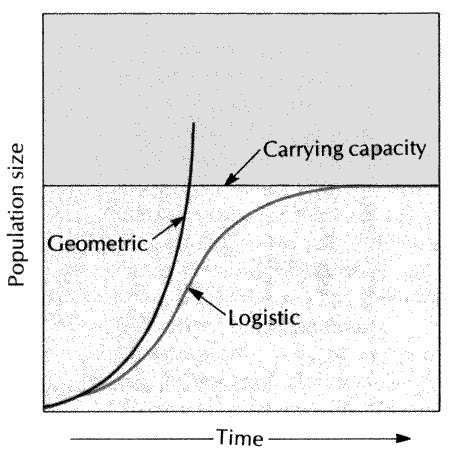


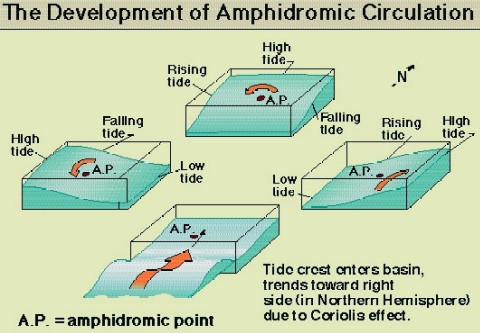


.jpg)


.JPG)


.png)


%2C_Daedalus_Reef.jpeg)


_Dili_Timor-Leste_2.jpg)


.jpg)


.jpg)
.jpg)


_with_Helcogramma_striata_(Neon_triplefin).jpg)


.jpg)


_dark_coloration.jpg)


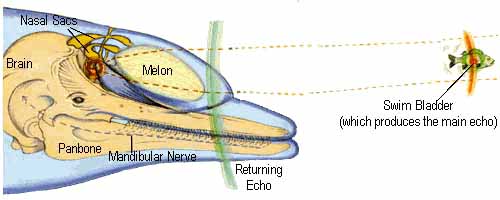


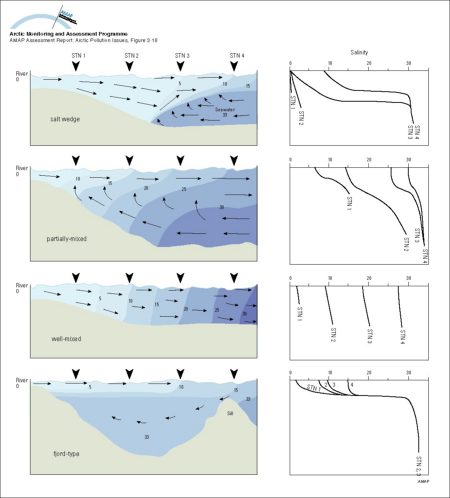


_(6263284060).jpg)


.jpg)
.jpg)
_Plate_020.jpg)


.svg)


